Backpacking Gear
Backpacking Gear for Wet, Windy Weather: What Worked in the Scottish Highlands
A ten-piece backpacking kit that held up through three days of Highland rain and wind, with the strengths, trade-offs, and buying notes that matter.
Introduction
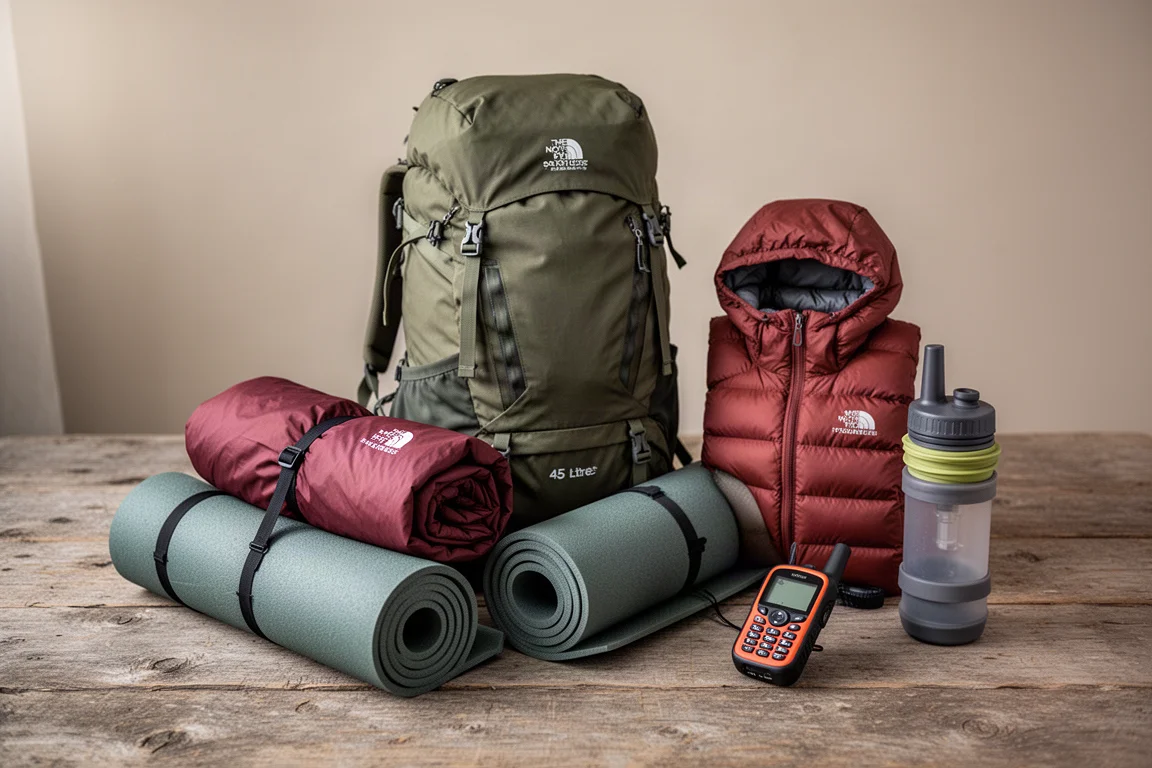
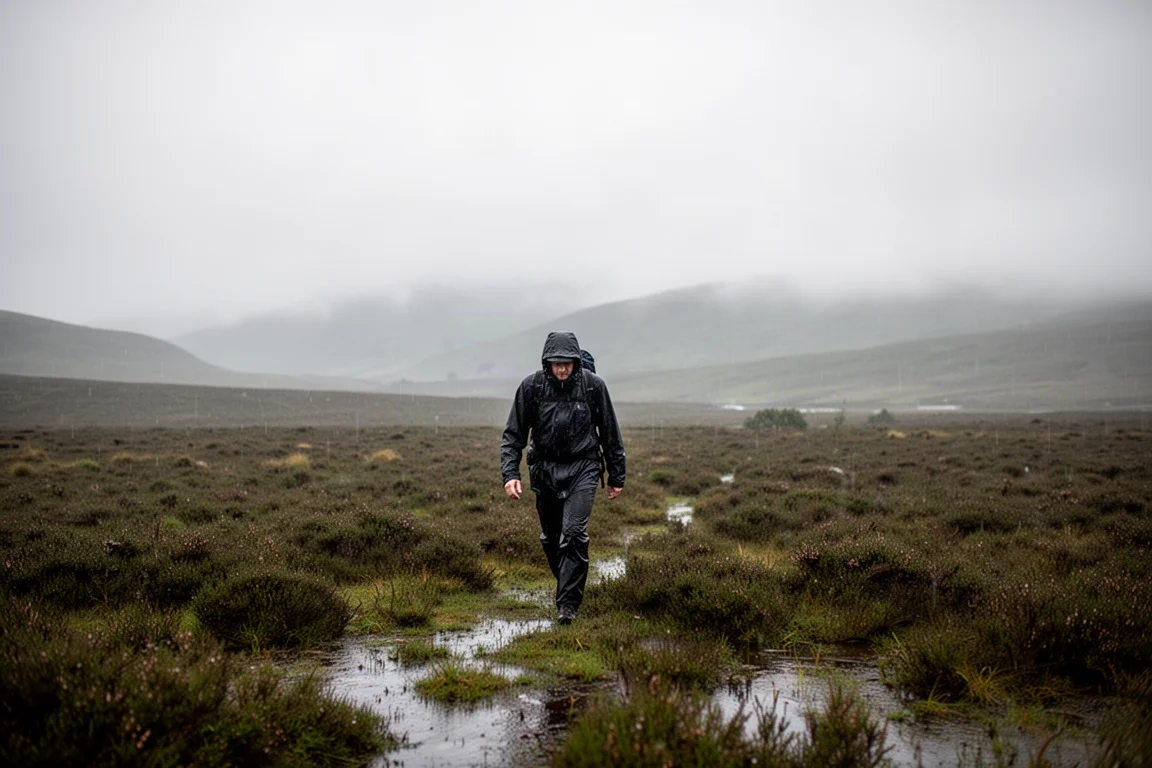
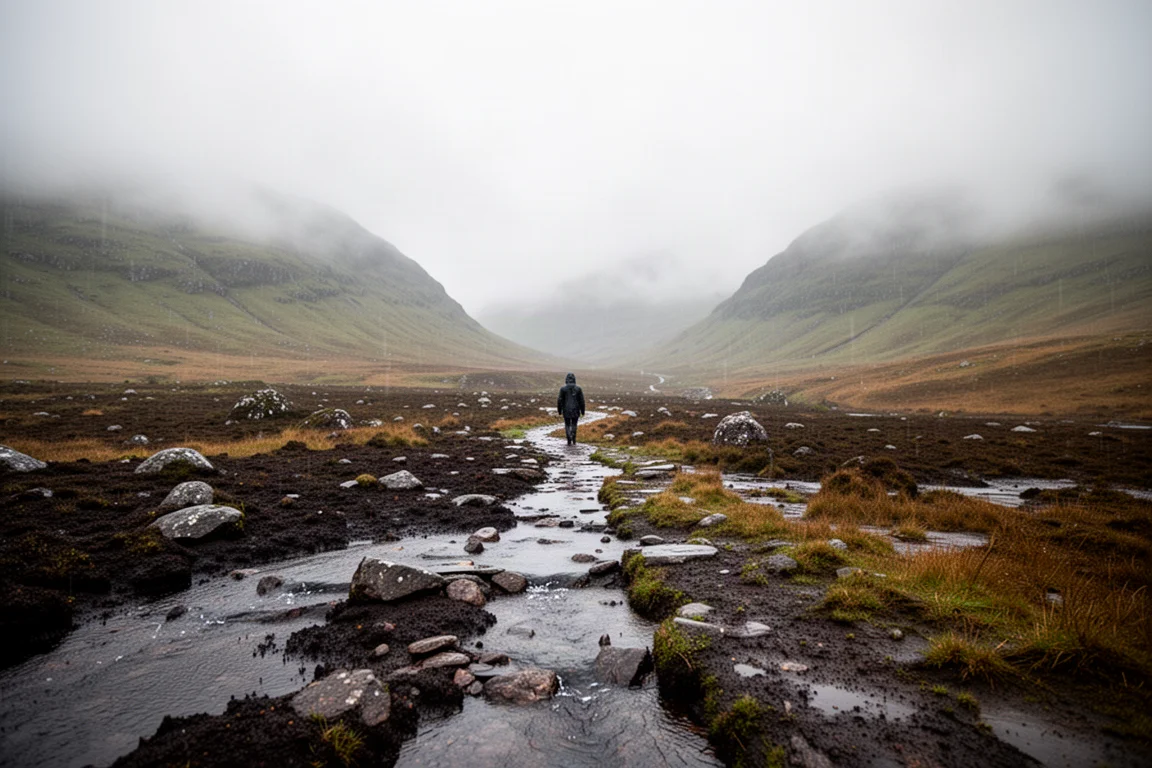
Three days of backpacking in the Scottish Highlands delivered some of the heaviest rain and strongest wind that any of this kit had faced, and it turned an ordinary gear check into a genuine stress test. Keeping dry, both personally and for the contents of the pack, became the organising principle of the trip, and it shaped every decision from the shelter carried to the way clothing was stowed.
The ten items below are the ones that did the real work, along with the trade-offs worth knowing before buying. Not every piece was flawless, and the weak points are covered plainly, because knowing where a product stops performing is as useful as knowing where it shines.
What Made the Cut
The shortlist was built around a few practical questions. Did the item keep working when the weather turned? Could it be relied on after dark, in strong wind, or with wet hands? Did it stay comfortable across three consecutive days of walking? And did it earn the space it took up in a 45-litre pack?
Weather protection came first. With rain falling for most of the trip, waterproof layers, a stable shelter and dry storage mattered more than saving grams. Wind stability was the second filter, because a shelter that has already been tested in tough conditions is worth more than a lighter one that has never seen a storm. Comfort over consecutive days came third, followed by packability for anything carried but only used occasionally.
One more point is worth making before the list: gear choices are personal. Others on the same trip carried completely different kit and were perfectly happy with it. The items below suited these conditions and this packing style, so treat them as a starting point for your own research rather than a prescription.
Atom Packs Mo EP50: The Pack That Kept Everything Dry
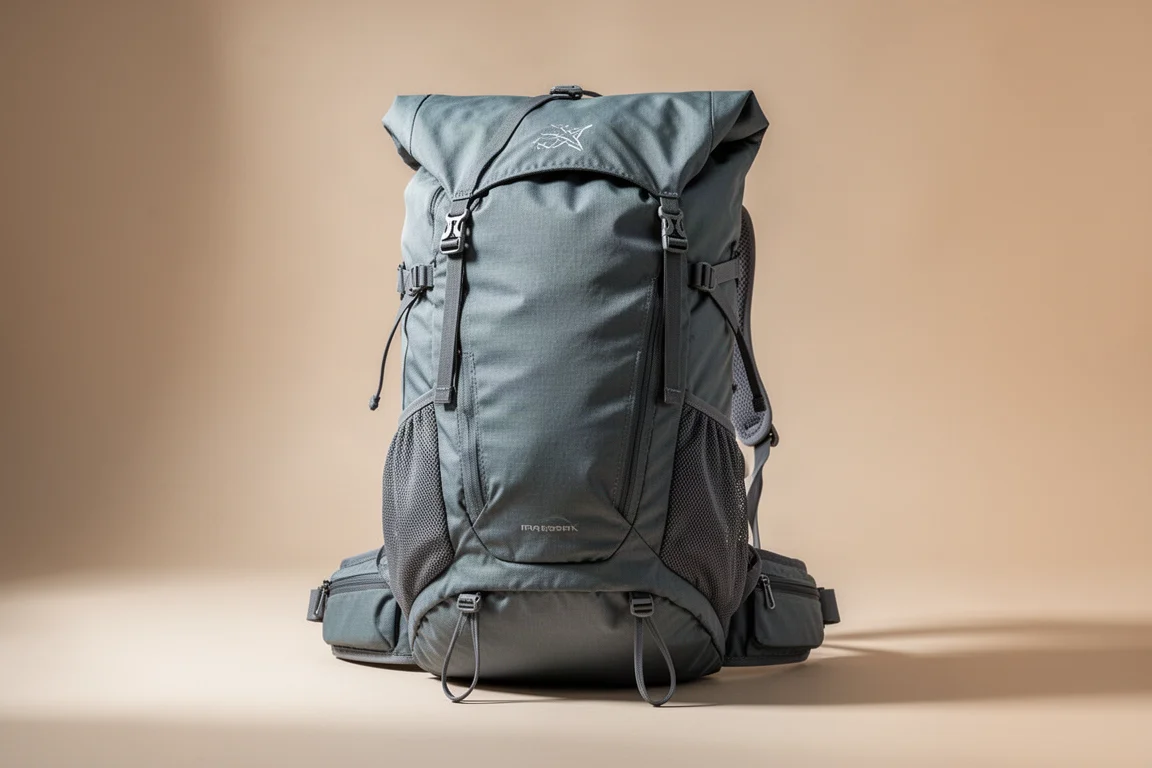
The Mo EP50 sat at the base of the whole system, and it stayed comfortable across all three days of walking. It is a weather-resistant pack to begin with, and a rain cover went over the top for the worst of the rain, which meant clothing and other soft items stashed in the stretchy front pocket came out dry.
At 45 litres it is not a cavernous pack, and that capacity genuinely influenced what came along. If you carry bulky winter insulation or a large shelter, volume is the first thing to plan around.
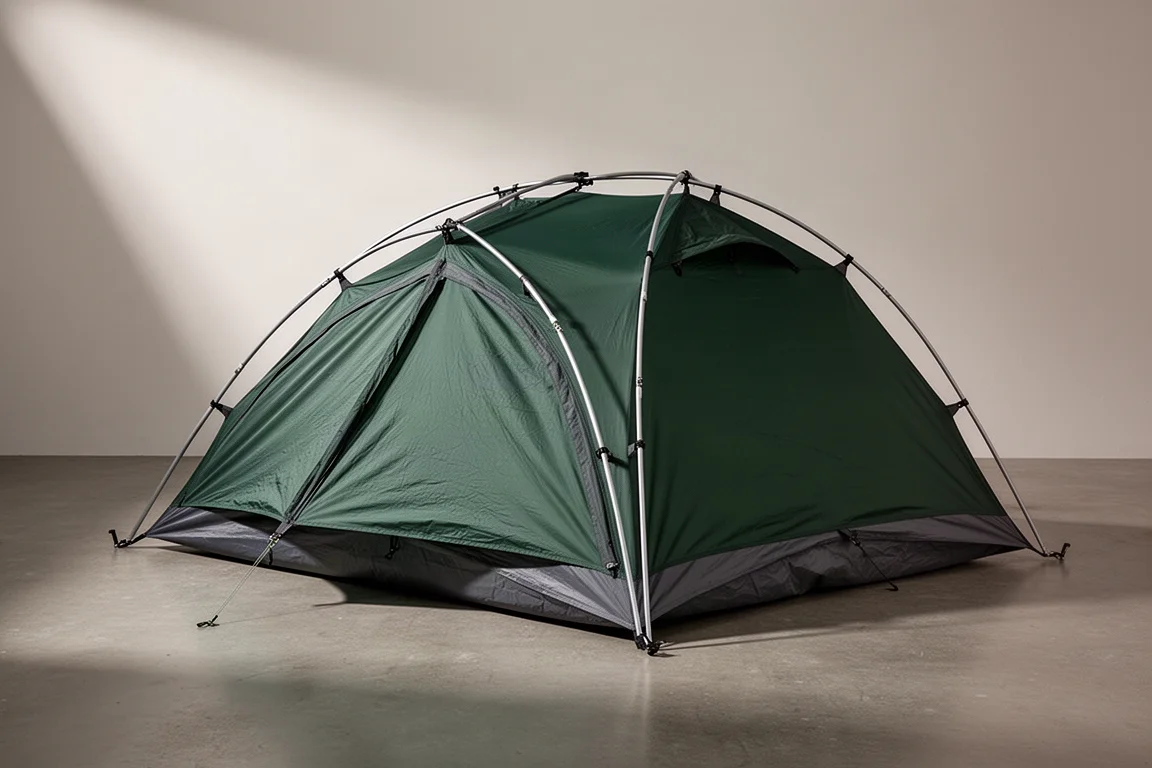
Terra Nova Southern Cross 1: Shelter That Held Its Ground
The original plan was a lighter one-person tent, but the forecast called for high winds and heavy rain and that shelter had not been tested in those conditions. The Southern Cross 1 had, so it went into the pack instead, and it turned out to be the right call.
There is enough room inside for one person and all of the kit, and the vestibule is genuinely large, big enough to cook in when rain makes cooking outside impractical. On the second night, camped through the heaviest rain of the trip, the tent did not leak and did not move in the wind.
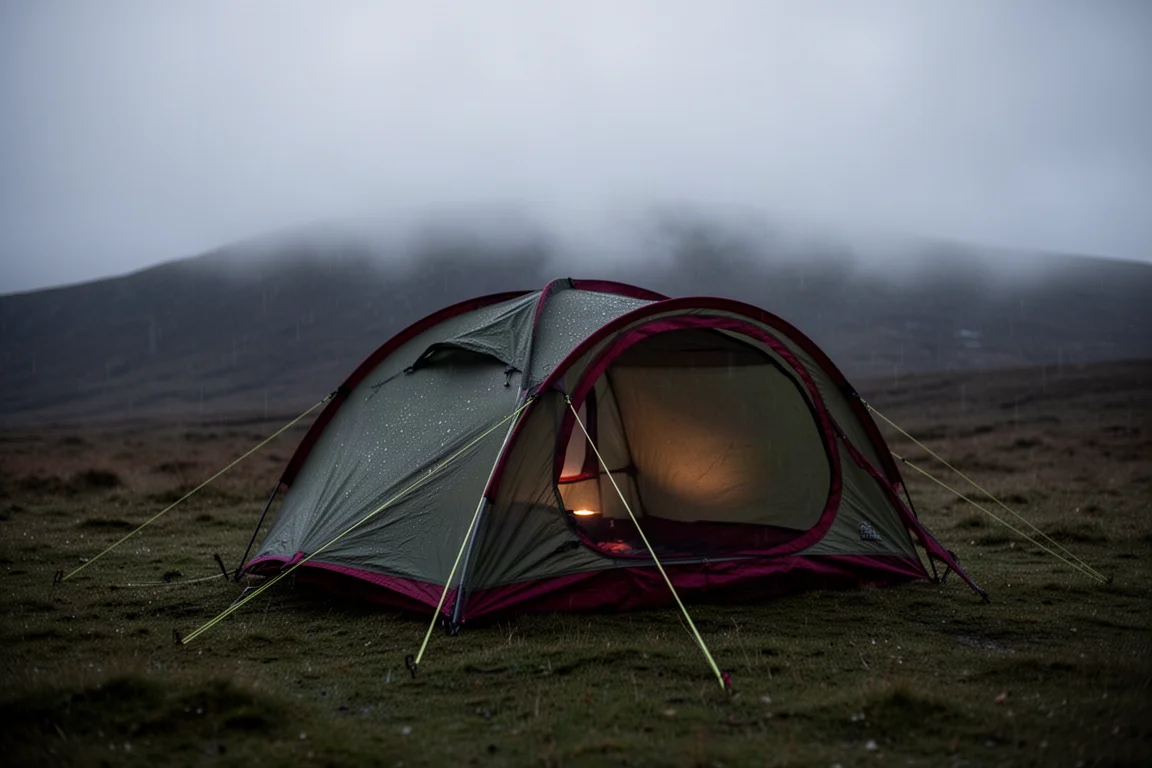
The lesson is not really about one model. A shelter you have already used in bad weather is worth more than a lighter one you are meeting for the first time, especially when the forecast is unsettled.
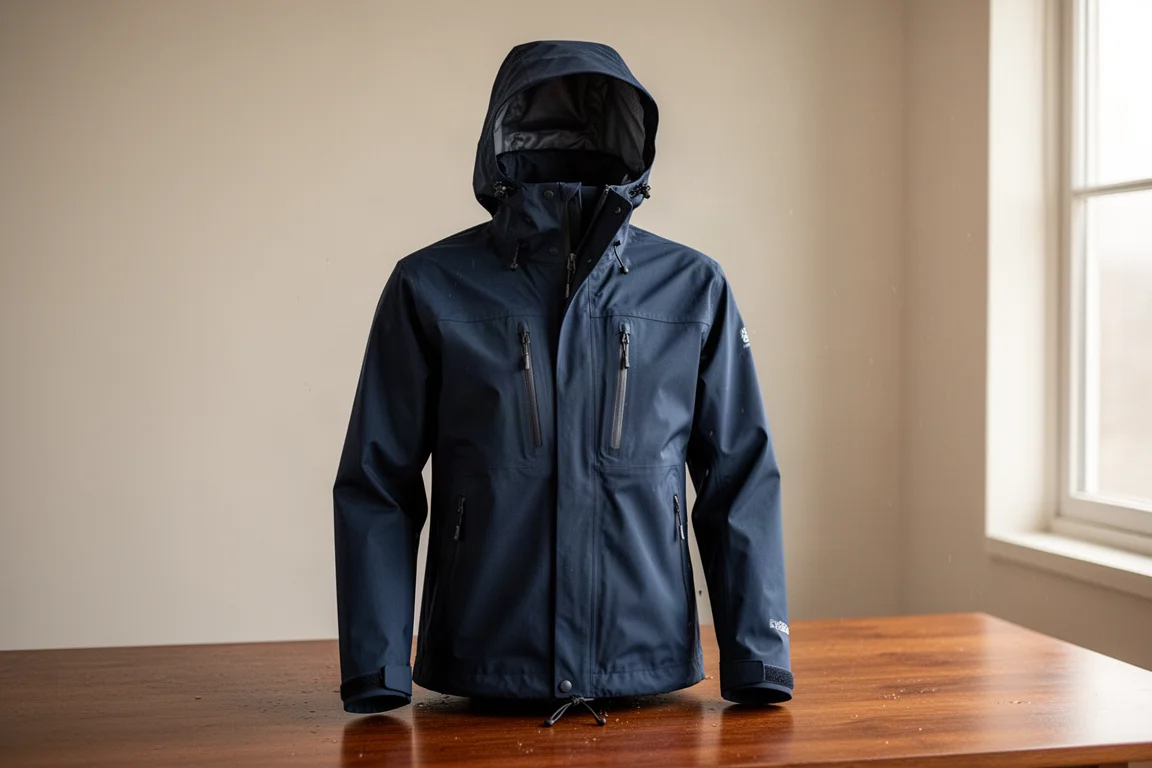
Rab Chroma Jacket: Gore-Tex Pro Protection
Most waterproof jackets in a typical kit are built from very light fabrics, and for a trip with heavy, sustained downpours something more durable made sense. The Chroma Jacket uses Gore-Tex Pro and is described as the most waterproof jacket in the range, with a robust outer shell and waterproof zips throughout.
It is a little heavier than the lightweight shells it replaced, and it is designed for skiing and higher alpine ascents, so it is more jacket than a mild-weather walk requires. In the conditions it faced, it took a beating without letting in a drop, and the adjustable hood cinched down to a close, secure fit.
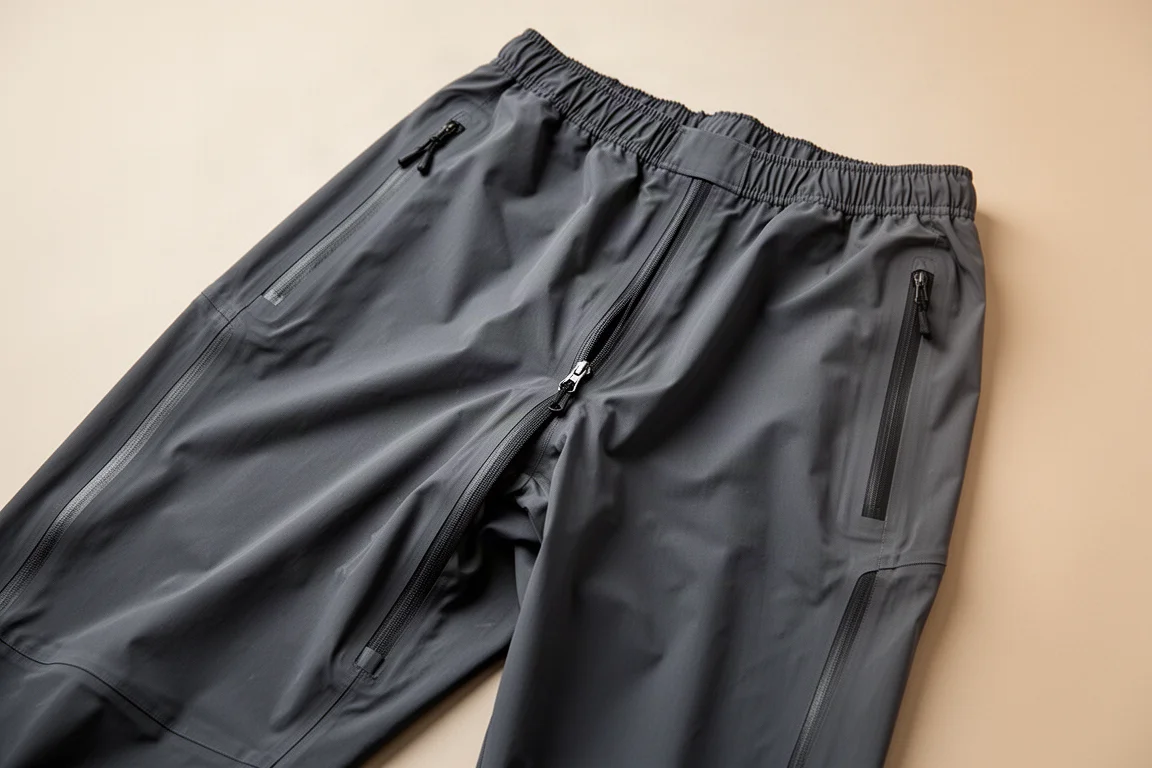
Rab Downpour Trousers: Fast, Dry Legs
Waterproof trousers are easy to get wrong: fiddly to pull on, clammy to walk in, awkward to remove when the rain eases. The Downpour Trousers avoid most of that. They have waterproof zips, they are quick to get in and out of, and they stayed comfortable across long walking days.
They kept water out of the lower half of the body through the wettest stretches of the trip, which is exactly the job. Paired with a full waterproof shell, they cover the two areas that matter most once rain settles in for the day.
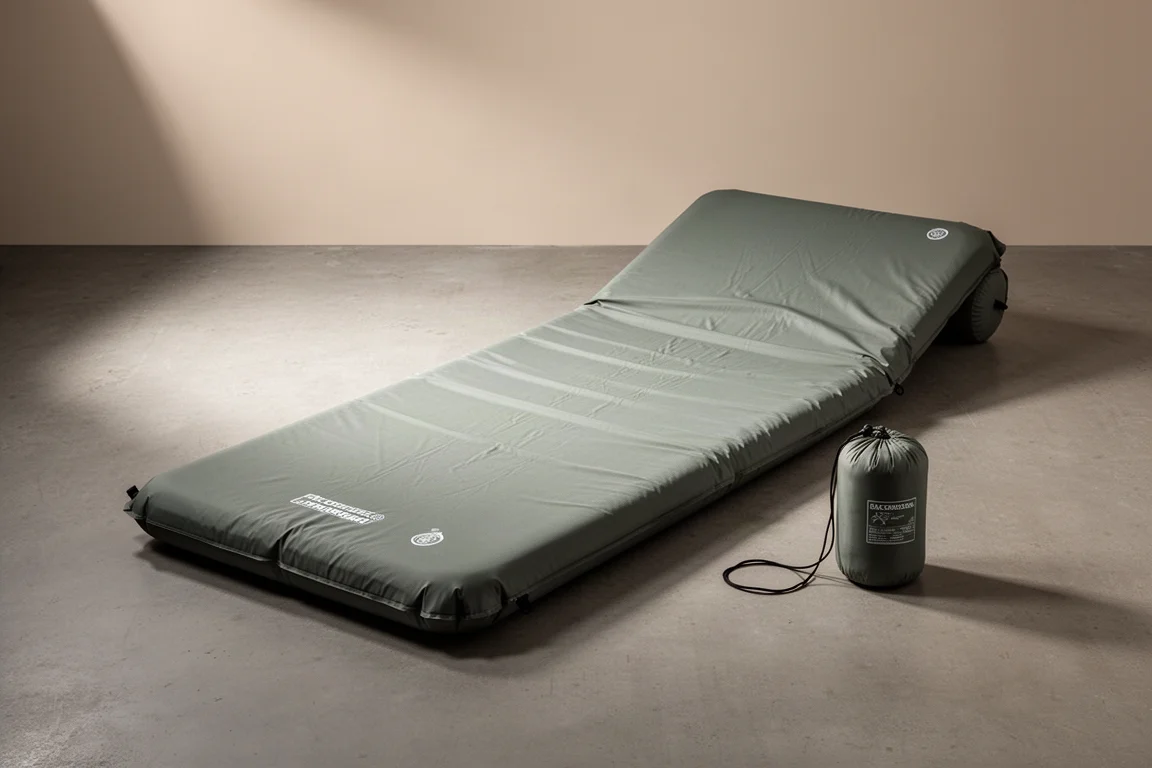
Therm-a-Rest NeoAir XTherm: Warmth That Changes Camp
The NeoAir XTherm had been recommended for years and avoided because of the price, and that hesitation turned out to be misplaced. In the wide version it is the warmest and most comfortable sleeping pad used on any trip so far, and it made a real difference after long, wet days on the hill.
For anyone weighing up a sleeping pad, this is the piece of kit where spending more had the clearest payoff: better sleep on cold, damp ground, night after night.
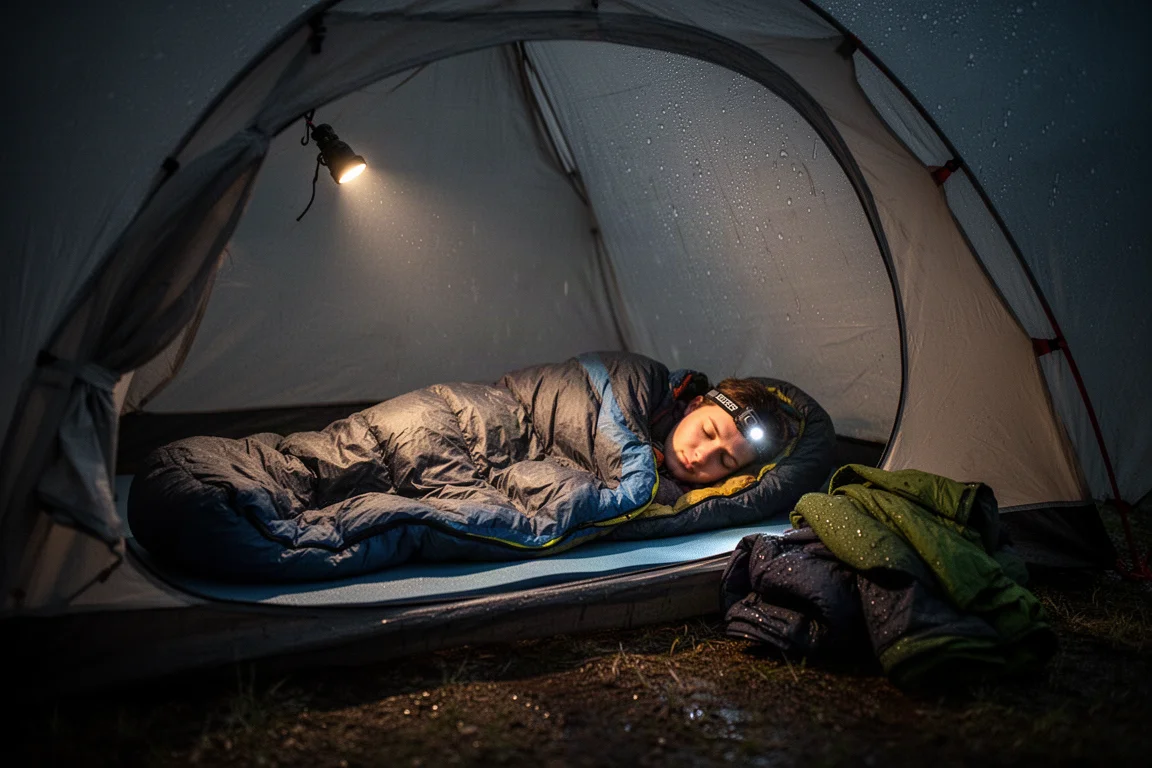
It is not the cheapest way to get off the ground, and a basic foam or simpler air pad still works fine for milder trips. If you sleep cold or camp in shoulder-season conditions, the warmth and comfort are the reason to stretch the budget.
Rab Alpine 600: A Bag That Doubles as a Quilt
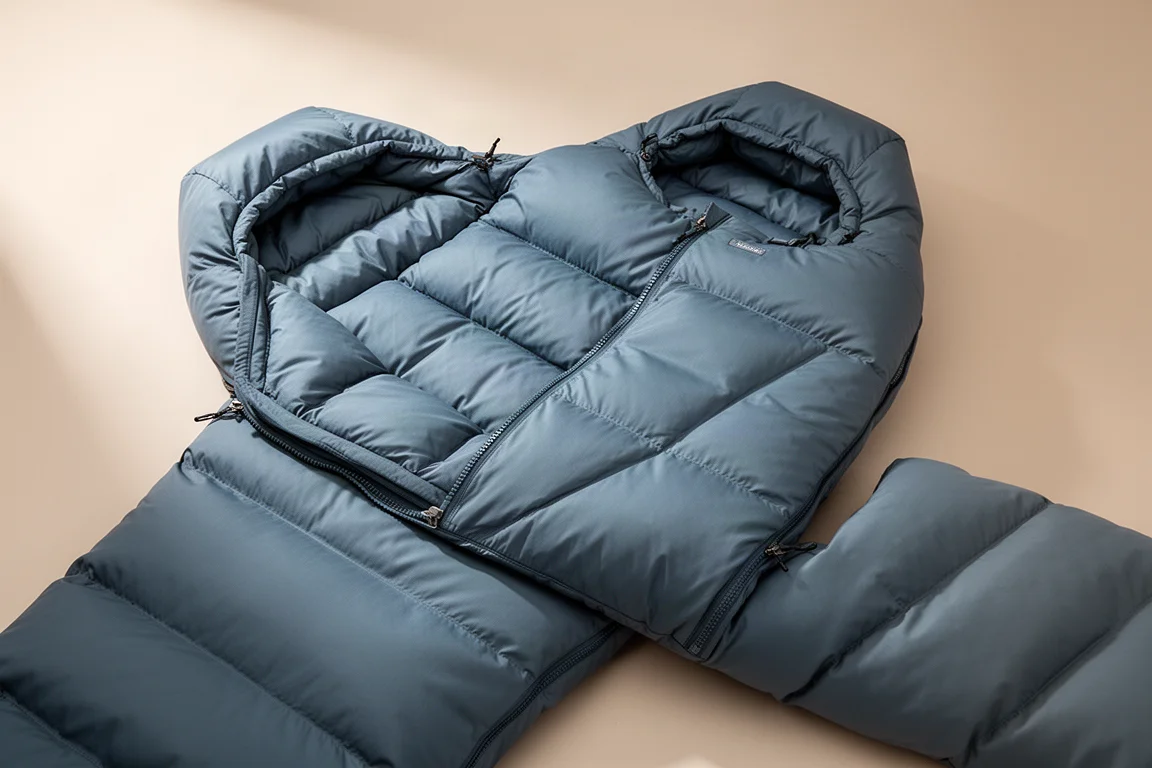
Quilts are usually the lighter choice, but a sleeping bag made more sense for a cold, wet forecast. The Alpine 600 uses hydrophobic down, and despite the damp conditions the fill stayed dry and well lofted throughout the trip.
It was used two ways: zipped up and cocooned on the first night, then opened out and used as a quilt on the second. That flexibility makes it a strong option for anyone who normally prefers a quilt but wants the option of a full bag when the weather turns.
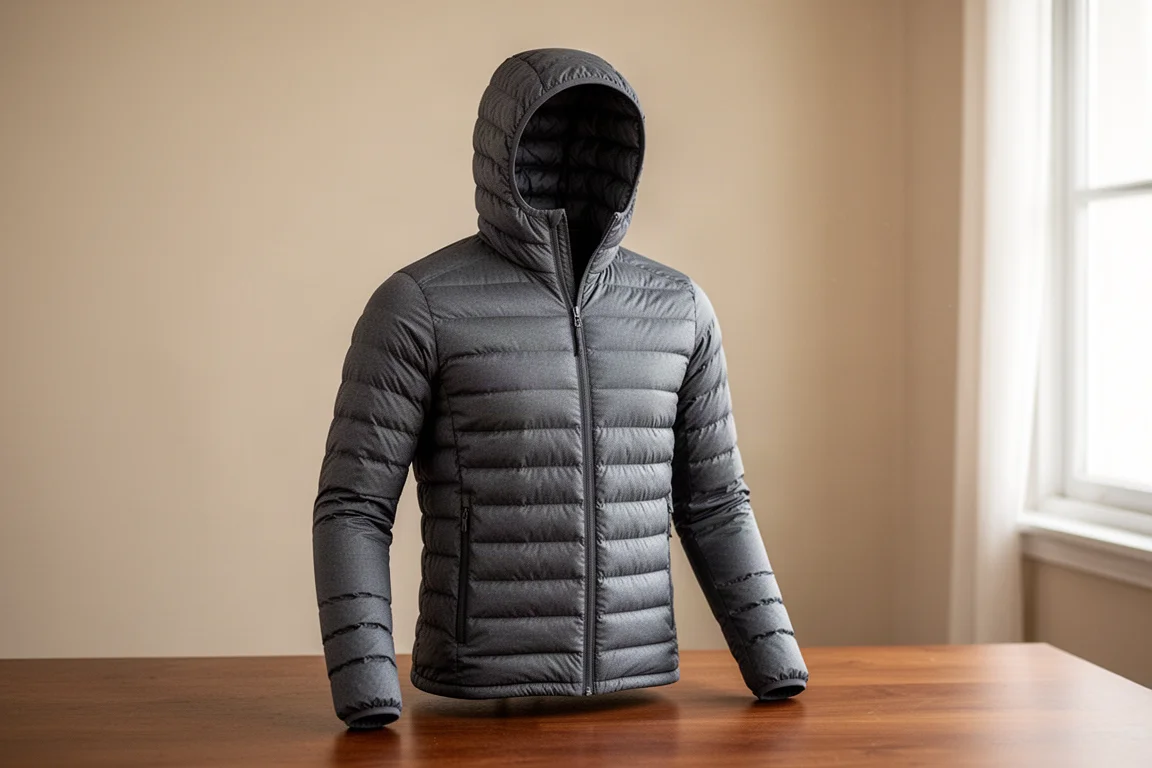
Rab Stretch Down Hoodie: Camp Warmth in a Small Package
For time spent around camp, the Stretch Down Hoodie was the layer that came out of the pack most often. It is comfortable, warm and packs down very small, with a Pertex Quantum face fabric that shrugs off a light shower. It is still down insulation, so it belongs under a shell once rain settles in rather than out in it.
It also becomes part of the sleep system. A pillow stuff sack turned inside out and filled with the hoodie makes a comfortable pillow, and the soft inner face keeps the down away from a damp head.
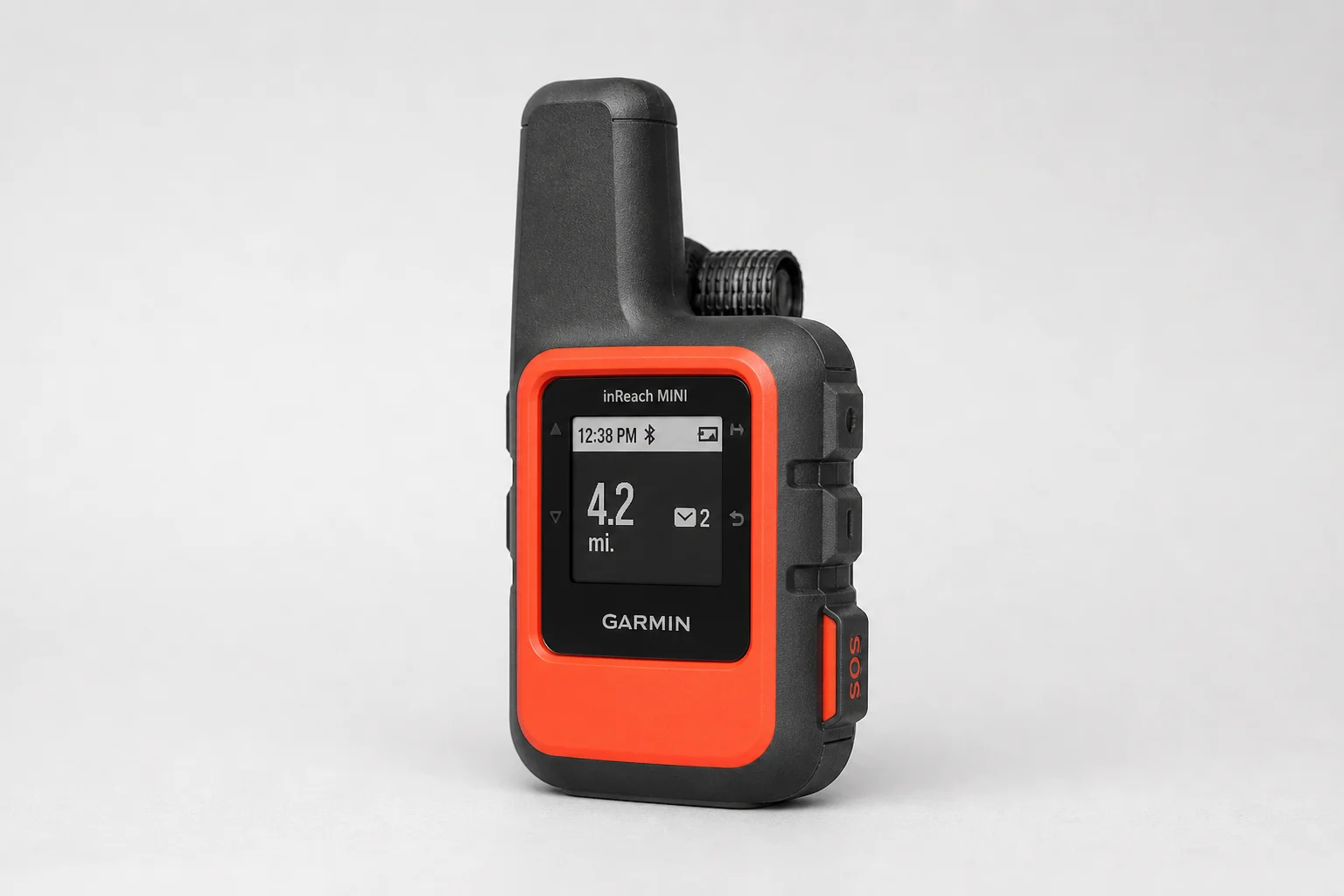
Garmin inReach Mini: Contact When There Is No Signal
For long stretches of the route there was no mobile phone signal at all, which is normal in the Highlands and worth planning for. The inReach Mini made it possible to message home and confirm that everything was fine, and that reassurance is hard to put a price on when the weather is bad.
Anyone walking or camping in remote areas should treat this as safety equipment rather than a gadget, and it belongs on the kit list alongside a map and compass.
Katadyn BeFree: Fast Filtering Until It Clogs
Water sources were plentiful, and the BeFree made filtering quick and easy for most of the trip. Flow was strong, the bottle is simple to use, and refilling took seconds.
On the last day it started to clog, and squeezing water through became genuinely hard work. There is no effective way to backflush it on the trail, so for multi-day trips it is worth weighing up a filter that is easier to maintain, even though the BeFree remains hard to beat for ease of use on shorter outings.

GoPro Hero 10: Footage in Foul Weather
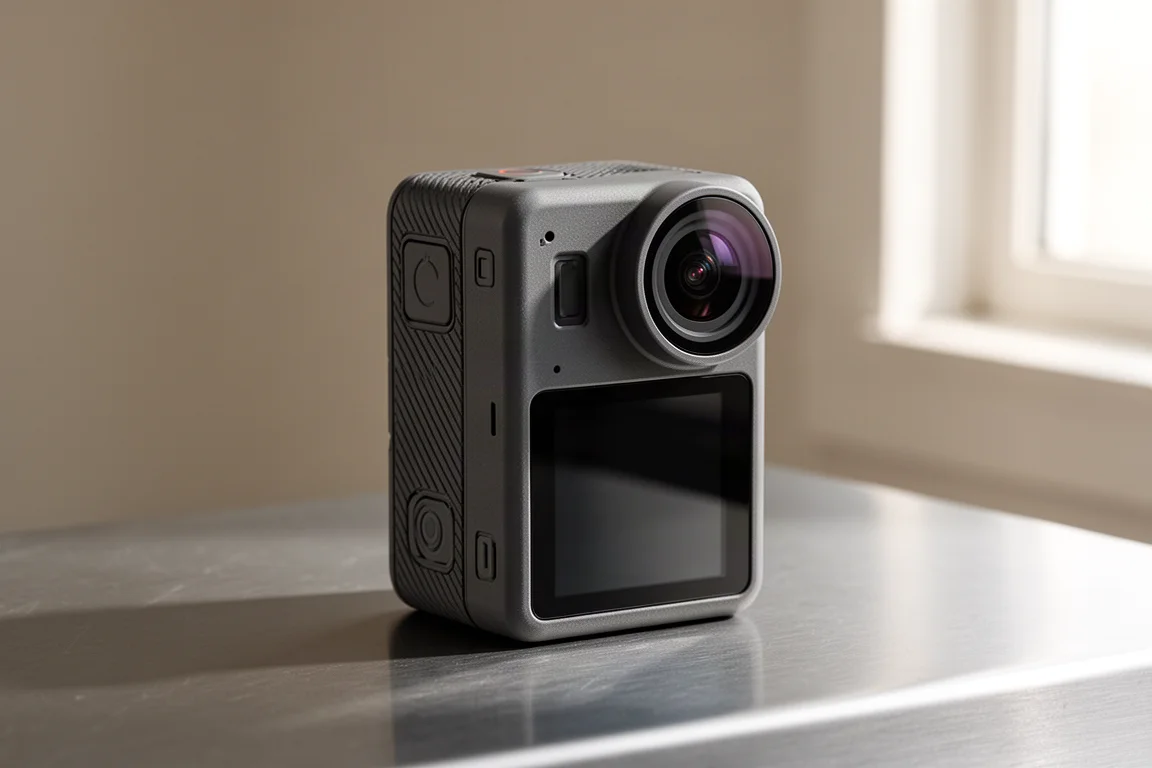
The Hero 10 handled three days of wind and rain without any trouble, and the image and audio quality it produced in those conditions is impressive. Two cameras were carried, partly as a backup in case one was damaged and partly to capture different angles.
Audio is the part most people underestimate. A foam wind cover over the camera cuts the hissing noise that wind creates, and because the covers soak through and muffle the sound, carrying two or three and swapping them out keeps audio usable. Ring one out, let it dry in a pocket, and it is ready again in an hour or two.
If you film trips like this regularly, a few wind covers are a small, inexpensive addition that makes a noticeable difference to the audio you bring home.
Conclusion
Ten pieces of kit, one very wet trip, and a clear pattern: the items that worked were the ones chosen for the conditions rather than for the spec sheet. A weather-resistant pack with a rain cover, a shelter already proven in high wind, a durable waterproof shell, and a warm sleep system covered the essentials. The water filter was excellent until it clogged, which is exactly the kind of detail worth knowing before a multi-day trip.
The wider point is that gear choices are personal. Others on the same trip carried completely different kit and were perfectly happy with it. Use these notes to narrow your shortlist, then check that each item suits the weather, the terrain, and the way you actually pack.
Further reading
Related Reviews

Backpacking Gear
Building a 10 lb Base Weight: An Ultralight Backpacking Gear List
A practical walkthrough of the ultralight pieces behind a 10 lb base weight, from a 765 g pack and a roomy one-person tent to a full camp chair and a dependable water filter.

Backpacking Gear
A 15-Pound Lightweight Backpacking Gear List for Solo Trips
A beginner-friendly 15-pound backpacking setup built from easy-to-find gear, with notes on what each piece does, how it packs, and where to spend your attention.

Backpacking Gear
8 Ultralight Backpacking Gear Upgrades Worth Carrying
Eight small, affordable backpacking upgrades that solve real trail annoyances, from a pillow that stays put to a fuel valve that rescues leftover canister gas.