Backpacking Gear
Backpacking Gear Roundup: Nine Pieces Worth Considering for Your Kit
A trail-tested roundup of nine backpacking items, from a frameless ultralight pack and a freestanding tent to a convertible sleeping bag, a simmer-capable stove system and an electrolyte mix.
Introduction
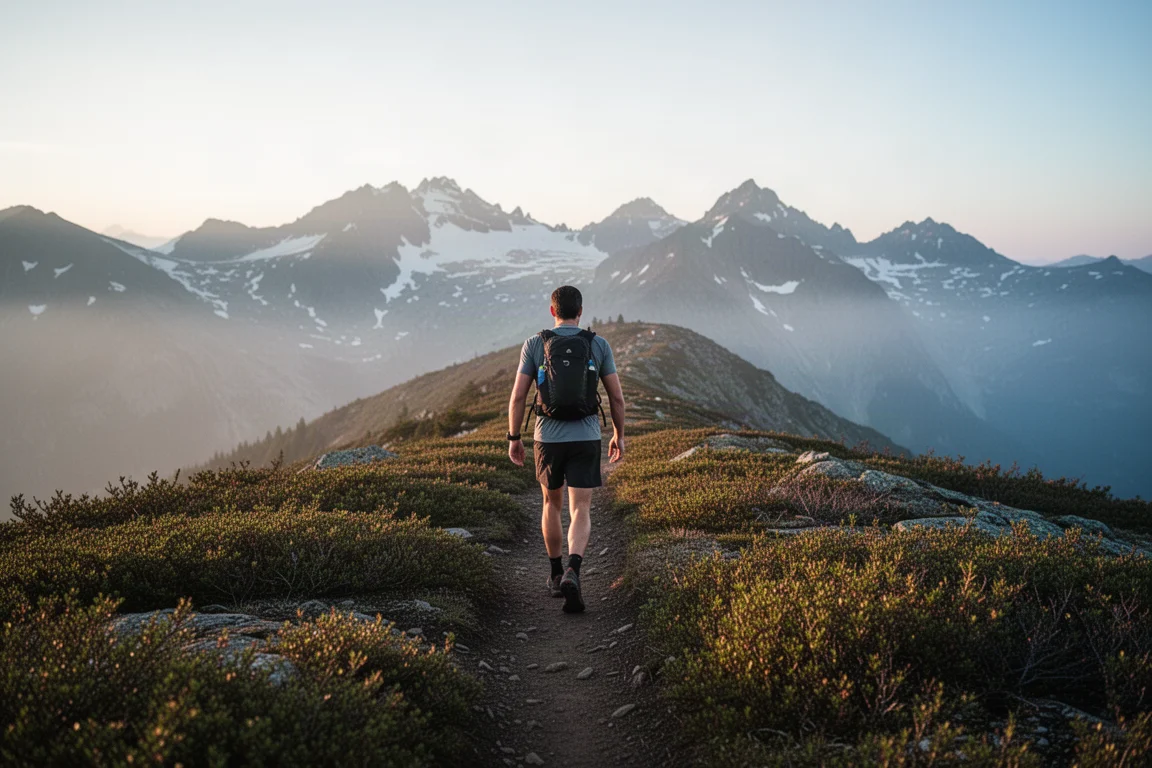
Not every piece of gear that reads well on a spec sheet survives an actual overnight. The kit gathered here was carried down a desert canyon trail in Arizona, past creek crossings, spiky cactus and hard-packed campsites, to find out which items solved real problems and which ones simply added weight.
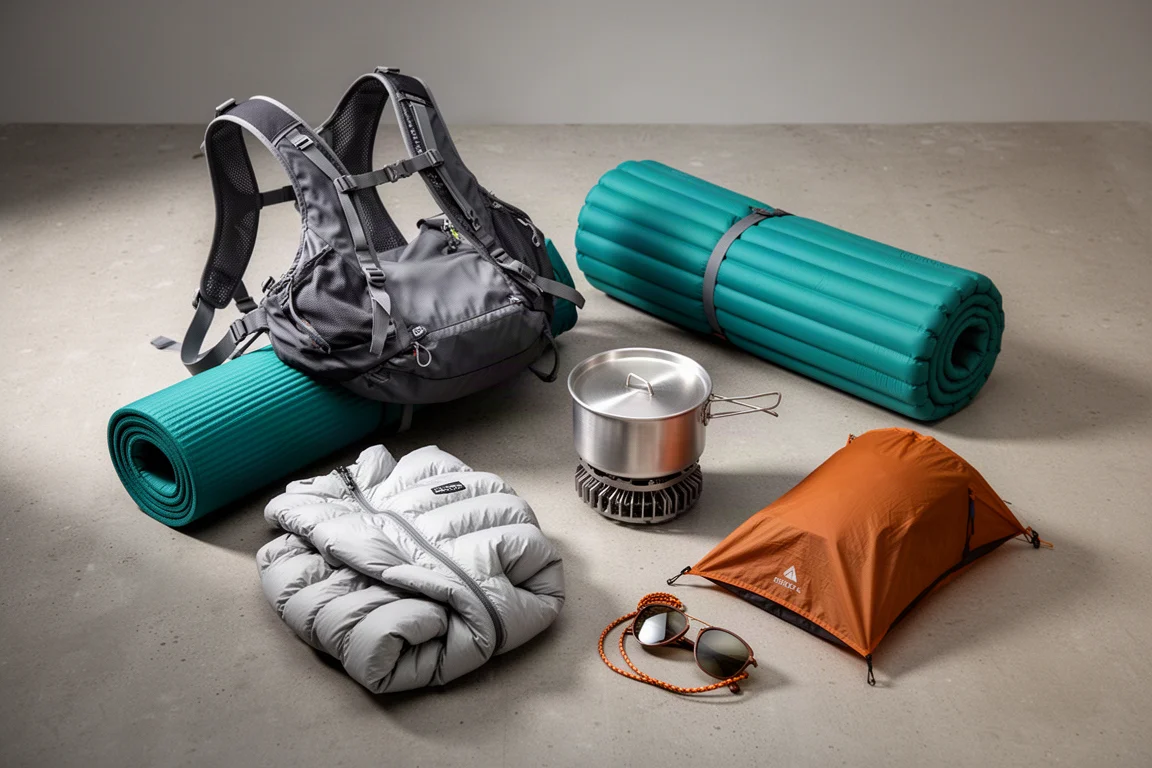
The range is deliberately broad: apparel, a frameless ultralight pack, a freestanding tent, a thick sleeping pad, a convertible sleeping bag, a gravity-style water kit, an all-in-one stove system, an electrolyte mix, and one familiar ultralight shelter that keeps returning to the conversation.
How We Evaluated This Gear
Four questions shaped the verdicts below. Does the item solve a problem that actually shows up on trail, such as staying warm, filtering water or getting comfortable enough to sleep? How much does it weigh relative to what it delivers? How quickly and intuitively does it set up after a long day? And would it survive as a permanent part of a core kit rather than a one-trip novelty?
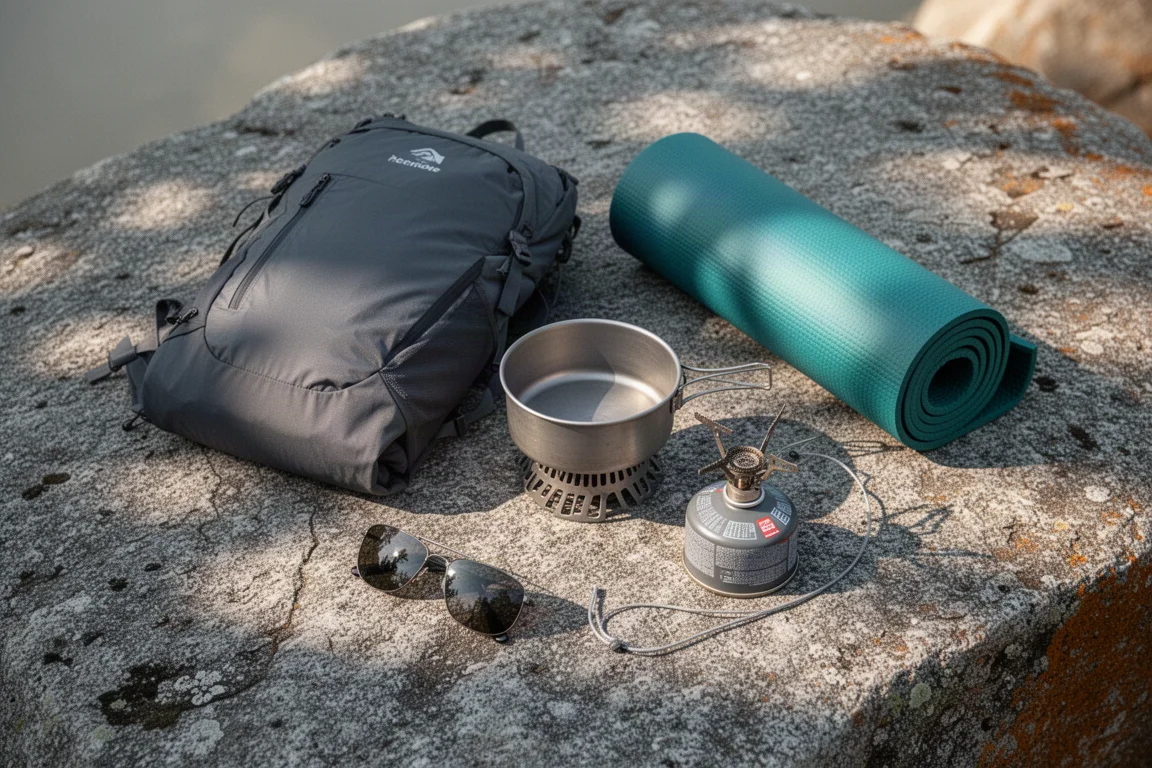
Carry comfort and cooking versatility carried extra weight in these judgments. A pack that only works with an unusually light load, or a stove that only boils water, is a narrower tool than it first appears. Versatility and honest weight numbers matter more than feature counts.
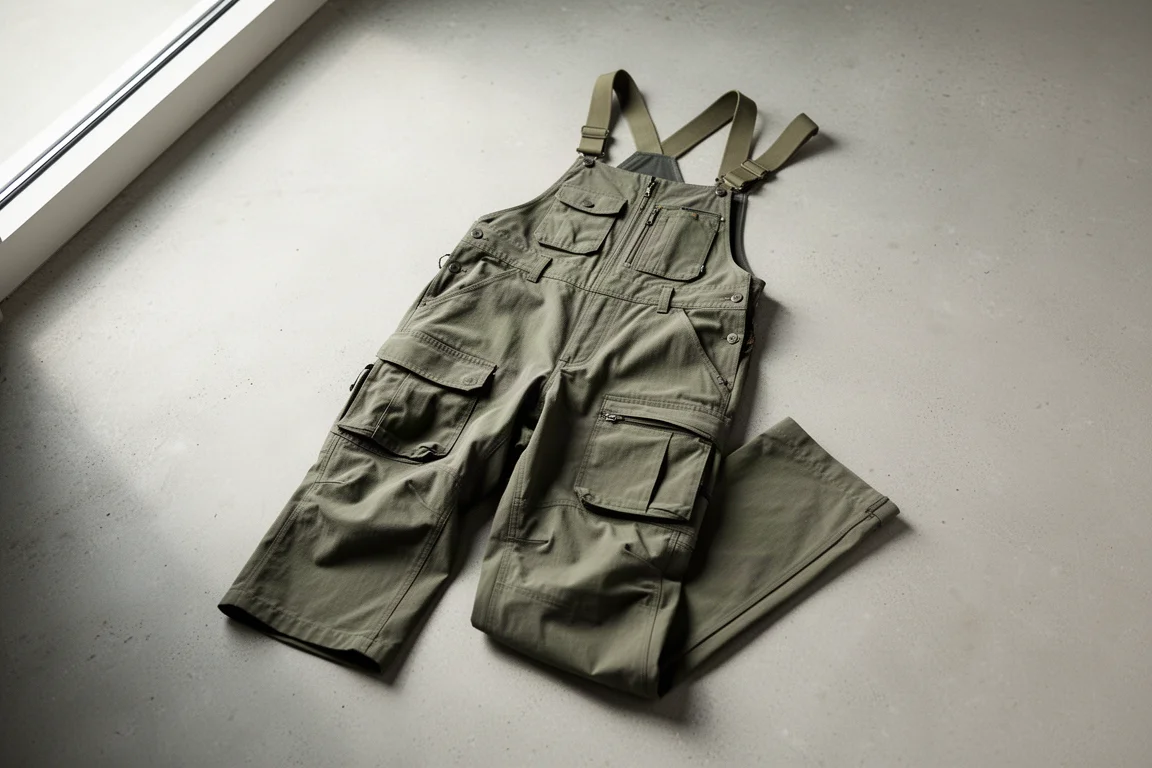
Nara and Livsn Overalls
Overalls are an unusual choice for backpacking, which is exactly what makes this pair interesting. The Nara and Livsn design uses a crotch-level zipper, so the wearer does not have to unbuckle the bib or remove the overalls for a bathroom break. For anyone who normally has to undress in the backcountry, that single detail changes the whole calculation.
Storage is generous. A phone, lip balm, sunglasses and a drink packet all found dedicated pockets, with several more left empty. The bib straps are soft and stretchy, and they did not rub under a loaded pack. Overalls are not the ideal answer in every situation, but on a warm-weather hike they worked well.
Symbiosis Gear Aspen Pack
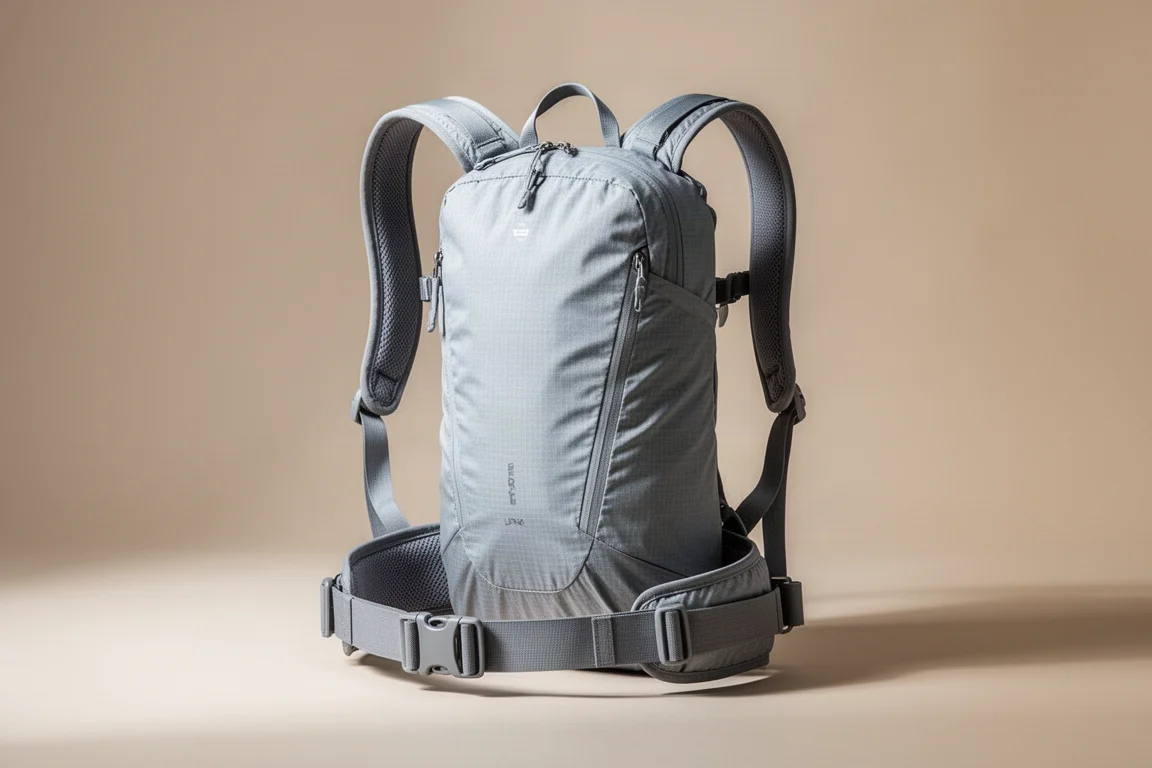
The Aspen comes from a young brand and takes a very specific approach: a frameless ultralight pack shaped around a chest curve rather than a straight torso. The shoulder straps sweep outward first and then inward, following an S line that passes around breast tissue and under the arm instead of pressing straight down. That geometry removes much of the constant adjusting and underarm pinching that many unisex packs create.
The hip belt is wide and adjustable across a broad range of body types, but it is not load bearing, so weight is not transferred to the hips. There are no load lifters either. The pack is rated for roughly 20 pounds of comfortable carry, and the brand notes that its founder has regularly carried more, sometimes upward of 30 pounds. Keeping the entire load inside the spine, with nothing stacked above the shoulders, matters a great deal here. Capacity is 37 liters, and the design assumes genuinely ultralight contents.
Durston X-Dome 1 Plus Tent
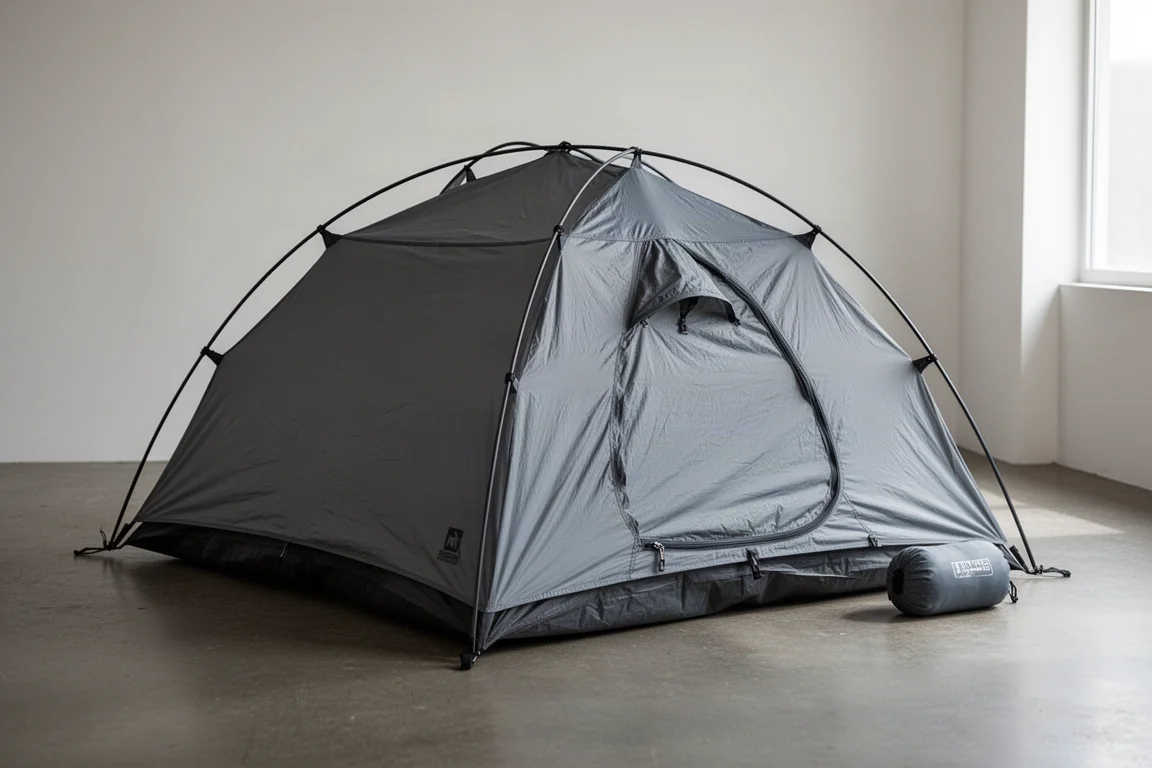
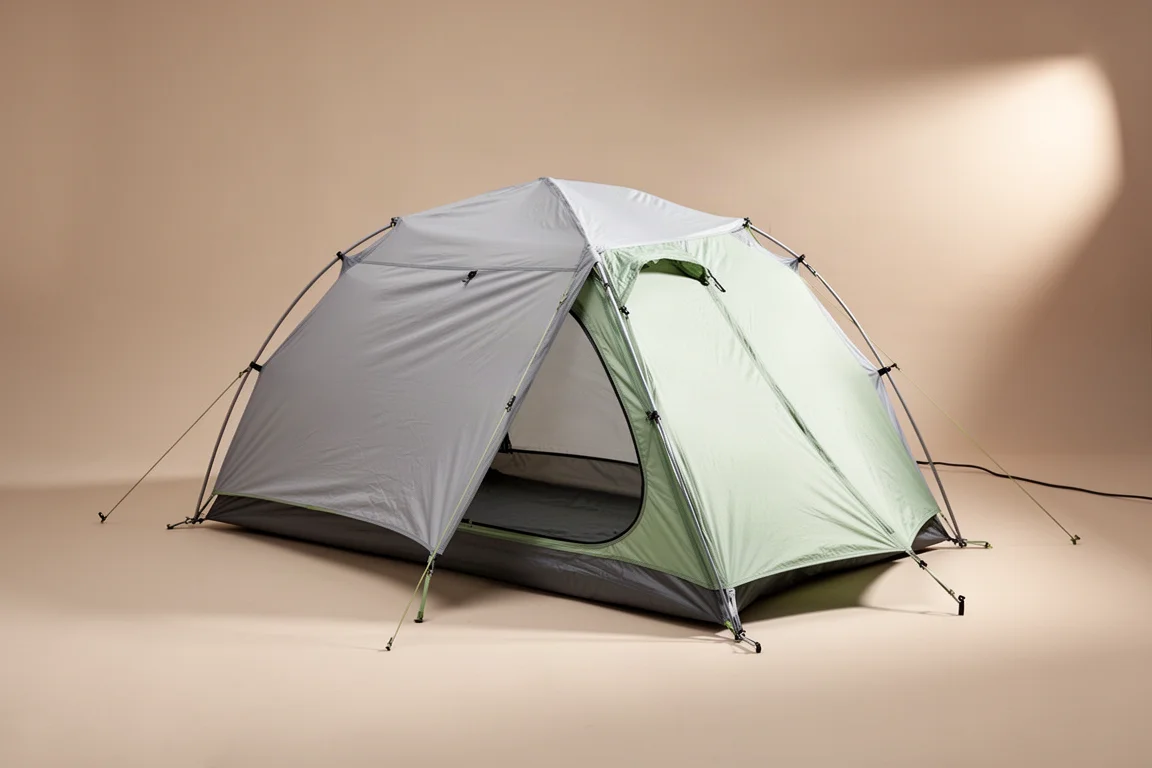
This is the first Durston tent to use its own poles rather than trekking poles, and the only freestanding model in the range. The architecture is distinctive: the rainfly goes up first with the poles on the outside, and the inner body then buckles in underneath. A cord running from the inner body to a rainfly corner keeps the sleeping area close to rectangular while opening up a very large vestibule. The door rolls back and is held in place by a magnet.
The 1 Plus name refers to interior volume that widens toward the top, so there is more usable space above the sleeping pad than a typical one-person layout suggests. The trade-off is that the pitch sequence is not intuitive for anyone used to clipping a body onto a pole set first.
Setup familiarity is the deciding factor. Backpackers who already like rainfly-first pitching will find the system logical and spacious, while those who prefer a body-first setup may find another shelter quicker to live with.
Therm-a-Rest Loft Sleeping Pad
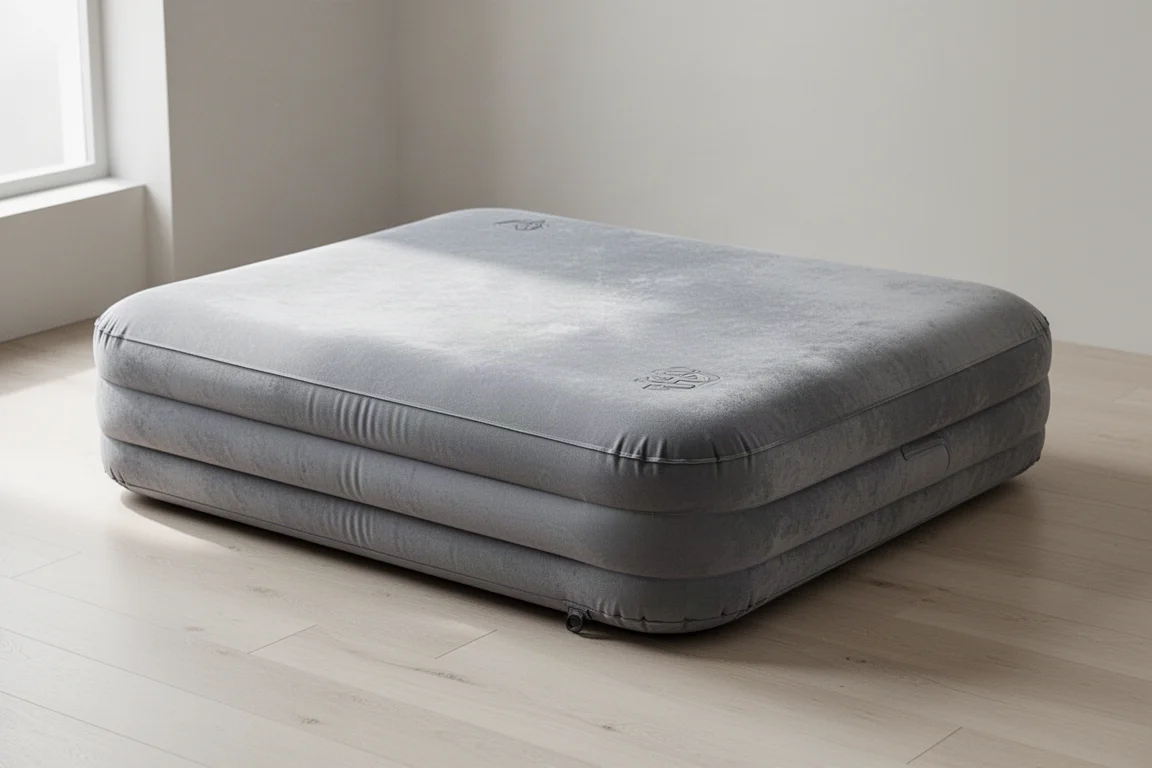
Comfort is the headline. The Loft is nearly four inches thick, with a soft microsuede top surface and gentle baffling, which puts it closer to a mattress than to a typical backpacking pad. The brand classes it as a backpacking pad, and the cushioned feel is genuinely hard to argue with after a long day.
Weight is the counterargument. At 1 pound 9 ounces it is considerably heavier than the pads most backpackers carry, which is a real cost over long miles. Anyone who values sleep quality above all else may decide the trade is worth it, but it is a deliberate trade rather than a free upgrade.
Therm-a-Rest Boost 20 Sleeping Bag
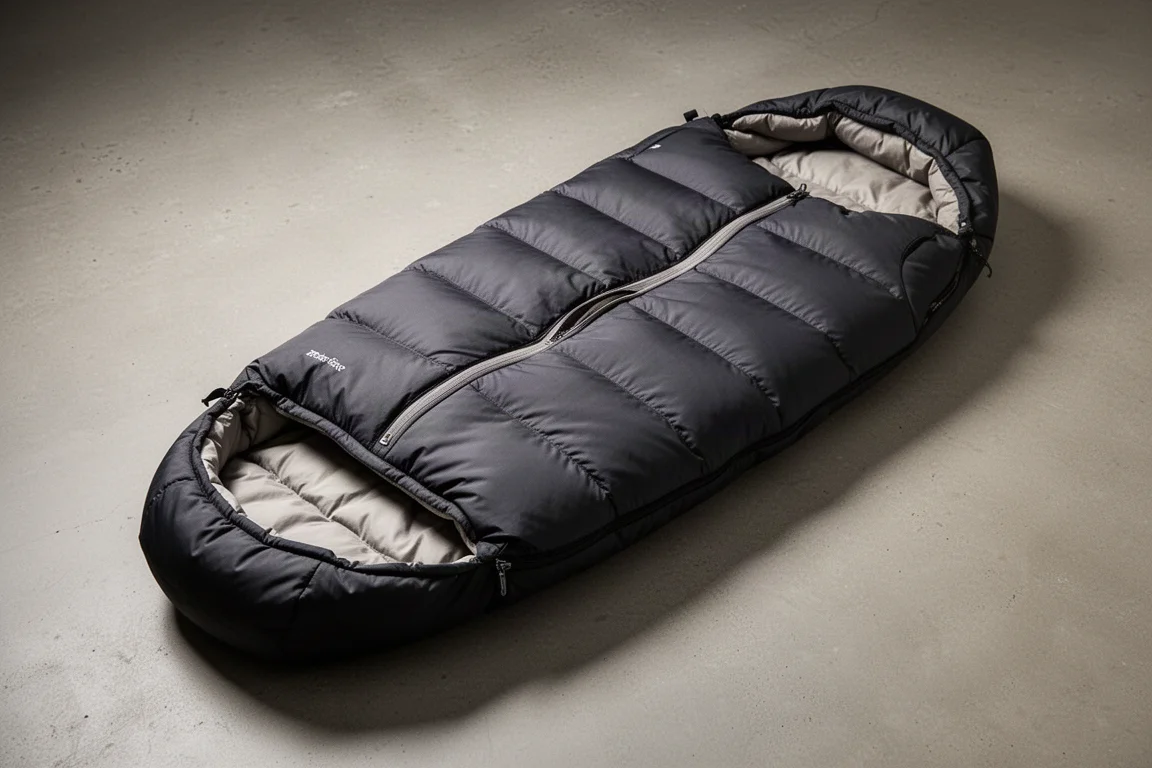
The Boost 20 carries a 20 degree lower limit rating and one genuinely unusual feature: a zipper baffle down the center that converts the bag from a mummy shape into a wide rectangular bag. Zipping the baffle closed adds up to 10 degrees of warmth. Leaving it open creates an unusually roomy bag for warmer nights.
Small armholes on each side let you close the center baffle without fully unzipping the bag, so a mid-night temperature drop does not require wrestling with the whole shell. That combination of range and convenience is what separates it from a standard mummy bag.
Cnoc 2L Reservoir with Sawyer Squeeze Filter
This kit pairs Cnoc’s 2 liter reservoir with the Sawyer Squeeze filter, and it includes a connector piece that used to be a separate purchase. Functionally it is the same as buying the two components individually, which is a strong endorsement: nothing was reinvented, the packaging just got smarter.
Two liters suits camp use well, where a single fill can cover drinking water, cooking and a bottle top-up without a second trip to the creek.
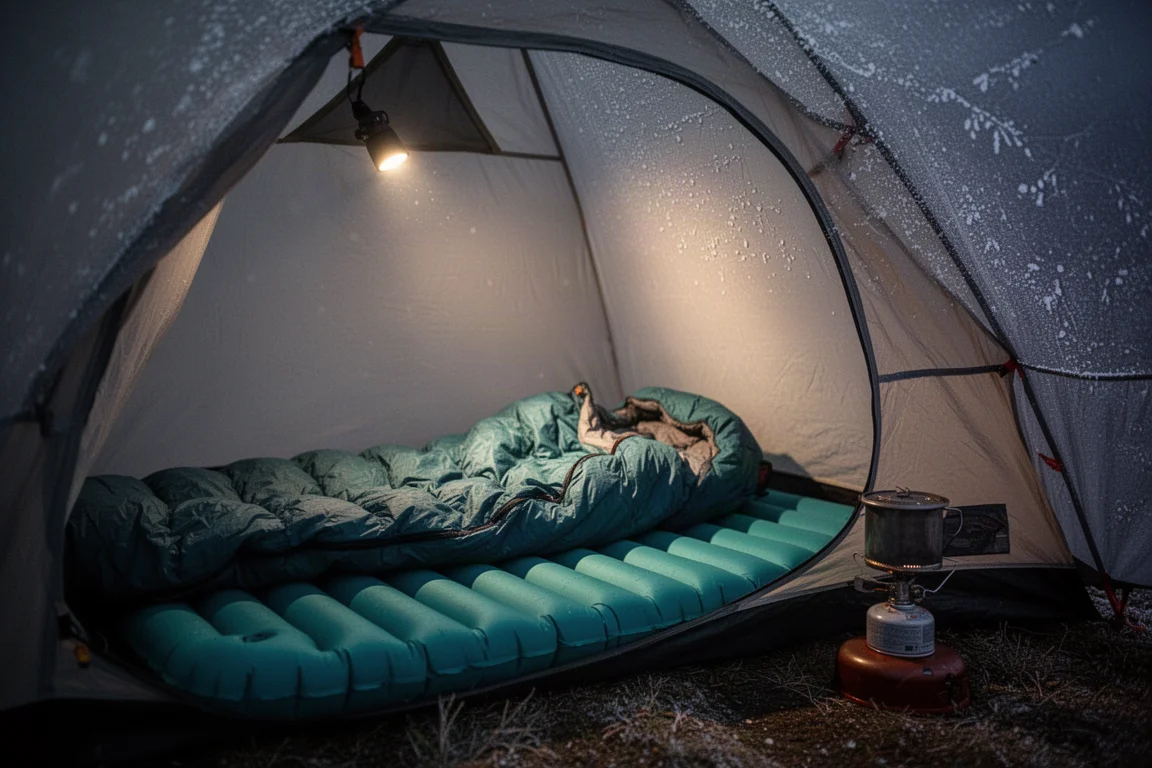
For backpackers who already trust the Sawyer Squeeze, this is a low-risk way to add a larger reservoir and the adapter in one order.
MSR Switch Stove
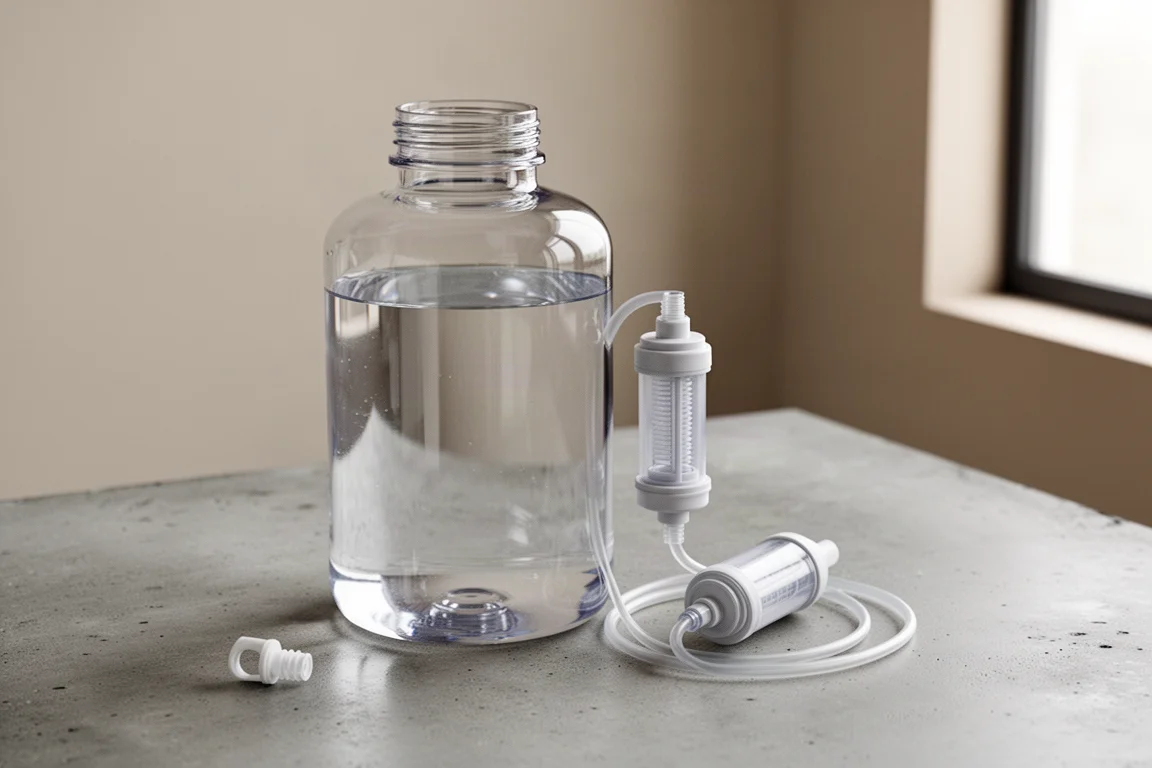
The Switch is an all-in-one stove and pot system in the same family as Jetboil, with several differences that matter. The pot is a heat exchange design with a curved bottom, intended to spread heat more evenly, shorten boil times and behave better for actual cooking rather than plain water boiling. A two-cup line is marked inside.
Versatility is the other differentiator. Small legs flip out from the burner to create a wider, more stable platform for a frying pan or a different pot, a stretchy stabilizer attaches to the fuel canister for a steadier base, and the system nests with a measuring cup on the bottom. The burner can also hold a very low simmer, which most backpacking stoves cannot manage at all.
LMNT Electrolyte Drink Mix
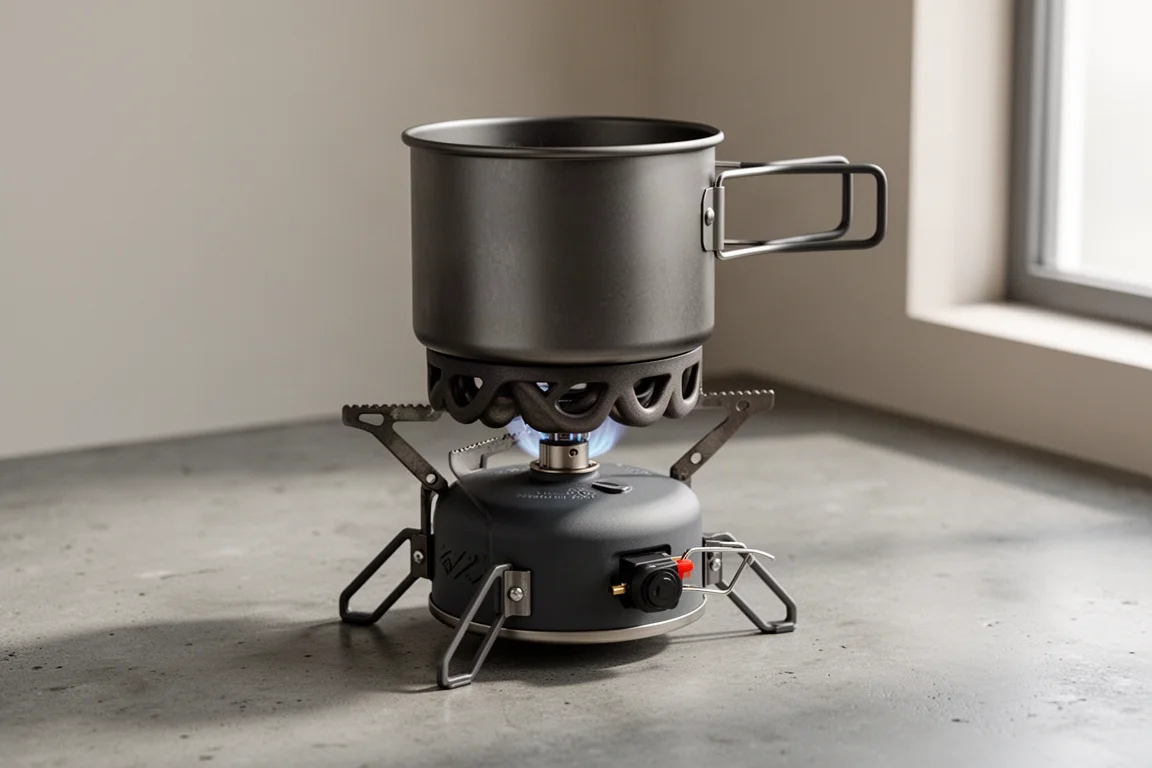
Each packet delivers 1,000 milligrams of sodium and comes in a wide range of flavors. The practical case for carrying it is simple: dehydration shows up as fatigue, muscle cramping and headaches, and one packet in a water bottle can turn an uncomfortable evening around quickly. Keeping a packet within reach in a hip pocket or lid is a small habit with an outsized payoff.
Nemo Hornet Elite 1P Tent
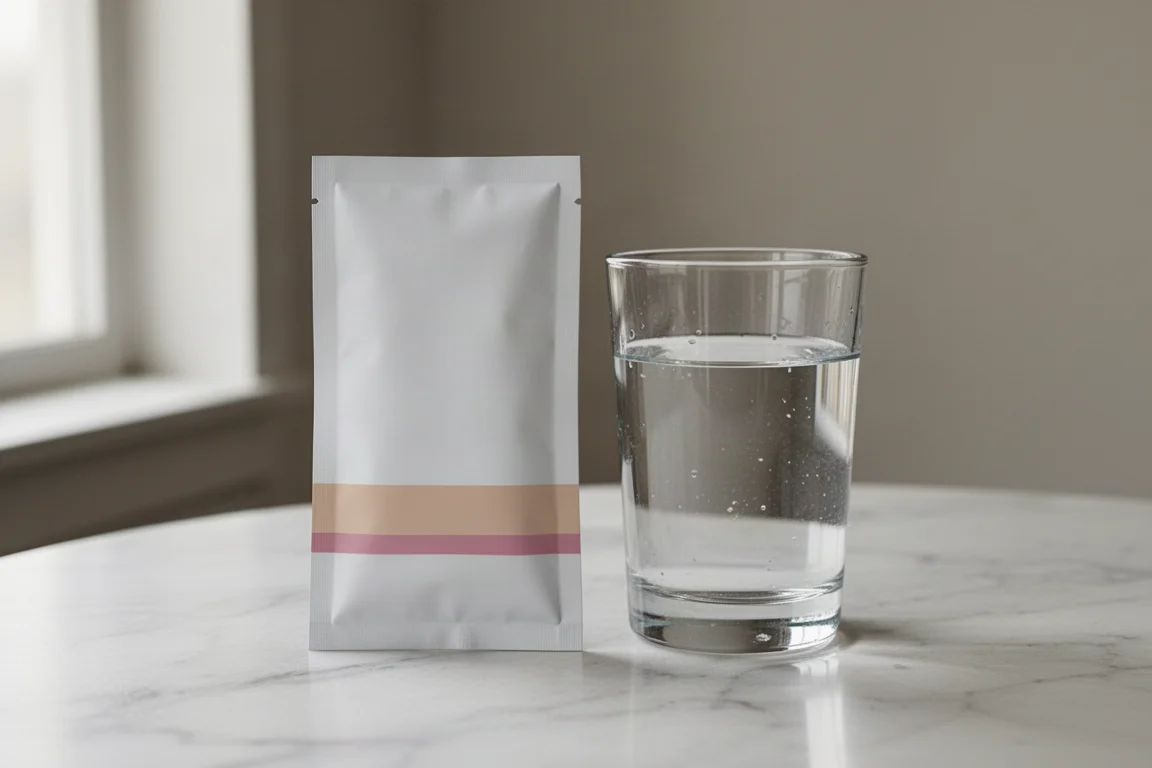
The Hornet Elite 1P remains a reference point for backpackers who want a shelter that pitches body-first and goes up fast. It is a one-person tent, so it suits solo trips rather than shared ones. For anyone who has struggled with a rainfly-first sequence, this is the alternative that keeps coming back into the conversation.
Buying Advice: Building a Cohesive Kit
Matching gear to your pack matters as much as matching gear to a budget. The Aspen is the clearest example: a frameless 37 liter pack rewards an ultralight kit, and a 1 pound 9 ounce sleeping pad works directly against it. If you carry a heavier, comfort-first sleep system, choose a framed pack with load lifters and a load bearing hip belt instead.
Stoves and shelters follow similar logic. An all-in-one system such as the Switch earns its place if you plan to cook real meals at camp, while a simpler boiler makes more sense if you only ever heat water. A rainfly-first freestanding tent rewards patience and pays back in vestibule space, while a body-first shelter is faster to master. Buy the version that matches how you actually camp, not the version with the longest feature list.
Conclusion
The strongest performers here were the ones that solved a specific problem without creating a new one. The Cnoc and Sawyer water kit and the Boost 20 sleeping bag are easy additions to almost any kit, and the Switch stove opens up real cooking for backpackers willing to carry a system rather than a bare burner. The Loft sleeping pad and the Aspen pack are excellent at what they do, provided your priorities and your pack weight already line up with their design. Read the weight ratings honestly, match the gear to the load, and the right pieces will make themselves obvious.
Further reading
Related Reviews

Backpacking Gear
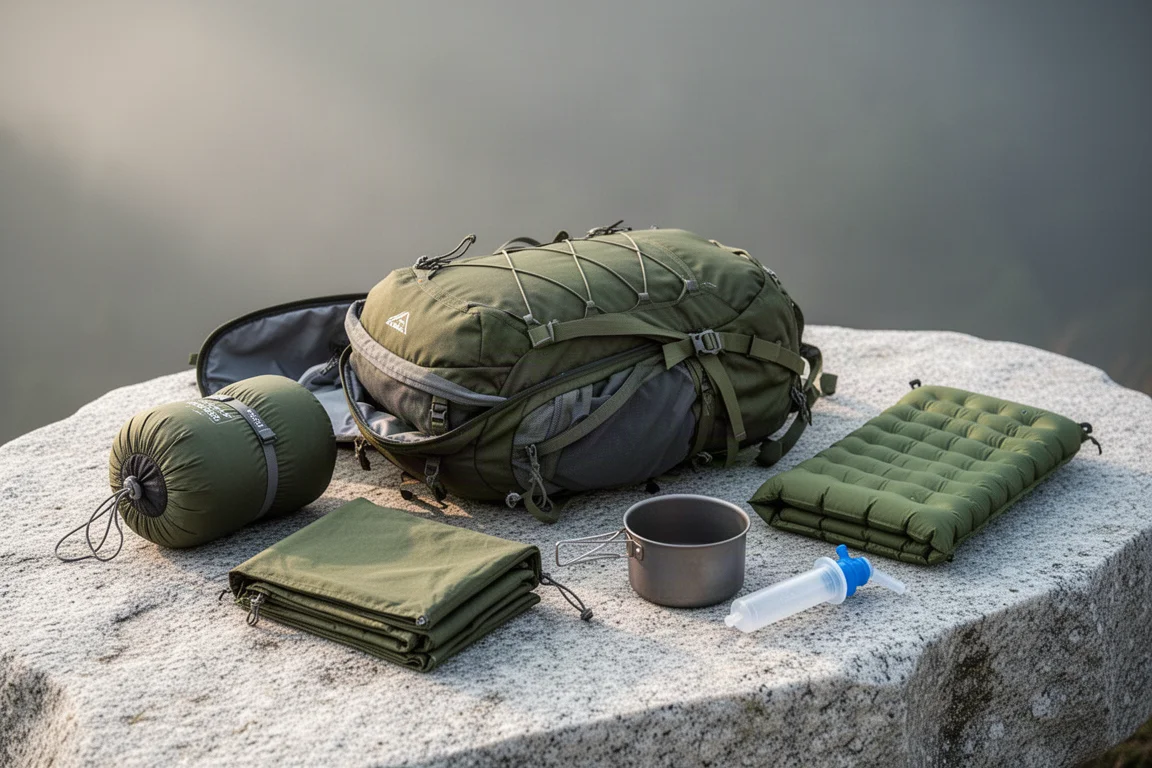
Building a 10 lb Base Weight: An Ultralight Backpacking Gear List
A practical walkthrough of the ultralight pieces behind a 10 lb base weight, from a 765 g pack and a roomy one-person tent to a full camp chair and a dependable water filter.
Backpacking Gear
A 15-Pound Lightweight Backpacking Gear List for Solo Trips
A beginner-friendly 15-pound backpacking setup built from easy-to-find gear, with notes on what each piece does, how it packs, and where to spend your attention.
Backpacking Gear
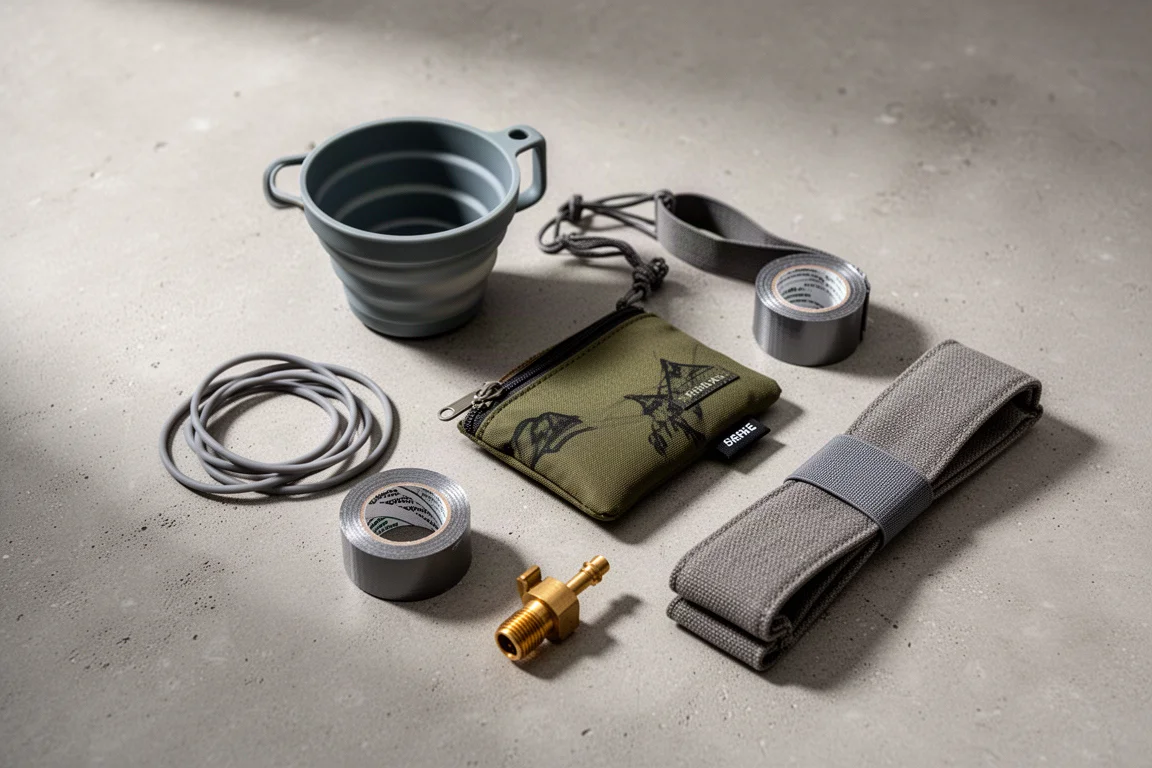
8 Ultralight Backpacking Gear Upgrades Worth Carrying
Eight small, affordable backpacking upgrades that solve real trail annoyances, from a pillow that stays put to a fuel valve that rescues leftover canister gas.