Backpacking Gear
Backpacking Gear Roundup: Ten Lightweight Products and Their Trade-Offs
A practical roundup of ten lightweight backpacking products, from packs and tents to pillows, pads, and satellite messaging, with the strengths and drawbacks that matter on the trail.
Introduction
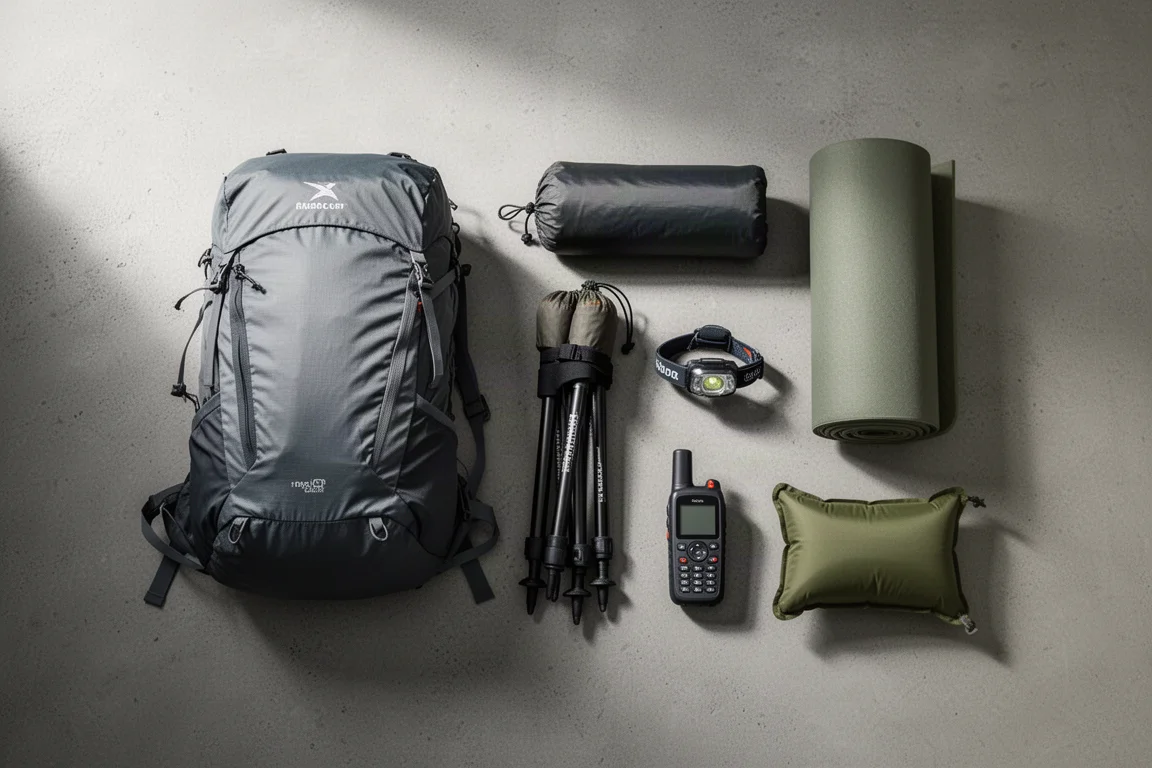
Backpacking gear is a study in trade-offs. Saving weight usually costs money, warmth, or durability, and a single design decision can decide whether a piece of kit earns its place in a pack after a week on the trail. This roundup covers ten products across five categories: packs, pillows, electronics, tents, and sleeping pads. Some are clear successes, and some are worth approaching with caution.
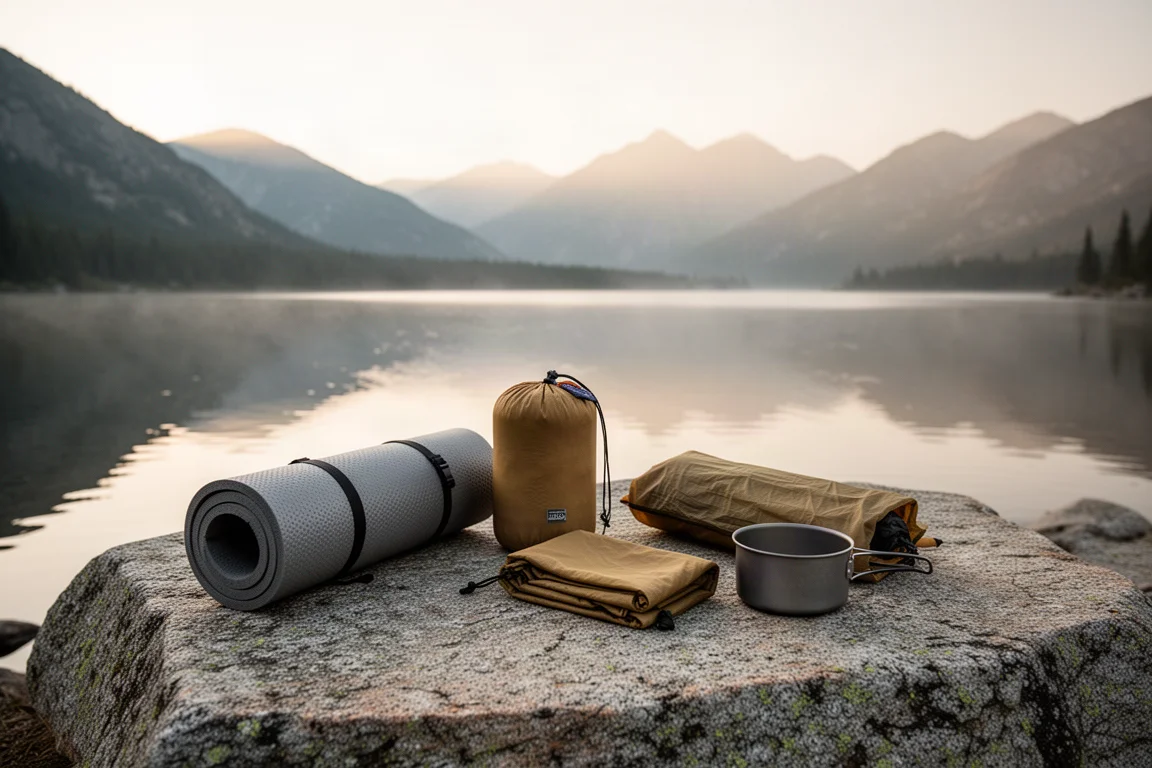
What stands out is how often the disappointments come from established brands. A pack with a strong feature list can still fail on strap routing. A pillow can be well made and still be uncomfortable. A sleeping pad can carry an impressive warmth rating and still sleep cold. The notes below focus on those practical details, because they matter more to a buying decision than a specification sheet does.
Packs: Two Lightweight Options With Very Different Results
Both packs here are light for what they offer, with suspended back panels and padded hip belts. They also show how much execution matters once a pack is loaded and moving.
Osprey Exos Pro 55
The Exos Pro 55 has an appealing specification. It is very light for the number of features it includes, with a suspended trampoline back panel, a full frame, a padded hip belt, and coverage under the brand’s warranty.
On the trail, the details get in the way. The side compression straps run across the side pockets and cannot be routed underneath them, which makes the side pockets and the front pocket awkward to use. The zippered side pocket also collects rainwater in wet weather, turning a small design choice into a recurring irritation.
REI Flash 55
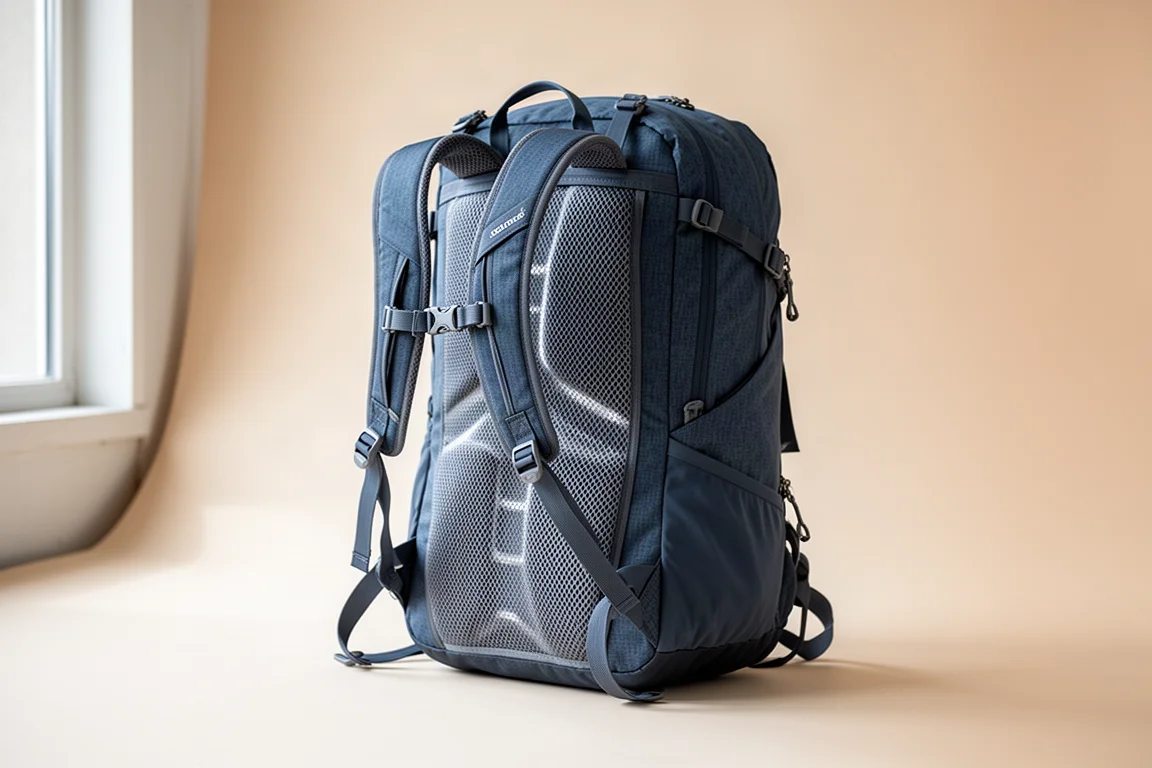
The Flash 55 takes the opposite approach, keeping a simple, proven layout and refining it. The mesh back panel does not ventilate as effectively as a full trampoline design, but it still keeps the back reasonably dry. The frame and hip belt use stiff foam that wraps the body well, and the pack carries loads above 40 pounds comfortably, past the 40-pound capacity the brand advertises.
Two details deserve attention. Dedicated water bottle pockets sit separately from the main side pockets, so bottles are easy to reach and replace without stopping to unpack. An adjustable torso helps dial in the fit so the weight lands where it should. The update left most of the original design intact, which is a point in its favor.
Pillows: Small Items, Big Comfort Differences
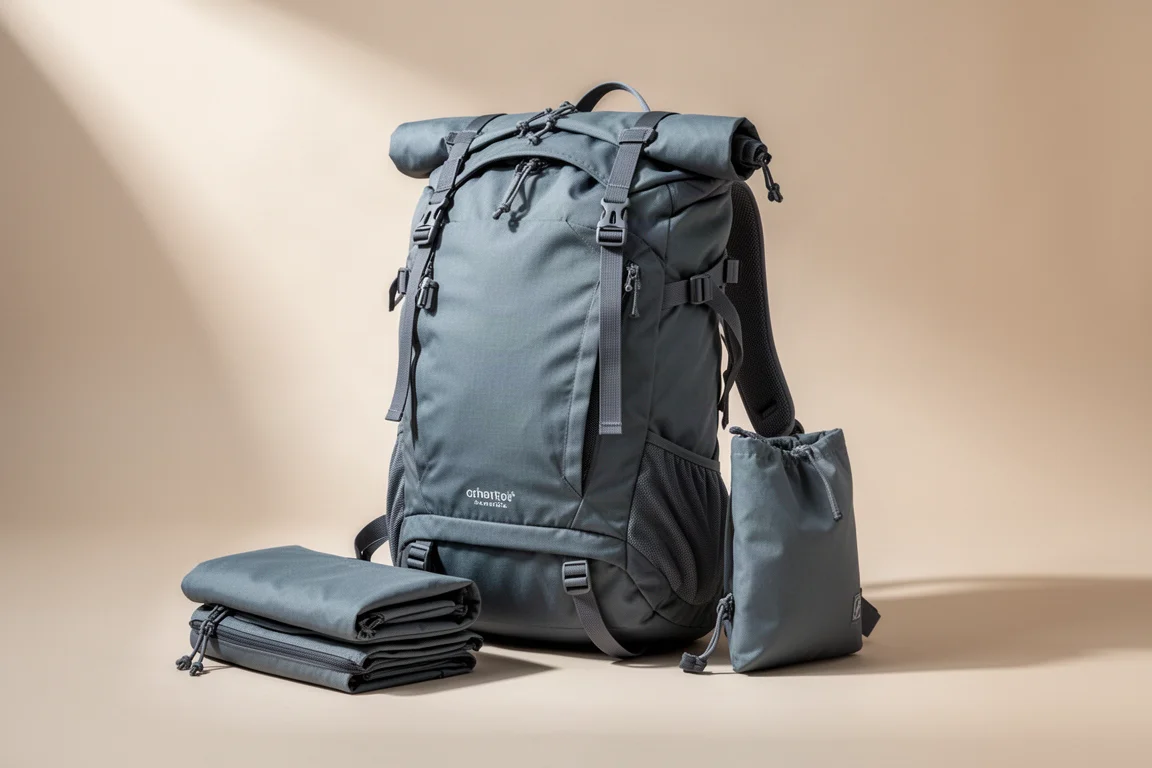
A pillow is easy to overlook until a poor one costs a night of sleep. These two take very different approaches to the same problem.
Trekology Aluft Pro
The Aluft Pro is a wedge-shaped inflatable pillow, a shape that suits some sleepers and not others. At roughly three inches tall, it offers limited neck support when lying flat, which makes it a difficult recommendation for anyone who needs real height under the head.
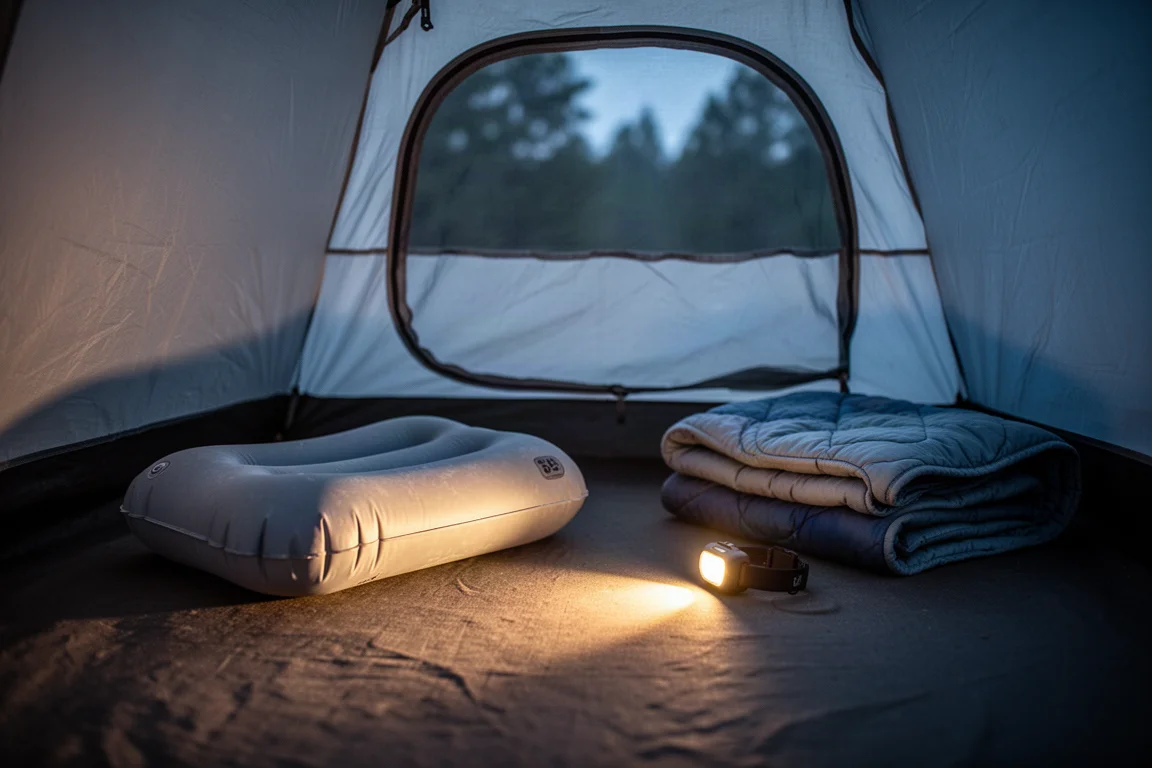
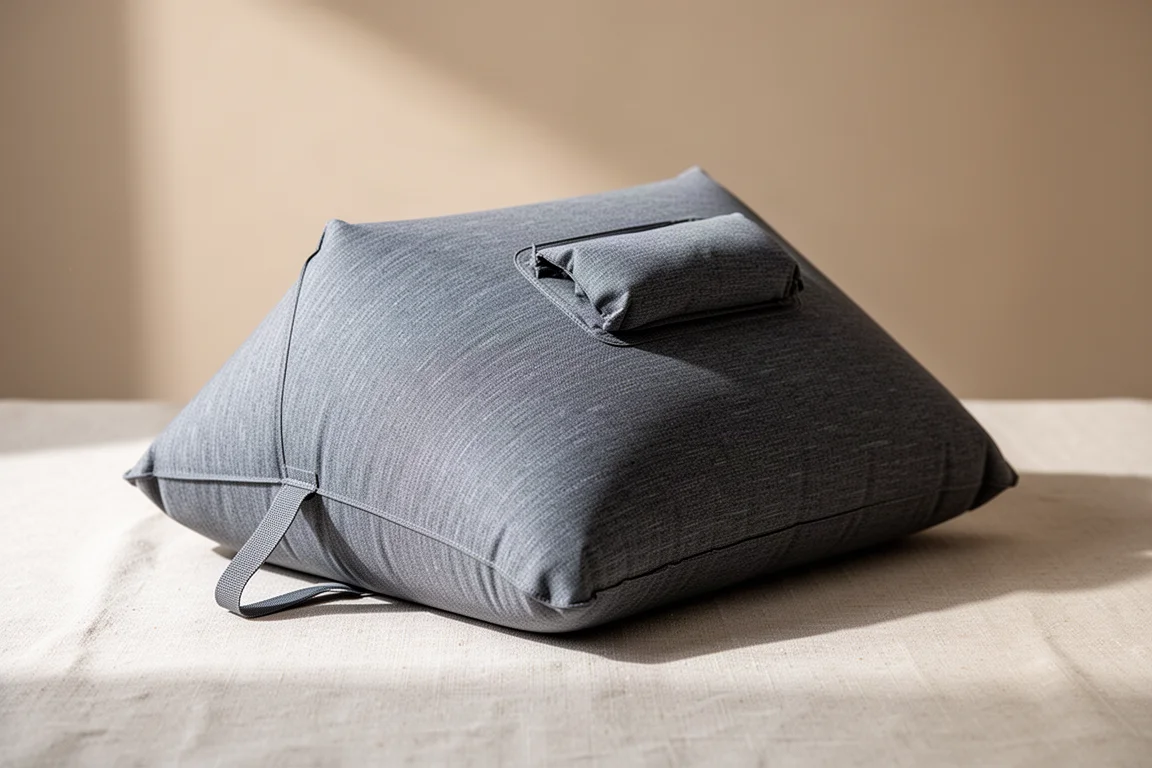
The brand does get several things right. The pillow includes a soft pillowcase, a pad strap, and a pocket on the top surface that can be stuffed with a jacket or other soft items to add cushioning. A matching pocket on the bottom would have been more useful still, since filling it would raise the pillow off the ground and add height where it is needed. The setup is not especially intuitive, and gear that requires guesswork rarely earns a permanent place in a pack.
Big Sky Dream Sleeper
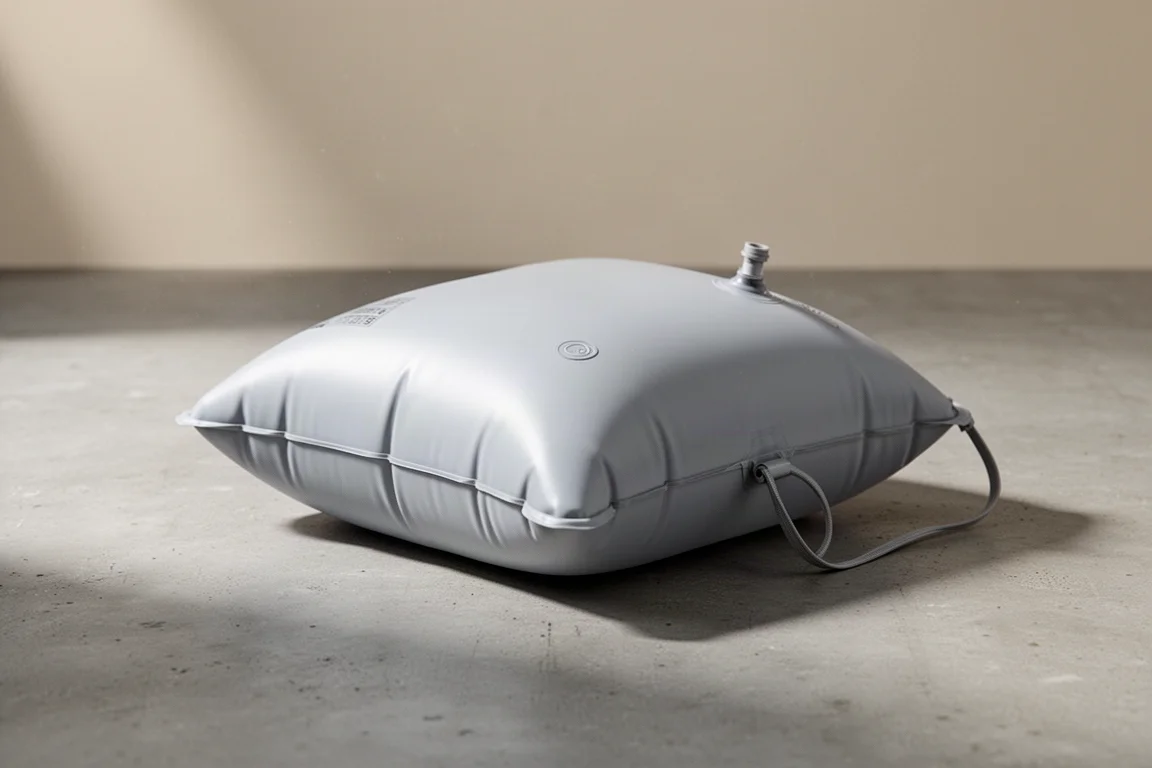
The Dream Sleeper is a different story. It is very comfortable for its weight, and the complete setup, pillow plus mounting hardware, comes in at 52 grams. Wrapping a buff around it works well as a pillowcase.
The one gap is the lack of a pad strap, and without one a pillow tends to slide away as the sleeper turns. Adhesive patches with attachment loops and a short length of shock cord solve the problem, and the result is one of the best ultralight pillow setups available. Buyers who want that configuration should plan on sourcing the small extra parts.
Electronics: Lighting and Satellite Messaging
Electronics are where weight, charging standards, and subscription costs collide. One product here adds convenience but little else, while the other delivers a lot for a modest price.
Nitecore NU25
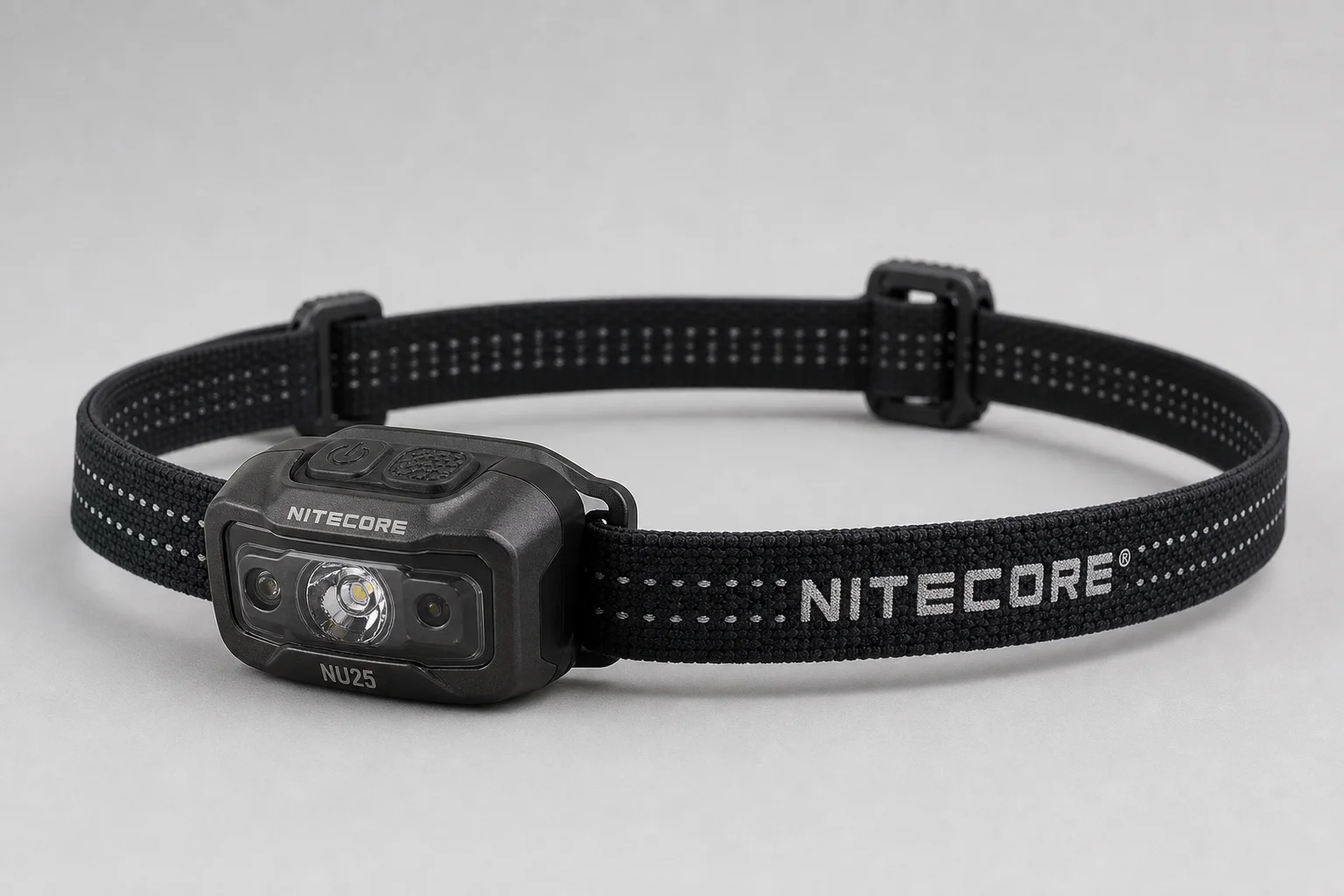
The NU25 adds USB-C charging, a genuine convenience for anyone consolidating cables. Beyond that, the update is hard to love. The lamp is bulkier and heavier than the version it replaces, and the revised shock cord attachment is less secure than a dedicated mount, so an aftermarket strap is a worthwhile addition.
It remains a functional headlamp with a small form factor, but it is not the clear upgrade it could have been.
Motorola Defy Satellite Link
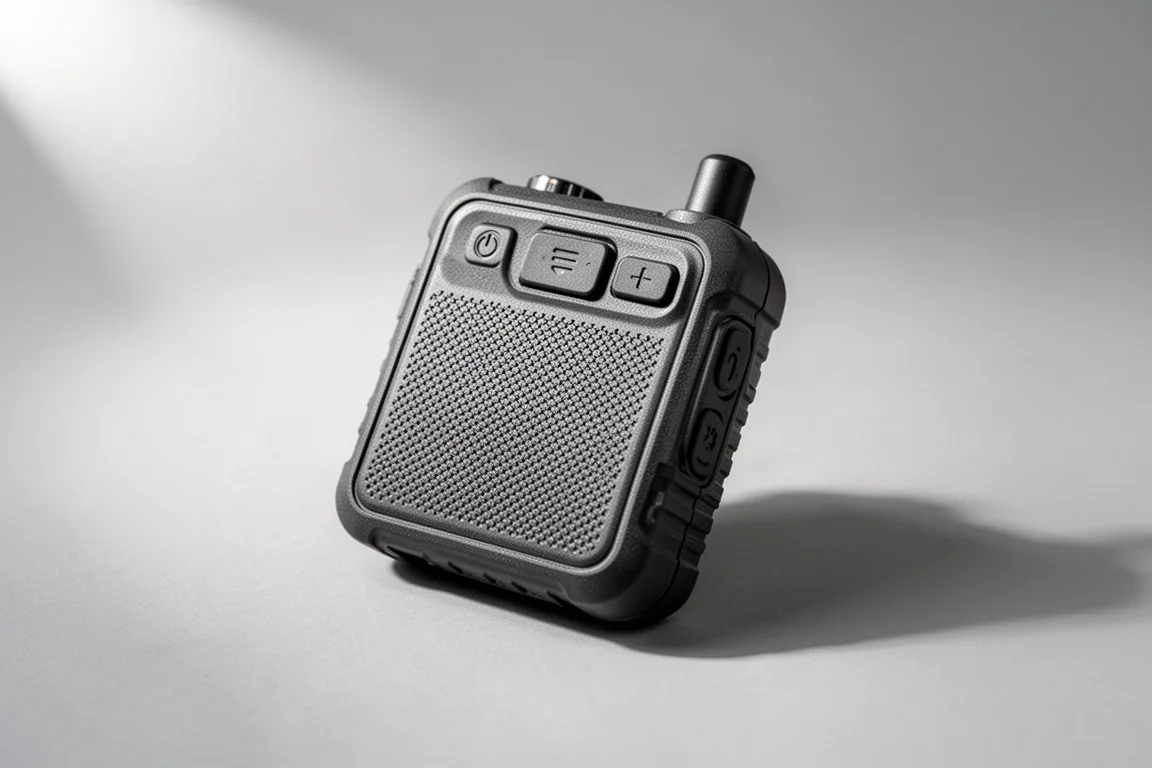
The Defy Satellite Link is one of the strongest value plays in this roundup. At 69 grams it adds almost nothing to a pack, and it provides about four days of battery life in the backcountry. The device costs $150, and the entry plan runs $5 per month, a fraction of the monthly cost of plans from Zoleo or Garmin.
The hardware is deliberately basic. There is no screen, and the build feels less refined than a flagship messenger, though durability has held up over extended use. Sending and receiving messages and initiating an SOS have all been reliable, while the companion app is still being refined.
Tents: Ultralight Shelters Compared
Shelter is often the largest single purchase in a lightweight kit. These two tents sit at the ultralight end of the market and take different routes to get there.
Zpacks Duplex Zip
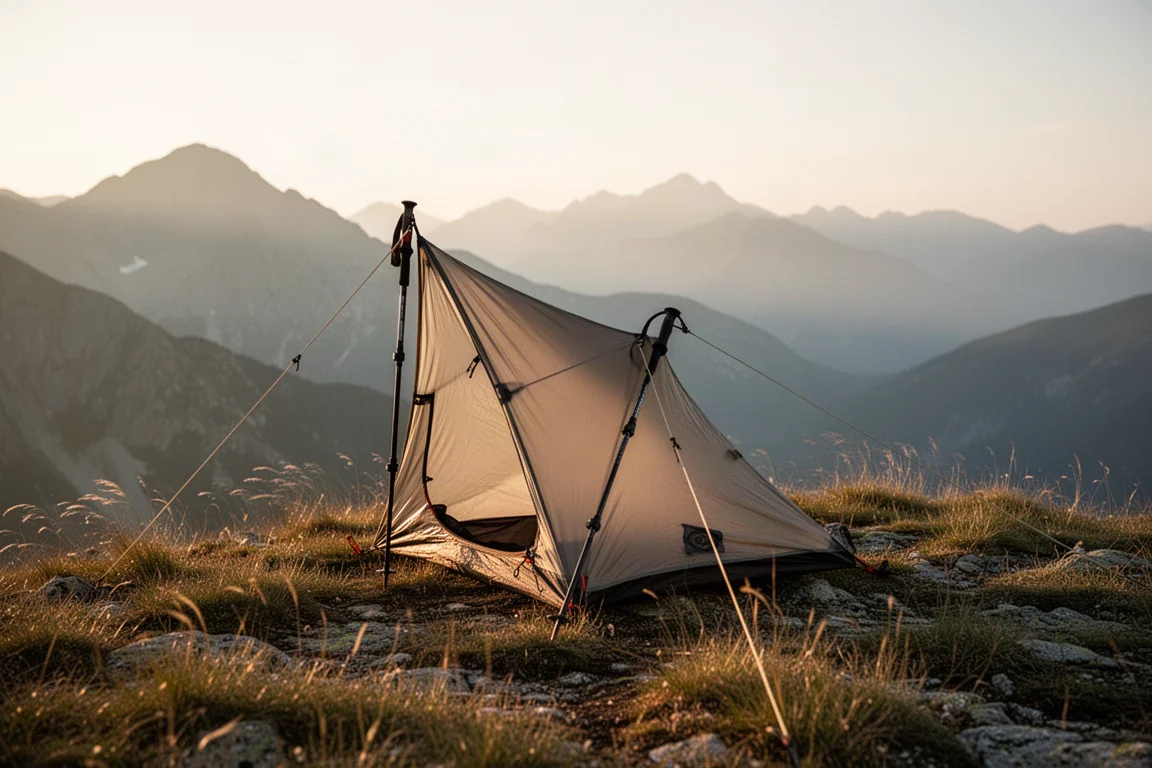
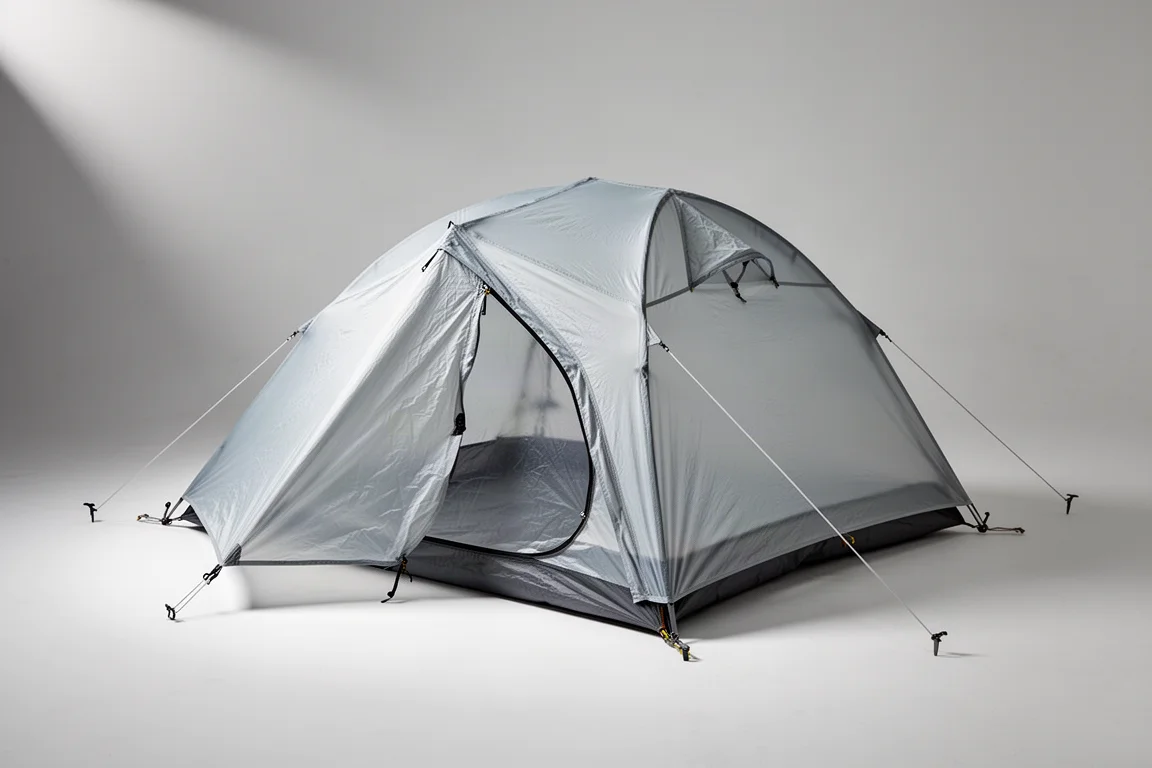
The Duplex Zip adds a zipper to a proven two-person, trekking-pole design. The trade-off is real. A zipper is another point of failure, particularly in sandy or dusty conditions where grit works into the teeth, and the vents are only adequate. The design also moves away from the minimal, feature-light approach that made this style of shelter popular in the first place.
The split is genuine, though. The brand reports that roughly half of its sales are now the zipper version and half the traditional version, so the choice comes down to preference rather than a clear winner. Anyone who values simplicity above all else will find the traditional design the more conservative option.
Durston X-Mid Pro 2+
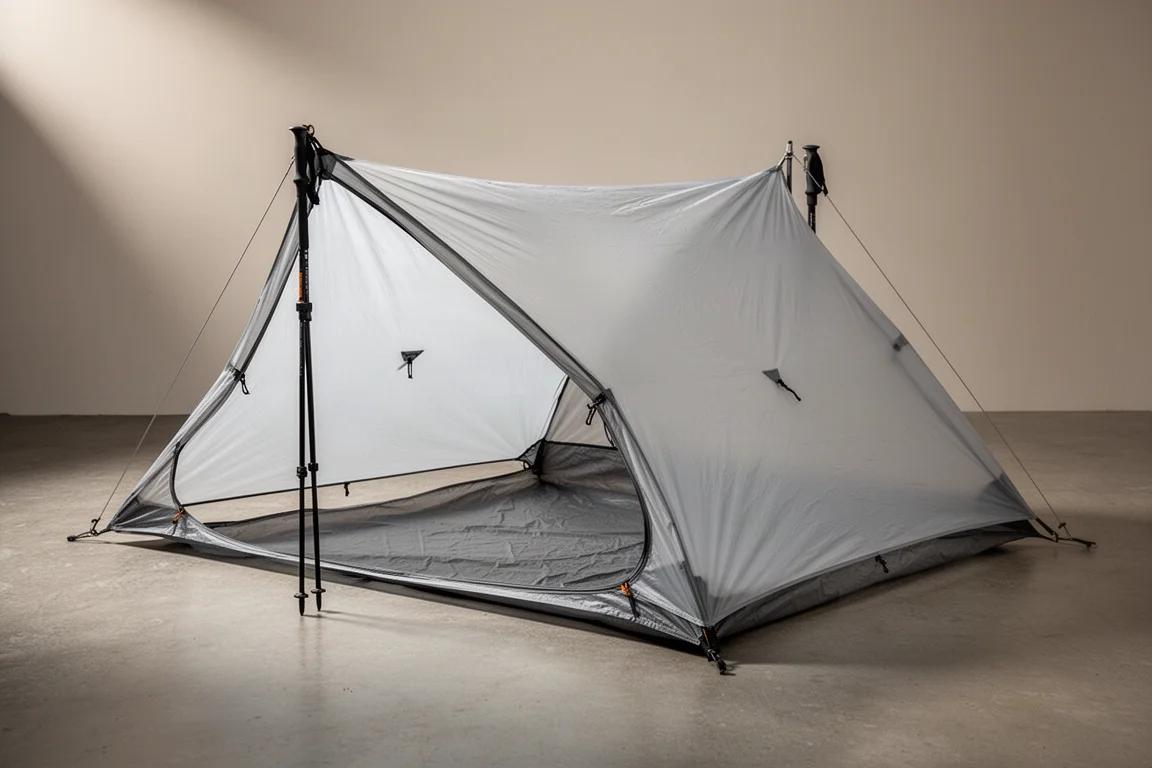
The X-Mid Pro 2+ is the highlight of this category. Its all-in-one pitch means the fly and inner go up together, so the shelter can be set up in the rain without soaking the interior, and it weighs well under a kilogram.
Interior space is generous. Two 25-inch wide rectangular sleeping pads fit side by side with room to spare for both occupants. It carries the quality and features expected from this tent line, and it is easy to recommend for two-person trips where one person carries the whole shelter.
Sleeping Pads: Warmth Ratings and Real-World Performance
R-value is the headline number on any pad, but how a pad sleeps in cold air matters more than the specification sheet suggests. These two show how far a rating can drift from reality in either direction.
Big Agnes Zoom UL
The Zoom UL is extremely light and surprisingly comfortable for its weight, more comfortable than several pads that weigh less. The problem is warmth. The pad carries a stated R-value of 4.3, but in practice it sleeps closer to an R-value of 2 to 2.5, especially in cold air.
The cause is the reflective Mylar insulation inside, which settles at the bottom of the pad. Cold air inside the pad contacts the sidewalls and the top surface, and movement through the night shifts that air around, drawing warmth away from the sleeper. Anyone camping in cold conditions should treat the stated rating with caution.
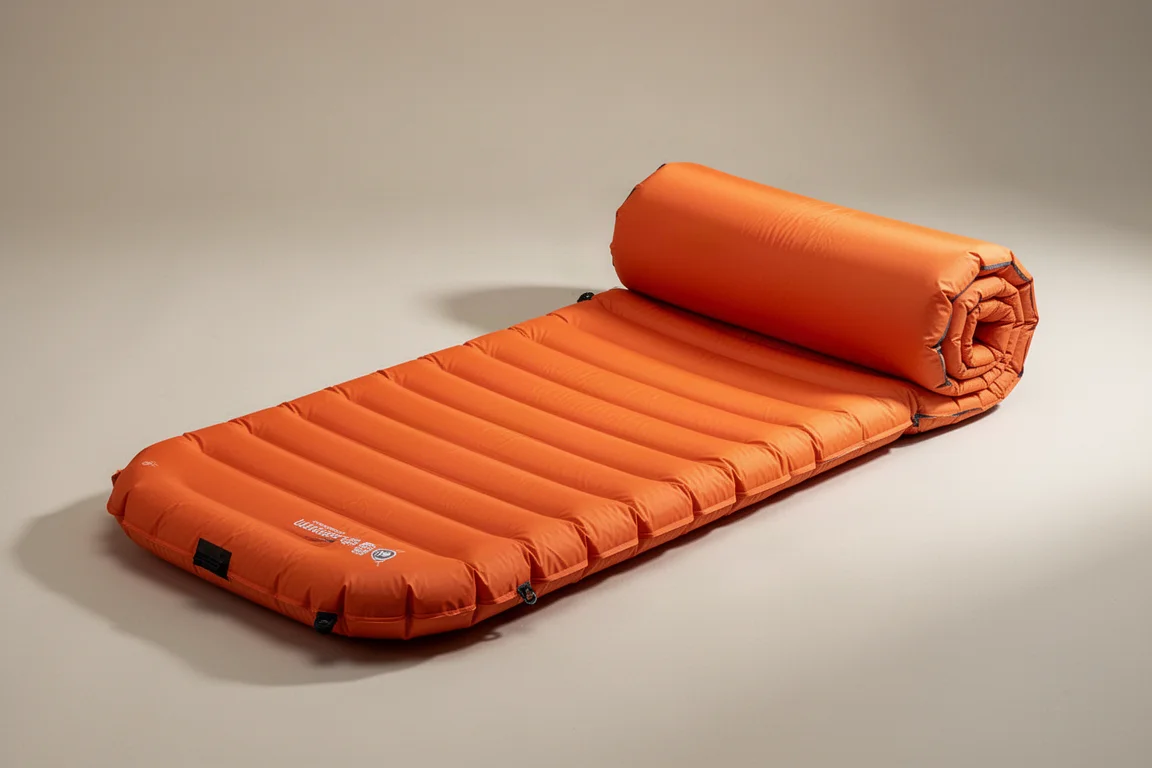
Outdoor Vitals Oblivion
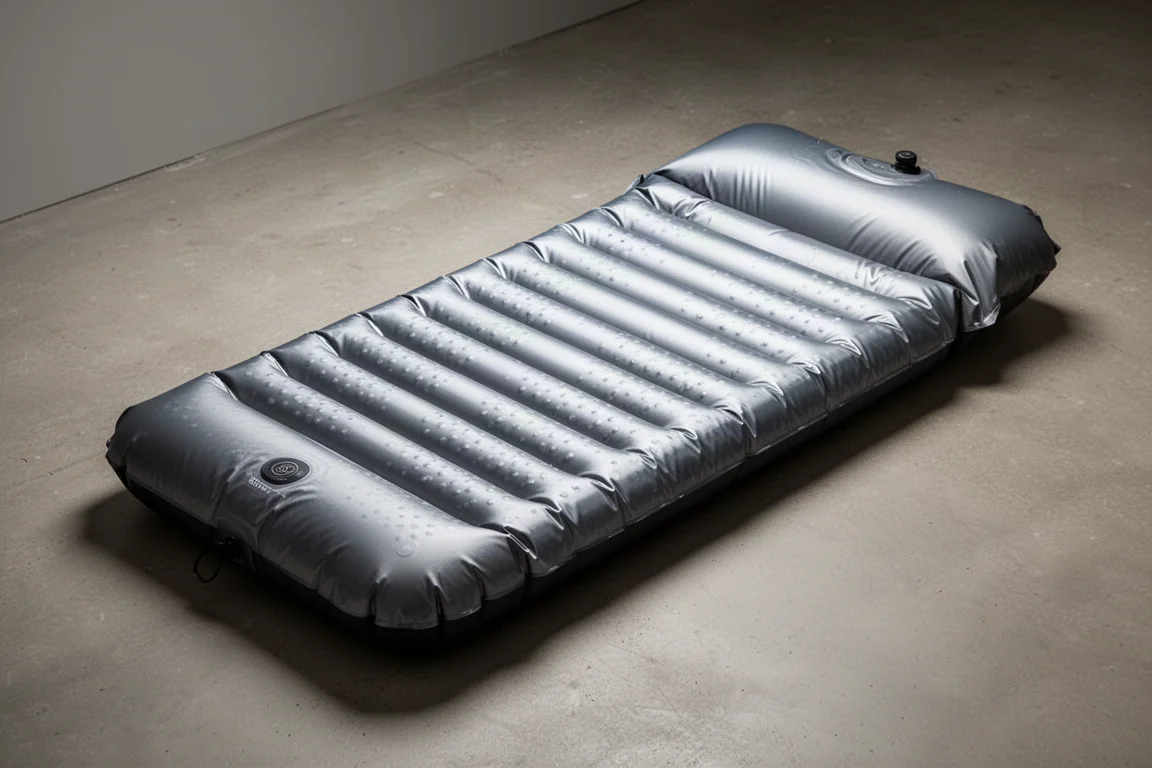
The Oblivion goes the other way and sleeps warmer than its rating. It is advertised at an R-value of 3.5, and in practice it feels closer to the 4 range, possibly higher. Comfort is solid thanks to a baffle layout similar to the Nemo Tensor, with horizontal baffles that are not as plush as pads like the REI Helix but still pleasant for the weight.
The price is the strongest argument: $115, and slightly less for members, for a pad that is warm and comfortable enough for regular three-season trips. It is not a lightweight pad, so anyone counting grams will want to look elsewhere, but as a value-focused option it is hard to beat.
Overall Buying Advice
Across these ten products, a few patterns are worth remembering. Stated specifications are a starting point rather than a guarantee. A warmth rating can be optimistic or conservative depending on how insulation behaves in cold air, and a pack’s feature list says nothing about how its straps route around the pockets it is meant to serve.
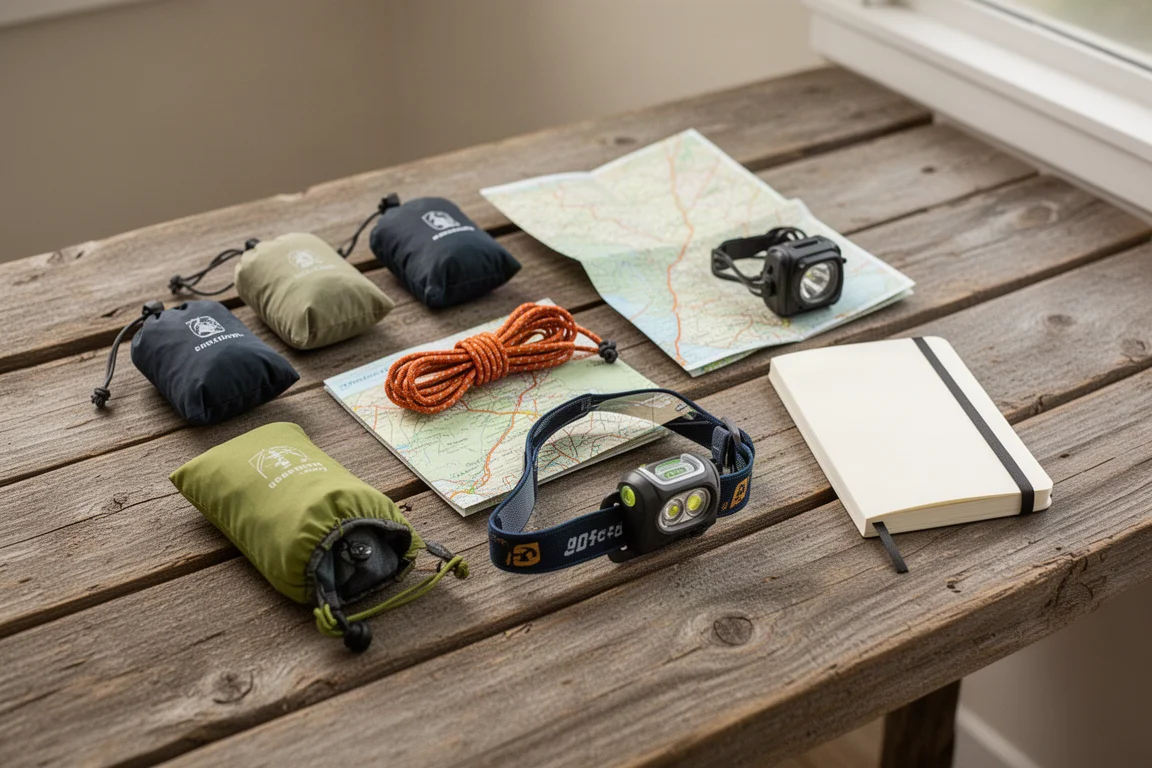
The details you interact with every day deserve the most attention. Water bottle access, pillow height, strap routing, and charging standards all shape a trip more than a gram count does. On value, the satellite communicator and the lower-priced sleeping pad show that spending less does not automatically mean a worse experience, while the premium shelters and ultralight pads reward buyers who know exactly what they are paying for.
Conclusion
None of these ten products is universally right or wrong. Each one makes sense for a particular kind of trip and a particular set of priorities. The strongest picks deliver on their core promise without adding friction: the Flash 55 for its fit and load carrying, the Dream Sleeper for comfort at 52 grams, the Defy Satellite Link for affordable backcountry messaging, the X-Mid Pro 2+ for a fast and roomy pitch, and the Oblivion for warm sleep at a low price. The misses are worth knowing about as well, because a pack with unusable pockets or a pad that sleeps cold will shape a trip long after the specification sheet has been forgotten.
Further reading
Related Reviews

Backpacking Gear
Building a 10 lb Base Weight: An Ultralight Backpacking Gear List
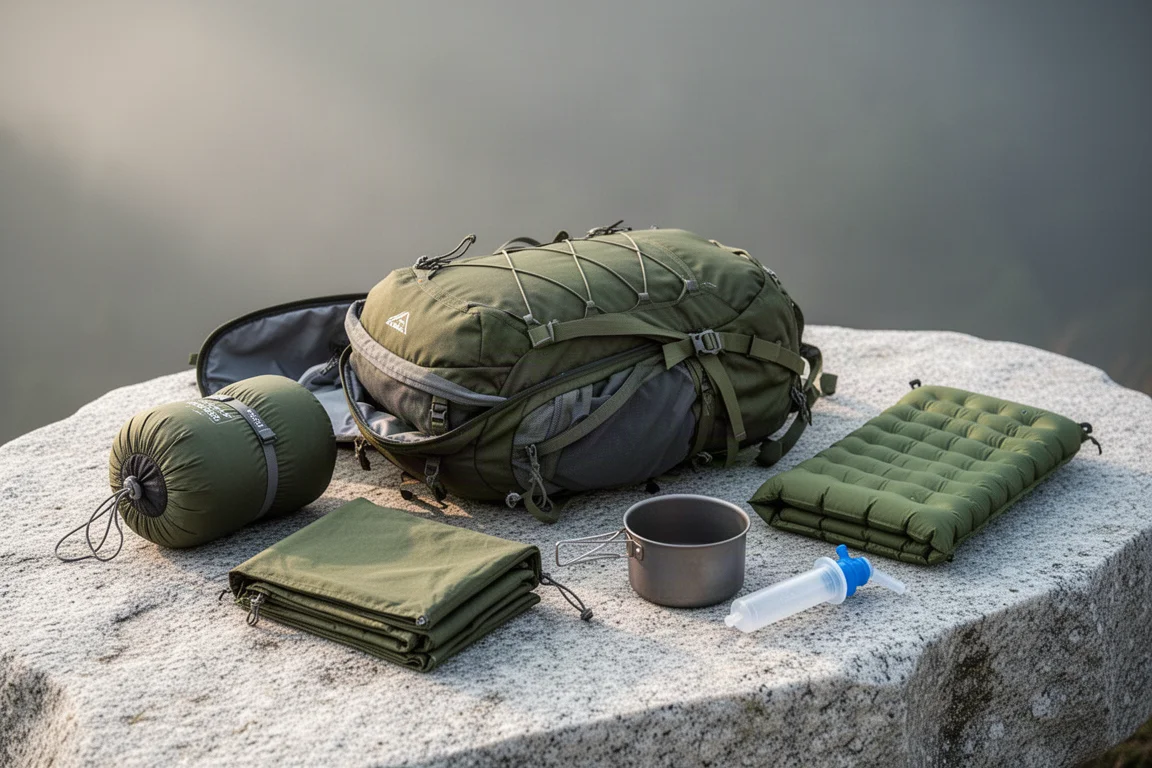
A practical walkthrough of the ultralight pieces behind a 10 lb base weight, from a 765 g pack and a roomy one-person tent to a full camp chair and a dependable water filter.
Backpacking Gear
A 15-Pound Lightweight Backpacking Gear List for Solo Trips
A beginner-friendly 15-pound backpacking setup built from easy-to-find gear, with notes on what each piece does, how it packs, and where to spend your attention.
Backpacking Gear
8 Ultralight Backpacking Gear Upgrades Worth Carrying
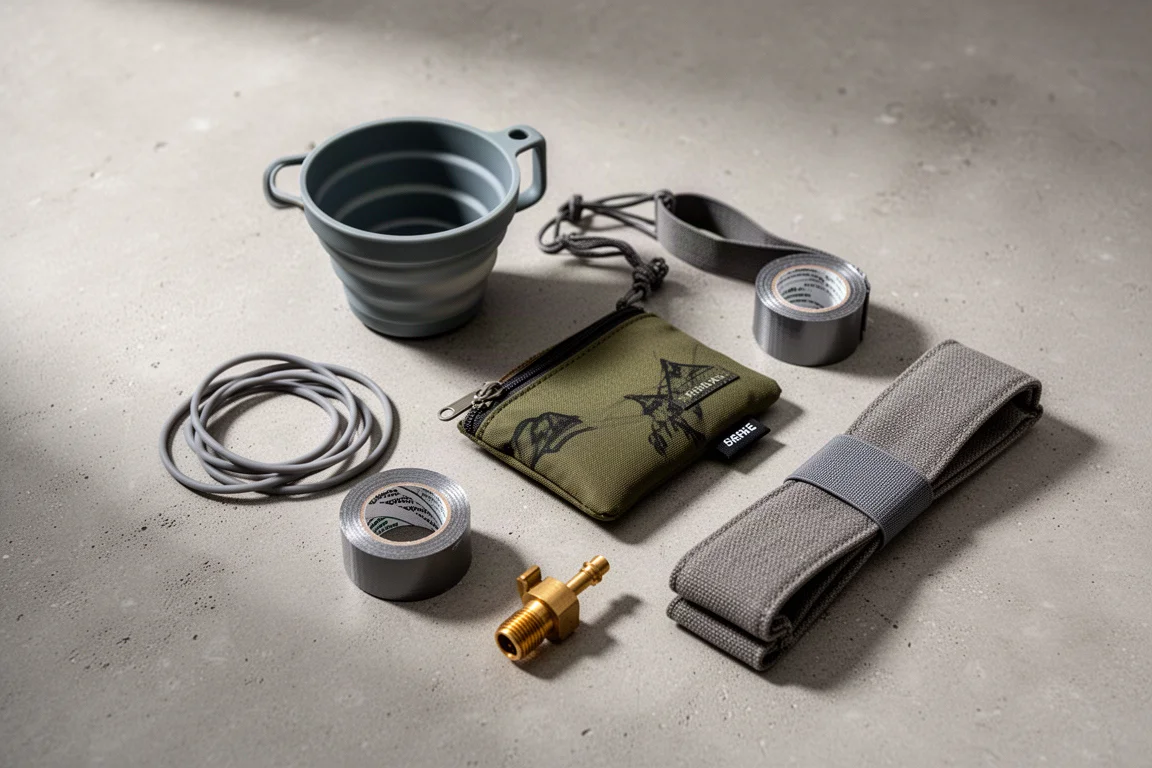
Eight small, affordable backpacking upgrades that solve real trail annoyances, from a pillow that stays put to a fuel valve that rescues leftover canister gas.