Backpacking Gear
Backpacking Gear Roundup: Five Standouts and Five Letdowns
A field-tested look at backpacking gear that delivered and gear that fell short, across packs, sleeping pillows, electronics, tents, and sleeping pads.
Introduction
Every season brings a wave of new backpacking gear, and the most useful information rarely lives in a specification table. A pack can be impressively light and still be awkward to use. A sleeping pad can post a strong warmth rating and still sleep cold. A tent can add a feature that quietly undercuts the simplicity that made the design popular in the first place.
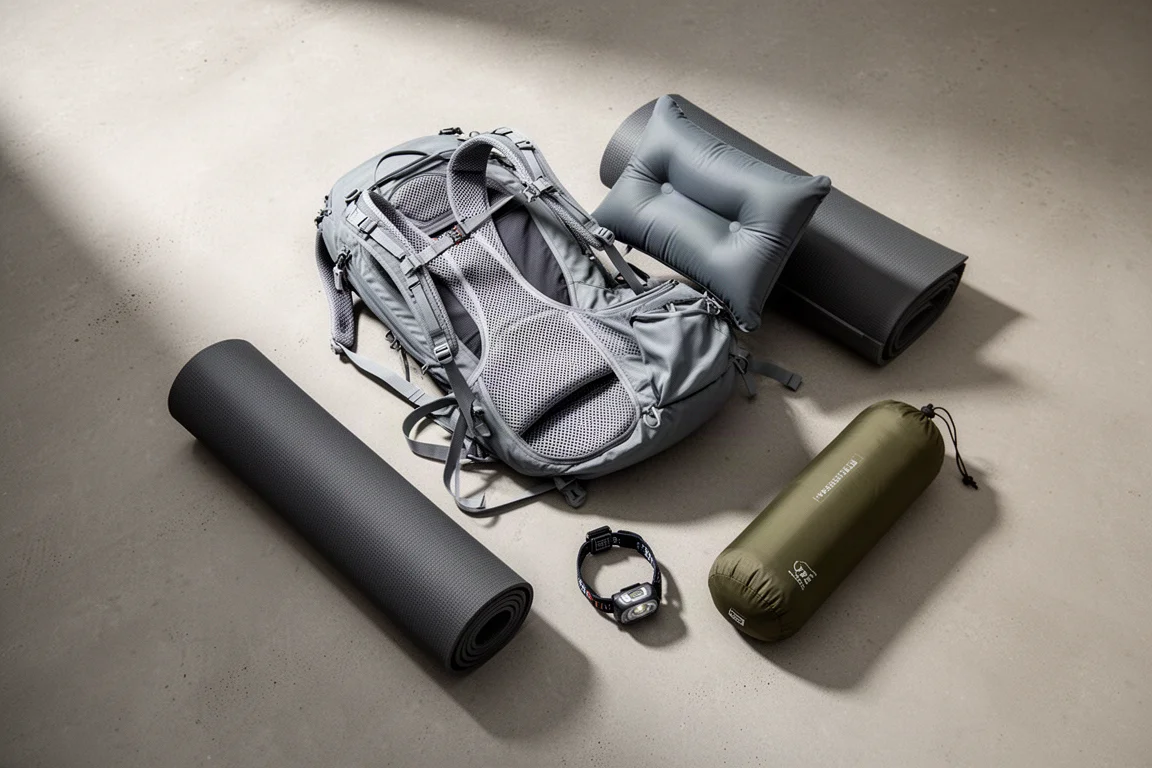
This roundup collects both sides of that equation: five products that earned a place in a kit through real trail use, and five that fell short despite coming from brands with strong track records. The categories covered are packs, sleeping pillows, electronics, tents, and sleeping pads.
How These Picks Were Evaluated
The standouts and letdowns below are based on time spent using each item in the field rather than on launch specifications. The questions that mattered most were practical ones. Does the pack still carry weight comfortably after several hours? Do the pockets and straps still work once the weather turns? Does a warmth rating hold up when the air is cold and the ground is frozen?
Weight and price played a role, but never on their own. A lightweight product that is uncomfortable or unintuitive rarely stays in a pack for long, and a budget product that performs above its price deserves more attention than a premium one that does not.
Intuitiveness came up repeatedly, especially with pillows and lighting. Gear that needs a workaround to function well is still functional, but it is a compromise worth knowing about before buying.
Backpacks
Two packs anchor this category, and they show how differently two lightweight designs can behave once they are loaded and moving.
Osprey Exos Pro 55: Light and Feature-Rich, With Real Frustrations
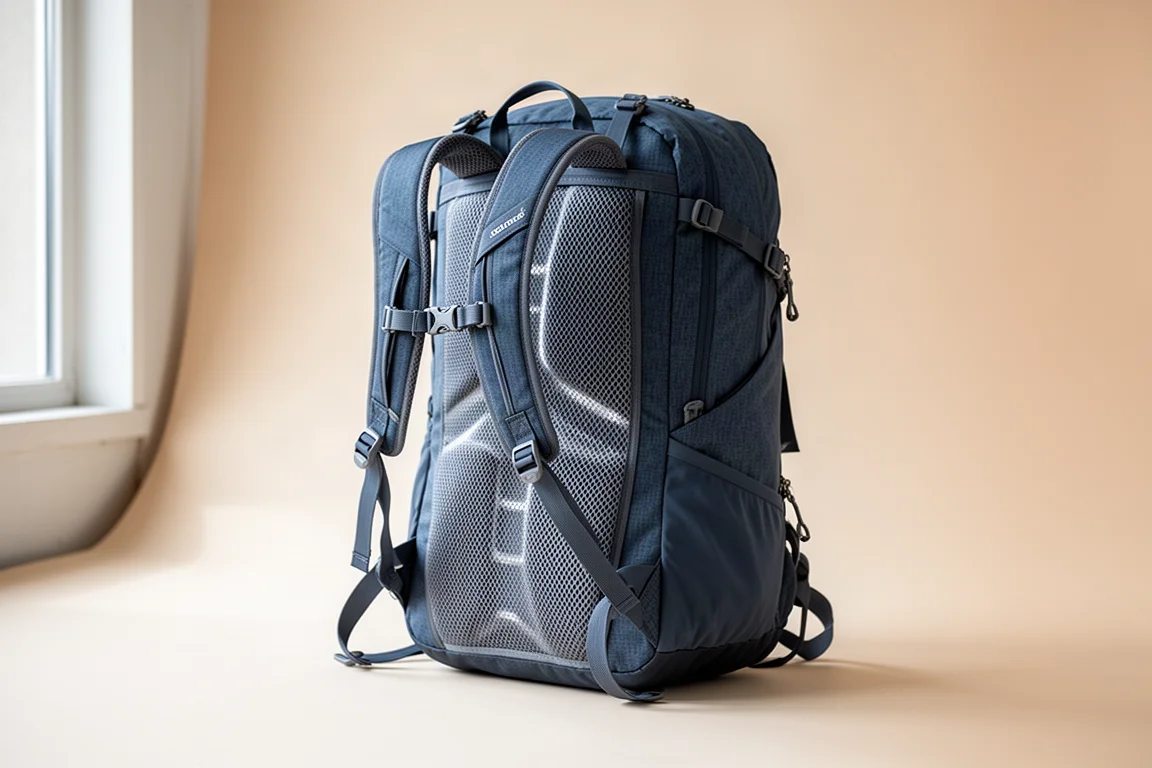
On paper the Exos Pro 55 has a great deal going for it. It is a genuinely light pack that still includes a trampoline back panel, a full frame hip belt, and the coverage of the Osprey warranty. That combination of low weight and complete features is exactly why expectations ran high.
On the trail, the details got in the way. The side compression straps run over the side pockets, with no option to route them underneath. That makes the side pockets hard to use for the bottles and small items they are meant to hold, and the routing around the front pocket adds to the same problem.
Wet weather exposed another issue. The side pocket with the zipper filled up with water when it rained, turning a small storage feature into an ongoing annoyance on longer days.
REI Flash 55: A Refined Classic That Carries Weight Well
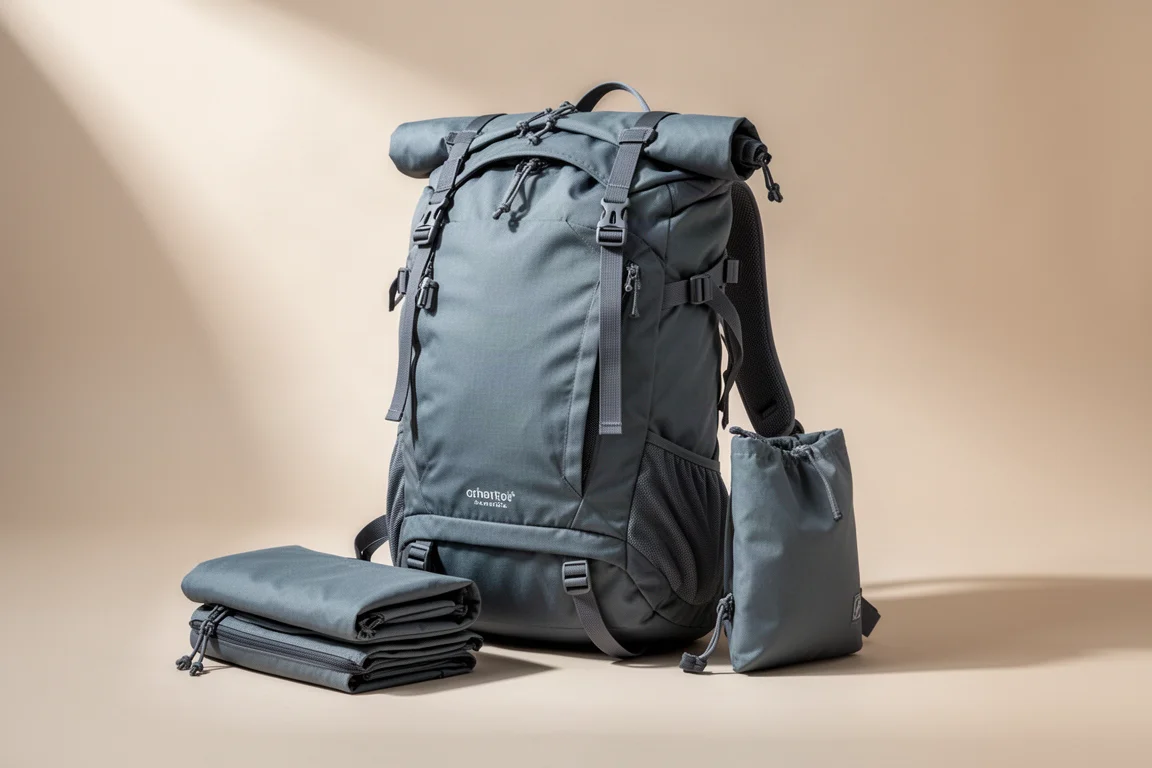
The Flash 55 takes the opposite approach. Its mesh back panel is not as effective at ventilation as a full trampoline design, but it still keeps the back reasonably dry. The frame and the stiff foam hip belt are the standout elements: the belt wraps around the body cleanly and spreads weight well.
Load carrying is where this pack separates itself. Loads over 40 pounds have been carried comfortably, even though REI advertises a 40 pound carrying capacity. Hikers who treat 40 pounds as a practical ceiling will still be well inside the pack’s comfort zone.
The pocket layout deserves credit too. Dedicated water bottle pockets sit separately from the main side pockets, so reaching back for a bottle and returning it is straightforward. An adjustable torso helps dial in the fit, which matters for carrying weight comfortably over a long day. The update to this pack kept the essentials intact, which is why it remains an easy recommendation for most backpackers.
Sleeping Pillows
Pillows are a small item with an outsized effect on sleep quality, and the two below sit at opposite ends of the experience. Both weigh very little, so the differences come down to shape, height, and how well each one stays in place through the night.
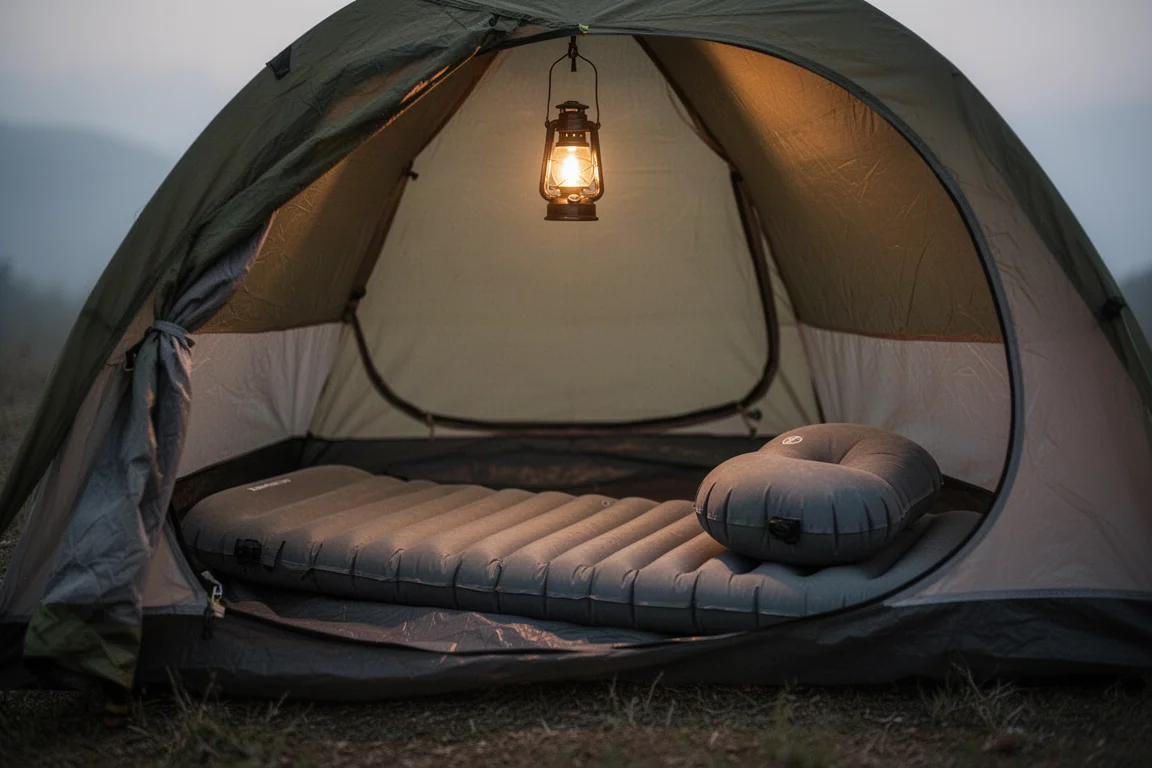
A pillow that slides away is worse than no pillow at all, which is why pad straps matter more than most shoppers expect. Shape and height follow close behind, since a low profile can leave the neck unsupported no matter how comfortable the surface feels.
Trekology Aloft Pro: A Wedge Shape That Will Not Suit Everyone
The Aloft Pro arrives with genuinely thoughtful extras: a pillowcase, a pad strap, and a pocket at the top that can be stuffed with a down jacket to add cushioning. Those are useful touches, and they show attention to how people actually sleep.
The shape is the sticking point. It is a wedge, which works for some sleepers and not for others, and it stands only about 3 inches high. That height offers limited neck support when lying down, and the result is not especially comfortable for side or back sleeping.
A pocket on the bottom would have helped. Stuffing extra clothing underneath could raise the pillow off the ground and compensate for the low profile. The design is not being written off entirely, and more testing may change the picture, but intuitiveness counts for a lot in backpacking gear, and this pillow asks for more adjustment than most.
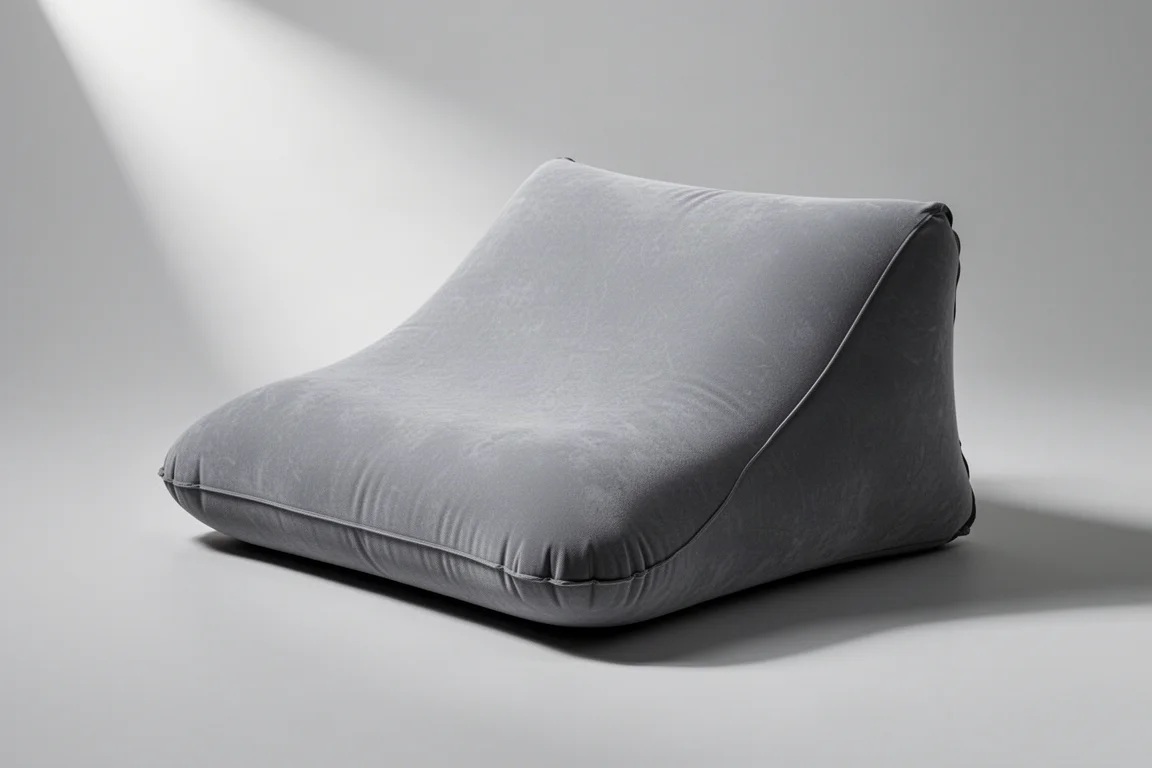
Big Sky Dream Sleeper: Light, Comfortable, and Better With a Pad Strap
The Dream Sleeper is a very comfortable pillow, and the complete setup is remarkably light. With the added patches and cord, the whole system comes in around 52 grams.
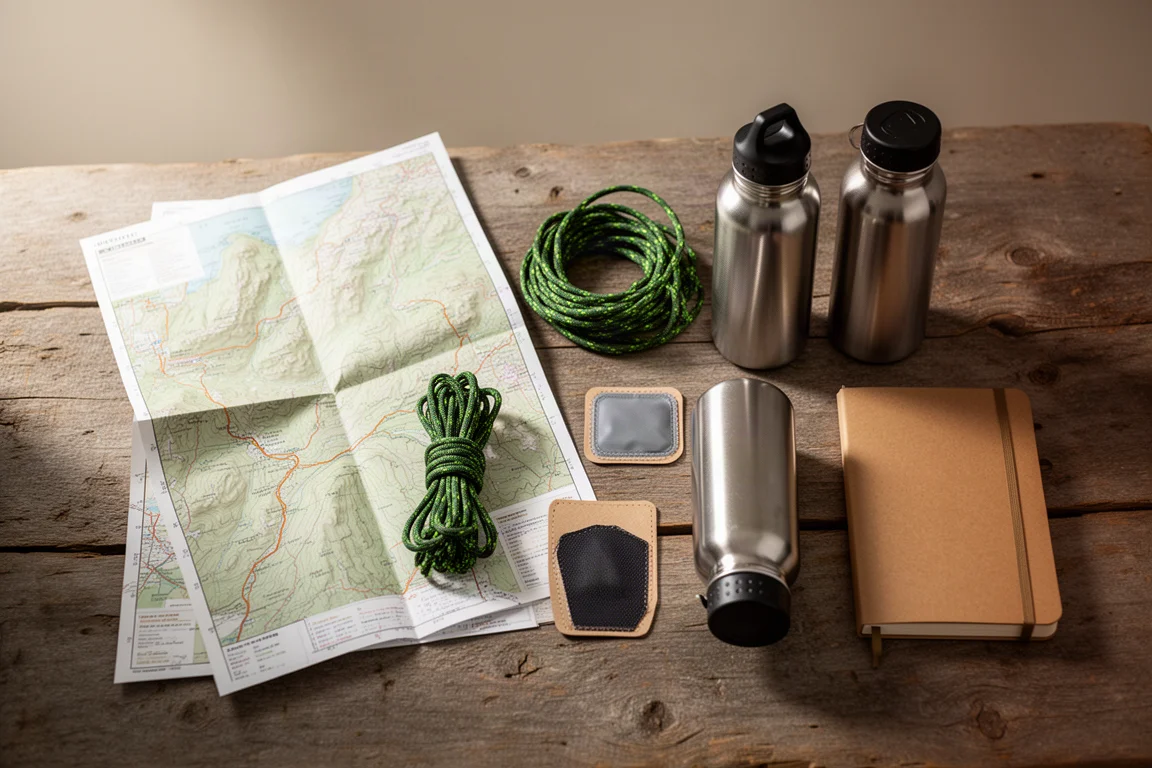
The one addition that makes it work is a pad strap. A pillow without one tends to drift away during the night, so a pair of Dyneema patches with small loops plus a short length of shock cord solves the problem neatly. A buff can serve as a pillowcase for anyone who wants one, and it adds no meaningful weight.
For backpackers who want a light pillow that stays where it is put, this combination is hard to beat.
Electronics
Two electronics items stood out this season, one for value and capability, and the other for an update that added convenience while giving back some of what made the earlier version appealing.
Nitecore NU25: USB-C Arrives, but the Update Adds Bulk
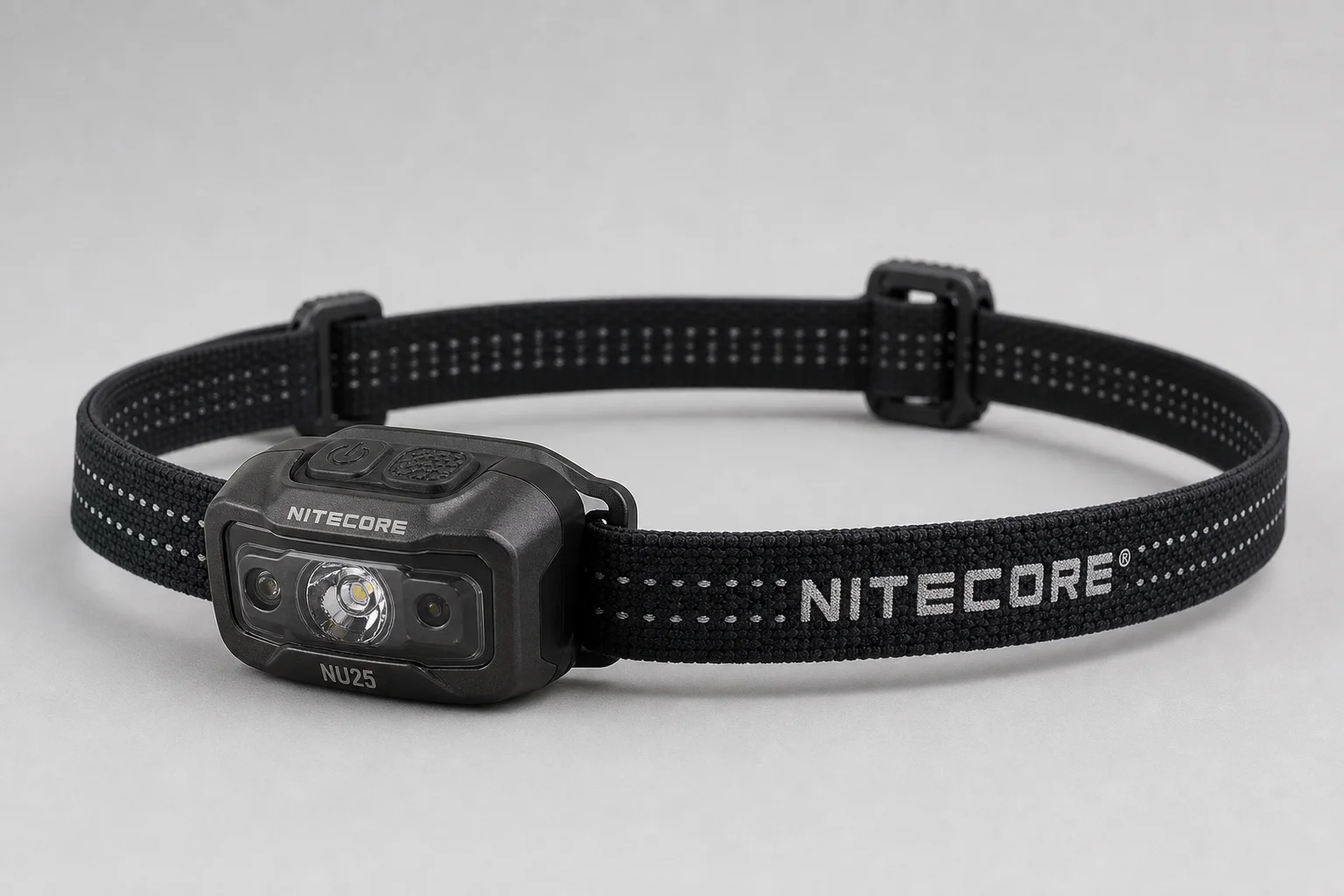
USB-C charging is a welcome change and the clearest improvement in this version of the NU25. The rest of the update is harder to recommend. The light is a little bulkier and a little heavier than the previous version, and the revised shock cord arrangement is less convenient, to the point that an aftermarket mod strap was needed to make the headlamp comfortable to wear.
In practice, a different flashlight has seen more use on recent trips. The NU25 remains a capable headlamp, but this generation does not feel like a clear step forward.
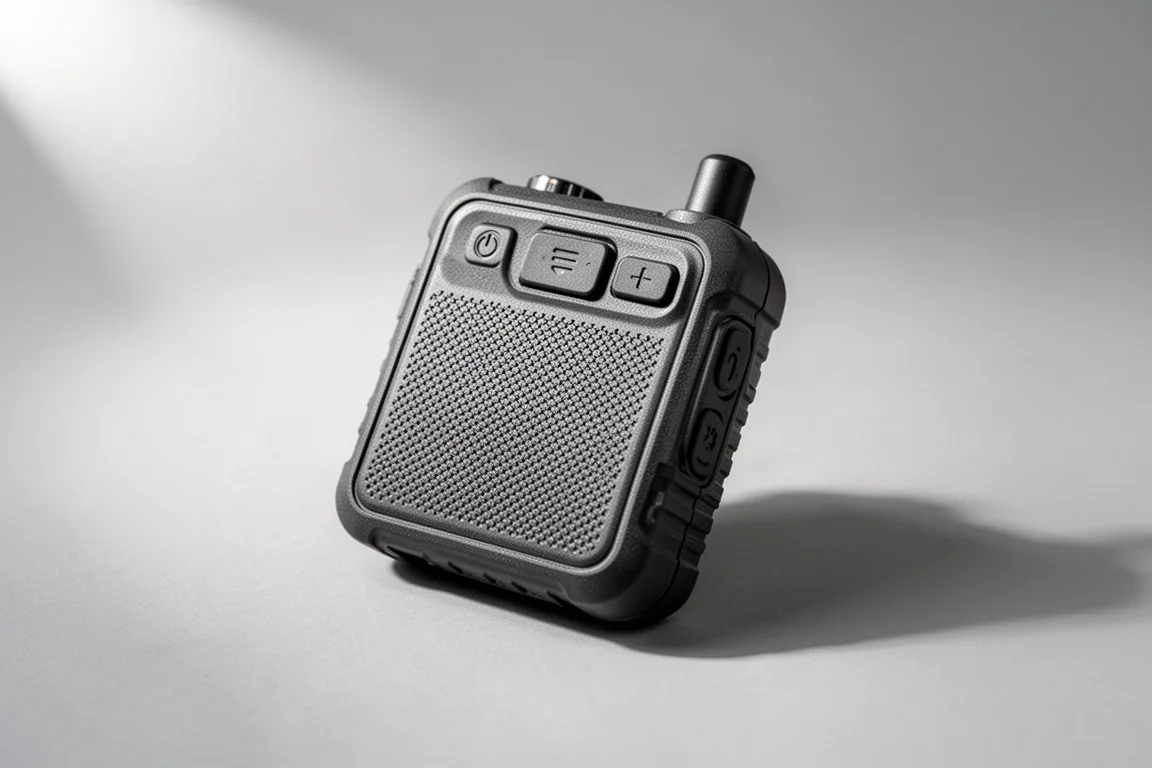
Motorola Defy Satellite Link: Affordable Off-Grid Messaging and SOS
The Defy Satellite Link is a small, simple device that covers the essentials of off-grid communication. It weighs 69 grams and delivers about four days of solid battery life in backcountry use.
Cost is the headline. The device is $150, and the cheapest plan runs $5 per month, a fraction of what established satellite messaging services charge. That combination puts dependable emergency communication within reach of far more backpackers.
The hardware is bare bones. There is no screen, and the build feels somewhat inexpensive, though months of use have produced no durability problems. The companion app is still being refined, but the core functions of sending and receiving messages and triggering an SOS have been rock solid.
Tents
Tent design has moved toward adding features to already proven platforms, and the two shelters here show what that trade-off looks like when it goes well and when it does not. Both are light enough to carry solo and both pitch quickly, but they take different routes to get there.
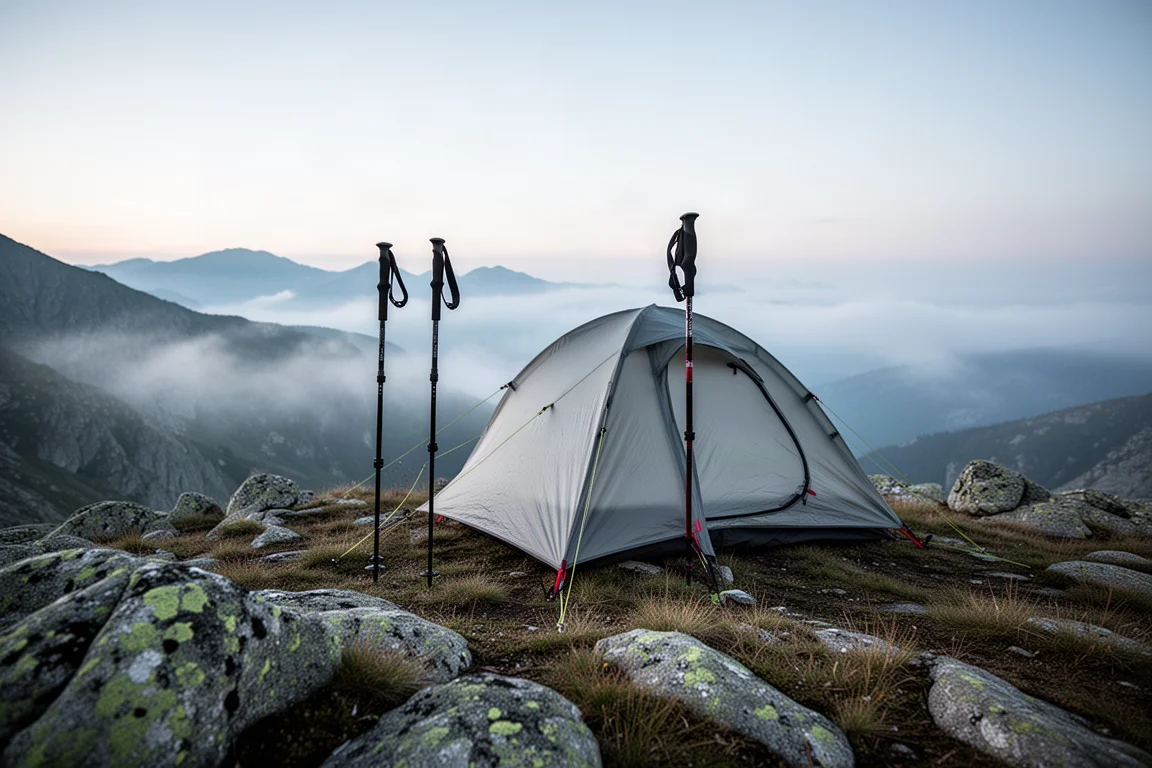
For a shelter, the decision usually comes down to how much complexity is worth carrying. A simpler design is easier to trust in sand, dirt, and bad weather, while an added feature can be genuinely useful when it solves a real problem.
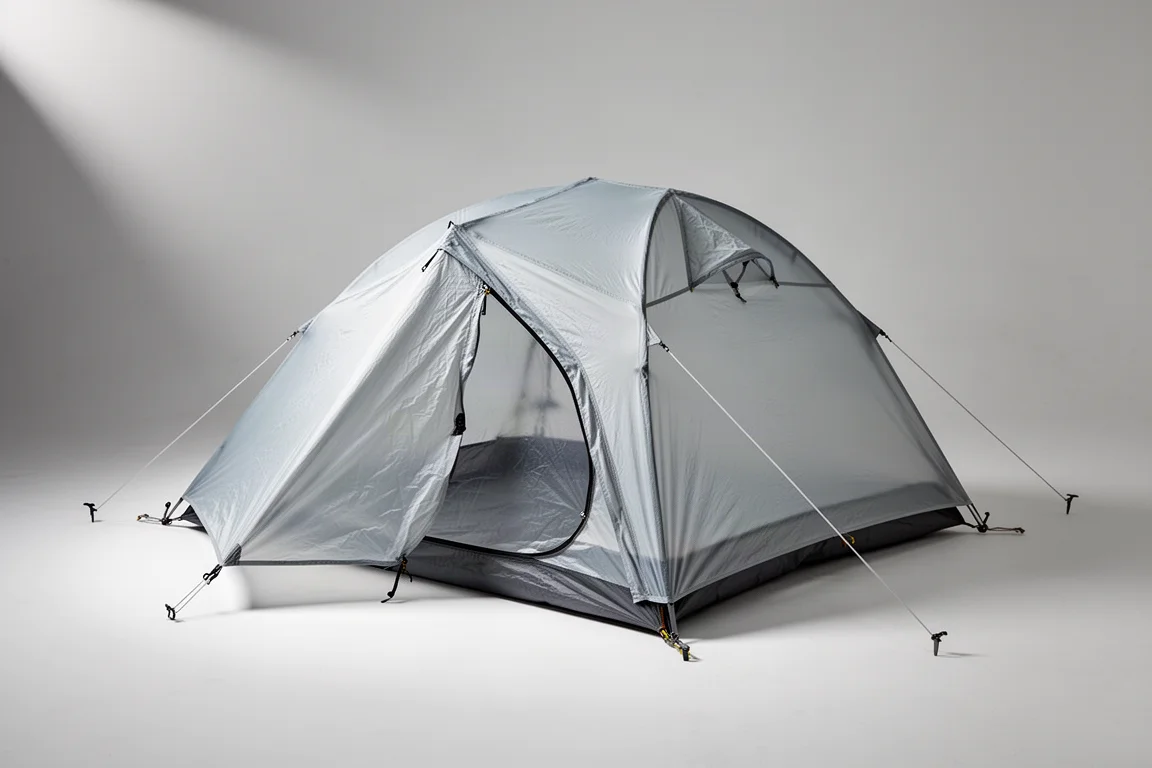
Zpacks Duplex Zip: Extra Features Versus Simplicity
The Duplex Zip takes a two-pole shelter design and adds a zippered entry, and that addition is the source of the concern. A zipper introduces a component that can fail, particularly in sandy conditions or when dirt works into the teeth. The vents are also only adequate in how they are implemented.
The simpler tents in the same lineup remain the more appealing option, because minimal design with dependable field performance is what made this style of shelter popular. That said, the zippered version is not without merit, and the manufacturer reports that sales are now split roughly evenly between the zippered and traditional versions. For plenty of backpackers it will still be a good tent.
Durston X-Mid Pro 2: Roomy, Light, and Quick to Pitch
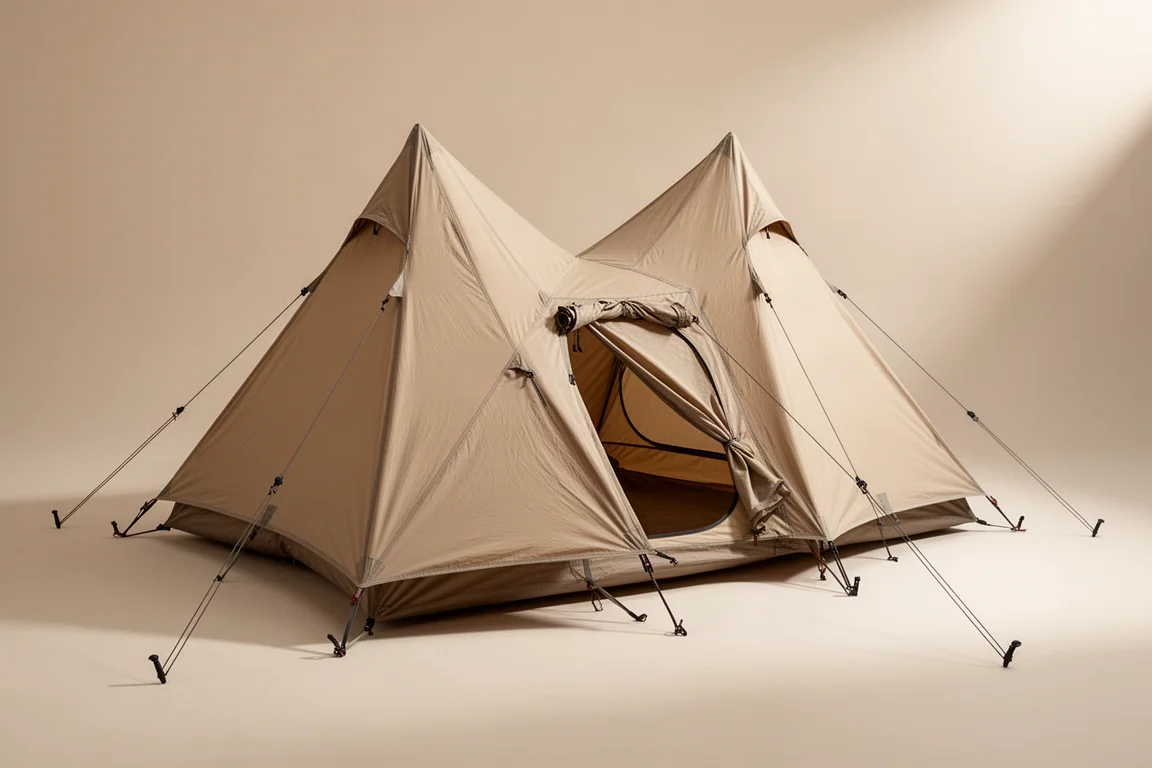
The X-Mid Pro 2 is one of the most interesting tents of the season, and the early impression is strongly positive. The version tested was a pre-production sample borrowed for several trips, and it has been a pleasure to use.
It is genuinely roomy. Two 25 inch wide rectangular sleeping pads fit inside with space to spare, so both occupants feel like they have room to move. The all-in-one pitch is a real advantage in rain, since the shelter goes up as a single unit. Despite that, the complete weight stays well under a kilogram, which matters a great deal when one person is carrying the whole tent.
Fit and finish and the feature set are what you would expect from the X-Mid line. Testing time has been limited, but everything so far points to a tent worth watching closely.
Sleeping Pads
Warmth ratings are the number most shoppers check first, and the two pads below show why that figure should be treated as a starting point rather than a verdict.
Big Agnes Zoom UL: Comfortable, but Warmth Falls Short of the Rating
The Zoom UL is very comfortable for its weight, and it is one of the most ultralight pads currently available. It is noticeably more comfortable than some lighter pads on the market.
The problem is warmth. The pad carries an R-value of 4.3, but in the field it sleeps closer to 2 or 2.5. The Mylar insulation inside sits at the bottom of the pad, so cold air contacting the pad walls and moving around as the sleeper shifts pulls warmth away. In cold conditions the gap between the stated rating and real-world comfort becomes obvious.
It will still work well for some people, particularly in milder conditions, but anyone planning cold-weather trips should factor that difference into the decision.
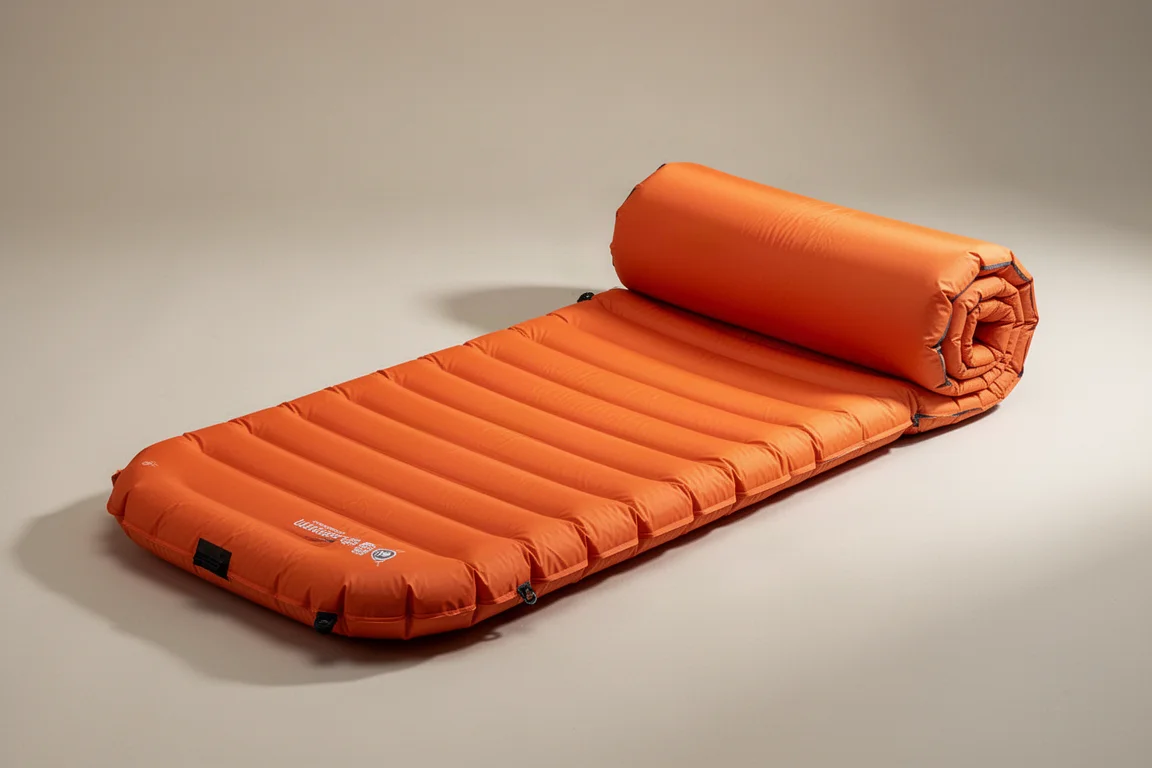
Outdoor Vitals Oblivion: Warmth and Value Above Expectations
The Oblivion is the pleasant surprise of the category. Outdoor Vitals is not primarily known for sleeping pads, so expectations were modest, and the pad comfortably exceeded them.
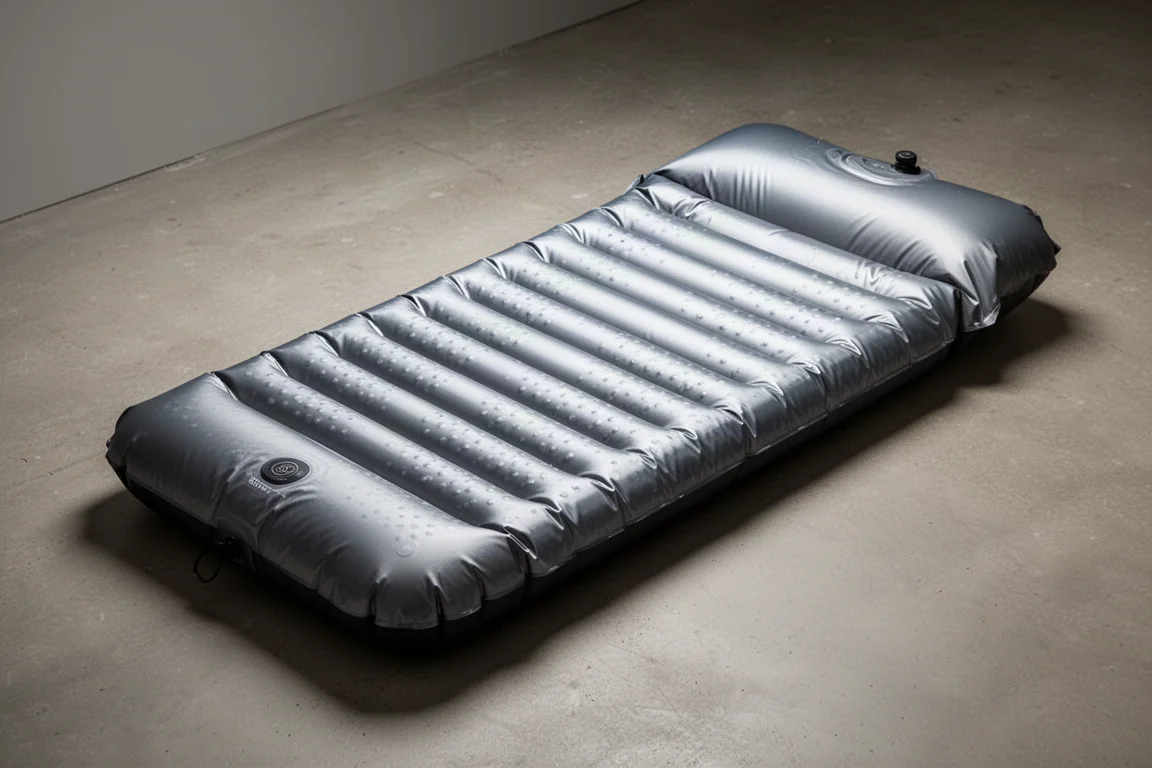
It sleeps warmer than its rating suggests. The advertised R-value is 3.5, but in use it feels closer to the 4 range, possibly higher. Comfort is good as well, thanks to a baffling system similar to the one used on the Nemo Tensor. The horizontal baffles mean it is not quite as comfortable as some premium alternatives, but it still delivers a solid night’s sleep.
Then there is the price: $115, and a little less for Outdoor Vitals members. It is not a light pad, but for backpackers who want warmth and comfort without spending a lot, it is an easy option to recommend.
Buying Advice: Matching Gear to Real Trips
The pattern across these five categories is consistent. Features that look good in a specification table often matter less than how a product behaves after a few hours of use.
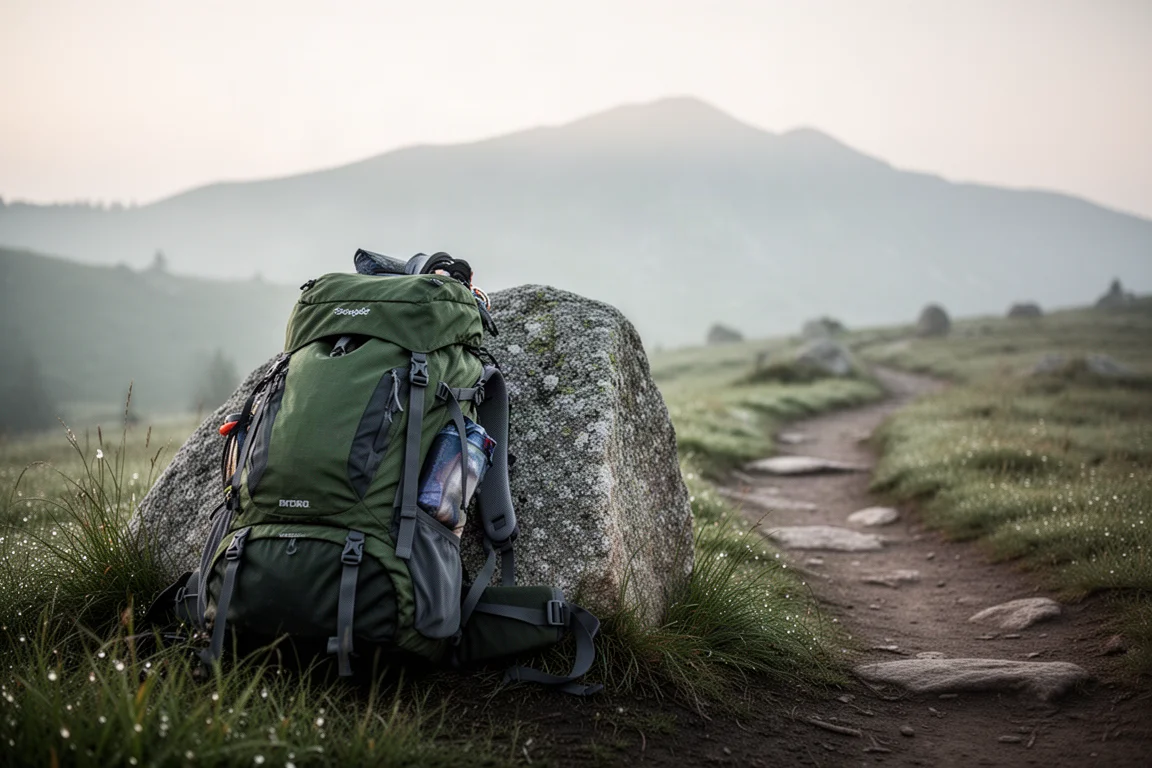
For packs, pocket access and hip belt comfort deserve more weight than a weight figure alone. A pack that carries 40 pounds comfortably and lets you reach a water bottle without stopping is worth more on a long day than one that saves a few grams.
For pillows and pads, staying in place and sleeping true to the stated rating are the qualities that decide whether a purchase works out. A pad strap on a pillow and a realistic expectation of warmth on a pad make far more difference than a headline number.
For electronics, the decision usually comes down to what you actually need. A USB-C headlamp is convenient, but only if the rest of the design suits you. A satellite communicator with no screen and a modest build still delivers the messaging and SOS capability that matters in remote terrain, and the low device and plan costs make it accessible to a much wider group of backpackers.
For tents, decide whether simplicity or added features serve you better. Zippered entries and extra vents can be useful, but every added component is something that can wear or fail in sand and dirt, so it is worth asking whether the convenience is worth the trade.
Conclusion
Five products earned their place this season: the REI Flash 55 for load carrying and pocket design, the Big Sky Dream Sleeper once paired with a pad strap, the Motorola Defy Satellite Link for affordable off-grid messaging, the Durston X-Mid Pro 2 for room and a fast pitch, and the Outdoor Vitals Oblivion for warmth and value.
Four fell short of expectations: the Osprey Exos Pro 55 for pocket access and water pooling in the zippered pocket, the Nitecore NU25 for added bulk and a less convenient cord setup, the Zpacks Duplex Zip for a zipper that works against the simplicity of the design, and the Big Agnes Zoom UL for sleeping cooler than its rating suggests. The Trekology Aloft Pro remains under evaluation, since its shape may simply suit a different kind of sleeper.
The common thread is that the details decide. Straps, pockets, cord arrangements, and honest warmth all matter more than a headline number, and knowing where a product compromises is the best way to buy gear you will actually keep using.
Further reading
Related Reviews

Backpacking Gear
Building a 10 lb Base Weight: An Ultralight Backpacking Gear List
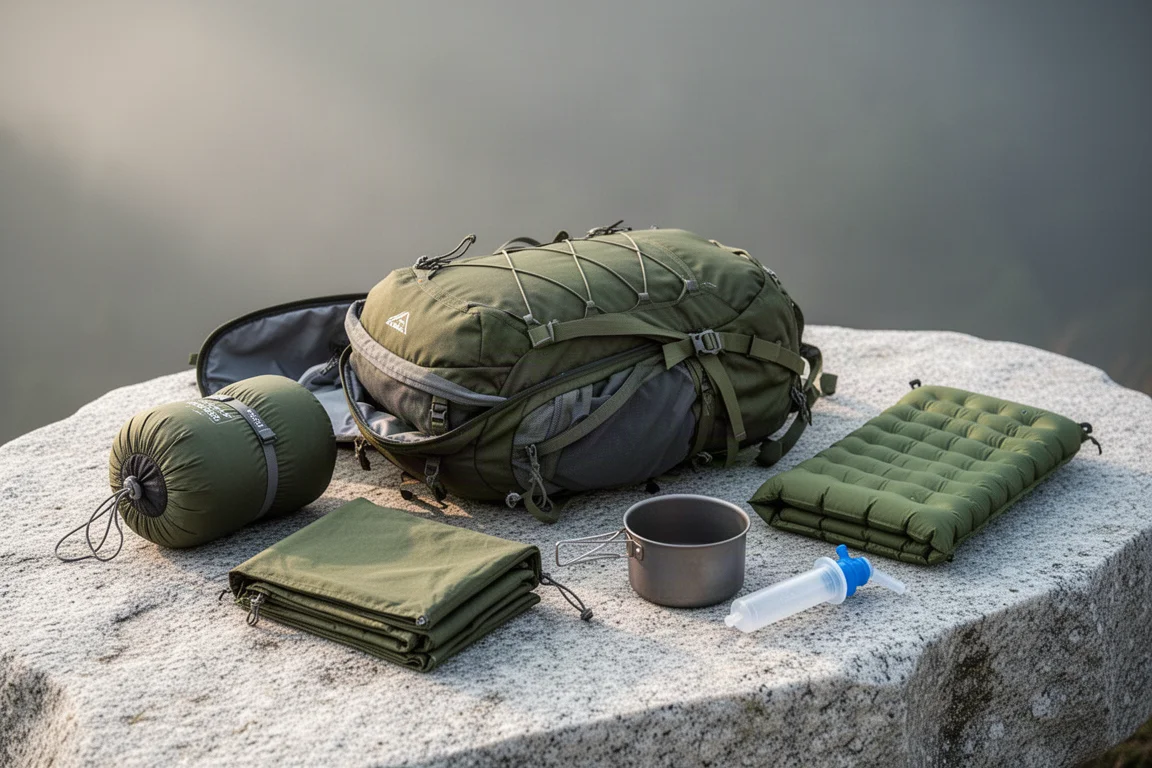
A practical walkthrough of the ultralight pieces behind a 10 lb base weight, from a 765 g pack and a roomy one-person tent to a full camp chair and a dependable water filter.
Backpacking Gear
A 15-Pound Lightweight Backpacking Gear List for Solo Trips
A beginner-friendly 15-pound backpacking setup built from easy-to-find gear, with notes on what each piece does, how it packs, and where to spend your attention.
Backpacking Gear
8 Ultralight Backpacking Gear Upgrades Worth Carrying
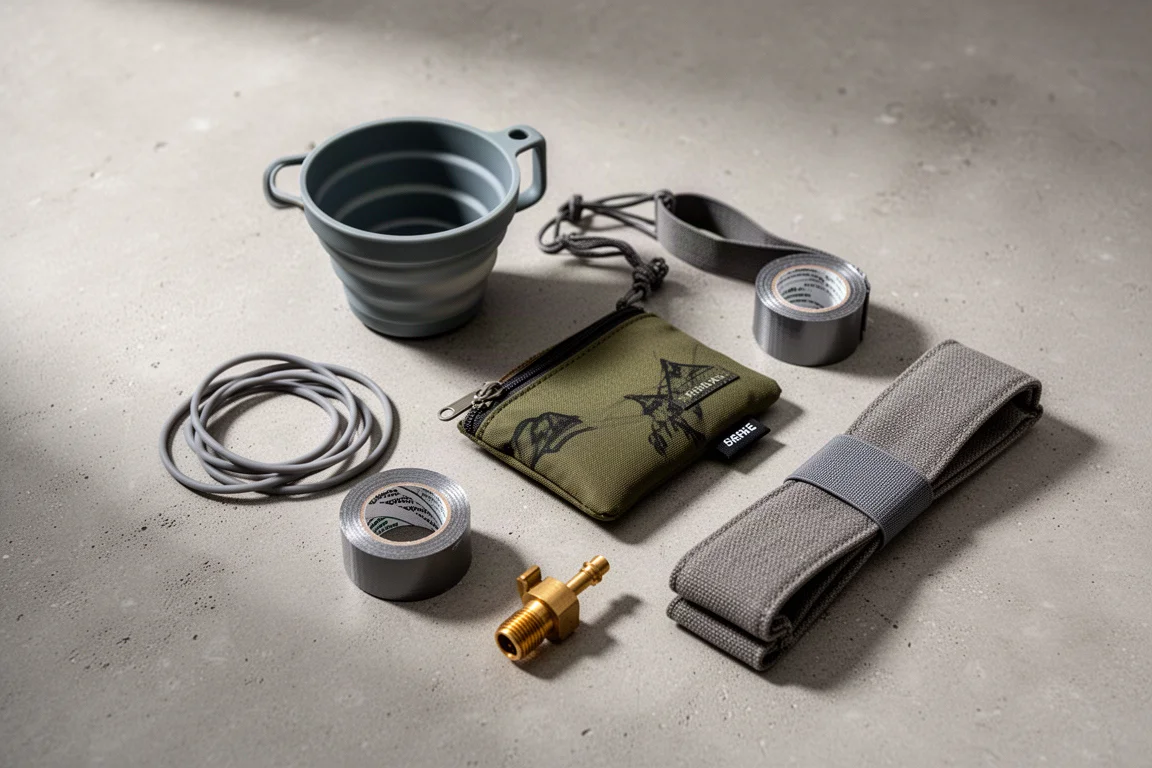
Eight small, affordable backpacking upgrades that solve real trail annoyances, from a pillow that stays put to a fuel valve that rescues leftover canister gas.