Backpacking Gear
Three Backpacking Pieces Tested in Cold, Rocky Terrain: Stakes, Sleeping Pad, and a Light Hoodie
A field-tested look at MSR Groundhog Stakes, the Sea to Summit Ether Light XT Extreme, and the Outdoor Vitals Ventus Hoodie in cold, rocky fall conditions.
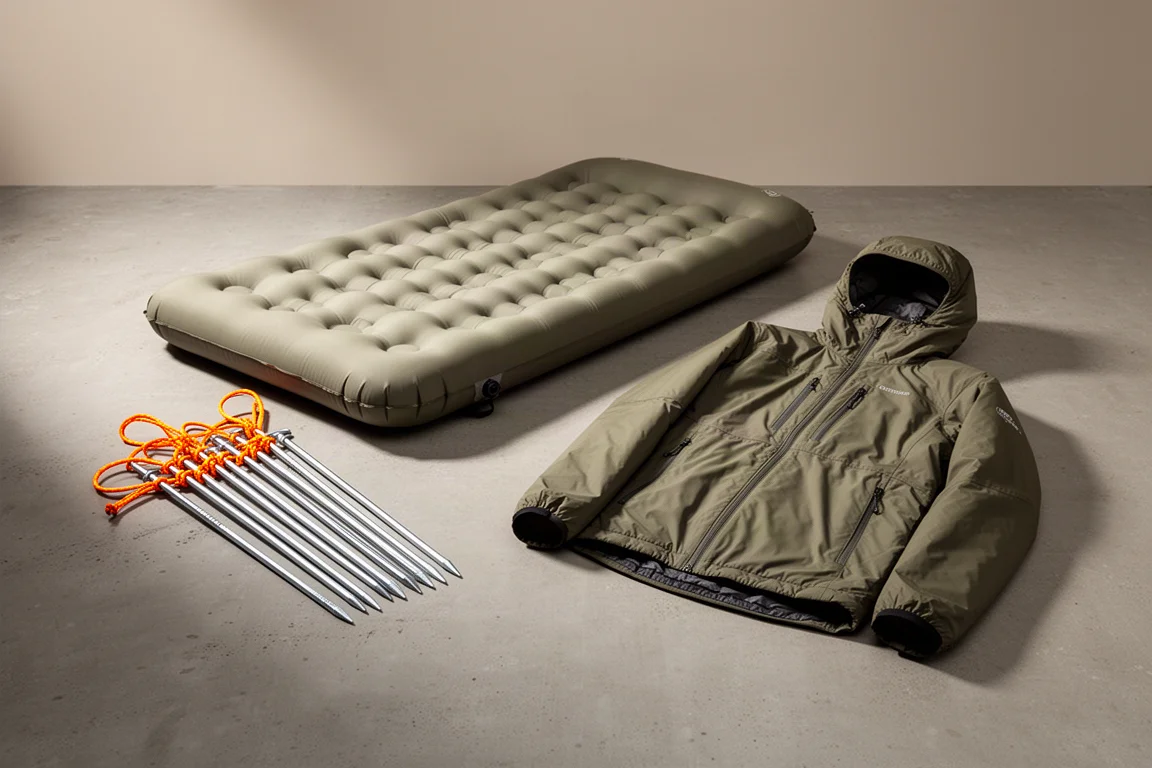
Introduction
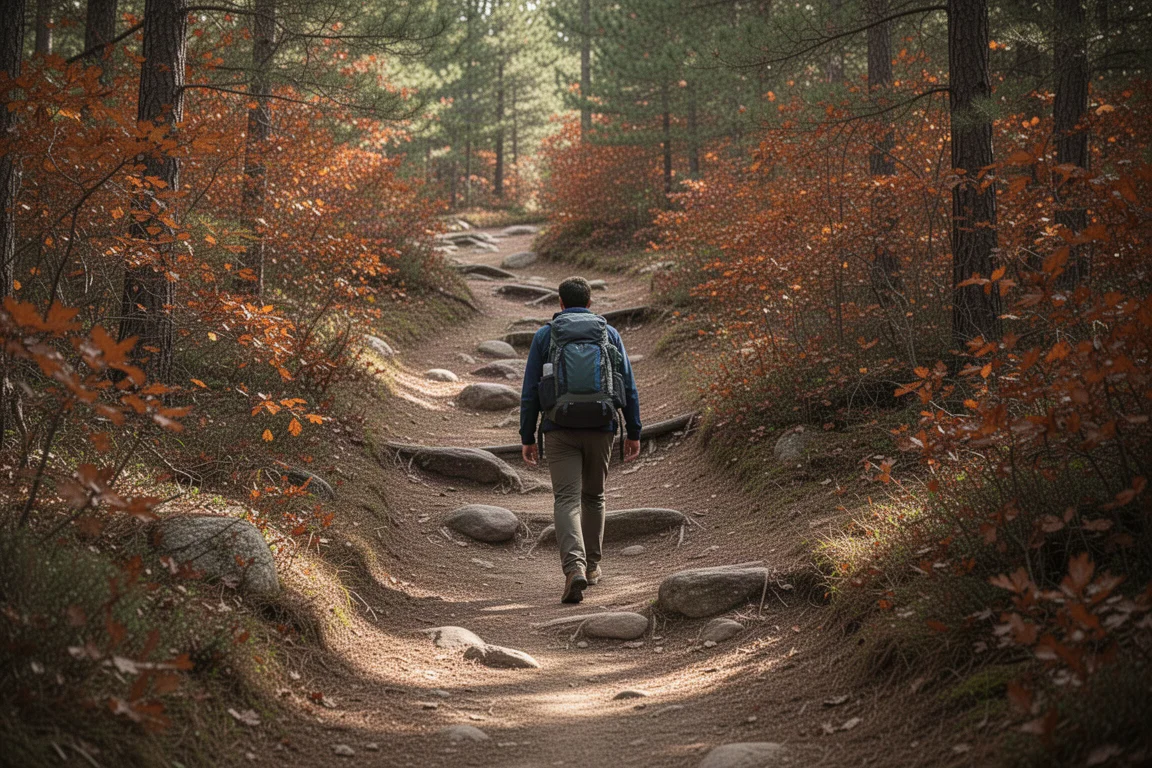
Cold-weather backpacking puts gear under a different kind of scrutiny. Mild-weather comfort is forgiving, but when overnight temperatures drop toward freezing, every piece has to justify the space it takes in the pack. Three items were put to work on a fall trip in Wisconsin, where the foliage was at peak color, the trail rolled through constant short climbs and descents, and camp sat on rocky soil with wind moving through the trees.
The three pieces cover the core of a cold-weather shelter and sleep setup: stakes that hold a shelter in stubborn ground, an insulated sleeping pad sized for winter use, and a lightweight hooded layer for camp and the trail.
What Mattered Most on This Cold, Rocky Trip
Three criteria shaped the assessment. The first was ground holding, since shelter stakes had to bite into soil that was rocky and hard enough to resist normal placement. The second was warmth from below, with overnight temperatures around 22 degrees Fahrenheit and a sleeping pad that had to stop cold from seeping up through a properly rated 20 degree sleeping bag. The third was warmth to weight, because a camp layer has to add real heat without adding bulk to an already heavy pack.
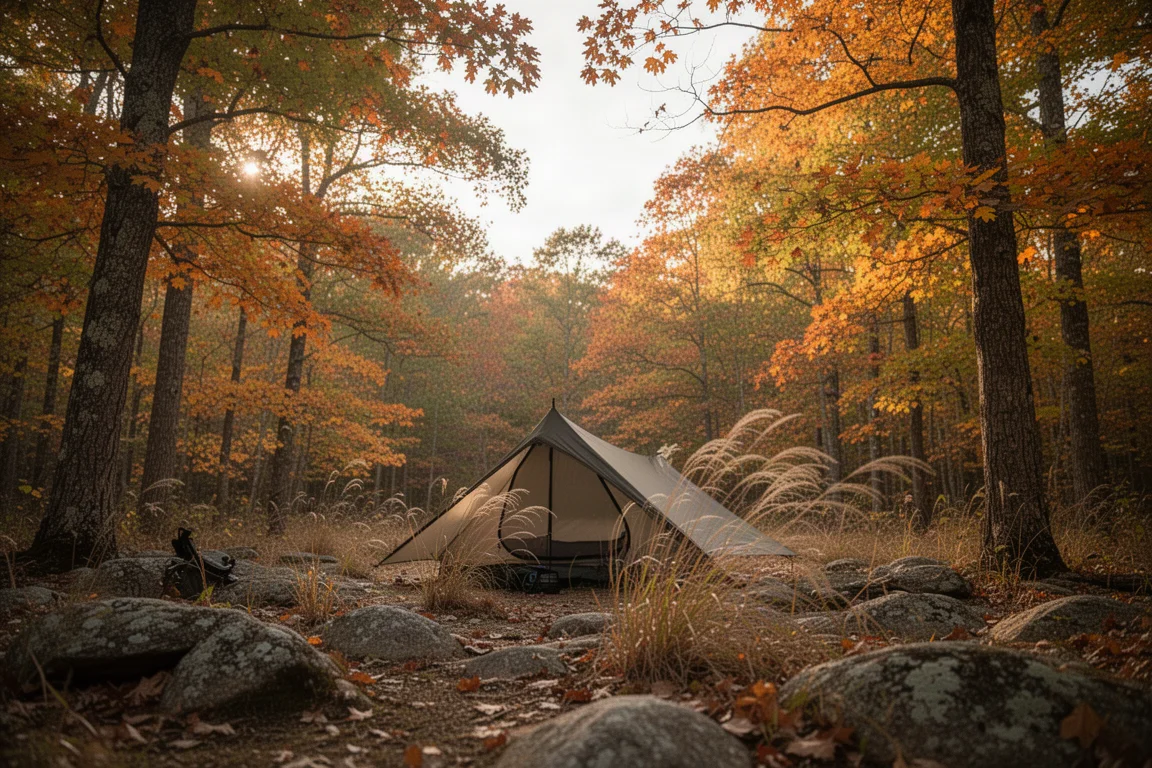
Packability carried nearly as much weight as performance. A pad that sleeps well but packs large, or a layer that is warm but heavy, changes what else can come along on a deep-winter trip.
MSR Groundhog Stakes: Lightweight Hold in Stubborn Ground
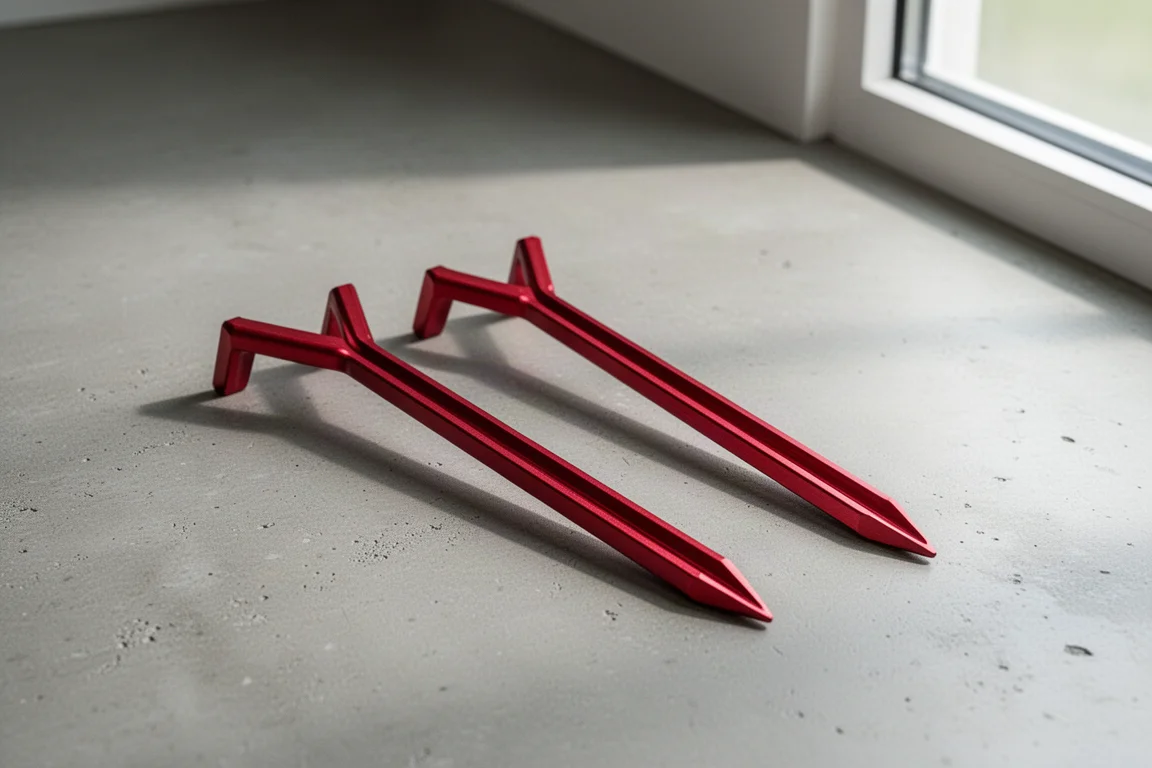
MSR Groundhog Stakes are lightweight backpacking stakes that stay reasonably strong for their weight. They are not unbreakable, and this trip tested that limit: the ground was rocky enough that a rock had to be placed on top of a stake to keep it anchored, especially with wind pushing against the shelter.
Driving a stake in with a rock works well and keeps the effort controlled. Stepping on a stake is a common habit that others advise against, since a misplaced step can damage the stake or the shoe. Checking whether a stake is likely to pull free before committing to it is a small habit that keeps a shelter from coming loose overnight.
Sea to Summit Ether Light XT Extreme: Big Comfort, Cold Caveats
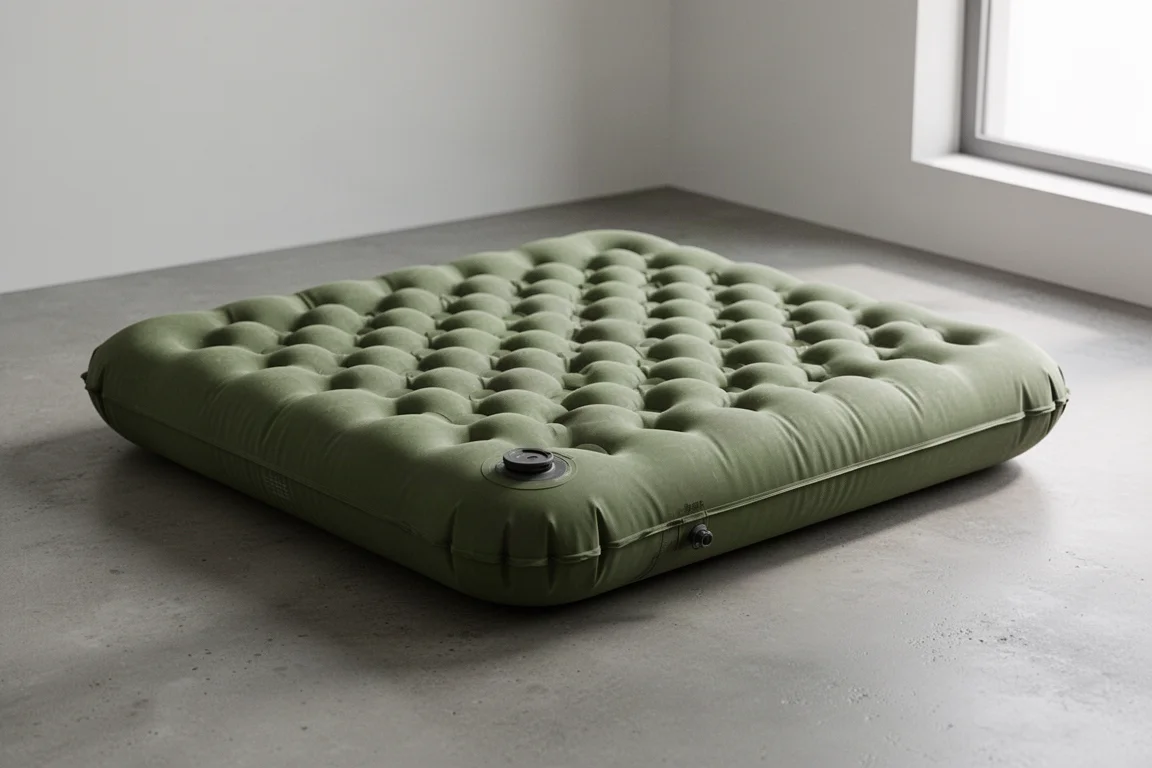
The Sea to Summit Ether Light XT Extreme is a large pad. Its size is obvious the moment it is inflated, and it is comfortable to lie on when it is filled to full firmness in milder conditions.
In the cold, the results were less convincing. With overnight temperatures around 22 degrees Fahrenheit and a 20 degree sleeping bag that has stayed warm in genuinely cold weather, a chill was noticeable underneath for most of the night. The pad also needs to be inflated fully firm. Releasing a little air through the valve made it comfortable at first, then noticeably colder within minutes, which suggests the insulation depends on full inflation. At full firmness it put pressure on a hip. It is also a noisy pad, crinkling with small movements through the night, and it packs down with a large band rather than into a compact stuff sack.
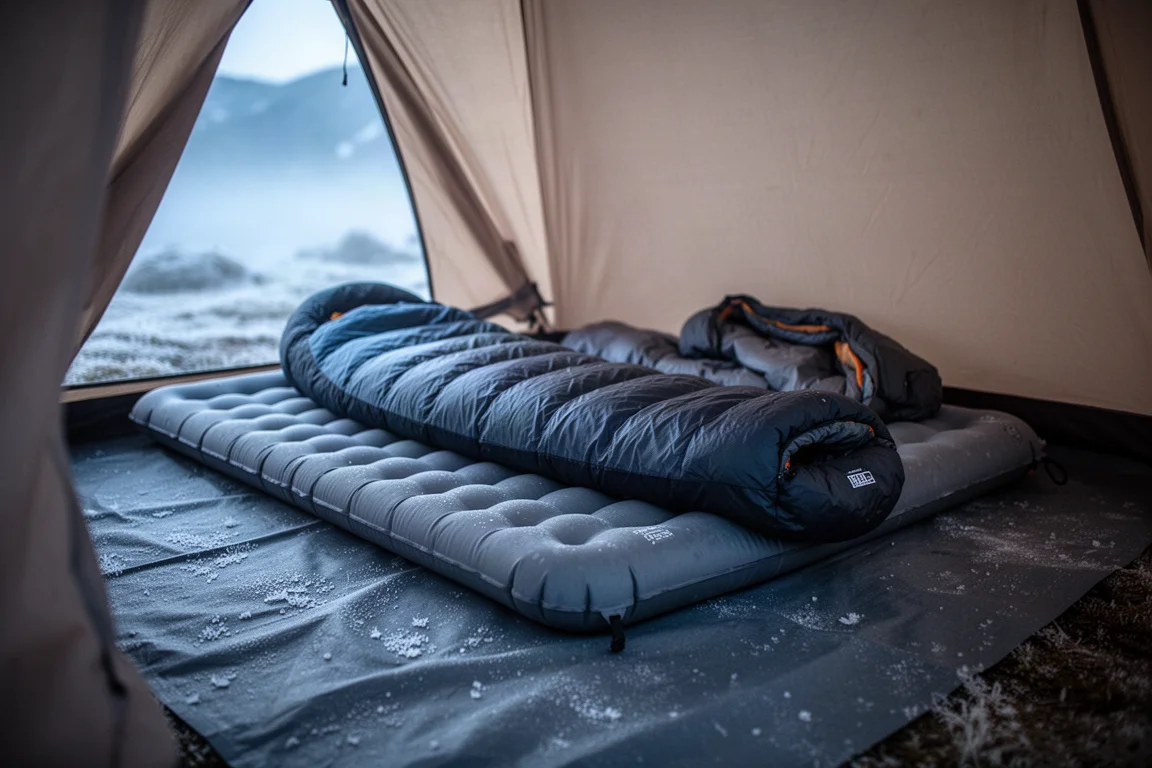
Anyone weighing this pad should plan on inflating it fully every night, consider an extra layer for warmth from the ground, and factor the packed size into how much room the rest of the kit gets.
Outdoor Vitals Ventus Hoodie: Light, Warm, and Easy to Layer
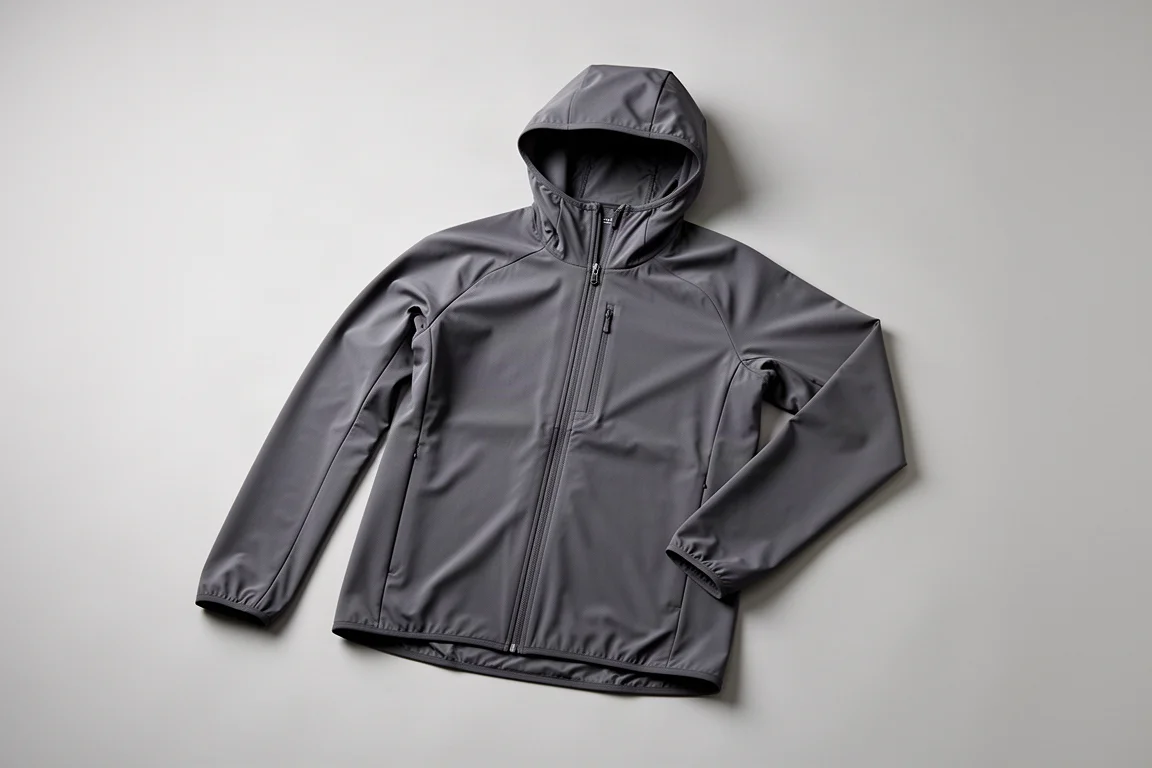
The Outdoor Vitals Ventus Hoodie is the clearest win of the three. The current version adds an elastic cord at the hem that the earlier version lacked, and that cord matters: it cinches the bottom of the hoodie down so drafts cannot move in and out while hiking or sitting at camp.
It weighs roughly seven ounces and uses synthetic insulation that does not feel thick, yet it delivers surprising warmth once it is on. As a camp layer for cold trips it hits the balance that counts most, offering real heat for very little weight and packed volume.
Matching Gear to Trip Conditions
The right combination depends on where a trip falls on the thermometer. Rocky, wind-exposed ground favors stakes that can be driven with a rock and backed up with a rock on top. Sub-freezing nights favor a pad that stays warm at full inflation, or a pad paired with an added layer for insulation from the ground. Cold camp evenings favor a light synthetic hoodie that layers easily under a shell or a heavier puffy.
Together the three pieces close the practical gaps: the stakes keep the shelter planted, the pad handles the surface underneath a sleeping bag, and the hoodie handles the hours between arriving at camp and getting into the bag.
Setup Details Worth Checking Before You Buy
A few details are worth confirming before committing to any of these three. Stakes should be matched to the ground they will actually meet, and on rocky soil it is sensible to plan on driving them with a rock and using rocks as anchors rather than trusting the stake alone. Sleeping pads should be tested at full inflation first, since warmth and comfort change quickly once air is released. A hooded layer should be checked for a hem cinch, because a loose hem lets warm air escape exactly when it is needed most.
Practical Buying Advice
Start with the stakes if shelter security is the weak point in a current setup. They are a small, straightforward upgrade and the piece that most directly decides whether a windy night is restful. Choose the sleeping pad around the coldest conditions it will realistically face, and be ready to inflate it fully every night. Add the hoodie as a low-weight warmth layer for cold camps and cold starts, and treat it as part of a layering system rather than a standalone answer to deep cold.
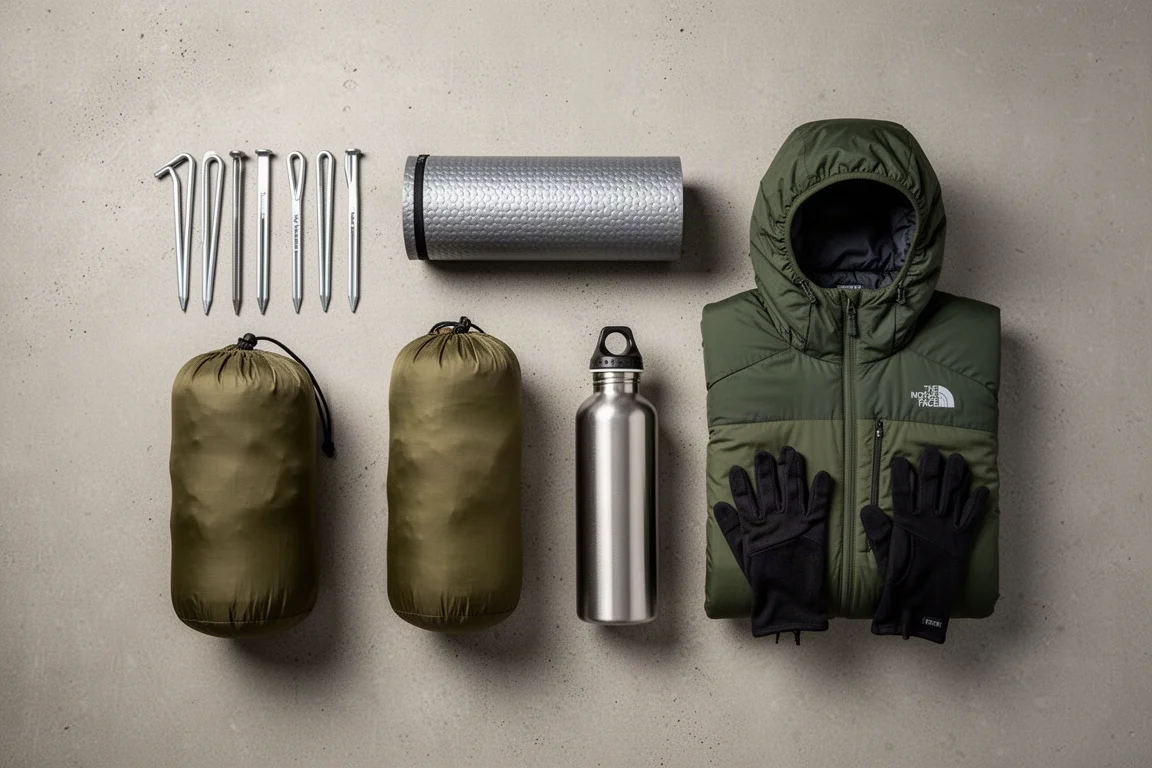
None of the three needs to be bought together. Each one solves a separate problem, and the weakest link in an existing kit is the one worth replacing first.
Conclusion
The three pieces landed in three different places. The MSR Groundhog Stakes did their job in difficult ground with a little help from a rock, and remain a sensible lightweight choice for backpackers who expect hard soil and wind. The Sea to Summit Ether Light XT Extreme is large and comfortable when fully firm, but it ran cold underneath near 22 degrees Fahrenheit and needs full inflation to perform, which is worth knowing before relying on it for winter nights. The Outdoor Vitals Ventus Hoodie is the easiest recommendation of the group, warm and light with a hem cinch that makes a real difference at camp.
Match each purchase to the conditions you actually camp in, and the kit gets lighter and warmer at the same time.
Further reading
Related Reviews

Backpacking Gear
Building a 10 lb Base Weight: An Ultralight Backpacking Gear List
A practical walkthrough of the ultralight pieces behind a 10 lb base weight, from a 765 g pack and a roomy one-person tent to a full camp chair and a dependable water filter.
Backpacking Gear
A 15-Pound Lightweight Backpacking Gear List for Solo Trips
A beginner-friendly 15-pound backpacking setup built from easy-to-find gear, with notes on what each piece does, how it packs, and where to spend your attention.
Backpacking Gear
8 Ultralight Backpacking Gear Upgrades Worth Carrying
Eight small, affordable backpacking upgrades that solve real trail annoyances, from a pillow that stays put to a fuel valve that rescues leftover canister gas.