Backpacking Gear
Backpacking Gear Roundup: Squeeze Filters, Ultralight Tents, and Sleeping Pads
A practical look at seven pieces of backpacking gear, from ultralight shelters and sleeping pads to squeeze water filters, with the trade-offs that matter before you buy.
Introduction
Ultralight backpacking gear keeps getting lighter, and the details that separate a genuinely useful purchase from a frustrating one are usually small. How a filter sits inside its squeeze bag, where a vestibule zipper runs across a fly, how loud a sleeping pad sounds at two in the morning.
This roundup covers seven items across water treatment, shelter, and sleep. Some are easy recommendations, one needs an extra purchase to work well, and a couple carry trade-offs that are worth understanding before you commit.
What to Look For Before You Buy
Four things decide most of these purchases. The first is weight, but only in context: a 13.7 oz shelter is remarkable, while a shelter that is awkward to pitch in wind or rain is not a bargain at any weight.
The second is whether a design works with the parts you already carry. Squeeze filters live or die on this point, because a filter that only works well with a bag you do not own is a hidden cost rather than a saving.
The third is honest warmth and insulation figures. A pad or a bag that only performs at the edge of its published rating is worth less than the number suggests, and the layers you pair with it matter as much as the rating itself.
The fourth is total cost of ownership. Add the accessory that makes an item functional, and the cheapest option in a category is not always the least expensive one.
It also helps to separate design side effects from actual flaws. A zipper placement that lets rain in is a real annoyance, but it is a different kind of problem from a filter that cannot empty its own bag.
LifeStraw Peak Series: A Squeeze Filter With One Real Catch
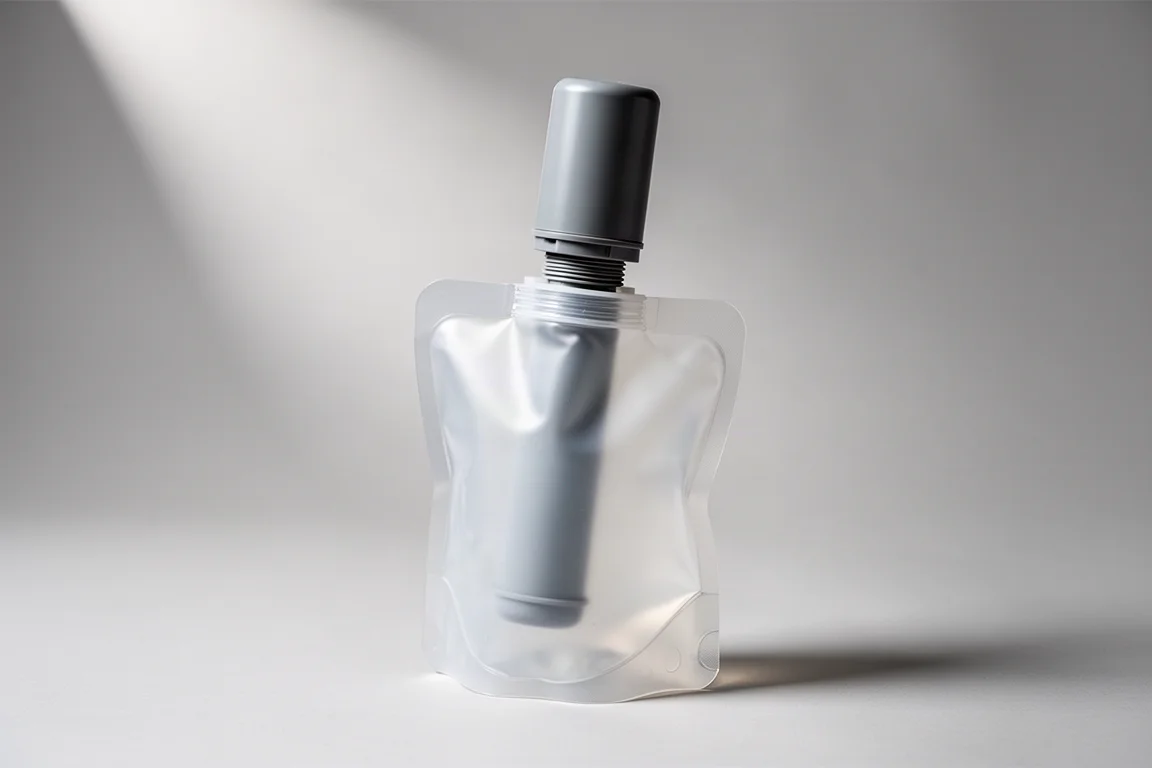
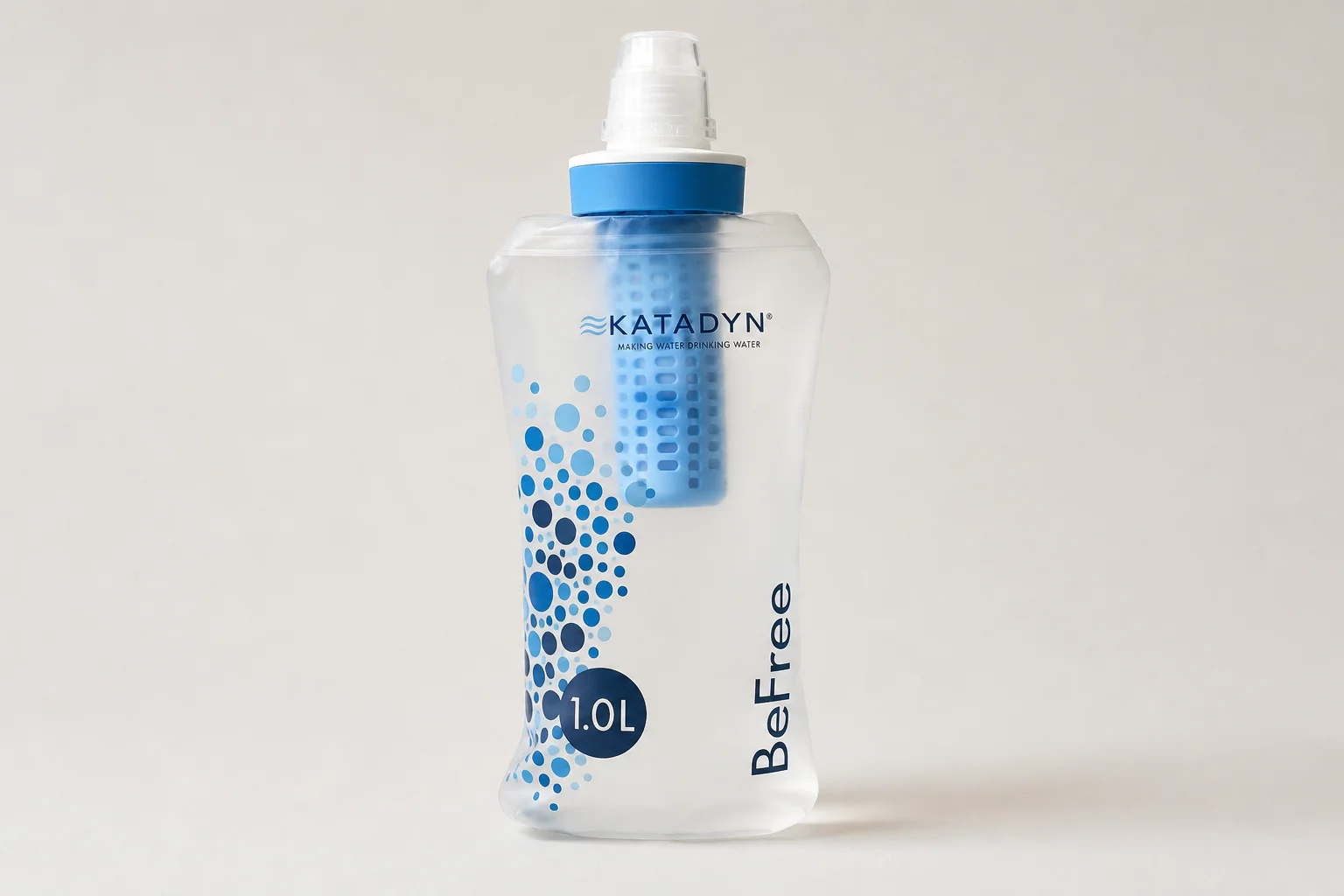
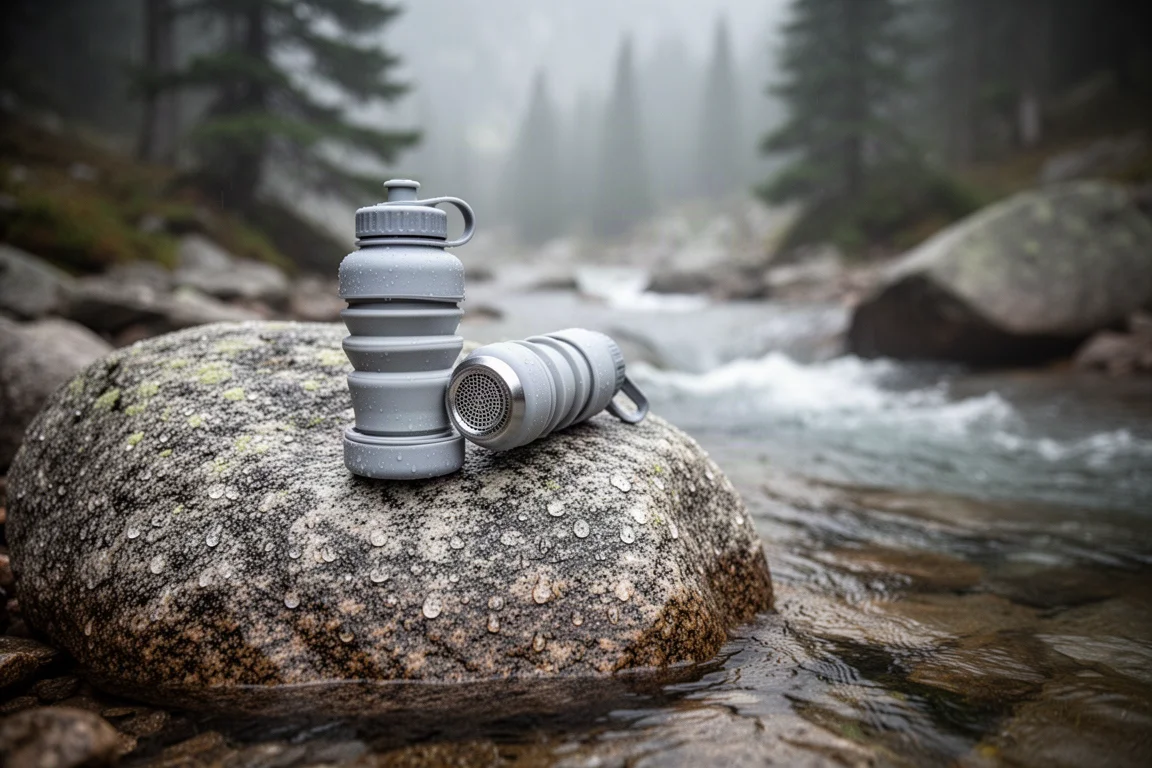
The Peak Series is a squeeze and gravity filter that borrows several ideas from established designs. The filter body sits recessed inside the squeeze bag, in the same spirit as the Katadyn BeFree, which keeps the whole system compact in a pack.
The difference is where the water enters. The BeFree’s filter is open all the way around, while the Peak’s opening sits only at the bottom. Because the filter reaches so far down into the supplied one-liter bag, you cannot squeeze all of the water out of it. A full bag leaves water behind that you either carry or pour away.
What rescues the design is the thread. The Peak uses a standard 23 mm thread, the same one found on SmartWater bottles and Cnoc bags. Swap the supplied bag for a Cnoc bag and you can push all of the water through, at roughly 30 seconds per liter. That is not the fastest flow available, but it is far from slow.
Flow rate is the other thing to watch. There are reports of the Peak slowing down after filtering only about 15 liters, which is not much water for a filter meant to last a season.
Price is the final piece. The Peak sells for nearly $40, which is less than the BeFree, but a $20 Cnoc bag is effectively part of the cost if you want the system to work properly. The Platypus QuickDraw costs $30, or about $40 with a usable squeeze bag, and solves the same problem more cleanly. Unless you already carry a compatible bottle or bag, the Peak Series is hard to recommend over the alternatives.
Katadyn BeFree: An Open-Design Squeeze Filter
The BeFree’s defining trait is that its filter element is open all the way around rather than restricted to a single opening at the bottom. That is what lets water pass through from every side as you squeeze, and it is the design the Peak Series is measured against.
It is the more expensive of the two, and it does not undercut the Peak on price. For a squeeze filter that does not ask you to buy a second bag to make it functional, it remains the more straightforward choice of the pair.
Platypus QuickDraw: A Squeeze Filter That Works With Its Bag
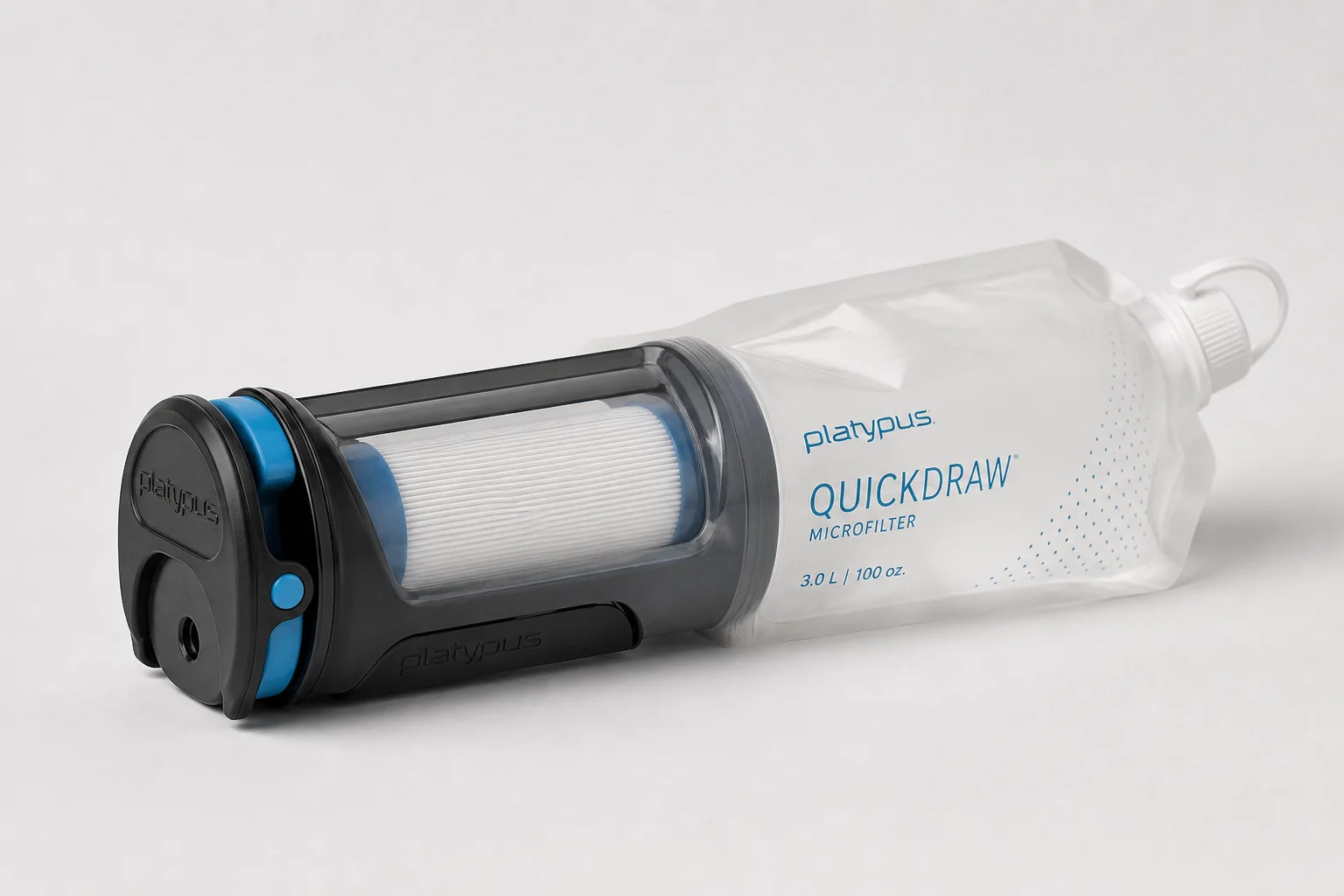
The QuickDraw is the simplest answer to the problem the Peak Series creates. It costs $30 on its own, or about $40 with a squeeze bag that is actually usable, so you are not paying twice to make the system functional.
Of the three squeeze filters here, the QuickDraw has the strongest design, and it is the one to pick if you want a filter that behaves the way a squeeze filter should straight out of the box.
MSR FreeLite 2: A Roomy Two-Person Ultralight Tent
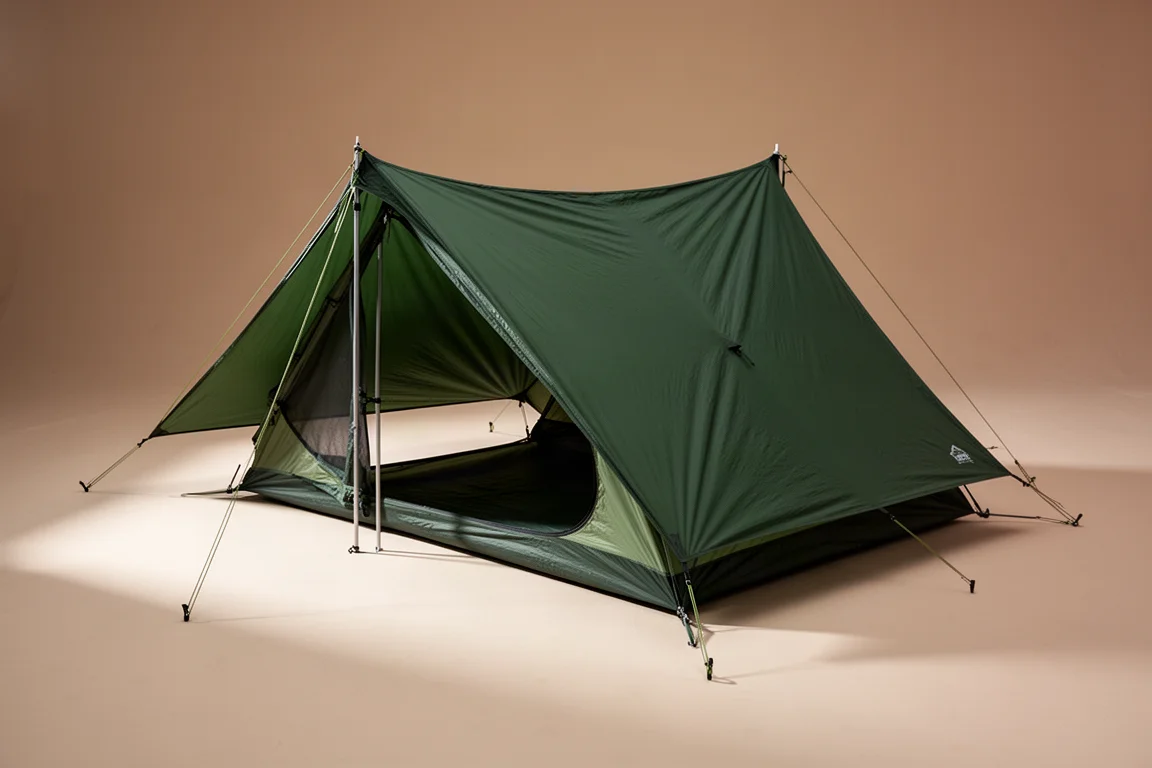
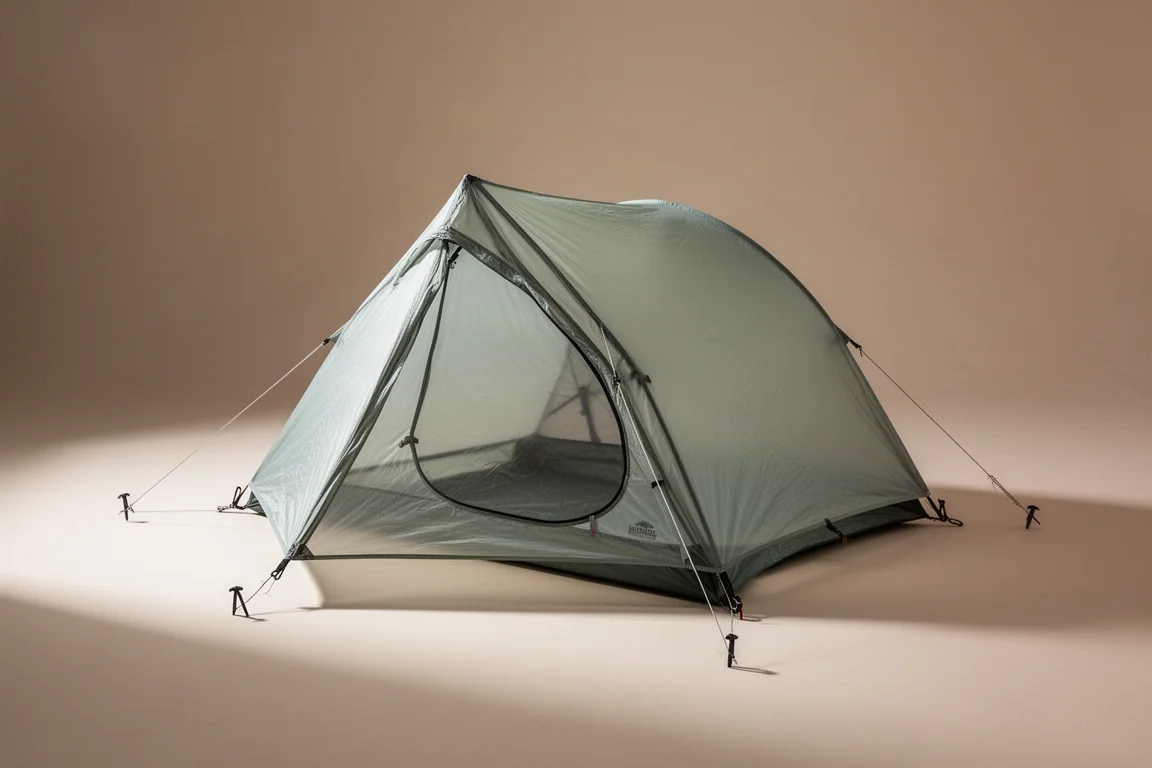
The FreeLite 2 is a completely redesigned semi-freestanding ultralight tent that weighs just over 2 lb. For a two-person shelter, that is a serious number.
Its most useful feature is the shape. A true rectangular floor that is 50 inches wide fits two sleepers on 25-inch pads, which is not something every two-person tent manages. Combined with a decent amount of headroom, it makes a convincing case as a shared shelter for trips where two people split the load.
The redesigned vestibule zipper is the interesting part. Instead of running down the center of the fly, it cuts across it, so you do not have to fold yourself in half to reach the zipper when you open or close the tent.
That convenience has a side effect. Opening the tent with a wet fly lets water drip straight inside, right where a sleeping bag sits. It is a design side effect rather than a construction flaw, but it is the kind of thing you notice on a rainy morning, and it is the reason the FreeLite 2 does not rank higher here.
Therm-a-Rest Ohm 20: A Sleeping Bag and Quilt in One
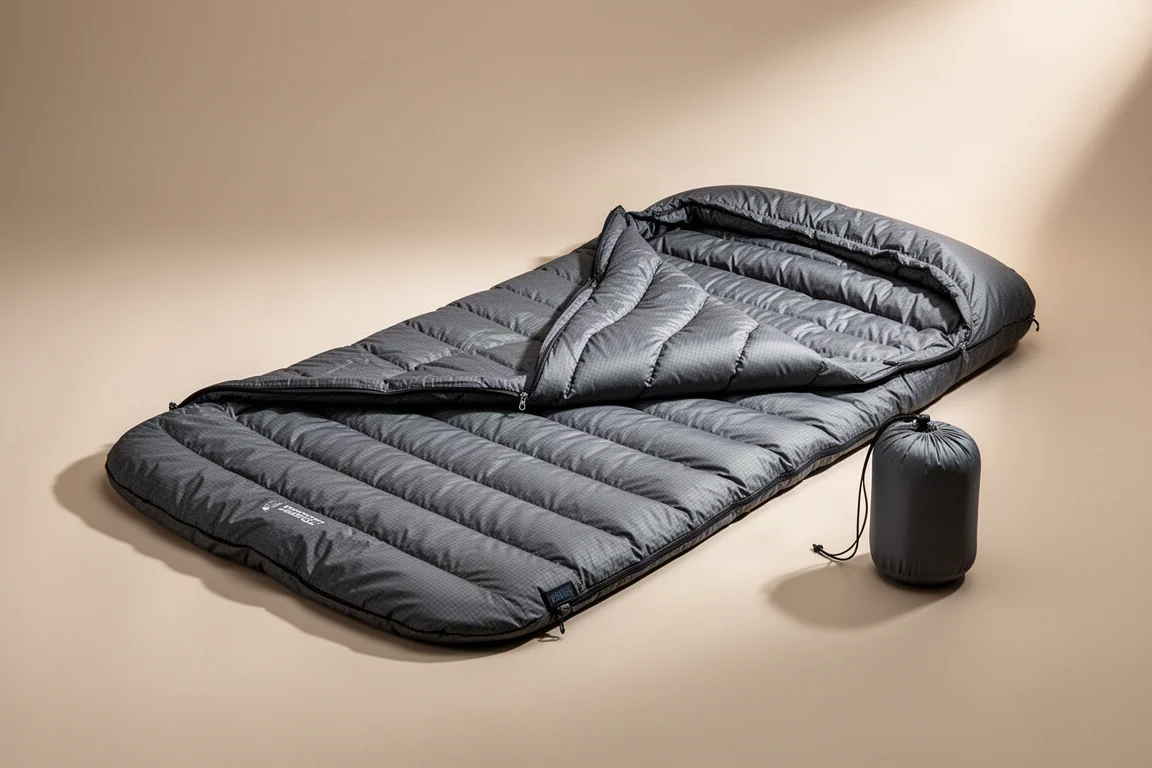
The Ohm 20 is a quilt and sleeping bag hybrid, which makes it a good answer for anyone who cannot decide between the two. Zipped all the way up it is a sleeping bag. Unzipped it becomes a large quilt. Two of them can be zipped together into a two-person sleeping bag.
It is filled with 900 fill power hydrophobic down and weighs 22 oz. The rating is 30 degrees comfort with a 20 degree limit, and pushed to its limit in desert conditions the figure held up as accurate.
The bag does not include a hood, and that omission is part of what allows it to open into a full quilt. Add a separate down hood and pair it with an appropriately rated sleeping pad, and it performs well in spring and fall. Opened all the way up, it works in warmer summer temperatures too.
Nemo Tensor Insulated: A Quieter, Thicker Sleeping Pad
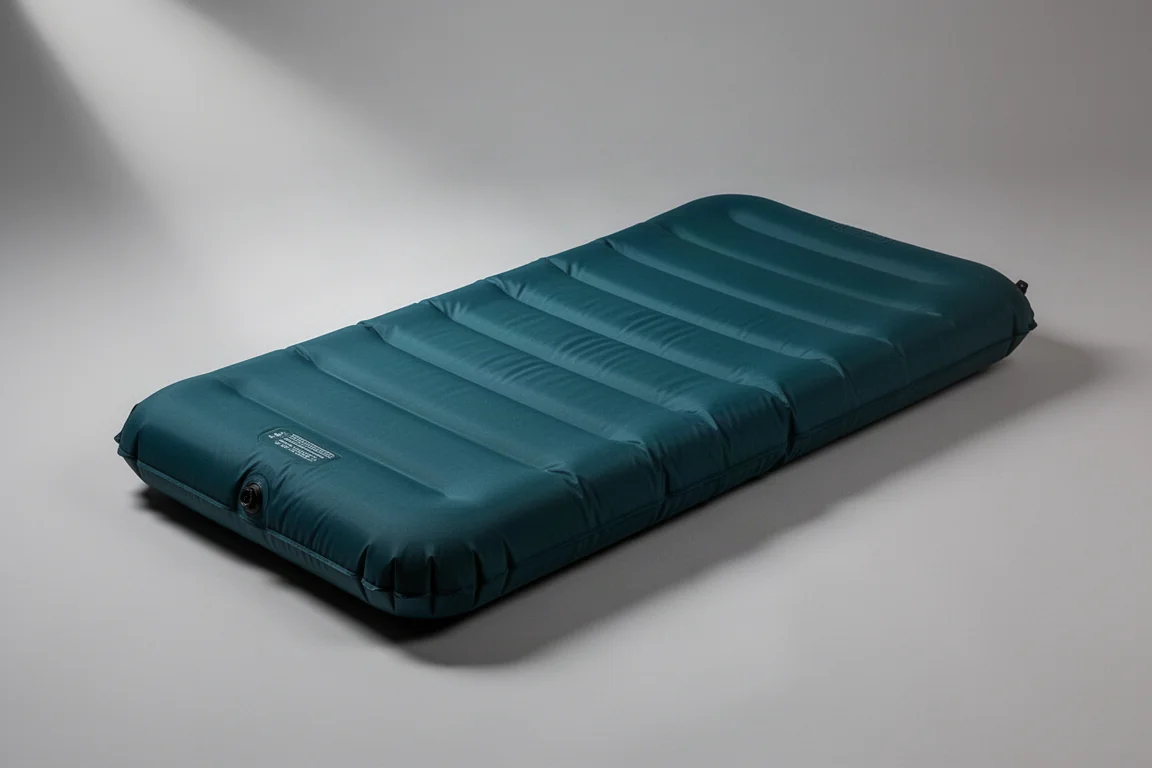
The insulated Tensor has been updated to a 4.2 R value, which is a good rating for everything except the coldest weather. It is also 3 inches thick, which puts it in a comfortable class of pad rather than a minimal one.
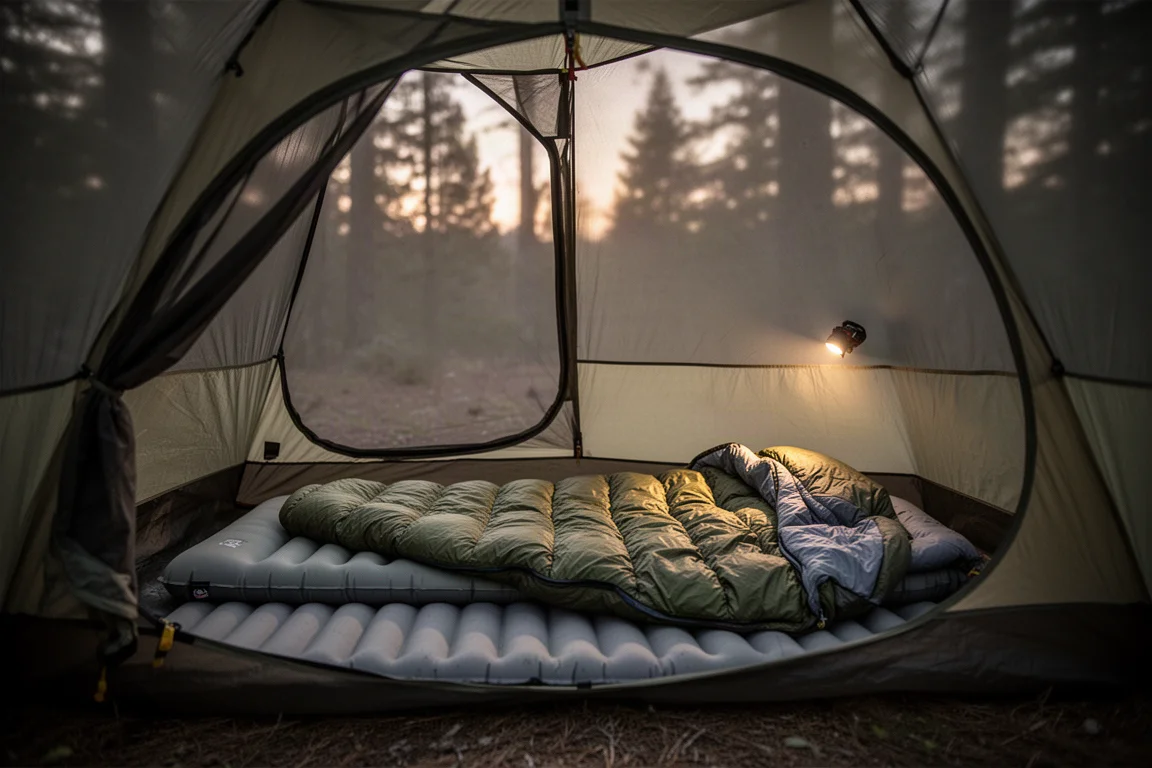
The more interesting change is the noise. Most lightweight pads use a reflective film to add warmth without weight, and that film is what produces the crinkling, chip-bag sound that carries across a quiet campsite. Nemo still uses reflective film but suspends it inside the pad rather than laying it against the shell, which keeps the noise down. That is how the R value went up without any weight penalty.
Weight lands at 19 oz, and there is a wide 25-inch version for anyone who has given up on narrow pads.
Zpacks Plex Solo: The Lightest Shelter Here
The Plex Solo weighs 13.7 oz, which makes it lighter than a typical pack, sleeping bag, or sleeping pad. In a full loadout it can be both the largest item and the lightest one.
It is also roomy for a one-person shelter and relatively easy to pitch, which matters more than the number on the scale. A shelter that is awkward to set up in bad weather is a poor trade no matter how little it weighs.
The catch is price. At almost $600, the Plex Solo is the most expensive item in this roundup, and it shelters one person rather than two. If weight is the priority and the budget allows it, it is the standout option here.
Buying Advice: Matching Gear to Your Trip
Water treatment is the easiest decision in this group. The Platypus QuickDraw does the job at $30, or about $40 with a usable squeeze bag. The Katadyn BeFree costs more but has the open filter design that makes squeezing straightforward. The LifeStraw Peak Series only makes sense if you already own a Cnoc bag or a compatible bottle, since the supplied bag will not let you empty it.
Shelter comes down to how many people you are and what you are willing to pay for weight. The Zpacks Plex Solo is the lightest and the most expensive at almost $600, and it is a solo shelter. The MSR FreeLite 2 weighs just over 2 lb and fits two people on 25-inch pads, which makes it the better value for pairs, provided you can live with water dripping in when you open a wet fly.
Sleep is a question of style rather than budget. The Therm-a-Rest Ohm 20 suits anyone who wants one piece of insulation that works as both a bag and a quilt, at the cost of carrying a separate hood. The Nemo Tensor Insulated is the quieter, thicker pad, with a 4.2 R value that covers most three-season trips.
Conclusion
Nothing here is complicated, but each item has one detail that decides whether it works for you: the thread and flow of a squeeze filter, the shape and zipper placement of a tent, the way a pad sounds in a quiet campsite. Match those details to how you actually camp and any of these will serve you well. Ignore them, and even the lightest gear in the world will still feel like a compromise.
Further reading
Related Reviews

Backpacking Gear
Building a 10 lb Base Weight: An Ultralight Backpacking Gear List
A practical walkthrough of the ultralight pieces behind a 10 lb base weight, from a 765 g pack and a roomy one-person tent to a full camp chair and a dependable water filter.

Backpacking Gear
A 15-Pound Lightweight Backpacking Gear List for Solo Trips
A beginner-friendly 15-pound backpacking setup built from easy-to-find gear, with notes on what each piece does, how it packs, and where to spend your attention.

Backpacking Gear
8 Ultralight Backpacking Gear Upgrades Worth Carrying
Eight small, affordable backpacking upgrades that solve real trail annoyances, from a pillow that stays put to a fuel valve that rescues leftover canister gas.