Backpacking Gear
Six Backpacking Gear Items Worth Knowing Before You Buy
A practical look at six well-known backpacking items, what each one does well, where the trade-offs appear, and who should still consider them.
Introduction
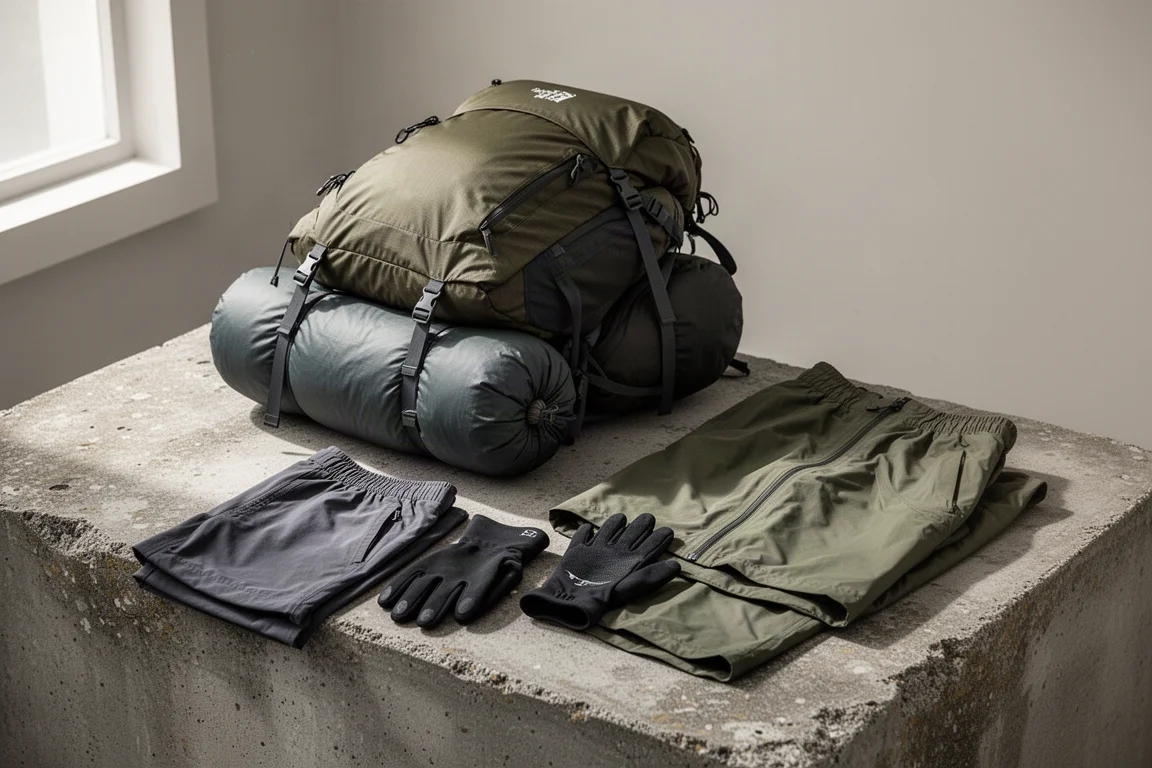
Backpacking gear rarely stops working all at once. More often an item performs well for a few seasons and then one detail starts to matter more than it used to: a missing attachment point, a fabric that no longer sheds water, or a piece of clothing that no longer matches the way you hike. That is a normal part of building a kit, not a sign that the original purchase was a mistake.
The six items below are all well established in lightweight backpacking circles, and every one of them earned its place on a gear list at some point. Each is also a case where a specific trade-off became more important than the benefit, which makes them useful to examine closely before you buy.
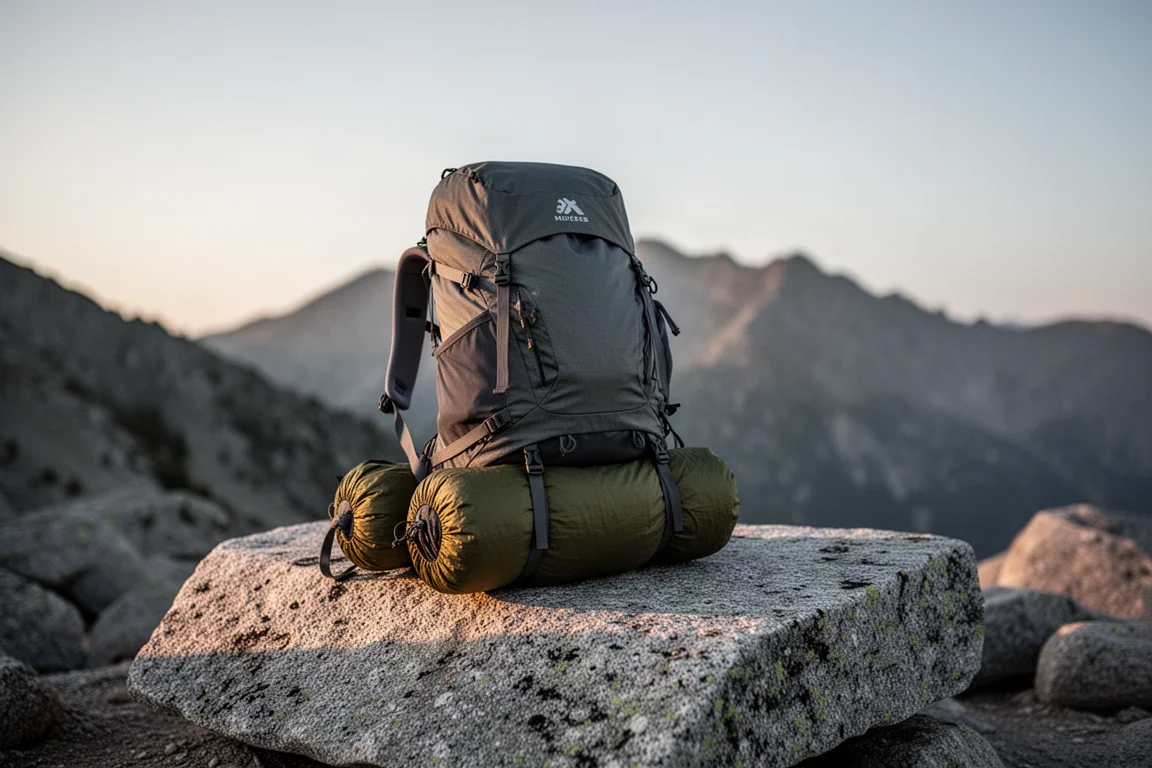
None of them is a poor purchase. Each one is a good match for a certain kind of hiker and a weaker match for another, and the difference usually comes down to terrain, climate, sun exposure and how cold you personally run. The sections below set out what each item does well, where the compromise sits, and who should still consider it.
How These Six Items Were Chosen
The products here are not obscure experiments. They are packs, clothing and accessories with long track records on multi-day trips, and each one has a clearly identifiable detail that some hikers eventually stop accepting.
- Real-world use: every item here has been carried on extended backpacking trips rather than tested in a showroom.
- One specific trade-off: each product has a single characteristic that drives the decision to keep it or move on.
- Conditions and body type: the question is not whether an item is good in the abstract, but whether it matches your climate, your terrain and how your body responds to cold and sun.
With that framing in mind, the six items are worth reading as a set. Two of them show how a small pack detail changes camp routines, two are about clothing and skin, and two are about staying dry and warm in wet weather.
Gossamer Gear Mariposa: A Light Pack With a Missing Detail
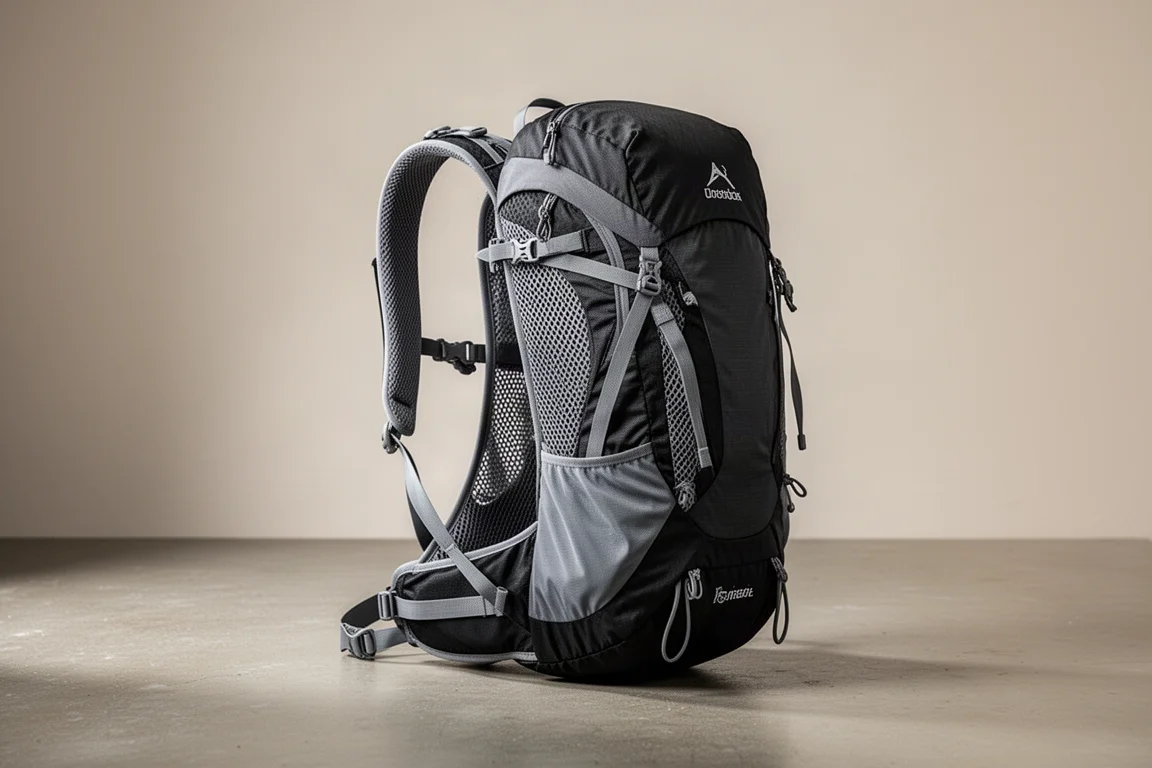
The Mariposa is a well-known lightweight backpacking pack, and the detail that matters most here is simple: it does not have shelter loops on the bottom of the pack. For hikers who carry their shelter inside the main compartment, that is a non-issue. For hikers who prefer to strap a tent to the outside, it changes the daily routine.
Without bottom loops, a shelter has to be strapped to the top of the pack. That makes the main compartment harder to reach. Getting a snack or a camera out means unstrapping the shelter, moving it, then strapping it back down, which adds friction to something you might do several times a day. There is also a practical risk in leaving a shelter sitting on the ground while you dig through the pack.
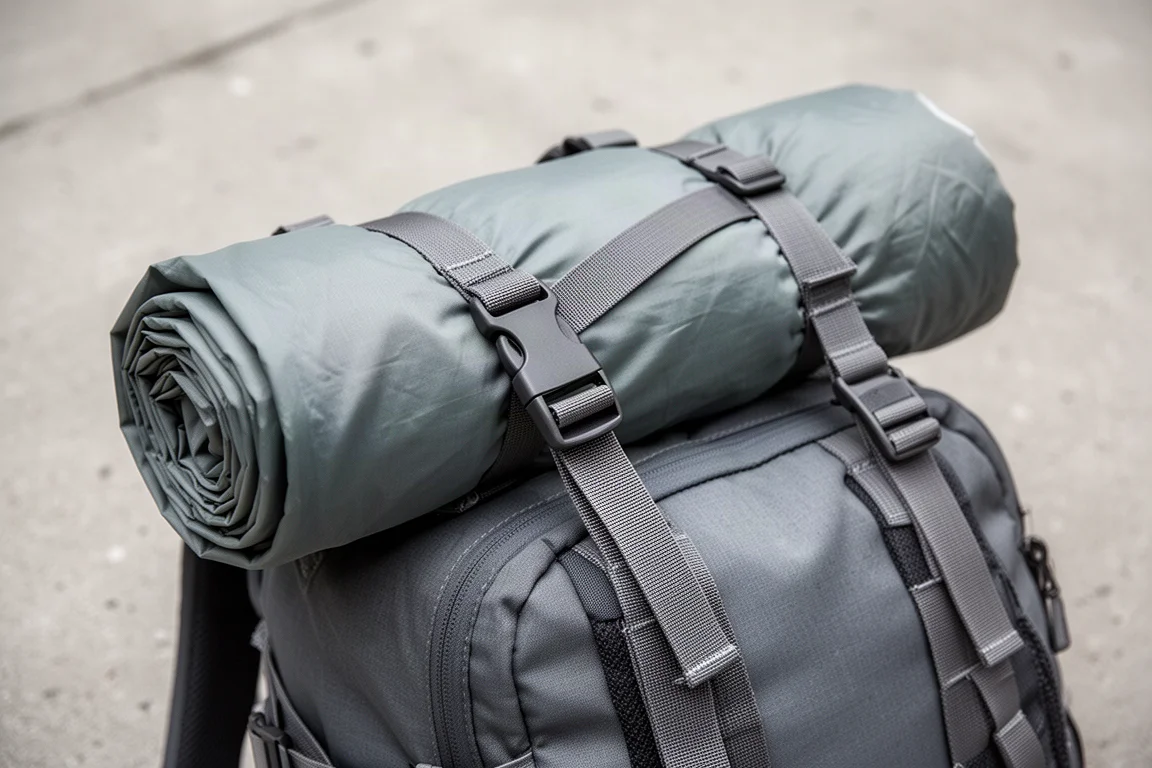
Stability is the second reason bottom attachment points matter. A pack with a shelter strapped underneath it tends to stand up better when you set it down, because the load adds support at the base. Packs without that support are more likely to topple over the moment you rest them on uneven ground, and that gets tiring over a long day.
The third reason is rain. Arriving at camp in wet weather, being able to drop the pack, pull the shelter off the outside, pitch it, and then move the pack inside without ever opening the main compartment keeps the contents dry. The same works in reverse in the morning: pack everything inside and seal it, then take down the wet tent and strap it to the outside, where it drains rather than soaking the rest of your gear. Pack liners and dry bags are still worth using, but the outside-carry routine avoids tempting fate.
This pack suits hikers who keep their shelter inside the main bag, or who do not mind top-strapping. If carrying a tent on the outside is part of your routine, the missing bottom loops are worth weighing carefully before you order.
ULA Ultra Catalyst: Configurable Shelter Loops
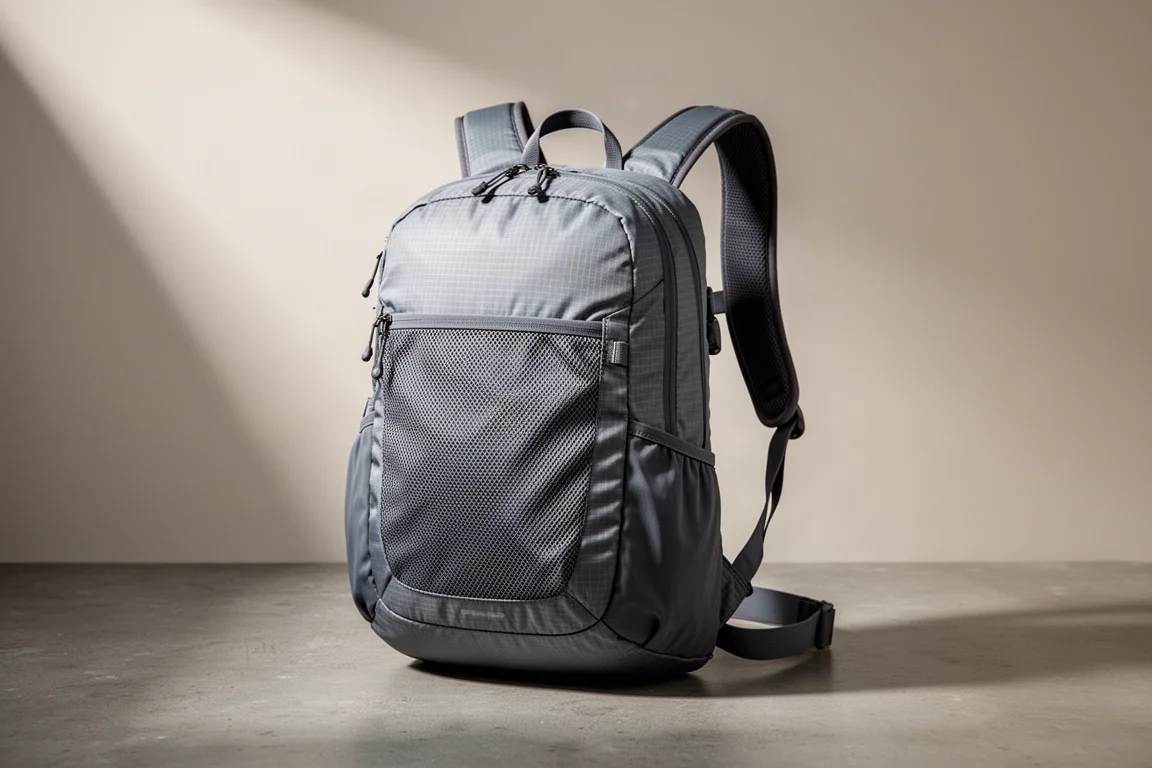
The Ultra Catalyst takes the opposite approach. When the pack is ordered, several options are offered, and one of them is shelter loops on the bottom of the pack. For anyone who has spent seasons strapping a tent to the top of a pack, that option removes the main frustration.
The practical result is the routine described above: the shelter rides underneath, the main compartment stays accessible, and the pack sits more stably when it is set down at camp. It also keeps the wet-shelter workflow simple, since the tent goes on the outside at the end of a rainy morning instead of inside with everything else.
The one thing to note is that the loops are an order-time option, so they need to be selected when the pack is configured rather than added later. If bottom attachment points are important to you, that is the moment to decide.
This pack is a strong fit for hikers who carry a shelter outside the pack and want the option to be built in from the start.
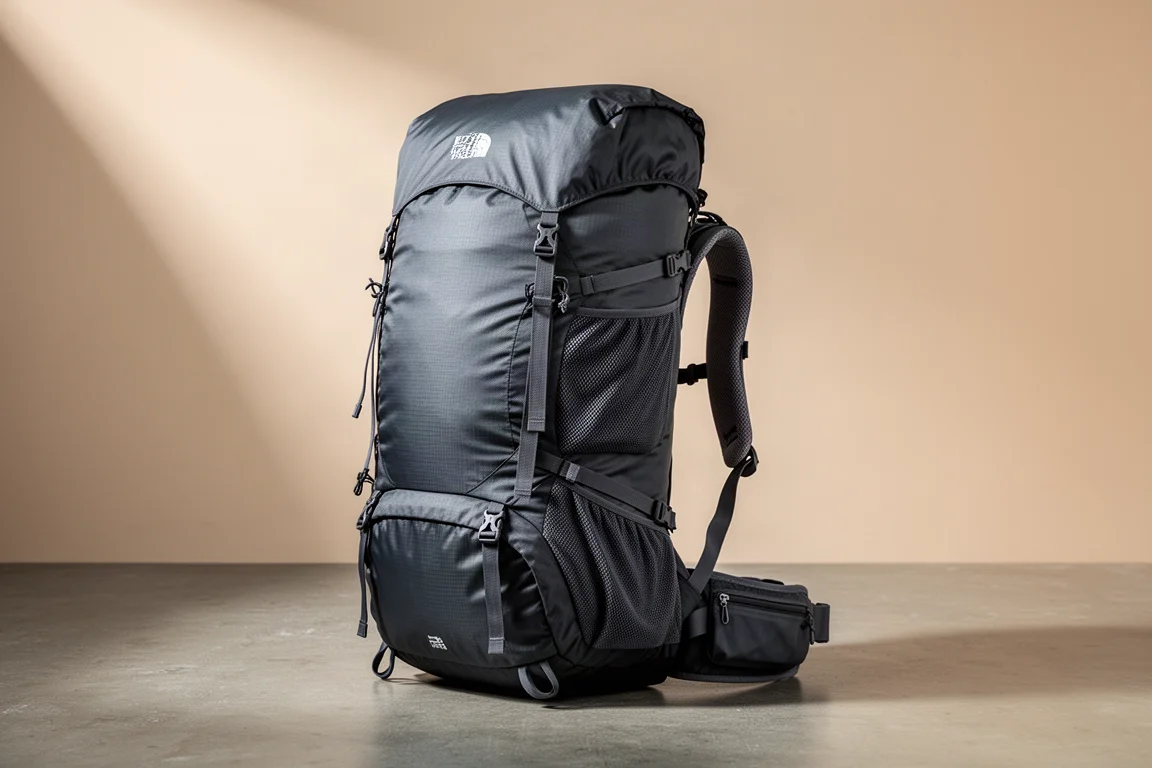
Zpacks Arc Haul: The Pack That Set the Benchmark
The Arc Haul is worth including because it is the reference point for this whole conversation. It was the pack in use until 2018, and the bottom shelter loops that came with that setup are the feature that has been missed ever since. That gap is exactly what drove the search for packs that offer bottom attachment points as an option.
For anyone comparing packs today, that history explains why some hikers treat bottom loops as a must-have rather than a nice extra. It is not about the pack itself being lacking, but about how much smoother the daily routine becomes when the shelter rides underneath instead of on top.
This pack is most relevant to hikers who already know they prefer external shelter carry and want a pack designed around that habit.
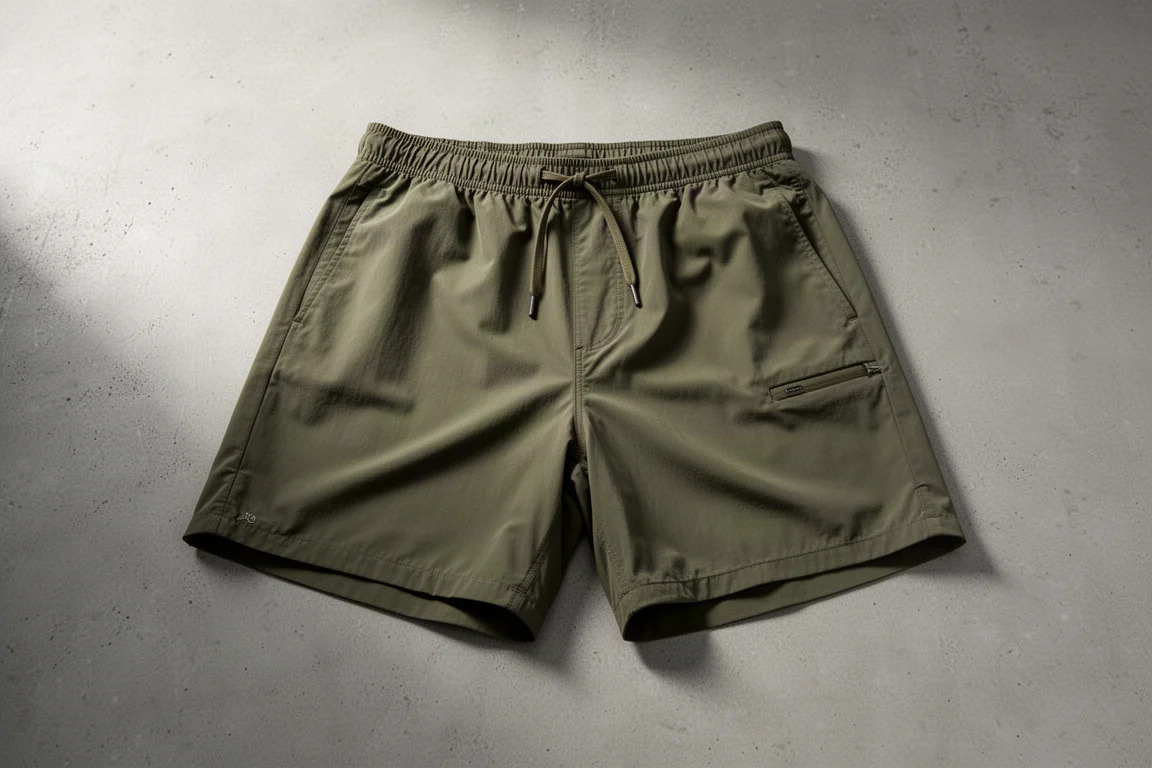
Patagonia Barely Baggies: Warm-Weather Comfort, No Leg Coverage
Shorts are genuinely enjoyable to backpack in. They help keep body temperature regulated on warm climbs, they are comfortable on long days, and they make hot weather far more manageable than long trousers. The Barely Baggies fit that role well and were a long-standing favourite for warm-weather trips.
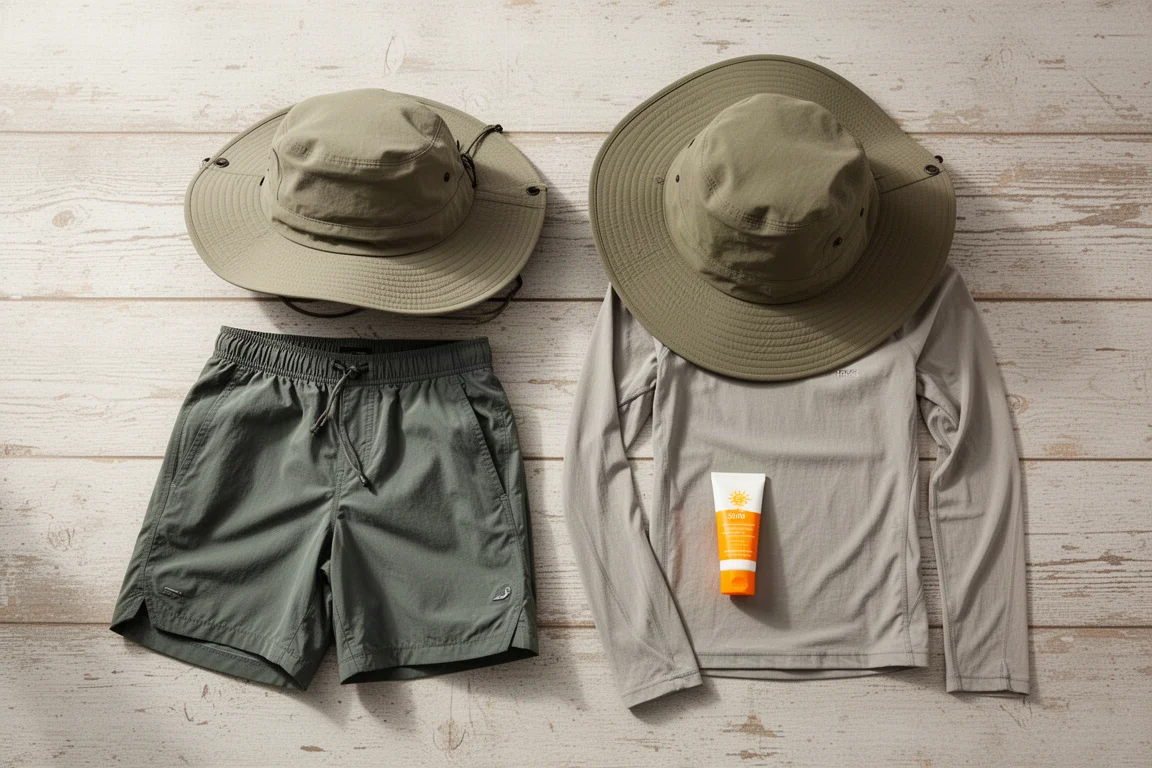
The reason they eventually came off the gear list is sun exposure, not comfort. After a precancerous spot and a skin cancer removal, covering up became the priority: hats, long pants, long sleeves and sunscreen, all of it. Shorts leave the legs exposed, which is a real consideration on long days at altitude, in strong reflected light, or on trails with little shade.
They still make sense for hikers who tolerate sun well, who hike mostly in forest and shade, or who are diligent about sunscreen and reapplication. If sun protection is a priority for you, long pants are the more practical choice, even though they are less pleasant in the heat.
Showa TemRes Gloves: Waterproof Shells With a Cold-Weather Caveat
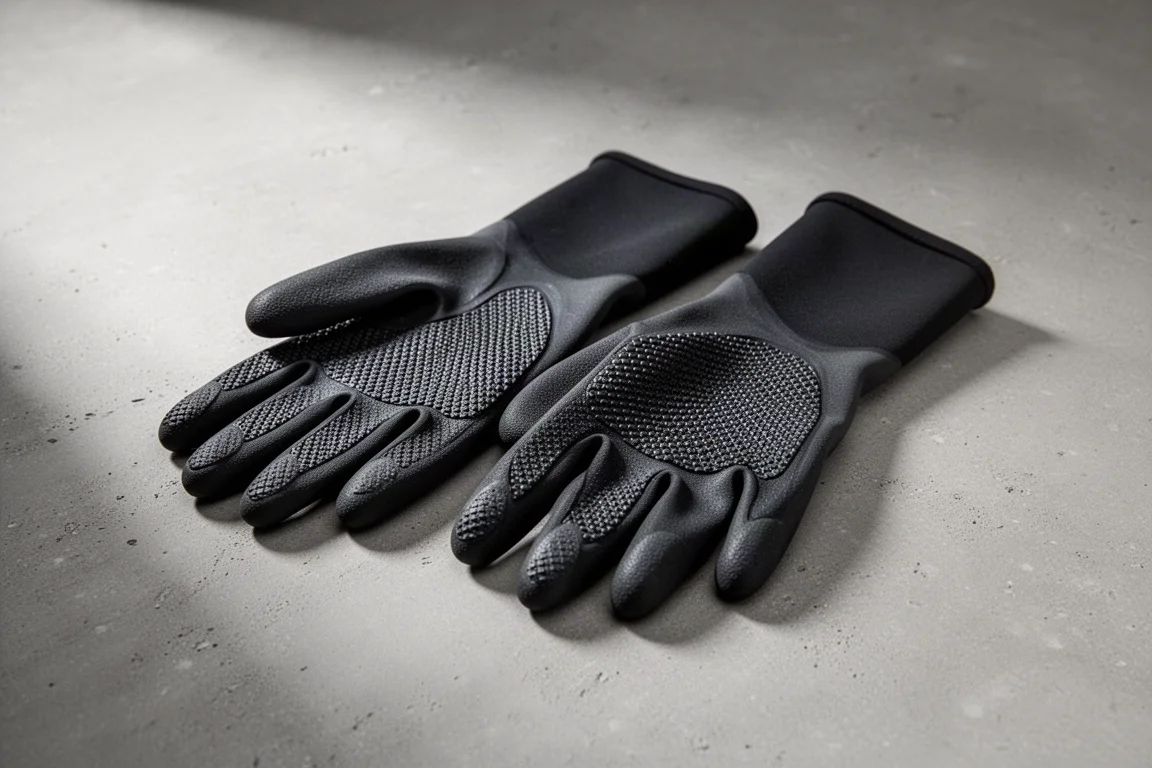
The TemRes gloves are a cold-and-wet weather solution: a genuinely waterproof glove paired with a down glove for insulation. The appeal over mittens or rain mitts was dexterity, and the gloves delivered it while keeping hands dry in conditions where other waterproof gloves had failed.
The caveat is warmth. For hikers who run cold, the fingertips still get cold even with the shell and liner combined, and even with hand warmers placed in the palm of the liner or between the two layers. When that happens, the dexterity benefit stops being worth it, and mittens become the better trade.
For hikers who do not run cold, these gloves can work exactly as intended: dry hands, usable fingers, and a waterproof shell that holds up in sustained rain. The key is honest self-assessment about how your hands behave in cold, wet conditions.
Enlightened Equipment Women’s Visp Rain Jacket: Soft and Light, With a Lifespan
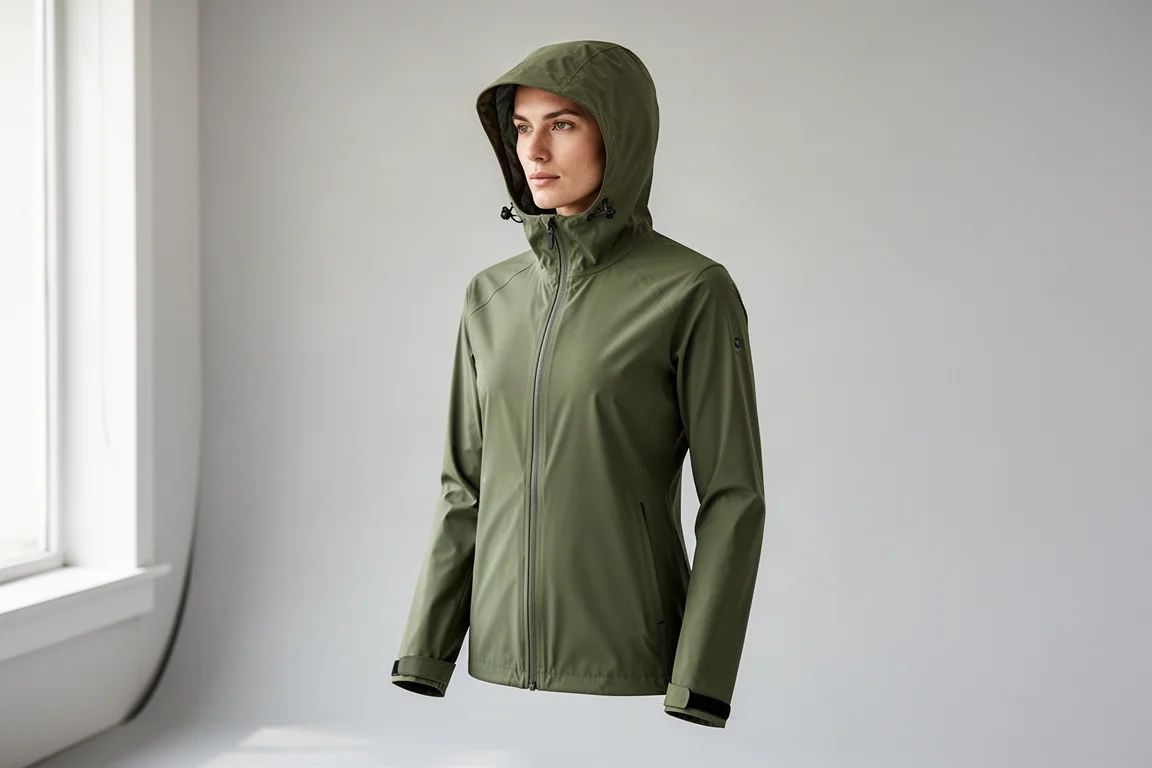
The Women’s Visp Rain Jacket stood out for two reasons: it was very lightweight, and it was notably soft. It did not feel as stiff as most rain gear, which made it comfortable to wear for long stretches rather than only in emergencies. It served well for a long period before it reached the end of its working life.
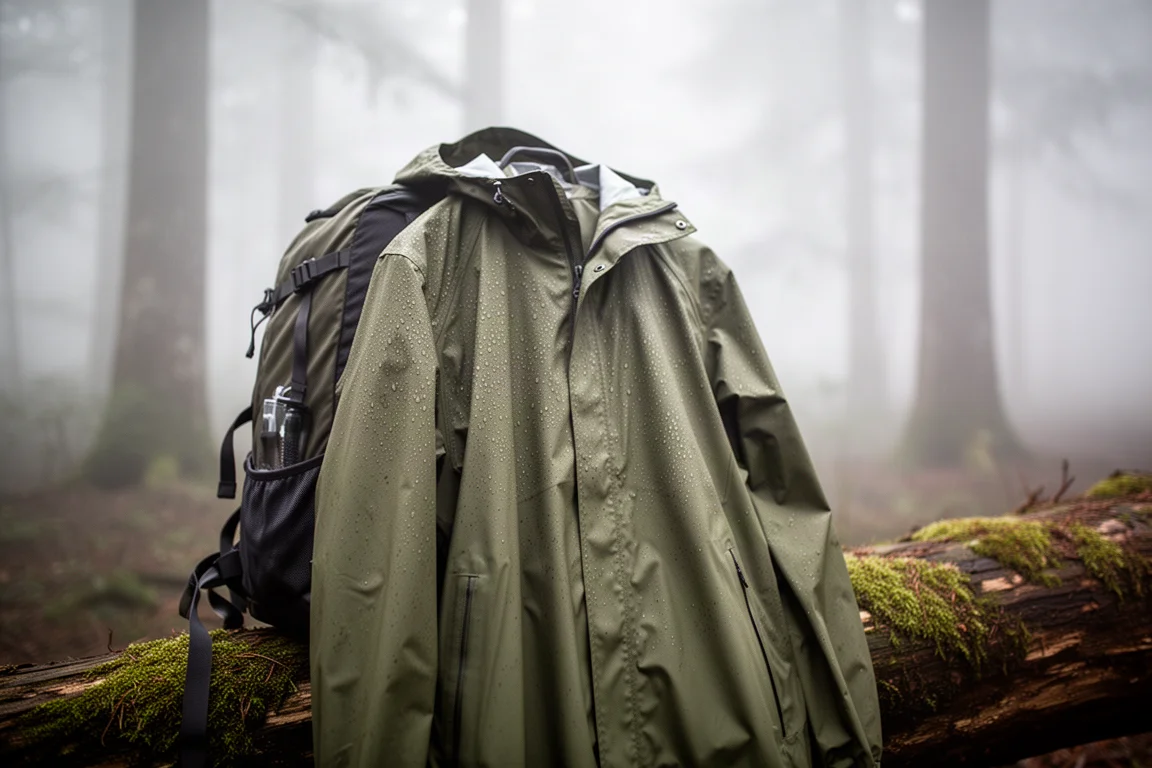
Eventually the fabric itself began letting water through, not just along the seams. That is the difference between a jacket that needs a refresh and one that has simply worn out, and it is the point at which a lightweight shell stops being dependable in real rain.
This jacket remains a reasonable choice for hikers who prioritise low weight and a soft hand feel on three-season trips. Anyone who expects a single lightweight shell to handle years of sustained rain should plan on replacing it periodically, because lightweight fabrics trade long-term durability for weight and comfort.
Buying Advice: Matching Gear to Conditions
Start with how you actually carry your shelter. If the tent lives on the outside of your pack, bottom attachment points are worth selecting when you order, because they affect access, stability and how you manage wet gear at camp. If the shelter goes inside, that detail matters far less.
Treat sun protection as a clothing decision rather than an afterthought. Shorts are comfortable in heat, but exposed legs on long, bright days are a real consideration, and long sleeves, long pants, a hat and sunscreen are the more protective combination.
Be honest about how your hands handle cold. Waterproof gloves with good dexterity are excellent for hikers who stay warm, and a poor fit for hikers who do not, where mittens are usually the better answer.
Finally, accept that lightweight rain shells have a lifespan. Soft, light fabrics feel better to wear and pack smaller, but they will eventually wet through, so budget for replacement rather than expecting a decade of service.
Conclusion
Each of these six items is a good product that stopped being the right product for a particular set of conditions. The Mariposa and the Ultra Catalyst show how much a single attachment point changes camp routines, the Arc Haul explains why that detail became a requirement in the first place, and the Barely Baggies, TemRes gloves and Visp rain jacket all come down to how much protection you want from sun, cold and rain.
Read them as a checklist rather than a verdict. Decide where your shelter rides, how much sun you are willing to take, how cold your hands get and how long you expect a lightweight shell to last, and the right choice for your own trips becomes much easier to see.
Further reading
Related Reviews

Backpacking Gear
Building a 10 lb Base Weight: An Ultralight Backpacking Gear List
A practical walkthrough of the ultralight pieces behind a 10 lb base weight, from a 765 g pack and a roomy one-person tent to a full camp chair and a dependable water filter.
Backpacking Gear
A 15-Pound Lightweight Backpacking Gear List for Solo Trips
A beginner-friendly 15-pound backpacking setup built from easy-to-find gear, with notes on what each piece does, how it packs, and where to spend your attention.
Backpacking Gear
8 Ultralight Backpacking Gear Upgrades Worth Carrying
Eight small, affordable backpacking upgrades that solve real trail annoyances, from a pillow that stays put to a fuel valve that rescues leftover canister gas.