Backpacking Gear
Backpacking Gear Roundup: 7 Field-Tested Items for Overnight Comfort
Seven backpacking essentials covering shelter, sleep, load carrying, safety, and water treatment, with the trade-offs worth knowing before you buy.
Introduction
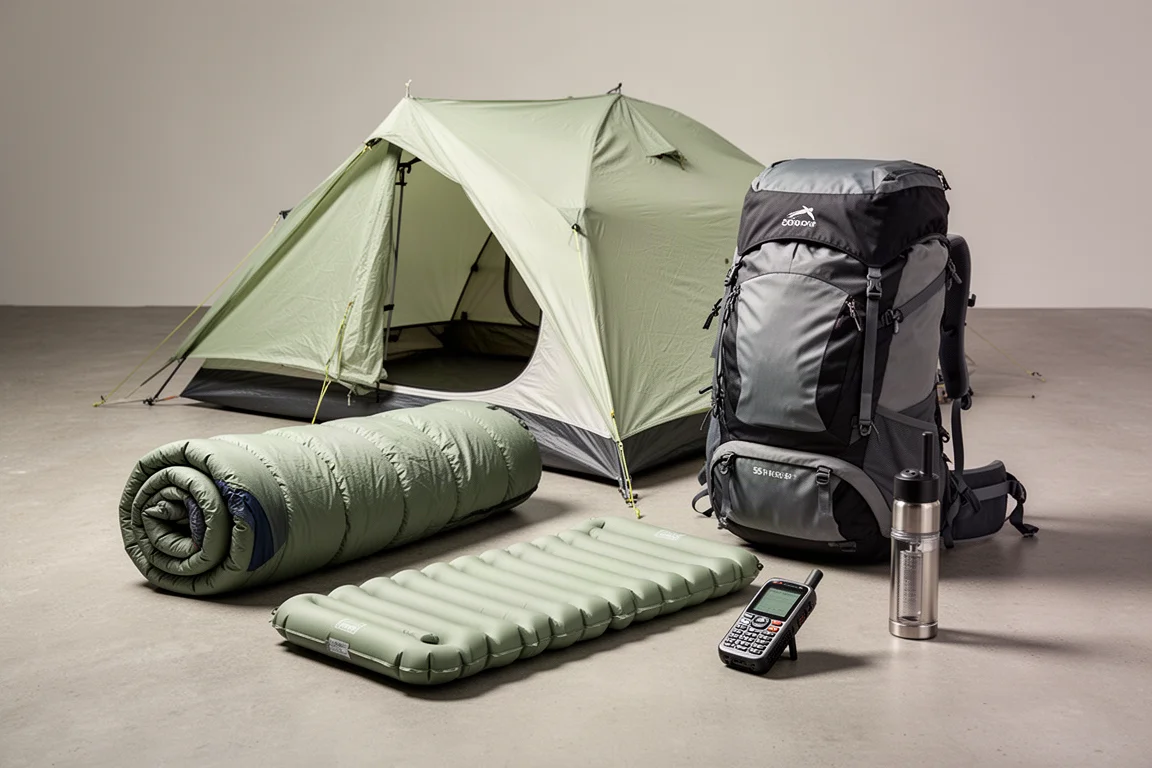
Packing for a multi-night backpacking trip is a balancing act between weight, comfort, and confidence. The seven items in this roundup cover the parts of a kit that matter most on an overnight trip: where you sleep, what you carry it in, how you stay reachable, and how you get clean water.
Each piece here has been used on real trips rather than simply unboxed. Some lean toward saving grams, others toward sleeping well or staying connected when there is no cell signal. Together they show what a practical modern overnight kit looks like, along with the small annoyances that only appear after a few nights out.
Big Agnes Tiger Wall: An Ultralight Shelter With a Lighter Footprint
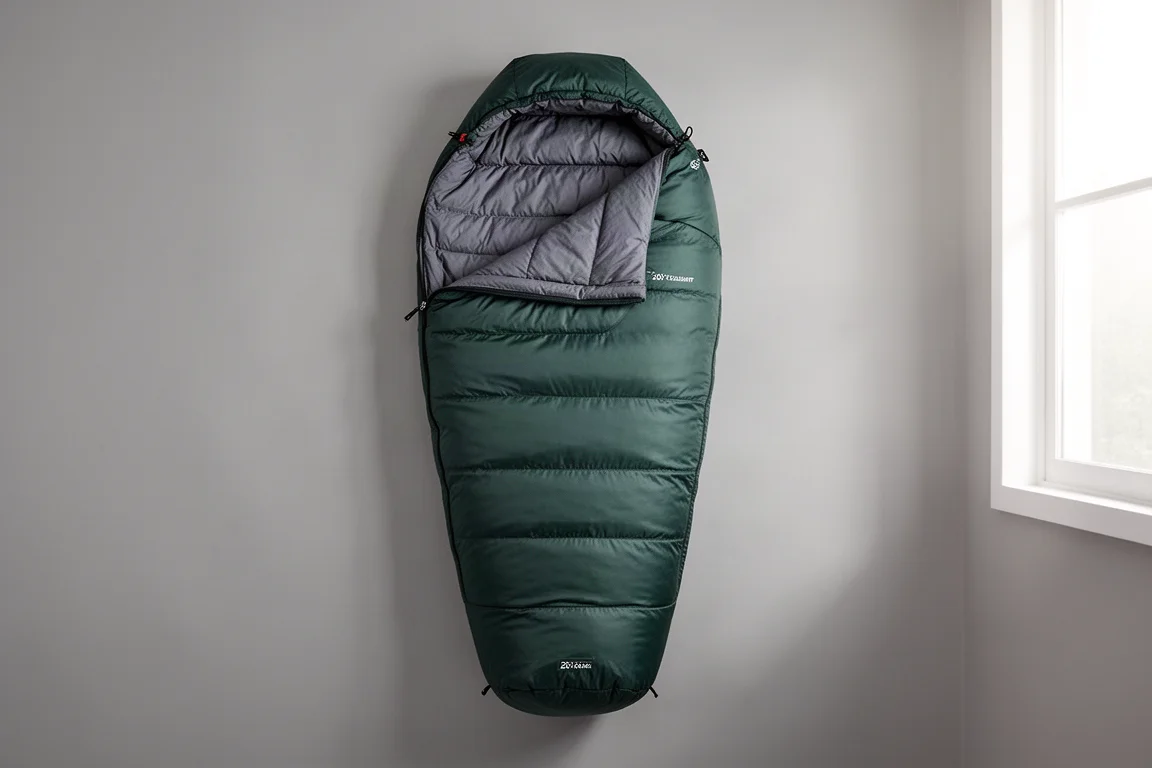
The Big Agnes Tiger Wall is an ultralight backpacking tent, and this particular build is notable for how it is made. The manufacturing process uses roughly 50 percent less water, produces less waste, and carries a reduced ecological impact compared with a conventional build. For anyone who weighs environmental footprint alongside pack weight, that counts for something.
The design keeps the usual ultralight priorities. A double zip door gives you a dedicated place to hold the fabric and a dedicated place to pull the zip, which makes more sense on a light, flexible panel than on a heavier tent where a single zip runs smoothly on its own.
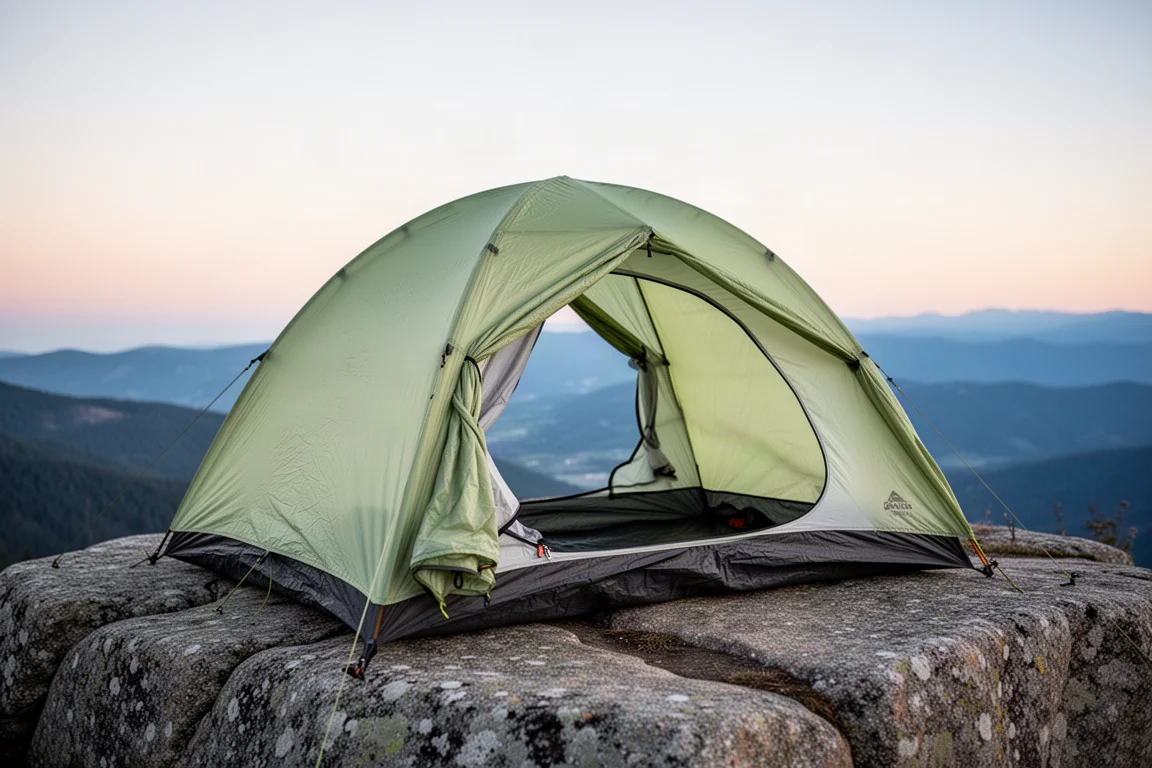
There is one small gripe worth flagging. The latch that holds the rolled-up door sits quite low, so when the door is open to take in a view, the rolled fabric can sag and collapse in a breeze. It is a minor inconvenience rather than a functional problem, and it does not change how the tent performs as a shelter.
Big Agnes Torchlight 20: A Sleeping Bag That Adapts Overnight
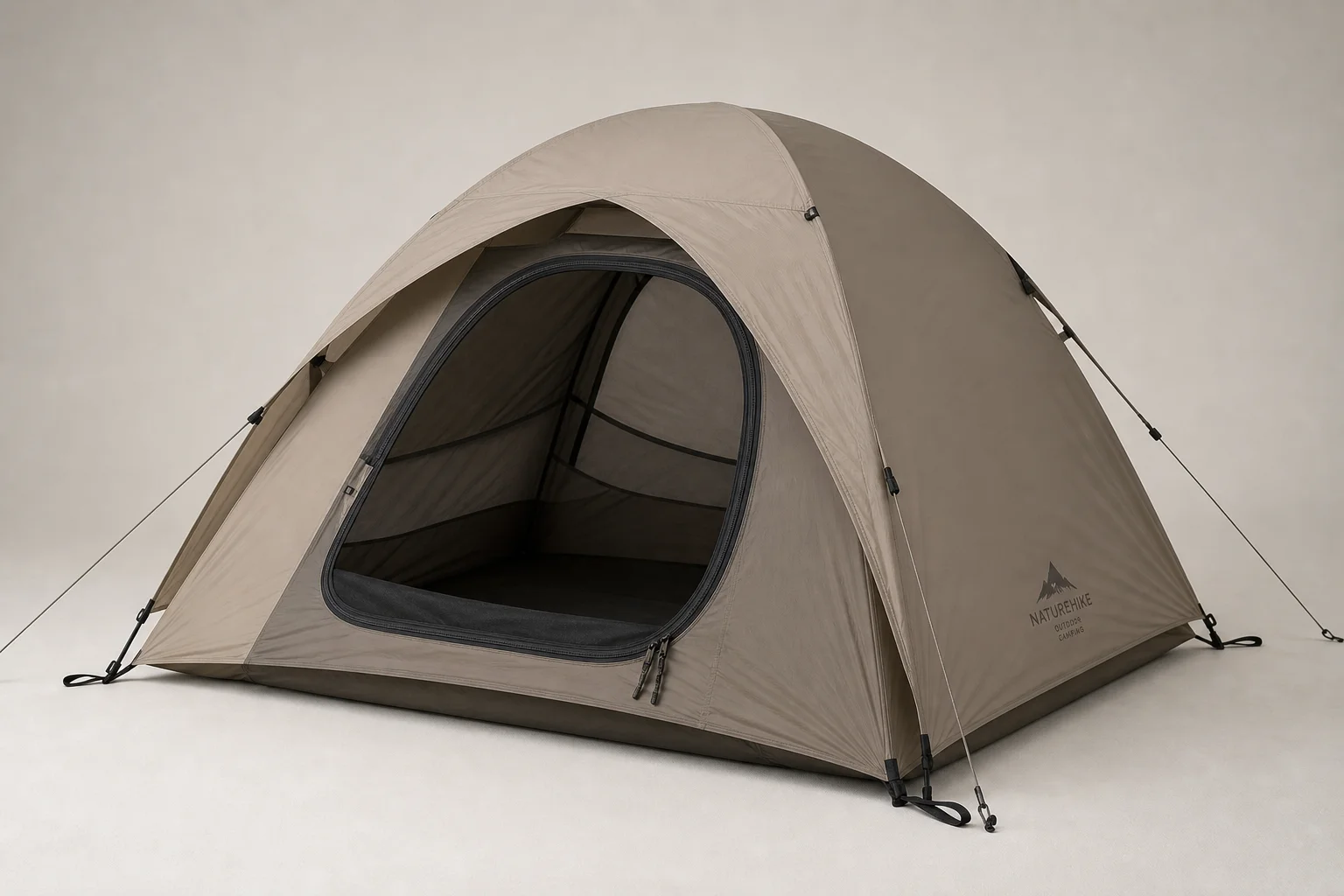
The Torchlight 20 is a 20-degree ultralight sleeping bag with a feature that is genuinely useful: the mummy shape can be expanded. Unzip the bag and it grows wider, which gives you more room to move and, because there is more air to warm, a slightly cooler night. Zip it back down and the bag closes in tighter around you for more warmth.
That adjustability makes the bag easy to live with across a range of conditions without carrying two bags. It is a straightforward way to tune comfort as the temperature shifts through the night.
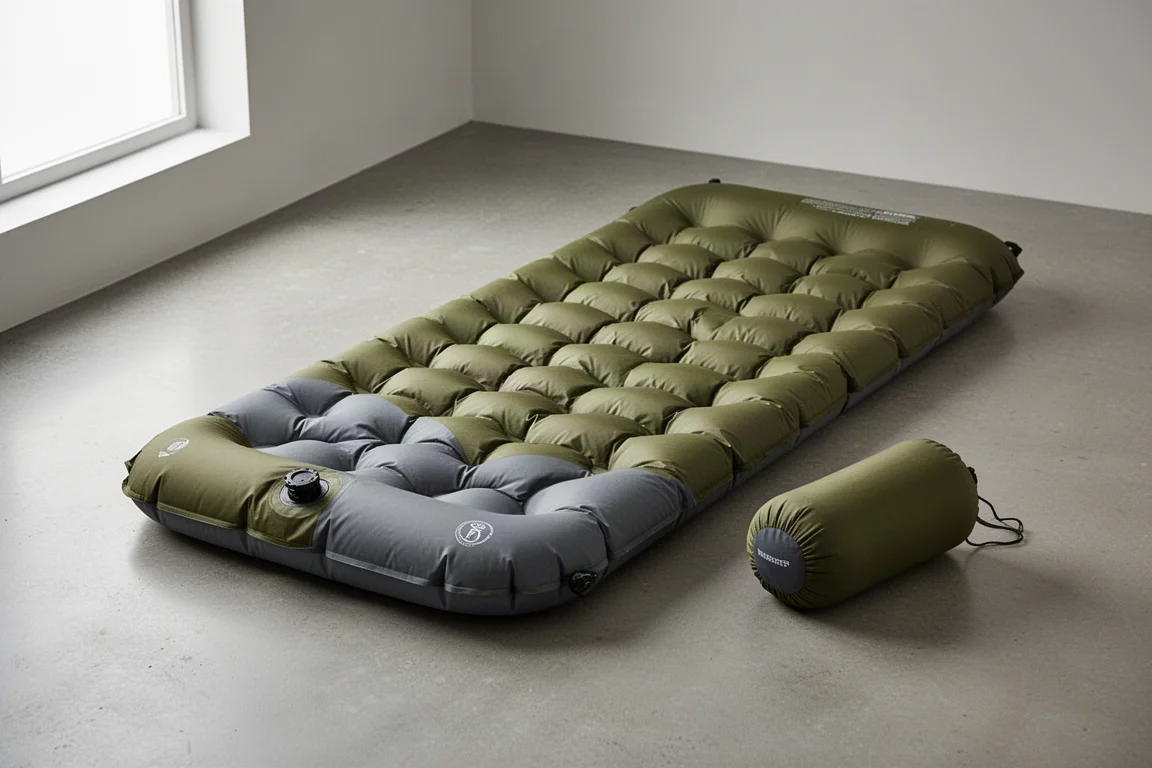
Big Agnes Q-Core SLX: A Wider Pad Changes the Night
The Q-Core SLX is an insulated sleeping pad measuring 25 inches wide. If you have always slept on a 20-inch pad, the extra five inches sounds trivial on paper and feels anything but trivial in practice. The wider surface lets you roll from side to side without sliding off the edge.
It is the kind of upgrade that pays off on every single night of a trip, which is why experienced backpackers tend to treat sleep as the last place to save weight.
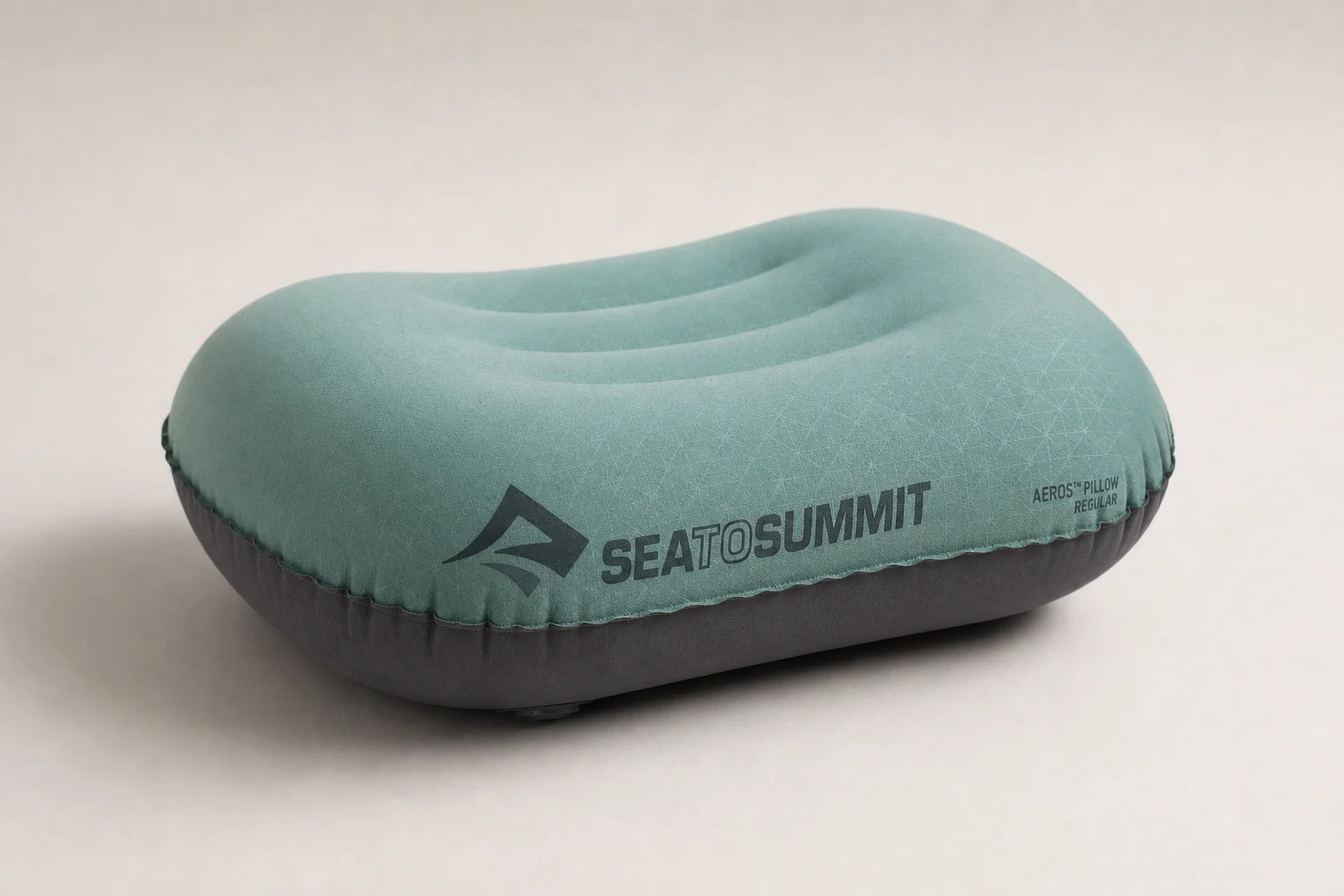
Sea to Summit Aeros: A Lightweight Pillow That Earns Its Place
A pillow is the first thing many backpackers leave at home, usually replaced by a stuff sack of spare layers wrapped in a shirt. The Sea to Summit Aeros is the alternative worth considering: light enough to justify the space, and a real improvement over a lumpy bundle of clothing.
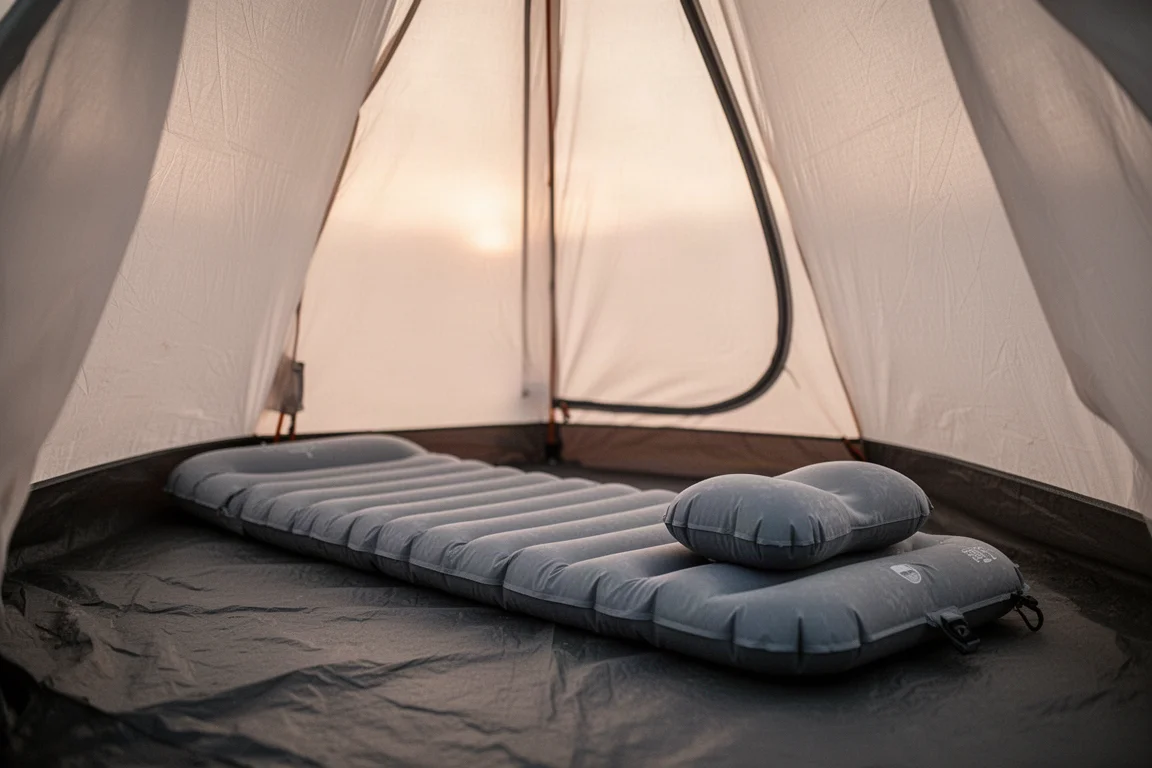
For anyone who has spent a night rearranging a jacket under their head, the difference is easy to appreciate. It pairs naturally with a wide pad and a roomier bag.
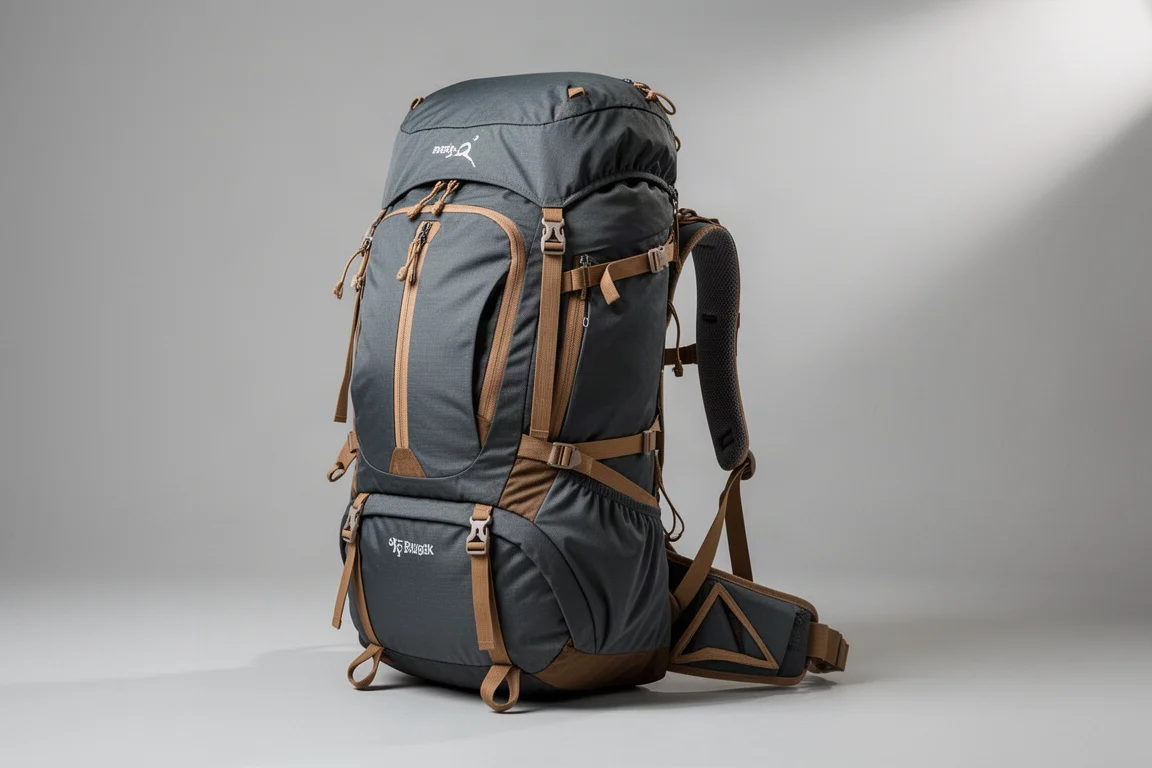
Mystery Ranch Bridger 55: Built to Carry Weight Without Zipper Stress
The Mystery Ranch Bridger 55 is a 55-liter pack built with the same load-focused thinking as the rest of the Mystery Ranch line, though in a lighter package than the brand’s heavier models. It is aimed at carrying real weight rather than shaving every gram.
The most interesting detail is how the main opening manages stress. Zippered pockets in high-wear zones tend to fail over time when you are cramming jackets and sleeping bags into them. Here an internal buckle takes the pressure off the zip. You buckle the load down, tension it, then close the zip while it is under far less strain, and finally compress everything again. The zip is no longer the part holding all the pressure.
Capacity is worth thinking through. At 55 liters it is slightly smaller than the 60 to 65 liters many backpackers default to, so packing discipline helps. The main compartment opens with a double zip that lets the bag fold almost completely flat, and the lid detaches to work as a usable daypack for side trips. There are internal pockets for organization, a standard hydration bladder sleeve, a rain cover, and a double chest strap that adds stability on the trail. The hip belt uses a triangular structure that spreads load comfortably, which suits heavier carries.
ZOLEO: Satellite Messaging and Weather Reports
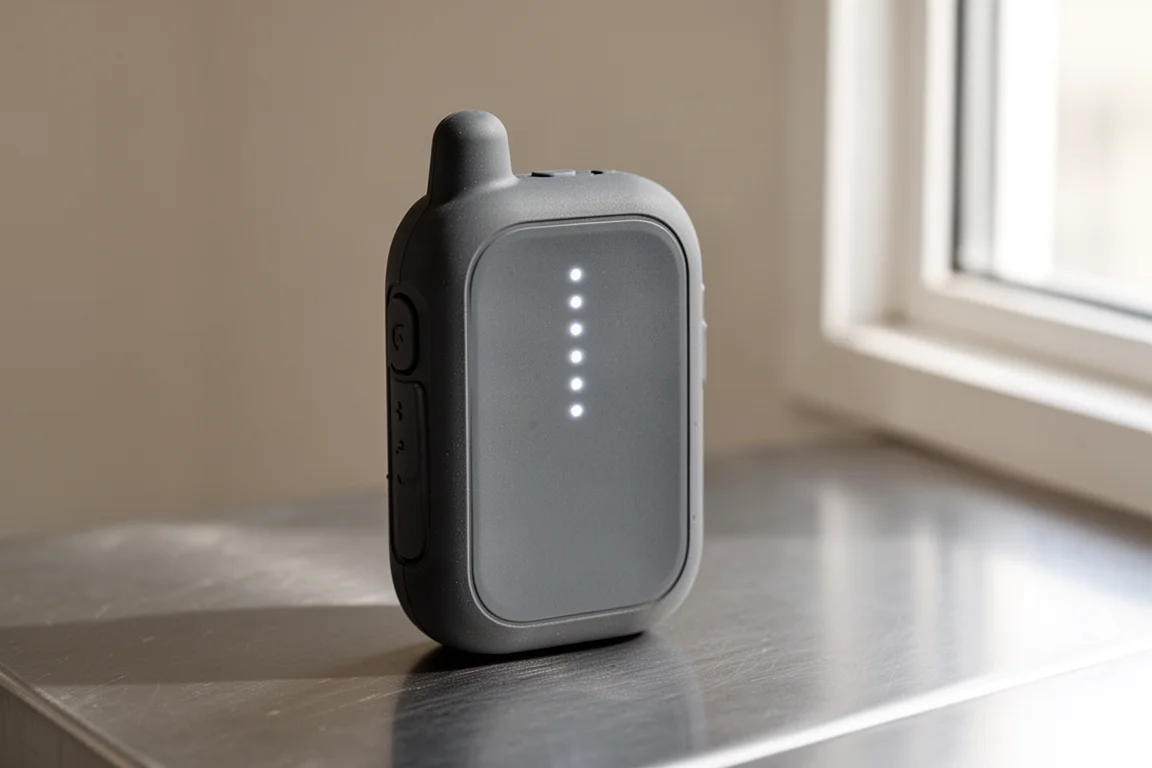
The ZOLEO is a satellite communicator, the same category of device as a Garmin inReach. It sends text messages over satellite, which means you can let people at home know you are fine even when there is no cell coverage at all.
It also pulls in localized weather forecasts and displays them on your phone. Being able to check conditions without a signal is a practical safety benefit on multi-day routes where the weather decides the plan.
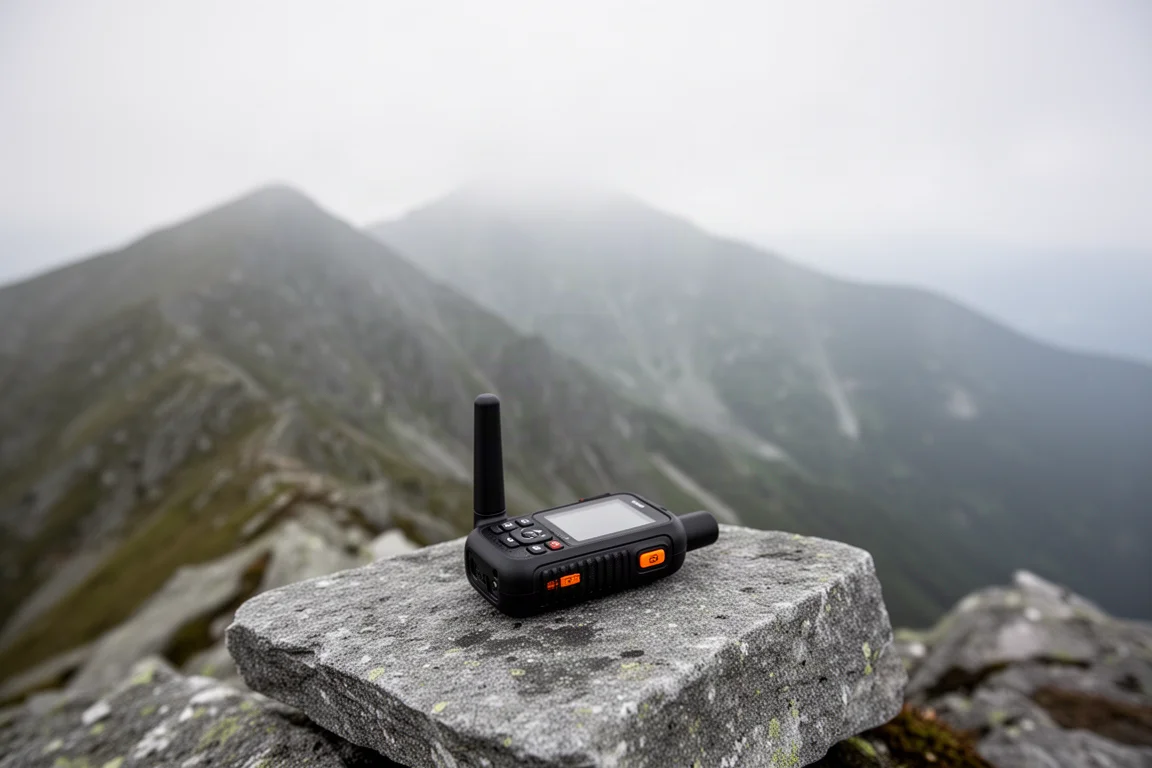
For solo trips and remote stretches of trail, that combination of messaging and forecast access is the reason to carry the extra device.
GRAYL Geopress: A Water Bottle That Filters as You Drink
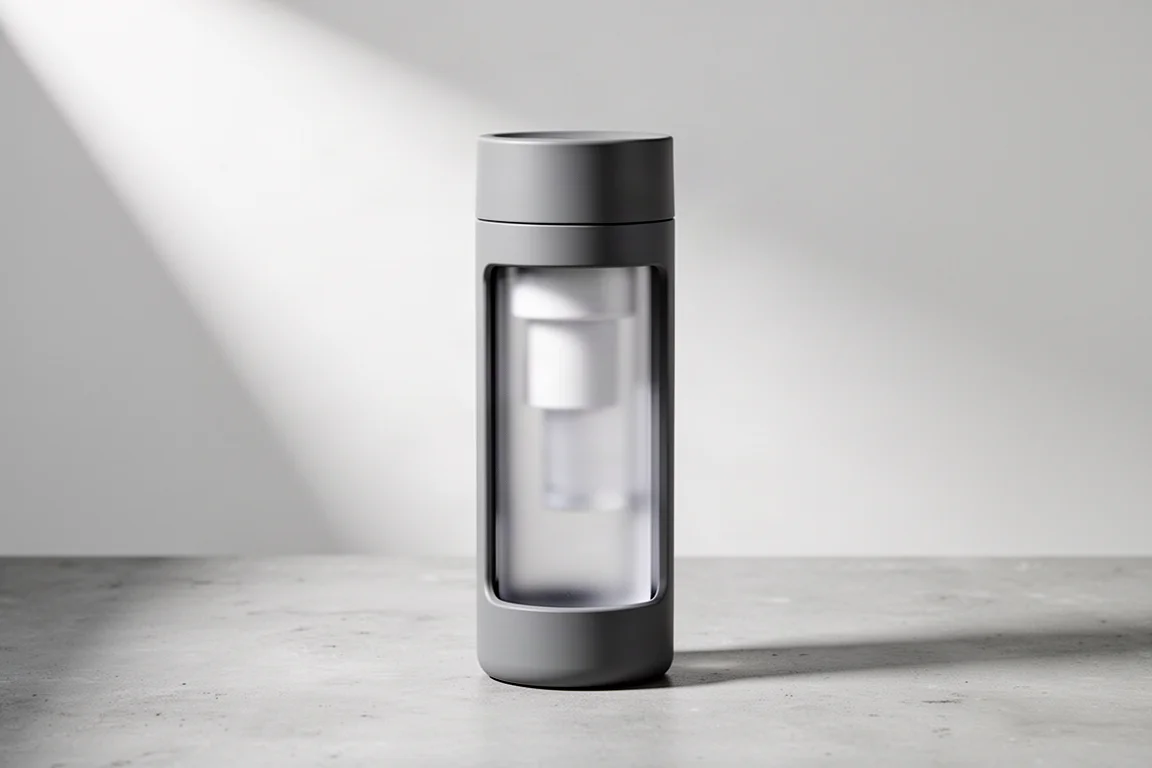
The GRAYL Geopress looks like a water bottle and works like a filter. You scoop water into the outer container, then press the inner section down to push it through the filter. The result is a bottle of clean drinking water in a single motion, with no separate squeeze bag or pump setup.
That simplicity is the appeal. It is heavier than a Sawyer Squeeze and similar ultralight filters, so it is not the lightest option on the market. What it offers instead is convenience, particularly in places where water is easy to find but not always safe to drink. For international travel it is especially handy, since you can fill it from a hotel sink or a tap rather than buying bottled water.
Buying Advice: Where to Spend and Where to Save
Sleep is the highest-value place to put your budget. Spending a night on a thin foam pad is a reliable way to be miserable, and anyone planning more than a handful of trips will feel the difference immediately from an insulated pad and a proper sleeping bag. The comparison worth making is simple: if you would pay for a comfortable hotel room, the same money spread across dozens of nights in a sleeping bag is an easy decision.
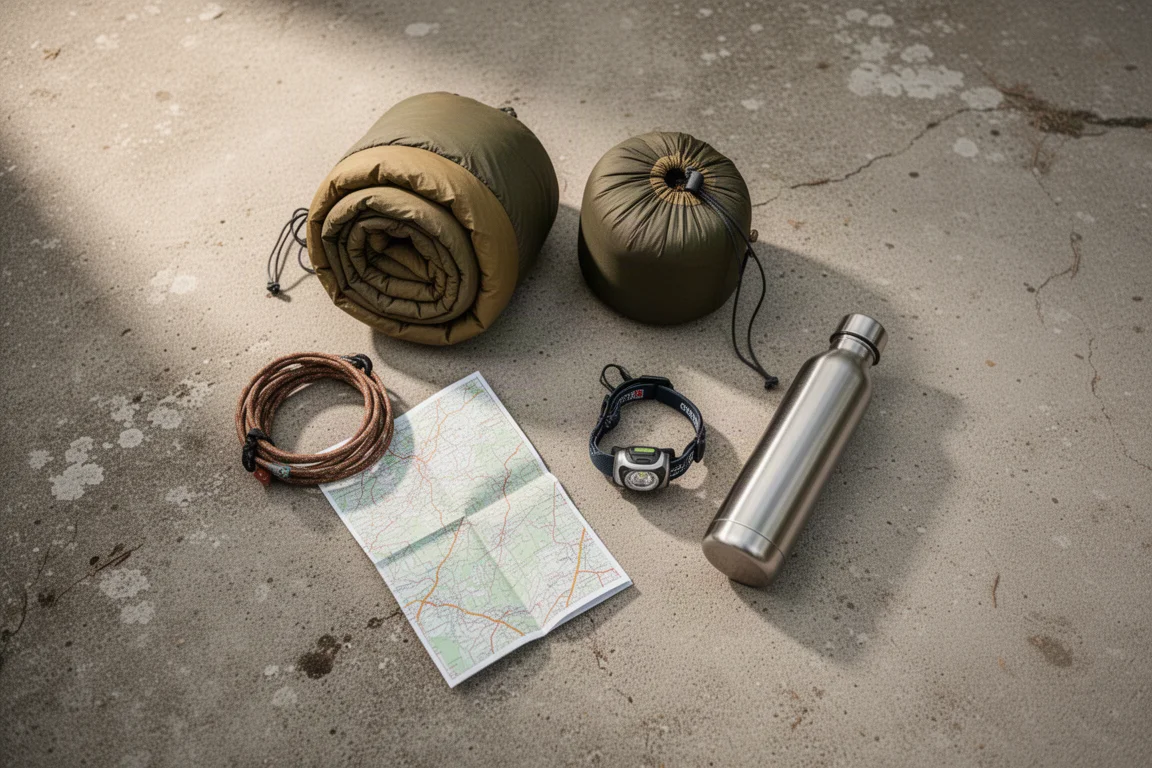
Shelter and pack come next. An ultralight tent like the Tiger Wall rewards you every mile, while a pack like the Bridger 55 makes sense if you carry heavier loads and want the structure to handle them. Safety gear and water treatment sit in a different category. A satellite communicator and a filter bottle are not about comfort, they are about capability, and they earn their weight on trips far from help.
Conclusion
The best backpacking kit is the one that matches how you actually travel. A lightweight tent, an adaptable sleeping bag, a wide pad, and a real pillow make the nights better. A load-ready pack, a satellite communicator, and a filter bottle make the days safer and easier.
Start with the items you use every hour of every trip, then add the ones that solve a specific problem. If you sleep well and carry comfortably, the rest of the kit tends to sort itself out.
Further reading
Related Reviews

Backpacking Gear
Building a 10 lb Base Weight: An Ultralight Backpacking Gear List
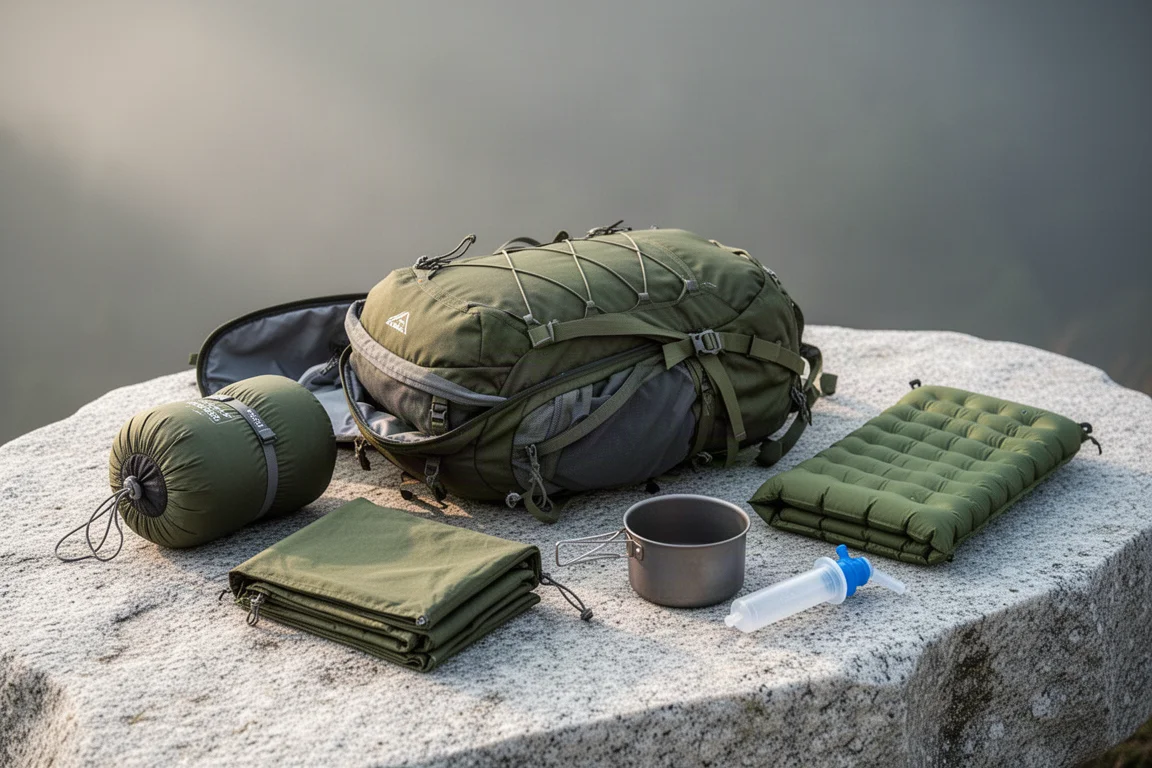
A practical walkthrough of the ultralight pieces behind a 10 lb base weight, from a 765 g pack and a roomy one-person tent to a full camp chair and a dependable water filter.
Backpacking Gear
A 15-Pound Lightweight Backpacking Gear List for Solo Trips
A beginner-friendly 15-pound backpacking setup built from easy-to-find gear, with notes on what each piece does, how it packs, and where to spend your attention.
Backpacking Gear
8 Ultralight Backpacking Gear Upgrades Worth Carrying
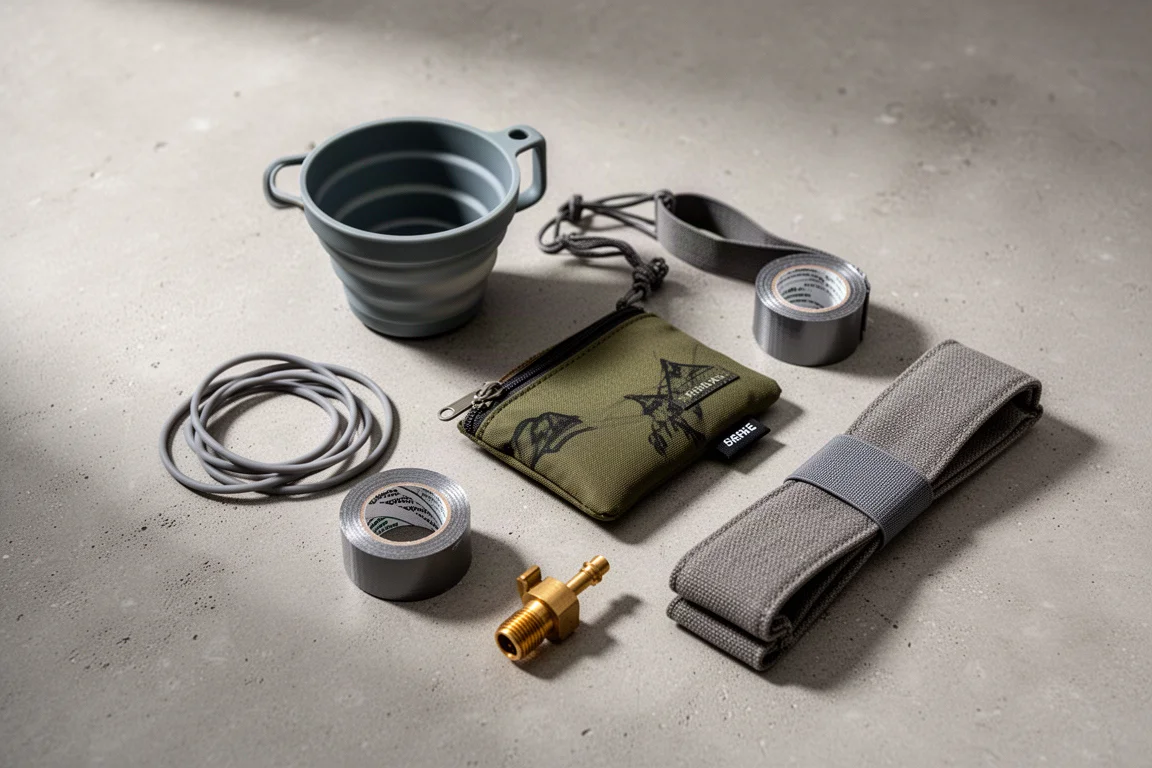
Eight small, affordable backpacking upgrades that solve real trail annoyances, from a pillow that stays put to a fuel valve that rescues leftover canister gas.