Backpacking Gear
Backpacking Gear Roundup 2026: Ten Pieces Worth Watching
Ten backpacking and camping items to know about, from an ultralight one-person shelter to battery-powered bug protection, gear care, and an unreleased sleeping pad.
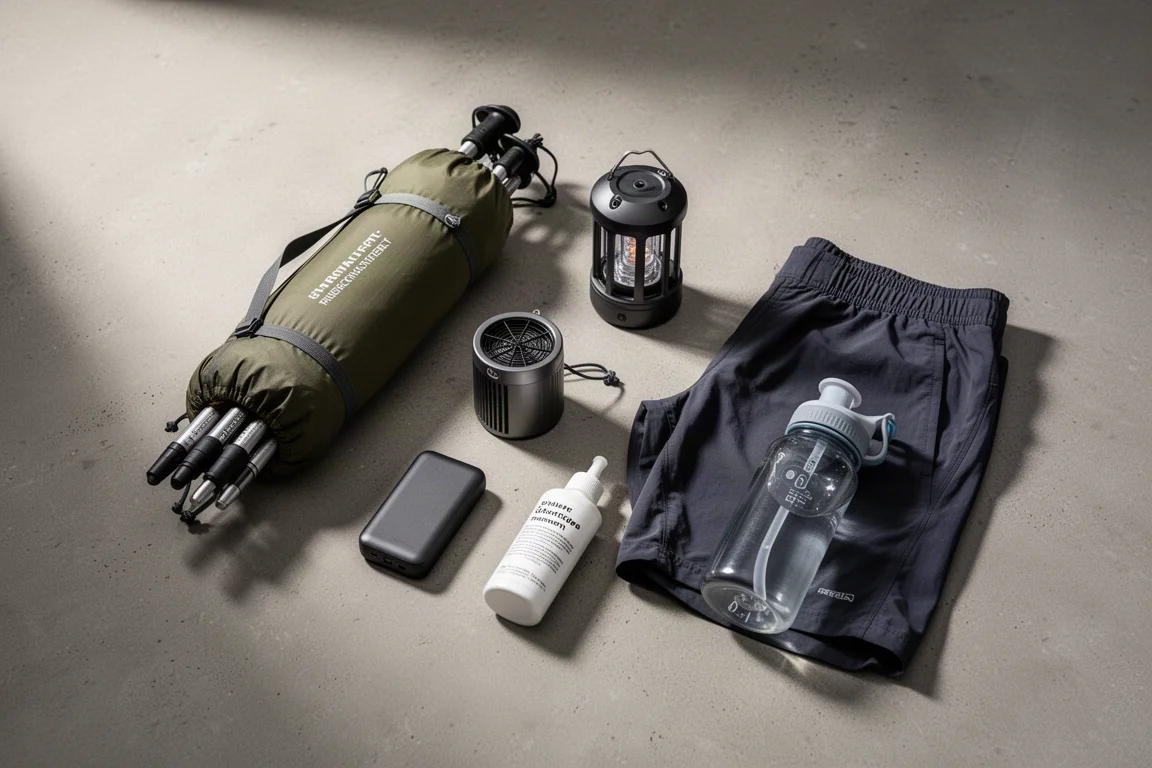
Introduction
Not every worthwhile piece of gear is a headline release. Some of the most useful items in a pack are the ones that solve a specific, recurring problem: mosquitoes that make camp miserable, water you cannot fully trust, a shelter that has to be light enough to carry all day, or an older tent that has lost its water repellency.
The ten items in this roundup cover exactly that range. They include an ultralight one-person shelter, two battery-powered insect repellent devices, a camp air pump, a high-capacity power bank, a gear care treatment for older nylon, a pair of hiking shorts, a water purifier, and two sleeping pads at very different stages of availability. Some are established products. At least one is still in development, which means its details can still shift before it reaches shelves.
How These Picks Were Chosen
Each item here earns its place by solving a real problem rather than adding a feature for its own sake. The selection favors gear that is either light enough to justify its place in a pack, useful enough to justify its bulk, or capable of extending the life of something you already own.
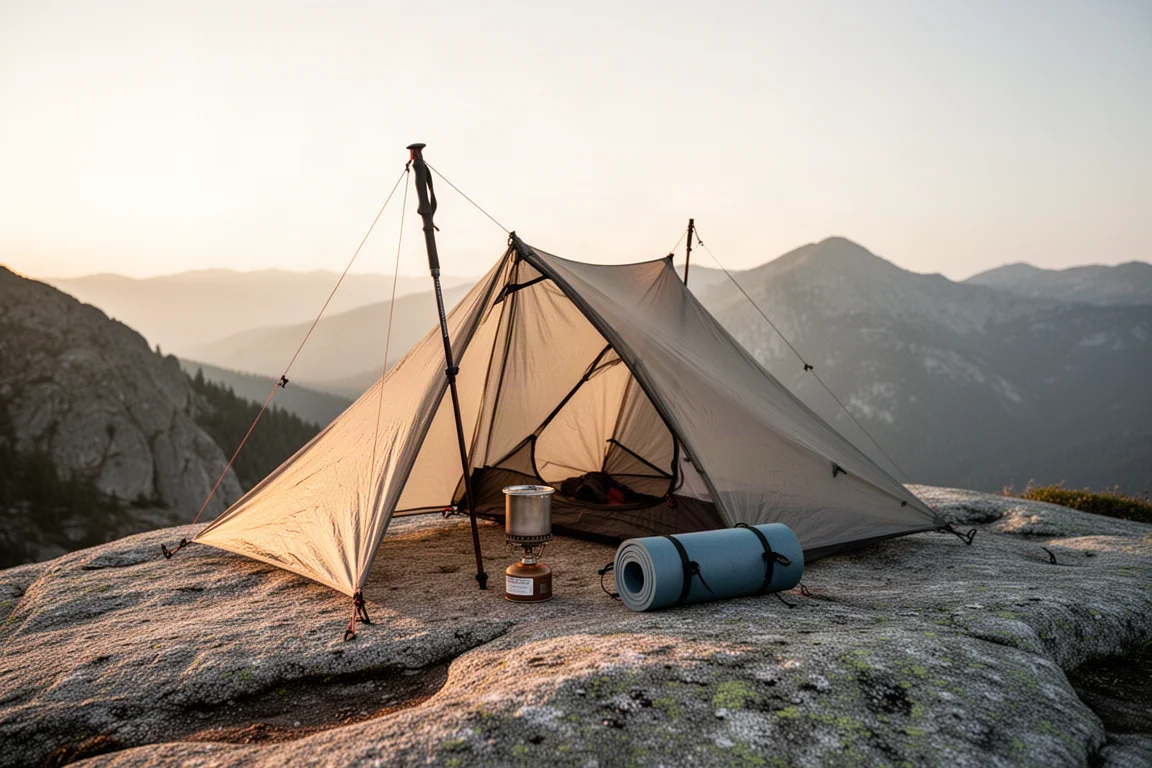
Maturity matters too. Products that are still in development are worth knowing about, but they should be treated as provisional, since weight, specifications, and availability can all change between a sample and a shipping product. For everything else, the sensible approach is to check whether the item duplicates something you already carry, and whether the problem it solves is one you actually run into.
Durston X-Mid Pro 1: An Ultralight One-Person Shelter
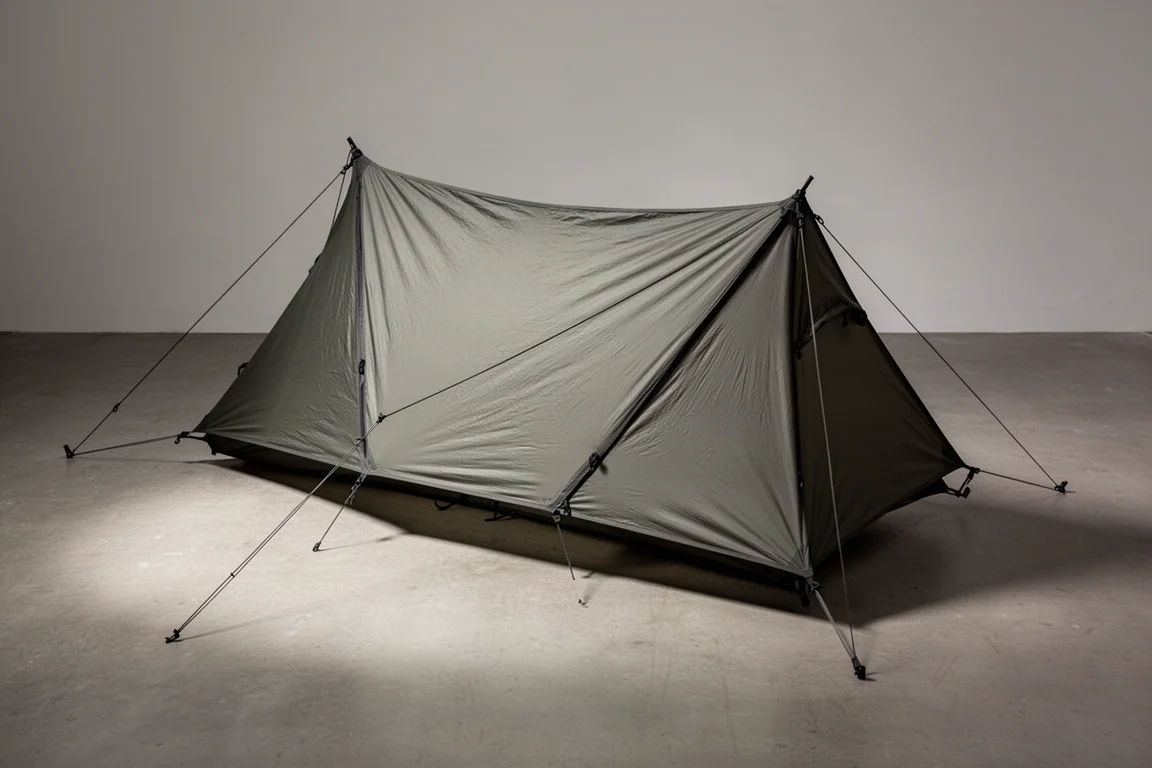
The X-Mid Pro 1 is the one-person version of a shelter design that has already proven itself in two-person form. For backpackers who want to reduce the weight of their shelter, the single-person version is the obvious first question, and the useful comparison is against the larger model: the one-person version saves weight and packed space, while the two-person version leaves more room for a wide pad, a pack, and gear.
If you usually hike alone and count grams, the one-person version is the natural choice. If you sometimes travel with a partner, or simply want a roomier interior on long trips, the two-person version may still be the better buy.
Flextail TinyRepel: A Lantern That Doubles as Bug Protection
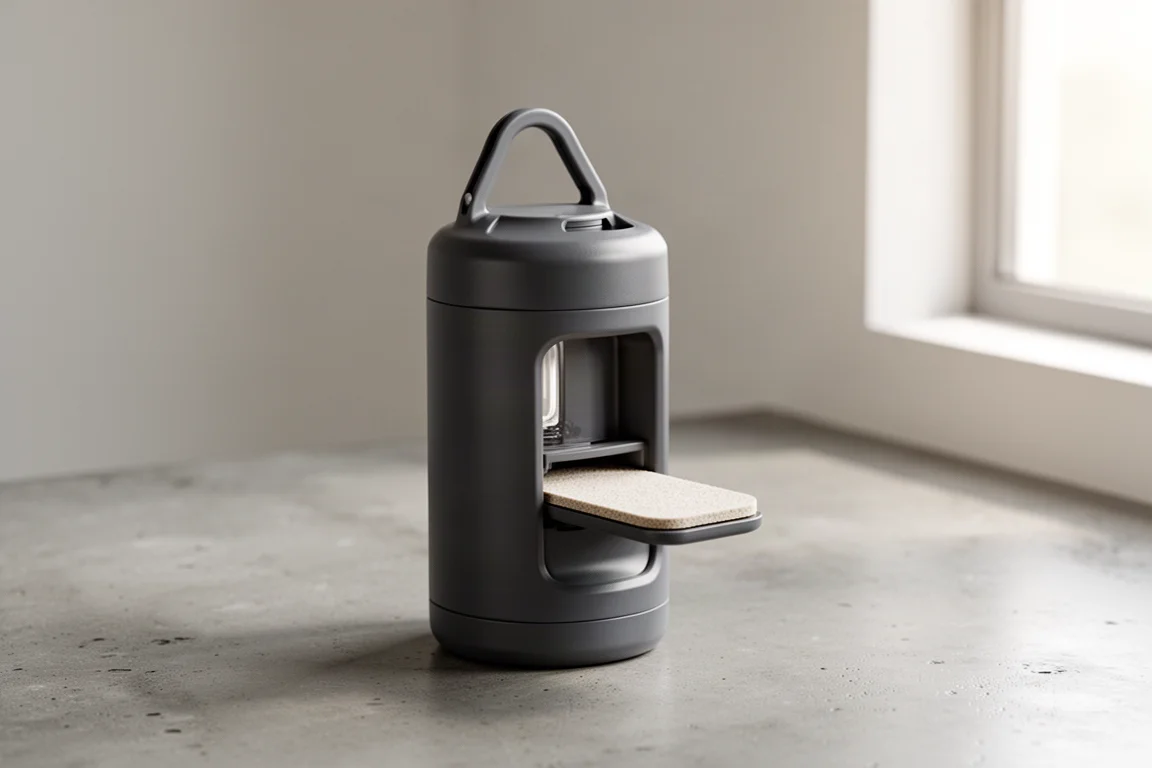
The TinyRepel is a multi-use camp device. As a lantern, it hangs in camp and provides light around your cooking and sleeping area. Slide a repellent pad into it and it heats that pad to create a protective zone, aimed mainly at mosquitoes.
The important detail is how it is powered. Where many canister-based repellent devices rely on a gas cartridge and lose effectiveness at higher elevations, the TinyRepel runs on a battery, which makes it a more dependable option on mountain trips. It is a luxury item rather than an essential, so it makes most sense for trips where bugs are genuinely bad, and you will need to keep repellent pads on hand.
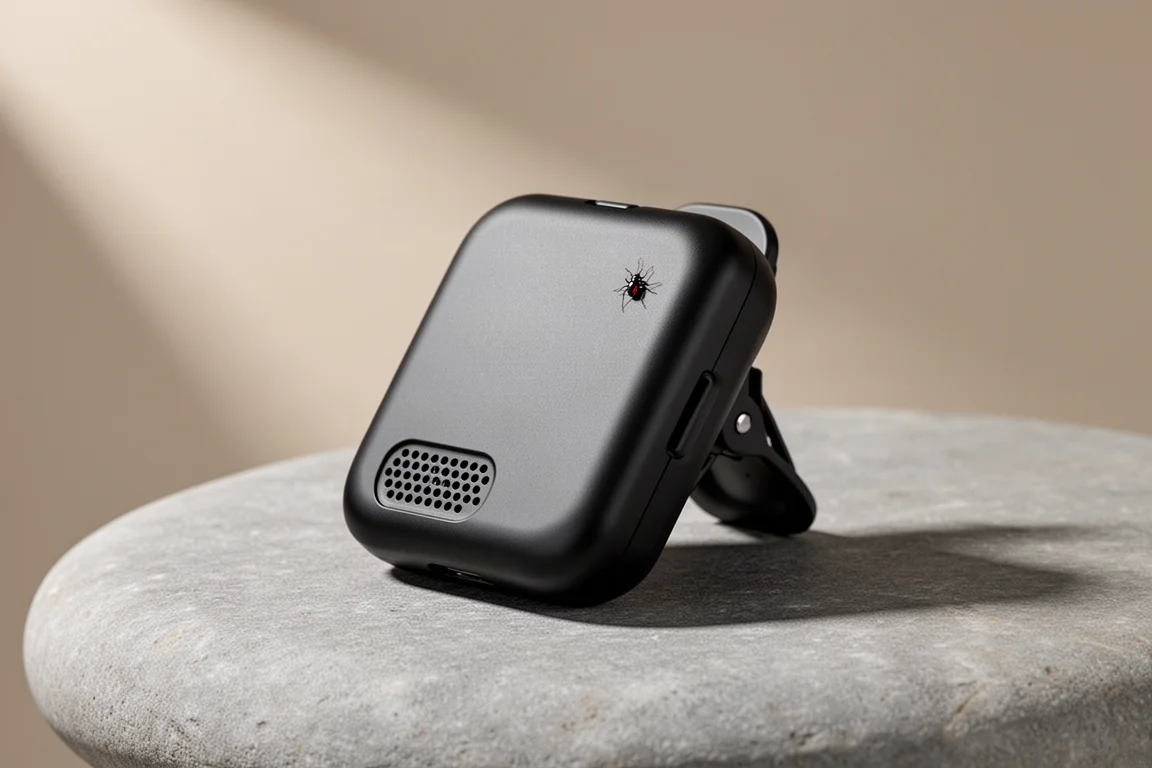
Nitecore EMR6: Personal Bug Protection While Moving
The EMR6 takes a different approach. Instead of sitting in camp, it attaches to a backpack strap so you carry a personal protection zone with you while you walk. That covers the hours when stationary devices are doing nothing, such as long approaches through damp, buggy forest.
It is best understood as a companion to a larger camp device rather than a replacement for one, since it protects the person wearing it rather than the whole site.
Nitecore AP10: Camp-Ready Inflation
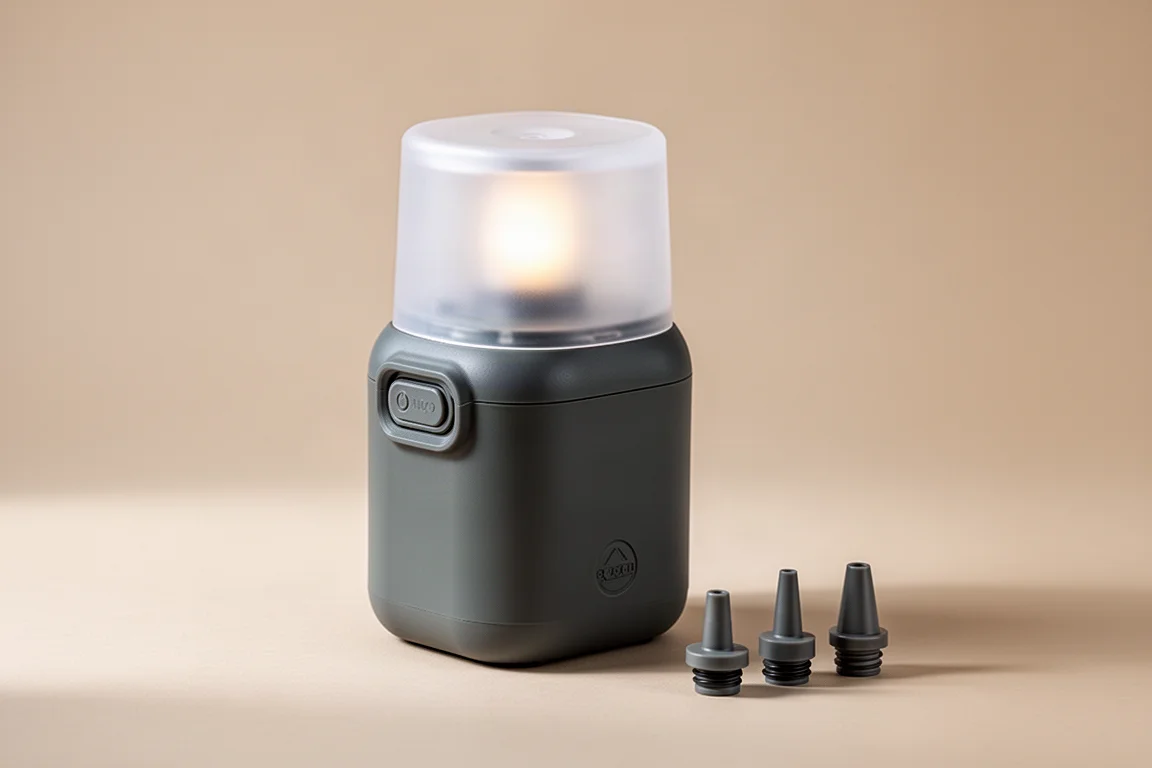
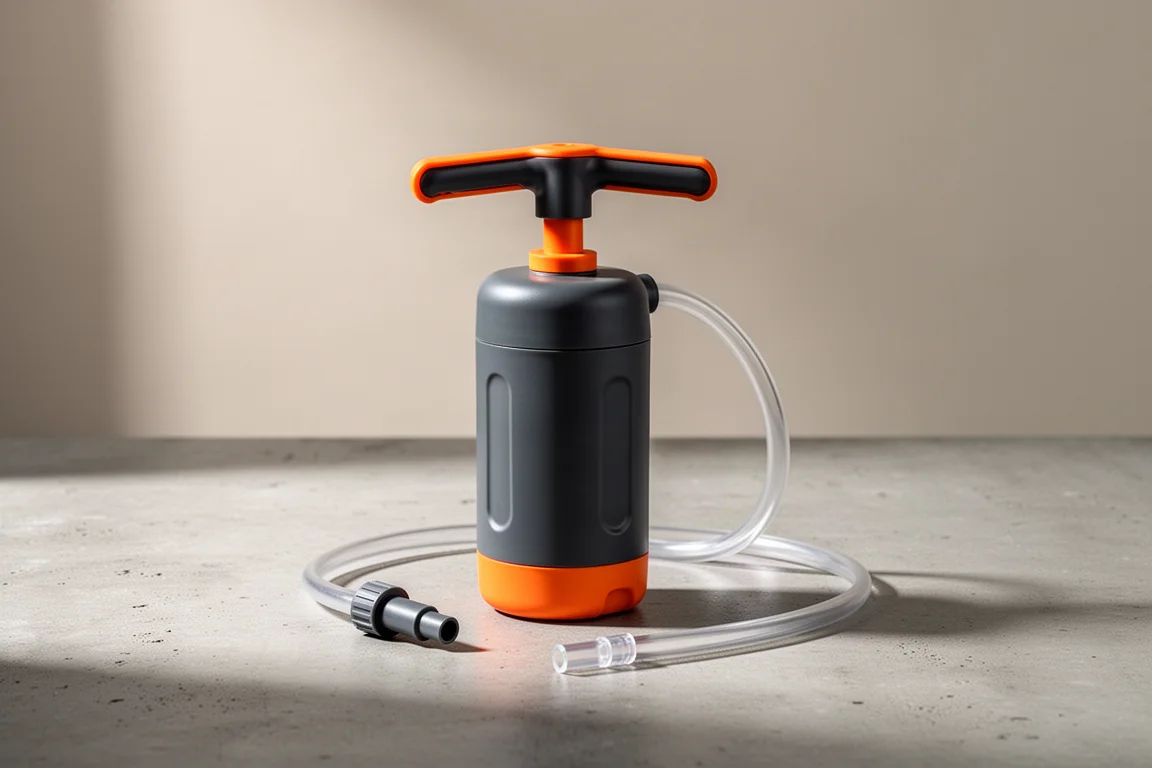
The AP10 is an air pump with a lantern built into the top and a set of nozzle attachments for inflating sleeping pads, pillows, and similar items. It is larger and heavier than the ultralight pumps many backpackers carry, which makes it a natural fit for car camping and basecamp use rather than long-distance hiking.
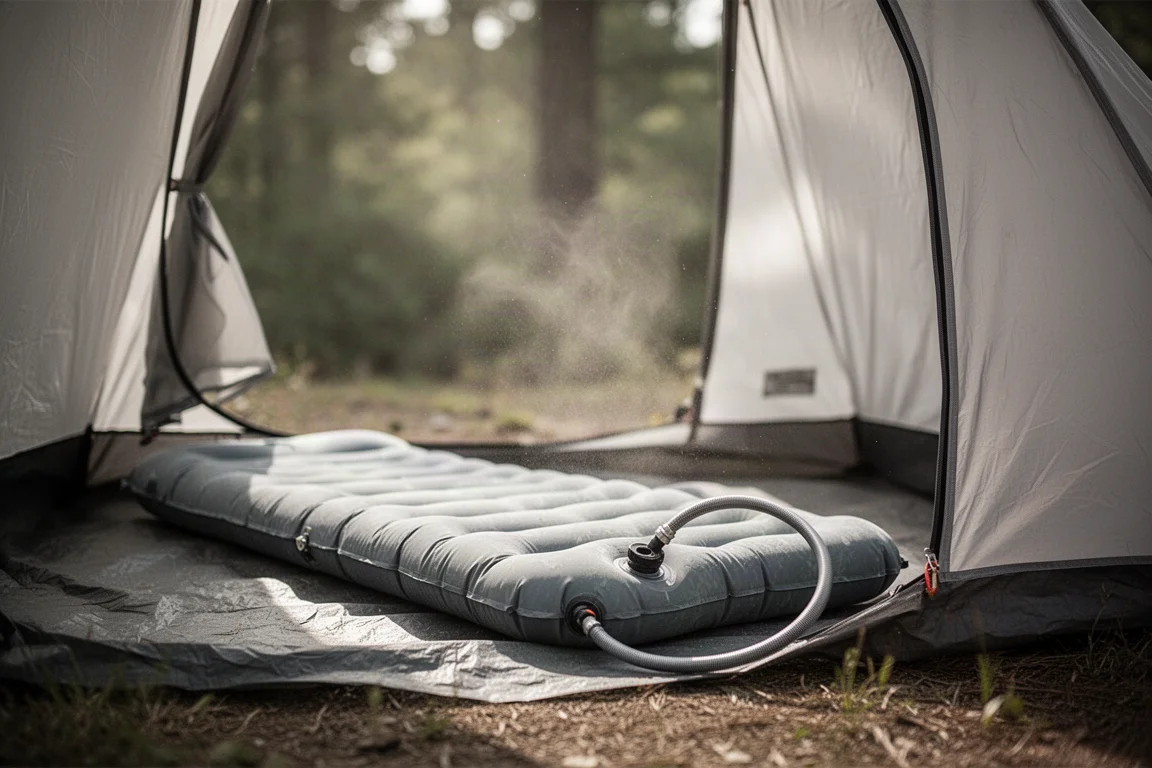
Before buying, check that the included attachments match the valves on the pads and pillows you actually own, and decide whether the built-in light earns the space it takes up in your kit.
Nitecore Carbo 20000: Power for Bigger Loads
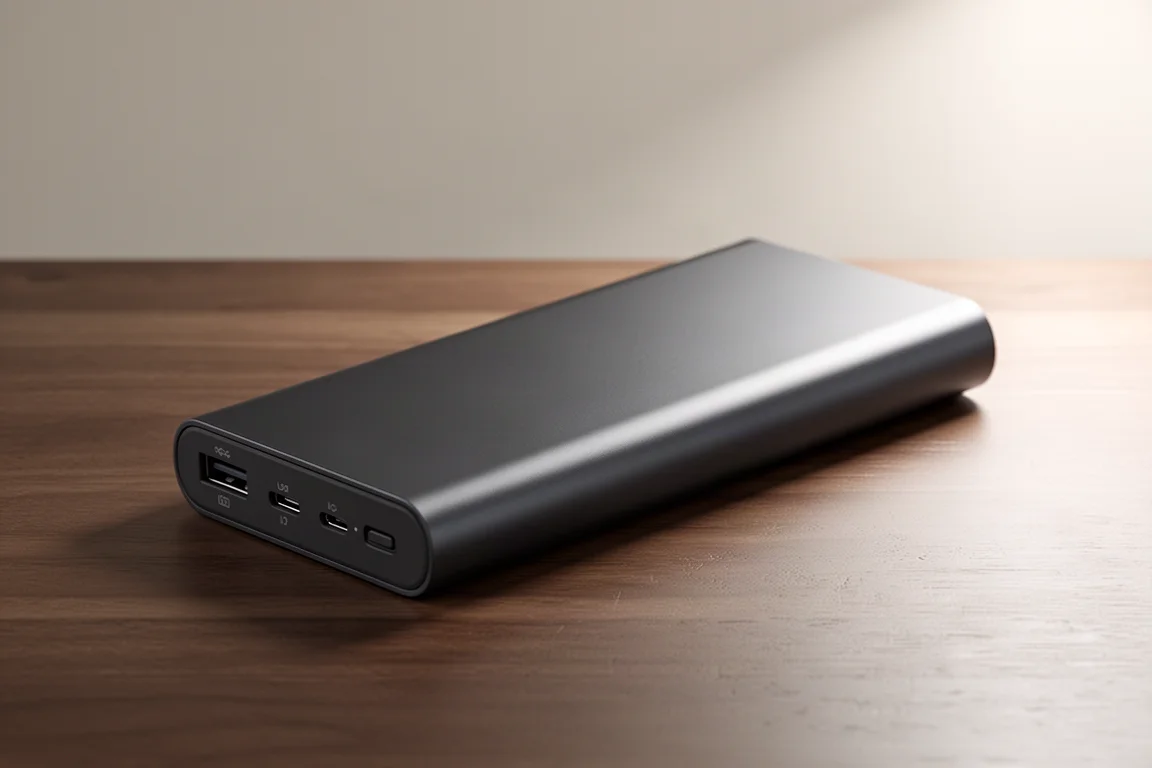
Camera gear is the usual reason a small power bank stops being enough. The Carbo 20000 is a 20,000 mAh battery bank that has already proven useful for charging larger camera batteries and microphones on longer trips, where a phone-sized bank would run out long before the trip does.
It is the right pick for photographers and anyone else carrying power-hungry accessories. If you only need to top up a phone and a headlamp, a smaller bank will save weight.
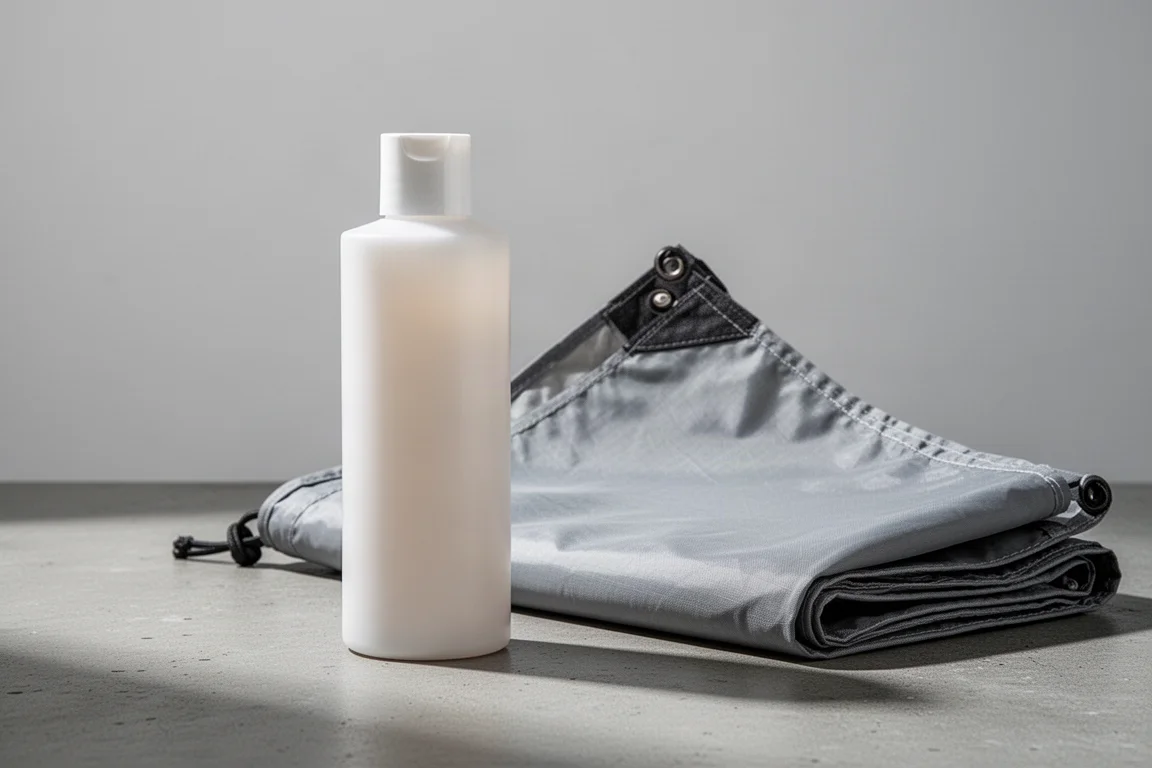
Nikwax Tent & Gear SolarProof: Bringing Old Nylon Back to Life
SolarProof is a combined cleaner and proofer for tents and outdoor gear. Applied to an older tent, it refreshes the nylon, restores the durable water repellency that fades over time, and adds protection against sun damage.
That makes it relevant if you have a tent that has spent years in storage and now wets out or looks tired. Rather than replacing a shelter that is otherwise perfectly usable, treating the fabric can bring it back and extend its working life. It is a low-cost way to get more seasons out of gear you already own.
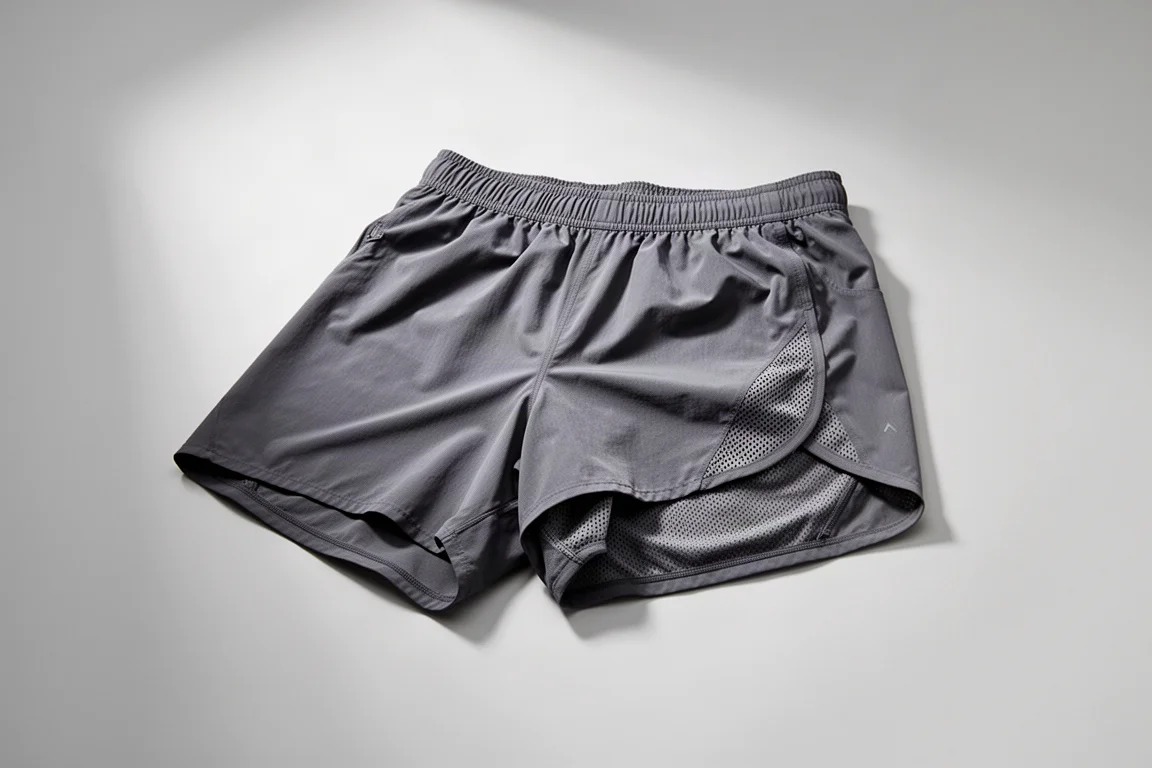
Outdoor Vitals Skyline Shorts: One Pair for Trail and Water
The Skyline Shorts are built to work across hiking and water use, and they have already been worn for ocean snorkeling as well as trail days. That combination is useful on trips where you swim at the end of a hike, or where river crossings and lake stops are part of the plan.
They are lined up as a primary hiking short for an upcoming trip, which says something about comfort over long days on the move. Check the fit and pocket layout against what you normally carry before committing to a single pair.
LifeSaver Wayfarer: Purification, Not Just Filtration
Most backpackers carry a filter, and for good reason: a squeeze filter such as the Sawyer Squeeze handles bacteria and protozoa, is light, and is simple to use. The Wayfarer is a purifier rather than a filter, which means it also removes viruses.
That extra capability matters in places where source water carries viral risk, or where you want the highest level of treatment available. For everyday backpacking in familiar mountain terrain, a filter is usually the more practical choice, so the Wayfarer is best thought of as a specialist tool for trips that genuinely need it.
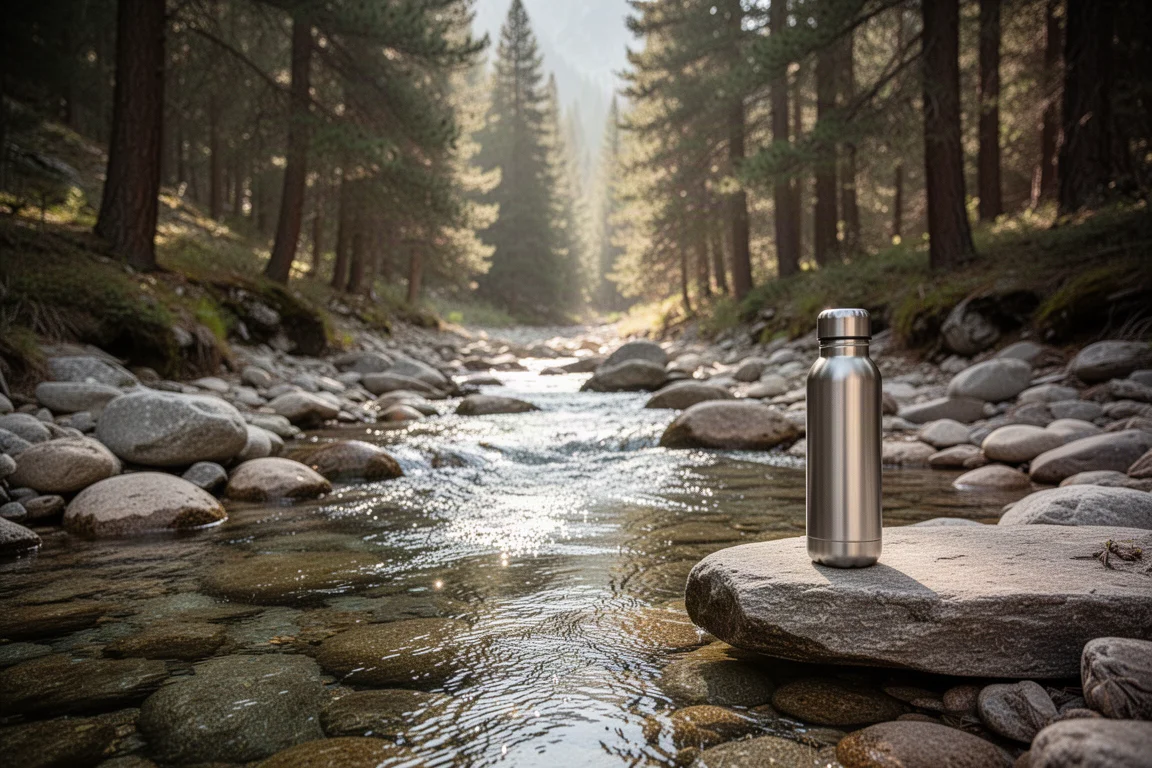
If your trips regularly involve water sources you cannot fully trust, the extra assurance of purification can be worth carrying. If not, a standard filter will cover almost everything you meet.
REI Helix Sleeping Pad: A Widely Rated Option
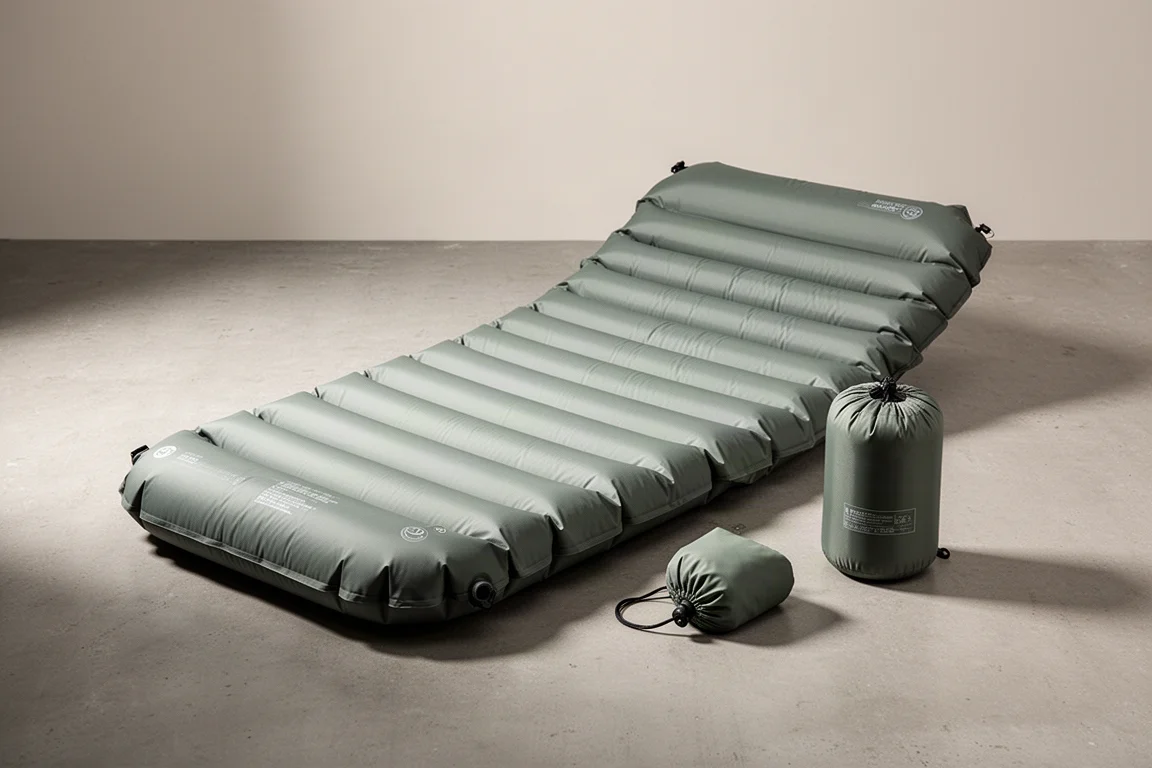
The Helix has been a long-standing option in the sleeping pad market, with consistently strong user ratings behind it. For anyone upgrading from a basic foam pad or an aging inflatable, it is one of the easier recommendations to look at first.
The practical questions are the usual ones: how much packed space it takes up, how quickly it inflates, and how it feels under your sleeping position. Compare those against your current pad, since a pad that suits one sleeper’s style may not suit another’s.
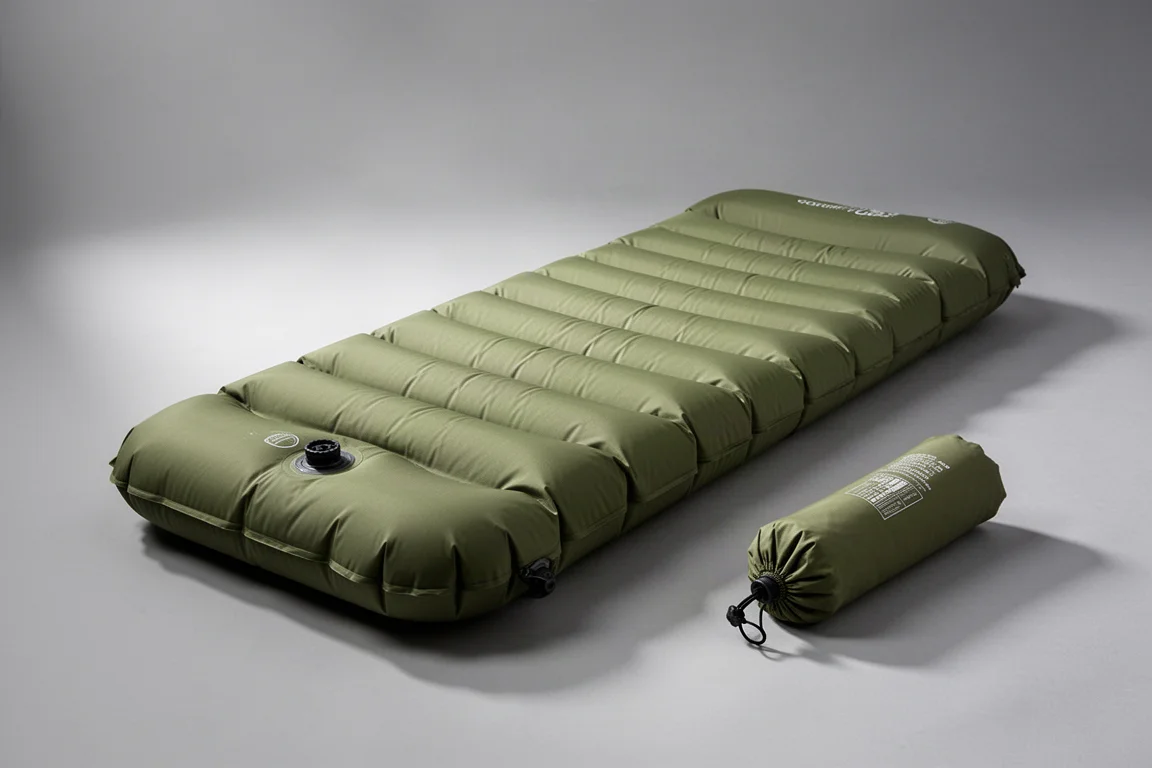
NEMO Tensor All-Season: An Early Look at an Upcoming Pad
The Tensor All-Season is still in development. The sample weighs around 14 ounces, but that figure and other details can change before the pad reaches the market, so treat everything here as provisional.
What is clear is the direction: an all-season version of the Tensor line, aimed at sleepers who want warmth without carrying a heavy pad. If you are shopping for a pad right now, the sensible approach is to weigh the current options and watch for final specifications when this version is released.
Buying Advice: How to Decide What Matters
Work backwards from the trips you actually take. If mosquitoes define your summer evenings, a repellent device earns its place. If your camera kit drains batteries faster than a small bank can refill them, capacity is worth the weight. If your shelter is fine but the fabric has lost its water repellency, a treatment costs far less than a replacement.
It also pays to separate needs from nice-to-haves. A purifier, a camp pump, or a battery-powered repellent are all capable tools, but they only make sense if the problem they solve shows up on your trips. Gear that sits at home has no value in the pack.
For anything still in development, patience is the right posture: wait for final weights and specifications before planning a purchase around them.
Conclusion
These ten items cover a wide spread of needs, from shaving weight off a shelter to keeping bugs away at camp, keeping batteries charged, and reviving older gear instead of replacing it. The strongest candidates are the ones that match a problem you already have. Start there, and the rest of the list becomes a set of options to keep in mind for future trips.
Further reading
Related Reviews

Backpacking Gear
Building a 10 lb Base Weight: An Ultralight Backpacking Gear List
A practical walkthrough of the ultralight pieces behind a 10 lb base weight, from a 765 g pack and a roomy one-person tent to a full camp chair and a dependable water filter.
Backpacking Gear
A 15-Pound Lightweight Backpacking Gear List for Solo Trips
A beginner-friendly 15-pound backpacking setup built from easy-to-find gear, with notes on what each piece does, how it packs, and where to spend your attention.
Backpacking Gear
8 Ultralight Backpacking Gear Upgrades Worth Carrying
Eight small, affordable backpacking upgrades that solve real trail annoyances, from a pillow that stays put to a fuel valve that rescues leftover canister gas.