Backpacking Gear
Backpacking Gear Roundup: 10 Pieces Worth Considering
A practical look at ten backpacking pieces spanning packs, shelters, sleep systems, cooking, and outerwear, with the strengths and trade-offs that matter before you buy.
Introduction
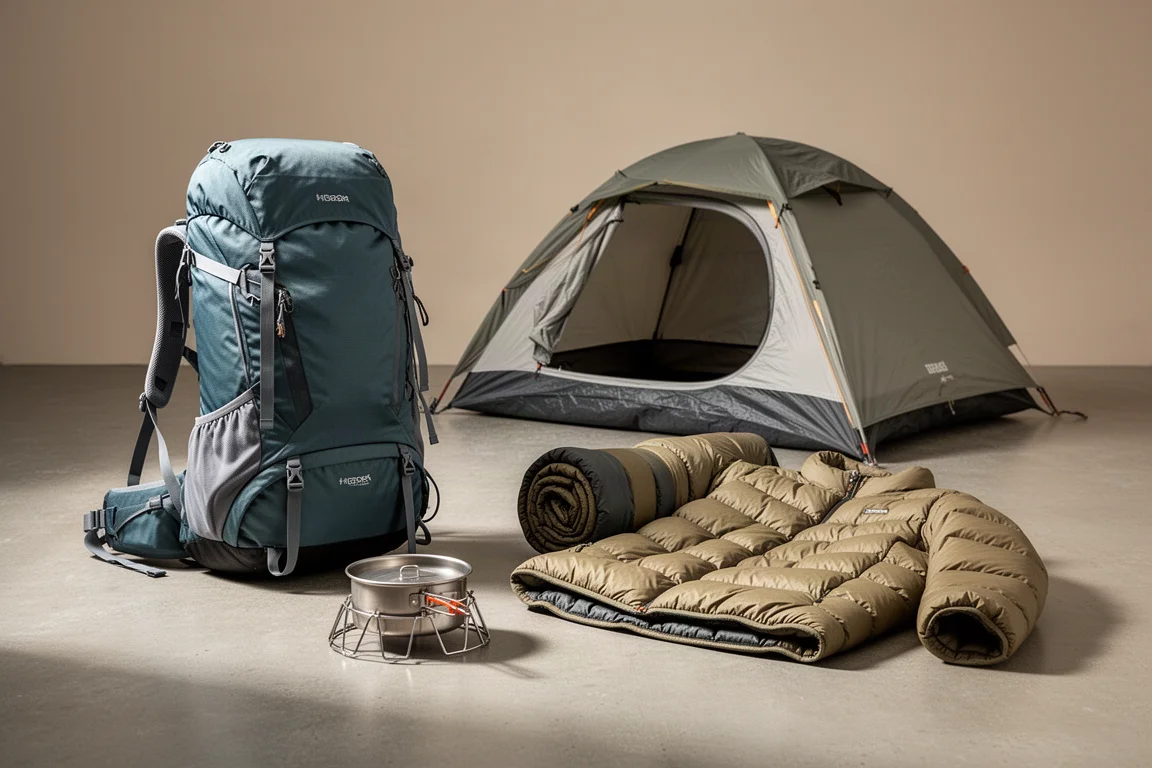
Building a backcountry kit is less about chasing the lowest possible number on a scale and more about choosing pieces that behave well when the weather turns. The ten items below cover the core of a three-season and winter setup: a load-hauling pack, two very different shelters, two down bags worth comparing, a cold-weather sleeping pad, a compact cook system, and a pair of insulation layers built around alpaca fiber.
Some of these pieces are new to the market, and a few are rarely discussed. Several have seen only a handful of nights so far, so the notes below focus on design, features, and early impressions rather than long-term durability verdicts. Where a trade-off is obvious, it is called out plainly.
What Matters Most When Choosing Backcountry Gear
Weight is the easiest specification to compare and often the least useful on its own. A pack that carries 35 lb comfortably is worth more on a long approach than one that saves a few hundred grams and folds under load. The same logic applies to shelters: a tent that pitches taut and stays taut in wind and rain will be remembered far more fondly than one that is lighter and sags.
Practical details shape daily use more than headline numbers. Can you reach a water bottle without taking the pack off? Does the lid of your cook pot stay put while you pour? Does the pad underneath you let you sleep on your side? Those small frictions add up over a week in the field, and they are usually invisible in a specification table.
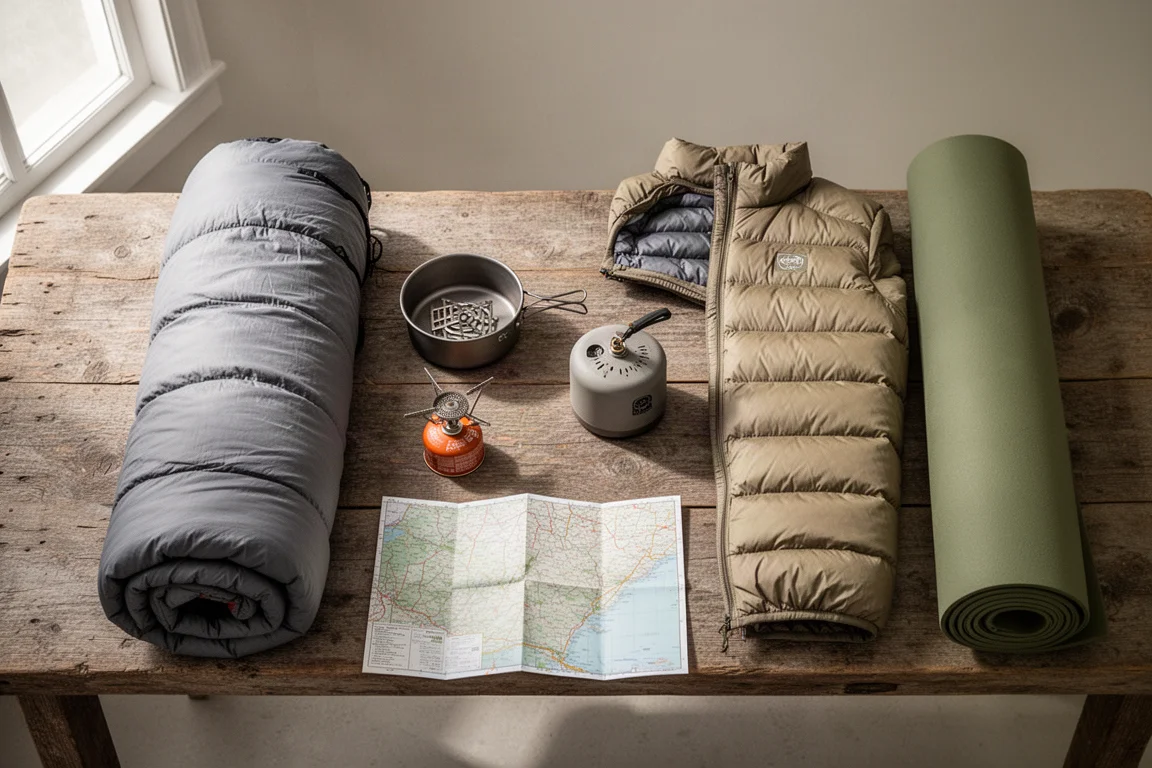
Price also deserves an honest look. The budget end of the market has improved considerably, and a well-designed shelter or daypack at an entry-level price can cover a lot of ground. Premium pieces tend to buy specific performance rather than prestige: less weight at the same warmth, more interior space at the same weight, or construction built to hold up over many seasons. Deciding which of those matters to you is the whole exercise.
Deuter Aircontact Ultra 50L
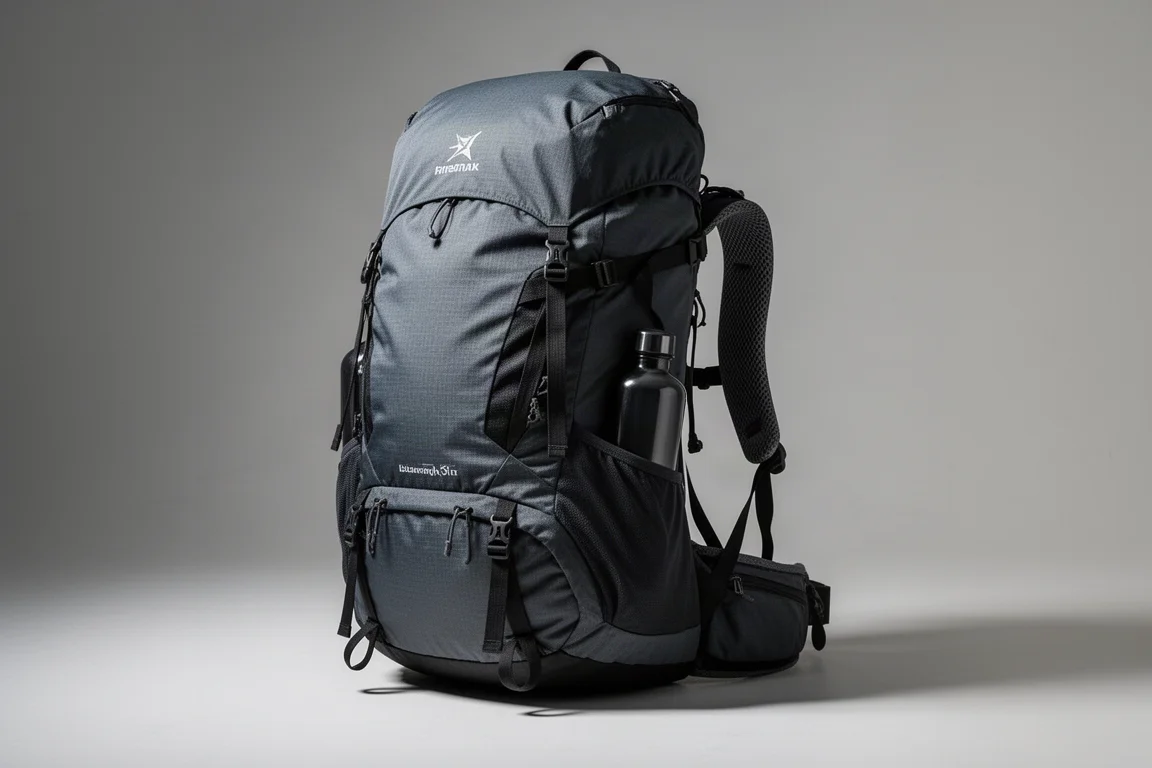
The Aircontact Ultra 50L is an interesting entry because it comes from a large brand rather than a small ultralight specialist. At around $250 and just over 1,300 g, it is a lightweight, minimal pack with a framed structure, though the frame is deliberately simple. That combination suits moderate loads rather than very heavy hauls.
Carry comfort is the standout. The pack has a well-shaped lumbar pad, a supportive hip belt, and a strap system that spreads weight effectively. It has already handled loads of up to about 35 lb without complaint. The shoulder straps are good, and their length can be adjusted with a small carabiner, although this is a simple length adjustment rather than a full torso adjustment.
The clearest drawback is side pocket access. Getting water bottles in and out while wearing the pack is awkward, and it is exactly the kind of detail a large brand could solve easily. This one is being used as a winter-focused pack for straightforward cold-weather trips, and it will see more time before a full verdict.
Decathlon MT100 Down Jacket
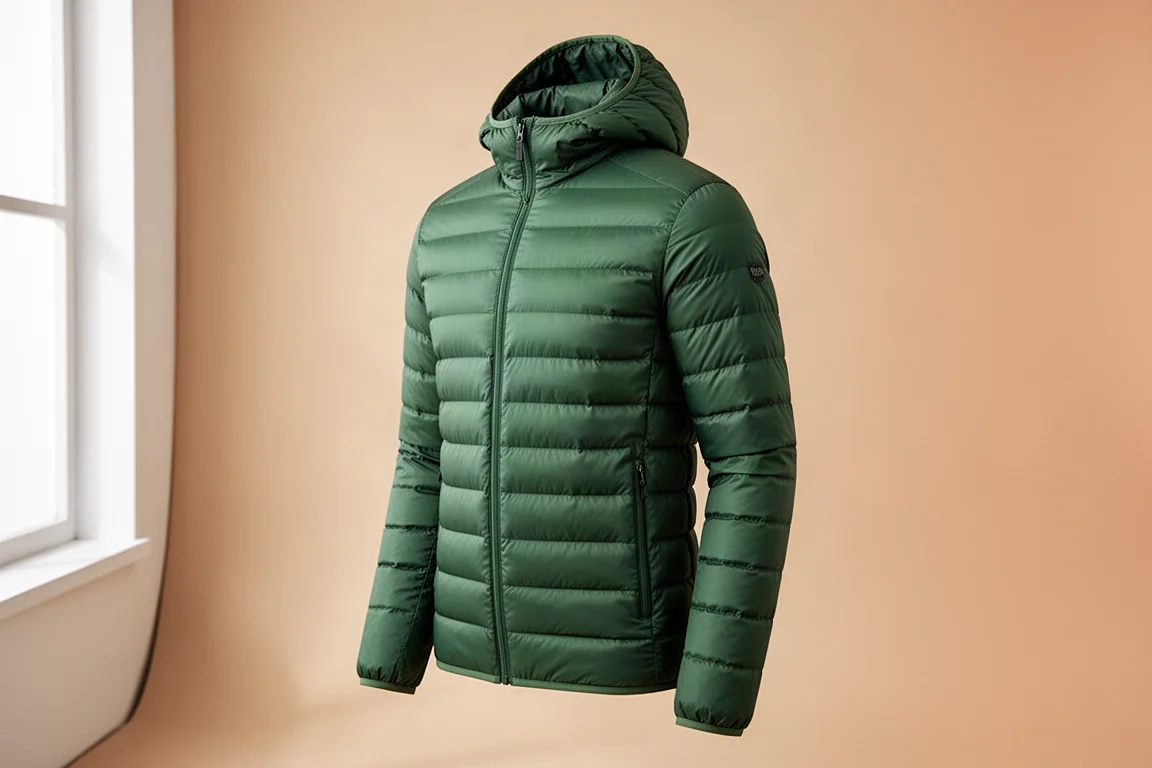
The MT100 down jacket has become a favourite lightweight outerwear piece, and the reason is straightforward: it is light, it is very affordable, and it does the basic job of a down layer without fuss. For anyone assembling a kit on a budget, it is one of the easiest recommendations to make.
It slots in naturally alongside a shell or a fleece, which is where a lightweight down piece earns its keep. It is not a complicated jacket, and that is part of the appeal.
Decathlon Keta 30L Daypack
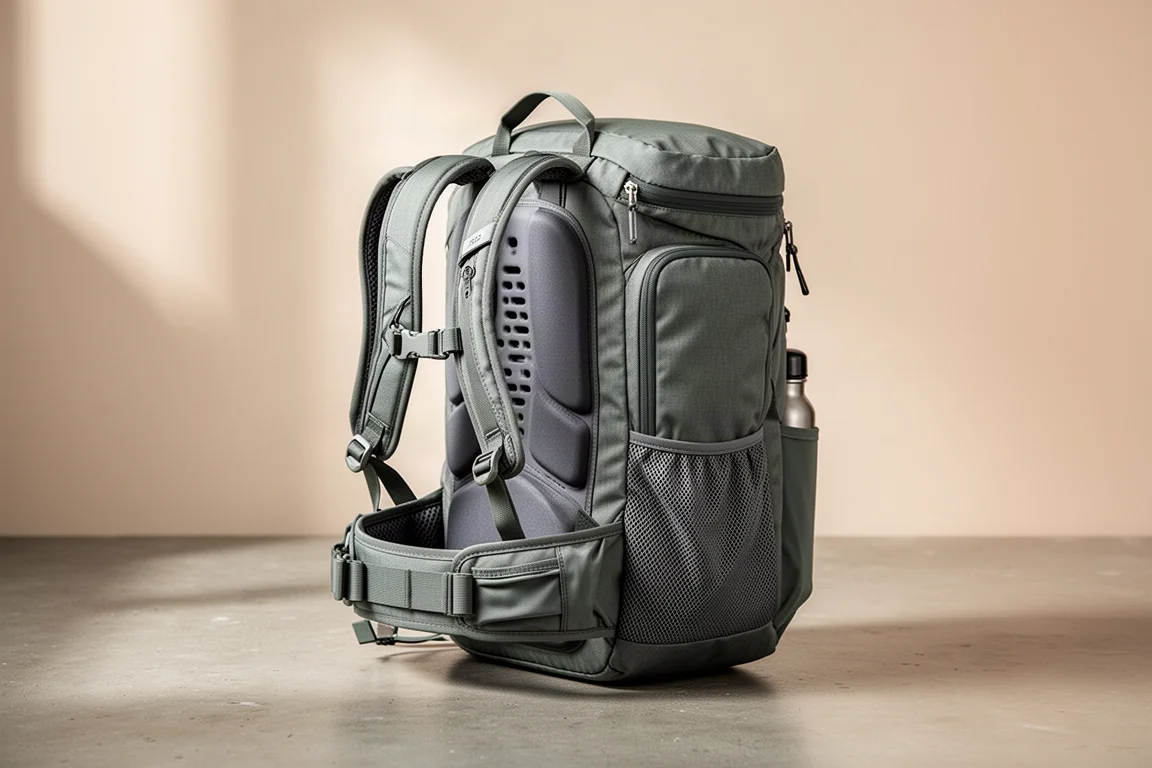
At under $100, the Keta 30L is a feature-dense daypack. It has a robust back panel suspension system, a fully sewn-in padded hip belt with stretchy pockets that will hold almost any phone, and well-padded shoulder straps. There is no torso adjustment, but the pack is offered in two sizes. A small gap between the pack and the wearer’s back provides some ventilation.
The side layout is one of the more thoughtful parts of the design. One side has a dedicated water bottle pocket, clearly labelled, that makes bottles easy to reach with the pack on. Above it sits a stretch pocket with a compression strap. The other side carries a second, higher strap and a further side pocket. On the front there is a small mesh stretch pocket.
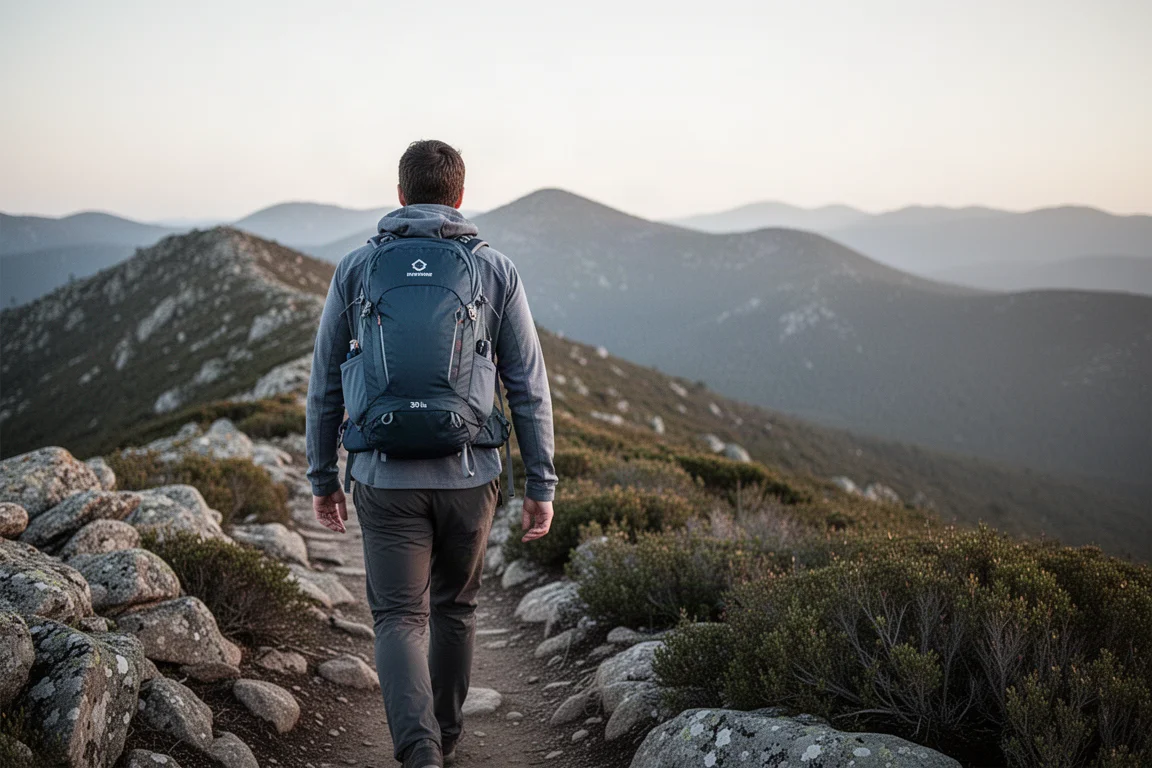
Access is generous for the category: a traditional top-loading opening with a cinch collar, a pocket on the back of the top lid, a flat pocket for slim items, and a suitcase-style opening that reaches the main body without unpacking everything from the top. This one has not been out on the trail yet, so the notes here are about design rather than field performance. Even so, that mix of a real hip belt, easy bottle access, and multiple entry points is unusual at this price, and it is worth checking the two sizing options before ordering since there is no torso adjustment to fall back on.
Slingfin Two Light Tent
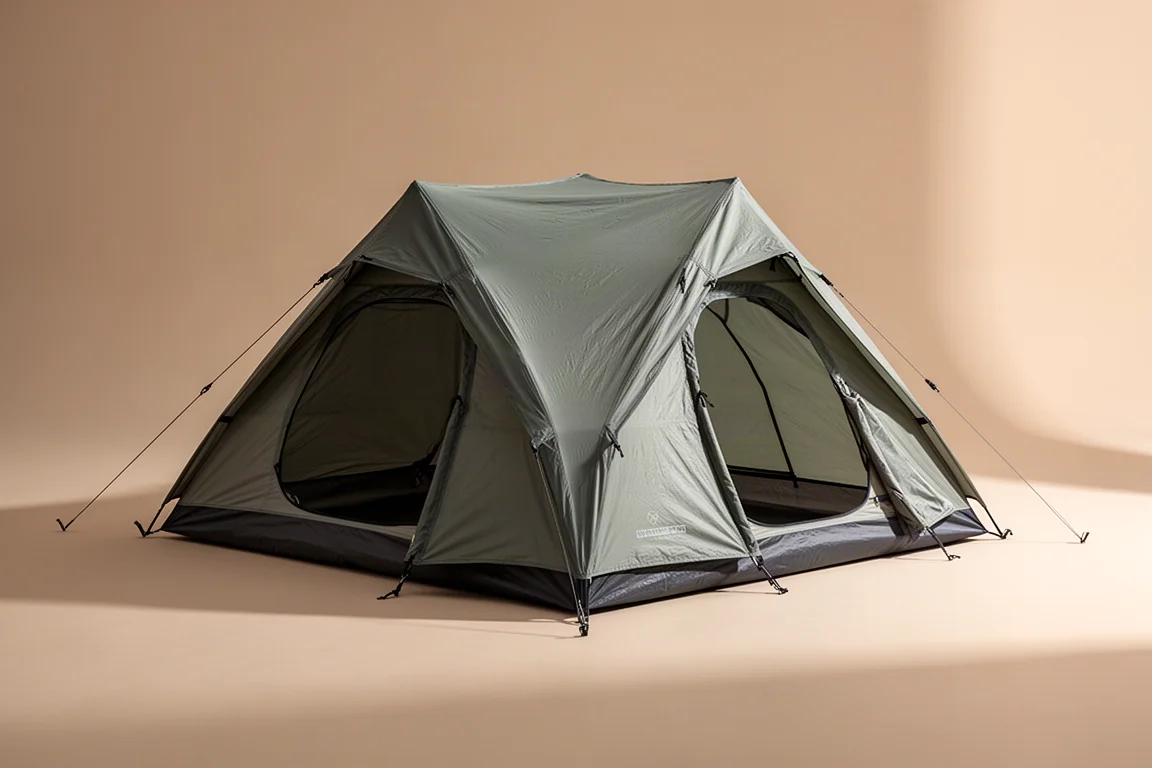
The Two Light is one of the more interesting shelters on the market and one of the least discussed. Its geometry traces back to a classic low-profile design, and it shows: two doors, two vestibules, a semi-freestanding structure, and a fairly light weight for the space it provides.
It is a double-wall tent and comfortably sized for two people, with good peak height and a generous interior. Used solo, it feels like a palace. The main open question is weather performance. The nylon fabric is light, and there is a real possibility that large panels will stretch and sag in sustained heavy rain, or catch wind depending on how the tent is pitched. That has not been confirmed in the field yet, and it is the reason this shelter needs more testing before it can be recommended without qualification.
Price is the other consideration. The Two Light carries a hefty price tag, so it makes most sense for someone who wants this specific geometry and is prepared to pay for it.
Featherstone Obsidian 1P Tent
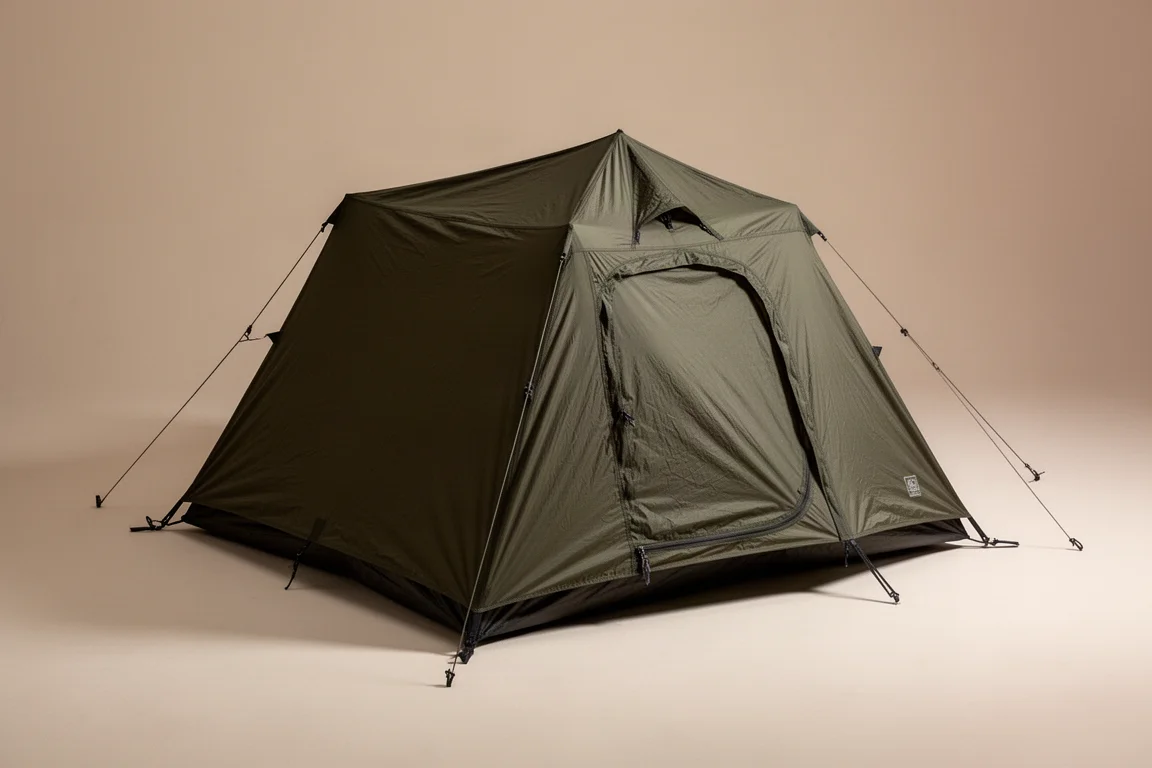
With premium shelters getting expensive, the budget end of the tent market deserves more attention, and the Obsidian 1P is a good example of why. It comes in at roughly $100, and the design is more considered than the price suggests.
The tent has a peak vent, a full-coverage rainfly, and a semi-freestanding pole structure with arms that push the walls into a more vertical shape, which makes the interior feel less tapered than a typical one-person tent. There is a single door on one side. The one change worth making would be a zipper on the opposite side, where a large vestibule space currently has no access at all. Gear stored there would be easier to reach with a second opening.
It is double-walled and fairly light for a one-person shelter. The headline benefit remains the price: this is one of the more affordable routes to a proper double-wall tent.
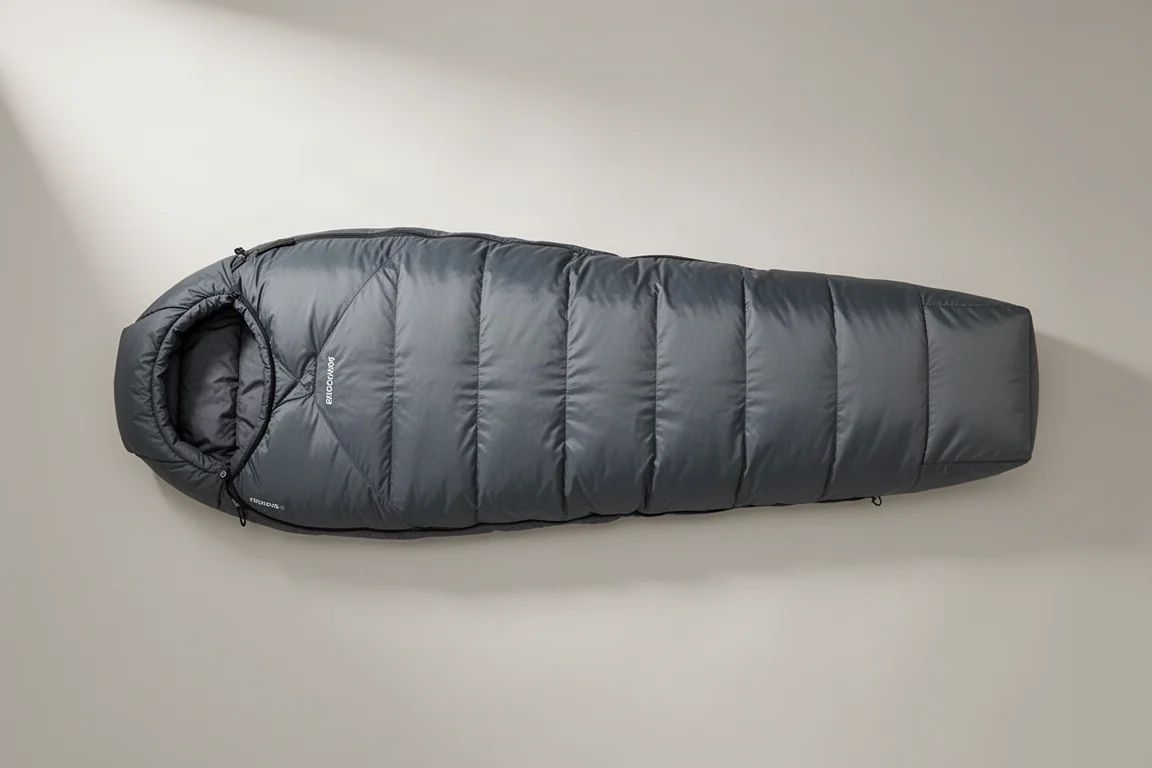
Feathered Friends Swallow 20 Sleeping Bag
The Swallow 20 is a 20° rated down sleeping bag with 950 fill power, and it sits at the premium end of the sleeping bag market. It is a close analogue to a long-standing benchmark 20° bag, with one useful difference: shoulder girth measures 60 in, compared with 58 to 59 in on that older reference bag, so there is a little more room across the shoulders.
Details include continuous baffles, which let you shift down around the bag to move insulation where you need it, a trapezoidal foot box that gives feet room to sit in a natural position, and a hood built with a three-dimensional shape. It remains a very light bag for its temperature rating.
Because this bag and the benchmark bag it invites comparison with both sit at premium price points, the decision comes down to fit and the specific details you prefer rather than a large gap in specification.
Exped Ultra 7R Sleeping Pad
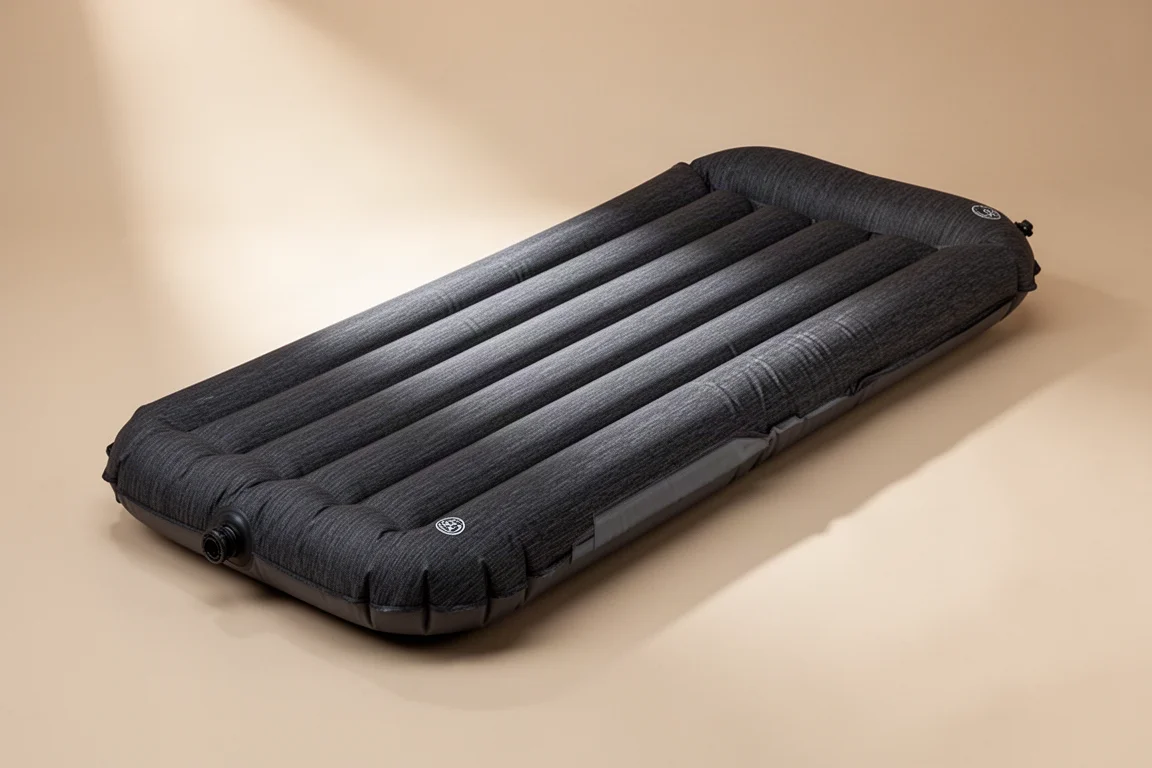
The Ultra 7R is a cold-weather sleeping pad with a 7.1 R value, built for winter and shoulder-season use. The 20 denier polyester face fabric feels softer than earlier pads from the same brand, and the pad is genuinely supportive. It is also the first fully rectangular pad from Exped used here, which removes the tapered corners some sleepers find restrictive.
Inside, the pad uses down insulation to help hold warmth in cold conditions. Early nights on it have delivered a better sleep than previous pads of the same make, and it is heading onto snow for further testing through the coldest months.
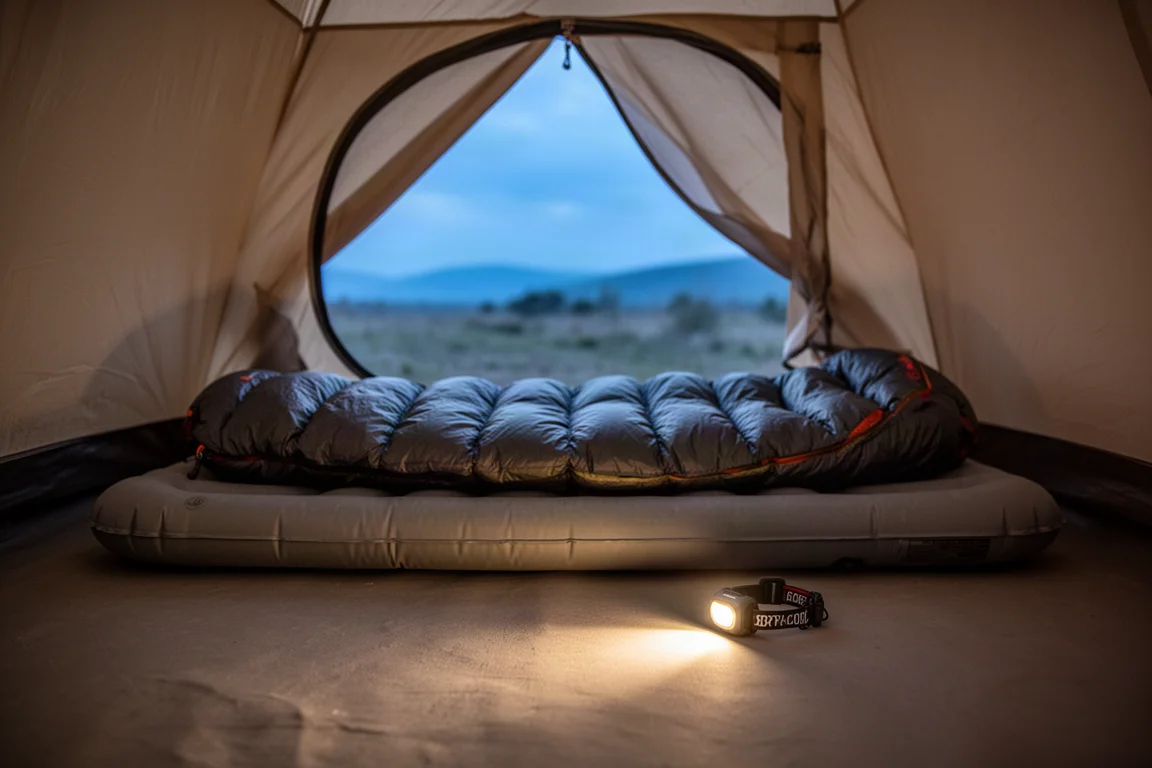
The baffle design is the main caveat. Side sleepers may find that the shoulder loses circulation or falls asleep against the baffle pattern, which is worth weighing carefully if you sleep on your side. As a winter pad, the Ultra 7R makes most sense for people who camp in genuinely cold conditions and want a warm, comfortable platform. For three-season trips, it is more insulation than most people need.
Primus Lite All-in-One Cook System
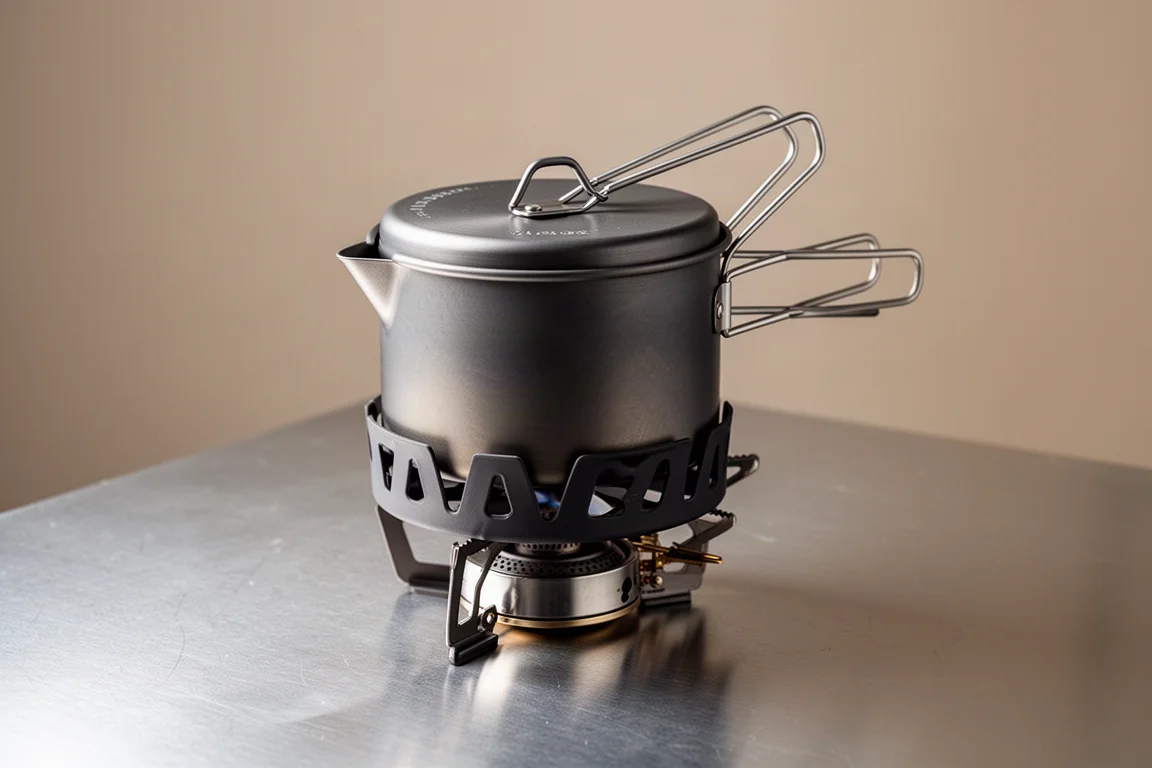
The Primus Lite is the smallest all-in-one cook system found so far, and it exists to solve a specific problem: most integrated stove and pot systems are sized for two people, which is more capacity than a solo backpacker needs.
The Lite uses a half-litre pot with a canister stove that attaches to the base. A folded metal heat exchanger wraps the lower pot, which improves heat transfer and lets the system boil water quickly. It is light and efficient, and it packs down as a single unit.
There is a pour spout and a small handle that wraps around the hand for pouring. The clear downside is the lid, which simply sits on the pot with nothing holding it in place, so it can fall off at an inconvenient moment. Field time so far has been limited, and more testing will follow.
Paka Apu Lightweight Puffy
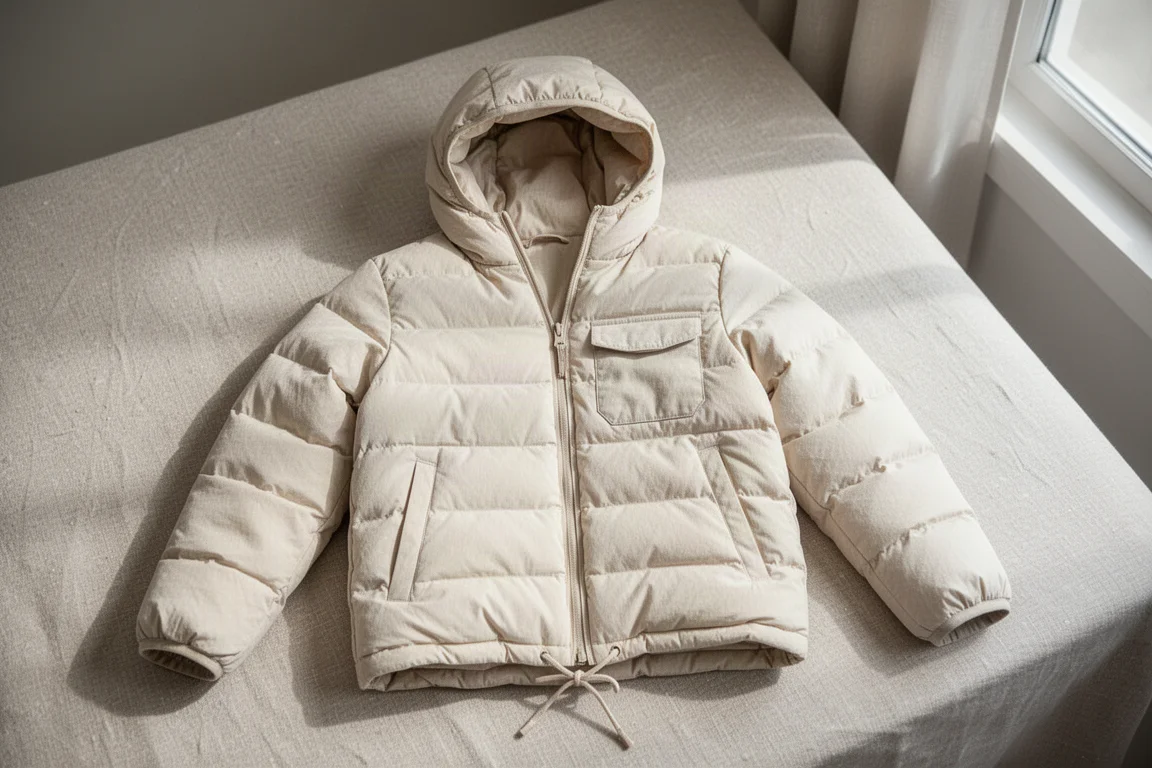
The Apu is a lightweight puffy jacket built around alpaca fiber rather than synthetic or goose down insulation. The fill is a sheet insulation called PakaFill at 80 GSM, made from alpaca fiber, and it is remarkably light for the warmth it provides. The jacket lofts well and feels warm for its weight.
In practice, it has been comfortable down to around the mid-20s, where a mid layer underneath makes a noticeable difference. The fit is excellent, and the hood is well shaped, zipping up around the face. The outer fabric is bluesign certified, and there is a drawstring at the hem to trap warm air plus a chest pocket sized for a phone.
It has the features you would want from a technical lightweight hooded layer, with a material story that sets it apart from most puffy jackets on the shelf.
Paka Cloud Fleece
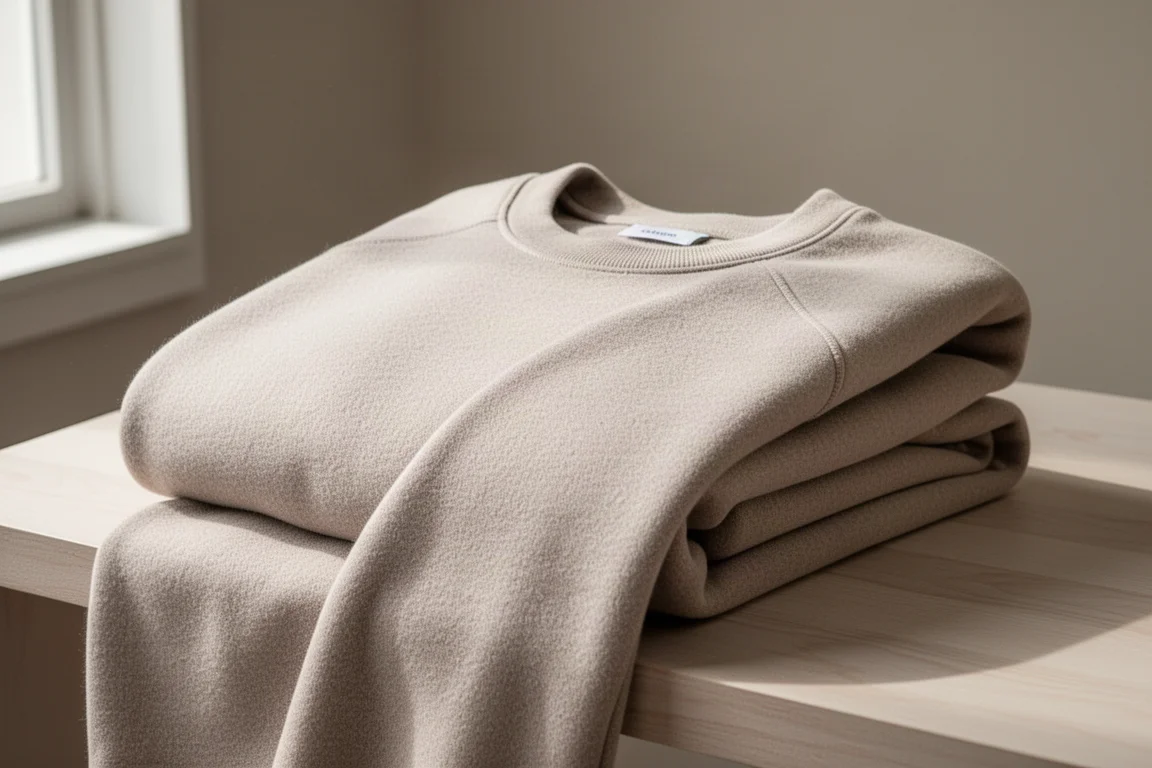
The Cloud Fleece is spun entirely from alpaca fiber, and the result is a very soft pullover that is surprisingly warm. The brand describes it as twice as warm as comparable fleeces. The fit is comfortable, and it works as an easy mid layer without the synthetic byproducts that come with most standard fleeces.
The company story is part of the appeal. Paka focuses on sustainability and on providing jobs and fair pay for women in Peru, and each piece carries a small Inca ID on the back identifying the person who made it. For anyone who wants a fleece with a lighter environmental footprint and a traceable supply chain, that combination is worth attention.
Buying Advice
Start with the conditions you actually travel in, then work outward. If most of your trips are three-season, the budget-friendly pieces here cover a lot of ground for relatively little money: the Decathlon daypack, the Featherstone shelter, and the MT100 jacket in particular. If you camp in winter or push into wet, windy terrain, the extra cost of the Deuter pack, the Slingfin shelter, or the Feathered Friends bag buys specific performance rather than prestige.
Two habits make gear decisions easier. First, judge how a piece behaves under load and in bad weather, not just how much it weighs on a kitchen scale. Second, be honest about how often you will use it. A premium winter pad that sits in a closet for ten months of the year is worse value than a mid-range pad you use every month.
Finally, treat early impressions as early impressions. Several items here have only seen a handful of nights, and the honest position is that long-term durability and weather performance are still open questions. Buy for the features and the fit you can verify now, and let field testing fill in the rest.
Conclusion
These ten pieces cover the practical core of a backcountry kit, from a load-hauling pack and two very different shelters to a winter pad, a solo cook system, and a pair of insulation layers built on alpaca fiber. The common thread is that each one solves a specific problem clearly, and each one has a trade-off worth knowing about before you commit.
If you are starting from scratch, the budget options here are strong enough to build a complete kit around. If you are refining a setup you already trust, the premium pieces offer narrower, more targeted gains. Either way the goal is the same: gear that lets you spend less energy managing your kit and more energy enjoying where it takes you.
Further reading
Related Reviews

Backpacking Gear
Building a 10 lb Base Weight: An Ultralight Backpacking Gear List
A practical walkthrough of the ultralight pieces behind a 10 lb base weight, from a 765 g pack and a roomy one-person tent to a full camp chair and a dependable water filter.
Backpacking Gear
A 15-Pound Lightweight Backpacking Gear List for Solo Trips
A beginner-friendly 15-pound backpacking setup built from easy-to-find gear, with notes on what each piece does, how it packs, and where to spend your attention.
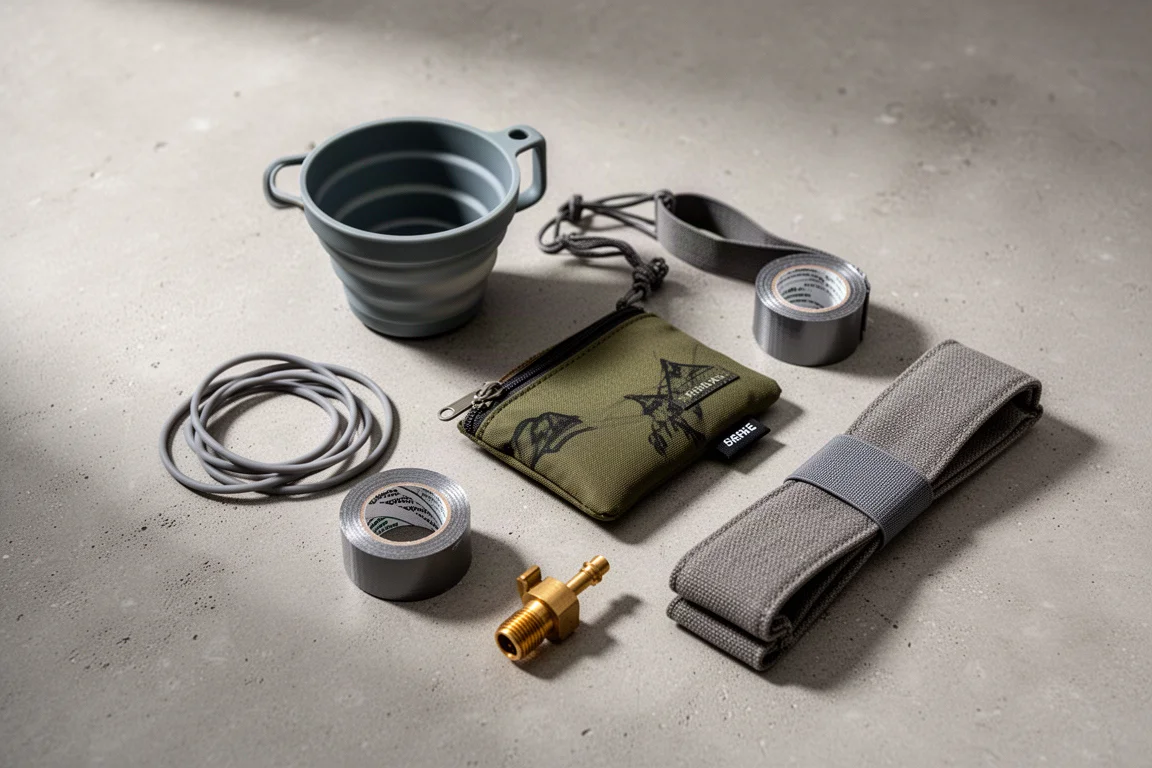
Backpacking Gear
8 Ultralight Backpacking Gear Upgrades Worth Carrying
Eight small, affordable backpacking upgrades that solve real trail annoyances, from a pillow that stays put to a fuel valve that rescues leftover canister gas.