Backpacking Gear
Backpacking Gear Retired and Replaced: 7 Long-Used Items Worth Reconsidering
Seven long-used backpacking items being retired, the replacements that earned a place in the kit, and how to decide which swaps make sense for your own trips.
Introduction
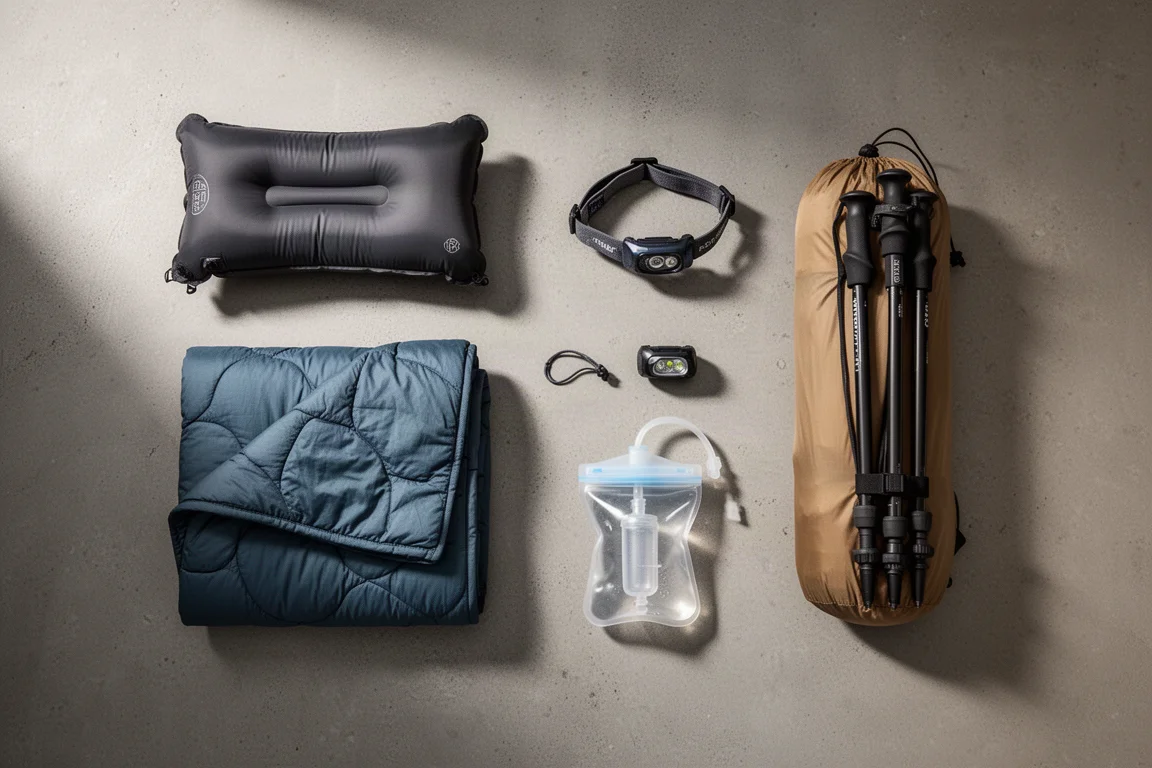
Some of the best-loved gear in a backpacking kit eventually stops being the right tool for the job. Not because it failed, but because the trips change. Longer food carries, colder conditions, higher elevations, and heavier camera equipment all shift what good gear actually means.
This roundup covers seven long-used items that are being retired and the replacements that have taken their place. Every swap is driven by a specific problem: fuel efficiency, durability, water handling, battery dependence, or simply how much weight a piece of gear can carry over a long route.
How These Gear Choices Were Made
Four criteria shaped every decision here. The first is fuel efficiency, because trips with long resupply gaps make every gram of canister gas matter. The second is durability, since gear that has to survive brush, rock, and repeated packing needs to hold up over months rather than weekends.
The third is weight and packed volume, which still counts even when durability is the priority. The fourth is battery dependence, because every device that needs charging adds planning overhead on trips where power banks are already spoken for. The same logic sits behind two other retirements this year: a fleece hoodie built entirely from Alpha fabric that breathes beautifully but shreds on overgrown trails, and frameless ultralight packs that cannot comfortably carry packrafts, long food carries, and camera gear.
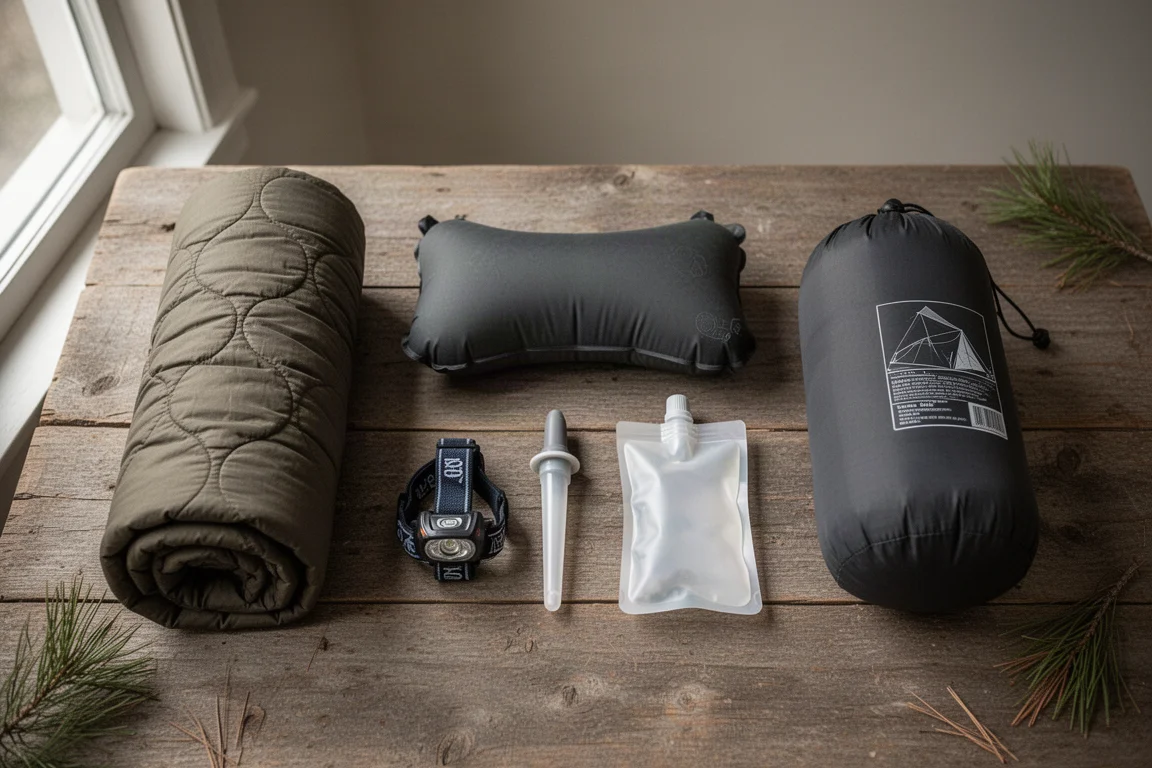
For roughly 90 percent of the trips planned this year, load carrying mattered more than base weight. That is a meaningful shift for anyone who has spent years trimming grams, and it explains why several of the swaps below move toward sturdier rather than lighter.
BRS 3000: The Stove That Finally Got Retired
The BRS 3000 has been a fixture in ultralight kits since 2016, and for good reason. It is light, it is inexpensive, and it works. It makes fire, a pot sits on it without drama, and it has thousands of miles behind it.
What it is not is efficient. When the goal is conserving canister gas, the BRS 3000 gives up ground quickly, and it struggles in cold temperatures and at higher elevations. For a three to four week stretch in the Alaskan wilderness, fuel planning becomes a real constraint, and this is not the stove for that. That does not make it a bad stove. It makes it a bad match for a route where every canister has to be rationed.
Fire Maple Blade 2: A Remote Stove for Cold Conditions
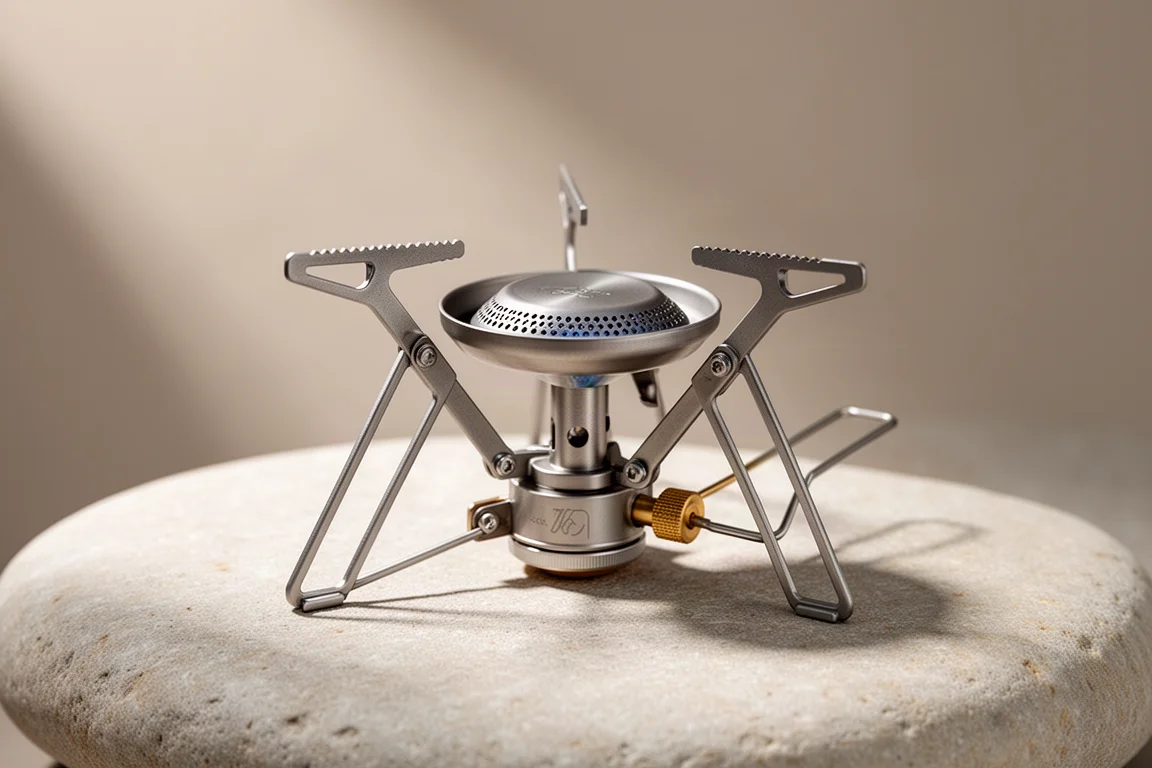
The replacement for winter trips is a small remote-canister stove. The Fire Maple Blade 2 allows the gas canister to be inverted, which improves performance and fuel economy in cold temperatures and at higher elevations.
That remote configuration is the key detail. It keeps the canister away from the burner, which makes the setup more stable under a larger pot and lets the stove run in conditions where a standard upright canister would struggle.
Soto WindMaster: Fuel Economy for Long Backcountry Trips
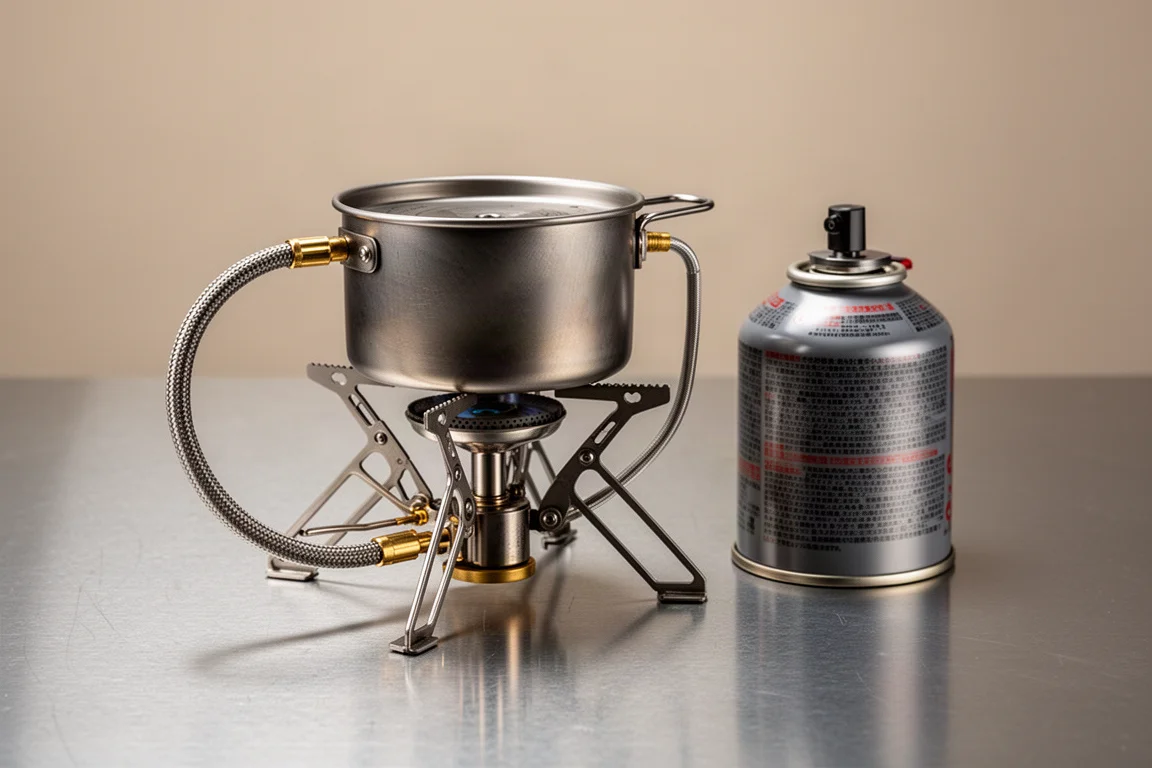
For regular backpacking trips, including the long Alaskan route, the Soto WindMaster has become the default choice. It is notably efficient with fuel, it performs well in wind, and it carries a regulator that helps keep output consistent as the canister empties.
It is bigger and slightly heavier than the BRS 3000, and that is the honest trade-off. Better wind performance and lower consumption mean fewer canisters carried and far less worry about running dry between resupplies.
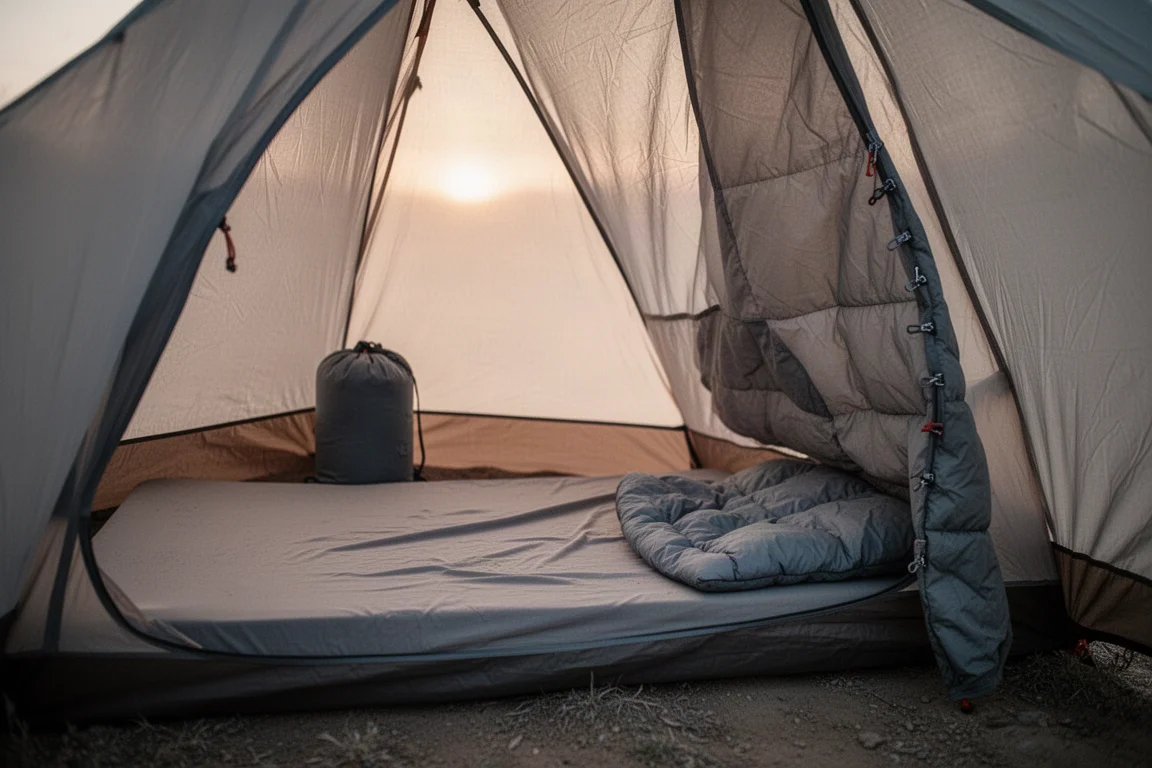
For anyone planning a route with long food carries, the practical math matters more than the spec sheet. A stove that sips fuel can offset the extra grams of the stove itself many times over across a multi-week trip.
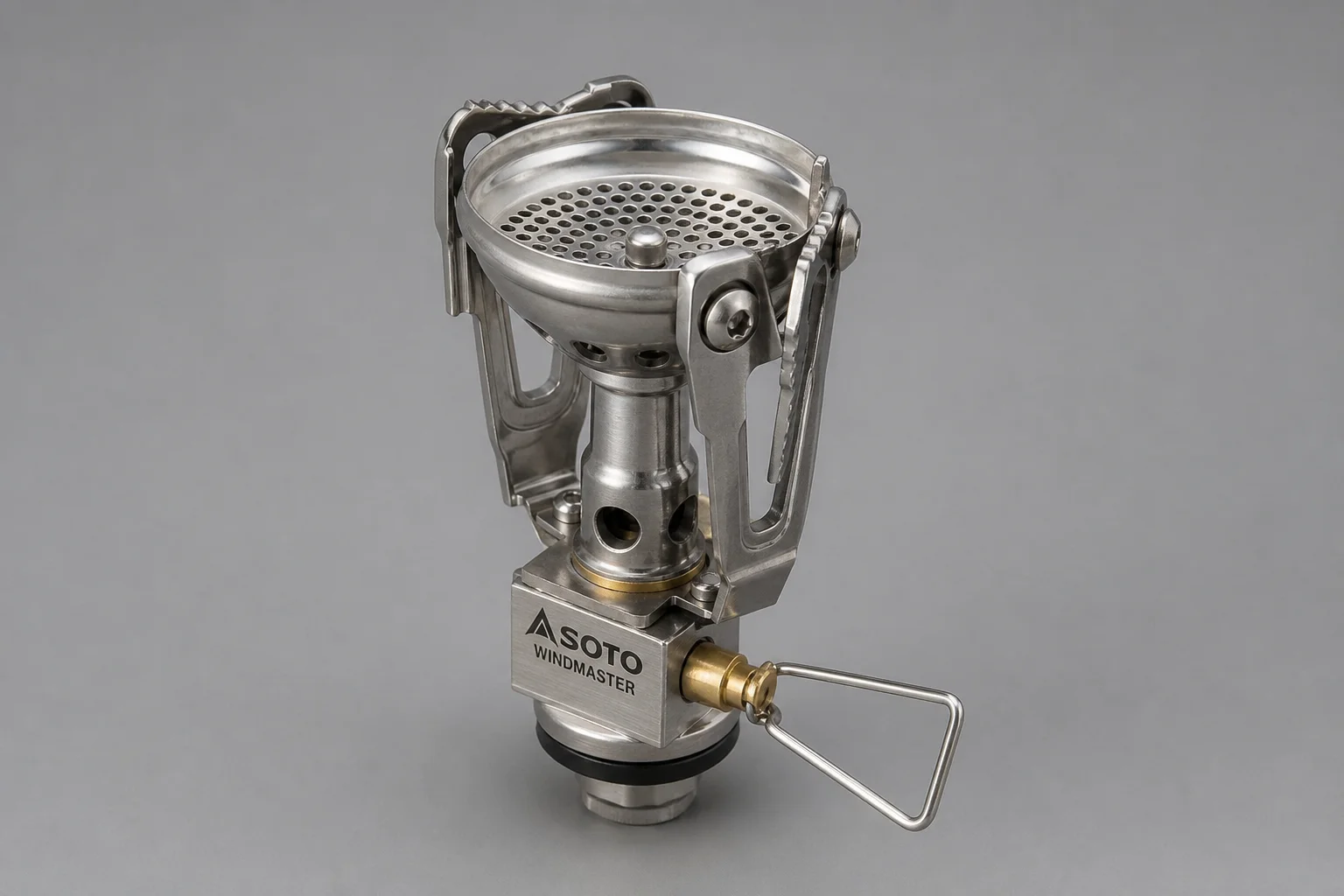
Nalgene: Back to a Durable Water Bottle
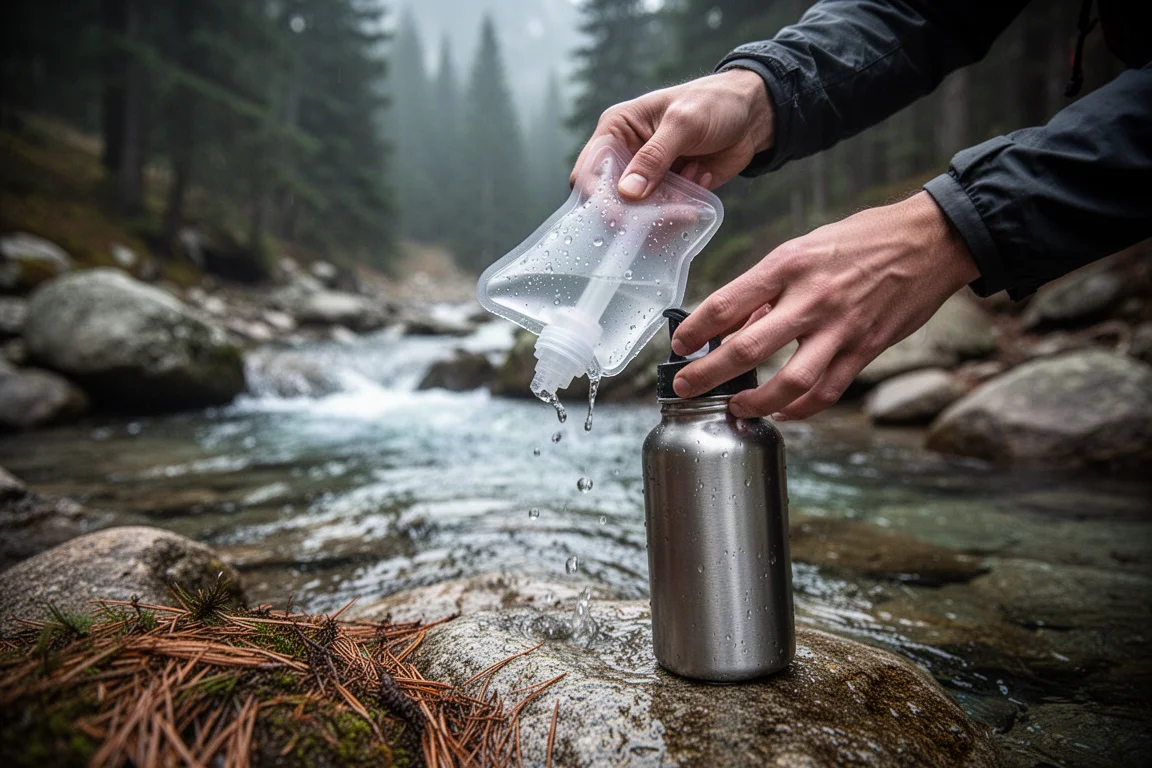
Disposable one-liter bottles have been a standard trick for years: light, cheap, and easy to replace on the road. But they freeze faster, they cannot take hot water, and they are not the right tool for melting snow.
A traditional Nalgene solves most of that. It handles hot water, it is far more durable, and it does not freeze as quickly in cold conditions or at elevation. It also sidesteps some of the concerns about leaching that come with single-use plastic. The costs are real: a Nalgene is bulkier and a little heavier. There is also something appealing about a bottle that takes stickers and lasts for years.
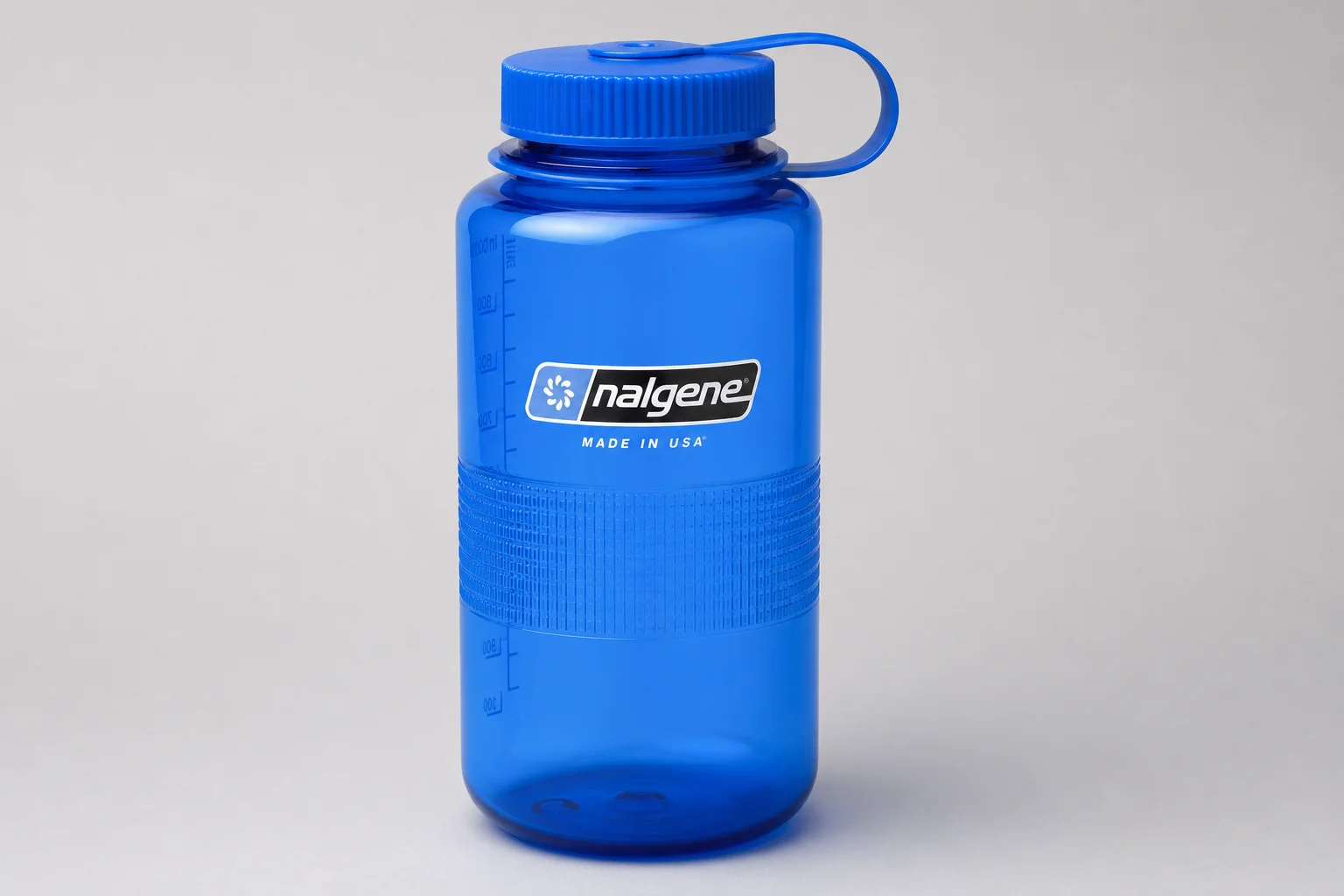
Flextail Zero Pump: Useful, But Another Thing to Charge
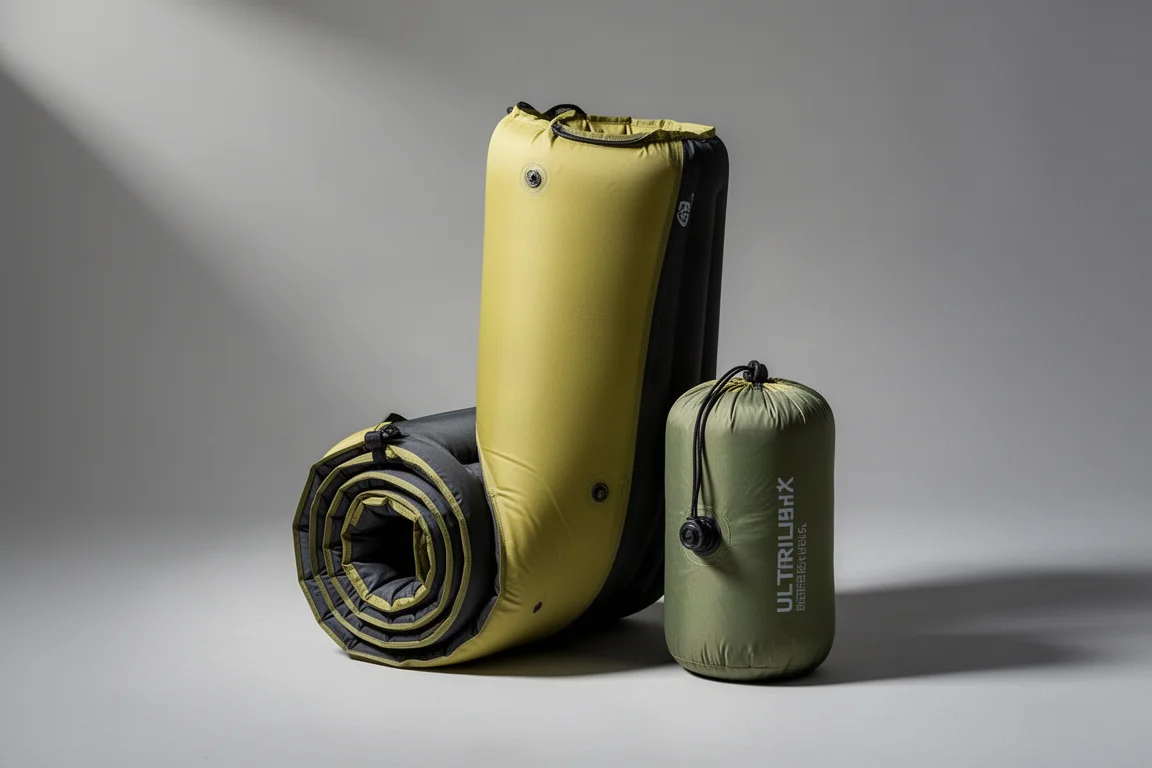
The Flextail Zero Pump is a genuinely clever piece of gear. It is small, it is light, and it inflates a sleeping pad quickly without pushing moisture from your breath into the pad.
The problem is power. On a multi-week trip with limited battery capacity, every device that needs charging competes with headlamps, phones, and cameras for the same power banks. Since an inflation bag already travels along for packrafts, that same bag now does double duty on the sleeping pad. For shorter trips with reliable charging, the pump still makes a lot of sense.
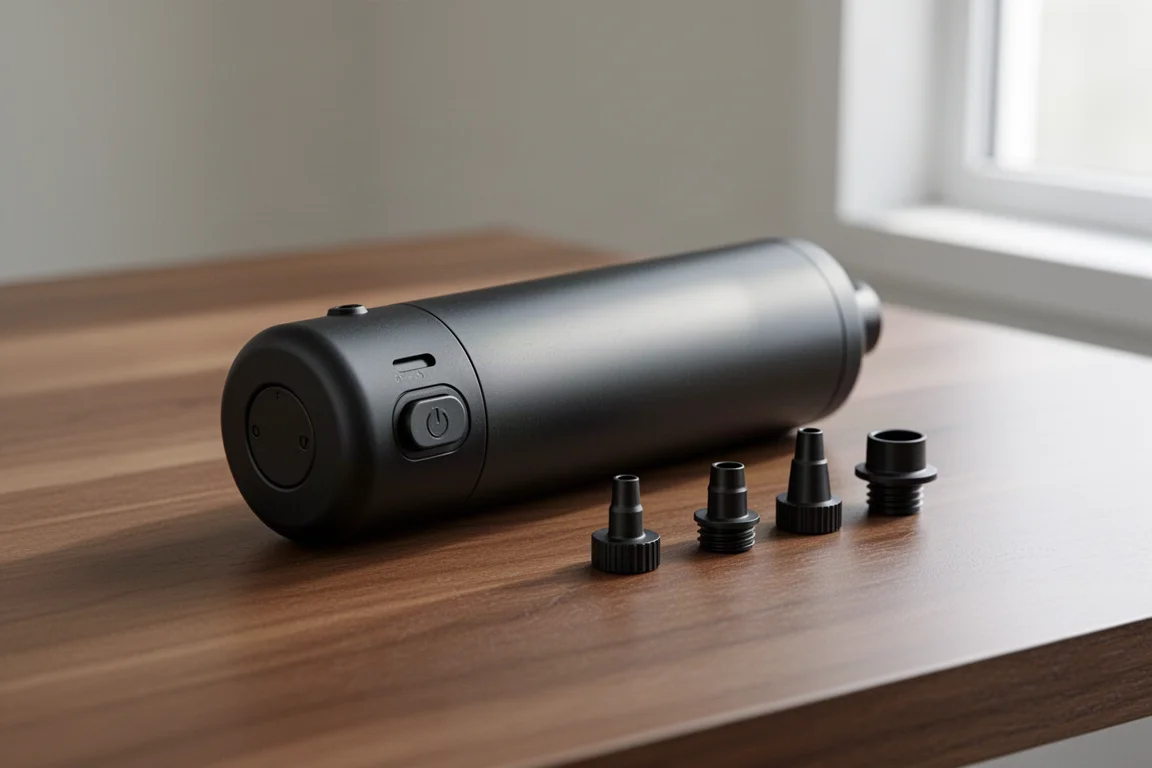
Therm-a-Rest NeoAir XLite: Retiring the Original
The original Therm-a-Rest NeoAir XLite has been a dependable companion for years and is still a great pad in the ways that matter. The details have aged, though. It is loud and crinkly in the tent, and the older twist valve no longer holds air reliably.
After that much use, a pad also collects things inside the baffles that you would rather not think about. None of this makes the pad a bad purchase. It simply makes this a good moment to move on.
The newer version keeps everything that worked about the original while fixing the parts that did not. For anyone sitting on a well-used pad with a tired valve, that is a sensible upgrade path rather than a leap into unfamiliar gear.
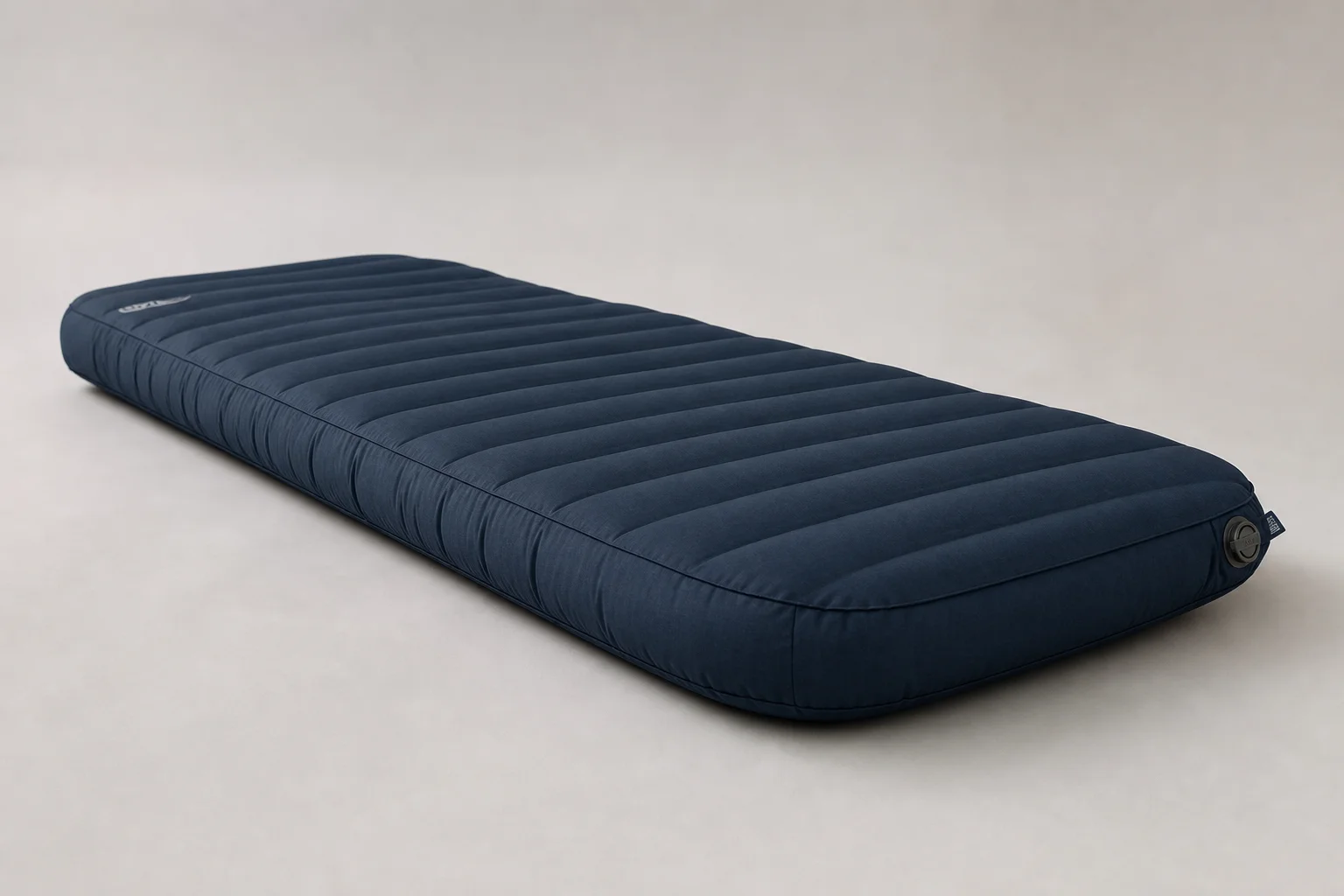
Therm-a-Rest NeoAir XLite NXT: The Replacement
The NeoAir XLite NXT is much quieter in use, carries a slightly higher R-value, and uses a new Wing valve that holds air far better than the older twist design.
The size choice changed as well. Instead of the large long-and-wide version, a regular wide pad provides the width that matters for sleeping in a curled position without the extra length. For anyone who sleeps in a fetal position, that is a straightforward way to save weight without giving up comfort.
Buying Advice: Match the Gear to the Trip
The pattern across all seven swaps is the same: the gear did not get worse, the trips changed. Fuel-thirsty stoves, disposable bottles, battery pumps, and lightweight frameless packs all make sense in the right context. They stop making sense when the context shifts toward cold, remote, heavy, or long.
If you are planning a big trip, start with the constraints rather than the gear list. How many days between resupplies? How cold will it get? How much water and food has to move at once? Answer those questions first, and the right stove, bottle, and pad tend to choose themselves. If your current kit already fits the answer, there is no reason to replace anything.
Conclusion
Retiring gear is not the same as regretting it. Every item here earned its place over years of use, and several remain perfectly good options for shorter, warmer, or lighter trips. The point is to match the kit to the conditions rather than to chase the newest option.
If a stove, bottle, pad, or pump is no longer the best answer for what you are planning, that is not a failure. It is the next round of dialing in a kit. Keep the old gear for the trips it still suits, and build the rest around what the next route actually demands.
Further reading
Related Reviews

Backpacking Gear
Building a 10 lb Base Weight: An Ultralight Backpacking Gear List
A practical walkthrough of the ultralight pieces behind a 10 lb base weight, from a 765 g pack and a roomy one-person tent to a full camp chair and a dependable water filter.

Backpacking Gear
A 15-Pound Lightweight Backpacking Gear List for Solo Trips
A beginner-friendly 15-pound backpacking setup built from easy-to-find gear, with notes on what each piece does, how it packs, and where to spend your attention.

Backpacking Gear
8 Ultralight Backpacking Gear Upgrades Worth Carrying
Eight small, affordable backpacking upgrades that solve real trail annoyances, from a pillow that stays put to a fuel valve that rescues leftover canister gas.