Backpacking Gear
Backpacking Gear Retired From the Trail: 7 Items and What Changed
Seven backpacking items that moved in and out of a long-distance kit, what replaced them, and how to decide which ones still fit your own hikes.
Introduction
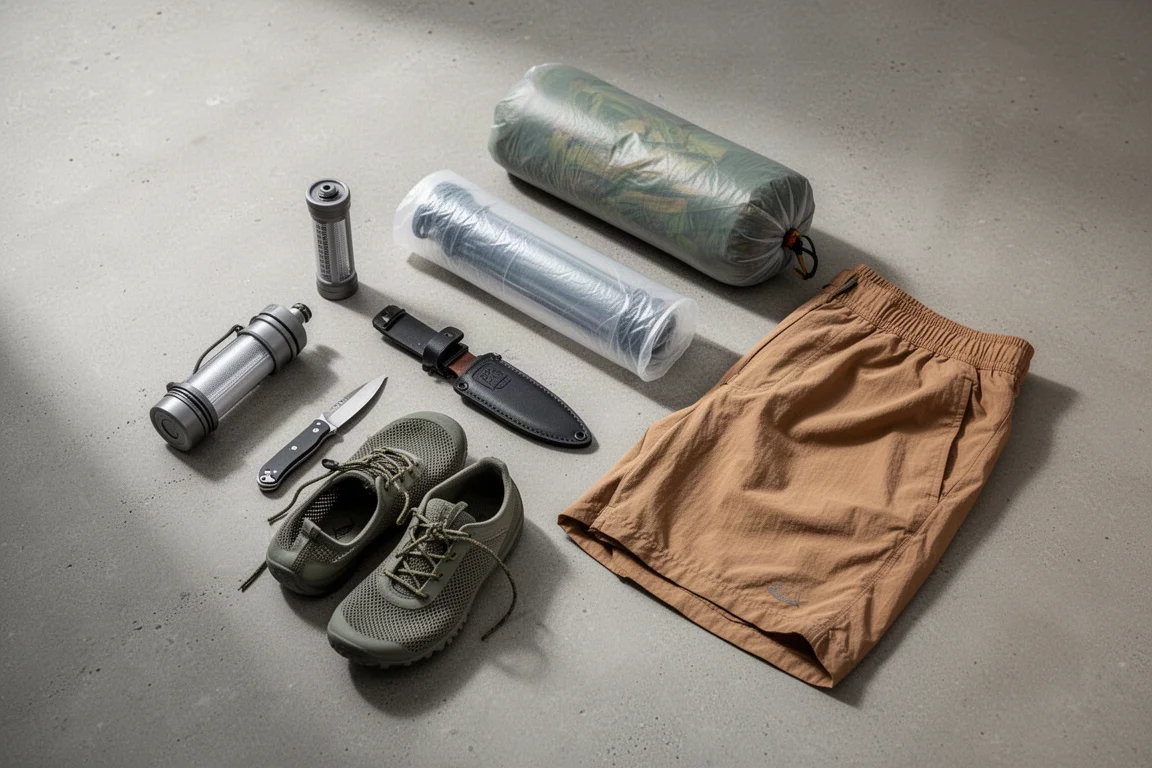
Backpacking gear lists are living documents. Items come in, items go out, and the reasons are rarely dramatic. A piece of equipment stops earning its weight, a simpler option turns out to be more convenient, or priorities shift as the miles accumulate. Gear that once felt mandatory quietly stays home.
This guide covers seven backpacking items that have moved in and out of a long-distance kit over the years, why each one changed status, and who each item still makes sense for. None of them are bad products. The point is to help you match gear to the way you actually hike, rather than to the way you assumed you would.
How These Gear Choices Changed Over Time
Four themes show up again and again in the items below. The first is dual purpose. Gear that performs two jobs, such as trekking poles that also support a shelter, tends to survive a kit purge because nothing else has to justify its weight. Items with one narrow function are usually the first to go when a lighter alternative appears.
The second theme is simplicity. Anything that demands constant attention during the day, or that only works in specific conditions, adds an ongoing cost. Over a long trail that cost tends to outweigh the benefit.
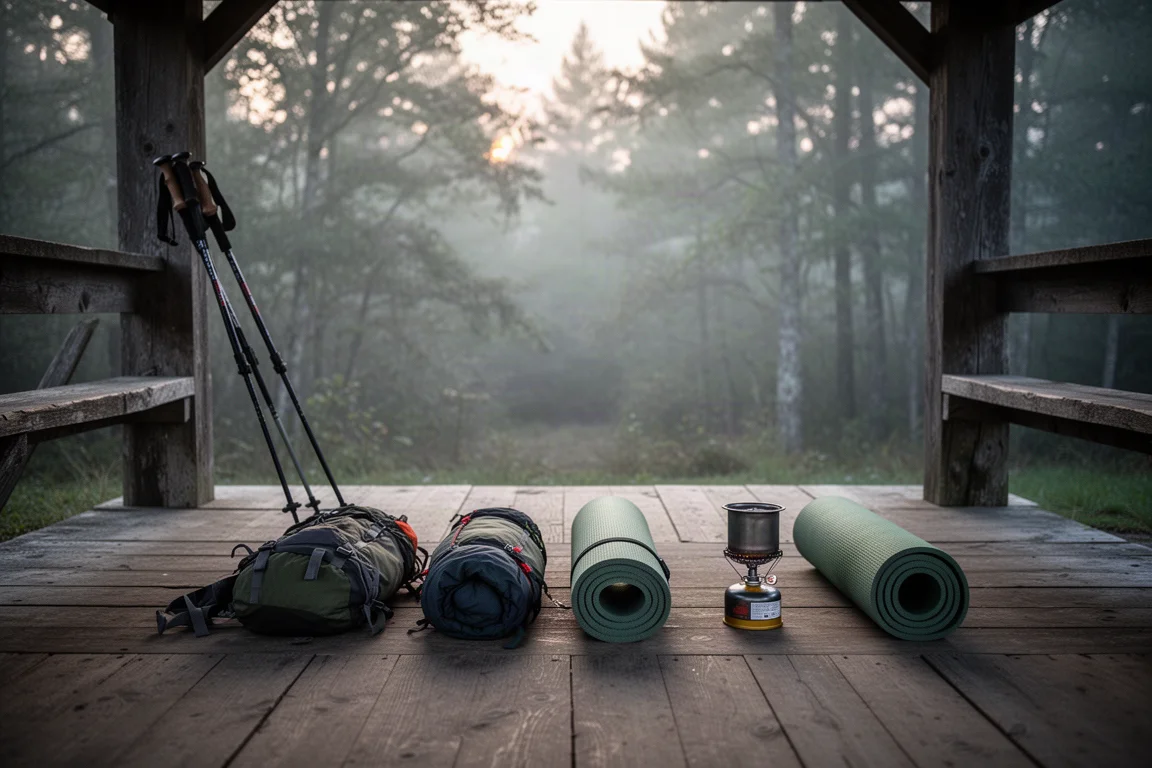
The third theme is packed volume. Gear that compresses smaller can allow a smaller and lighter pack, which compounds the weight saved. The fourth is protection from weather and sun. As trips get longer, hikers tend to prioritize coverage and reliability over minimalism for its own sake.
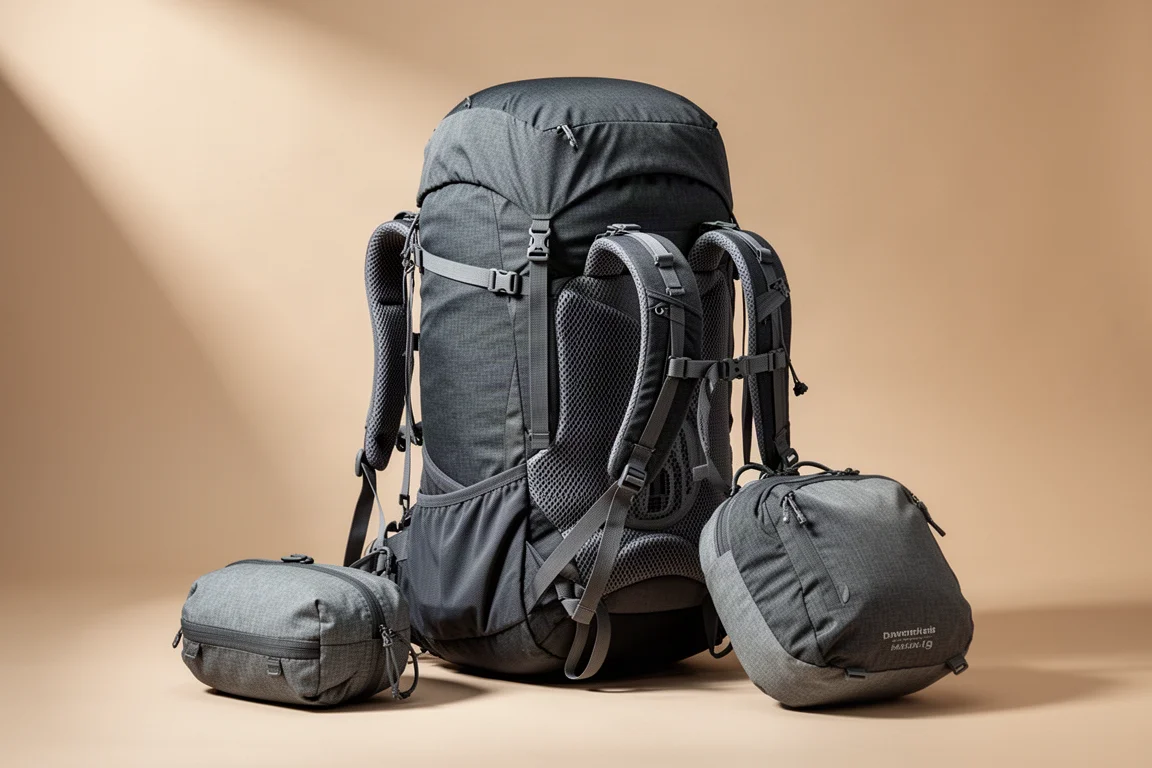
Osprey Aura AG: When a Pack Lid Still Earns Its Place
The Osprey Aura AG is a full-featured backpacking pack with a floating top lid, often called a brain. That lid adds a separate compartment at the top of the pack for organization and extra storage, and it was part of the setup used on an Appalachian Trail thru-hike.
The lid was removed partway through that hike, somewhere in Virginia, and never went back on. The lid itself weighed about six ounces. A gallon-sized zip bag weighs a fraction of that and can still keep small items separated inside the main compartment. Taking the lid off also removes the temptation to fill the extra capacity with gear that is not actually needed.
None of that makes the Aura AG a poor pack. Hikers who value a defined top compartment, fast access to small items, or a pack that handles heavier loads comfortably may find the lid genuinely useful. It remains a sensible option for long trips where organization and capacity matter more than shaving the final few ounces.
Patagonia Barely Baggies: Durable Shorts for Warm-Weather Hiking
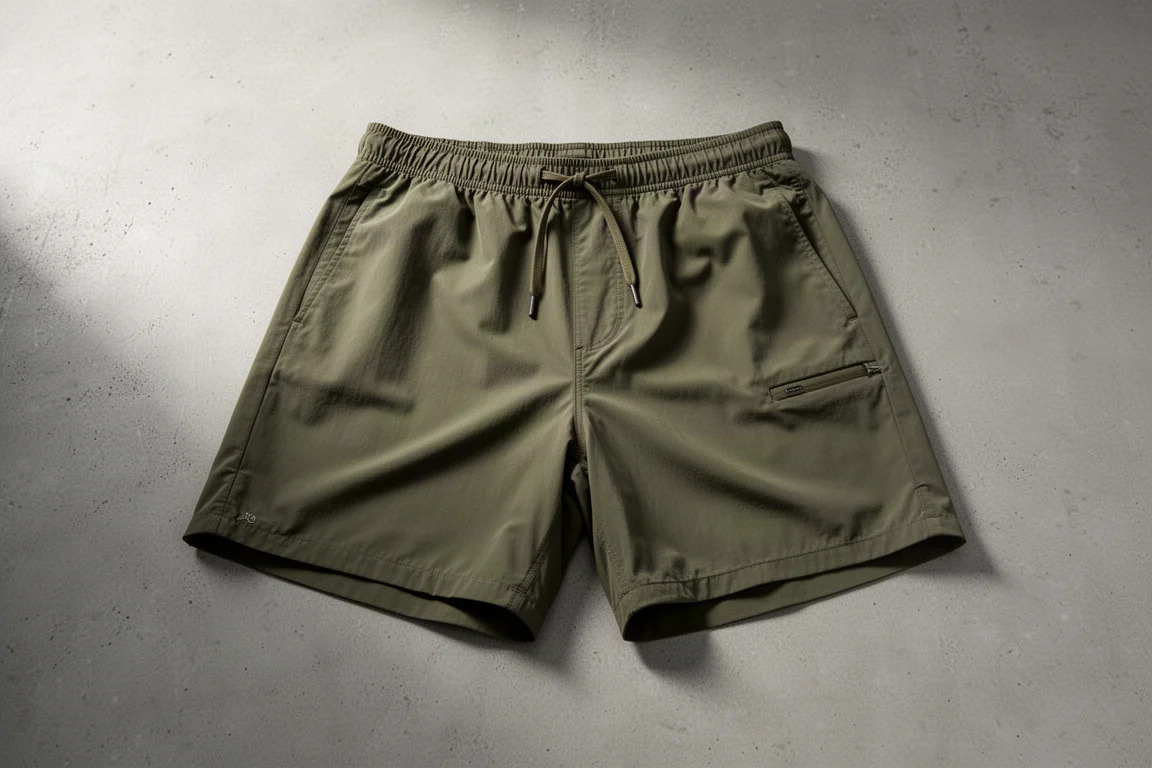
The Patagonia Barely Baggies are lightweight hiking shorts that covered thousands of miles across just two pairs. That kind of mileage from a single style says a lot about durability, and the shorts held up without needing frequent replacement.
They eventually left the kit in favor of leggings, purely for coverage. Sun protection became a higher priority, and full-leg coverage is easier to manage than reapplying sunscreen to exposed skin all day. For hikers who run hot, prefer minimal fabric, or hike in humid conditions, shorts like the Barely Baggies remain a strong option. For anyone who wants consistent sun coverage without stopping to reapply, leggings are the simpler answer.
Gerber Paraframe: A Folding Pocket Knife With Real Longevity
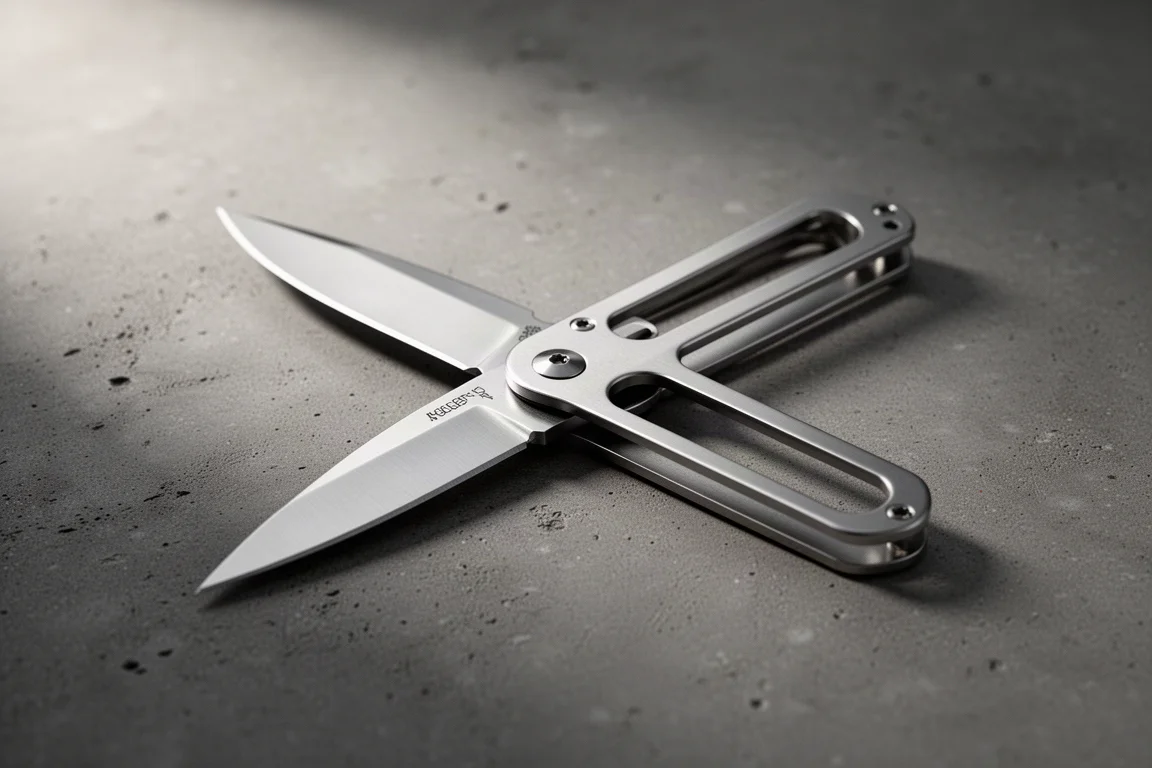
The Gerber Paraframe is a lightweight folding pocket knife that has been a staple for years, and it is one of the more affordable ways to carry a blade. It was carried through college and then on the opening miles of an Appalachian Trail thru-hike, clipped to a hip belt where it was easy to grab.
It eventually left the kit for a single reason: access. A folding knife has to be reached, opened, used, and closed again. For quick camp chores, a small fixed-blade knife worn around the neck turned out to be faster. The Paraframe is still a capable, low-cost folder for hikers who prefer a traditional pocket-carry format, want a blade that closes safely in a pocket, or need a spare knife for day hikes and car camping.
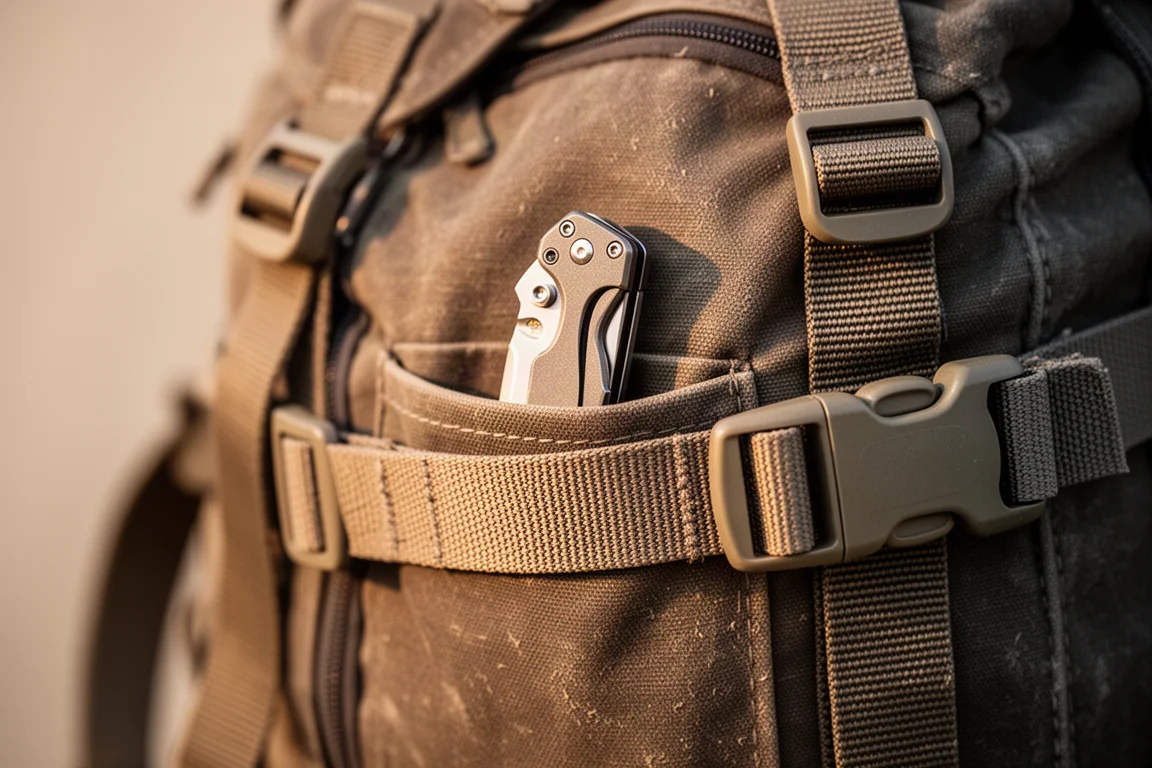
A folding knife also stores more compactly than a fixed blade, which matters if you keep your knife in a hip belt pocket or a small ditty bag rather than on a cord around your neck. That compactness is the main reason a folder still earns a place in plenty of kits.
MT Knives Genesis: A Neck Knife That Stays Within Reach
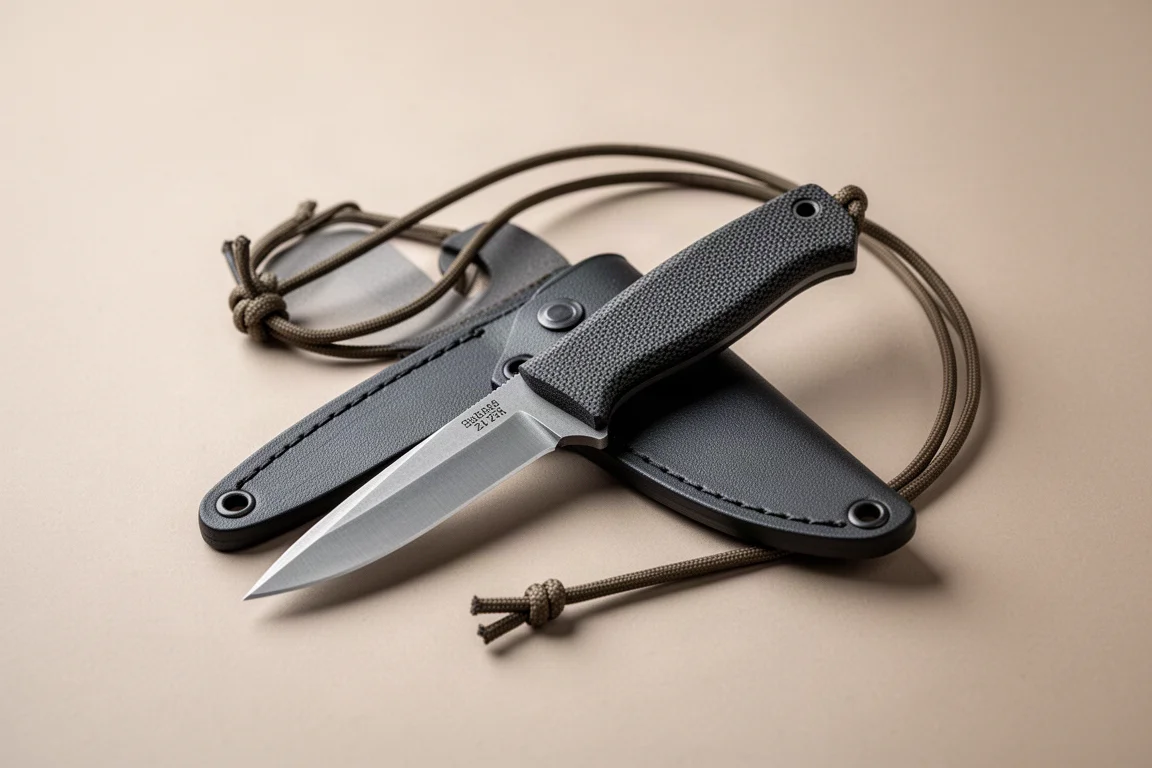
The MT Knives Genesis is a small fixed-blade neck knife worn on a cord, and it replaced the folding pocket knife in the kit. The change stuck, largely because the blade is always right there. It handles small tasks such as slicing food at camp, and it offers a measure of reassurance in situations where having something close at hand matters.
Because the blade is fixed rather than folding, it is quicker to deploy, and the blade quality is a clear step up from a basic pocket knife. The trade-offs are real but minor: neck carry is a personal preference, some hikers dislike the cord, and a fixed blade needs a sheath. For anyone who wants fast access without digging through a pack, it is an easy recommendation.
Sawyer Squeeze: The Filter That Earned Its Way Back
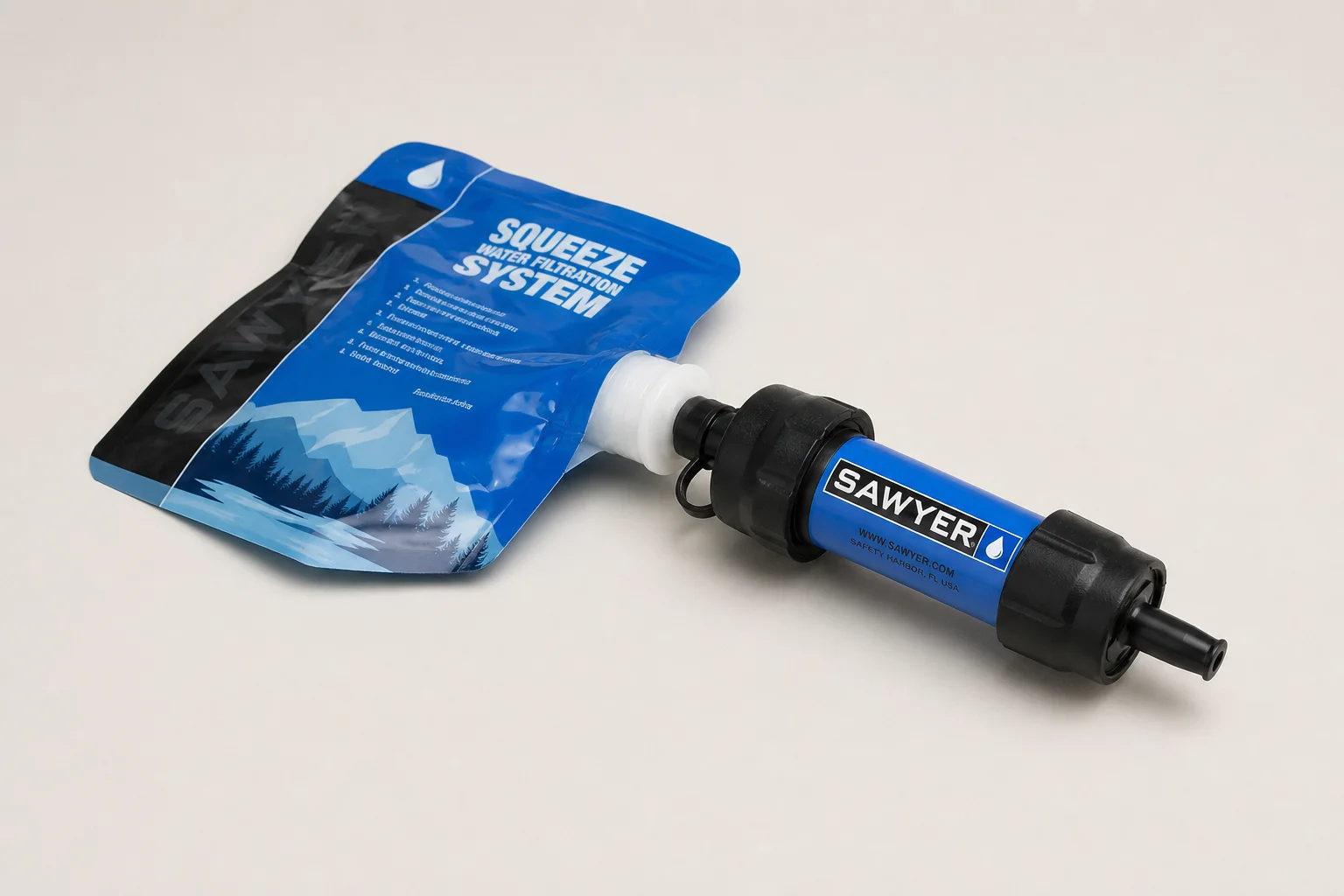
The Sawyer Squeeze is a compact hollow-fiber squeeze filter that weighs only a few ounces. It was the original water treatment method on an Appalachian Trail thru-hike before being replaced by a gravity filter, which could be hung from a tree and left to do the work unattended.
The swap back happened for practical reasons. On trails where suitable hanging trees are scarce, a gravity setup loses most of its advantage, and it weighs considerably more than a squeeze filter. The Sawyer Squeeze also threads directly onto a widely available disposable water bottle, so water can be filtered and drunk straight through without a separate clean container. The only real trade-off is pace. Drinking through a filter is slower than gulping from a bottle, and in hot conditions that slower pace can be a benefit rather than a drawback.
Nylofume Pack Liner: Lightweight Waterproofing From the Inside
A pack cover adds several ounces and does not actually keep a pack dry. Water still finds its way down the back and neck, sideways rain gets in, and some covers hold water themselves, so the pack ends up soaked anyway. A Nylofume pack liner takes the opposite approach. It goes inside the pack, all the gear goes in, and the top rolls down to seal the contents.
The liner is cheaper and lighter than a pack cover, and it protects what actually matters: the contents rather than the outside of the pack. On a pack made from a waterproof fabric that does not absorb water, such as Ultra 400X, a cover makes even less sense. For hikers who want genuinely dry gear in sustained rain, an internal liner is the more reliable and lighter solution.
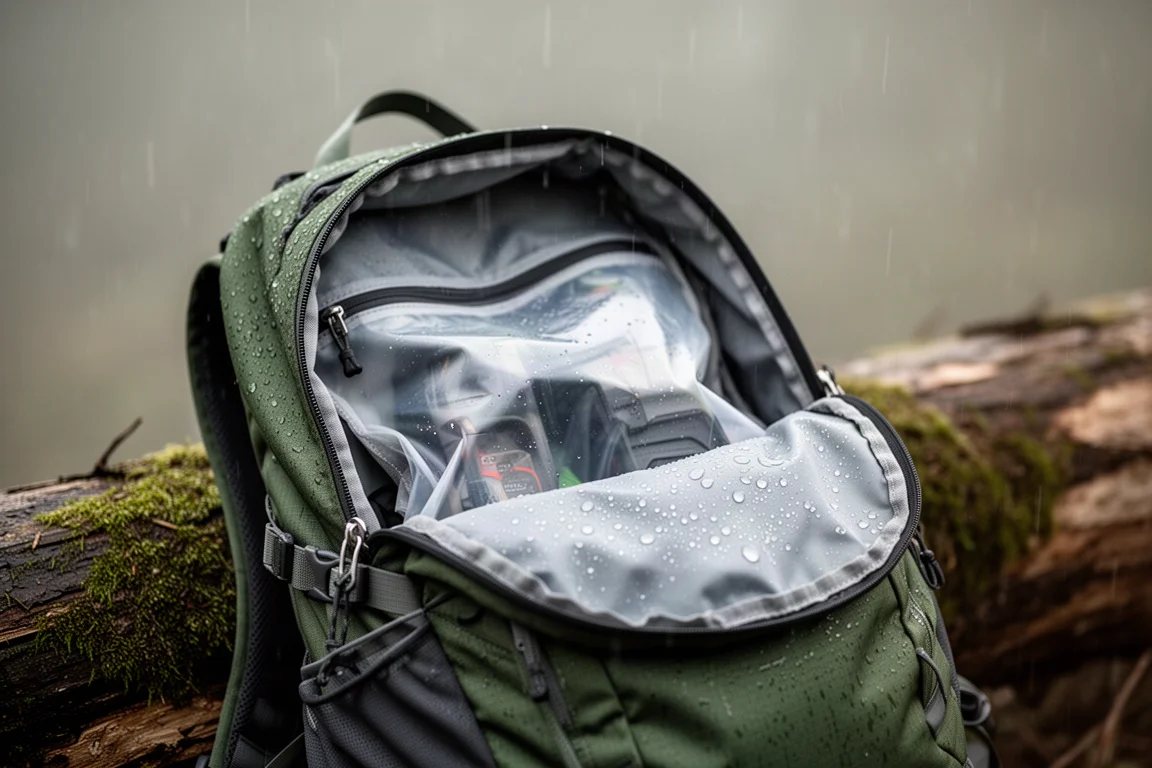
The weight difference is small on paper and noticeable over a long day, and the liner costs far less than a technical cover. That combination of lower weight and lower cost is why it has stayed in the kit while the cover has not.
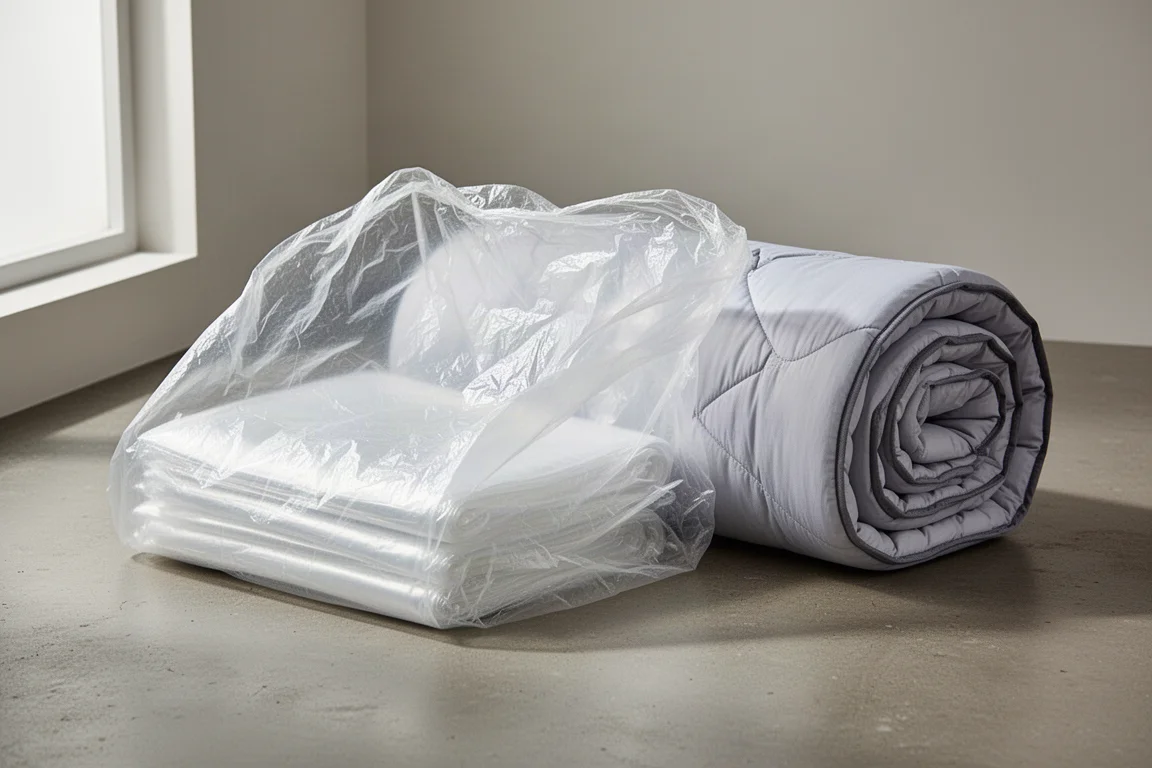
Zpacks Ultralight Camp Shoes: Comfort at Camp, With a Weight Cost
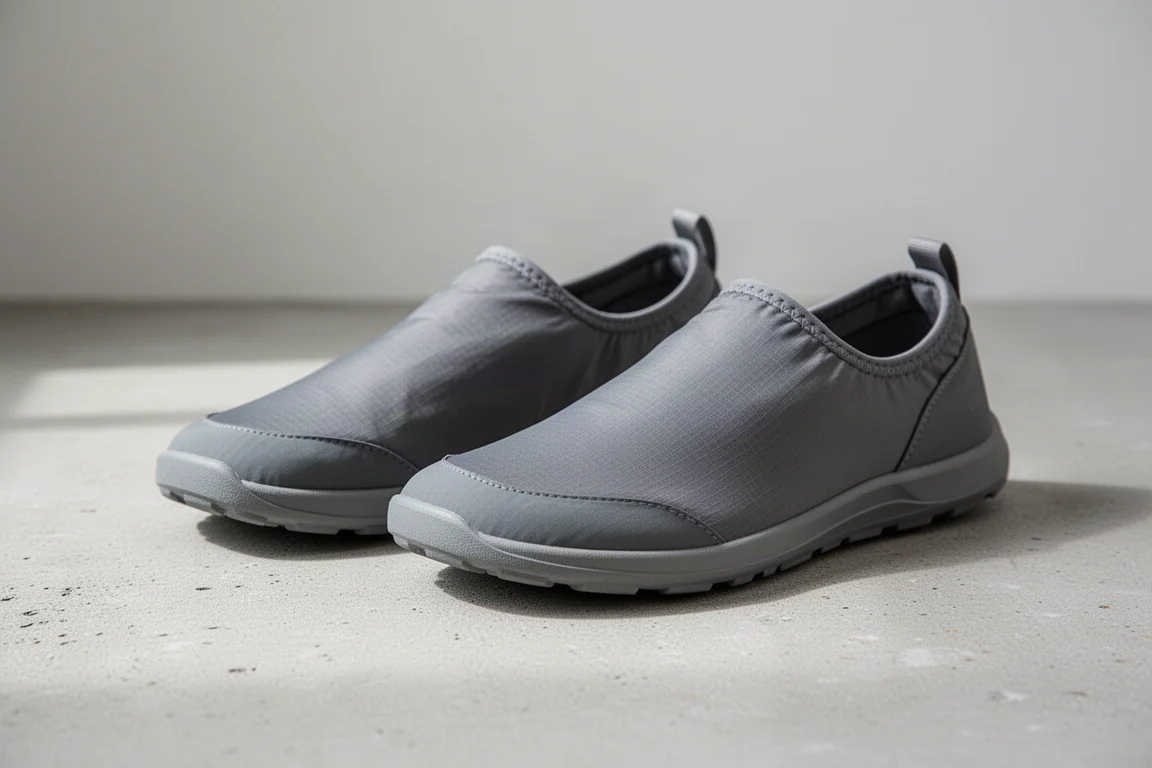
Camp shoes are a luxury item, and they were dropped at one point to save weight on a Pacific Crest Trail thru-hike. The Zpacks Ultralight Camp Shoes are the version coming back for an Arizona Trail thru-hike. They are not especially fashionable, but they are extremely light, which keeps the weight penalty small.
The case for them is simple. At the end of a wet, cold day, having warm, dry feet at camp is a significant comfort upgrade, and it removes the choice between walking barefoot in camp or pushing feet back into soggy shoes for a nighttime trip away from the tent. For hikers who count every ounce, camp shoes will always look optional. For anyone who has spent a cold, rainy evening debating footwear, they are easy to justify.
Buying Advice: Matching Retired Gear to Real Needs
Three questions do most of the work when deciding whether a piece of gear belongs in your kit. Does it perform more than one job? Does it remove a recurring annoyance rather than a rare one? And does it match the conditions you actually hike in rather than the ones you imagine?
Condition matters more than reputation. A gravity filter is excellent where water sources sit near sturdy trees and frustrating where they do not. Shorts are ideal in humid heat, while leggings make more sense when sun coverage is the priority. A pack cover looks tidy in camp, but an internal liner keeps gear drier for less weight.
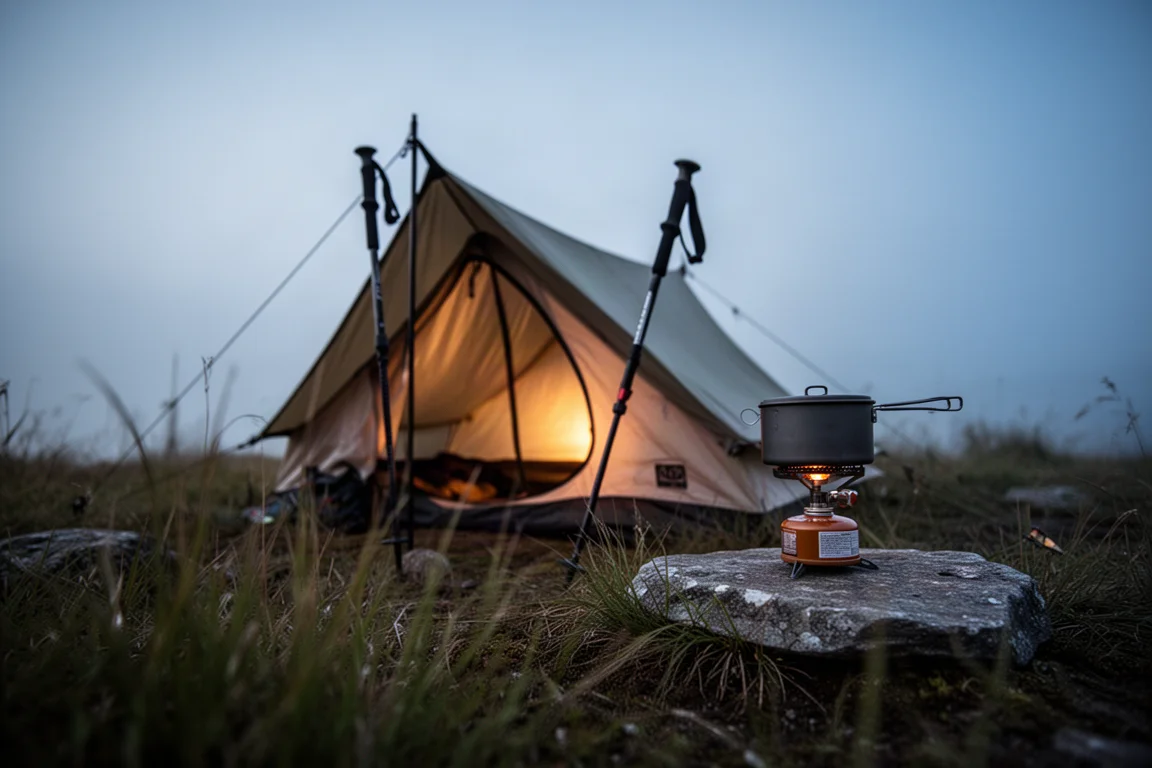
Weight is the other half of the equation, and it cuts both ways. Removing a six-ounce lid or a few ounces of camp shoes adds up over hundreds of miles, but so does the comfort those items provide. The useful test is whether the weight you save costs you more in daily friction than it gains in easier miles.
A final note: gear that leaves your kit is not necessarily gear you bought badly. Tastes, trails, and priorities change, and a well-made item that no longer suits you can still be the right choice for someone else. Buy for the hikes you take most often.
Conclusion
The items above share a pattern. They were all reasonable choices that stopped fitting a particular style of hiking, and each was replaced by something lighter, simpler, or better suited to the conditions. The Osprey Aura AG lid, the Patagonia Barely Baggies, the Gerber Paraframe, and the pack cover all lost out to lighter or more accessible alternatives. The Sawyer Squeeze and camp shoes came back after proving their value in the right conditions, and the MT Knives Genesis simply stuck.
If you are building or rebuilding a kit, treat every item as a question rather than a rule. Start with dual-purpose gear, keep the setup simple enough that you do not have to think about it, and add comfort items back deliberately when they earn their place. That approach is what turns a gear list into a document worth keeping.
Further reading
Related Reviews

Backpacking Gear
Building a 10 lb Base Weight: An Ultralight Backpacking Gear List
A practical walkthrough of the ultralight pieces behind a 10 lb base weight, from a 765 g pack and a roomy one-person tent to a full camp chair and a dependable water filter.

Backpacking Gear
A 15-Pound Lightweight Backpacking Gear List for Solo Trips
A beginner-friendly 15-pound backpacking setup built from easy-to-find gear, with notes on what each piece does, how it packs, and where to spend your attention.

Backpacking Gear
8 Ultralight Backpacking Gear Upgrades Worth Carrying
Eight small, affordable backpacking upgrades that solve real trail annoyances, from a pillow that stays put to a fuel valve that rescues leftover canister gas.