Backpacking Gear
Backpacking Gear I Retired in 2026 and What I Use Instead
A field-tested look at the backpacking gear that did not earn a place in the pack this year, plus the pillows, filters, lights, and shelters that did.
Introduction
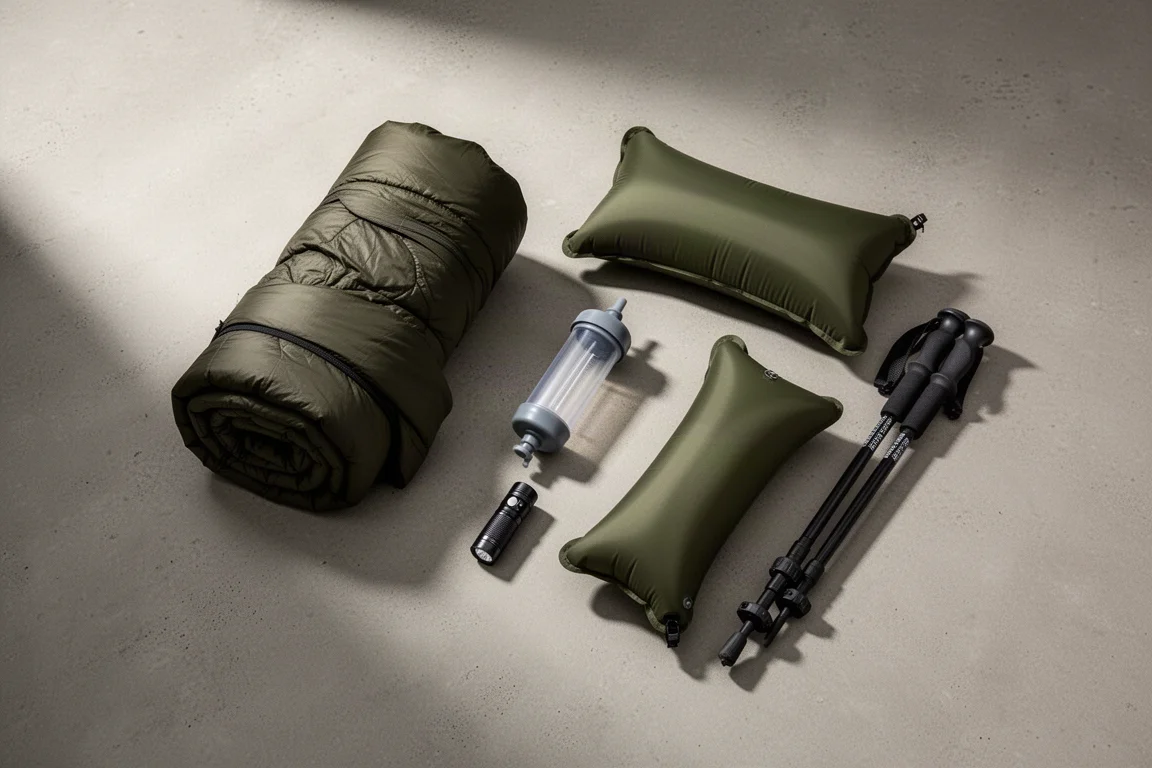
New gear arrives every season, and not all of it improves on the version it replaces. Over the past year I have taken pillows, quilt systems, headlamps, water filters, and shelters on real backpacking trips. Some of those items earned a permanent place in my pack. Others did not, and they have been retired.
This guide covers both sides of that equation. For each item that fell out of rotation, I explain the specific problem I ran into on trail, and for each replacement I explain why it stays. The goal is simple: help you work out whether the same trade-offs would matter for the way you actually hike.
Trekology Aluft Pro: A Wedge Shape That Misses the Mark
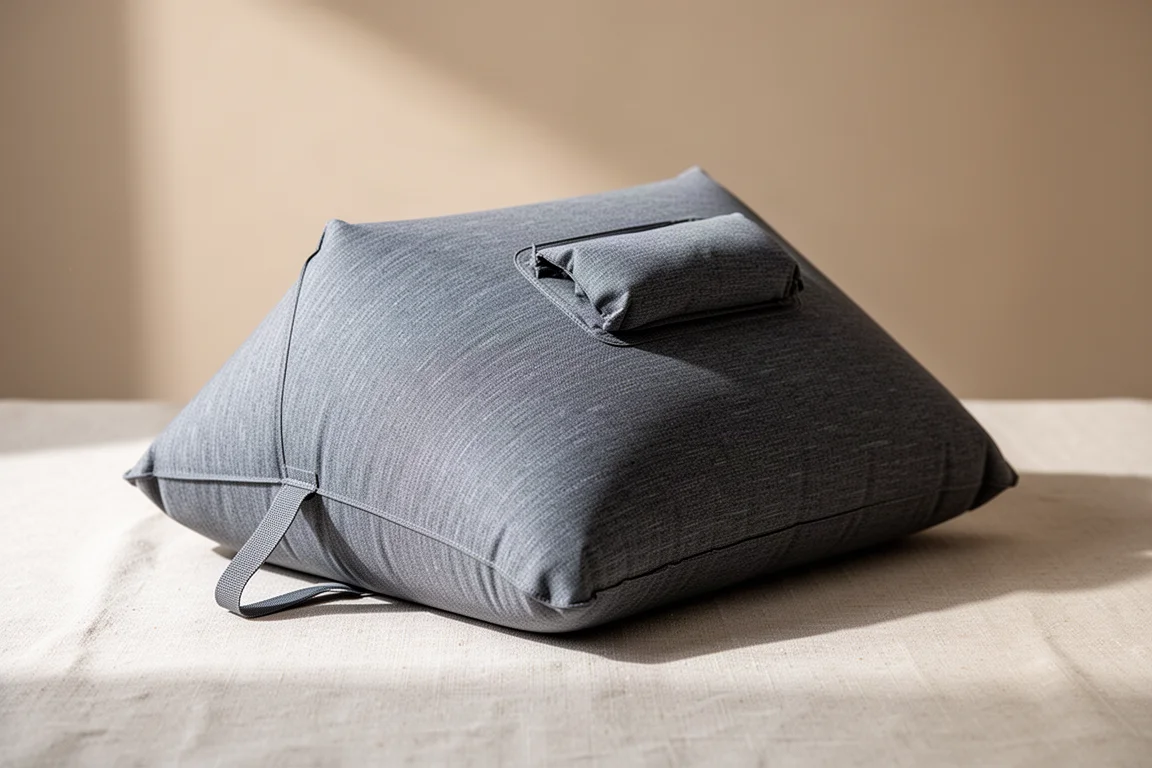
The Aluft Pro reads like a near-perfect pillow on paper. It has supportive baffling, an ergonomic shape, a removable insulated pillowcase, and a pad strap that keeps it attached to your sleeping pad overnight.
The problem is the wedge profile. The front of the pillow is noticeably narrower than the back, with a tight slot cut where it meets your shoulder. That narrow section makes it hard to settle into a comfortable position: my neck ends up kinked, or my head sits propped well above the height of my shoulder on the mat. Friends and family who tried it reached the same conclusion.
For side sleepers, and for anyone who shifts position during the night, a pillow needs a consistent surface rather than a tapered one. That single design decision is why the Aluft Pro stays home and my older pillow keeps its spot.
Trekology Aluft 2.0: The Pillow That Kept Its Place
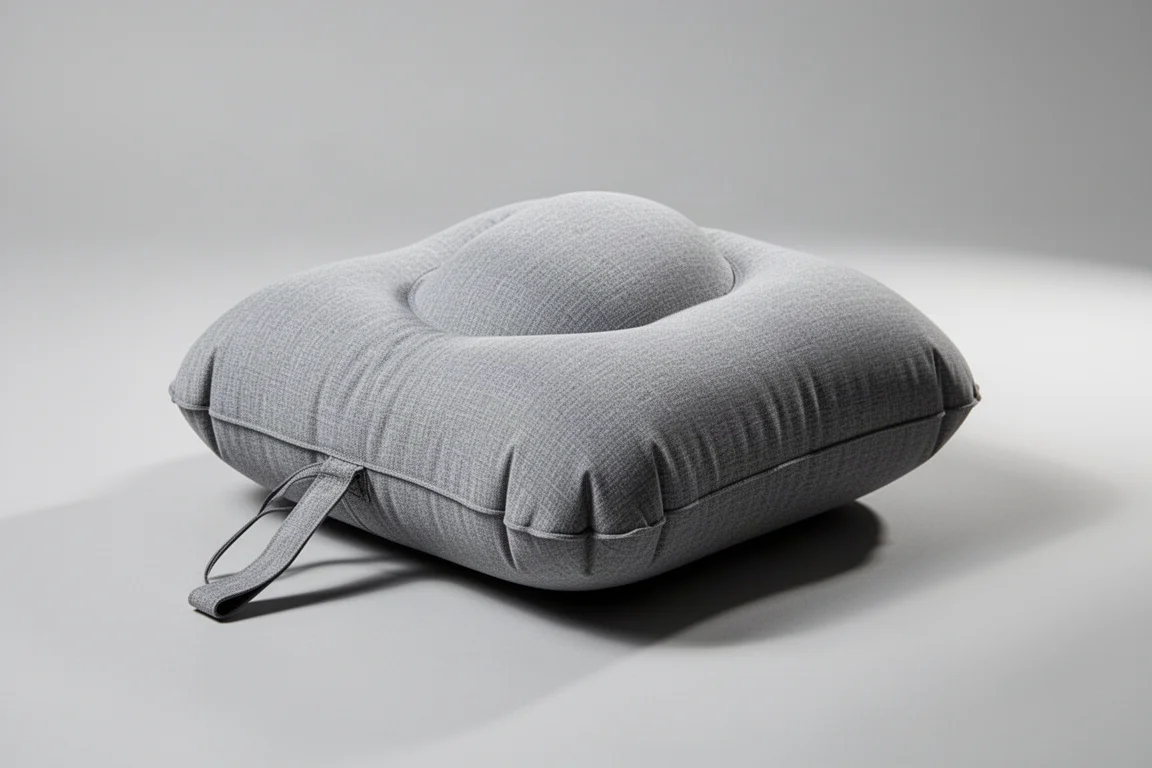
The Aluft 2.0 has been my go-to pillow for years, and nothing this season changed that. It is the pillow I pack without a second thought, and the one I come back to whenever a newer option disappoints. If you want a pillow that has already proven itself over many nights rather than a fresh design, this is the safer pick.
Zen Bivy Quilt: A Clever System With Real Trade-Offs
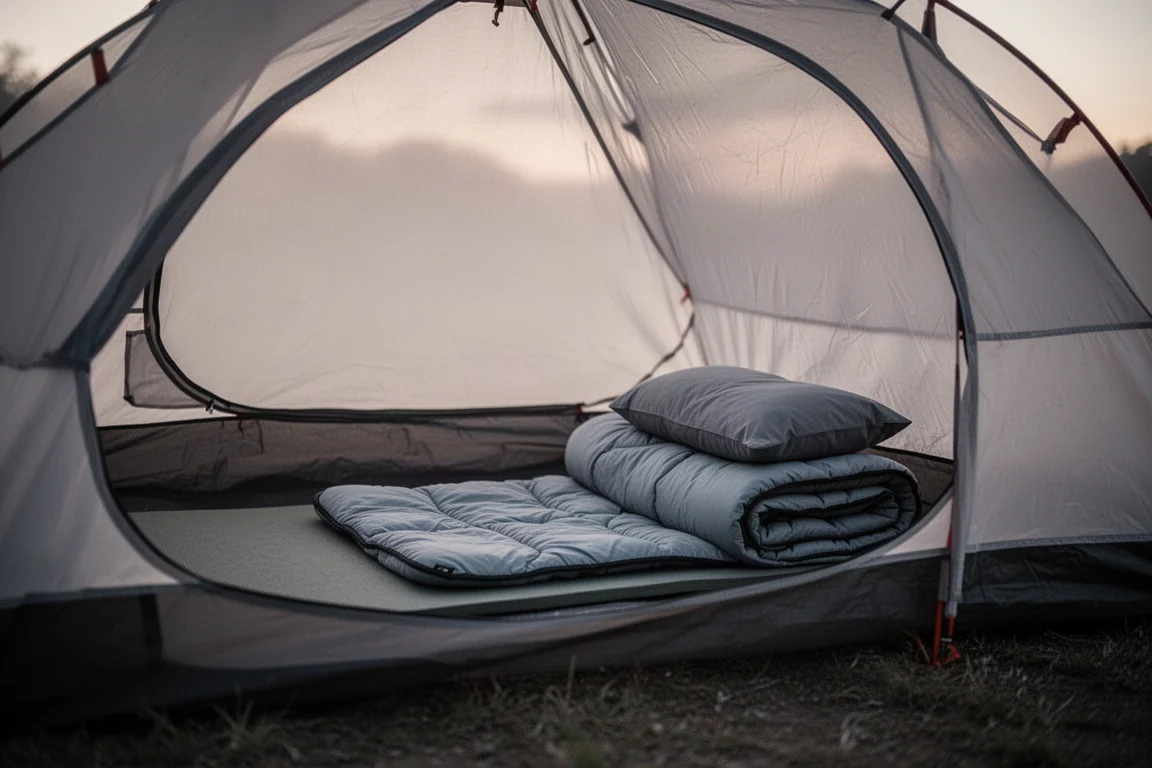
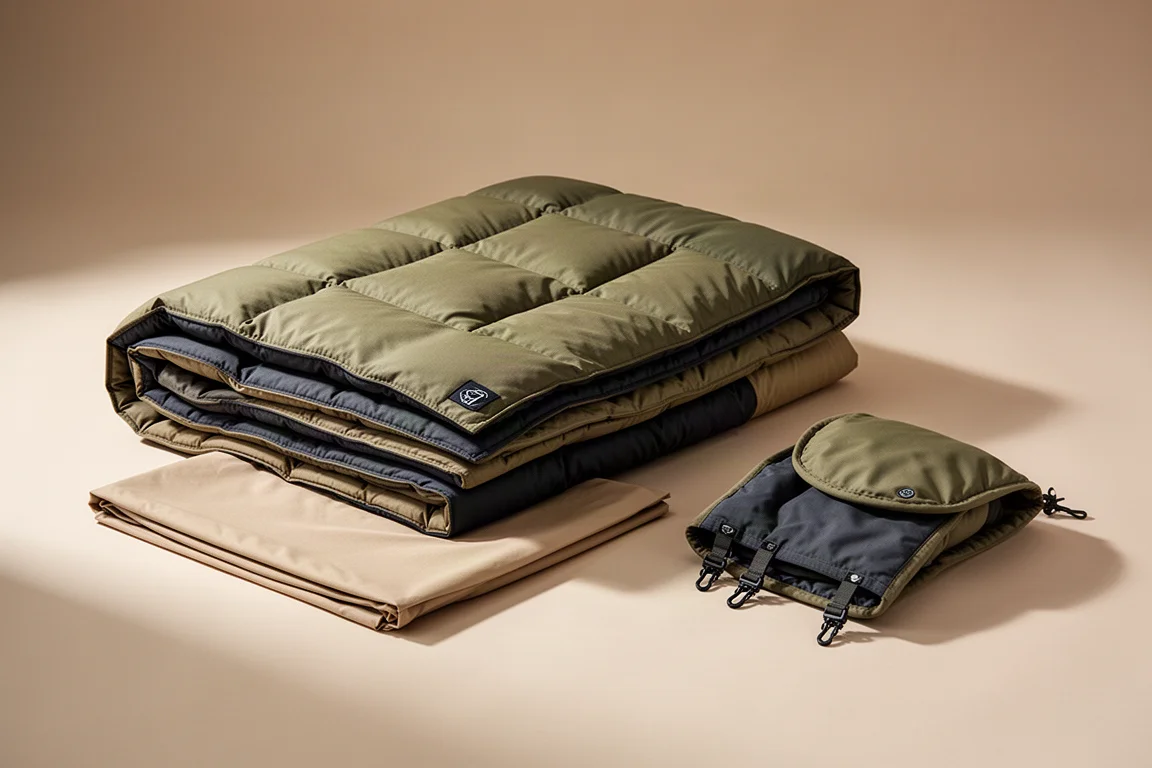
Quilt users often mention two complaints: drafts around the edges, and not wanting to sleep directly on a bare pad. The Zen Bivy quilt system sets out to solve both. A fitted sheet goes over the sleeping pad and includes an insulated hood that holds a pillow in place. Clips then attach the quilt to flaps on the sheet, with the connection intended to cut down on drafts.
I used the system on several trips and came away with three concerns. First, the draft control is not as effective as the design suggests, particularly if you toss and turn. The flap that is meant to lock the quilt to the pad is a thin piece of material, and it does not do enough to stop cold air from working its way in. Simple pad straps on a conventional quilt proved more effective for me without adding complexity.
Second, the system is complicated to use. The sheet and the quilt cannot stay together when packed, so they tangle, and untangling them at camp takes time. That means detaching and reattaching the quilt from the sheet, which involves tedious side clips that are hard to manage with limited dexterity or arthritic hands. It is also an awkward routine in the middle of the night when you need to leave the tent.
Third, it is heavy. The quilt itself weighs about the same as any comparable quilt, but the sheet system carries a lot of features and hardware, and the full setup ends up around 30 to 40 percent heavier than other quilts. Plenty of people use and enjoy this system, and I am not suggesting it is a bad design. For me it is simply heavier and more finicky than the conventional quilt I now take on most trips.
Nitecore NU25: Bulkier and Less Comfortable Than Before
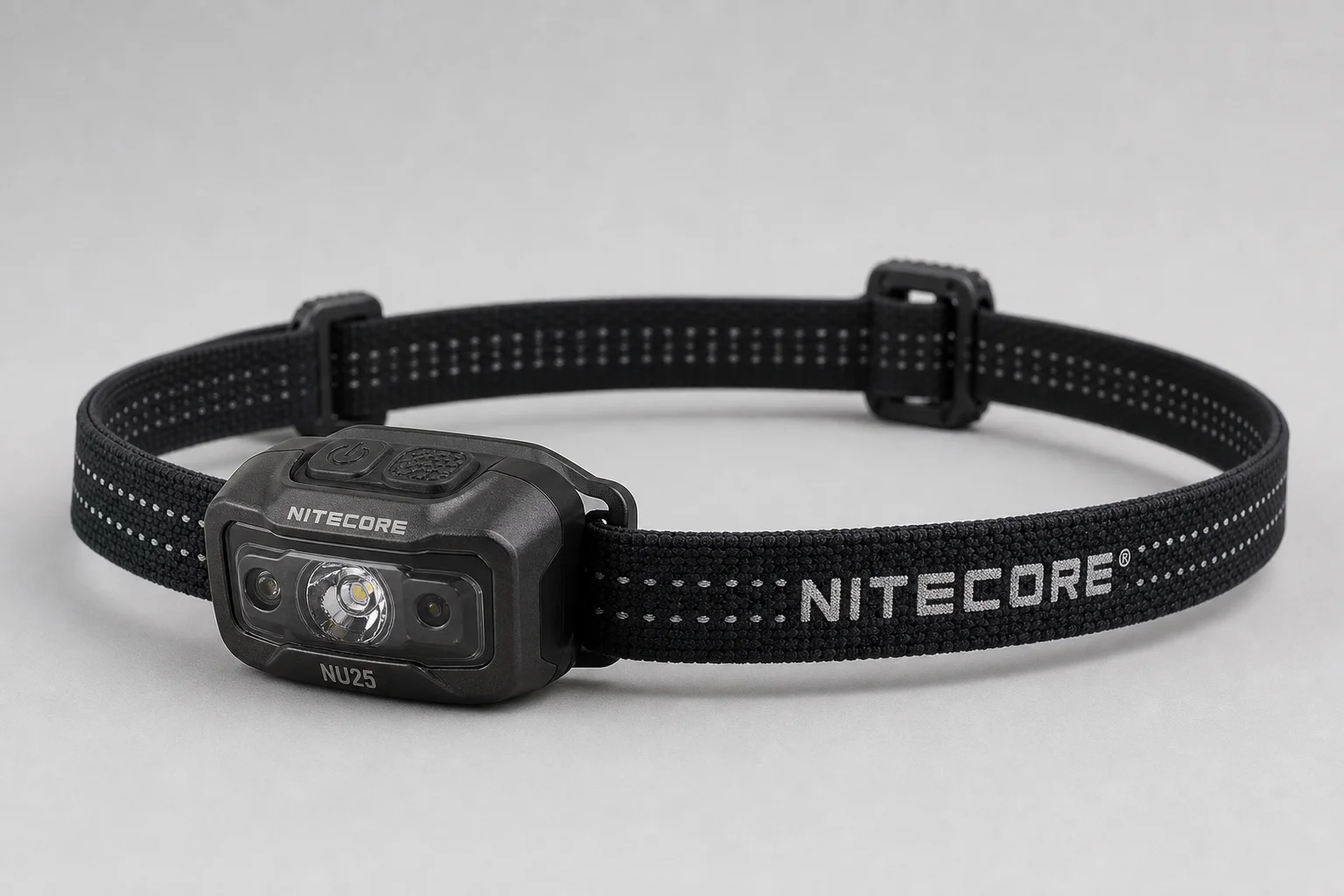
The updated NU25 is a step backwards in the ways that matter most day to day. It is bulkier and heavier than the previous version, and the headband options are uncomfortable and tangle easily. USB-C charging is the one clear improvement, and it is a welcome one, because USB-C has become the standard for just about everything else in a pack.
RovyVon A5X: 16 Grams, USB-C, and Enough Light
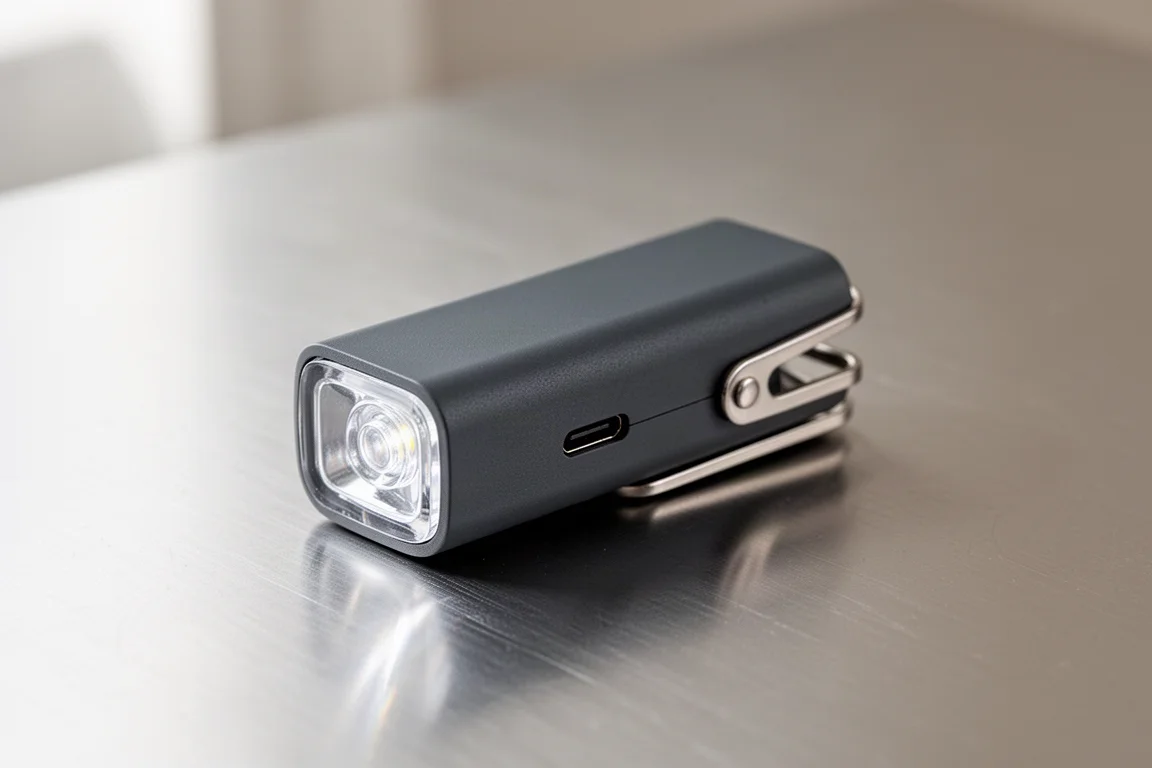
For three-season backpacking, the RovyVon A5X is what I reach for instead. In summer I am usually in bed before dark and awake after sunrise, so a light gets used less than you might expect. When it does come out, the A5X is capable well beyond its size at just 16 grams, and it now charges over USB-C, so nothing is sacrificed by leaving the headlamp behind.
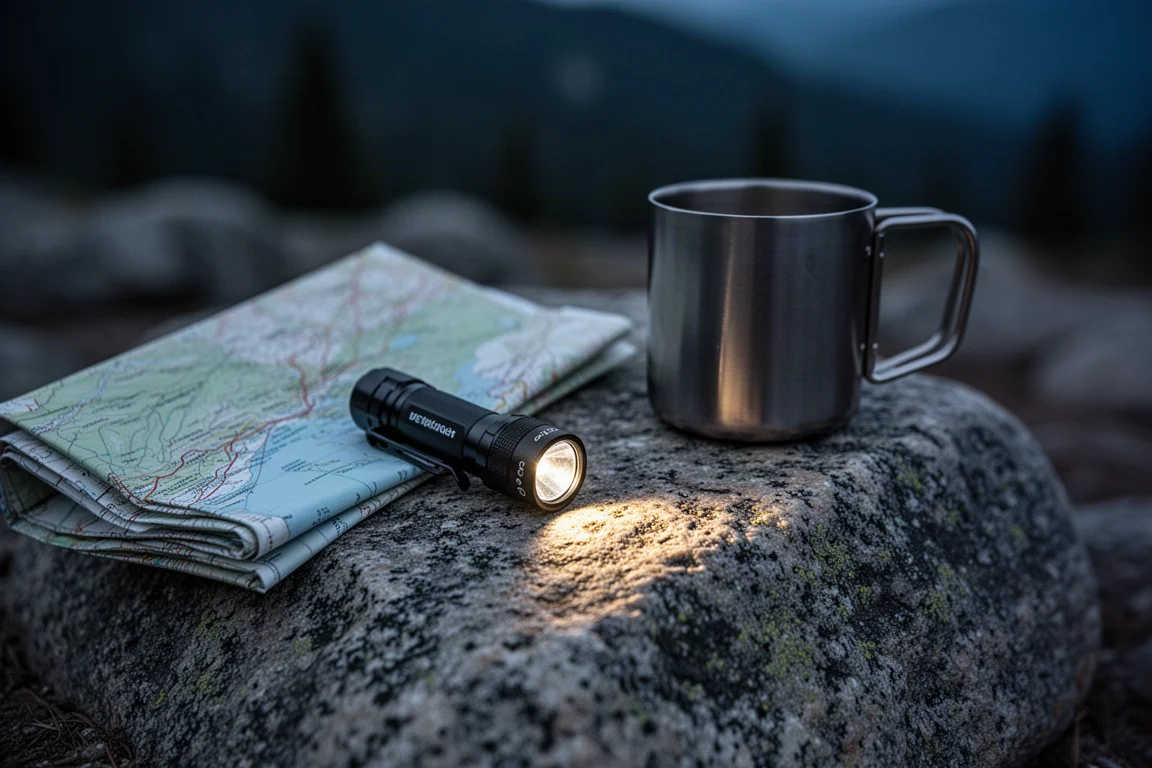
The practical takeaway is that weight and comfort matter more than feature lists in a light you rarely use. A tiny flashlight that charges with the same cable as everything else is easier to justify than a heavier headlamp with a headband that fights you.
Katadyn BeFree: Fast Until It Clogs
The BeFree has an excellent design and filters water very quickly, until it clogs. That happened to me on day four of a multi-day trail, and it turned a fast filter into a slow one at exactly the wrong moment. Flow rate is the whole appeal of a squeeze filter, so losing it partway through a trip changes how much water you are willing to carry and how often you stop.
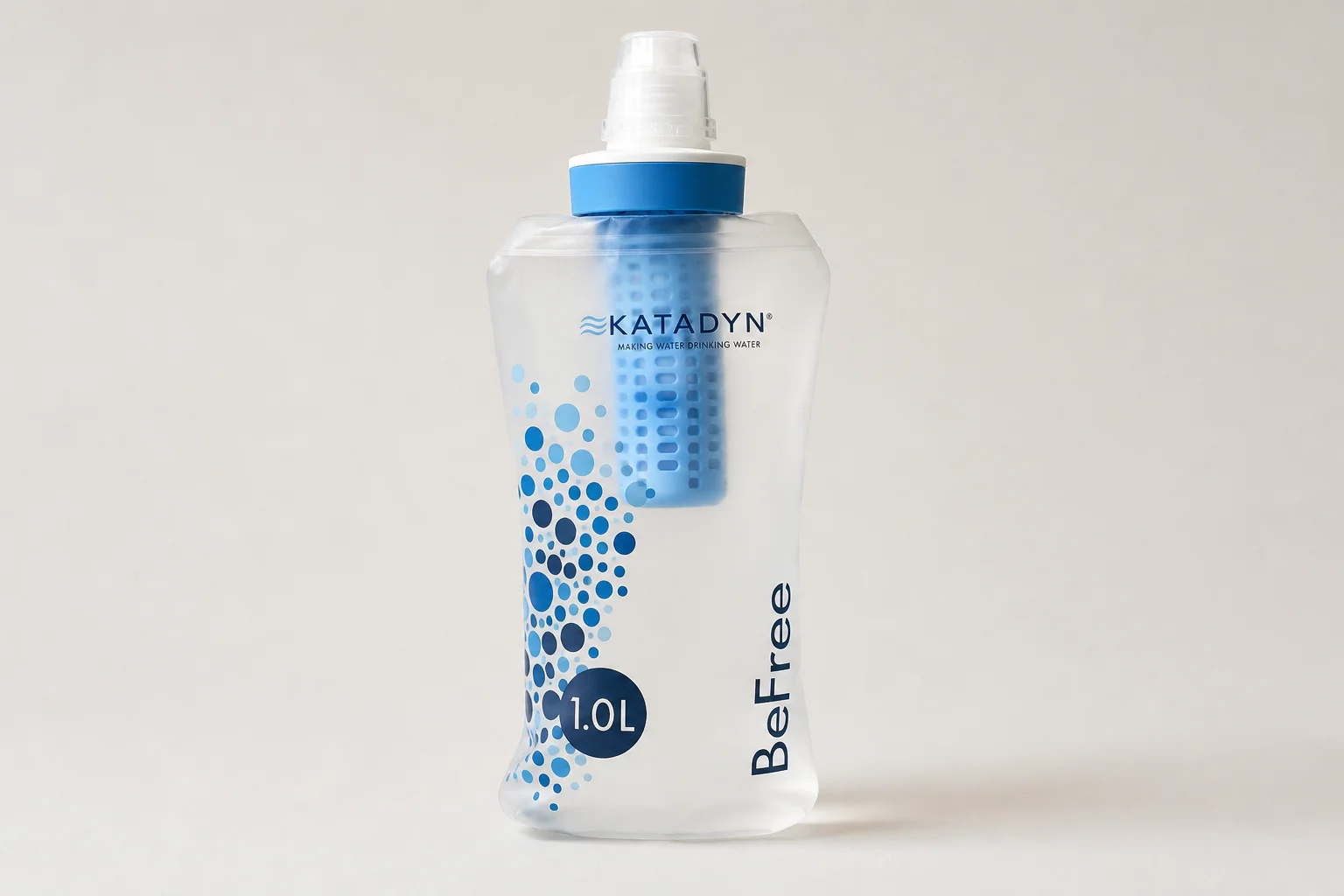
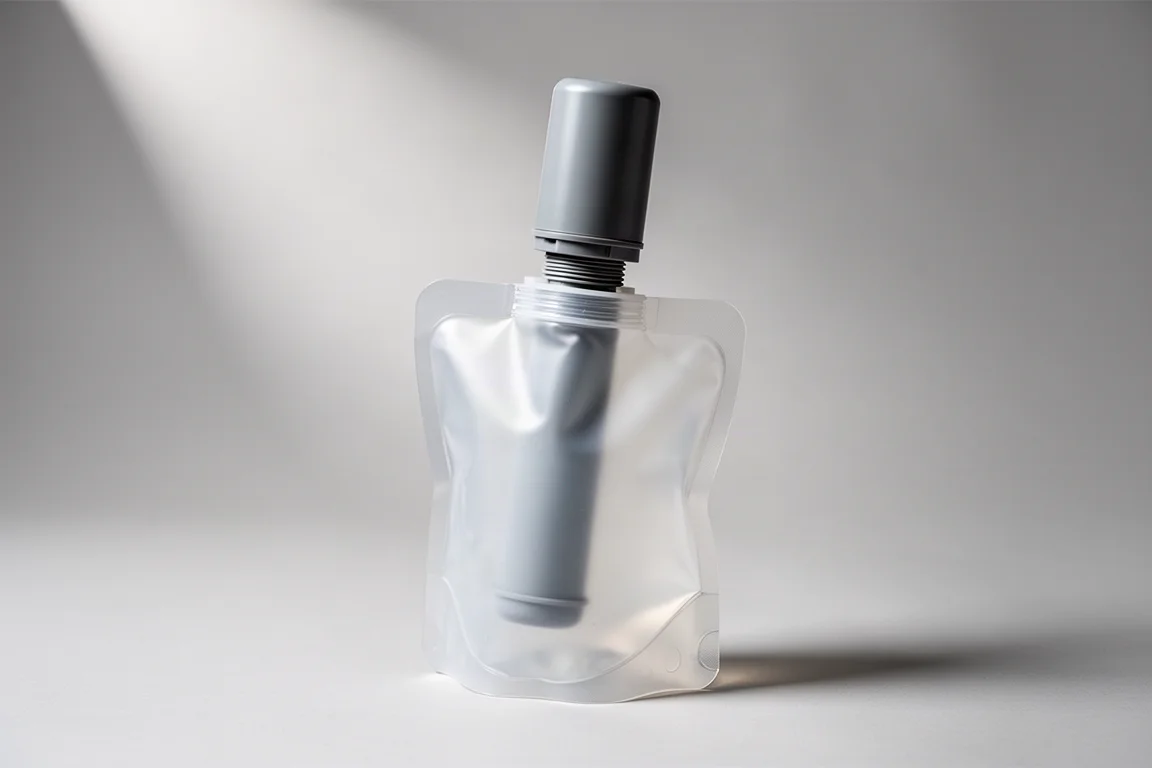
LifeStraw Peak Series: A One-Sided Intake Problem
When a new filter arrived in the Peak Series with a design very similar to the original LifeStraw, I expected the speed and convenience of the BeFree without the clogging. That is not how it worked out. The Peak Series still clogs, and it does not filter nearly as quickly.
The bigger issue is a design flaw: water can only enter one side of the filter. On the BeFree, openings along the length of the filter let water in from wherever it happens to be. With the Peak Series, as you push water toward the end of the bag, you cannot filter anything below the top of the filter unless you push with one hand and squeeze the remaining water back up the bag with the other. The filter can be screwed to the outside of the bag instead, but that gives up much of what makes the system compact, and the clogging problem remains.
After a single trip, flow slowed noticeably. With roughly 15 liters through the filter and no backflushing, a liter took about a minute.
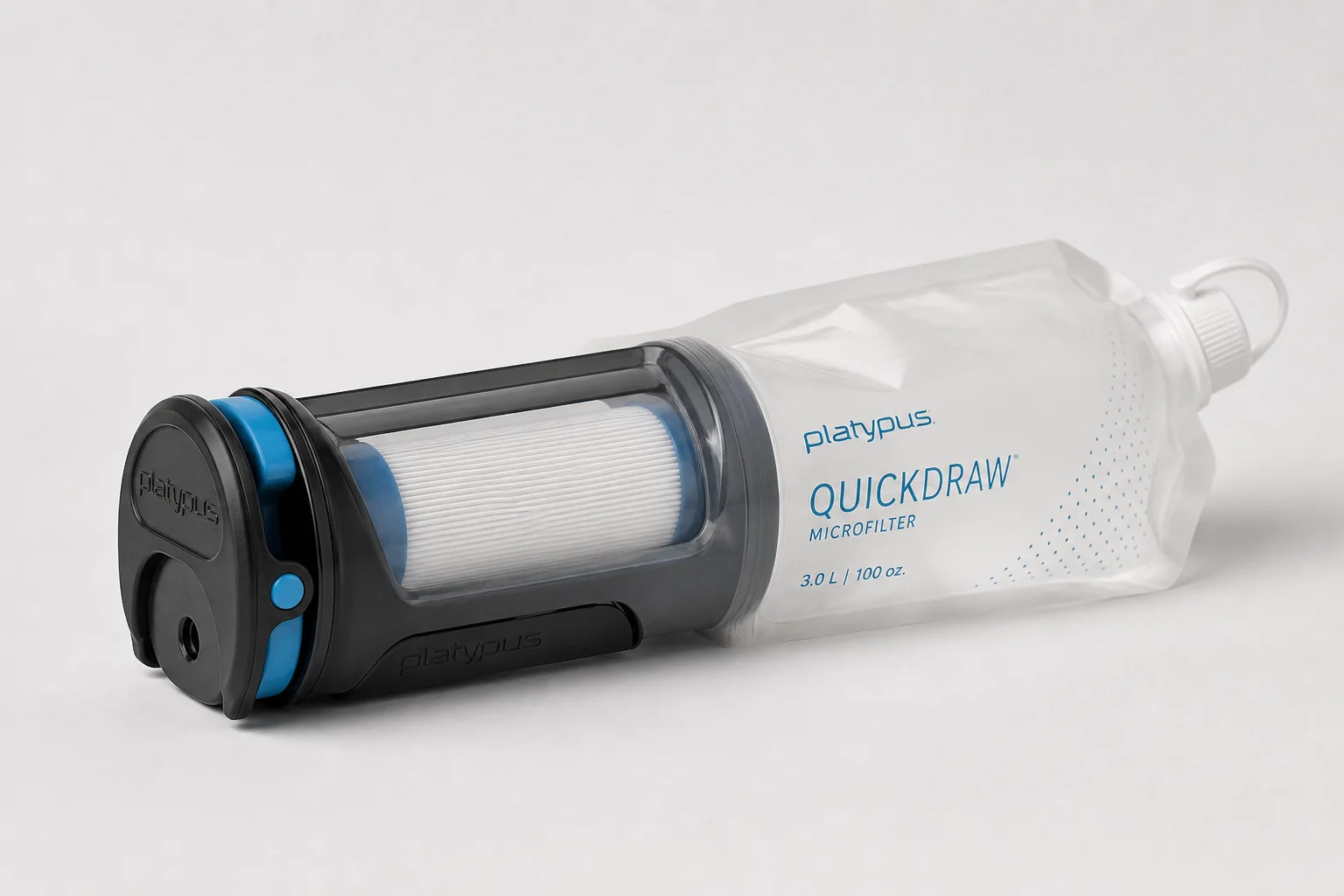
Platypus QuickDraw: Thousands of Liters and Still Going
The filter I keep coming back to is the Platypus QuickDraw. I have put thousands of liters through a couple of them and they are still going strong. Flow is fast, and the two watertight ends let you store the filter inside a sleeve system so it does not freeze overnight in sub-freezing conditions. That combination of speed and simple cold-weather storage is hard to beat on a long trip.
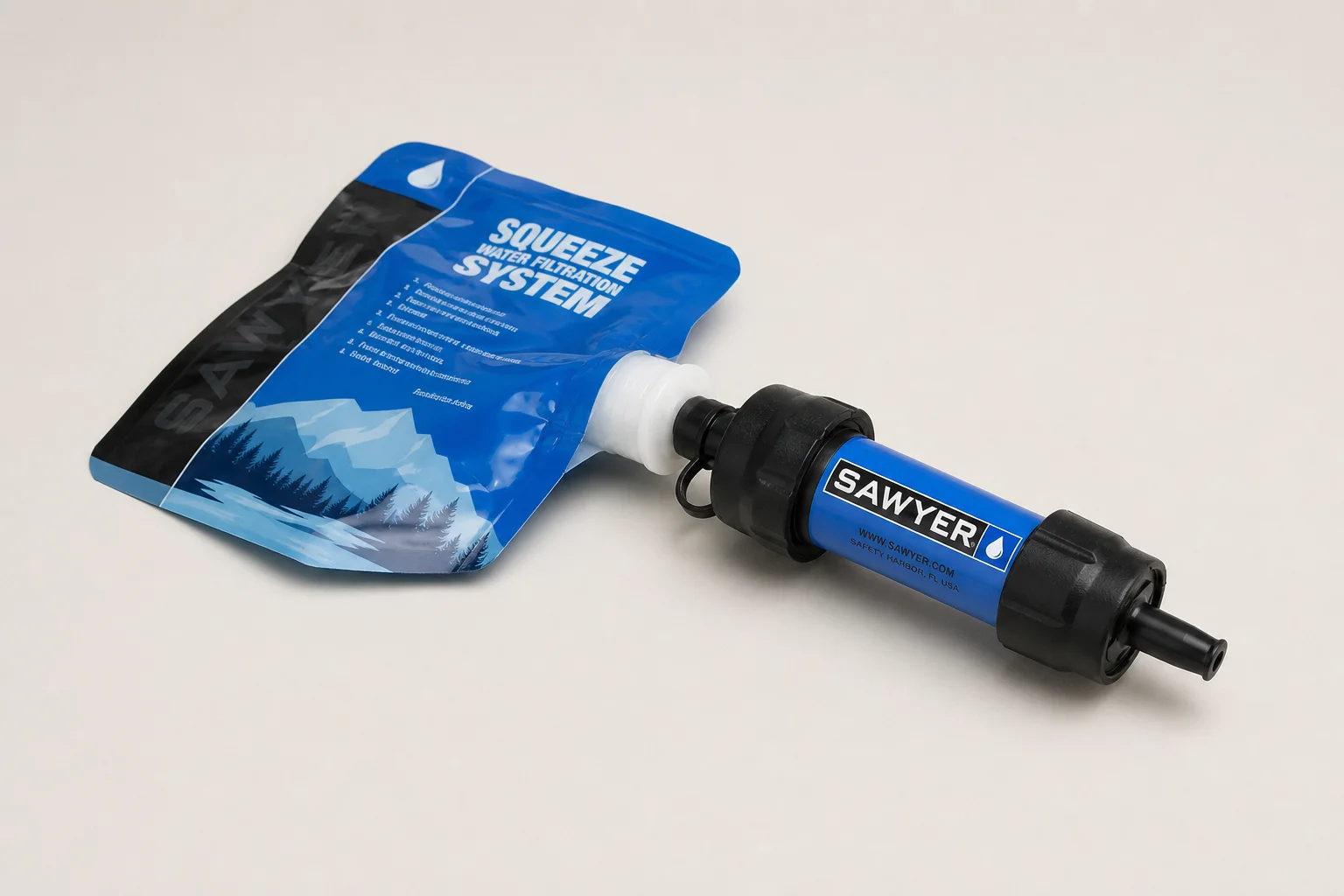
Sawyer Squeeze: Finer Filtration, Slightly Slower Flow
The Sawyer Squeeze is the other filter worth keeping in rotation. It does not filter quite as fast as the QuickDraw, but it uses a 0.1 micron filter rather than a 0.2 micron one, which removes unwanted material from your water a little more effectively. If filtration quality matters more to you than raw speed, this is the one to consider.
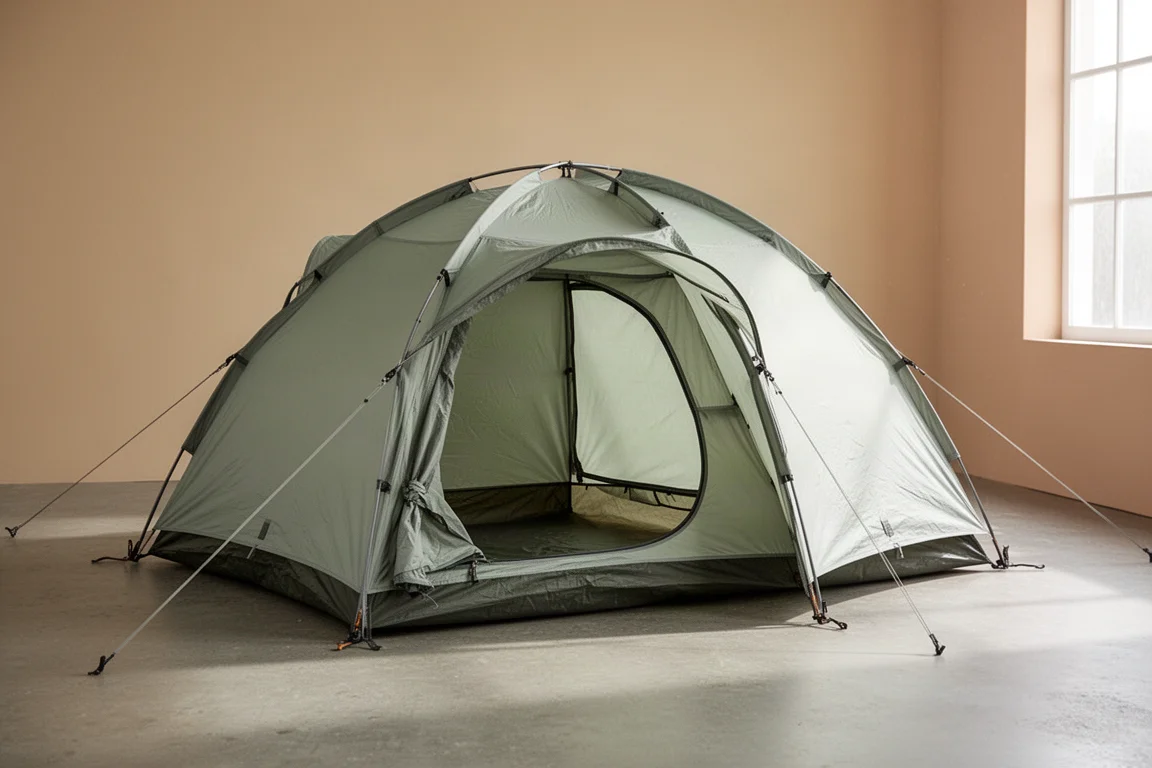
MSR Freelite: A Shelter That Struggles in Rain
The Freelite arrived with a lot of features that could have made it a strong alternative to semi-freestanding tents, and it has one problem that keeps it off the trail: the brow pole across the top of the tent is too short. When it rains, that leaves roughly a foot of space between the end of the brow pole and the tent floor. Open the door to get in or out, and everything inside that foot of space gets rained on and soaked.
There is a second weather-related issue in the door design. The zipper runs from the peak all the way to the front, which makes entry and exit easy because you are not reaching to the far end of the fly. The trade-off is that opening the door dumps water inside the tent. Combine that with the short brow pole and a lot of your gear ends up wet every time you come and go.
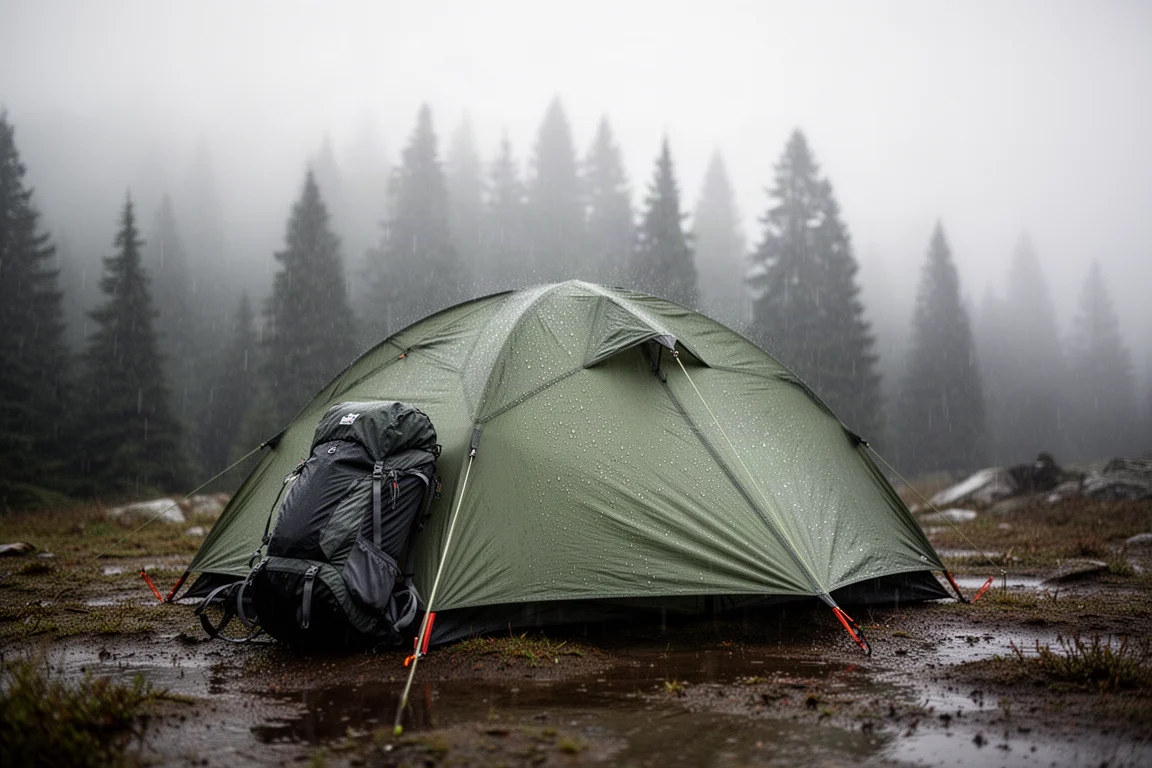
The third issue is pitching. The Freelite is not an all-in-one or fly-first design, so you pitch the inner tent first and then add the fly. During that process the inside of the tent collects water. Your gear may stay dry, but the interior does not, and you have to dry it out later.
Together these traits make the tent a poor choice in rain. I would not take it out if there is any chance of wet weather, and in cold conditions a soaked interior stops being an inconvenience and starts being a safety concern. All of the shelters I now rely on are all-in-one or fly-first pitches, so the inner stays dry while the fly goes up.
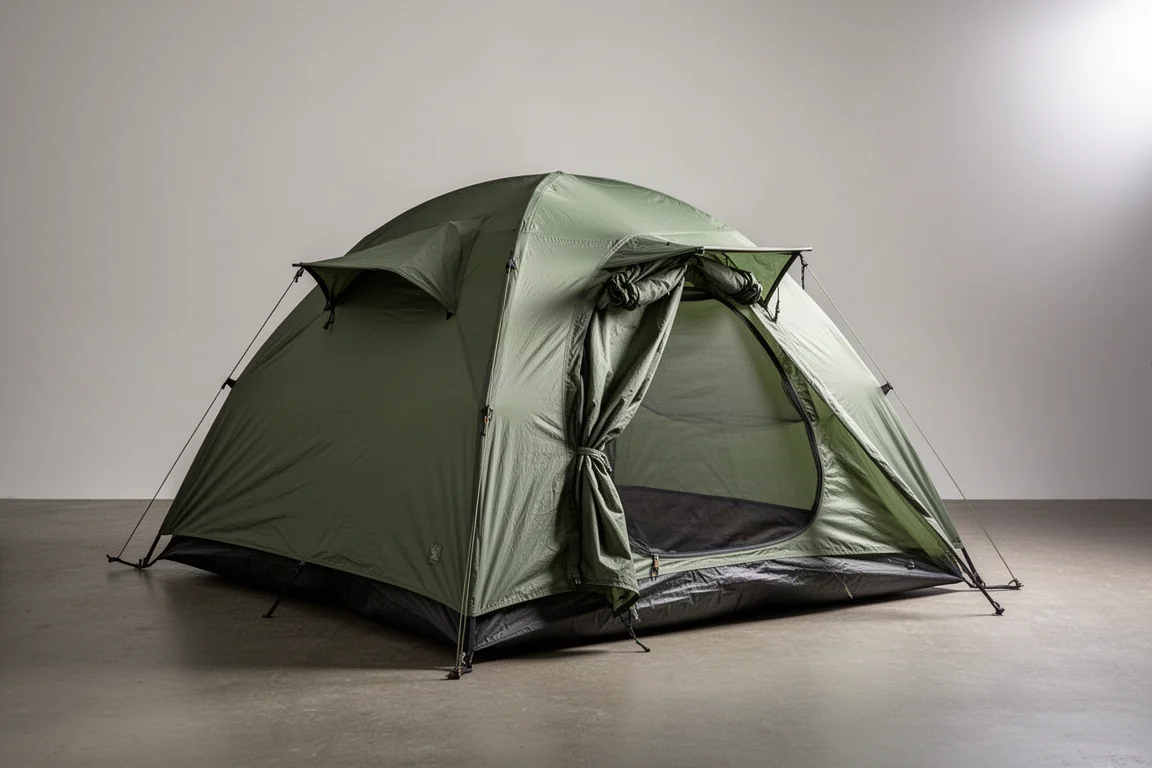
Zpacks Plex Solo: Solo Shelter, Minimal Weight
For solo ultralight trips, the Zpacks Plex Solo is my first choice. It pitches as an all-in-one or fly-first shelter, so the interior stays dry in weather, and it keeps the packed weight low for trips where every gram counts.
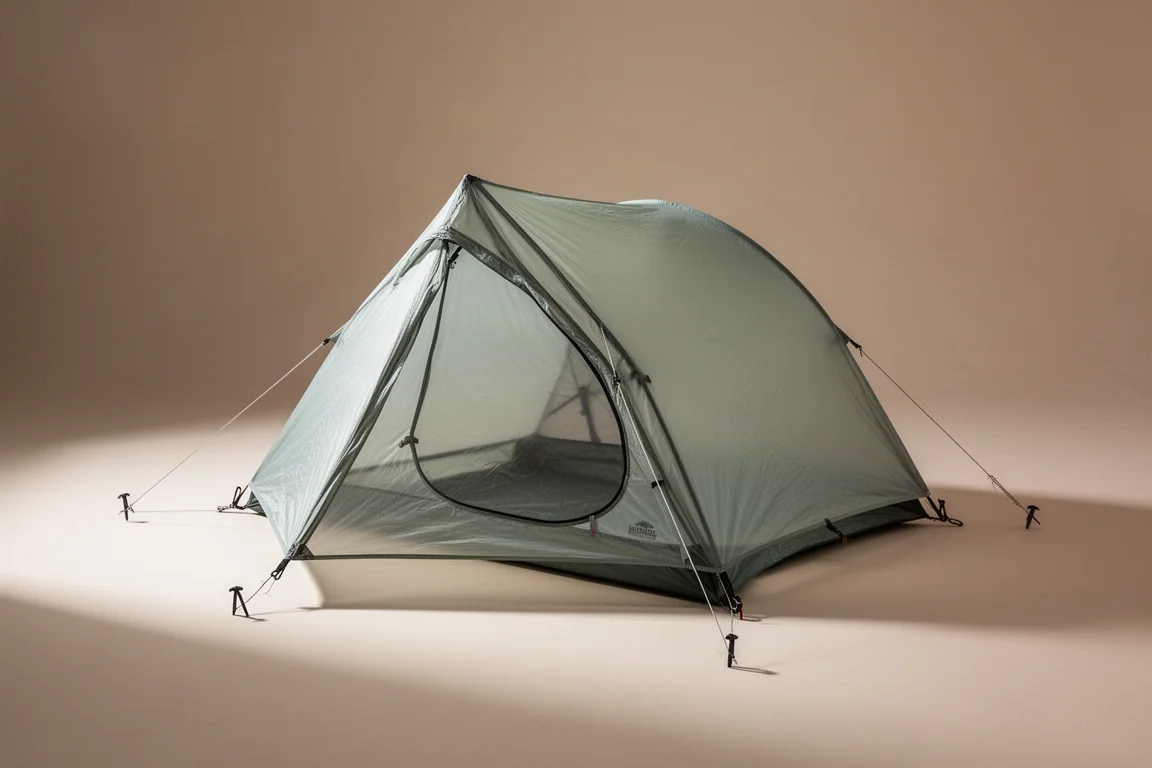
Durston X-Mid 2: Room for Two
When I want more space, or when my partner and I are heading out on an ultralight couples trip, the Durston X-Mid 2 is the shelter that comes along. I use the regular version rather than the Pro because it offers a little more interior space, and it shares the fly-first pitching approach that keeps the inside dry.
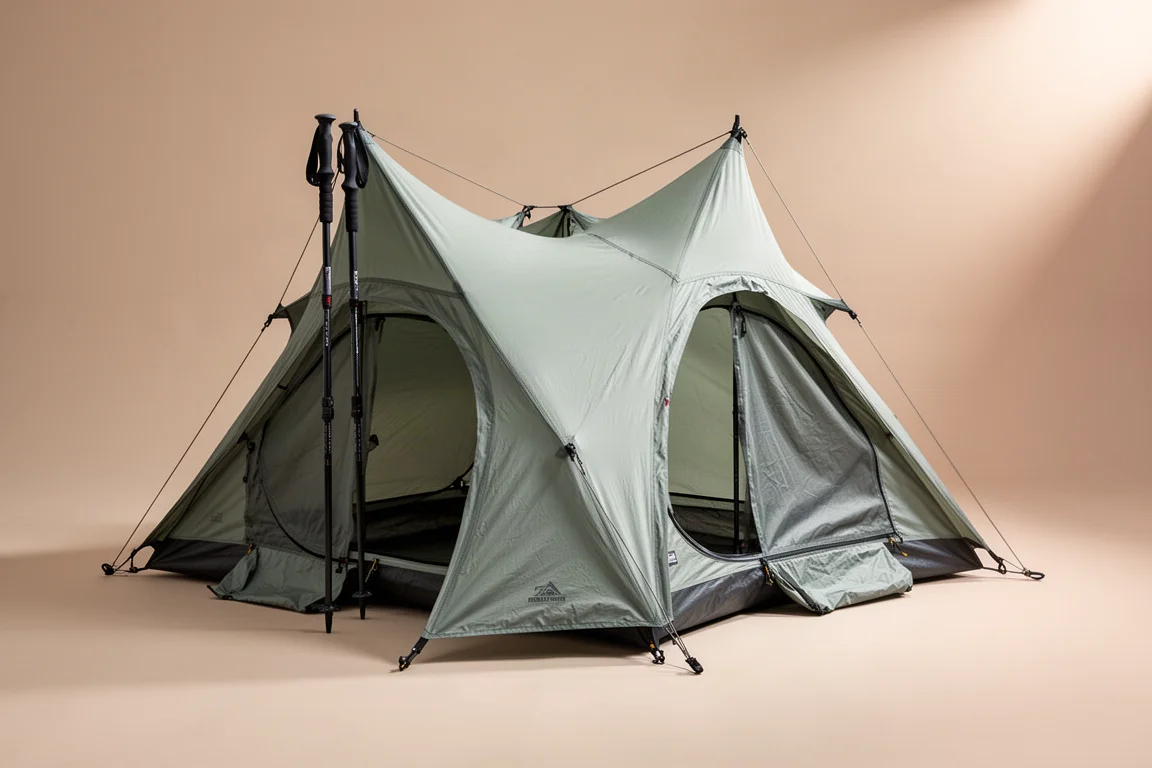
Sea to Summit Telos TR3: Space for the Whole Group
For trips where space is the priority, the Sea to Summit Telos TR3 is enormous and genuinely well designed. It is the shelter we bring when we want room to spread out, and it pitches the same dry way as the others, with an all-in-one or fly-first setup.
Kula Cloth: A Simple Drying Cloth With a Sanitary Design
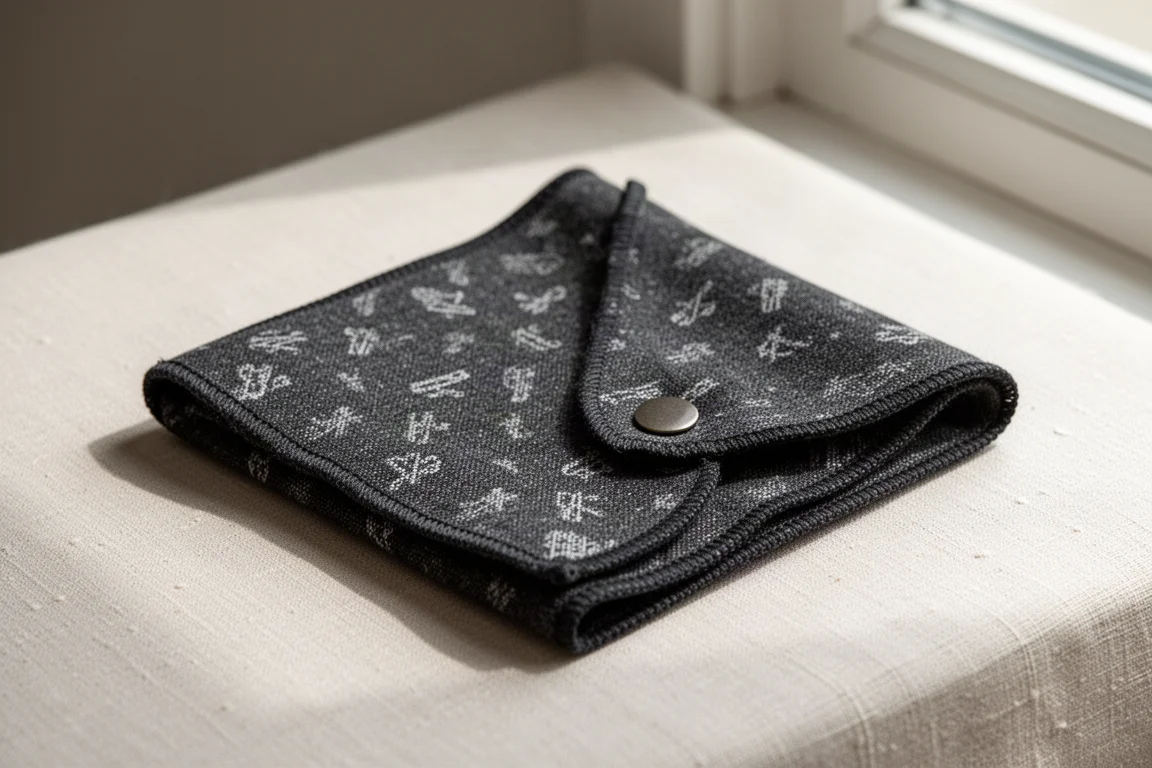
I have moved away from toilet paper on backcountry trips in favor of a backcountry bidet. Toilet paper still has a place at campsites with outhouses, where a bidet routine is harder to manage, but everywhere else the bidet is what I use. Used properly it leaves you genuinely clean, which means a cloth works just like a towel for drying off.
The Kula Cloth is what I use for that job. It has built-in sanitary features, and it is easy to hang off a pack and expose to sunlight, which lets UV do some work on anything that ends up on it while you dry.
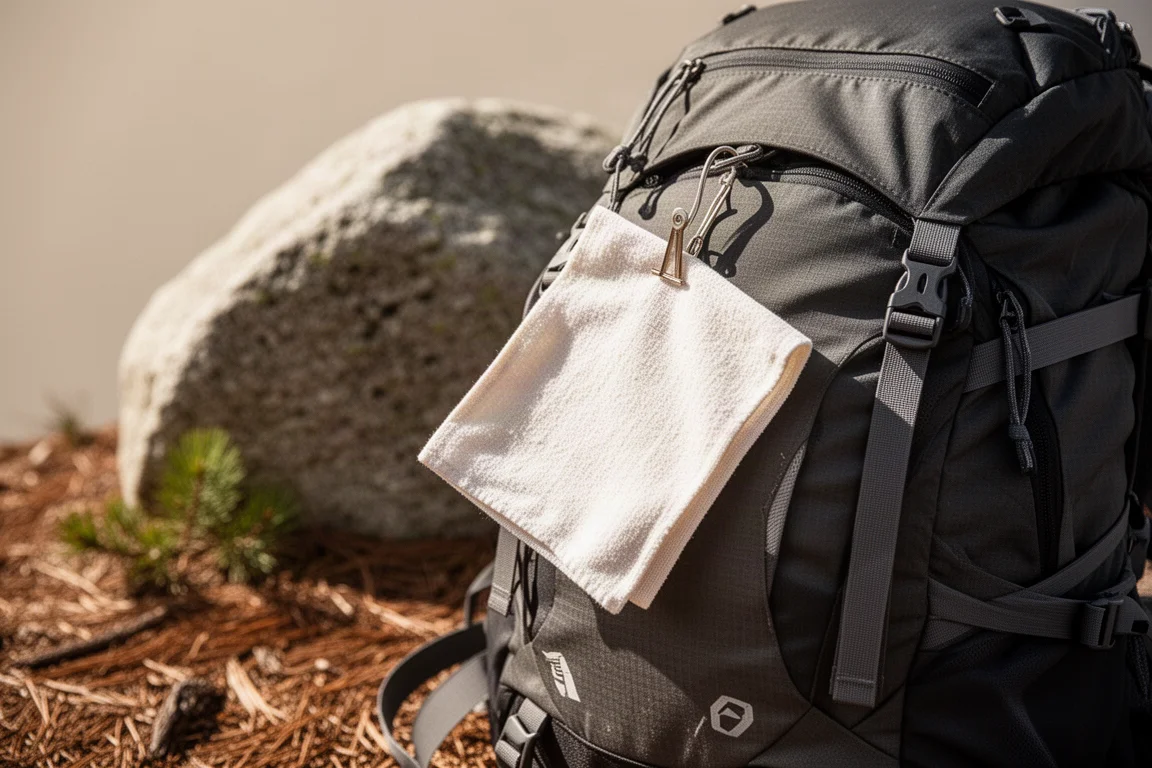
For anyone building a backcountry hygiene kit, the combination of a bidet and a cloth like this is compact, reliable, and simple to keep clean over a long trip.
Overall Buying Advice
A pattern shows up across this list. The items I retired were not badly made. They were designs that added complexity, weight, or an awkward shape without fully solving the problem they set out to solve. The Aluft Pro’s wedge profile, the Zen Bivy sheet system’s setup routine, and the Freelite’s short brow pole are all small details that change how the gear behaves on a real trip.
The items that stayed are the ones that keep things simple: a pillow that has already proven itself, a 16 gram light that charges over USB-C, filters with fast flow and easy storage, and shelters that pitch fly-first so the interior stays dry. When you compare options, look for the specific detail that decides whether you are comfortable on night three, not the longest feature list.
Conclusion
None of this is to say that new gear is never worth buying. It is worth buying when it solves a problem you actually have. The Aluft 2.0, the RovyVon A5X, the Platypus QuickDraw, the Sawyer Squeeze, and the Plex Solo, X-Mid 2, and Telos TR3 shelters all earned their place through use, and they are the gear I would start with. If you are tempted by one of the items I retired, the trade-offs above are the ones to weigh before it goes in your pack.
Further reading
Related Reviews

Backpacking Gear
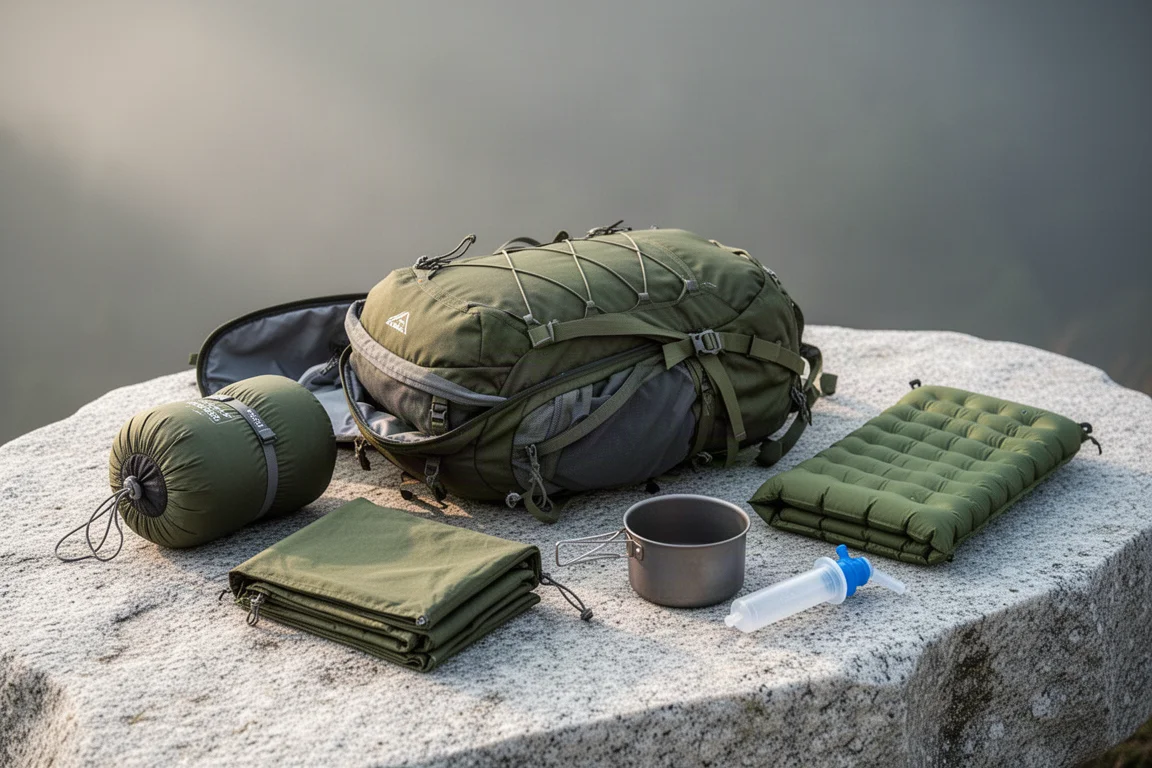
Building a 10 lb Base Weight: An Ultralight Backpacking Gear List
A practical walkthrough of the ultralight pieces behind a 10 lb base weight, from a 765 g pack and a roomy one-person tent to a full camp chair and a dependable water filter.
Backpacking Gear
A 15-Pound Lightweight Backpacking Gear List for Solo Trips
A beginner-friendly 15-pound backpacking setup built from easy-to-find gear, with notes on what each piece does, how it packs, and where to spend your attention.
Backpacking Gear
8 Ultralight Backpacking Gear Upgrades Worth Carrying
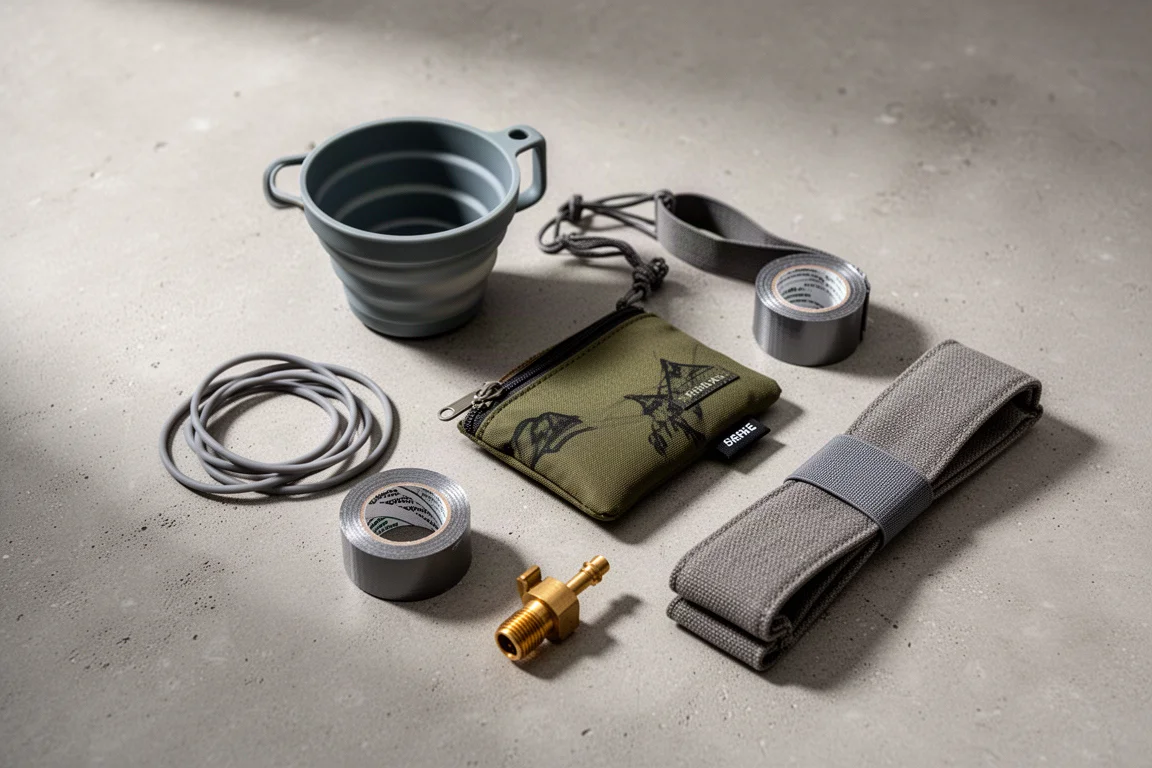
Eight small, affordable backpacking upgrades that solve real trail annoyances, from a pillow that stays put to a fuel valve that rescues leftover canister gas.