Backpacking Gear
Five Popular Backpacking Items Retested: What Held Up in Wind and Cold
A field retest of five popular backpacking items, covering an ultralight pack, a two-person tent, a canister stove system, a budget sleeping pad, and a lightweight pillow.
Introduction
Some pieces of gear look excellent on paper and still disappoint in the field. Others earn a loyal following that never quite makes sense until you spend a night with them yourself.
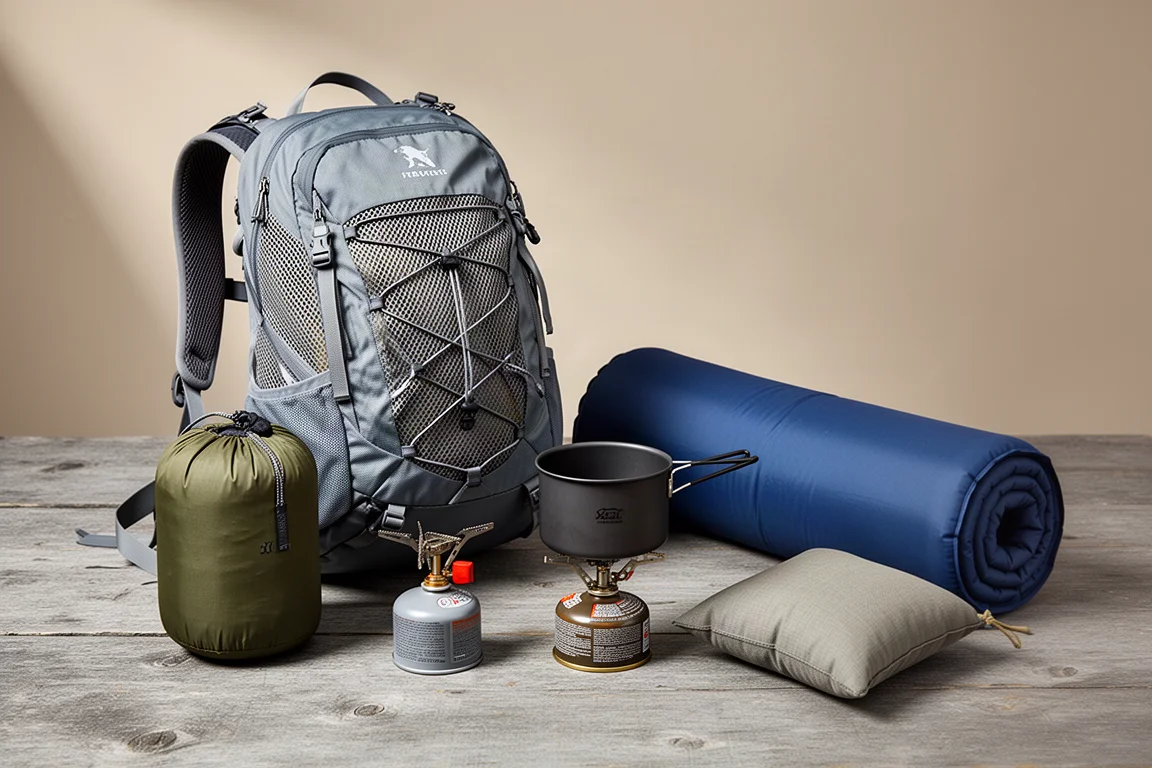
This roundup covers five popular backpacking items taken out for a fresh look: the Osprey Exos Pro 55 pack, the MSR Hubba Hubba LT tent, the MSR Switch Stove, the Trekology R7 sleeping pad, and the Nemo Fillo Elite Pillow. The trip involved a steady climb to camp with a loaded pack, strong overnight wind, and temperatures that settled around freezing, which is a useful combination for checking warmth, weather protection, and how a pack behaves once weight is in it.
Only one of the five changed the verdict. The rest confirmed earlier reservations, though each still has a scenario where it makes sense.
How We Tested and What We Looked For
Every item was carried, pitched, inflated, or lit on the same trip so the conditions stayed consistent. The route included a long steady climb to camp with roughly 30 lb in the pack, an exposed pitch that took the full force of overnight gusts, and a cold, damp morning.
Four questions guided the evaluation:
- Does the item do what its specifications promise once it is under real load or real weather?
- How does it feel after several hours rather than several minutes?
- Does the design make routine tasks easier or harder?
- Is the price justified by what the item actually delivers?
Two of the items were chosen specifically because their specifications are genuinely impressive. The pack and the sleeping pad both look outstanding on paper, and the interest was in whether trail performance matches the numbers. The tent was selected because a new version claims to fix a long-standing complaint, while the stove and the pillow were selected because so many backpackers rely on them.
Osprey Exos Pro 55: Outstanding Ventilation, Difficult Carry
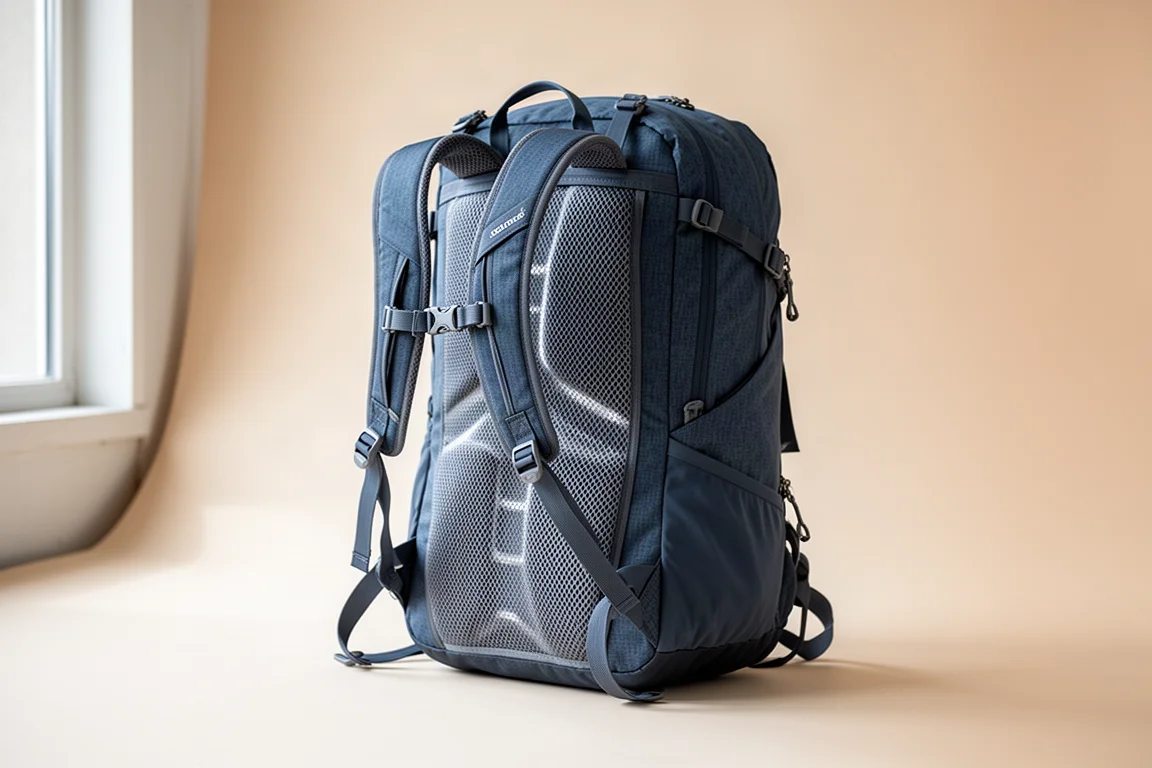
On paper the Exos Pro 55 is close to ideal for lightweight backpacking. It weighs under a kilogram, and it still includes a full frame, a hip belt, load lifters, and a ventilated back panel. The side pockets are well placed for grabbing a bottle without stopping.
The ventilated back is the standout feature. On a warm climb it moves air across the back extremely effectively, and in that respect it is one of the most comfortable ventilated carries available. It is the single strongest argument for the pack.
The problems appear once weight goes in. With around 30 lb loaded, the pack struggled. The hip belt is thin and does not sit firmly against the body, and the load lifters loosened repeatedly during the climb, which meant most of the weight ended up on the shoulders. The shoulder straps are not padded enough to carry that load comfortably, and the result was sore shoulders well before camp.
Storage has its own frustrations. One hip belt pocket has no zipper, so small items can work their way out, and the other collected water. The side compression straps run over the side pockets, which makes pulling a bottle in and out harder than it should be, and they also attach to the front pocket, so that pocket is awkward to open once the pack is cinched down. The top lid helps, since it can hold items that would otherwise go in the small front pocket. Durability also showed early signs of wear after a modest number of trips.
The honest summary is that this pack suits one specific person: someone who values maximum back ventilation above everything else and travels with a light load. For heavier loads, the frame and hip belt do not deliver what the specification sheet suggests.
MSR Hubba Hubba LT: The Tent That Changed Our Mind
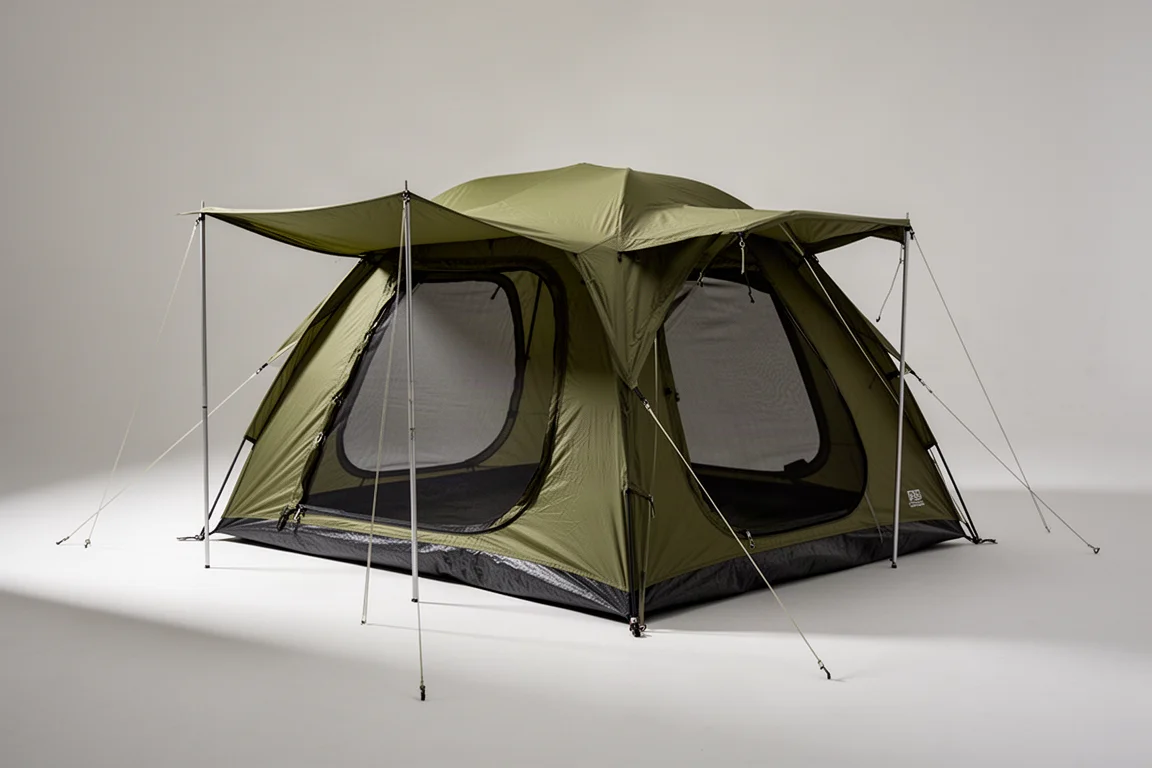
The Hubba Hubba line has a long reputation as a do-it-all tent that copes with summer trips, winter trips, and storms. The LT version keeps that character while making one important change: space.
Earlier Hubba Hubba tents were narrow and had a steep fly angle at the head and foot ends, which put the fly close to your face when lying down, and two 25-inch wide pads would not fit. The LT is noticeably wider and accommodates two 26-inch wide pads. Pole geometry was revised to add height and more vertical walls at both ends, and a wider brow pole opens up the interior in every dimension.
The trade-offs are real. The LT uses more mesh inside, which improves ventilation but lets in more cold and wind, and the larger size means it does not handle wind quite as well as the previous version.
Three design choices remain debatable. The doors do not open fully, so only a small section can be opened and both sides cannot be rolled back for a wide view. The tent pitches inner first, with the fly added afterward, rather than going up as a single unit, which is less convenient in rain or wind. And the fabric is nylon, which is durable and inexpensive but sags and stretches when wet, unlike sil-poly or the proprietary fabrics some brands now use.
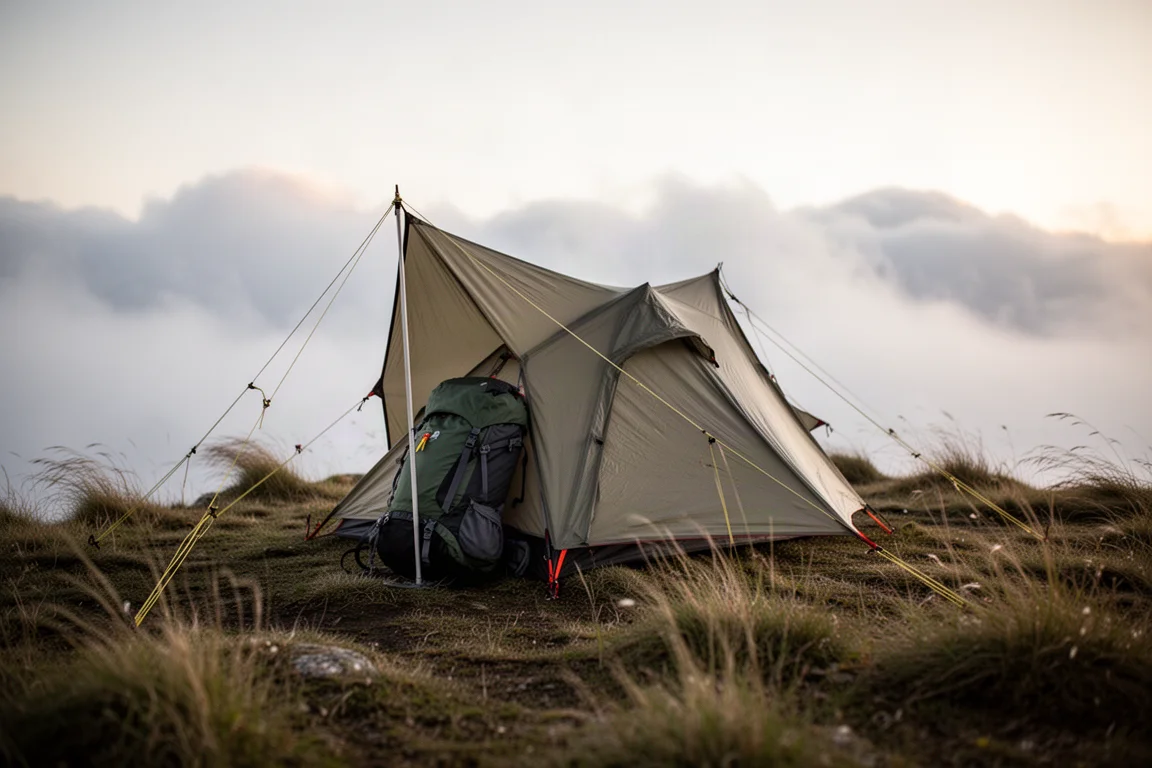
In the field, the LT handled the conditions well. Overnight gusts buffeted the tent and it stayed planted, particularly once the door guy points were tensioned, with very little flapping and a quiet interior. The space was the most noticeable improvement: plenty of room around the head and face at both ends, and good width. Storage is generous too, with a large pocket at each end and two ceiling pockets, which is enough to keep gear off the floor when two people share the tent.
A small workaround helps with the doors. There is a loop at the top of the tent, and if the door guyline is tensioned fully and threaded through that loop, the door stays propped open. It is a hack rather than a designed feature, but it works.
The verdict here is positive. The LT impressed more than expected, it handles wind well for its size, and it is widely available in outdoor stores, which makes it easy to see in person before buying. The nylon fly and the inner-first pitch are the main reasons to look at alternatives if those two things matter to you.
MSR Switch Stove: A Smart Concept With Real Wind Trouble
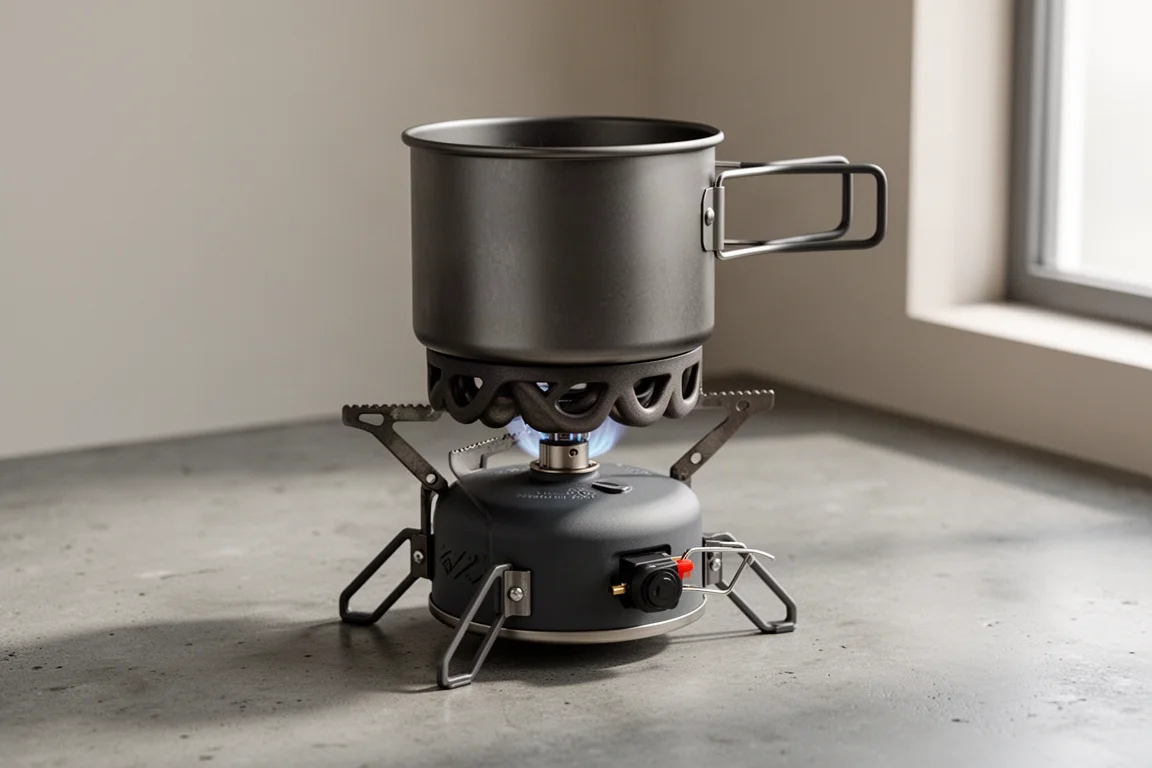
The Switch is an all-in-one canister stove system, so the burner and pot nest together for packing. The pot has a rounded bottom rather than fins, and the idea is that the curved surface gives the flame more area to heat, which should improve efficiency. Unusually for an all-in-one system, the stove works with any pot you already own, not just its own.
The stove itself is based on a Pocket Rocket 2 with a piezo igniter and a modified pot stand: a ring the pot rests on, plus arms that fold out for use with other cookware. That base is the weak point. It sits low and stays exposed to wind, which is likely why earlier trips ended with the flame blowing out when gusts picked up, and boil times in that earlier use ran roughly twice as long as a WindBurner.
On this trip the stove performed much better. With a light breeze, one and a quarter cups of water came to a rolling boil in about a minute and twenty seconds. That is a fast result and shows the burner can be efficient in calmer conditions.
The recommendation is cautious. The direction is interesting and the system works, but the wind exposure, combined with alternatives that are lighter, cheaper, and perform as well or better, makes it hard to recommend as a first choice. If you already own one, there is no reason to replace it, and it will get the job done. Availability is a point in its favor, since it is stocked in many outdoor stores.
Trekology R7 Sleeping Pad: Standout Comfort at a Standout Price
The R7 is one of the more surprising items in this group. It carries a claimed R-value of 7 that is ASTM tested, and it costs around $60. Those two numbers together are unusual.
Comfort is where it shines. The dimpled baffle pattern does an excellent job of relieving pressure, and the pad is thick enough that you do not bottom out. It ranks among the most comfortable pads used recently, on par with much more expensive options. You can let a little air out to sink in further, though keeping it fully inflated preserves the full R-value.
Warmth is the problem. Sleeping at temperatures around 5 degrees Celsius, there was noticeable heat loss through the pad. The top surface felt warm, but heat escaped into the pad itself. The pad was also flipped so the blue side faced up, which made no difference. An R-value of 7 should stay comfortable well below freezing, so the real-world warmth does not match the rating.
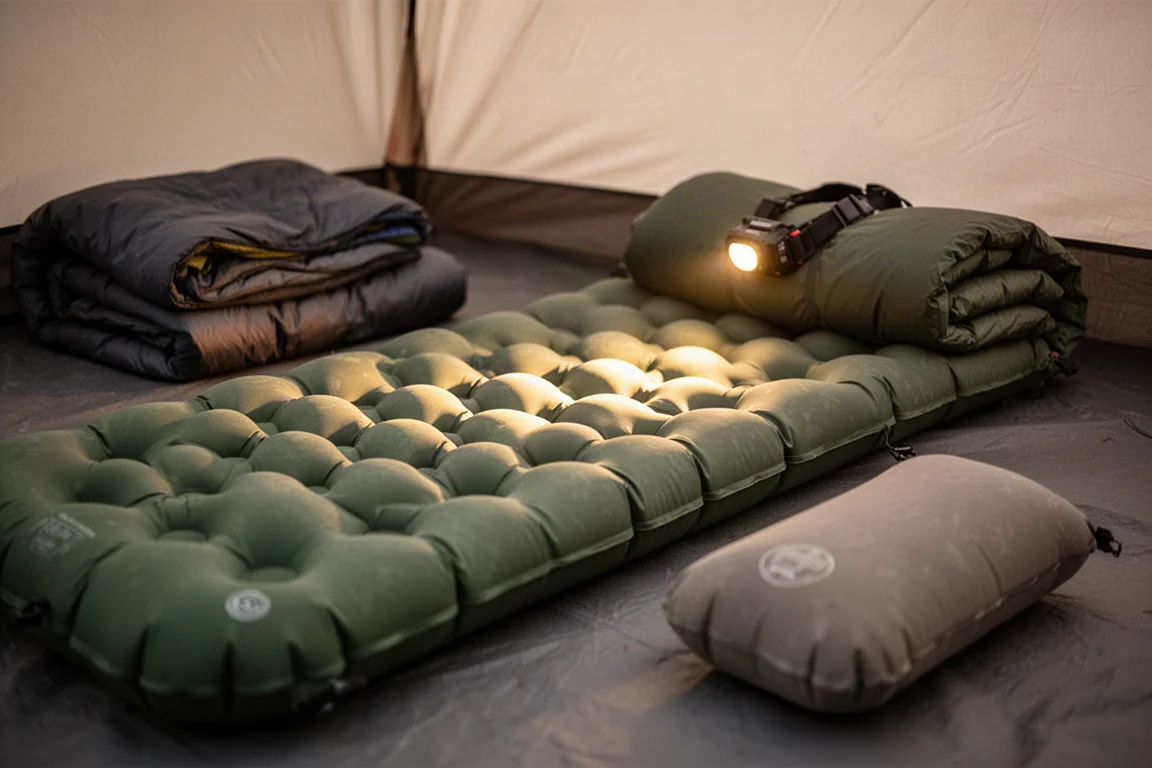
That makes the R7 a fair-weather and shoulder-season pad rather than a cold-weather one. Above roughly 5 to 10 degrees Celsius it should be warm enough for most sleepers. Below that, plan on extra insulation underneath.
For anyone on a budget who mostly camps in mild conditions, the combination of comfort and price is hard to argue with. Just go in with realistic expectations about cold nights.
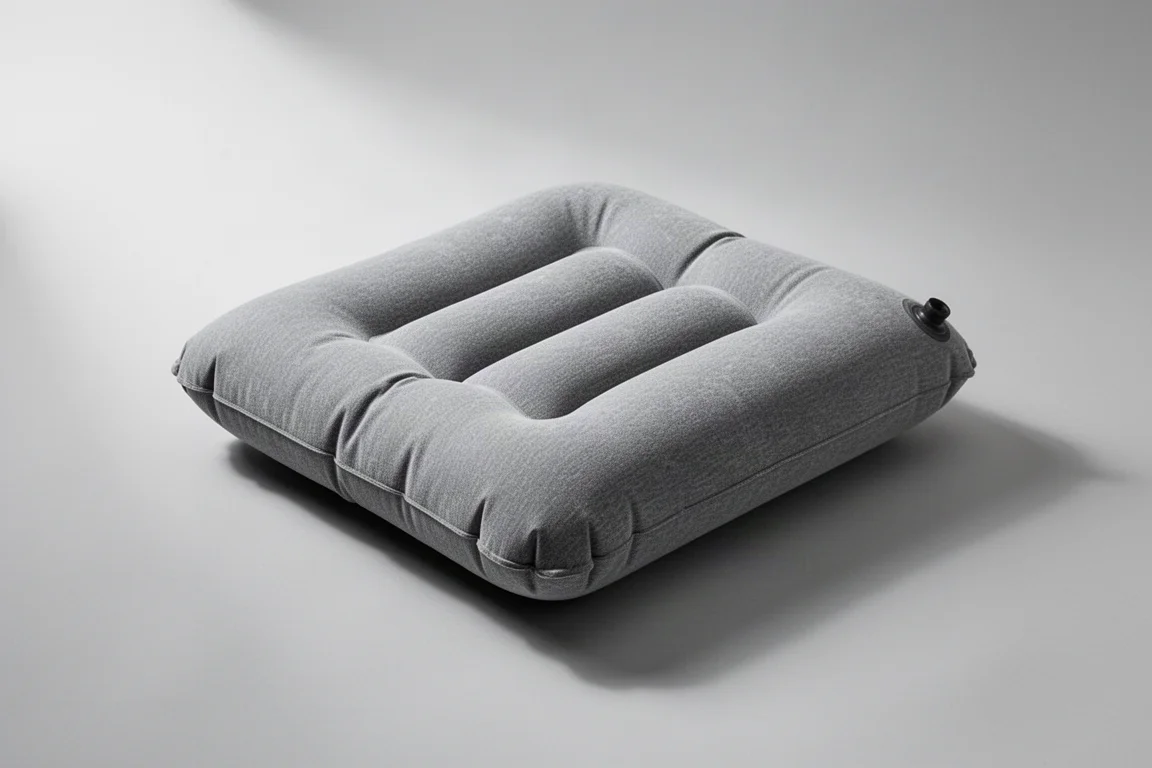
Nemo Fillo Elite Pillow: Light and Soft, but Low
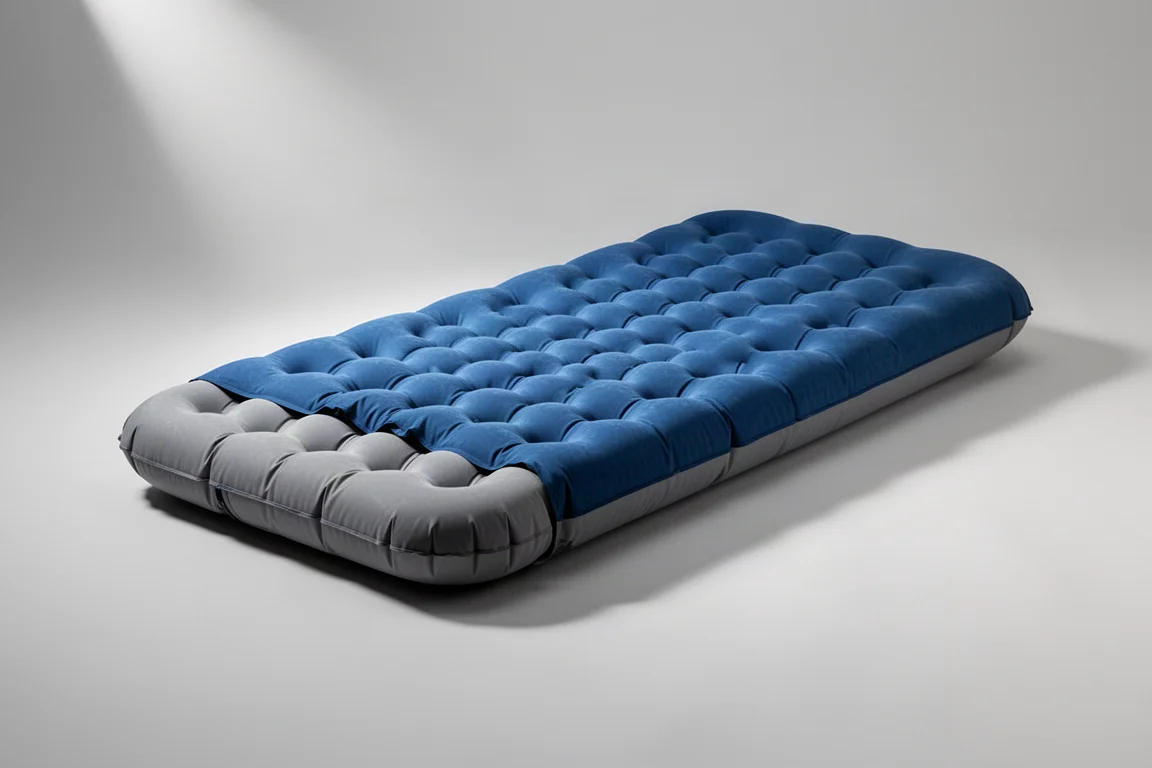
The Fillo Elite has a strong following, and its strengths are easy to see. It is very light, the pillowcase fabric is soft, the baffling provides genuine support, and there is a useful amount of cushioning for the size.
Height is the limitation. The pillow sits low, and for side sleepers that means the neck angles down and pressure builds on the shoulder. It also ships without a pad strap, so it slides off the sleeping pad during the night and shifts every time you roll over.
Two fixes were tried on this trip. A pad strap was added, which locked the pillow in place and kept it secure all night, and spare clothing was placed underneath to raise it. The strap worked well. The extra height helped but was not quite enough, and the pillow still felt short for side sleeping. It also had to be partially deflated, because at full inflation it was firm enough to press on the ear.
The result was neutral: sleep was neither better nor worse. For back sleepers, stomach sleepers, or anyone without broad shoulders, the low profile is far less of an issue, and the low weight and soft cover make it an easy pillow to carry.
Buying Advice: Where Each Item Makes Sense
Each of these five items has a scenario where it works, and the goal is to match the item to the trip rather than to the specification sheet.
The Hubba Hubba LT is the easiest recommendation of the group. It is roomy for two people, handles wind well for its size, has generous interior storage, and is widely available to see in person. Buy it if you want a do-it-all tent and you are comfortable with a nylon fly and an inner-first pitch.
The Trekology R7 is the value pick. If your trips stay above roughly 5 to 10 degrees Celsius, it delivers comfort that rivals pads costing several times as much. If you camp in freezing conditions, budget for a warmer pad instead.
The Nemo Fillo Elite Pillow suits back and stomach sleepers and anyone who wants a very light pillow. Add a pad strap, and consider a taller option if you sleep on your side.
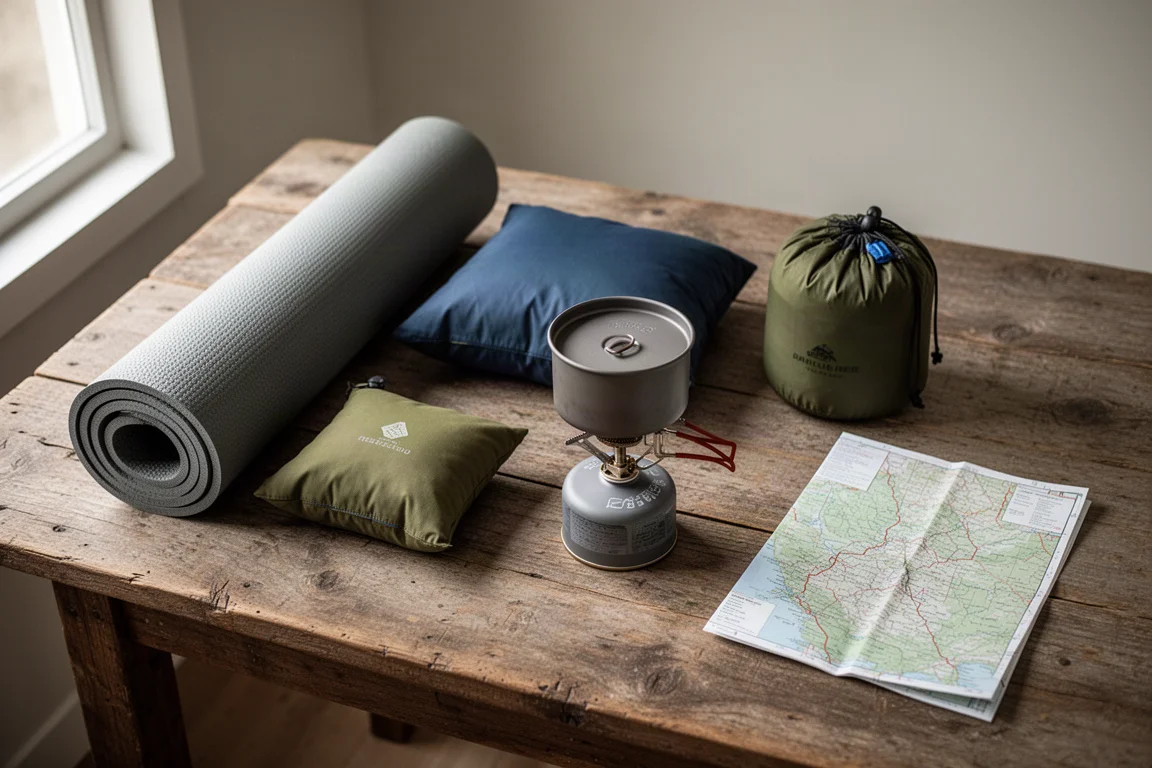
The MSR Switch Stove makes sense if you want an all-in-one system that can also run any pot you own, and if you mostly cook in sheltered spots. In exposed, windy camps, a stove with better wind protection will be less frustrating.
The Osprey Exos Pro 55 is the hardest to recommend. It is the best ventilated pack in this group by a wide margin, and for a light load on a hot day that matters a great deal. With a heavier load, the hip belt and load lifters do not transfer weight the way the frame suggests they should. Hikers who put airflow first and keep their base weight low are the ones most likely to be happy with it.
Conclusion
Five items, one clear winner. The Hubba Hubba LT earned the most positive verdict, with real gains in interior space and better wind performance than its size suggests, and it stays easy to find in stores. It is the item here that is most likely to satisfy a wide range of backpackers.
The Trekology R7 is the value story of the group. Its comfort is genuinely impressive for the price, as long as you treat it as a mild-weather pad rather than a four-season one. The Nemo Fillo Elite Pillow remains a solid lightweight choice for anyone who does not need a tall pillow, and the MSR Switch Stove is a clever system that still gives away ground in wind.
The Osprey Exos Pro 55 is the one to approach with caution. Its ventilation is exceptional, but a pack that cannot comfortably carry 30 lb is a difficult recommendation, no matter how good the specifications look.
Further reading
Related Reviews

Backpacking Gear
Building a 10 lb Base Weight: An Ultralight Backpacking Gear List
A practical walkthrough of the ultralight pieces behind a 10 lb base weight, from a 765 g pack and a roomy one-person tent to a full camp chair and a dependable water filter.

Backpacking Gear
A 15-Pound Lightweight Backpacking Gear List for Solo Trips
A beginner-friendly 15-pound backpacking setup built from easy-to-find gear, with notes on what each piece does, how it packs, and where to spend your attention.

Backpacking Gear
8 Ultralight Backpacking Gear Upgrades Worth Carrying
Eight small, affordable backpacking upgrades that solve real trail annoyances, from a pillow that stays put to a fuel valve that rescues leftover canister gas.