Backpacking Gear
Backpacking Gear Refresh: 10 Lightweight Alternatives to the Usual Picks
A closer look at ten small backpacking items, from a handle-free titanium pot and a more intuitive canister stove to pillows, water filters, and headlamps, with the trade-offs that matter before you buy.
Introduction
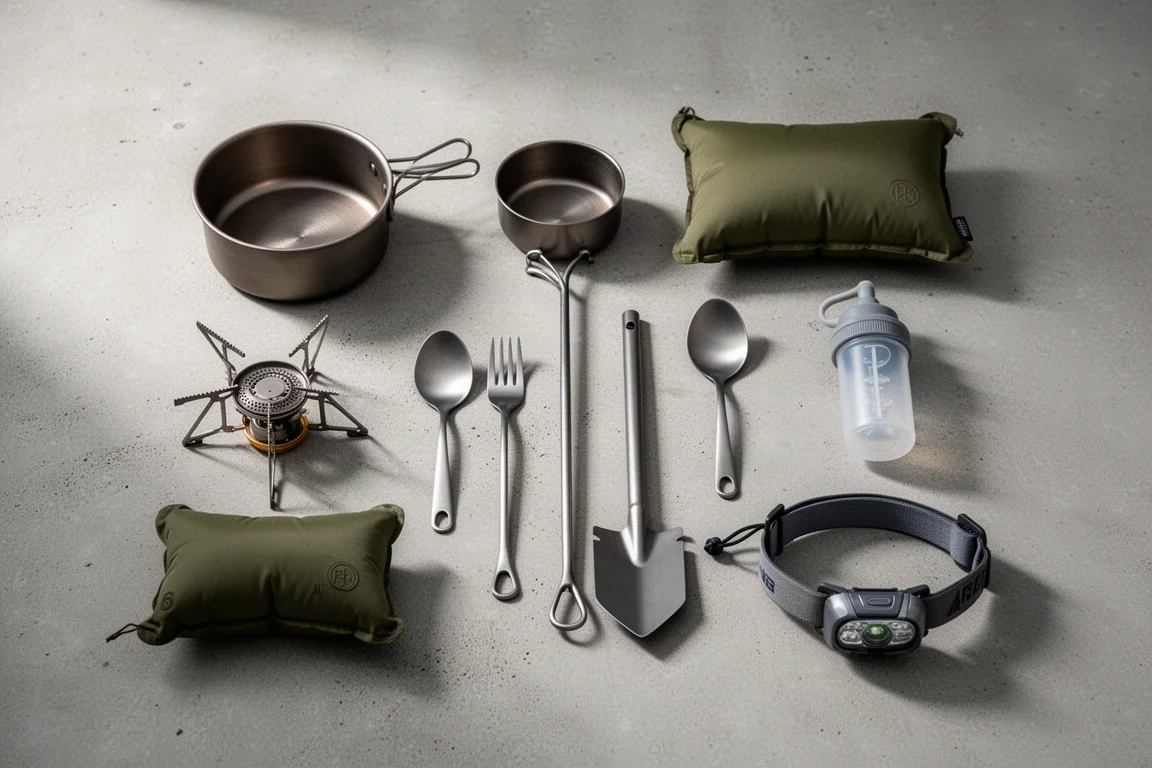
Small items are where gear habits get stuck. Pots, stoves, utensils, pillows, filters, and headlamps tend to stay the same for years because they work, and replacing something that already works feels like a waste of money. Packs, tents, and sleep systems get swapped constantly, but the small stuff rarely does.
That is the gap this roundup addresses. Below are ten small backpacking items that answer familiar problems in a different way, from a titanium pot with no handles to a headlamp that tolerates being worn upside down. Each entry covers what is genuinely different, what it costs in weight or convenience, and who it makes sense for.
How These Picks Were Chosen
Four things decided what made the list: how each item behaves in real conditions rather than on a spec sheet, how much weight and packed volume it adds to a pack, how simple it is to use and clean, and how its price compares with the long-standing default it would replace.
Not every item here is an upgrade. One entry, a water filter that costs about $20, is included because it is a solid and inexpensive option that still falls short of the best filter in its class. Knowing where a cheaper product stops being good enough is as useful as knowing where a premium one starts to be worth it.
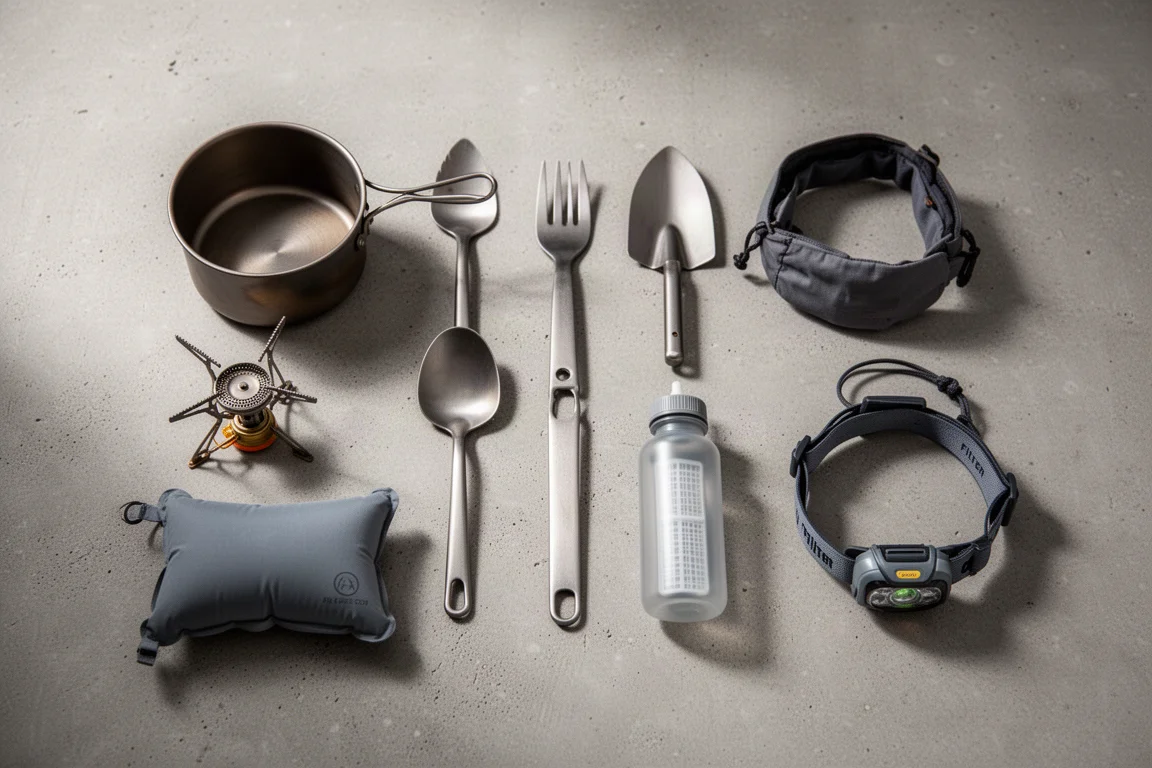
Several of these items replace gear that had been carried for years, which is the only test that matters. A product earns a place in a pack by being easier to live with on the fifth trip, not the first.
SOTO 750 Titanium Pot: Simplicity Done Deliberately
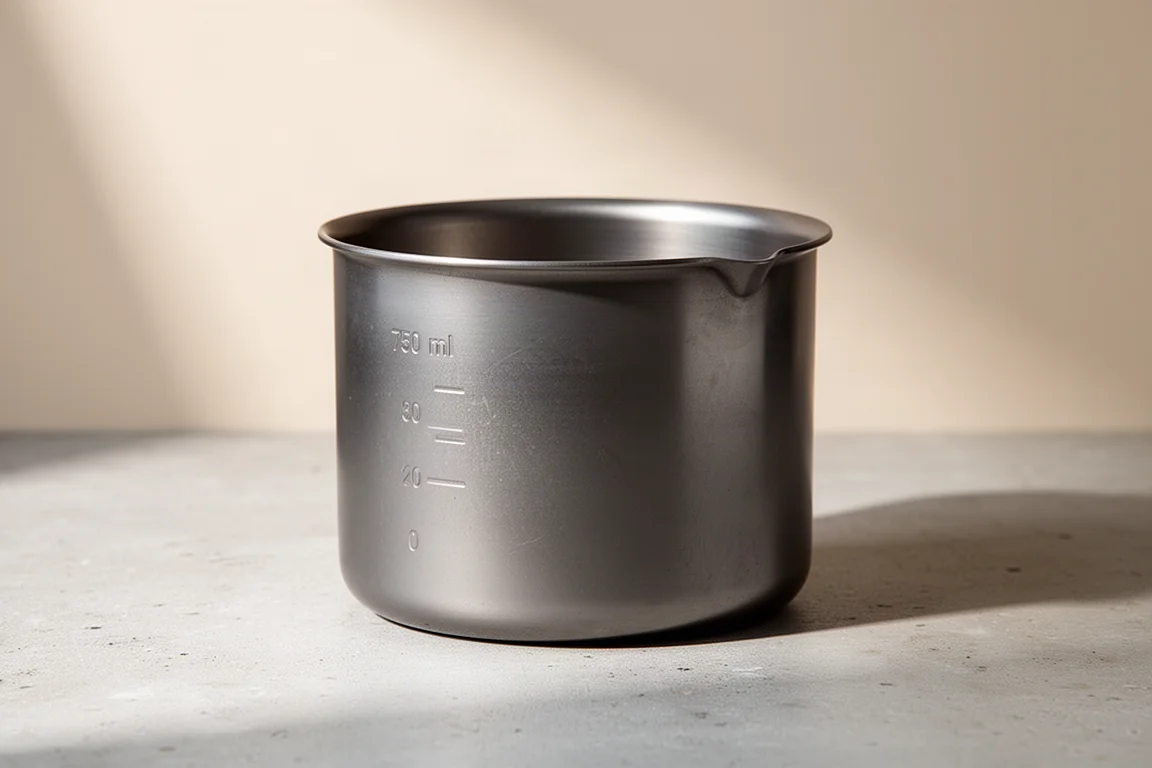
It is hard to improve something as basic as a pot, so the SOTO 750 ml titanium pot improves it by removing parts. There are no handles and no logo, just a titanium body with a few volume markings stamped on the side. The wall measures 0.3 mm thick, which the brand describes as the thinnest titanium available in a pot.
Removing the handles has one obvious consequence: a pot grabber is needed every time the pot is lifted. That is less of a compromise than it sounds, because handles on titanium pots get hot enough that a grabber is often the practical choice anyway. The pot ships with its own larger grabber, and a compact third-party grabber works well for anyone who wants the smallest possible tool.
The trade-off is easy to evaluate. If you already carry a grabber, or do not mind adding one, the SOTO 750 is a lighter and cleaner pot with less to break and nothing to burn your fingers on.
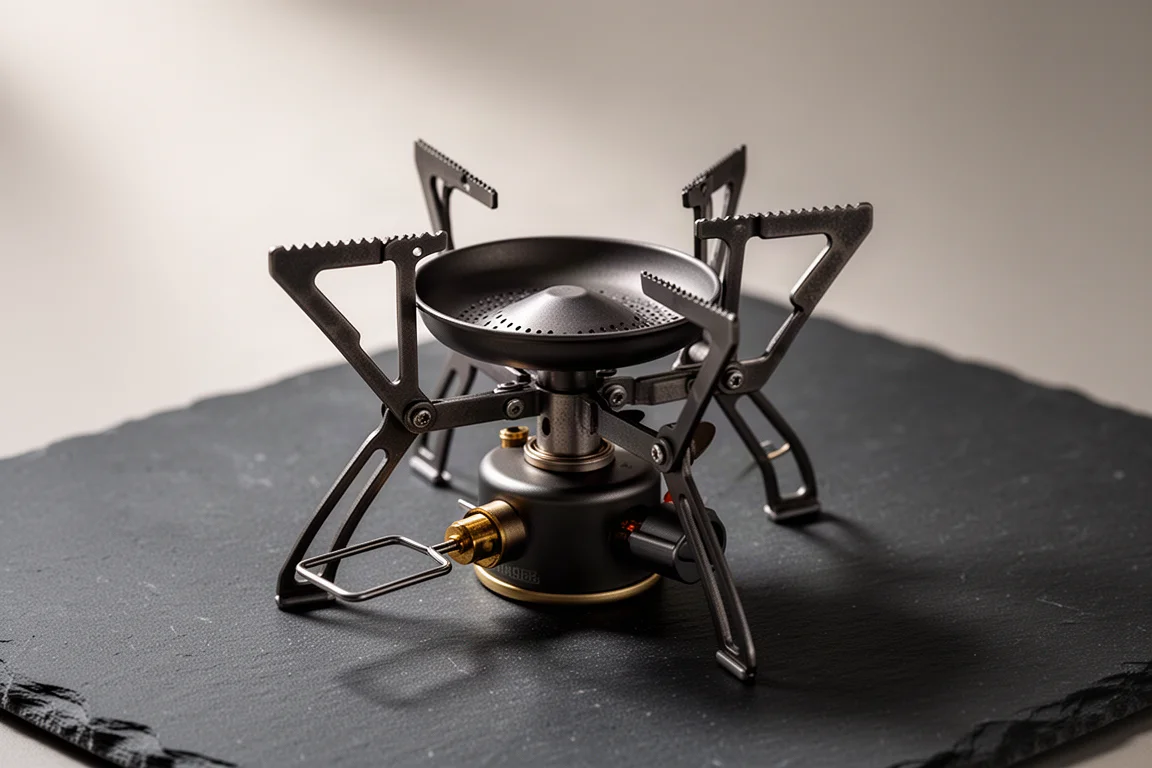
SOTO Amicus Stove: A More Intuitive Canister Stove
The MSR PocketRocket has been a default canister stove for years because it is simple and hard to beat, and the PocketRocket Deluxe added a piezo igniter to the same formula. The SOTO Amicus is the first alternative in a long time that changes the details that matter on every use.
The most visible difference is the pot support: four prongs instead of three, which gives a pot a more stable platform to sit on. The better difference is how those prongs unfold. PocketRocket supports take a moment of thought to open, while the Amicus opens in a way that needs no explanation at all. It is a small detail, but it repeats on every single boil.
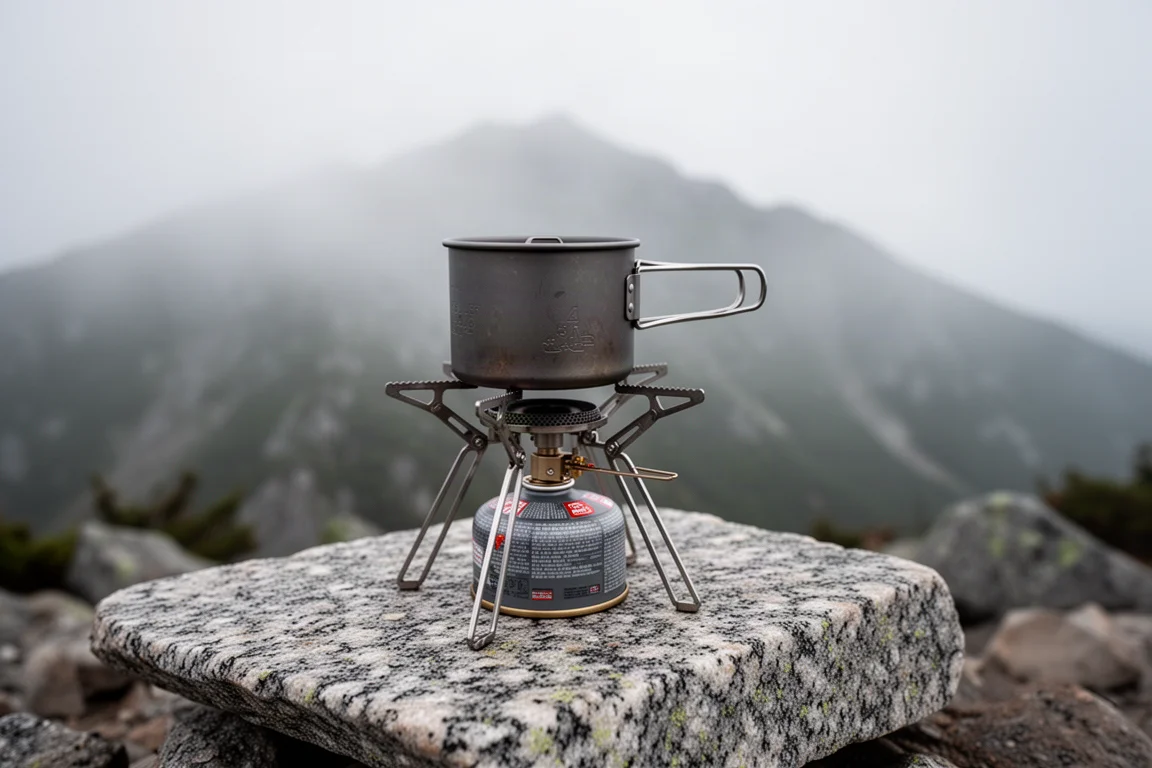
Price is the strongest argument. The Amicus costs about $25 less than the PocketRocket Deluxe, which puts it roughly level with the standard PocketRocket. Adding the piezo igniter costs about $5 more and still leaves the stove about $25 cheaper than the Deluxe version.
Vargo Long-Handled Spoon-Fork Combo
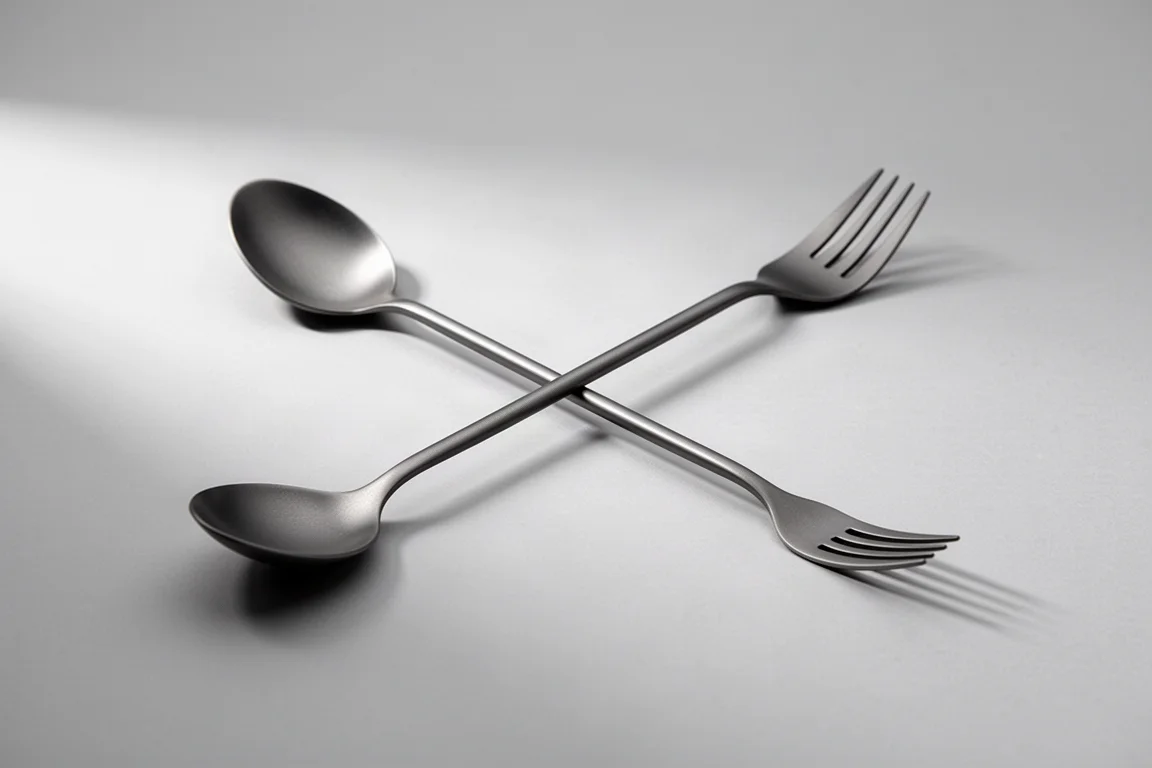
Boil-in-the-bag meals are awkward to eat with a short utensil, and long-handled options used to be limited. The Vargo spoon-fork combo solves that with a double-ended titanium tool: a spoon on one end, a fork on the other, both mounted on a long handle.
Titanium makes the difference here. Compared with the GoBites Duo, which had been the long-handled option of choice, the Vargo feels higher quality and is easier to clean in the backcountry, where washing up is always a compromise. The double-ended design also means one tool covers a fork for most meals and a spoon for the occasions that genuinely call for one.
Titanium Trowel: Stiffer Digging With a Comfortable Grip
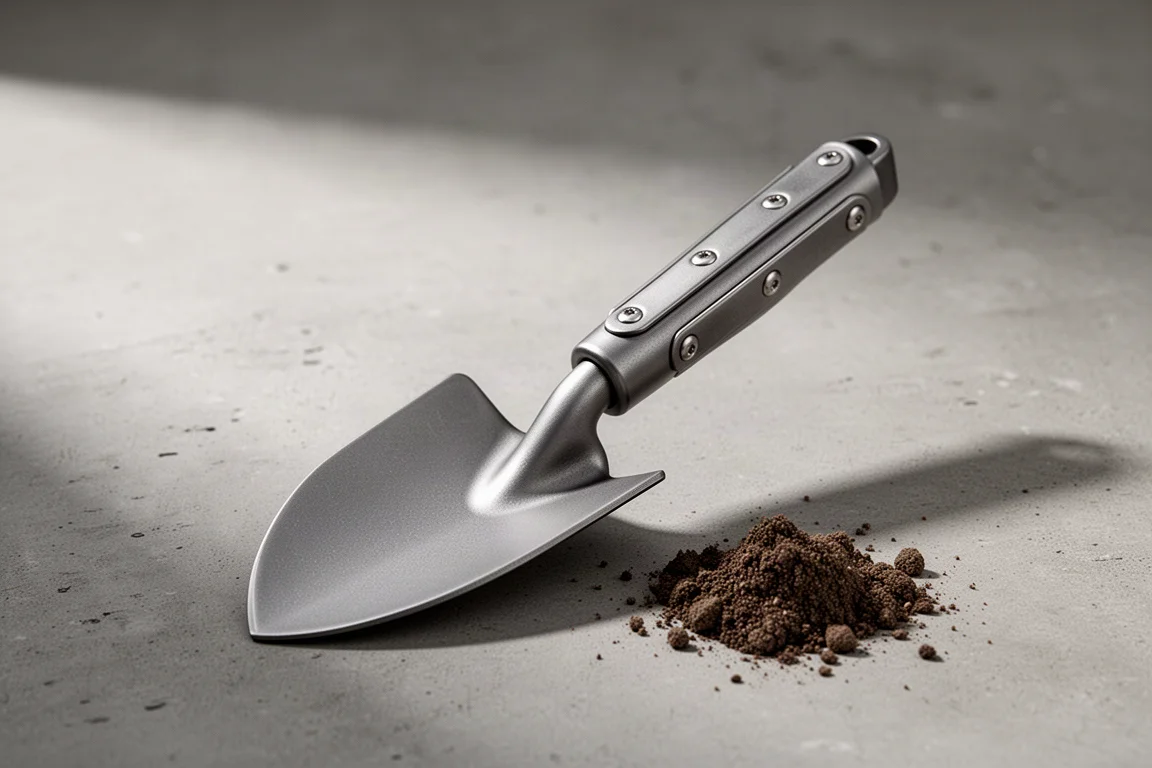
The Bogler Trowel has been a long-standing favorite for digging catholes, and it has done nothing wrong. The Titanium Trowel moves ahead because of its material: titanium instead of aluminum, which makes it stronger and stiffer when the ground turns out to be dirt mixed with rocks.
The bigger practical improvement is the handle. All-metal trowels have a habit of digging into the palm, and the Titanium Trowel addresses that with riveted edge pieces running down the sides of the handle, spreading pressure across far more surface area. The Bogler uses a small plastic piece at the top of the handle instead, which helps in one grip position but not in all of them.
The one compromise is the absence of a serrated edge, which some diggers rely on for roots and hard-packed ground.
Nemo Fillo Pillow: The Long-Standing Comfort Pick
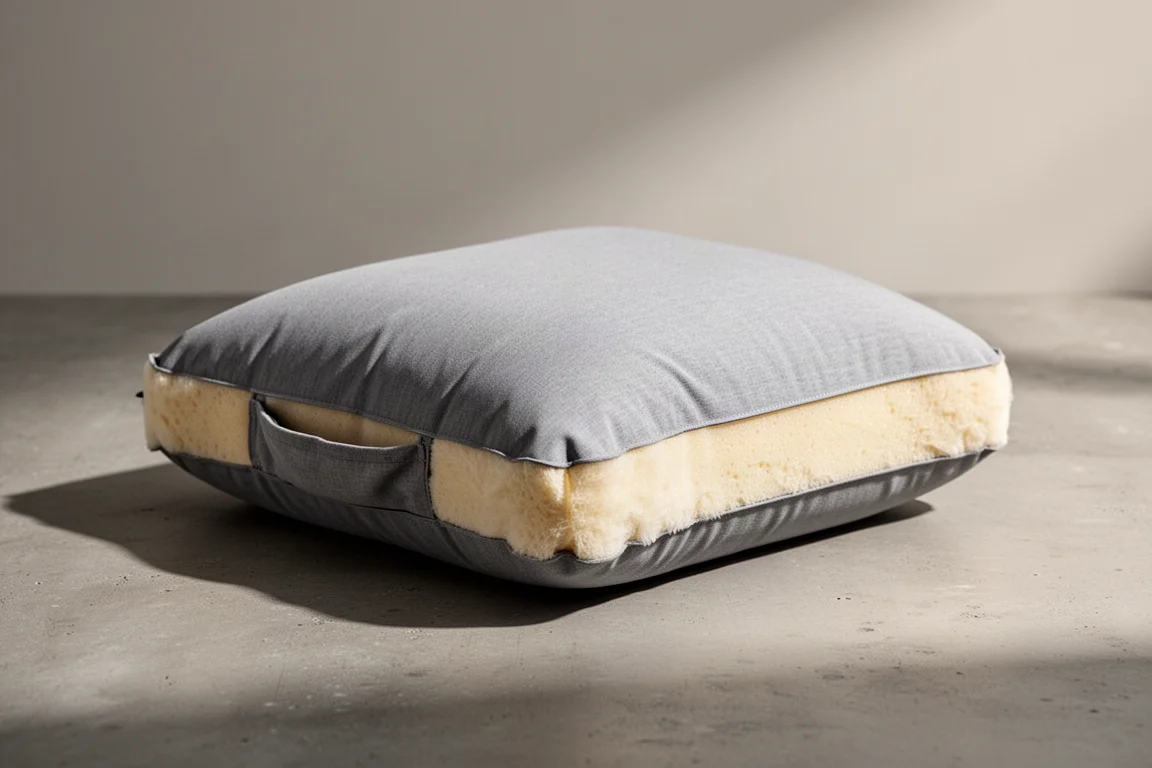
The Nemo Fillo has been a dependable pillow choice for a long time because it combines two approaches: a foam layer on top of an inflatable base. The foam gives it the softness of a camp pillow, and the air bladder underneath keeps the whole thing from collapsing under your head.
It remains an easy recommendation for anyone who finds pure inflatables too firm. The one criticism that holds up is the thickness of the foam, which sits at about an inch. Sleepers who want more cushioning will notice that on a long trip.
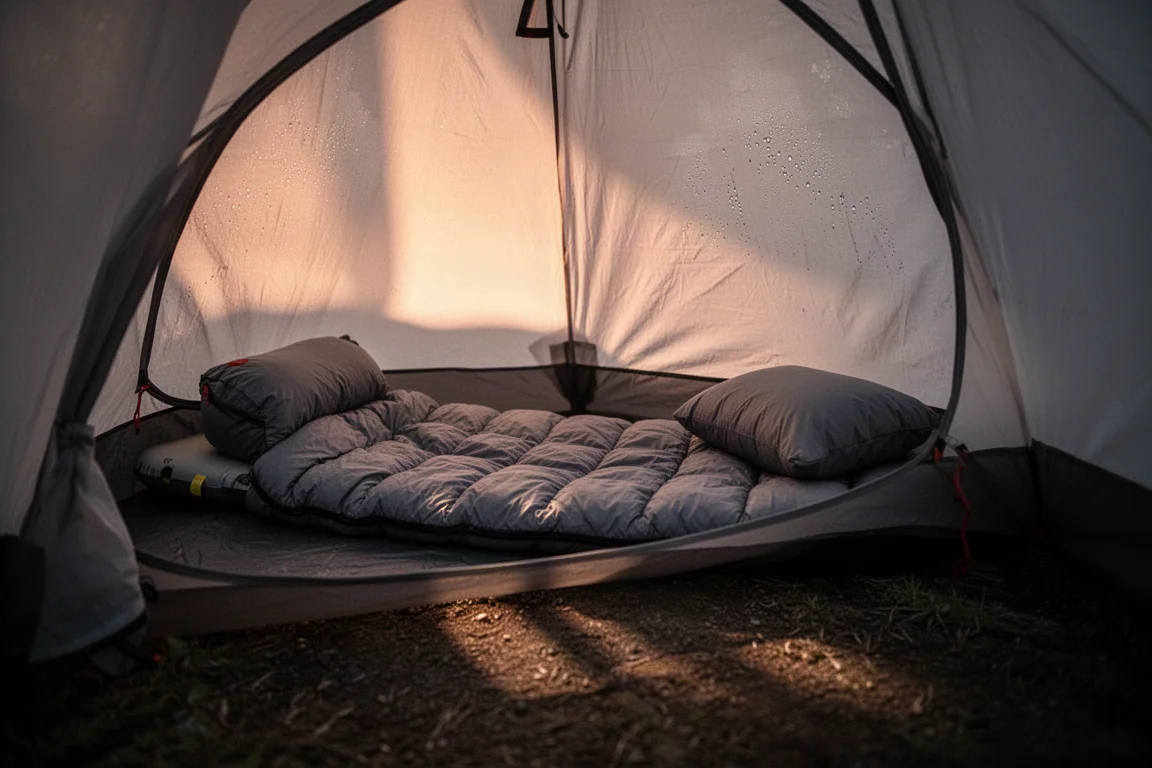
That is where the newer alternative comes in, and the two are worth comparing directly rather than assuming the more expensive option is automatically the better one.
Zenbivy Down Pillow: More Loft, More Pieces
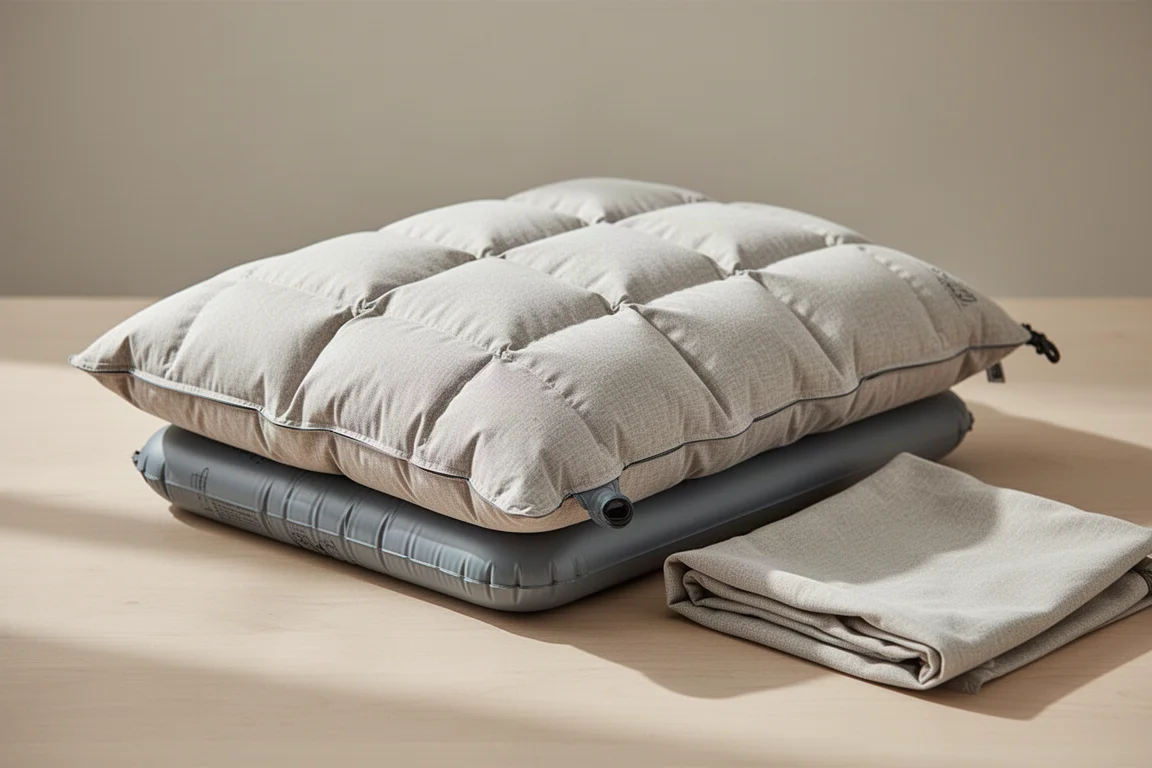
The Zenbivy down pillow takes a different route to comfort. It combines a down-filled top layer with a standard inflatable pillow underneath, held together by a pillowcase. The result is close to two inches of soft down sitting on an air bladder that stops your head from sinking into the pillow.
That is a real improvement over roughly an inch of foam, and it makes the Zenbivy the softer of the two for side sleepers and anyone who wants a plusher surface. One note for buyers: the production version is expected to carry slightly less down than the early sample, so the loft is likely to be a little reduced.
The compromise is the number of pieces. Where the Fillo is a single object, the Zenbivy is three: down pillow, air bladder, and pillowcase, all of which have to be combined and kept track of. Some sleepers will see that as a fair trade for the extra comfort, and others will not.
Platypus Quickdraw: Still the Benchmark Filter
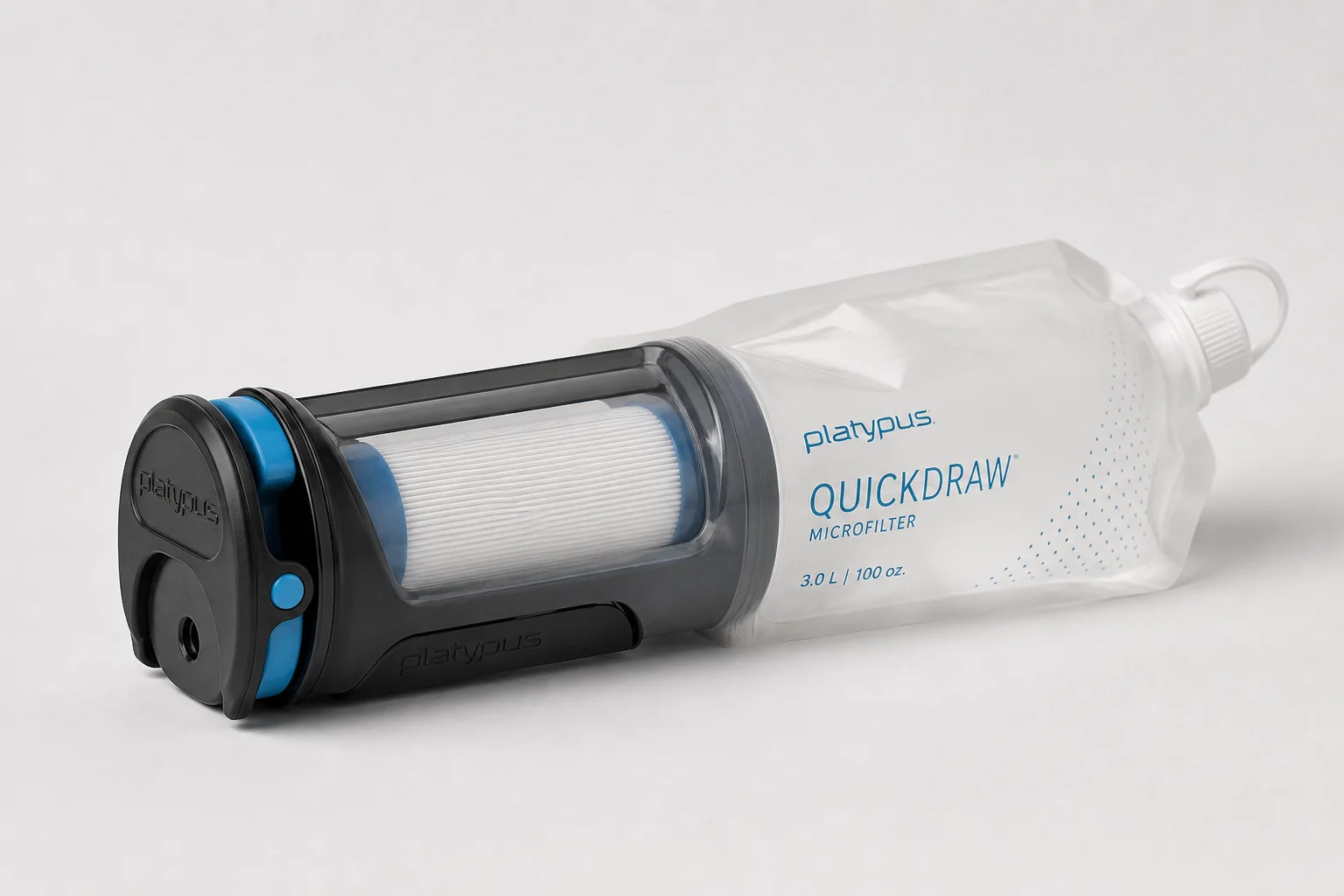
Squeeze filters all look similar, and the Platypus Quickdraw remains the most thought-out and best-designed of the widely used options in its class. That judgment holds up alongside the Sawyer Squeeze, the Lifestraw Peak, and the Katadyn BeFree, all of which work but none of which handle as cleanly.
For anyone buying a filter without a strong preference, this is the safest starting point. It is also the reference against which the lower-cost option below should be measured.
Hydro Blu Mini Filter: The Lowest-Cost Solid Option
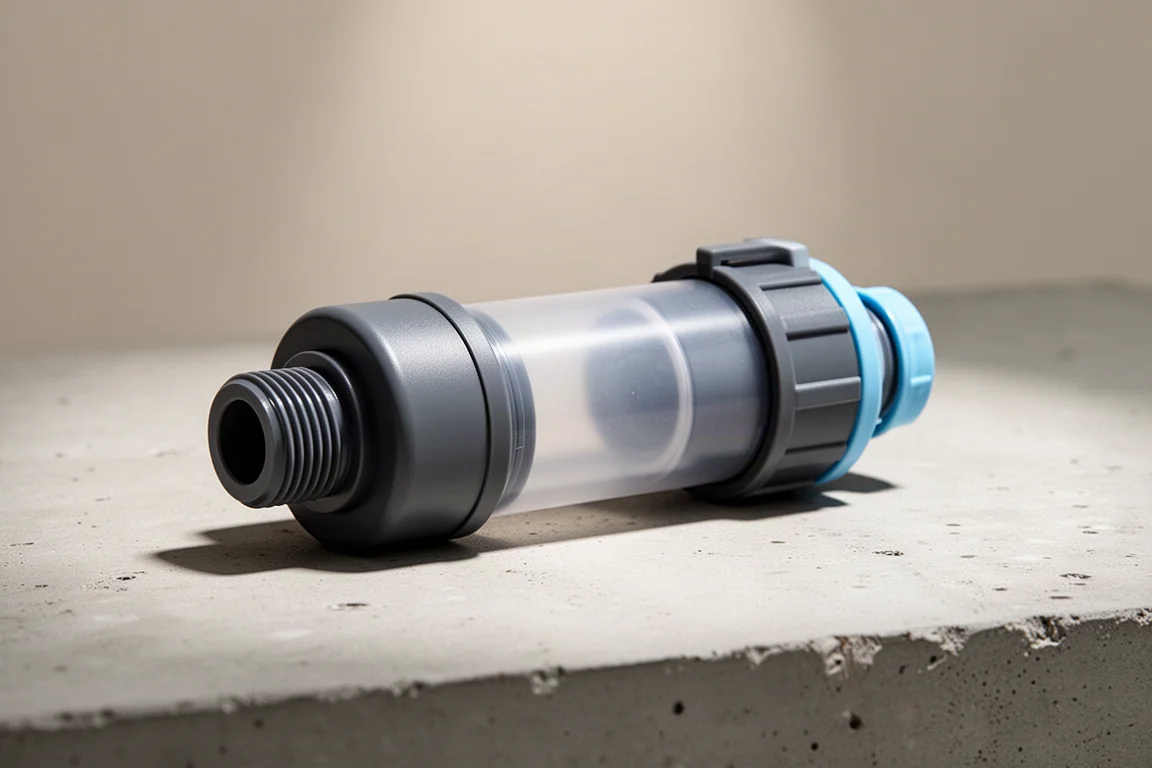
The Hydro Blu Mini is the one item here that is not clearly an improvement, which is exactly why it belongs on the list. At about $20 it is a solid filter and probably the cheapest option you will find. It is not as slow as a very similar small squeeze filter, it uses 28 mm threads on both ends, and it has separate clean and dirty end caps.
The weak points are small but real. The stretchy rubber tether that holds the cap tends to come off, and a dirty end cap can go missing on a hike. It also does not match the Quickdraw overall.
For a backup filter, a loaner kit, or a first filter for occasional trips, the price makes it easy to justify. For a primary filter used trip after trip, the Quickdraw is the better investment.
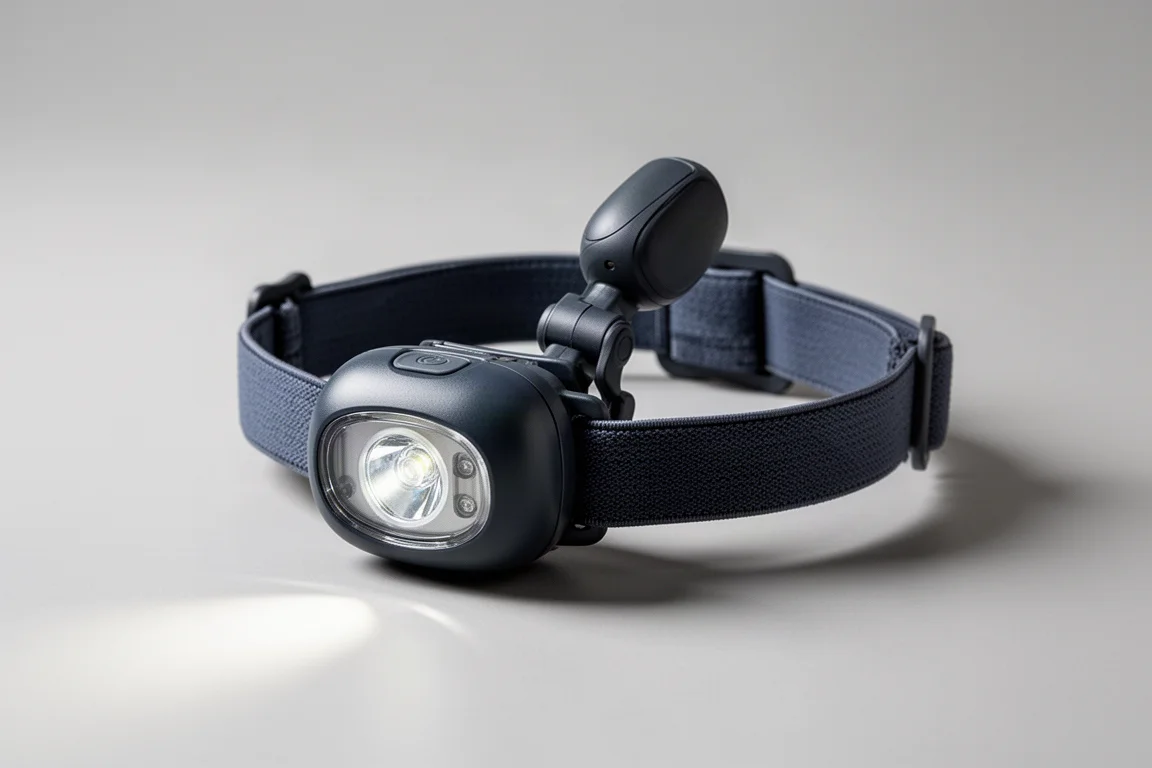
Petzl Actik Headlamp: More Weight, More Flexibility
The Petzl Actik belongs to a different category of headlamp from the lightest options on the market. It weighs almost three times as much as the Nitecore NU25, costs roughly double, and still uses an older mini-USB charging port. Those are real drawbacks for anyone counting grams.
What it offers in return is flexibility. The rechargeable battery can be swapped for AAA batteries, which removes the risk of a dead headlamp on a longer trip. It has multiple light modes and a glow-in-the-dark ring that makes it easy to find at the bottom of a tent in the dark. The simplest and most welcome detail is the hinge: the light pivots both up and down, so it still works if you put it on upside down. Headlamps that only hinge in one direction have to be taken off and turned around.
Nitecore NU25: The Lightest Option on the List
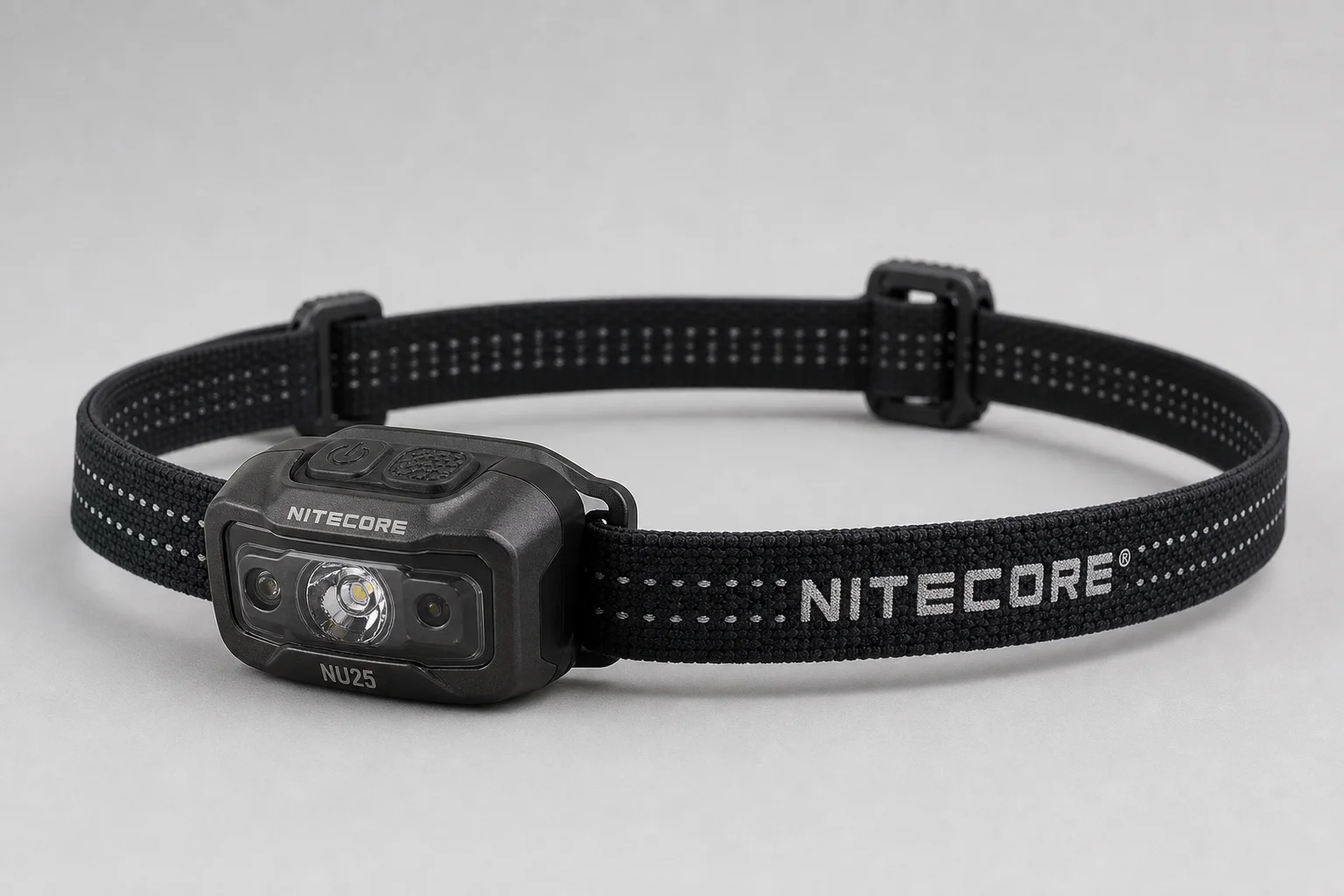
The Nitecore NU25 is the lightest headlamp on the market, and it stays the reference for anyone who puts weight first. It costs a little more than $35 and includes USB-C charging, a red light mode, and a minimalist band that keeps the overall package small.
The trade-off is the hinge. The NU25 only pivots in one direction, so putting it on upside down means taking it off and turning it around. It is a minor annoyance, but it is the kind of minor annoyance that repeats on every night hike.
Buying Advice: Matching Gear to the Trip
The right choice depends less on price than on how an item will actually be used. A handle-free titanium pot and a stiffer titanium trowel make sense for backpackers who already carry a grabber and who dig in rocky ground. The Amicus makes sense for anyone buying a canister stove who wants a stable pot support without paying a premium for it.
For water treatment the decision is straightforward: the Hydro Blu Mini is the inexpensive, capable option, and the Quickdraw is the one to choose if the filter will be used trip after trip. Headlamps follow the same logic. The NU25 is the weight-focused pick, and the Actik suits anyone who wants battery flexibility and does not mind the extra grams. Pillows come down to preference: about an inch of foam, or close to two inches of down in three separate pieces.
Two habits make any of these choices easier. Replace one item at a time so the effect on pack weight and routine stays clear, and buy for the conditions you actually hike in rather than the ones described in a product listing.
Conclusion
None of these items is dramatically different from what most backpackers already carry, and that is the point. Small changes to small gear are the easiest improvements to make: a pot without handles, a stove that unfolds without a second thought, a trowel that does not bite into your palm, and a headlamp that survives being worn upside down.
If a piece of gear has been in your pack for years and still works, there is no reason to replace it. If one of these alternatives solves a problem you have learned to put up with, it is worth a closer look.
Further reading
Related Reviews

Backpacking Gear
Building a 10 lb Base Weight: An Ultralight Backpacking Gear List
A practical walkthrough of the ultralight pieces behind a 10 lb base weight, from a 765 g pack and a roomy one-person tent to a full camp chair and a dependable water filter.

Backpacking Gear
A 15-Pound Lightweight Backpacking Gear List for Solo Trips
A beginner-friendly 15-pound backpacking setup built from easy-to-find gear, with notes on what each piece does, how it packs, and where to spend your attention.
Backpacking Gear
8 Ultralight Backpacking Gear Upgrades Worth Carrying
Eight small, affordable backpacking upgrades that solve real trail annoyances, from a pillow that stays put to a fuel valve that rescues leftover canister gas.