Backpacking Gear
Backpacking Gear Red Flags: 7 Popular Picks and Their Trade-offs
Seven well-loved pieces of backpacking gear, and the honest trade-offs worth knowing before you buy.
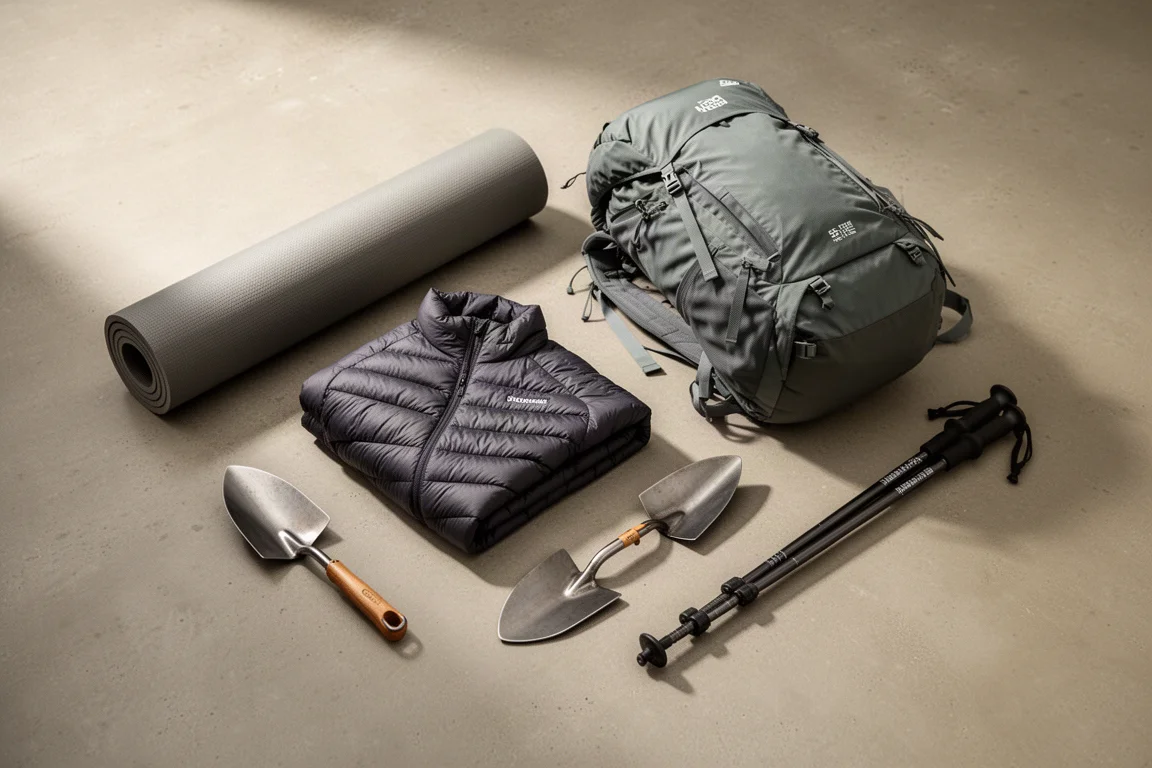
Introduction
Every piece of gear that earns a permanent spot in a pack does so because it solves a problem well. That does not mean it will solve your problem. A sleeping pad that feels plush to one sleeper can feel thin to another, a jacket that is a bargain in one country is a harder sell in another, and a trowel designed around one digging motion is awkward for the opposite hand.
This guide looks at seven popular pieces of backpacking gear and the trade-offs that come with them. None of these are deal-breakers for everyone, but each one is worth understanding before you spend money.
What These Trade-offs Actually Mean
Trade-offs are not flaws. They are usually deliberate decisions made to hit a weight, a price, or a durability target. The trick is matching those decisions to the way you actually use gear.
A handful of personal variables matter more than any spec sheet. Your body weight and sleeping position change how a pad feels under you. Which hand you dig with decides whether a serrated trowel edge helps or hinders. The rock and brush you walk through determines whether lightweight fabrics survive. And the country you buy in can turn a bargain into a merely fair purchase.
The most useful habit is to ask what a piece of gear was optimised for, then ask honestly whether that matches your trips.
REI Helix Sleeping Pad: Warmth and Comfort With a Thin Profile
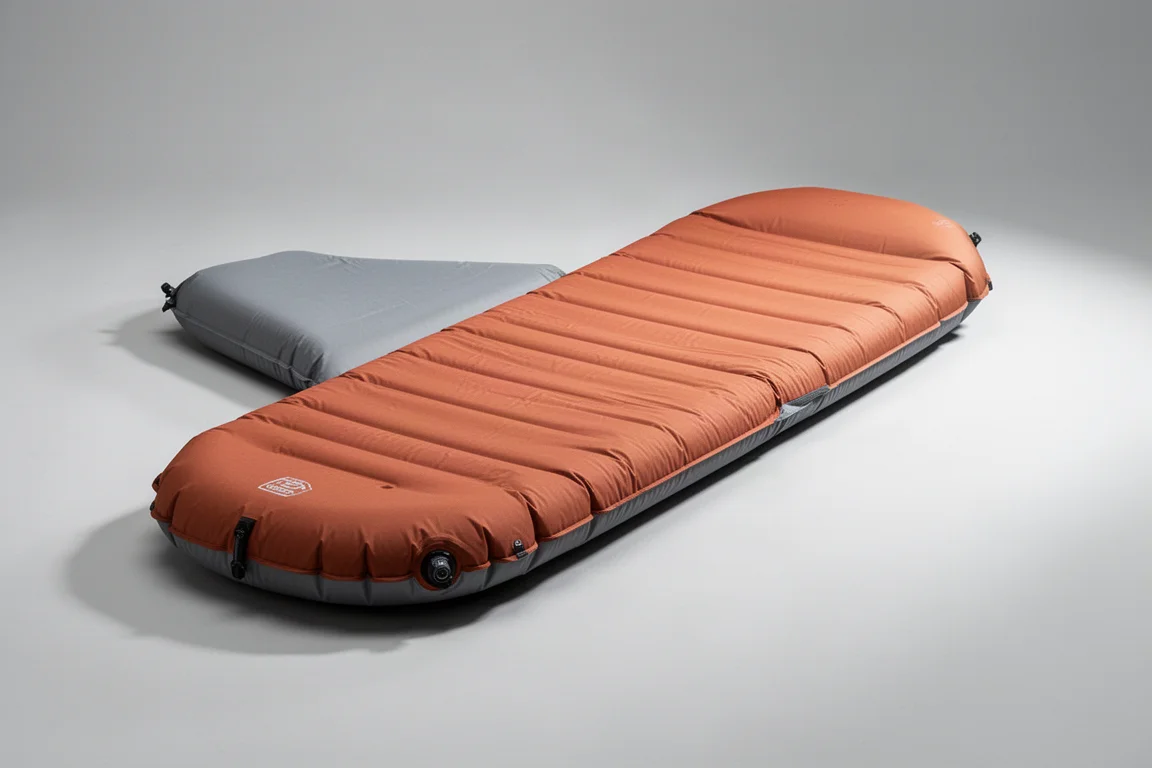
The REI Helix has built a following among backpackers who would rather carry a little extra weight than sleep badly. It is warm, it is comfortable, and it does not require the usual trick of letting some air out to soften the surface.
Its one real limitation is thickness. The pad is 3 inches deep, and at times it can feel thinner than that number suggests. Sleepers who normally deflate a pad to dial in comfort will not need to here, but heavier sleepers may find the Helix simply too thin beneath them.
That is a fit issue rather than a performance problem, and it is the reason the Helix is not an automatic recommendation for every body type. For those it suits, though, it remains one of the most comfortable nights available.
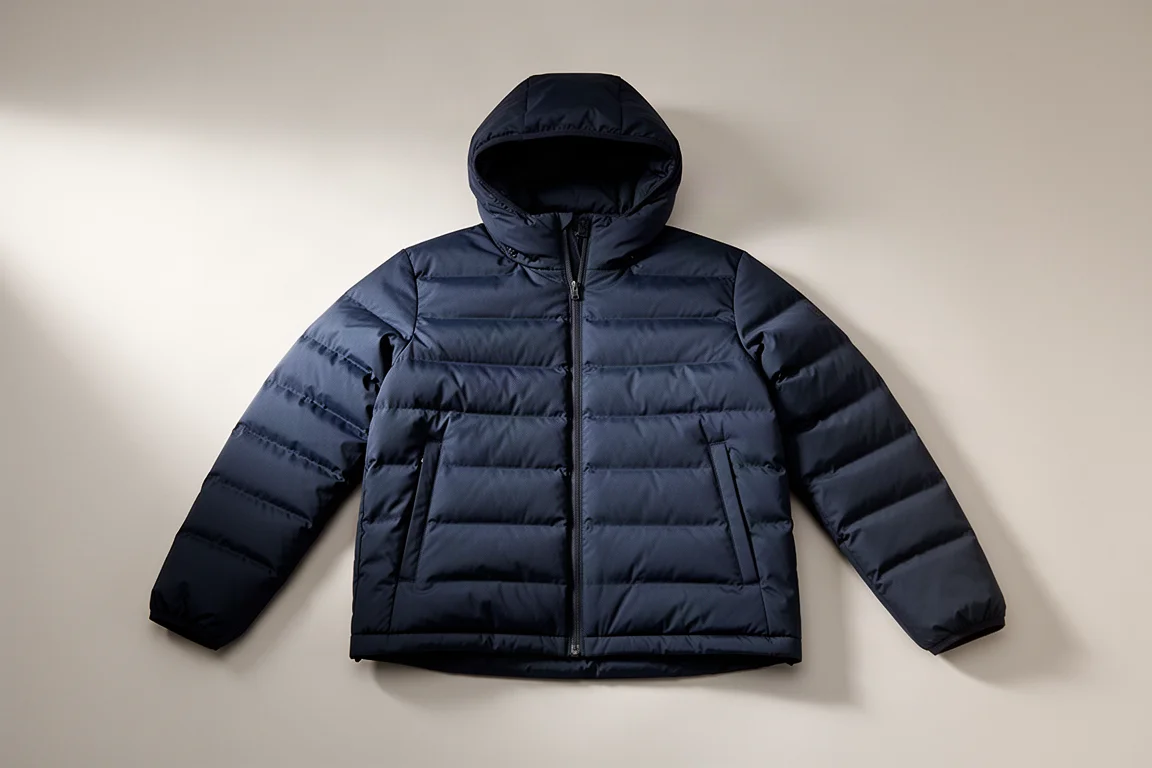
Decathlon MT100 Down Jacket: Three Caveats to Know
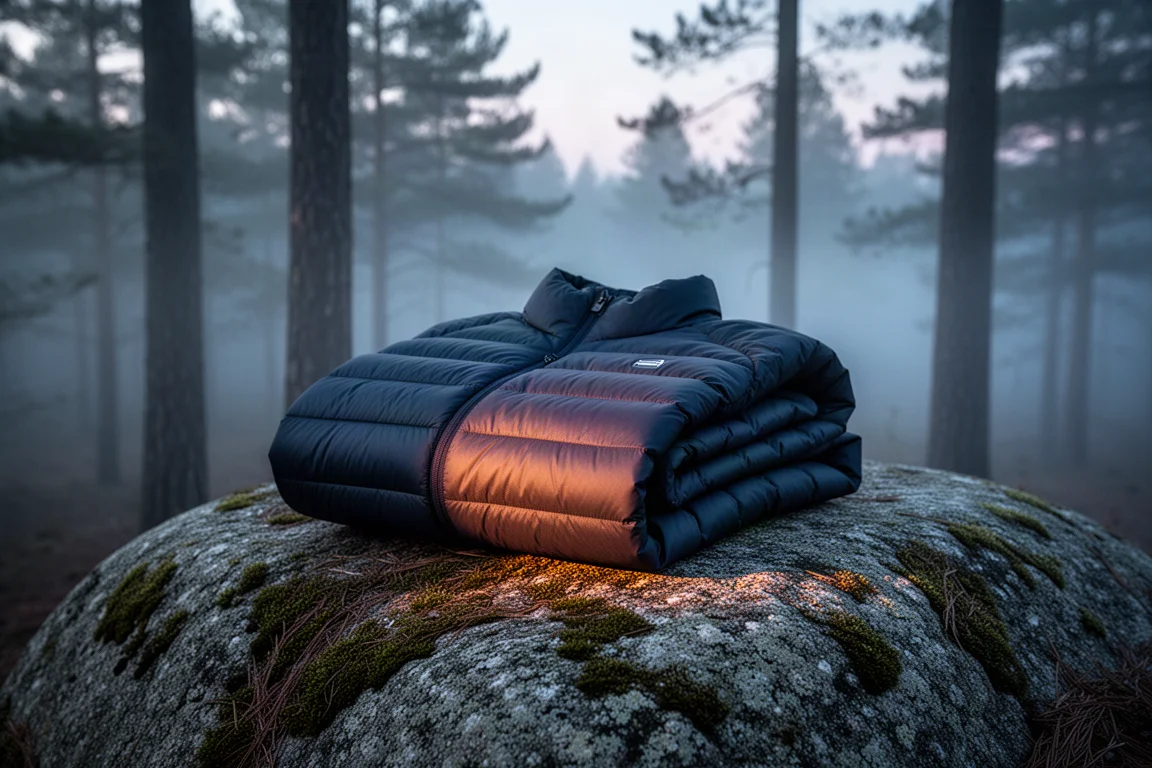
The Decathlon MT100 has been a value benchmark for years: light, warm, and inexpensive relative to most down jackets. Three things are worth knowing before you order one.
First, the sleeves carry noticeably less down than the torso. They are not as plump as the other baffles, which saves a little weight and concentrates insulation where the body needs it most. If you run cold in your hands and arms, that trade may not suit you.
Second, the zipper sits on the opposite side. Decathlon is a French company, so the jacket is built to a European convention. North American buyers sometimes mistake it for a women’s cut, or simply fumble the first few zips.
Third, pricing varies sharply by region. In the UK, France, and Canada the jacket remains inexpensive. In the US it has moved from roughly $60 to $70 up to about $100. It is still a good jacket at that price, but it is no longer the obvious no-brainer it once was.
None of these are defects in the jacket itself. They are simply the details that decide whether the MT100 is the right layer for you.
Bogler TR Trowel: Serrations on One Side Only
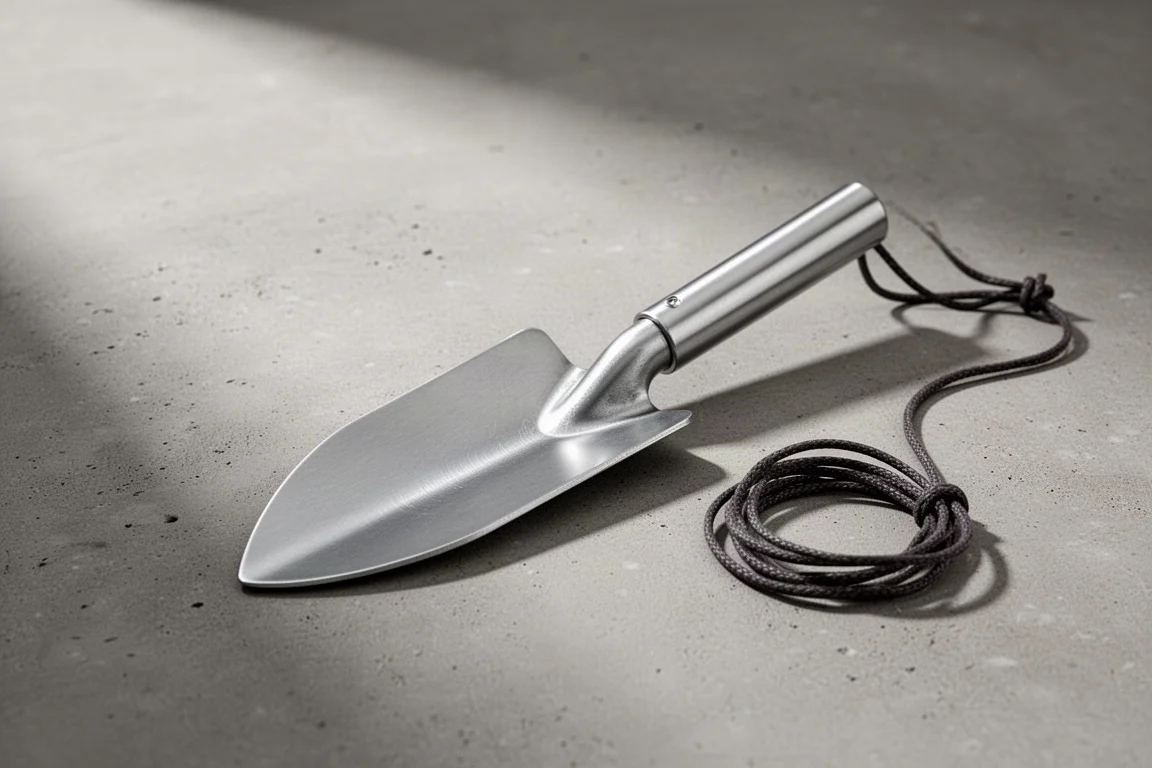
The Bogler TR is a backcountry trowel that has earned a devoted following for one reason: it digs well. Serrated edges let it slice through roots and bite into compacted ground that leaves smooth-edged trowels scraping.
The catch is that those serrations sit on one side only. That makes clockwise digging fast and easy. Dig counterclockwise, as many left-handed users naturally do, and the serrated edge is on the wrong side to help with roots.
The single-sided design is deliberate. The reasoning is that an exposed serrated edge could wear on other items packed alongside it. That concern may be less significant than it first appears, so a future version could well carry serrations on both sides. For now, handedness is the deciding factor.
REI Flash 55 Pack: Durability and Capacity Trade-offs
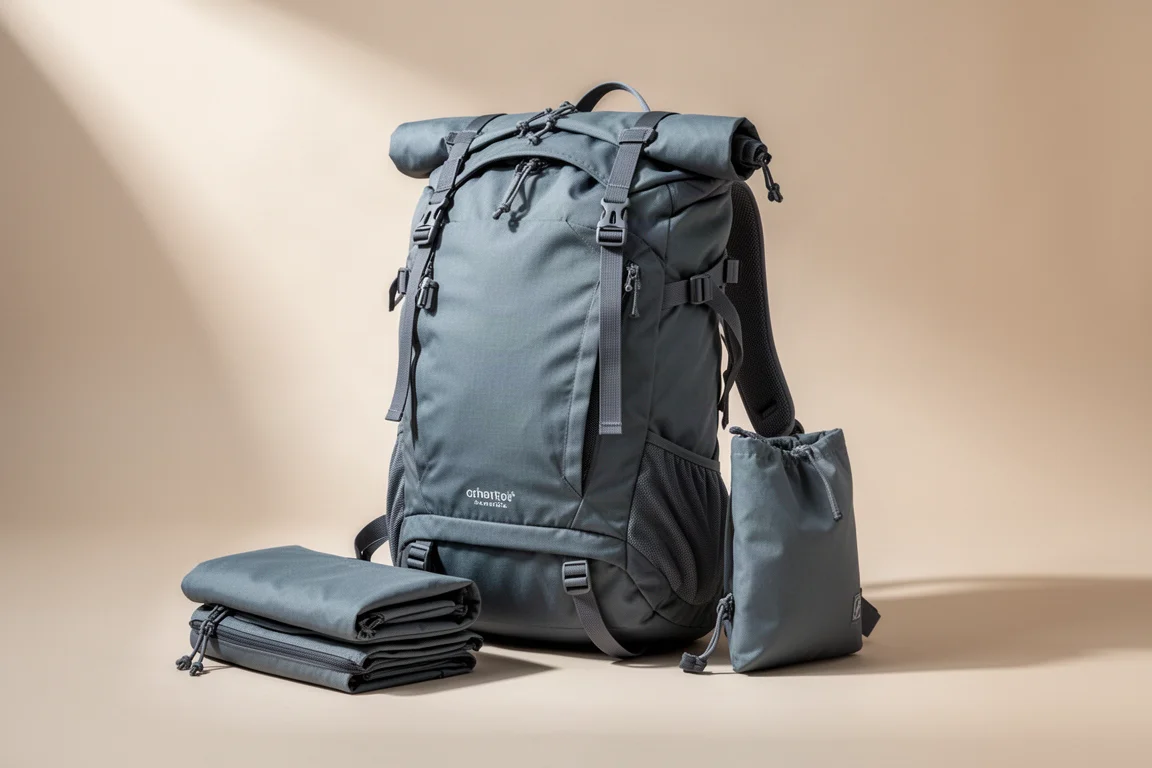
The REI Flash 55 is a lightweight pack that punches above its weight once the load gets heavy. Two things are worth weighing before you commit to it.
The first is durability. The materials are light, and that shows on abrasive ground. Scrambling through canyons and squeezing past hard rock will leave scrapes along the sides and the base. The pack keeps working, but if your trips are consistently rough on gear, a burlier fabric may serve you better.
The second is capacity. Ultralight gear has become compact and affordable enough that a 55-litre pack is more volume than most short trips require. For overnights through four-day trips, a 40-litre pack now covers what 55 litres once did. The Flash 55 earns its place on trips with long water carries or unusually heavy loads.
Durston X-Mid 2: A Long-Standing Two-Person Recommendation
The X-Mid range has a strong reputation, and the original polyester two-person X-Mid is the version that built it. It has been a long-standing top recommendation for two-person backpacking and was one of the most popular backpacking tents of 2023.
The main consideration with the X-Mid 2 is not the tent itself but the range around it. Durston now offers several versions, including DCF Pro models that are far lighter and far more expensive. Working out which version matches your budget and your tolerance for fabric weight is the real decision.
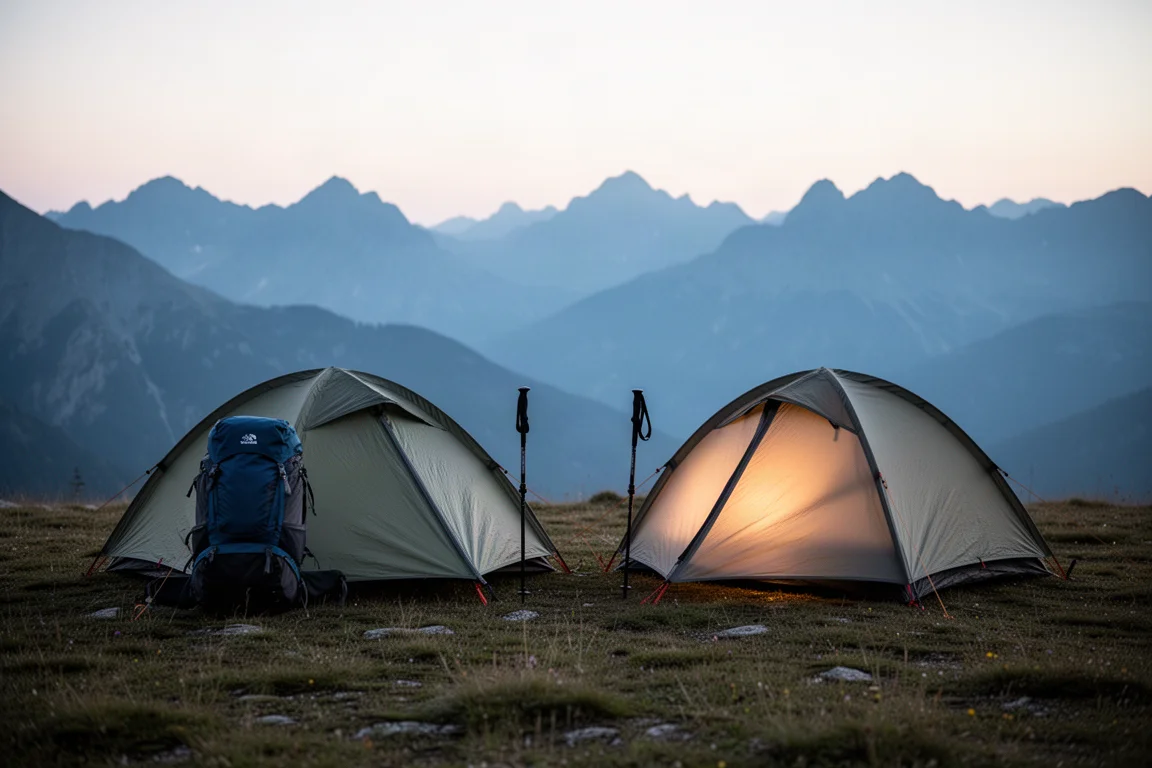
For most two-person backpackers who want a proven design without moving to the premium DCF Pro version, the standard X-Mid 2 remains a sensible starting point.
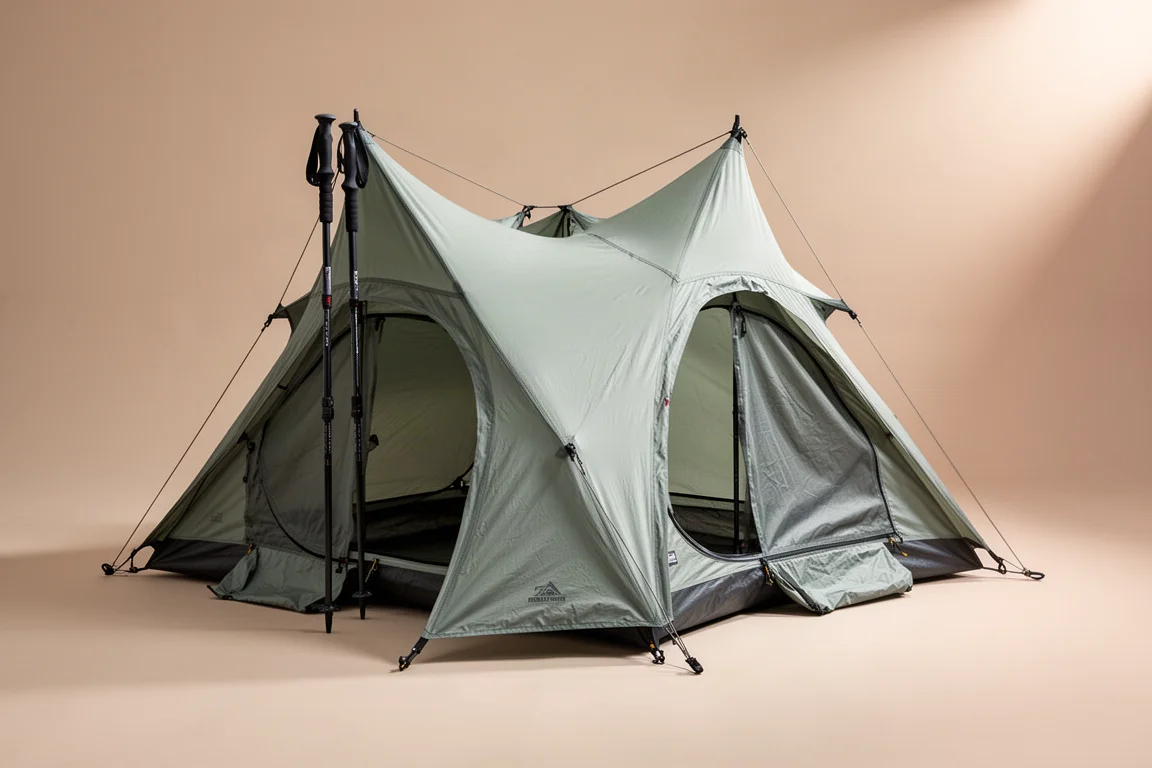
Durston X-Mid Pro 2+: Light, Roomy, and Expensive
The X-Mid Pro 2+ is the true two-person version of the Pro model, built from DCF with a DCF fly and a DCF floor. It fits two 25-inch wide square pads, which makes it unusually roomy for how little it weighs. As a piece of design work it is genuinely impressive.
Two drawbacks come with it. The first is price. This is a very expensive tent, and there is no way around that. The second is the magnetic door tie-backs. Each door, inner and outer, uses a magnet to hold it rolled open. In mild conditions that works fine. In the cold, DCF stiffens and wants to spring back, so rolling the outer door cleanly becomes harder. Around 20 degrees Fahrenheit, or minus 6 Celsius, the magnets start detaching while you are getting in and out.
Neither issue makes the tent a poor choice. They simply define who it suits: buyers who want a very light, very roomy shelter, and who are prepared to pay for it and to manage the doors through a cold season.
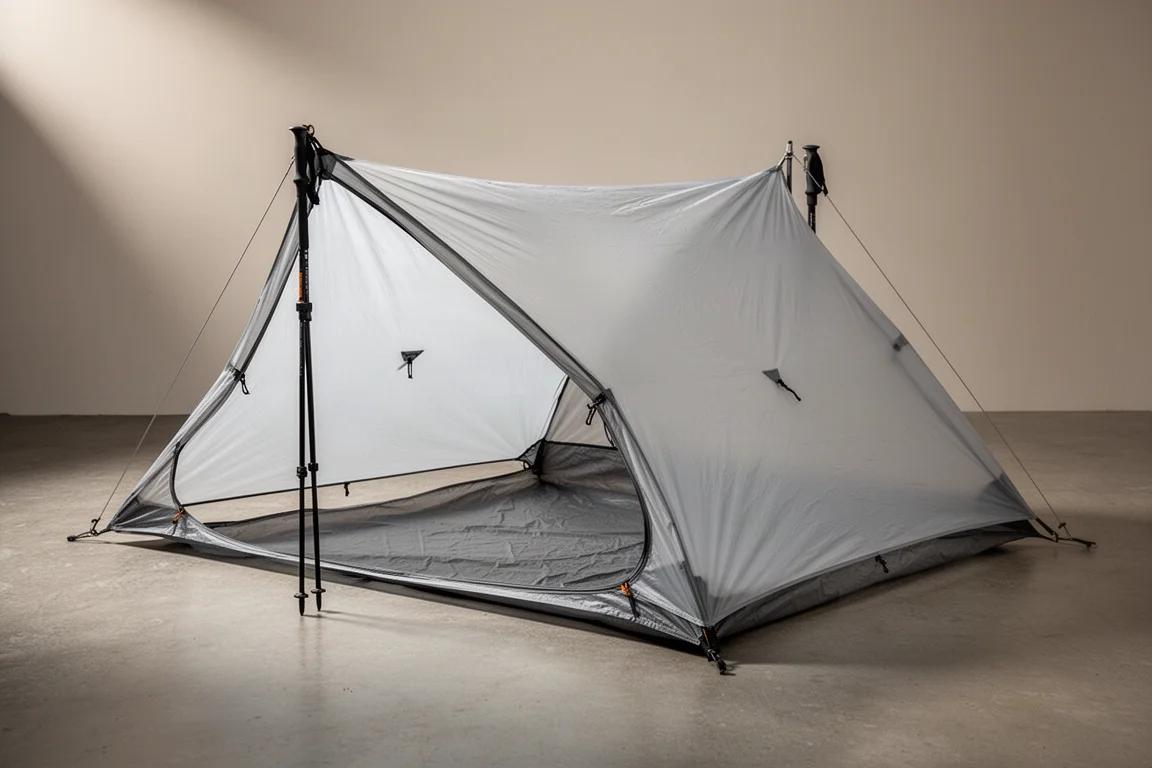
Durston X-Mid 1: Two Poles Instead of One
The one-person X-Mid is the version that divides opinion most. It is a capable solo shelter, but it is not a single-pole design, and that matters to a certain kind of solo backpacker.
A single-pole trekking pole tent is quicker to pitch and offers redundancy: if one pole fails, the shelter still stands. Hikers who prioritise that simplicity and backup often look for single-pole shelters for solo ultralight trips instead.
This is a preference question rather than a performance one. If you are comfortable with a multi-pole pitch and you value the X-Mid’s design, the one-person version works well. If a single-pole setup is the whole point for you, look elsewhere in the category.
Buying Advice
Match the gear to the trip, not to the reputation. Start with the variables that are specific to you: your weight, your sleeping style, your dominant hand, the rock and brush you walk through, and how long your typical trips run.
If you sleep cold or you are on the heavier side, the Helix is worth trying before you commit. If you run cold in the arms, the MT100’s sleeve insulation is the deciding factor. If you dig counterclockwise, a single-sided serrated trowel will frustrate you. If your trips are hard on fabric, the Flash 55’s light materials are a real consideration rather than a hypothetical one.
On tents, the question is version rather than brand. The standard X-Mid 2 covers most two-person needs. The X-Mid Pro 2+ is for buyers who want maximum interior room at minimum weight and will accept the price. The one-person X-Mid suits solo hikers who are happy with a multi-pole pitch.
Conclusion
Gear that earns a long-term recommendation usually does so for good reasons, and the trade-offs above are those same reasons seen from the other side. Understand what each item was optimised for, check it against how you actually hike, and you can buy with confidence rather than guesswork.
Further reading
Related Reviews

Backpacking Gear
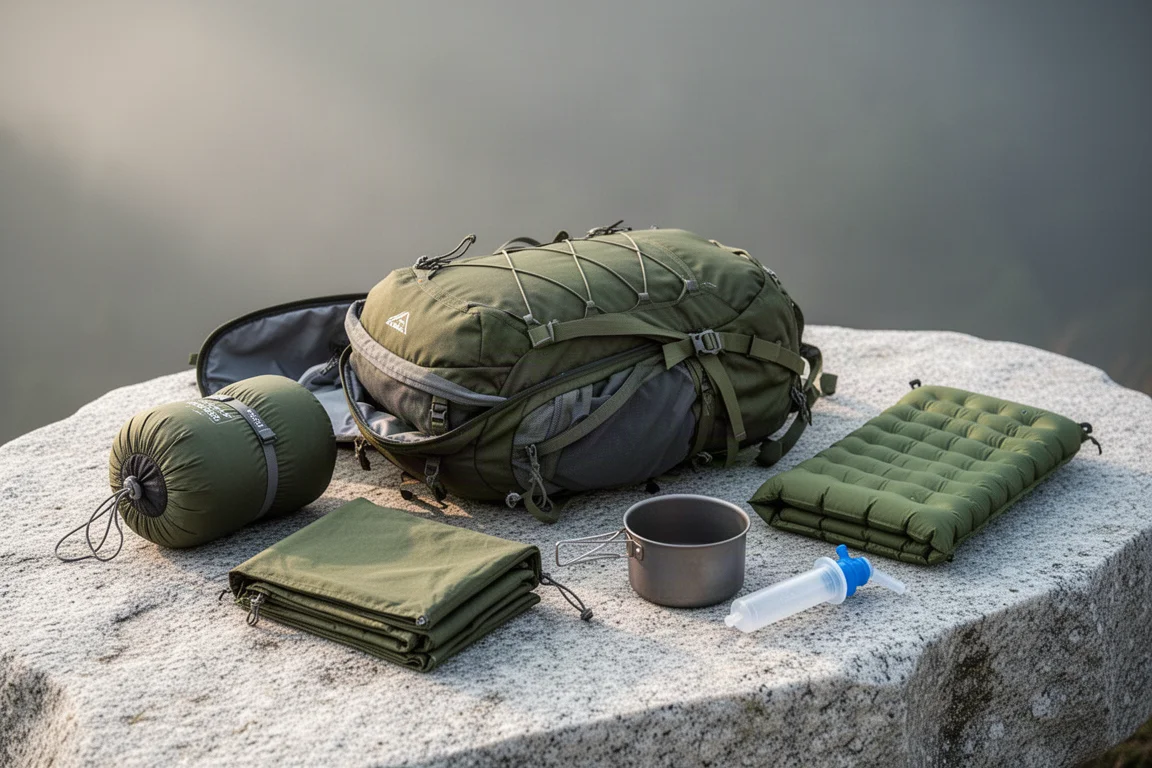
Building a 10 lb Base Weight: An Ultralight Backpacking Gear List
A practical walkthrough of the ultralight pieces behind a 10 lb base weight, from a 765 g pack and a roomy one-person tent to a full camp chair and a dependable water filter.
Backpacking Gear
A 15-Pound Lightweight Backpacking Gear List for Solo Trips
A beginner-friendly 15-pound backpacking setup built from easy-to-find gear, with notes on what each piece does, how it packs, and where to spend your attention.
Backpacking Gear
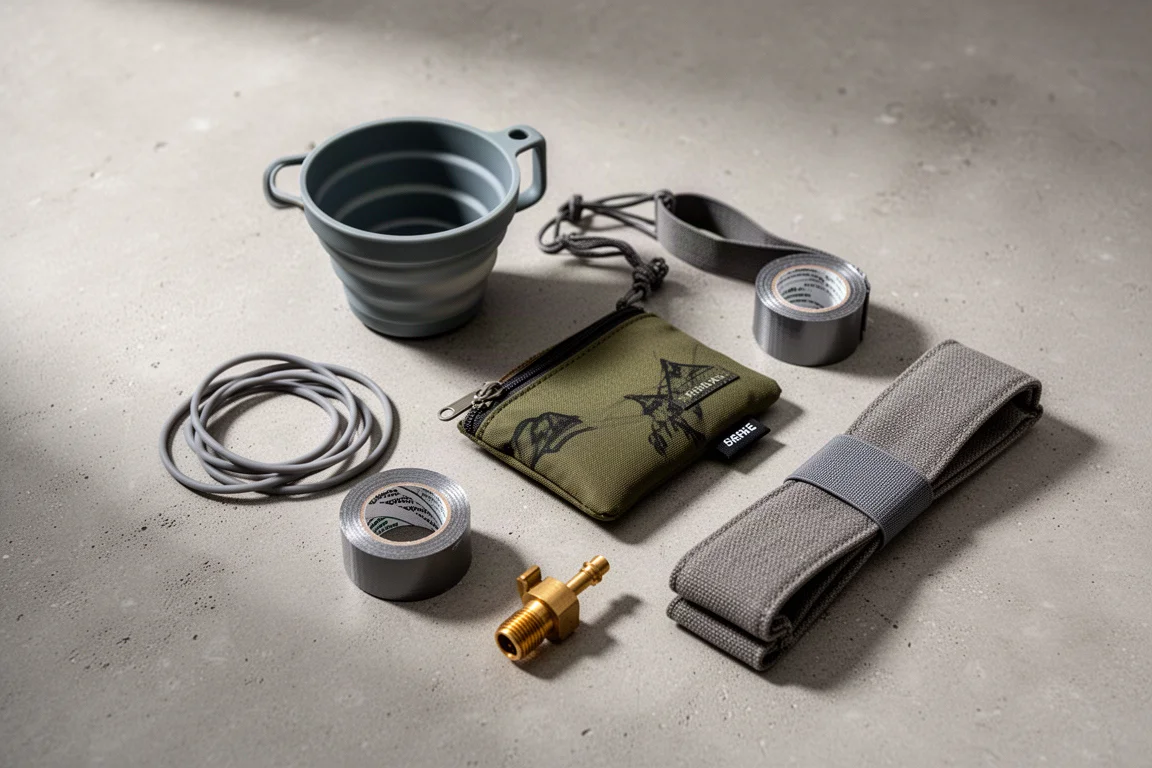
8 Ultralight Backpacking Gear Upgrades Worth Carrying
Eight small, affordable backpacking upgrades that solve real trail annoyances, from a pillow that stays put to a fuel valve that rescues leftover canister gas.