Backpacking Gear
Backpacking Gear Red Flags: Five Popular Picks and Who They Might Not Suit
Five well-loved backpacking items, the specific drawbacks worth knowing before you buy, and the kind of hiker each one actually fits.
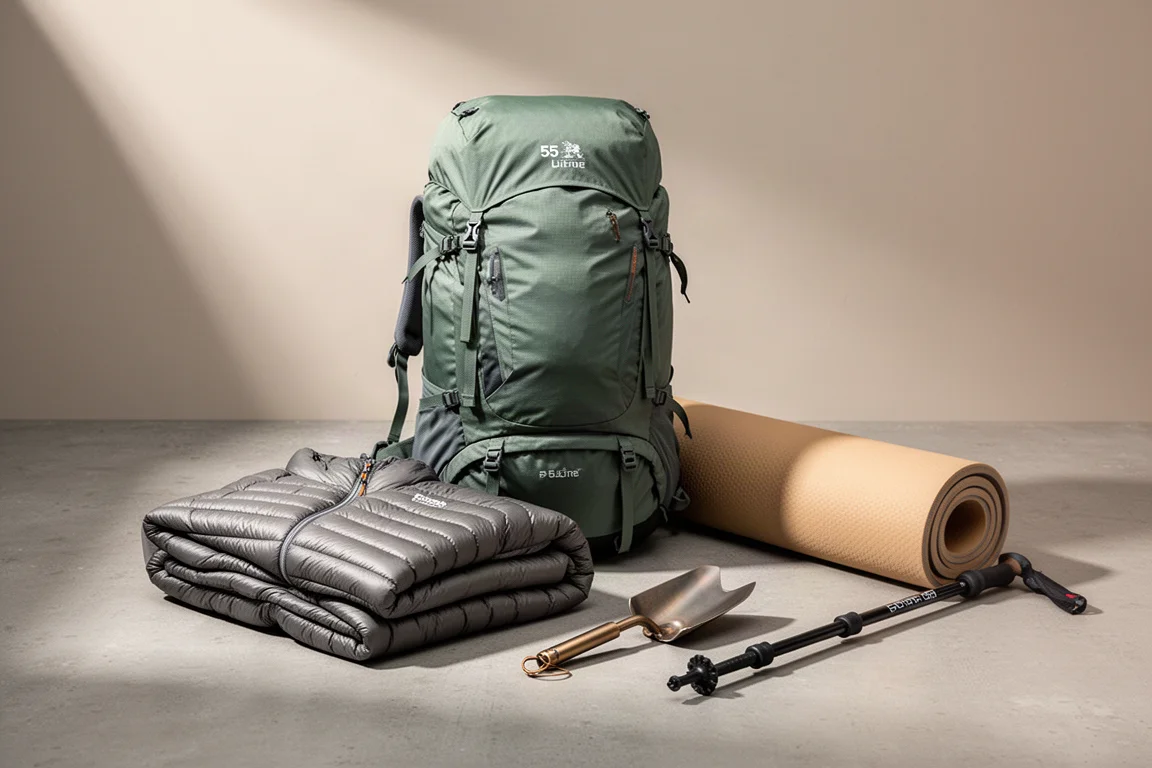
Introduction
Gear that earns a permanent place in a pack tends to get described in glowing terms, and that enthusiasm can hide the parts that do not work for everyone. The five items below are all genuinely good at what they do, and each one carries a specific characteristic that can turn it from an easy recommendation into a poor fit depending on body type, terrain, handedness, or the price you actually pay where you live.
This roundup focuses on those caveats rather than on the praise. If an item here matches how you travel, it remains a strong buy. If one of the trade-offs sounds like a dealbreaker, it is better to know that before you spend.
What Counts as a Red Flag
A red flag here is not a defect. It is a design decision, a material choice, or a price change that makes an item less suitable for a particular kind of user. The weight you are willing to carry, the position you sleep in, the rock you travel through, the direction you dig, and the price in your local market all change the answer.
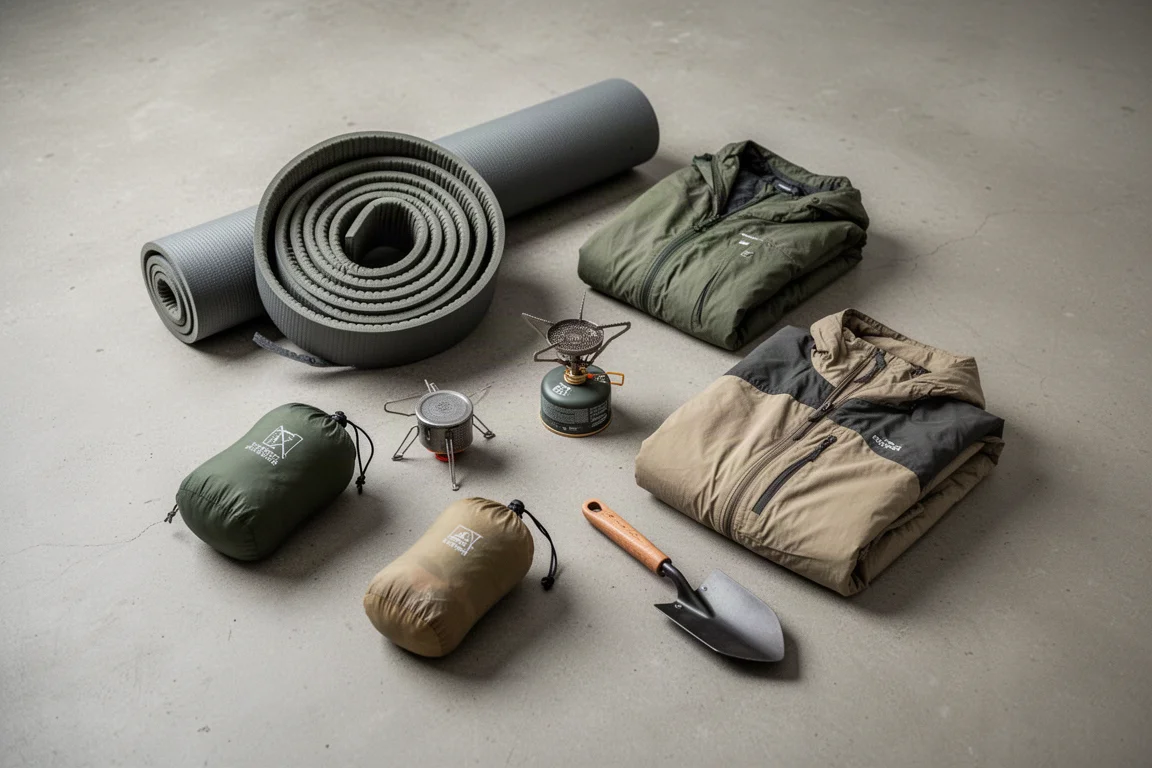
The pattern across these five items is consistent. Light materials and minimal designs buy weight savings and cost savings, and those savings have to be paid for somewhere. Sometimes the cost shows up as durability, sometimes as a narrower comfort window, and sometimes as a higher price in one specific region.
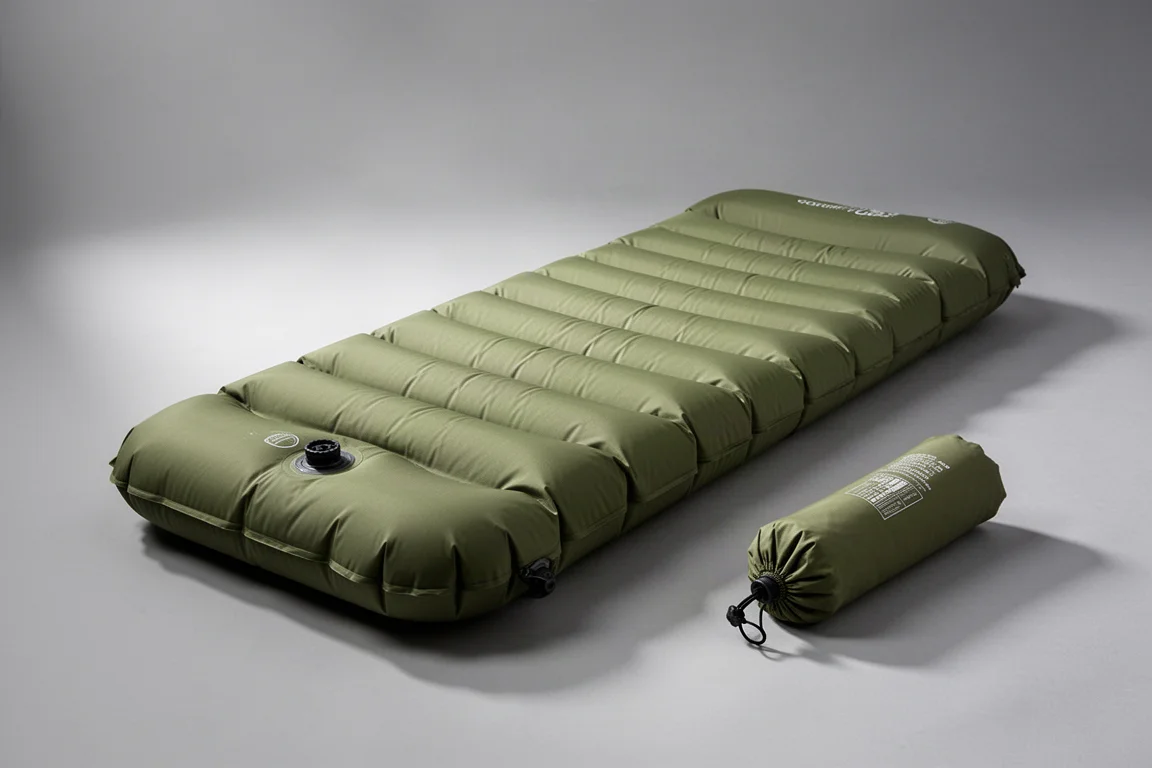
REI Helix Sleeping Pad: Comfort That Asks for Some Patience
The Helix has been the pad of choice for anyone willing to accept a little extra weight in exchange for a genuinely good night’s sleep. It is warm, it is comfortable, and for the person who owns one it delivers better rest than other pads on the market.
The caveat is thickness. The pad measures 3 inches and can feel thinner than that in practice. That matters in two situations. If you normally let air out of a pad to soften it, the Helix does not need that adjustment, so the usual tuning trick is not available to you. If you are a heavier sleeper, the pad may simply feel too thin underneath, which turns a comfortable design into an uncomfortable night. For most users it is still the most comfortable option available, but it is not a pad that suits every body.
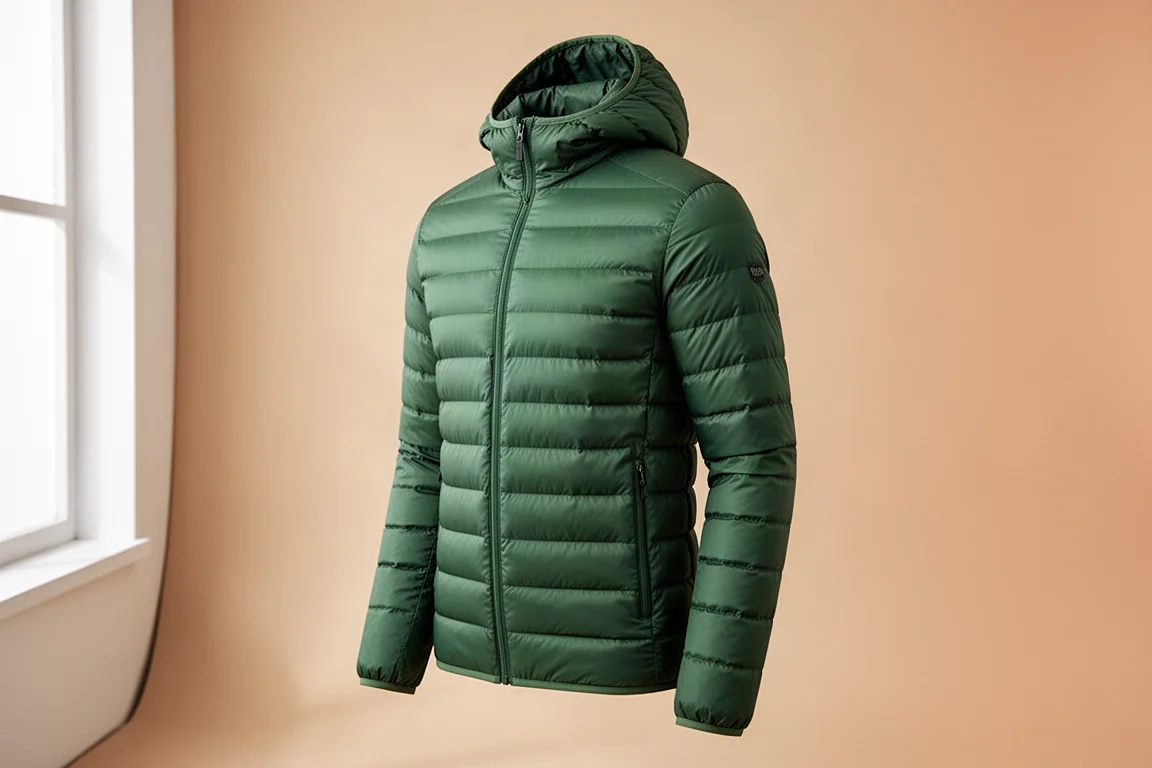
Decathlon MT100 Down Jacket: Light and Warm, With Three Trade-Offs
The MT100 has been a long-standing favourite because it is light, warm, and inexpensive in most markets. Three details are worth checking before you commit.
The first is the sleeves. They carry noticeably less down than the body, and they are not as plump as the other baffles and fill areas. The upside is that a little weight is saved in a place where you do not necessarily need heavy insulation. The downside is real for anyone who runs cold in the extremities, because that is exactly where you would want the extra warmth.

The second is the zipper. The brand is French, so the zipper sits on the opposite side to what North American buyers expect. Some people assume it is a women’s cut at first, and others simply fumble with it until they adjust.
The third is price. In the UK, France, and Canada the jacket remains inexpensive and an easy recommendation. In the US the picture has shifted: it once sold for roughly $60 to $70 and now sits at about $100. At that price it is still a good jacket, just no longer the automatic purchase it used to be.
Bogler TR: Serrations on One Side Only
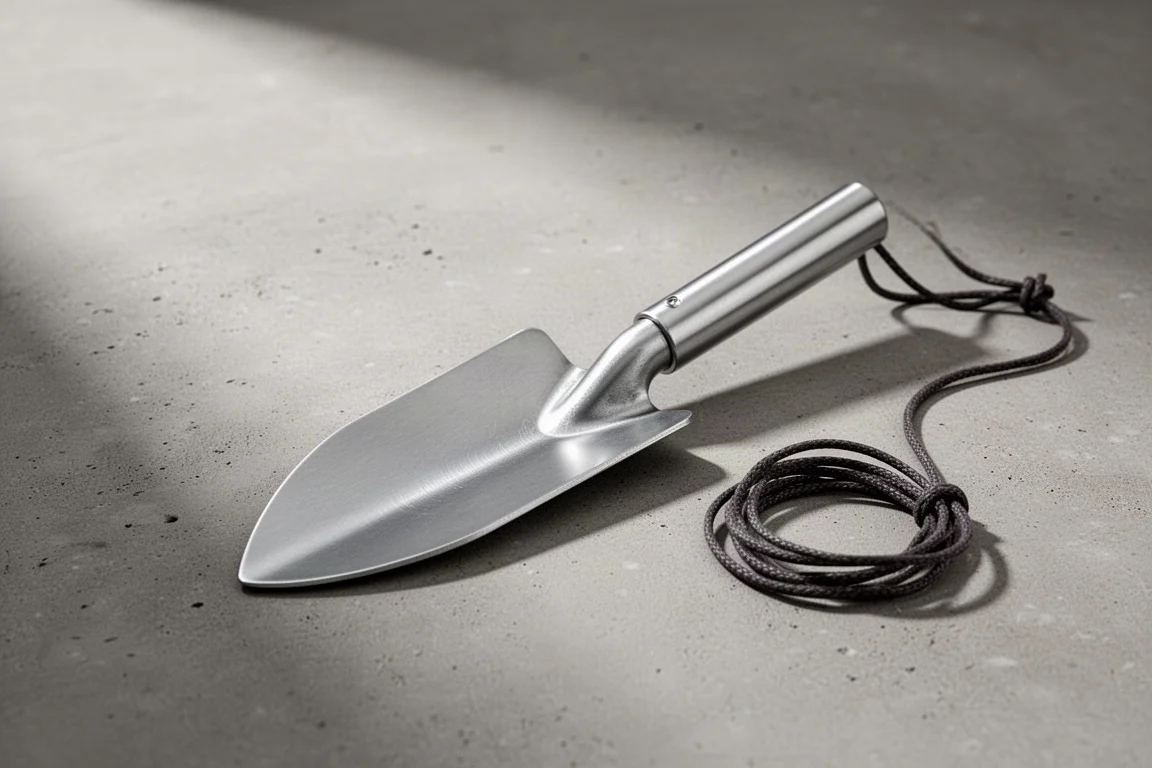
The TR is a digging trowel that comes up often for good reason. It cuts through roots and bites into hard ground quickly. The catch is that the serrated edge runs along one side only, which means that efficiency is tied to direction. Cutting clockwise, the serrations do the work. Cutting counterclockwise, as many left-handed users naturally do, you lose the benefit entirely and the tool becomes far less useful for roots.
The designer’s reasoning was that leaving one edge smooth keeps the trowel from damaging other gear inside a pack. In practice, other serrated tools have not caused that kind of trouble, and the concern has since been acknowledged as probably overstated, so a version with serrations on both sides may arrive later. Until then, the tool rewards a clockwise digging habit and penalises the opposite one.
REI Flash 55 Pack: Durability and Capacity Questions
Two potential concerns stand out with the Flash 55, and neither is about how it carries.
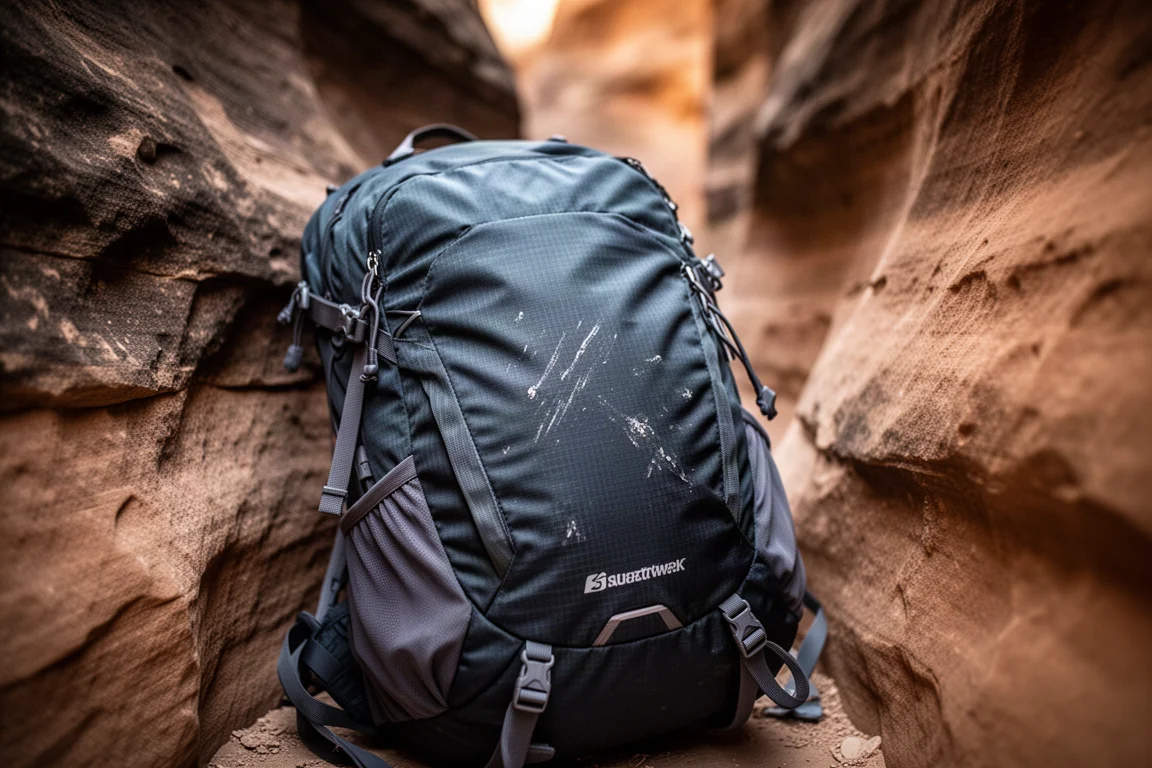
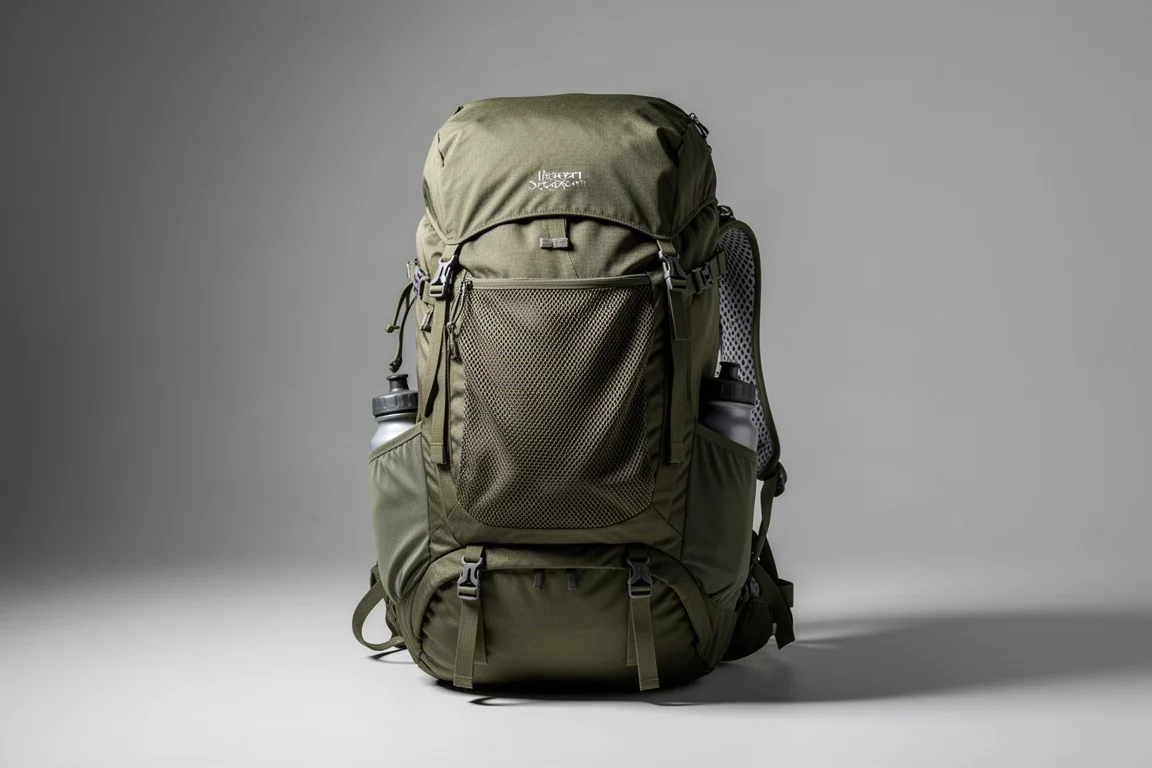
The first is durability. The materials are deliberately lightweight, and that can be too light for abrasive terrain. Hard rock, squeezing through canyons, and generally rough handling take a toll. One pack came through canyoning in Joshua Tree with scrapes along the sides and the bottom and still works without any problems, but a steady diet of that kind of trip could wear the fabric out.
The second is capacity. Backpacking gear has become lighter and more compact over the past few years, even at modest prices, so a 55-litre pack can be more volume than a short trip needs. A decade ago 55 litres would have counted as ultralight; today a 40-litre pack comfortably covers trips of four days or less. That is why the Flash 55 now comes out mainly for big water carries or trips that demand a heavy load, while a lighter option handles everything else.
Durston X-Mid Pro 2+: A Premium Shelter With Magnetic Doors
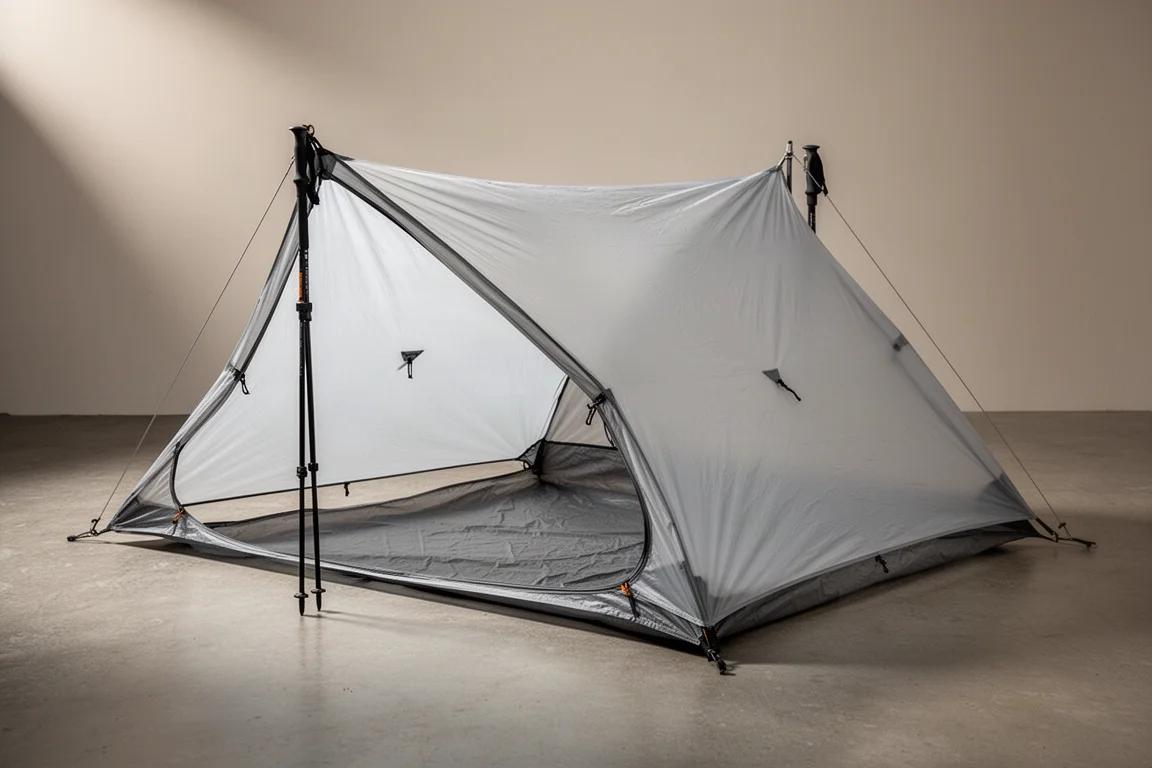
The X-Mid series has been a top recommendation for years, and the Pro model in DCF fabric, the 2+, arrived as one of the most impressive pieces of gear of its year. It fits two 25-inch wide square pads with room to spare, which makes it unusually spacious for two people. The DCF fly and DCF floor keep the weight very low, and the overall design is exceptionally well thought out.
Two drawbacks come with it. The first is price: this is a very expensive tent by any measure, and it is the main barrier. The second concerns the magnets used to hold the doors open. There are two, one for the outer door and one for the inner door, and in cold conditions rolling the outer door is harder because DCF fabric wants to spring back out. With both doors rolled up, a magnet can detach while you are getting in or out. Around 20 degrees Fahrenheit, or minus 6 degrees Celsius, the DCF stiffens noticeably and the magnets release more often.
There is also a matter of personal preference rather than a flaw. For solo trips, a simpler one-pole trekking pole shelter can be preferable for setup speed and for redundancy if a pole breaks. That is a different set of priorities, not a shortcoming of the X-Mid Pro 2+.
Overall Buying Advice
The useful exercise is to match each trade-off against your own habits before you buy. If you sleep heavy, check pad thickness first. If you feel the cold in your arms, check how much fill sits in the sleeves. If you dig counterclockwise, check which edge of a trowel is serrated. If you regularly travel abrasive rock, check fabric weight. If your trips are short and your gear is compact, check whether you need 55 litres at all.
It is also worth checking price by region. Several of these items are outstanding value in some markets and merely fair in others, and the same jacket or pack can shift category depending on where you are buying it. A red flag is not a reason to avoid good gear. It is a reason to buy the version of it that fits your trip.
Conclusion
All five of these items remain genuinely good, and the caveats are about fit rather than quality. Choose the Helix if comfort matters more than weight and you are comfortable with a 3-inch pad. Choose the MT100 if the sleeve fill and your regional price both work for you. Choose the TR if you dig clockwise. Choose the Flash 55 if you carry volume, water, or weight. Choose the X-Mid Pro 2+ if the budget allows and the door design suits how you pitch and pack up. Get that match right and each one earns its place.
Further reading
Related Reviews

Backpacking Gear
Building a 10 lb Base Weight: An Ultralight Backpacking Gear List
A practical walkthrough of the ultralight pieces behind a 10 lb base weight, from a 765 g pack and a roomy one-person tent to a full camp chair and a dependable water filter.

Backpacking Gear
A 15-Pound Lightweight Backpacking Gear List for Solo Trips
A beginner-friendly 15-pound backpacking setup built from easy-to-find gear, with notes on what each piece does, how it packs, and where to spend your attention.

Backpacking Gear
8 Ultralight Backpacking Gear Upgrades Worth Carrying
Eight small, affordable backpacking upgrades that solve real trail annoyances, from a pillow that stays put to a fuel valve that rescues leftover canister gas.