Backpacking Gear
Backpacking Gear Reconsidered: Four Items Worth Knowing Before You Buy
Four backpacking staples, from an ultralight pack to a lightweight rain shell, and the practical details that decide whether they suit the way you hike.
Introduction
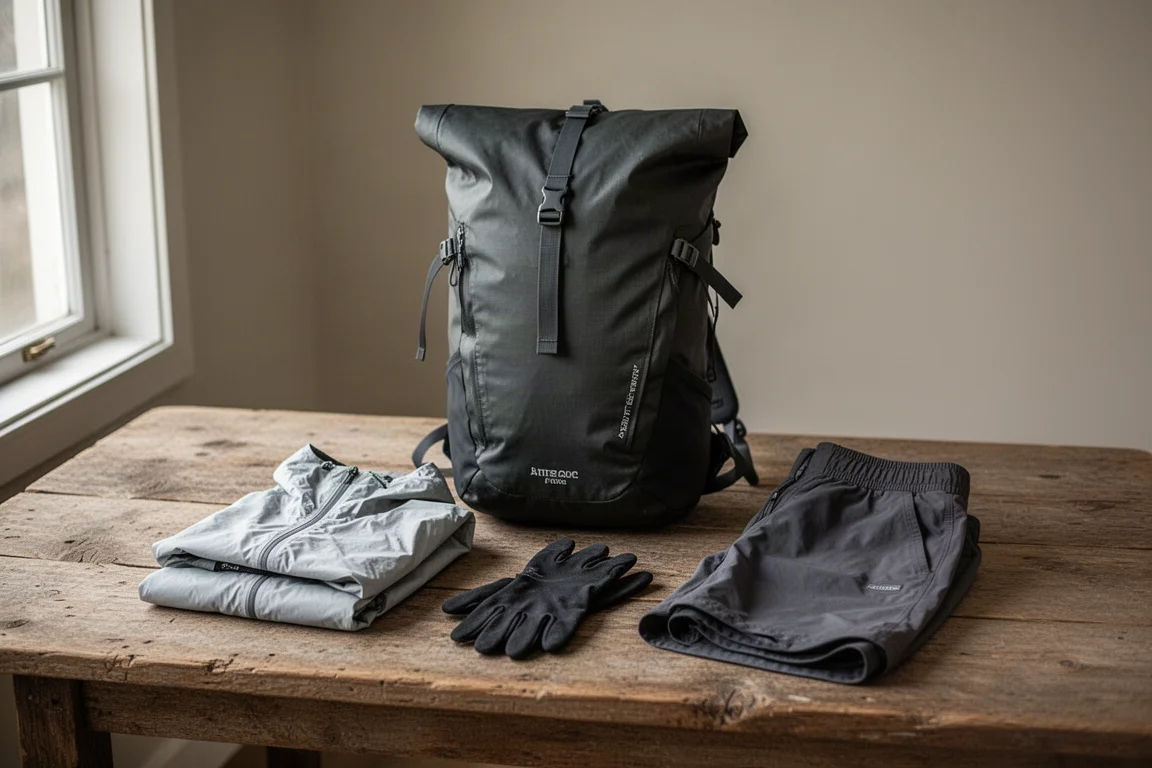
Gear lists are living things. A piece that felt ideal three seasons ago can quietly stop matching the way you hike, either because your priorities changed or because the item itself wore down. The four items below each earned a place in a pack at some point, and each is now being left behind for a specific reason.
Those reasons are worth reading before you buy, because they are not the same kind of problem. One is a design detail you can check on a specification sheet. One is a personal trade-off between comfort and sun exposure. One is about how your hands behave in cold rain. And one is about how long a lightweight shell can realistically keep water out.
What to Check Before You Buy
Four checks cover most of what matters with these items: attachment points for your shelter, how much skin your clothing covers, how your hands handle cold and wet conditions, and how long a waterproof layer is expected to hold up.
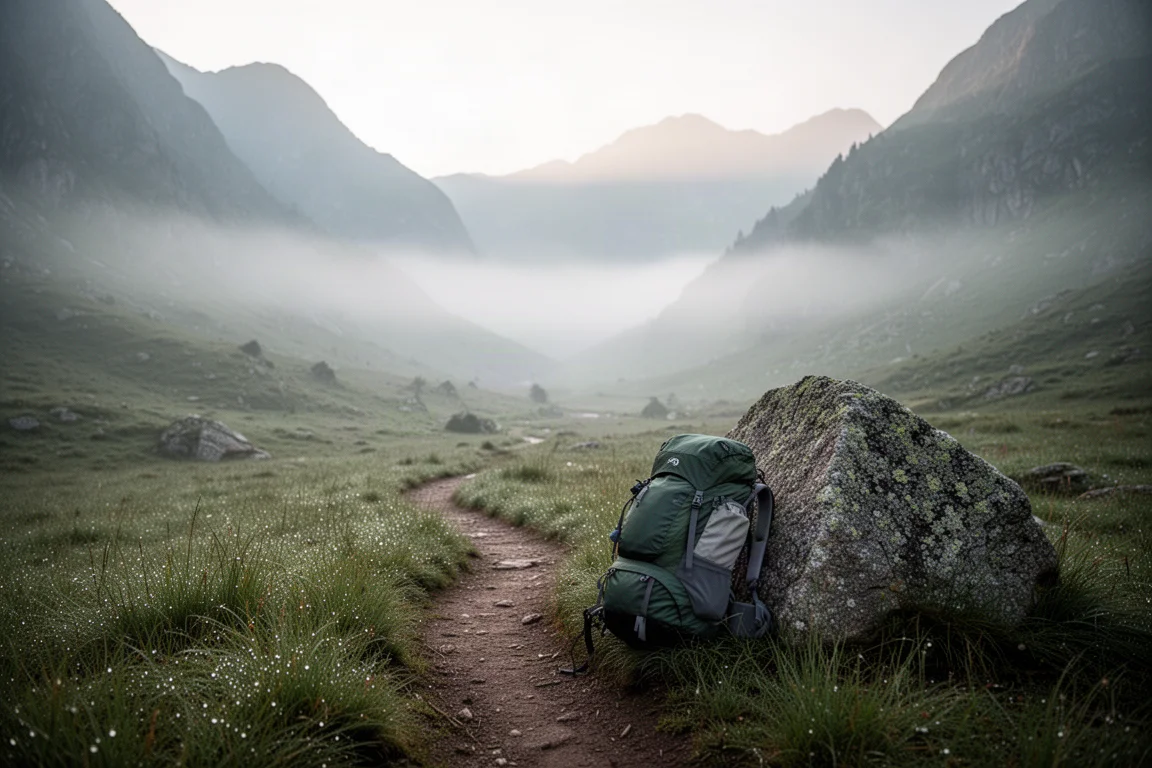
None of these are deal-breakers on their own. They are the details that separate a piece of gear that works for many seasons from one that gets replaced after two, and most of them are visible before you spend anything.
Gossamer Gear Mariposa: Shelter Loops and Pack Stability
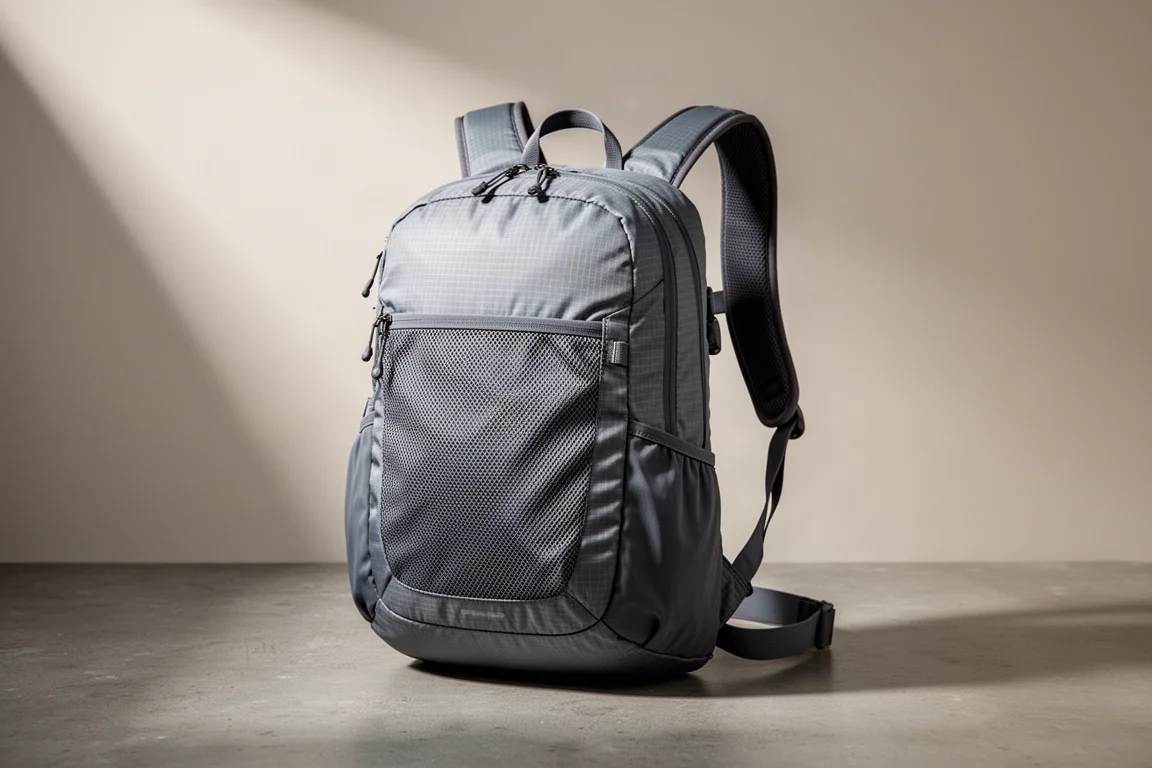
The Gossamer Gear Mariposa is a backpacking pack that does not include shelter loops on the bottom. For hikers who like to carry a tent outside the pack, that single omission changes the daily routine more than it might appear at first.
With no loops underneath, the shelter has to be strapped to the top of the pack instead. Every time you want a snack, a layer, or a camera out of the main compartment, the shelter comes off first and goes back on afterwards. It is a small friction that repeats all day, and it adds one more thing to keep track of when you break camp.
Bottom attachment points also help a pack stand up when it is set on the ground. A shelter or a hammock stuff sack strapped underneath widens the base, so the pack stays upright instead of toppling every time you set it down and turn away.
There is a weather argument too. If the shelter rides on the outside, you can reach camp, drop the pack, pitch the tent, and move the pack inside without opening the main compartment in the rain. The same works in reverse on a wet morning: pack everything inside, seal the roll top, then take the shelter down and strap it outside, where it drains instead of soaking the contents.
None of this makes the Mariposa unusable. It simply means that if carrying your shelter on the outside matters to you, confirm the attachment points before you order rather than after.
Patagonia Barely Baggies: Sun Protection and Comfort
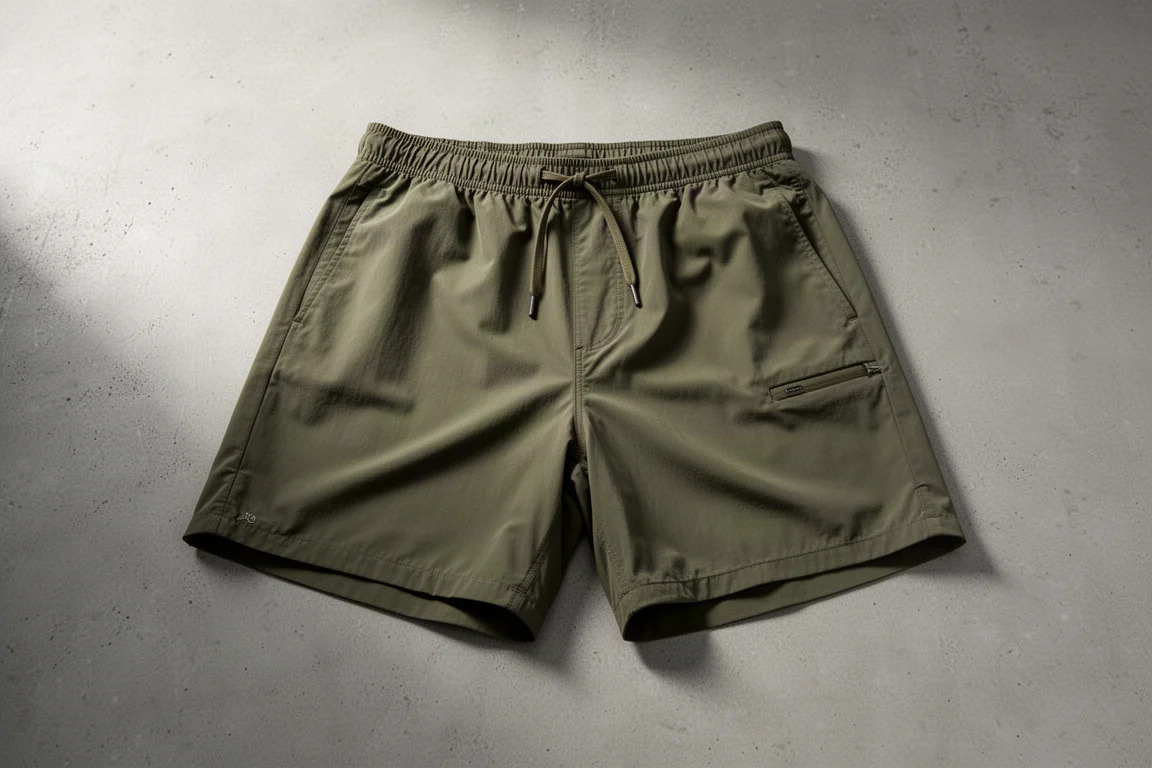
Backpacking in shorts is genuinely comfortable. Less fabric means better temperature regulation on warm climbs, and light shorts such as the Patagonia Barely Baggies are a common choice for exactly that reason.
The trade-off is coverage. Shorts leave a large amount of skin exposed on long, open stretches of trail, and for hikers who have had skin concerns, that exposure can outweigh the comfort benefit. Moving to long pants, long sleeves, a hat, and sunscreen instead of shorts is a personal decision rather than a fault in the garment.
If you hike in high-sun environments or have a family history of skin issues, this is the moment to weigh comfort against coverage. If you tolerate sun well and prefer minimal clothing in heat, shorts remain a reasonable option.
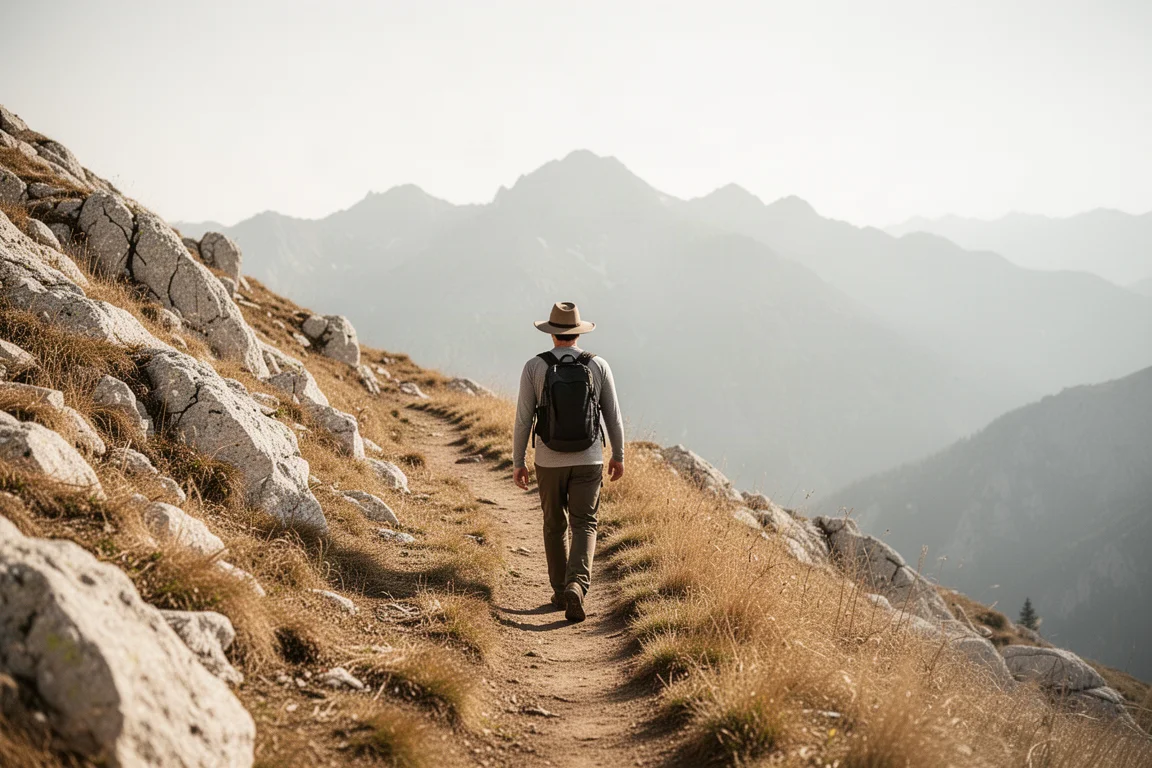
For anyone leaning toward more coverage, the practical approach is layering rather than abandoning light clothing altogether. Thin, breathable long pants and long-sleeve tops still regulate temperature reasonably well, and they remove the need to reapply sunscreen to every exposed patch.
Showa Temres Gloves: Waterproof Shell, Cold Fingertips
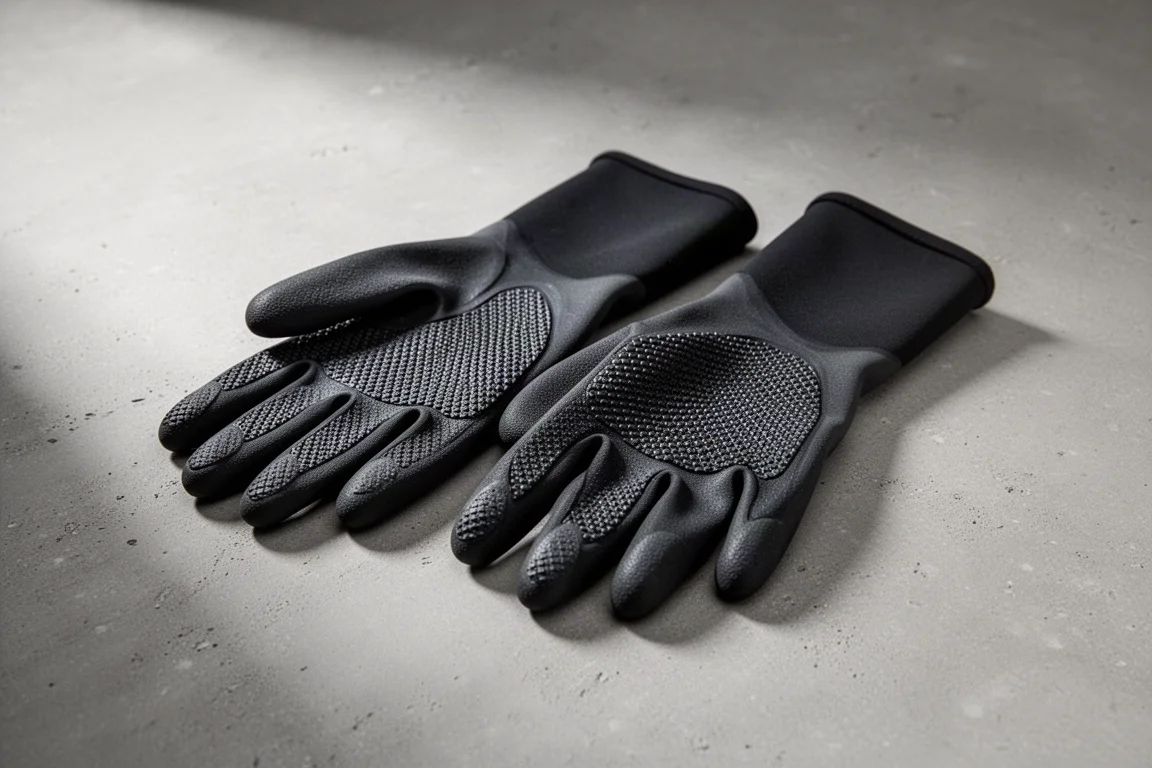
The Showa Temres gloves are a waterproof shell built for cold, wet conditions. The usual setup pairs them with a down glove underneath for insulation, so the outer layer blocks rain while the inner layer holds warmth.
The appeal compared with mittens or rain mitts is dexterity. Fingers stay separated, so adjusting a strap or opening a stuff sack does not require taking the gloves off. In that respect they deliver: hands stay dry, and the waterproofing holds up where other waterproof gloves have fallen short.
Warmth is the sticking point for hikers who run cold. Even with a down glove underneath, fingertips can still feel cold, and hand warmers placed in the palm of the inner glove or between the two layers have not been enough to change that. For a cold-natured hiker, mittens or a warmer insulation strategy may be the better answer, even at the cost of dexterity.
If you generally run warm, the calculation is different, and the combination of dry hands and usable fingers may be worth more than the extra warmth a mitten would provide.
Enlightened Equipment Visp Rain Jacket: Light, Soft, and Wearing Out
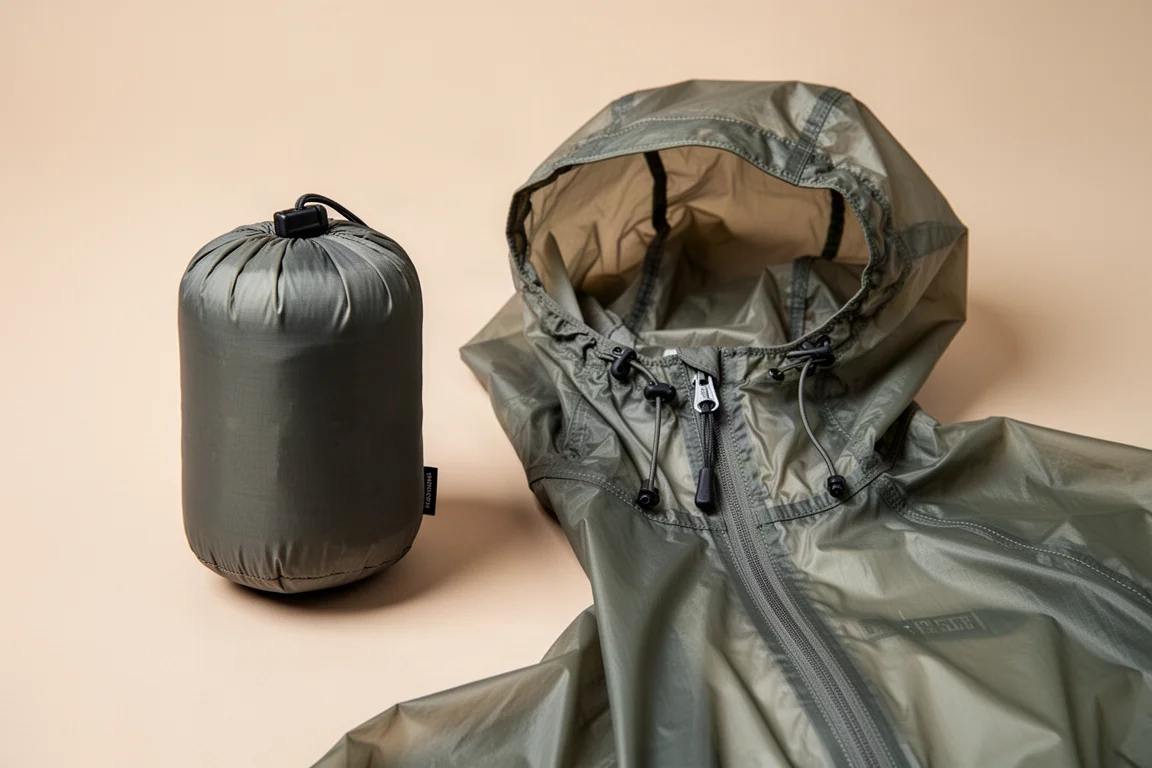
The Enlightened Equipment Visp rain jacket stands out for two qualities: it is very light, and it feels soft. Rain gear is often stiff and crinkly, and this shell is neither, which makes it pleasant to wear on long days.
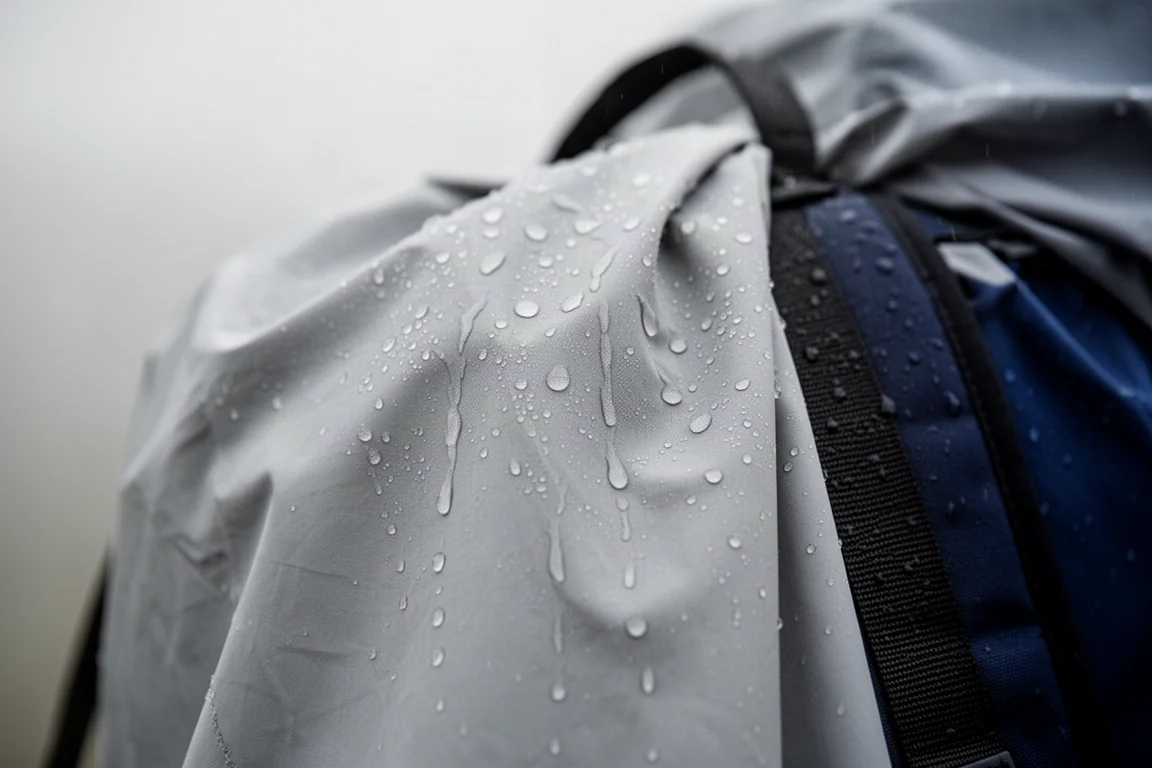
It performed well for a period before water began passing through the fabric itself rather than along a seam. That is a familiar end point for lightweight rain gear: the material wets out and stops shedding rain, and seam sealing will not fix a shell whose face fabric has given up.
Waterproof layers do not last forever, and a jacket that prioritises low weight and a soft hand feel will generally have a shorter working life than a heavier, more robust shell. Buyers who want that soft, packable feel should go in expecting to replace it eventually.
That makes the Visp a reasonable choice for hikers who value low weight and comfort and who accept a finite lifespan, and a weaker fit for anyone who wants one shell to survive many seasons of hard use.
How to Decide Whether to Keep or Replace Gear
Three questions tend to settle it. First, does the item still match your current priorities? Sun coverage and hand warmth are personal thresholds that shift over time. Second, does it still do its core job? A shell that wets through is no longer waterproof in practice, whatever the label says. Third, does the design fit your routine? A pack without bottom attachment points is fine until you start carrying a shelter outside every day.
When the answer to any of those is no, replacing the item is usually more useful than working around it.
Buying Advice: Match the Gear to Your Own Priorities
If shelter attachment matters, check the specification for loops or attachment points on the bottom of a pack before ordering, and treat it as a deciding feature rather than a nice-to-have. If sun protection is a priority, plan for long pants, long sleeves, and a hat, and choose fabrics that stay breathable in heat.
For hands, decide honestly whether you run cold. A waterproof shell with finger dexterity is excellent for dry hands in wet weather, but if your fingertips go numb easily, mittens or a warmer insulation layer will serve you better. For rain shells, weigh softness and low weight against expected lifespan, and accept that a very light jacket is closer to a consumable than a permanent piece.
None of these four items is a poor purchase in absolute terms. Each is a strong match for one set of priorities and a weaker match for another, and the specification sheet plus an honest look at your own habits usually makes the difference clear.
Conclusion
Gear lists change because hikers change. The Mariposa, the Barely Baggies, the Temres gloves, and the Visp jacket each solve a real problem for the right person, and each carries a limitation worth knowing before you buy. Check attachment points, coverage, warmth, and waterproofing lifespan against the way you actually hike, and the decision becomes straightforward.
Further reading
Related Reviews

Backpacking Gear
Building a 10 lb Base Weight: An Ultralight Backpacking Gear List
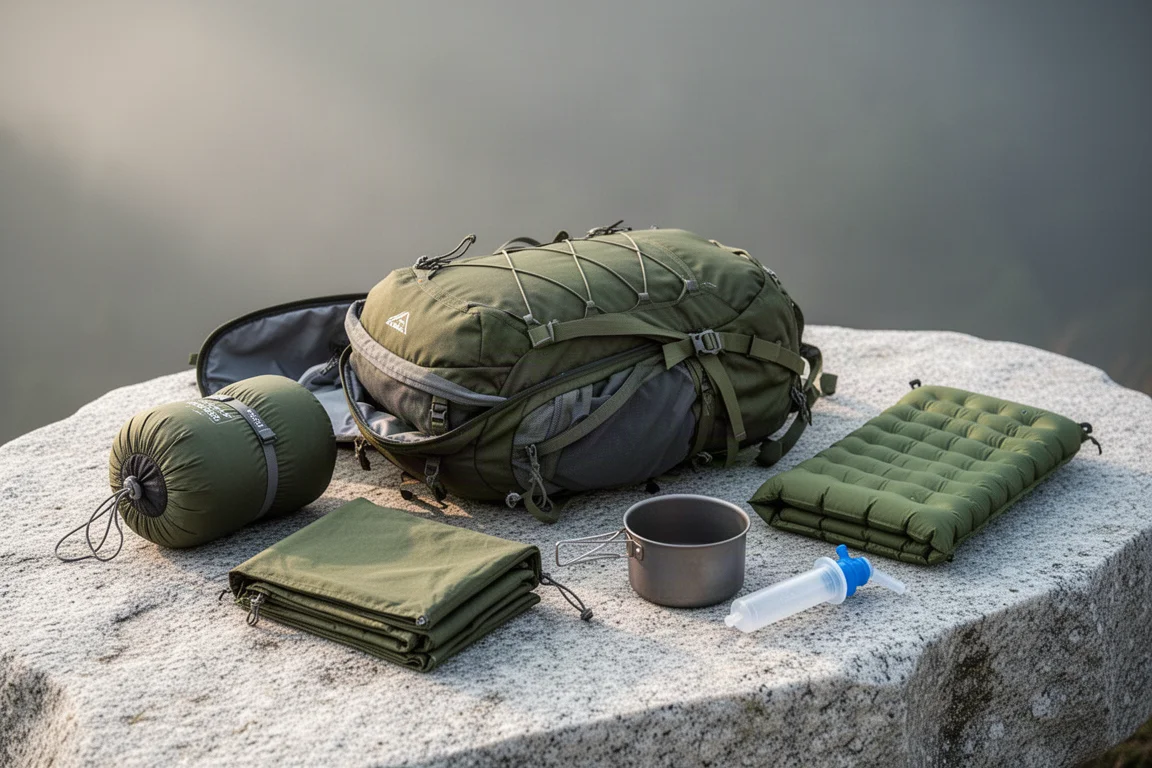
A practical walkthrough of the ultralight pieces behind a 10 lb base weight, from a 765 g pack and a roomy one-person tent to a full camp chair and a dependable water filter.
Backpacking Gear
A 15-Pound Lightweight Backpacking Gear List for Solo Trips
A beginner-friendly 15-pound backpacking setup built from easy-to-find gear, with notes on what each piece does, how it packs, and where to spend your attention.
Backpacking Gear
8 Ultralight Backpacking Gear Upgrades Worth Carrying
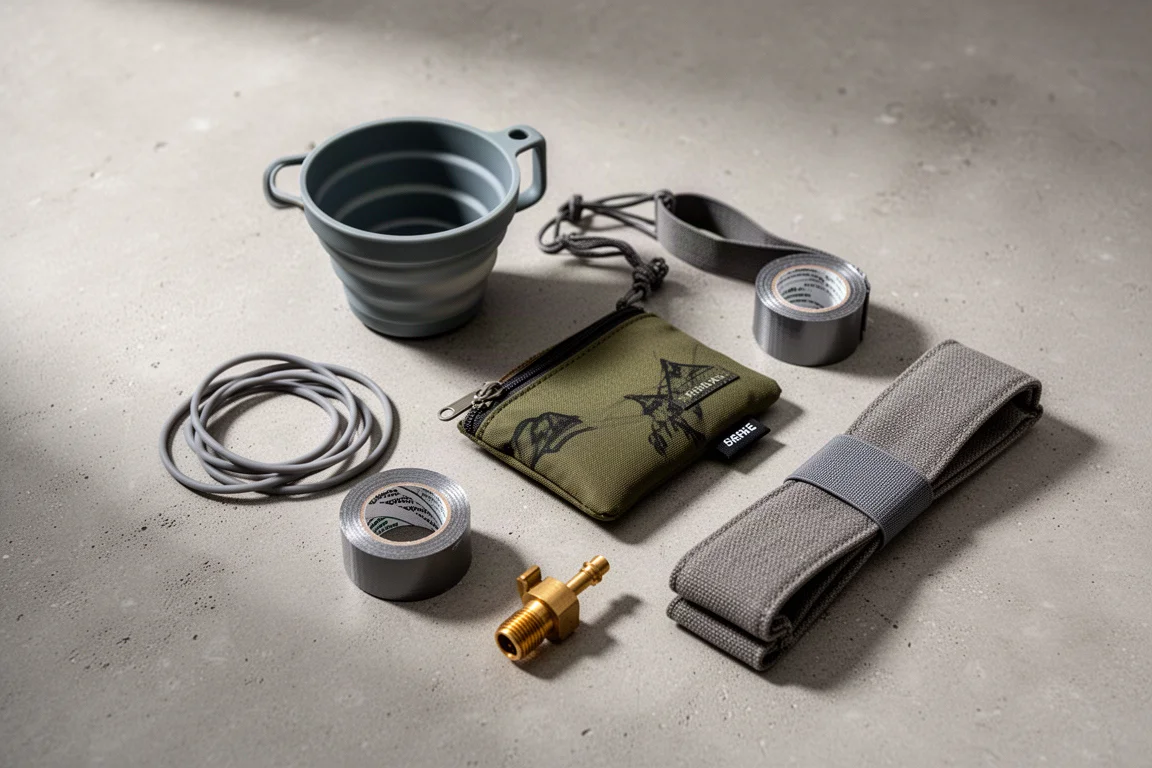
Eight small, affordable backpacking upgrades that solve real trail annoyances, from a pillow that stays put to a fuel valve that rescues leftover canister gas.