Backpacking Gear
Backpacking Gear Purge 2026: Ten Items and the Swaps Behind Them
Ten pieces of backpacking gear that earned real miles, the limits that ended their run, and the replacements that took their place.
Introduction
Gear rarely leaves a backpack because it failed outright. More often it leaves because a long walk exposed a limit, or because another item turned out to do the same job with more options. Every piece below earned real miles first, and every one of them was swapped for a specific reason.
This is not a list of bad products. It is a record of decisions: what came out of the pack, what went in, and what the trade-off looked like in practice.
How This List Was Built
The entries here come from years of backpacking, thru-hiking and bikepacking, with a steady preference for gear that is lighter, more efficient, or simply more comfortable over a long day. An item keeps its place until something else does the job better, and then it moves on, usually to a friend who is getting into backpacking.
Weight is the first filter but not the only one. Function comes next: a piece that covers two or three jobs around camp often justifies a few extra grams, while a piece that does one thing has to do it very well. Durability across repeated seasons matters too, because a shell or a shirt that gives up halfway through a long walk costs more than the number on the tag suggests.
None of these calls are universal. A headlamp that feels dim on a fast descent may be ideal for someone who stops walking at dusk, and a shirt that feels warm in the desert may be exactly right in a colder range. Read each entry as one hiker’s reasoning rather than a verdict.
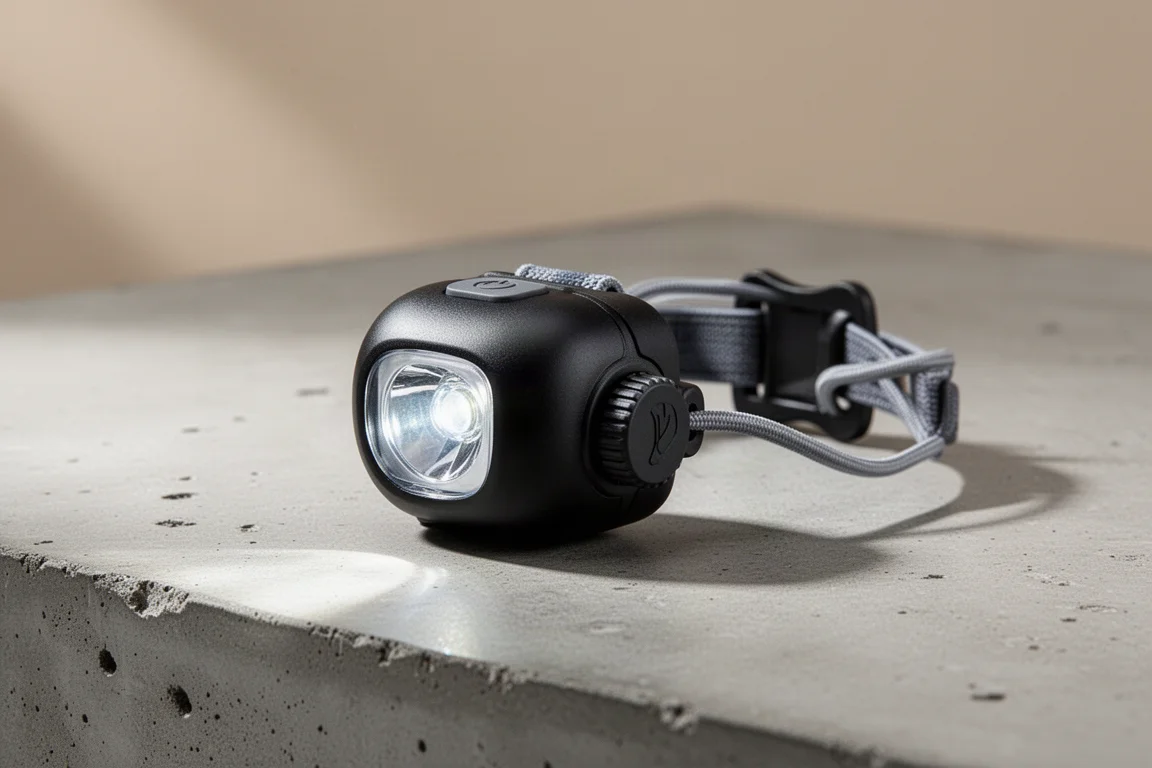
Yuko Air 150 Headlamp
The Yuko Air 150 is a 150-lumen USB-rechargeable headlamp with a red mode and a dial for adjusting output. With a shock cord modification it comes in at around one ounce, which is why it stayed in the kit through years of backpacking and bikepacking trips.
Its limits show up as speed increases. 150 lumens is plenty for camp chores and slow walking, but it is thin for riding or moving quickly after dark, and the battery does not last as long as brighter options.
Nitecore NU25 Headlamp
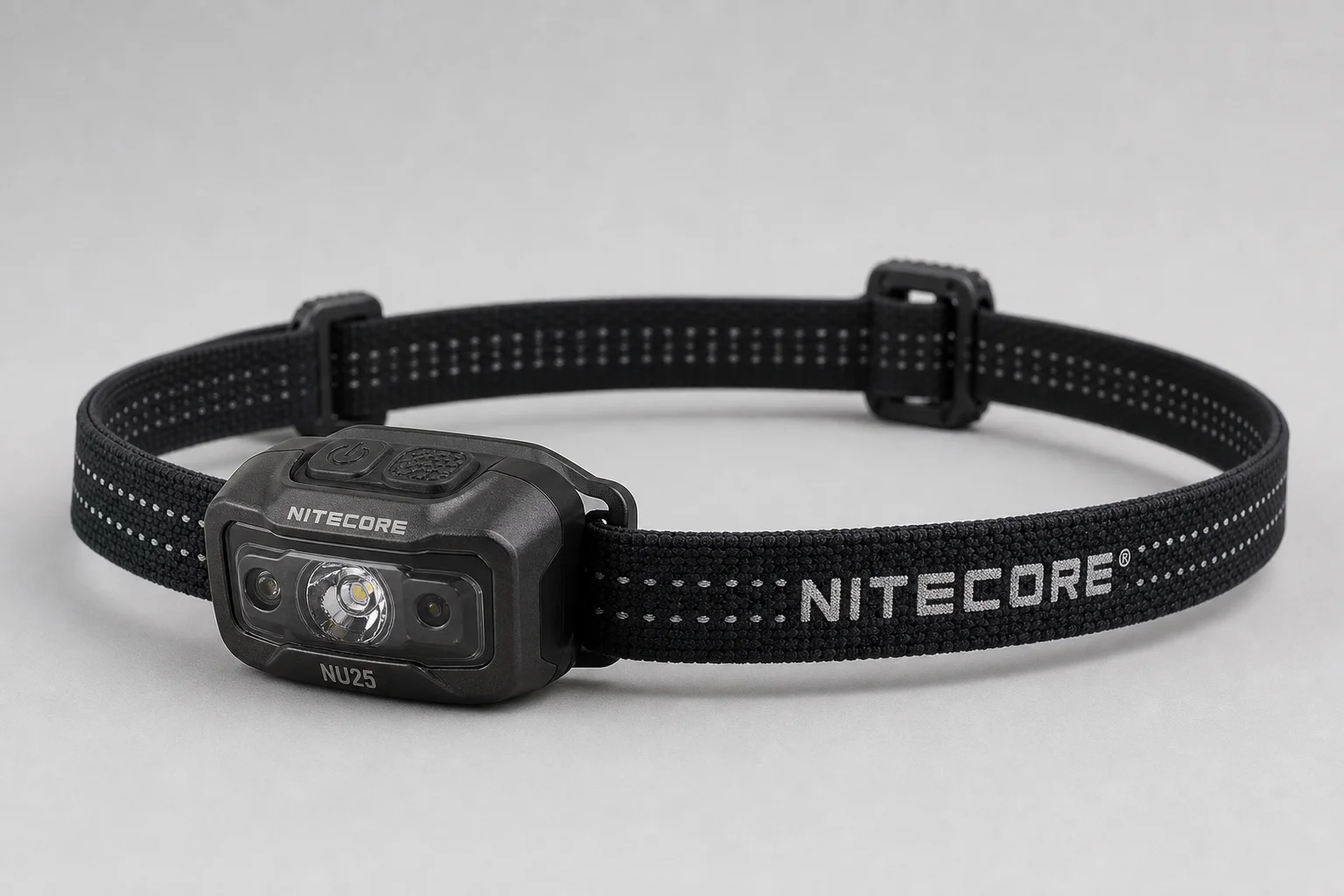
The Nitecore NU25 is also USB-rechargeable and, with the same shock cord modification, weighs about 1.1 ounces. It steps up to 360 lumens with several white modes and more than one red mode, and it runs longer between charges.
For anyone doing serious night hiking, that combination is the whole point: more light where the trail is rough, and a red mode that stays usable without draining the battery. The extra tenth of an ounce is easy to accept.
Zpacks Vertice Rain Jacket
The Zpacks Vertice is an ultralight rain shell with a fully adjustable hood and pit zips. An early version covered a lot of miles before it wore out and had to be replaced with a second one.
The later version did not hold up the same way. It wetted out quickly in sustained rain and stopped keeping water out, which is the one job a shell cannot compromise on. That experience is why this slot changed.
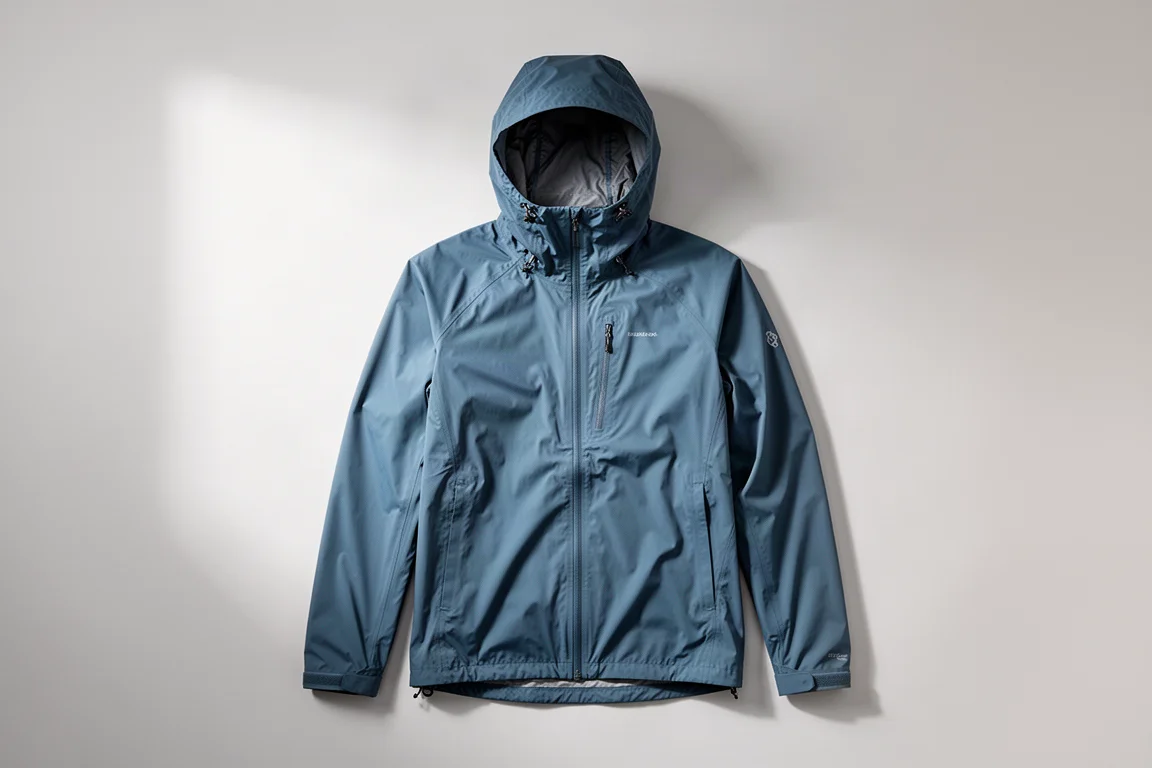
Enlightened Equipment Visp Rain Jacket
The Enlightened Equipment Visp uses a similar lightweight material to the Vertice and carries the same feature set, including pit zips and a fully adjustable hood. The difference shows up in wet weather: it resists wetting out for longer and breathes better on the move.
Two small preferences remain. Bungee cord adjusters would be welcome, and a slightly longer cut would suit taller hikers or anyone layering over insulation. Neither is enough to outweigh staying dry.
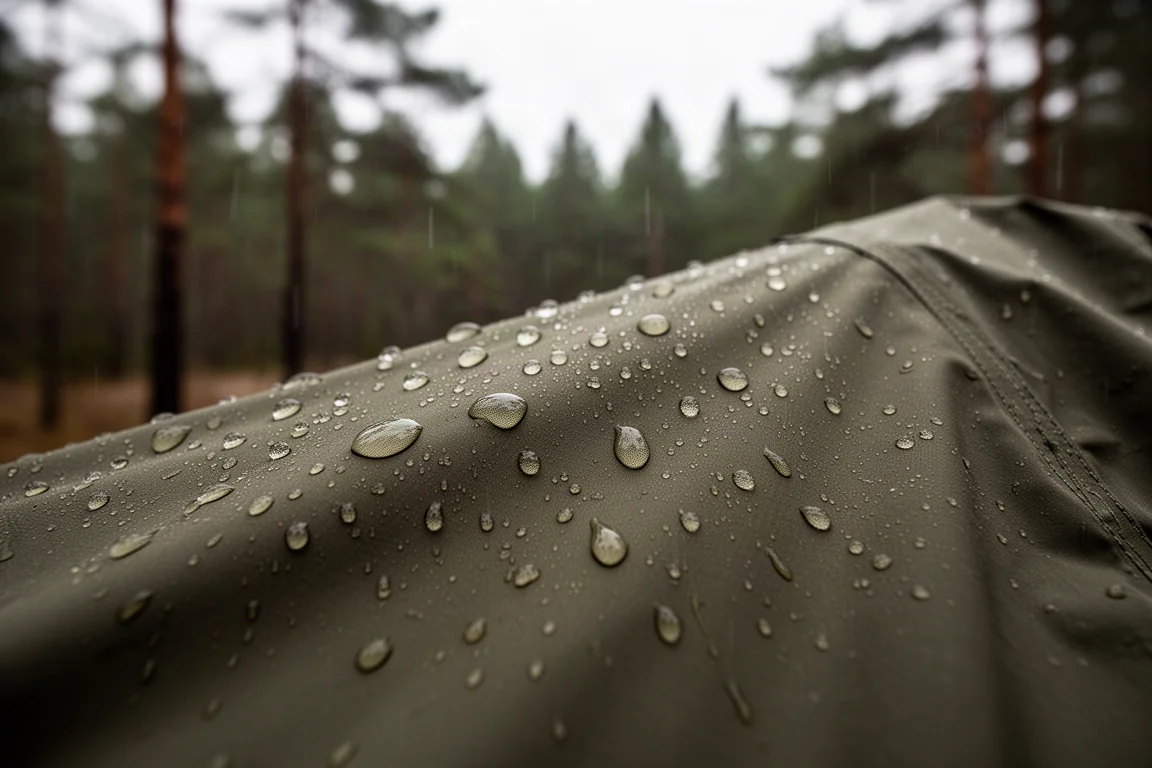
For long-distance walking, that reliability is worth more than a marginal weight difference, and it is the reason this jacket took over the rain shell slot.
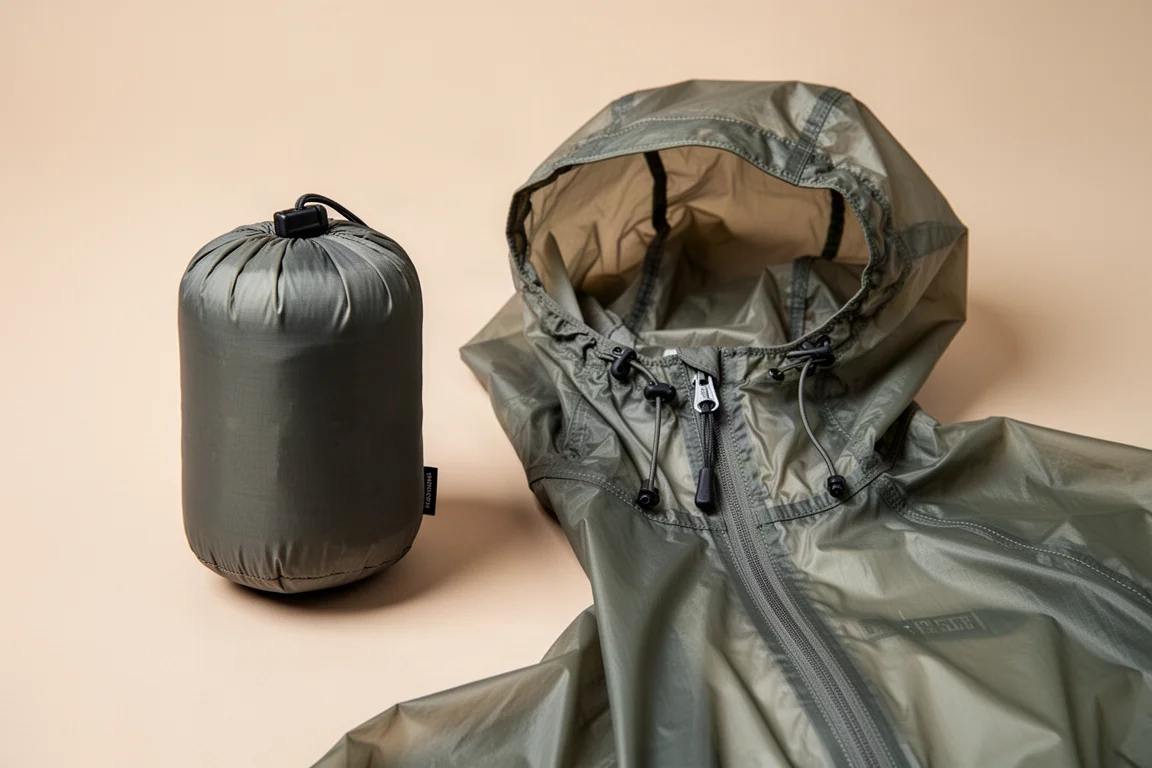
Therm-a-Rest Z Seat
The Therm-a-Rest Z Seat is a thin foam pad that folds down into a seat. It keeps you dry on a wet log, gives you something to sit on during breaks, and can be propped up as a windscreen for a stove.
It does those jobs well, but that is the entire list. Once a pad can handle more than one task, a single-purpose seat becomes harder to justify.
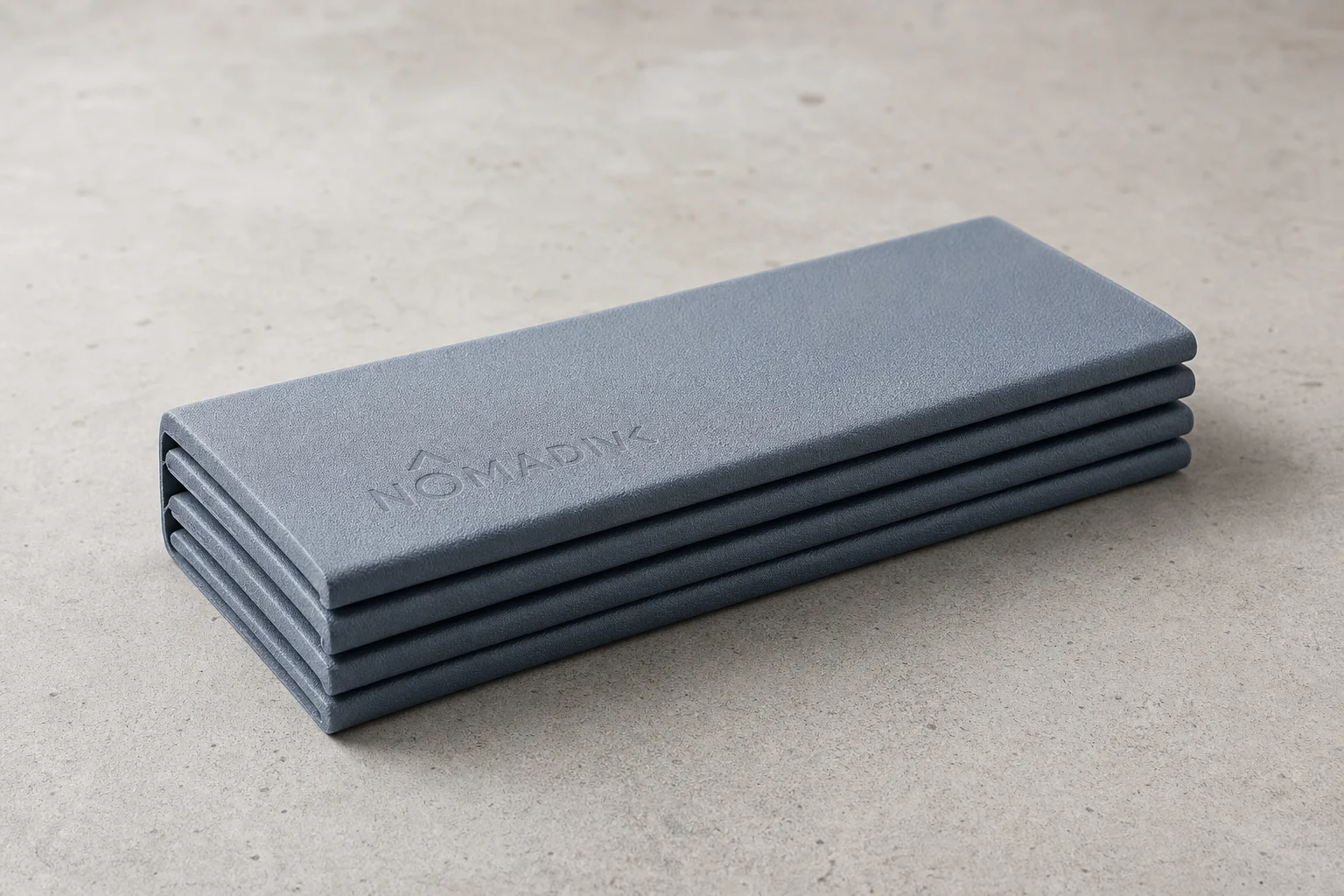
Gossamer Gear 1/8 Inch Torso Length Foam Pad
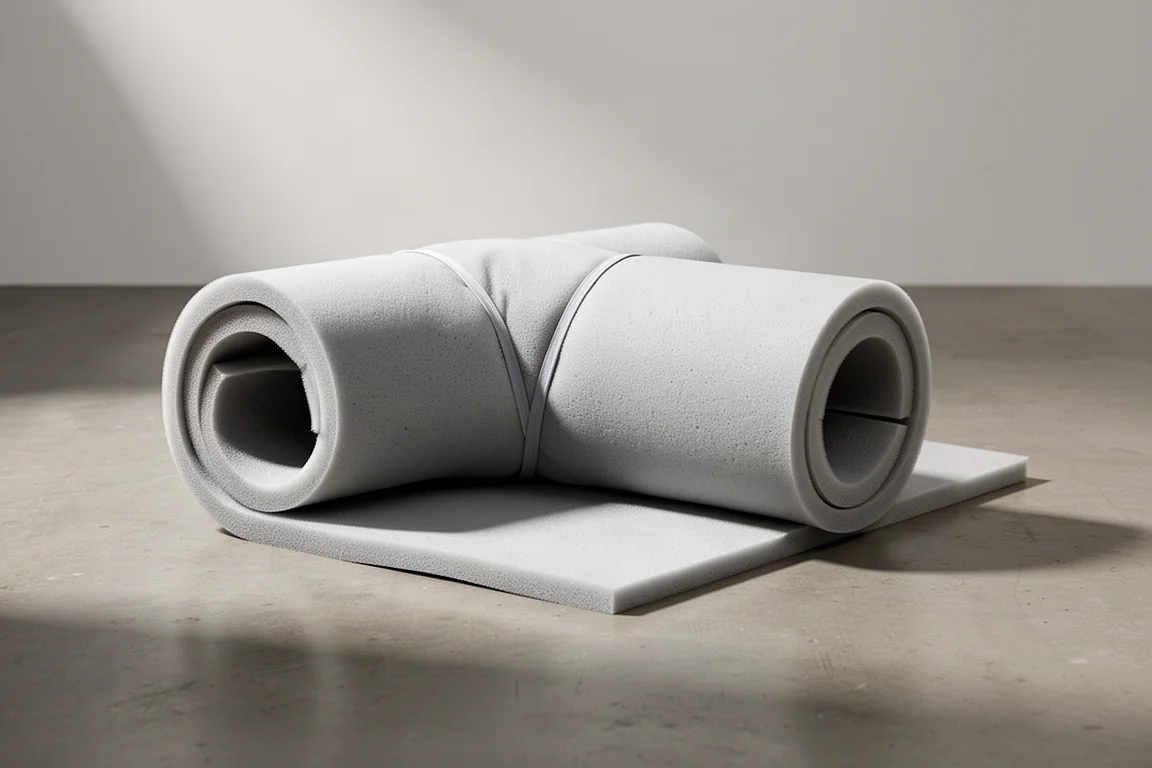
The Gossamer Gear 1/8 inch foam pad is cut to torso length and weighs around 1.8 ounces. Folded, it works as a seat pad. Unfolded, it becomes a siesta mat for a midday nap, a surface for stretching at the end of the day, and an extra layer under a sleeping pad for protection and a little more warmth on cold nights.
That range of uses is what pushed the classic sit pad out of the kit. The pad is thin, so it is not a substitute for a sleeping pad, but it earns its place across a full day rather than only at breaks.
Waymark Zip Fanny Pack
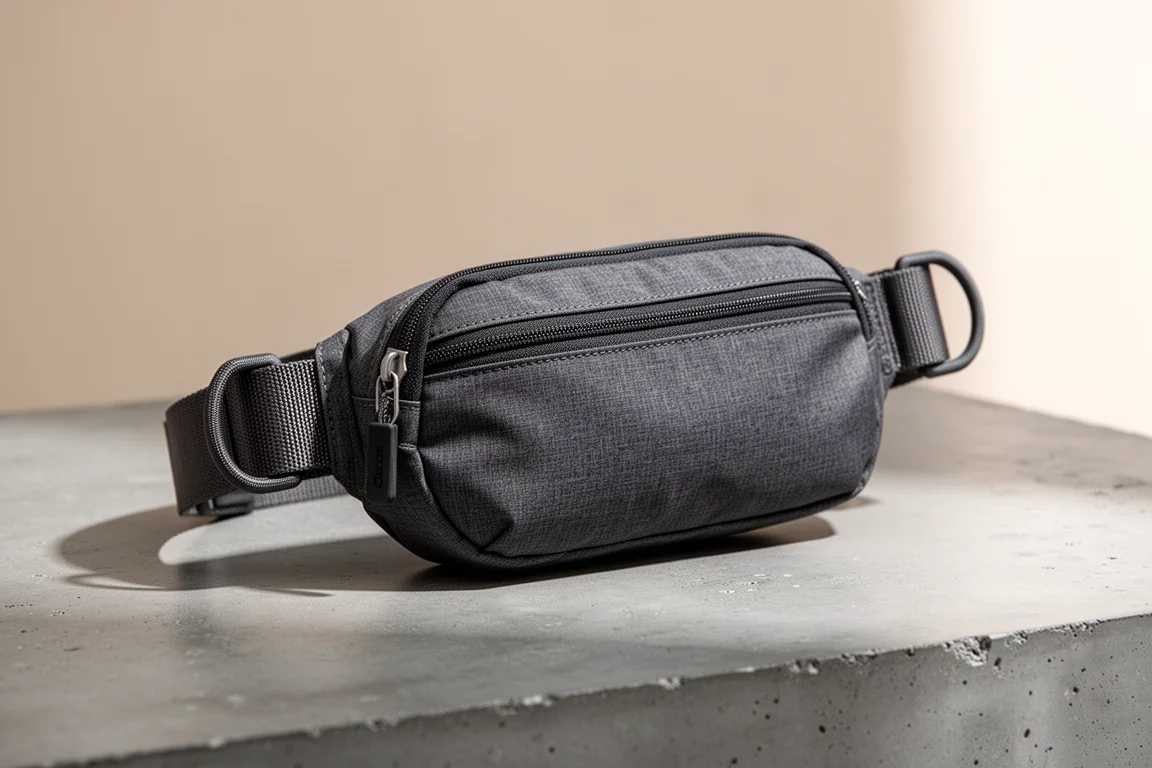
The Waymark Zip Fanny Pack was picked up to carry a small mirrorless camera, a tripod and a microphone, and it handled that job well while that was the camera kit in use. The size was the appeal: a small camera body sat flat against the waist, and the zipped main compartment kept everything together on the move.
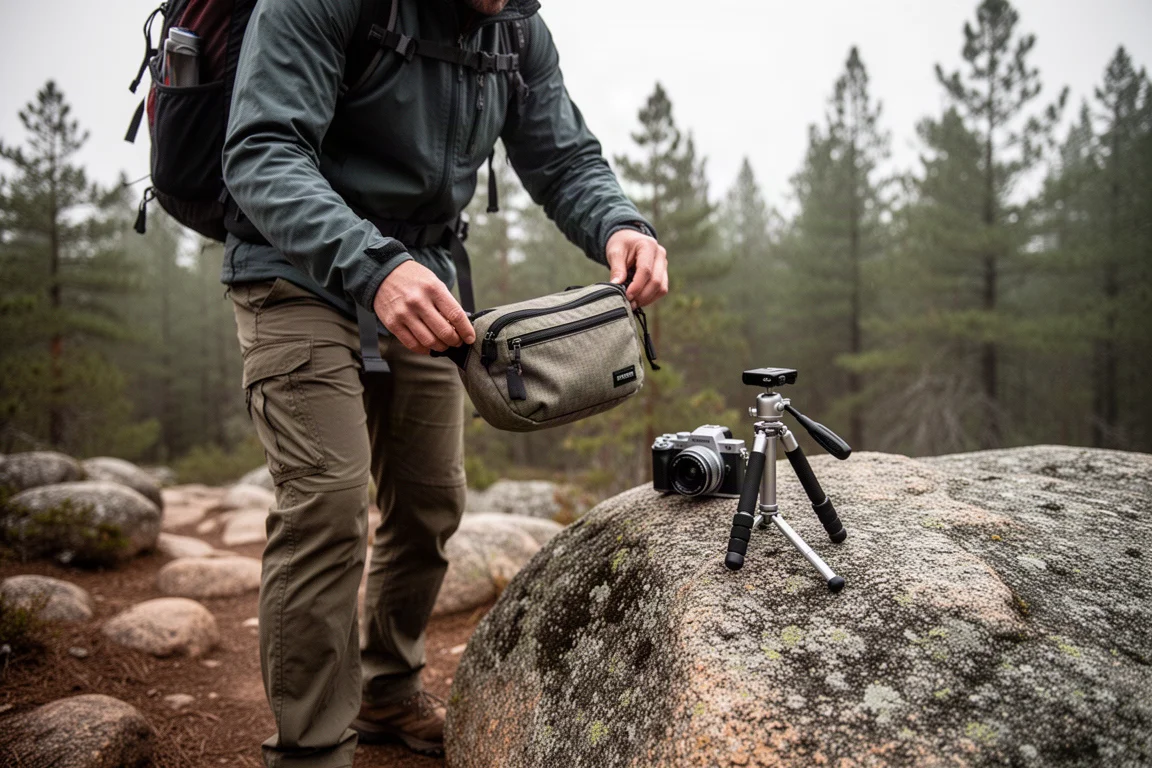
Once the camera setup changed, the bag lost its purpose. A shoulder strap clip handles a larger camera, a shoulder pouch handles a smaller one, and a tripod and microphone fit in a side pocket. A waist pack that duplicates those jobs is simply extra weight.
Columbia Silver Ridge Hiking Shirt
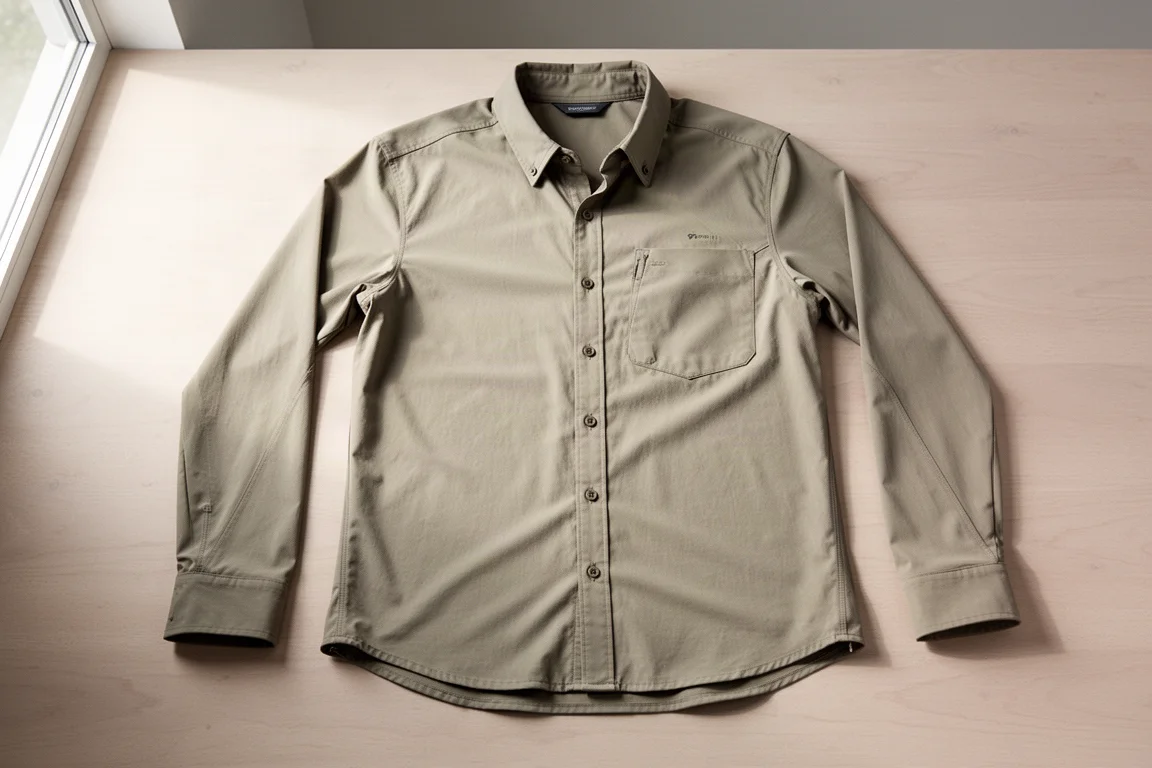
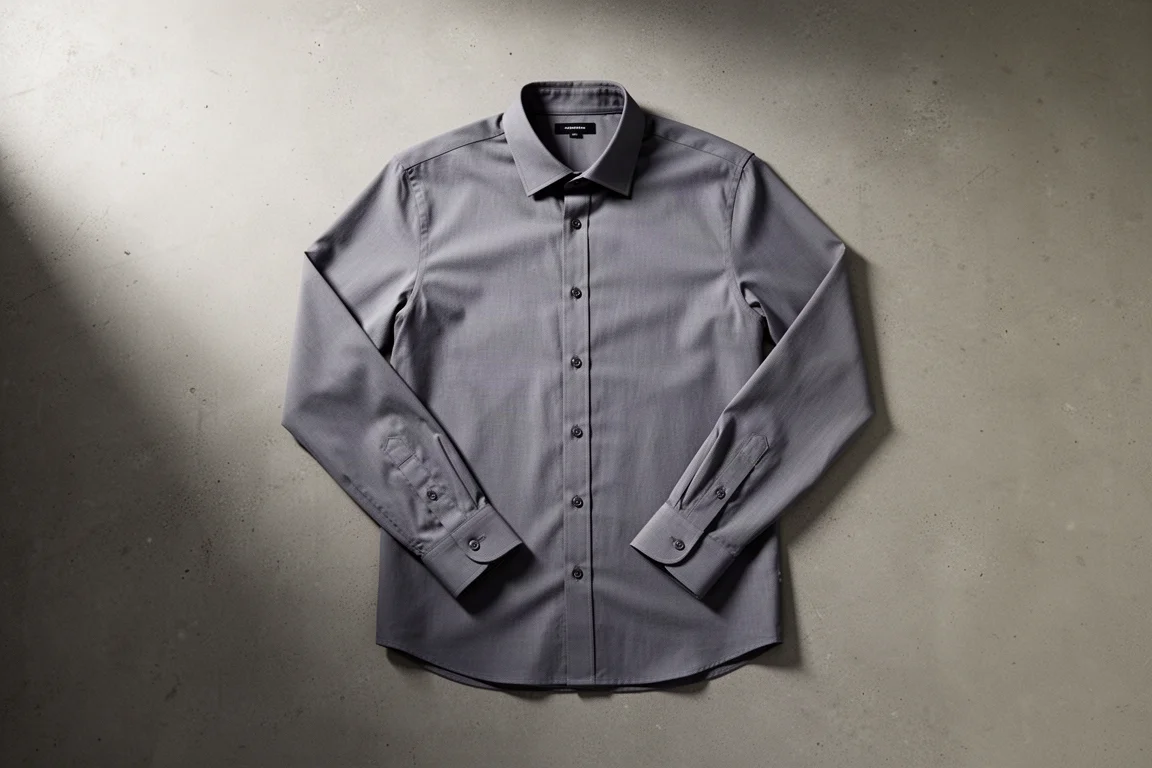
The Columbia Silver Ridge has been a long-sleeve button-up standard for years and covered a lot of miles. Long sleeves, a collar and a full front opening make it an easy shirt to live in across a wide range of conditions.
What it lacks is the extra coverage a hood provides, and it does not breathe as well as a dedicated hooded sun top. Those two gaps are what ended its run in this kit.
Arc’teryx Skyline Shirt
The Arc’teryx Skyline is another long-sleeve button-up that works comfortably on the trail and has been worn on plenty of walking days.
The same trade-off applies: no hood for the neck and ears, and no thumb holes, so there is less adjustability when sun or wind picks up. It remains a good shirt, it simply offers fewer options than a hooded top.
Outdoor Research Echo Sun Hoodie
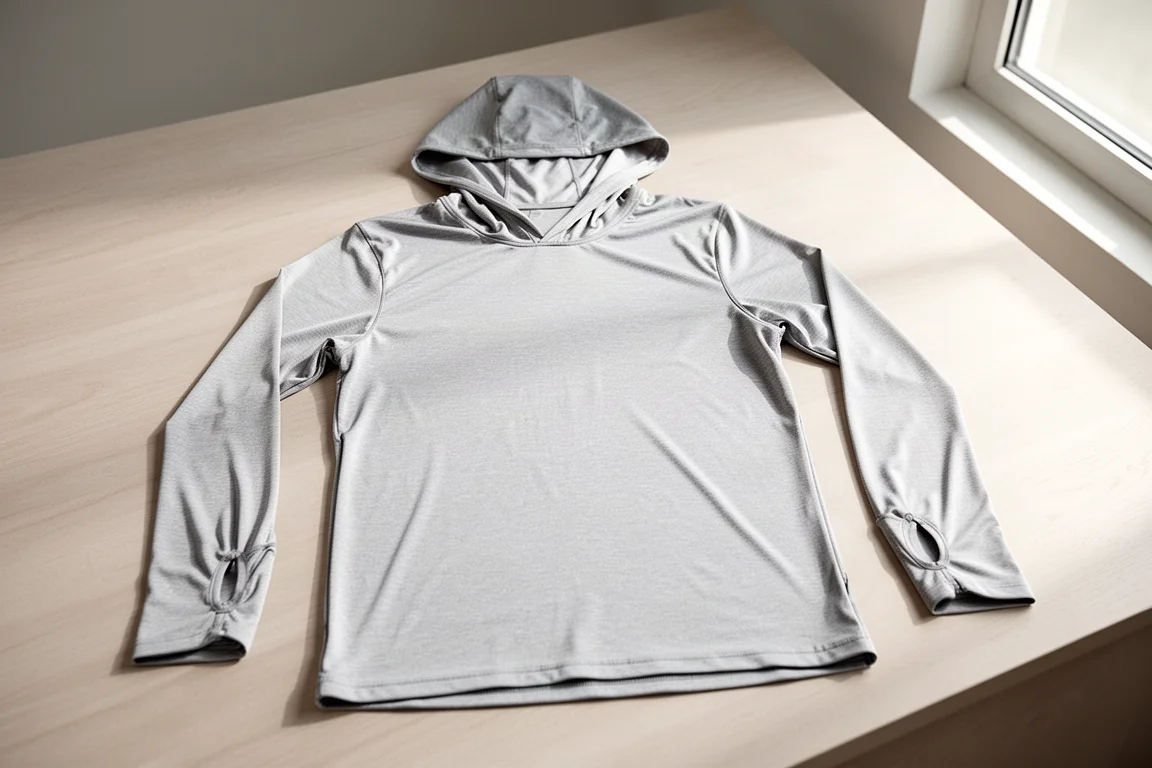
The Outdoor Research Echo Sun Hoodie was picked up in 2019 as an extra layer for hikes with long exposed stretches, desert walking and high ridgelines. It turned into the main top instead. The hood covers the neck and ears, the thumb holes pull the sleeves over the backs of the hands, the long sleeves roll up when the day warms, and it breathes well enough to walk in all day.
On the Colorado Trail it was worn so often that the button-up shirt was sent home. On a windy ridge the hood also takes the edge off the chill against the side of the face and neck, which is more than a collar can do. It is not a rain layer, so a shell still belongs in the pack, but as a walking shirt it covers more situations with the same amount of fabric.
How to Decide What to Retire
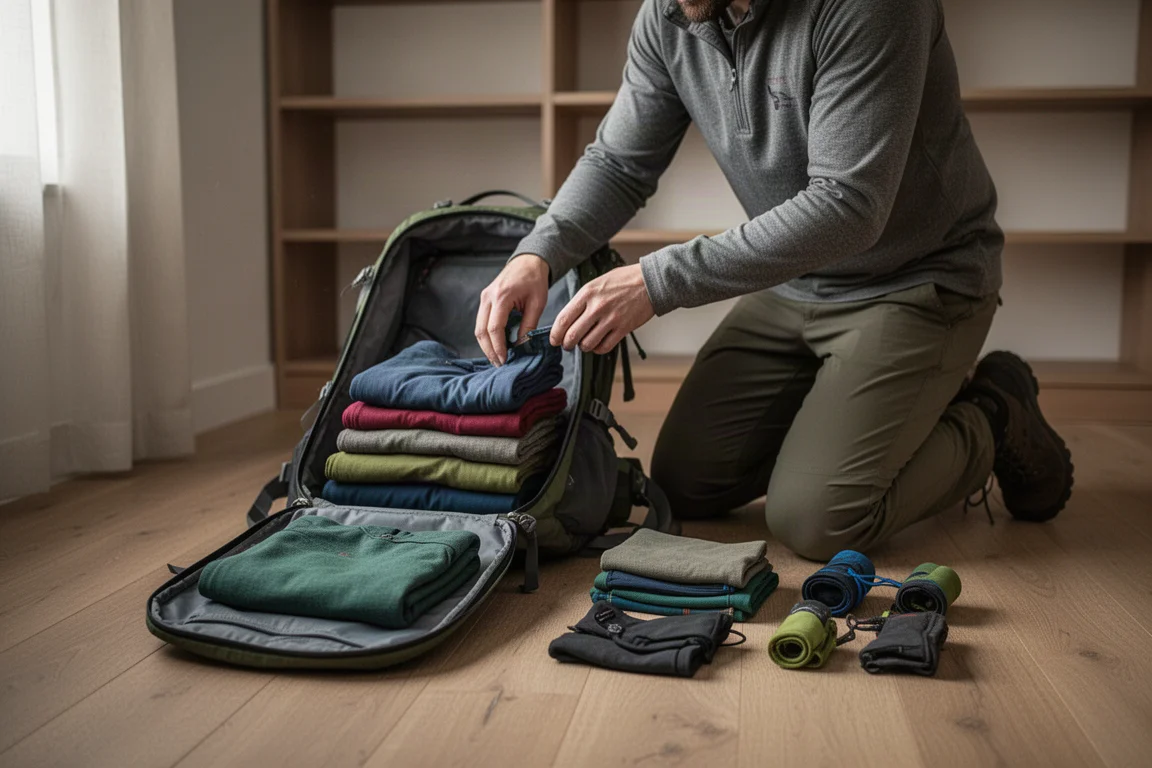
The test is simple, even if the answer is not. Ask what job an item does, then ask whether anything else in the pack already does it. A headlamp that duplicates a brighter one, a waist pack that duplicates a shoulder pouch, or a seat pad that duplicates a foam mat all fail the same question.
The second test is performance on the worst day rather than the average one. A shell that keeps you dry in a drizzle but wets out in sustained rain is not doing its job, and a shirt that works in mild weather but leaves your neck and ears exposed on a high ridge is only partly doing its job. Gear is judged by the conditions that actually stress it.
Finally, remember that retiring an item is not the same as condemning it. Plenty of the pieces above were excellent for years and only lost their place when something more versatile arrived. Passing them to a friend who is building a first kit is usually a better outcome than leaving them on a shelf.
Conclusion
Ten pieces, five clear swaps: a dimmer headlamp replaced by a brighter one with longer runtime, a shell that wetted out replaced by one that stays dry, a single-purpose seat pad replaced by a foam mat that naps and stretches and insulates, a camera waist pack retired once other carry options covered the same ground, and a button-up shirt replaced by a hooded sun top with thumb holes.
Every one of those changes came down to the same three questions: does it weigh less, does it work better, and does it make the day more comfortable. If a piece in your own pack fails all three, it is probably time for it to move on.
Further reading
Related Reviews

Backpacking Gear
Building a 10 lb Base Weight: An Ultralight Backpacking Gear List
A practical walkthrough of the ultralight pieces behind a 10 lb base weight, from a 765 g pack and a roomy one-person tent to a full camp chair and a dependable water filter.
Backpacking Gear
A 15-Pound Lightweight Backpacking Gear List for Solo Trips
A beginner-friendly 15-pound backpacking setup built from easy-to-find gear, with notes on what each piece does, how it packs, and where to spend your attention.
Backpacking Gear
8 Ultralight Backpacking Gear Upgrades Worth Carrying
Eight small, affordable backpacking upgrades that solve real trail annoyances, from a pillow that stays put to a fuel valve that rescues leftover canister gas.