Backpacking Gear
Backpacking Gear That Solves Five Real Problems
Nine backpacking products that solve recurring trail problems, from wet tent setups and jammed zippers to bottle reach, wrist lights, and pad valves.
Introduction
Backpacking gear keeps getting lighter and more expensive, but a few stubborn problems survive every upgrade cycle. The inside of a tent still gets soaked if you have to pitch in the rain. Curved zippers still catch, stick, and occasionally fail. Water bottles in side pockets are still out of reach for a surprising number of hikers. Sleeping pads are still awkward to adjust once you are lying on them in the dark.
None of those problems are solved by spending more money on the same design. They are solved by specific design decisions, and a handful of products make those decisions well. This guide covers five common frustrations and nine products that address them.
Problem 1: Setting Up in the Rain Without Soaking the Inner
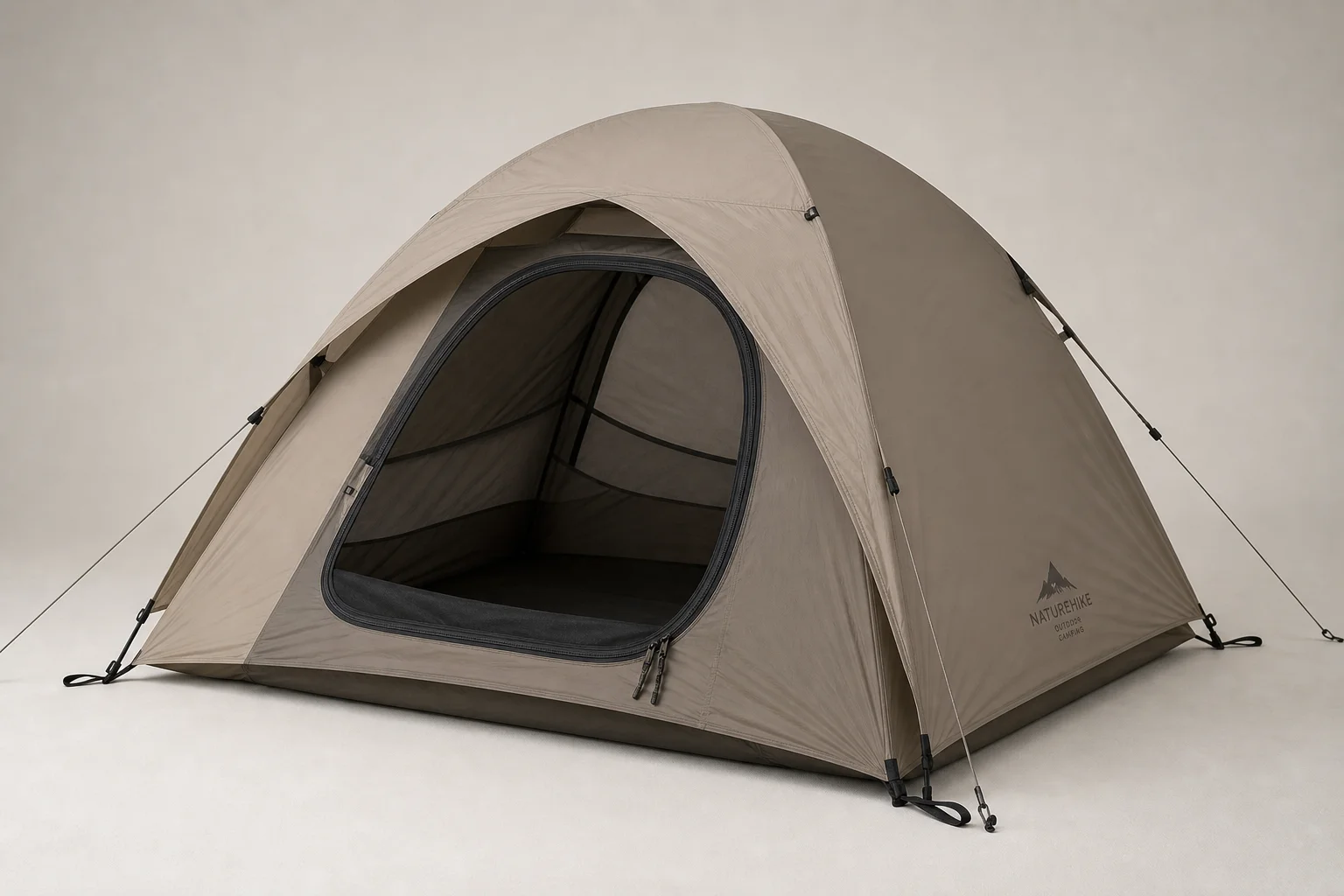
Most tents are pitched in two stages. You build the mesh inner with the pole structure, then drape the fly over the top. In dry weather that sequence is harmless.
When it rains, the inner sits exposed for the entire time it takes to get the fly on, and the inside of the tent ends up wet. On a cold trip a damp inner is more than an annoyance, it makes for a long and uncomfortable night. Two shelter designs avoid that exposure altogether.
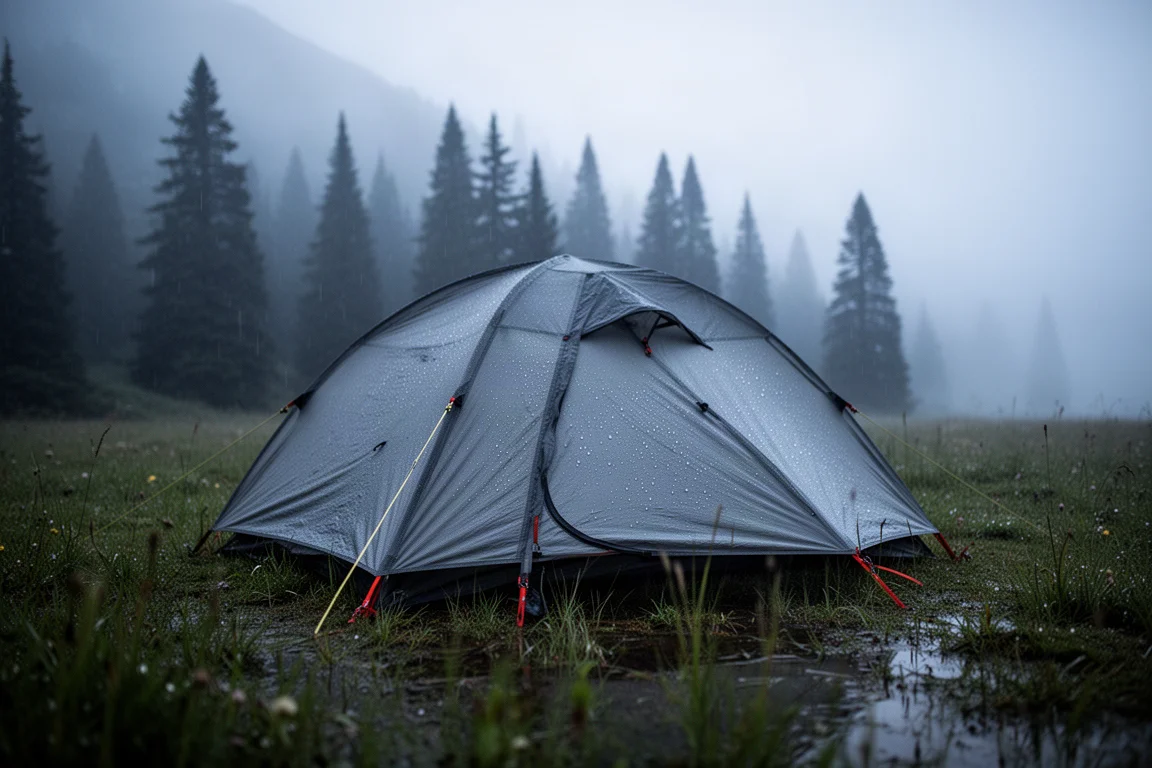
Durston X-Mid. The X-Mid uses an all-in-one pitch. The fly and the inner are attached to each other, so the shelter goes up as a single unit, the inner stays covered by the fly throughout setup, and there is no window in which rain can land on the sleeping area.
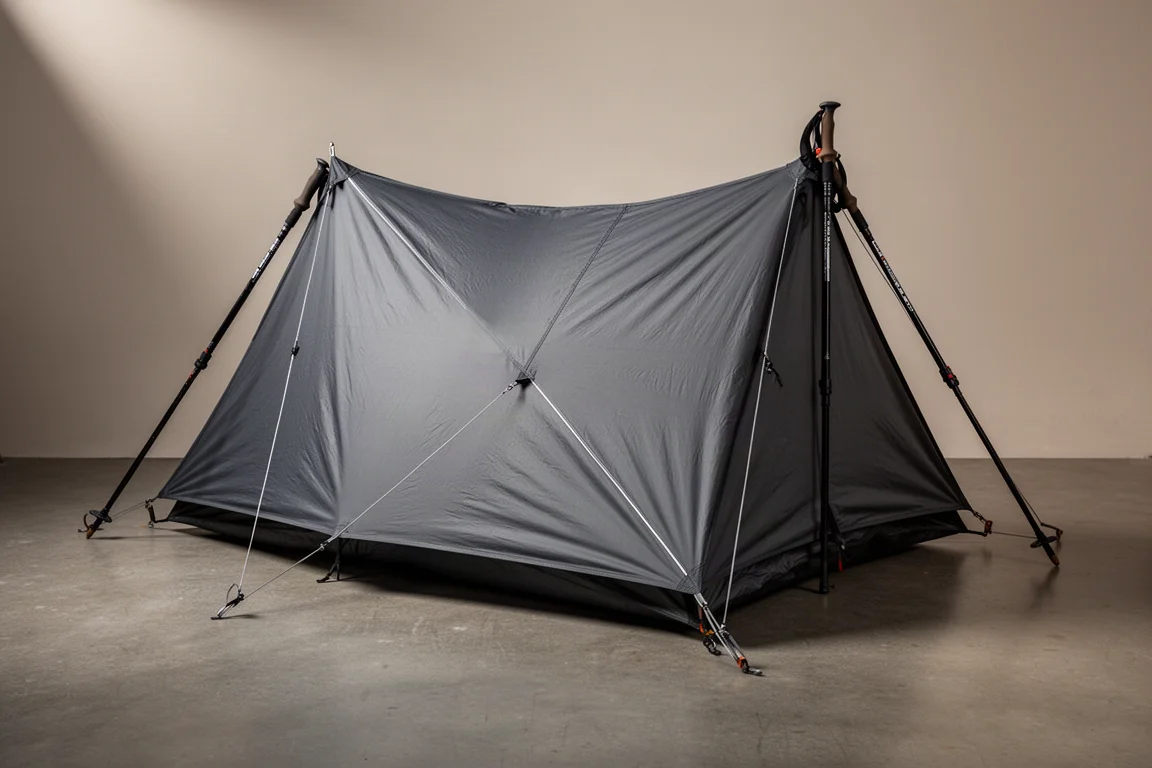
Sea to Summit T-Series. The T-Series takes a different route. The inner, the poles, and the fly connect through a dual-function clip: the inner carries a clip that the poles slot into, and the fly clip attaches at the same point. Because the poles can also slot directly into the fly clip, the fly can be pitched on its own, without a footprint, and the inner added afterwards from inside the dry shelter. It is one of the few tents that allows a fly-first pitch without a footprint.
Problem 2: Zippers That Jam at the Worst Moment
On most tents the door is set into the mesh wall of the inner and shaped with a curve so it can open wide. A curved zipper has to travel around a bend, and the bend is exactly where it catches. It is also one of the few components that can fail outright on a tent, and the issue gets worse on ultralight shelters that use very small, lightweight zippers.
Straight door zippers avoid the problem. They use two zippers instead of one, one running vertically and one running horizontally, so the slider never has to negotiate a curve. It sounds like more work, and in practice it is quicker: open the vertical zipper first while keeping light pressure on the horizontal one, then open the horizontal zipper. Long-term durability is also easier to trust, particularly on an ultralight tent.
Big Agnes Tiger Wall. The Tiger Wall uses straight zipper doors rather than curved ones, which matters most on a tent built around lightweight zippers, where a curved track would be the weakest point. Straight door zippers also appear on tents from MSR and Durston.
Problem 3: Staying on Top of Electrolytes on Long, Hard Days
Electrolytes stop being a nice-to-have once a trip gets genuinely hard. On a long, dry hike with limited water and a heavy pack, a muscle cramp or a lapse in concentration at the wrong moment can turn a difficult day into a dangerous one. Every mouthful of water has to count for something.
Sodium is the mineral most easily lost through heavy sweating, and it is the one most hikers under-replace. For anyone who sweats a lot, a packet that delivers a meaningful dose of sodium per bottle does more for steady muscles and clear thinking than plain water alone.
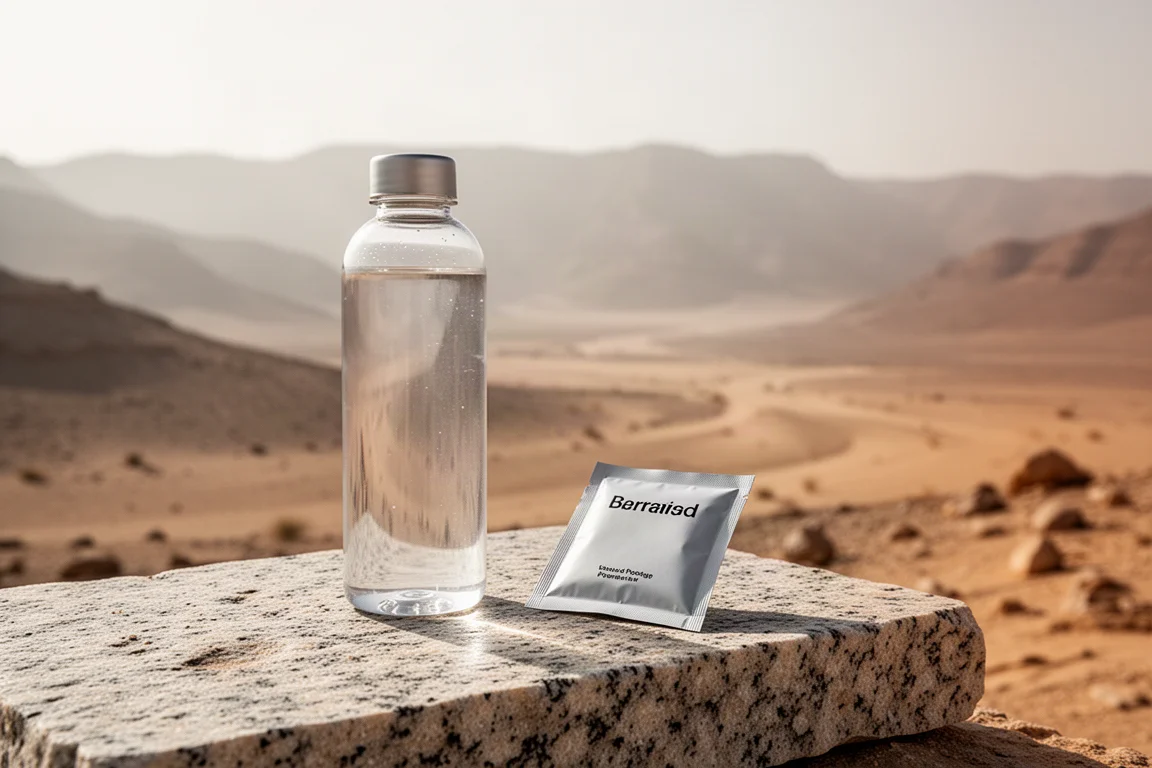
LMNT. Each LMNT packet contains 1,000 mg of sodium, roughly three to four times the sodium found in many other electrolyte packets. For heavy sweaters, that concentration is the entire point.
Problem 4: Reaching Water Bottles Without Shoulder Gymnastics
Side pockets are the right place for water on weight grounds. A few pounds of water carried on the hips moves far better than the same weight hanging from the shoulder straps. The problem is reach: in a survey of roughly 2,000 hikers, about half reported difficulty getting bottles in and out of side pockets.
The common workarounds both have drawbacks. Shoulder-strap pouches shift several pounds of water onto the shoulders, which is the opposite of where that weight belongs. Tube systems that run from a bottle to the front of the pack make it harder to keep track of how much water is left, and they are awkward once you are in camp and would rather drink straight from the bottle. Limited shoulder flexibility makes the reach problem worse. Brands are starting to respond.
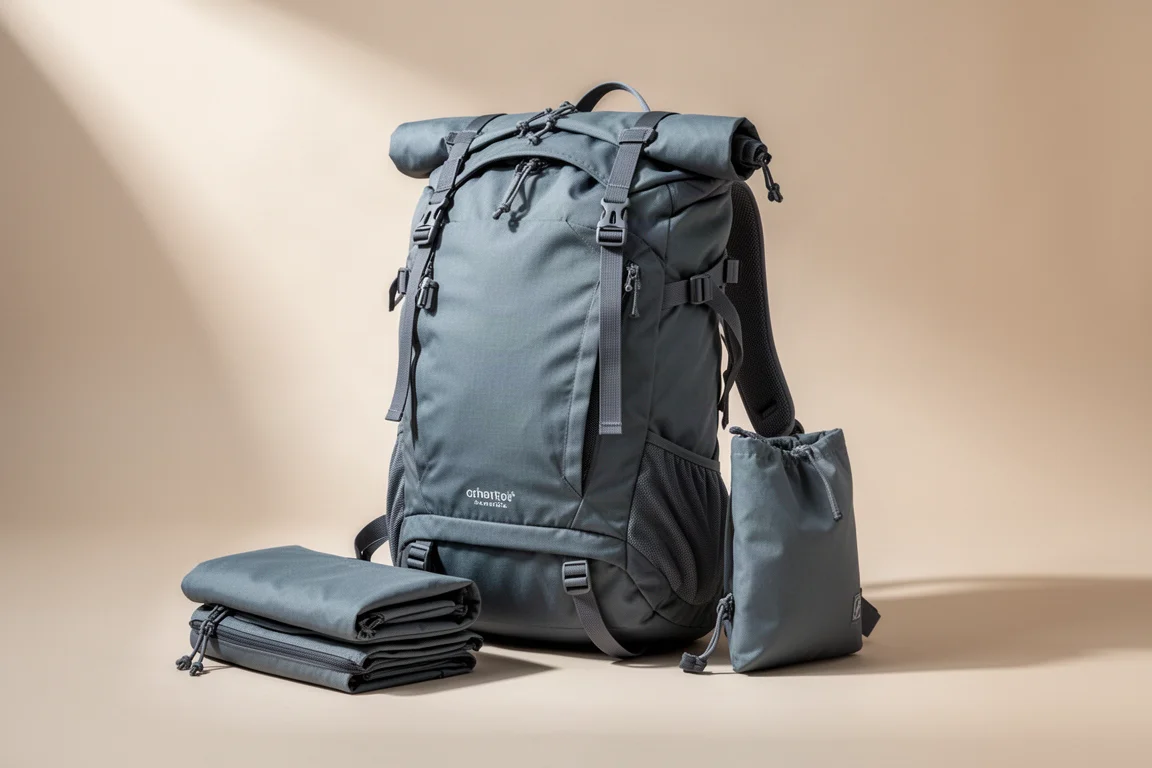
Outdoor Vitals CS40. The CS40 lowers its water bottle pockets so they sit within easier reach than a standard side pocket.
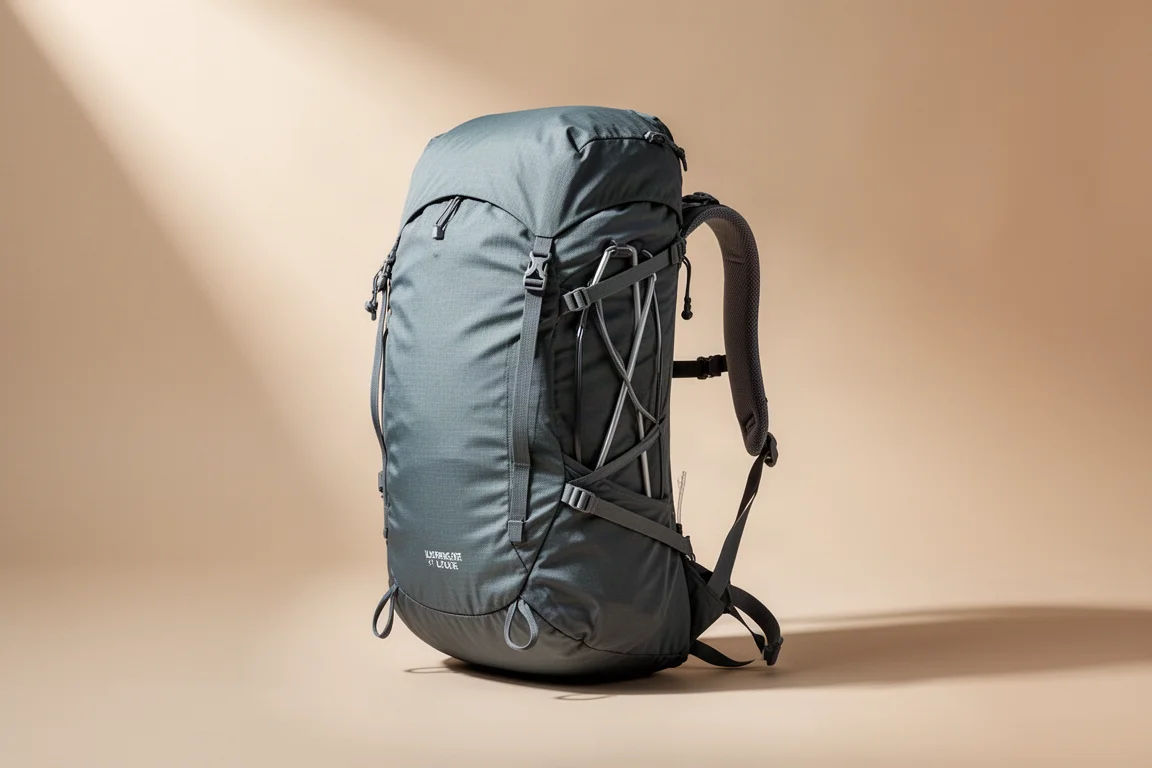
Gregory Focal. The Focal uses side-entry bottle pockets, another approach to the same reach problem.
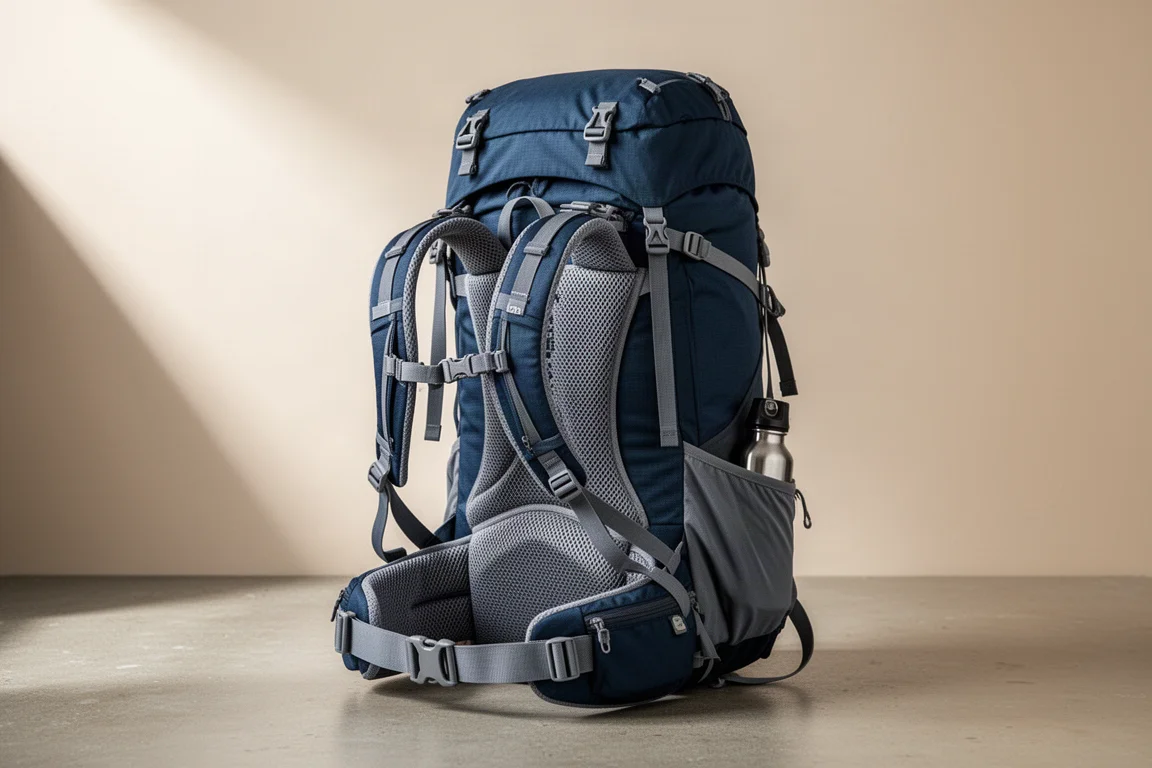
REI Flash 55. The Flash 55 adds an extra mesh pocket in front of the main side pocket. A bottle slides into that outer sleeve and back out without long arms or unusual shoulder flexibility. It also frees the main side pocket for trekking poles or a tripod, and it does not press into your side or change how the pack carries.
Problem 5: Light When You Left the Headlamp at Home
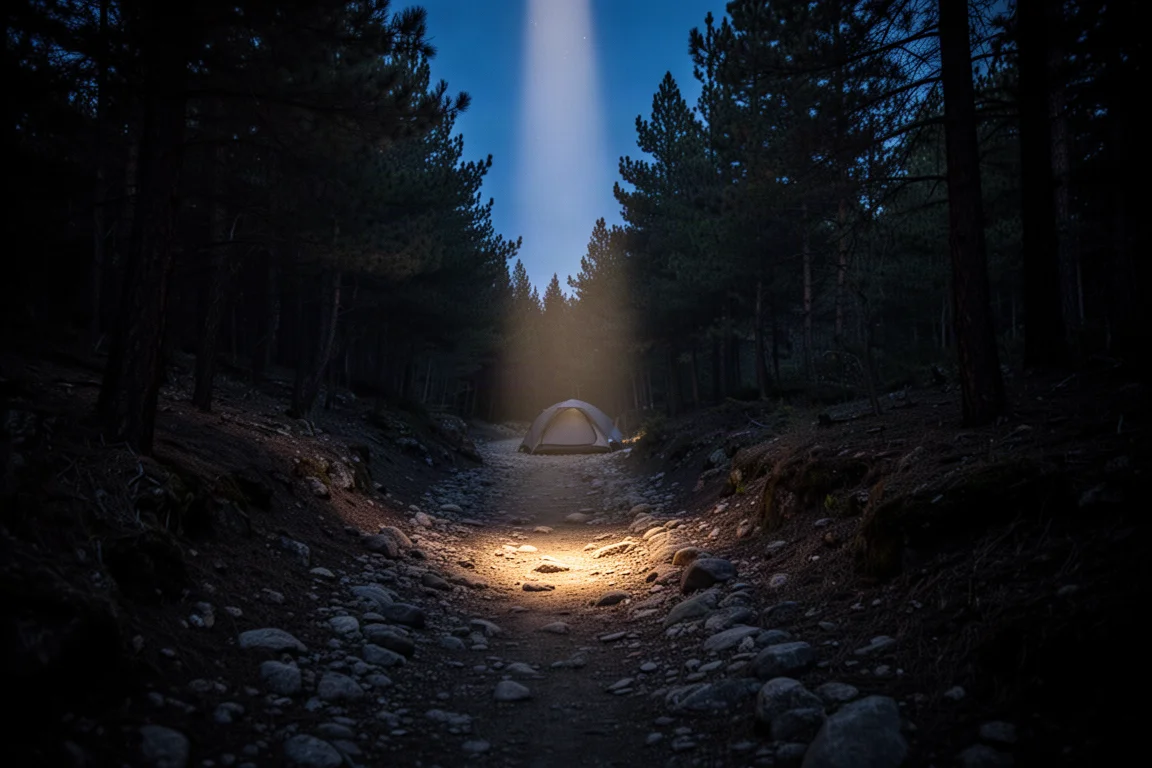
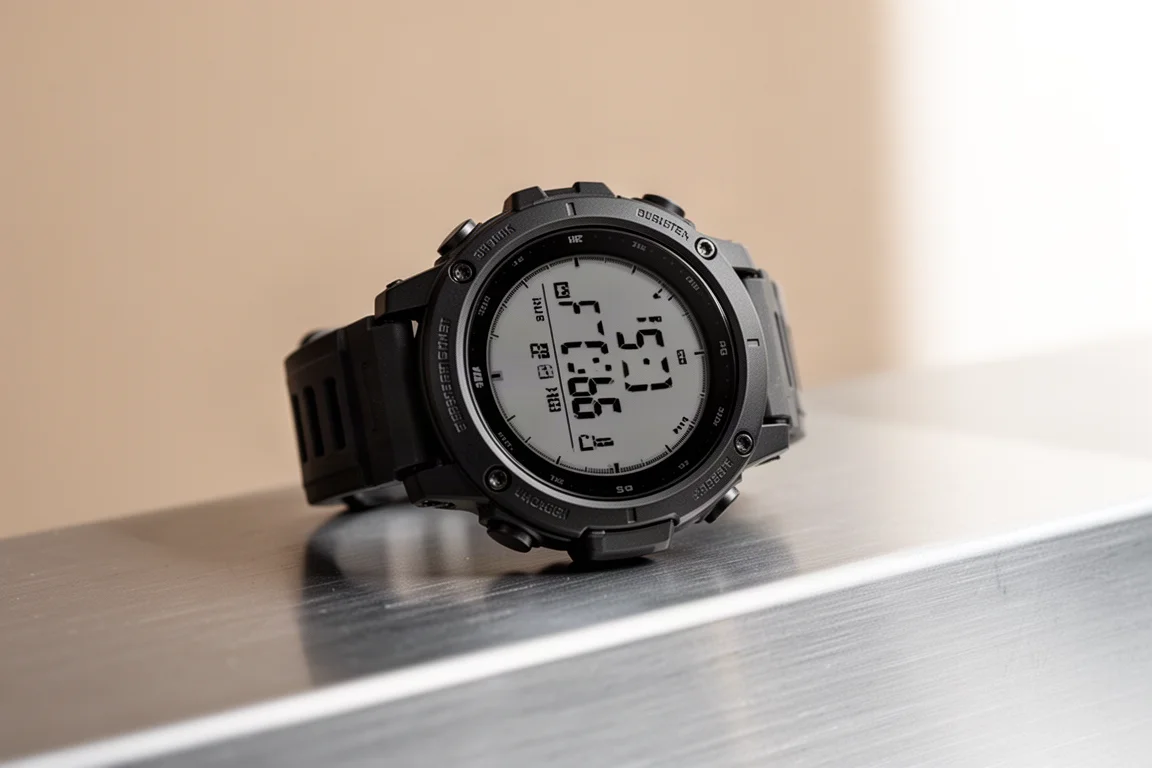
A flashlight built into a watch sounds like a gimmick until the first time it is the only light you have. Because a watch is worn all day, the light is always on your wrist, which removes the step of remembering to pack a headlamp and then digging it out of a pack in the dark.
Two situations make this genuinely useful. The first is around camp after dark, when you have wandered away from your tent and the headlamp is still buried in your pack. The second is everyday life: walking a dog at night, or changing a bulb in a closet with no other light source. In summer, when a light is rarely needed on the trail, some hikers leave the headlamp at home entirely.
Garmin Enduro 2. The Enduro 2 includes a built-in flashlight, bright enough for close-range camp tasks and quick checks around a tent.
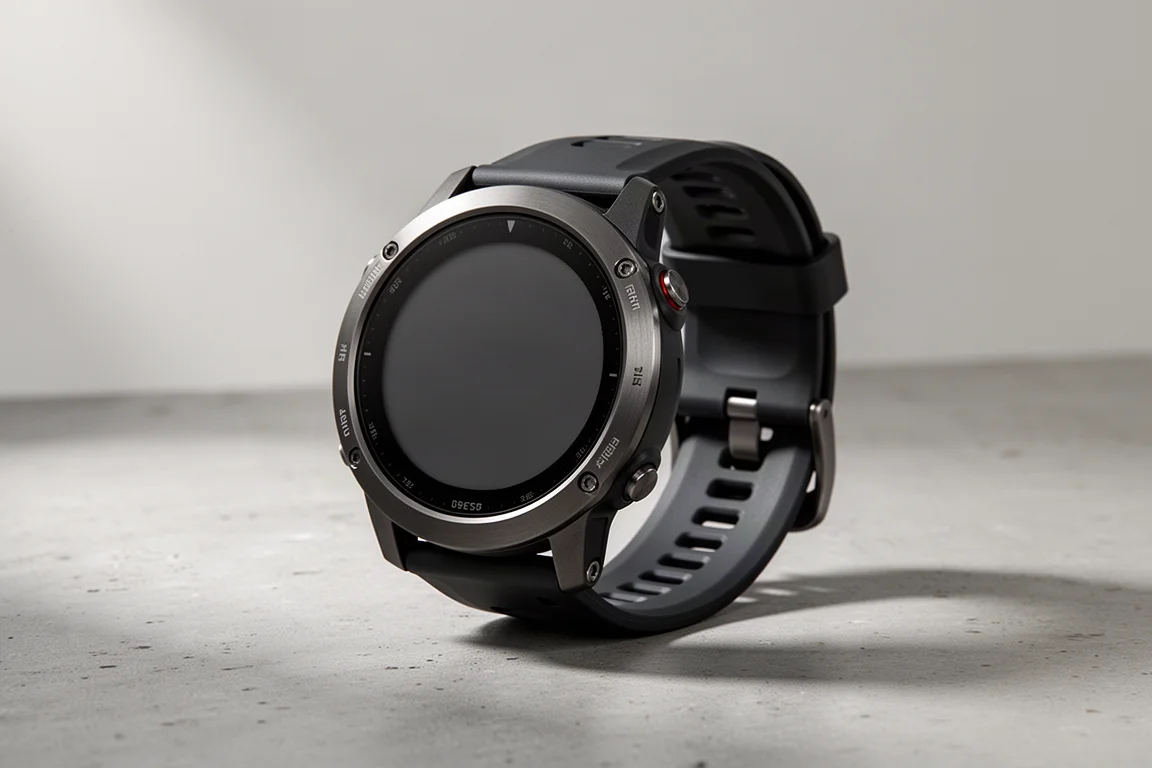
Garmin Instinct 2X. The Instinct 2X also has a flashlight built into the watch, covering the same campsite and household situations.
Problem 6: Adjusting Sleeping Pad Firmness After Lights Out
Pad firmness rarely stays where you set it. A pad that felt right at bedtime can feel too firm an hour later, and as the air inside cools, the pad softens and wants a little more air. Being able to fine-tune pressure without getting up is a small feature that changes how a night goes.
Pads that place their valves at the bottom edge, including the Exped Ultra and the REI Helix, are harder to adjust once you are lying on them. Sea to Summit’s valve design handles it differently, with two flaps: one to inflate the pad and one to dump all the air at once.
That layout has three practical benefits. It saves weight, because a single valve location replaces separate inflation and deflation valves. It empties quickly for packing, since opening the second flap dumps the air instead of requiring it to be squeezed out. And because the valve sits flat on top of the pad, it does not interfere with sleep comfort or a pillow, and it stays reachable while you are lying down. To release air, open the first flap and press the small button on the valve. To add air, blow into the valve while still lying on the pad.
How to Prioritize These Upgrades
Not every fix is worth the same to every hiker, and the right order depends on where your trips actually hurt. If you regularly camp in wet climates, a dry pitch is the highest-value change you can make, because a soaked inner ruins more nights than any weight saving will ever fix.
If you sweat heavily or hike in heat, electrolyte concentration matters more than flavour. If you have limited shoulder mobility, or you are simply tired of asking someone to pass your bottle, bottle access is worth prioritizing. If you hike into the evening, camp in summer, or want one less item to remember, a watch with a built-in light earns its place. And if you wake up repeatedly to adjust your pad, valve placement is the detail to check before you buy.
The useful test is whether a feature removes a specific, recurring irritation from your trips. Gear that solves a problem you do not have is just extra weight and extra cost. Gear that solves the problem you hit on every trip is worth paying for, even when the specification sheet looks unremarkable next to a lighter or more expensive alternative.
Conclusion
Five problems, nine products, and one common thread: the fixes are design decisions, not price points. A tent that keeps its inner dry while it goes up, a zipper that does not have to travel around a curve, an electrolyte mix with enough sodium to matter, a bottle pocket you can actually reach, a light that lives on your wrist, and a pad valve you can work in the dark all address frustrations that a bigger budget alone will not solve.
If you are upgrading this season, start with the problem you notice most often on your own trips, and buy for that. The rest can wait.
Further reading
Related Reviews

Backpacking Gear
Building a 10 lb Base Weight: An Ultralight Backpacking Gear List
A practical walkthrough of the ultralight pieces behind a 10 lb base weight, from a 765 g pack and a roomy one-person tent to a full camp chair and a dependable water filter.
Backpacking Gear
A 15-Pound Lightweight Backpacking Gear List for Solo Trips
A beginner-friendly 15-pound backpacking setup built from easy-to-find gear, with notes on what each piece does, how it packs, and where to spend your attention.
Backpacking Gear
8 Ultralight Backpacking Gear Upgrades Worth Carrying
Eight small, affordable backpacking upgrades that solve real trail annoyances, from a pillow that stays put to a fuel valve that rescues leftover canister gas.