Backpacking Gear
Backpacking Gear Preview: Four Field-Tested Pieces Worth Watching
A cold-weather look at four backpacking pieces: a stretch-top sleeping pad, a high-end down quilt, a semi-freestanding two-person tent, and a versatile 45-liter pack.
Introduction
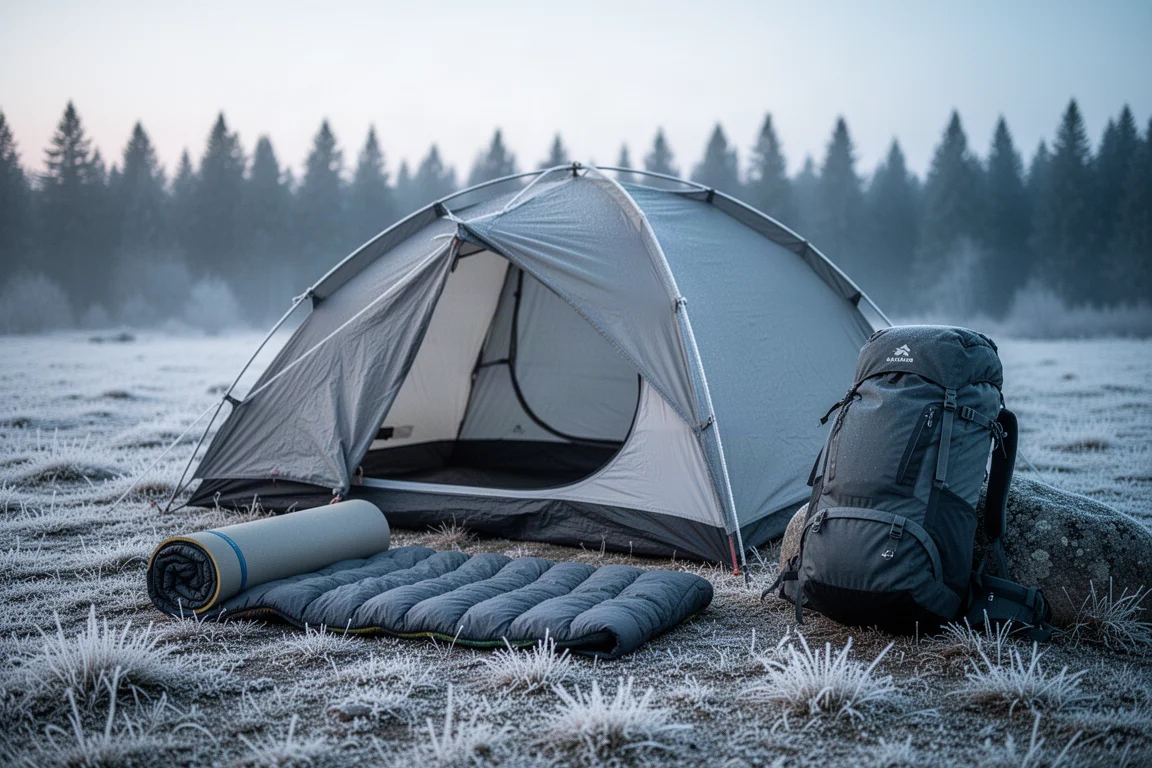
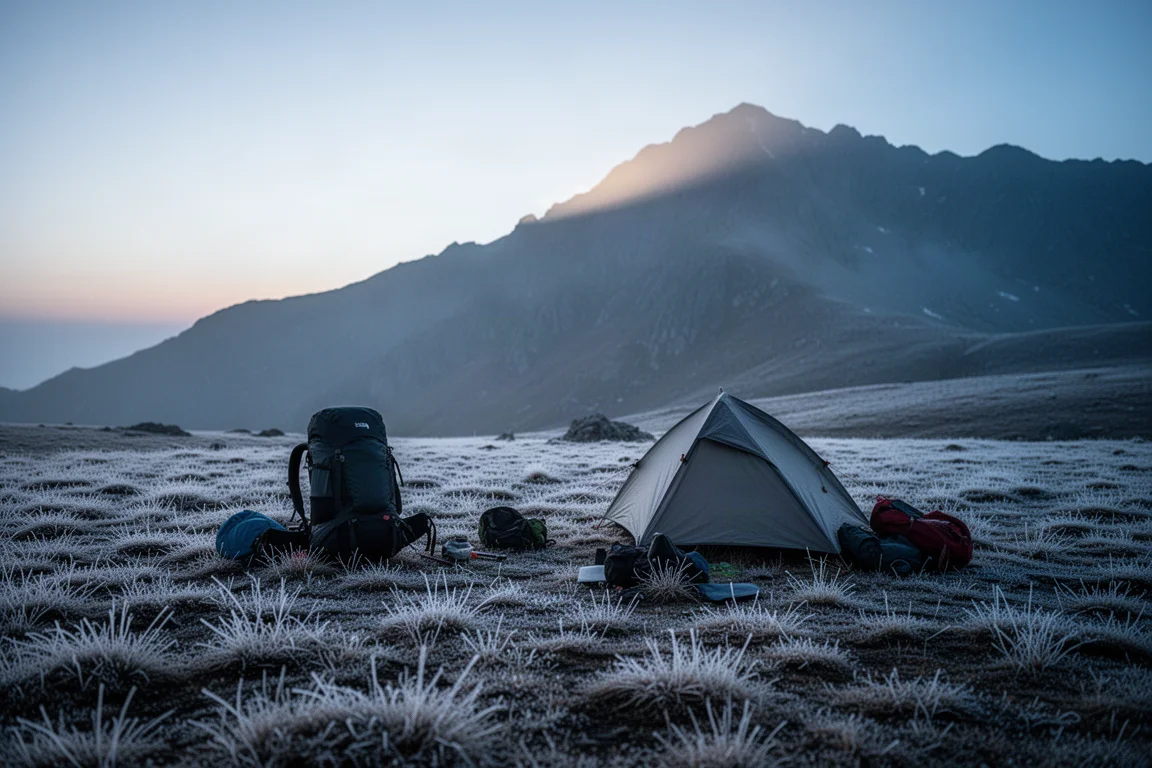
A sub-freezing night is a useful filter. When the overnight low settles at minus 5 degrees Celsius, gear that looks good on a spec sheet has nowhere to hide, and gear that genuinely works tends to announce itself.
Four pieces went through that kind of night: a stretch-top sleeping pad, a high-end down quilt, a semi-freestanding two-person tent, and a 45-liter pack. Three of them are slated for 2027, and one is available now. Each is interesting for a different reason, and each comes with a clear trade-off worth understanding before you plan a purchase.
This guide walks through what each piece does well, where it gives ground, and who it actually suits.
What Mattered Most in Testing
Five things carried the most weight: warmth relative to claimed ratings, comfort across a full night, packed weight, the durability of the materials, and price. Real-world livability mattered too, since features like pocket placement and door design only reveal themselves after hours of use. The overnight low of minus 5 degrees Celsius made warmth and condensation behavior the most revealing tests of the trip.
Therm-a-Rest Trail Mix: A More Approachable Stretch-Top Pad
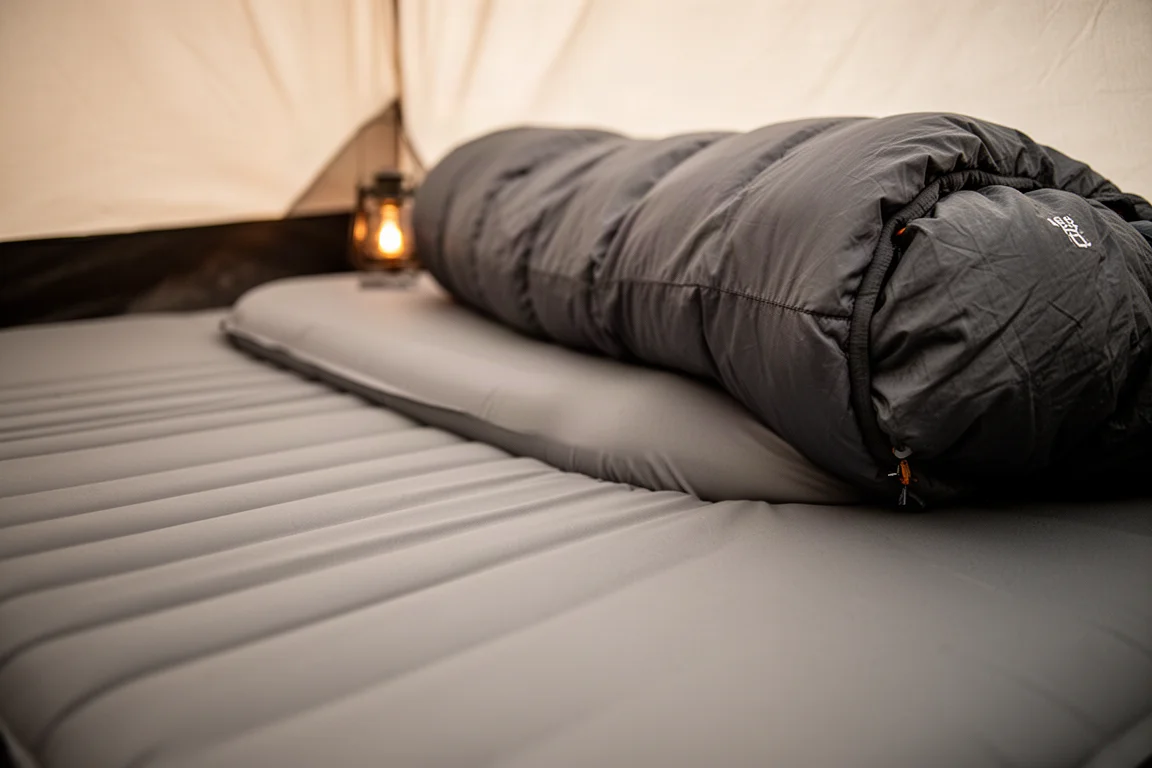
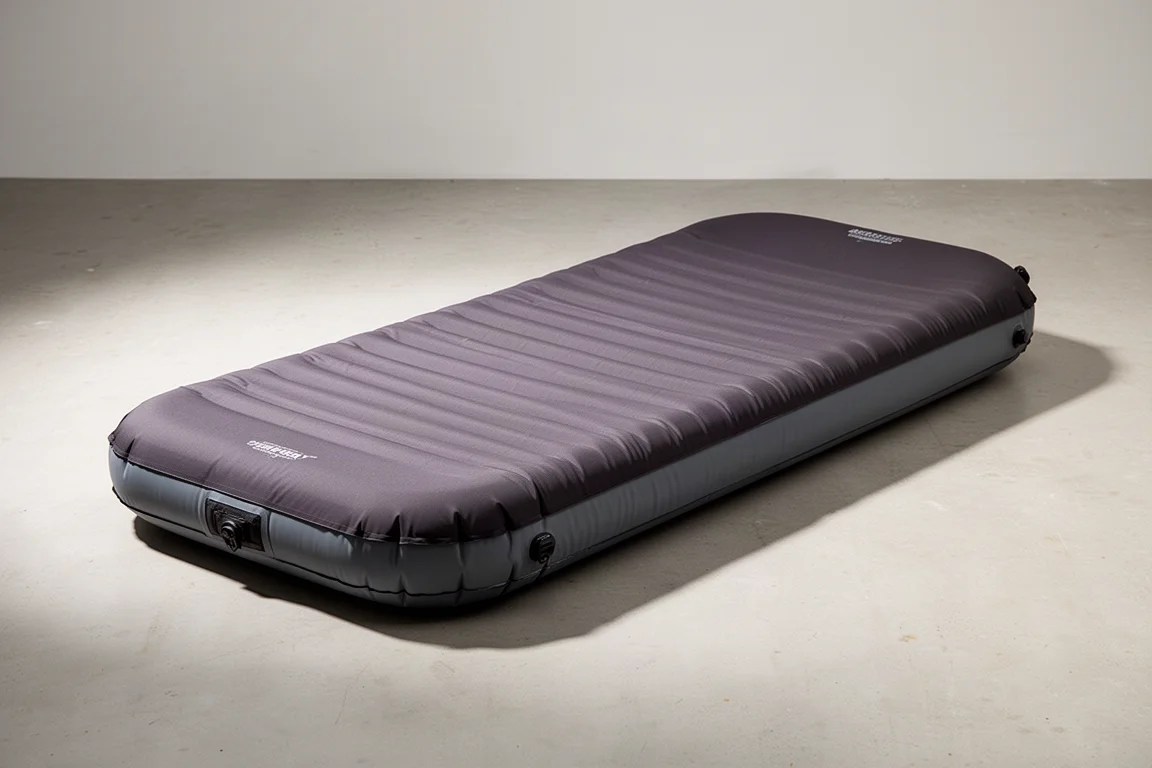
The Trail Mix is a sleeping pad built around an approachable balance of comfort, warmth, durability, and value. It carries an ASTM-tested R-value of 4.5, weighs just over 700 grams in the regular wide size, and is targeted at $160.
The construction is the interesting part. A durable 75-denier fabric forms the base, while a 50-denier stretch fabric covers the top. At three inches thick, the pad is designed to let sleepers sink in slightly, which is exactly where stretch-top pads tend to earn their comfort advantage over conventional baffled designs.
In testing, the Trail Mix held up better than its R-value would suggest. It stayed comfortable down to minus 3 degrees Celsius, and that result came with the pad inflated to roughly 70 percent, a level that let the stretch material work as intended. Fully inflated, there may be another degree or two of warmth available. The stretch top does not feel quite as supple as the NeoLoft, and the narrower horizontal baffles can still be felt as pressure points, but the overall balance is strong for the price.
For anyone shopping in this price bracket, few pads combine warmth, comfort, durability, and weight this convincingly.
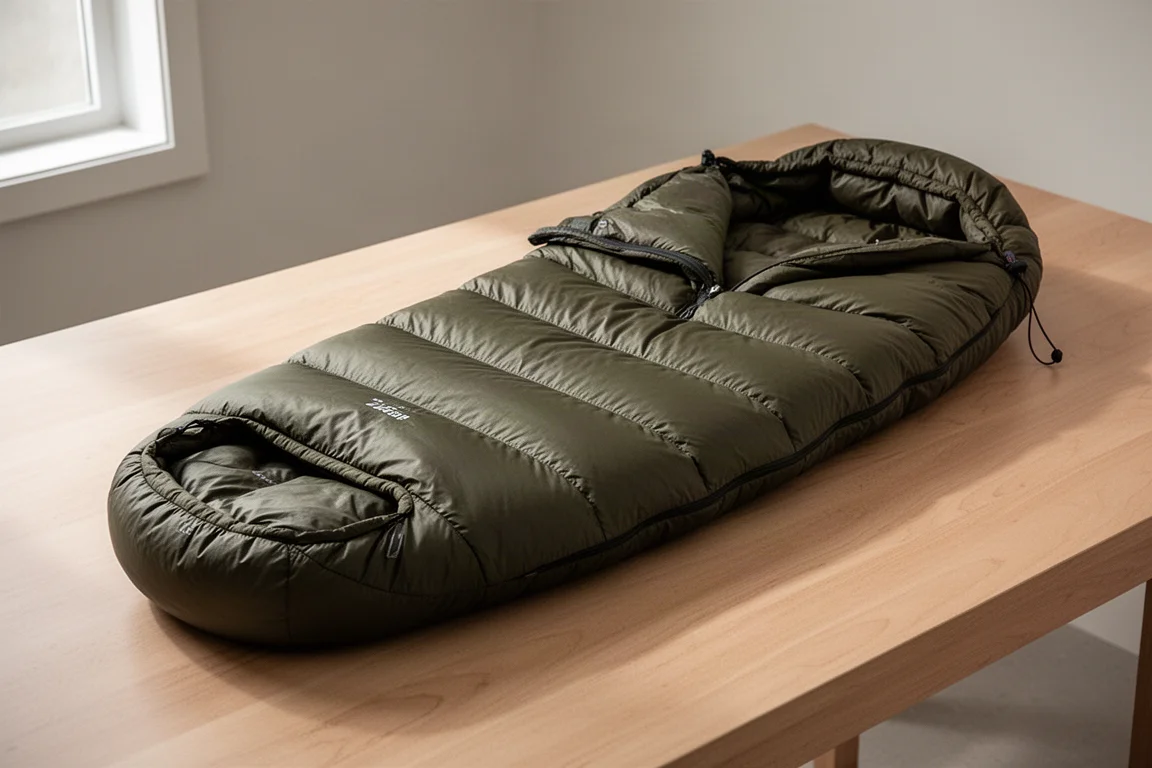
Cumulus NeoQuilt 450: High-End Warmth at a Competitive Price
Cumulus positions the NeoQuilt 450 as an ultralight three-season quilt with high thermal efficiency, and the materials back that up: 900 fill power down inside a lightweight shell fabric, with a total weight of just over 600 grams. The quilt is rated to minus 2 degrees Celsius for comfort and minus 8 degrees Celsius as a limit.
Weight savings come partly from the shape. The footbox is heavily tapered and fully enclosed, with no zipper, which keeps warmth in and uses less material. A draft collar and a neck cinch seal the top. Anyone who likes to stretch out and move their feet around freely may prefer Cumulus quilts with a more open footbox.
The pad attachment system is the one clear annoyance. The connectors use a male end on one side and a female end on the other, so straps can end up oriented the wrong way and need to be removed and refitted.
On a night that dropped to minus 5 degrees Celsius, the quilt showed no noticeable heat loss, which suggests it can be pushed close to its limit rating. The main caveat is draft management: this is a traditional quilt, so the clips need to be wrapped carefully around the pad to avoid cold spots when shifting position. Side sleepers may also want to consider sizing up.
MSR FreeLite Stash 2: A True Two-Person Semi-Freestanding Tent
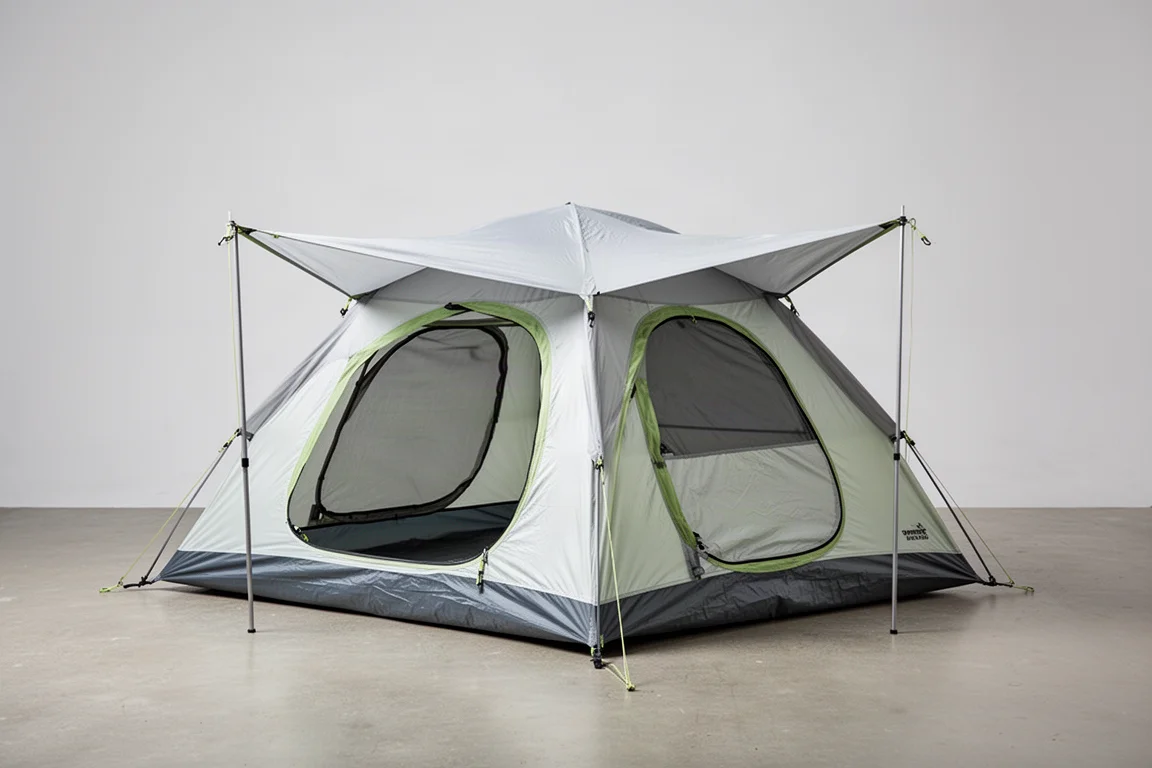
MSR describes the FreeLite Stash 2 as a versatile, light, packable, semi-freestanding backpacking tent that does not compromise on livability, comfort, or storm protection. Livability is where it makes its strongest case, and it clearly addresses several problems seen in the previous version.
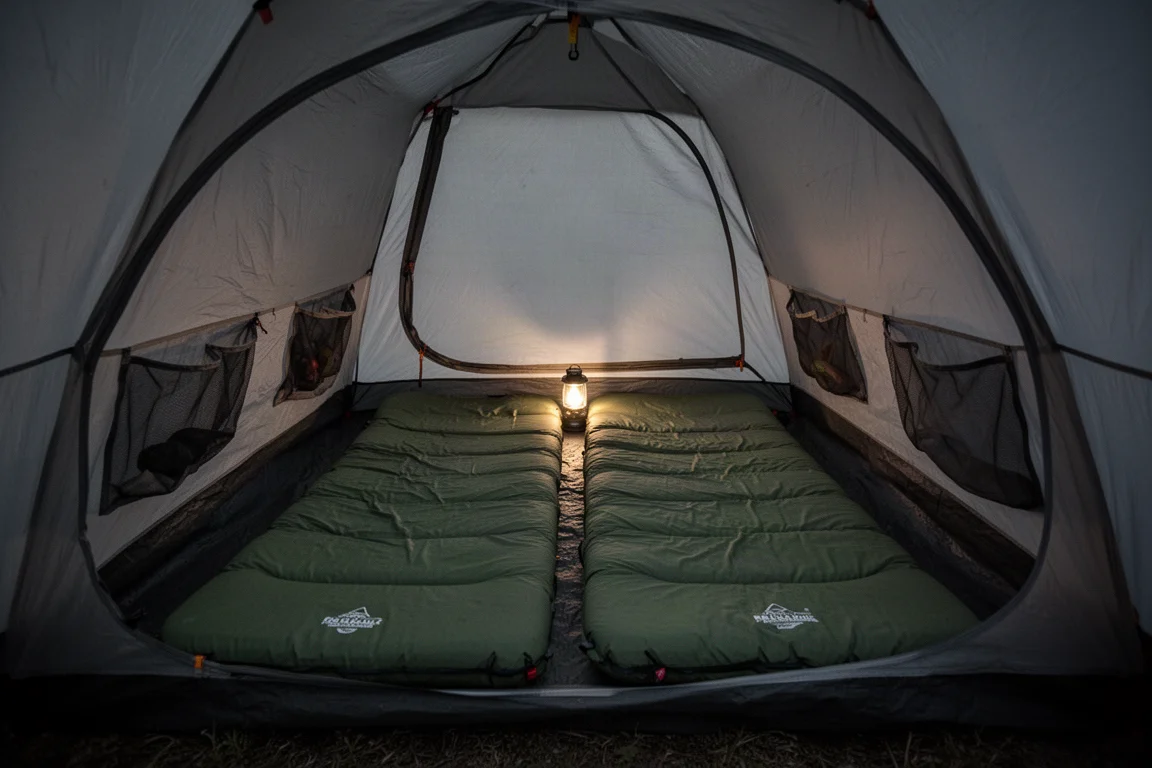
This is a genuine two-person interior. Two 25-inch rectangular pads fit side by side, and unlike many semi-freestanding designs there is no taper toward the foot end. Storage is generous as well: a large pocket at the head end, a corner pocket for each sleeper, a ceiling pocket, and a line running along the ceiling for hanging items.
The brow pole is wider than before, which improves shoulder room and reduces the amount of water dumped inside by the angled door. It does not extend all the way to the edge of the tent, though, so rain intrusion remains an open question, and the rain gutter along the door edge has not proven especially effective in the past. The head end no longer uses a large cutout, which helps keep condensation on the fly rather than on the inner wall.
Two design choices stand out as compromises. The doors only open halfway, with no tie-out point for a full opening, which makes moving in and out more awkward than it needs to be. The dual no-curve zipper, on the other hand, is genuinely good and makes one-handed use easy. The fly is still nylon, so it can stretch and sag once wet.
Packing is the headline change. The pole structure is much shorter, so the entire tent fits inside a pack. There is only one version, with no bikepacking-specific model.
The open question is weather performance. Wind, rain, and condensation all still need proper testing, and that matters most for anyone who camps in wet climates.
Gregory Contour 45: A Versatile Pack With Real Trade-Offs
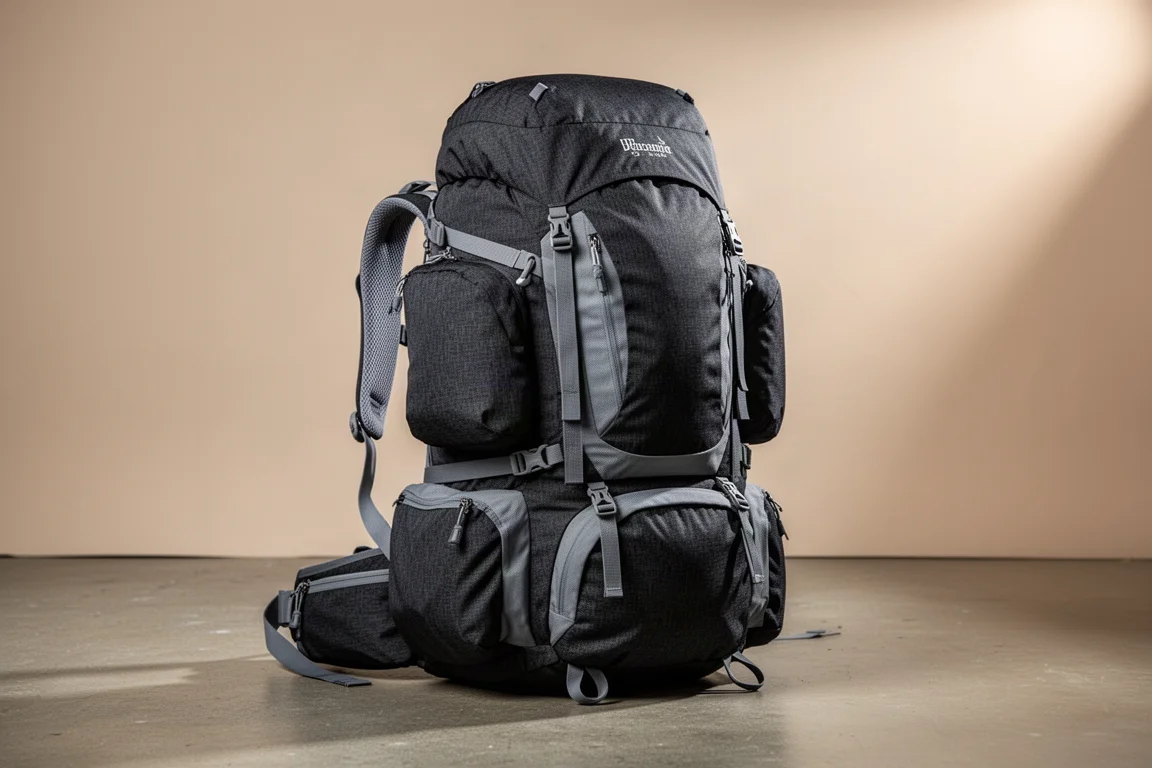
Gregory bills the Contour 45 as a single bag that can handle everything from travel to hut trips to thru-hikes, and it is a notable attempt at something new from a large pack maker.
The hip belt is the highlight. Large wings wrap around the hips and stay comfortable over long distances, and the hip belt pockets are enormous. Pockets on both shoulder straps add genuinely useful access, whether for bear spray, sunglasses, or anything else you want within reach. An adjustable torso helps dial in the fit.
Fit is also where the pack runs into trouble. The one-size-fits-all design is short. An 18-inch torso sits near the upper limit, and taller torsos will find the load lifters mounted at or below shoulder height, which undermines weight transfer down to the hips. The stretchy side pockets sit high enough that retrieving a water bottle takes real effort, and the front pocket is neither stretchy nor especially large.
Access is a strong point for travel. Undoing the front buckles and unzipping the panel opens up the full volume of the pack, while top access under the brain remains the quicker option on trail. The brain itself has a small pocket on its underside for keys and small items.
The main problem is weight, at over 1,600 grams. There is also no laptop sleeve, and the bladder sleeve runs all the way to the bottom, which is not where a laptop should sit. The short height is likely deliberate, since it helps the pack fit in a carry-on.
Buying Advice: Which of These Deserves a Spot in Your Pack
Two of these pieces are easy to recommend. The Trail Mix brings a stretch-top sleeping surface to a much lower price than comparable pads, with warmth that outperformed its R-value in the cold. The NeoQuilt 450 delivers high-end materials and a competitive price for the weight, provided you are comfortable managing a traditional quilt’s draft protection.
The FreeLite Stash 2 is promising but unfinished business. Its interior space, storage, and packed size are all real improvements, yet rain and condensation performance remain unproven. Anyone who camps in wet conditions should wait for more evidence before committing.
The Contour 45 is the most niche of the group. Its comfort, pockets, and travel-friendly access will appeal to hut-to-hut travelers who are less concerned with weight, but at over 1,600 grams it is hard to justify for most thru-hikers, and the short fit limits who can wear it well.
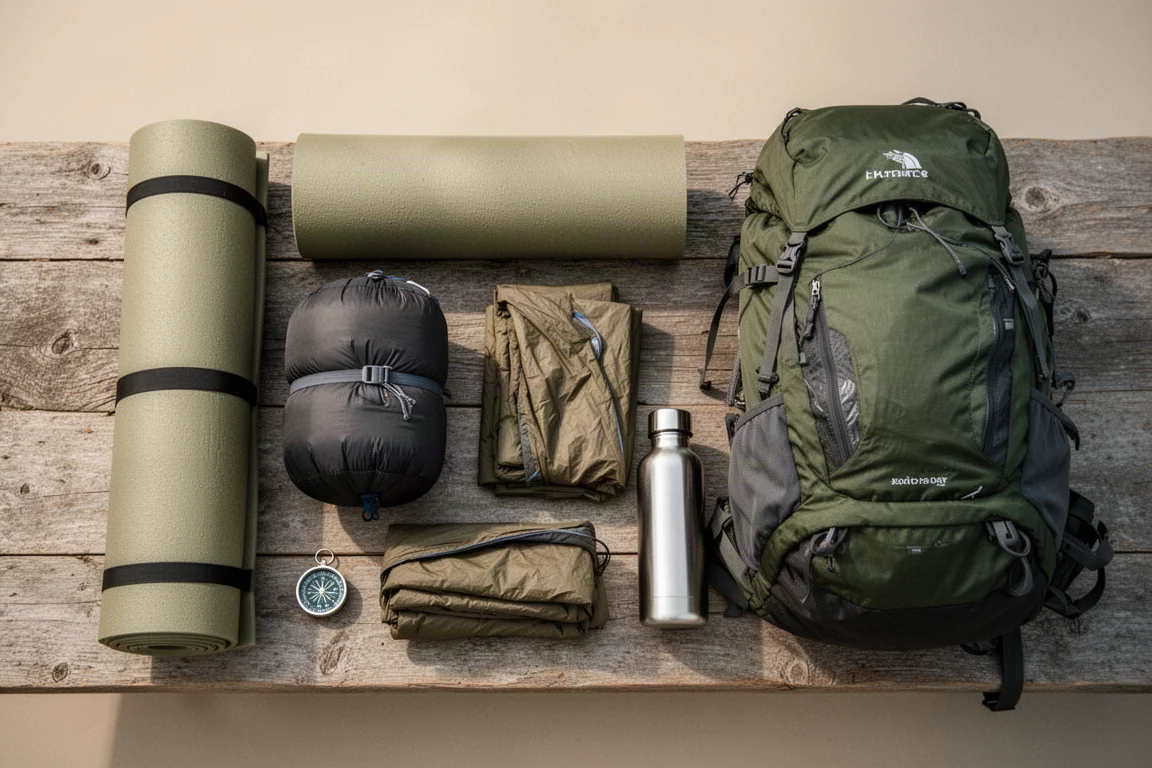
If you are buying today, the quilt is the one piece here that is already available, while the pad, the tent, and the pack are worth tracking as 2027 releases.
Conclusion
Cold nights are honest tests, and this group split cleanly. The Trail Mix and the NeoQuilt 450 both look like genuine wins for their price and weight, each with a small caveat worth accepting. The FreeLite Stash 2 has fixed several of the problems of its predecessor but still has to prove itself in rain. The Contour 45 is comfortable and clever in places, but its weight and short fit keep it out of most packs.
That is a useful spread: two pieces worth buying now or soon, one worth watching, and one built for a specific kind of traveler.
Further reading
Related Reviews

Backpacking Gear
Building a 10 lb Base Weight: An Ultralight Backpacking Gear List
A practical walkthrough of the ultralight pieces behind a 10 lb base weight, from a 765 g pack and a roomy one-person tent to a full camp chair and a dependable water filter.
Backpacking Gear
A 15-Pound Lightweight Backpacking Gear List for Solo Trips
A beginner-friendly 15-pound backpacking setup built from easy-to-find gear, with notes on what each piece does, how it packs, and where to spend your attention.
Backpacking Gear
8 Ultralight Backpacking Gear Upgrades Worth Carrying
Eight small, affordable backpacking upgrades that solve real trail annoyances, from a pillow that stays put to a fuel valve that rescues leftover canister gas.