Backpacking Gear
Backpacking Gear Worth Packing: Eight Picks That Earn Their Place
Eight backpacking picks assessed on weight, price and real trail use, from trip planning software to a $20 pillow, a $9 pot lid and a weight-balancing pack.
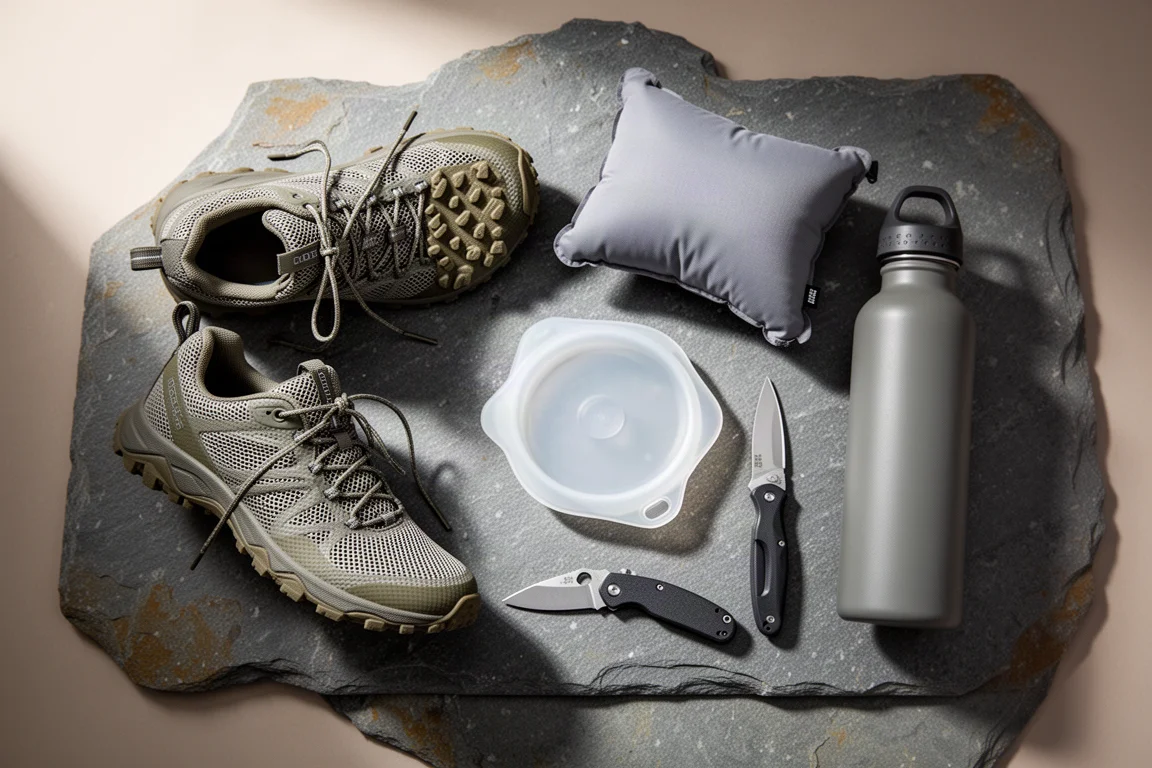
Introduction
Not every item that looks clever in a product photo survives contact with a real trail. The eight pieces of gear below were judged on utility, weight, price, and whether they solve a problem you will genuinely run into on a trip.
Some are established categories with a fresh approach. A few are newer ideas that will appeal to one kind of hiker and not to another. Where a product carries a trade-off, it is stated plainly so you can decide whether it fits the way you travel.
OnX Backcountry: Trip Planning That Removes the Guesswork
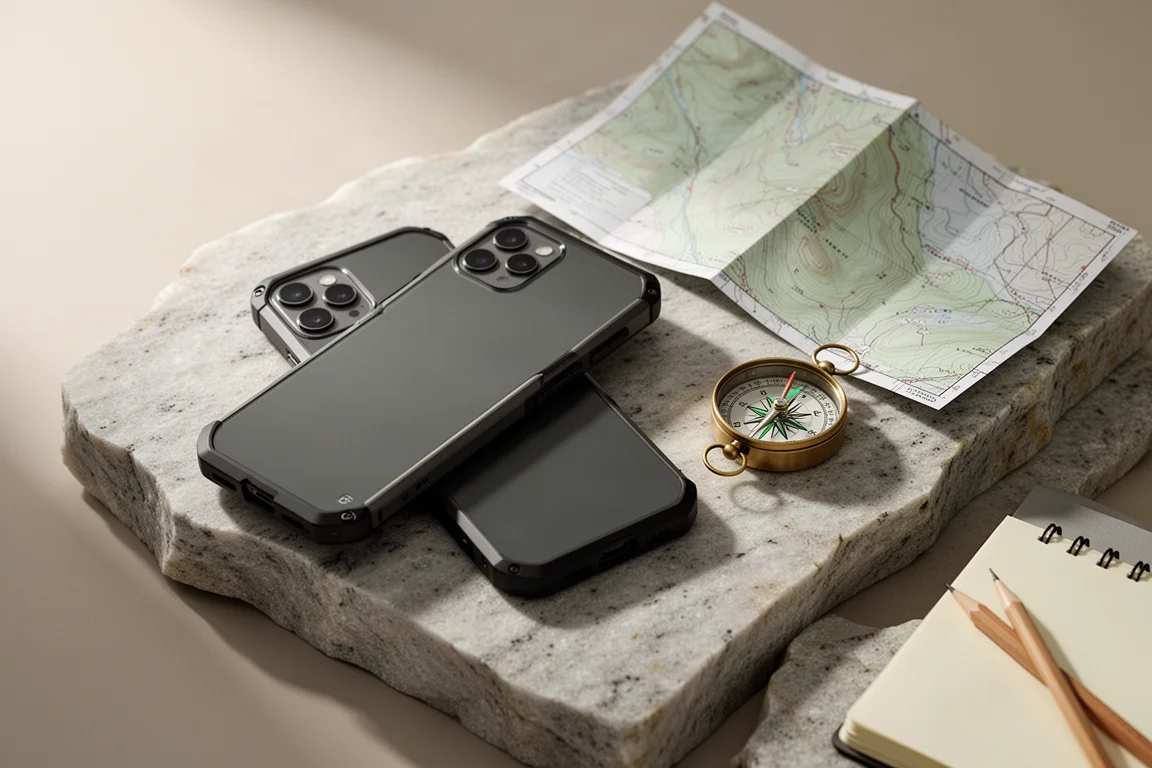
Planning is where a trip is made or broken, and this is the most capable planning tool in the group. OnX Backcountry works on a home computer or as a phone app, and it can help assemble an entire backpacking trip rather than simply displaying a map.
Trail suggestions come preloaded based on the parameters you set. The app helps you identify a starting point, find campsites, and locate water sources, and its offline maps keep that information available when there is no signal. Real-time satellite weather data lets you check conditions before you commit, and you can see whether there is currently snow on the ground where you are headed, which matters for shoulder-season plans. The platform has also expanded with features aimed at mountain biking, climbing, skiing, and hiking.

For anyone who has spent an evening cross-referencing paper maps with trail notes, the gain here is time and confidence. The planning happens before you leave, and the offline layer keeps it usable once you are out there.
Norda Trail Shoe: Light on the Feet, Built to Last
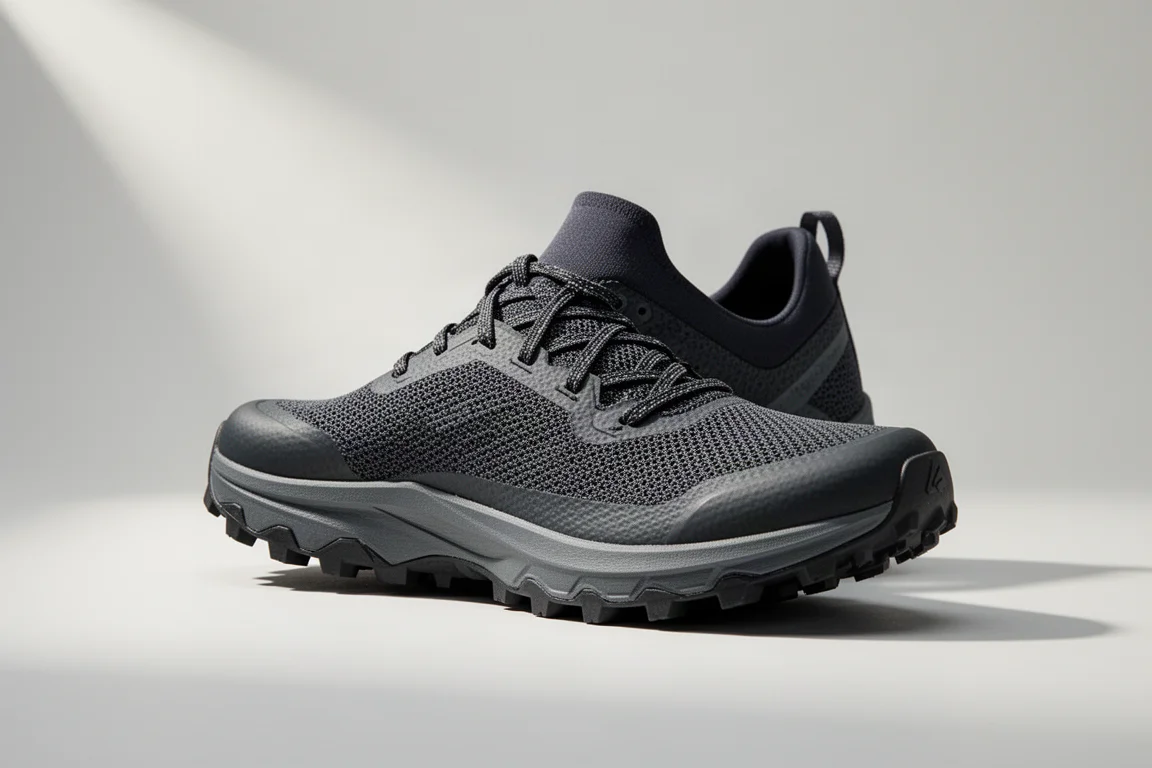
Norda is a Canadian company that has only been around for a few years, and its trail shoe has quickly found a following among hikers who want something outside the usual options.
Weight and durability are the two headline claims. The shoe comes in under a pound, which is unusually light for trail footwear, and it uses a Vibram outsole for traction. Durability is the more interesting part: the brand does not advertise a 1,000-mile lifespan, yet many pairs reportedly reach that distance. If that holds up in your own use, the cost per mile starts to look reasonable next to shoes that need replacing after a few hundred miles.
Two things to plan around. The shoe asks for a break-in period, more like a boot than a typical running shoe. And at $295 it sits at the top of the trail shoe market, so the durability claim is doing much of the persuading. If you wear through shoes quickly, the math may work in your favor. If you prefer to rotate several pairs, it may not.
Enlighten Equipment Pillow: A $20 Sleep Upgrade
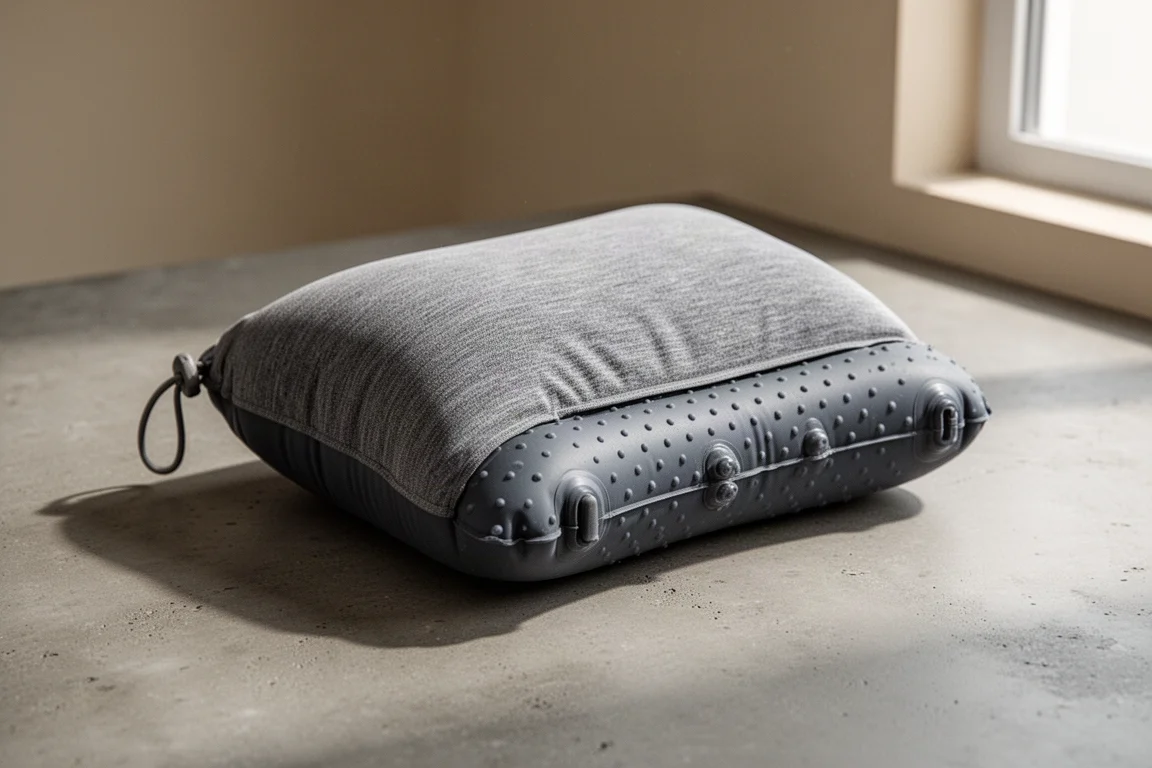
A good night’s sleep depends on more than your pad, and this small air pillow is a straightforward way to improve it for very little money. At $20 it undercuts several well-known backpacking pillows that use a similar design.
The top fabric is comfortable against the skin, and the underside carries small silicone dots that help it grip a sleeping pad instead of sliding away during the night. A toggle strap loops around the pad to hold the pillow in place. None of those features is unique, but they are the right ones, and the price is what separates this pillow from the rest.
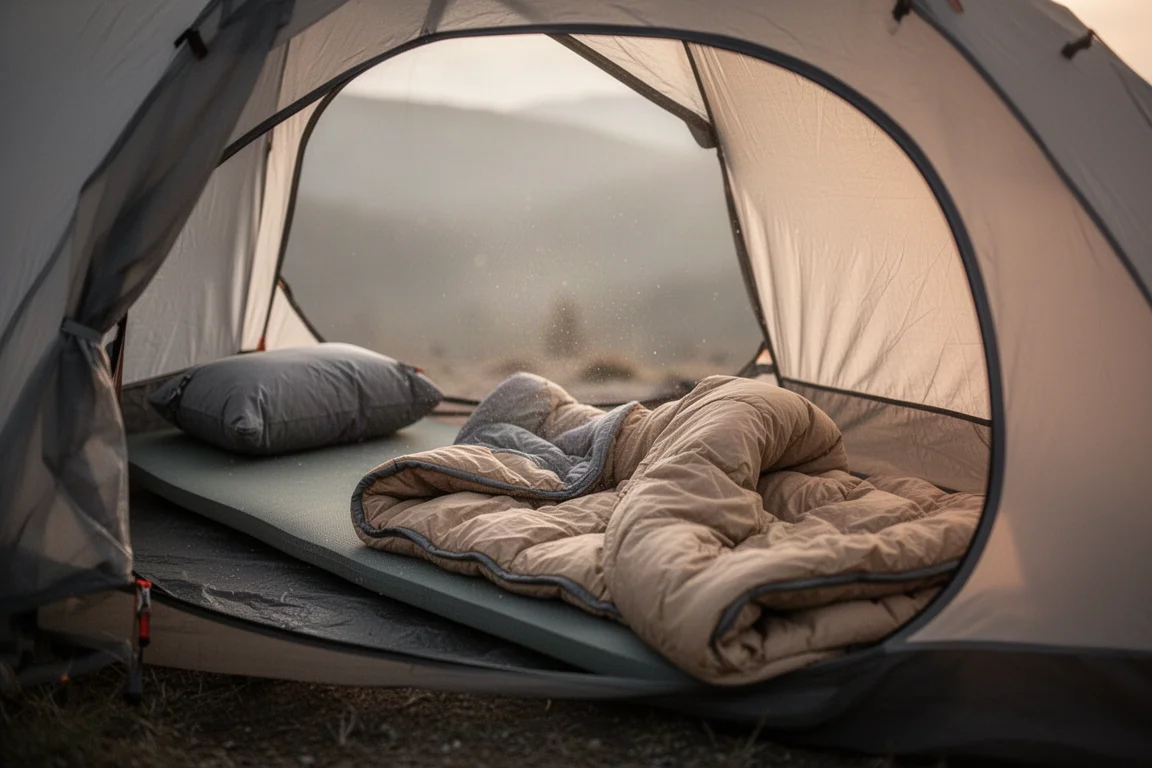
It is still an air pillow, so expect the usual trade-offs of inflatable comfort, but as a budget option it is hard to argue with. If you have been sleeping on a rolled-up jacket, this is a low-cost upgrade that changes your mornings.
Snow Peak Lip Saver: A Tiny Kitchen Fix
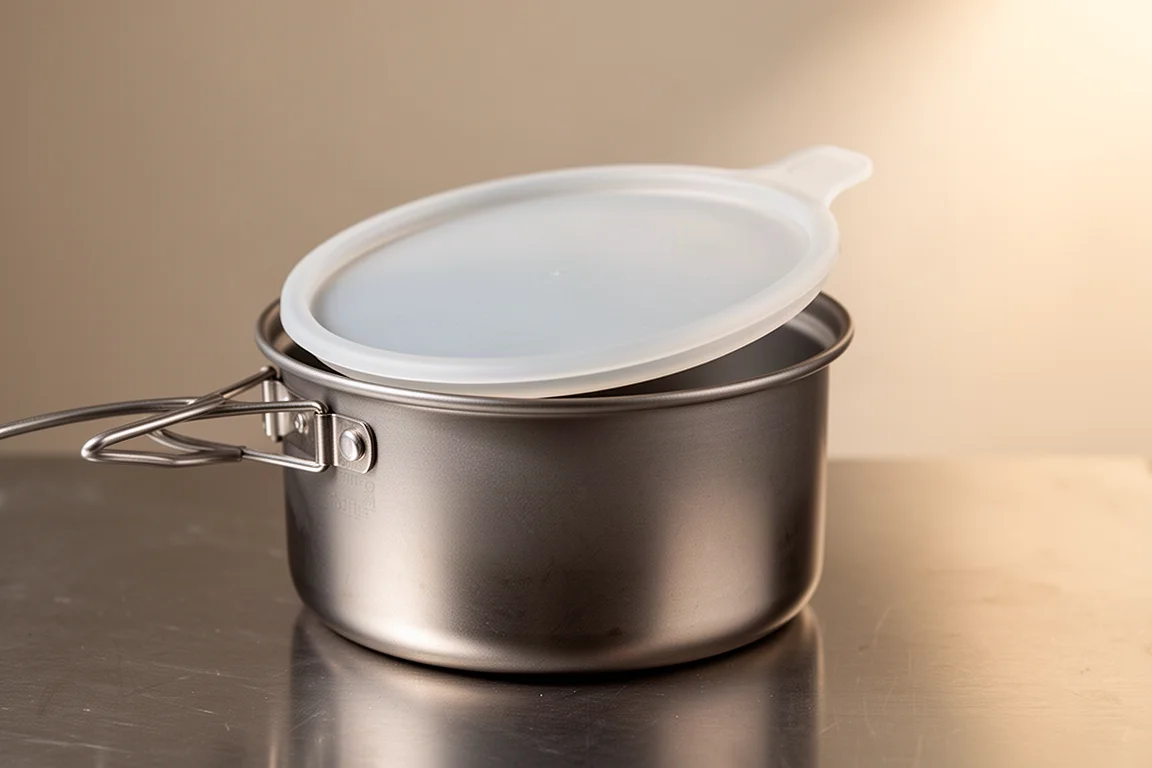
The Lip Saver is a small silicone lid that fits onto a pot, and it does two useful things for $8.95 a pair: it helps hold heat in, and it lets you drink straight from the pot without burning your lip. That is the whole idea, and it works.
Because it fits any pot you already carry, it adds no cookware to your pack. It is the kind of item that disappears into a stuff sack and then earns its keep every morning while you wait for coffee to cool to a drinkable temperature. Its small size is the one real drawback, since a pale silicone disc is easy to misplace on a cluttered camp.
Koba Caffeinated Chocolate Bars: Coffee Without the Stove
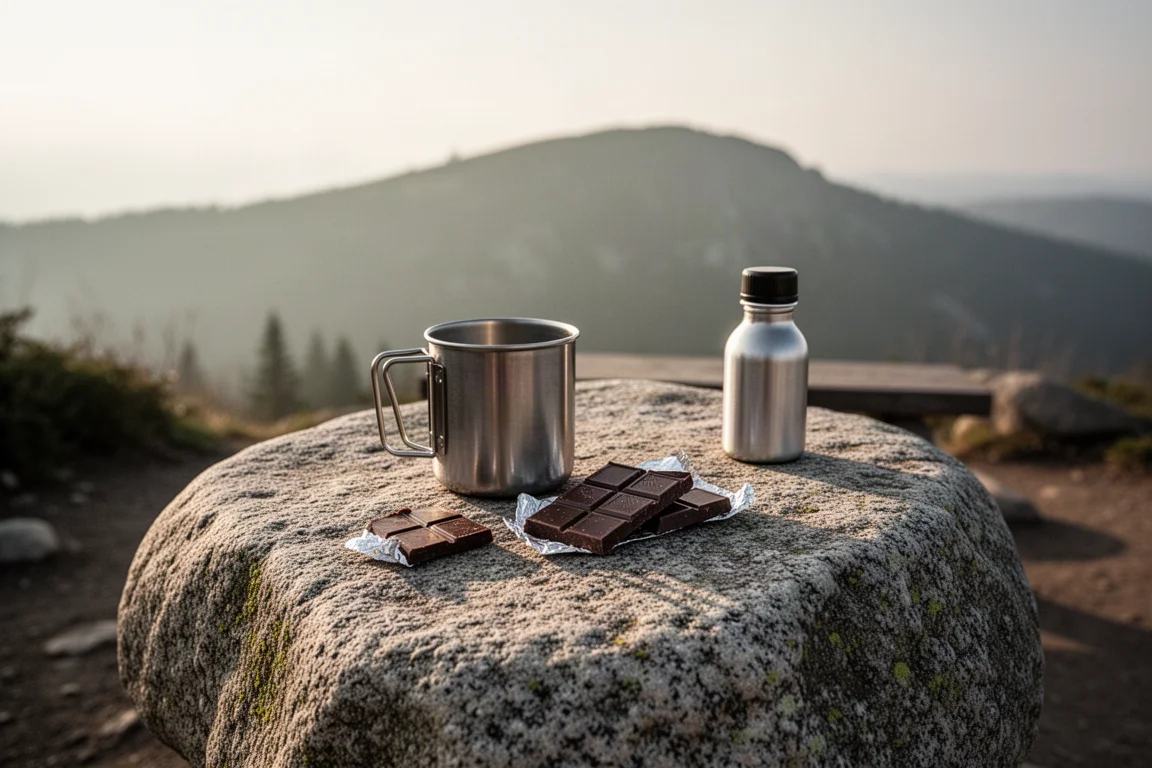
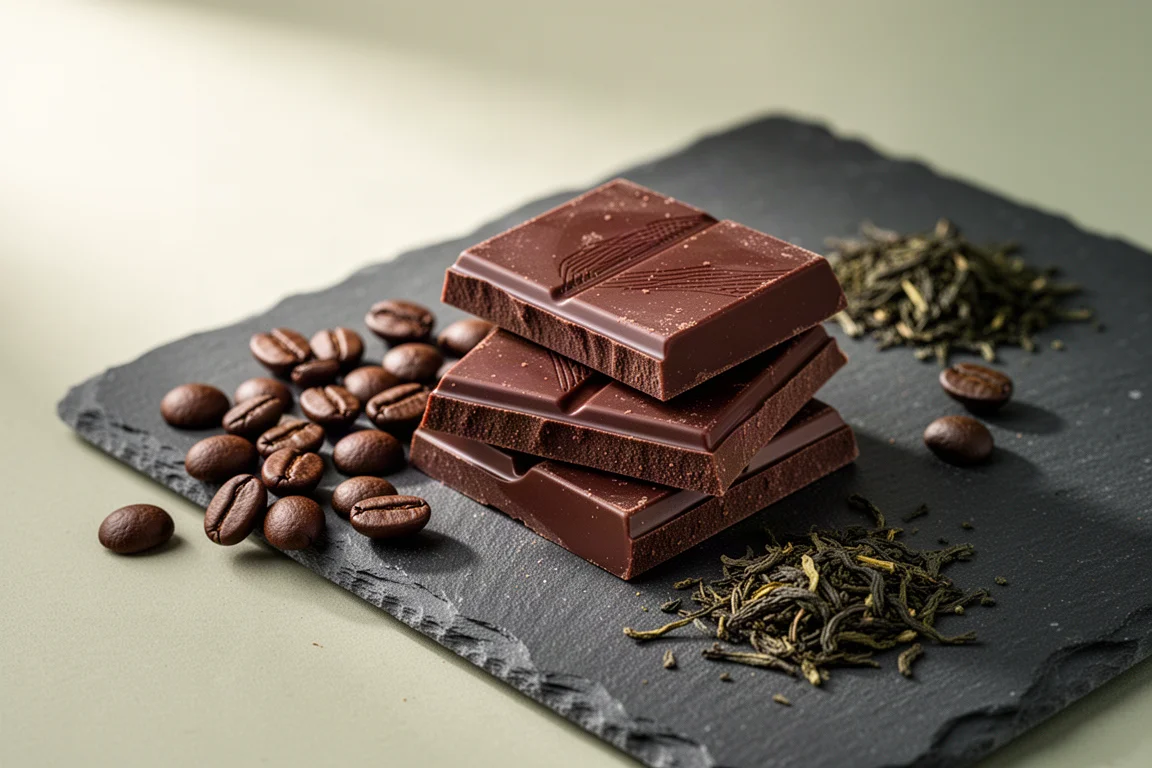
Koba makes caffeinated chocolate bars, with one bar delivering roughly the caffeine of one cup of coffee. They are sold individually at about $2.30 each, and they come in several flavor profiles, including espresso, matcha, and chai.
The appeal is practical. On a morning when you do not want to fire up a stove or wait for water to boil, a bar delivers caffeine and calories in a single step. Espresso is the most crowd-pleasing of the flavors, chai brings a warm spice blend, and matcha is the divisive one: if you like matcha, you will like it, and if you do not, you will not.
Buying them one at a time adds up, so they make more sense as a treat for early starts and cold mornings than as a daily habit. The brand is young, and this is a category worth keeping an eye on.
Mazama Water Bottle: Lighter Carry, Filter Ready
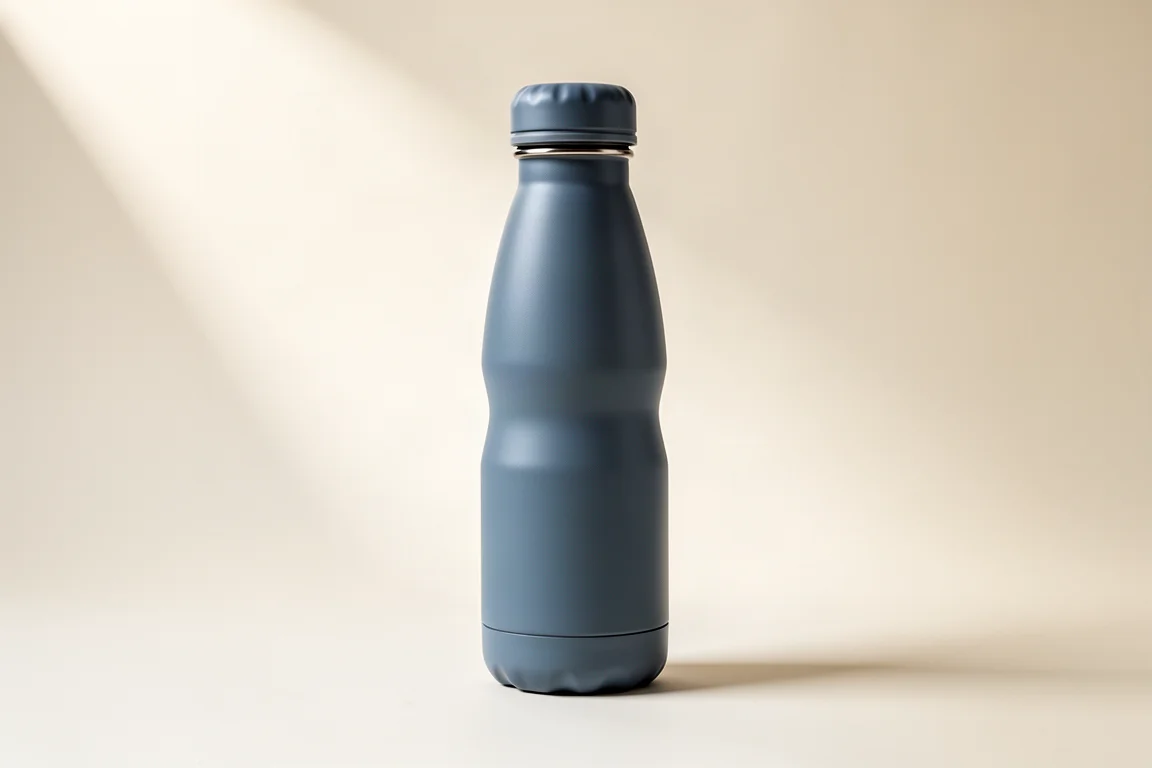
This bottle comes from Mazama in a partnership with a well-known outdoor creator, and the pitch is simple: it weighs less than a Nalgene-style bottle while keeping a similar shape and feel in the hand. On long carries, that difference is noticed.
The practical feature is the 28 mm thread, which is compatible with common water filtration setups. One bottle can then serve as both your drinking container and your dirty-water vessel, so you do not need to carry a separate scoop or an extra container for filtering. At $14.95 it is priced comfortably below comparable bottles.
The one thing missing is a tether for the cap, which is worth knowing if you are prone to losing lids. The first production run sold out through pre-orders, so availability may lag behind demand for a while.
Pepper Wool Marino MM: A Small Knife With Serious Steel
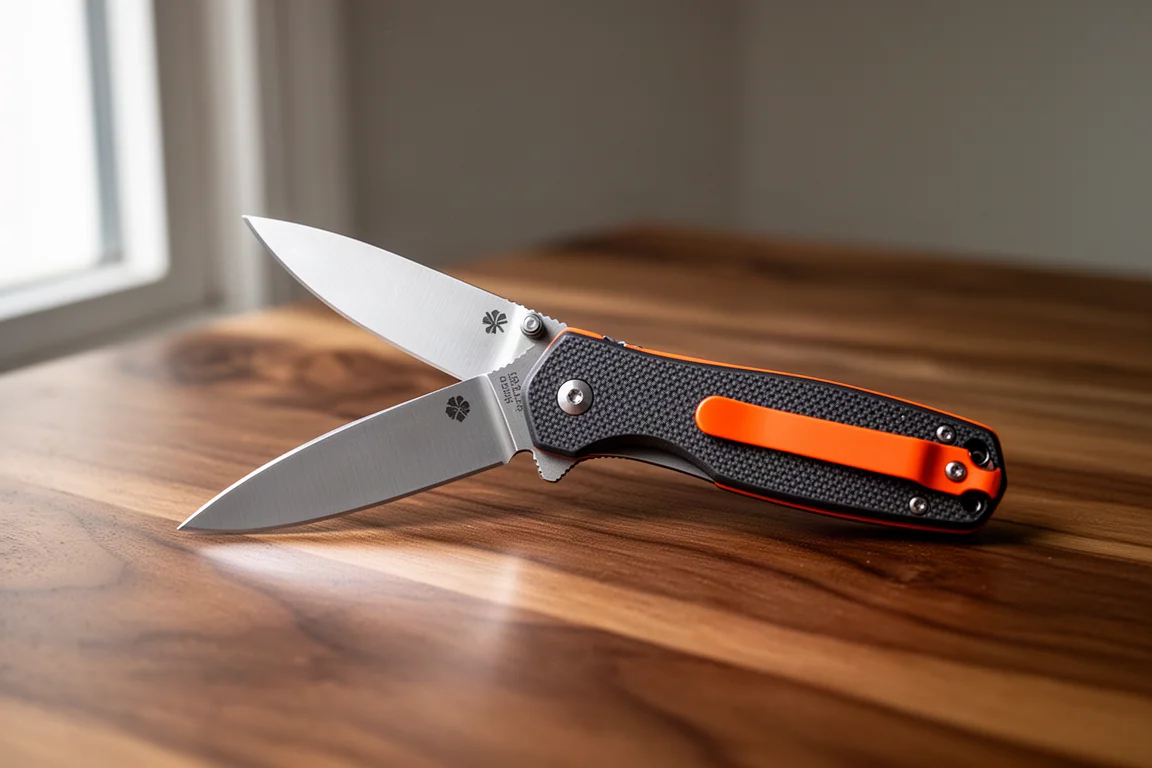
This is a compact folding knife from a small company, and it carries features that usually appear on larger, more expensive blades. The S35VN steel blade holds an edge well, the flip lock keeps it secure when open, and the flipper tab opens it without a thumb stud. A deep-carry pocket clip keeps it low in a pocket.
At 1.6 ounces it is genuinely light for a knife you would trust on a trip, and the brighter color options make it easier to spot if you set it down on the ground. The trade-off is price. At $130 it costs more than many hikers expect to spend on a pocket knife, and the value depends on how often you actually reach for one.
Aarn Backpack: Balance the Load Up Front
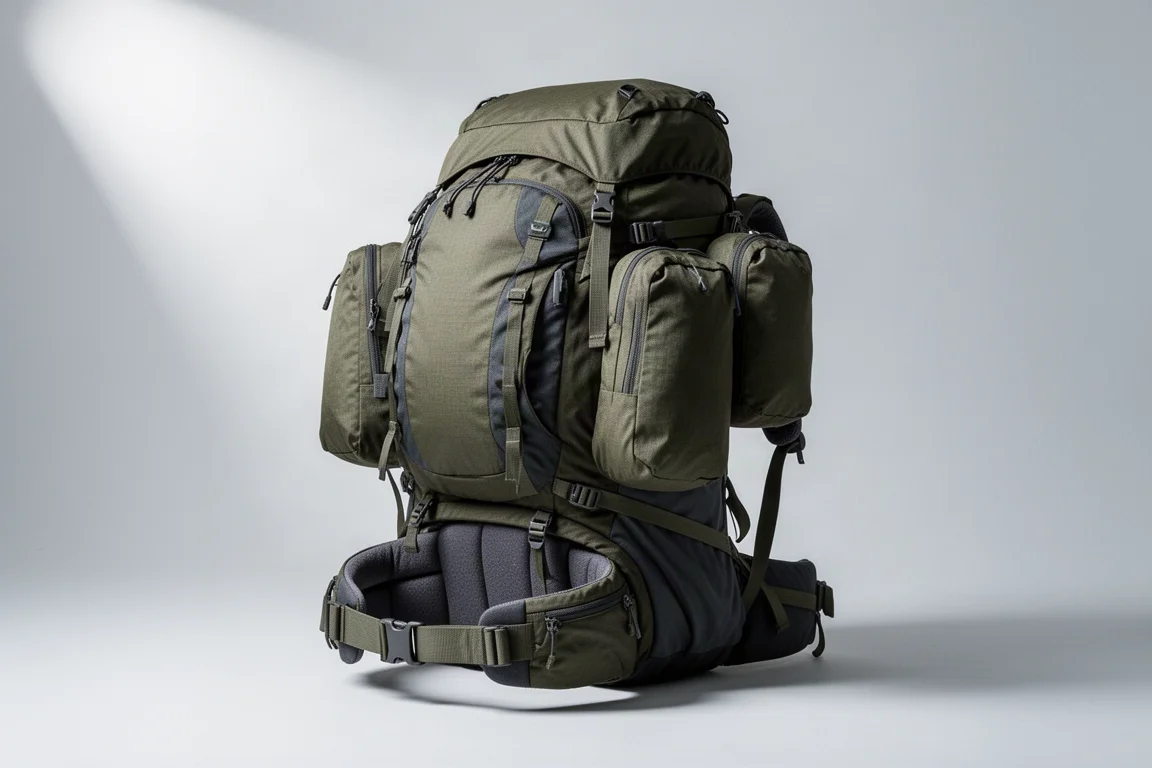
Aarn is a New Zealand company making larger-volume packs, and its defining idea is weight balancing. Instead of loading everything onto your back, the pack uses substantial front pouches on the shoulder straps to move part of the load forward, which changes how the weight sits on your body over a long day.
The design has other thoughtful touches. The hip belt is easy to put on and take off, and padding is placed where it is needed rather than everywhere. Because the front pouches are roomy, they can hold snacks, a phone, and other essentials you want within reach, which may remove the need to carry a separate hip pack.
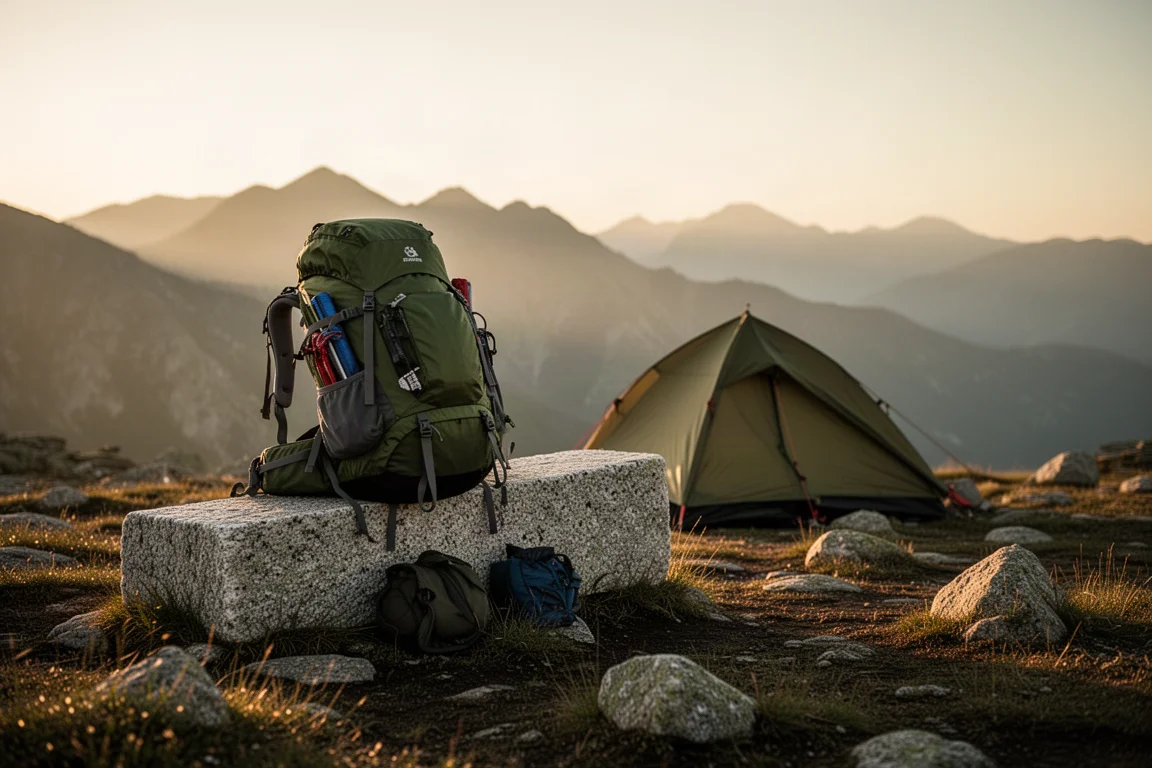
At roughly 2 pounds and $350, this is a considered purchase, and the front-loading concept is unusual enough that some hikers will see it as a gimmick. It is sold in several variations. This is the kind of pack worth trying with weight in it before you commit, and for the right person the balance and the accessible storage justify the price.
Conclusion
Sorting this list comes down to what you are trying to fix. If planning is your weak point, trip planning software pays for itself in avoided mistakes. If comfort at camp matters most, the pillow and the pot lid cost very little and change your mornings and your nights. If you want to carry less, the bottle and the knife trim weight without giving up function. And if you are ready to rethink how a loaded pack sits on your body, the Aarn is the one to try with weight in it first.
None of these items is essential for every hiker, and the two with premium prices, the Norda trail shoe and the Aarn pack, deserve an honest look at your own habits before you buy. The rest are small, affordable improvements that make a trip more comfortable without adding much to your base weight.
Further reading
Related Reviews

Backpacking Gear
Building a 10 lb Base Weight: An Ultralight Backpacking Gear List
A practical walkthrough of the ultralight pieces behind a 10 lb base weight, from a 765 g pack and a roomy one-person tent to a full camp chair and a dependable water filter.

Backpacking Gear
A 15-Pound Lightweight Backpacking Gear List for Solo Trips
A beginner-friendly 15-pound backpacking setup built from easy-to-find gear, with notes on what each piece does, how it packs, and where to spend your attention.

Backpacking Gear
8 Ultralight Backpacking Gear Upgrades Worth Carrying
Eight small, affordable backpacking upgrades that solve real trail annoyances, from a pillow that stays put to a fuel valve that rescues leftover canister gas.