Backpacking Gear
Backpacking Gear That Is Overkill on a Thru-Hike: Three Gadgets Worth Weighing
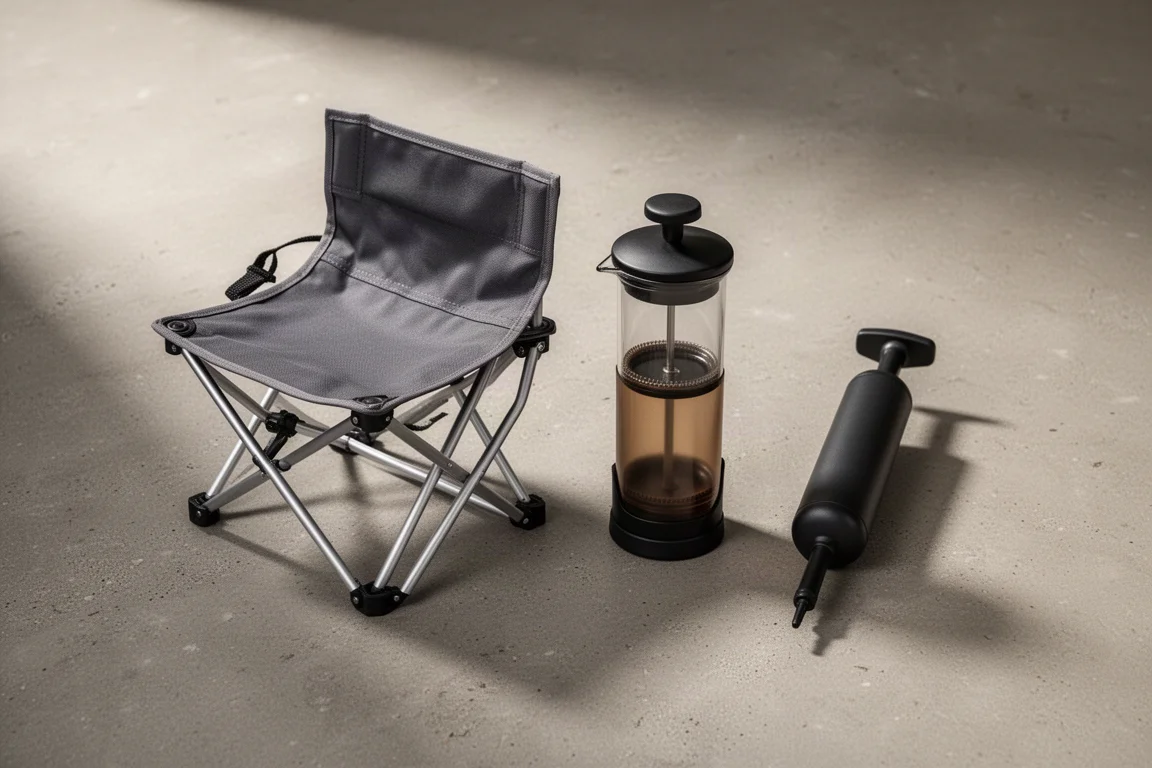
Three backpacking gadgets weighed against the demands of a long-distance trail: a camp chair, a coffee press, and a tiny sleeping pad pump that earns its place.
Introduction
Some gear makes sense on a weekend trip and almost none of it makes sense on a four to six month thru-hike. The gap is rarely about quality. It comes down to mission fit: comfort items, small camp rituals, and convenience features only pay for themselves when daily mileage is low and camp time is long.
The three items below sit on different sides of that line. A popular ultralight camp chair and a pressed-coffee maker are short-trip luxuries that most long-distance hikers are happy to leave at home. A palm-sized sleeping pad pump is the exception, and it is small and light enough to justify a place in the pack even on a long trail.
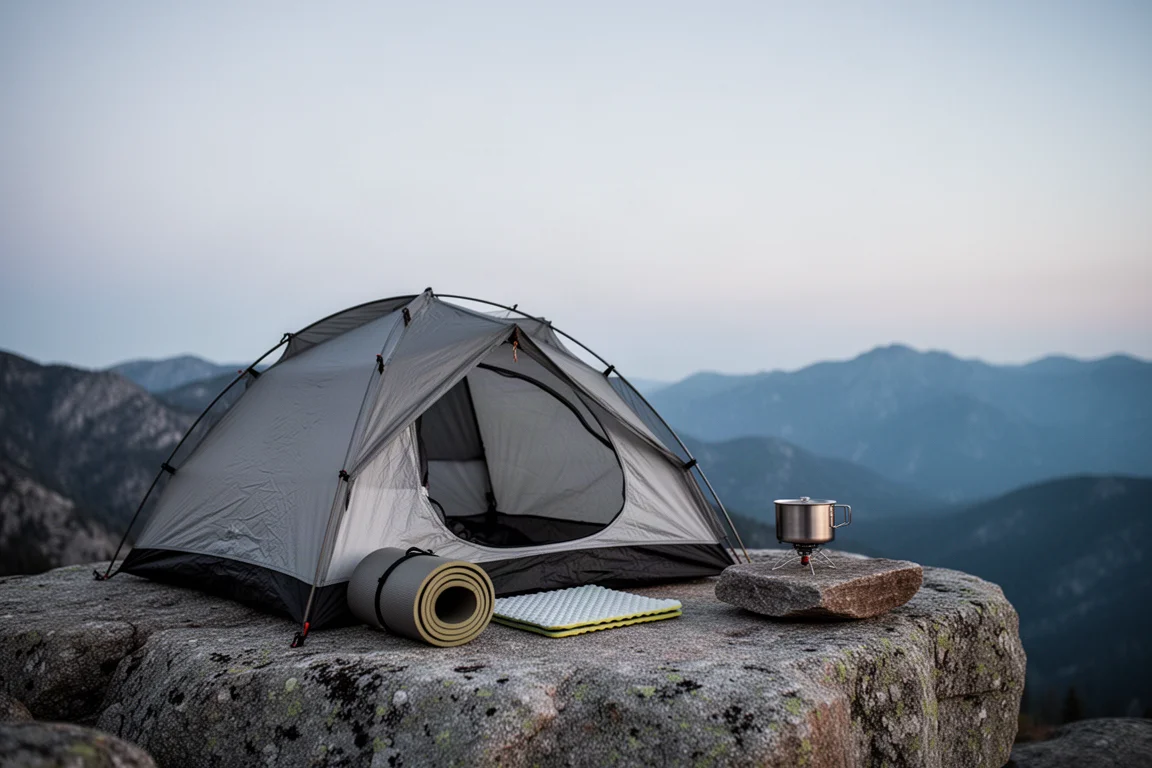
Each section covers what the item does well, where it becomes overkill, and which trips it genuinely suits.
How to Tell Whether a Gadget Earns Its Place in Your Pack
Three questions sort a worthwhile gadget from dead weight.
The first is weight and packed size. On a long trail, every item is carried for months, and something that weighs just over a pound has to justify itself every single day. The second is setup effort. At the end of a high-mileage day, most hikers want food, shelter, and sleep, not assembly. The third is whether the item replaces something you already carry or simply adds to it.
Gear that adds comfort without adding much weight or fuss can be worth the space. Gear that adds a ritual, extra accessories, or a second fuel system usually is not, at least not for months at a time.
Helinox Chair Zero: Comfort With a Weight Penalty
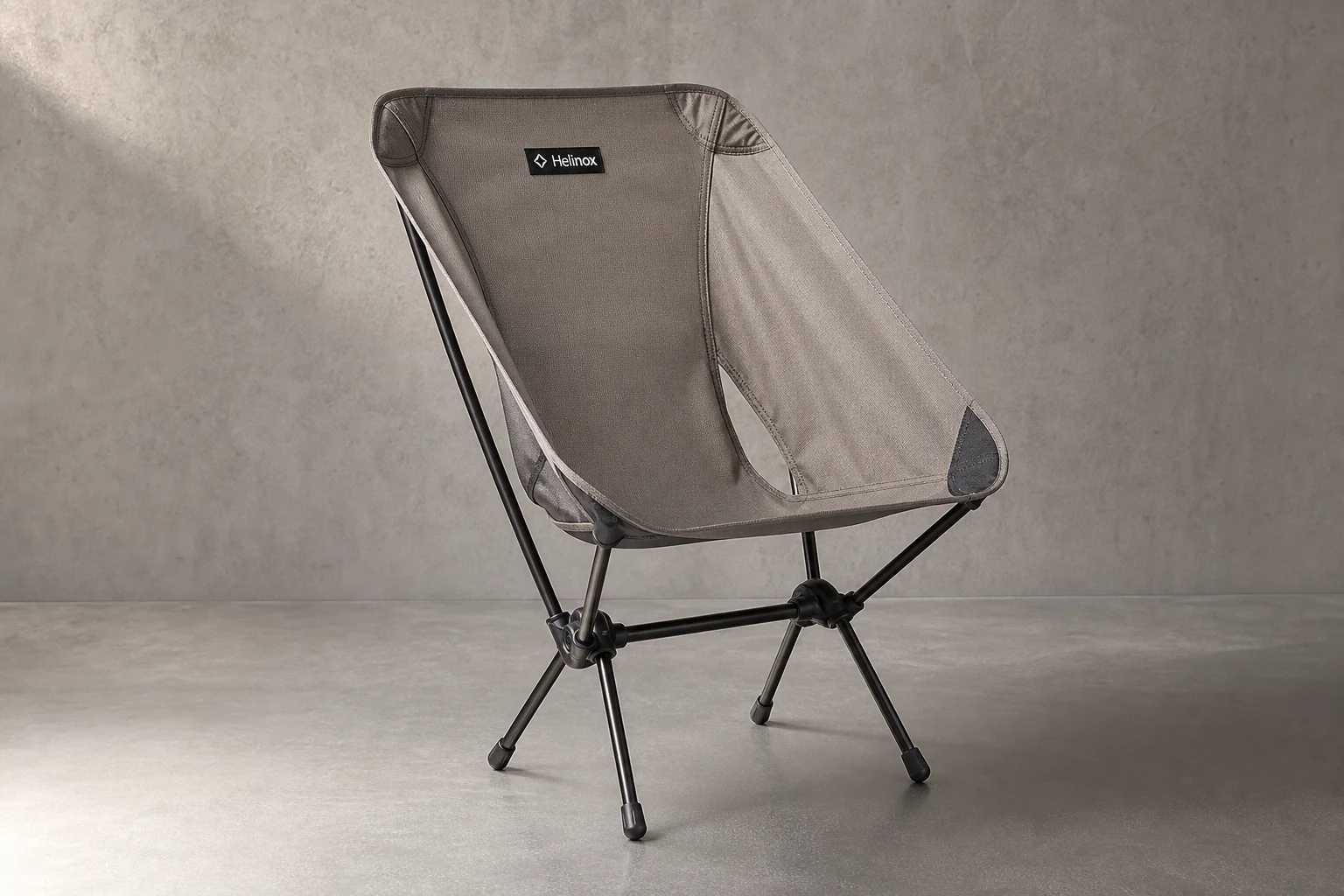
The Helinox Chair Zero is the camp chair that shows up most often in ultralight gear lists, and the appeal is easy to understand. It packs down small for a chair, and it lifts you off snow, rock, and cold ground, which is exactly what matters on winter camping and mountaineering trips where sitting on the ground is the default.
The frame is the trade-off. Because the chair depends on a pole structure, it only packs down so far, and it weighs just over a pound. That is light for a chair and heavy for a thru-hike, where space and weight are both at a premium for months on end.
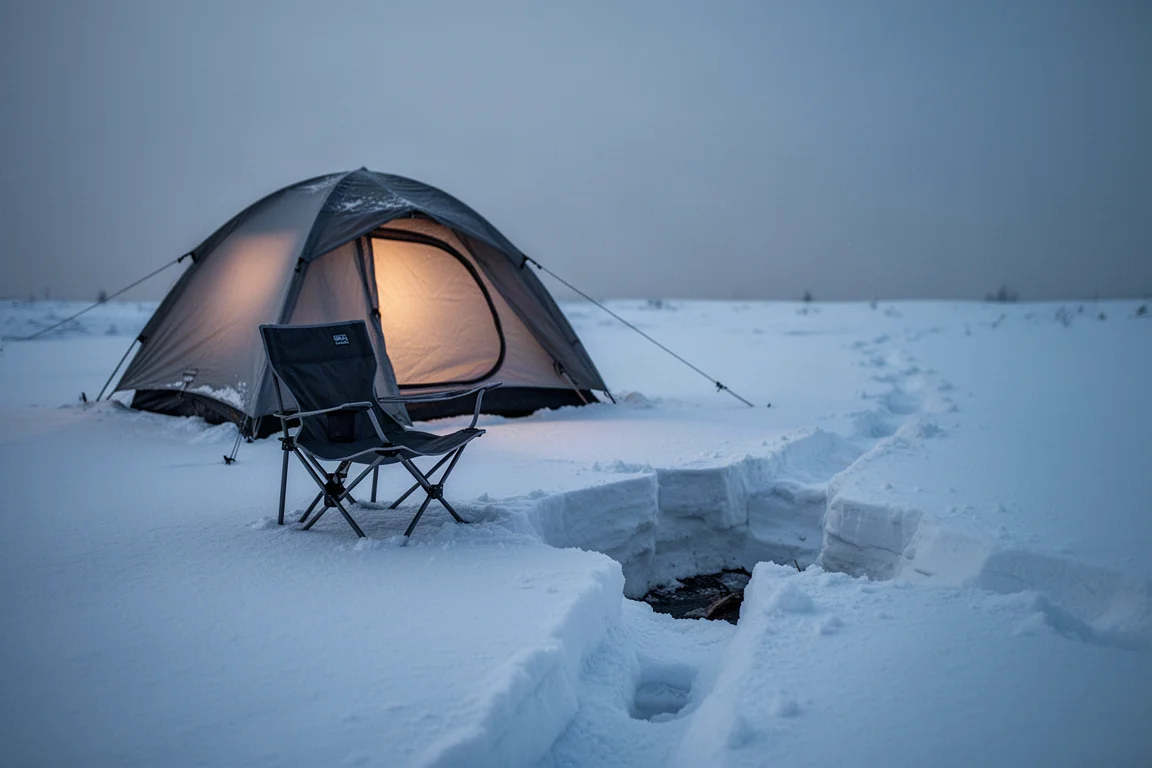
On a long-distance trail, the setup rarely pays off. After a twenty or thirty mile day, the priority is usually eating, pitching shelter, and sleeping, not assembling furniture. On many long trails, fires are rare unless they are genuinely needed, so there is little lounging time to justify the chair either.
A thin folded foam pad covers the same need far more simply. It weighs very little, packs down small, doubles as a backrest and a seat on rocks and logs, and requires no assembly at all. That combination of low weight and multiple uses is hard to beat over four to six months.
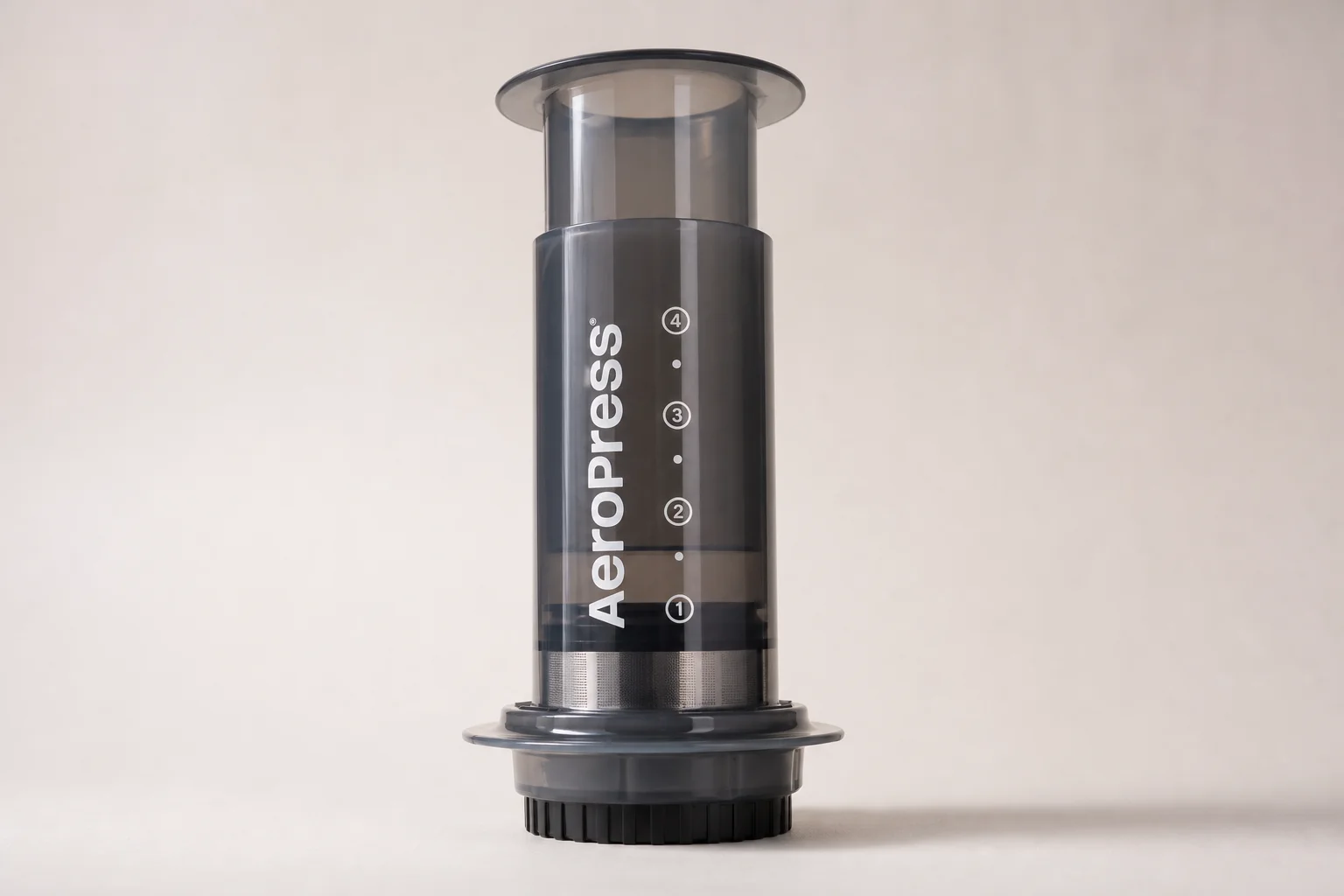
AeroPress: Excellent Coffee, Extra Kit
The AeroPress makes a genuinely good cup of coffee, and it has a loyal following among backpackers who treat the morning brew as part of the trip. On a short overnight where the whole point is to slow down and take your time, it is hard to beat.
What it asks in return is space and time. The brewer is bulky and clunky in a pack, it needs filters, and it needs a bag of coffee. A pour-over setup carries its own overhead as well: an extra cup on top of the pot you already bring to boil water.
For long-distance hiking, the morning math rarely works out. There are miles to make and a resupply schedule to hit, so coffee becomes about getting caffeine in fast, breaking camp, and walking. Instant coffee needs only the pot already in the pack, and it takes seconds rather than minutes.
Flextail Zero: The Pump That Earned Its Place
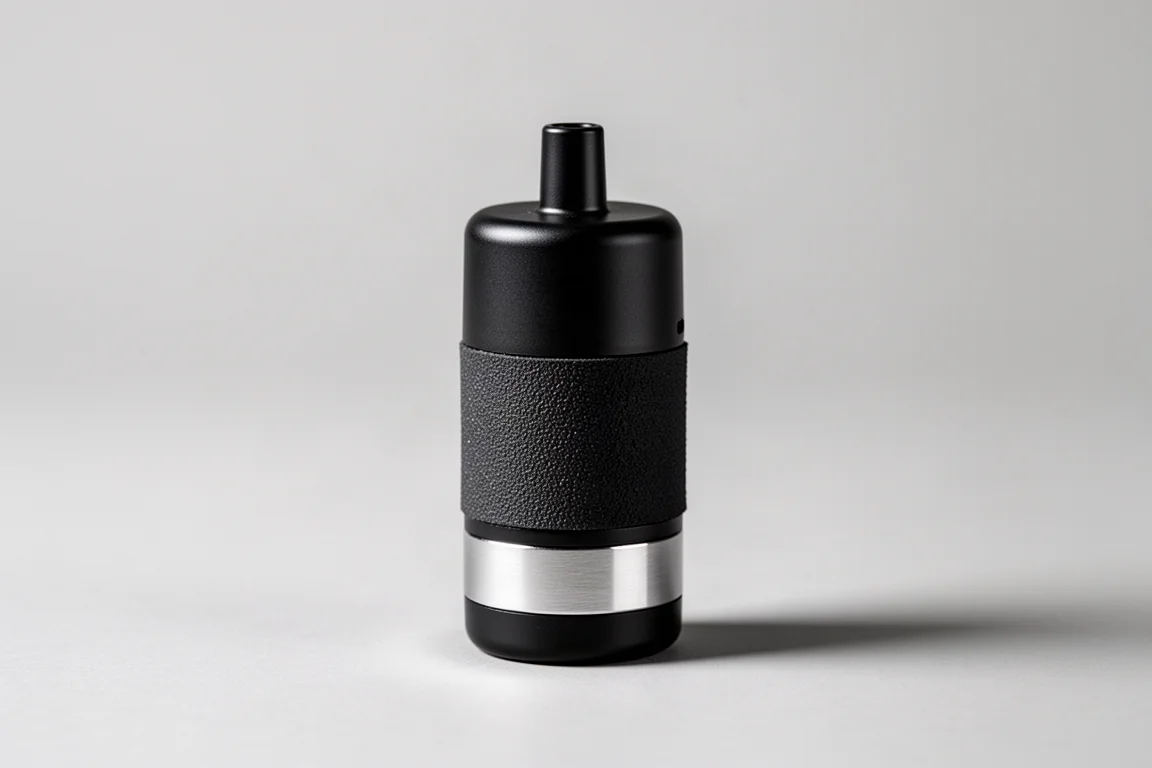
The Flextail Zero is a palm-sized pump for inflatable sleeping pads, and it is the one item here that survives the overkill test. It weighs very little, it is small enough to drop into an electronics bag, and it includes an adapter that fits a sleeping pad valve.
Inflatable pads have always meant inflating them by breath, and that is the part most hikers dread at the end of a long day. After twenty to thirty miles, blowing up a pad by lung power is the last task anyone wants on the list.
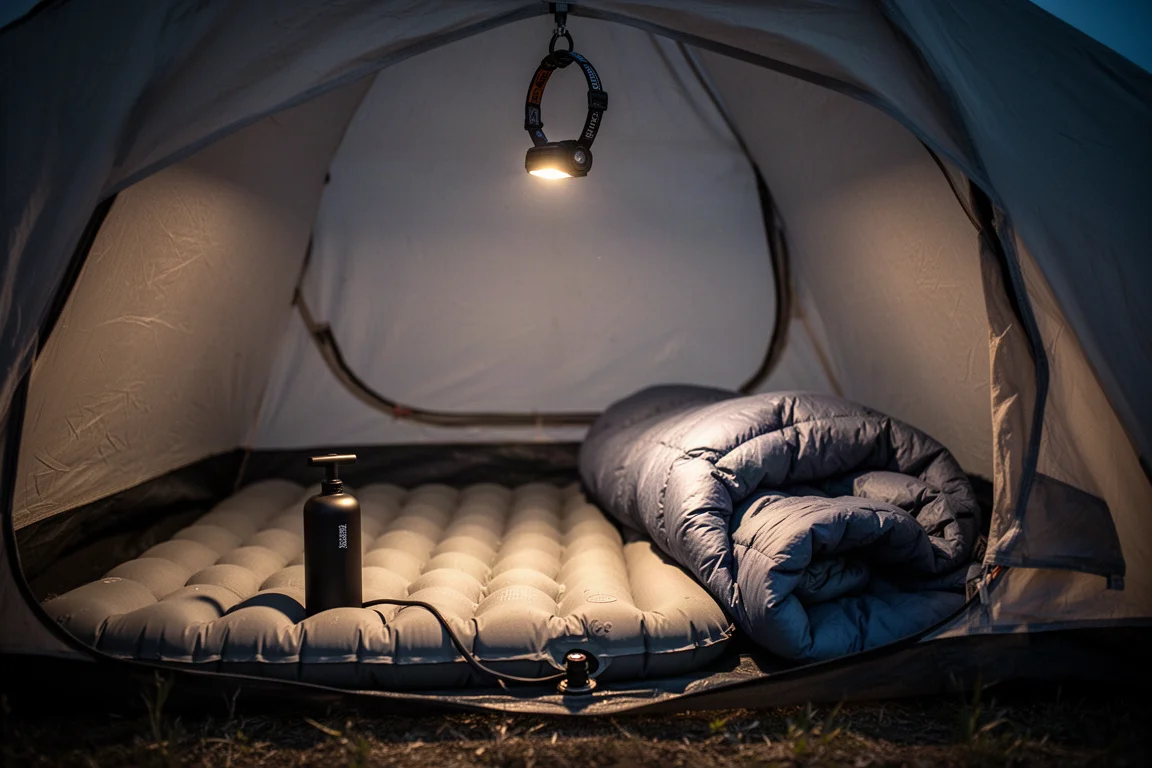
The appeal of a small pump is that it removes that task entirely. Set it on the valve, start it, and use the time to sort out the rest of camp instead of breathing into a pad. It is not a necessary item by any measure, and a long trail can be walked without one, but the weight is low enough and the convenience high enough that it can earn a permanent spot in the kit.
What Long-Distance Hikers Reach For Instead
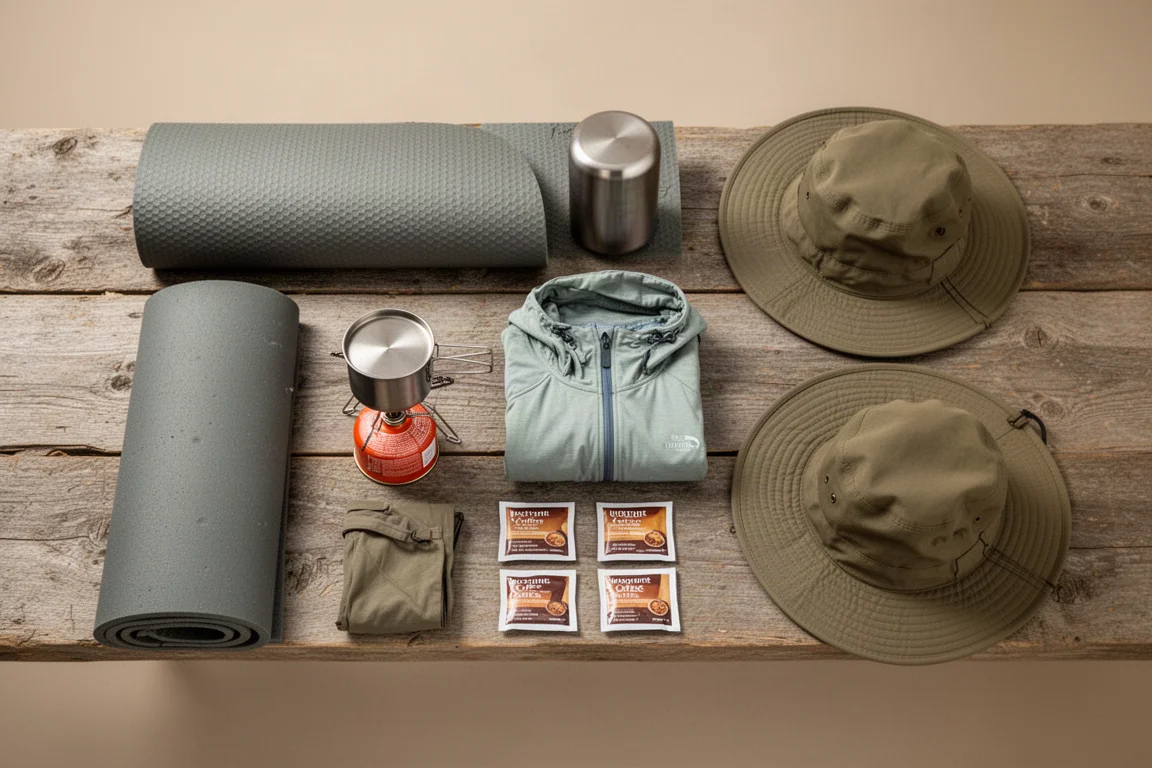
Simpler substitutes cover most of what these gadgets provide, and they usually weigh less and pack smaller. A thin closed-cell foam pad works as a seat, a backrest, and extra insulation under a sleeping pad. Instant coffee needs only the pot you already carry.
Cooking follows the same logic. A small canister stove is enough wherever canister fuel is sold, which covers long-distance trails in the United States, and it avoids the fuel sourcing and slow bloom time that come with alcohol setups. For sun exposure, a wide-brim hat, a sun hoodie, sun gloves, and sunscreen handle more conditions than a wind-catching umbrella that spends most of its time strapped to a pack.
Buying Advice: Matching the Gadget to the Trip
The honest answer is that trip length decides. For a single overnight or a relaxed weekend, a camp chair and a real coffee setup are not overkill at all. They are the point of the trip, and the weight penalty only lasts a day or two.
For a thru-hike, the calculation flips. Every item is carried for four to six months, so gear has to earn its weight daily. The chair and the coffee maker fail that test for most hikers, while a palm-sized pump passes it comfortably.
A reasonable middle ground is to build two kits: a short-trip kit where comfort items are welcome, and a long-trail kit stripped down to multi-use essentials. Items that work in both, like a foam sit pad or a small pump, are the easiest to justify.
Conclusion
None of these items is bad gear. Each one solves a real problem, and two of them solve it beautifully for short trips where comfort and ritual matter more than pack weight. The question is always whether the trip you are planning rewards that trade.
If you are heading out for a night or two, a camp chair and a proper cup of coffee are easy to recommend. If you are planning months on trail, keep the pump and leave the rest at home.
Further reading
Related Reviews

Backpacking Gear
Building a 10 lb Base Weight: An Ultralight Backpacking Gear List
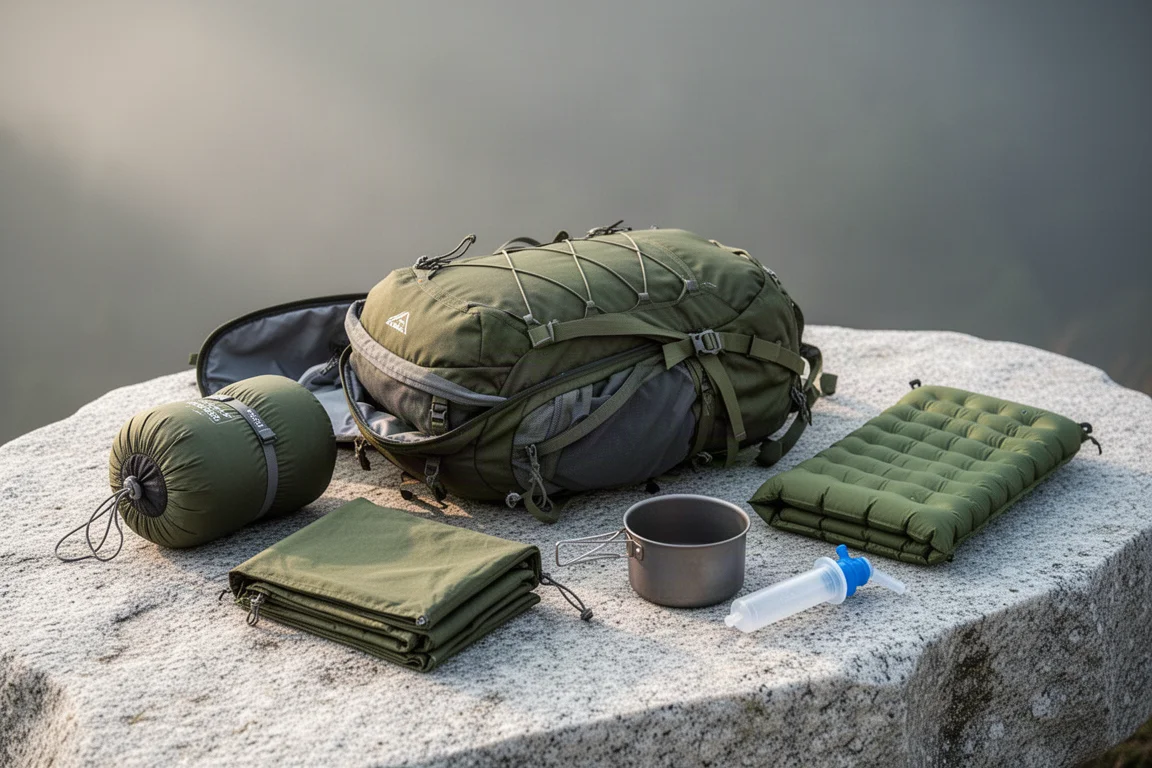
A practical walkthrough of the ultralight pieces behind a 10 lb base weight, from a 765 g pack and a roomy one-person tent to a full camp chair and a dependable water filter.
Backpacking Gear
A 15-Pound Lightweight Backpacking Gear List for Solo Trips
A beginner-friendly 15-pound backpacking setup built from easy-to-find gear, with notes on what each piece does, how it packs, and where to spend your attention.
Backpacking Gear
8 Ultralight Backpacking Gear Upgrades Worth Carrying
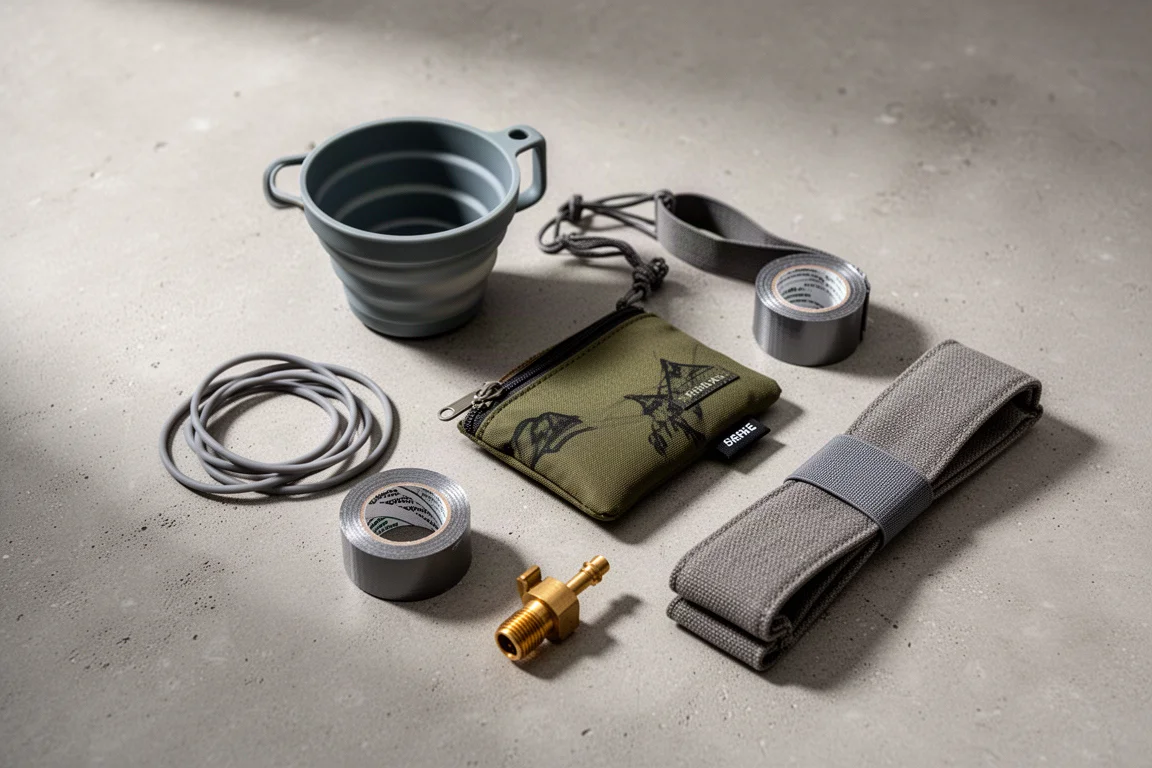
Eight small, affordable backpacking upgrades that solve real trail annoyances, from a pillow that stays put to a fuel valve that rescues leftover canister gas.