Backpacking Gear
Backpacking Gear for Off-Trail Routes: Eight Items That Held Up in the Canadian Rockies
A field-tested look at eight pieces of backpacking gear for remote, off-trail routes, with the strengths and trade-offs worth knowing before you buy.
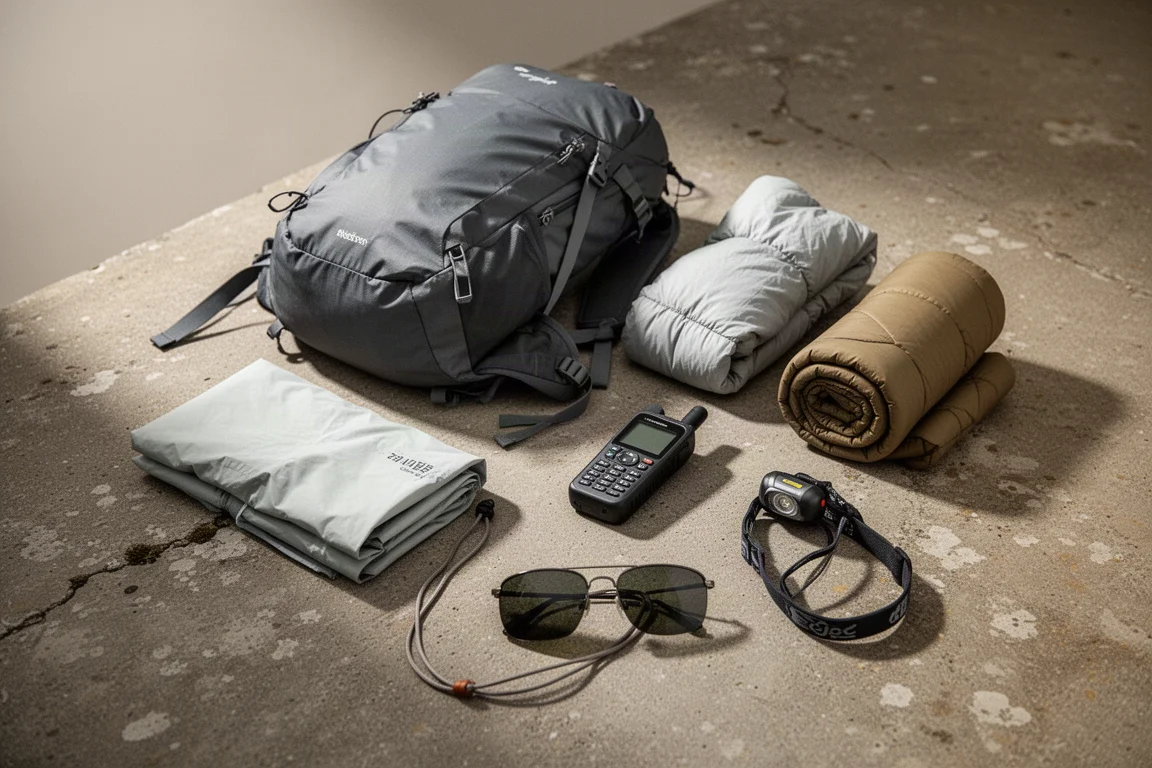
Introduction
The Great Divide route is the wild, off-trail extension of the Great Divide Trail, running along the Continental Divide in the Canadian Rockies. Roughly 80 percent of it has no trail at all. There are no established campgrounds, and help can be days away. Over more than 100 miles of off-trail travel, the weather delivered wind, rain, and sub-freezing nights.
That combination sets a hard brief for equipment. Everything has to be reliable and versatile, and light enough to keep one person self-sufficient for up to ten days in the backcountry. The eight items below earned their place on that route, and each one comes with a trade-off worth understanding before you commit.
What Mattered on This Route
Three qualities separated gear that worked from gear that did not. Reliability came first, because a failure in a remote valley is not a small inconvenience. Versatility came second, since a single item often had to cover several jobs. Weight came third, not because grams are sacred, but because a lighter pack leaves room for food and water on a route with few resupply options.
Access mattered almost as much as the gear itself. Items needed to be reachable without stopping and unpacking: water bottles from the side pockets, a spoon and a hygiene kit from an upper pocket, repair tape from a side pocket. On long days, that convenience is worth more than a few saved grams.
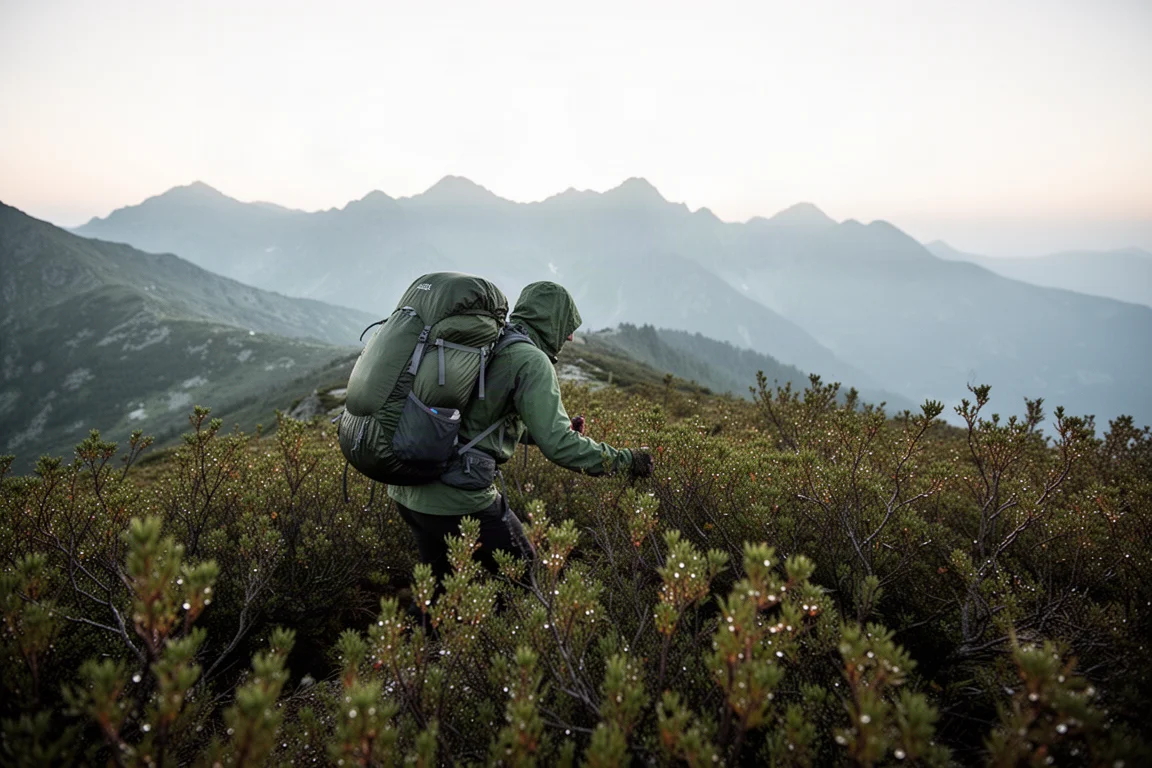
It is also worth saying that several choices here were deliberate compromises. Lighter usually means less durable, and a route with this much bushwhacking punishes thin fabrics. The notes below flag where that balance tipped.
Pack: LiteAF Curve 40
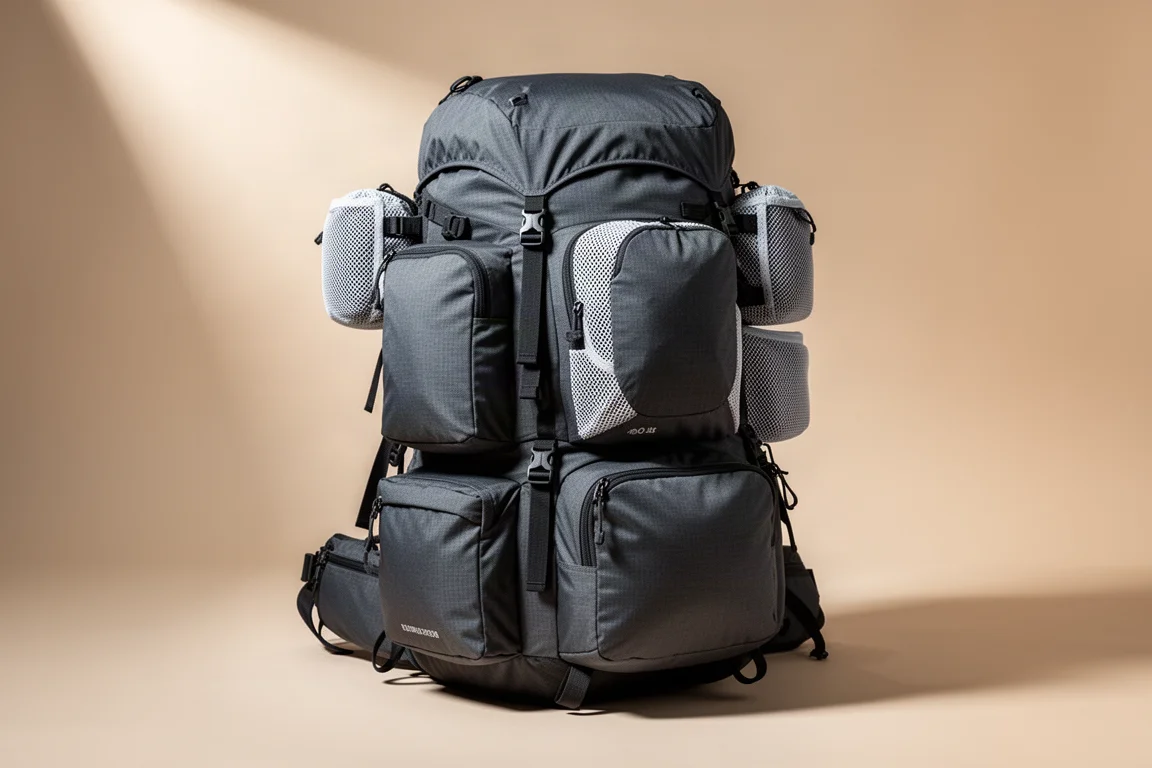
The pack was the item that went back and forth the most during planning. The requirement was a pack robust enough for rough country but light enough not to add dead weight, and the LiteAF Curve 40 met it. Its volume swallowed everything needed for the trip, including all the food, and it carried the load well. The frame was removed for this route, but the hip belt stayed on so its pockets could hold camera gear.
Access is where this pack stands out. The side pockets are reachable on the move for water bottles. Two upper side pockets take small items that need to be found instantly. A large stretchy front pocket holds bulky layers, and a bottom pocket stores the day’s food, with a separate internal pocket for wrappers and trash so snacks and garbage never mix.
Two design notes are worth flagging. There are no load lifters, so the weight cannot be pulled quite as close to the body, which is more noticeable when the frame is removed. The hip belt foam is also on the soft side and deforms when the belt is cinched down hard. Neither stopped the pack from performing, and the upper side pockets turned out to be far more useful than they first appeared.
Sun Protection: Ombraz Sunglasses
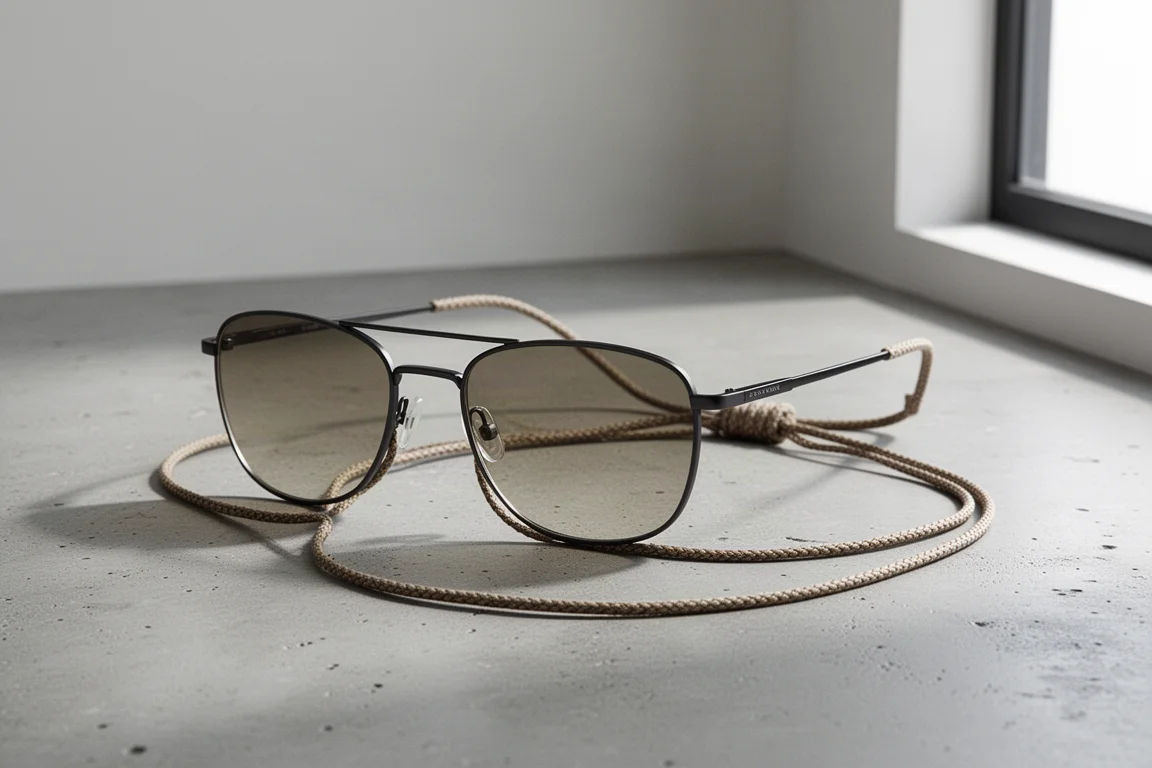
Armless sunglasses solve a specific problem on a brushy route. With no arms to catch on branches, they stay where they are put and they pack flat. A cord strap keeps them on the face while moving and lets them hang around the neck when the light changes. Because there are no hinges or arms to snap, the design is also more durable than a conventional pair, and they fold thin enough to live in a shoulder strap pocket.
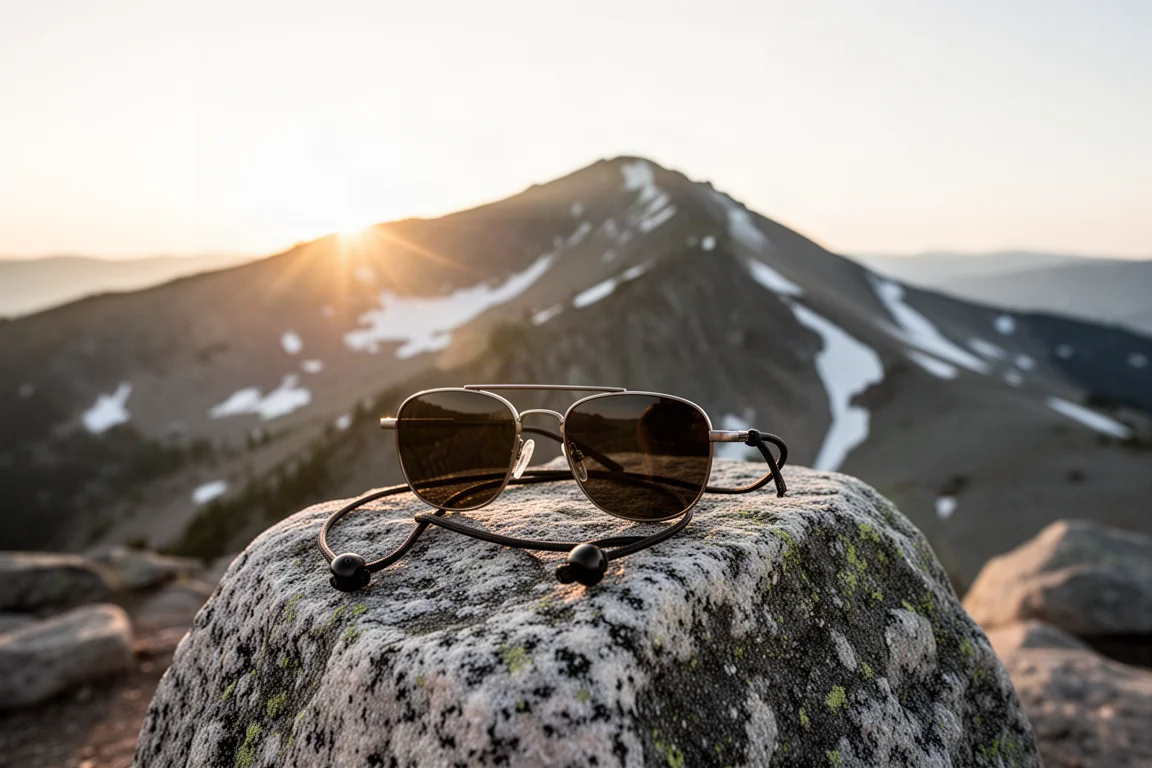
On an exposed route with long days above the treeline, that combination of packability and security is exactly what sun protection needs to deliver. A sunscreen stick in the same strap pocket covers the rest of the face.
Satellite Messaging: Garmin inReach Messenger Plus
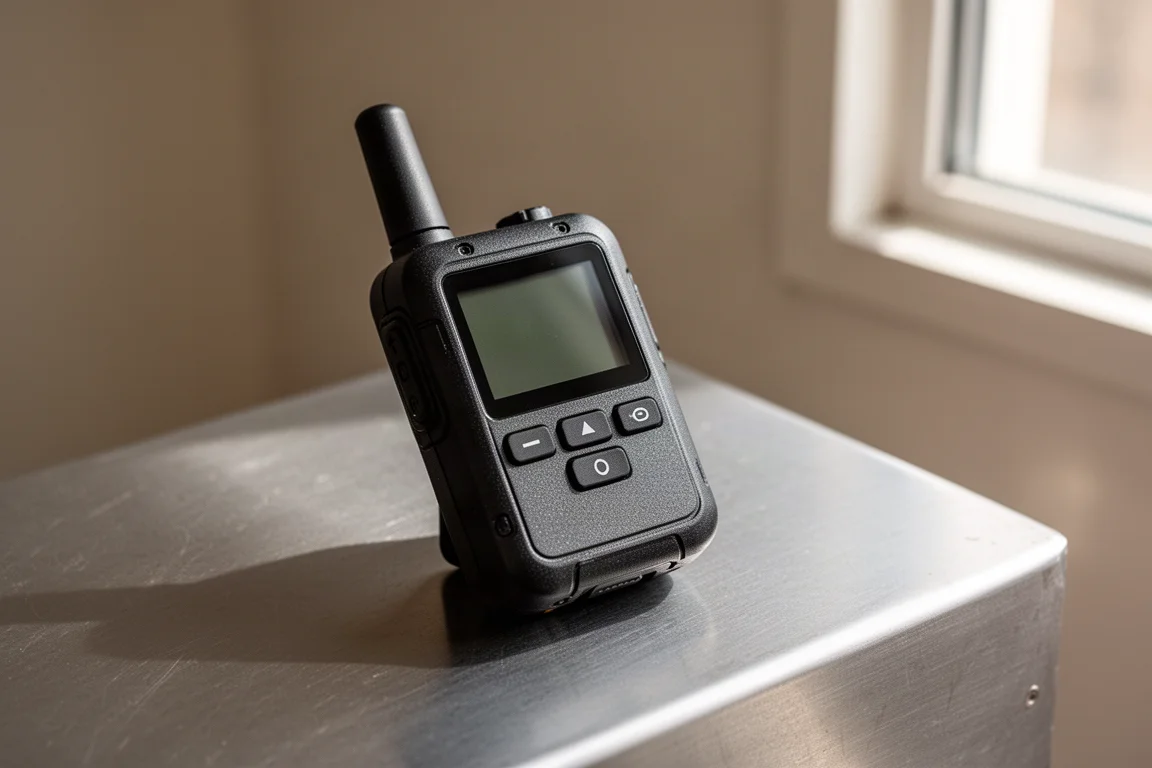
On a route where help can be days away, a satellite communicator is not optional. The Garmin inReach Messenger Plus provides SOS capability and two-way messaging, which made daily check-ins with home possible across a long stretch away. The Plus version also sends and receives photos and voice memos, a small feature that mattered a great deal over a trip of this length.
A more feature-rich alternative was considered and set aside, because those extra features were not needed here. This unit is lighter, has better battery life, and supports reverse charging, so a phone can be topped up from the communicator if the phone dies. Battery capacity was a genuine constraint across a ten-day stretch, so those differences carried real weight in the decision.
Shelter: Durston X-Dome 1 Plus Tent
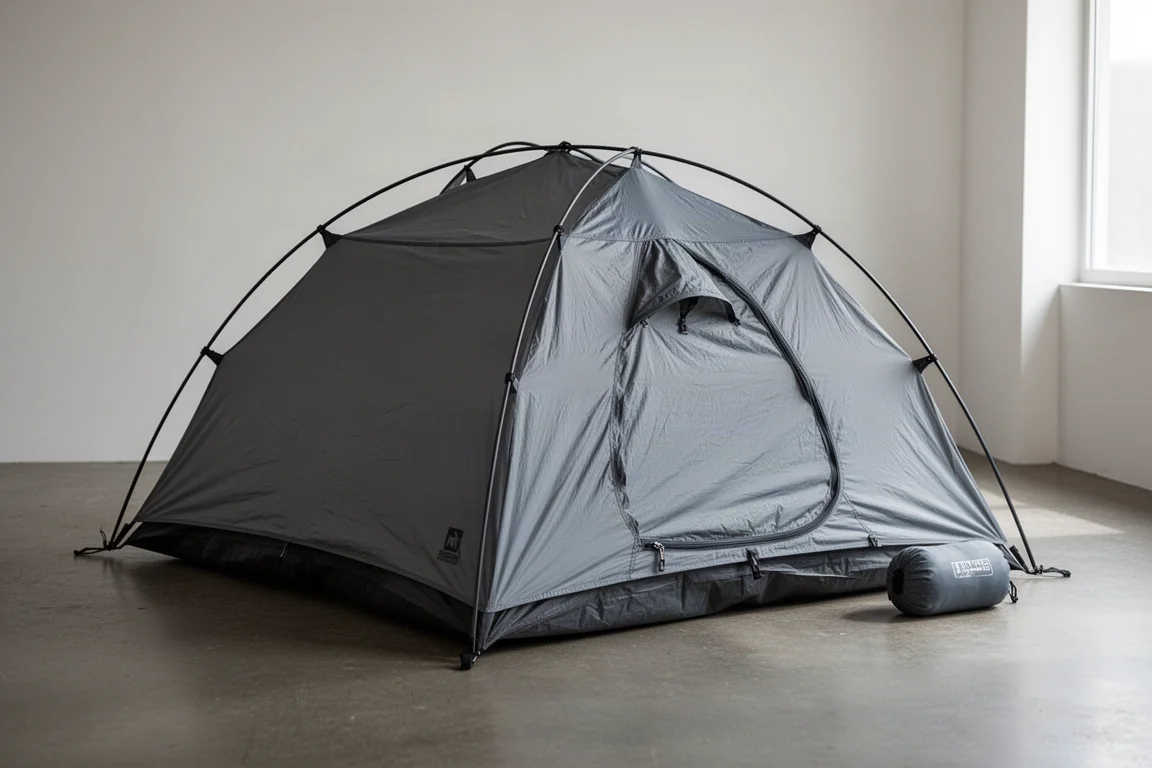
The tent was the other big trade-off. A lighter trekking-pole shelter would have saved grams, but it would also have been less roomy. The Durston X-Dome 1 Plus is a freestanding, double-walled design in Dyneema, around 700 g, and it is described by its maker as the lightest fully freestanding double-walled tent on the market. The interior is spacious enough to stretch inside and to get dressed in the morning without fighting the walls, which mattered on a trip with 12-hour hiking days and buggy evenings.
Storm performance was the deciding factor. One night brought a serious blow, and the tent held up with both trekking poles installed in the door sleeves for extra structure. Being freestanding also meant the shelter was unaffected when a trekking pole broke on the route. A combination of heavier stakes at the four corners and lighter ones at the guy-out points held through the same storm.
The main drawback is condensation. Because the tent is double-walled, wiping the inside of the fly means removing the inner first. On a long hiking day that is a chore, and a wet tent carried extra water weight until it could be dried out. A single-wall shelter would be quicker to manage but less comfortable at camp.
Rain Protection: Outdoor Research Helium Ultralight Rain Jacket
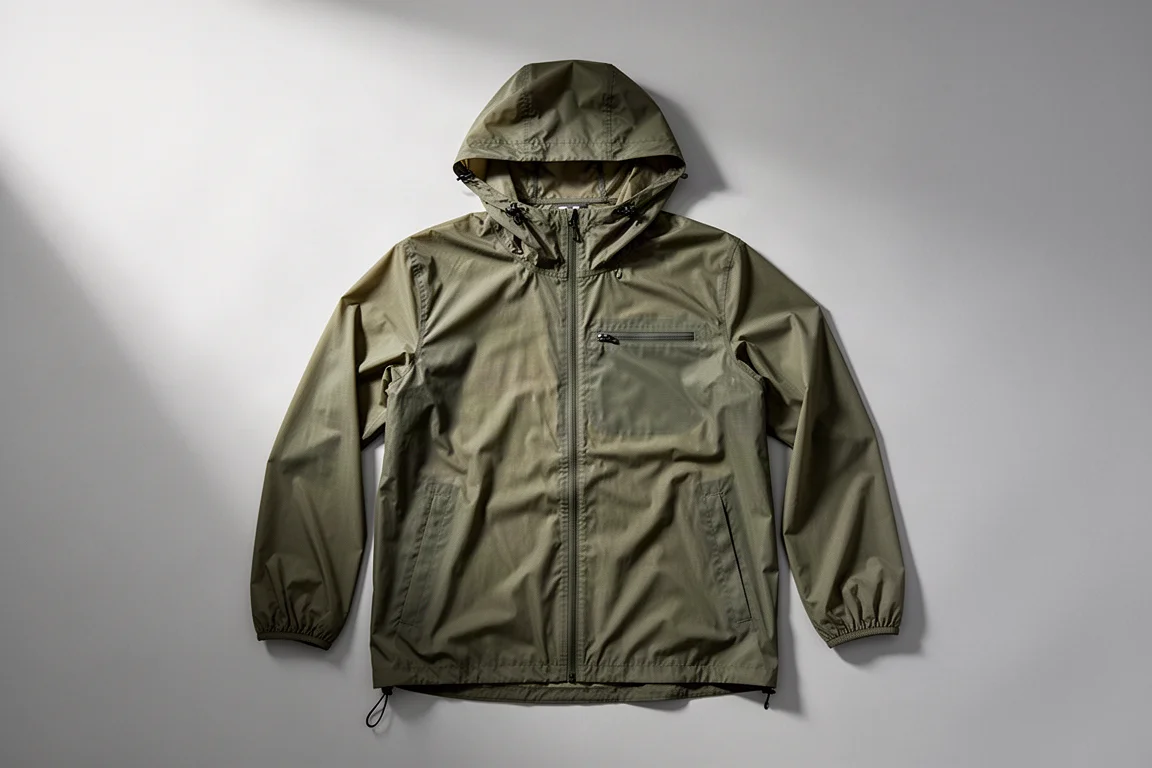
The rain shell was a gamble that paid off. The forecast before departure looked mostly dry, so a lighter, more compact set went into the pack instead of a heavier, more robust one. The Outdoor Research Helium Ultralight line uses a new face fabric that resists wetting out, and it proved durable, waterproof, and breathable. It survived a full day of bushwhacking in the rain, and the matching pants came through the same day without tearing.
On a wetter itinerary, a burlier shell would be the safer call. For a trip where rain is occasional and pack space is tight, this is a strong balance between weight and weather protection.
Sleeping Pad: Nemo Tensor Allseason
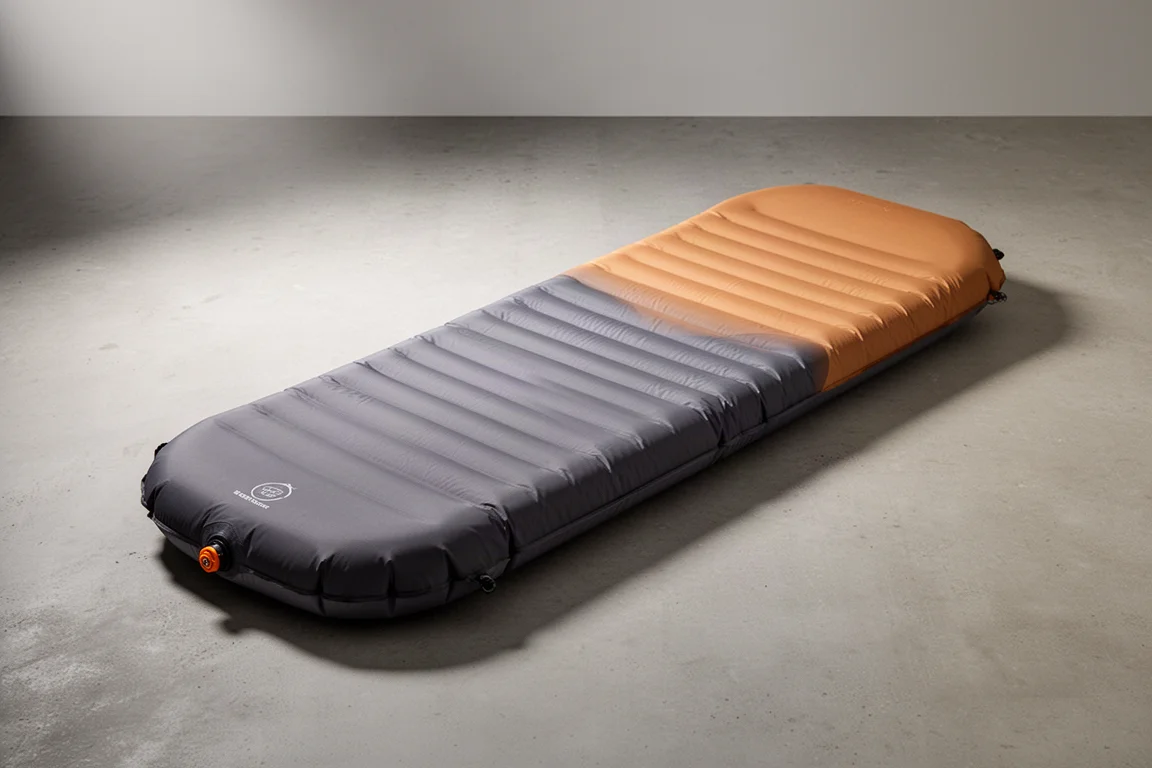
Warmth per gram is the whole argument for this pad. The Nemo Tensor Allseason is light and among the warmest options in its weight class, and it has a detail that mattered more than expected: the inflation valve sits on top and is easy to adjust. After a long day of off-trail navigation, the last thing anyone wants is to think hard about inflating a pad.
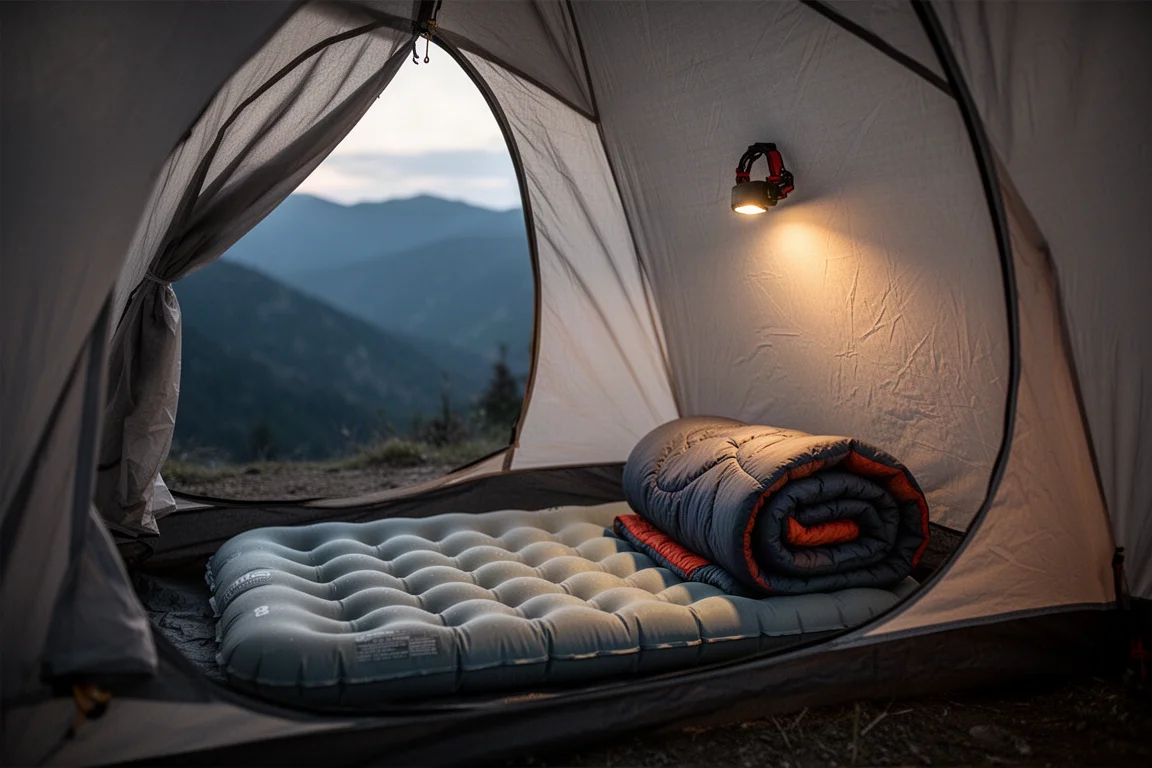
Comfort is good rather than exceptional, and it is not the plushest pad on the market. It is, however, a sensible compromise between warmth, weight, and simplicity, and the top-mounted valve is the kind of small design choice that keeps camp routines short.
Sleep Insulation: Neve Waratah Quilt
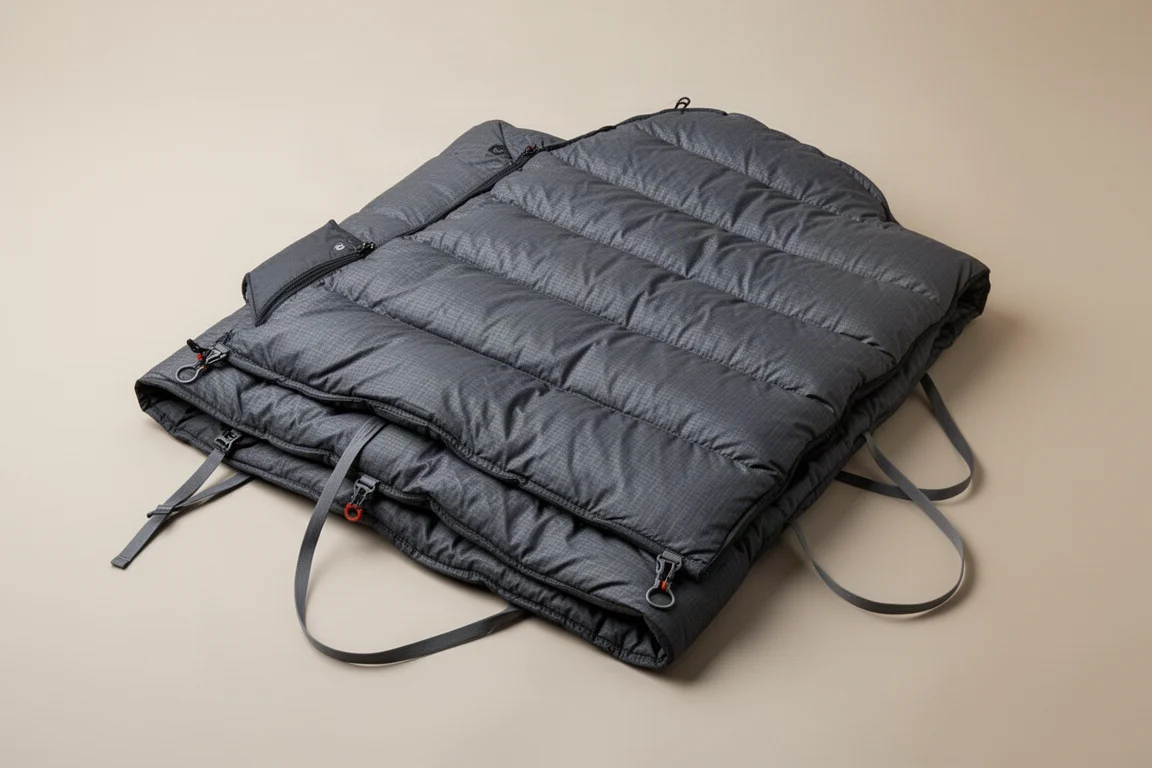
A quilt is the biggest weight saving in a sleep system, and this one was chosen for cold. The Neve Waratah has draft tubes along the sides and a draft collar, and it stays comfortable down to about -6°C, which covers sub-freezing nights in the Rockies. The extra draft protection removes a lot of the fiddling that quilts usually demand in cold conditions.
The trade-off is weight. Lighter, higher-fill-power quilts exist, and they cost considerably more. For most buyers this quilt lands in a useful middle ground: warm enough for genuine cold, and notably less expensive than the lightest premium options.
Footwear: Hoka Speedgoat 7
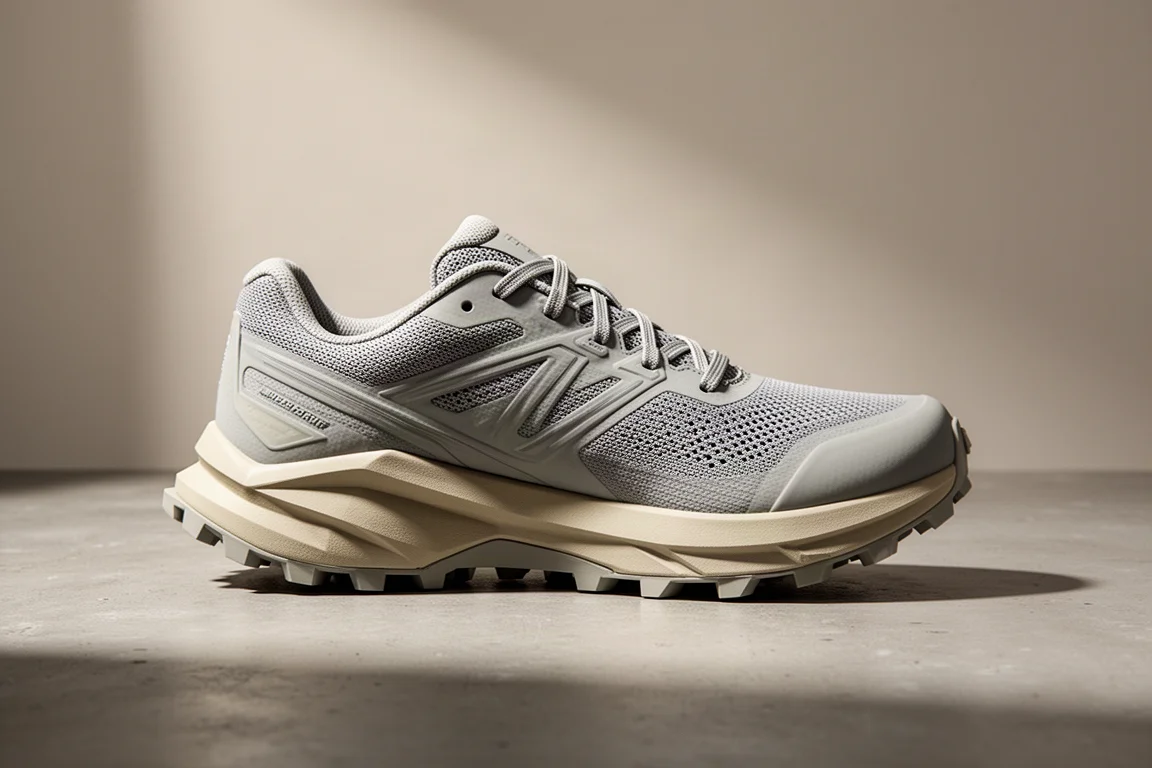
Shoes take the worst of an off-trail route, and these did. The Hoka Speedgoat 7 started the trip nearly new and finished it battered, with the upper overlays separating slightly and a small hole after constant bushwhacking. What mattered was grip and fit. The Megagrip sole held on wet logs, wet rock, and short climbs, and the regular width was chosen over the wide for a snugger, more precise feel on side-sloping terrain.
Supportive insoles and liner socks completed the foot system. They dried quickly, and there was no foot pain despite big miles on rough ground, which is a strong result for any shoe and insole pairing.
If the route is heavily brushed in, a taller cut of the same shoe is worth considering for protection around the ankle rather than for support. Shins take a beating when pushing through shrubs, and a low-cut shoe leaves that area exposed.
Buying Advice
Match the gear to the route rather than to a spreadsheet of grams. A trip with 80 percent off-trail travel and no established campsites rewards durability, weather protection, and quick access far more than it rewards the lowest possible base weight.
Prioritise the systems you cannot improvise: shelter, sleep insulation, and communication. A freestanding tent that pitches without trekking poles is real insurance if a pole breaks. A satellite communicator with strong battery life and reverse charging covers both emergencies and everyday check-ins with home.
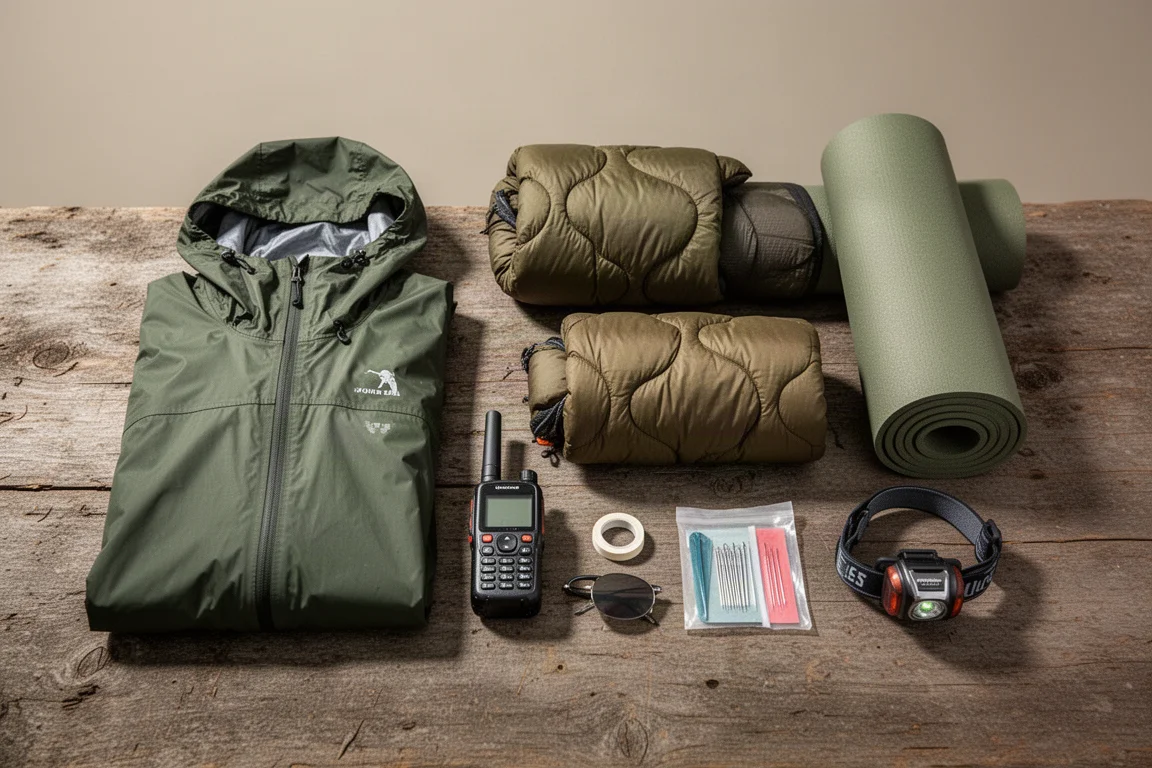
Then test the small things before you leave. Pouches, straps, and pockets only earn their place if they sit where you actually reach for them. Accessible water, an easy repair kit, and a hygiene setup you can find in the dark make long days noticeably easier, and they cost very little weight.
Conclusion
None of this gear is exotic. The pattern across the list is consistent: dependable core systems, careful weight choices, and a clear-eyed view of what each item gives up. The pack carries well but has soft hip belt foam. The tent is roomy and storm-worthy but slow to dry. The quilt is warm but heavier than the lightest alternatives. Understanding those trade-offs is what makes a remote route feel manageable rather than risky.
Further reading
Related Reviews

Backpacking Gear
Building a 10 lb Base Weight: An Ultralight Backpacking Gear List
A practical walkthrough of the ultralight pieces behind a 10 lb base weight, from a 765 g pack and a roomy one-person tent to a full camp chair and a dependable water filter.
Backpacking Gear
A 15-Pound Lightweight Backpacking Gear List for Solo Trips
A beginner-friendly 15-pound backpacking setup built from easy-to-find gear, with notes on what each piece does, how it packs, and where to spend your attention.
Backpacking Gear
8 Ultralight Backpacking Gear Upgrades Worth Carrying
Eight small, affordable backpacking upgrades that solve real trail annoyances, from a pillow that stays put to a fuel valve that rescues leftover canister gas.