Backpacking Gear
Backpacking Gear in 2026: Rethinking Boots, Trail Runners, and Sleep Comfort
Three pieces of backpacking gear examined on their merits: what a mid-cut hiking boot can and cannot do, why trail runners suit most trips, and how a lightweight pillow improves sleep.
Introduction
Some backpacking advice outlives the gear it was written for. Two habits in particular keep circulating: reaching for a heavy, mid-cut hiking boot because it is assumed to protect the ankle, and carrying a ground sheet under every tent as a matter of course.
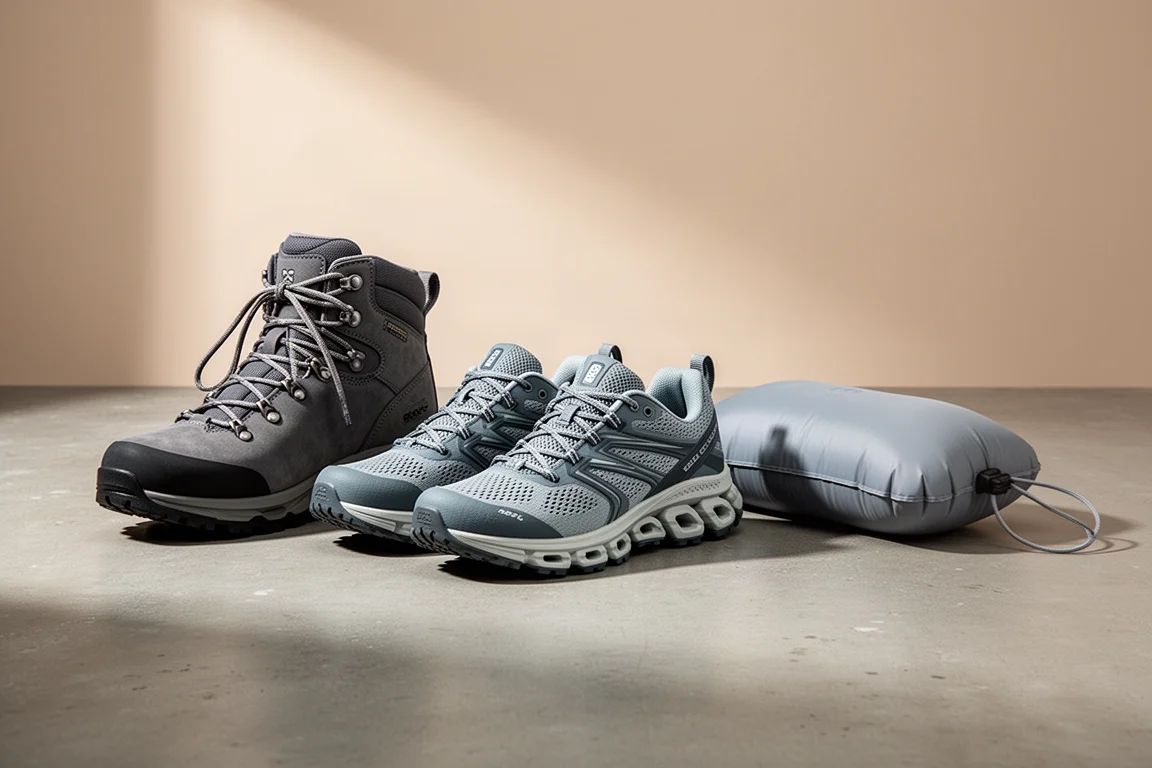
This guide looks at three pieces of gear that reflect a more current approach. One is a widely used hiking boot, included because it shows precisely where the ankle-support argument breaks down. The other two are a trail runner that handles most three-season trips and a lightweight inflatable pillow that solves a familiar sleep problem.
None of this is about spending more money. It is about matching gear to the trips you actually take.
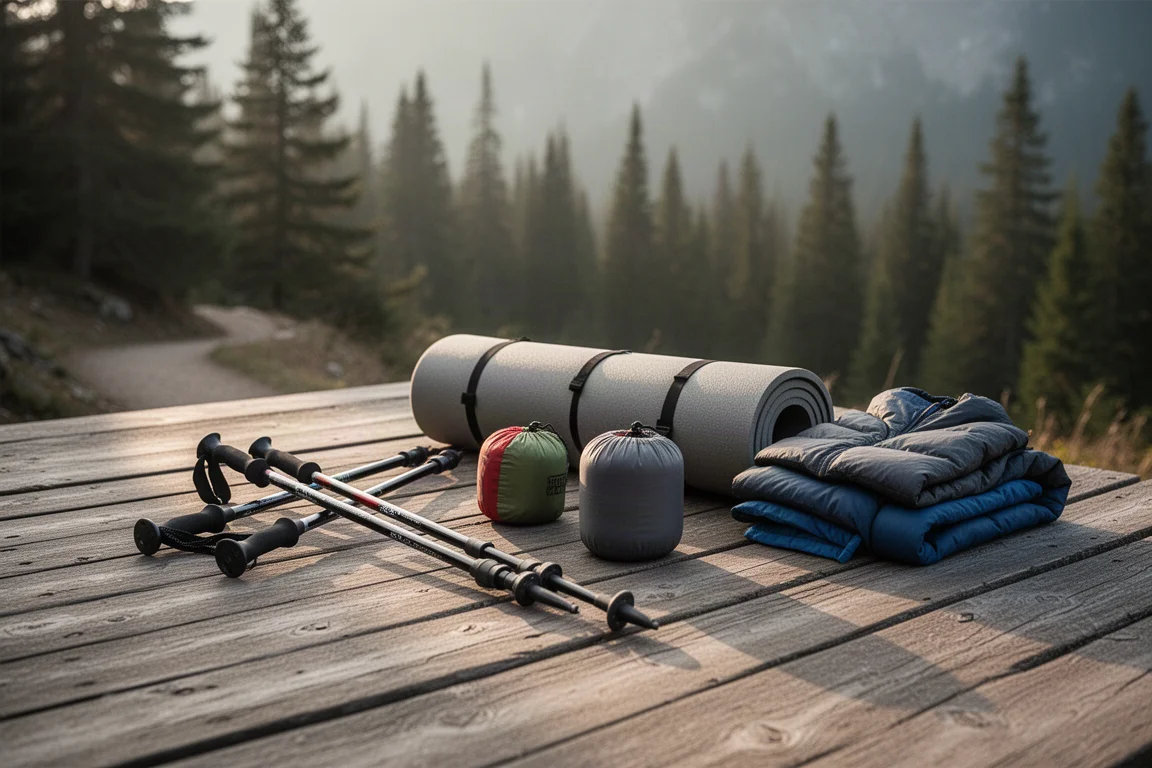
A useful question before buying anything: what specific problem does this item solve on your trips, and does a lighter or simpler option solve it just as well?
Why Some Long-Standing Gear Advice Has Aged
Tent floors have changed a great deal over the past twenty to thirty years. Modern floors resist water working up through them far better than older designs, and tents that sit in standing water overnight commonly stay dry inside. Abrasion was the other argument for a ground sheet, and on established tent pads and typical campsites there is rarely anything sharp enough to cause damage. The exception is genuinely abrasive ground, such as desert terrain or areas with cacti and needles, where a ground sheet still earns its place. A ground sheet also has a clear use with tents that support a fast fly setup: the pole structure attaches to the sheet, the fly goes over the top, and the inner tent can then be pitched underneath without getting soaked.
Insulation and base layers have followed a similar path. A quilt can be used across a wider temperature range than a comparable sleeping bag, vents heat quickly by extending an arm or a leg, and allows more movement without tangling. Sleeping bags remain the better answer for extreme cold, including high-altitude and Arctic trips, and for anyone who simply prefers that enclosed feeling. On materials, merino wool holds roughly 40 percent of its weight in moisture, compared with about 4 percent for polyester and around 10 to 12 percent for nylon. That difference matters most during sweaty, wet, or high-output activity, where a synthetic layer stays drier against the skin. Merino still performs well for low-activity use such as sleeping and time around camp, where its temperature regulation is an advantage.
Salomon Quest: What a Hiking Boot Can and Cannot Do
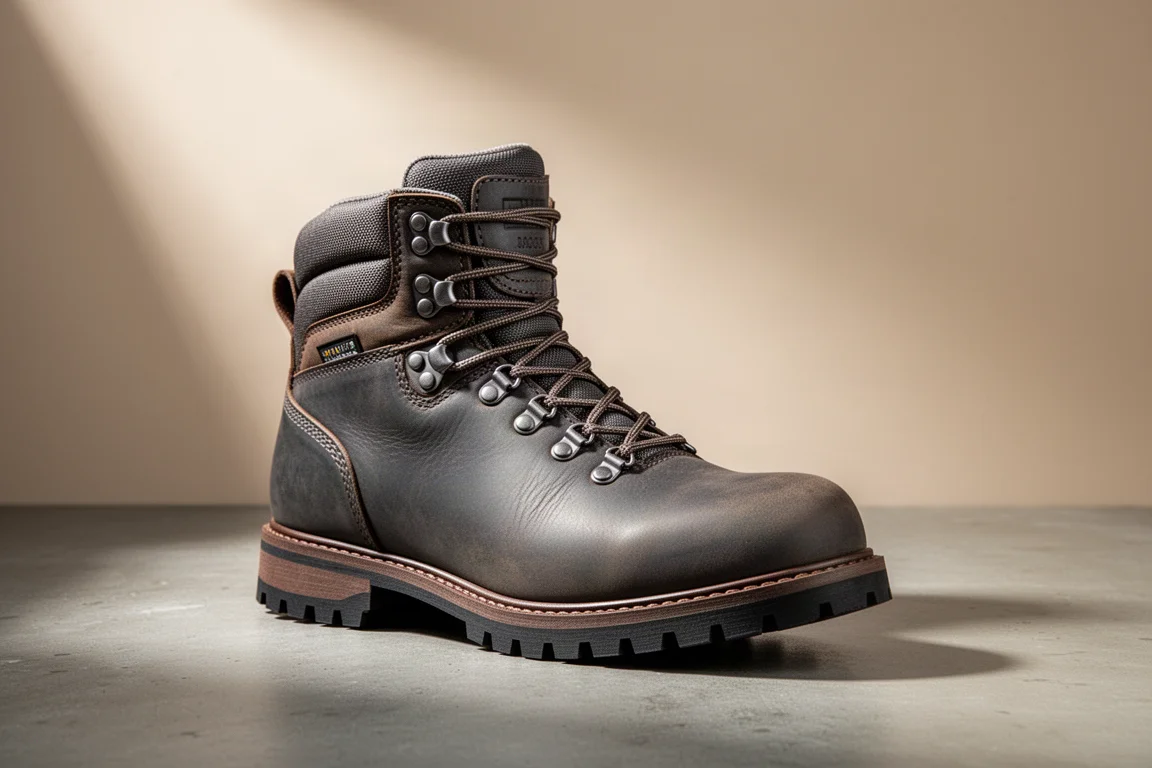
The most common reason hikers give for choosing a boot like the Salomon Quest over a trail runner is ankle support. The concern is reasonable: uneven ground, a loaded pack, and a long day all raise the stakes of a rolled ankle. The difficulty is that there is no conclusive evidence a higher-cut boot prevents ankle rolls compared with a hiking shoe or a trail runner.
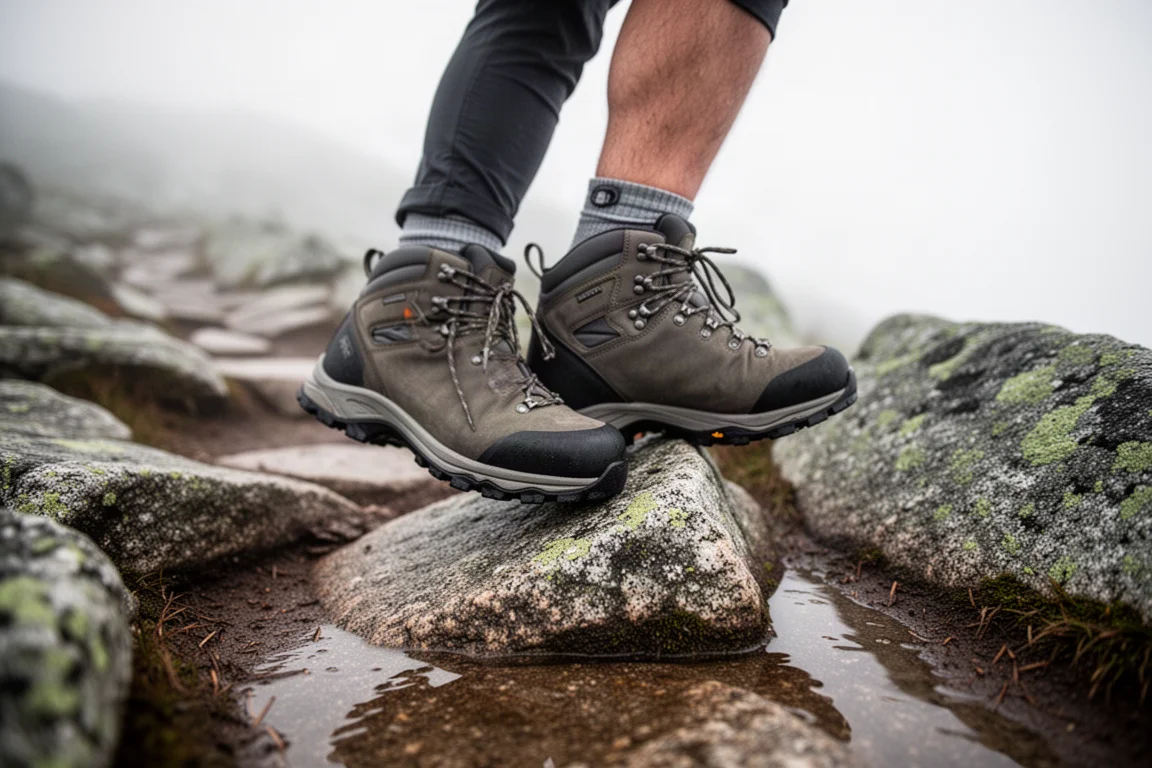
Research on the topic points to two features a boot needs before it can meaningfully reduce the likelihood of an ankle roll. The cuff has to sit well above the ankle bone, and the side of the boot has to be genuinely stiff, either through a plastic shaft running down the side or through a hard shell construction similar to a ski or mountaineering boot.
The Salomon Quest has neither. Its cuff does not rise far above the ankle bone, and the upper is soft rather than stiff, so the ankle can still bend considerably on uneven rock. There is a second consideration as well: when a boot does limit ankle movement, that load is transferred to the knee, which raises the likelihood of a knee injury instead. The problem is not removed, only moved.
For hikers who genuinely struggle with ankle stability, targeted strength work with a physiotherapist addresses the underlying cause more directly than bracing it with footwear.
Hoka Speedgoat: Trail Runners for Most Conditions
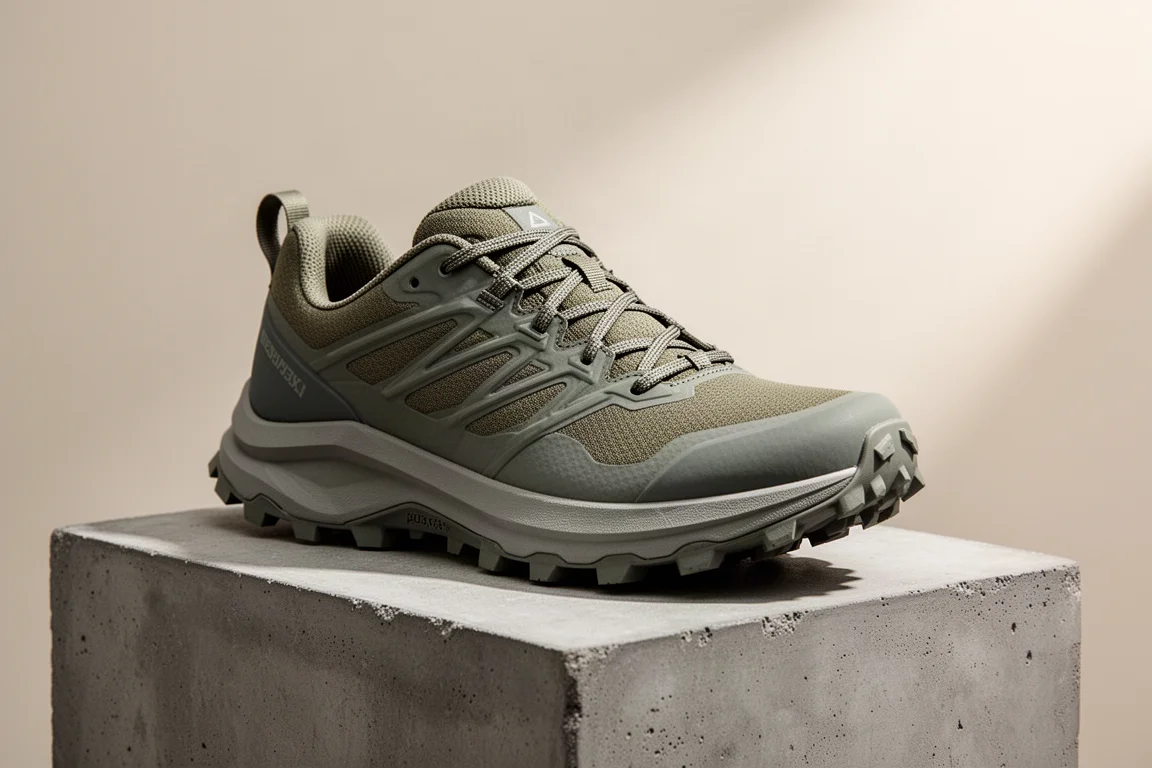
Trail runners such as the Hoka Speedgoat are the footwear of choice through spring, summer, and fall for most trips. The practical differences are straightforward: they are lighter on the foot over long days, they dry much faster after rain or a stream crossing, and they stay cooler in hot weather. Across most hiking and backpacking conditions, that combination is difficult to argue with.
Boots still have a place. Hikers who prefer the feel of a boot, or who are heading into terrain that calls for a hard-shell mountaineering boot, are making a sensible choice. The point is narrower than it first appears: the default option for most trips can be lighter and simpler than tradition suggests.
Trekology 2.0: A Pillow That Stays in Place
For decades the standard backpacking pillow was a stuff sack filled with spare clothing. It works, but only if you are carrying enough spare clothing to fill it. Even on a 36-day thru-hike with widely varying weather, there is rarely enough spare clothing to build a genuinely comfortable pillow.
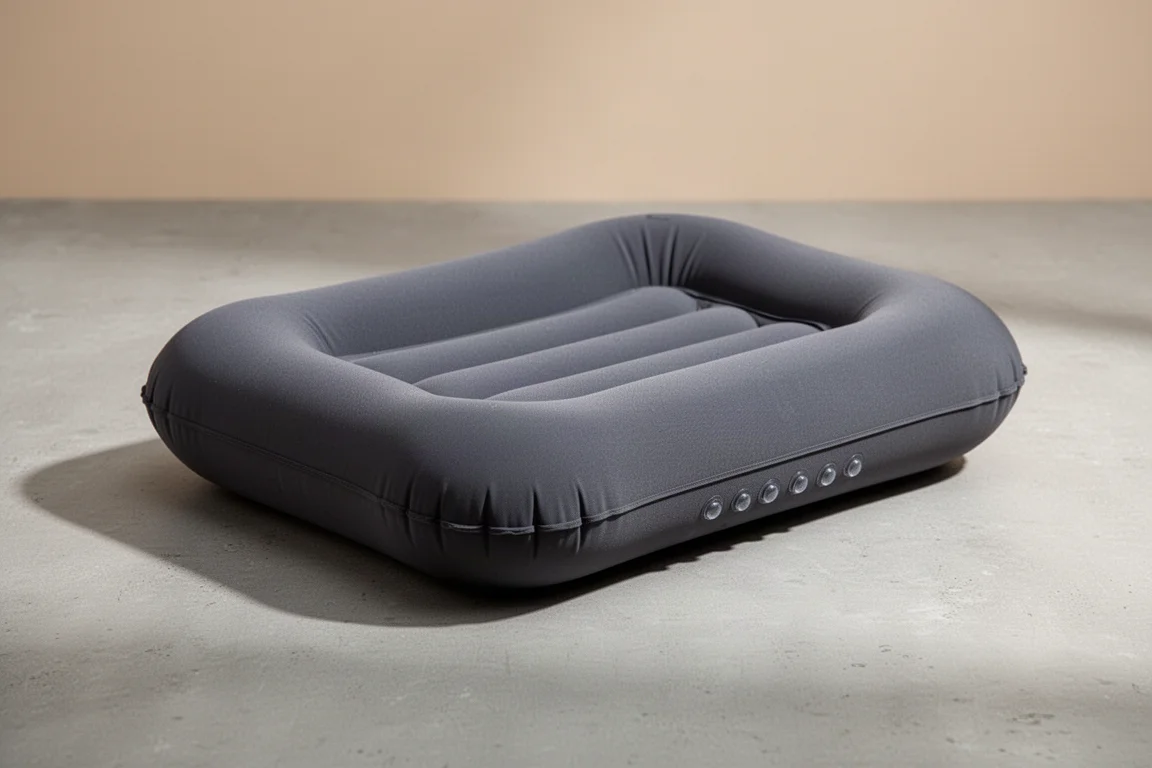
An inflatable pillow such as the Trekology 2.0 addresses this with very little weight. It packs down small, inflates in a moment, and includes a strap that wraps around the sleeping pad, which keeps it from sliding away overnight.
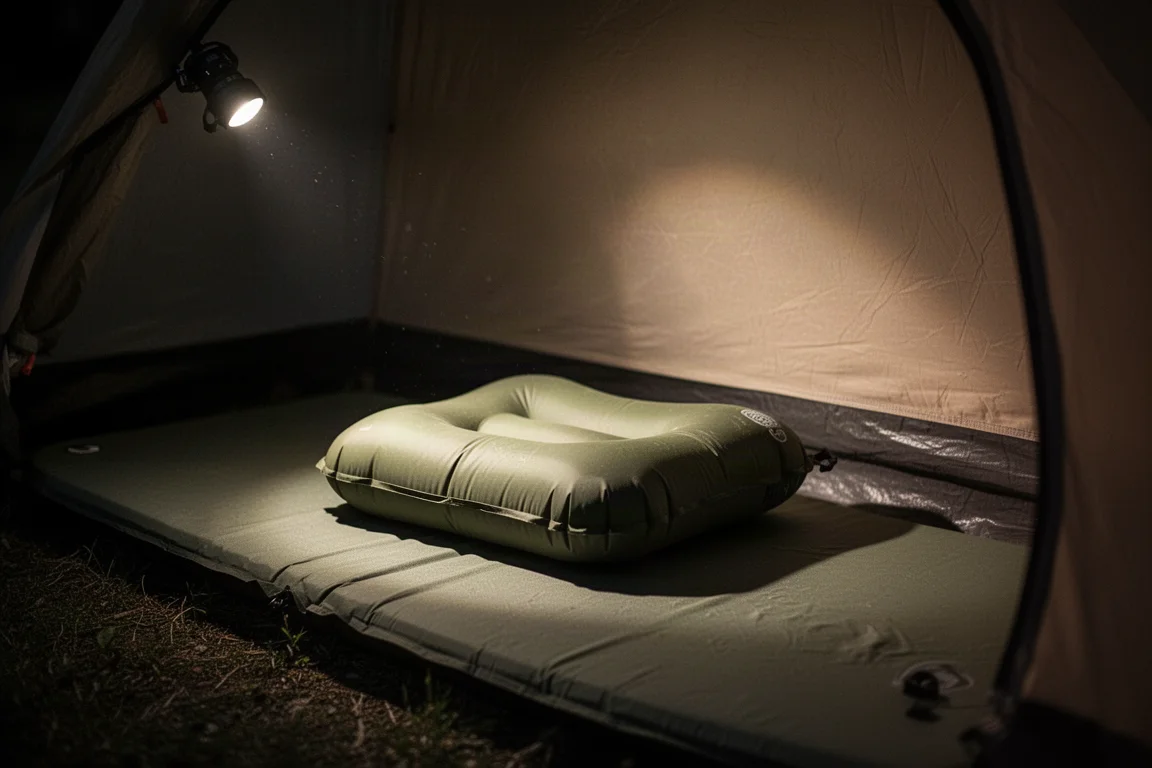
That last detail matters more than it sounds. A pillow that stays where you put it is often the difference between a decent night of sleep and a restless one, and sleep quality carries directly into how the next day on trail feels.
Pillow choice is personal, and there is no single correct answer. What is worth questioning is the assumption that a clothing-stuffed sack is the only lightweight option available.
How to Decide What to Change First
Start with the trips you actually take. If your campsites are established pads and your seasons are three-season, a ground sheet and a heavy boot are usually solving problems you will not encounter. If your plans include desert ground, cacti, or long stretches of abrasive rock, a ground sheet still makes sense. If they include extreme cold, a sleeping bag remains the better insulation choice, and merino wool remains a good option for sleeping and camp layers.
For active, wet, or sweaty days, synthetic base layers stay drier against the skin. Footwear follows the same logic: match the shoe to the terrain and the load rather than to tradition. And if ankle stability is the real concern, treat it as a training problem rather than a footwear problem.
Buying Advice
A few practical points before you buy. On footwear, decide whether you want a boot or a trail runner and be honest about the reason. If ankle support is the motivation, strength work is the more direct fix, and a trail runner will likely serve you better on most trips. If you simply prefer a boot, that is a valid reason on its own.
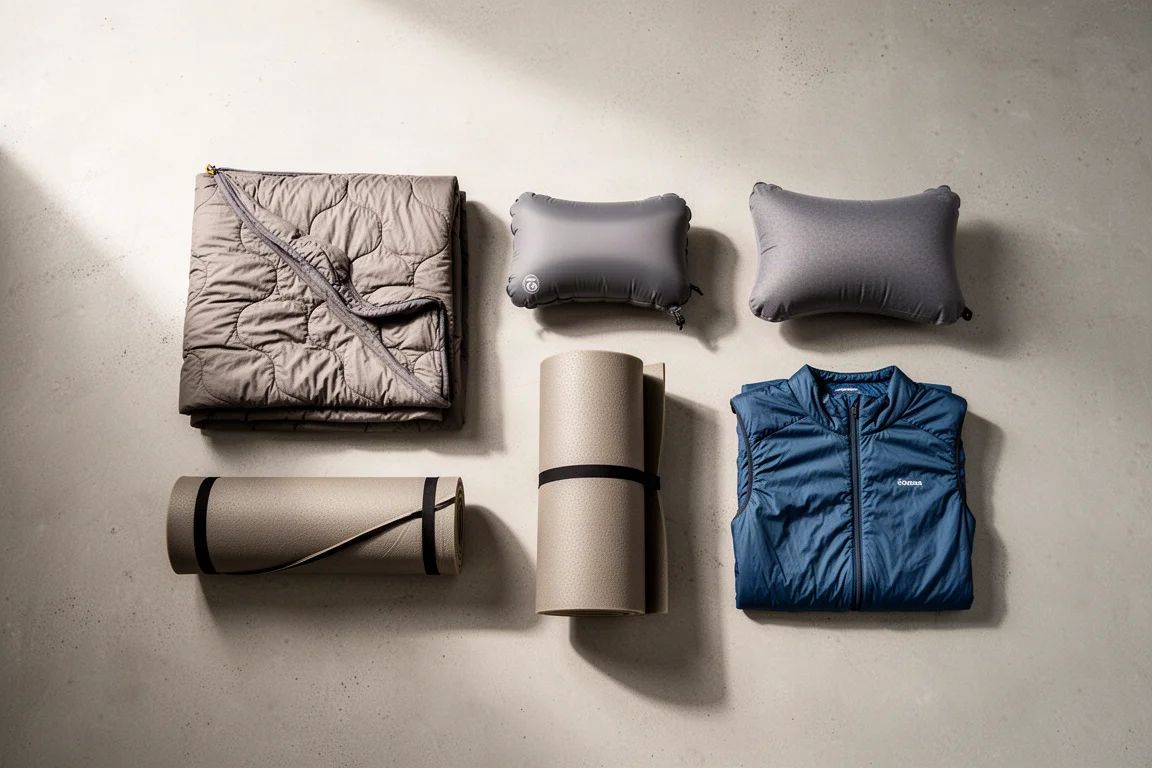
On the sleep system, a lightweight inflatable pillow is one of the least expensive ways to improve comfort for very little carried weight. Quilts and sleeping bags should be chosen against the temperatures you will actually meet, not the coldest trip you can imagine. Finally, look at what you already carry before adding anything new. Leaving a ground sheet, a spare layer, or a heavier pair of boots at home often frees up more weight than any single purchase.
Conclusion
The gear worth retiring is not the gear that is old, but the gear that no longer matches the trips being taken. A mid-cut hiking boot like the Salomon Quest does not provide the ankle protection it is usually bought for. Trail runners such as the Hoka Speedgoat cover most three-season conditions with less weight and faster drying. And a small inflatable pillow like the Trekology 2.0 turns a nightly compromise into a comfortable sleep for almost no weight penalty.
Buy for the conditions you meet, and the pack gets lighter on its own.
Further reading
Related Reviews

Backpacking Gear
Building a 10 lb Base Weight: An Ultralight Backpacking Gear List
A practical walkthrough of the ultralight pieces behind a 10 lb base weight, from a 765 g pack and a roomy one-person tent to a full camp chair and a dependable water filter.

Backpacking Gear
A 15-Pound Lightweight Backpacking Gear List for Solo Trips
A beginner-friendly 15-pound backpacking setup built from easy-to-find gear, with notes on what each piece does, how it packs, and where to spend your attention.
Backpacking Gear
8 Ultralight Backpacking Gear Upgrades Worth Carrying
Eight small, affordable backpacking upgrades that solve real trail annoyances, from a pillow that stays put to a fuel valve that rescues leftover canister gas.