Backpacking Gear
Backpacking Gear Loadouts Compared: Lightweight Picks for Three-Season Trips
Two backpackers walk the same route with very different kits. Here are the packs, shelters, sleep systems, and navigation tools that earned a place in each loadout.
Introduction
Two hikers walked the same loop with two very different kits. One leans toward off-trail routes in desert canyons and linking unmaintained trails into a loop. The other sticks mostly to established trails, with most trips in West Texas and the mountains of Colorado and the Sierra. Both want the same thing from their gear: less weight, fewer decisions, and equipment that quietly works in the background.
That is what makes a side-by-side comparison useful. The differences are not about right and wrong. They are about matching gear to the trips you actually take. This guide walks through the pieces that stood out in both loadouts, from navigation and communication to packs, shelters, and sleep systems.
What These Two Loadouts Have in Common
Start with the numbers, because they explain most of the choices. One pack came in under 20 lb fully loaded, which made a frameless pack without a hip belt workable. The other landed around 24 lb with food, water, and gear, roughly 3 lb heavier.
Both hikers avoid carrying excess, and both want efficiency rather than luxury. Where they diverge is in the small comfort decisions: whether to carry camp shoes, a back rest instead of a chair, extra layers, or a dedicated bag of nighttime items that lives inside the tent.
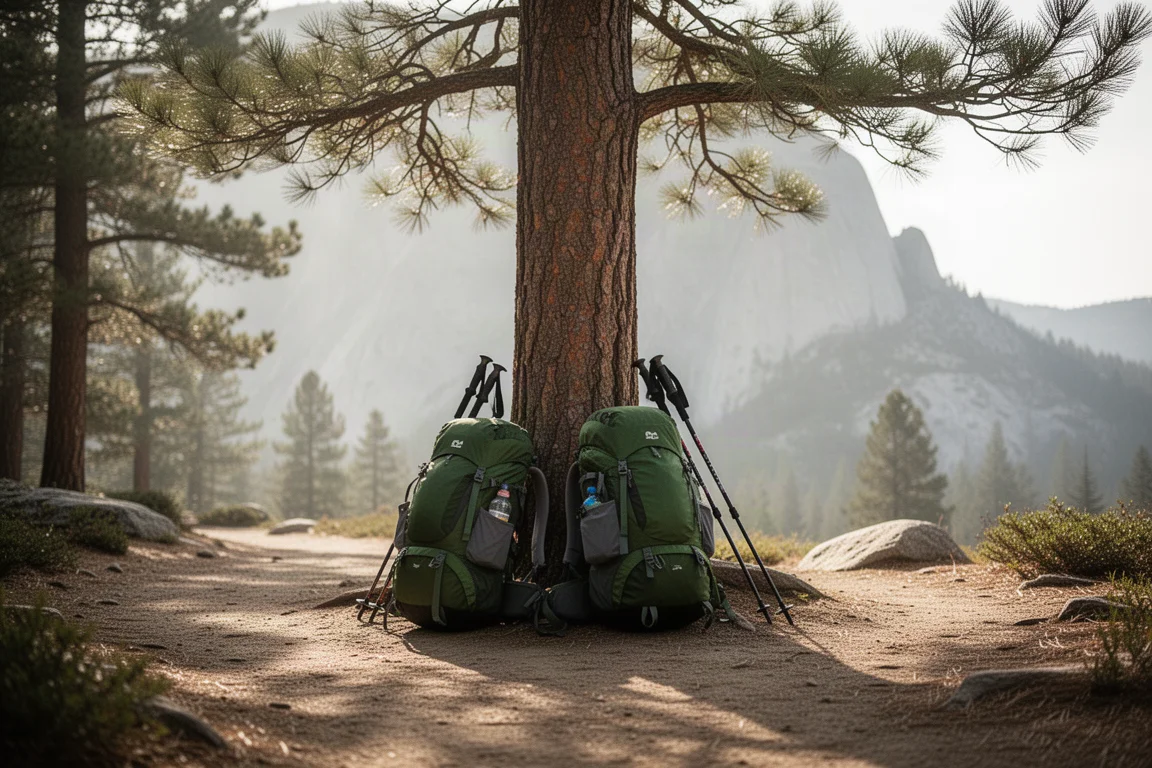
Another shared goal is durability. One of the two has reached a point where the priority is a kit that will last for years rather than a rotating shelf of experiments. That approach means fewer swaps, less second-guessing in camp, and more attention left over for the route itself.
Navigation: OnX Backcountry
Navigation mattered more than usual here. The route crossed a mountain range with little foot traffic and trails that receive almost no maintenance, and both hikers worked from the same shared route.
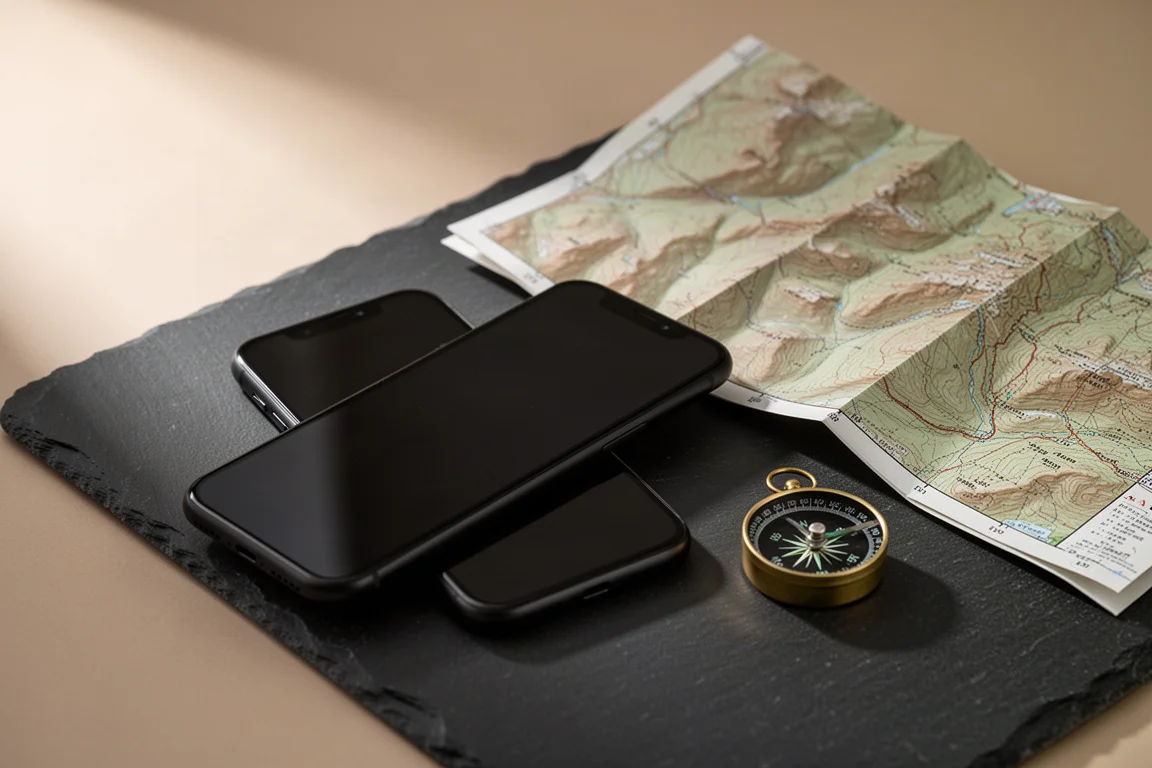
The strength of OnX Backcountry is its interface. It comes across as the most straightforward and simplest option to pick up, and it lets a new user go from nothing to a usable route quickly. Online tutorials help with that first setup. 3D viewing is smooth to move through, and 3D imagery is now available offline, which matters when there is no signal. The main item on the wish list is more map layers, specifically USFS maps and standard 7.5-minute USGS topo maps where features are already marked.
Staying in Touch Off Grid: ZOLEO Satellite Communicator
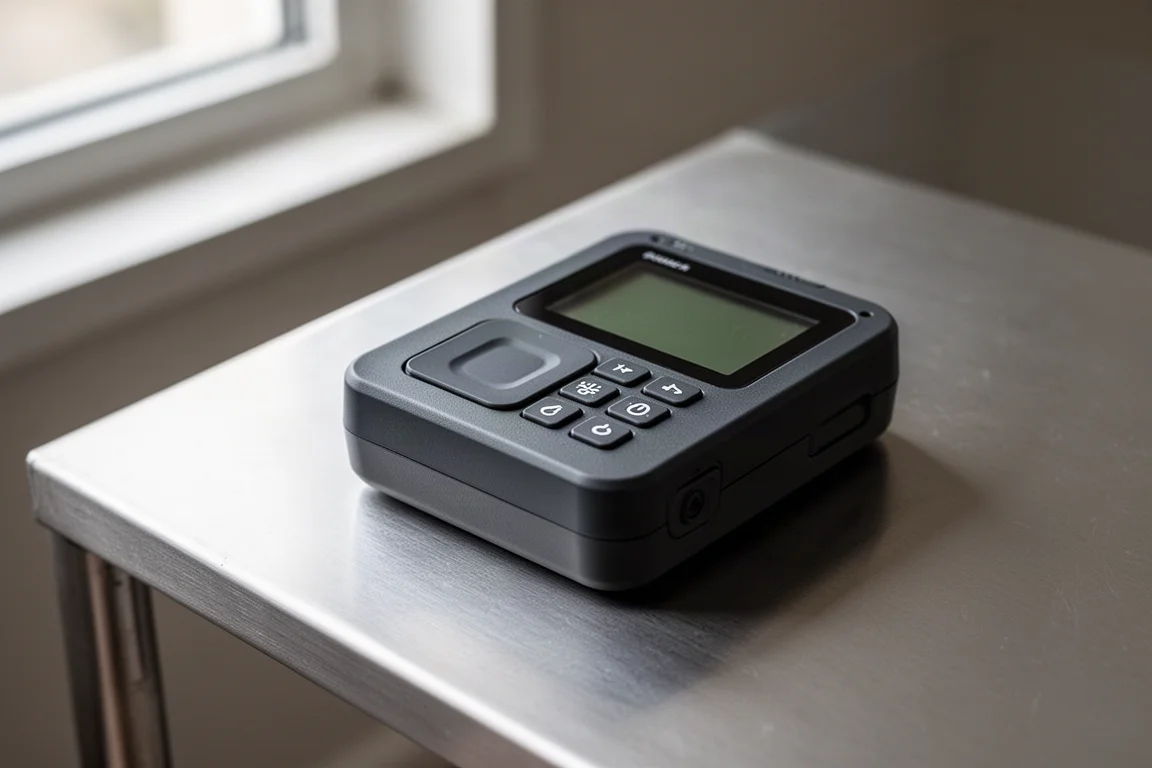
One loadout keeps a satellite communicator in an outside pocket of the pack, where it stays reachable without unpacking anything. The other relies on a separate satellite messenger, used mainly for keeping in touch with family at home. Two different devices, one shared idea: when cell coverage disappears, communication has to come from somewhere else.
The Frameless Pack: Evolved Ranger
The lighter of the two kits uses a 35 to 40 L frameless pack, with no hip belt at all. Because the fully loaded weight stayed under 20 lb, the hip belt was left behind, which the wearer describes as the most comfortable setup available. At that weight, the pack carries more like a school backpack than a load hauler.
The subdued look was a deliberate part of the choice. It does not announce itself as backpacking gear, which opens up the possibility of using it as a travel bag as well.
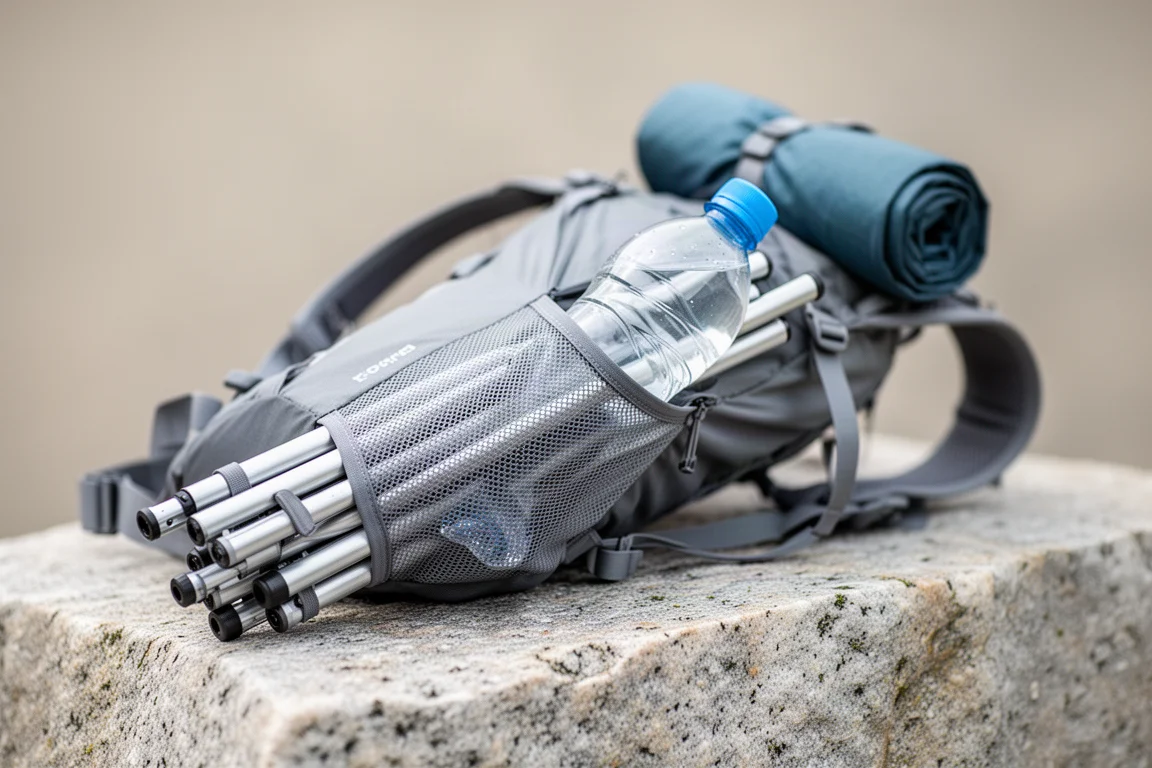
A small fanny pack handles everything that needs to stay on the body at all times, including a mini first aid kit and the items that would matter if the main pack were set down and separated from its owner. Worn that way, that weight stops counting against the shoulders.
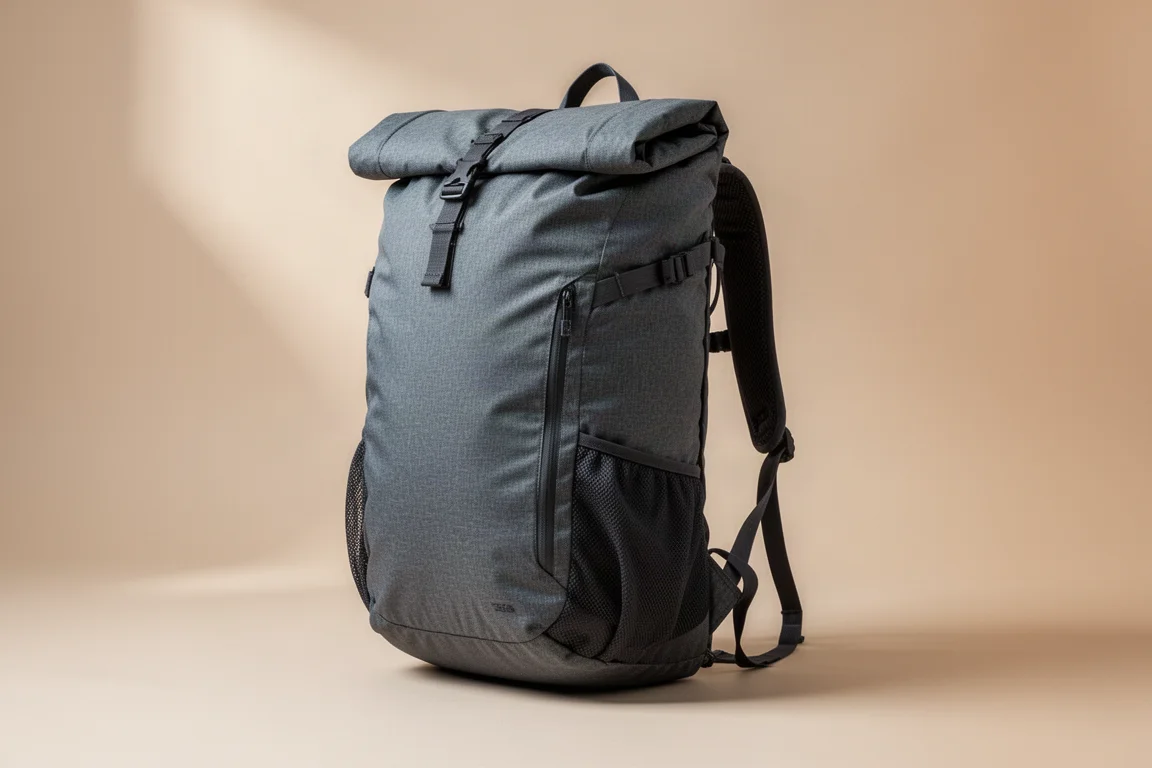
The First Trip Pack: Pilgrim Ultralight Highline
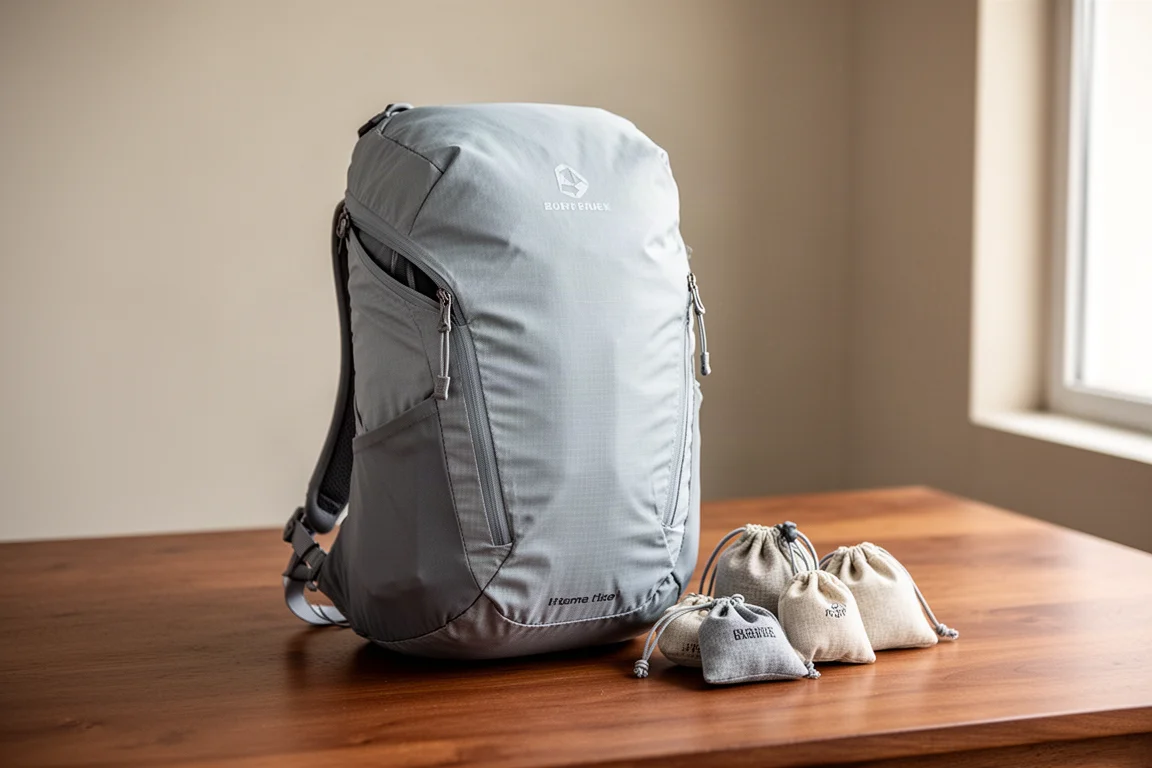
The second kit is built around the Highline pack from Pilgrim Ultralight, out for its first trip and already proving comfortable to carry. Inside, the organization is deliberate. Electronics, including a headlamp, charging cables, and car keys, live in one bag. First aid lives in another, and it is a fuller kit than many carry, on the principle of carrying what your training supports. A separate bag holds toilet supplies, wipes, and other trail essentials.
Food is stored in an odor-resistant bag so it can be kept inside the tent at night, and the day’s snacks travel in a second odor-proof bag in the pack’s bottom pocket. The reasoning is simple: food odors transferring to the pack itself is the problem, not just attracting animals to a hung bag.
Shelter: Durston X-Mid Pro 1
This shelter is in its first full season of use, and the pitch is the whole story. Set up correctly, it is a palace. Set up carelessly, it is immediately obvious, and the fix is to start over from the beginning. That precision is a fair trade for a shelter that becomes more rewarding as familiarity grows.
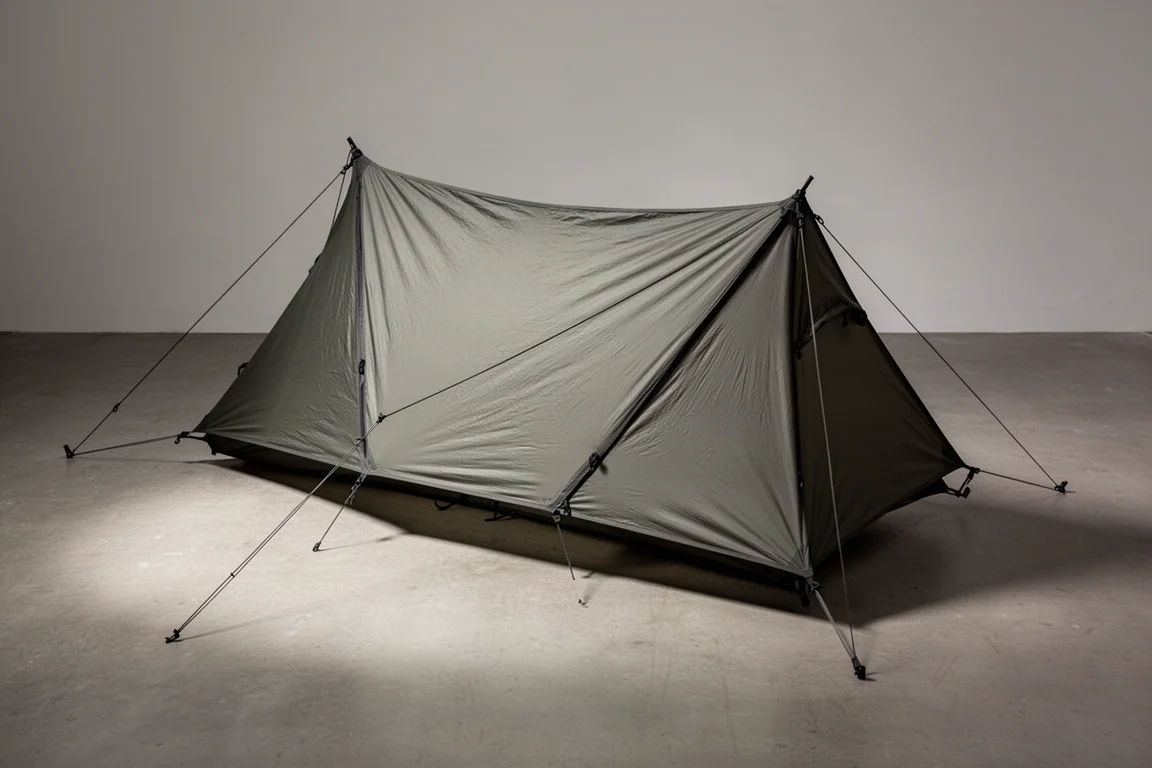
Shelter: Tarptent Rainbow Lithium
The other shelter is also new to its kit, though not new to its owner, who used a Double Rainbow Lithium previously and liked it enough to come back to the same family of design. Setup is quick and easy, and the packed weight is low. The tent needs six stakes, and the stake bag carries seven so there is always a spare.
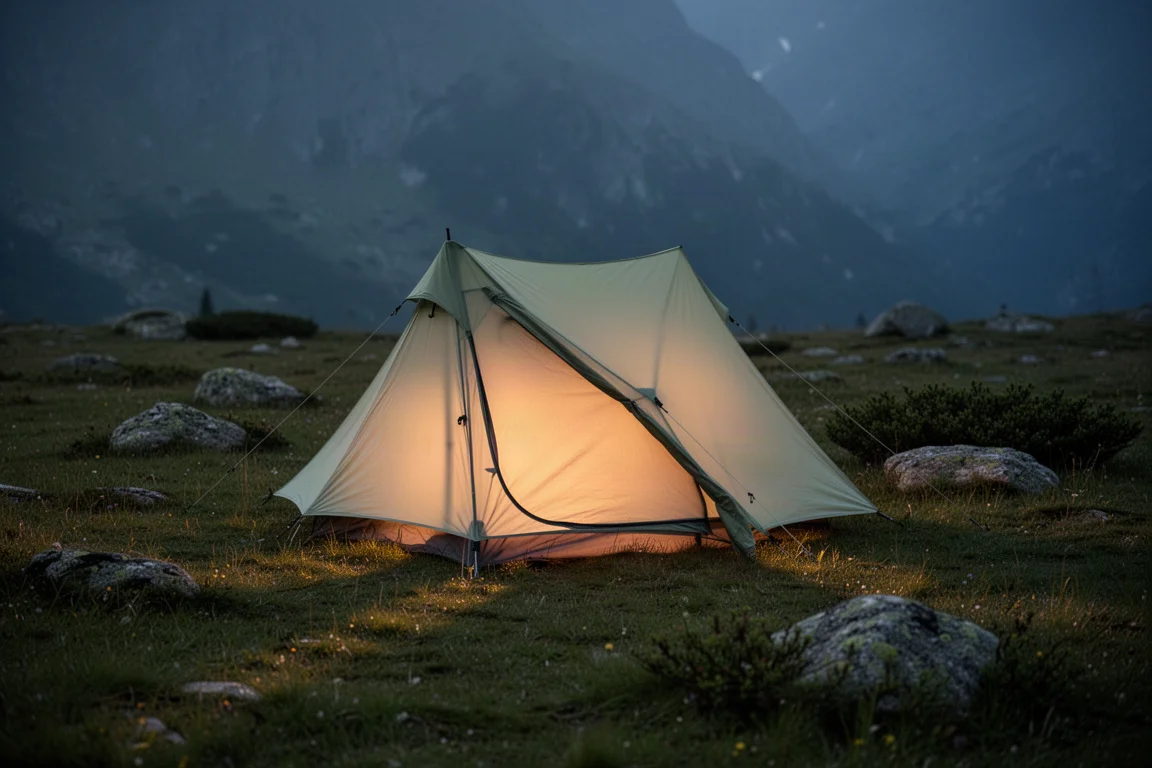
For anyone moving between shelters, this is the appeal: a straightforward pitch, a light packed weight, and a spare stake already accounted for before the trip starts.
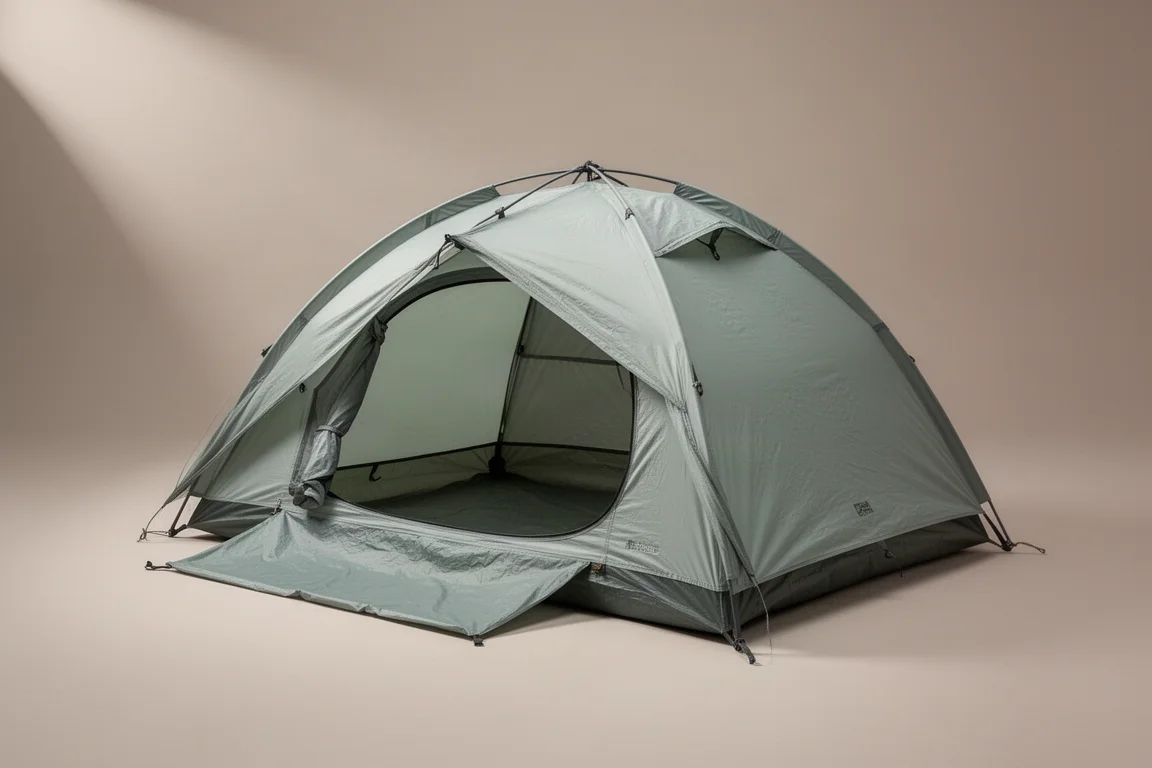
Sleep System: Nemo Tensor All-Season
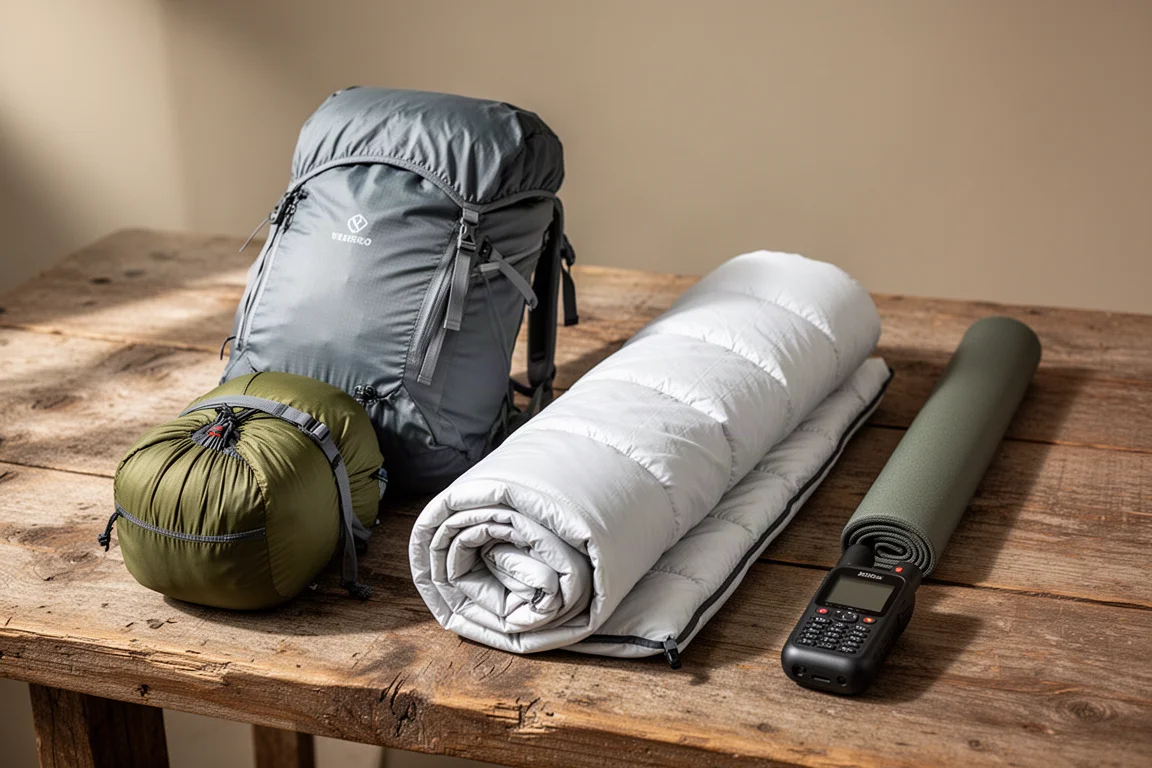
On the sleep side, the trade-off is weight against cushioning. This pad is fairly lightweight and roughly 5 oz lighter than the Zenbivy pad in the other loadout. It is not the most comfortable pad for every sleeper, but it does well enough, and for a lighter kit that is often the deciding factor.
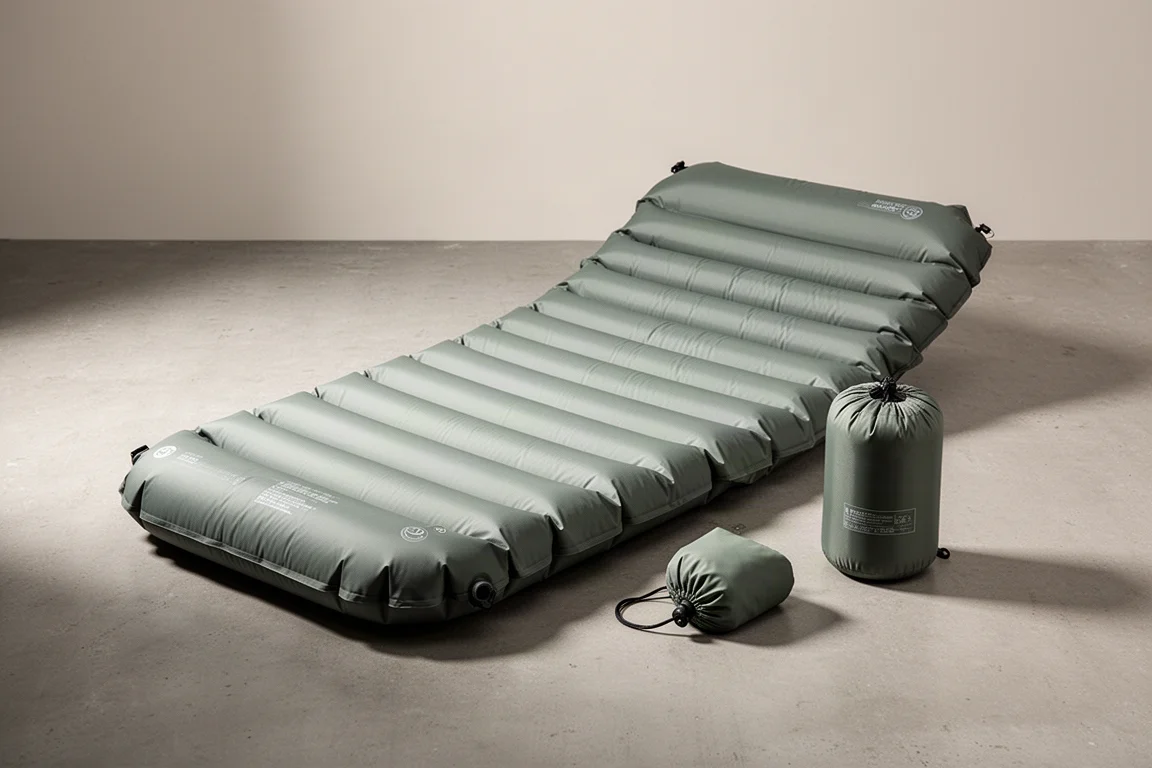
Sleep System: Zenbivy Ultralight Bed 25
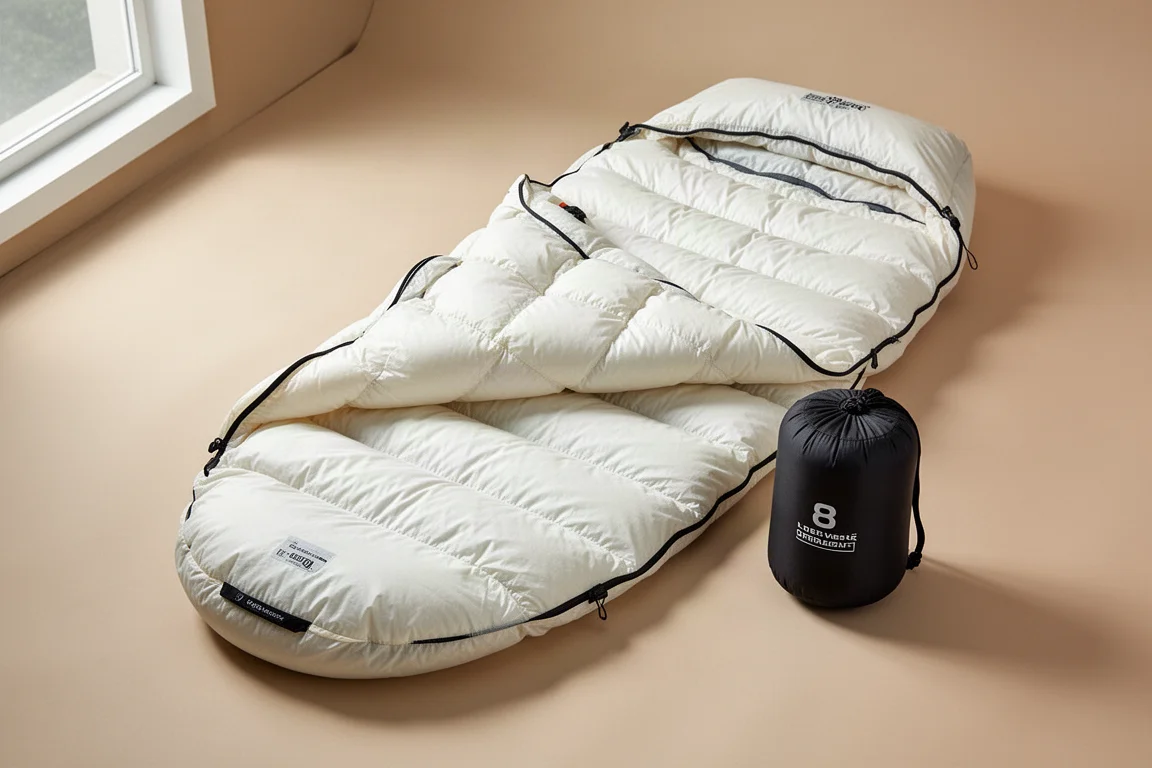
The other sleep setup centers on a 25° Zenbivy Ultralight Bed, packed into an 8 L compression bag. The owner calls it fantastic and simply cozy, and the white colorway is a nice touch on top of that.
The companion quilt in the other kit is a 30° design chosen partly for its narrow cut, which holds the arms in place and prevents drafts without needing extra material. It pairs with a 20-inch wide pad, a combination that saves weight. Width is a personal preference worth testing: one hiker still sleeps on a 20-inch pad and finds it works fine, while the other has moved to 25 inches.
Buying Advice
Match the kit to the trip rather than to a number. A frameless pack without a hip belt works when the total load stays light, which is why the under-20 lb kit could leave it at home. If your food and water carry pushes you closer to 24 lb, a framed pack is likely the better call.
For shelters, decide how much you value a forgiving pitch. A precise shelter rewards practice and punishes rushing, so if you often set up in the dark or in poor weather, weigh that honestly before buying.
For sleep, test pad width and quilt cut before committing. The difference between a 20-inch and a 25-inch pad changes both comfort and packed weight, and the two hikers here landed on opposite answers for the same reason: it depends on how you sleep.
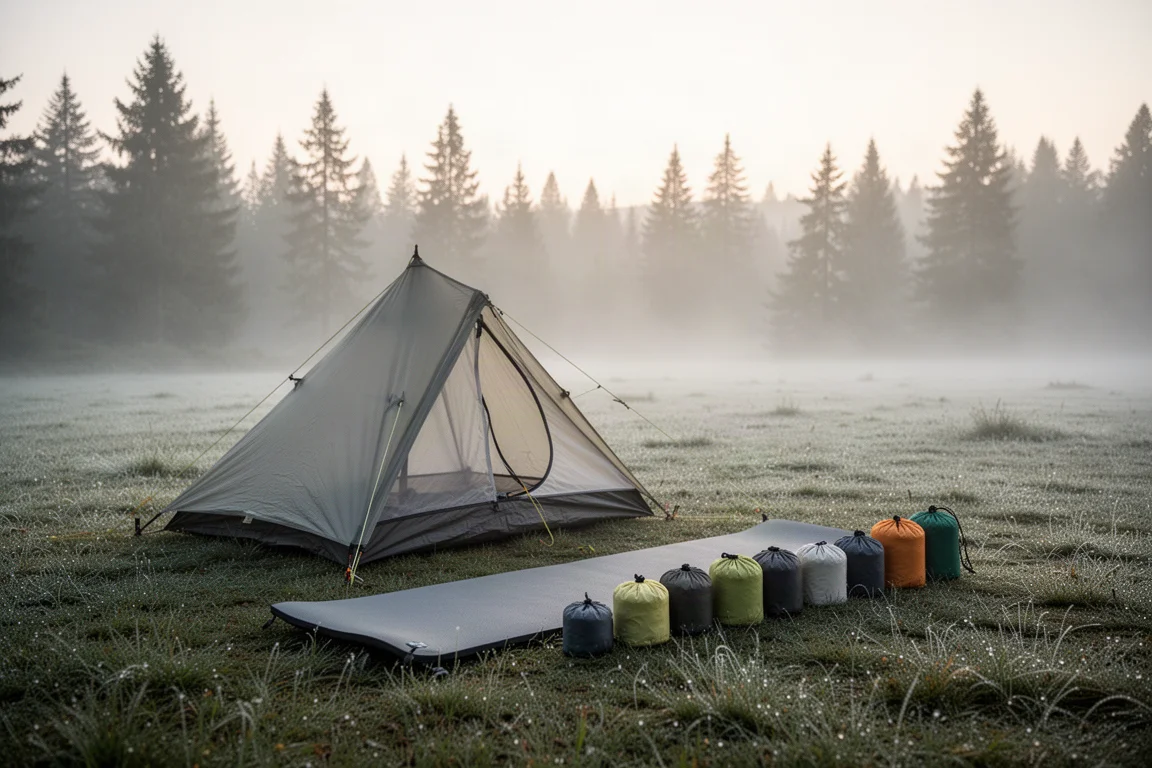
Navigation deserves the same honesty. If you plan routes often, the interface and the availability of the map layers you rely on matter more than a long feature list. Small systems also add up. Odor-proof food bags, a stake bag with a spare, an on-body pouch for essentials, and a clearly separated electronics bag cost far less than a new shelter, and they change how a trip feels day to day.
Conclusion
Two loadouts, one route, and the same underlying goal: gear that works without demanding attention. The differences come down to how each hiker weighs comfort against weight, and how much precision they are willing to trade for convenience. Pick the pieces that match your own trips, test them on short outings, and let the kit settle quietly into the background.
Further reading
Related Reviews

Backpacking Gear
Building a 10 lb Base Weight: An Ultralight Backpacking Gear List
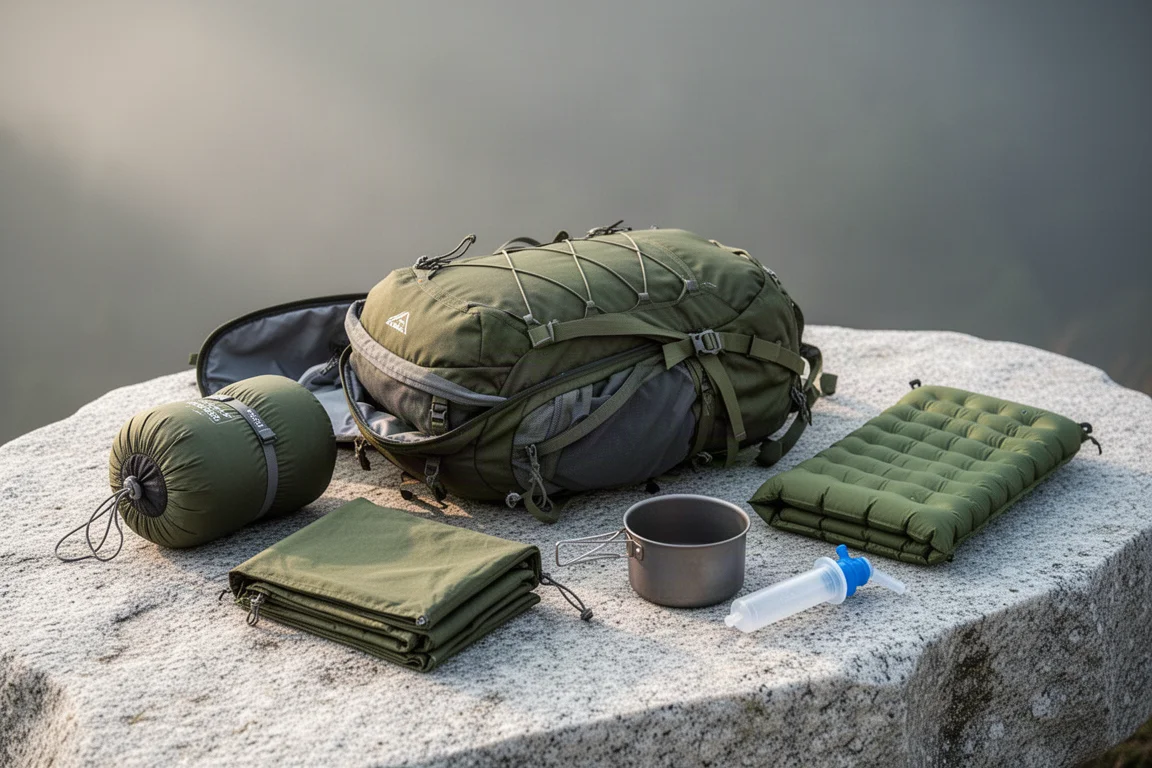
A practical walkthrough of the ultralight pieces behind a 10 lb base weight, from a 765 g pack and a roomy one-person tent to a full camp chair and a dependable water filter.
Backpacking Gear
A 15-Pound Lightweight Backpacking Gear List for Solo Trips
A beginner-friendly 15-pound backpacking setup built from easy-to-find gear, with notes on what each piece does, how it packs, and where to spend your attention.
Backpacking Gear
8 Ultralight Backpacking Gear Upgrades Worth Carrying
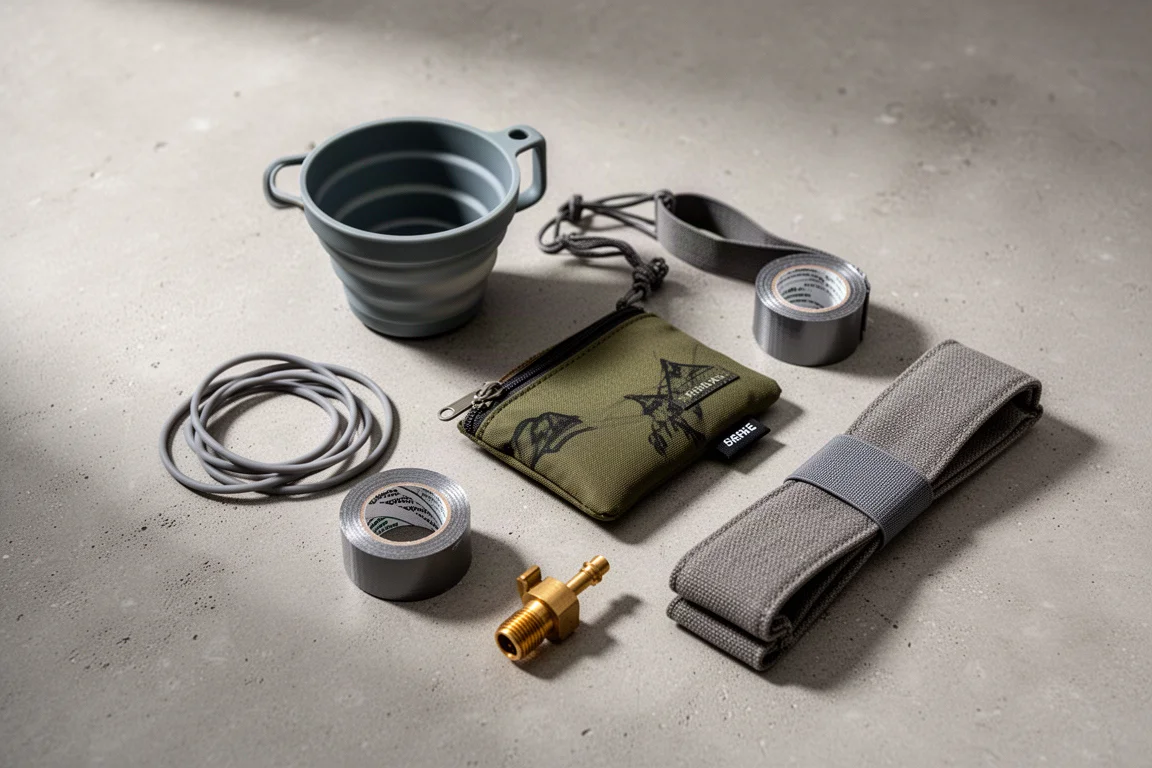
Eight small, affordable backpacking upgrades that solve real trail annoyances, from a pillow that stays put to a fuel valve that rescues leftover canister gas.