Backpacking Gear
Two Backpacking Gear Loadouts Compared: Ultralight Choices for Trail and Camp
A side-by-side look at two backpacking gear systems, from navigation apps and frameless packs to ultralight shelters and sleep quilts.
Introduction
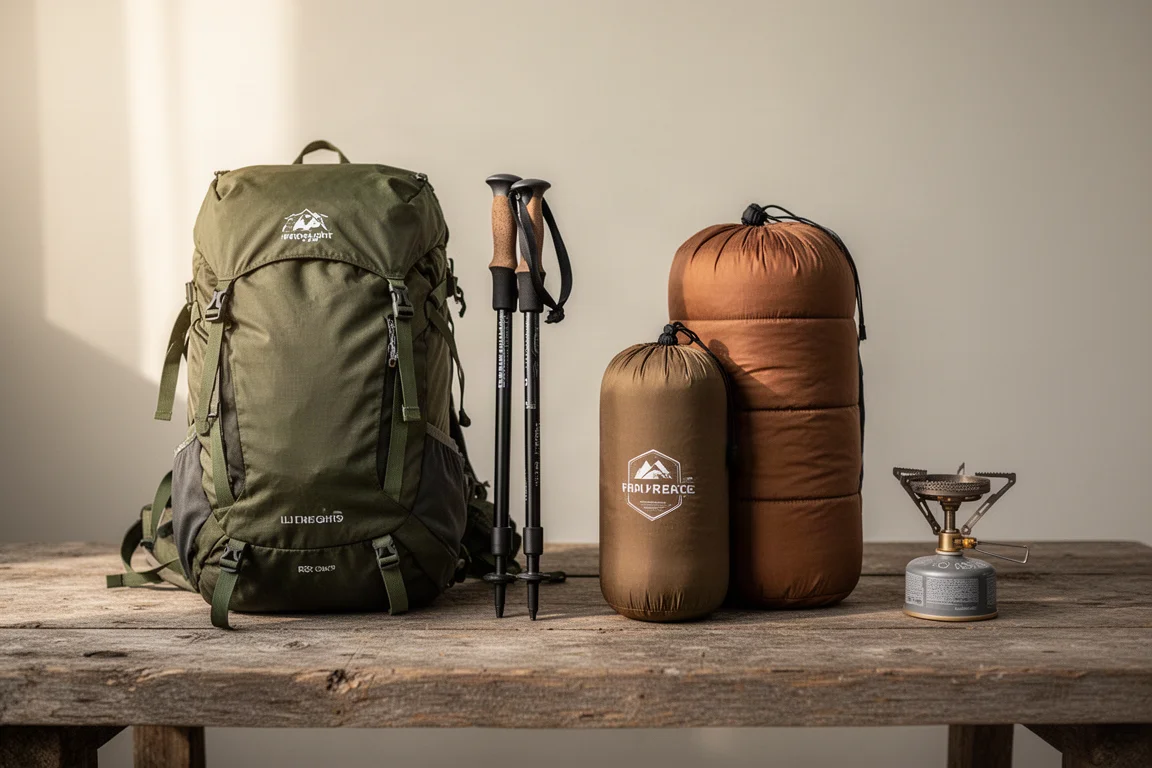
Backpacking gear is personal. Two hikers can walk the same trail, cover the same miles, and still choose very different kits. This comparison looks at two loadouts used on a recent trip: one leans toward ultralight simplicity, the other balances light weight with a few comfort-focused choices. The goal is not to declare a winner but to show how different pieces solve the same problems.
How These Loadouts Differ
One loadout kept total weight under 20 pounds and used a frameless pack without a hip belt. The other carried about 24 pounds with food and water, using a framed pack and a few extra layers. Both prioritized efficiency, but they made different calls on shelters, sleep systems, and camp comfort. The differences show up in the details: navigation tools, pack structure, and how each person handles warmth and rest.
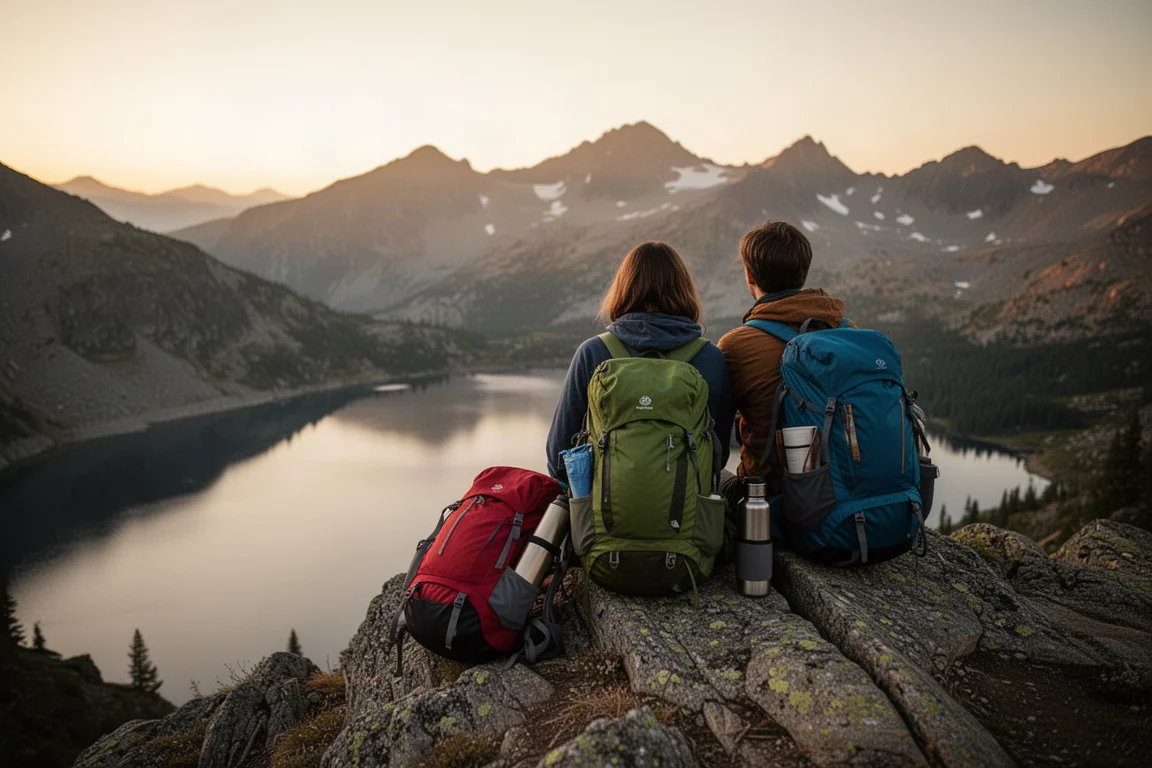
The lighter kit relied on a quilt and a single-wall trekking-pole tent, while the slightly heavier kit used a freestanding-style tent and a wider sleeping pad. These choices reflect different priorities: saving every ounce versus adding a margin of comfort for camp and sleep.
Navigation: OnX Backcountry
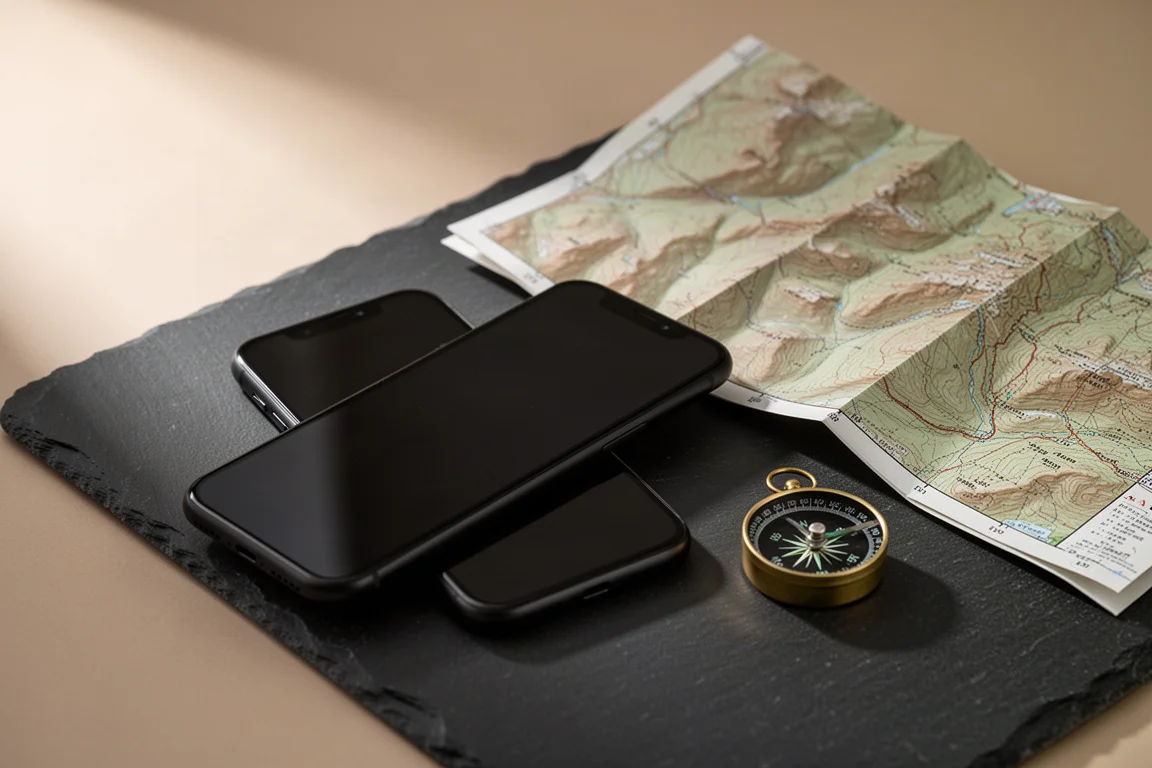
OnX Backcountry served as the primary navigation tool for the trip. It was praised for having the easiest interface to use, making it straightforward to go from zero to a planned route. The app includes helpful online tutorials, and its 3D imagery is notably smooth, with offline 3D maps available. One requested enhancement is more map layers, such as USFS maps and standard 7.5-minute USGS topo maps, which often include pre-marked features. In a mountain range with little foot traffic and poorly maintained trails, the app proved clutch for staying on route.
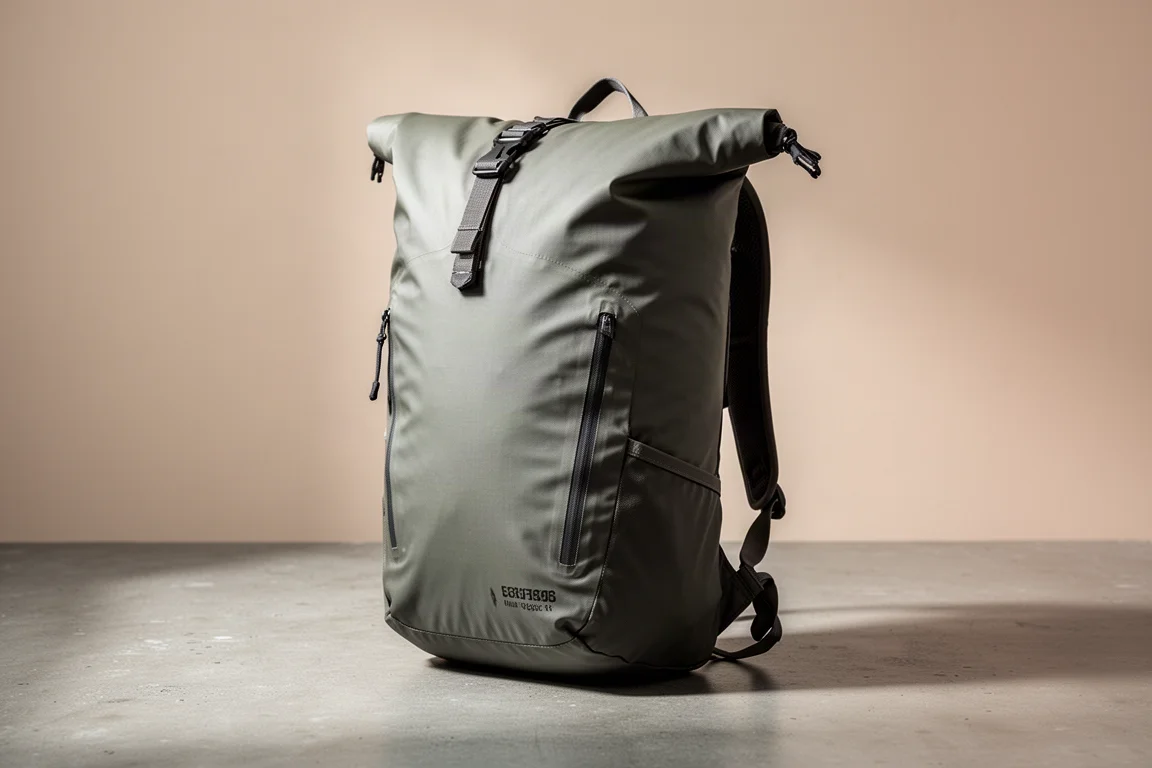
Pack Option 1: Evolved Ranger
The Evolved Ranger is a 35-40L frameless pack. It was used without a hip belt because the total load stayed under 20 pounds. At that weight, the frameless design felt comfortable, almost like wearing a school pack. The subdued look also makes it a viable travel bag that does not scream “backpacker.” For anyone who can keep their base weight low, skipping the hip belt is a genuine bonus.
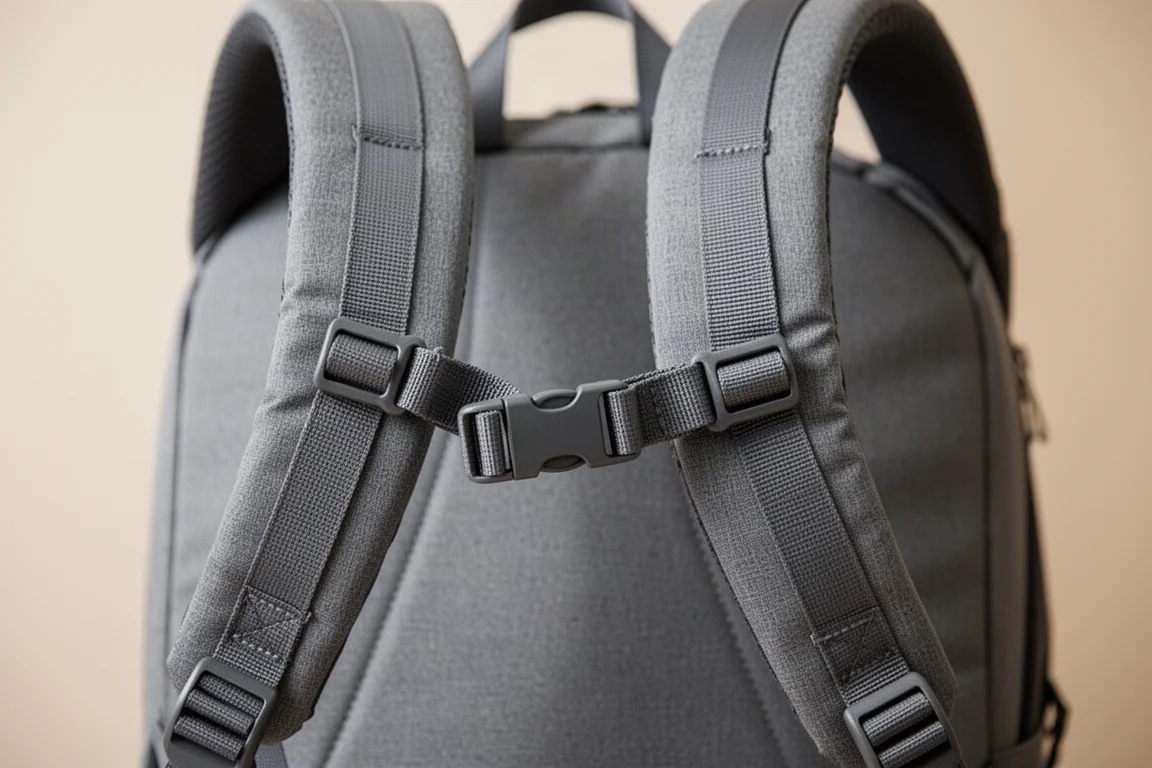
This pack suits trips where simplicity and low weight matter more than load support. It is not designed for heavy carries, but within its intended range, it delivers a clean, comfortable carry.
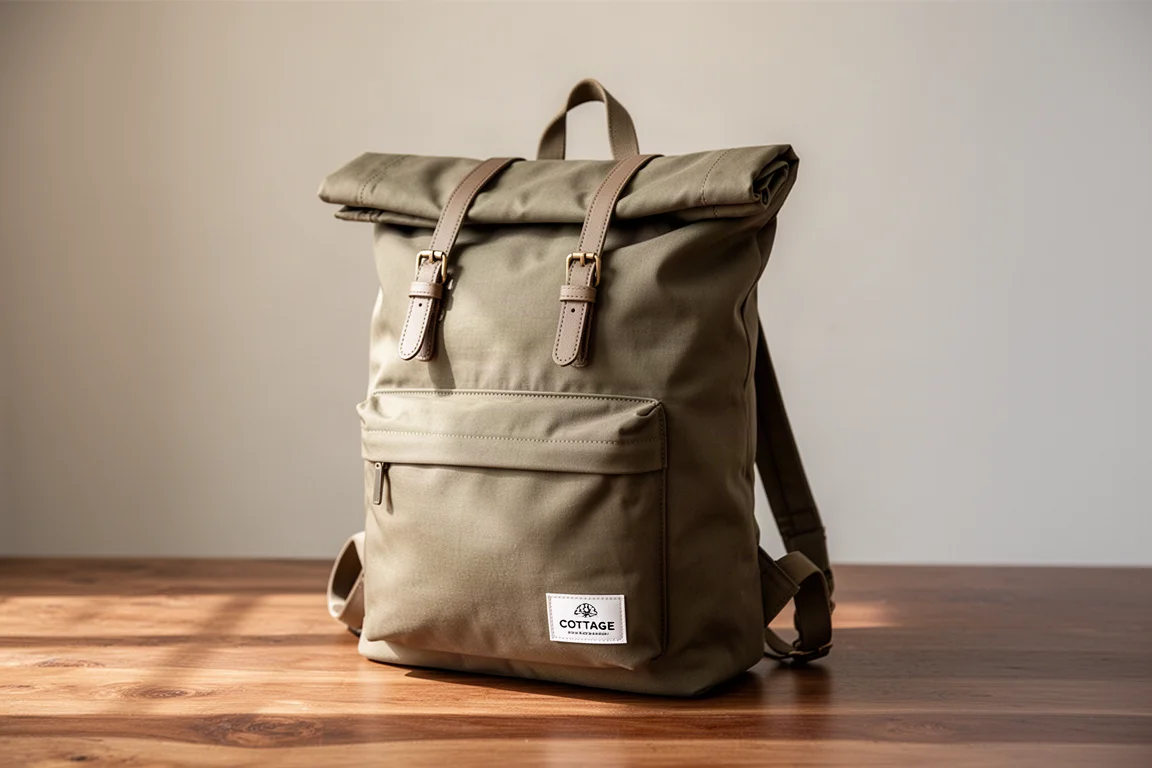
Pack Option 2: Pilgrim Ultralight Highline
The Pilgrim Ultralight Highline was used for the first time on this trip and made a positive impression. It comes from a cottage brand, and the user was quite enjoying it. While long-term feedback is limited, the initial experience suggests it is a capable ultralight pack for backpackers who want to support smaller makers and keep their kit light.
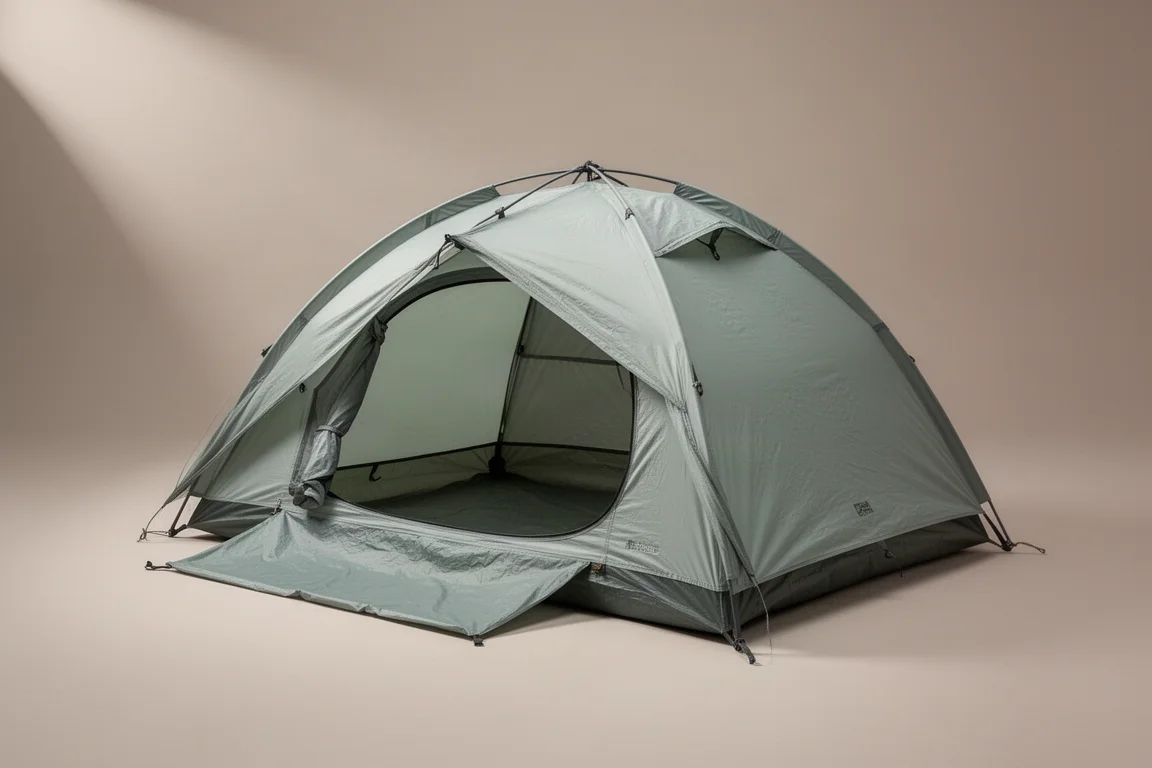
Shelter Option 1: Tarptent Rainbow Lithium
The Tarptent Rainbow Lithium is a single-person tent that was used for the first time on this trip. The user previously owned a Double Rainbow Lithium and loved it, so expectations were high. The Rainbow Lithium is easy to set up and super lightweight. It requires six stakes, but the user carries seven to have a spare. The tent has been fantastic, offering a simple and reliable shelter for solo trips.
Shelter Option 2: Durston X-Mid Pro 1
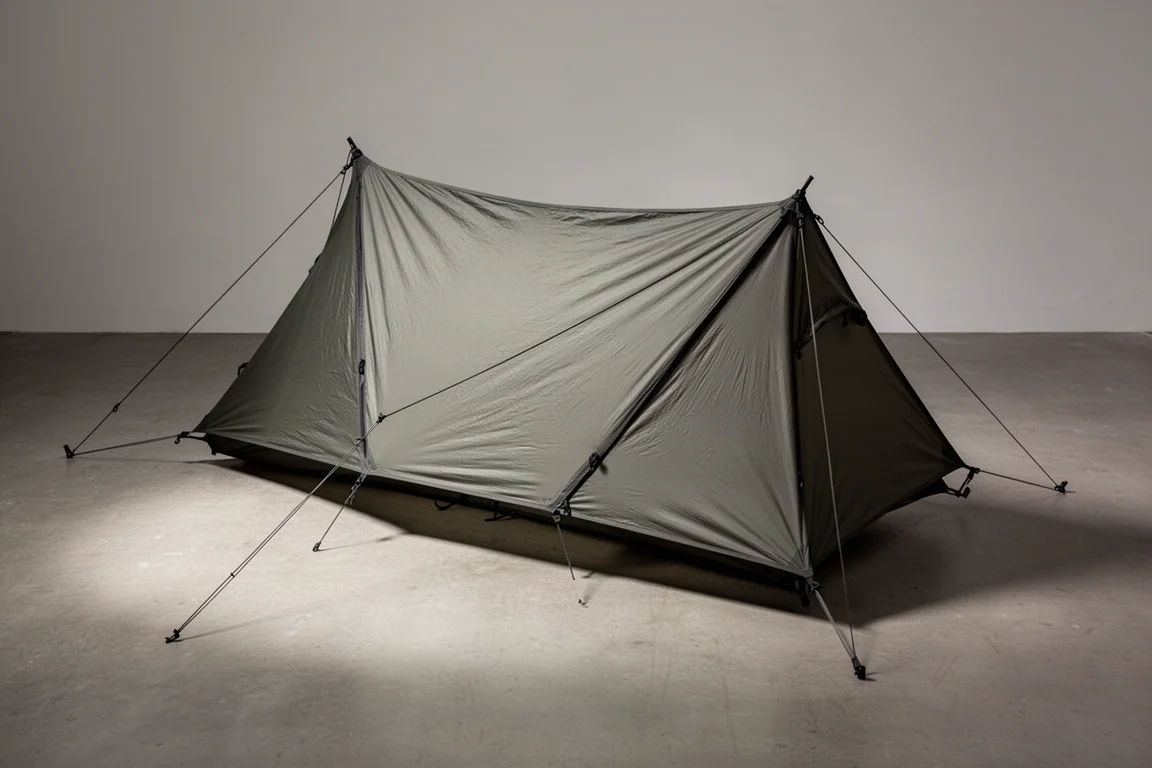
The Durston X-Mid Pro 1 is in its first full season of use. The user is becoming more comfortable with the pitch. This tent rewards precision: if it is not pitched correctly, it is immediately obvious, and the user has to start over. When pitched well, it feels like a palace; otherwise, it can look sloppy. It is an awesome tent for those willing to learn its nuances in exchange for a lightweight, spacious shelter.
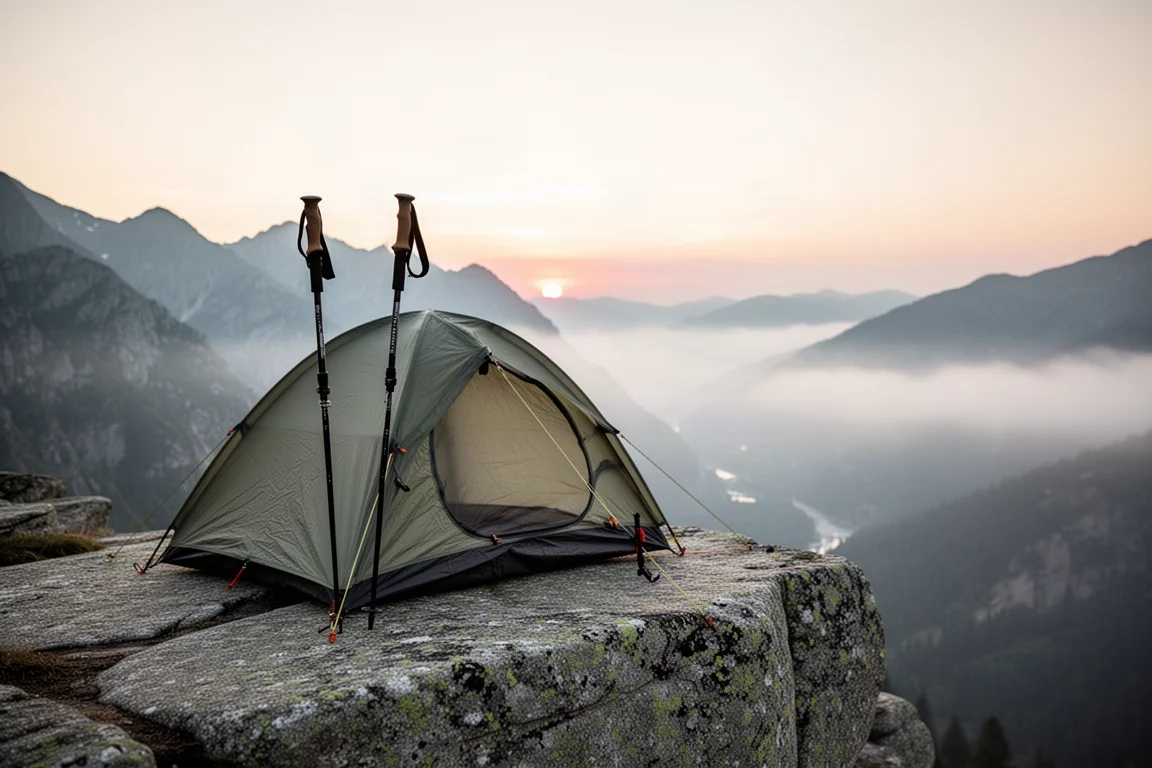
The X-Mid Pro 1 is a good example of how trekking-pole tents can save weight while still offering a comfortable living space, provided the user invests time in mastering the pitch.
Sleep System: Zen Bivy Ultralight Bed Quilt
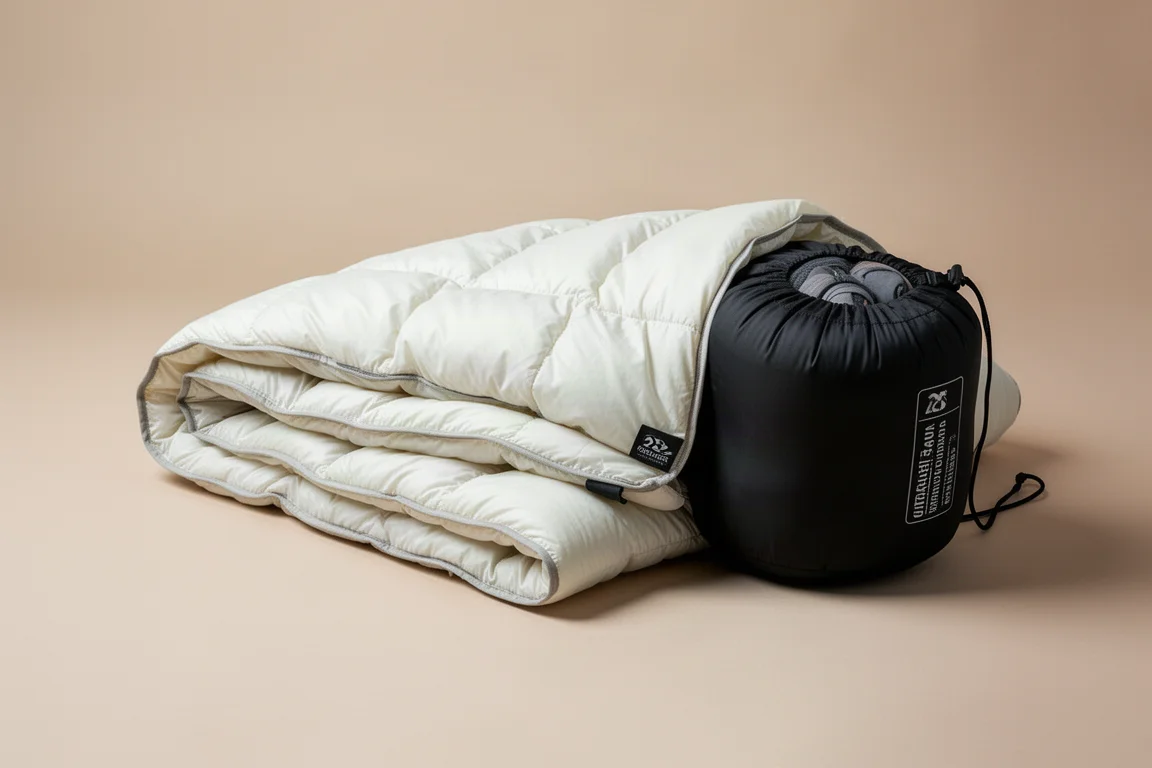
The Zen Bivy Ultralight Bed is a 25-degree quilt packed in an 8L compression bag. It was described as fantastic and incredibly cozy, with a distinctive “bougie white” color. The quilt delivers warmth and comfort without excessive bulk, making it a strong choice for three-season backpacking when paired with an appropriate sleeping pad.
Other Gear Worth Noting
Several other pieces rounded out these loadouts. For communication, there was a ZOLEO satellite communicator and a Garmin inReach. Water treatment included a Sawyer water filter, and hydration relied on Mazama Migo water bottles. Apex Giant Speed Hanger was used for gravity feeding, and a Lightmith back rest served as an experimental camp comfort item. Cook kits varied between a Toaks 700 Wide pot and a Toaks 550 Lightweight pot, paired with Soto Amicus and Soto WindMaster stoves. Sleep pads included the Nemo Tensor All-Season and an older Nemo Tensor, while the other quilt was a Katabatic 30-degree model. A Hightails Designs Alpha layer provided mid-layer warmth. These items show that even within ultralight circles, there is plenty of room for personal preference.
Overall Buying Advice
Choosing gear starts with an honest look at your typical trips. If you can keep your total pack weight under 20 pounds, a frameless pack without a hip belt can be comfortable and simple. If you carry more or want extra support, a framed pack with a hip belt is worth the weight. For navigation, an app like OnX Backcountry offers an easy interface and offline 3D maps, but check whether the available map layers match your needs. Shelters come in many forms: a single-wall trekking-pole tent saves weight but requires practice to pitch well, while a more traditional design may be faster to set up. Sleep systems are highly personal; quilts save weight, but pad width and quilt design affect draft control. The best kit is the one that lets you focus on the trip, not on your gear.
Durability matters, too. Many backpackers go through a phase of buying and selling used gear to experiment, then settle on a kit that lasts. Once your gear works reliably, you can stop thinking about it and simply enjoy the trail.
Conclusion
These two loadouts prove that there is no single right way to backpack. One hiker saved weight with a frameless pack and a trekking-pole tent, while the other added a bit of comfort with a different shelter and sleep setup. Both achieved the same goal: a successful trip in the backcountry. Use these comparisons as a starting point, then tailor your own kit to your style, conditions, and budget.
Further reading
Related Reviews

Backpacking Gear
Building a 10 lb Base Weight: An Ultralight Backpacking Gear List
A practical walkthrough of the ultralight pieces behind a 10 lb base weight, from a 765 g pack and a roomy one-person tent to a full camp chair and a dependable water filter.
Backpacking Gear
A 15-Pound Lightweight Backpacking Gear List for Solo Trips
A beginner-friendly 15-pound backpacking setup built from easy-to-find gear, with notes on what each piece does, how it packs, and where to spend your attention.
Backpacking Gear
8 Ultralight Backpacking Gear Upgrades Worth Carrying
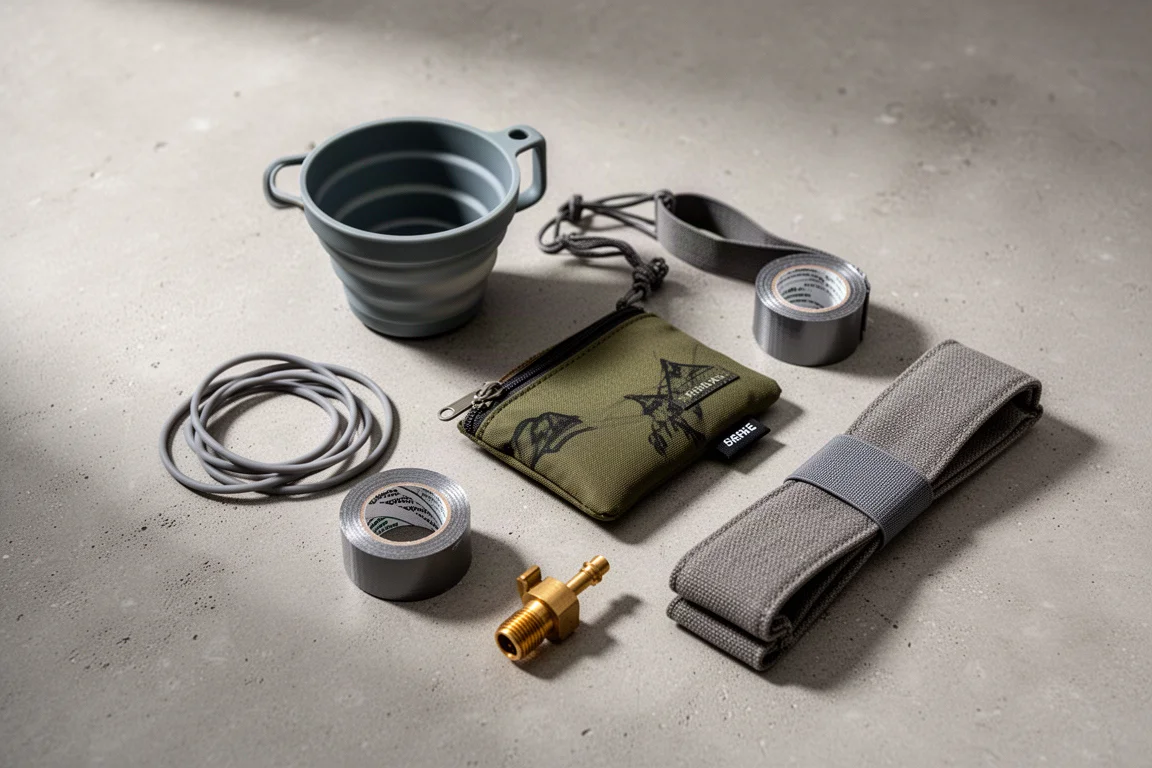
Eight small, affordable backpacking upgrades that solve real trail annoyances, from a pillow that stays put to a fuel valve that rescues leftover canister gas.