Backpacking Gear
Backpacking Gear Loadout Roundup: 11 Picks From Two Very Different Packs
A fifteen-year pack, a clip-in hammock sleep system, a heat-exchanger pot, and two American-made knives: eleven backcountry pieces compared on durability, comfort, and real trail use.
Introduction
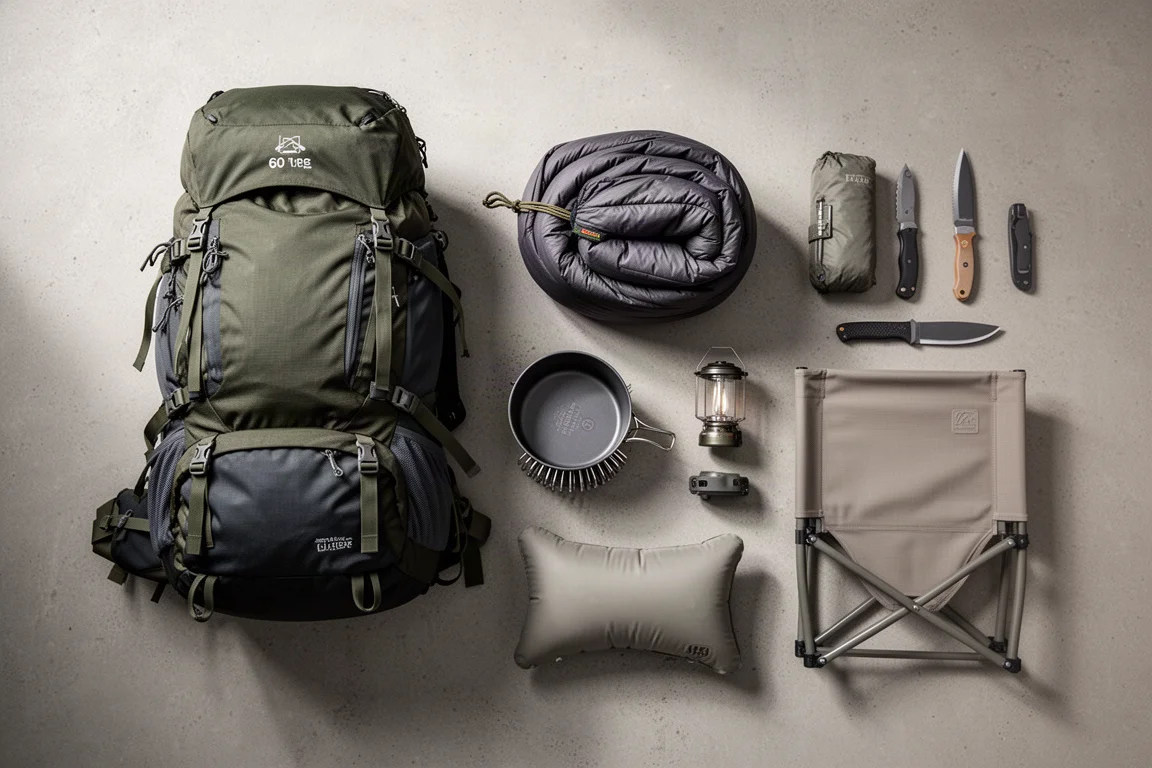
There are two ways to build a backcountry kit. One is to buy carefully once and keep using the same pieces for a decade and a half. The other is to treat every trip as a test bench, rotating in new shelters, quilts, and stoves to find out what actually holds up.
Both approaches show up in the eleven items below. One pack has been in service for roughly fifteen years and is still going. Another was loaded with about 33 pounds of gear on an early outing. Between them sits a practical question for anyone assembling a kit: should you spend on the newest design, or on the piece you already trust?
This roundup covers packs, sleep systems, camp lighting, comfort items, cookware, and knives. Each entry is judged on the same three things: durability, comfort in real conditions, and whether the design solves a problem you would actually notice on trail.
Osprey Aether 60: A Fifteen-Year Pack That Still Works
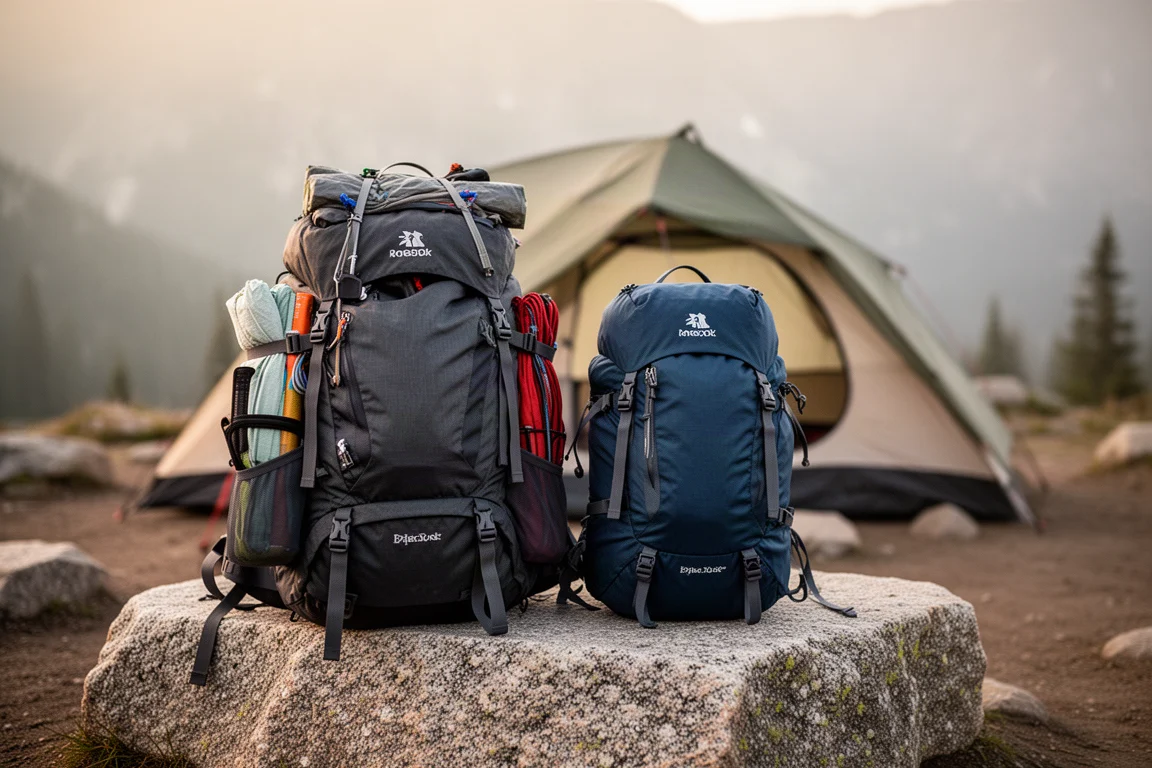
The Osprey Aether 60 is the clearest argument for buying well once. This example has been in continuous use for fourteen to fifteen years and still works as intended. The layout is deliberately simple: no excess straps or features, and enough external attachment points to lash on whatever does not fit inside.
Durability has been backed by service. Buckles have been replaced over the years under Osprey’s Mighty Guarantee, which is a meaningful part of the value calculation for a pack you plan to keep. A sleeping bag stuffs straight into the bottom compartment, and the whole system loads easily without a manual.
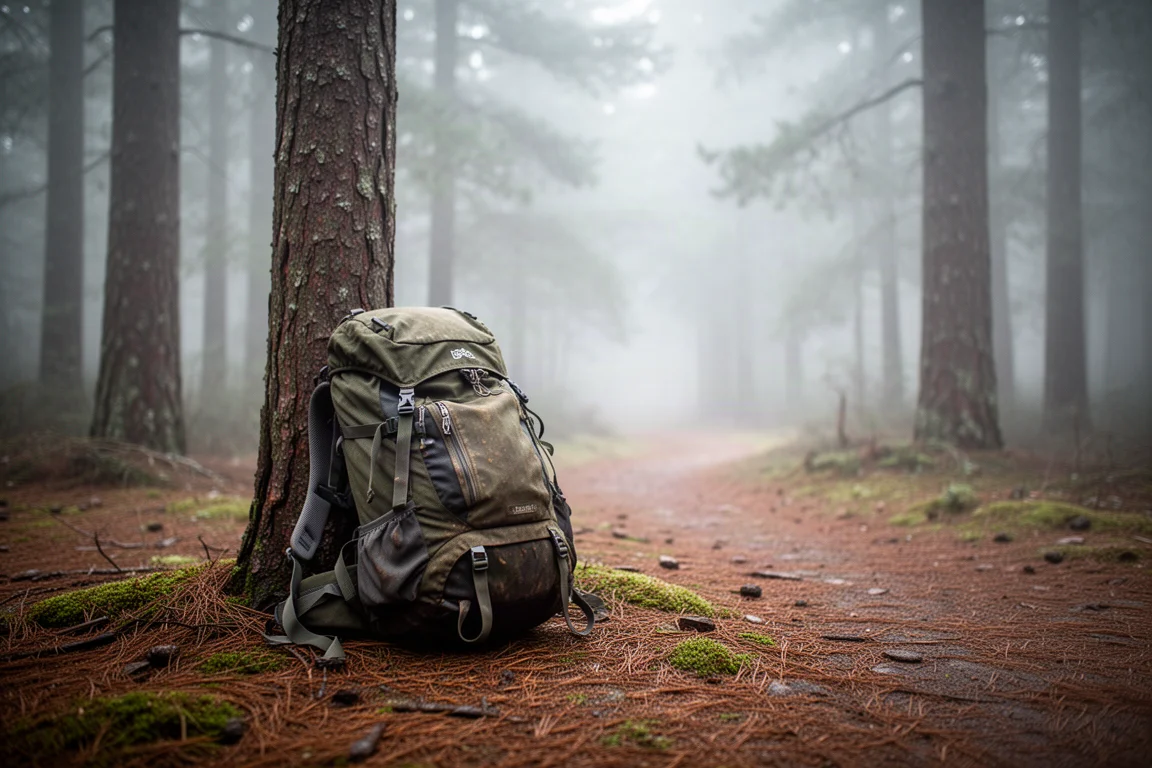
The trade-off is weight and modernity rather than function. A pack this old will not match the lightest current designs, and it does not carry the feature set of a freshly released model. For someone getting out two or three times a year, that gap rarely shows up on trail.
Deuter Aircontact Ultra 40: Comfortable Carry, Awkward Bottle Access
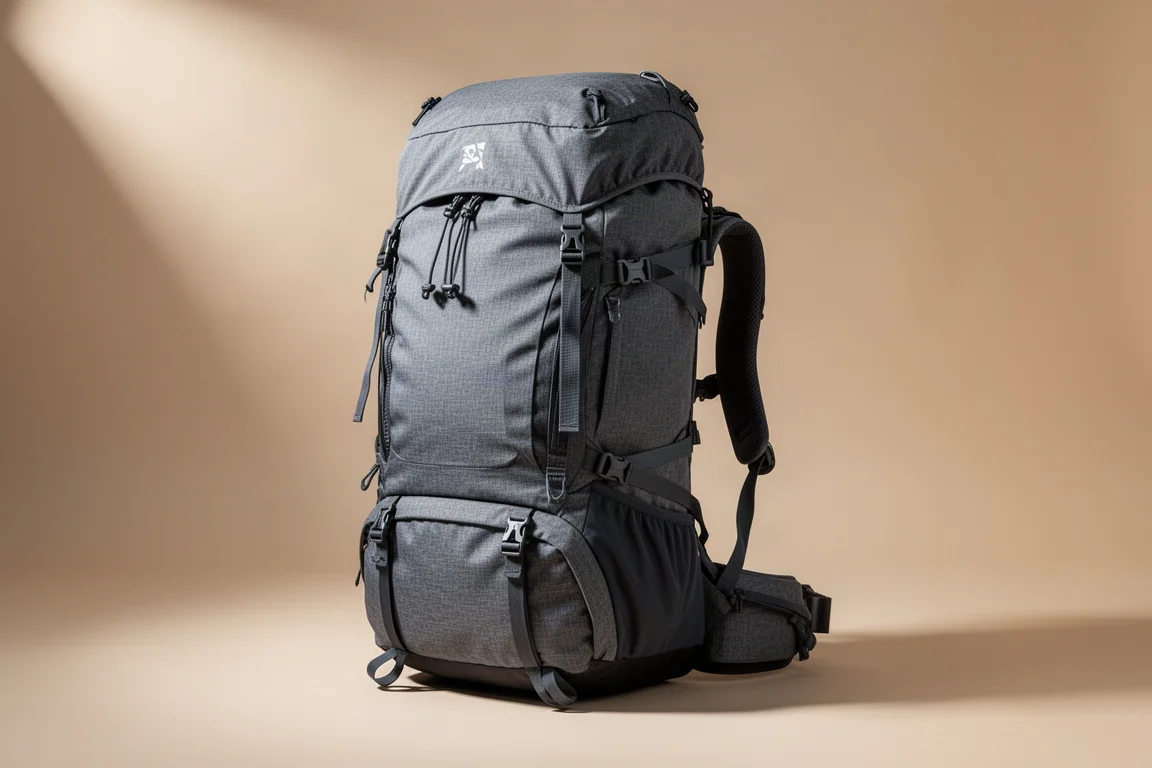
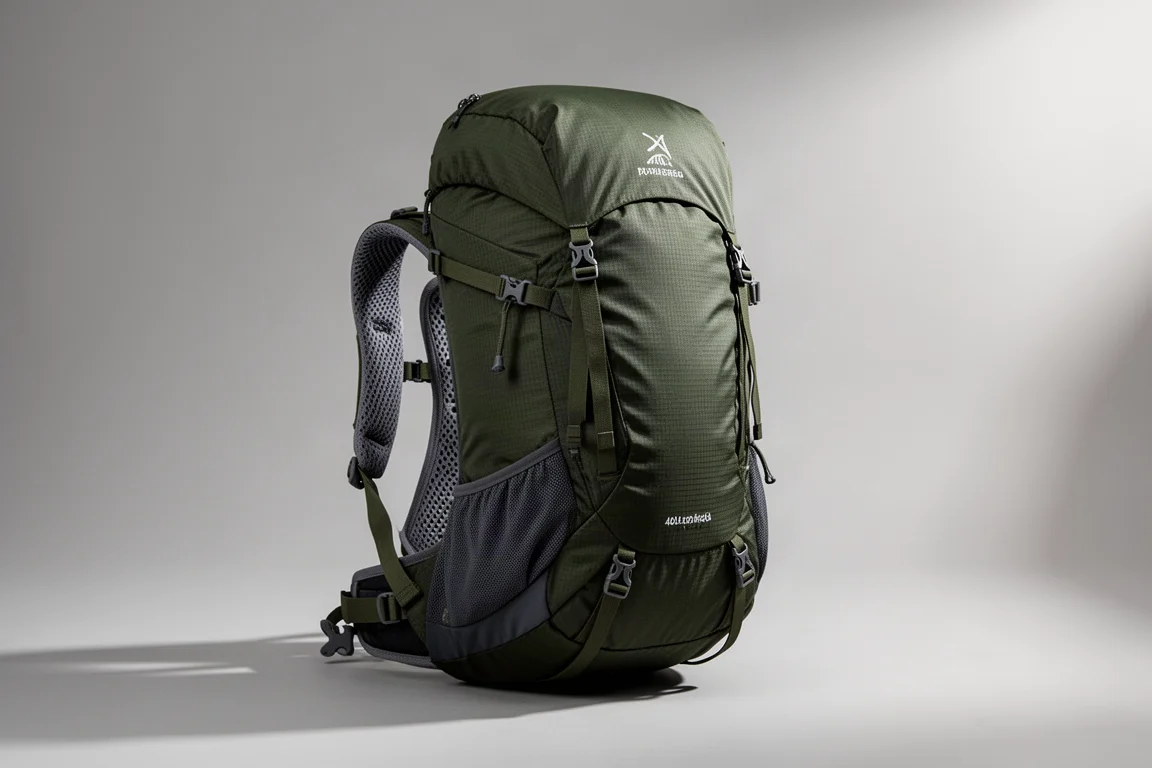
The Deuter Aircontact Ultra 40 is a 40-liter pack with a suspension system that carries weight well. It handled roughly 33 pounds of gear without complaint, and the harness stayed comfortable across a full day of walking.
The flaw is side pocket access. Bottles push up and pull out easily enough, but getting one back into the pocket while the pack is on is genuinely difficult. If you rely on side pockets for hydration, that friction repeats every time you drink. A bottle that clips to the front of the harness is one workaround, though it adds bulk of its own.
For anyone loading a pack heavy and wanting the weight to disappear into the suspension, the carry is the reason to look at this one. Just plan your hydration strategy around those pockets.
Superior Gear Starlight Hammock: A Sleep System That Clips Together
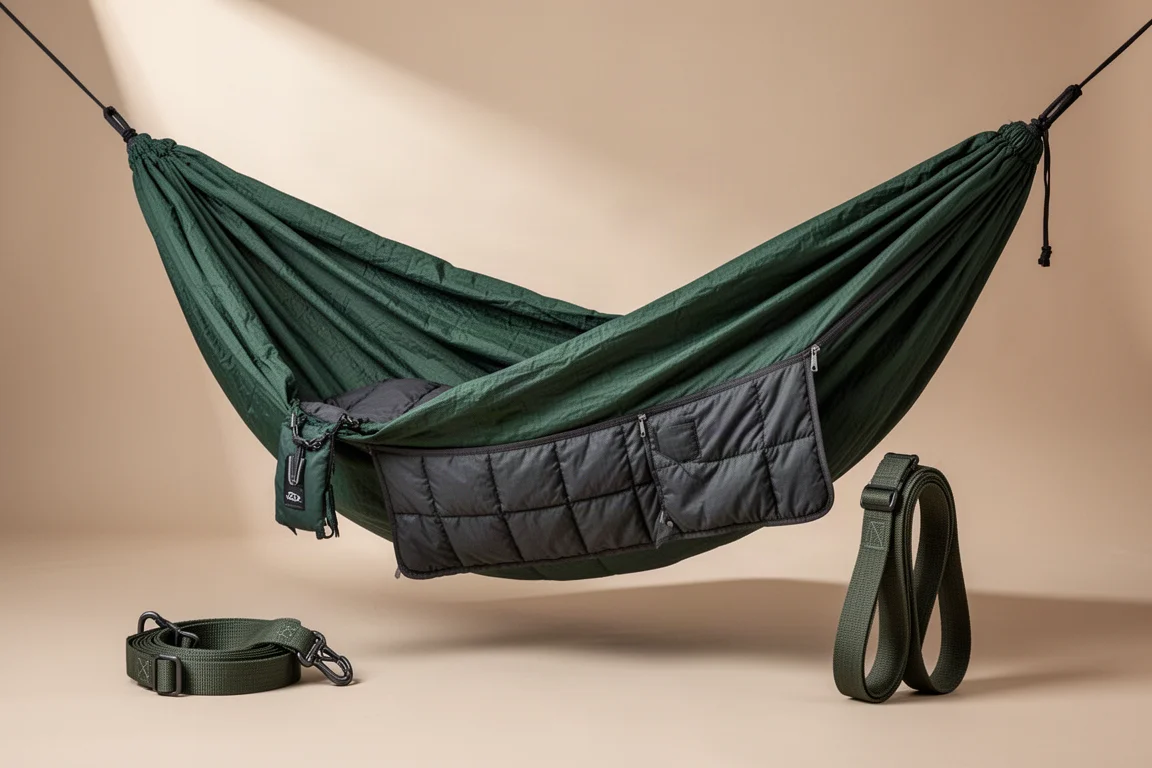
The Superior Gear Starlight Hammock pairs with the brand’s own comforter through a snap system. Instead of running bungees out to the suspension and adjusting them through the night, the insulation clips directly to the hammock, so it stays where you put it and does not shift around.
That detail matters more than it sounds. Insulation that migrates under you is one of the main reasons hammock sleep goes badly, and clipping it in removes that variable. In practice it slept warm through the night, and a small integrated gear shelf keeps odds and ends within reach.
The matching tarp packs into a snake skin for quick deployment. In dry, mild conditions the tarp can go up mainly as a windbreak rather than as rain protection, which makes for a faster camp.
ZenBivy Ultralight Quilt: A 25-Degree Top Quilt
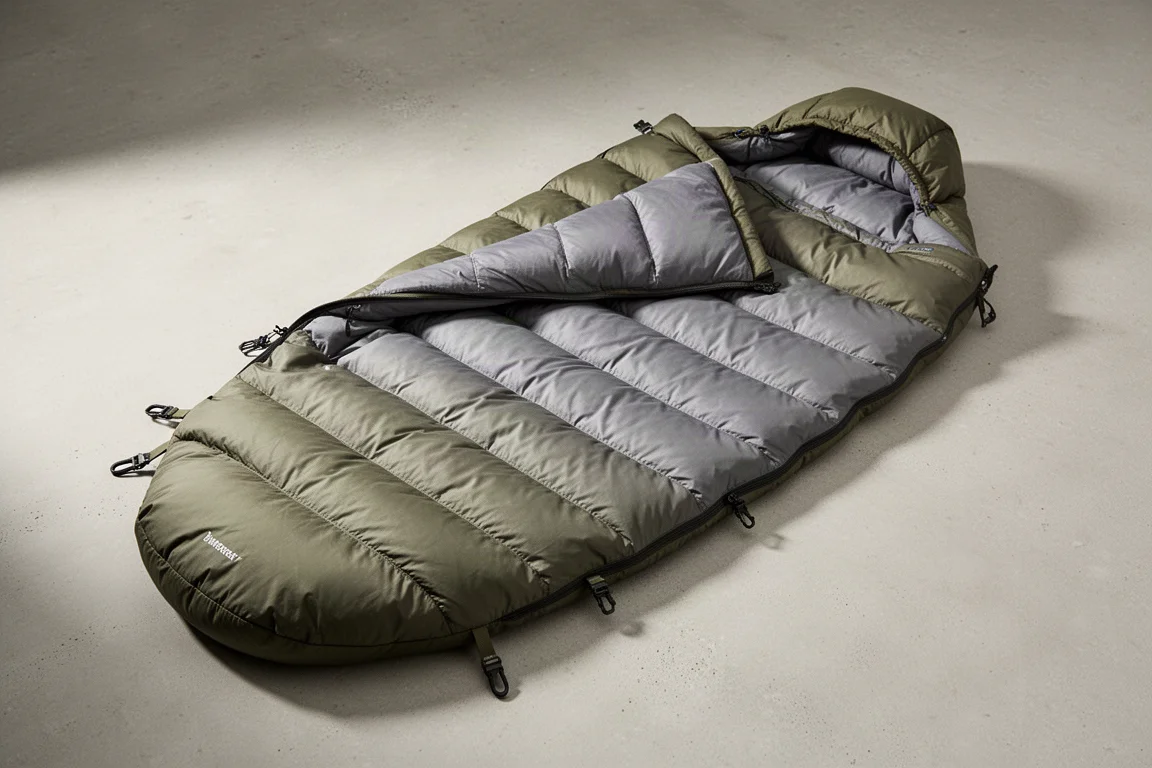
The ZenBivy Ultralight Quilt is the top layer of that hammock setup, rated to 25 degrees. Paired with the clip-in comforter underneath, it covered the temperature range of a mild night without the bulk of a full sleeping bag.
Using a quilt rather than a bag is a deliberate trade. You give up the sealed, draft-free enclosure of a bag and gain lighter weight and more freedom to move. In a hammock, where the under layer handles the insulation underneath you, that trade makes sense.
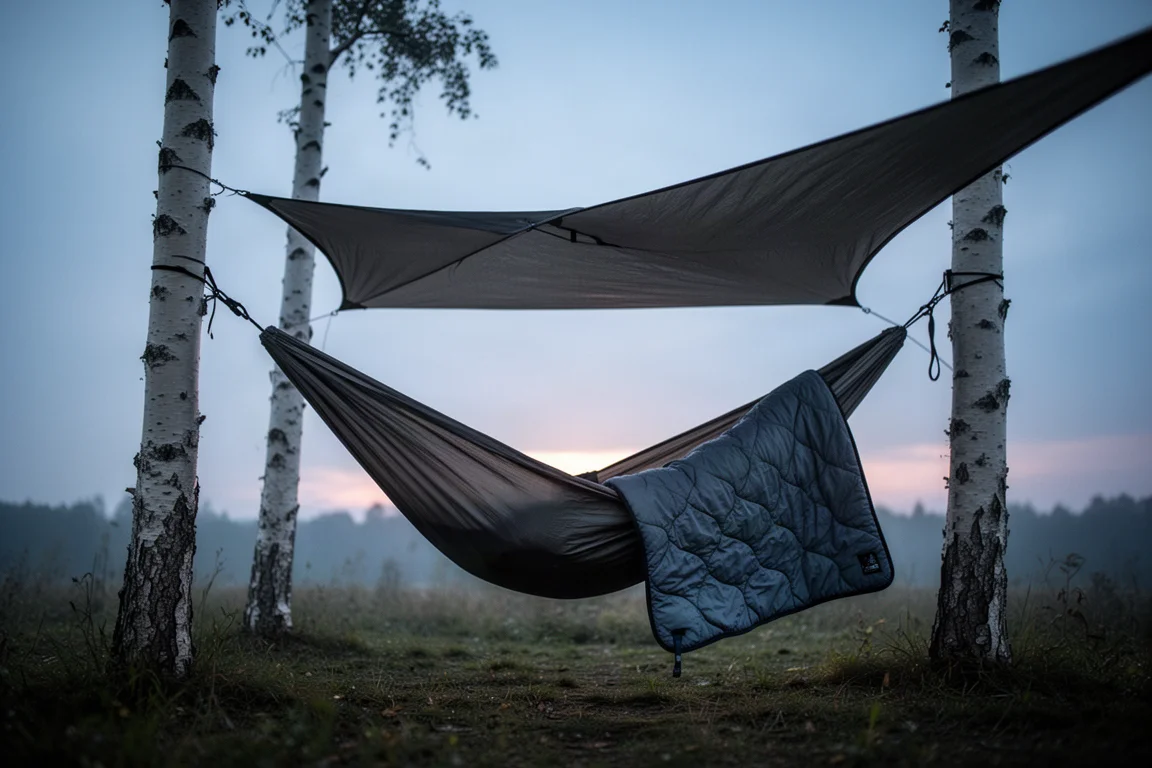
If you sleep cold, or you camp in wet and windy conditions, plan for the tarp and a warmer under layer. A 25-degree rating is a starting point rather than a guarantee.
Claymore Capon 40B: Lantern and Headlamp in One
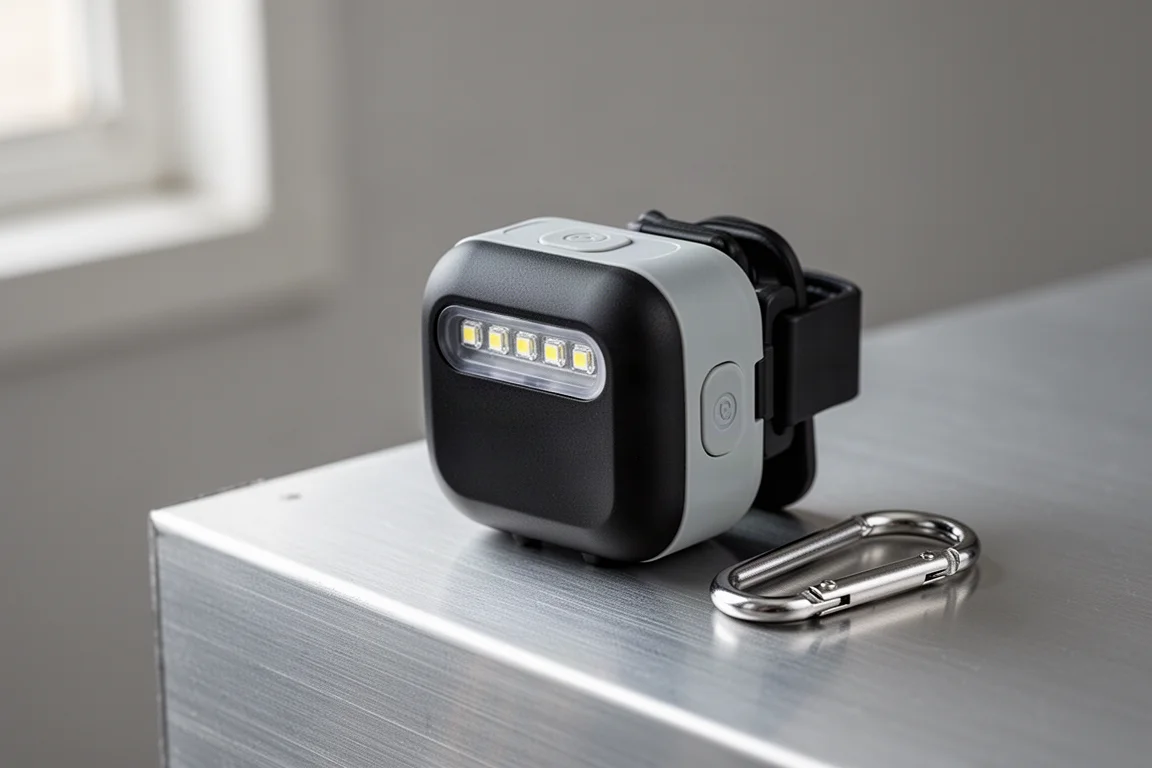
The Claymore Capon 40B combines a lantern and a headlamp in a single unit, and it stood out as one of the most useful new pieces in either loadout. One light that can be set down to illuminate a camp or worn for hands-free tasks removes an item from the packing list.
For backpackers who already carry a headlamp and a separate lantern, this is a consolidation play. For anyone who has been making do with a phone light or a single weak headlamp, it is a straightforward upgrade. The trade-off is a device that needs charging between trips and a single point of failure for two jobs.
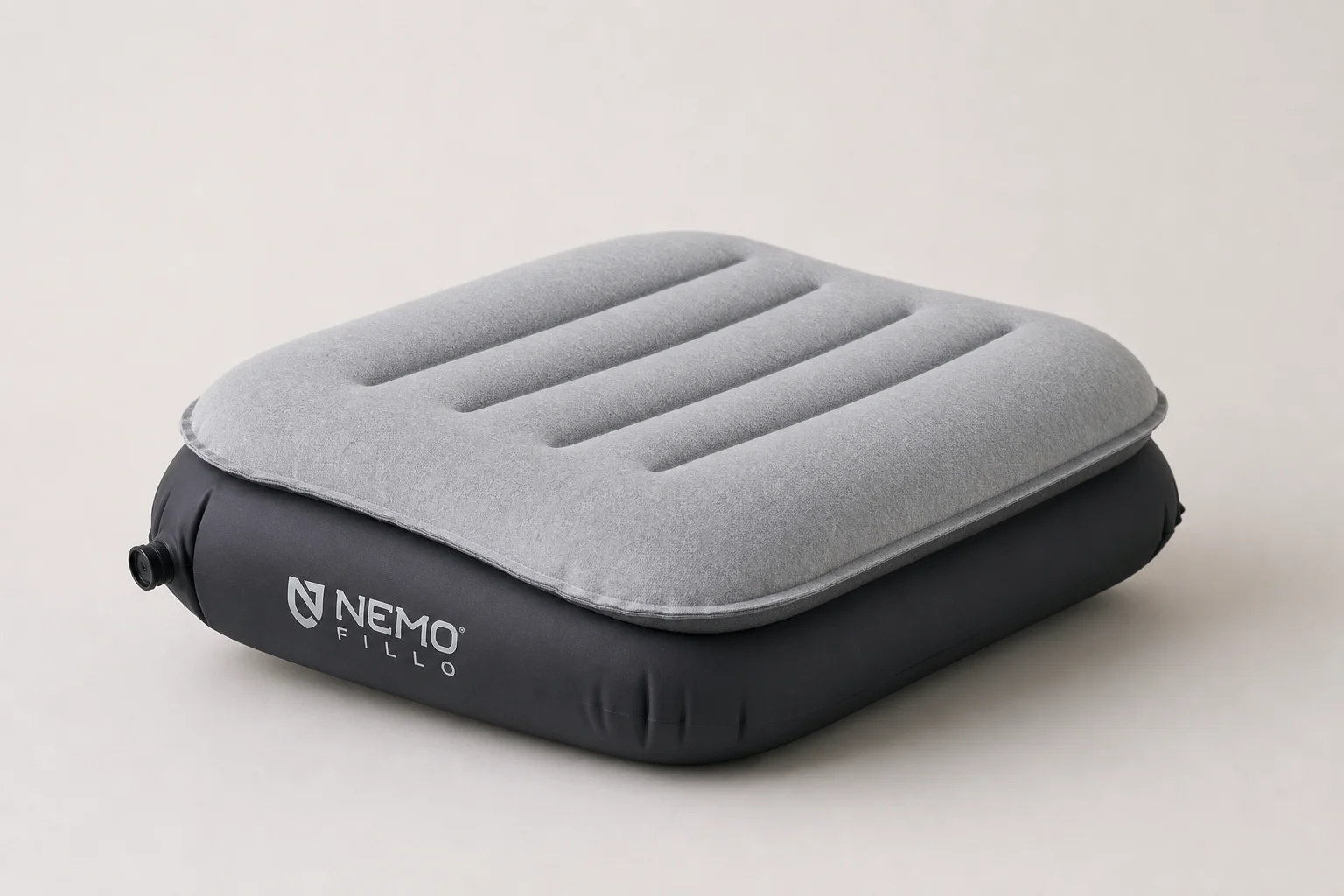
Nemo Fillo: An Inflatable Pillow With Memory Foam
The Nemo Fillo is an inflatable pillow with a layer of memory foam on top, which softens the usual balloon feel of a pure air pillow. At around $45 it sits in a reasonable spot for a comfort item that gets used every night.
Pillows are personal, and the honest framing is that camp sleep is rarely as good as sleep at home. The Fillo is the kind of item that moves a night from adequate to genuinely restful for side sleepers, without adding much packed volume.
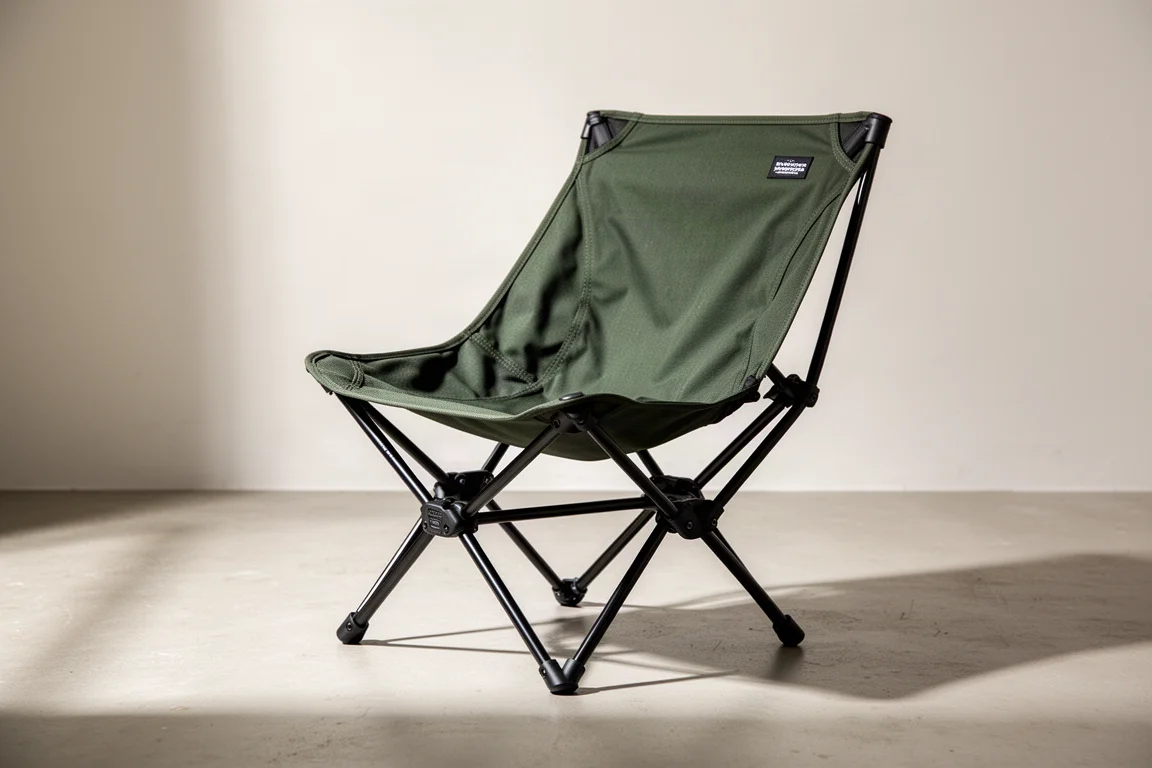
Nemo Elite Chair: Comfort at Camp for a Weight Penalty
A camp chair changes how an evening at camp feels. Instead of hunting for a flat rock or a log, you get a seat with a back, which is worth a surprising amount after a long day. The Nemo Elite Chair is the option here, and the compromise is obvious: chairs are heavy, and lighter models exist.
For backpackers who count every ounce, a chair rarely survives the cut. For those who camp with the intention of relaxing at the end of the day, it is one of the few luxury items that earns its place on every trip. If weight is the priority, this is the first thing to leave behind.
Fire-Maple Petrel: A Pot With a Heat Exchanger
The Fire-Maple Petrel is a cook pot with a heat exchanger built into the base, which captures more of the stove’s heat and improves fuel efficiency. It was singled out as an outstanding piece of cookware, and the base design is the reason.
A one-pot system paired with a heat-exchanger pot is an efficient setup for solo or two-person trips: boil water, rehydrate a meal, and skip the extra dishes. The trade-off is a slightly bulkier, heavier pot compared to a bare titanium mug, which matters most on short trips where fuel savings never pay back the weight.
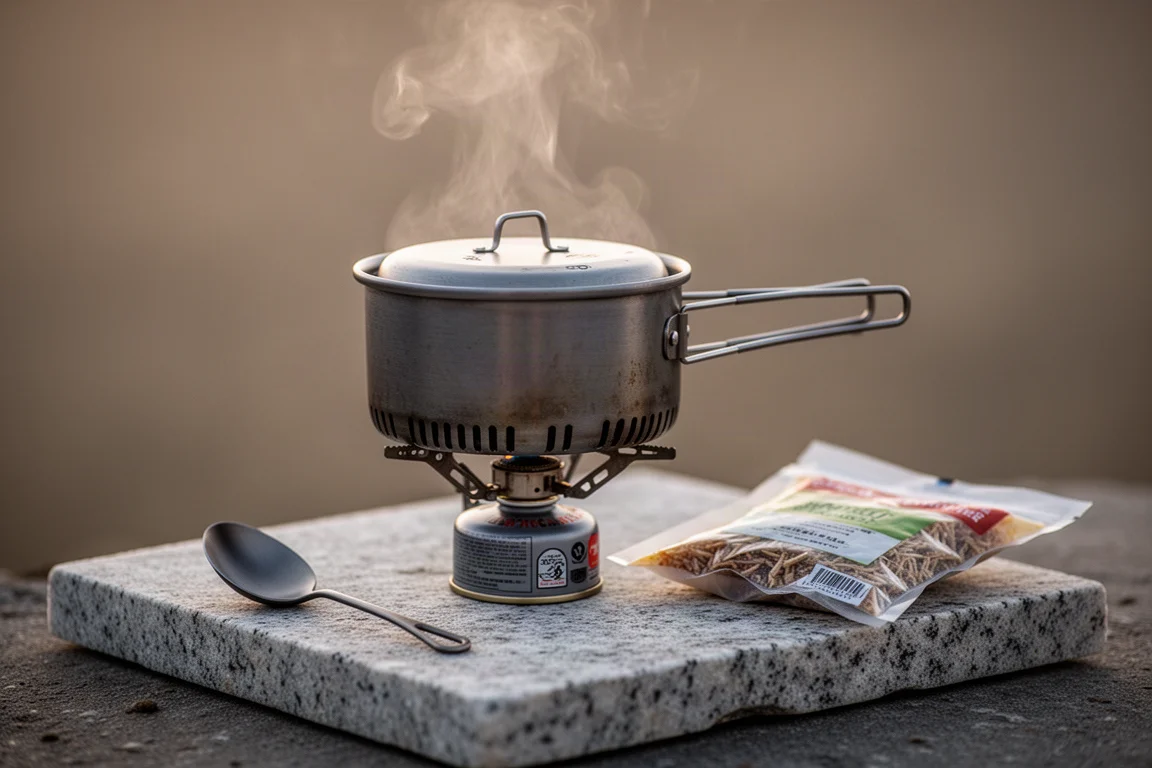
For multi-day trips with two hot meals a day, the efficiency math tilts the other way. The pot becomes one of the few pieces of cookware that actively saves you something.
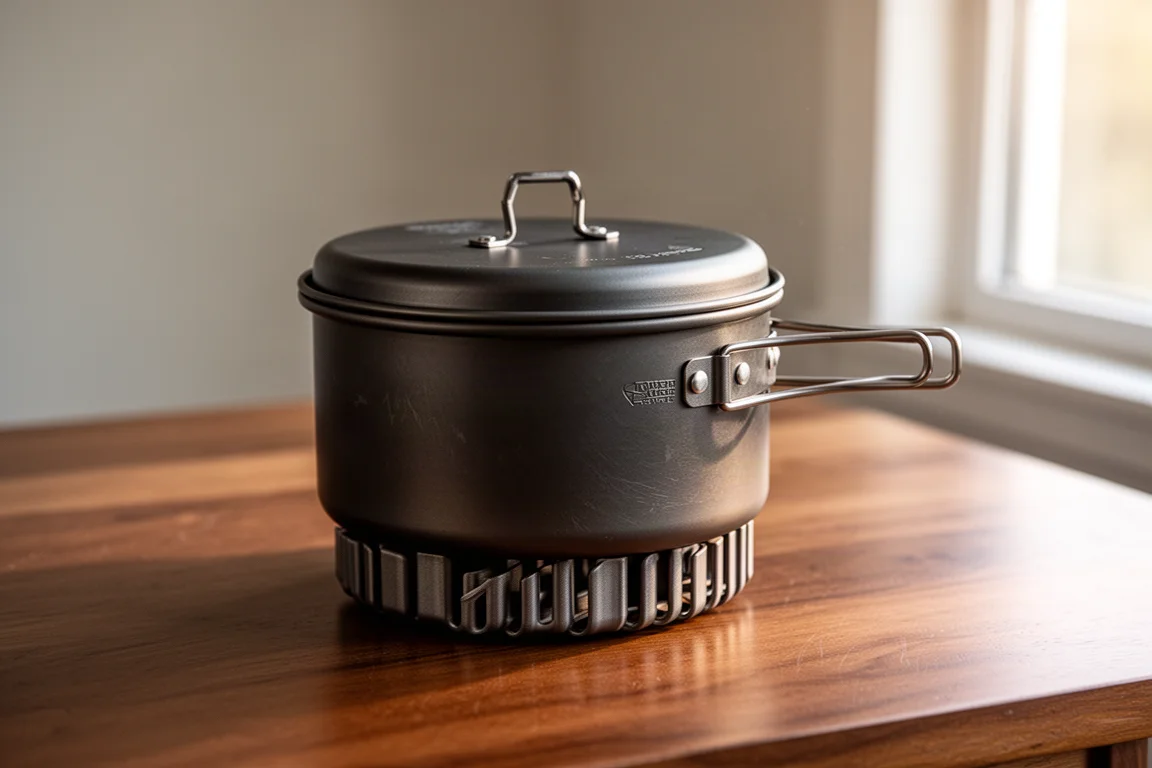
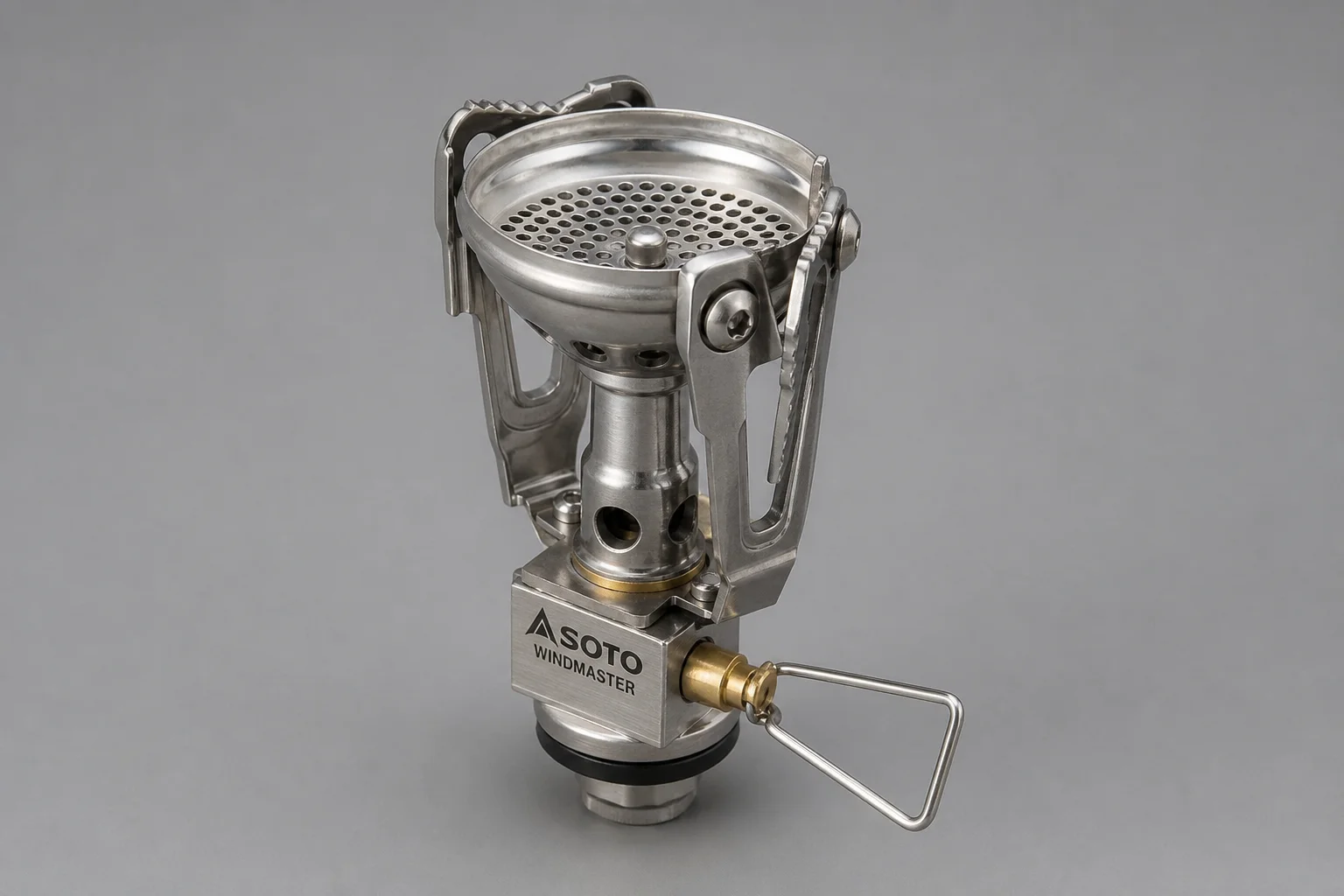
Soto WindMaster: An Efficient Stove With the TriFlex Support
The Soto WindMaster is the stove half of that cook system. Paired with the TriFlex pot support, which slots into the burner, the combination runs efficiently and holds a heat-exchanger pot securely. The support is a small addition that makes a real difference to stability on uneven ground.
Wind resistance and fuel economy are the reasons to choose a stove like this over a basic canister burner. For anyone boiling water twice a day on multi-day trips, the steadier flame and the fuel savings are worth the higher cost, and the pot support is the piece that ties the system together.
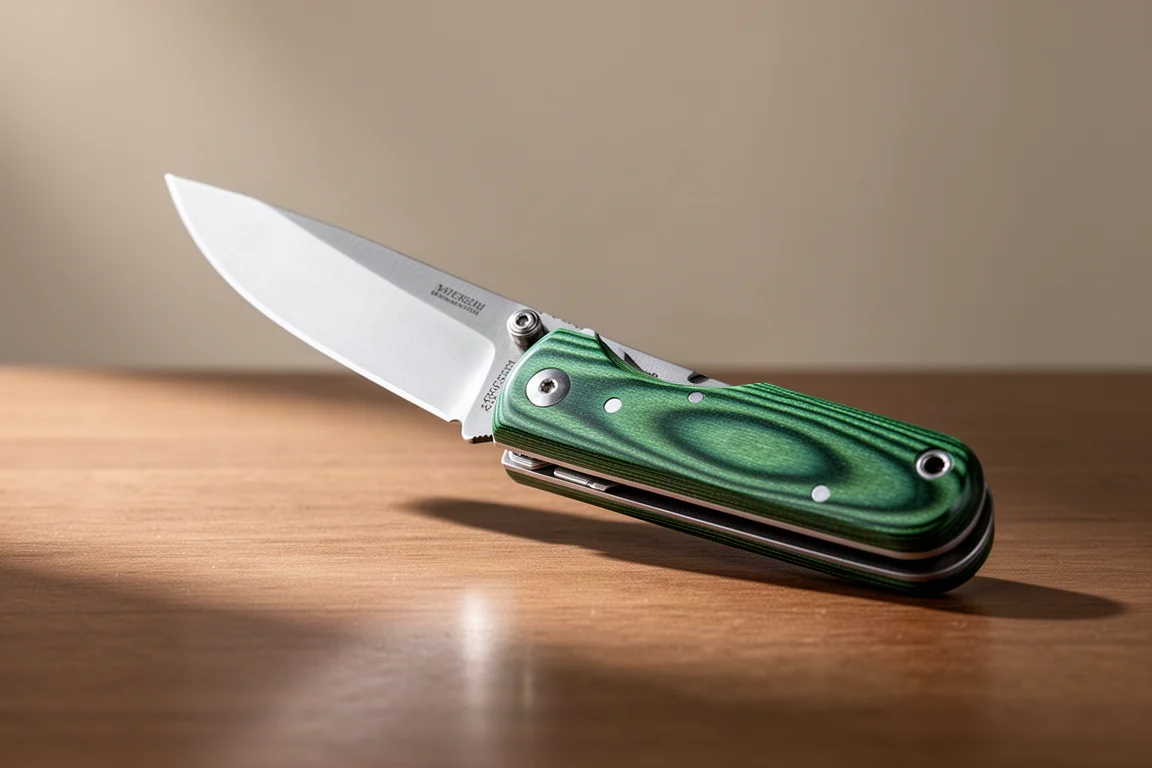
NAVS Lander 1: A Compact Folding Knife
The NAVS Lander 1 is a small folding pocket knife designed as an everyday and trail companion. This version uses green Micarta handle scales, a layered material made from resin-bonded fabric that develops a warm, grippy feel with use. The blade steel is 14C28N, a highly stainless option that holds an edge well and sharpens easily.
It is made in China and priced around $65 to $70, which puts it at the accessible end of the brand’s range. For a knife that lives in a hip belt pocket, that is a sensible amount to spend on a tool you will actually carry every day.
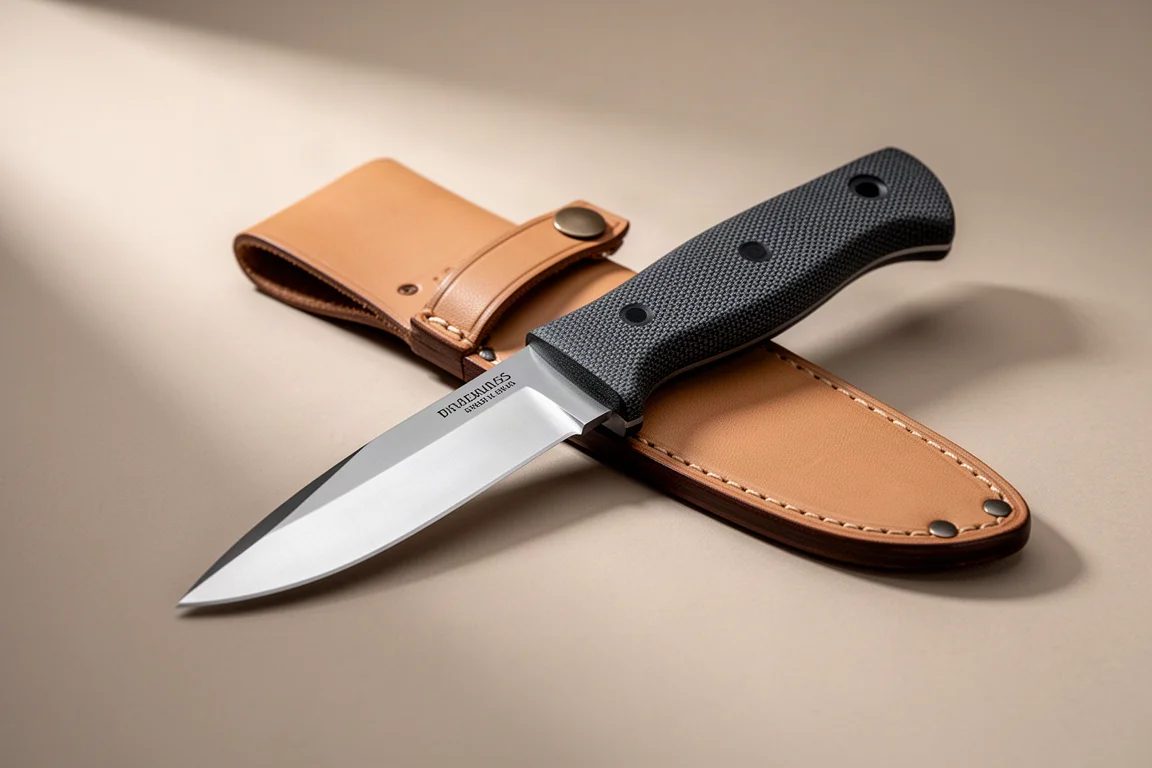
NAVS Lulu: A Fixed-Blade Camp Knife
The NAVS Lulu is a fixed-blade camp knife made in the USA, with a scandi grind and MagnaCut stainless steel. MagnaCut is chosen for edge retention and corrosion resistance, and the scandi grind is a practical profile for wood work.
A fixed blade earns its place on a backpacking list because it handles tasks a folding knife cannot: batoning small wood and whittling. The handle is sized to avoid hot spots during extended use, which is the usual weak point on lightweight fixed blades. At $230 it is a serious purchase, and it makes the most sense for someone who uses a camp knife regularly rather than once a season.
Buying Advice: Match Gear to How Often You Actually Go
The most useful lesson from comparing these two loadouts is that frequency of use should drive spending. Someone who gets out two or three times a year can carry a heavier, older pack and a sleeping pad that offers minimal hip and shoulder support, and still have a good trip. The discomfort is real but brief, and the money saved is substantial.
The high-mileage approach is different. When you are on trail constantly, weight, suspension, and insulation quality compound over dozens of nights, and gear that lasts becomes cheaper per trip than gear that gets replaced. A pack with a lifetime repair guarantee, a pot with a heat exchanger, and a stove that sips fuel all pay back over years rather than weekends.
A practical middle path: upgrade in the order you feel the pain. Sleep system first, because bad sleep ruins trips. Then the pack, because it carries everything else. Cookware and lighting can wait until the current versions fail. And if you already own something that works, using it until it dies is a legitimate strategy rather than a compromise.
Conclusion
Two loadouts, two philosophies, and one shared conclusion: the gear matters less than getting out. The Osprey Aether 60 shows how far careful purchasing and a good guarantee can stretch. The Deuter Aircontact Ultra 40 shows how much comfort a modern suspension adds, along with one pocket design that needs a workaround. The Superior Gear hammock and ZenBivy quilt make a warm, stable sleep system, while the Claymore Capon 40B, Fire-Maple Petrel, and Soto WindMaster handle light and cooking efficiently. The NAVS Lander 1 and Lulu cover folding and fixed-blade needs at opposite ends of the price range.
Choose the pieces that match how often you actually go, and the rest tends to sort itself out.
Further reading
Related Reviews

Backpacking Gear
Building a 10 lb Base Weight: An Ultralight Backpacking Gear List
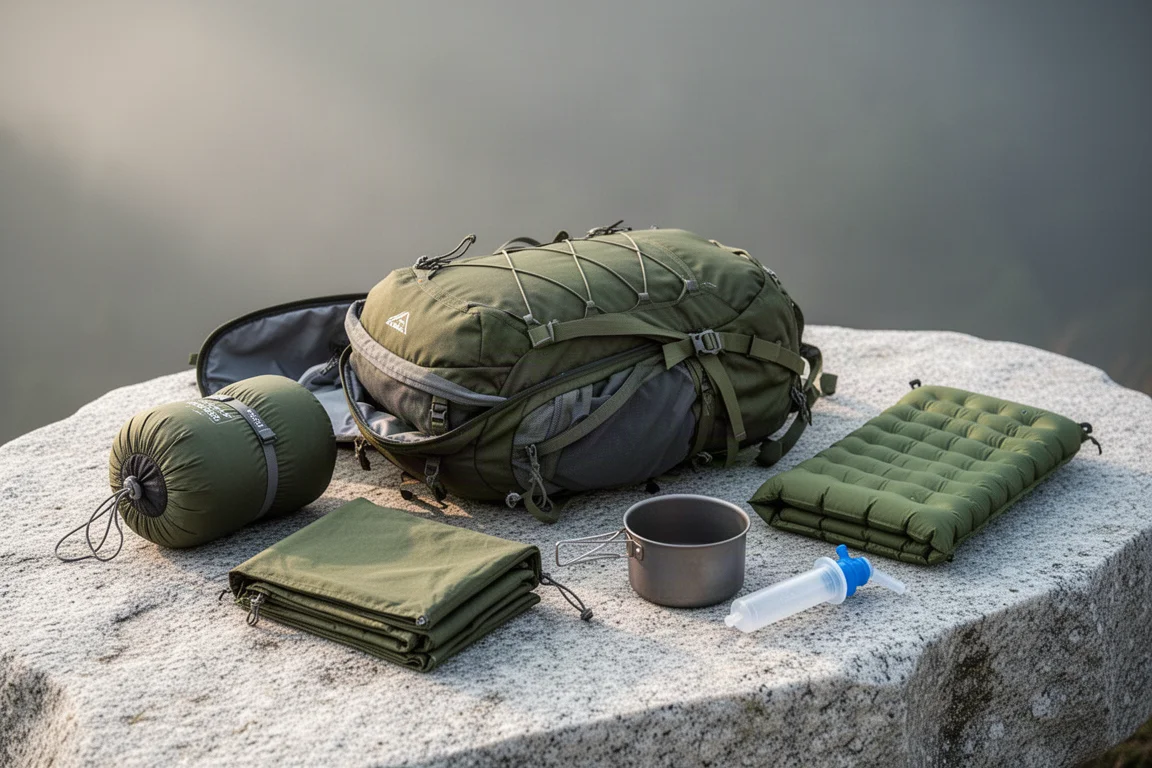
A practical walkthrough of the ultralight pieces behind a 10 lb base weight, from a 765 g pack and a roomy one-person tent to a full camp chair and a dependable water filter.
Backpacking Gear
A 15-Pound Lightweight Backpacking Gear List for Solo Trips
A beginner-friendly 15-pound backpacking setup built from easy-to-find gear, with notes on what each piece does, how it packs, and where to spend your attention.
Backpacking Gear
8 Ultralight Backpacking Gear Upgrades Worth Carrying
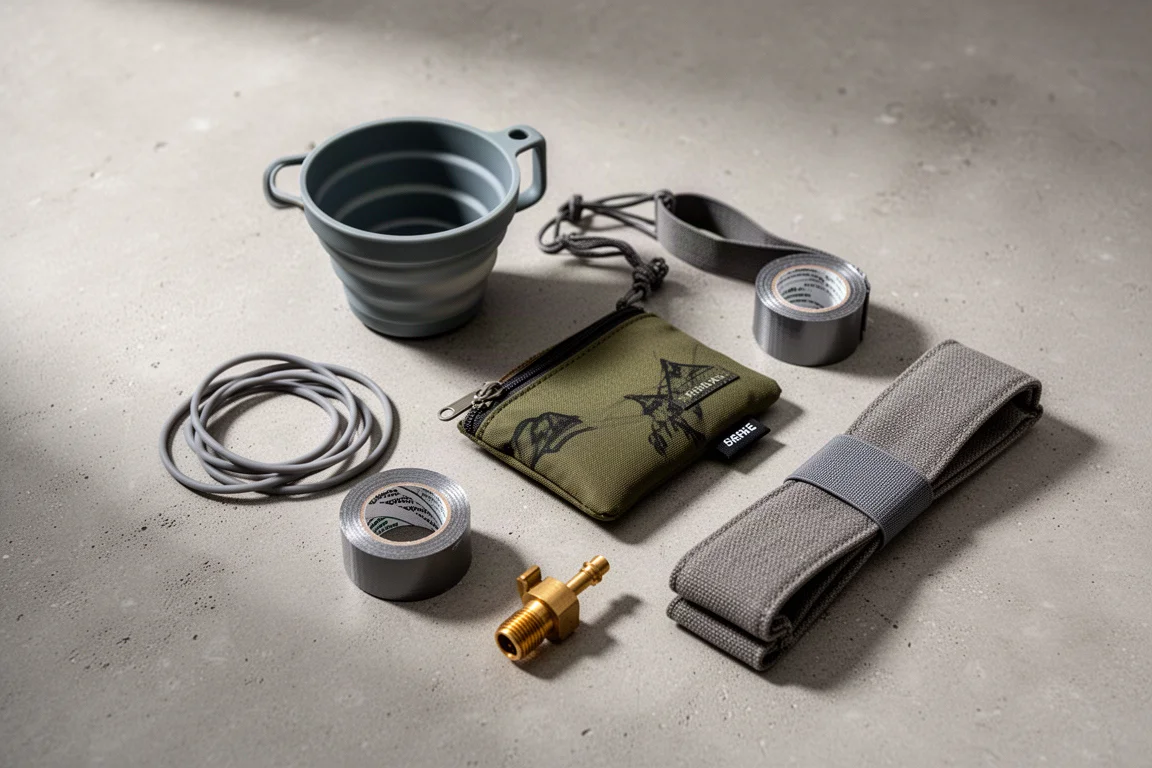
Eight small, affordable backpacking upgrades that solve real trail annoyances, from a pillow that stays put to a fuel valve that rescues leftover canister gas.