Backpacking Gear
Backpacking Gear List 2026: A Comfort-Focused Three-Season Kit
A comfort-focused three-season backpacking gear list covering the pack, shelter, sleep system, water treatment, cook kit and layering, with notes on what each piece is good for.
Introduction
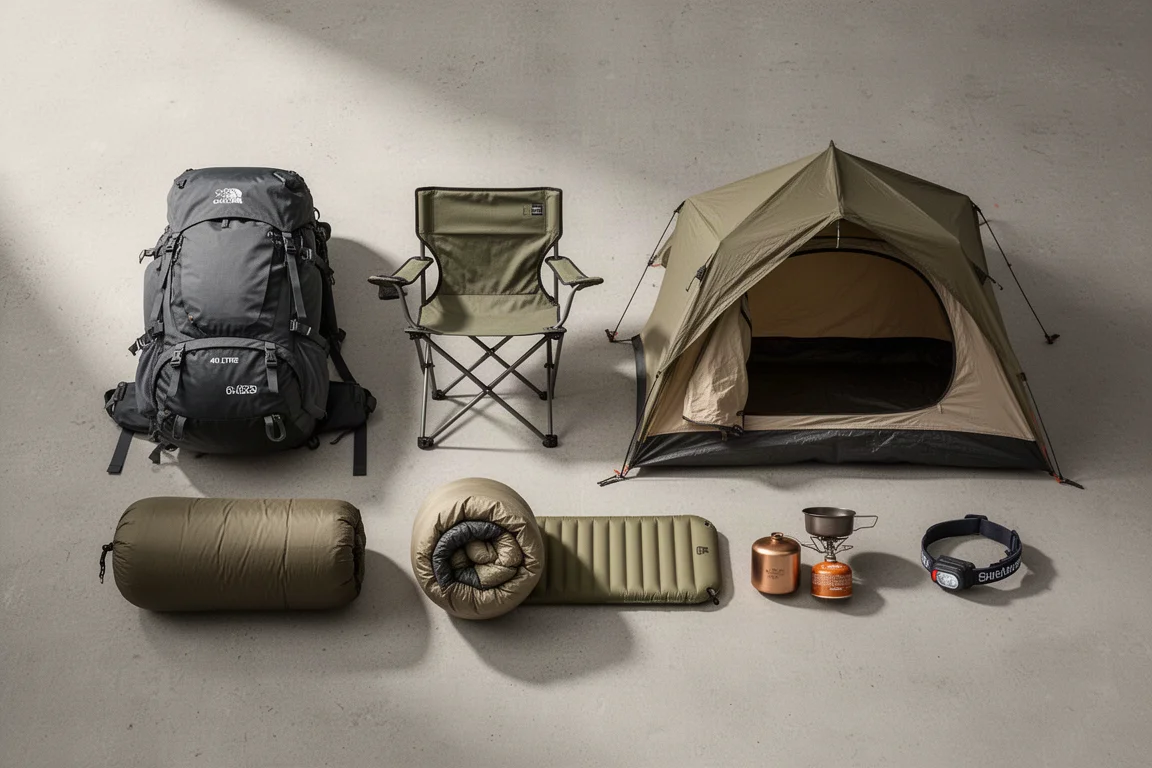
Building a backpacking kit around comfort rather than the lowest possible weight changes what goes into the pack. This list is a full-comfort, minimal-lightweight setup that lands somewhere in the 25 to 30 pound range once everything is packed, and it is organised around the three items that decide how a trip actually feels: the shelter, the sleep system, and the pack that carries them.
Some pieces here are genuine investments, the kind of gear you buy once and keep for years. Others are small, inexpensive and quietly important. The goal is not to chase a number on a scale, it is to arrive at camp comfortable enough to enjoy the evening and sleep well enough to want to do it again the next day.
How This Kit Is Built
Four ideas shape this list.
Comfort comes first, weight comes second. A pack that carries well and a sleep system that keeps you warm matter more over a long trip than saving a few hundred grams.
Anything needed during the day lives on the outside of the pack. Water treatment, bottles, and communication all sit in exterior pockets or on the hip belt and shoulder strap, where they can be reached without stopping to unpack.
Redundancy is built in where failure would be expensive. Water treatment is the clearest example, with a chemical backup travelling alongside the primary filter so a clogged or lost filter never ends a trip early.
Dual-use items earn their place. A pump that also works as a lantern, or a pot that nests with a cup and a stove, keeps the total item count down without giving up capability.
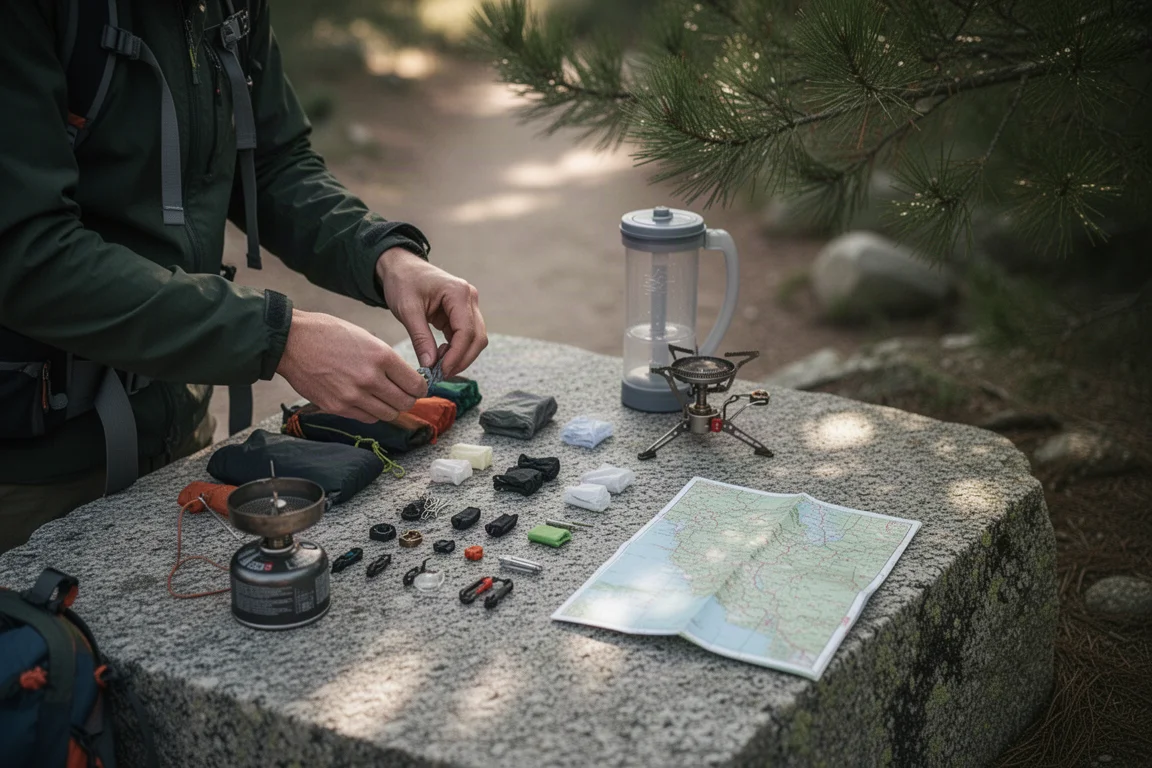
The whole kit is aimed at three-season trips. In the mountains above 10,000 feet, temperatures can still fall below freezing, so the insulation and sleep system here are chosen with genuinely cold nights in mind rather than mild ones.
The Pack: Waymark Gear Company Thru 40L
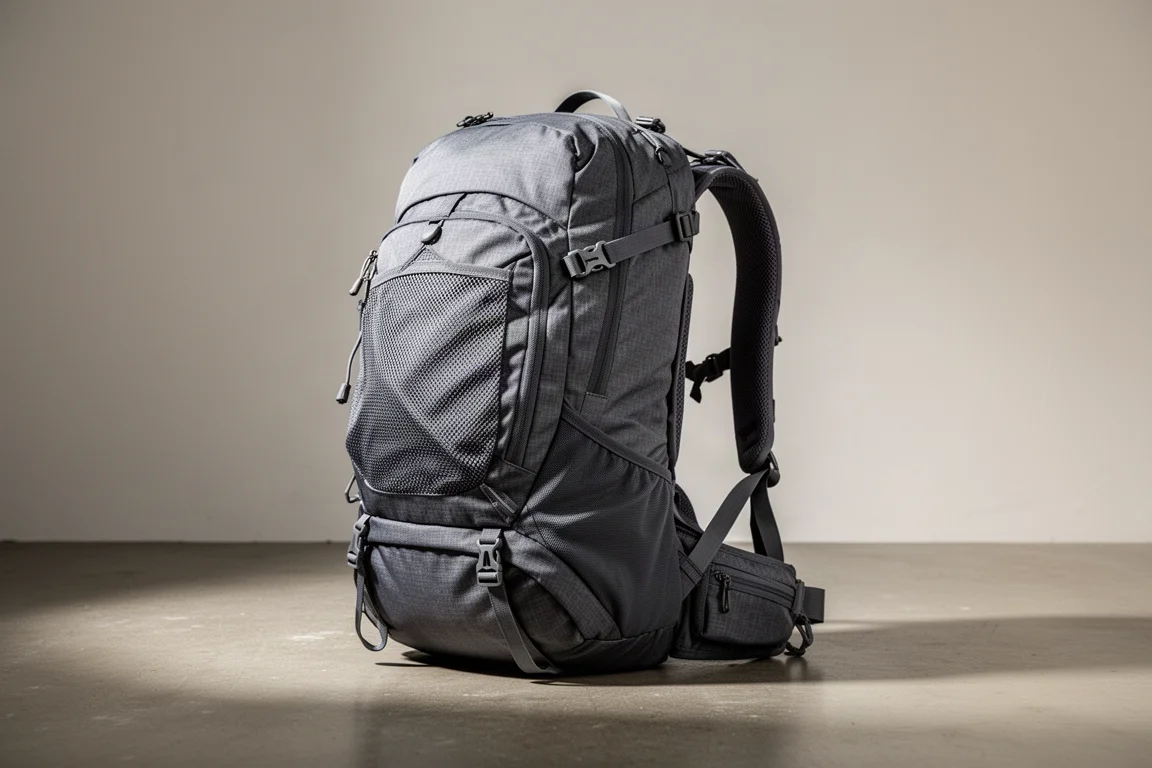
The Waymark Gear Company Thru is a 40 litre framed pack that weighs around two pounds. A framed design at that capacity gives the load some structure, and a lumbar pad at the base of the back panel adds comfort when the pack is carrying a heavier, comfort-focused load.
Storage is practical rather than fussy. A large mesh pocket on the front takes wet or bulky items, a single hip belt pocket keeps small essentials close, and a shoulder pocket holds a phone or snacks within reach while walking.
Trail Comfort: Big Agnes Skyline UL Chair
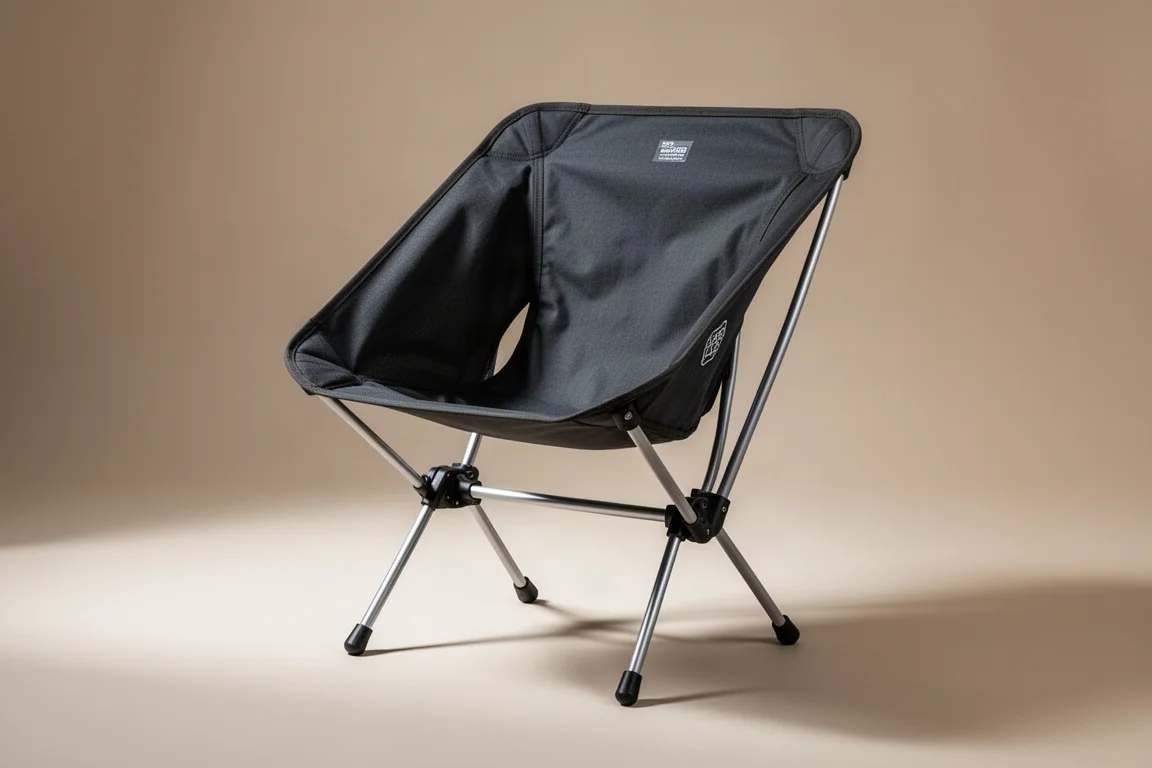
A chair is the item people argue about most, and it is also the item that changes an evening at camp. The Big Agnes Skyline UL weighs about a pound and a half, and it is stable and comfortable enough to make a long day feel considerably shorter.
For anyone who spends a lot of nights out, trading a little pack weight for a proper seat is an easy decision.
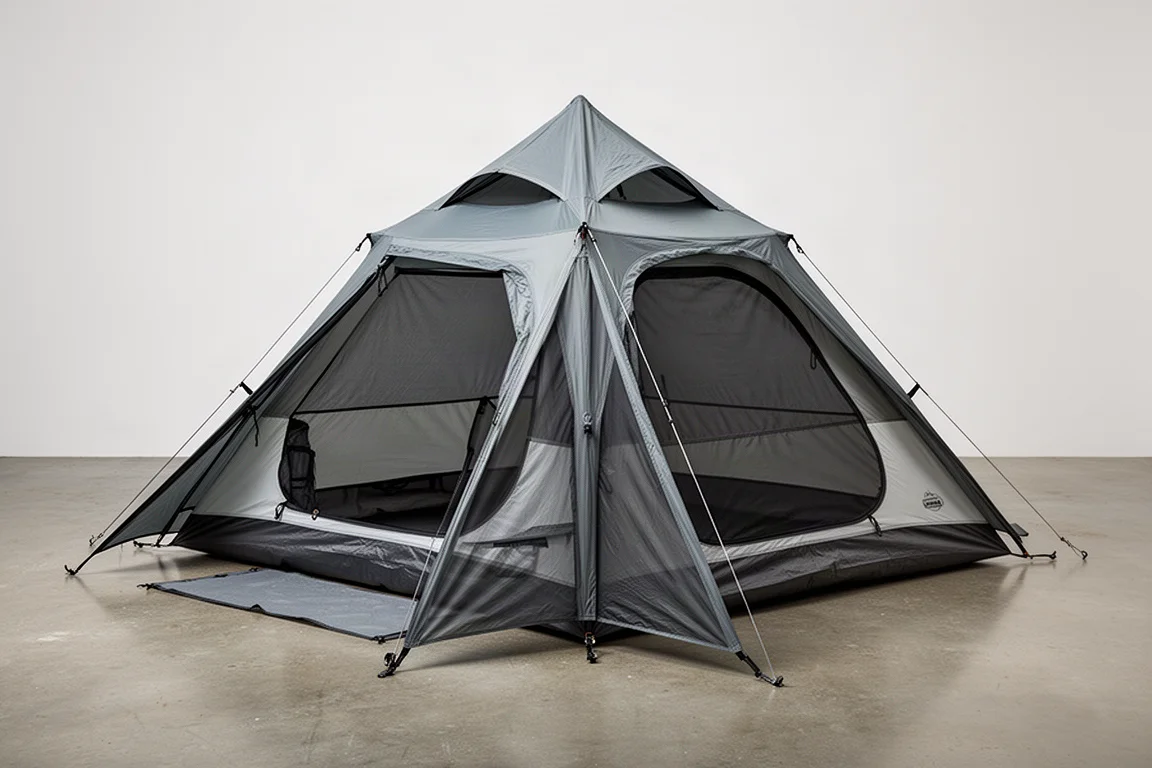
Shelter: Sea to Summit Telos TR-2
The Sea to Summit Telos TR-2 is the shelter in this kit, and its design is the reason it stays in rotation. The poles travel on the outside of the pack in a side pocket rather than inside, which keeps the main compartment free for softer, bulkier items.
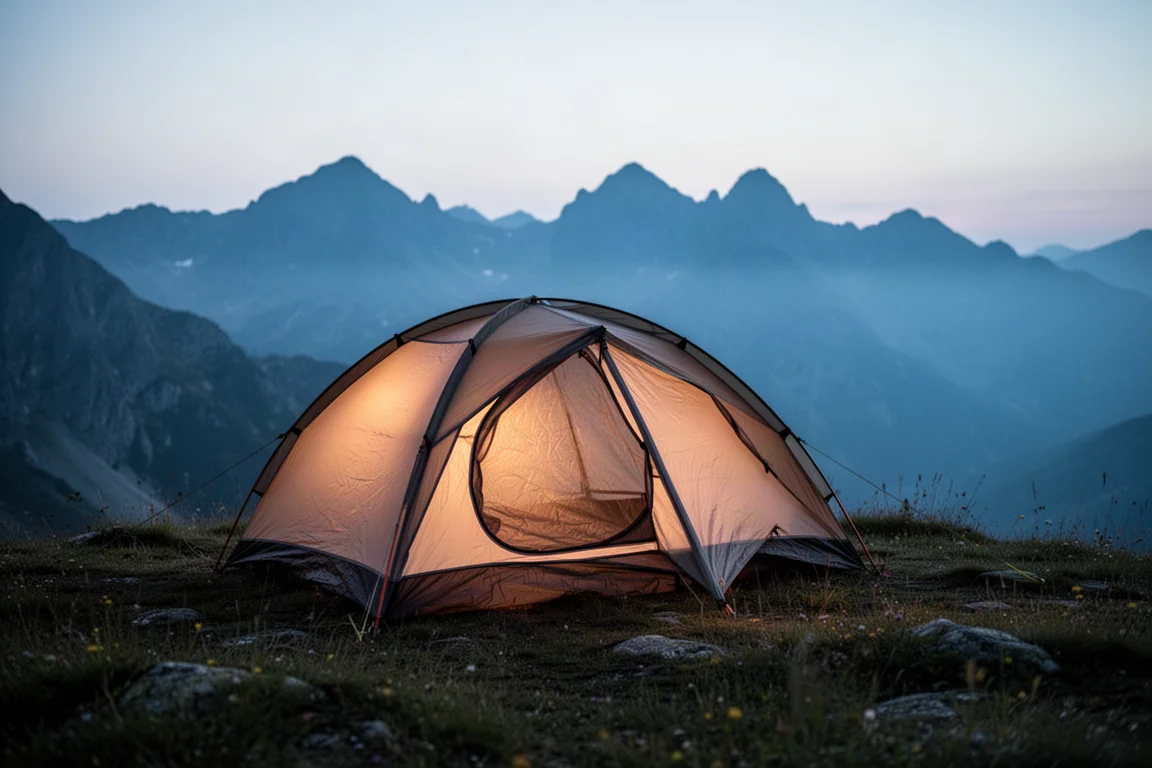
Keeping the poles separate also means the tent body can be packed last and pulled out first, which is useful when camp is reached in poor light or wet weather.
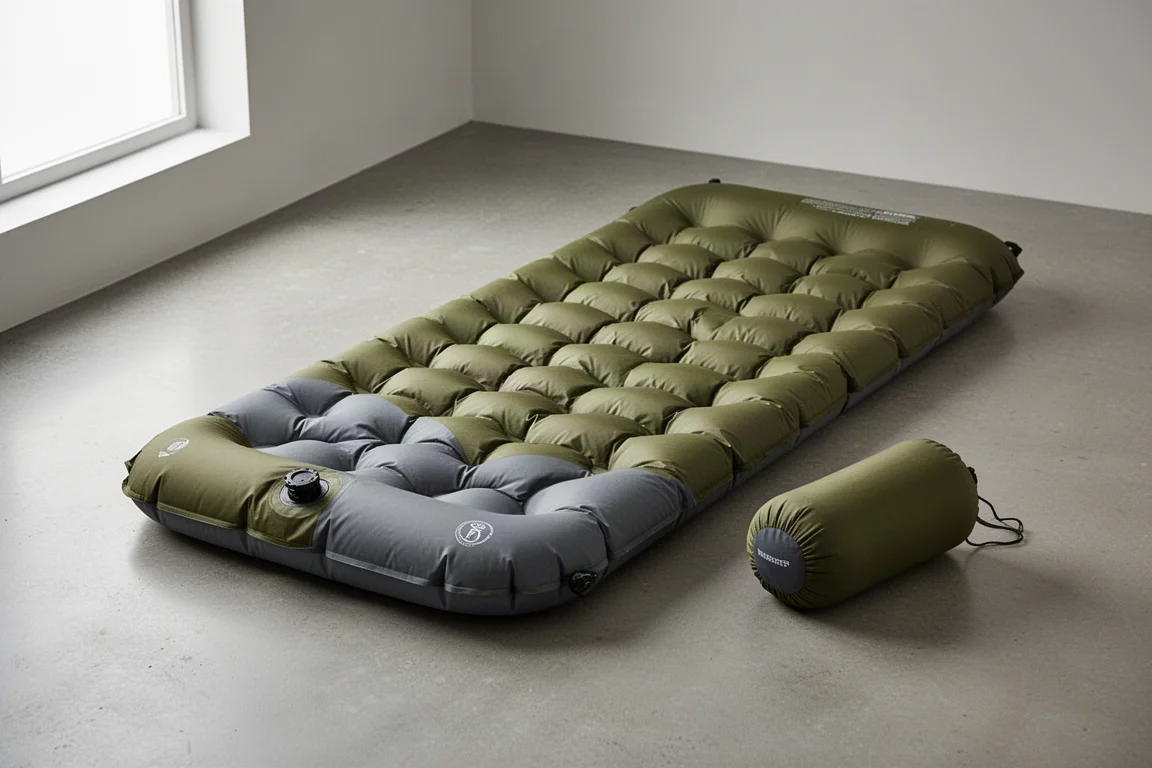
Sleep System: Big Agnes Q-Core SLX Sleeping Pad
The Big Agnes Q-Core SLX is a lightweight pad with enough insulating value for three-season use. Comfort is the headline here: it is a pad that supports a full night of sleep rather than something you simply tolerate.
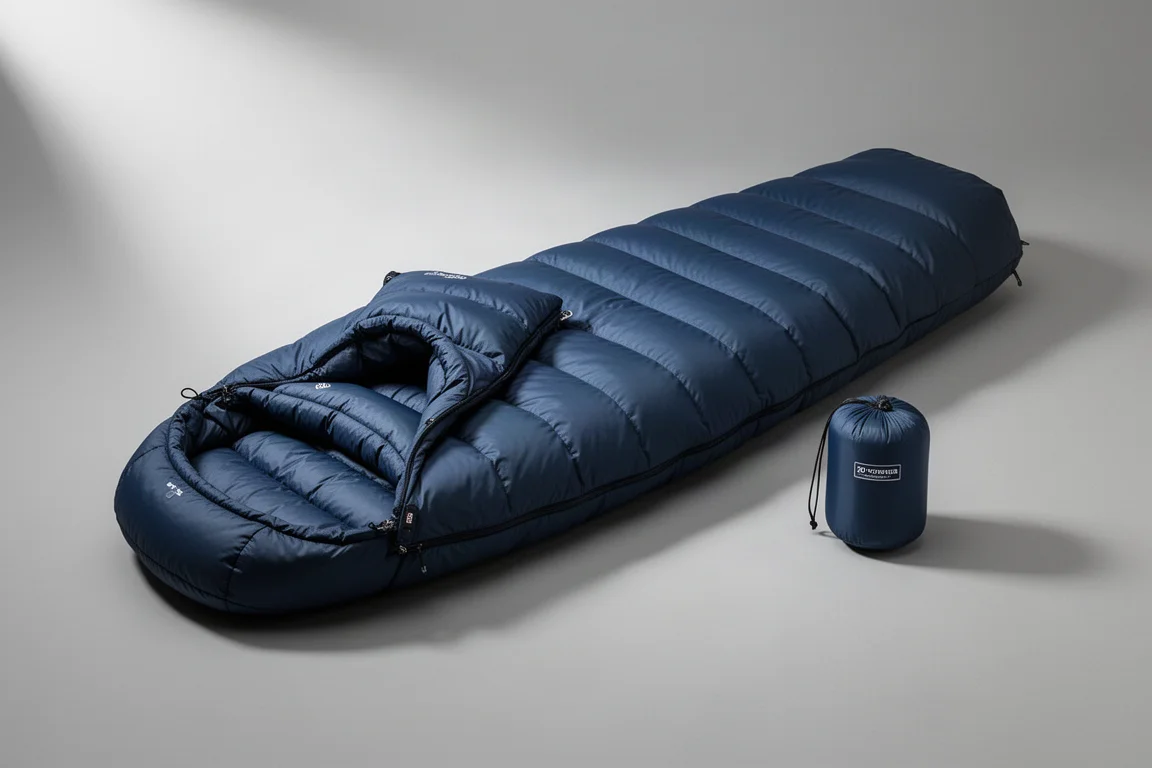
Sleep System: Western Mountaineering Ultralight Sleeping Bag
The Western Mountaineering Ultralight is a 20 degree rated down bag intended for three-season trips, including high elevation camps where nights drop toward freezing. The construction quality is the first thing that stands out, and it is the sort of bag that sits on a wish list for a long time before it earns its place in a pack.
Sleeping Comfort Extras: Flextail Gear Mini Pump X
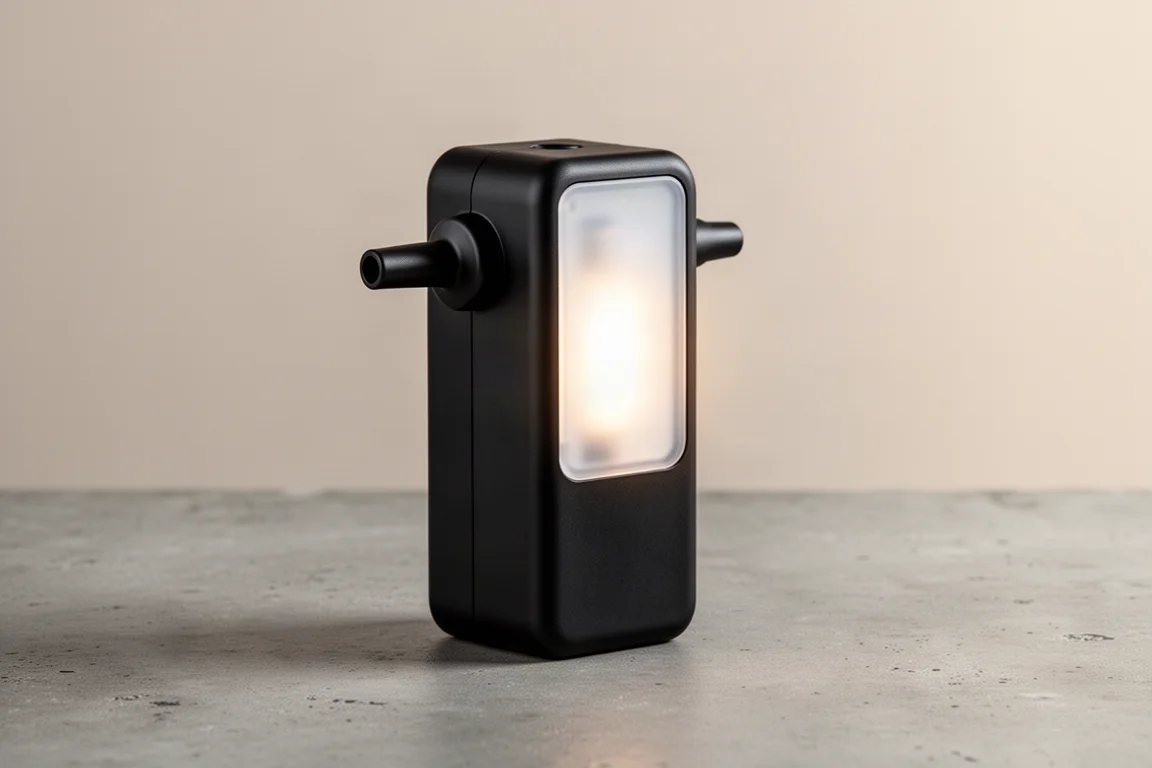
A pump sack has been replaced here by the Flextail Gear Mini Pump X. It inflates an air mattress and doubles as a lantern, and it runs for a full weekend without needing a recharge. Two jobs from one small item is exactly the kind of trade this kit is built around.
Two pillows also travel with this setup, one from Nemo and one from Sea to Summit. The Nemo pillow is inflated only partway and placed between the knees, which takes pressure off the joints for side sleepers after a long day on the trail.
Staying Connected: ZOLEO Satellite Communicator
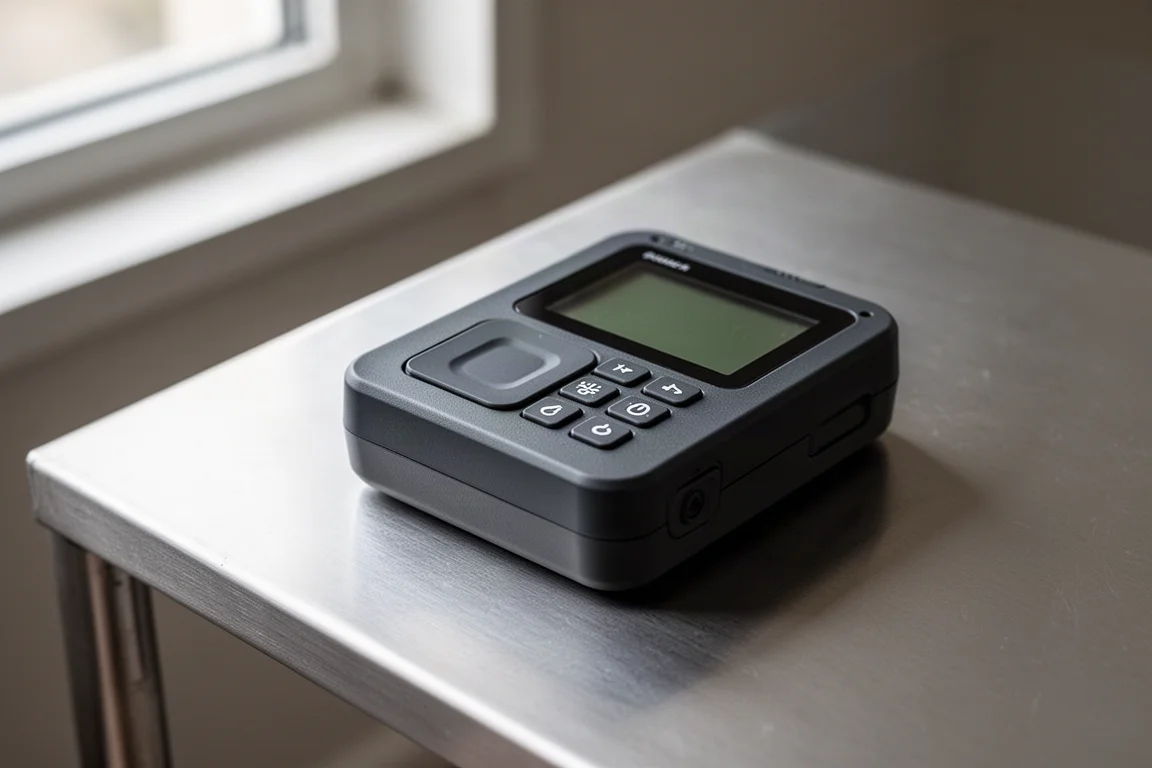
The ZOLEO satellite communicator rides on the front left of the pack where it can be reached immediately. It has proven to be a genuinely useful backcountry tool for staying in contact well beyond cell coverage.
Water Treatment: Sawyer Squeeze
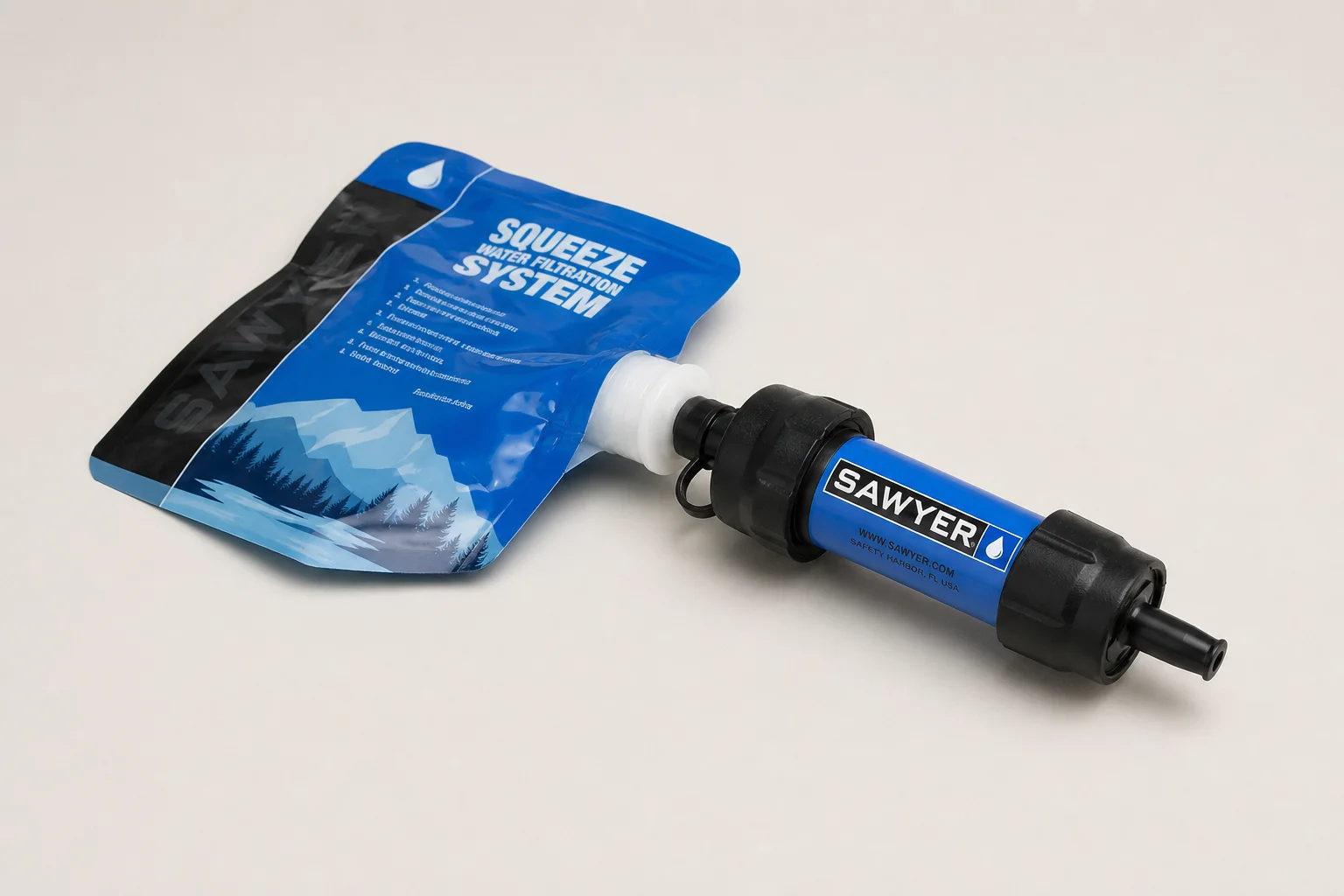
The Sawyer Squeeze is the primary filter, and it is carried on the outside of the pack so it is always accessible. Two one litre bottles carry the drinking water, with additional capacity for refilling them, which gives up to four litres in total when a long dry stretch calls for it.
Aqua Mira drops travel as a backup. If the filter fails or clogs, treatment still works, which is cheap insurance on any trip where water sources are spread out.
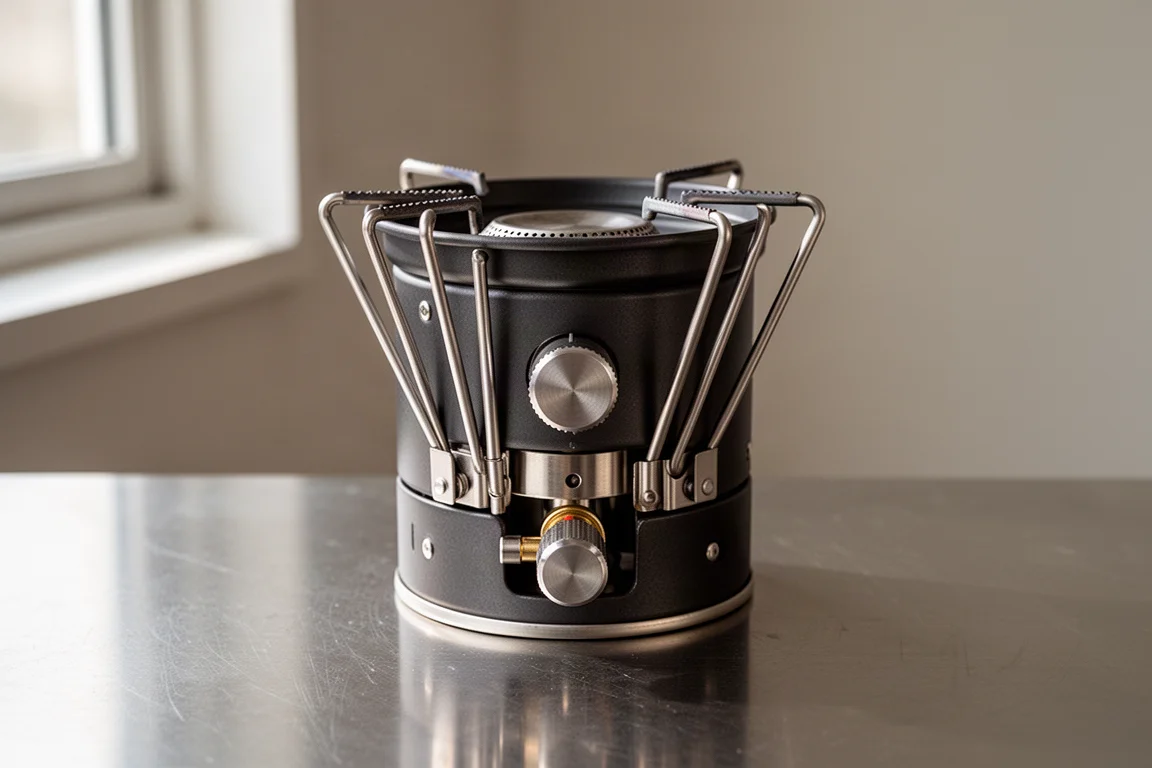
Cook Kit: Soto Amicus
The Soto Amicus is the stove in this kit: super lightweight and reliable. It runs on a canister, with an alcohol setup as an alternative for trips where that suits better.
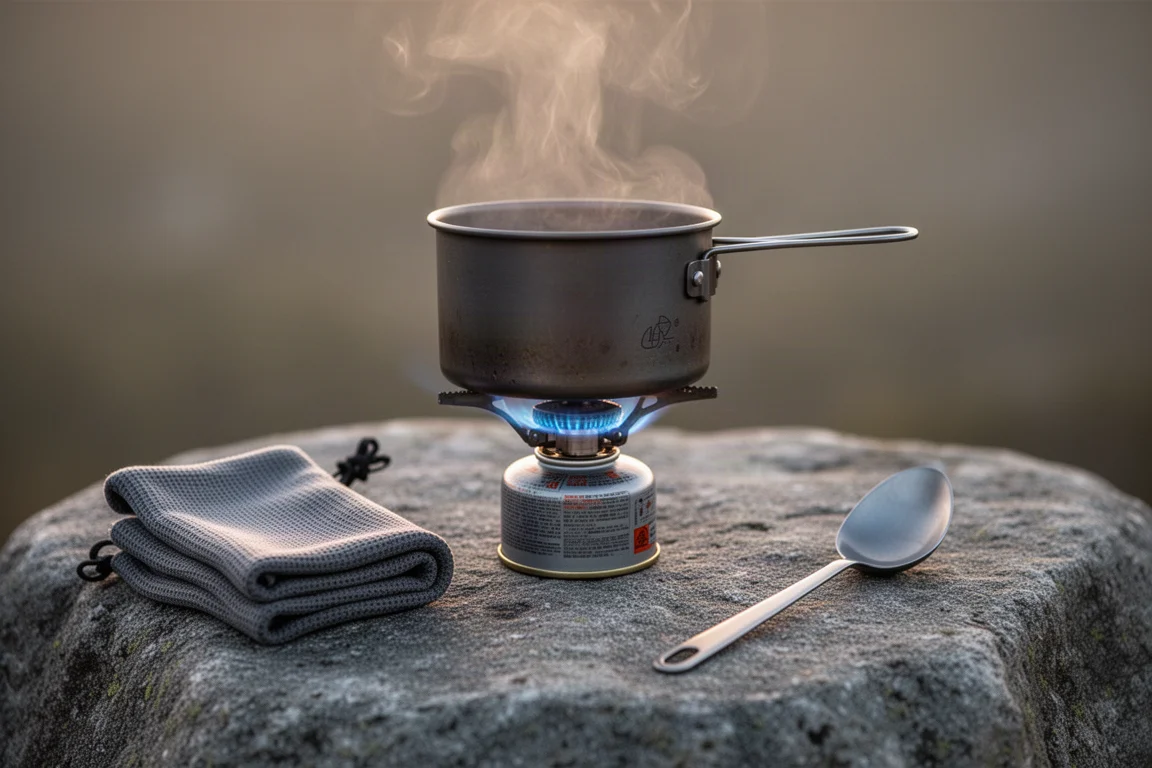
The rest of the cook kit nests neatly. A GSI cup and a TOAKS 550 millilitre pot stack together, with a small microfiber pack towel tucked inside, and a mini Bic lighter covers fire in a package that weighs almost nothing. The 550 millilitre pot boils enough water for the meals this kit is built around, which tend to need less water than a full dehydrated dinner.
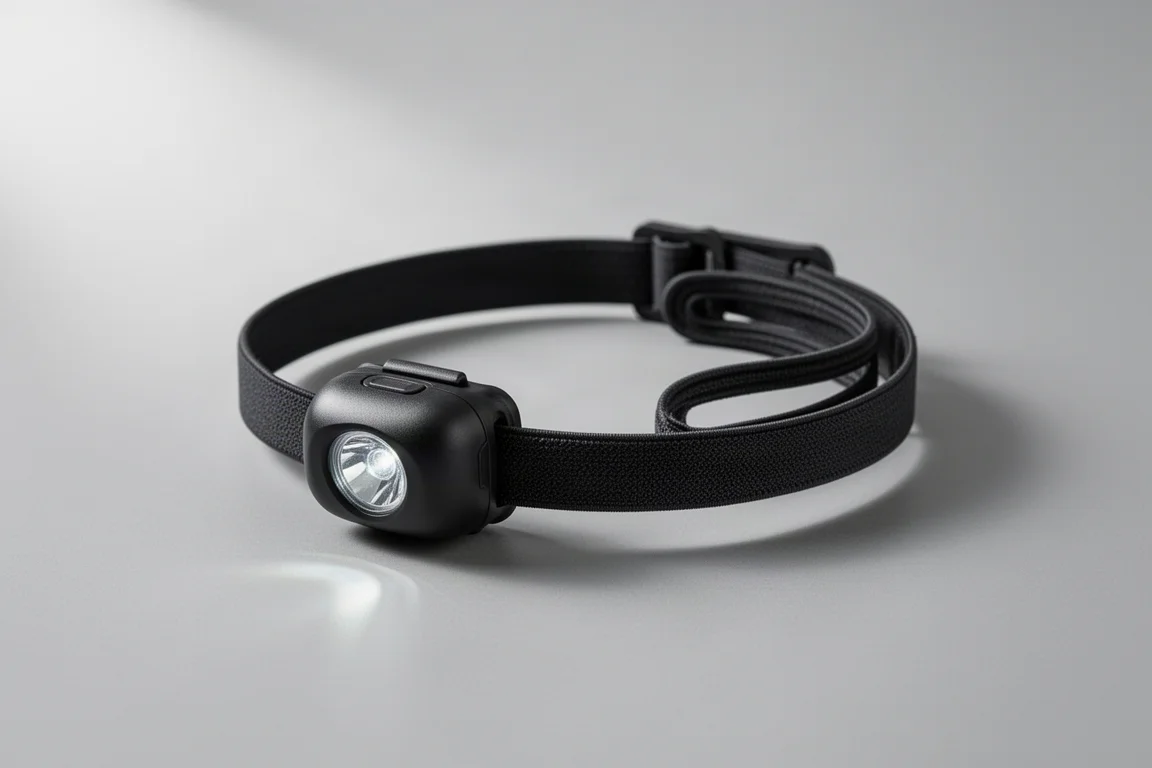
Lighting: Petzl Bindi Headlamp
The Petzl Bindi is a lightweight and comfortable headlamp that is more versatile than most of the alternatives. It lives in the electronics bag along with the charging cables for a phone and for the satellite communicator, so everything that needs power is kept in one place.
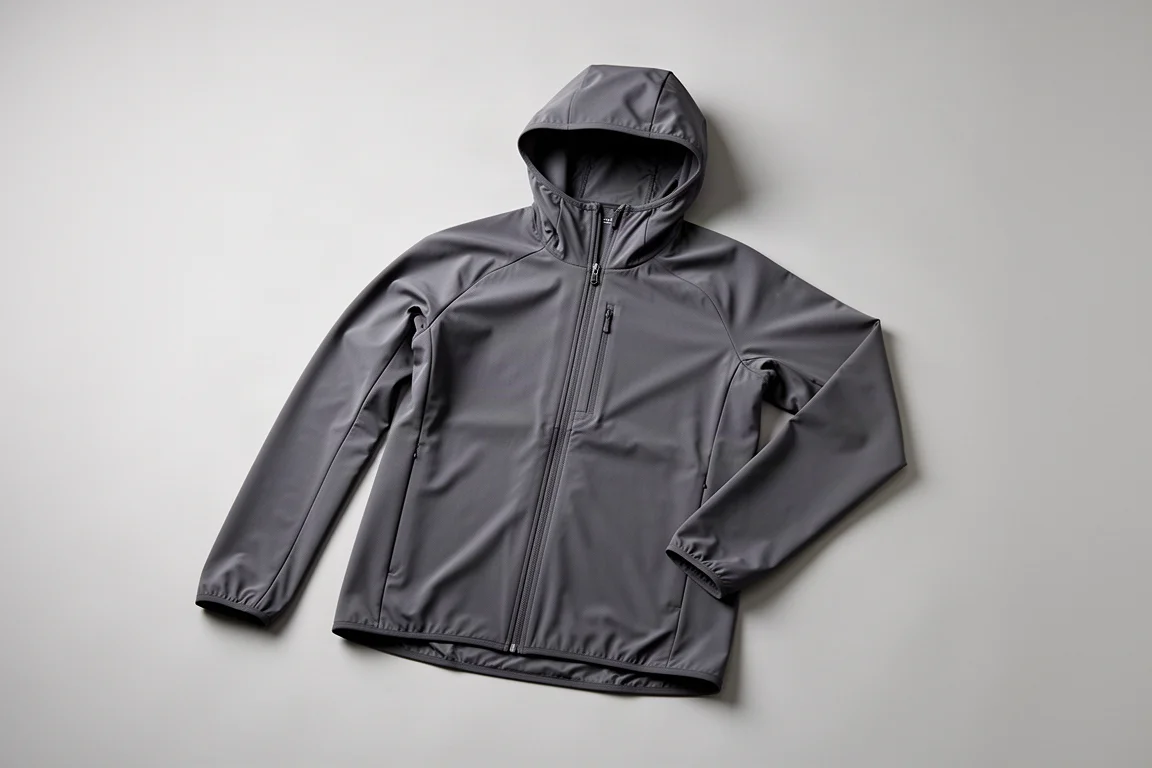
Layering System: Outdoor Vitals Ventus Hoodie
The Outdoor Vitals Ventus Hoodie is the mid layer. It is very light, compresses down small, and still provides meaningful warmth when the temperature drops.
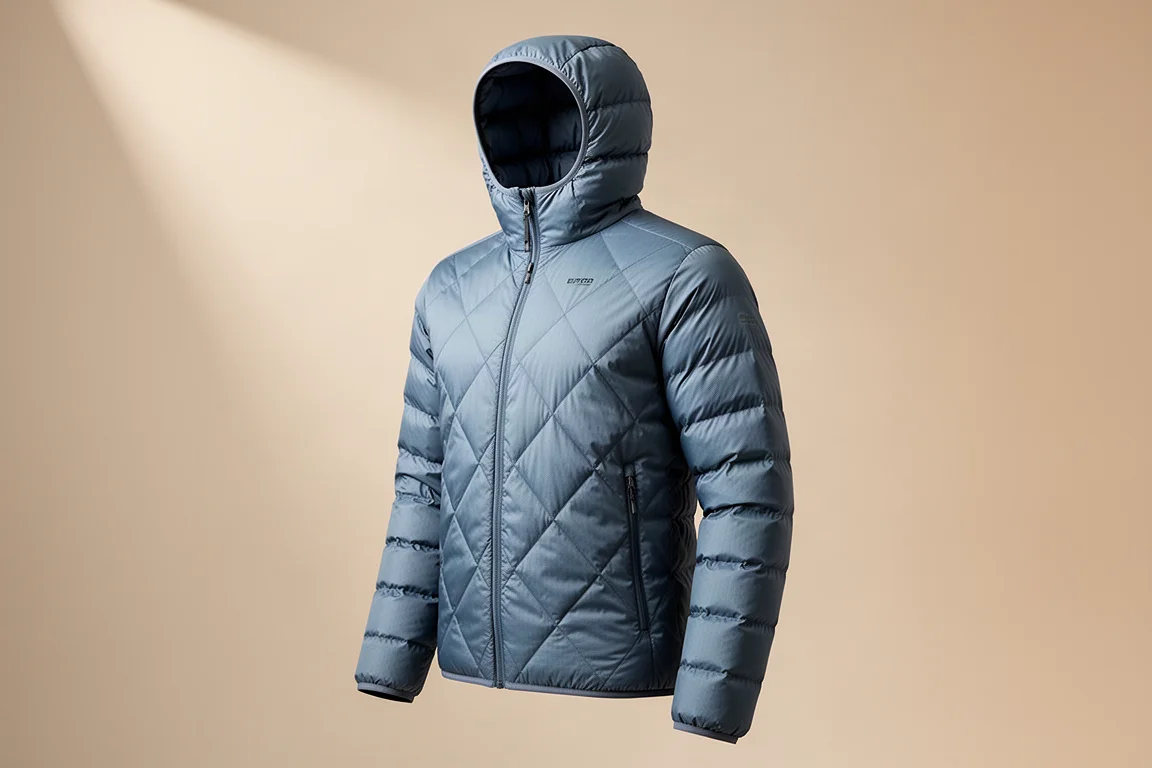
Layering System: Outdoor Research Helium Down Hooded Jacket
Above the mid layer sits the Outdoor Research Helium Down Hooded Jacket. It is durable, very warm for its weight, and well suited to three-season use when the weather turns colder than expected.
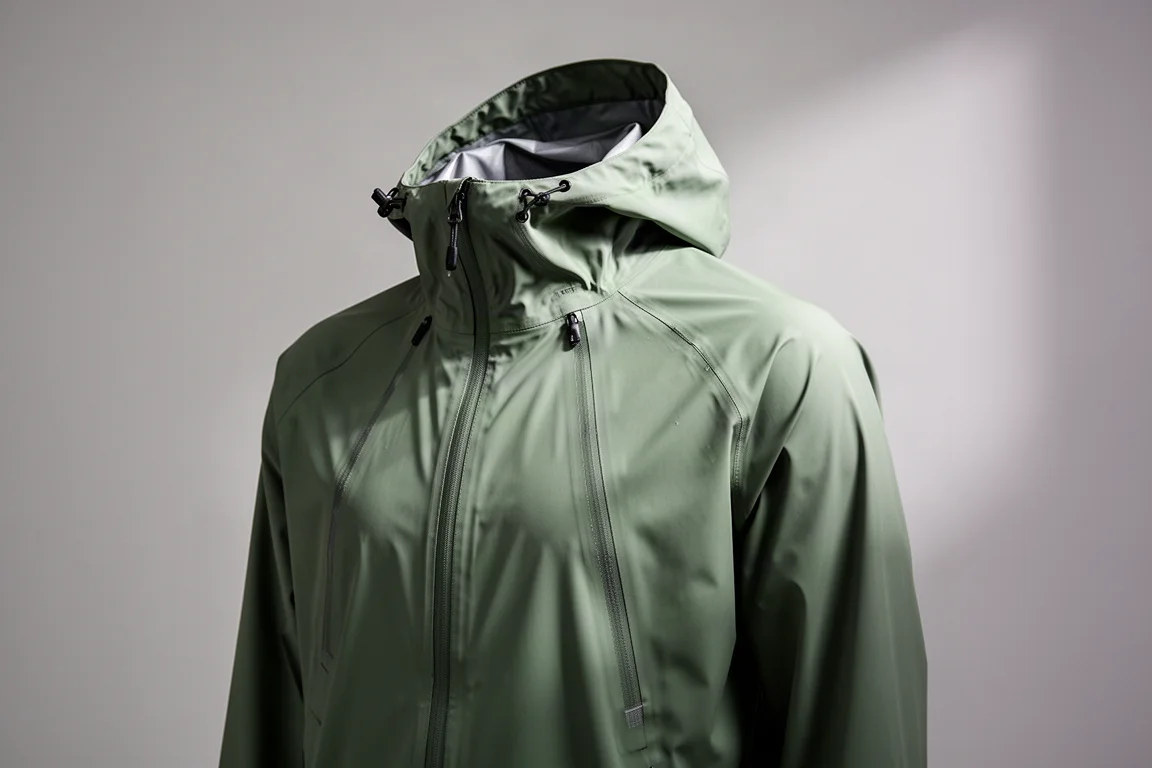
Rain and Wind Protection: Outdoor Research Helium Rain Jacket
The Outdoor Research Helium Rain Jacket is the outer shell. It is a straightforward, solid jacket at a relatively affordable price, and it handles both rain and wind without adding much to the pack.
Also in the Kit
A number of smaller items complete this kit. Two one litre plastic bottles with a 28 millimetre thread and a slightly wider base are easier to stand upright on uneven ground while filtering, and a merino wool buff adds warmth around the neck or protection from the sun. A simple first aid kit covers blister care and wound care. A Benchmade Mini Bugout knife and a 10,000 milliamp wireless charging battery bank share a small bag with a spare O-ring and coupler for a gravity filter setup, a tube of lip balm, and charging cables for a phone and for the satellite communicator. A hygiene kit holds a Bogler Co. poop trowel, a tube of Aquaphor for chafing, body wipes, and Wet Ones. On the clothing side, an extra pair of Smartwool socks is kept for sleeping, a second pair of underwear allows a mid-trip change, and thermal bottoms are packed unless the forecast stays above roughly 50 degrees. A long handle titanium spoon with a polished bowl and a supply of Peak Refuel dinners fill out the food bag.
Overall Buying Advice
If this kit is being built from scratch, the shelter, the sleep system and the pack deserve the largest share of the budget. Those three decide whether a trip is comfortable, and they are also the items that are hardest to work around when they are wrong.
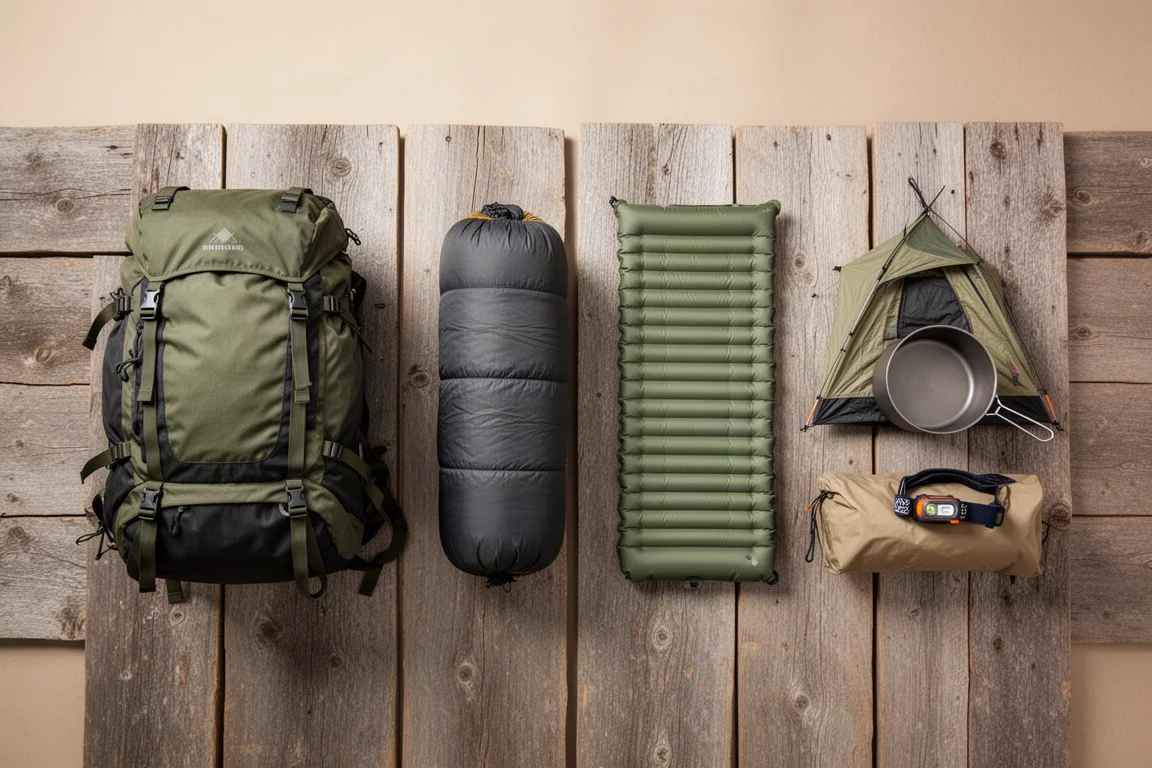
Comfort extras are where personal preference matters most. A chair, a pump that doubles as a lantern, and a second pillow are not essential, but for anyone who spends many nights out they change the quality of a trip far more than their weight suggests.
The cheapest reliability gain in the whole list is redundancy in water treatment. A backup chemical treatment weighs almost nothing and covers the one failure that would otherwise cut a trip short.
Small items are also where weight is easiest to save without giving up comfort, which is why the bottles, the spoon, the trowel and the lighter in this kit are all simple and light.
Finally, everything here is chosen for three-season use. Above 10,000 feet, nights can still fall below freezing, so a 20 degree rated bag and a pad with real insulating value are the difference between a good night and a long one.
Conclusion
This is a gear list built around comfort rather than a weight target, and every item in it earns its place by making a long day or a cold night easier. The big three set the foundation, water treatment and communication cover the things that can go wrong, and the small items quietly hold the whole system together.
If you are rebuilding a kit for three-season trips, start with the pack, the shelter and the sleep system, then add the comfort items that suit how you actually camp. That order keeps the spending where it matters most and leaves room to refine the rest over time.
Further reading
Related Reviews

Backpacking Gear
Building a 10 lb Base Weight: An Ultralight Backpacking Gear List
A practical walkthrough of the ultralight pieces behind a 10 lb base weight, from a 765 g pack and a roomy one-person tent to a full camp chair and a dependable water filter.
Backpacking Gear
A 15-Pound Lightweight Backpacking Gear List for Solo Trips
A beginner-friendly 15-pound backpacking setup built from easy-to-find gear, with notes on what each piece does, how it packs, and where to spend your attention.
Backpacking Gear
8 Ultralight Backpacking Gear Upgrades Worth Carrying
Eight small, affordable backpacking upgrades that solve real trail annoyances, from a pillow that stays put to a fuel valve that rescues leftover canister gas.