Backpacking Gear
Backpacking Gear: Keepers, Flippers, and One Clear Flop
A field-tested roundup of backpacking tents, a GPS watch, a 43-liter pack, trail meals, a water filter setup, a hiking shoe, and a high R-value sleeping pad, sorted into keepers, flippers, and one flop.
Introduction
Testing backpacking gear properly takes time. A single weekend is enough to spot obvious problems, but it is rarely enough to judge how a shelter handles sustained wind, how a pack carries weight on the second consecutive day, or how a sleeping pad feels on the fourth night of a trip. Every item below has been used on real trips across a full season, in exposed campsites, cold overnight temperatures, and long days on trail.
The verdicts fall into three groups. A keeper earns a permanent place in the pack. A flop fails at the job it was bought to do. The middle group, which we call a flipper, covers gear that is genuinely good but carries one or two design decisions worth understanding before you spend money. That middle group is often the most useful to read about, because the trade-offs are specific rather than general.
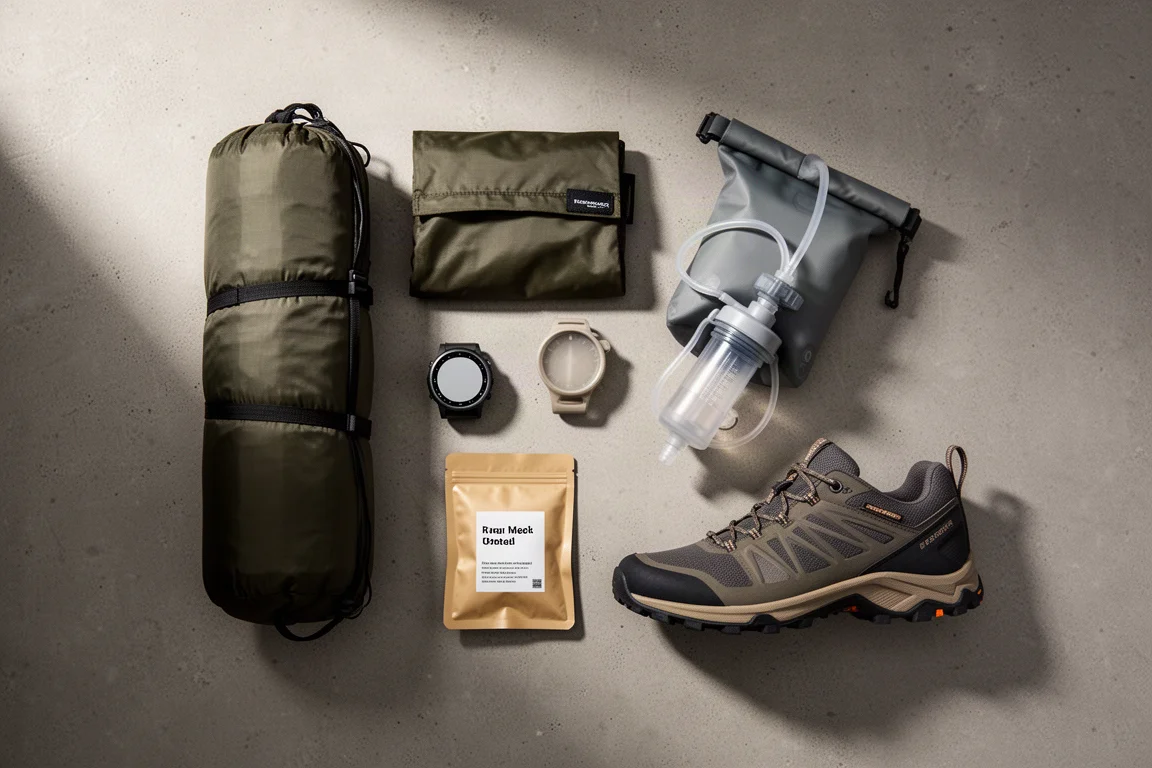
This roundup covers two backpacking tents, a GPS multisport watch, a 43-liter pack, freeze-dried meals and a no-cook breakfast option, a squeeze water filter setup, a small organizer pouch, a hiking shoe, and a high R-value sleeping pad.
How These Items Were Evaluated
Each item was used on real trips rather than judged from a spec sheet. The tents were pitched in exposed campsites and left standing through strong wind. The watch was worn continuously, including overnight and through full days of tracked hiking. The backpack was carried loaded on two separate trips. The meals were rehydrated in the field. The filter setup served as the primary water treatment method on the trips where it was carried. The sleeping pad was used down to overnight temperatures in the mid-20s Fahrenheit.
Two limits are worth stating up front. Several of these items are recent releases with only a handful of trips behind them, so the notes here are a first assessment rather than a long-term verdict. Comfort is also personal. A shoe collar that presses on one hiker’s ankle may sit perfectly on another, and a sleeping pad that feels firm to one sleeper may feel supportive to the next. Where an item depends heavily on fit, that is called out in its section.
TFS Enron 2: A Tunnel Tent With Genuine Two-Person Space
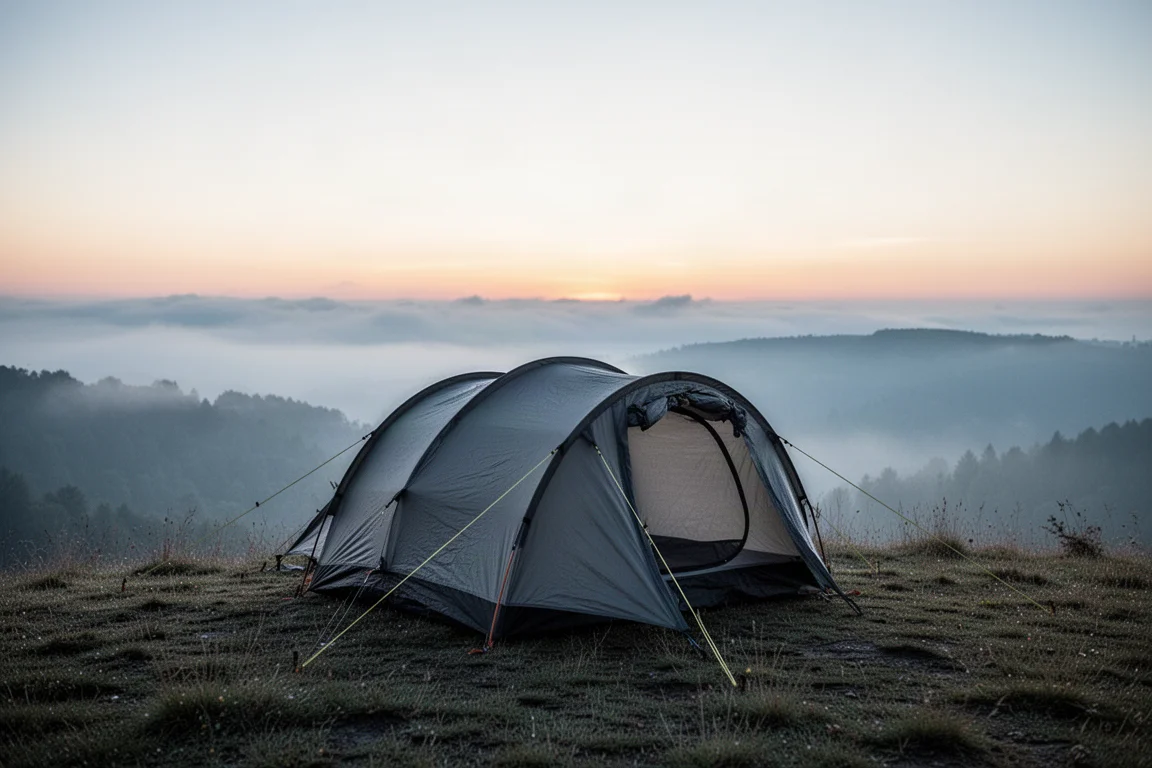
TFS is a brand many backpackers outside China are only now encountering as it expands into the US and other markets. Everything is designed in-house and produced in the company’s own factory, and that shows in the details. The Enron 2 is a tunnel-style shelter, a shape that is less common in the US market, with a one-person version also available. The payoff of the design is interior volume. Two people genuinely fit, with usable shoulder room and enough height to move around, which is not always true of tunnel tents that can feel narrow and confined once you are inside. In exchange you get a lower profile than a dome or trekking pole shelter, and that is exactly why it handles wind so well. It has already been pitched through some intense wind and stayed solid. This is an early look at a tent that is still new to the market, with a longer report to follow.
Durston X-Dome 1+: Clever Design, Tight At The Foot
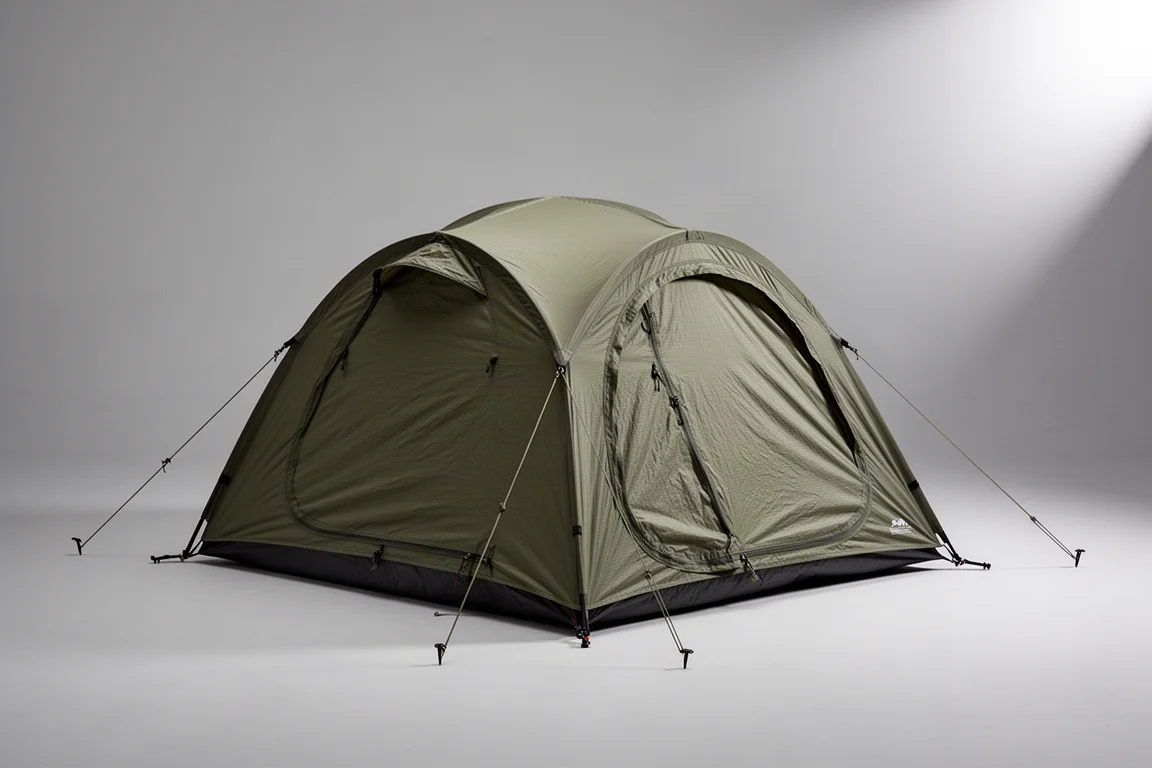
This one lands in the flipper category, and the reason is specific. The floor design is unlike anything else on the market, and the result is a genuinely livable interior that pitches quickly without fuss. The change worth making is at the foot end, where the floor tapers sharply. Even though the tent measures about 28 inches across at its widest, a 25-inch sleeping pad still feels tight in that space. Trading some of the vestibule volume for a wider floor along the full length of the tent would be a better balance, because a good portion of that vestibule goes unused while gear that could sit at your feet ends up outside. There are a few smaller refinements beyond that. Even so, there is a lot to like here, and it is easy to see why the tent has drawn so much attention.
Coros Apex 2 Pro: Battery Life That Reshapes The Routine
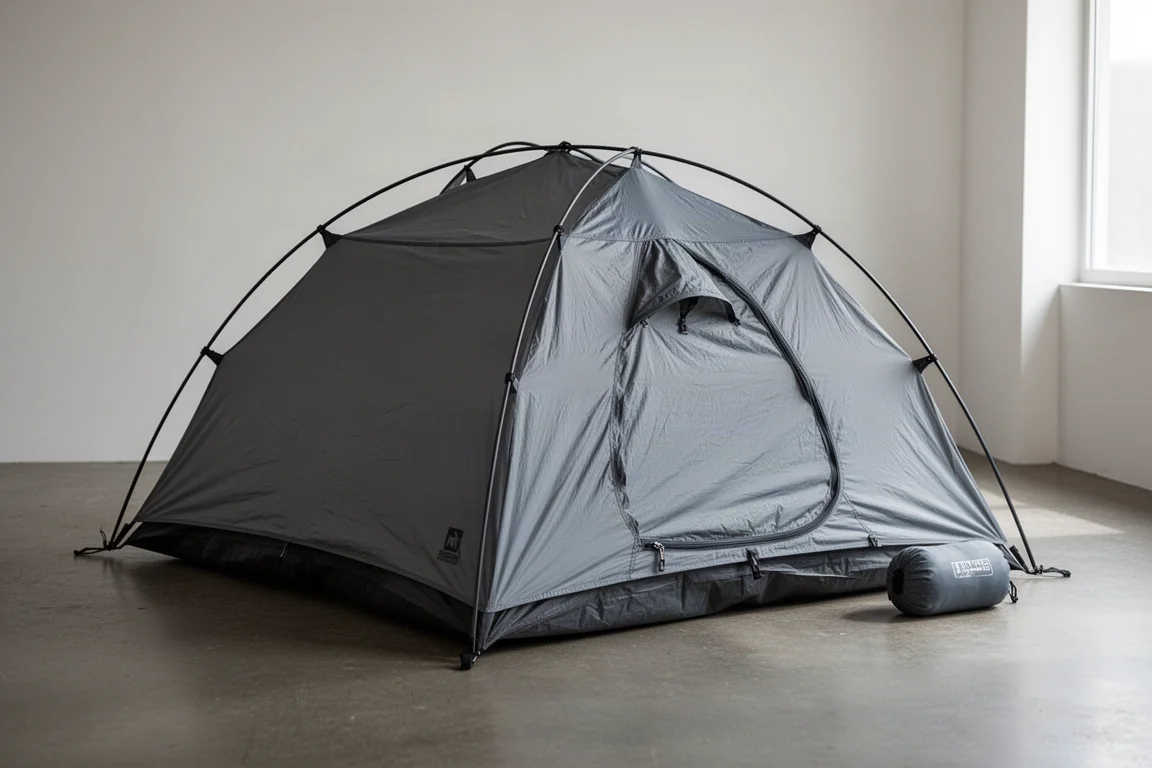
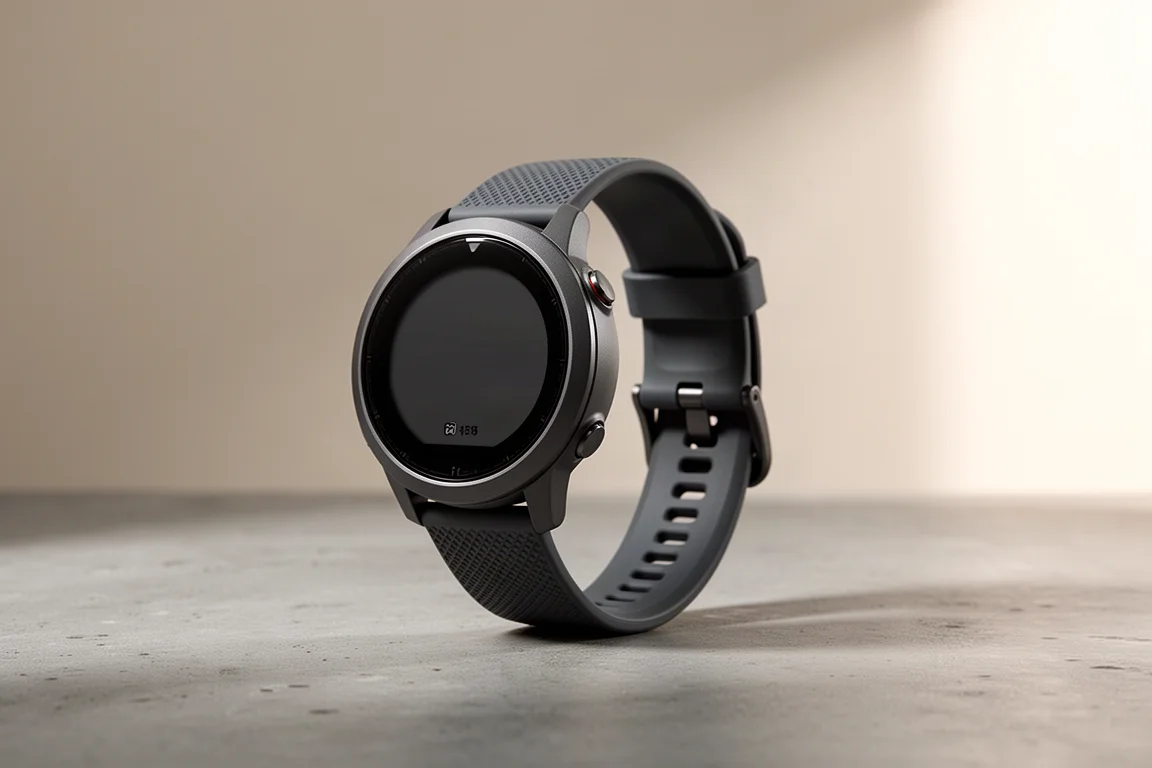
The Apex 2 Pro is a keeper, and battery life is the reason. In several months of continuous wear, it has needed a charge roughly every week and a half to two weeks depending on how much activity tracking is involved. On a weekend backpacking trip with a full day of GPS tracking, it dropped to around 60 percent. It records heart rate and elevation, which is the data most hikers actually want on trail, and it stays comfortable enough on the wrist to wear overnight.
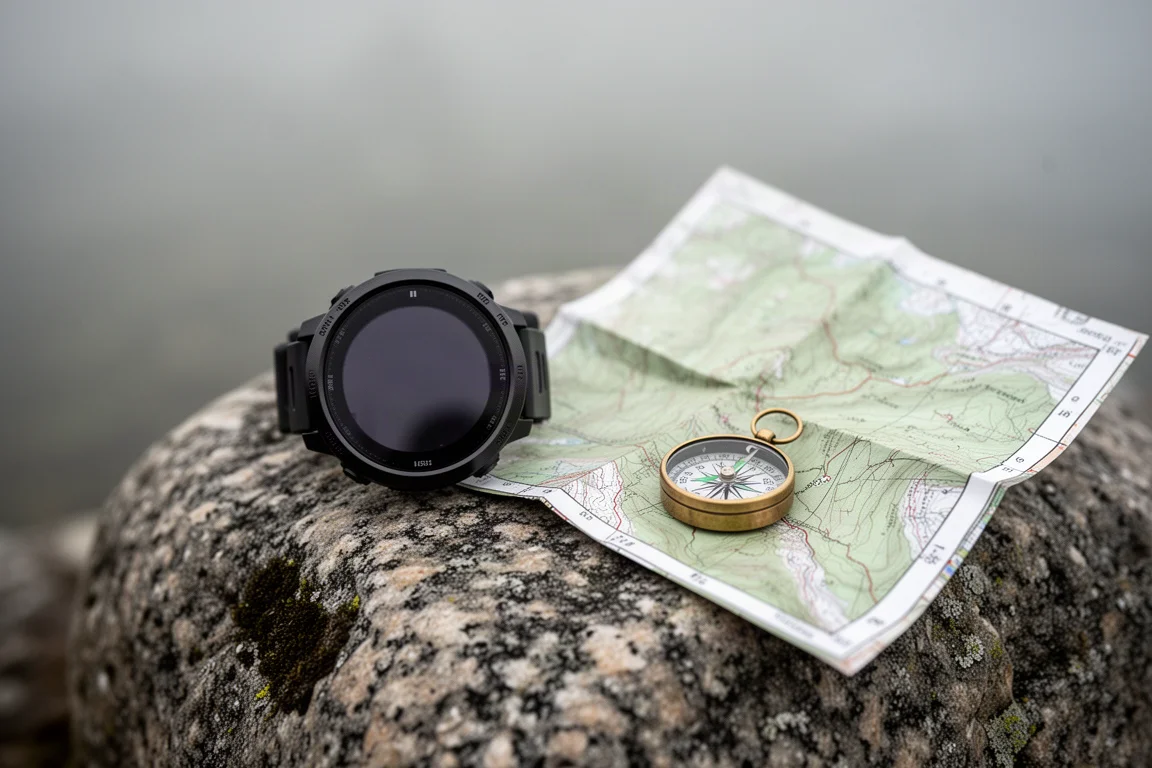
The practical effect is that battery stops being something you plan around. There is no juggling a power bank mid-trip or rationing tracking time to make it through a long weekend. For backpackers who want activity data without another device to manage, that reliability is the whole argument.
Big Agnes Sweetwater 43: The One Clear Flop
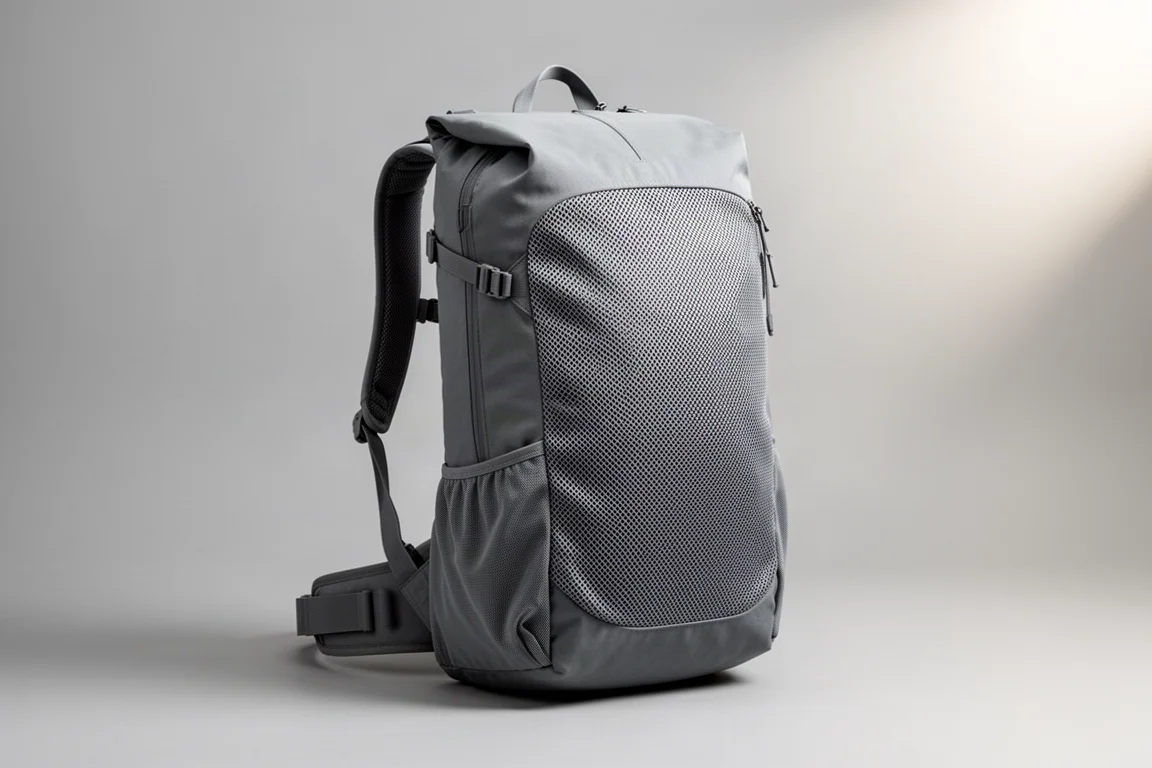
The Sweetwater 43 is the second generation of the Big Agnes backpack line, following the Prospector 50, and it still has not found the comfort it needs. The vest-style shoulder straps do not spread load across the top of the shoulders. After a full day of carrying, that shows up as pressure and bruising on the collarbones. The hip belt looks generously padded, but a cutout in its construction lets it collapse on itself, so it does not carry weight the way its size suggests it should.
Two trips in, the picture is mixed. The first outing was a poor experience, and the second was noticeably better. More time with the pack is planned to see whether that trend continues. For now it would not be the first pack reached for when a trip is on the calendar.
Trail Goods Co. Meals: New Flavors Worth The Pack Weight
Trail Goods Co. launched with four freeze-dried flavors, and the lineup is a welcome change from the standard rotation of beef stroganoff and biscuits and gravy. The Creamy Spicy Chicken Pasta is a strong starting point, with 42 grams of protein and 840 calories in a portion that is satisfying without being so large that food gets thrown away. The Stir-Fried Pork Noodles is the mildest of the four, with 53 grams of protein and 940 calories from ground pork, stir-fried noodles, and vegetables in a sesame ginger soy sauce. The Chicken Chile Verde is the favorite, at 660 calories, with green chiles that add just enough heat. It rehydrates cleanly and works especially well spooned into a tortilla with a little hot sauce.
Packit Gourmet Smoothies: Breakfast Without A Stove
Cold-water smoothies are an easy thing to be skeptical about until you try one on a morning when you do not want to boil water. Each serving is 400 calories. Peach Passion and Berry Berry both mix with cold water and a good shake, and both taste good enough to replace oatmeal, granola, or bars in the breakfast rotation. They also avoid the larger cooked breakfasts that take time and fuel. These are a keeper, with one caveat: they appear to be a limited run, so availability may vary.
Sawyer Squeeze With Cnoc Vecto X: A Setup That Just Works
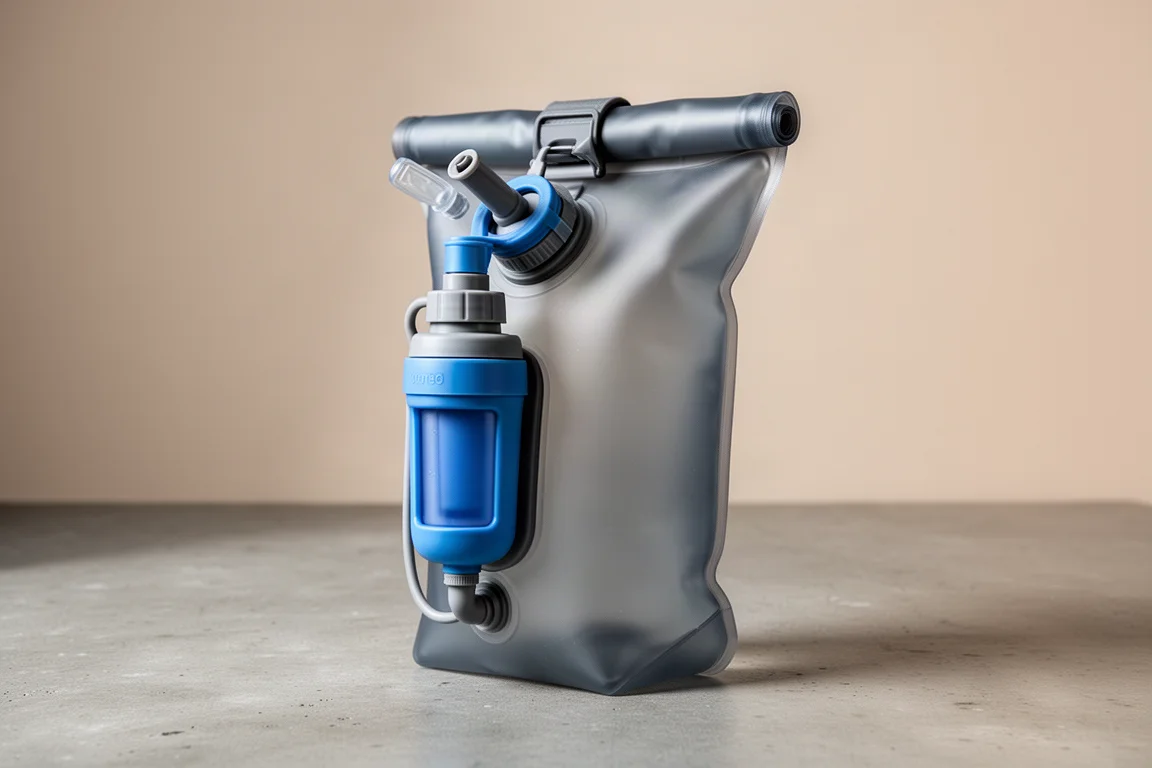
The Sawyer Squeeze and the Cnoc Vecto X are now sold together as a package, which makes sense because this pairing has been the go-to water treatment setup for years. Other bag options exist within the same collaboration, including combinations built around the Micro filter, so there is some choice in how you configure it. The Vecto X has been the standout: no pinhole leaks and no failures across a long stretch of use.
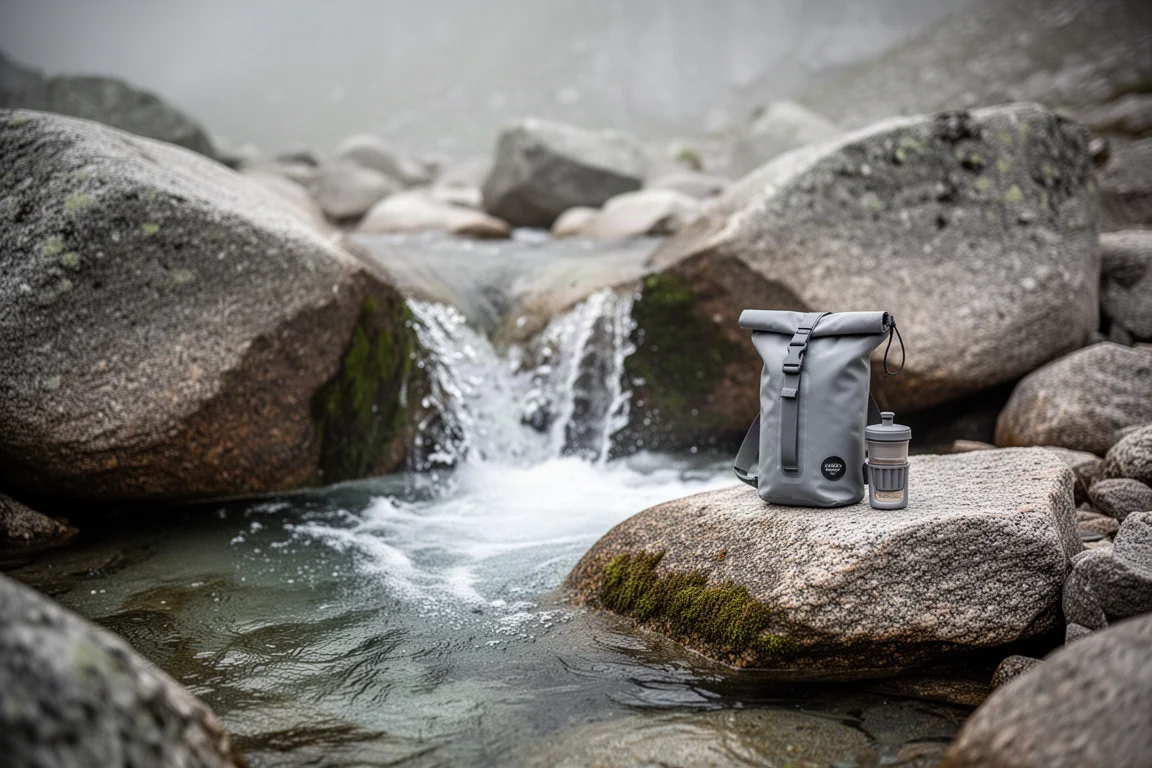
The appeal is simple. It is a proven squeeze filter matched to a bag that fills easily and holds up trip after trip, and the whole system is light enough that there is no reason to leave it behind. For anyone still deciding between filter styles, this combination is a low-risk starting point.
Backcountry Exposure Little Diddy Bag: Small Gear, Less Fuss
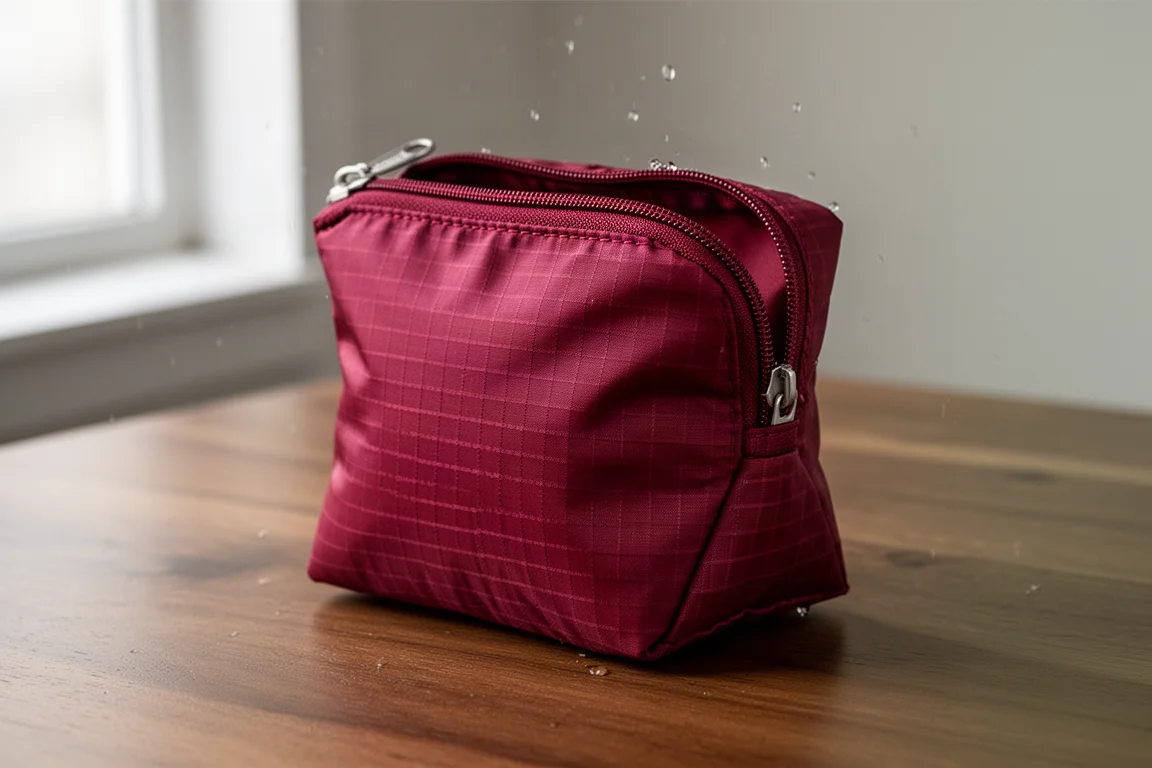
The Little Diddy Bag is a simple idea done well. A watertight zipper keeps contents protected, and the gusseted bottom does two useful things: it lets the bag stand up on its own and it adds volume so bulkier items fit without putting stress on the zipper the way a flat envelope pouch does. The version shown here is the red Ultra Grid, also offered in a dark chili Ultra Grid, and it works well as a first aid kit. It is a keeper, and it is the kind of small organizer that quietly makes a pack easier to live with.
Danner N45: A Recraftable Hiker With One Catch
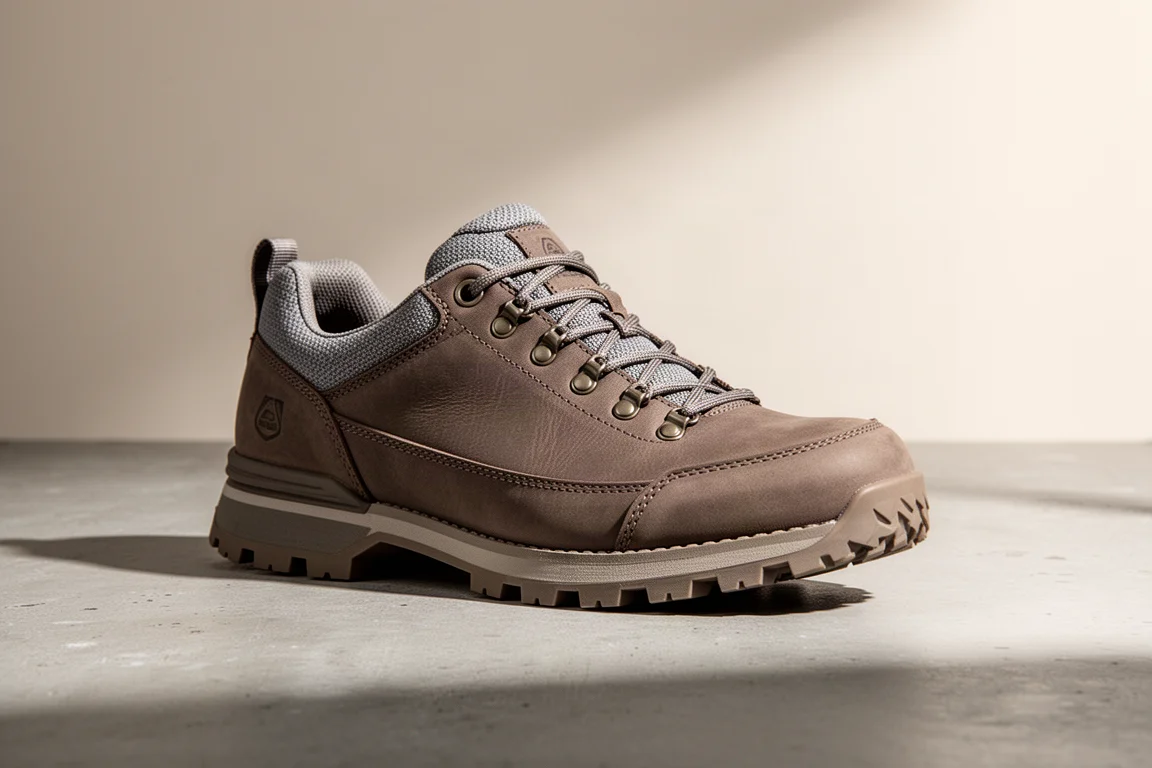
The N45 is a newer release from Danner and it lands in the flipper category for a single reason. The cutout around the ankle sits high enough on the foot to dig in just below the ankle bone, and after a full day of hiking that spot is sore. Everything else about the shoe works. The sole is nitrogen-infused, the shoe is recraftable so the sole can be replaced once it wears out, and the design is clean. It will not displace the Danner Trail 2650 as a favorite, but the time on trail has otherwise been enjoyable.
Sea to Summit Ether Light XR Pro: High R-Value, Mixed Comfort
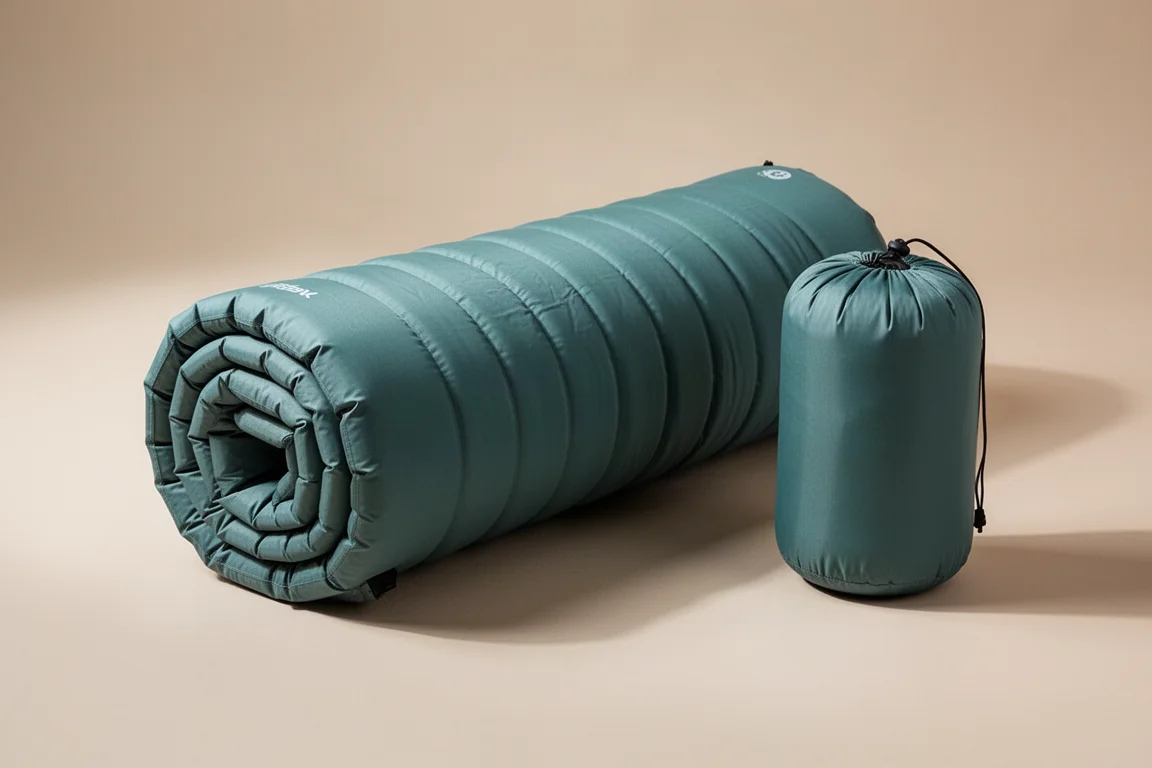
The Ether Light XR Pro carries an R-value of 7.4, which is a meaningful step up from the previous high R-value model in the line. Two changes matter most. The packed size has been substantially reduced, which makes it realistic to actually carry in a pack rather than a pad you leave at home. The insulation has also changed, moving from a synthetic fill that struggled to hold warmth efficiently to a Mylar-type layer inside the pad.
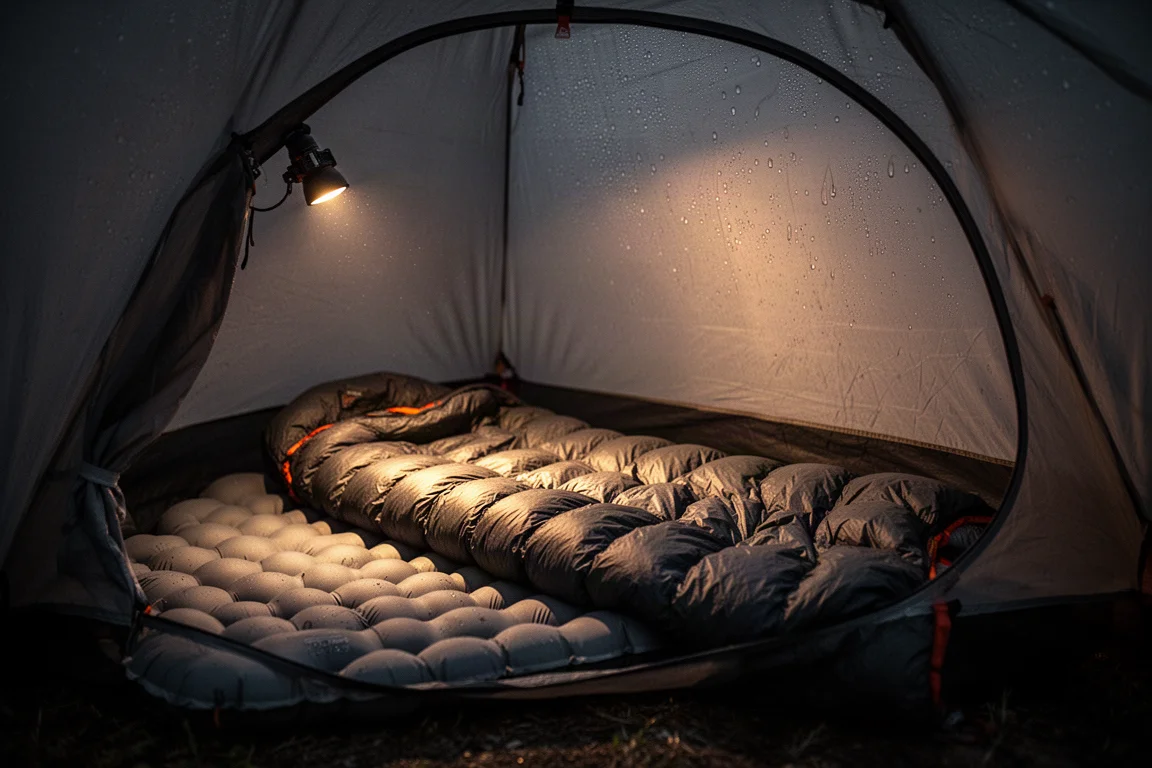
Comfort is where it slips into the flipper category. The baffling does not have the depth of the most comfortable pads available, and the thicker fabric on the Pro version feels less supple under a sleeping bag. Against pads that skip quilted baffling entirely, it is clearly the better choice. It has been used down to overnight temperatures in the mid-20s Fahrenheit without feeling cold, but it has not yet been tested on snow, so the full benefit of that 7.4 R-value in winter conditions is still unproven. More testing is planned.
Buying Advice
Match the item to the trip rather than to the spec sheet. If interior space and wind performance matter most in a two-person shelter, the tunnel design of the TFS Enron 2 delivers both. If you hike solo and want a fast pitch with a comfortable interior, the Durston X-Dome 1+ is worth a close look, provided you are comfortable with a tapered foot end or you sleep on a narrower pad.
If you want trail data without charging anxiety, the Coros Apex 2 Pro is the straightforward pick. For food, the Trail Goods Co. meals and the Packit Gourmet smoothies cover dinner and breakfast respectively, and both are the kind of purchase that is easy to justify before a long trip. The Sawyer Squeeze and Cnoc Vecto X combination is the lowest-risk water setup in this roundup.
The two items to approach carefully are the Big Agnes Sweetwater 43, which deserves an in-person fit check before committing, and the Danner N45, which is worth trying on if you have had trouble with shoe collars pressing on the ankle. The Sea to Summit Ether Light XR Pro suits sleepers who prioritize warmth and packed size over maximum cushioning.
Conclusion
Most of the gear here earns its place. The watch, the water filter setup, the meals, the smoothies, and the small organizer are all keepers with no real reservations. The two tents, the sleeping pad, and the hiking shoe are flippers, which means they are good products with one clear trade-off each, and those trade-offs are worth knowing before you buy. Only the Big Agnes Sweetwater 43 sits in the flop category, and even that verdict could shift with more time on trail.
The through-line is that field time changes how gear reads. A tent that looks narrow on paper can feel generous in wind. A pad with a high R-value can still fall short on comfort. Reading the specific trade-offs is a better guide than any single number.
Further reading
Related Reviews

Backpacking Gear
Building a 10 lb Base Weight: An Ultralight Backpacking Gear List
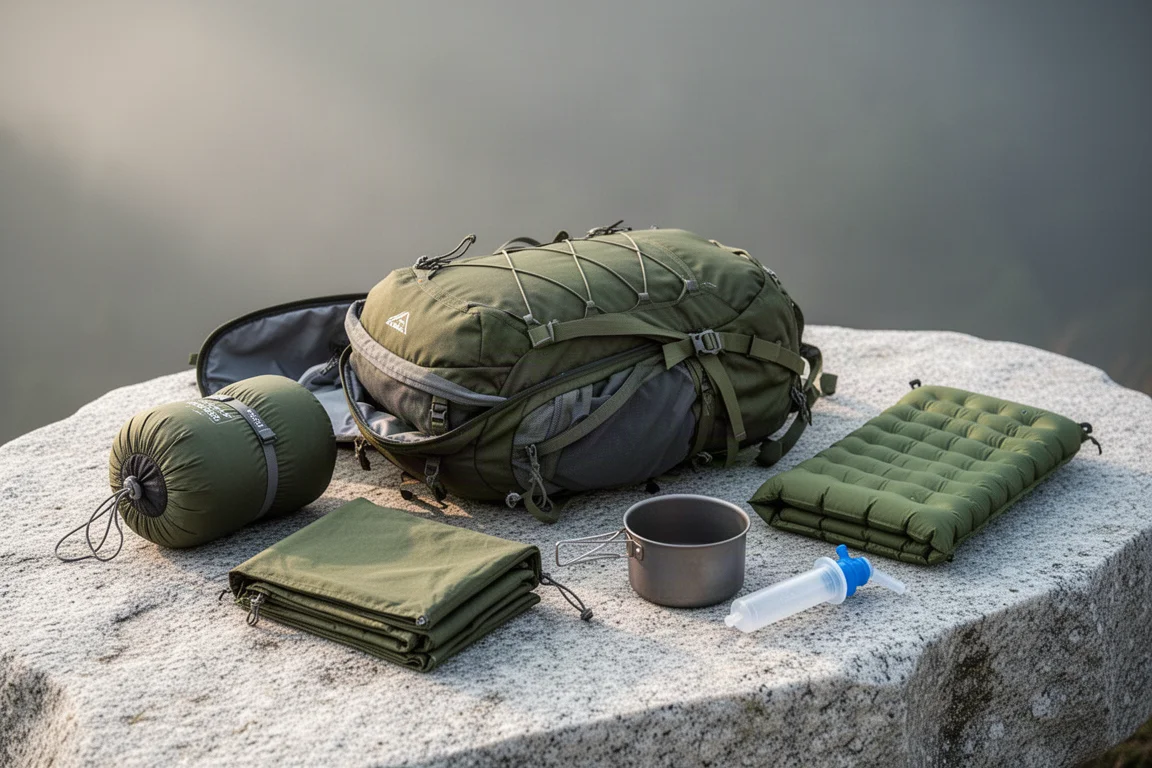
A practical walkthrough of the ultralight pieces behind a 10 lb base weight, from a 765 g pack and a roomy one-person tent to a full camp chair and a dependable water filter.
Backpacking Gear
A 15-Pound Lightweight Backpacking Gear List for Solo Trips
A beginner-friendly 15-pound backpacking setup built from easy-to-find gear, with notes on what each piece does, how it packs, and where to spend your attention.
Backpacking Gear
8 Ultralight Backpacking Gear Upgrades Worth Carrying
Eight small, affordable backpacking upgrades that solve real trail annoyances, from a pillow that stays put to a fuel valve that rescues leftover canister gas.