Backpacking Gear
Two Backpacking Gear Innovations Worth Knowing: REI Flash 55 and Peak Refuel
A 55-litre pack with water bottle pouches you can reach while wearing it, and a freeze-dried meal that rehydrates with two-thirds of a cup of water.
Introduction
Backpacking gear can look static from the outside. A pack is a pack, a shelter is a shelter, and most seasons bring refinements rather than genuinely new ideas. Every so often, though, a design decision matters far more than a spec sheet suggests, because it removes a small friction that follows you for every hour of a trip.
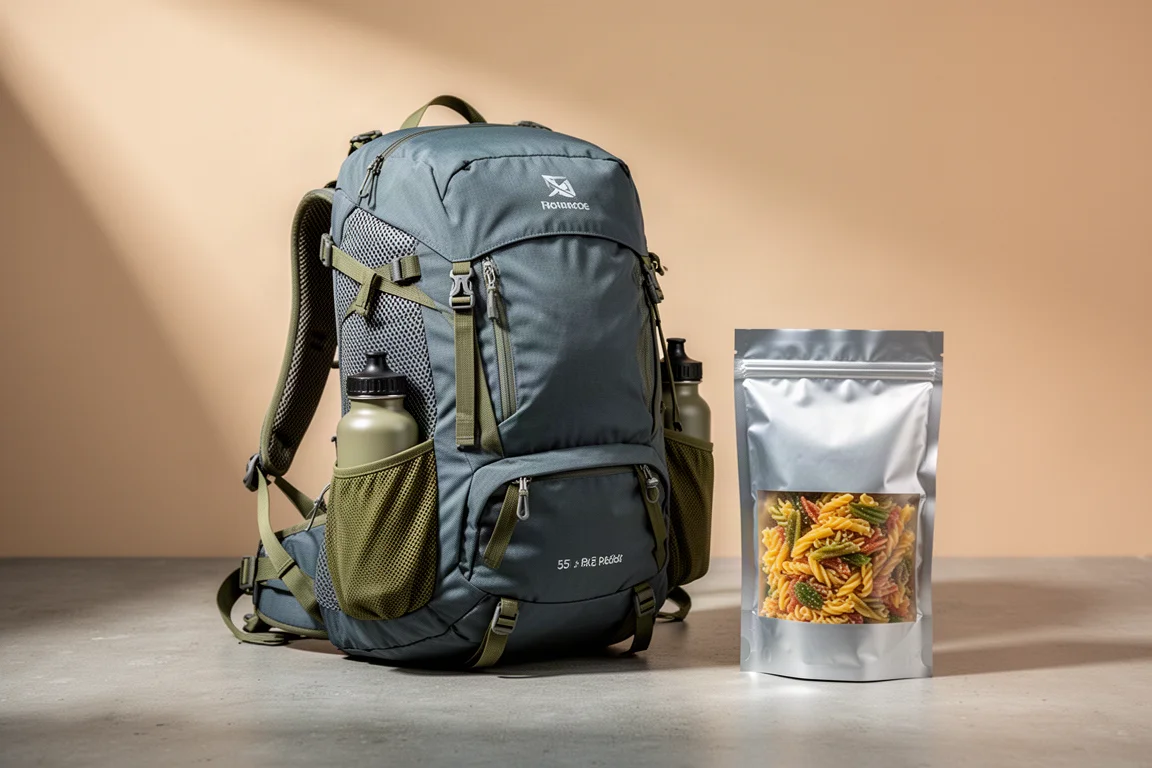
The two products below take that approach. One is a 55-litre pack with water bottle pouches you can reach without taking the pack off. The other is a freeze-dried meal that rehydrates with two-thirds of a cup of water while still delivering a serious calorie and protein count. Both solve problems that show up on real trips rather than in a showroom.
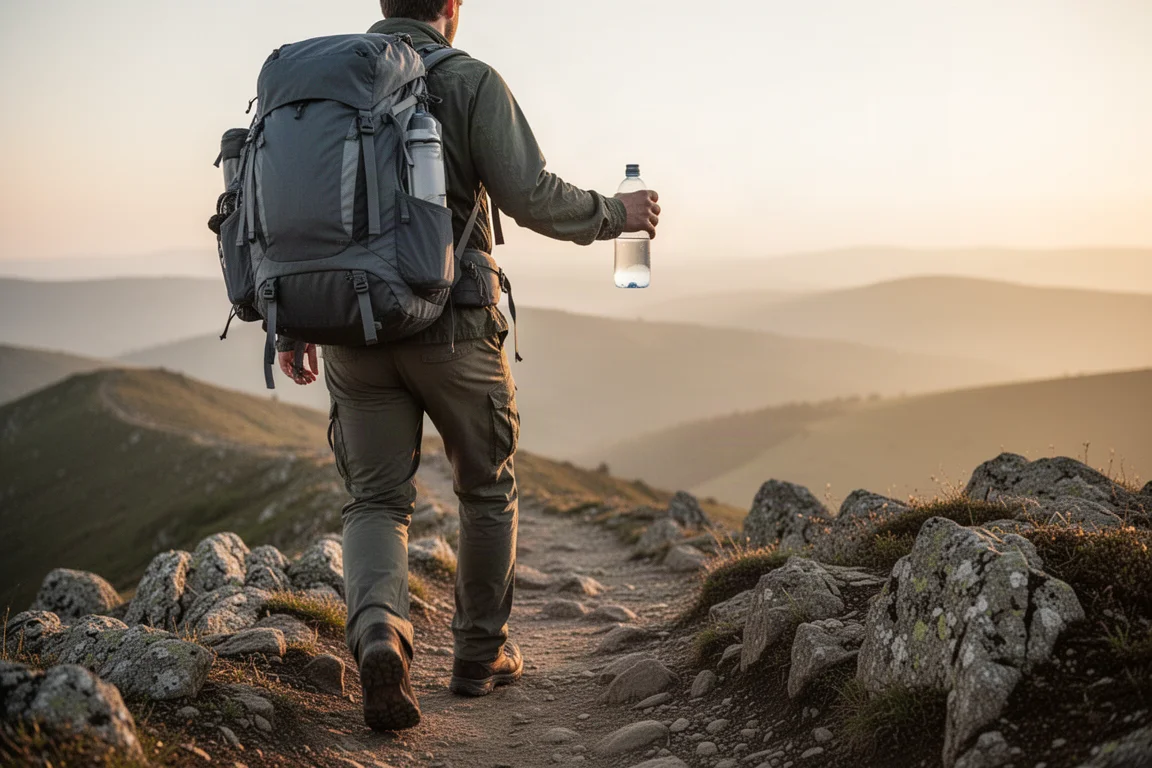
They are also easy to evaluate. You can tell within a minute of wearing the pack whether the bottle placement works for your shoulders, and you can tell after one dinner whether a low-water meal changes how you plan your day. What follows covers what each one does well, where the trade-offs sit, and who benefits most.
What Sets These Two Apart
The thread connecting these two products is water: how easily you can drink it, and how much of it you have to spend on dinner.
Hikers often end up under-hydrated not because they lack water but because reaching it is awkward. Chest-mounted bottle pockets can feel uncomfortable and struggle with taller bottles. Bladder systems solve the reach problem, but they add a failure point, and a bladder that splits on a multi-day trip is a serious setback. A pack that keeps bottles genuinely accessible removes the friction without the fragility.
The meal tackles the other side of the equation. Many freeze-dried meals call for two cups of water or more, which is a lot to carry, filter or melt for a single dinner. Cutting that requirement to two-thirds of a cup changes what a resupply day looks like, particularly in winter.
For both products, the useful measure is not how clever the feature sounds. It is whether the feature removes a task you repeat every single day on trail.
REI Flash 55: Water You Can Actually Reach
The REI Flash 55 is a 55-litre backpacking pack built around one simple change: dedicated water bottle pouches sit just in front of the side pockets, angled so you can reach back and pull a bottle while the pack is on your back.
That placement matters more than it sounds. Reaching a bottle from a standard side pocket requires shoulder flexibility that many hikers lose over time, and the usual workarounds all carry a cost. The front pouches on the Flash 55 keep water within easy reach while leaving the side pockets completely free for bulky items such as a tent.
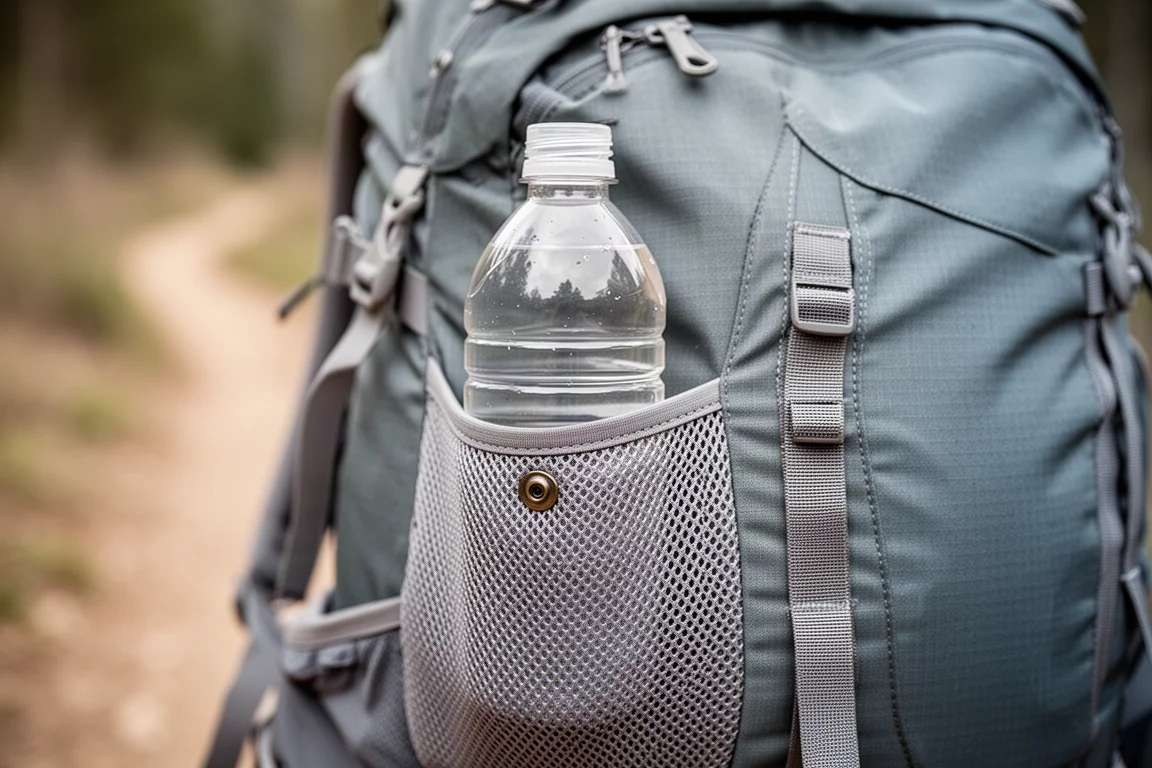
The pouches handle different bottle shapes through a snap closure. Undo the snap and a full Nalgene fits; fasten it and a slimmer bottle such as a standard Smartwater bottle sits securely. Having both options on one pack means you can carry the bottle you already own rather than buying around the design.
The practical benefit is steady hydration. When a bottle is genuinely reachable, you drink more often and in smaller amounts, which is exactly how hydration tends to work best on a long climb.
Removable Straps and Modular Packs
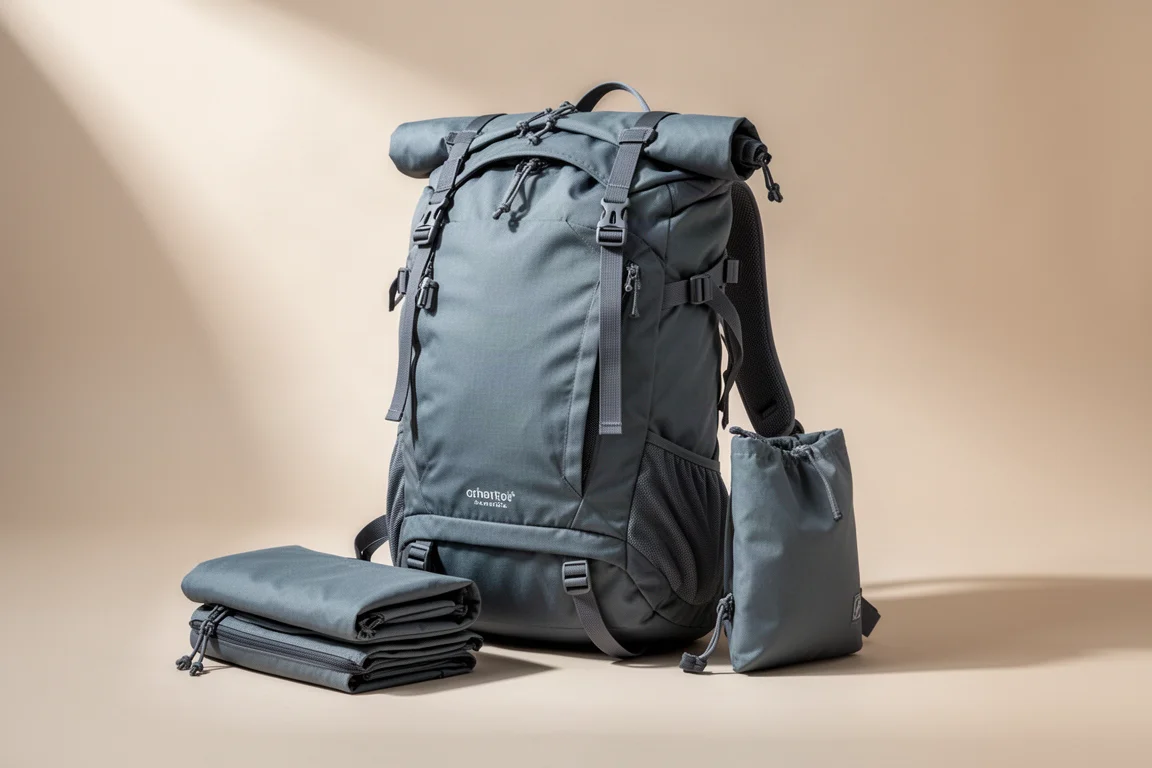
Removable straps deserve more attention than they usually get. On a pack where every strap can be detached, including the compression straps and the straps that hold the lid down, you can strip the pack to exactly the pieces you use and leave the rest at home.
The Flash 55 is a good example of the approach. It adds very little weight, and the payoff runs in two directions: the pack carries more cleanly once unused hardware is gone, and the same pack can be tailored to a fast overnight trip or a heavier multi-day carry.
There is no real reason this should be rare. Removable straps are a low-cost way to make a pack more adaptable, and they let a single design serve riders of different trips without forcing anyone to buy a second pack for the odd weekend.
Peak Refuel Chicken Pesto Pasta: More Calories, Less Water
Most freeze-dried meals ask for two cups of water or more before they are ready to eat. The Peak Refuel Chicken Pesto Pasta needs two-thirds of a cup, which is a meaningful difference when water has to be carried, filtered or melted.
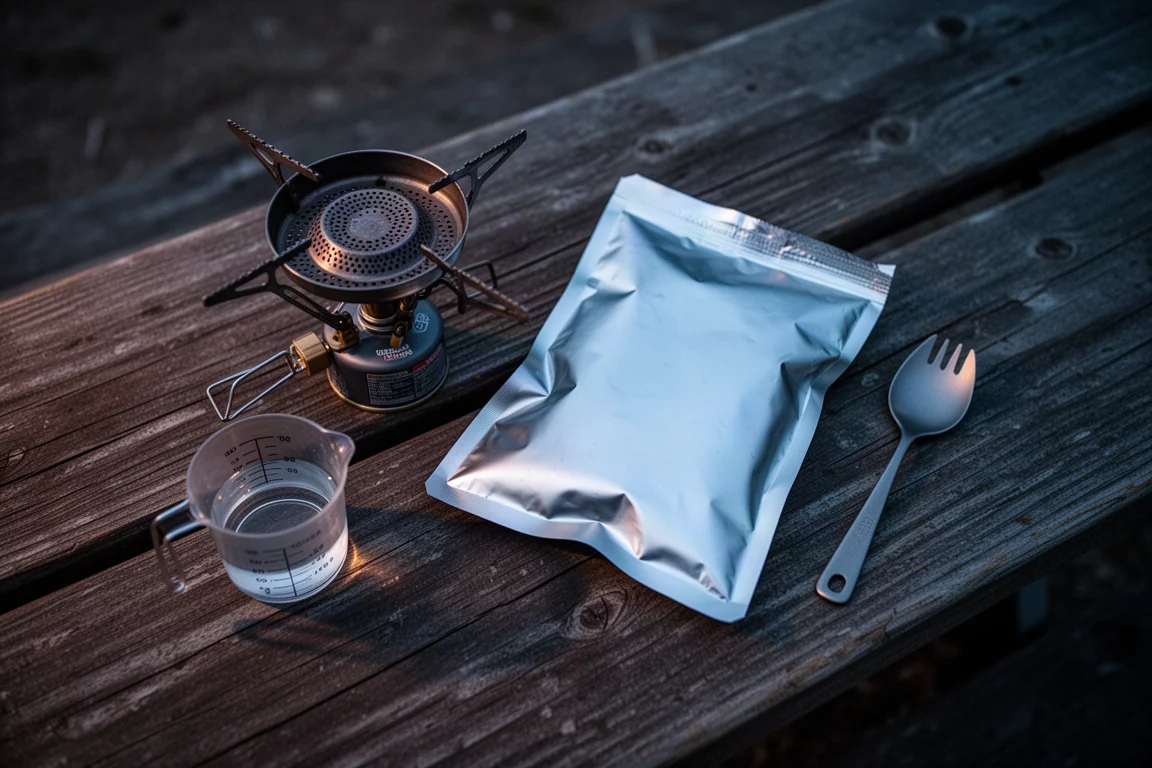
The numbers behind the meal are the other half of the story. It delivers 920 calories and 43 grams of protein, which is a substantial dinner by backpacking standards. Because far less of the meal’s volume is water, you spend less of your appetite on liquid, and that matters if eating enough calories is a recurring struggle on longer days.
The water saving is most valuable in winter, where every litre represents work: melting snow, filtering, or carrying the weight uphill. A meal that needs roughly a third of the water a typical two-cup pouch requires is a genuine reduction in effort at the end of a cold day.
Pad-Strap Pillows and Printed Fabrics
Two smaller ideas are worth knowing about even though they are not tied to a single product.
Pillows have a habit of wandering around a tent at night. A simple fix is a pillow with straps that wrap around your sleeping pad and hold it in place. It is an inexpensive addition that weighs very little, and if the pillow includes snaps, it comes off for trips where you would rather leave it behind.
The other idea is custom printing on Dyneema composite fabric. Dyneema is already an expensive material, and a few small makers have started offering printed versions for food bags and packs. Since the fabric cost is high to begin with, the extra for a personalised print is modest, and it turns a plain stuff sack into something you enjoy carrying.
Buying Advice: Matching the Gear to the Trip
The decision comes down to which friction you feel most on trail. If you find yourself drinking less because reaching a bottle is a hassle, or you have had to ask someone else to pull your bottle out of a side pocket, the Flash 55’s pouch placement addresses that directly.
The pack suits multi-day trips where you carry a tent and other bulky items, since the side pockets stay available for them. It also suits hikers who like to strip weight by removing hardware they never use. The main thing to check before buying is the snap setting against the bottles you already own, because that determines which bottle sits best in the pouches.
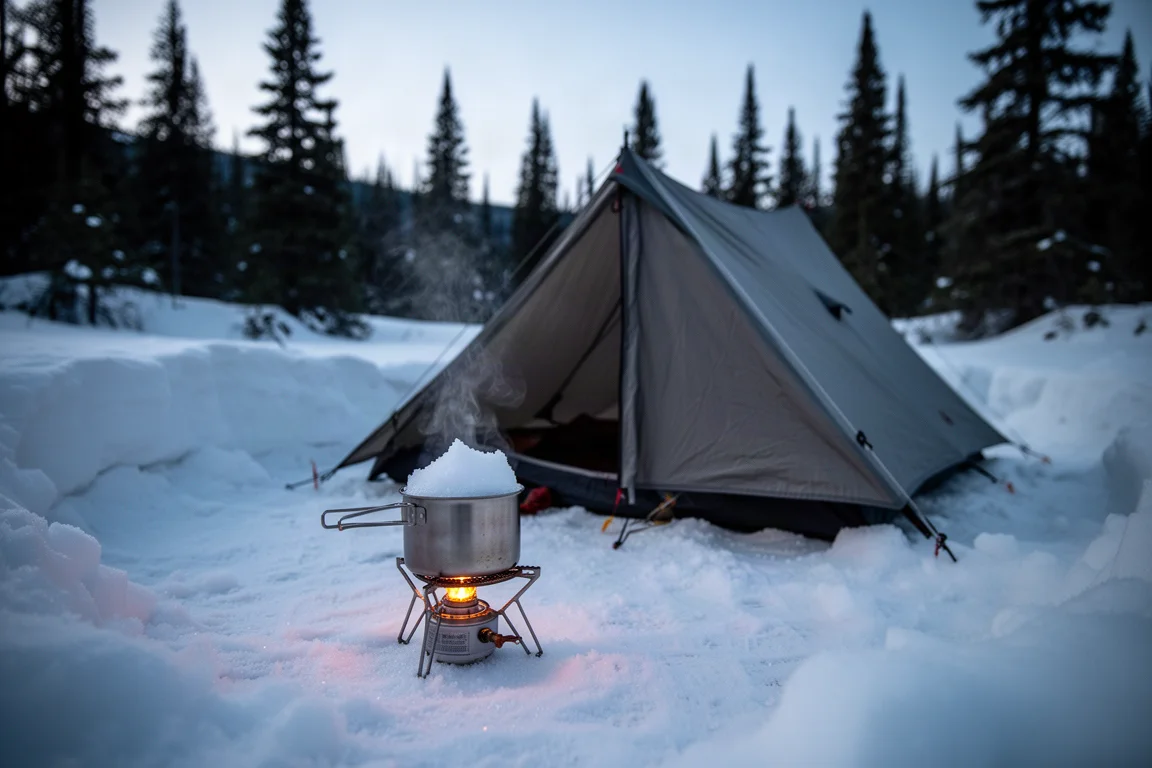
The Chicken Pesto Pasta suits a different problem. If eating enough calories is difficult, or you camp in winter where water is at a premium, a meal that rehydrates with two-thirds of a cup is easier to plan around. It is a single dinner rather than a system, so it is a low-commitment way to test whether low-water meals fit your routine.
If both problems sound familiar, they are not competing purchases. Hydration access and meal water economy sit in different parts of the pack, and either one can improve a trip on its own.
Conclusion
Good gear design is usually quiet. The Flash 55 does not look dramatically different from other packs until you try to reach a bottle while wearing it, and a low-water freeze-dried meal does not announce itself until you are melting snow for dinner. Both are worth knowing about because they remove small, repeated irritations rather than adding features you will never touch. If either problem sounds like your last trip, either product is a reasonable place to start.
Further reading
Related Reviews

Backpacking Gear
Building a 10 lb Base Weight: An Ultralight Backpacking Gear List
A practical walkthrough of the ultralight pieces behind a 10 lb base weight, from a 765 g pack and a roomy one-person tent to a full camp chair and a dependable water filter.

Backpacking Gear
A 15-Pound Lightweight Backpacking Gear List for Solo Trips
A beginner-friendly 15-pound backpacking setup built from easy-to-find gear, with notes on what each piece does, how it packs, and where to spend your attention.

Backpacking Gear
8 Ultralight Backpacking Gear Upgrades Worth Carrying
Eight small, affordable backpacking upgrades that solve real trail annoyances, from a pillow that stays put to a fuel valve that rescues leftover canister gas.