Backpacking Gear
Backpacking Gear I Wish I Had Bought Sooner: Seven Items Worth Prioritising
A practical look at seven backpacking items that improve sleep, safety, navigation, hydration, and sun protection, plus what to weigh before buying.
Introduction
Backpacking gear has changed enormously over the past three decades. Fabrics are lighter, insulation is more efficient, and the tools that keep a trip comfortable and safe have become far more accessible than they once were.
The harder lesson is that the most valuable upgrades are rarely the most exciting ones. They are the items that quietly fix a recurring problem: cold nights, poor sleep, unreliable navigation, slow water treatment, or a shirt that stays soaked all day.
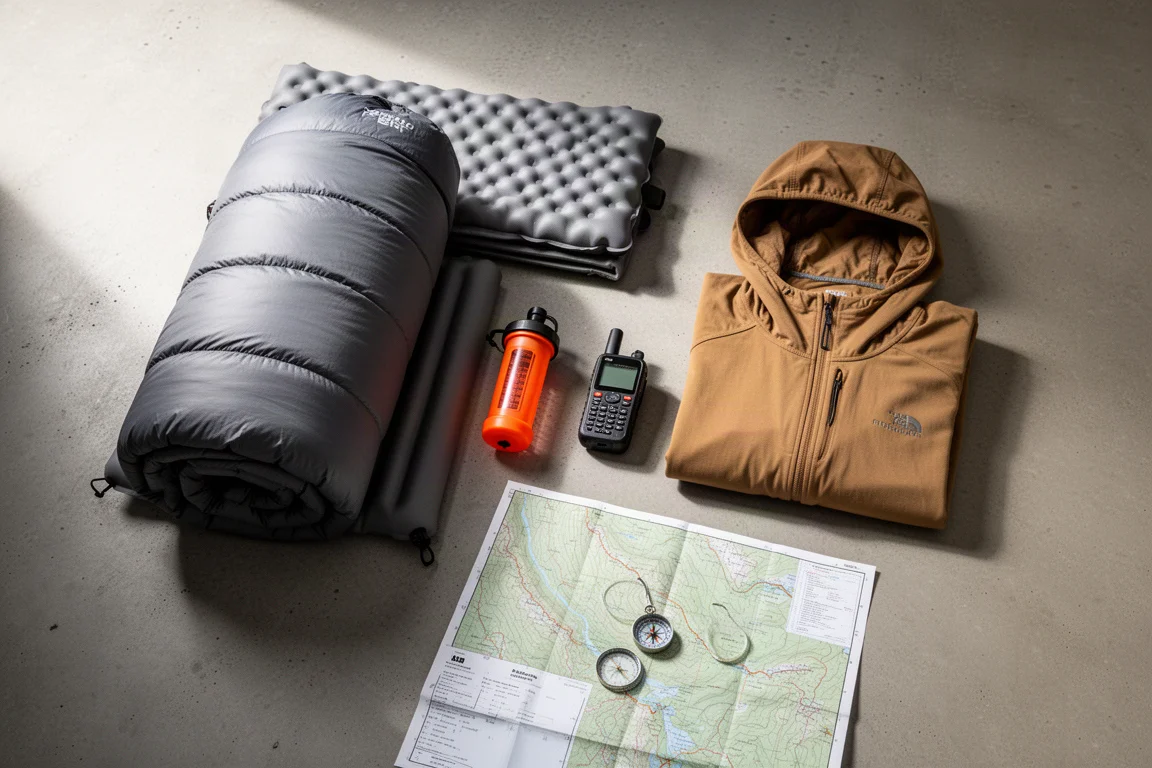
This guide covers seven pieces of backpacking gear that are worth buying early rather than late. Each one addresses a specific, common source of discomfort or risk on the trail.
Start With Sleep: A Warmer Down Sleeping Bag
Sleeping bag ratings are one of the most misunderstood parts of getting started. A bag rated for mild conditions can look like good value on paper, but it will not keep most people warm when temperatures drop well below the rating.
A lightweight down bag rated for colder conditions is a far better long-term investment. The Big Agnes Greystone 20 is a useful example: it is not excessively heavy, it is not excessively expensive, and it delivers the warmth and comfort needed for a genuinely restful night.
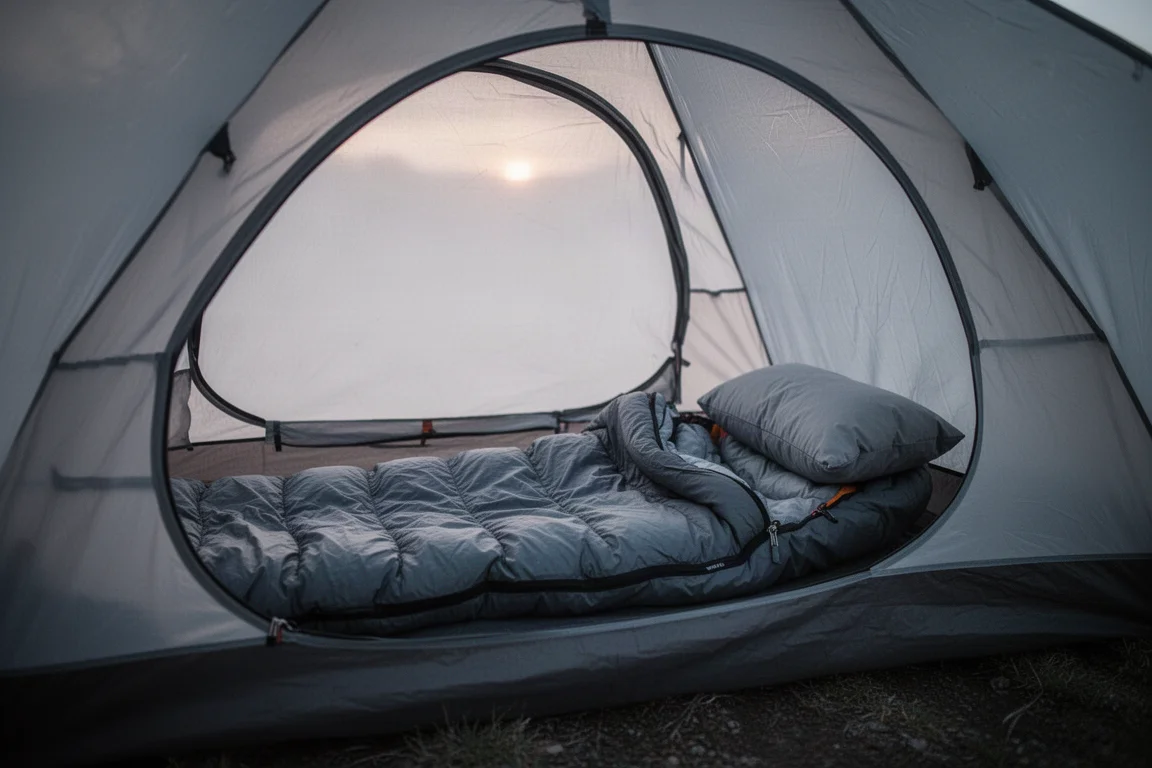
Choosing a bag in the 20 degree range, or even closer to 10 degrees, gives far more margin for three-season trips and unexpected cold snaps. Warmth at night affects energy, mood, and decision-making the following day.
Comfort Underneath: A Proper Pillow
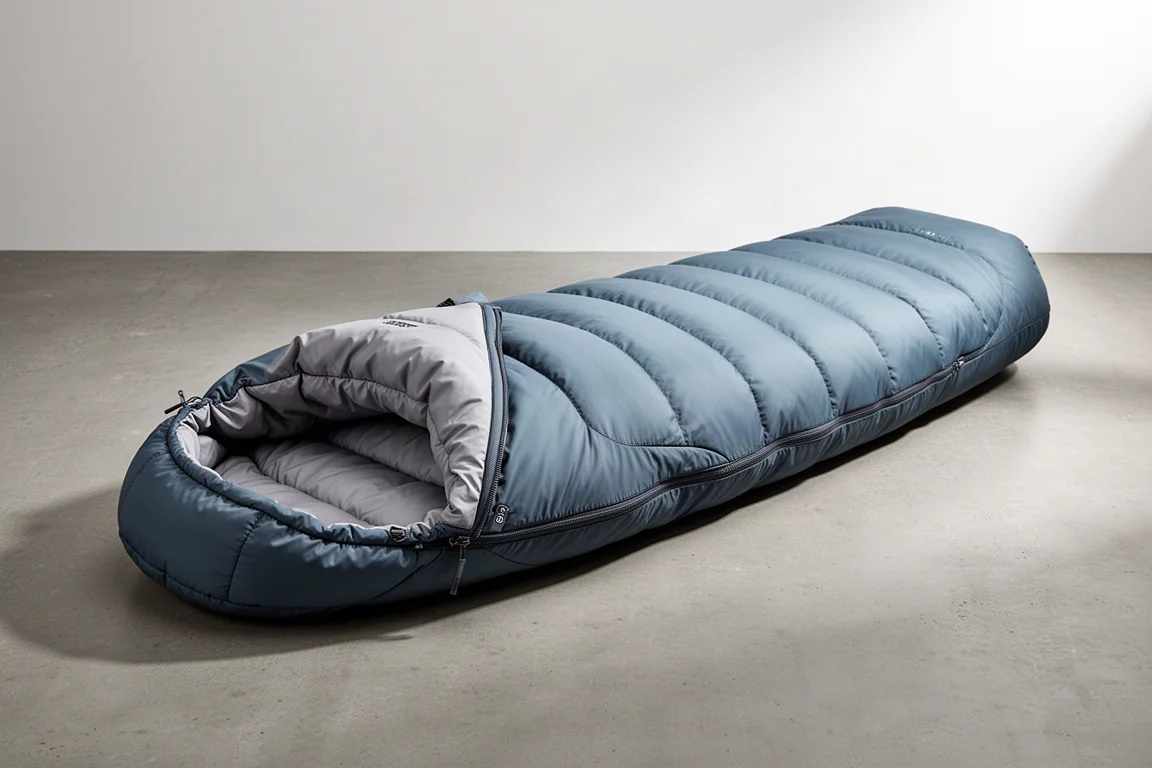
A good pillow is easy to overlook because it seems like a luxury rather than a necessity. In practice, sleeping poorly because of a flat or missing pillow undermines the rest of the sleep system, no matter how good the bag is.
The same logic that applies to a good pillow at home applies in the backcountry. A dedicated backpacking pillow that supports the head and neck properly makes a measurable difference to how rested you feel in the morning.
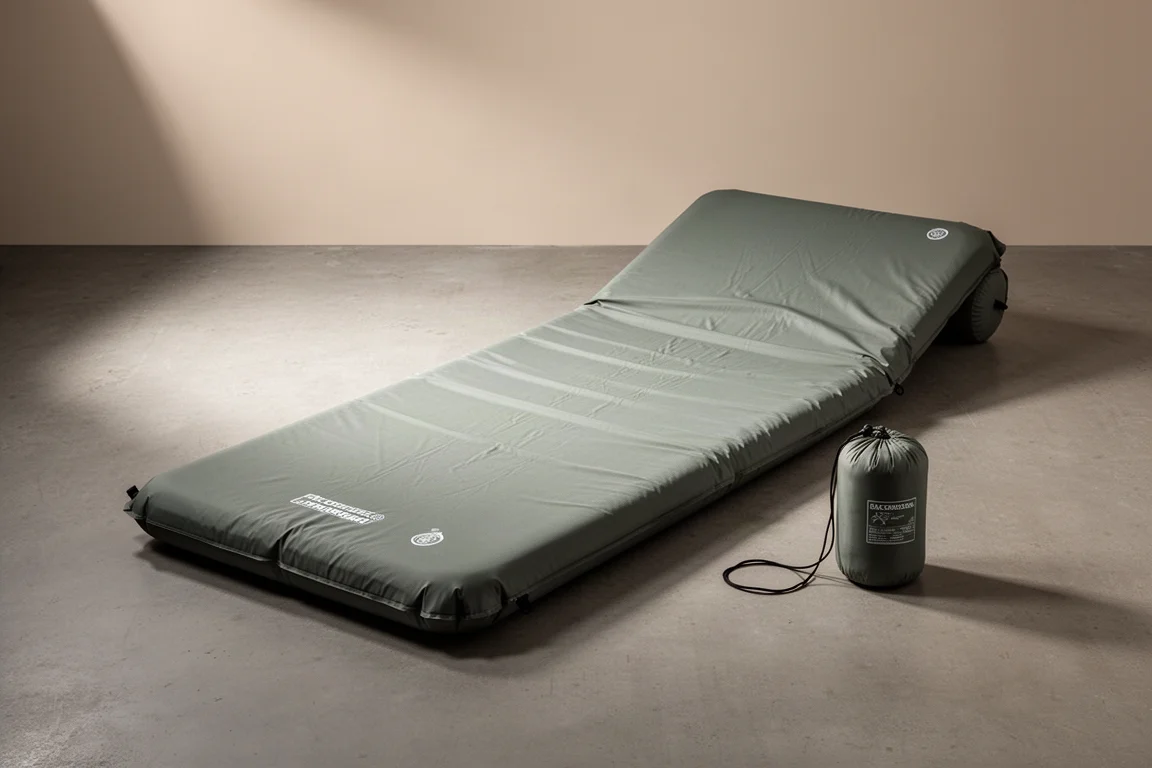
Insulation Matters: An Insulated Sleeping Pad
Sleeping pads are where many new backpackers try to save money, and it is usually a mistake. Inexpensive pads often lack meaningful insulation, which means heat drains into the ground all night regardless of how warm the sleeping bag is.
Insulation is measured by R-value, and a pad rated 3.5 or higher is the practical threshold for three-season backpacking. The Therm-a-Rest NeoAir XTherm sits at the extreme end of that scale with a 6.9 R-value, making it a strong choice for cold conditions.
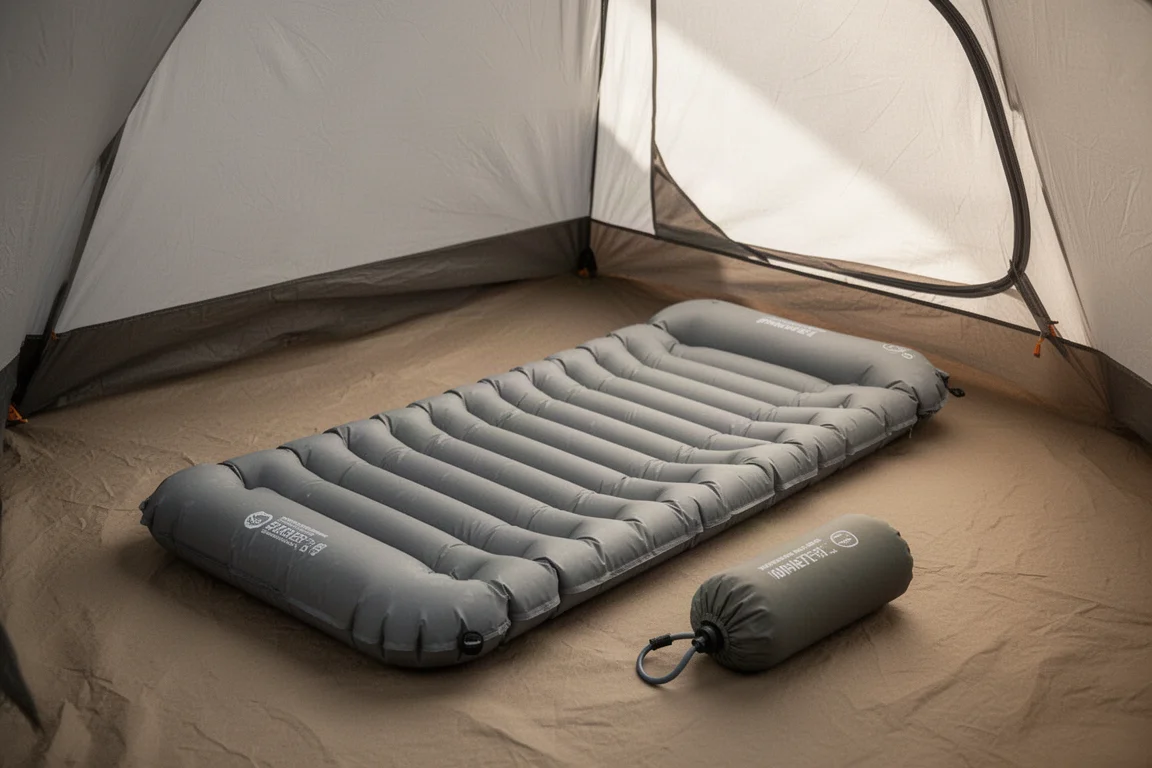
For most three-season trips, a well-insulated pad is the single biggest comfort upgrade available. It protects against cold from below, which a sleeping bag alone cannot do.
Safety and Communication: A Satellite Communicator
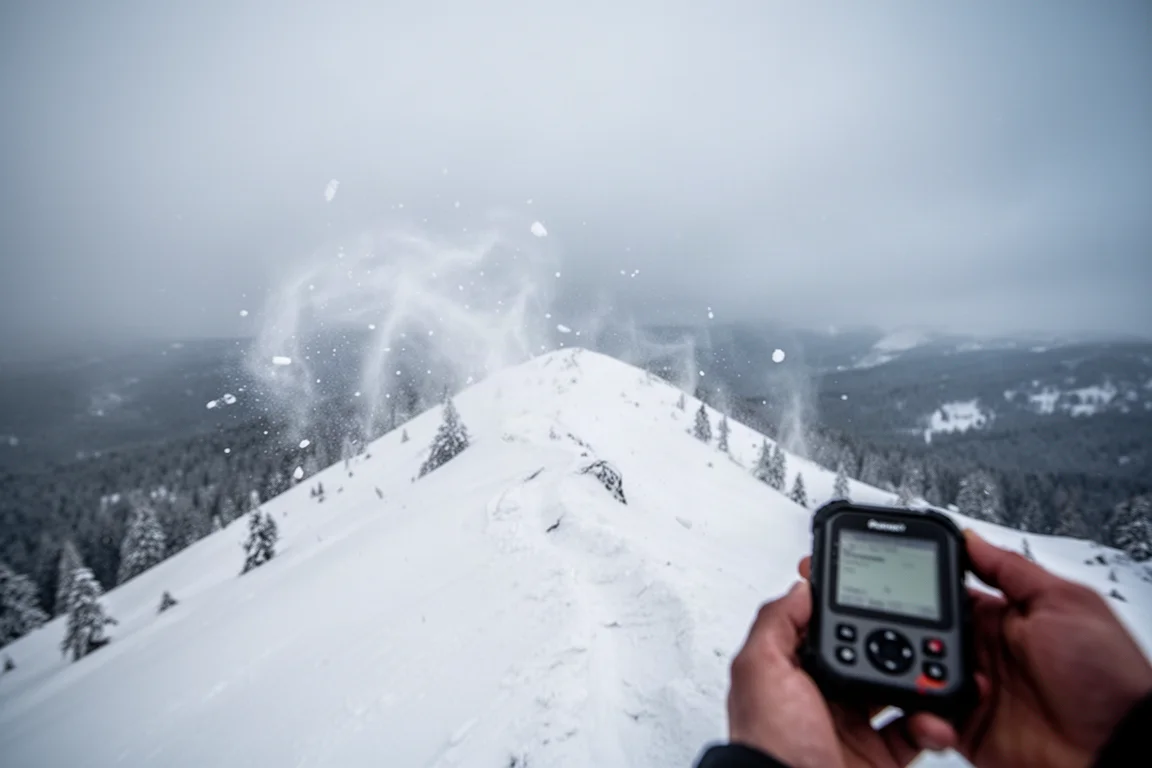
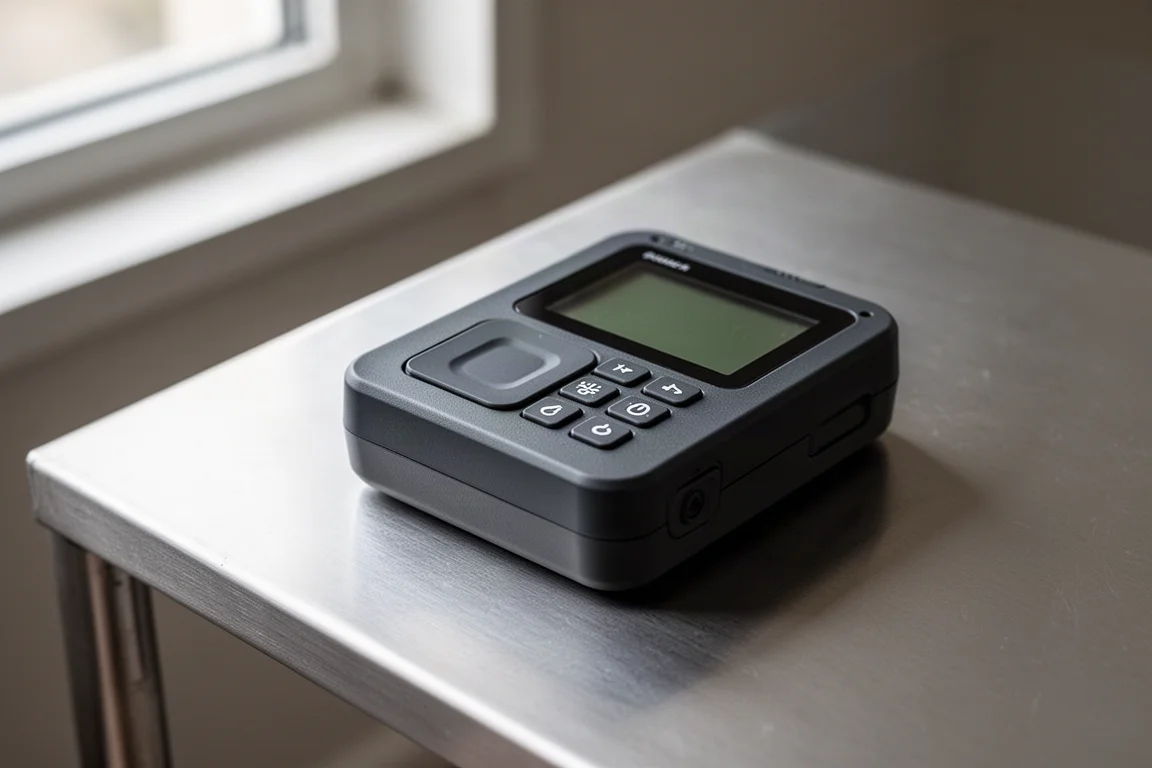
A satellite communicator is often described purely as an emergency device, and the SOS function is genuinely valuable. The everyday benefit, however, is ordinary communication with family and friends from places with no phone signal.
The second benefit is weather information. Being able to pull a forecast in the backcountry allows for better decisions when conditions shift quickly, whether that means shortening a day, changing an itinerary, or waiting out a storm.
The ZOLEO Satellite Communicator is a compact example of this category. These devices have become considerably more accessible in recent years, which makes them a reasonable addition to a backpacking kit rather than an exotic one.
Navigation Confidence: Offline Mapping Software
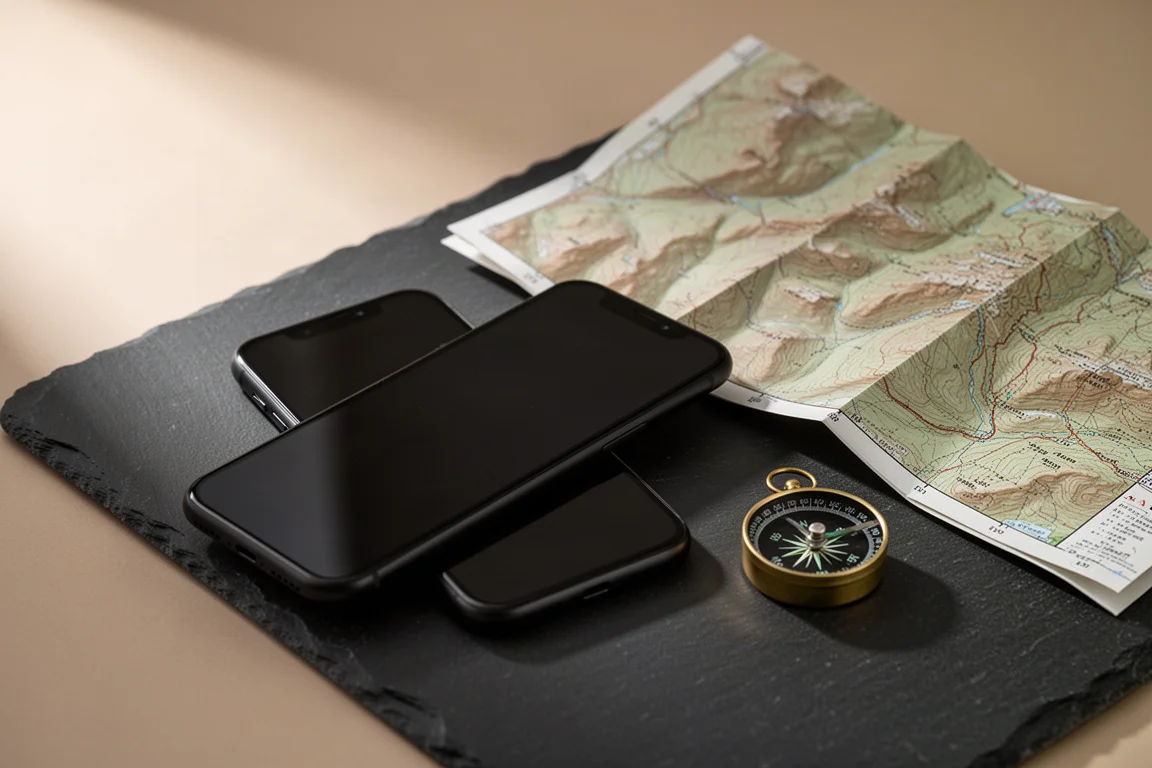
Reliable navigation changes how confidently you move through unfamiliar terrain. Planning on a computer before a trip, marking waypoints, and saving tracks and notes means that everything you need is already in place once the map is downloaded for offline use.
onX Backcountry is a well-established option in this space. It receives ongoing updates, keeps pre-trip planning and on-trail reference in the same place, and remains accessible at a low cost for what it offers.
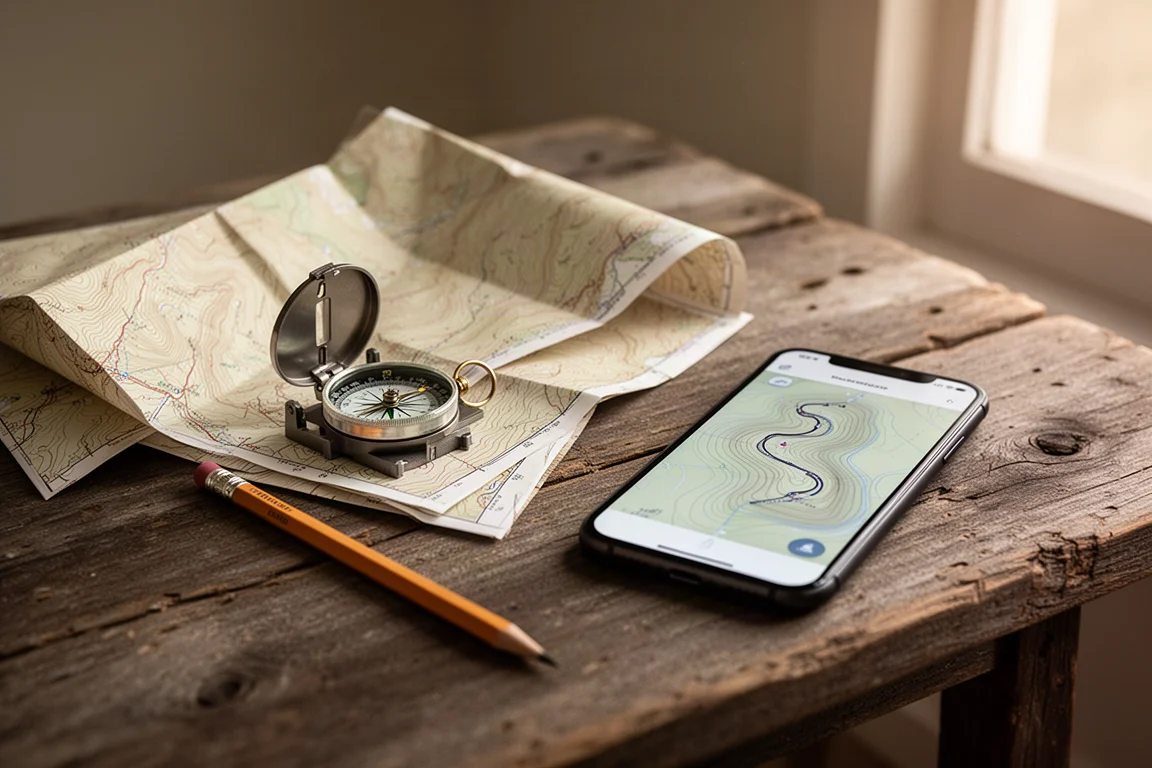
The practical advantage is having detailed mapping, waypoints, and notes available in the palm of your hand without a signal. That combination supports better route decisions and less time second-guessing a junction.
Hydration Made Simple: A Hollow Fibre Water Filter
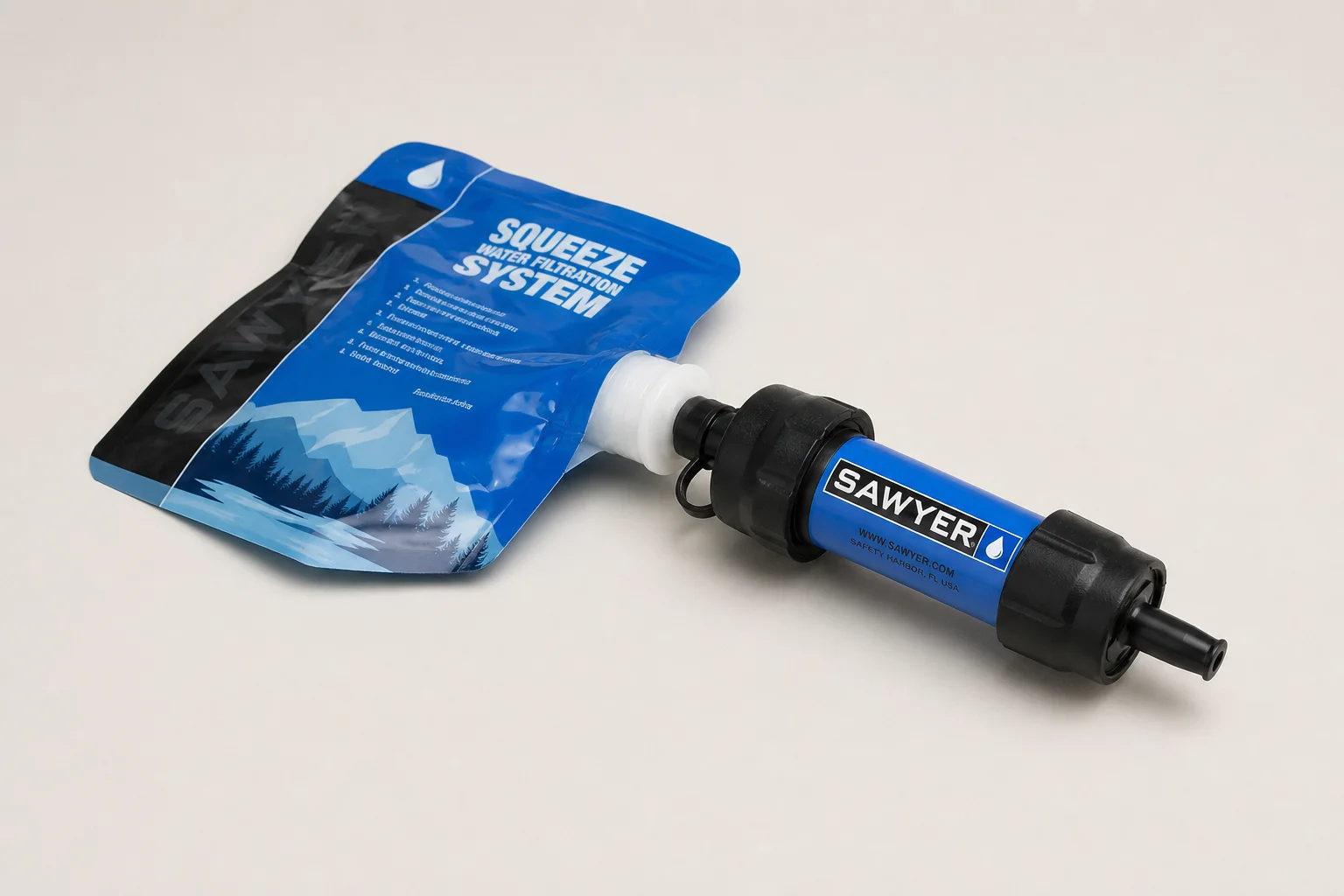
Water treatment is a task you repeat constantly, so efficiency matters more than it first appears. Older pump-style filters work, but they add bulk, weight, and effort to every refill.
The Sawyer Squeeze is a hollow fibre filter that has earned a reputation for reliability. It is lightweight, simple to use, and straightforward to backflush, which keeps it performing consistently over time.
For backpacking, a proven hollow fibre filter is close to a no-brainer. The key qualities are reliability and consistent results, and that is precisely what keeps this style of filter in so many packs.
The Older Alternative: A Pump Filter
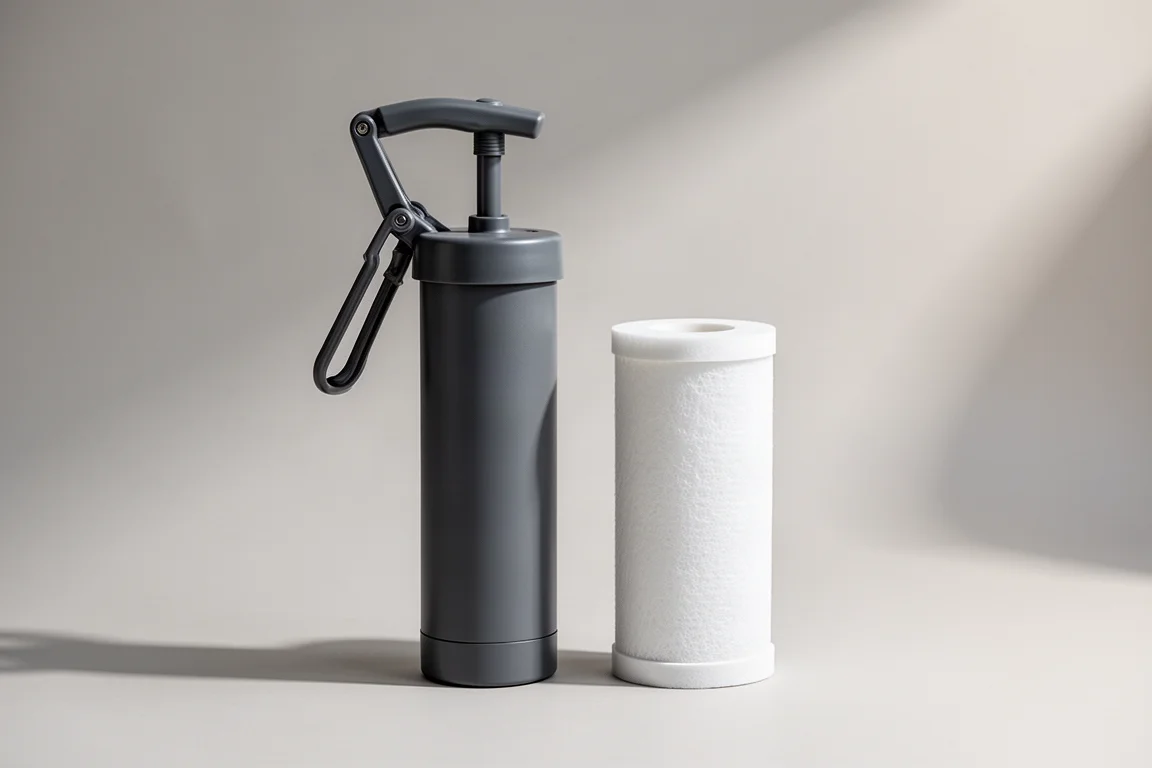
Pump filters still have a place in some kits. The MSR MiniWorks is an effective water filter that does the job it was designed for, and it has served backpackers well for a long time.
The trade-offs are size and weight. Compared with hollow fibre systems, a pump filter is bulky and heavy, and it feels like unnecessary effort once a lighter option is available.
This is not a case of a bad product. It is a case of a category where newer designs simply make more sense for most backpackers carrying their own water treatment.
Sun Protection That Works: A Sun Hoodie
Cotton t-shirts are a common starting point, and they cause a specific problem under a loaded pack: they hold sweat, stretch, and dry slowly. That leaves you damp and cold when the temperature drops or the wind picks up.
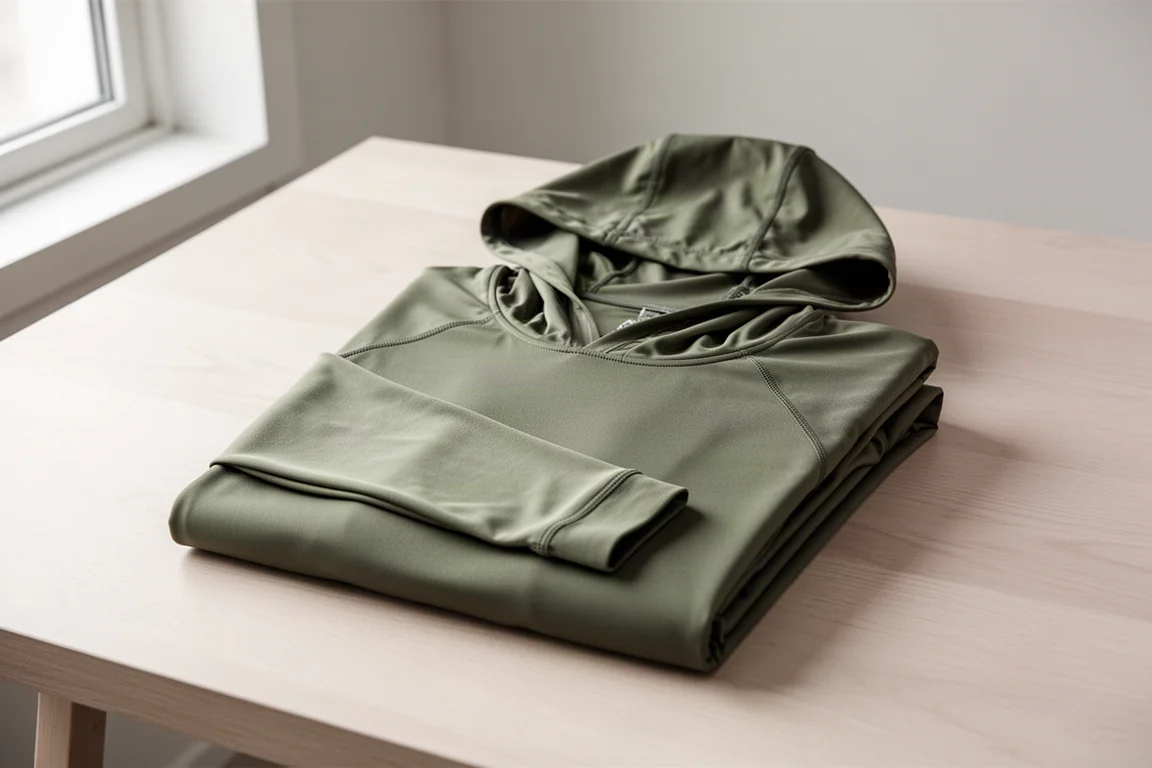
A polyester sun hoodie solves this. The Outdoor Vitals Altitude Sun Hoodie is long-sleeved with a hood, which initially seems like it would feel warmer, but in practice it keeps you cooler and shields you from the sun far better than a cotton shirt.
It has been a staple piece of gear for over a year, and it remains one of the best value items available at under 50 dollars. For anyone starting out, it is an easy recommendation.
Overall Buying Advice
These seven items are not equally urgent, and the order in which they matter depends on where and when you backpack.
Prioritise the sleep system first. A warmer down bag, a proper pillow, and a well-insulated pad work together, and the combination affects every night of every trip. If you backpack in cold conditions, a higher R-value pad such as the NeoAir XTherm is worth the step up, while a 3.5 R-value pad is a sensible three-season baseline.
Then address safety and navigation. A satellite communicator and offline mapping software both reduce uncertainty, and both become more valuable the further you travel from reliable signal.
Water treatment and sun protection come next. A hollow fibre filter such as the Sawyer Squeeze is the more practical modern choice, while a pump filter remains effective if you already own one. A sun hoodie is inexpensive, easy to justify, and improves comfort on almost every trip.
Conclusion
The pattern across all seven items is the same: each one removes a recurring problem rather than adding a feature. Warmer sleep, better insulation, reliable communication, confident navigation, faster water treatment, and a shirt that manages sweat properly.
None of these are glamorous purchases. They are simply the gear that makes the difference between a trip you endure and a trip you enjoy, and they are worth buying sooner rather than later.
Further reading
Related Reviews

Backpacking Gear
Building a 10 lb Base Weight: An Ultralight Backpacking Gear List
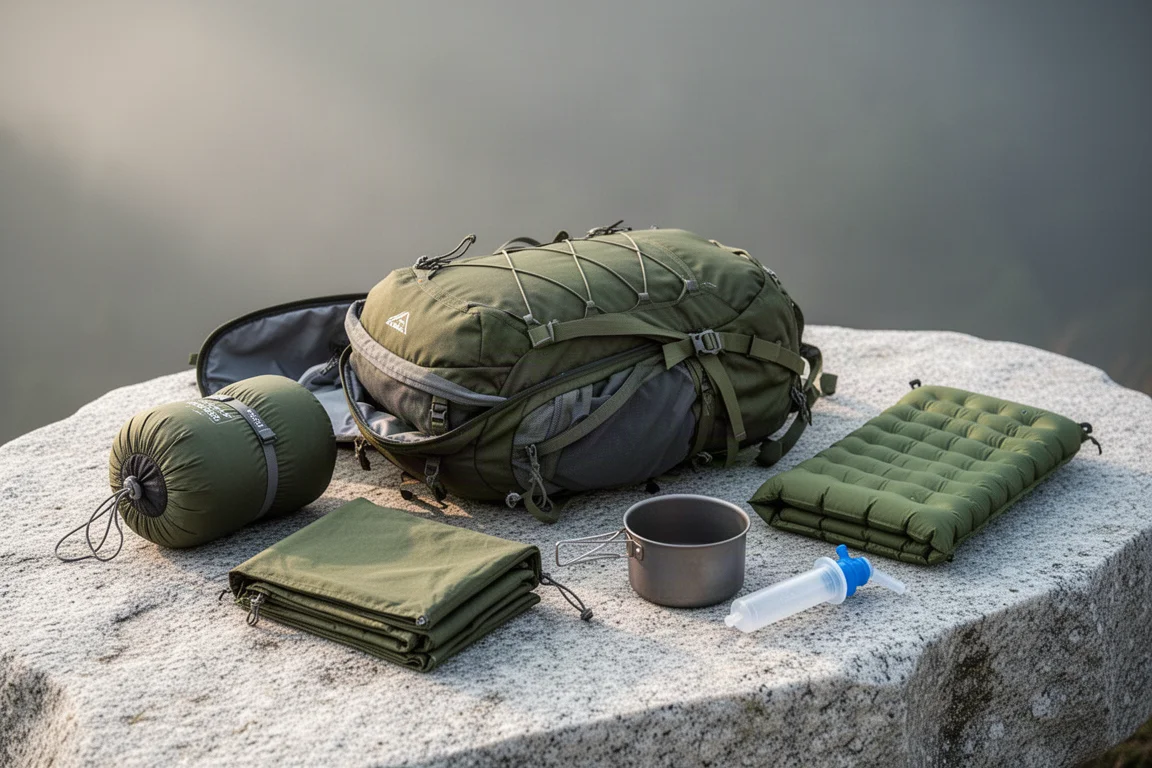
A practical walkthrough of the ultralight pieces behind a 10 lb base weight, from a 765 g pack and a roomy one-person tent to a full camp chair and a dependable water filter.
Backpacking Gear
A 15-Pound Lightweight Backpacking Gear List for Solo Trips
A beginner-friendly 15-pound backpacking setup built from easy-to-find gear, with notes on what each piece does, how it packs, and where to spend your attention.
Backpacking Gear
8 Ultralight Backpacking Gear Upgrades Worth Carrying
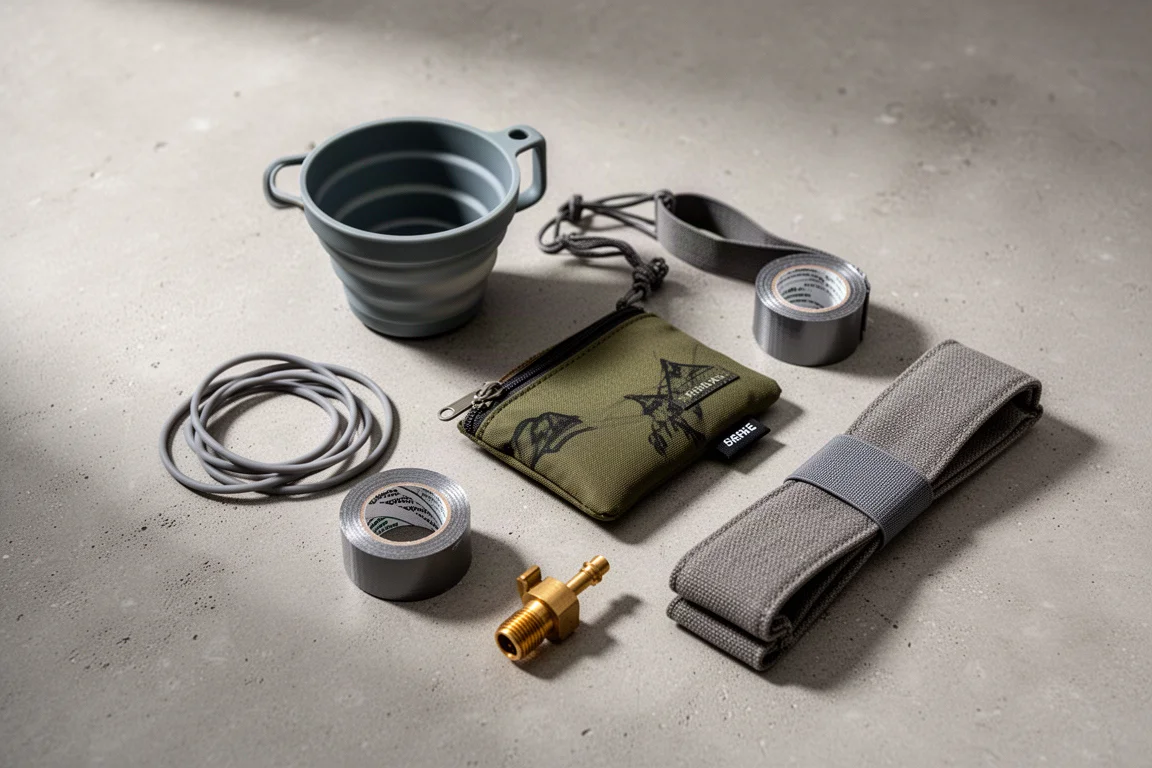
Eight small, affordable backpacking upgrades that solve real trail annoyances, from a pillow that stays put to a fuel valve that rescues leftover canister gas.