Backpacking Gear
Backpacking Gear Guide: Nine Pieces Worth a Closer Look
A practical look at nine backpacking pieces, from lightweight framed packs and budget solo tents to premium down bags, winter pads, and alpaca insulation layers.
Introduction
Nine pieces of backpacking gear stand out this season, and they cover a wide range of budgets and priorities. A few are lightweight packs from large brands, several are shelters that keep costs down without giving up structure, and the rest sit at the premium end of the market where materials and construction carry the price.
This guide walks through each item, what it does well, and where it may not suit every trip. Read it as a shortlist rather than a ranking, and match each piece to the conditions you actually travel in.
Deuter Aircontact Ultra 50 L: A Lightweight Framed Pack
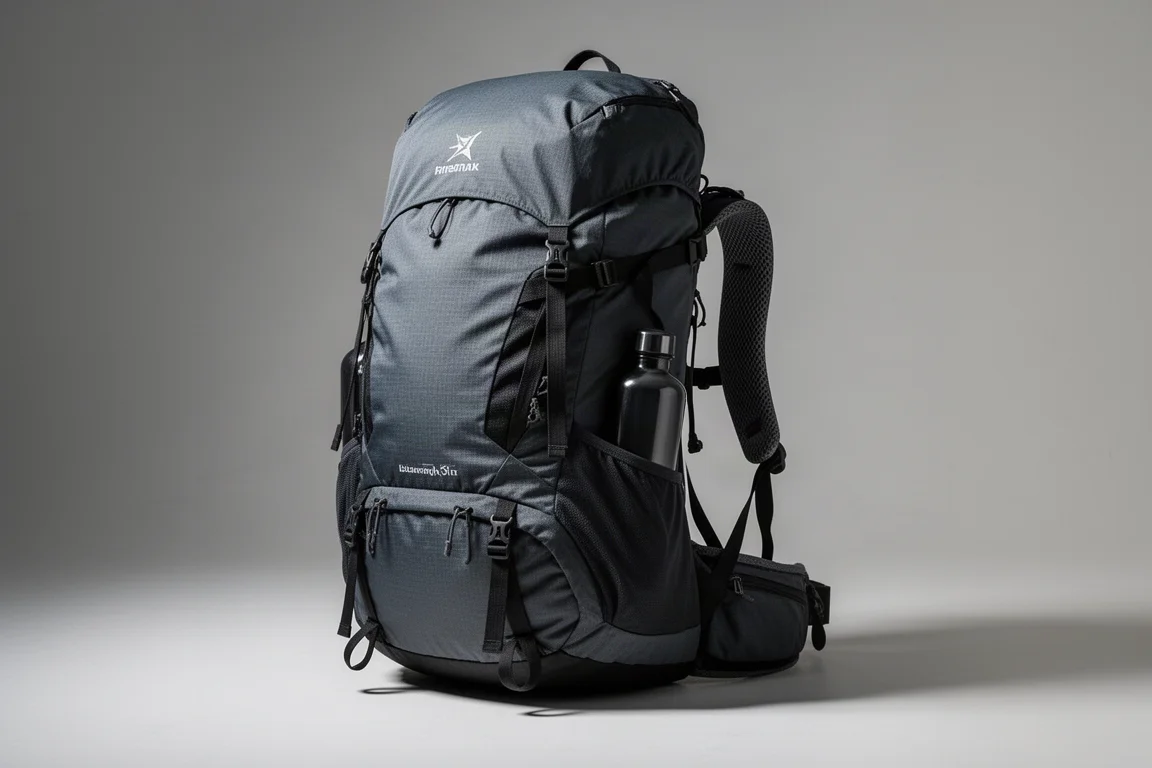
Deuter Aircontact Ultra 50 L is a lightweight, minimal pack at just over 1,300 g and around $250. It is framed, but the frame is deliberately minimal, so it carries moderate loads well without pretending to be a heavy hauler. Loads up to roughly 35 lbs have gone into it without complaint.
The hip belt is comfortable and supportive, and the lumbar padding works with a well judged strap system to spread weight across the hips rather than the shoulders. The shoulder straps are solid, and their length can be adjusted with a small carabiner, though the torso adjustment is limited compared with a dedicated adjustable harness.

The clearest frustration is the side pockets. Getting a water bottle in and out while the pack is on takes more effort than it should, and on a pack meant for long days that detail shows up constantly. This is a winter focused pack built for straightforward cold weather trips.
Decathlon Keta 30 L: A Feature-Rich Day Pack Under $100
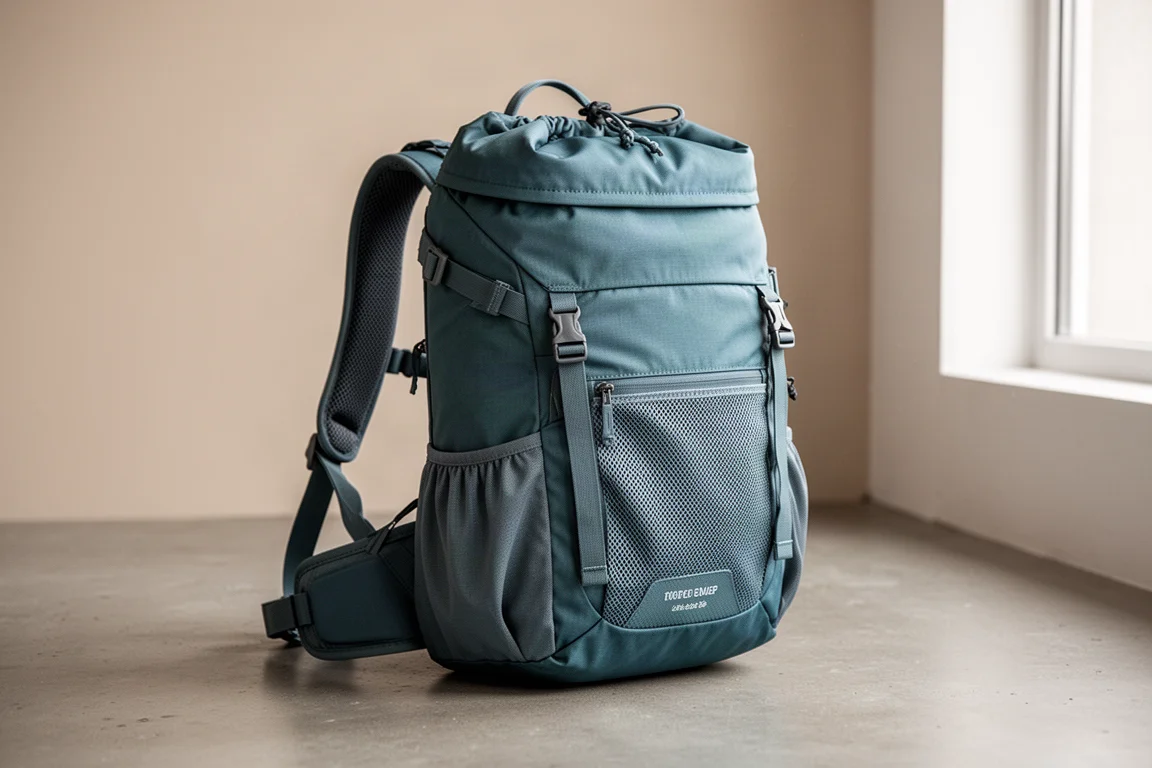
Decathlon Keta 30 L is a 30 liter day pack priced under $100, and the feature list reads like something from a much more expensive bag. The back panel uses a robust suspension system, and the hip belt is fully sewn in, generously padded, and fitted with stretchy pockets that will swallow almost any phone.
The shoulder straps are padded and comfortable. There is no torso adjustment, but the pack is offered in two sizes, and a gap behind the back panel provides a little ventilation on warmer days.
The side layout is what stands out most. One side has a dedicated water bottle pocket, labelled as such, that makes bottles easy to reach with the pack on. Above it sits a stretch pocket with a compression strap. The other side carries a second strap and another side pocket, and the front has a small mesh stretch pocket.
Access is generous for the size. The top uses a traditional lid opening with a cinch collar, there is a pocket on the back of the lid, a further flat pocket for slim items, and a suitcase style opening that reaches the main body without disturbing the top. It is a lot of pack for the money.
SlingFin Two Lite: A Distinctive Two-Person Shelter
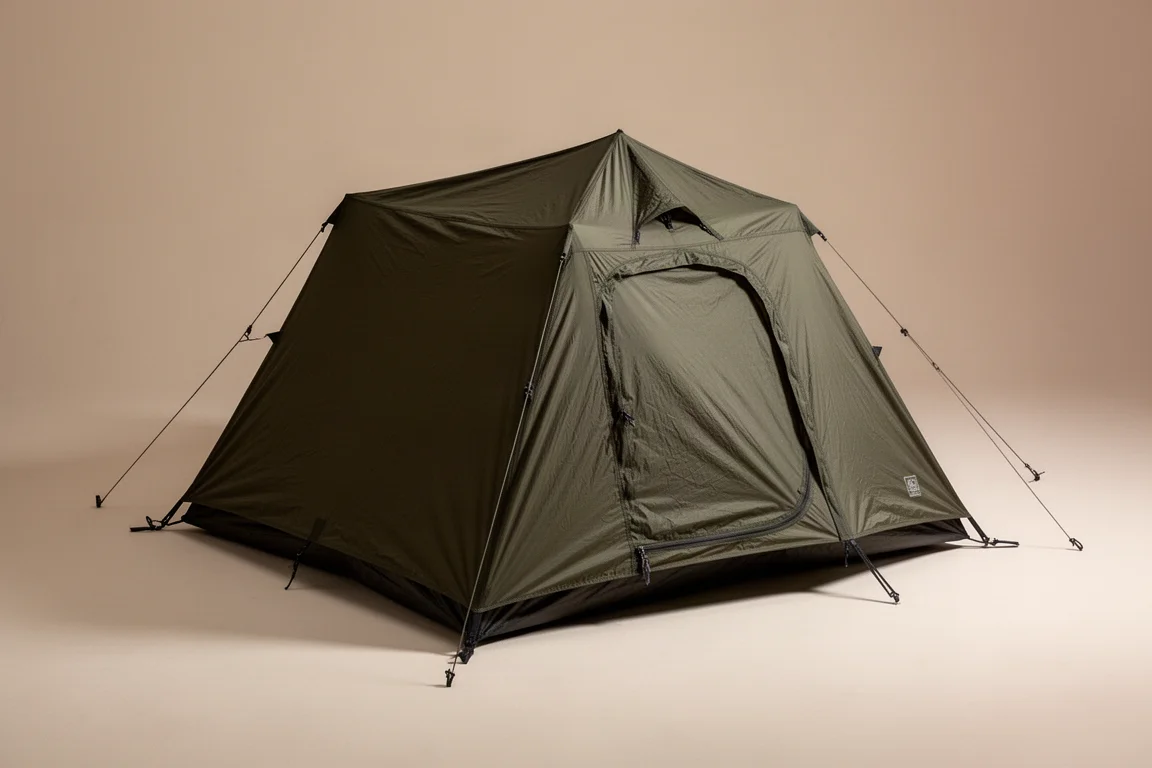
SlingFin Two Lite is one of the more interesting tents on the market and one of the least discussed. It draws on a classic clip style shelter design, and the geometry and footprint are the reasons it deserves attention: semi freestanding, two doors, two vestibules, and a low profile that keeps it fairly lightweight.
The tent is double walled and genuinely roomy for two people, with generous peak height and plenty of living space inside. Used as a solo shelter it feels expansive, and the low profile keeps it tidy in exposed campsites.
Two things are worth watching. The lightweight nylon fabric may stretch and sag in sustained heavy rain, and the large panels can catch wind depending on how the tent is pitched. Both are open questions rather than confirmed problems, and the price sits firmly at the premium end of the market.
Featherstone Obsidian 1P: A Budget Solo Tent
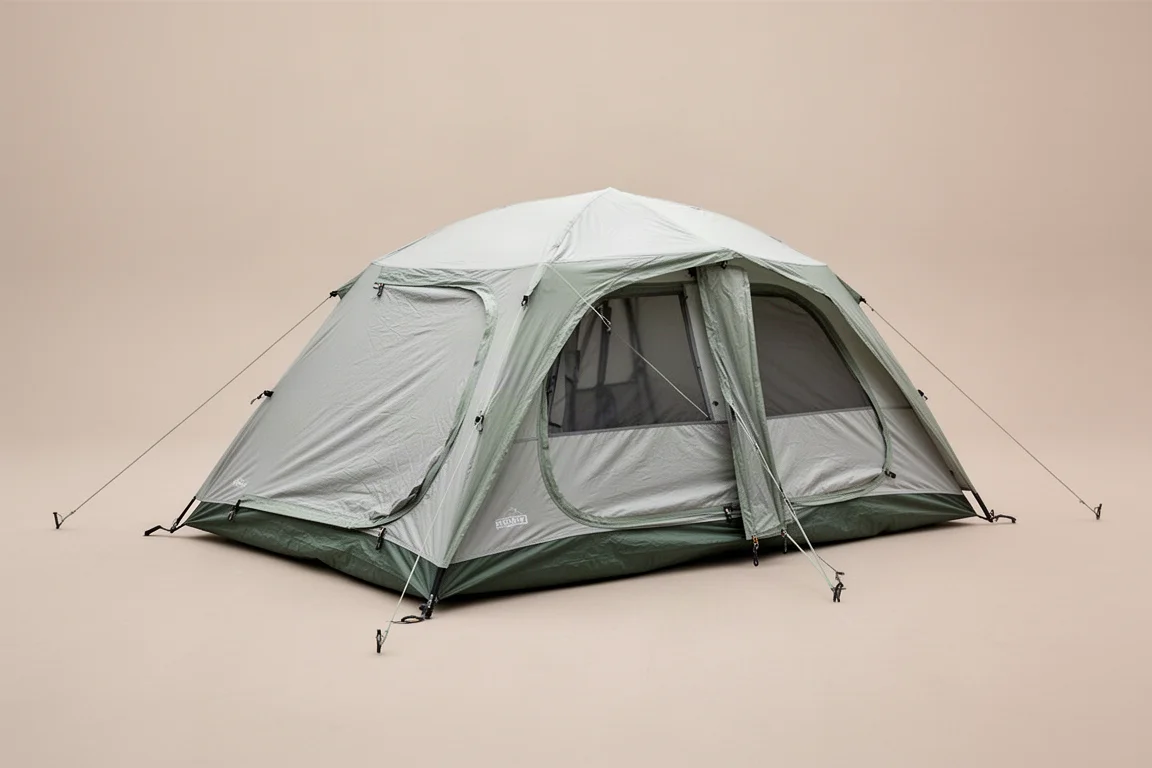
Featherstone Obsidian 1P is a one person, double wall tent that lands at roughly $100, which puts it in rare territory for a shelter with this much structure. It has a full coverage rainfly and a peak vent at the top.
The pole structure is the interesting part. Arms of the poles angle outward to create fairly vertical walls, which makes the interior feel larger than the footprint suggests. It is semi freestanding and fairly lightweight for a solo tent.
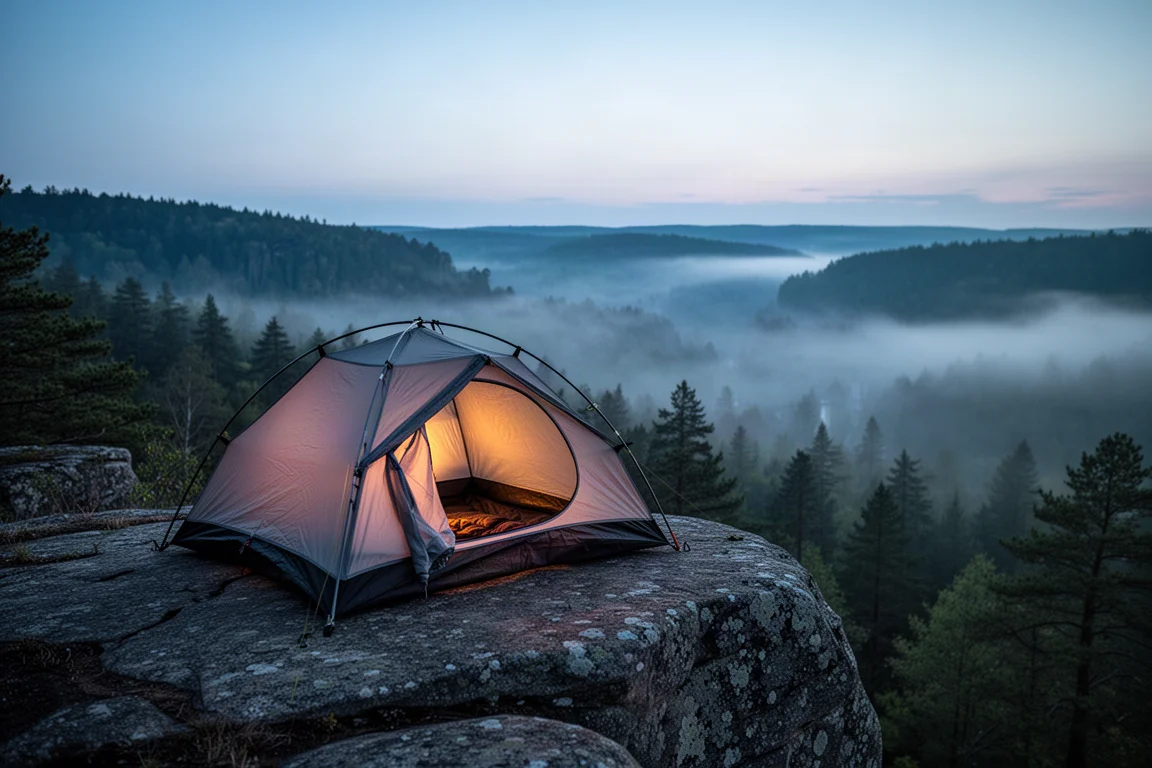
The main change worth making would be on the inside. A large vestibule area on one side has no zipper access, so gear that should be tucked out of the way cannot easily be reached. There is a single door on the other side. For a tent at this price, though, the fundamentals are in place.
Feathered Friends Swallow 20: A Premium Down Bag
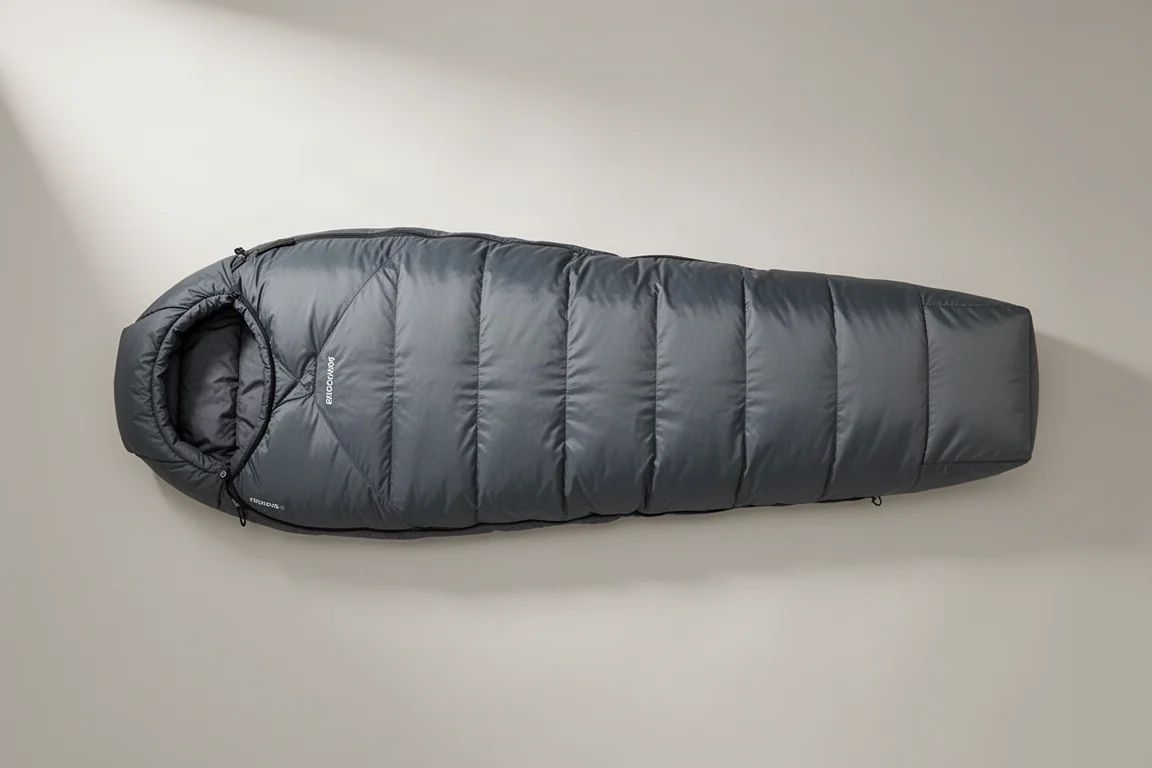
Feathered Friends Swallow 20 is a 20 degree rated down sleeping bag built with 950 fill power down, and it sits at a premium price point alongside the best bags in its class.
The details are aimed at people who sleep cold and move around during the night. Continuous baffles let you shift down where you want it, the trapezoidal foot box gives feet room to sit in an anatomically correct position, and the hood uses a 3D shaped construction. Shoulder girth measures 60 in, slightly wider than some comparable lightweight bags, and the whole package stays light for the warmth it offers.
Exped Ultra 7R: A Cold-Weather Sleeping Pad
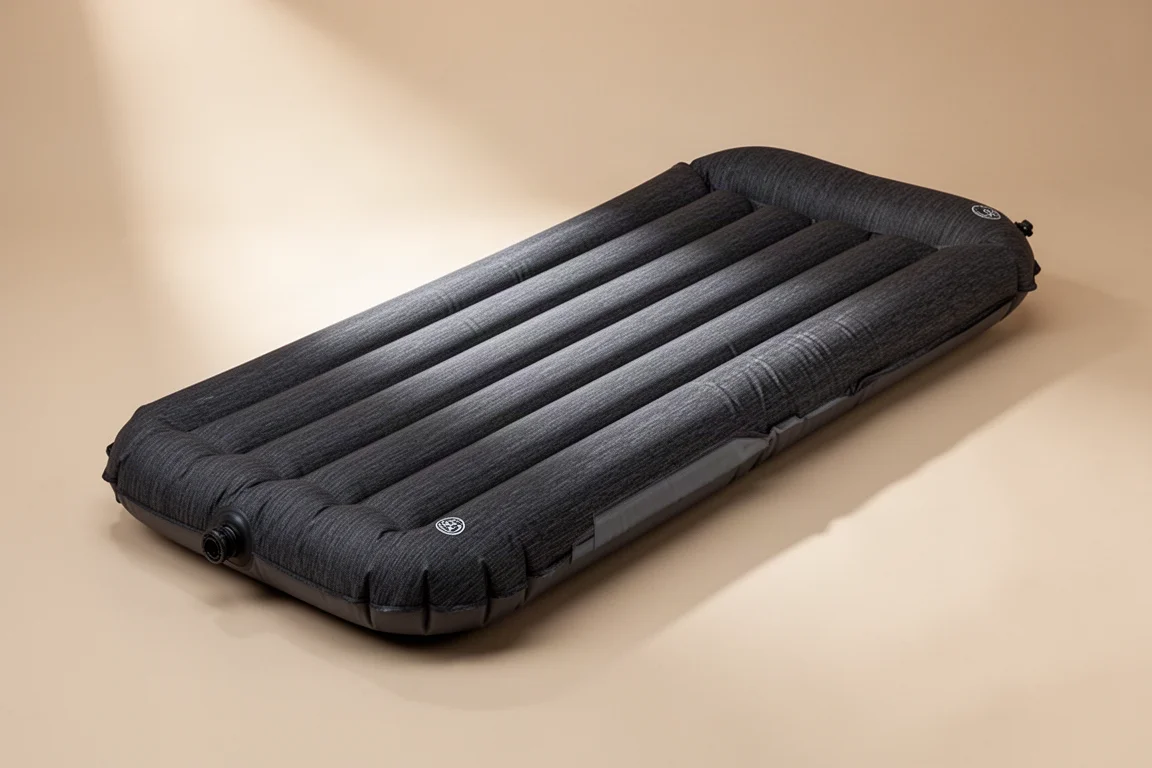
Exped Ultra 7R is a winter and cold weather sleeping pad with a 7.1 R value and down insulation inside. The face fabric is a 20 denier polyester that feels softer than earlier pads from the brand, and it is the first fully rectangular pad in this line, which means usable space right to the edges.
Support is solid, and warmth is the headline claim for cold nights on snow. The baffle design is the trade off: side sleepers may find that a shoulder goes numb over the course of the night. For winter trips where warmth matters more than sleeping position, it remains a strong candidate.
Primus Lite: The Smallest All-in-One Cook System
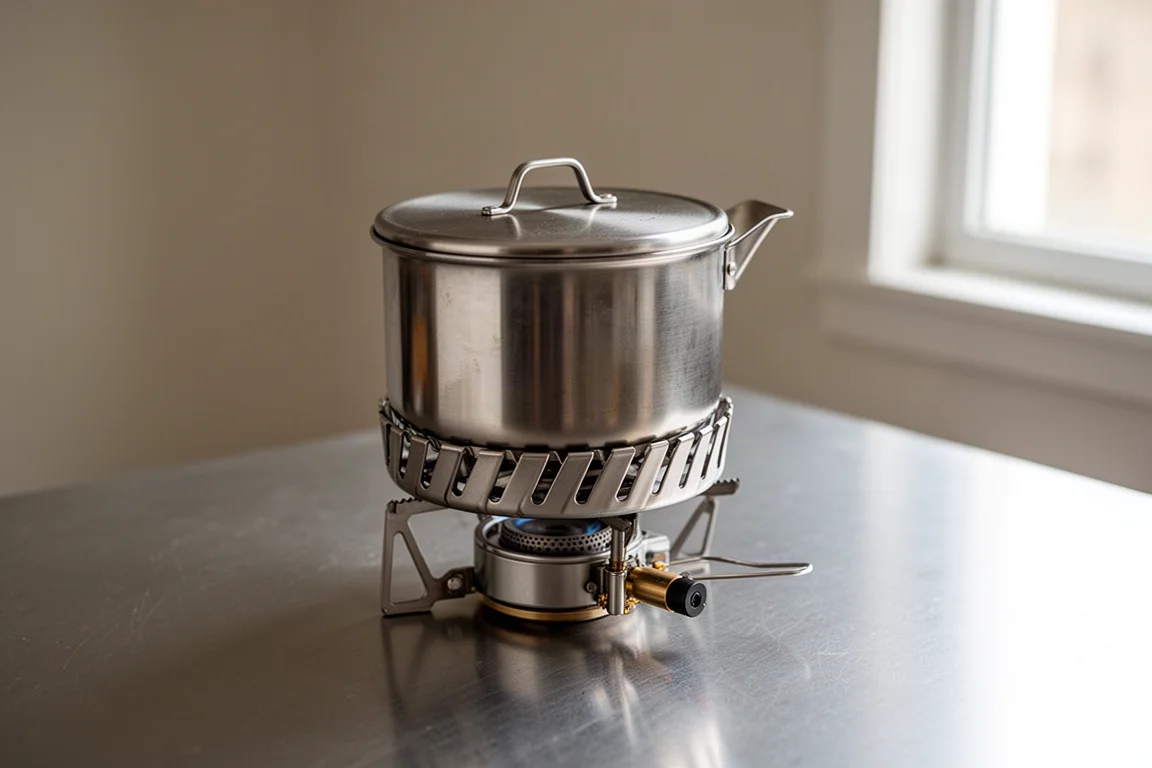
Primus Lite is an all in one canister cook system with a half liter pot, and it is the smallest option of its kind that fills a solo role. The canister stove attaches to the base of the pot, and the pot carries a folded metal ring around its lower section for heat exchange.
That combination boils water quickly and keeps fuel use efficient, and the whole system packs down small and light. Capacity is the deliberate limit here, which suits one person rather than a group.
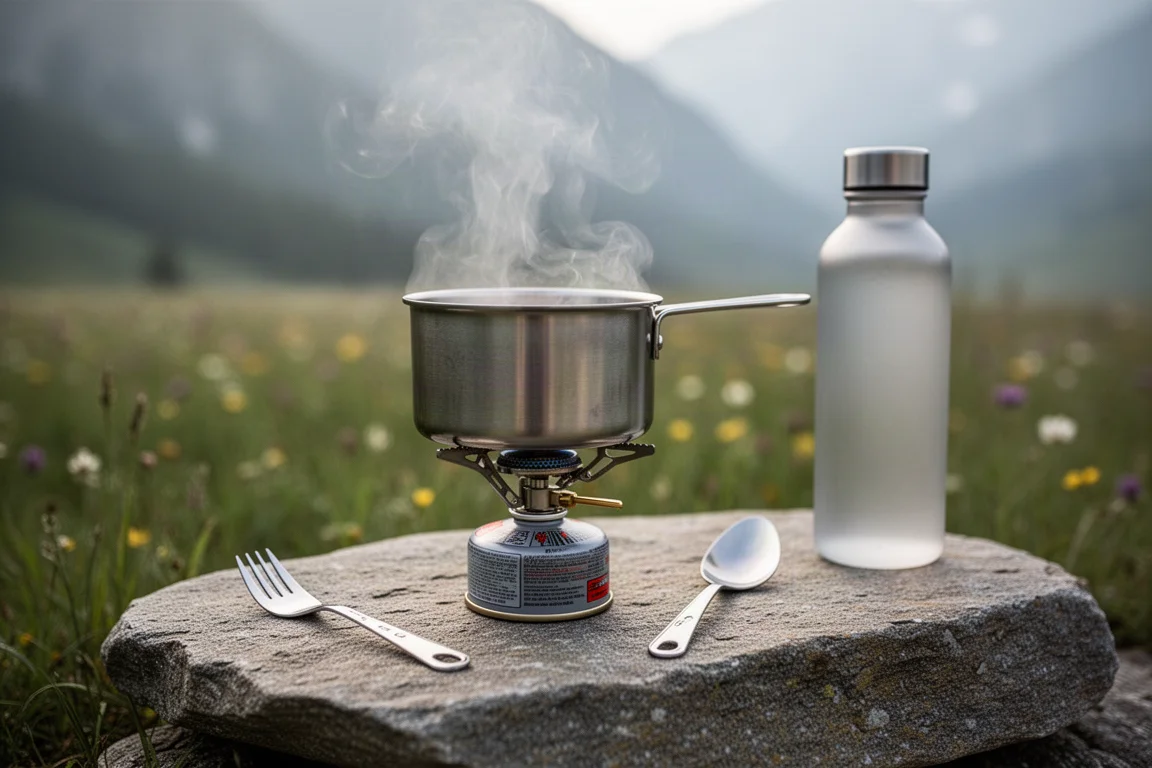
The one clear annoyance is the lid, which simply sits on the pot with nothing holding it in place. A pour spout and a small handle are included, and both are useful in practice. For solo trips where every gram and every centimeter of pack space counts, the size is the point.
Paka Appu Jacket: Alpaca Insulation in a Lightweight Puffy
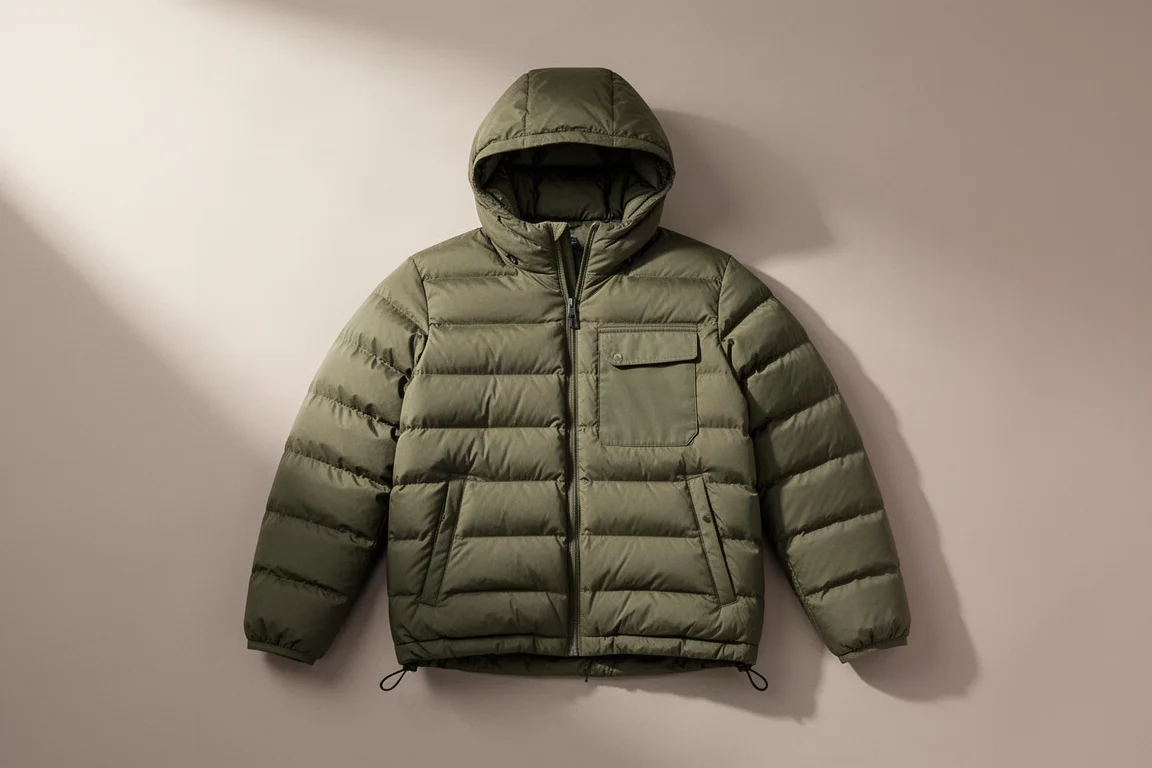
Paka Appu is a lightweight hooded puffy jacket with an insulation story that is genuinely unusual. The fill is an 80 GSM sheet insulation made from alpaca fiber, and it delivers a lot of loft and warmth for the weight.
In practice the jacket has been comfortable down to roughly the mid 20s, and below that a mid layer underneath makes a real difference. The fit is excellent, the hood zips up around the face well, and the outer fabric is bluesign certified. A hem drawstring traps warm air, and a chest pocket handles a phone or similar. It has the details you want from a technical, enjoyable lightweight hoodie.
Paka Cloud Fleece: Alpaca Warmth as a Mid Layer
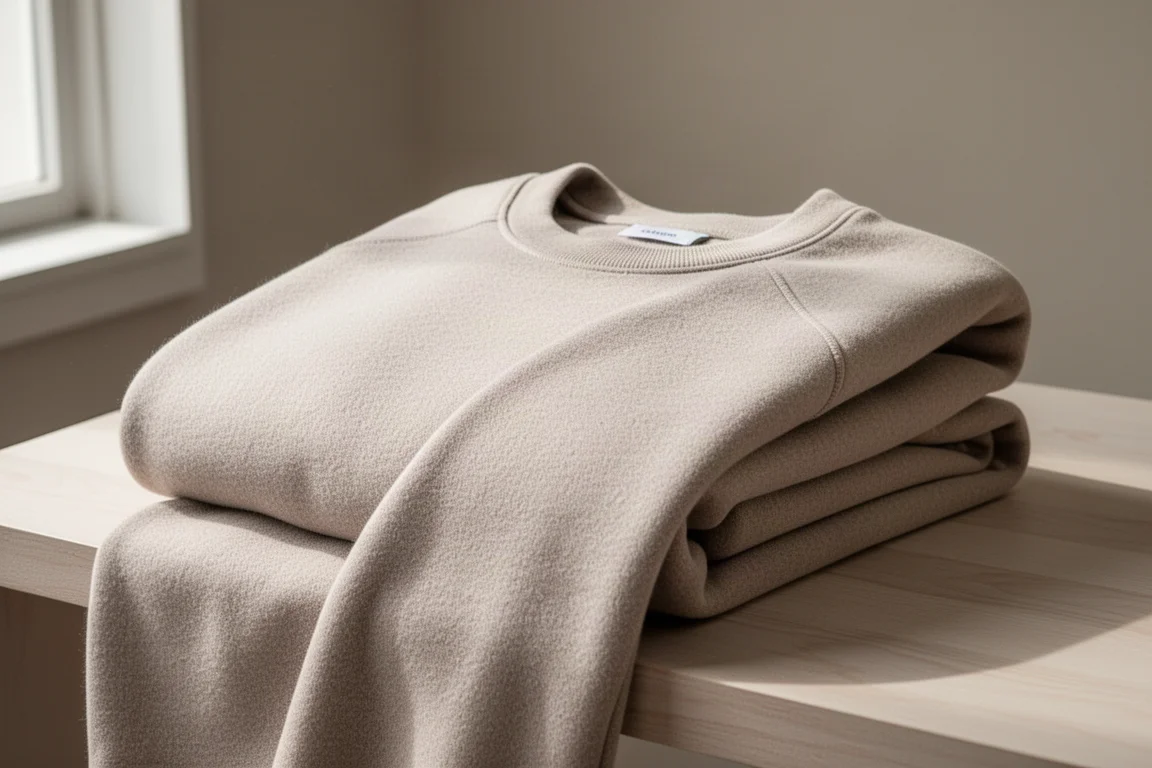
Paka Cloud Fleece is a pullover fleece spun entirely from alpaca fiber. It is very soft, surprisingly warm, and claimed to be twice as warm as other fleeces, with a fit that makes it easy to wear as a mid layer or on its own.
There is a company story behind it as well. Paka focuses on sustainability and on creating jobs with good pay for women in Peru, and each piece carries a small Inca ID on the back identifying the person who made it. For anyone who wants a warm, comfortable layer without the usual synthetic fleece byproducts, this is a considered alternative.
Buying Advice: Matching Gear to the Trip
The most useful question with any of these pieces is not which one is best but which one matches the trips you actually take. A lightweight framed pack like the Aircontact Ultra 50 L makes sense for cold weather outings with moderate loads, while a feature rich day pack like the Keta 30 L covers shorter hikes at a fraction of the cost.
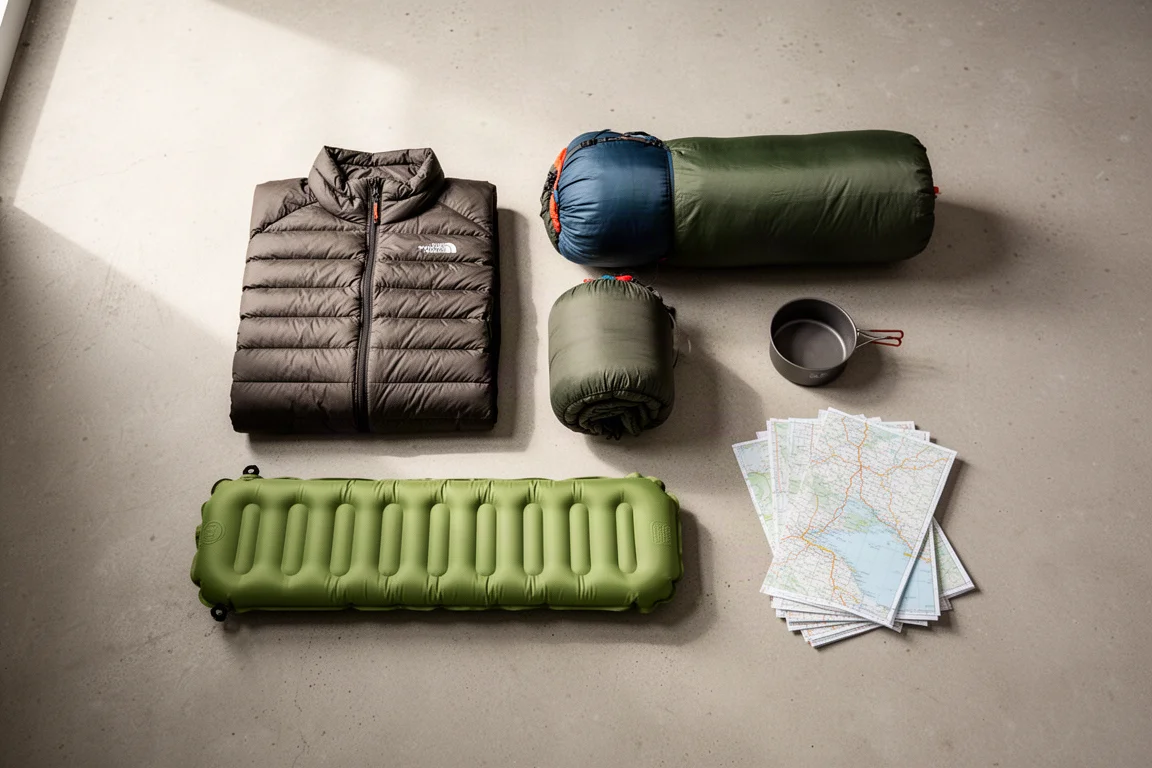
Shelter is where budget and priorities diverge most sharply. The Obsidian 1P delivers a double wall solo tent with a full coverage rainfly for around $100, which is hard to argue with if you want to get outside without spending much. The Two Lite asks for a premium commitment in exchange for two doors, two vestibules, and a lot of interior living space.
For sleep systems, the Swallow 20 and the Ultra 7R are aimed at cold conditions and reward buyers who already know they sleep cold. Pairing a high fill power down bag with a high R value pad is the combination that keeps a winter night comfortable.
Cooking and layering come down to volume. The Primus Lite suits solo trips where pack space is tight, and the Paka layers cover the insulation side of the equation with alpaca fiber rather than synthetics.
Conclusion
Nine pieces, three broad price bands, and one shared idea: gear should fit the trips you take rather than the other way around. The budget options here are genuinely capable, the mid range picks add features that show up on every outing, and the premium items earn their price through materials and construction.
There is also more to come, with pack rafting on the horizon as a way to combine backpacking with travel across water and open up a different kind of backcountry trip. Whatever you are shopping for, start with the conditions you expect and work backward from there.
Further reading
Related Reviews

Backpacking Gear
Building a 10 lb Base Weight: An Ultralight Backpacking Gear List
A practical walkthrough of the ultralight pieces behind a 10 lb base weight, from a 765 g pack and a roomy one-person tent to a full camp chair and a dependable water filter.
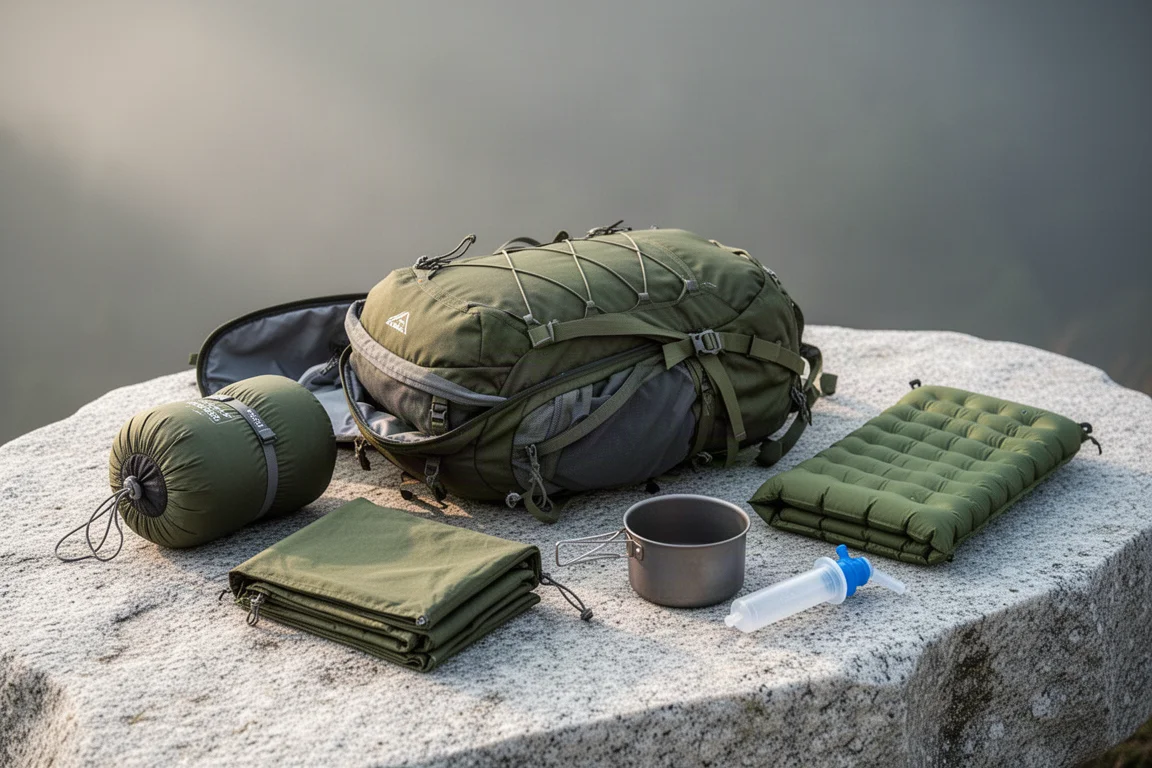
Backpacking Gear
A 15-Pound Lightweight Backpacking Gear List for Solo Trips
A beginner-friendly 15-pound backpacking setup built from easy-to-find gear, with notes on what each piece does, how it packs, and where to spend your attention.
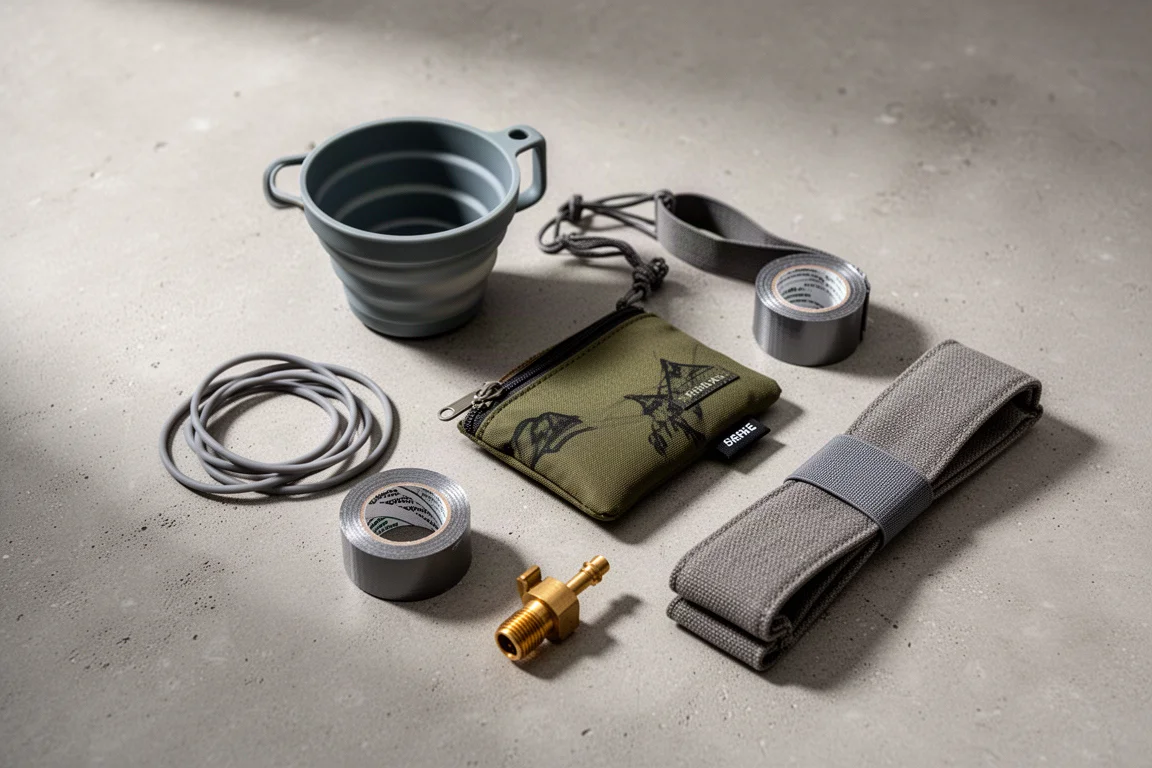
Backpacking Gear
8 Ultralight Backpacking Gear Upgrades Worth Carrying
Eight small, affordable backpacking upgrades that solve real trail annoyances, from a pillow that stays put to a fuel valve that rescues leftover canister gas.