Backpacking Gear
Backpacking Gear for Beginners: 5 Pieces Worth Getting First
Five beginner backpacking essentials, from an R-value 4.2 sleeping pad to an adjustable ultralight pack, with the trade-offs to weigh before you buy.
Introduction
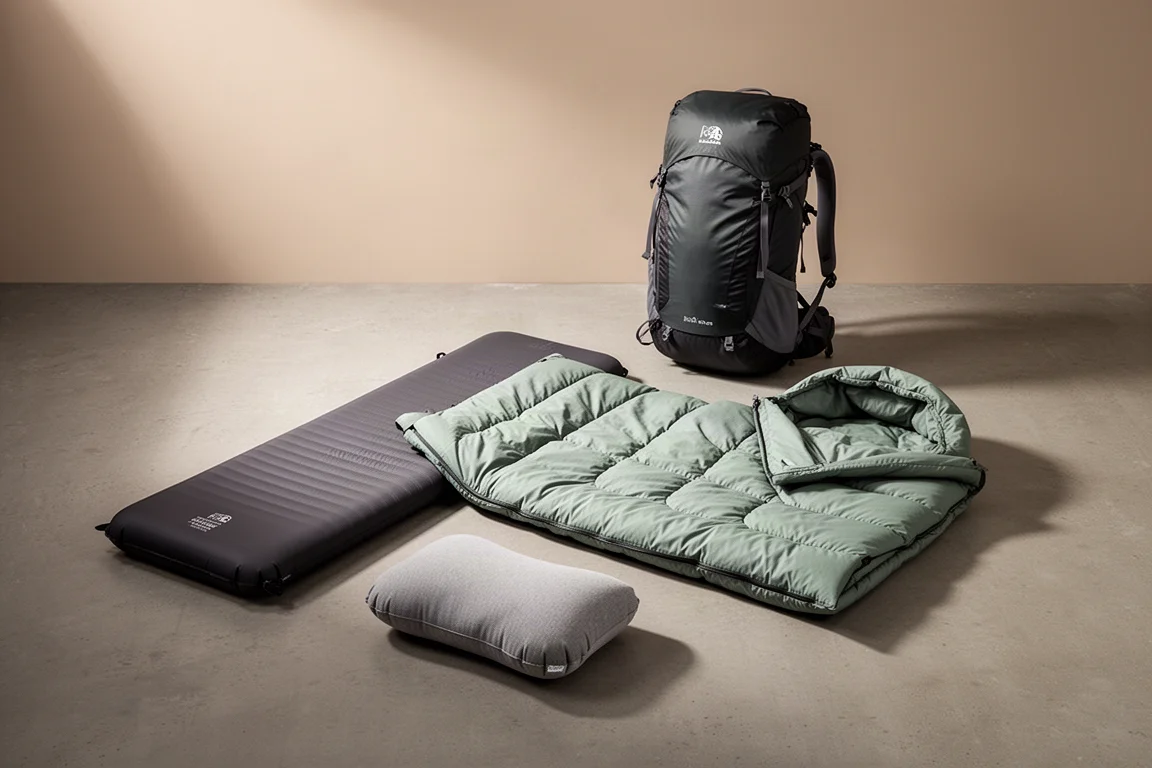
Buying backpacking gear for the first time is a gamble. The wrong sleeping pad or pack can turn every night on the trail into a test of patience, and that mistake is expensive to undo once the gear is already in your closet. The five items below are the ones worth getting right first, because each one solves a problem that shows up on nearly every beginner’s early trips: warmth underneath your body, pressure points that keep you awake, a sleep system that suits how you actually move at night, a pillow you no longer have to improvise, and a pack that can be adjusted to fit your torso.
What Matters Most in a Beginner Sleep System
A sleeping pad is half of what keeps you warm at night, so the insulation it provides matters as much as the sleeping bag or quilt on top of you. The industry standard for that insulation is R-value, a measurement of how well a pad resists heat loss to the ground. Higher is warmer, and anything in the 4 range is a solid rating for three-season camping.
Closed-cell foam pads, the thin roll-up style that is often not even an inch thick, are the option to skip. They add very little warmth and very little comfort, and most of the time they end up carried as protection for an inflatable pad rather than used as one. The only situation where a foam pad earns its place is as extra insulation layered underneath an inflatable pad.
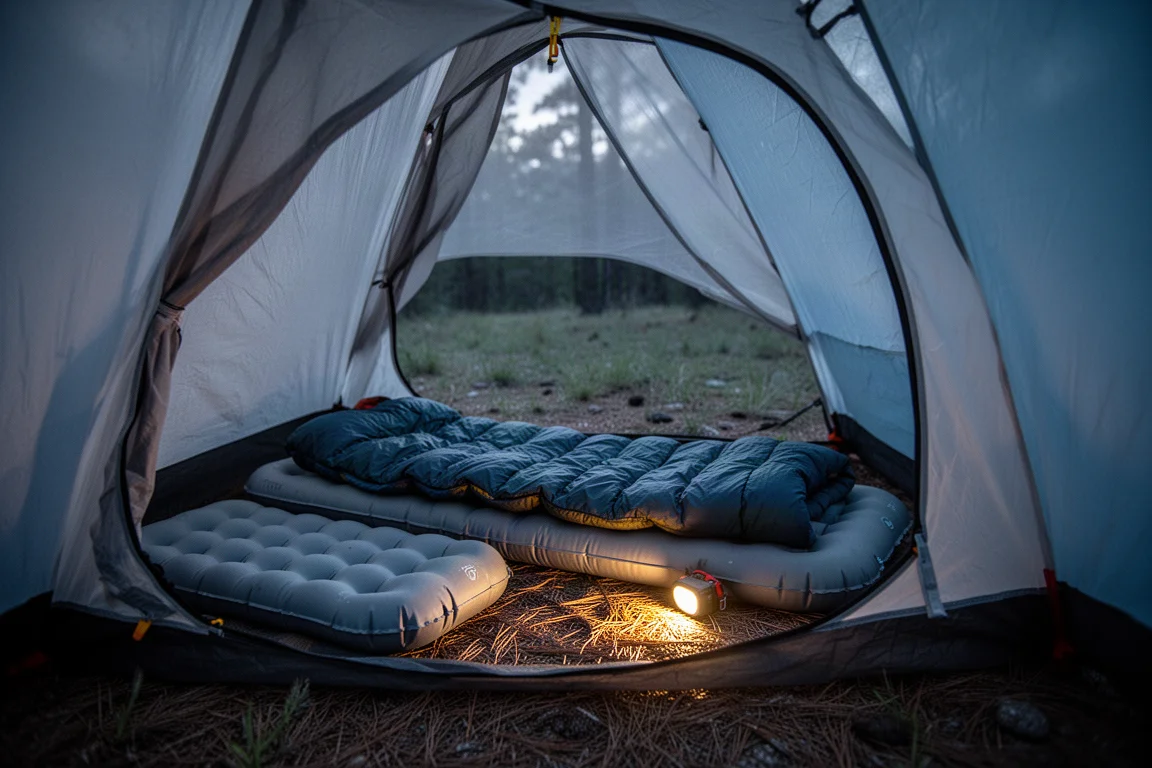
If you are building a sleep system from scratch, treat the pad, the quilt or bag, and the pillow as one decision rather than three separate ones. They work together, and a weak link in any of them tends to show up at two in the morning.
Therm-a-Rest NeoAir Xlite: Warmth Without Bulk
The Therm-a-Rest NeoAir Xlite is the pad most beginners end up buying, and for good reason. It carries an R-value of 4.2, which is a strong rating for an inflatable pad and a very large step up in warmth from closed-cell foam.
What it is not is the most comfortable pad available. It is leaps and bounds better than a foam mat, but among inflatable pads it sits behind the plushest options. If warmth per gram is your priority and you sleep reasonably well on a firm surface, it is an easy recommendation. If you toss and turn through the night, read the next section before deciding.
Nemo Insulated Tensor: More Comfort at the Same R-Value
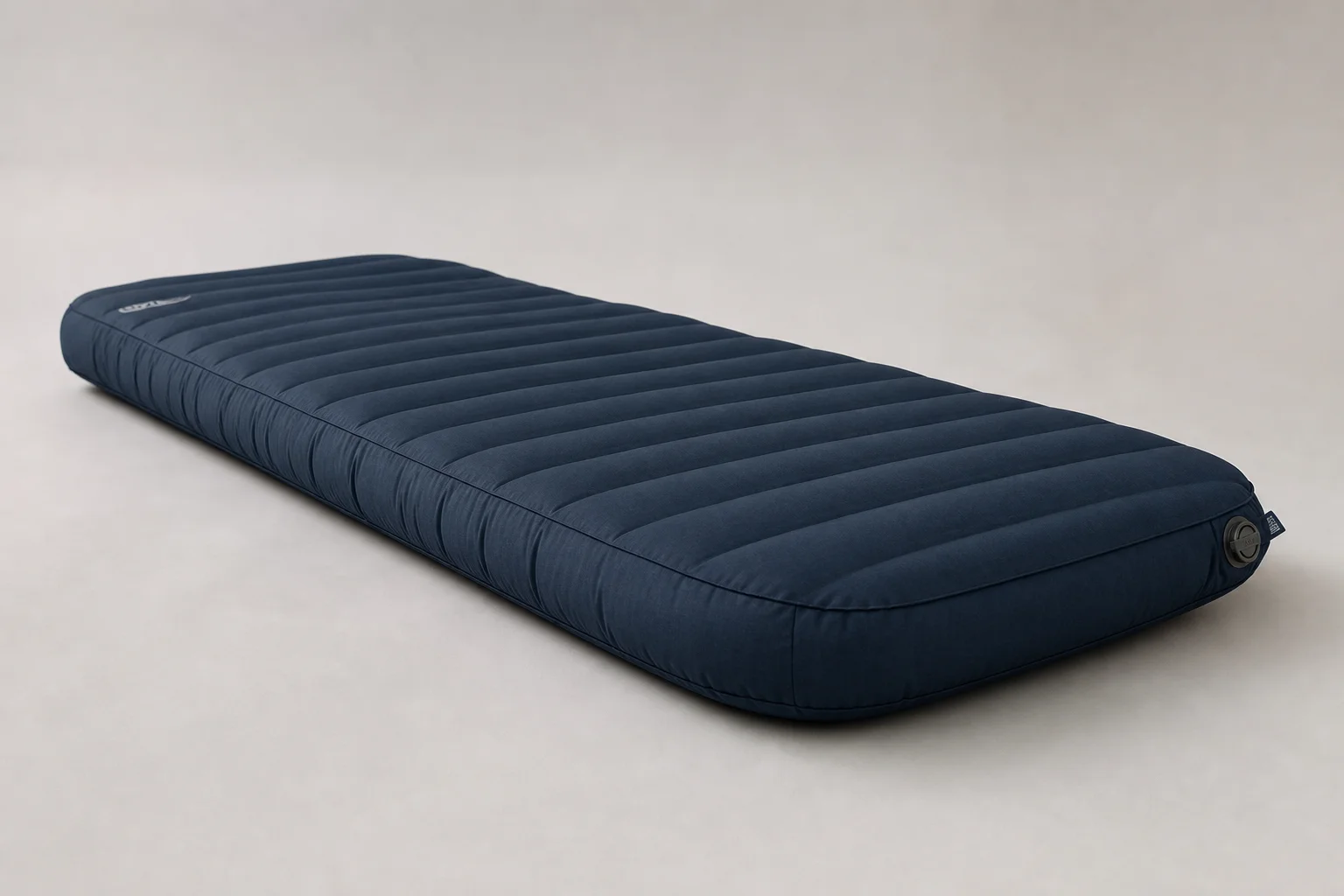
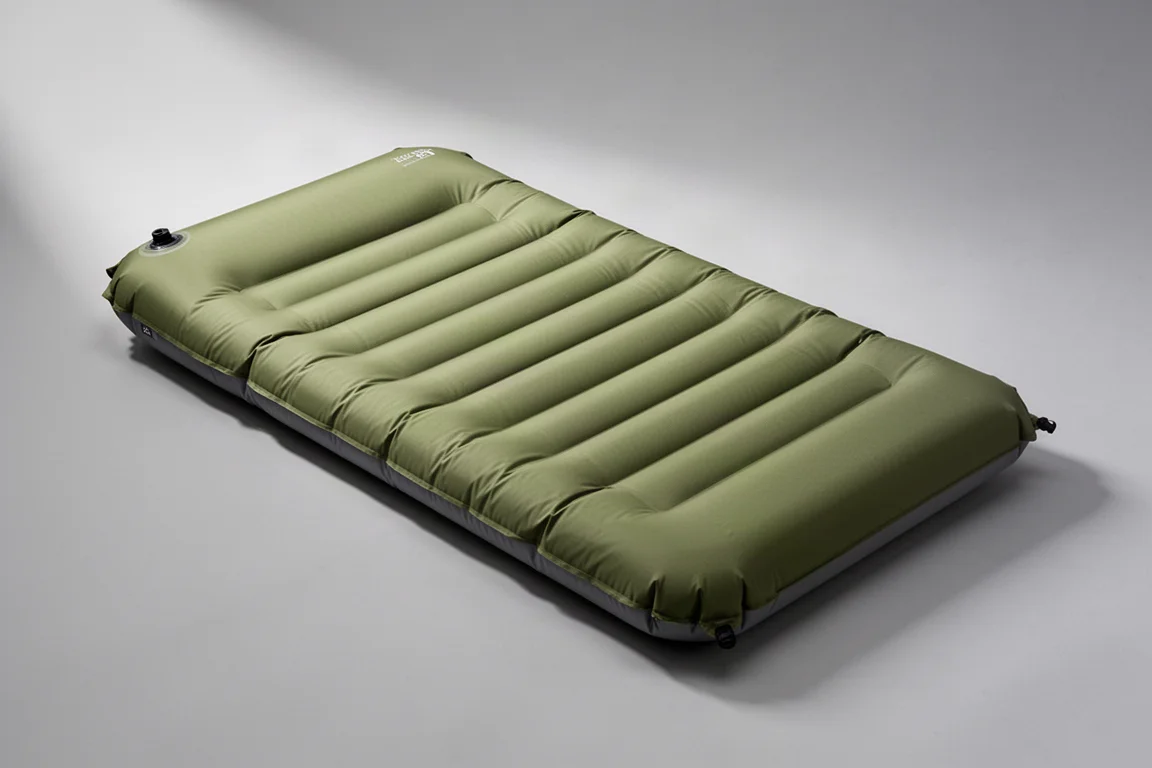
The Nemo Insulated Tensor matches the NeoAir Xlite’s R-value of 4.2, so you are not giving up warmth to gain comfort. What sets it apart is how the sleeping surface is built. Instead of straight baffles, the pad uses deeper divots and dimples across the sleeping area. Those shapes relieve pressure points at the hips and shoulders, which is usually what wakes people up in the middle of the night.
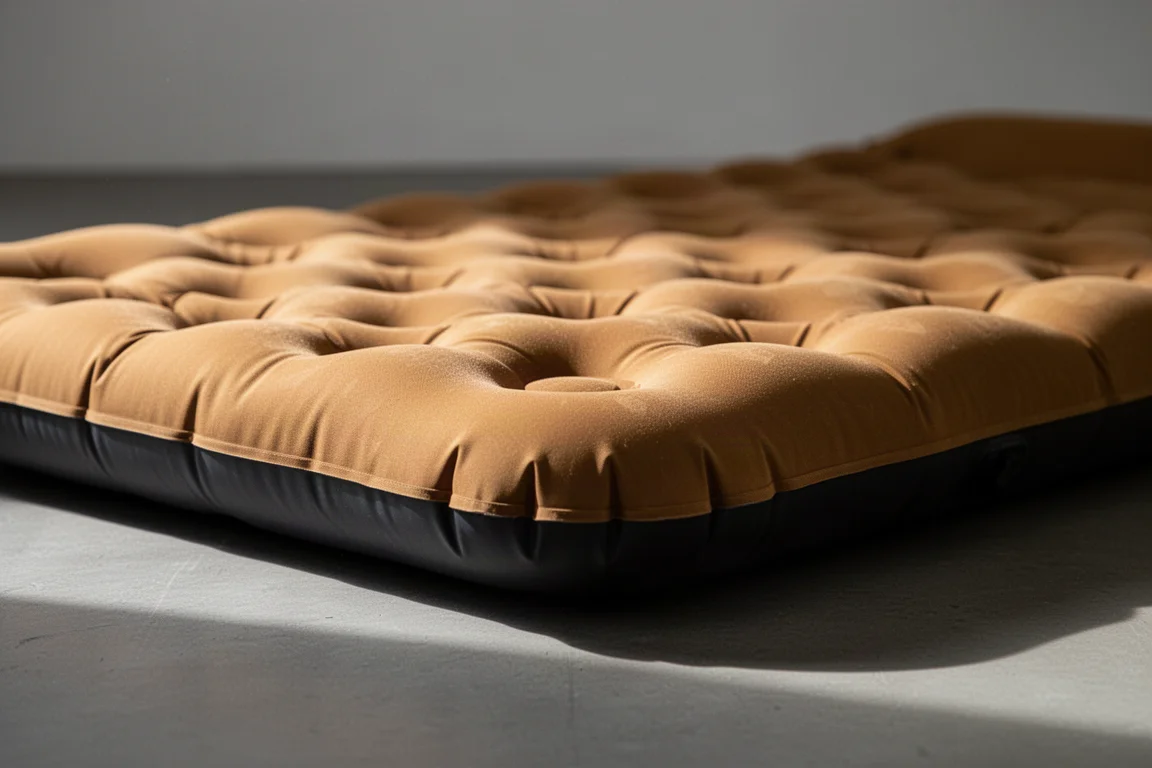
For anyone who sleeps on their side or shifts position constantly, that difference in construction is the main reason to choose this pad over a flatter one with the same rating. It is the pad that keeps coming back into rotation once you have tried a few others.
Zenbivy Light Bed: Quilt Freedom With Sleeping Bag Structure
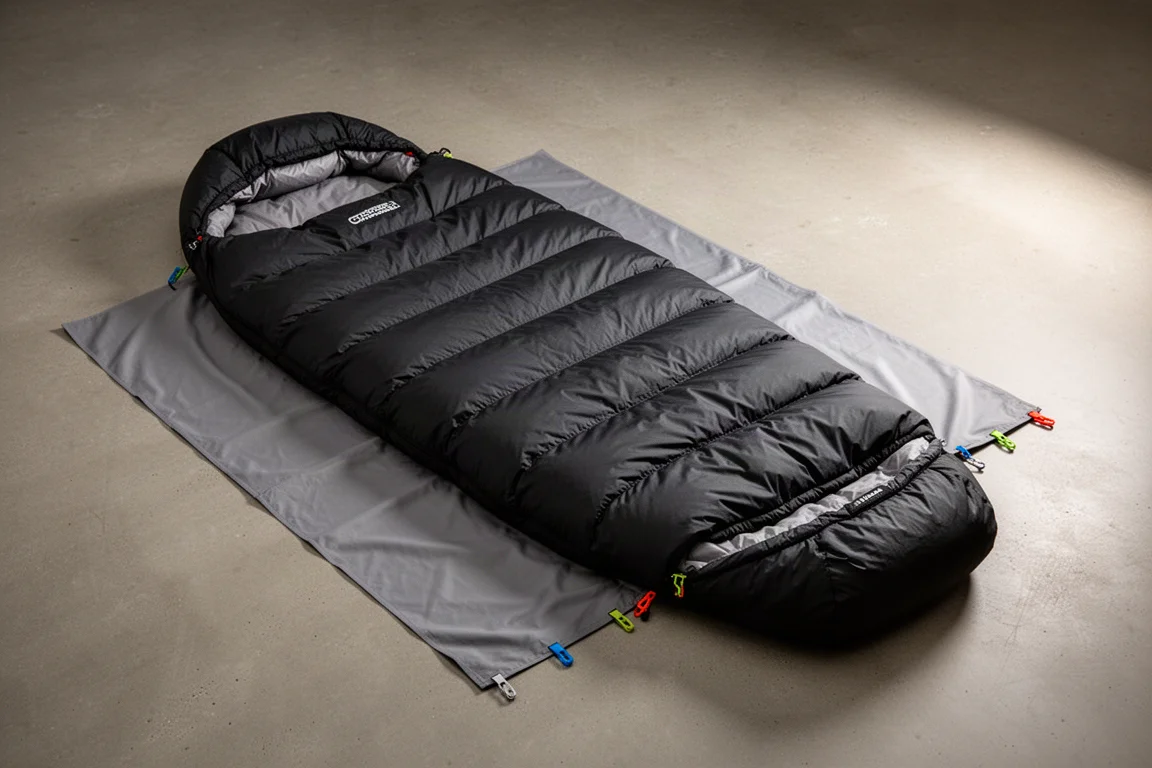
Quilts suit restless sleepers because they work like the blanket on your bed: you lay them over yourself instead of climbing inside. The trade-off is that a quilt can feel unorthodox to new campers, and it can shift around during the night.
The Zenbivy Light Bed solves that by combining the two formats. A full sheet slips over your sleeping pad, and the quilt attaches to it, so you can button it up tight like a sleeping bag on cold nights or leave it draped over you like a blanket and put an arm or a leg out when it is warm. There is also a hood that keeps your head warm and stops your pillow from sliding off the pad. It behaves like a sleeping bag without forcing you into one position.
Nemo Pillow: The Sleep Accessory Most People Skip
The pillow is the piece most people overlook, and it is often replaced with a balled-up puffy jacket or a stuff sack full of spare clothes. That works in a pinch, but a real pillow is one of the simplest improvements you can make to a night outdoors.
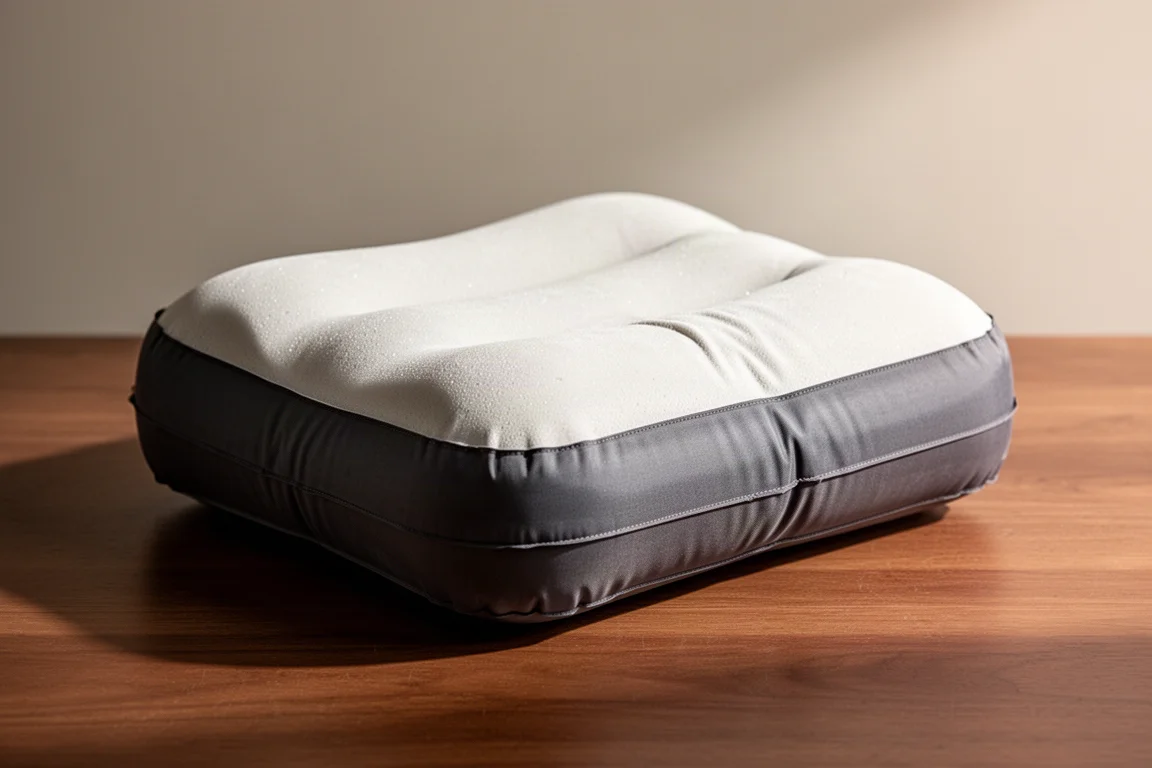
The Nemo Pillow is inflatable, which keeps it packable, but it also has over an inch of memory foam on top. That layer is what stops it from feeling like you are sleeping on a balloon, and it is the reason it stands out among the pillows worth carrying.
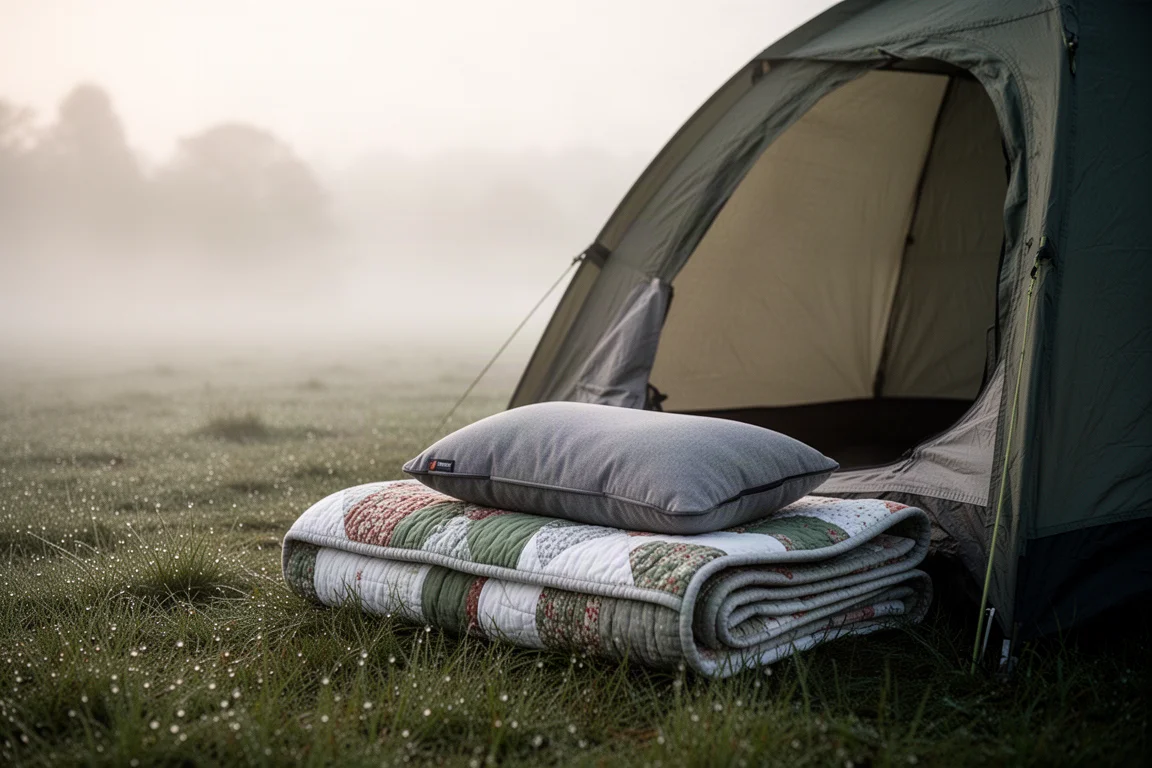
If you make only one upgrade beyond the pad and the quilt, make it this one. A consistent pillow changes how quickly you fall asleep and how often you wake up.
Six Moon Designs Minimalist V2: An Adjustable Ultralight Pack
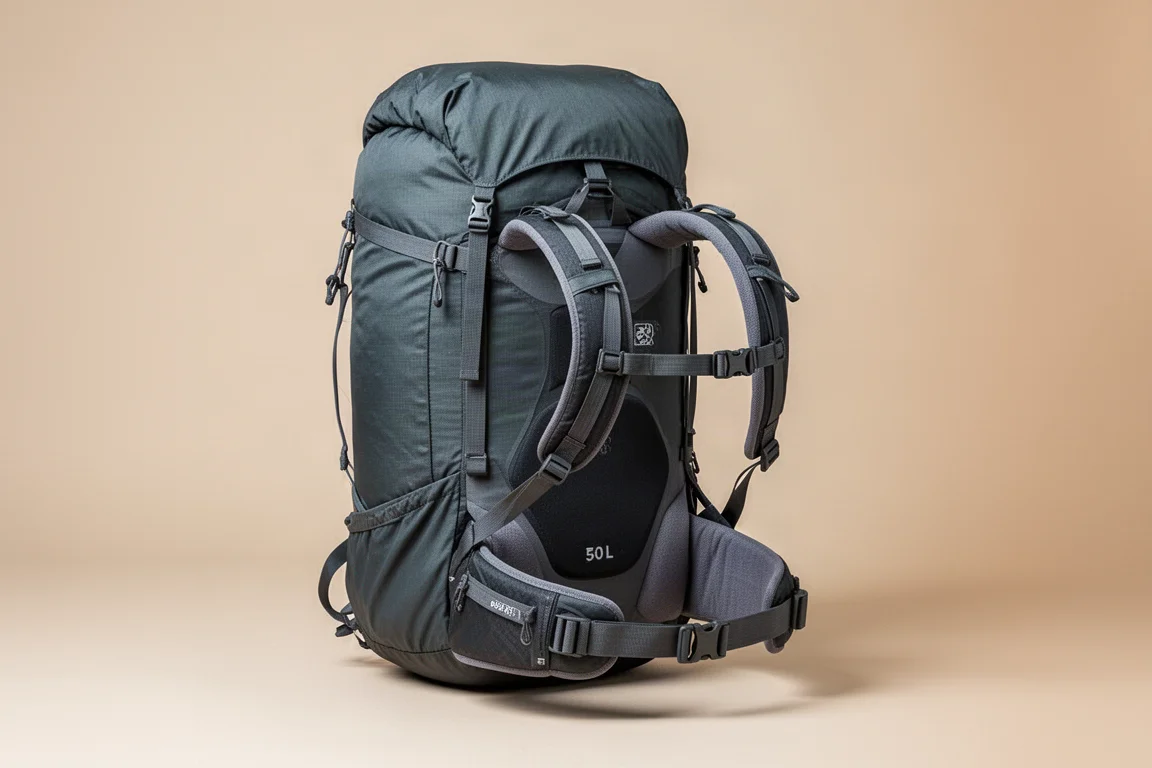
Pack sizing is where beginners get hurt. Backpacks come in small, medium, and large, but those sizes are based on torso length, not on how tall or broad you are. Someone who wears a large t-shirt can easily need a small pack. Get the size wrong and you will feel it in your shoulders and hips all day.
An adjustable torso is the fix, because you can dial the pack in to fit almost any torso length and re-adjust it mid-trip if something feels off. Adjustable ultralight packs are rare, and the Six Moon Designs Minimalist V2 is one of the few lightweight options with that feature. At $210 it is also an affordable entry point for a lightweight pack.
Buying Advice
If you are starting from zero, spend in this order: pad first, then quilt or sleeping bag, then pillow, then pack. The pad does the most work for the money, and a comfortable sleep system makes every other piece of gear easier to live with.
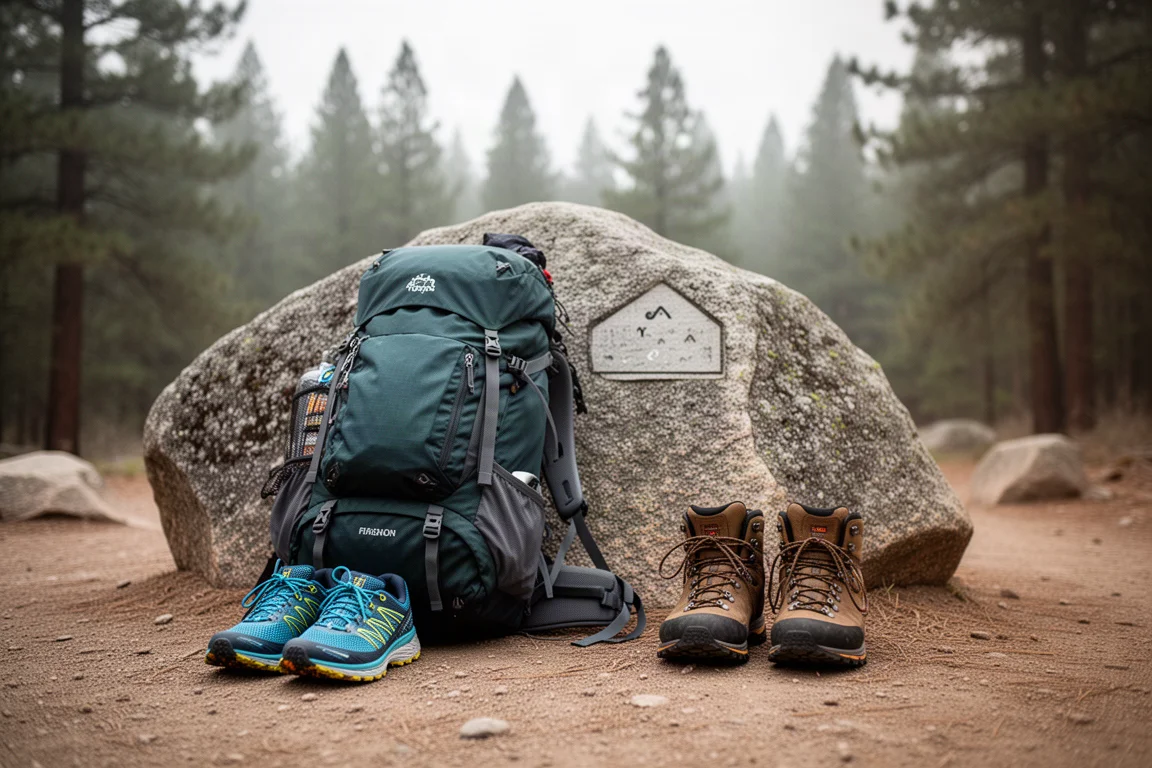
Fit matters more than features on a pack. Measure your torso or choose an adjustable model, and be willing to stop on the trail and re-adjust rather than pushing through discomfort.
Footwear is the one decision worth revisiting. Trail runners are the more common choice now, and they are considerably lighter, which matters because your feet are the only thing you lift and put down thousands of times a day. Less weight on every step means less fatigue by the end of it. The exception is persistently wet conditions, where a pair of boots or a waterproof pair of trail runners is the better call. In mud and snow, boots still hold the advantage. If you only occasionally get your feet wet, trail runners dry faster and stay more comfortable.
Conclusion
None of this gear is exotic, and none of it demands a huge budget to start. The point is to get the sleep system right first, choose a pack that can be adjusted to your torso, and pick footwear that matches the conditions you actually hike in. Do that, and the first season of backpacking is far more likely to end with you planning the next trip rather than replacing gear.
Further reading
Related Reviews

Backpacking Gear
Building a 10 lb Base Weight: An Ultralight Backpacking Gear List
A practical walkthrough of the ultralight pieces behind a 10 lb base weight, from a 765 g pack and a roomy one-person tent to a full camp chair and a dependable water filter.
Backpacking Gear
A 15-Pound Lightweight Backpacking Gear List for Solo Trips
A beginner-friendly 15-pound backpacking setup built from easy-to-find gear, with notes on what each piece does, how it packs, and where to spend your attention.
Backpacking Gear
8 Ultralight Backpacking Gear Upgrades Worth Carrying
Eight small, affordable backpacking upgrades that solve real trail annoyances, from a pillow that stays put to a fuel valve that rescues leftover canister gas.