Backpacking Gear
Backpacking Gear Worth Knowing: 15 Field Favorites for Camp and Trail
A practical roundup of the backpacking gear that keeps coming up, from sleeping pads and canister stoves to folding knives, satellite communicators, and a chest pack built for quick access.
Introduction
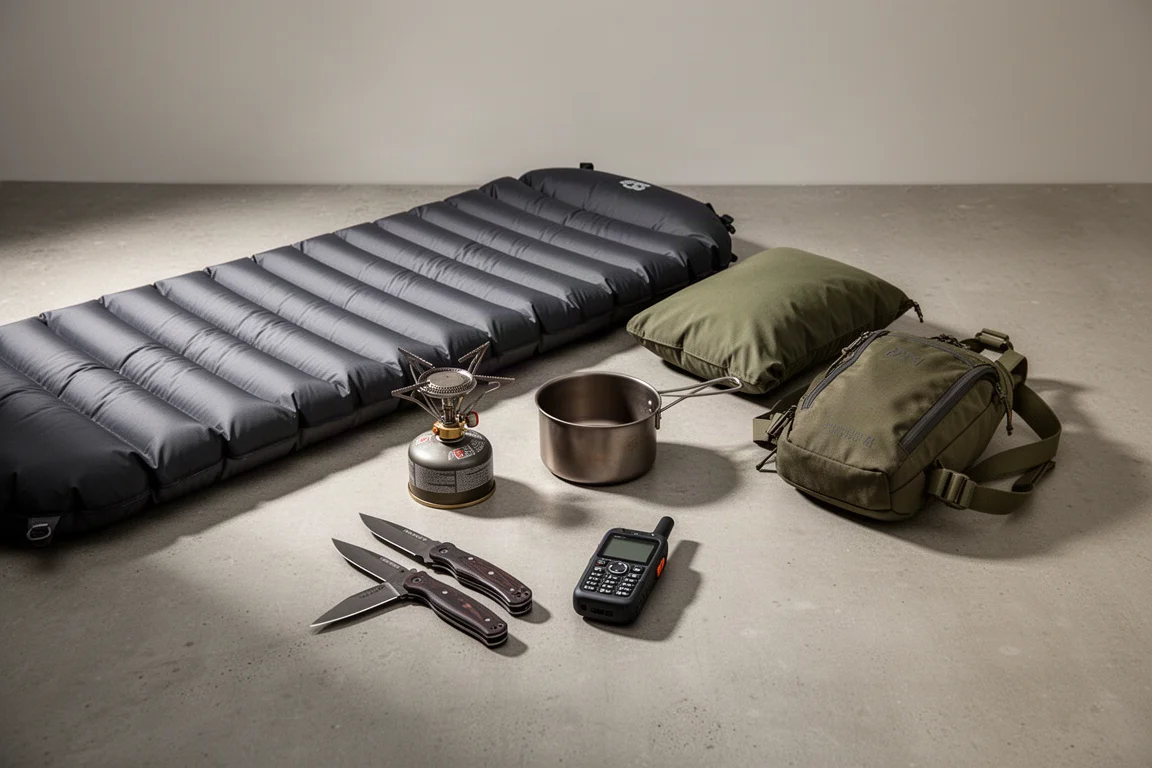
Some gear earns a permanent place in a pack because it solves a specific problem, and the items gathered here are the ones that keep coming up in conversation. This roundup covers two sleeping pads, a two-person shelter, a cook set, five folding knives, a pump that doubles as a lantern, two satellite communicators, two canister stoves, and a chest pack built for quick access. Each entry explains what the item is genuinely good at, where the trade-offs sit, and which kind of trip it suits.
Sleeping Pads: Comfort Versus Packed Weight
The two pads here sit at opposite ends of the same trade-off. One is built around comfort first, the other around a weight that still makes sense on a long walk in.
Big Agnes Rapide SL
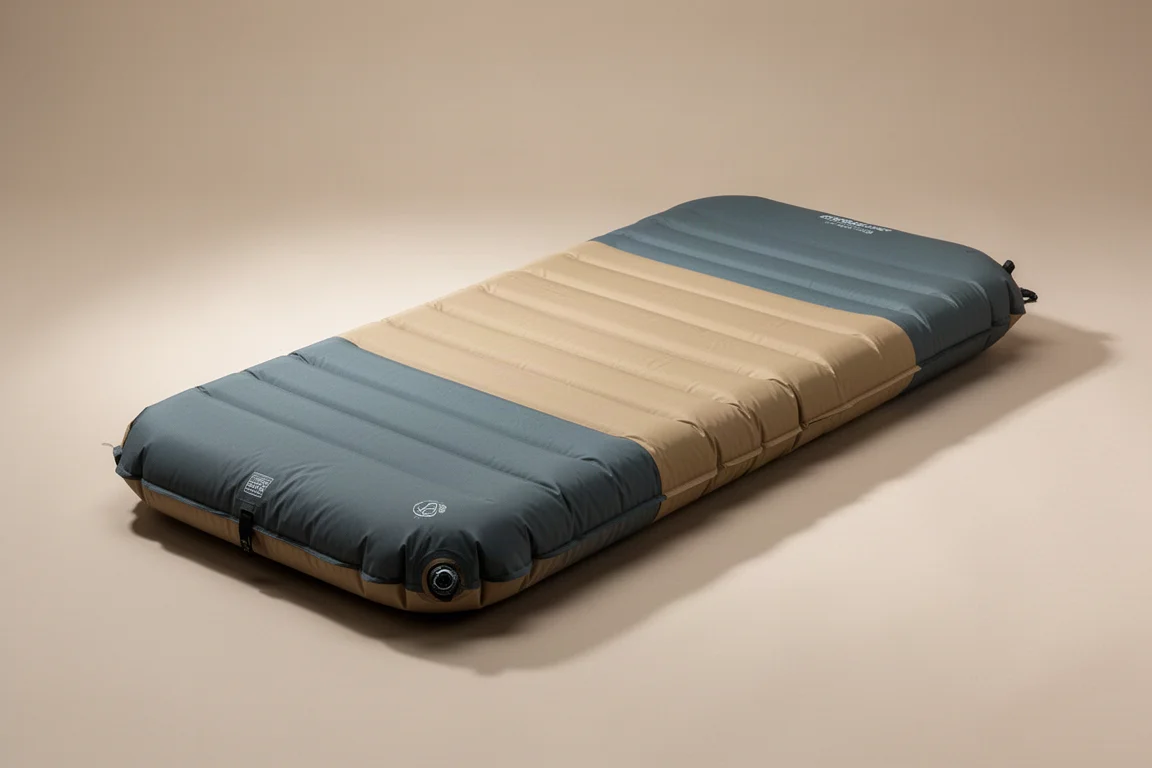
The Rapide SL arrived for 2022 as a pad aimed at backpackers who want the cushioning of a well-padded mattress without giving up the low weight that matters on longer trips. Insulation is tuned for a full three-season range, so it can cover spring through autumn without a second pad in the closet. It is an all-rounder rather than a specialist, and that is exactly the point.
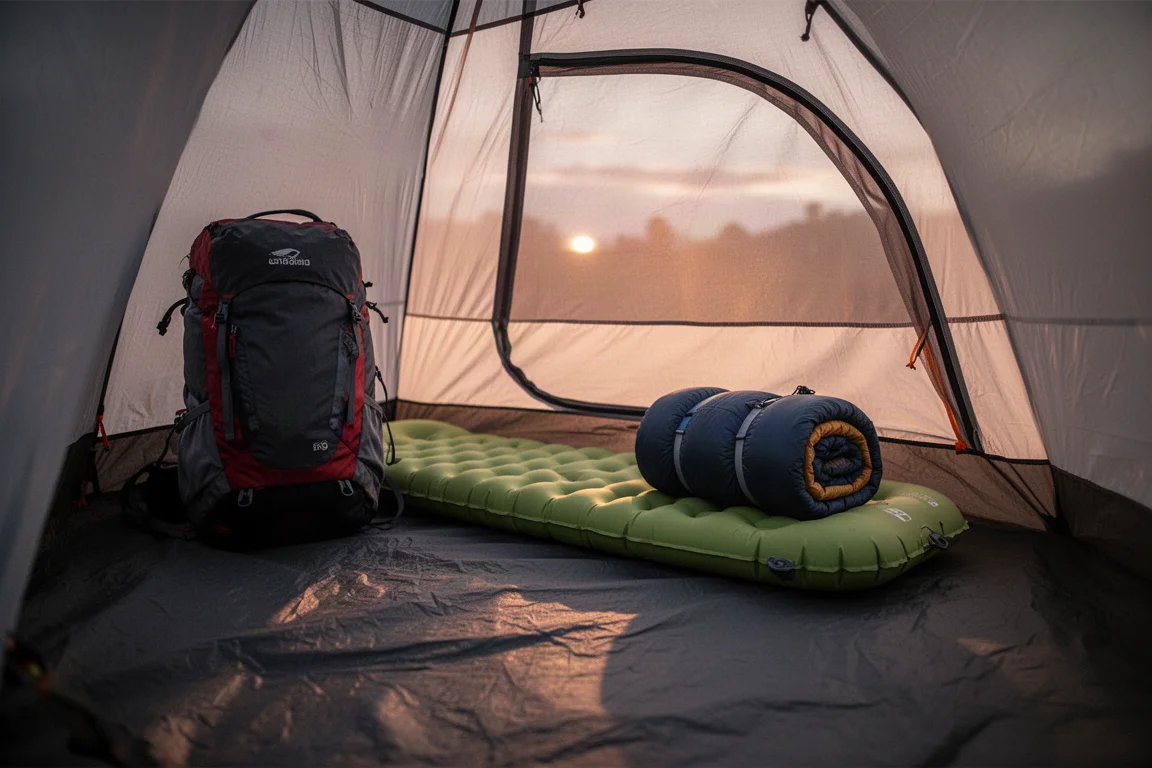
What makes it worth recommending is balance. It keeps enough cushioning to sleep well on uneven ground while staying light enough to justify carrying on multi-day routes, and it does not ask you to trade warmth for either of those things.
NEMO Quasar 3D Insulated
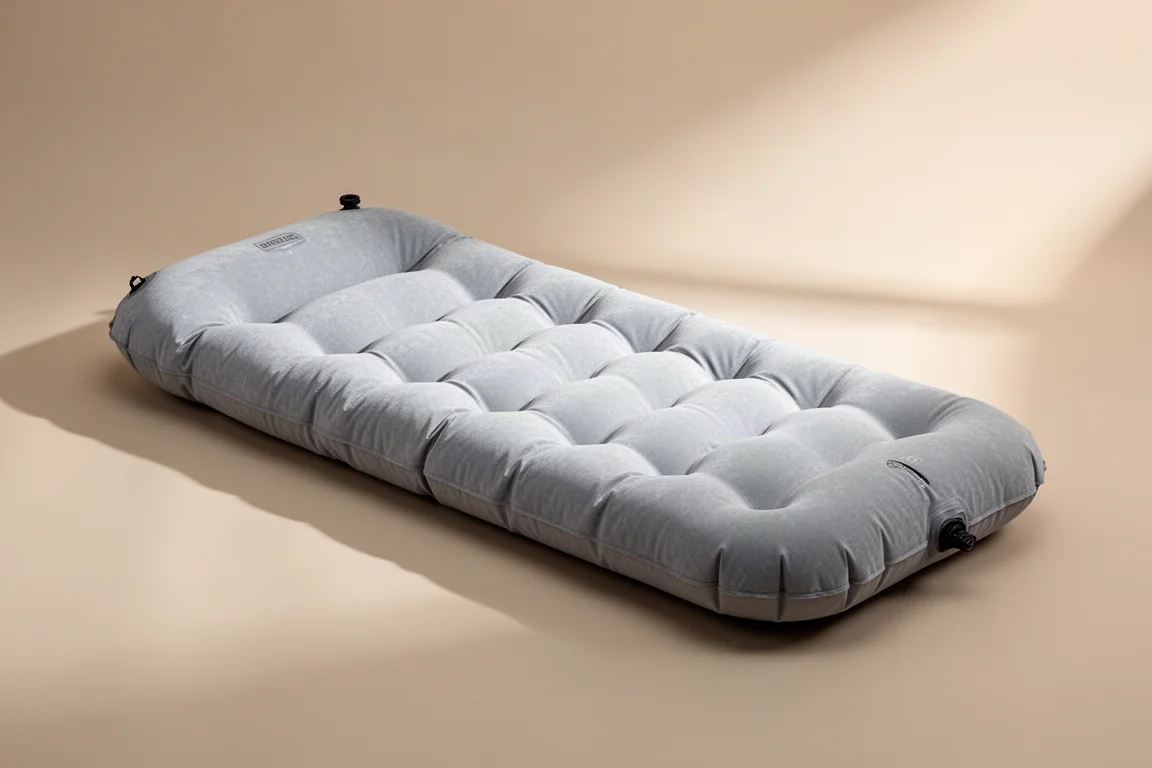
The Quasar 3D Insulated stands out as the most comfortable pad in this roundup, and the gap is obvious the first night you sleep on it. The trade-off is weight: it is a heavily padded design that lands close to two pounds. If pack weight is not the deciding factor for your trips, that comfort is worth the penalty.
Shelter: The Durston X-Mid Pro 2
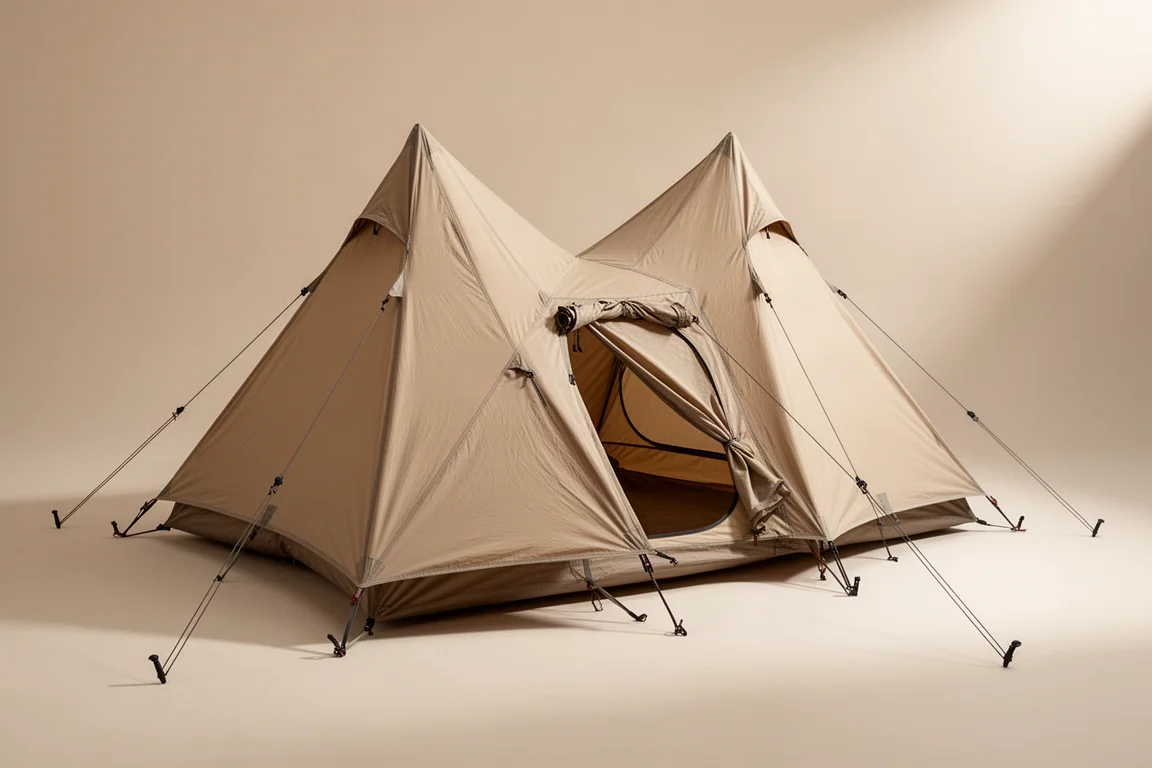
Durston X-Mid Pro 2
The X-Mid Pro 2 from Durston Gear is the shelter that generates more questions than anything else on this list. It is a two-person tent used regularly on backcountry trips and measured against a range of other shelters. A two-person floor area is generous for solo use and useful when sharing the load, though solo hikers who count every gram may prefer something smaller.
Cookware: The GSI Pinnacle Soloist Cook Pot Set
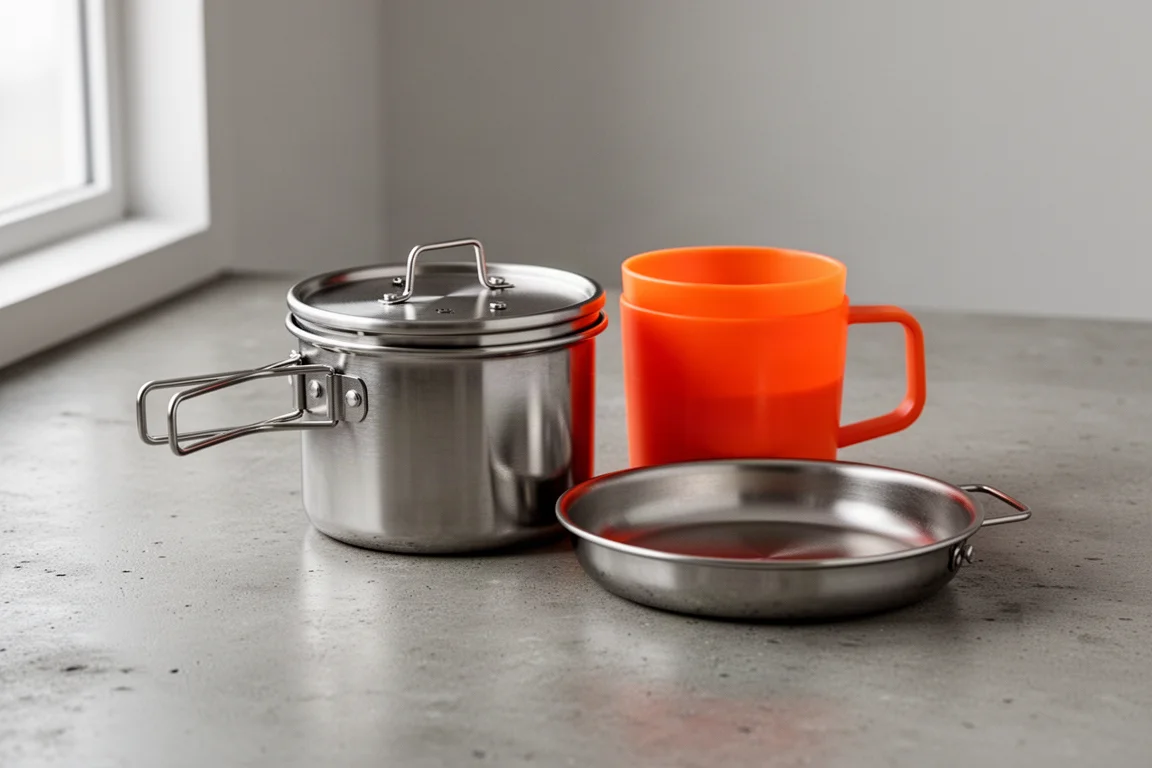
GSI Pinnacle Soloist Cook Pot Set
The orange cup that turns up in so many backpacking kits comes from the GSI Pinnacle Soloist cook pot set rather than from a standalone GSI product. The cup nests around the outside of a 550 ml Toaks pot and fits perfectly inside the 700 ml version, which makes it a natural addition to the two pot sizes most backpackers already carry. GSI does not appear to sell the same cup separately, and the set may no longer be in production, so it helps to know exactly where the cup originates. This set has been in continuous use for close to eight or nine years.
Folding Knives for Camp and Backcountry
Folding knives come up more often than any other category here, and the five below cover a wide spread: one budget blade, two lightweight Benchmade options, and two premium GiantMouse designs for heavier work.
Knafs Lander
The Lander is a budget-focused design at around $60 with a D2 steel blade. For a knife this small and light, it is genuinely impressive, and it works just as well as an everyday carry piece as it does as a backup blade in a pack.
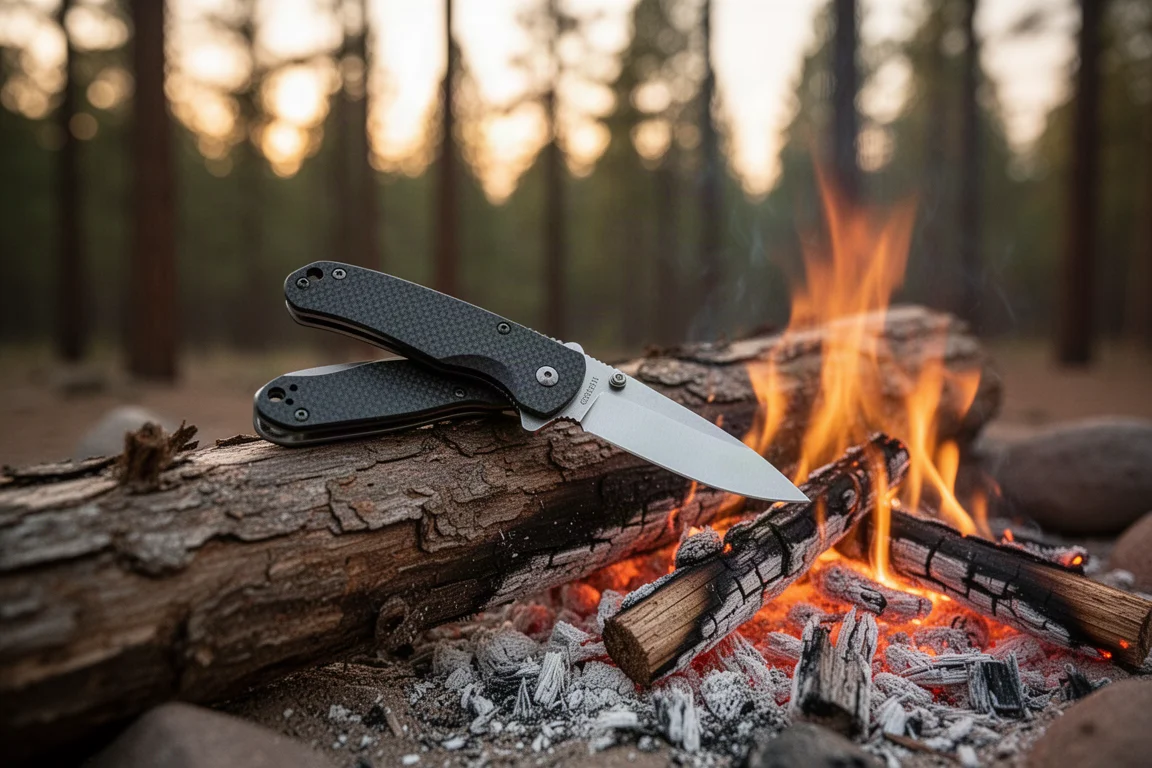
The appeal is that it never feels like a compromise. The design is clean, the blade handles routine camp tasks, and the price leaves room in the budget for a second, larger knife for heavier work.
Benchmade Mini Bugout
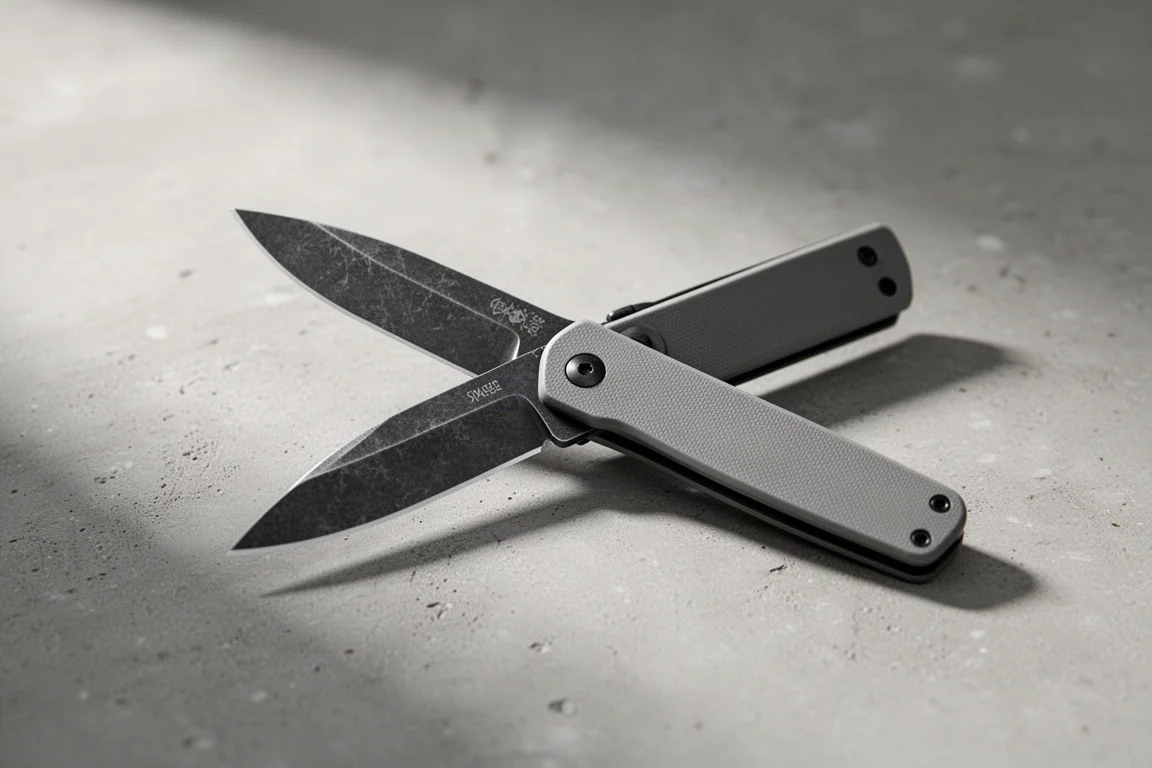
The Mini Bugout in its CF Elite variant is the pick for anyone who wants the smallest possible folding knife for backpacking. The Axis Lock action is smooth and easy to operate one-handed, and the whole package is light enough that you will forget it is in a hip belt pocket.
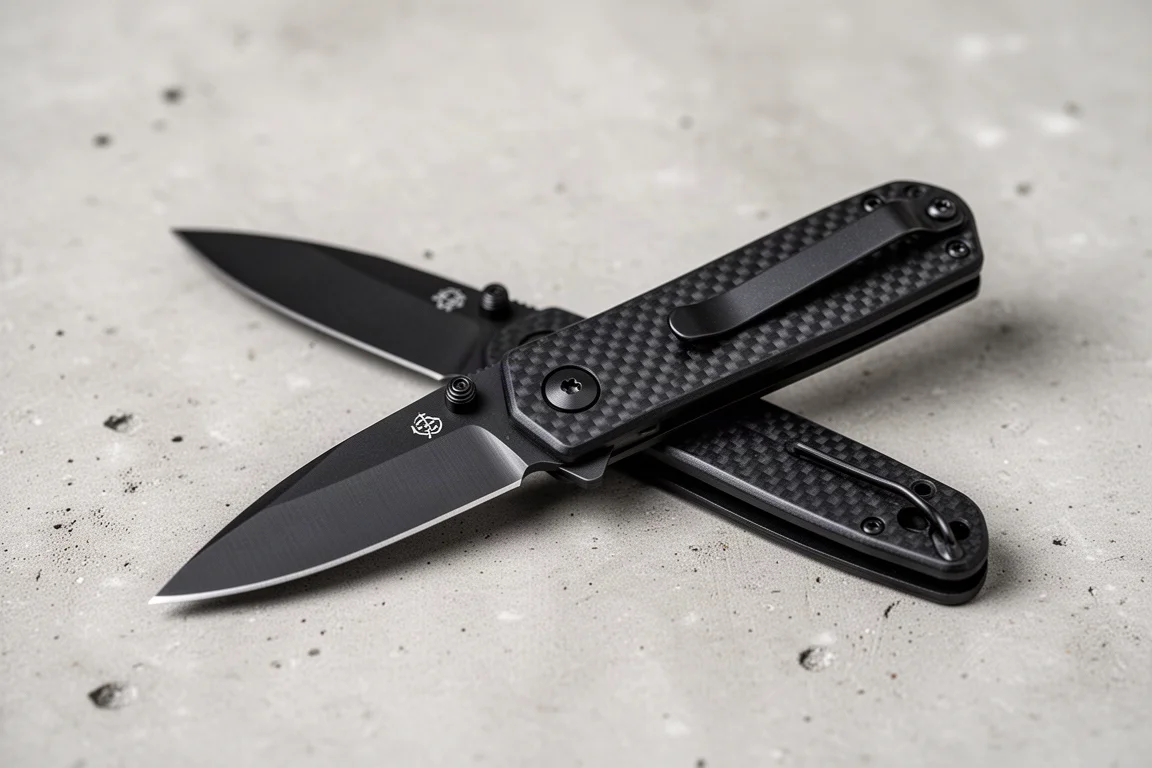
Benchmade Bugout
The standard Bugout adds handle length for larger hands without giving up the lightweight character of the series. It is also available in custom configurations, including a 20CV steel blade paired with red G10 scales, which is one of the more striking versions of the design.
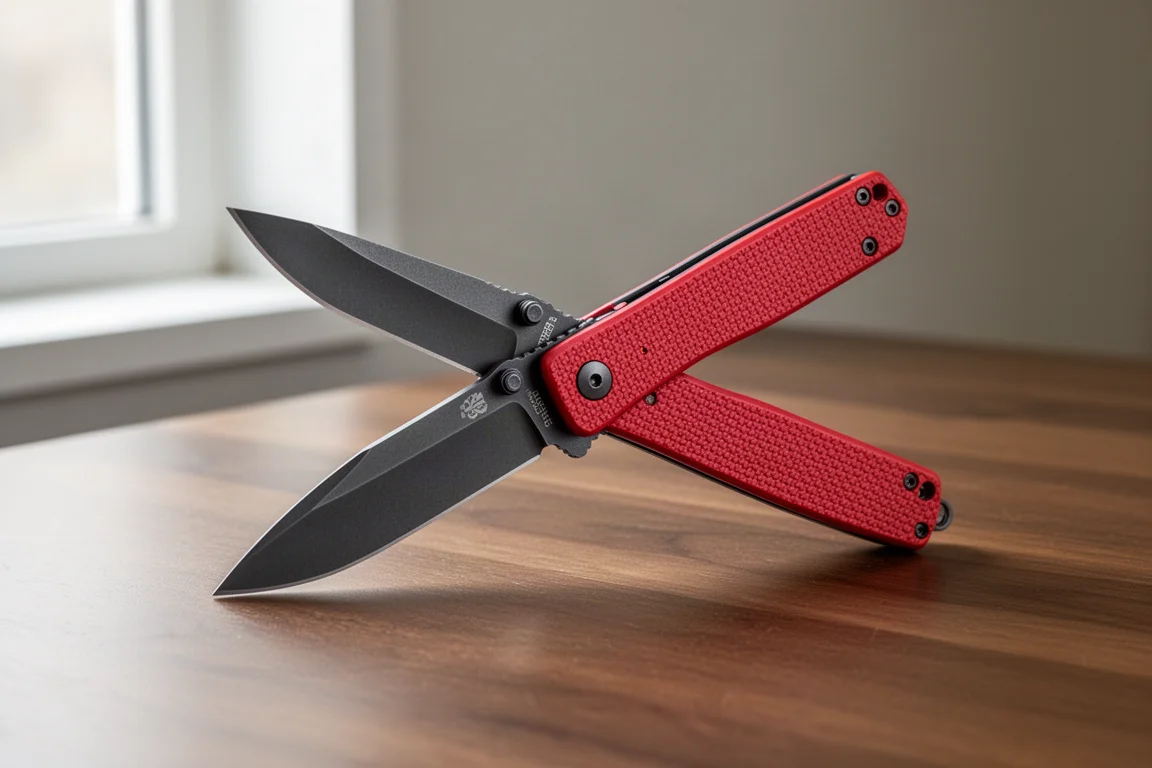
GiantMouse The Grand
The Grand is the heaviest and most substantial knife here, with a green Micarta handle and a blade built for real work. It is at its best around a car camp, where splitting kindling and processing wood are part of the evening rather than an emergency.
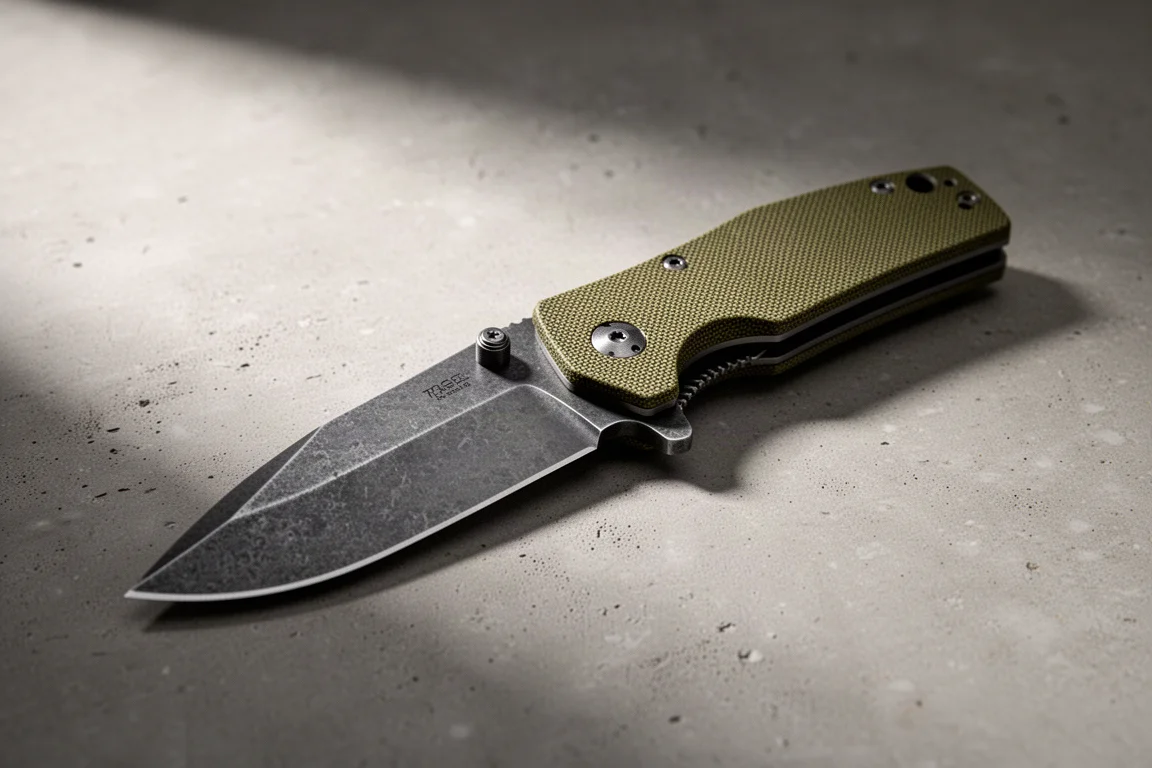
GiantMouse Nimbus
The Nimbus sits between the two extremes: lighter than The Grand but with more substance than a minimal folder. The design details are thoughtful, the spine sits comfortably in the hand, and the steel holds up well for everyday camp chores.
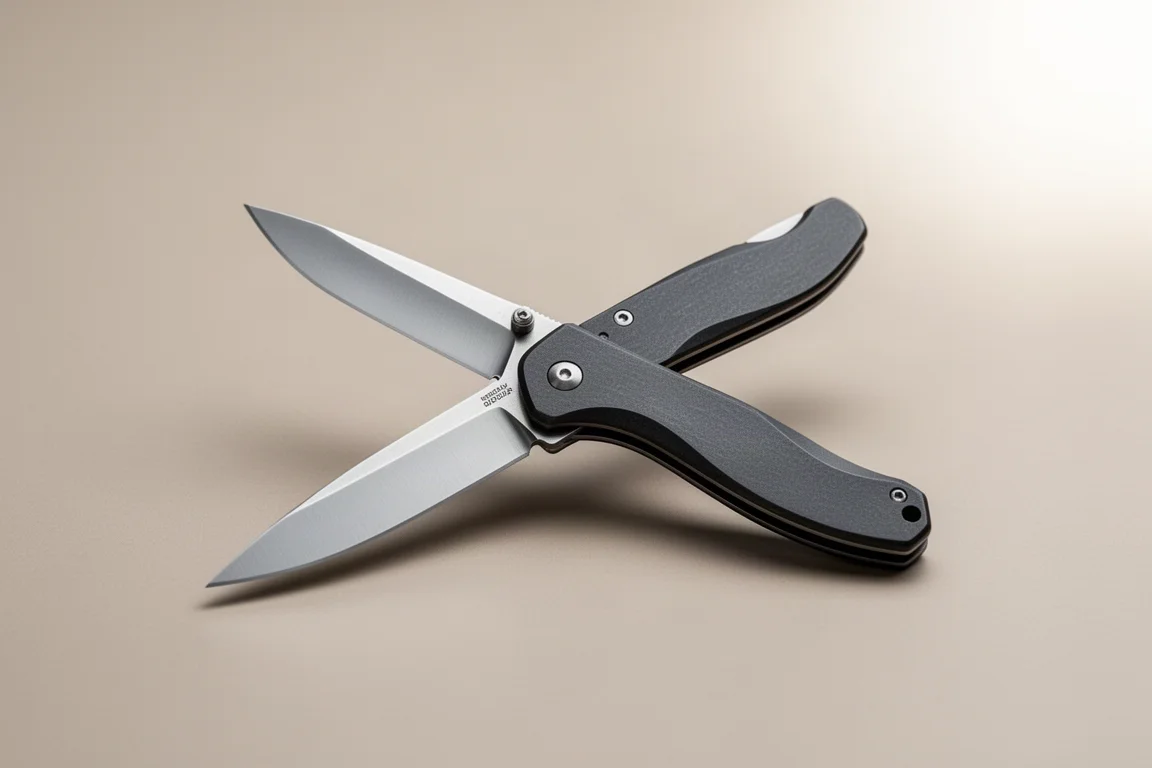
Inflating Pads and Lighting: The Flextail Tiny Pump X
Flextail Tiny Pump X
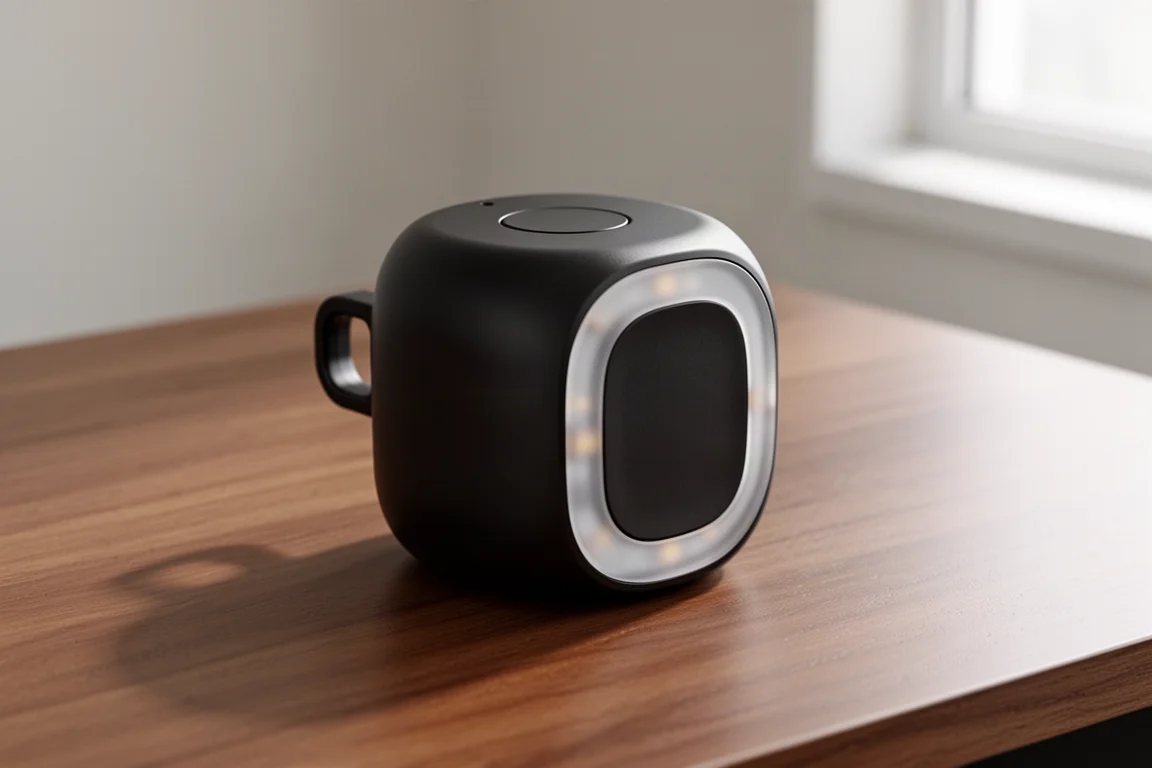
Inflating a sleeping pad by breath is slow and unpleasant, and the Tiny Pump X removes that chore entirely. The same device doubles as a lantern, so one item replaces two in the pack. For anyone counting ounces or trying to simplify a kit, that combination is hard to argue with.
Satellite Communicators for the Backcountry
Both of these devices do the same essential job, and either one is a reasonable choice. The difference comes down to how the messaging side feels in daily use and whether you want information available on the device itself.
ZOLEO Satellite Communicator
For messaging, ZOLEO is the strongest option here. Sending and receiving messages is straightforward and reliable, and it is the device that feels least like a chore to use when you are cold and tired at the end of a long day.
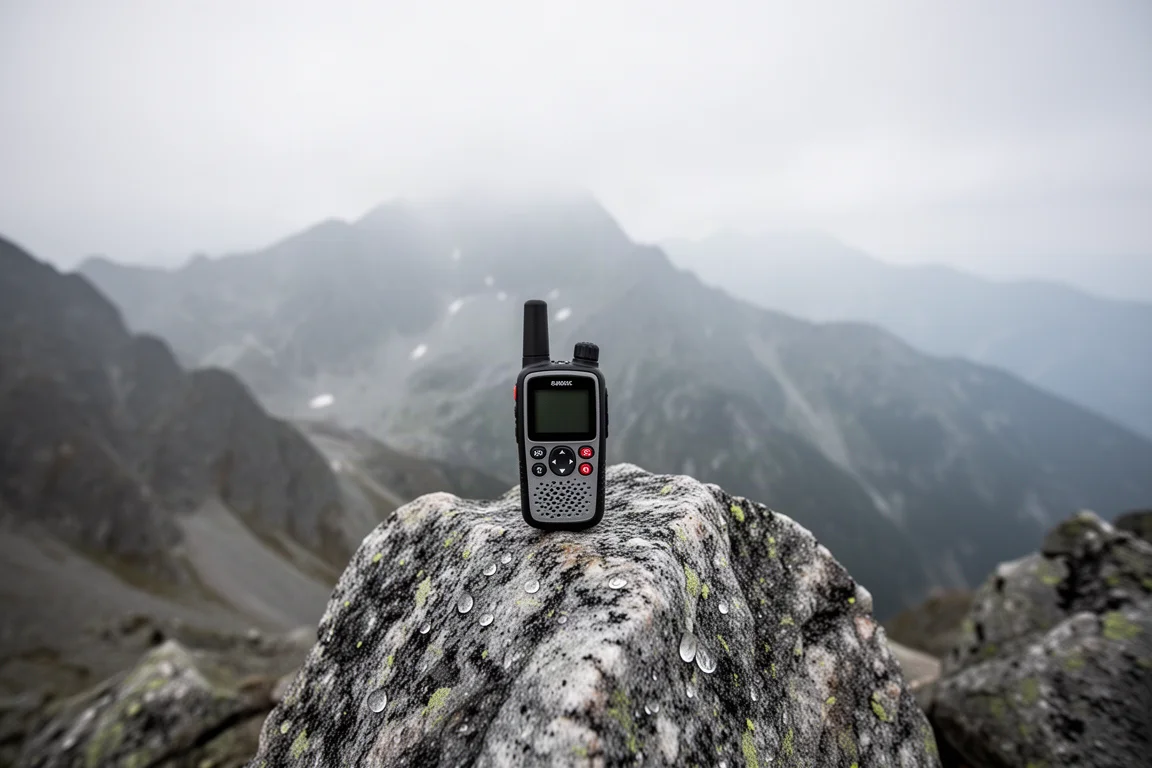
There is no screen on the device itself, so everything runs through the paired phone app, which keeps the hardware small and simple. For messaging-focused use, that is a benefit rather than a limitation.
Garmin Messenger
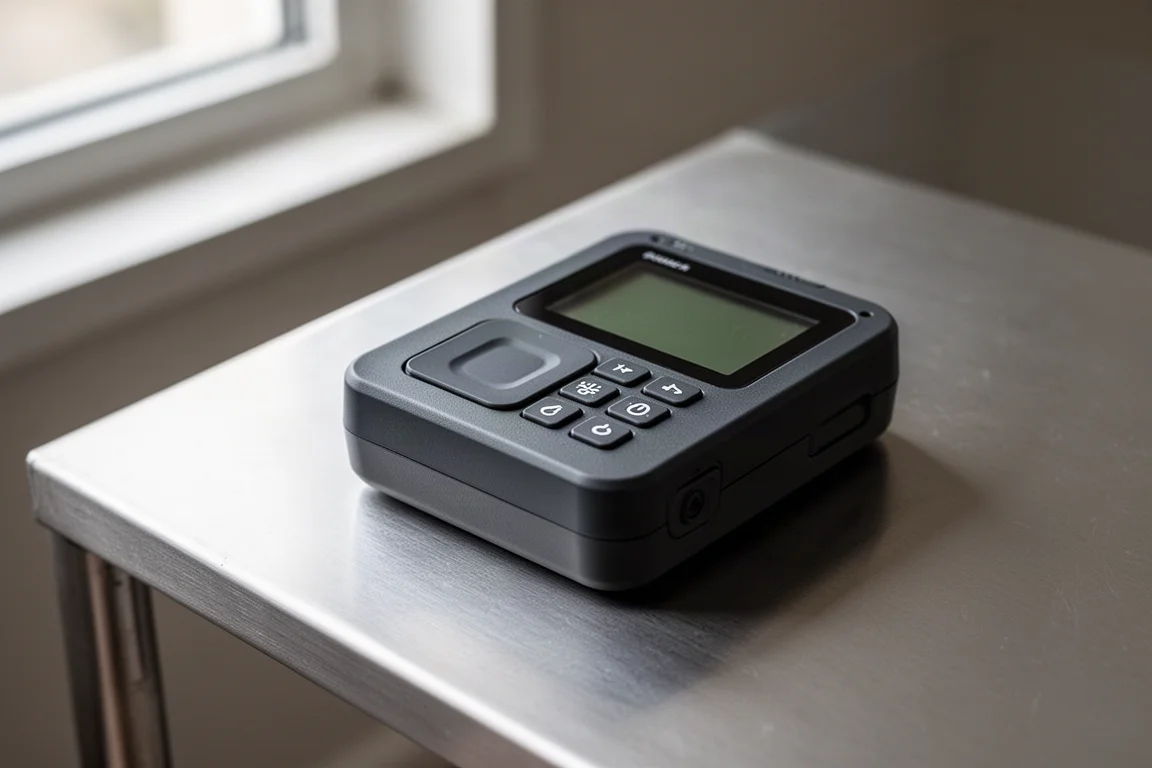
The Garmin Messenger is a newer GPS device and satellite communicator, and the built-in screen is genuinely useful for checking status without reaching for a phone. The messaging app and the overall interface take longer to learn, and the experience is less fluid than ZOLEO’s. The screen remains the main reason to choose it.
Backpacking Stoves: Soto WindMaster and Soto Amicus
These two canister stoves are the pair most often weighed against each other. Both come from Soto, both perform well, and the right answer depends on the weather you cook in and the pot you carry.
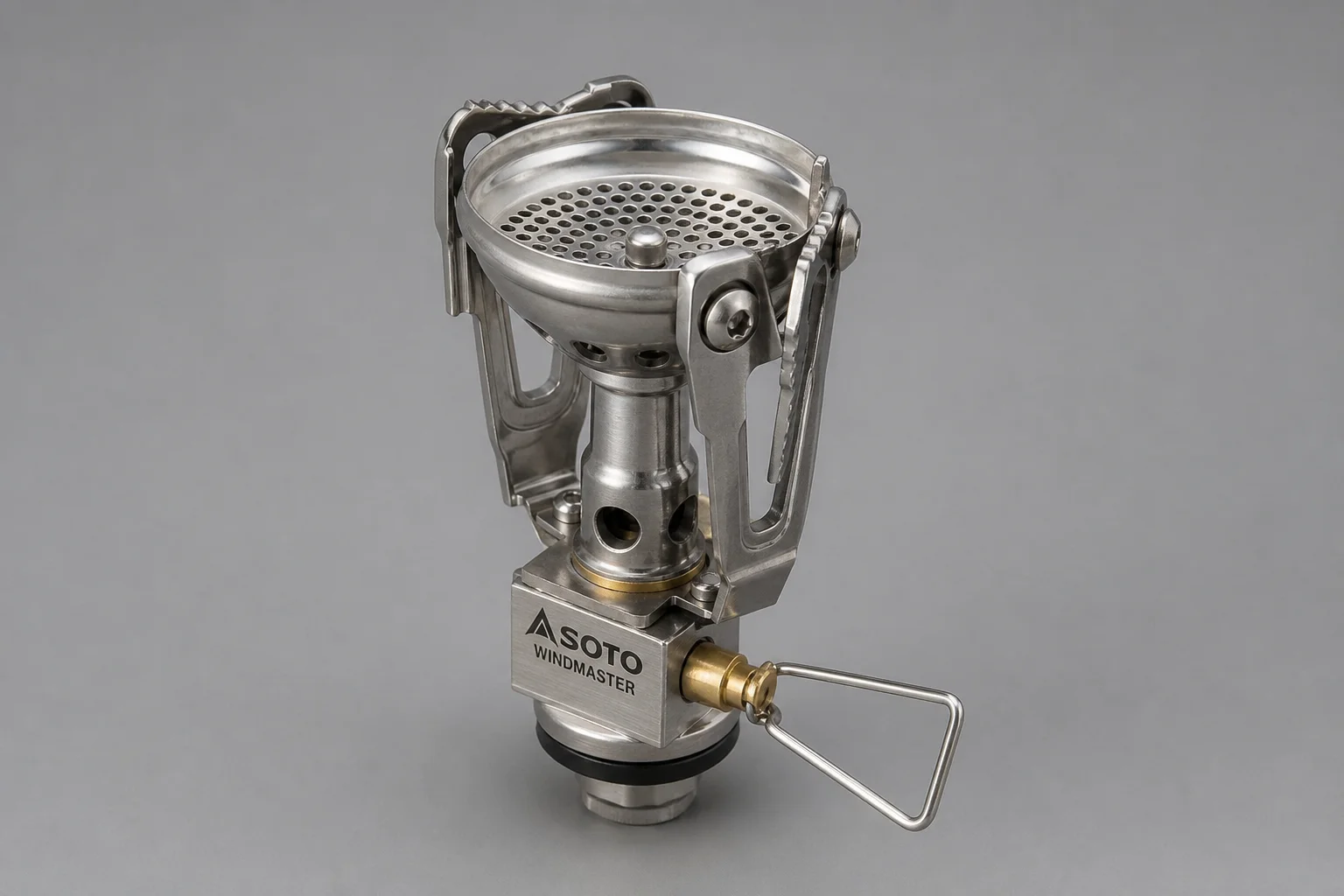
Soto WindMaster
The WindMaster is the more capable stove of the two, with a regulator that makes a real difference in colder conditions. The pot supports can be swapped out, including the TriFlex and 4Flex options, so you can match the stove to the cookware you use. The one drawback is height: it is a tall stove and does not nest inside every pot system.
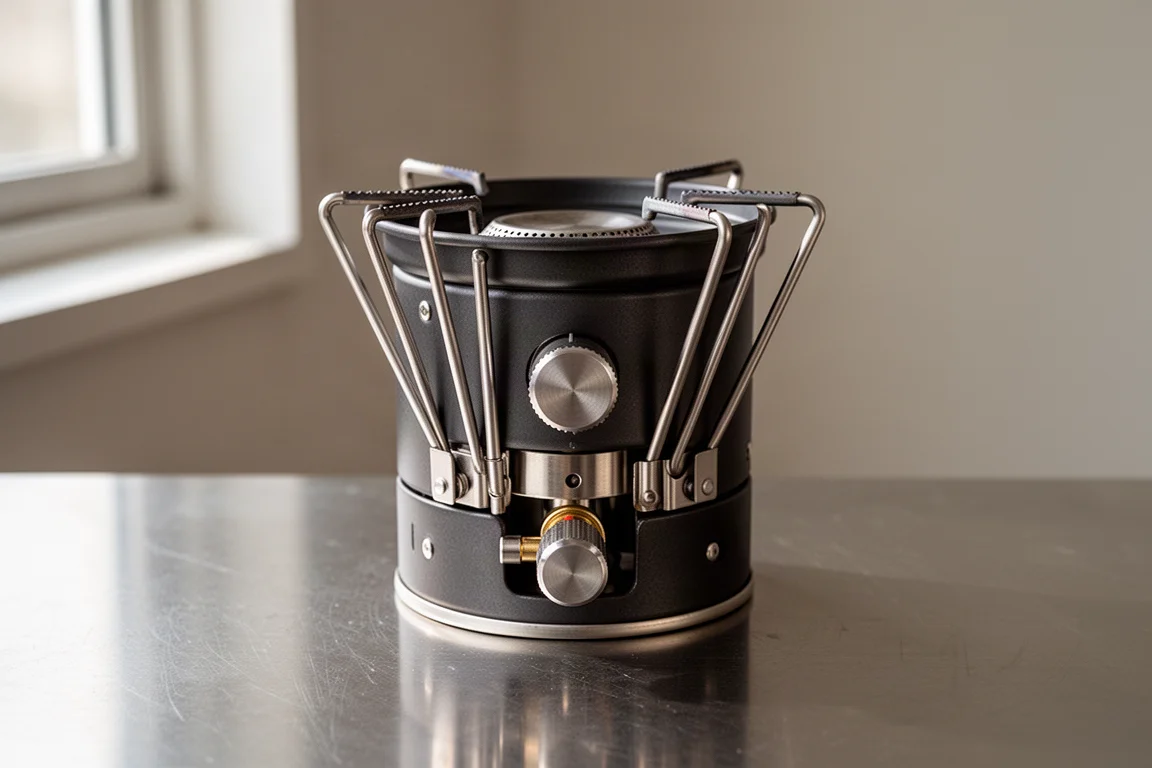
Soto Amicus
The Amicus is the budget option, and it performs well above its price. Pot stands are built in, and the lower profile nests easily inside common backpacking pots. It has no regulator, but for three-season trips in fair weather that is rarely a problem. On value alone, it is the better buy of the two.
Chest Carry: The Hill People Gear Runner’s Kit Bag
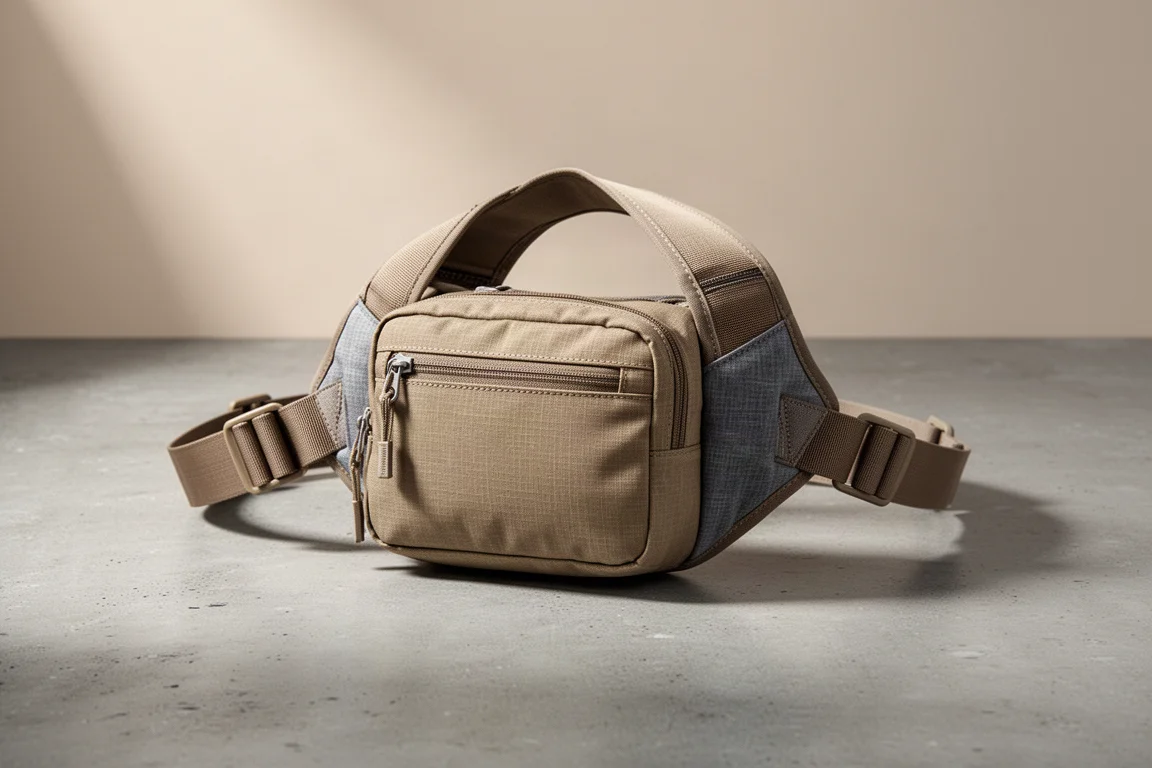
Hill People Gear Runner’s Kit Bag
The Runner’s Kit Bag is a chest pack designed around concealed carry. The rear pouch keeps a firearm close to the body and accessible, while a smaller front pocket holds the items you reach for constantly: a small flashlight, toilet paper, lip balm, and a mini lighter. Worn with a backpack, it sits comfortably against the harness system without interfering with the straps.
It is not the most conventional look on the trail, but it solves a real problem by making additional carry practical and quick to reach. Anyone carrying a firearm in the backcountry should be familiar with the regulations that apply where they travel.
Buying Advice: Matching Gear to the Trips You Actually Take
Start with the two items you sleep on and under, because they shape everything else in the pack. If weight matters most, the Rapide SL is the safer choice for three-season backpacking. If comfort matters more than a pound of packed weight, the Quasar 3D Insulated delivers the better night’s sleep.
For knives, work backwards from the task. The Lander covers everyday carry and light trips at a low price. The Mini Bugout is the lightest serious option for backpacking, while the standard Bugout suits larger hands. The Grand is the right tool when wood processing is part of the plan, and the Nimbus covers general camp chores with less weight in the pocket.
For stoves, the Amicus handles warm-weather three-season trips at a lower price, and the WindMaster earns its place when temperatures drop or when you want to match pot supports to your cookware.
For communication, ZOLEO is the pick when messaging is the priority, and the Garmin Messenger is worth the learning curve if you want a screen on the device itself. The Tiny Pump X and the Runner’s Kit Bag are the two accessories that quietly change how a trip feels: one removes a chore and an extra item from the pack, the other keeps the things you need within reach.
Conclusion
None of these items are gimmicks. Each one either removes a small frustration from camp or adds capability that is hard to get any other way, which is why they keep coming up. Match the pick to the trips you actually take, and the gear will earn its place in the pack.
Further reading
Related Reviews

Backpacking Gear
Building a 10 lb Base Weight: An Ultralight Backpacking Gear List
A practical walkthrough of the ultralight pieces behind a 10 lb base weight, from a 765 g pack and a roomy one-person tent to a full camp chair and a dependable water filter.
Backpacking Gear
A 15-Pound Lightweight Backpacking Gear List for Solo Trips
A beginner-friendly 15-pound backpacking setup built from easy-to-find gear, with notes on what each piece does, how it packs, and where to spend your attention.
Backpacking Gear
8 Ultralight Backpacking Gear Upgrades Worth Carrying
Eight small, affordable backpacking upgrades that solve real trail annoyances, from a pillow that stays put to a fuel valve that rescues leftover canister gas.