Backpacking Gear
Backpacking Gear Features That Solve Real Problems: 11 Products Worth Considering
Six stubborn backpacking problems and the specific gear features that address them, from rain-safe tent pitches to wrist flashlights and pad valves you can adjust in the dark.
Introduction
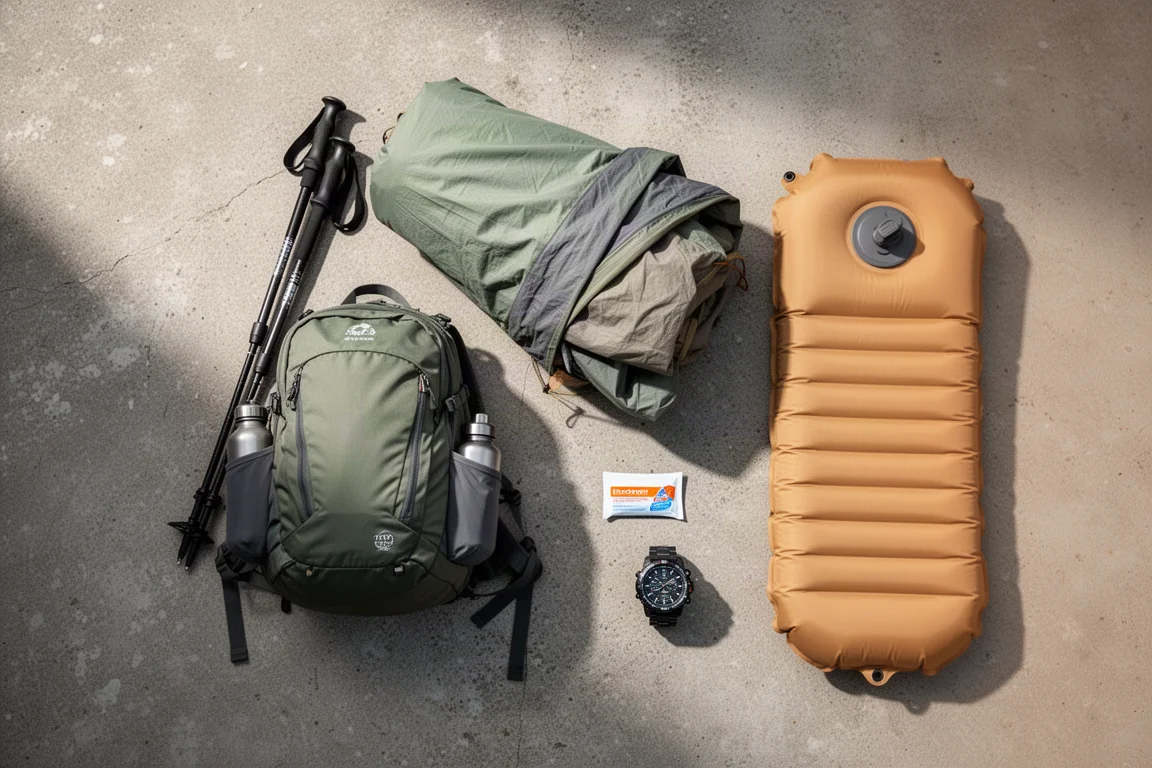
Some backpacking frustrations survive every gear upgrade. You can spend a great deal of money and still end up with a soaked tent interior, a jammed zipper, or a water bottle you cannot reach without stopping. The encouraging part is that a small number of products have been designed around those exact problems, and the fixes tend to be specific design decisions rather than bigger budgets.
Below are six recurring issues on the trail and the gear features that genuinely address them, from tent pitches that keep the inner dry to a watch that doubles as a flashlight.
Pitch a Tent in the Rain Without Soaking the Inner
Most tents use a separate mesh inner and a fly that goes over the top. That design works well in dry weather, but pitching it in the rain leaves the inner exposed for the minutes it takes to get the fly on, and the inside of your shelter ends up wet. In cold conditions that is more than an inconvenience.
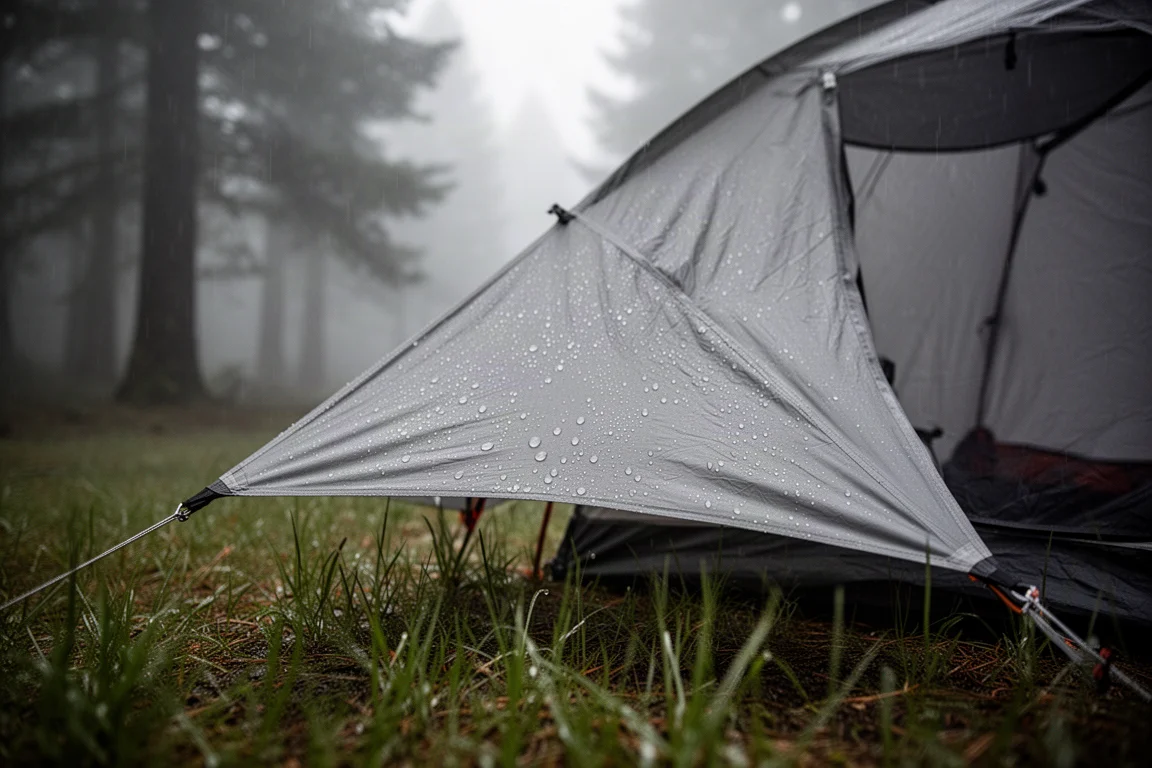
The simplest fix is a tent with an all-in-one pitch, where the fly and the inner are attached and rise together. The Durston X-Mid works this way, so the inner stays covered by the fly throughout setup.
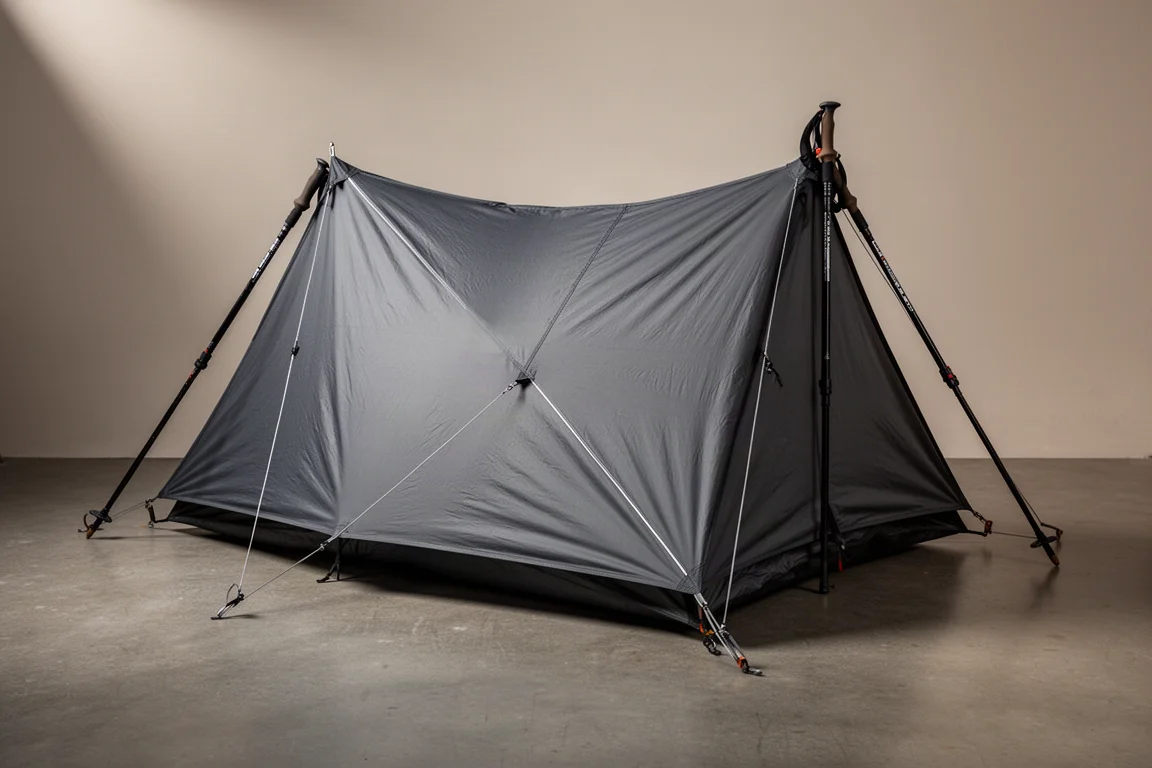
A second approach keeps the inner and fly separate but lets you pitch the fly first. The Sea to Summit T series uses a dual-function clip that the poles can slot into directly, which means the fly can go up on its own without a footprint. You can then crawl into the dry space underneath and set up the inner inside it.
Zippers That Do Not Fight Back
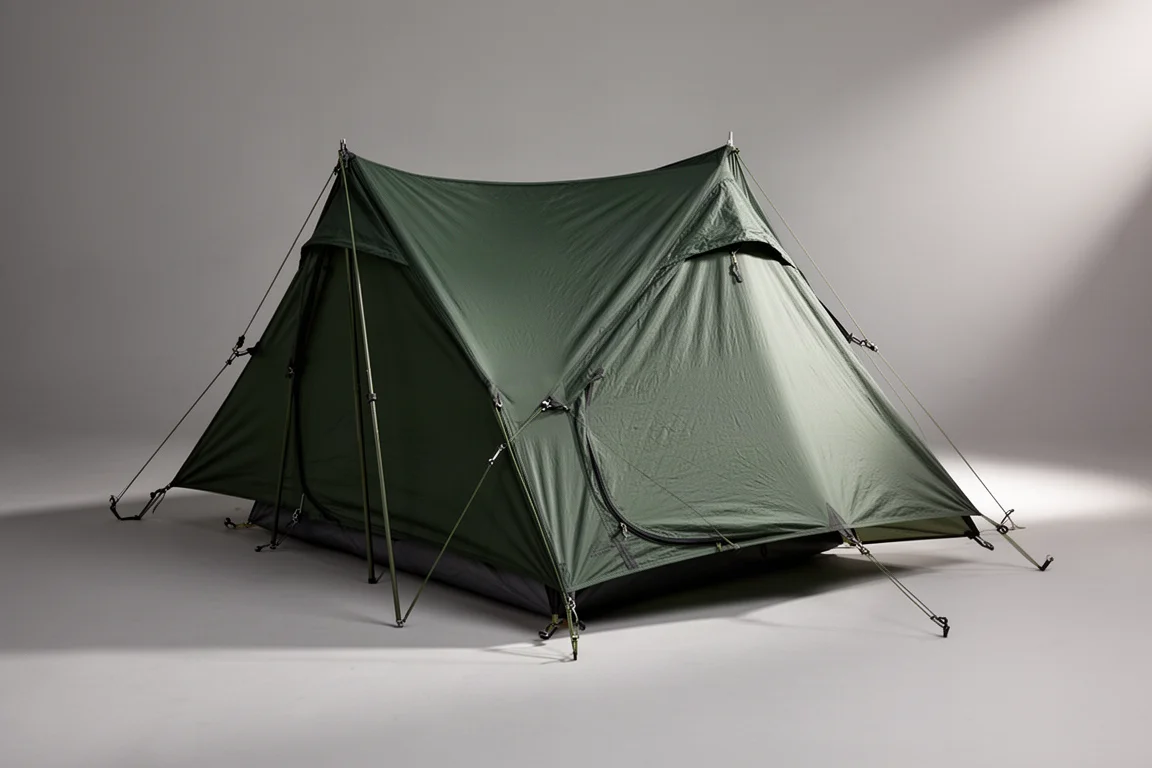
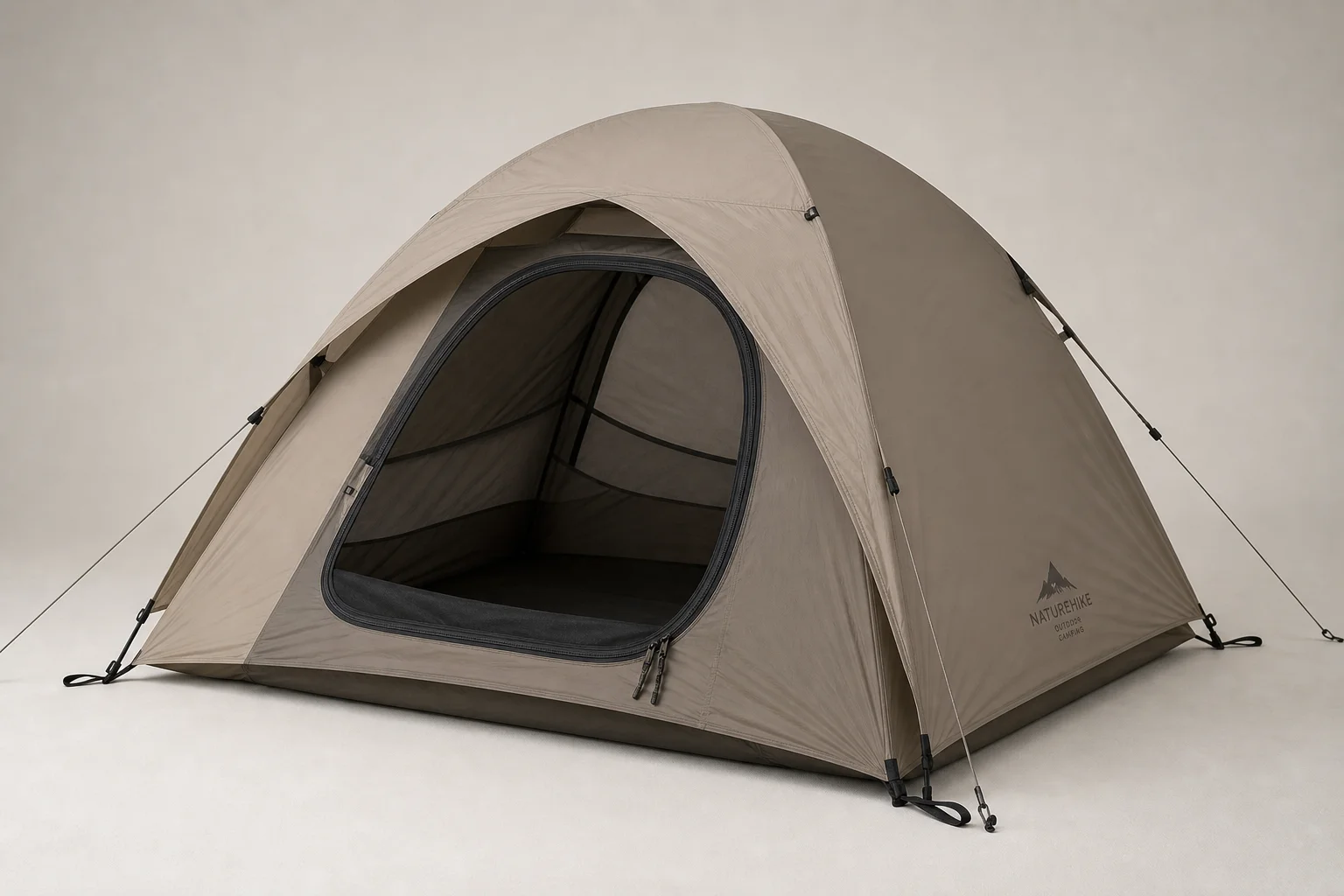
Many tent doors use a curved zipper set into the mesh wall. The curve helps the door open wide, but it also creates a track that catches and sticks, and on ultralight tents with very small zipper teeth the problem gets worse. A curved zipper is one of the few tent parts that can fail outright.
Doors without a curve solve this by using two straight zippers instead of one curved one. One runs vertically and one runs horizontally, and opening the vertical zipper first while keeping light pressure on the horizontal one makes the door quick to operate. It may sound slower, but in practice it is often faster because there is no curve to negotiate.
Durability is the bigger win. Straight zippers on ultralight tents hold up better across a long season of use, which is why tents such as the Big Agnes Tiger Wall use them despite their lightweight construction. MSR and Durston also build doors this way.
Electrolytes That Keep You Focused
Electrolyte intake matters most on the days when you are working hardest. Carrying a heavy pack across dry terrain with no reliable water source leaves very little margin, and a muscle cramp or a lapse in concentration at the wrong moment can turn a hard day into a dangerous one.
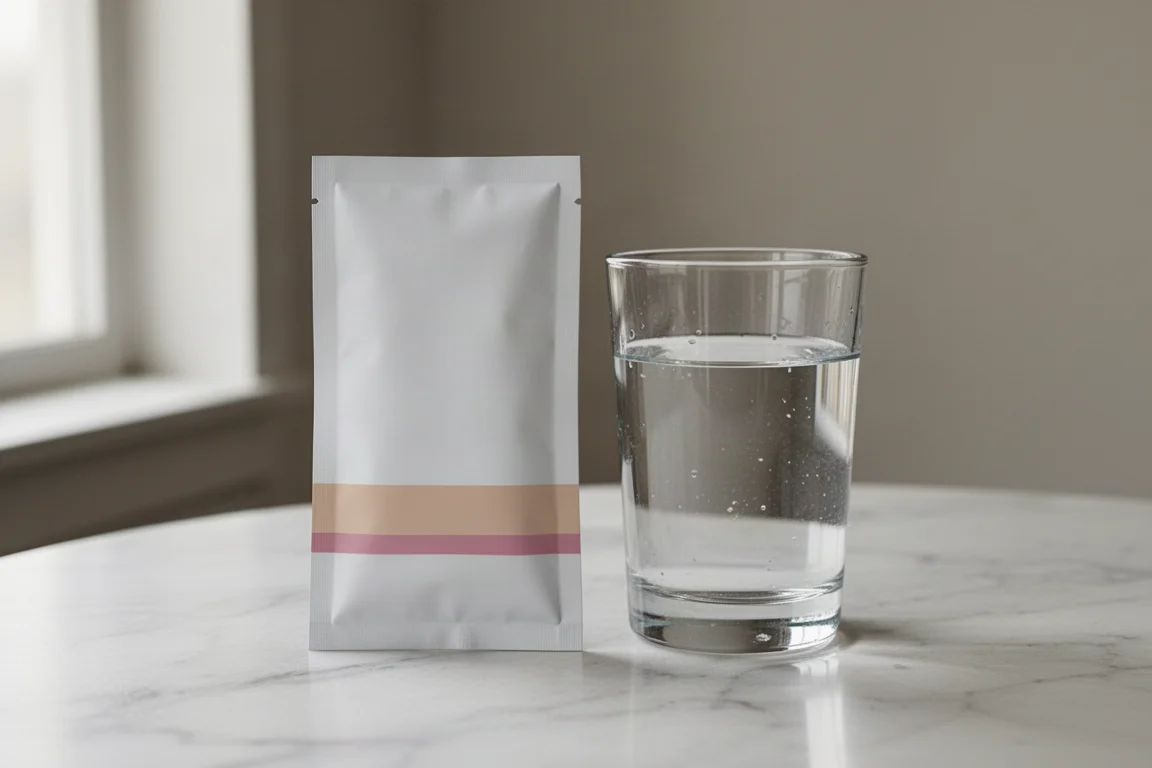
LMNT takes a straightforward approach by packing 1,000 mg of sodium into each packet, which is roughly three to four times the sodium found in many other electrolyte packets. For heavy sweaters, that difference tends to show up in how you feel late in the day.
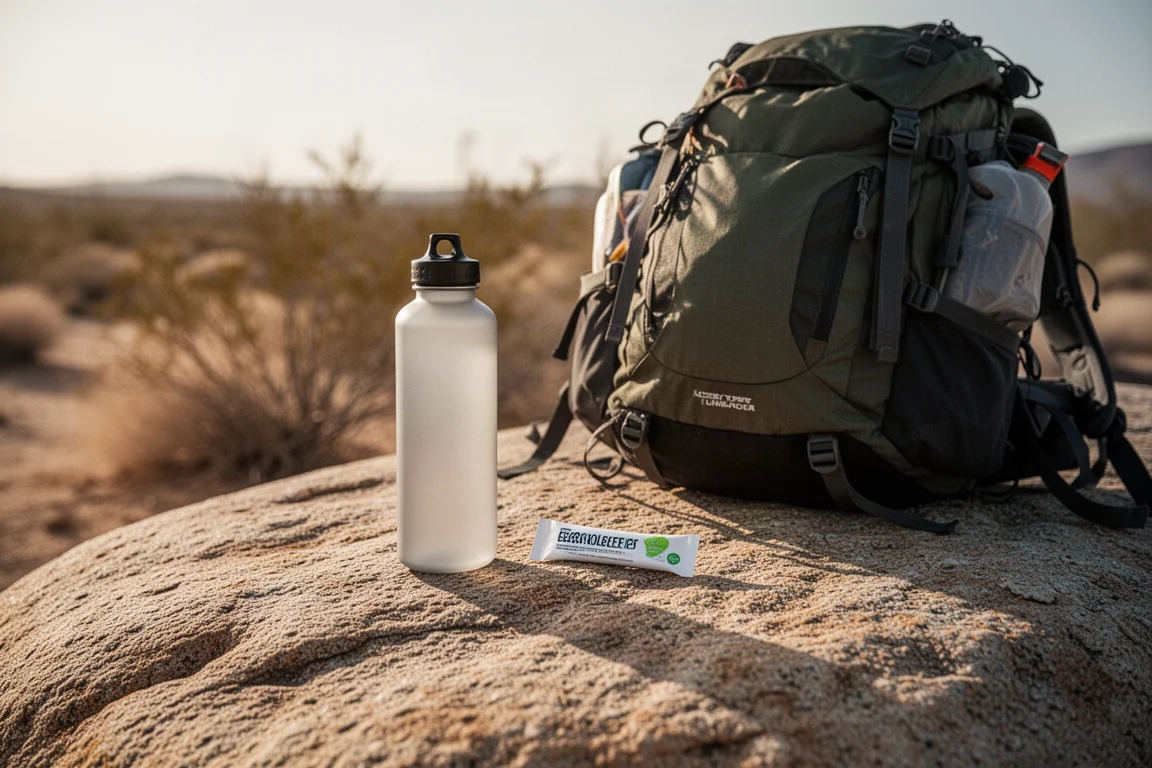
Used consistently, the point is to make every sip of carried water do more work. On long, dry stretches where refills are hours apart, that matters more than flavor or packaging.
Reaching Your Water Bottle Without Stopping
Side pockets are the right place for water bottles because the weight sits on your hips, which is where a loaded pack carries best. The catch is access. On many packs the pockets sit high and far back, and reaching a bottle means stopping, unshouldering, or asking someone else.
Moving bottles to shoulder strap pouches, or running a tube from a bottle to the front, are the two most common workarounds. Both carry trade-offs. Shoulder pouches put several pounds of water on your shoulders instead of your hips, and a tube makes it harder to keep track of how much water is left.
Some packs now lower the side pockets to make them easier to reach. The Outdoor Vitals CS40 takes that approach, dropping the bottle pockets down the side of the pack.
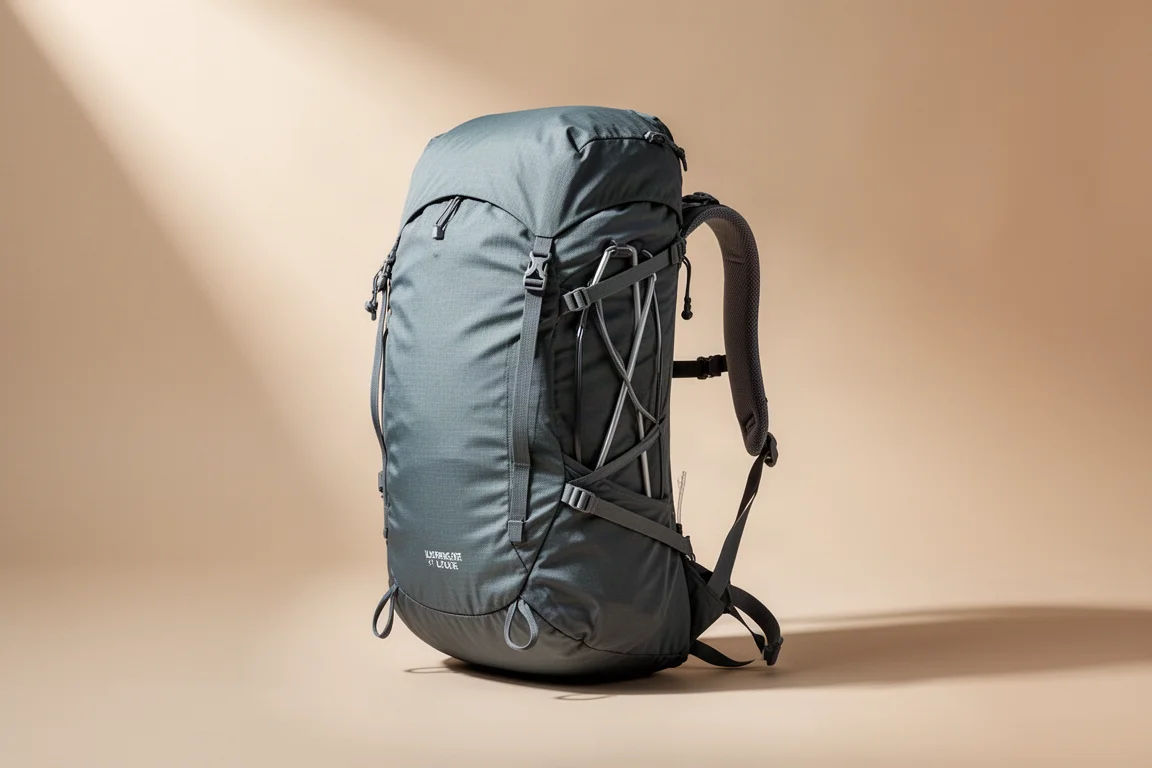
Others add a second opening. The Gregory Focal uses side-entry bottle pockets, so the bottle slides in and out from the side rather than from the top.
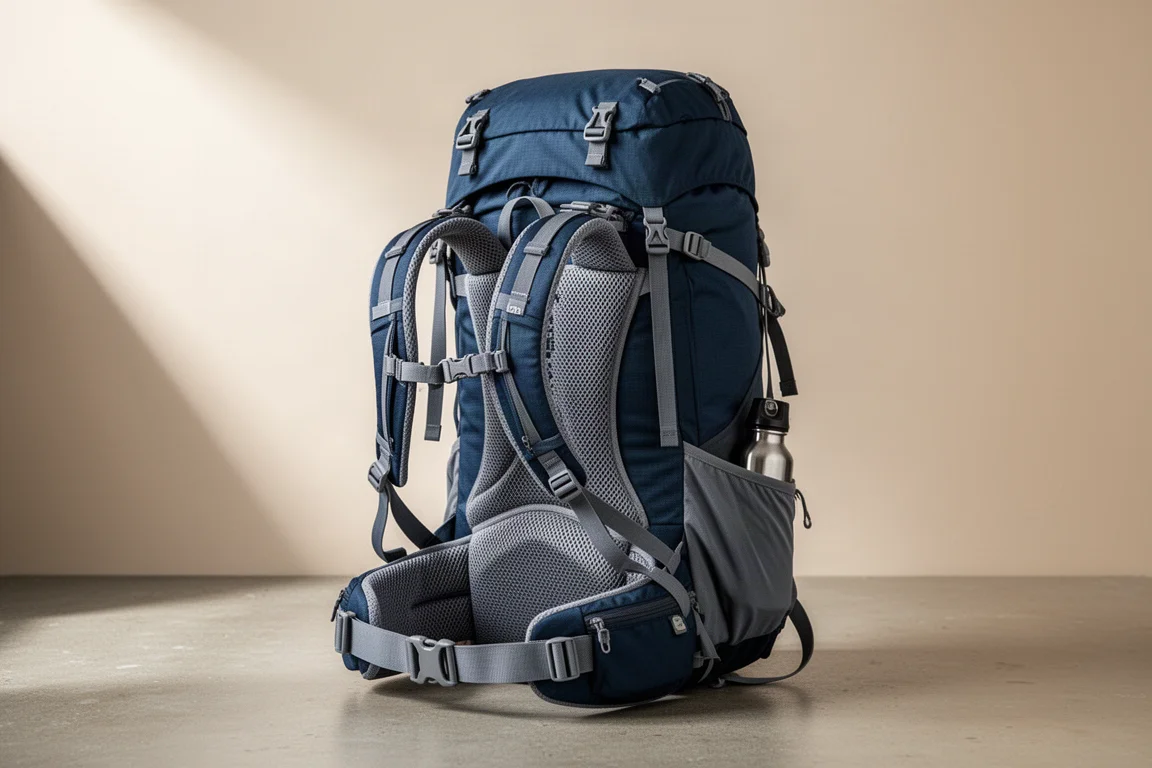
The REI Flash 55 takes a different route with a mesh pocket positioned in front of the main side pocket. The bottle sits in its own dedicated sleeve, which makes it easier to grab and replace without long arms or unusual shoulder flexibility. It also frees the main side pocket for trekking poles or a tripod, and it does not press into your side.
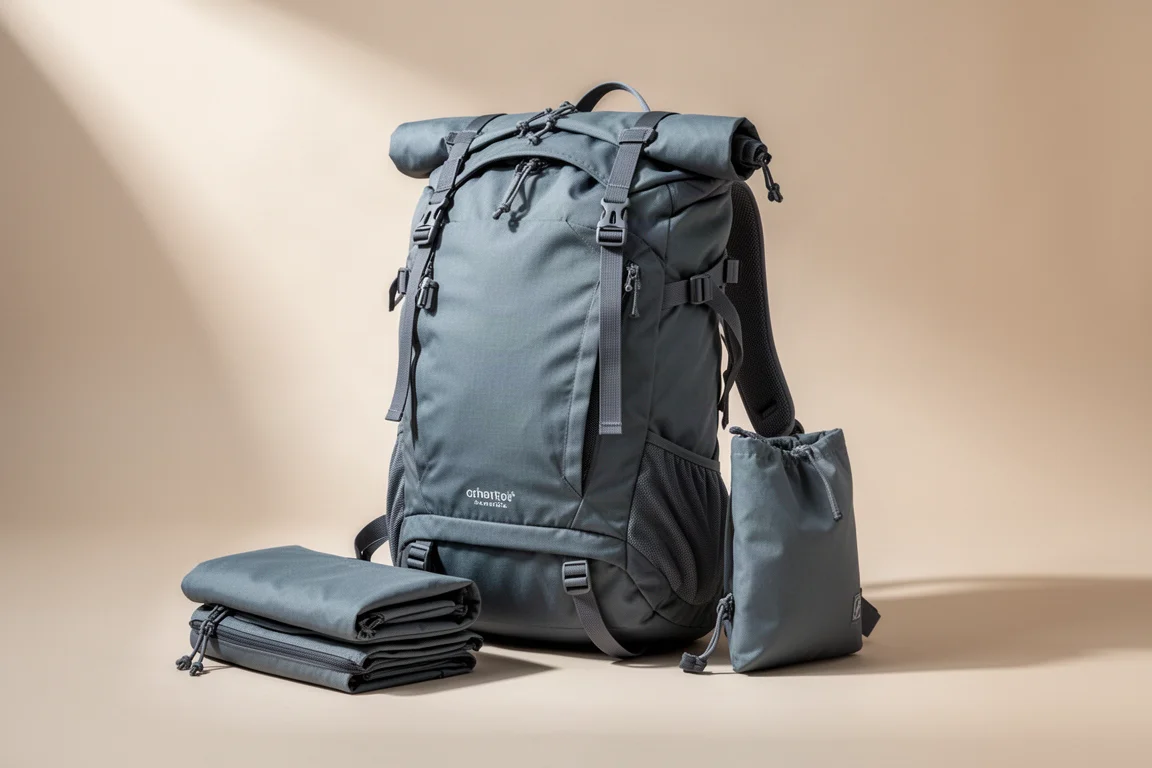
Keeping the bottle on the hip belt is worth the effort. It places roughly five pounds of water where the pack is designed to carry it, and it keeps you drinking steadily rather than rationing.
A Flashlight on Your Wrist
A headlamp is easy to leave behind. You head to the fire ring or wander away from camp before dark, and by the time you need light it is back in the tent.
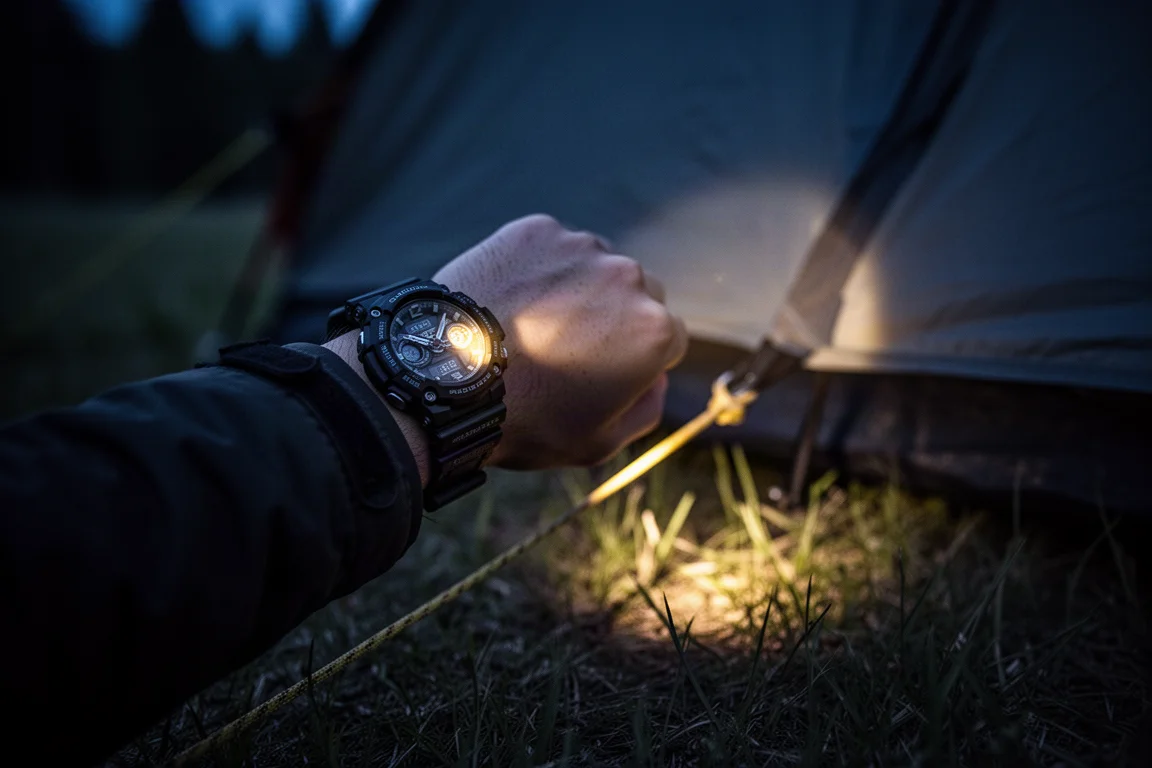
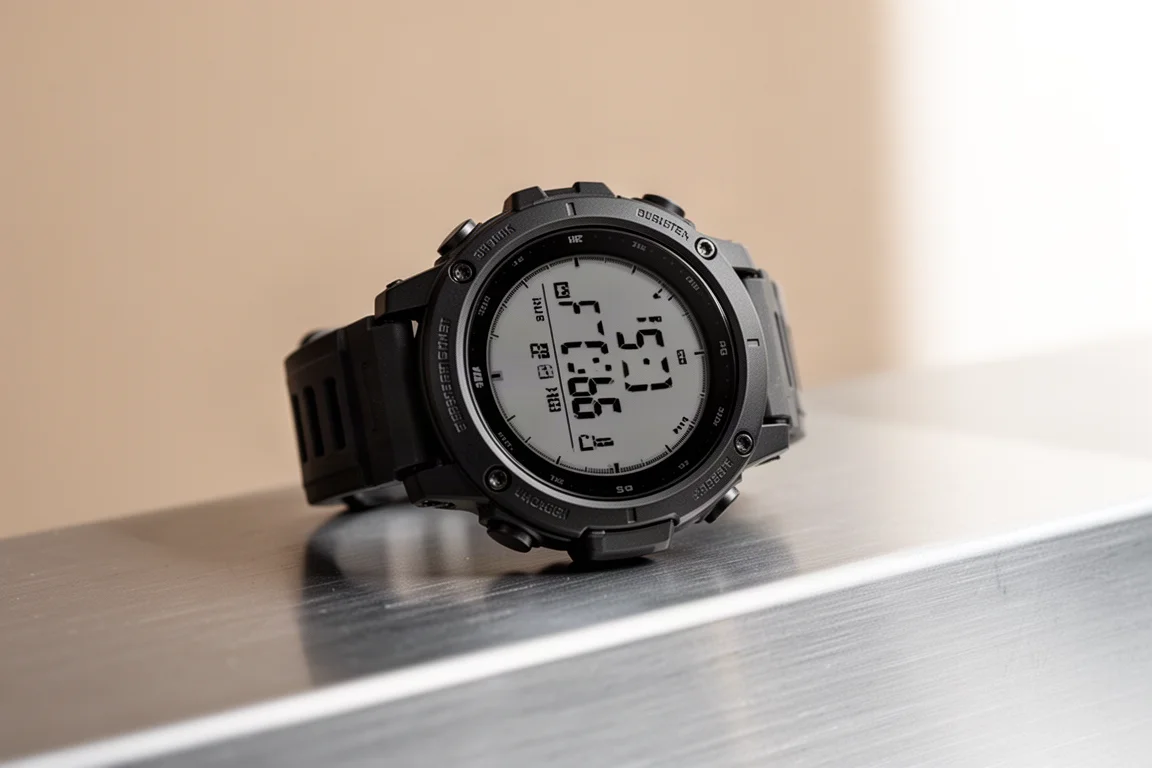
Some outdoor watches build a flashlight directly into the case. The Garmin Enduro 2 includes one, and the light is bright enough to be genuinely useful rather than a token feature. Because it already sits on your wrist, it removes the step of remembering a separate light.
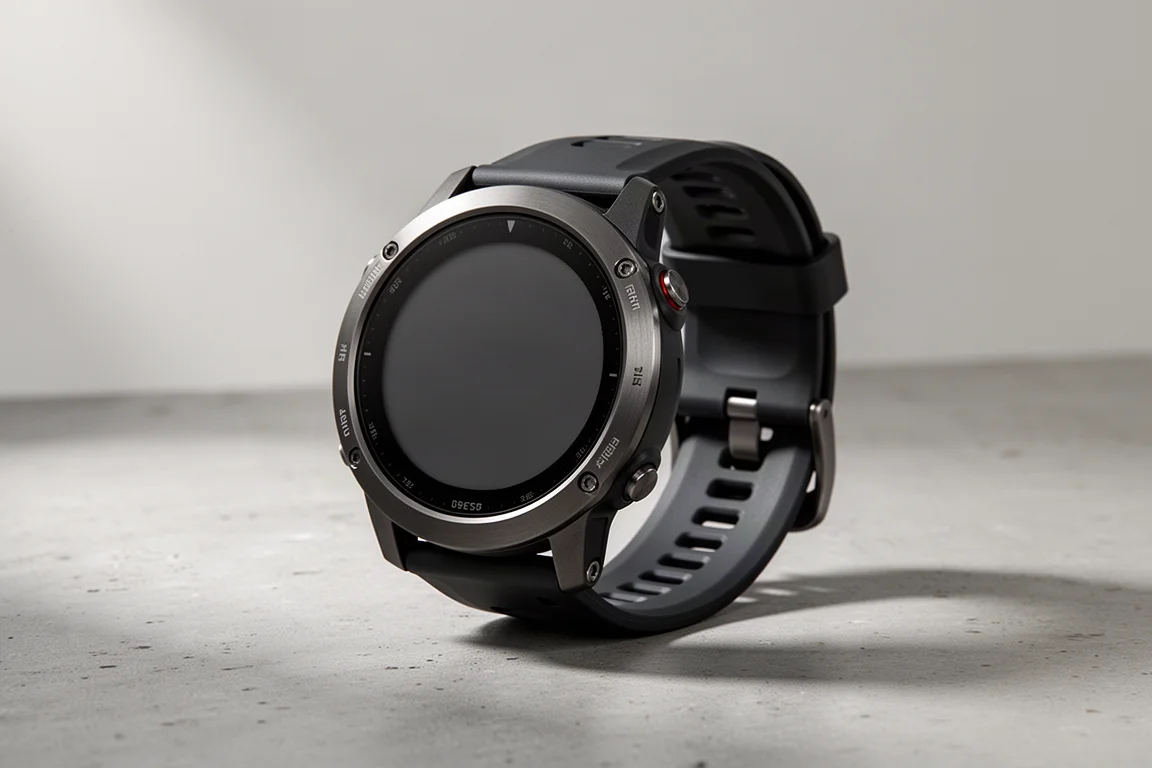
The Garmin Instinct 2X offers the same built-in light in a different form factor. Beyond camp, it covers everyday situations such as walking a dog after dark, or working in a closet or room where the overhead light is out. On summer trips where a headlamp rarely gets used, a wrist light can replace it entirely.
Sleeping Pad Valves You Can Adjust in the Dark
Sleeping pad comfort changes overnight. A pad that felt right at bedtime can feel too firm a few hours later, or it can soften as the air inside cools. Adjusting it means finding the valve in the dark.
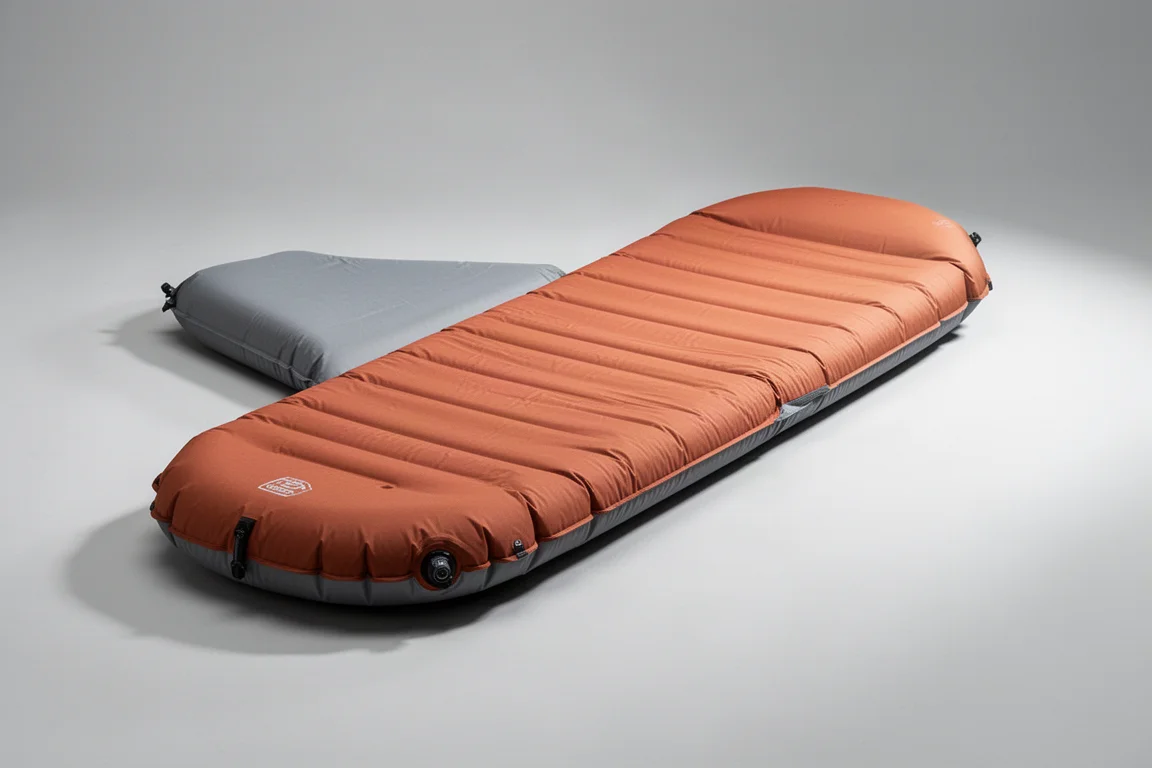
On pads such as the Exped Ultra and the REI Helix, the valve sits on the bottom face. That placement makes it awkward to reach once you are lying on the pad, so the adjustment you want often waits until morning.
A flat, top-mounted valve system solves this. Sea to Summit uses a two-flap design: one flap opens for inflation, and the second opens to dump air quickly. There are three practical benefits. It saves weight because a single valve location replaces separate inflation and deflation valves. It deflates far faster than most systems that try to imitate it, which makes packing up easier. And because the valve sits flat on top of the pad, it does not interfere with your pillow or your sleep position.
To fine-tune firmness, you open the first flap and press a small button on the valve to release air. If you overshoot, you can blow into the valve while lying on the pad to add air back.
The Exped Ultra keeps its valve on the bottom face, so middle-of-the-night adjustments take more effort.
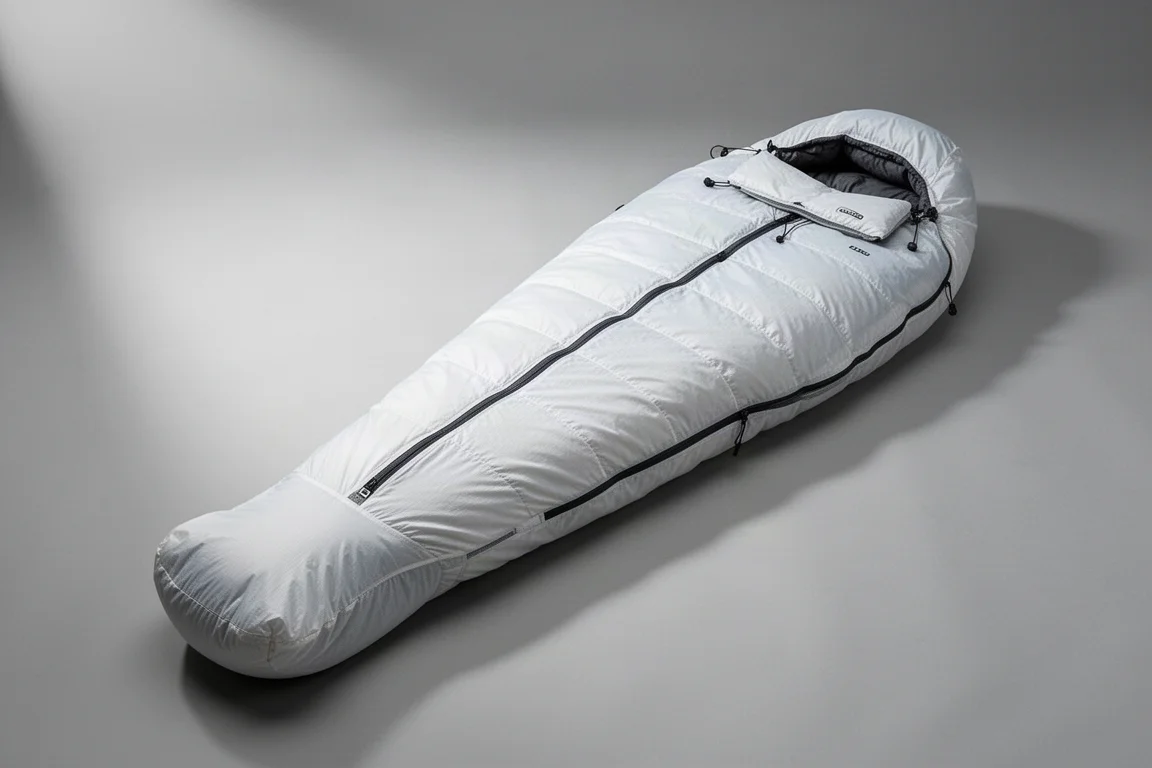
The REI Helix uses the same bottom-mounted placement, which is worth knowing before you rely on it as a primary pad for long or cold trips.
How to Choose What Matters for Your Trips
Not every feature on this list will matter to you, and that is the point. The value of these designs comes from matching them to the conditions you actually camp in.
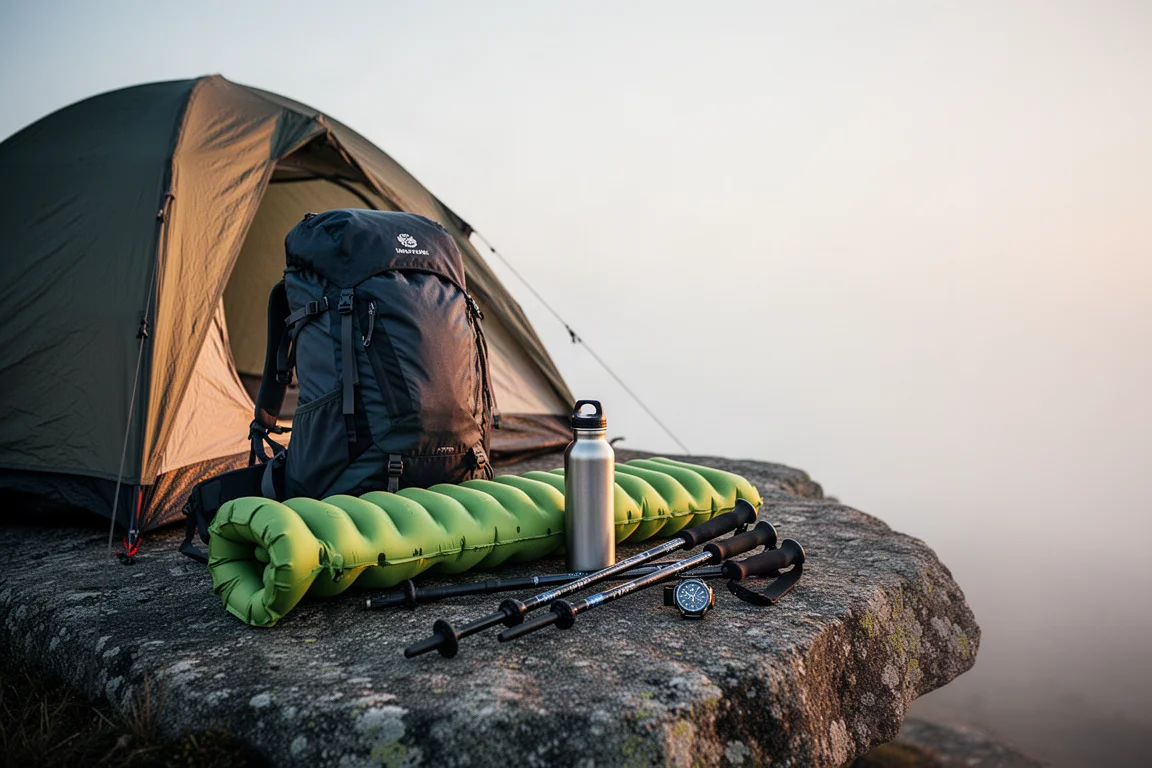
If you hike in wet climates or shoulder-season weather, prioritize a tent that keeps its inner dry during setup, either through an all-in-one pitch or a fly-first design. If you drink often while moving, a pack with genuinely reachable bottle storage will change your day more than a lighter shelter will. If you rarely carry a headlamp in summer, a watch with a built-in light can remove an item from your kit. And if you wake up wanting to adjust your pad, a top-mounted valve is the difference between a small fix and getting out of the tent.
None of this requires replacing everything at once. Pick the problem that costs you the most comfort, and solve that one first.
Conclusion
Backpacking gear improves fastest when a design decision targets a specific annoyance: a wet inner, a stuck zipper, an unreachable bottle, a pad valve you cannot find in the dark. The products above are worth considering because each one addresses a problem you will actually notice on the trail.
Further reading
Related Reviews

Backpacking Gear
Building a 10 lb Base Weight: An Ultralight Backpacking Gear List
A practical walkthrough of the ultralight pieces behind a 10 lb base weight, from a 765 g pack and a roomy one-person tent to a full camp chair and a dependable water filter.

Backpacking Gear
A 15-Pound Lightweight Backpacking Gear List for Solo Trips
A beginner-friendly 15-pound backpacking setup built from easy-to-find gear, with notes on what each piece does, how it packs, and where to spend your attention.

Backpacking Gear
8 Ultralight Backpacking Gear Upgrades Worth Carrying
Eight small, affordable backpacking upgrades that solve real trail annoyances, from a pillow that stays put to a fuel valve that rescues leftover canister gas.