Backpacking Gear
Backpacking Gear Favorites: 12 Pieces Worth Carrying
A field-tested backpacking kit that stays light on the move and comfortable at camp, from a 30-litre pack to a quilt built for subfreezing nights.
Introduction
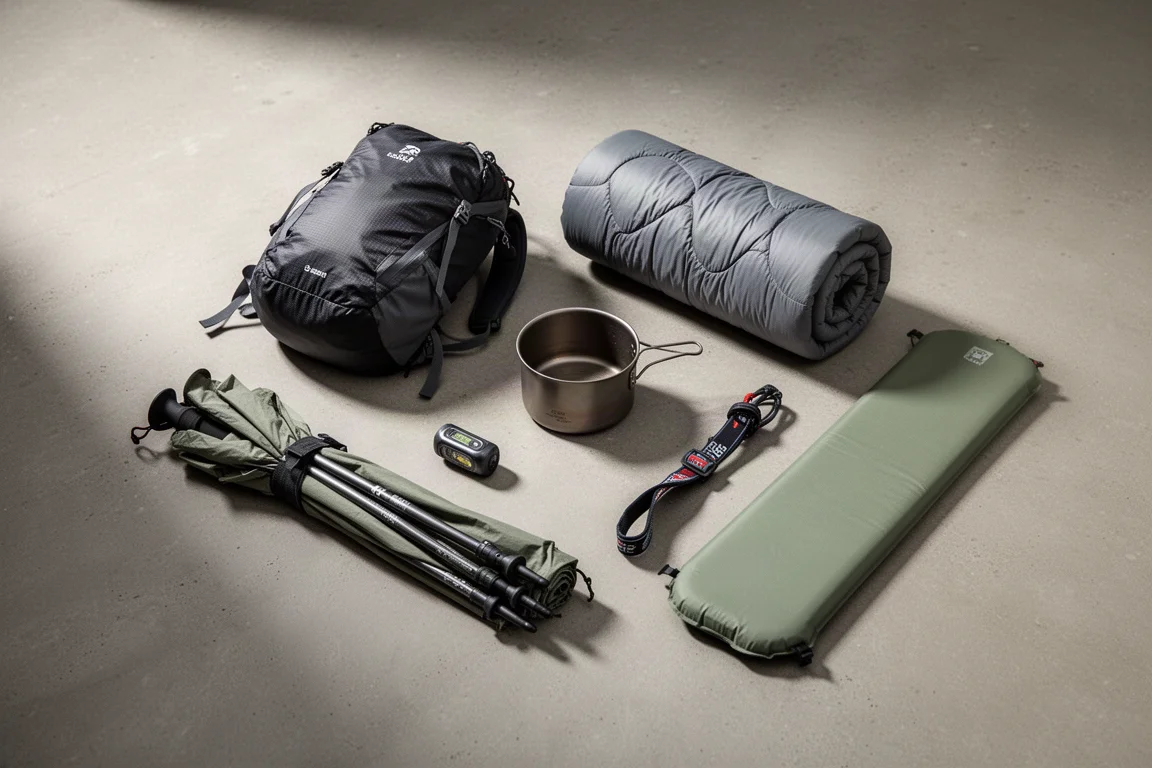
Putting together a backpacking kit is mostly a negotiation between two goals: staying light on the move and staying comfortable once camp is up. Some pieces should disappear on your back. Others earn their place by making a night outdoors restful enough to do it again the next day.
The list below reflects a long testing history that includes almost every sleeping pad on the market, more than 70 pillows, around 50 tents, and over 30 packs. It is a three-season kit aimed at alpine valleys and shoulder-season conditions, and it deliberately mixes ultralight choices with a few comfort-focused ones.
Each item here has a clear reason for being in the pack, and each is worth understanding on its own terms before you buy.
How I Chose This Gear
Three questions decide whether a piece of gear stays in the kit.
The first is weight, but not weight alone. A pack has to be light without collapsing under a load, and insulation has to be light without losing warmth when it gets damp. The second is behaviour in real conditions: wind, rain, condensation, and subfreezing nights. The third is access and simplicity, because gear that is awkward to use tends to get left at home.
That balance is why this list mixes ultralight items with a few deliberately heavier ones. A 600 g camp chair or a wide insulated pillow adds grams, but it changes how a night at camp feels after a long day on trail.
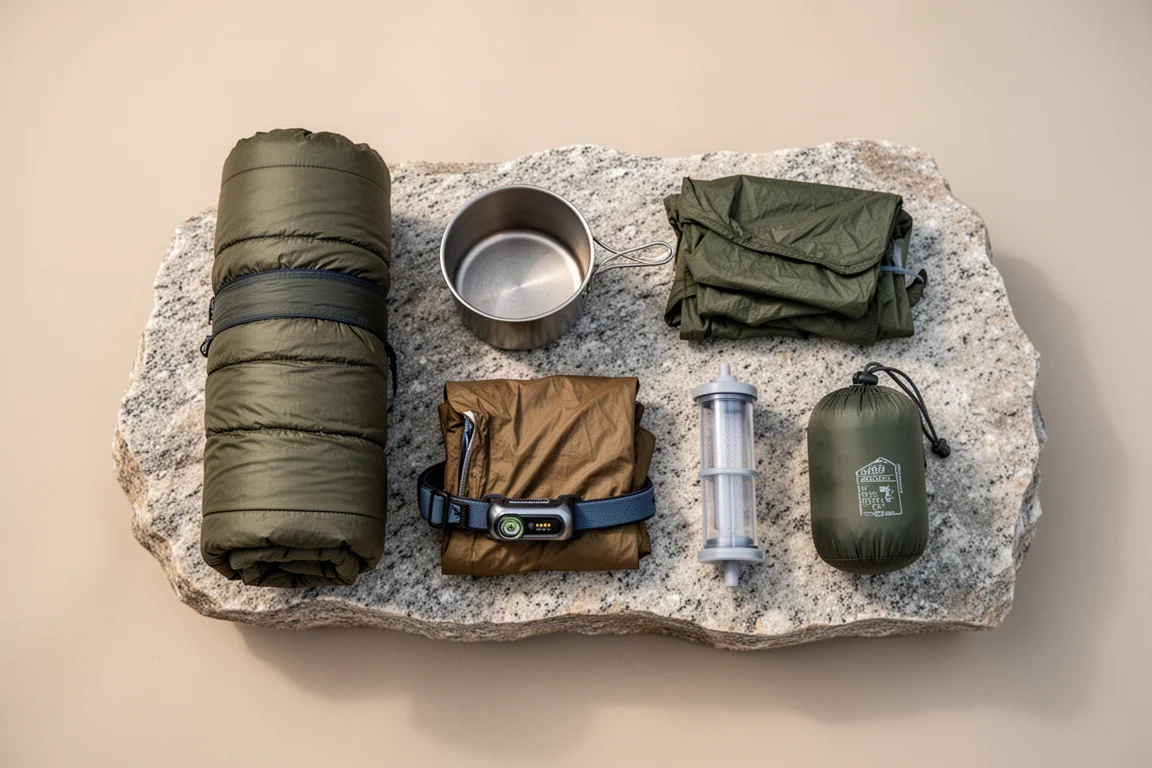
Price matters as well, and it is worth noticing where a piece of gear delivers unusual value for what it costs. A couple of items here cost a fraction of comparable options while giving up very little, and one quilt in particular pairs a long list of features with a price that is hard to argue with.
Durston Wapta 30: A Lightweight Pack That Carries Well
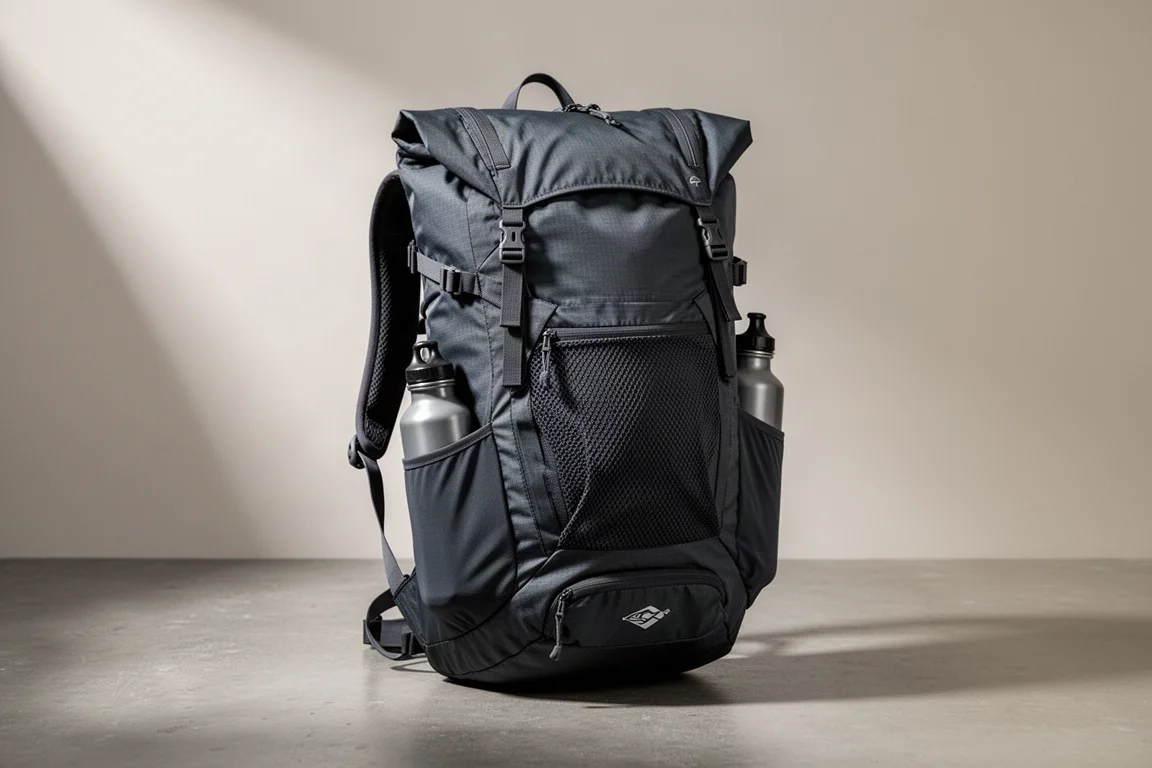
The Durston Wapta 30 anchors this kit, and it does two things that matter more than any single number on a spec sheet: it keeps carried weight low, and it transfers that weight well. A little foam runs down the back for structure, and the shoulder straps are constructed to carry a load rather than simply rest on the shoulders.
Access is the other strength. There are two shoulder pockets, a bottom pocket, and a side water bottle pocket positioned so a bottle can be reached and replaced without stopping. For a pack in this weight class, that is a lot of usable storage.
It was expected to be a niche option reserved for extreme ultralight trips, but it carries weight well enough to work as an everyday pack. Inside, a lightweight pack liner adds a second barrier so dry items stay dry even when a wet shelter goes into the bag at the end of a rainy day.
Outdoor Research Astroman Sun Hoodie: Sun Protection That Works
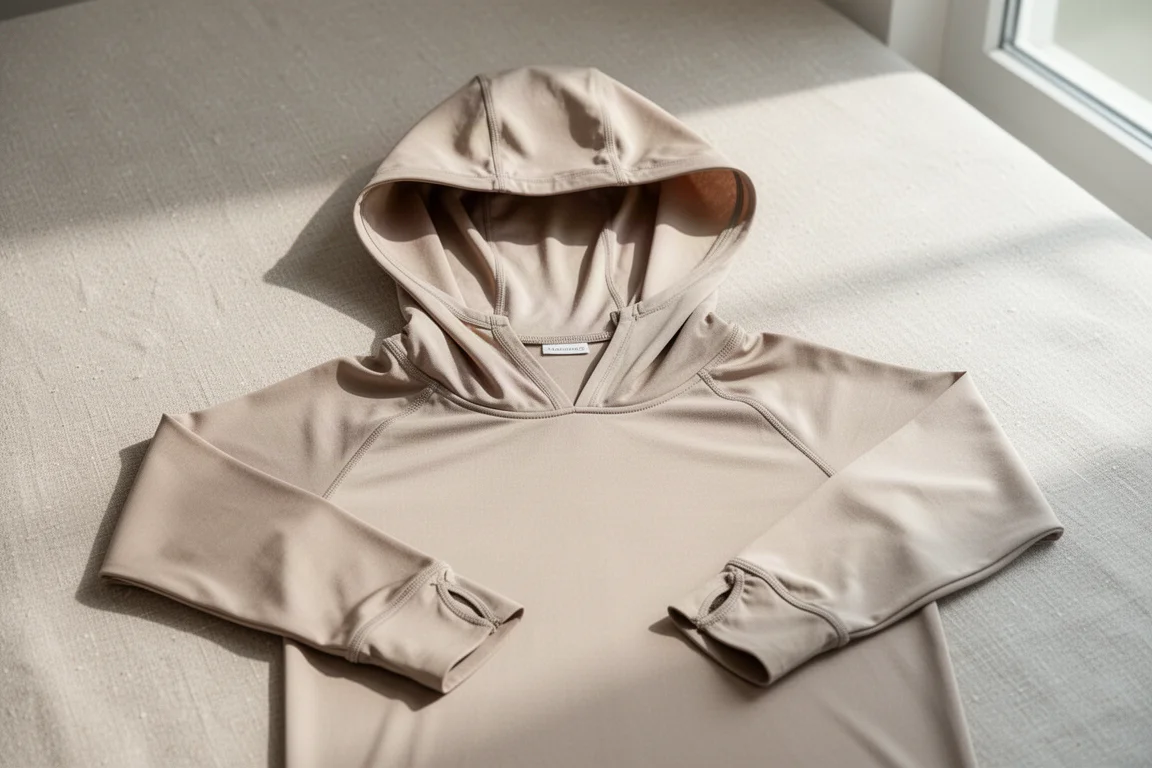
Long sleeves and a hood mean far less exposed skin, which reduces how much sunscreen a full day on trail requires. The Astroman is built from nylon rather than polyester, and in practice nylon resists odour better and holds up a little longer under abrasion.
It is a simple piece with few complications for three-season use. It covers the arms and neck, breathes well enough on sustained climbs, dries quickly, and pairs naturally with a wide-brim hat for long exposed sections above treeline.
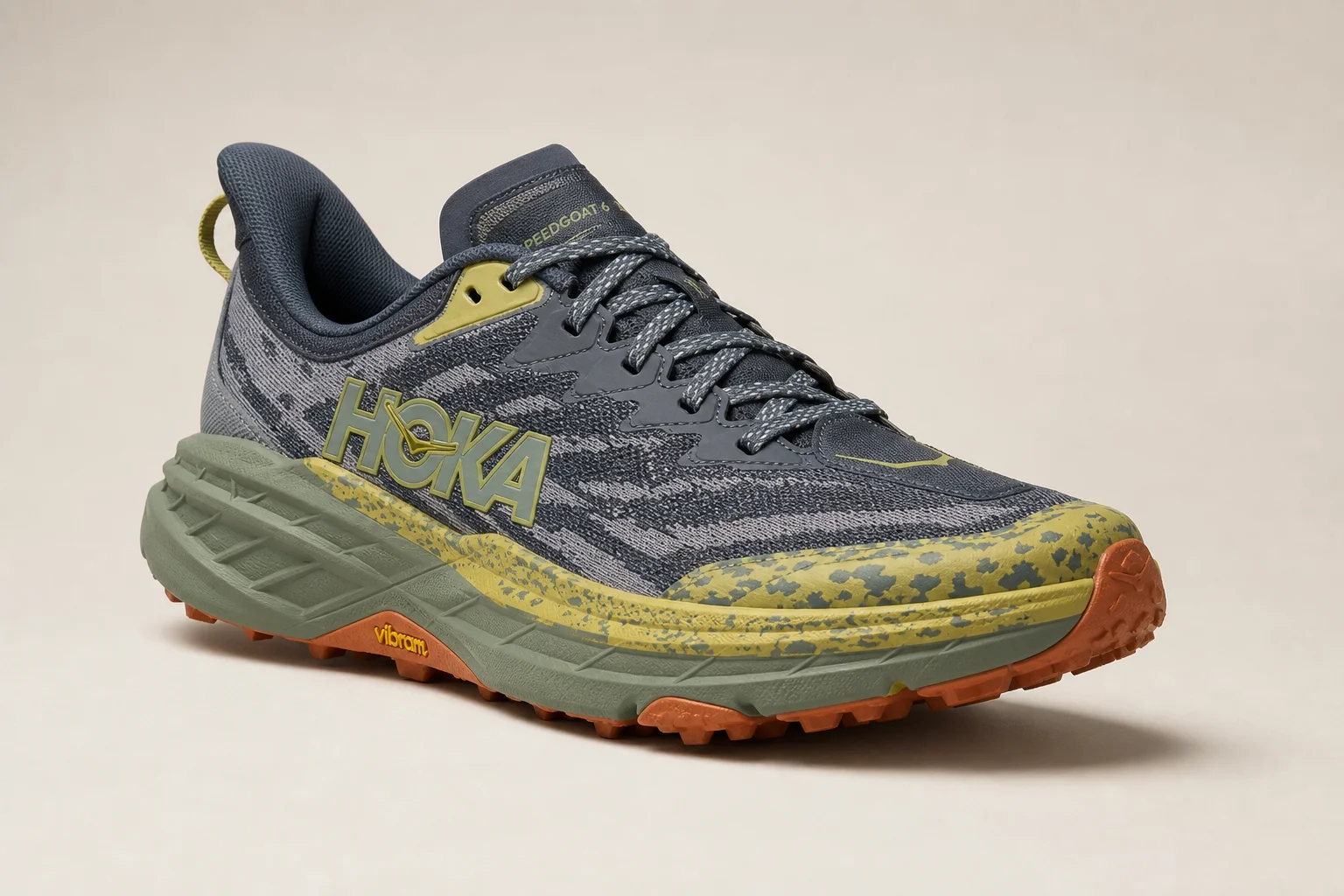
Hoka Speedgoat 6: Trail Shoes That Keep Feet Happy
The Speedgoat line has been the default trail shoe here for several seasons, and the sixth generation continues the same formula: a high stack of cushioning, a wide platform, and enough stability that rough ground does not feel precarious underfoot.
That combination has proven itself over long distances. Earlier generations covered an entire Great Divide Trail thru-hike plus hundreds of additional miles afterwards, which says a lot about how the shoe holds up over weeks of daily use on mixed terrain.
Garmin inReach Messenger: A Safety Net and a Link Home
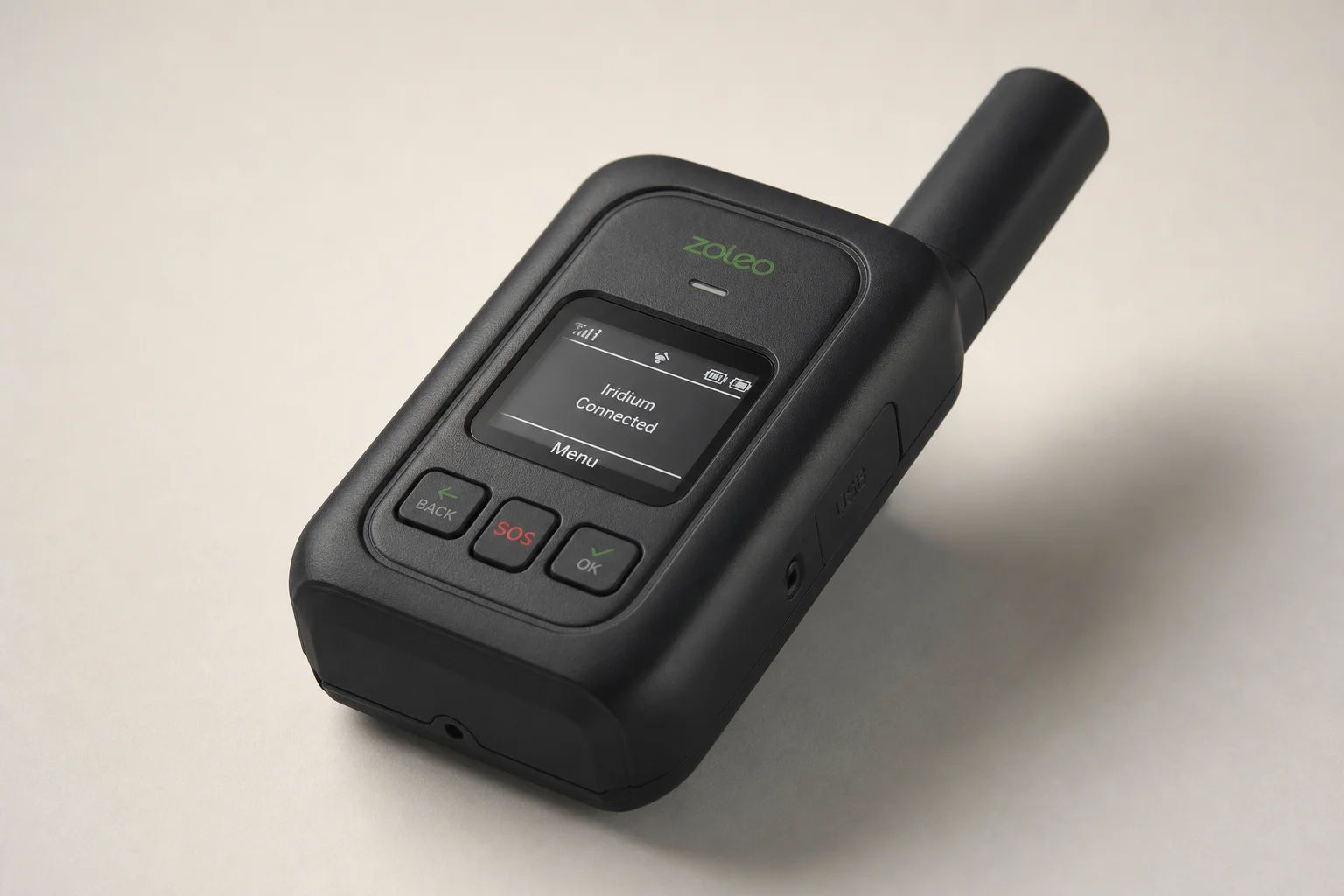
On solo trips, a satellite communicator stops being optional. The inReach Messenger offers an SOS button for genuine emergencies and two-way messaging for everything else, which matters most when you are checking in from a valley with no cell signal at all.
The Messenger is the pick here because of battery life and simplicity. It does not carry the full navigation feature set of the inReach Mini 2, and for many backpackers that is a reasonable trade: fewer features, longer runtime, and a device that stays easy to operate in cold conditions.
NEMO Moonlight Elite: A Camp Chair Worth the Weight
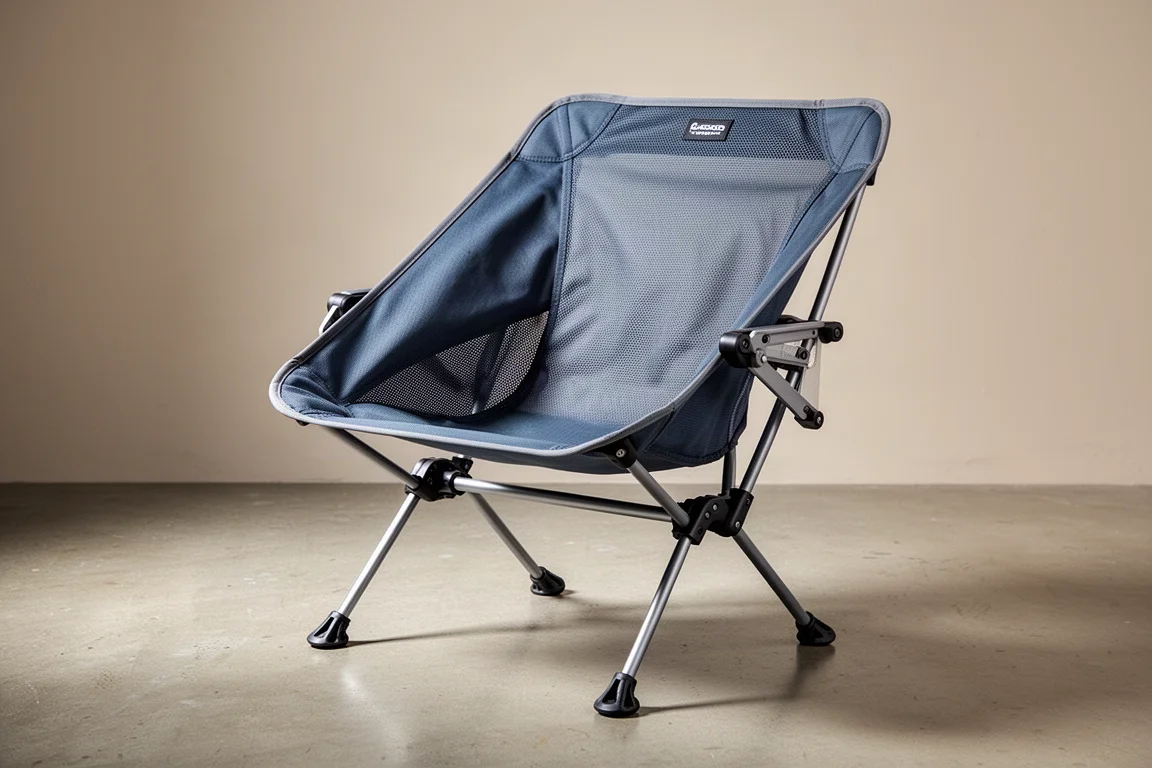
At around 600 g, the Moonlight Elite is not the lightest chair you can carry, and it earns those grams in three specific ways.
The carry case doubles as a ground mat, so the feet do not sink into soft ground or sand. Side toggles switch the chair between an upright position for eating or sitting around a fire and a reclined position for leaning back at the end of the day. The frame is stable enough to feel secure on uneven ground.
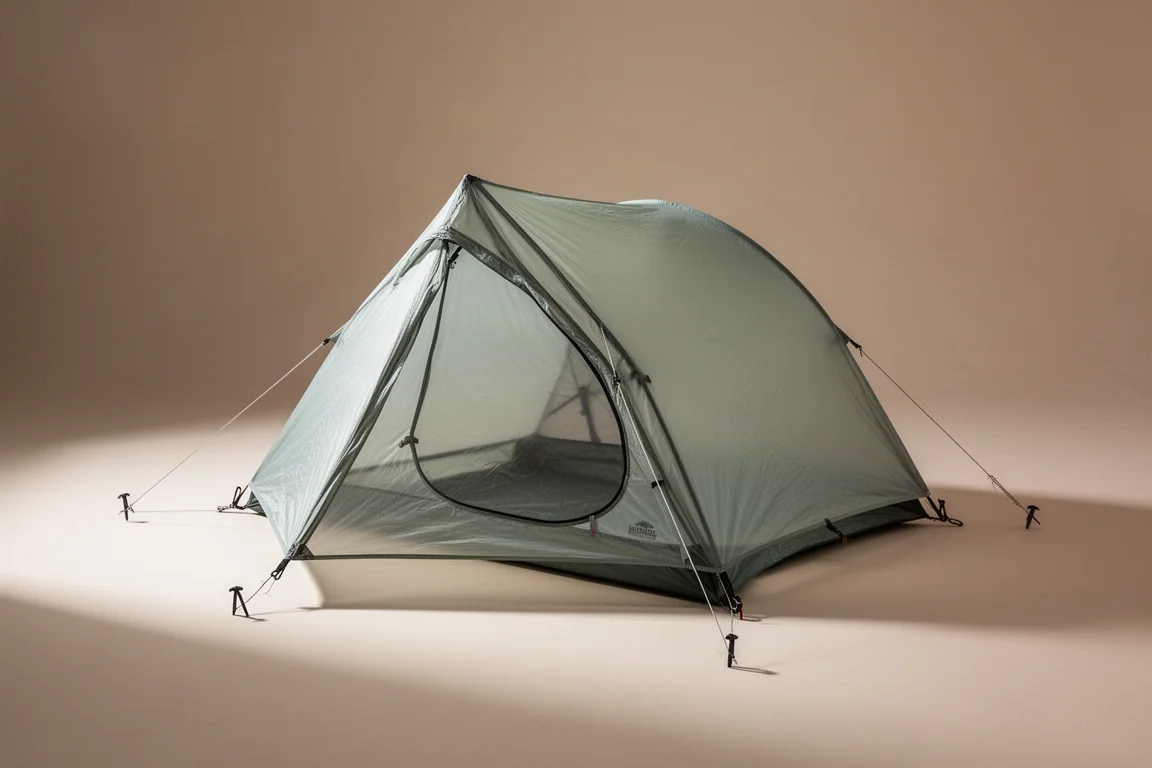
Zpacks Plex Solo: A Minimalist Shelter
The Plex Solo in its lighter configuration strips away everything that is not strictly needed and uses a lighter Dyneema fabric. What remains is a single trekking pole shelter that protects against weather and insects, weighs very little, and goes up quickly.
Two practical advantages come with the single-pole design. Setup is fast, which matters at the end of a long day, and if one trekking pole fails, the second can still hold the shelter up without hunting around for a stick. It has held up in strong wind and steady rain, and it is roomy enough for one person to sit out a storm inside, though some backpackers will find the interior tight.
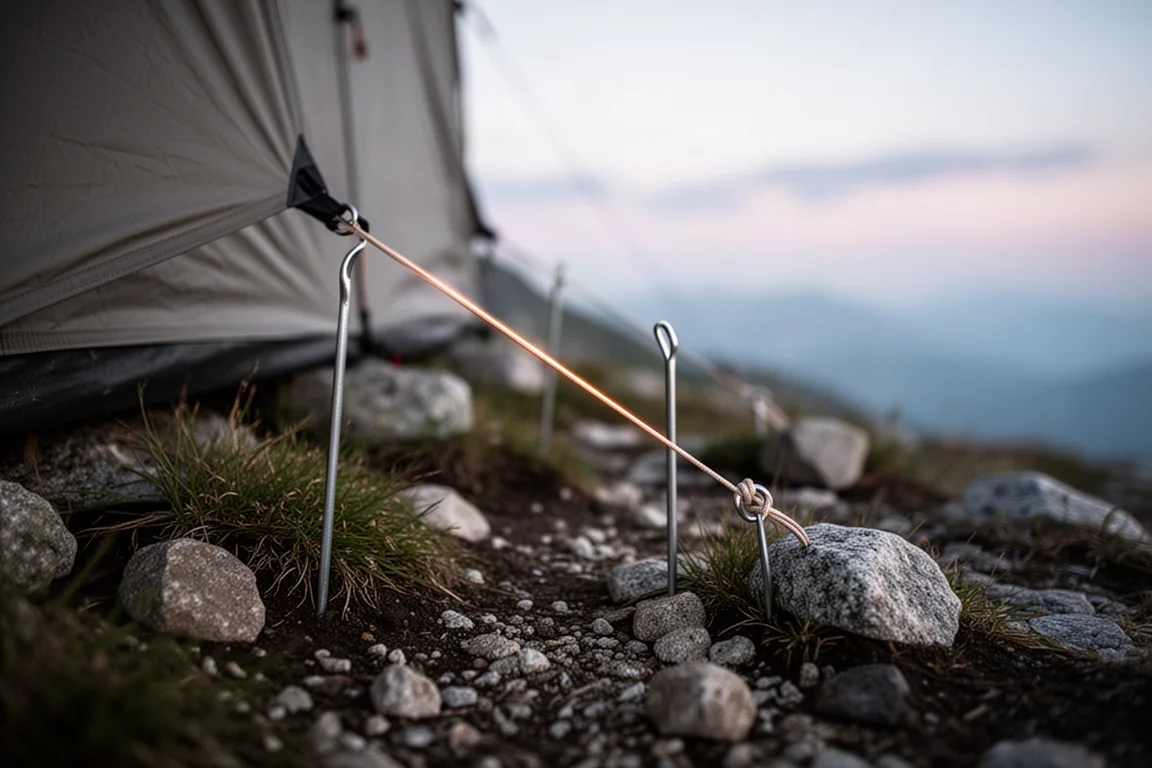
That trade of interior space for weight is the whole point of a shelter like this. It suits backpackers who want the lightest possible protection and are comfortable with a small footprint and a low profile in exposed campsites.
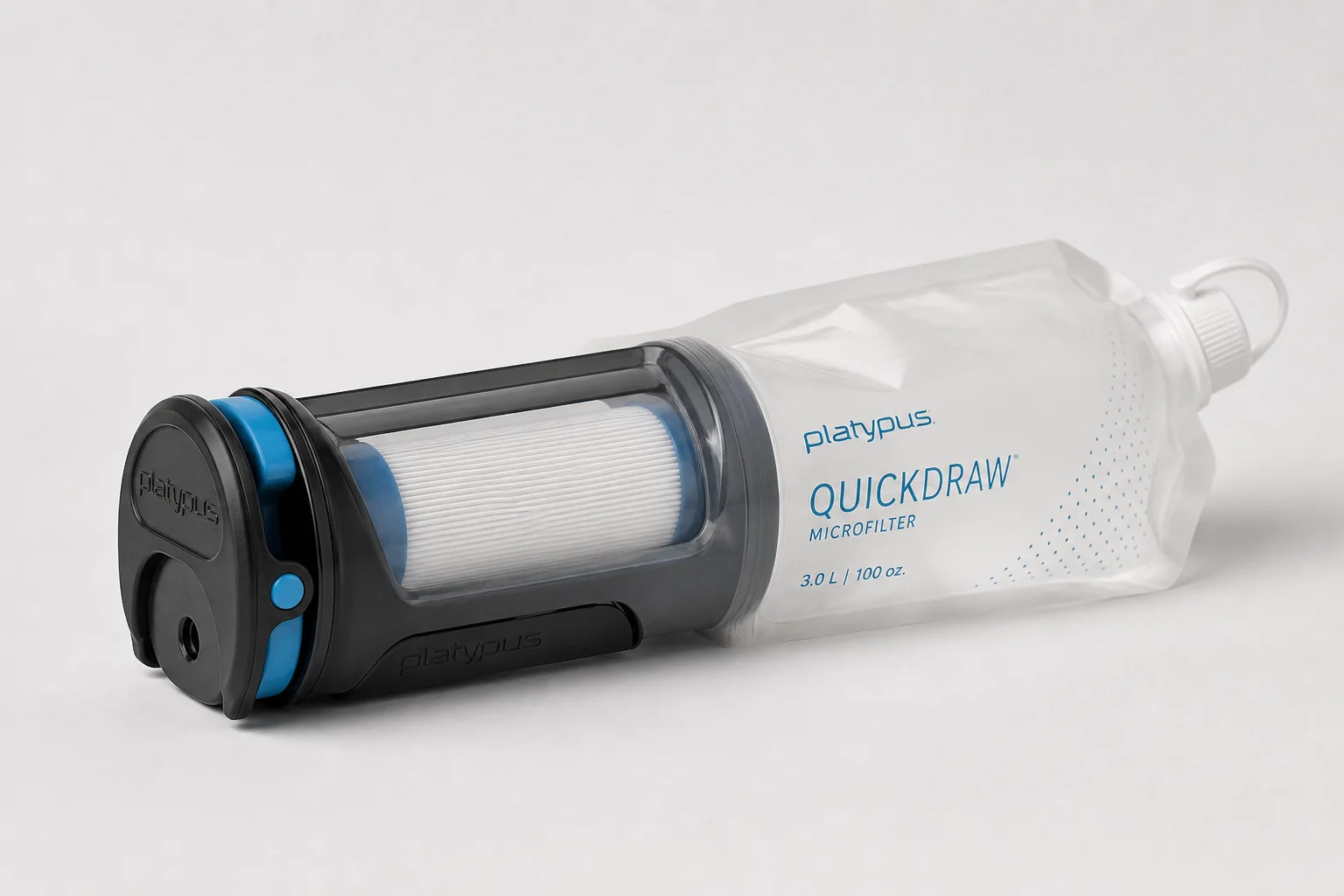
Platypus QuickDraw: Fast Filtration
Filtration speed is the QuickDraw’s main argument, and the two-cap design makes it easy to fill, filter, and carry in one motion without juggling parts. It has also proven durable: the same filter has handled over 1,000 litres of water without issues.
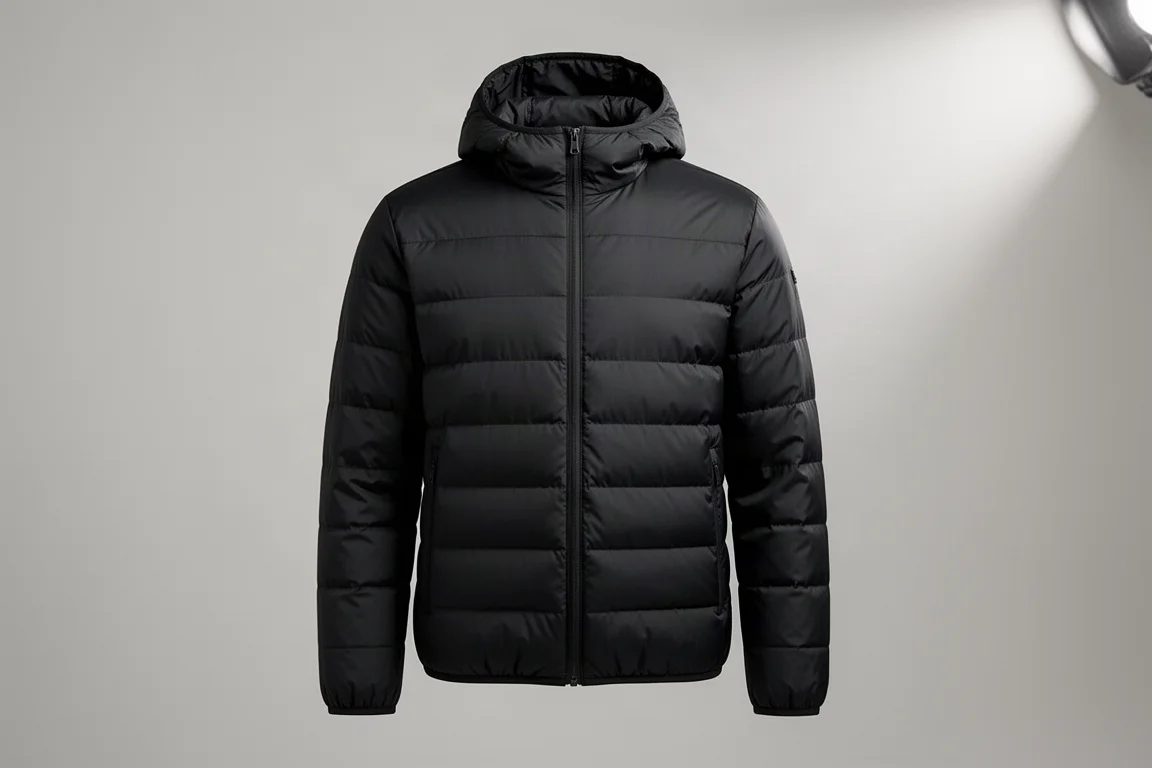
Enlightened Equipment Torrid Apex: Synthetic Warmth for Damp Conditions
For camp insulation, this kit relies on synthetic fill rather than down. The Torrid Apex jacket deals with moisture far better than down does, which matters in humid conditions, in persistent drizzle, and on trips where a jacket spends days slightly damp inside a pack.
It works alongside lightweight fleece layers in an Alpha Direct style fabric, from socks to pants to a shirt. That combination covers a wide temperature range at very little weight, and the synthetic jacket adds a dependable outer layer for cold mornings and long evenings at camp.
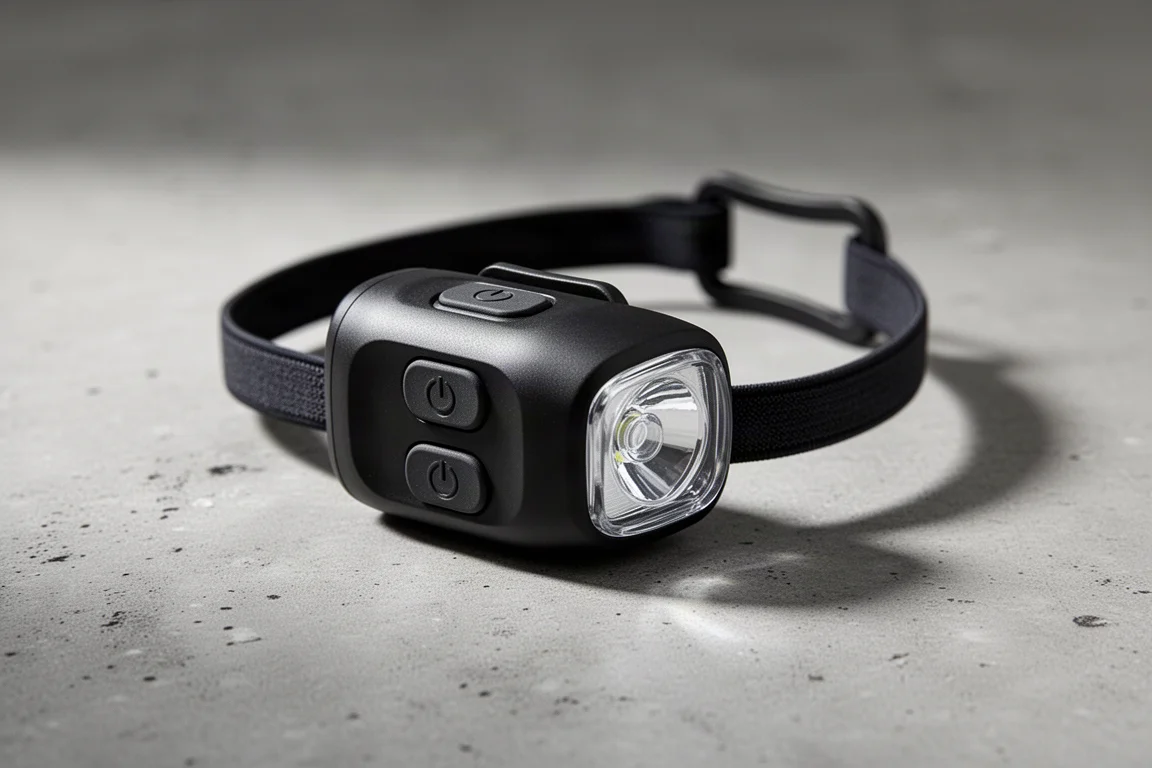
Nitecore NU20 Classic: A Simple, Light Headlamp
The NU20 Classic is the headlamp that gets packed when sunset comes earlier, as it does through the shoulder season. It is light, it has a red light mode for preserving night vision around camp, and it keeps operation simple with two buttons: one for red, one for white.
USB-C charging means a single cable covers the headlamp, a phone, and a power bank, which simplifies what goes into the electronics bag.
Exped Mega Pillow: Sleep Comfort Priority
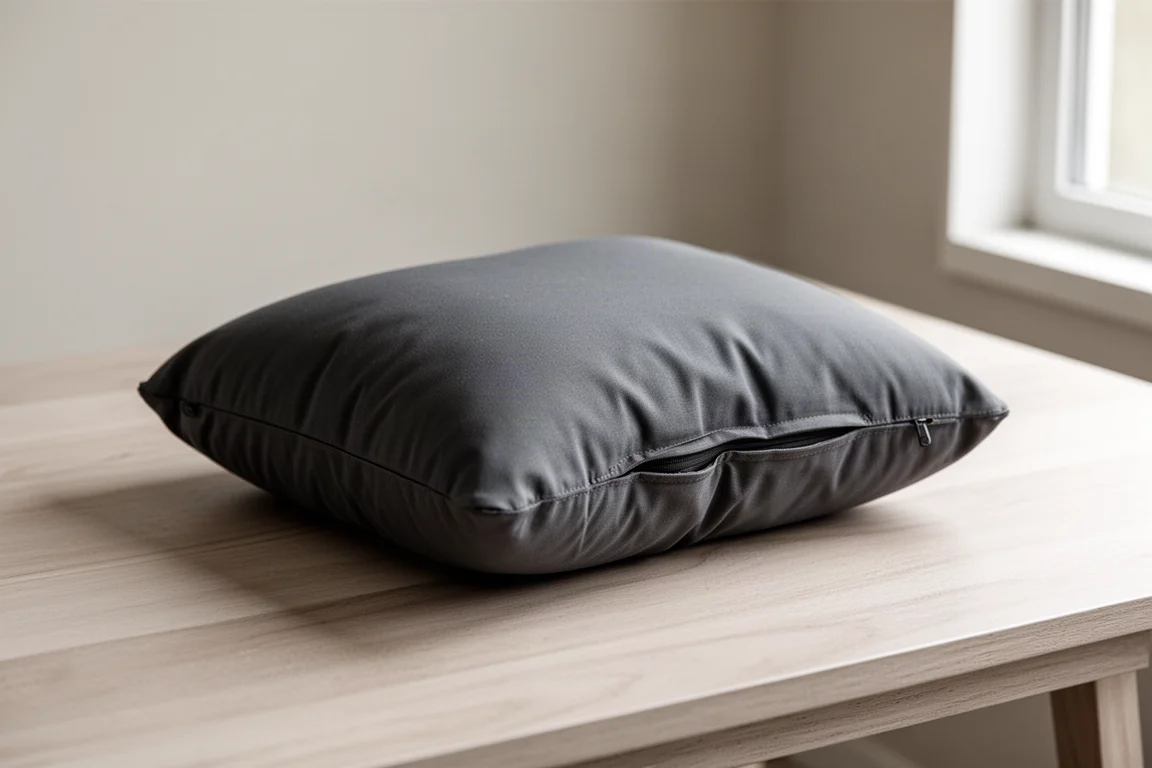
This is a heavy pillow by ultralight standards, and it is in the kit on purpose. A tall stack height supports the head and shoulder when sleeping on your side, which helps prevent shoulder pain and a numb arm. The width spans the full width of a sleeping pad, a detail that is hard to appreciate until you have slept on one.
The foam layer on top matters in subfreezing conditions. Cold air around the pillow chills the air inside it, and that chill reaches your head over the course of the night; the insulation interrupts that path.
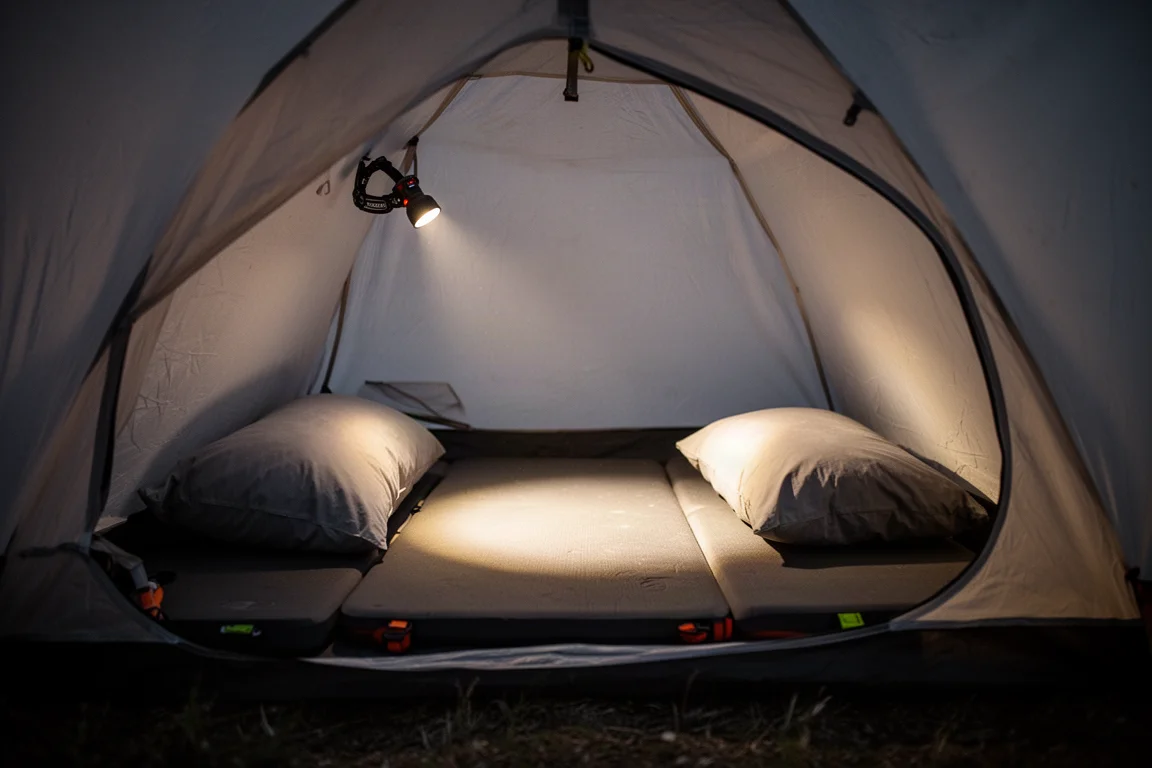
Sleep is the part of a backpacking kit that is easiest to under-invest in, and the pillow is one place where extra grams translate directly into a better night and a better next day.
REI Co-op Helix: Comfort First, Weight Second
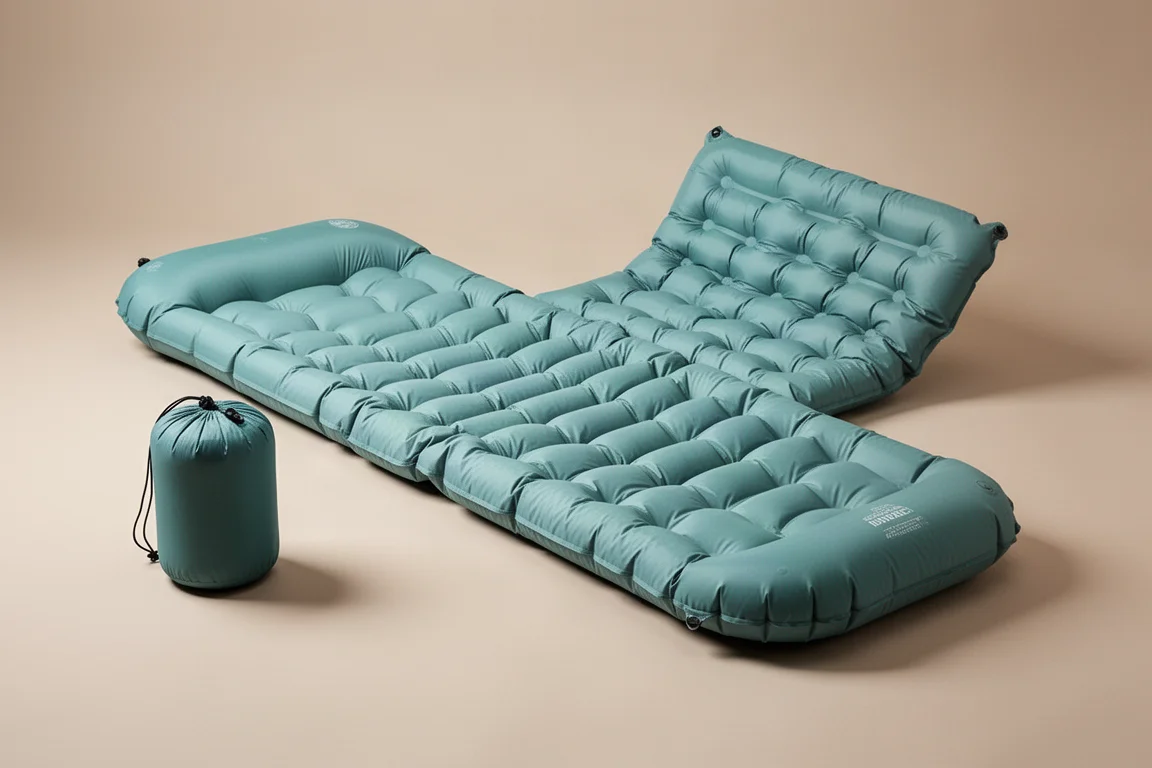
The Helix is not a lightweight sleeping pad, and that is the point. Its high R-value keeps it warm well below freezing, which made it the right choice for a night that dropped to -4°C.
Comfort is where it separates itself. The dimpled baffle pattern is common enough across pads, but on the Helix it produces the most comfortable sleep surface among the many pads tested here. Pressure points are less of an issue, so nights involve fewer position changes and far less tossing and turning.
Rock Front 400 Basul Quilt: Cold-Weather Draft Control
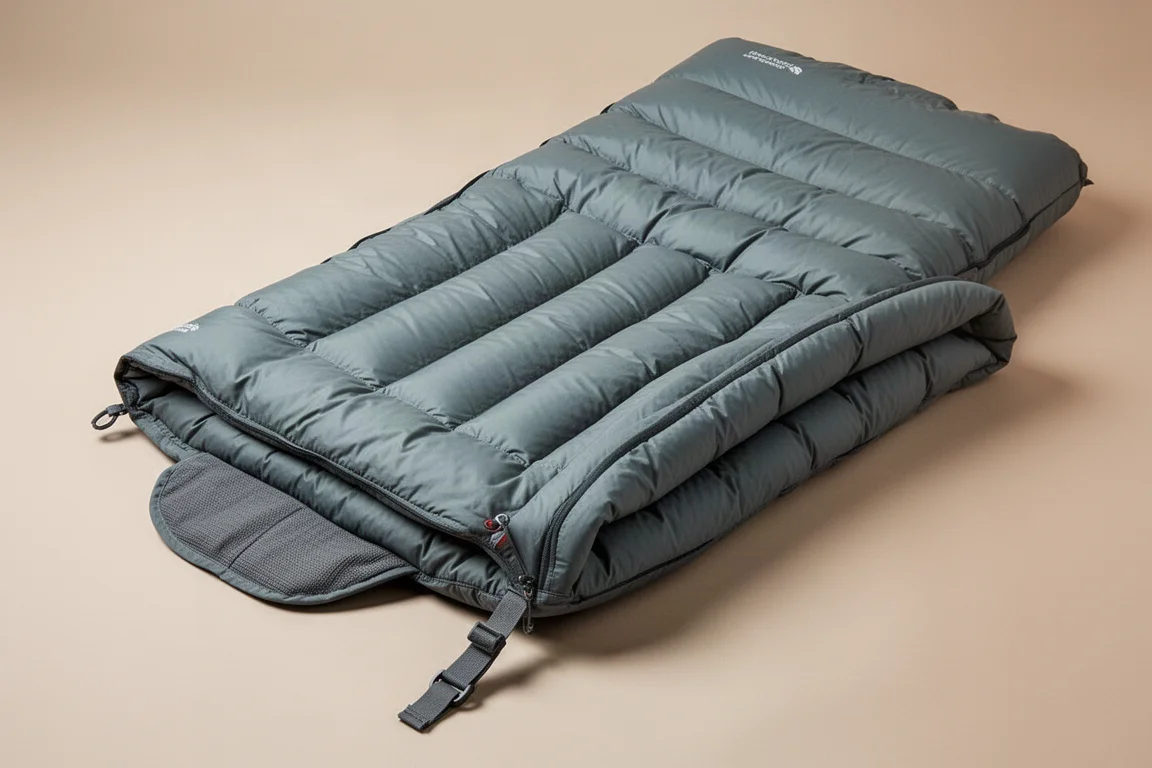
The 400 Basul takes the best quilt features available and combines them, then adds one that backpackers have been asking quilt makers for: a draft tube running along the sides.
Construction is sound. Vertical baffles run through the torso with horizontal baffles at the foot, a configuration that manages down movement well. A differential cut makes the outer shell wider than the inner shell so the quilt curves over the body without compressing the down and losing loft.
At the top, a snap and a cinch close the quilt around the neck and shoulders, backed by a thick draft tube that seals without needing to be cinched tight. The neck strap has some stretch so it does not feel restrictive when you roll over. Thick pad straps resist stretching, which keeps the quilt from lifting off the pad during the night.
The side draft tubes sit just below the pad strap clips and fill the gap whenever the quilt lifts slightly. That is where heat is normally lost, and on a night at the quilt’s limit rating of -5°C there were no drafts and no mid-night adjustments. At $300 USD, that combination of features is unusually good value.
Overall Buying Advice
Build the kit around the conditions you actually camp in.
If most of your trips are three-season and weight is the priority, the pack, shelter, and quilt carry the most value per gram. If cold nights are common, spend on the sleep system: a warm pad, a quilt with good draft control, and a pillow that supports your head are the difference between a restorative night and a long one. The ultralight and comfort ends of this list work together rather than against each other, because a lighter pack makes a heavier pillow easier to justify, and a warm pad lets a quilt perform at its rating.
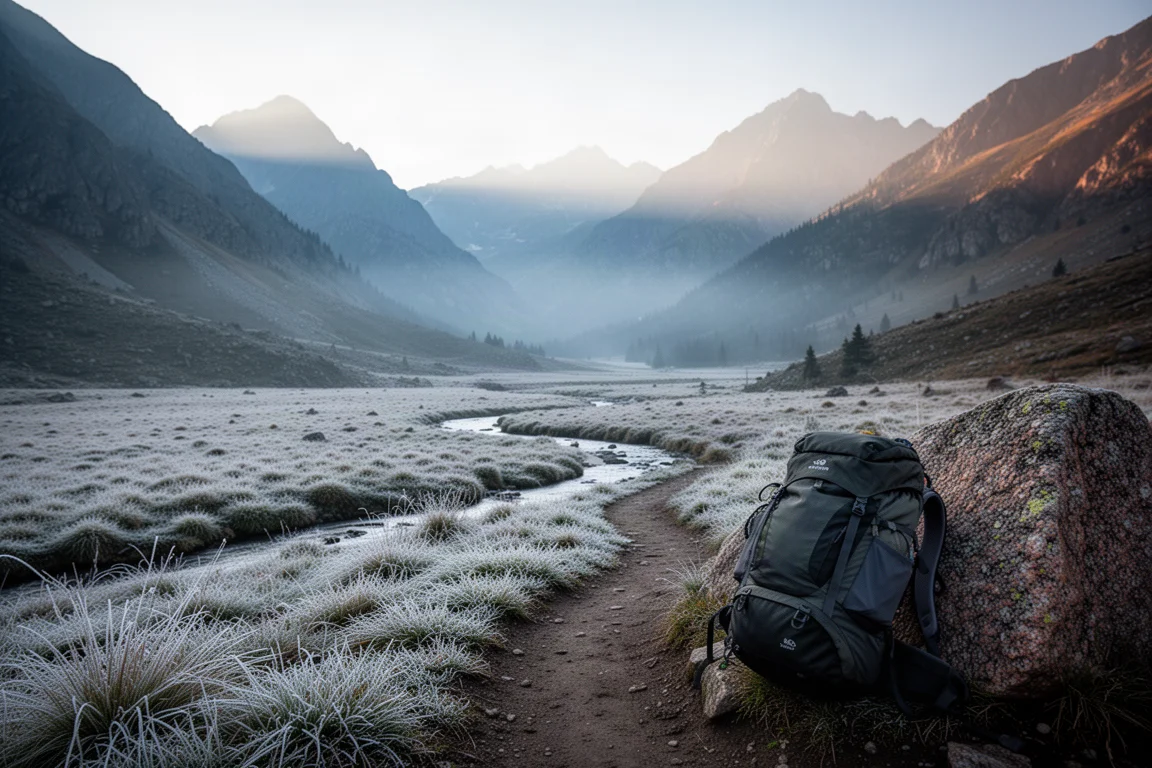
Price does not track performance perfectly. A budget water filter and a budget headlamp can be genuinely excellent, while a shelter or quilt at the premium end buys real weight savings and better cold-weather behaviour. Judge each item on the job it does, and replace gear only when it stops doing that job.
Conclusion
A kit is personal, and the best version is the one that matches how you travel. The items above lean light on the move and comfortable at camp, which is a balance worth aiming for: it keeps the hiking enjoyable and the nights restful. Start with the piece that addresses your biggest frustration on trail, and let the rest of the list fill in over time.
Further reading
Related Reviews

Backpacking Gear
Building a 10 lb Base Weight: An Ultralight Backpacking Gear List
A practical walkthrough of the ultralight pieces behind a 10 lb base weight, from a 765 g pack and a roomy one-person tent to a full camp chair and a dependable water filter.

Backpacking Gear
A 15-Pound Lightweight Backpacking Gear List for Solo Trips
A beginner-friendly 15-pound backpacking setup built from easy-to-find gear, with notes on what each piece does, how it packs, and where to spend your attention.

Backpacking Gear
8 Ultralight Backpacking Gear Upgrades Worth Carrying
Eight small, affordable backpacking upgrades that solve real trail annoyances, from a pillow that stays put to a fuel valve that rescues leftover canister gas.