Backpacking Gear
Backpacking Gear Checklist: 10 Essentials and 5 Practical Picks
A first-trip backpacking checklist in the right order, plus five food, navigation, and water picks that are easy to carry and hard to get wrong.
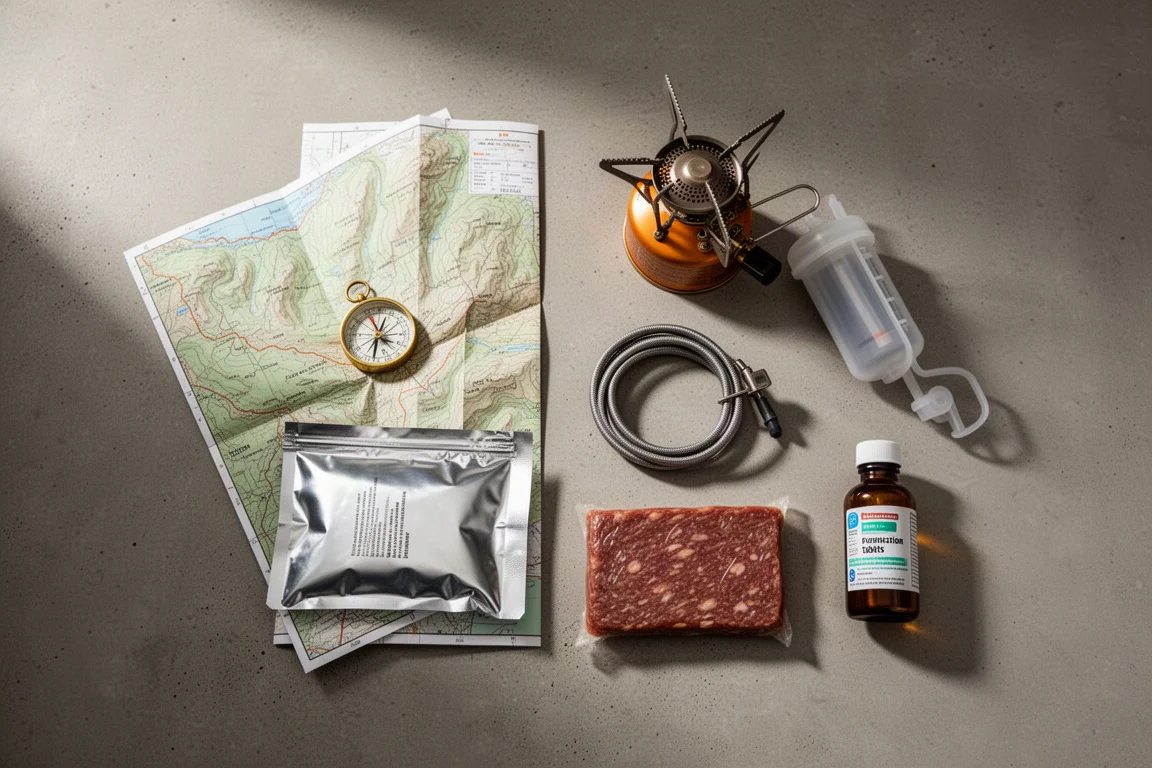
Introduction
A first backpacking trip is mostly a packing problem. The gear has to keep you sheltered, warm, fed, hydrated, and found, and it has to do all of that while fitting into one pack you can carry for hours at a time.
That is why the order in which you choose gear matters more than the list itself. Start with the item that dictates everything else, and the rest of the kit falls into place around it.
This guide covers the ten essentials worth sorting out before a first overnight trip, along with five specific picks that are easy to carry, easy to use, and forgiving of beginner mistakes.
How to Prioritize Your First Backpacking Kit
Start with shelter, not the backpack.
The shelter decides how much room your sleep system has and how much of the pack it will occupy. Once you know the shelter, choose a sleeping bag and sleeping pad that match the conditions you expect. Then, and only then, choose the backpack, sized to the weight and volume of everything else.
Shelter is the one place where a bargain is genuinely risky. For backyard or car camping, a cheap tent is fine. For anything further out, where there is no quick retreat to safety, a shelter with solid weather resistance and durable construction is worth the money.
For the sleep system, match the rating to the forecast rather than the calendar. A useful rule of thumb is a bag rated about 10 degrees Fahrenheit below the lowest temperature you expect, so an unexpected cold snap does not turn into a miserable night. Sleeping pads carry their own warmth rating, the R-value, and a higher number means a warmer night on cold ground.
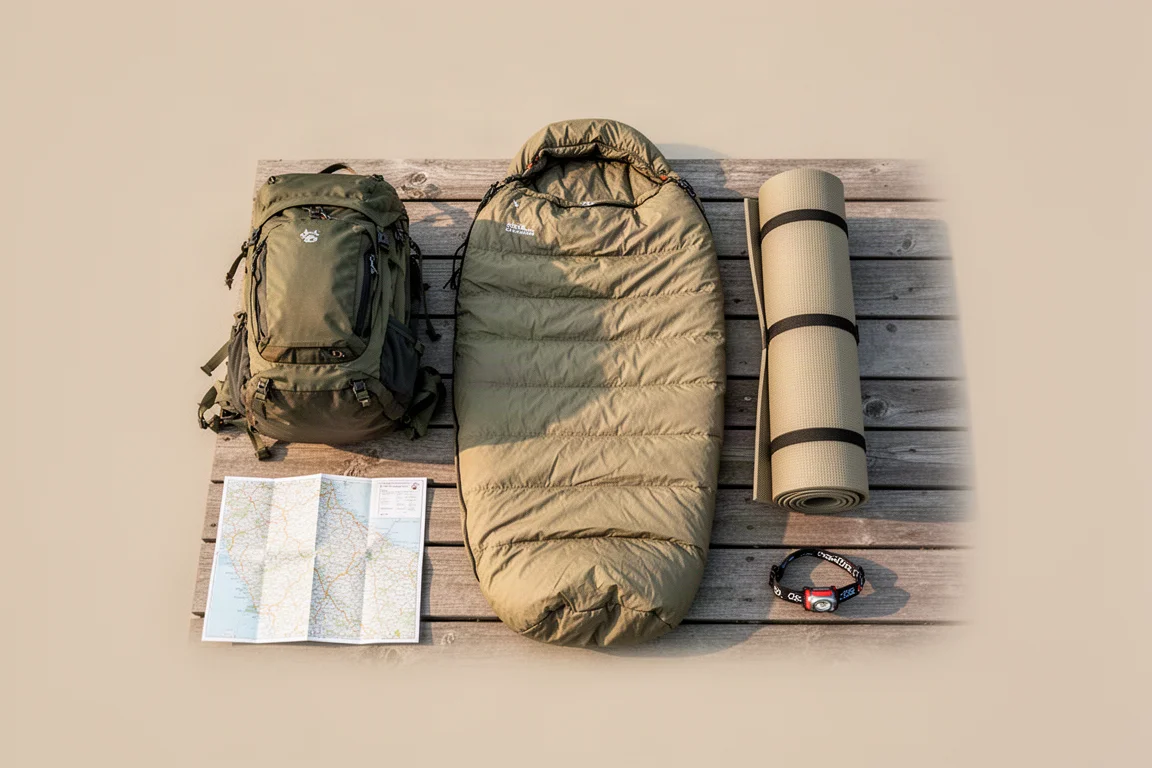
The remaining essentials are lighter and cheaper, but they are the ones that cause real problems when they are missing: a navigation method with a backup, a headlamp or flashlight with a red mode, a knife or multi-tool, a medical kit you actually know how to use, broken-in footwear with good tread, a way to carry and treat water, and a cook system.
Navigation: Onyx Backcountry
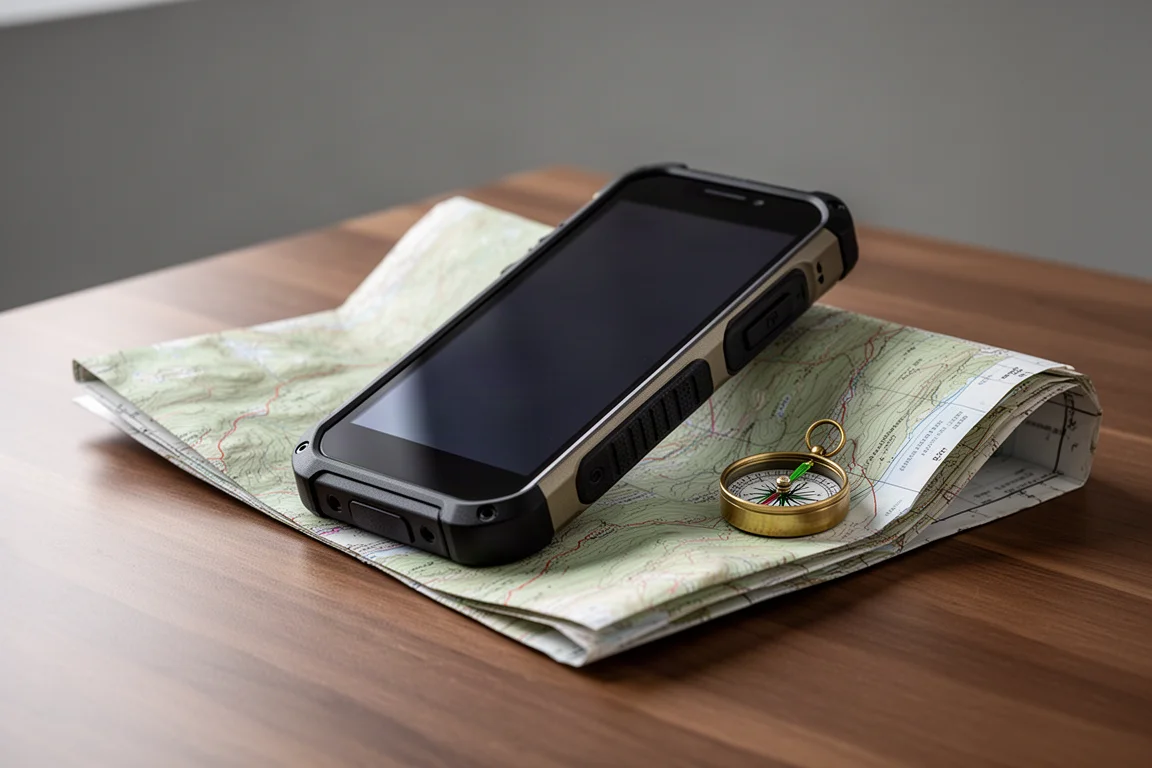
Map and compass skills still matter as a backup, but most navigation now happens on a device. The practical requirement is simple: a reliable app or handheld with a full charge, plus a second option in case the first one fails.
Onyx Backcountry is a trail navigation app that shows the trails around you in map form, with color coding that indicates elevation so you can see what a route asks of you before committing to it. When a planned outer loop turned out to be closed, rerouting on the app was a matter of a few taps. A tracking line records where you have been, which makes it straightforward to follow your own path back to a junction.
The premium membership tier is the one that unlocks the full feature set, and an annual subscription is inexpensive next to the rest of a backpacking kit. For a single trip, the cost is comparable to one meal at the end of the trail.
Trail Food: Starkist Creations Buffalo Style Chicken
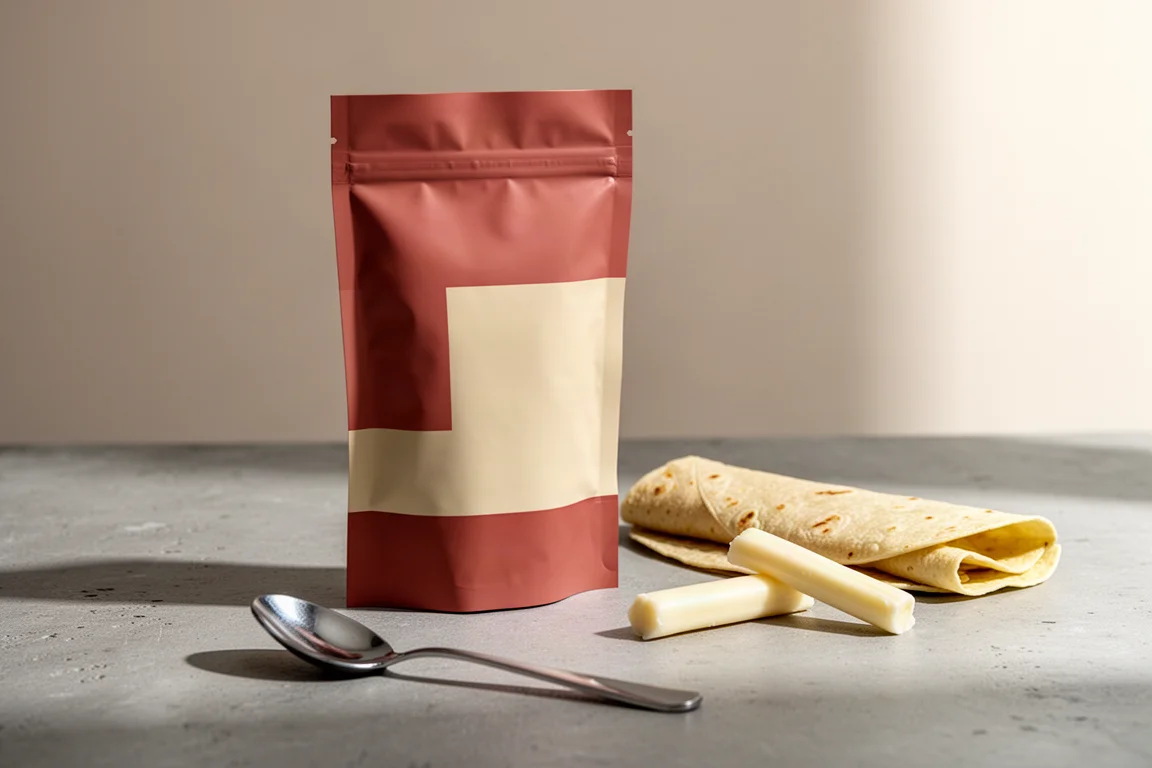
Trail lunches need to be shelf-stable, light, and edible without cooking. A pouch of seasoned chicken meets all three, and it turns a plain tortilla into a proper meal in under a minute. Add string cheese or a spoon of peanut butter and the same tortilla becomes a second, completely different lunch.
Pack a garbage bag and a few resealable bags so empty pouches do not end up loose in your pack or, worse, left on the trail.
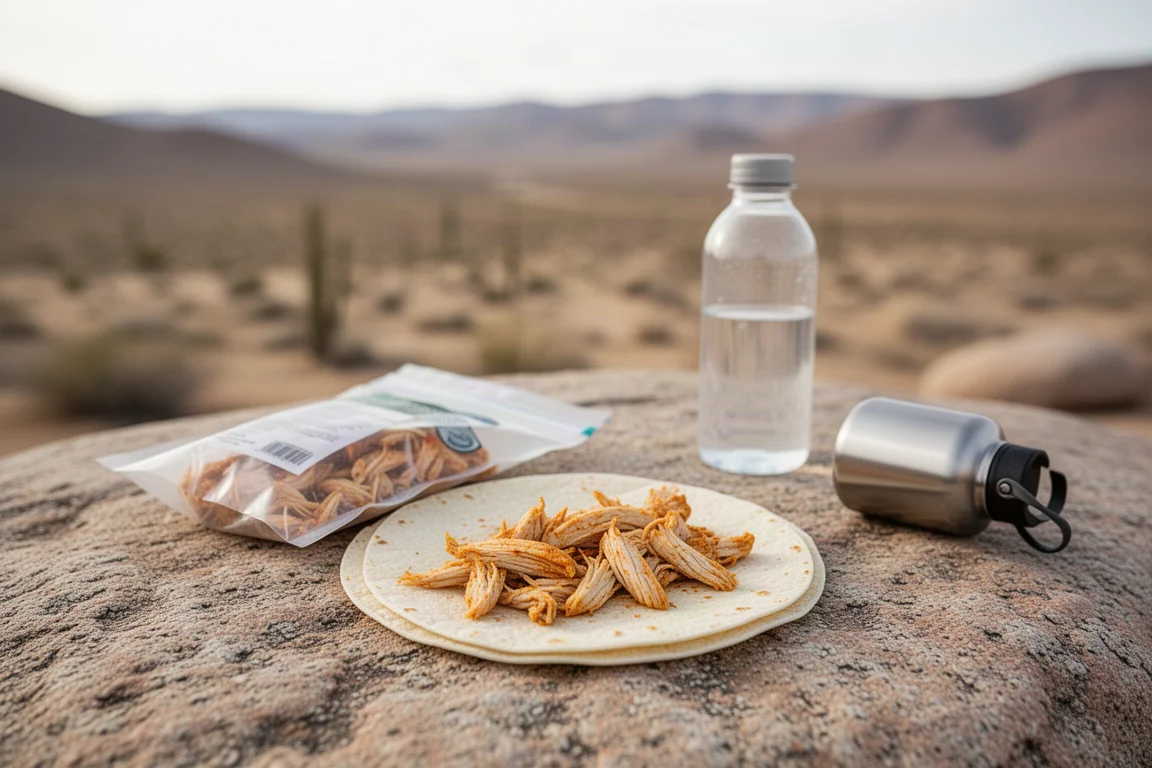
In hot weather, this is the kind of food that stays appealing when a heavy cooked meal does not.
Camp Cooking: Pinnacle Foods Italian Sausage and Zesty Tomato Sauce
A cook system is optional in theory and close to essential in practice. Rehydrating food cold and eating it as-is is a poor trade for the weight you save.
The usual setup is a canister stove that screws onto a fuel canister, paired with a pot for boiling water. Alcohol stoves and other designs work too, and the right choice depends on how long you will be out and how much fuss you tolerate at the end of a long day.
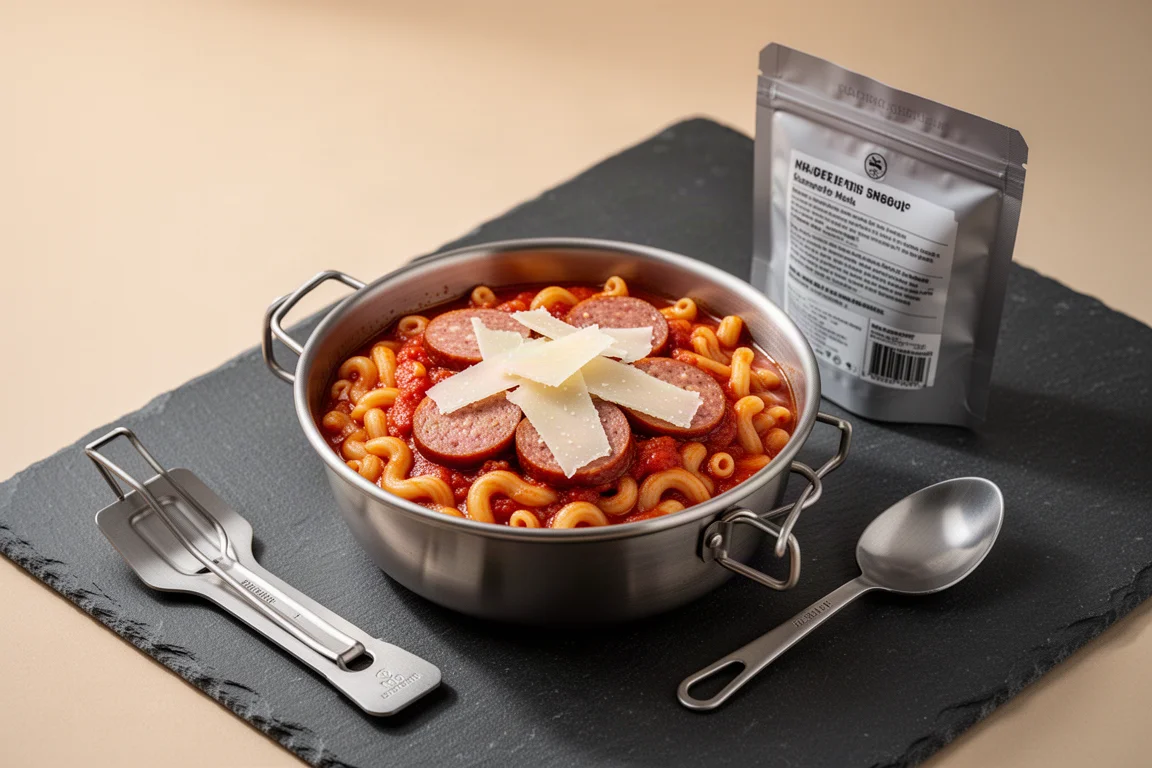
The Pinnacle Foods Italian Sausage and Zesty Tomato Sauce with Feral Pasta and Parmesan is a dehydrated dinner that rehydrates into something genuinely satisfying, with visible slices of sausage and a parmesan finish. It rewards attention to water quantity: use a little more than the minimum and the sausage stays tender rather than crusty.
Shelf-Stable Protein: Spam
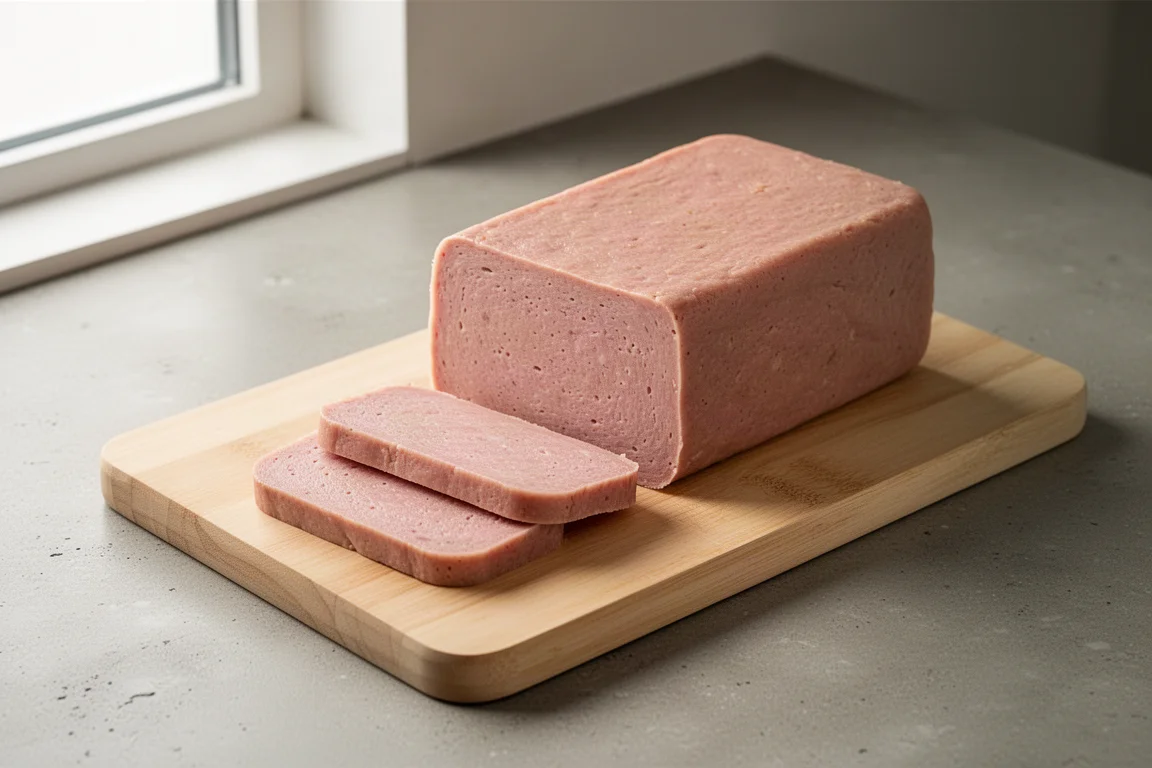
Canned, shelf-stable meat is a durable addition to a trip food bag. A can can sit in storage for years, which makes it a sensible thing to keep on hand rather than buy fresh for every outing. Sliced and fried in a small pan, it pairs with almost anything else in the bag and adds a hot, substantial element to a dinner that would otherwise be rehydrated.
The trade-off is weight. Cans are heavy for the calories they carry, so they make more sense on shorter trips or as a single treat rather than a staple.
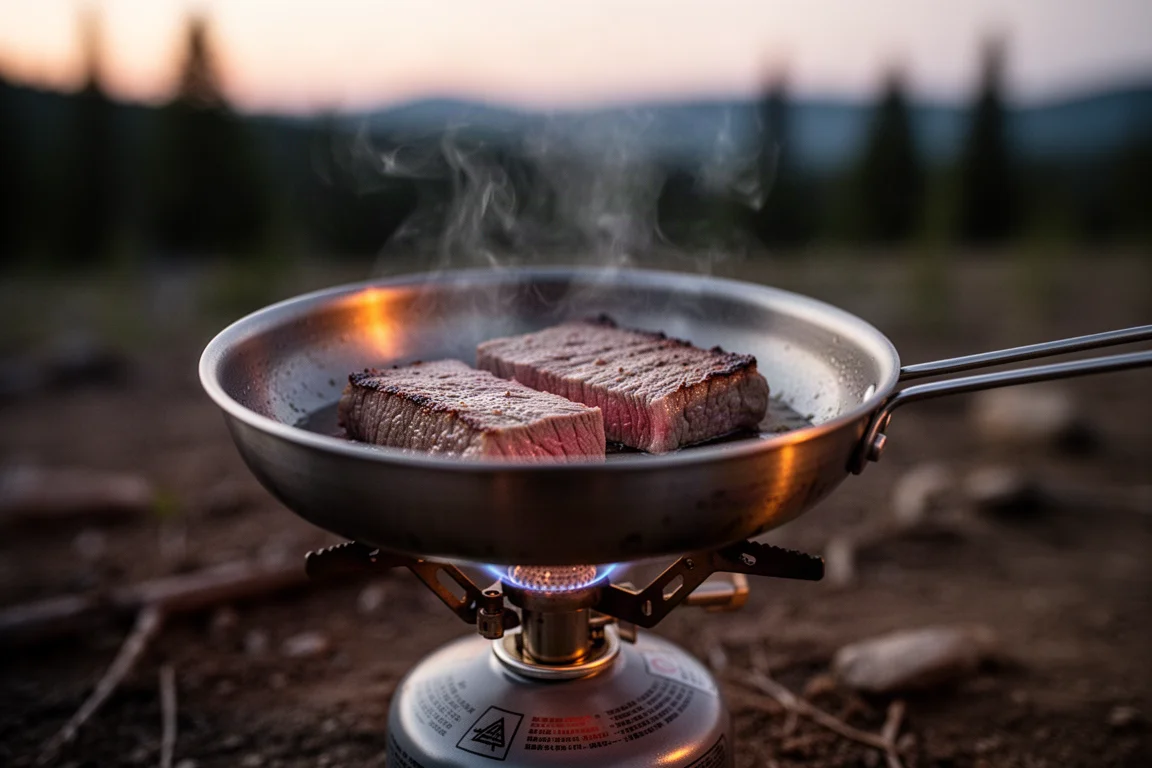
If you bring one, plan for the pan, the fuel, and the cleanup it requires.
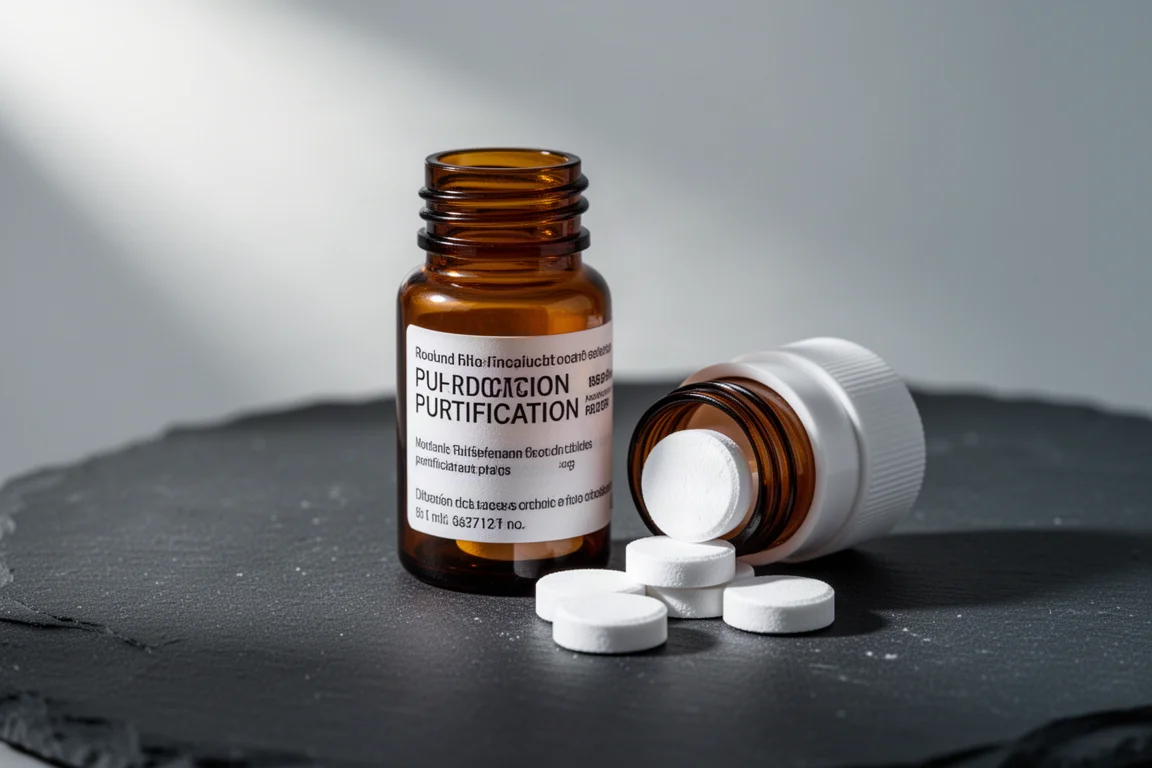
Water Treatment: Potable Aqua Tablets
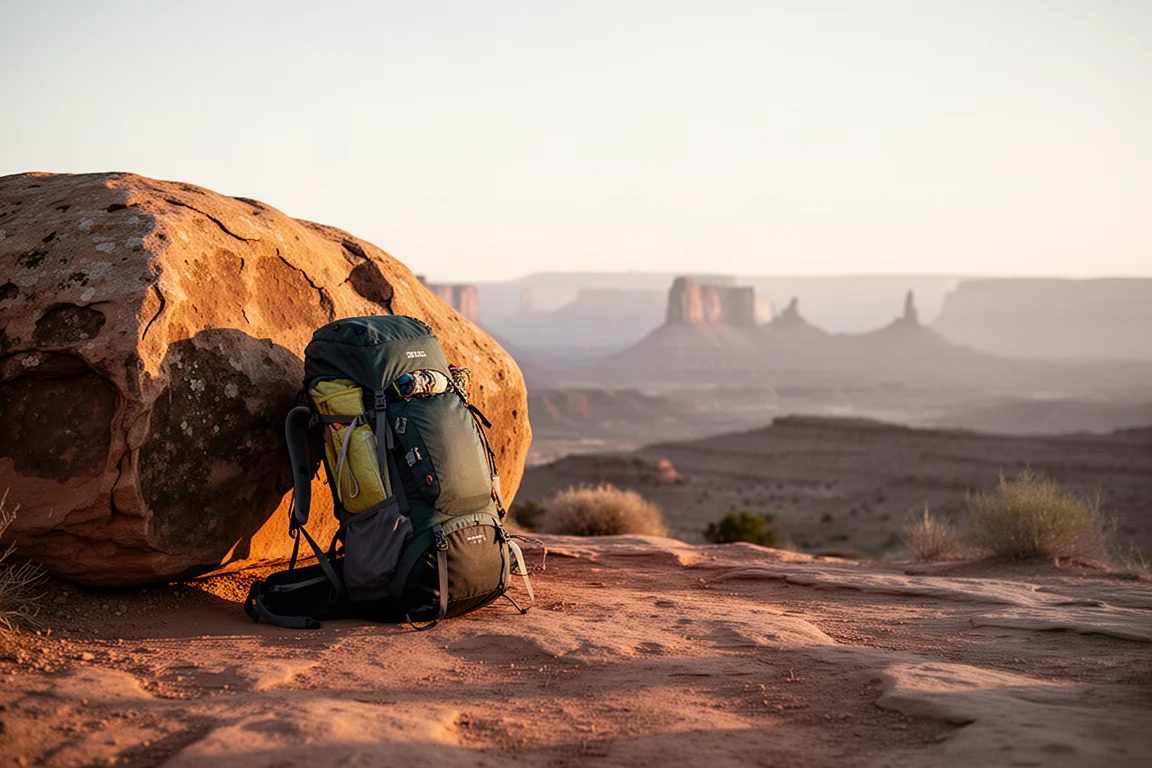
In dry country there is no water to filter, and everything you drink has to be carried. Roughly a gallon per person per day is a reasonable planning figure, and it is heavy. Where water is available, filtering on the move is far lighter than hauling a full supply.
A filter handles the general case. Potable Aqua tablets cover the backup case: germicidal tablets that you drop into water, wait a few minutes, and then drink. They make questionable water safe to drink but do not remove sediment, so they work best after the water has settled or been strained.
Carry both a dirty-water container and a clean one, and treat the tablets as insurance rather than the primary plan.
Overall Buying Advice
Spend where the consequences are real and save where they are not. Shelter, sleep system, and footwear determine whether a trip is comfortable and safe, and they are worth buying properly and testing before you leave. A backpack chosen after those three will fit them correctly.
Food and water treatment are the easiest places to be practical. Shelf-stable pouches and cans, a simple canister stove, and a filter with purification tablets as backup cover most trips without much expense.
Conclusion
The ten essentials are not ten separate purchases. Shelter, sleep system, and pack form one decision made in the right order. Navigation, light, knife, medical kit, and footwear are reliability items. Food and water treatment are consumables you will replace every trip. Get the first group right, keep the second group charged, sharp, and packed, and the third group becomes simple.
Then the only thing left to prepare is the water waiting back at the vehicle.
Further reading
Related Reviews

Backpacking Gear
Building a 10 lb Base Weight: An Ultralight Backpacking Gear List
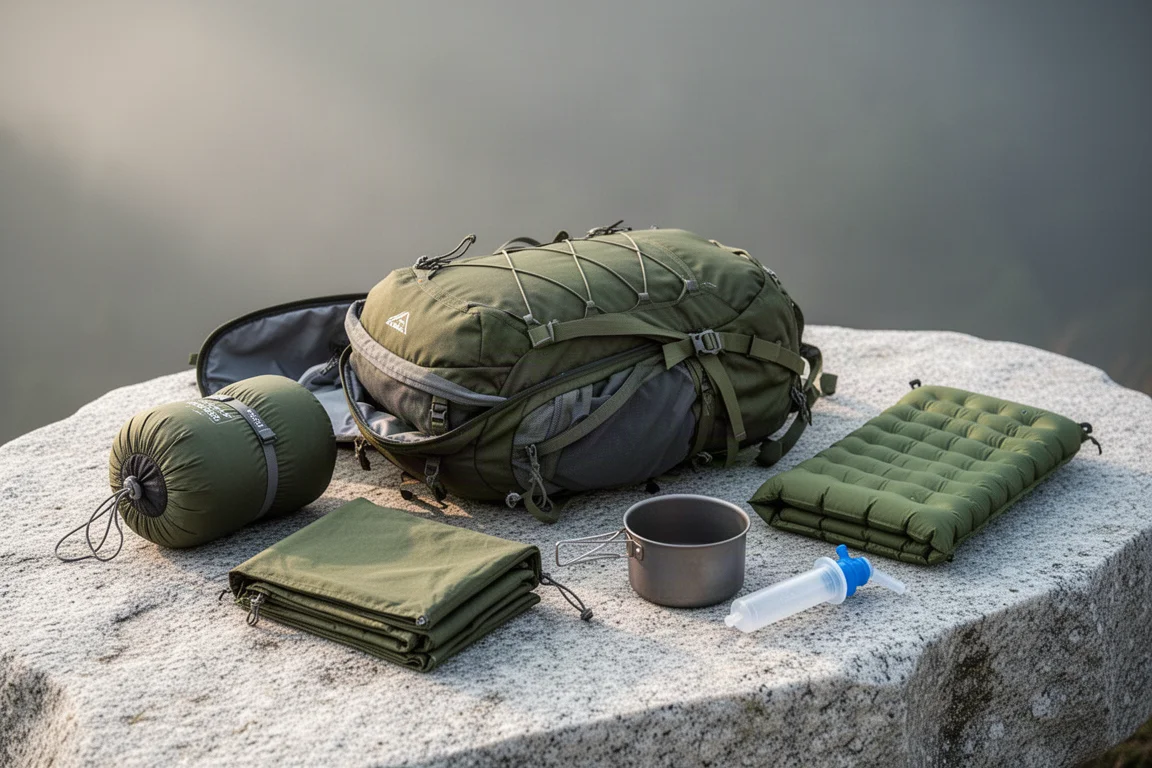
A practical walkthrough of the ultralight pieces behind a 10 lb base weight, from a 765 g pack and a roomy one-person tent to a full camp chair and a dependable water filter.
Backpacking Gear
A 15-Pound Lightweight Backpacking Gear List for Solo Trips
A beginner-friendly 15-pound backpacking setup built from easy-to-find gear, with notes on what each piece does, how it packs, and where to spend your attention.
Backpacking Gear
8 Ultralight Backpacking Gear Upgrades Worth Carrying
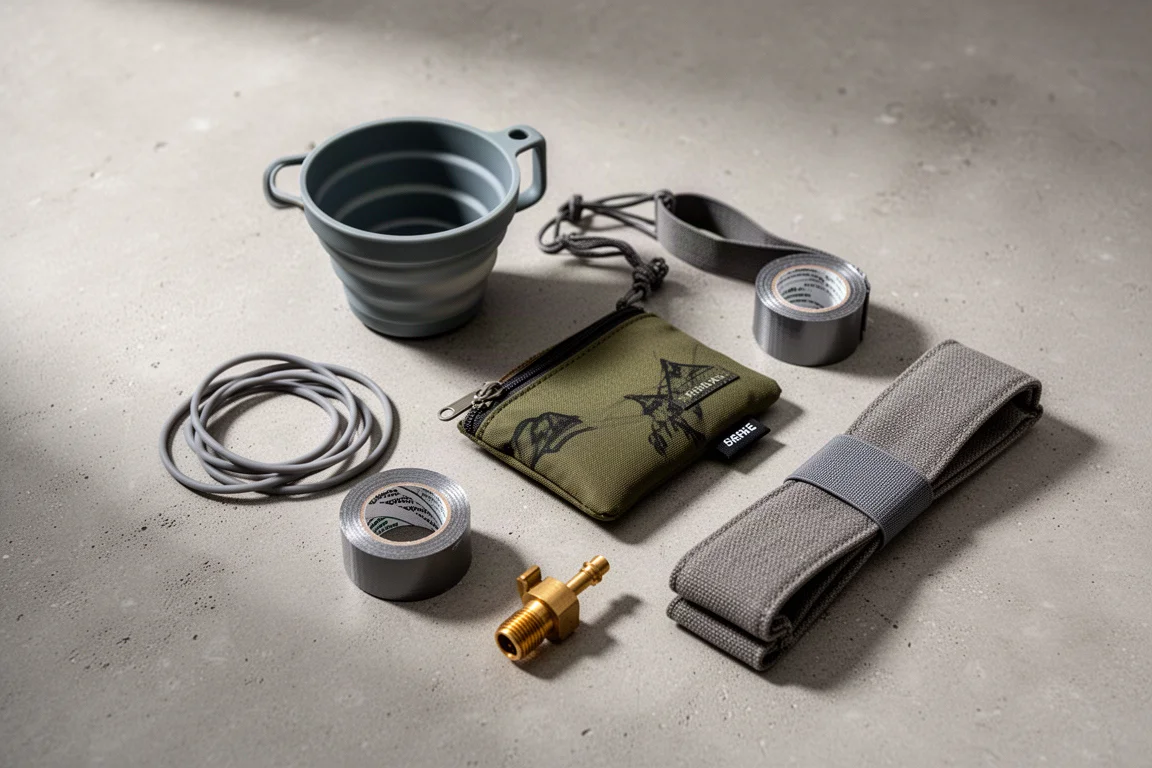
Eight small, affordable backpacking upgrades that solve real trail annoyances, from a pillow that stays put to a fuel valve that rescues leftover canister gas.