Backpacking Gear
Backpacking Gear Check: Six Field-Tested Pieces Worth Packing
A real-world ultralight kit reviewed piece by piece, from a sub-2.5-pound two-person tent to an 88-cent spoon that refuses to break.
Introduction
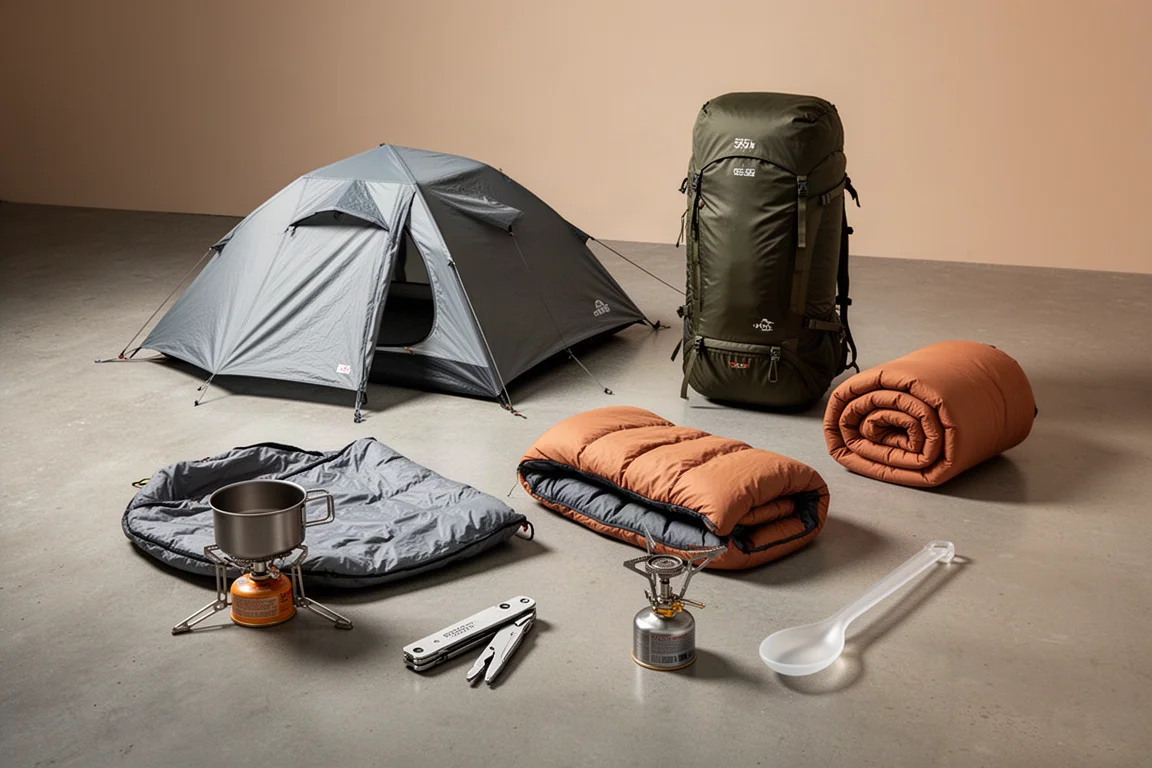
Some kits look tidy on a spreadsheet and fall apart at camp. This one was packed for a multi-day trip in the Sawtooth Mountains and then taken apart piece by piece, with every item judged on what it actually contributes once the trail gets steep.
What follows is a straightforward look at six pieces of backpacking gear: a lightweight two-person tent, a 55-liter pack, a modular sleep system, a pocket multi-tool, a canister stove, and a spoon that costs less than a dollar. Nothing here is exotic. Most of it is the kind of gear that quietly works trip after trip.
How This Gear Check Was Assessed
Four things mattered more than marketing claims.
Packed weight and packed volume came first, since both decide how a load carries over a long day. Material durability came second, particularly for shelters built from very thin fabric. Third was versatility: does a piece earn its place on a weekend trip and a week-long trip, or only on one of them? Finally, camp ergonomics, meaning how the gear behaves when you are tired, in the dark, and trying to eat.
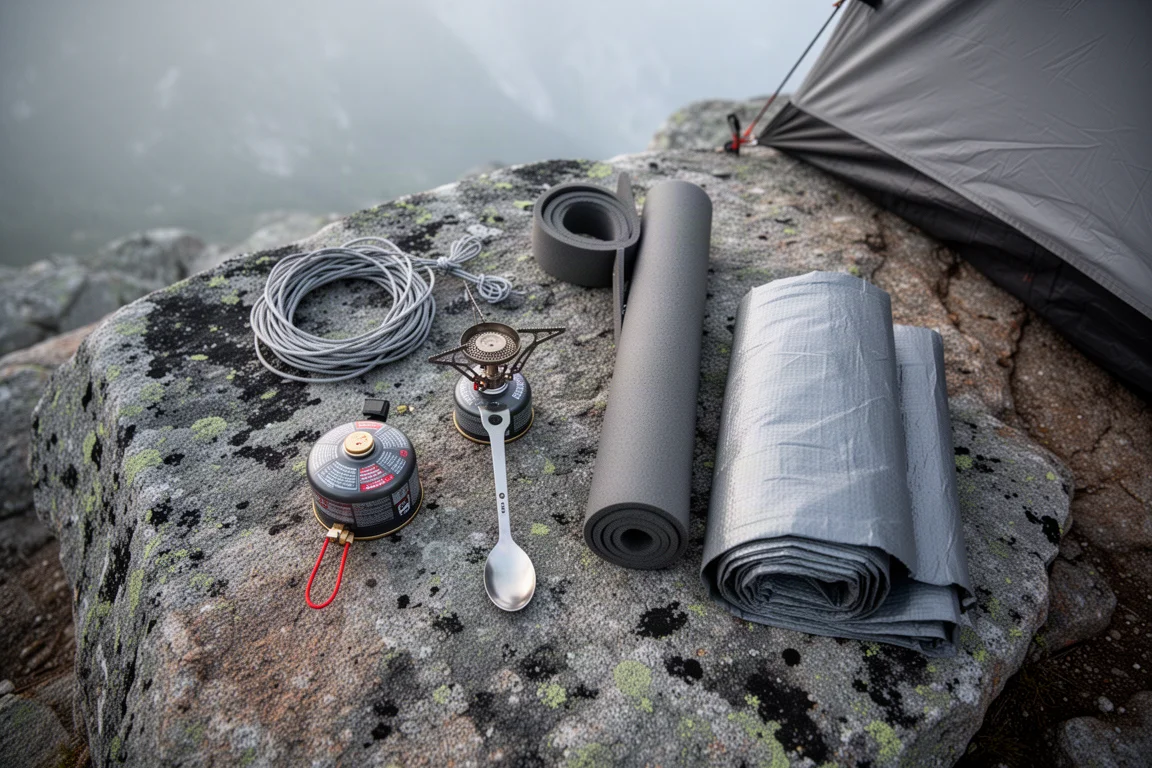
Repair and safety items were part of the assessment as well. A small first aid kit with blister tape, a few painkillers, and a compact tool does not weigh much, and it can be the difference between finishing a route and turning around.
Shelter: Nemo Hornet Elite
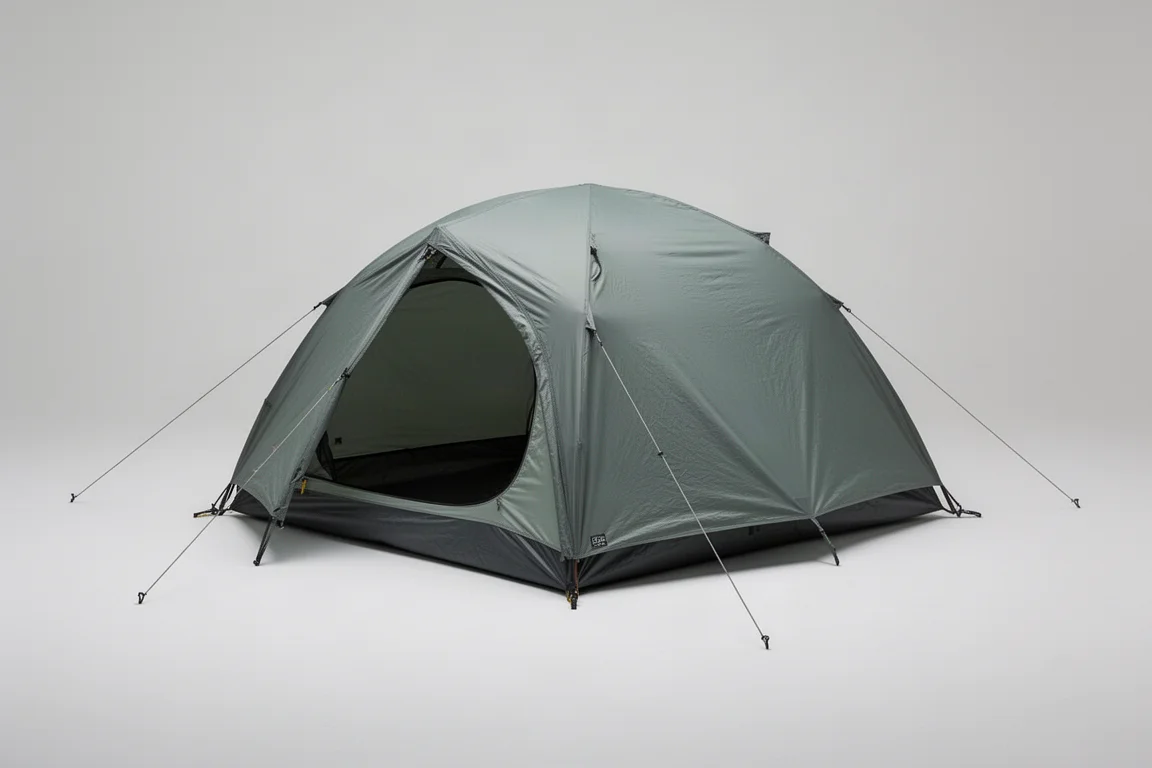
The Nemo Hornet Elite is sold as a two-person tent, and it weighs a little over two pounds. That number is the whole argument for it.
In practice, the floor space is comparable to other two-person tents in its class, but the peak height is low enough that two adults cannot both sit up inside. The footprint is narrow, which helps it fit into cramped, awkward pitches where a wider tent simply will not go. The honest description is a spacious solo shelter that can sleep two when the weather is good and nobody needs to change clothes indoors.
The fabric is where the weight savings come from. The canopy is very thin nylon, in the region of 10 denier, and the floor is roughly 15 denier. It has held up without tears so far, but it is a tent that rewards careful handling and a clean pitch. A ground cloth is worth considering underneath it, mostly for abrasion resistance rather than waterproofing.
Pack: Southwest 3400
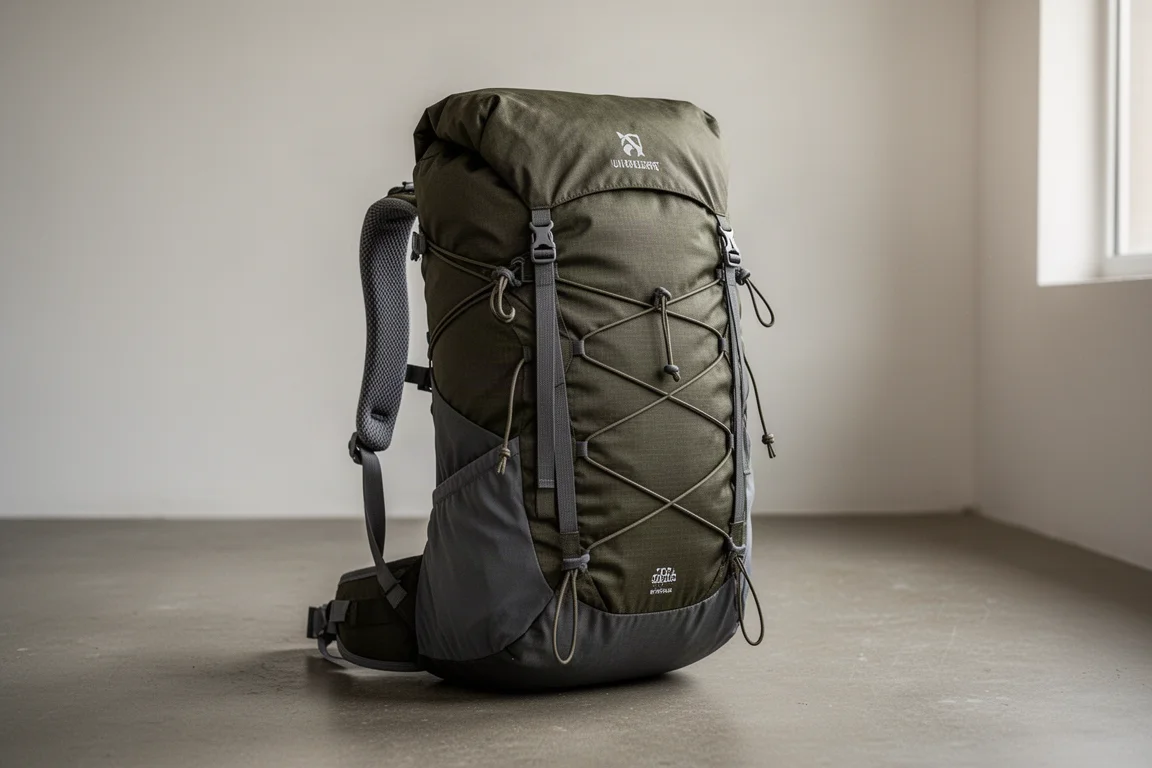
The Southwest 3400 is a 55-liter pack; the 3400 refers to cubic inches. Its maximum carry load is around 40 pounds, which is more than most backpackers will ever put in it but close to the ceiling for anyone carrying heavy loads.
The design is deliberately simple: one main compartment, a roll top, and no zip access from the bottom or the sides. That means organizing gear is a matter of unpacking and repacking, which suits a settled system but is less friendly if you are used to reaching into a pocket for a layer. The payoff is that the pack carries well when it is only partly full, even at a third of capacity, so it works as a daypack for a side trip to a summit.
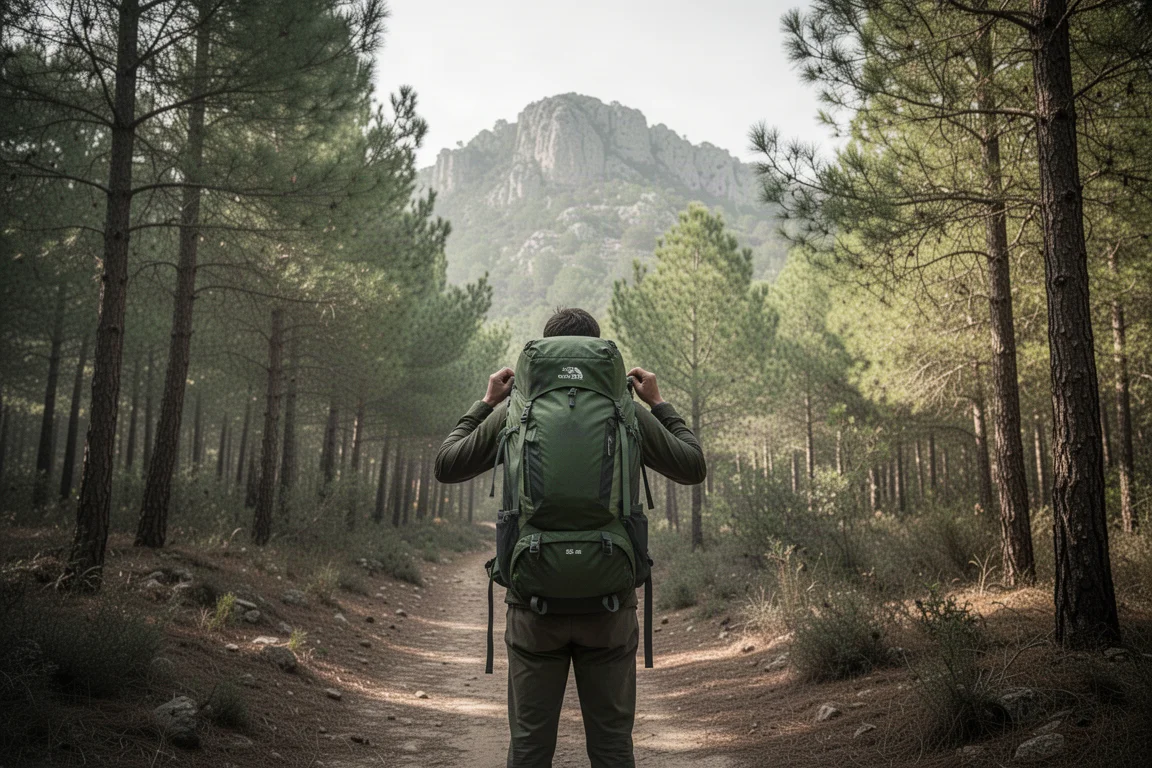
Durability has been strong. This pack has covered a lot of miles and shows wear without failing. It also has a visible sleeve for a wilderness permit, a small detail that matters in areas where permits must be displayed on the outside of a pack.
Sleep System: Lost Ranger
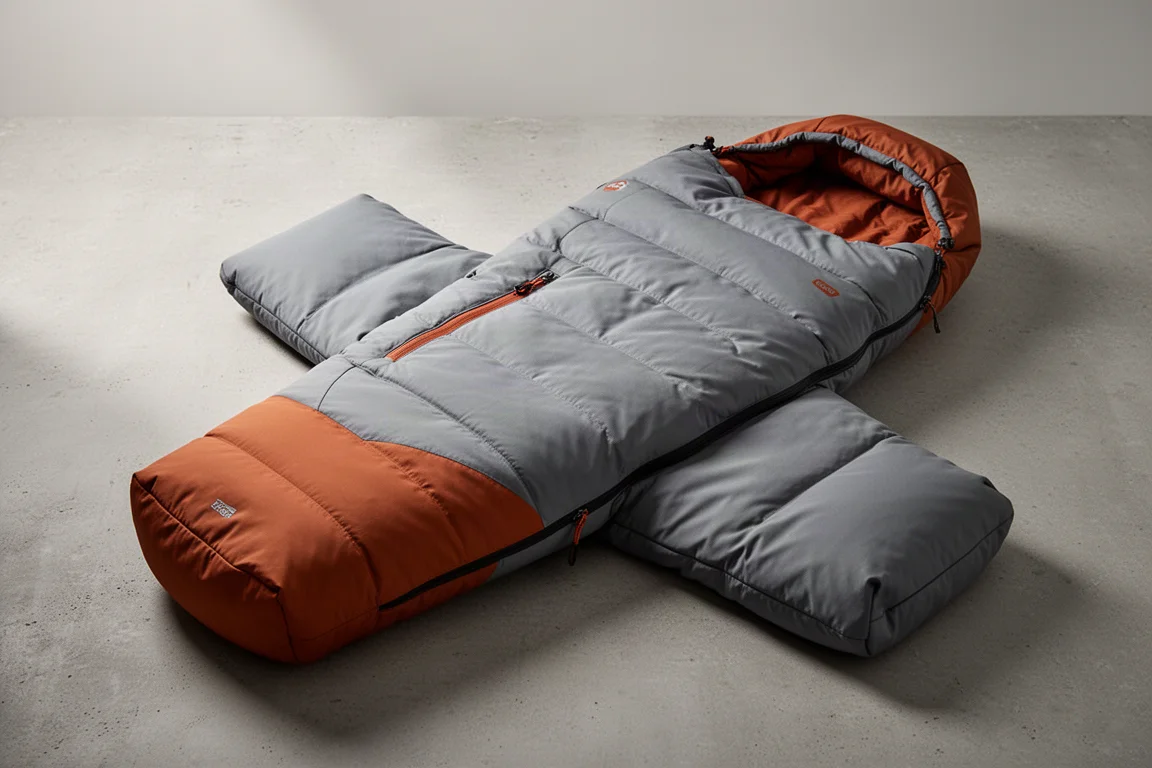
The Lost Ranger sleeping bag is a solid, versatile part of a modular sleep system, and it packs down small. It was a favorite for a stretch of time before other sleep systems took its place in the rotation, which says more about how personal sleep gear is than about any weakness in the bag.
The appeal is flexibility. It pairs with a pad and a liner to cover a range of conditions rather than chasing one extreme. Backpackers who want a single bag to handle everything will find it reasonable; backpackers who have settled into a very specific temperature range may eventually look elsewhere.
Tool: Leatherman Squirt PS4
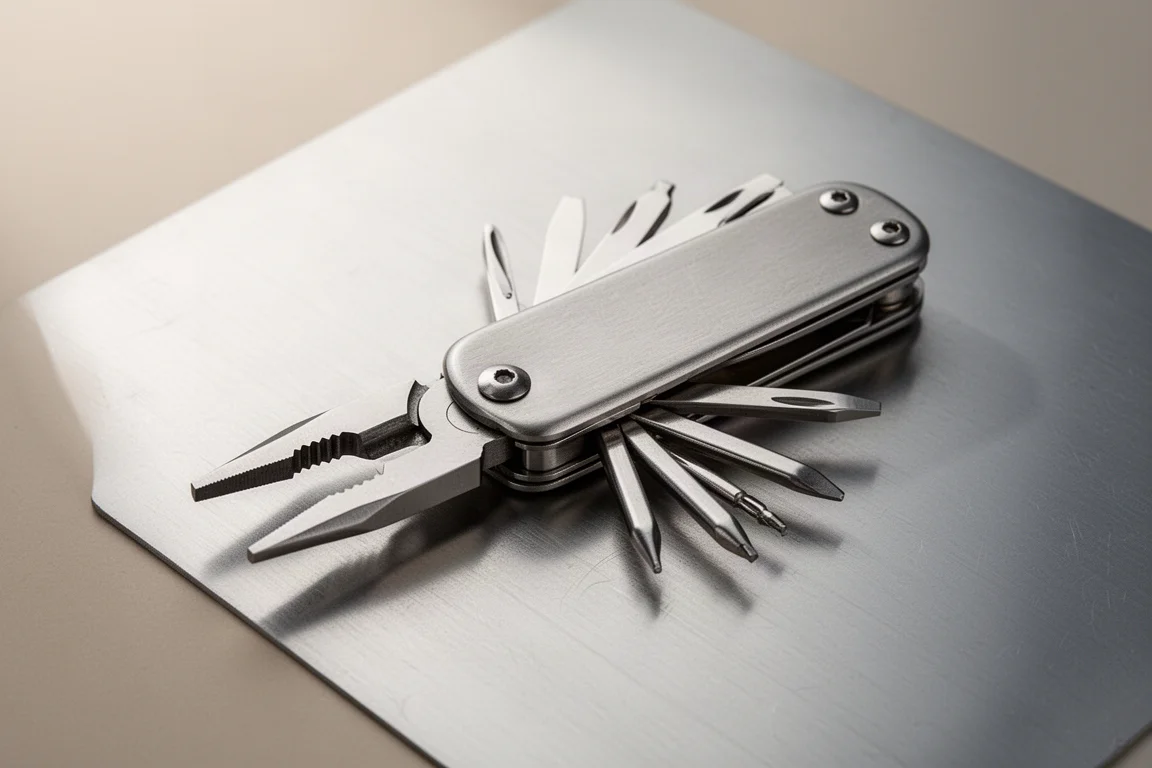
The Leatherman Squirt PS4 is a genuinely tiny multi-tool, small enough to live in a pocket and be forgotten until it is needed. The pliers are the useful part: they handle tripod adjustments, bent stakes, and small hardware fixes that would otherwise end a piece of gear’s day.
Cooking: Jetboil Stove System
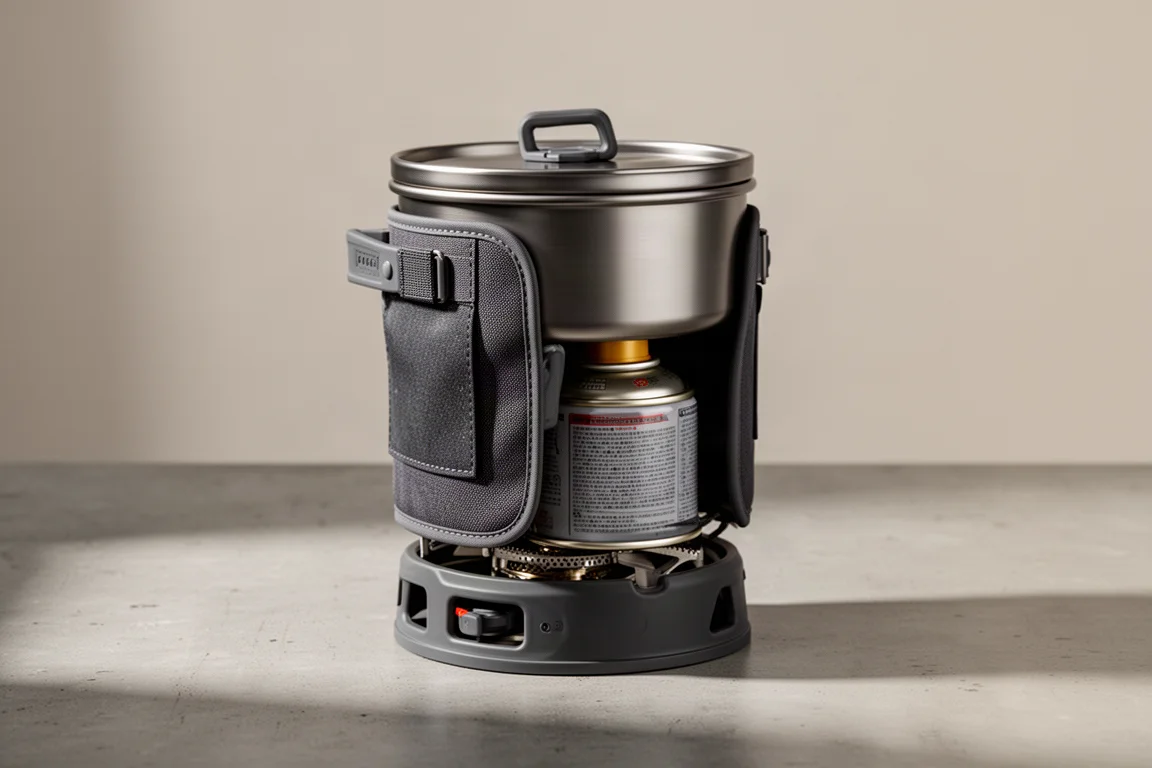
The Jetboil stove system is a boil-water machine, and it is good at that job. It comes out on trips where the plan involves more than a single freeze-dried meal, and it is the quickest way to get coffee going in the morning.
The pot doubles as a mug, and the burner plus a small gas canister nest inside it, so the whole system packs into one compact cylinder. The trade-off is scope: this is not a setup for real cooking, and it suits trips where rehydrating food and boiling water cover most of the menu.
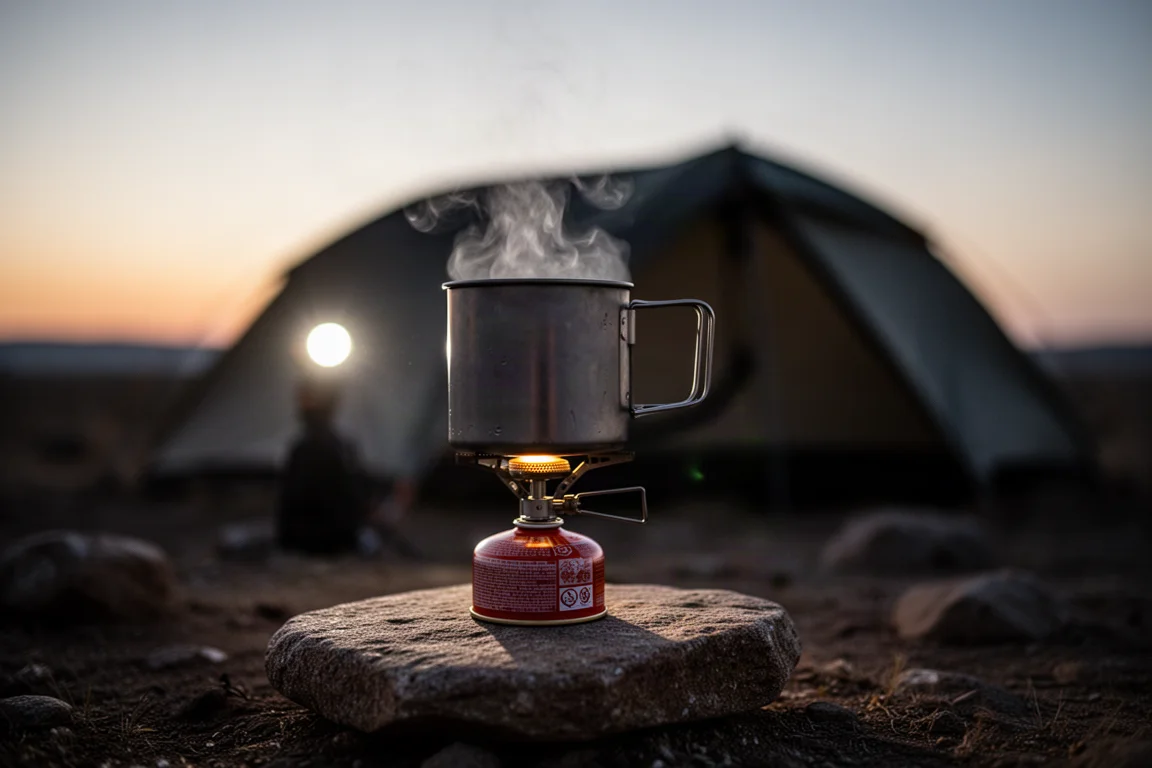
For backpackers who count grams and space, that nesting design is the real feature. One item on the packing list instead of three.
Small Extras: The Ozark Trail Spoon and a Tyvek Ground Cloth
Two of the least expensive items in the kit do the most unglamorous work.
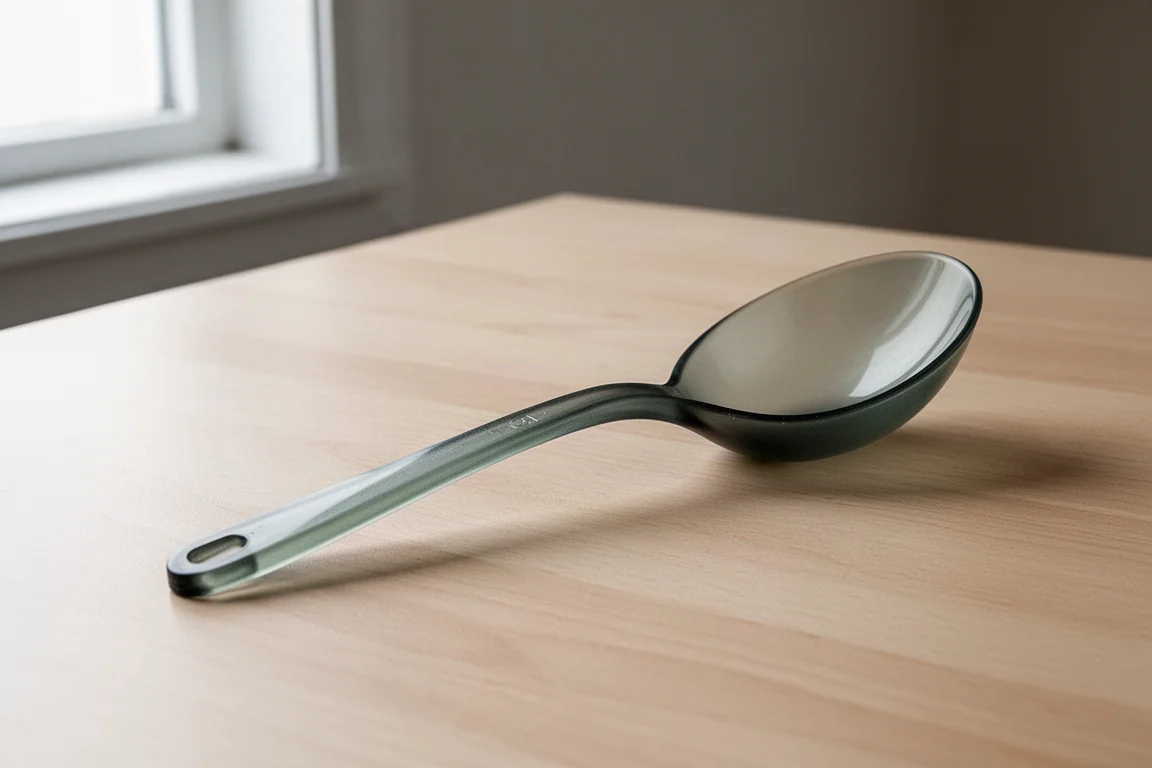
The Ozark Trail long-handle spoon cost about 88 cents, has a flexible shaft that reaches the bottom of a meal pouch, and has survived roughly two and a half years of use without breaking. Losing it is annoying rather than expensive.
The ground cloth is a sheet of Tyvek that has been in service for close to five years and weighs somewhere around three to four ounces. Its job is not waterproofing, since it has lost most of that ability, but abrasion resistance under a thin tent floor. In desert terrain, a layer between the floor and the ground also keeps small debris from working its way through the fabric. A small first aid kit rounds out this part of the load, with blister tape doing most of the heavy lifting.
Overall Buying Advice
The right way to read this list is by trip type rather than by category.
If your priority is cutting pack weight, the shelter and the pack do the most work, and both ask for care in return: thin fabric, simple organization, and a load ceiling around 40 pounds. If your priority is camp comfort and speed, the stove system and the spoon are the items you will touch every single day. The multi-tool and the ground cloth are inexpensive insurance, and the sleeping bag is the piece most worth trying before you commit, because sleep gear is the most personal purchase in the kit.
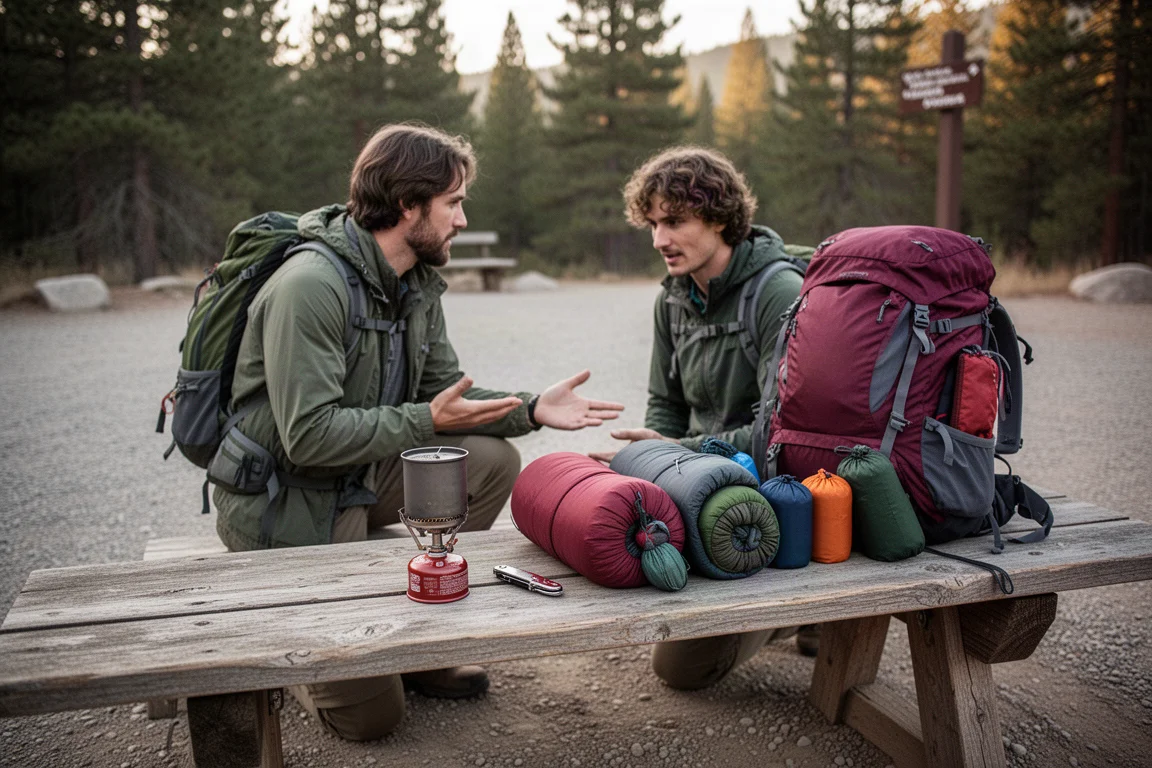
A practical sequence for most backpackers is to settle the sleep system first, then the shelter, then the pack, and to treat the small items as consumables that get replaced when they wear out or disappear.
Conclusion
None of these six items is trying to be everything. The tent is light and narrow, the pack is simple and durable, the bag is versatile, the tool is small, the stove is fast, and the spoon costs less than a dollar. Together they make a kit that behaves predictably, which is the quality that matters most once you are miles from the trailhead.
Further reading
Related Reviews

Backpacking Gear
Building a 10 lb Base Weight: An Ultralight Backpacking Gear List
A practical walkthrough of the ultralight pieces behind a 10 lb base weight, from a 765 g pack and a roomy one-person tent to a full camp chair and a dependable water filter.

Backpacking Gear
A 15-Pound Lightweight Backpacking Gear List for Solo Trips
A beginner-friendly 15-pound backpacking setup built from easy-to-find gear, with notes on what each piece does, how it packs, and where to spend your attention.

Backpacking Gear
8 Ultralight Backpacking Gear Upgrades Worth Carrying
Eight small, affordable backpacking upgrades that solve real trail annoyances, from a pillow that stays put to a fuel valve that rescues leftover canister gas.