Backpacking Gear
Backpacking Gear Roundup: 12 Changes Worth Trying on the Trail
Twelve backpacking gear choices, from sun hoodies and hiking sandals to shelters and sleeping pads, with the trade-offs to weigh before you commit.
Introduction
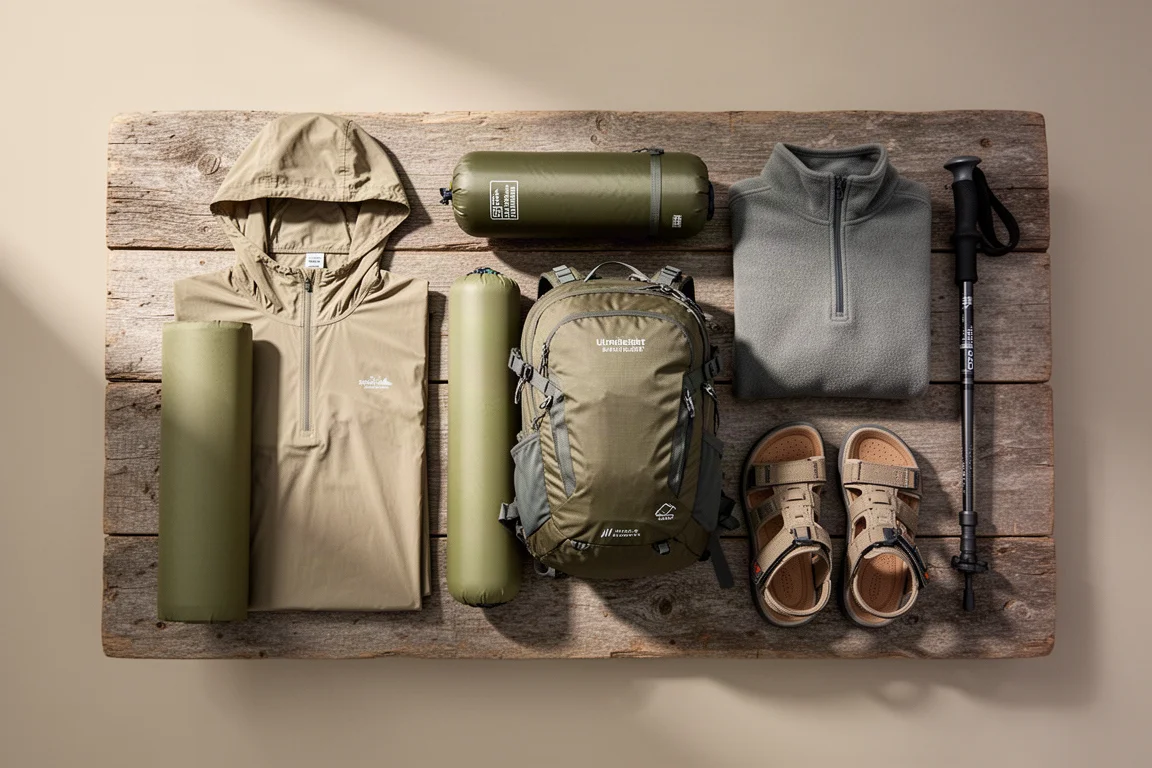
Most backpacking gear advice splits into two camps: the absolute lightest setup possible, and everything else. The lightest setup is not what most people should carry. For a lot of hikers, a few well-chosen changes to sun protection, footwear, shelter and sleep make more difference to how a trip feels than shaving grams ever will.
This roundup covers twelve pieces of gear that represent real shifts in how a backpacking kit can be put together. Some are small and inexpensive. Others replace equipment that has been relied on for years. Each one comes with a genuine trade-off, and those trade-offs are worth understanding before you spend anything.
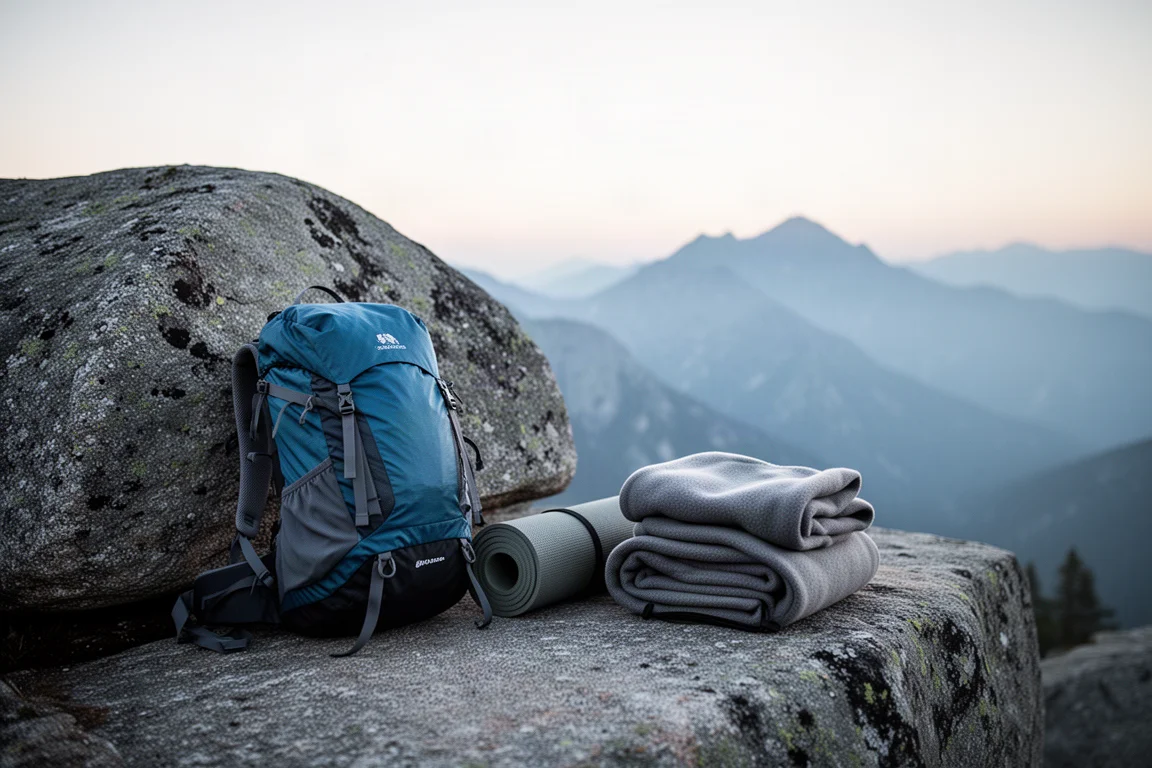
The goal here is not to tell you to hike a specific way. It is to lay out what each change offers, what it costs you in durability, protection or money, and who is most likely to benefit from it.
How These Gear Choices Were Made
The items below were selected around a single question: does this change make a trip easier or more comfortable for a typical backpacker, rather than only for someone chasing the lowest possible base weight?
That means the list leans toward gear with a clear purpose. Sun protection that covers more skin. Footwear that solves a specific problem. A shelter that removes a recurring frustration. A sleeping pad that works on ground a thinner pad cannot handle.
Where a piece of gear has an obvious weak point, it is noted rather than glossed over. Several of these items have open questions about long-term durability, and those questions matter more than a good first impression.
Outdoor Research Echo Sun Hoodie
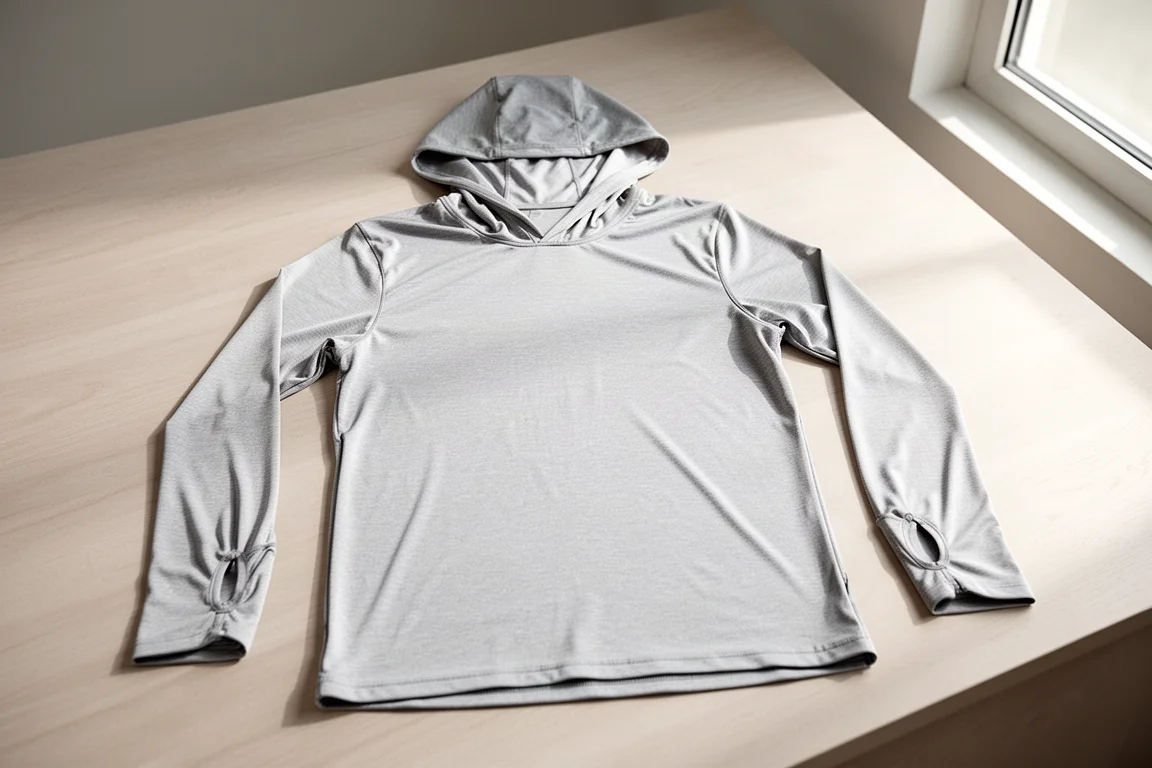
The Echo Sun Hoodie is a long-sleeve hooded layer with thumb holes at the cuffs and a hood that covers the ears, the neck and part of the face. Worn on an exposed trail, that coverage protects far more of the upper body than a short-sleeve shirt and a layer of sunscreen.
The open question is durability. The fabric is extremely light, and light fabric is exactly the kind that catches on the first branch in your path. Whether a hoodie this thin survives a full thru-hike without tearing is something only trail time will answer, so anyone planning to push through brushy terrain should weigh that risk before committing.
Sunday Afternoons VaporLight Bucket Hat
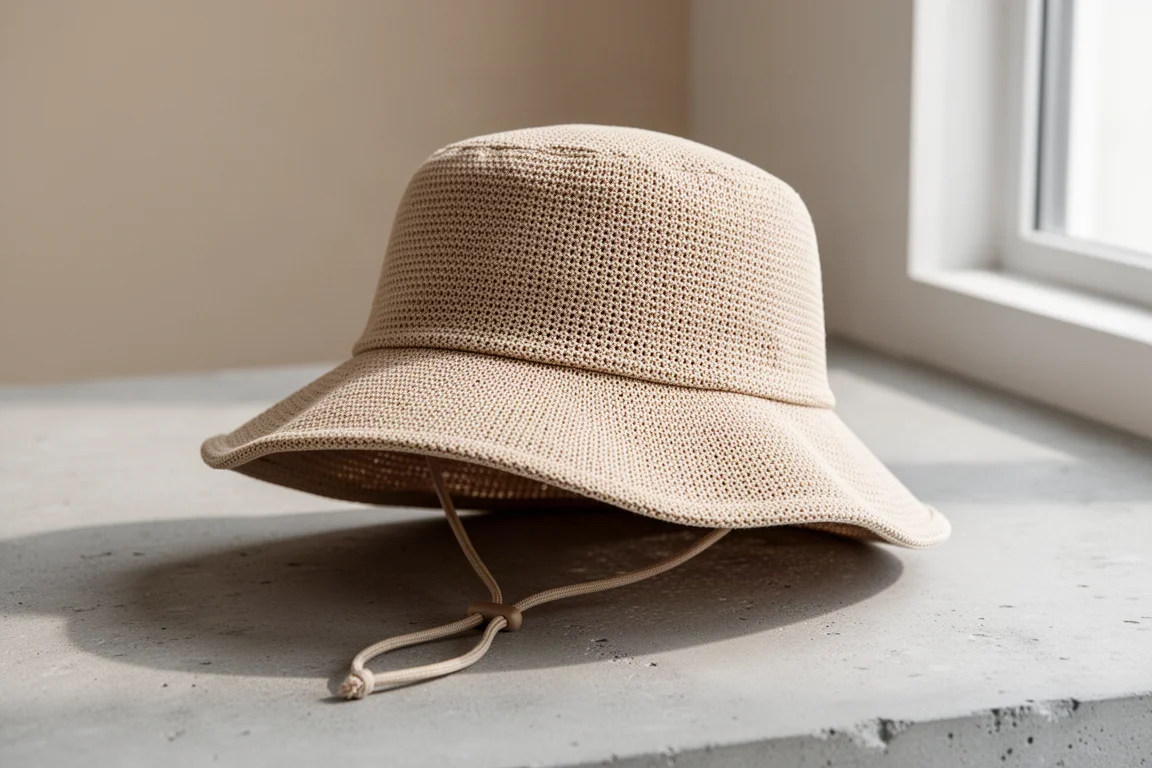
The VaporLight is a lightweight bucket hat with a chin strap. A wide brim and wind are a bad combination, and the strap is what keeps the hat on your head when a gust comes across a ridge or an open pass.
The fabric is the other selling point. It is light, airy and breathable, which matters because thicker bucket hats tend to trap heat on top of the head. On hot, exposed stretches, breathability does more for comfort than a stiffer brim does.
Ombraz Sunglasses
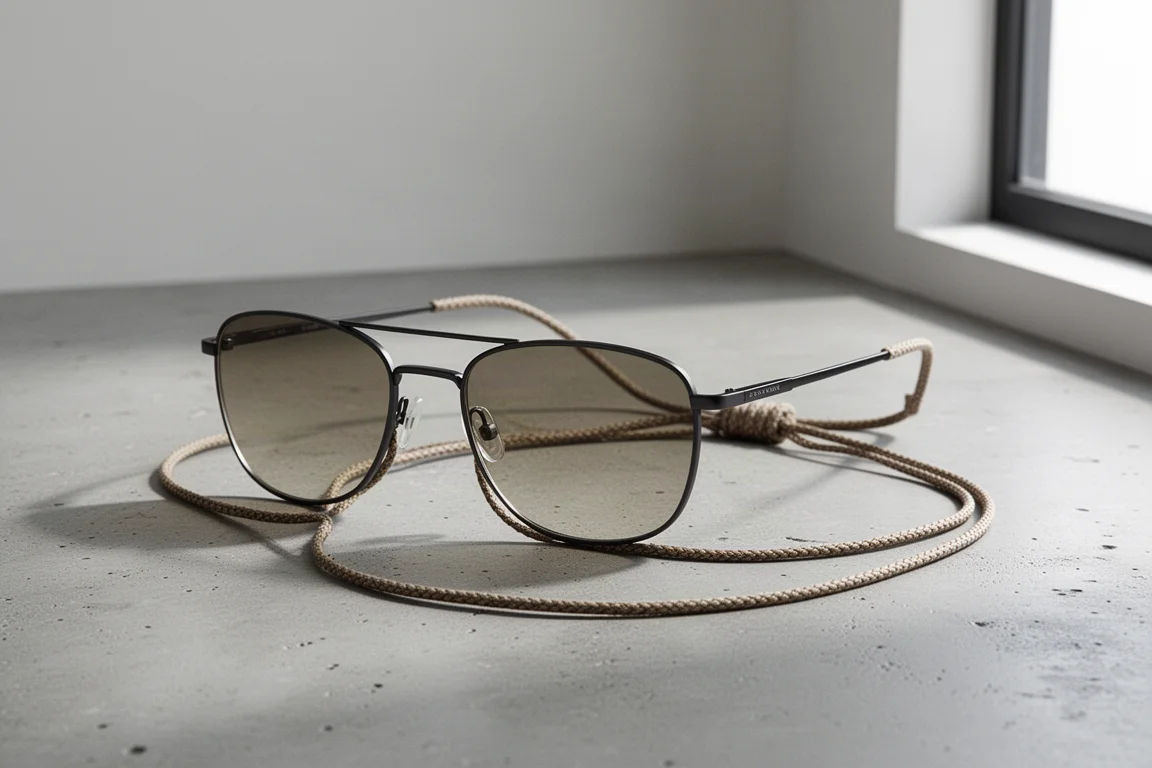
Ombraz takes a different approach to eyewear: there are no arms at all. Instead, a single cord runs from each side of the frame to a cinch strap at the back, which pulls the lenses snug against the face. Loosen the strap and the sunglasses hang around your neck, so there is no separate retention accessory to keep track of.
The trade-off is price. These cost around $120 or more, which is a lot next to the UV-protective sunglasses sold at a gas station or hardware store for roughly $10. Whether the armless design and the secure fit justify that gap is a personal call, and it depends on how often you have lost or broken a conventional pair.
Bedrock Sandals
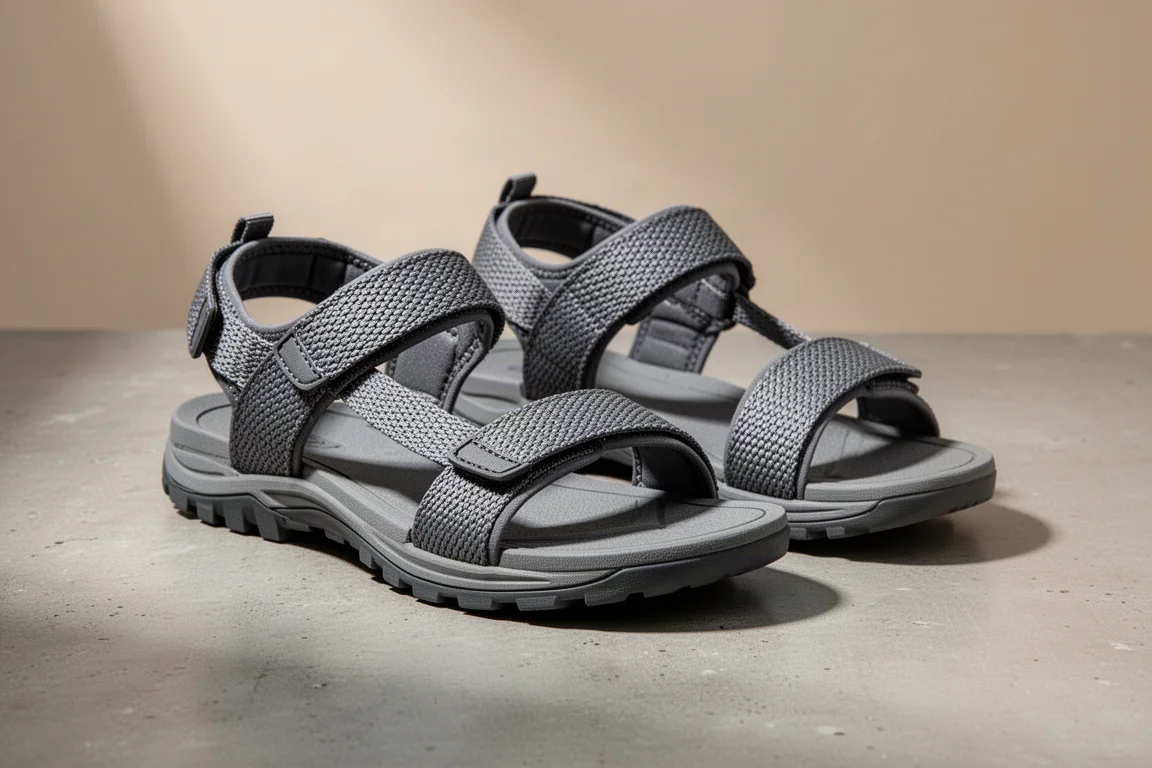
Hiking sandals trade coverage for freedom. There are no socks to pull on in the morning, no soaked shoes to worry about after a stream crossing, and no drying time after a muddy section. For hikers who spend a lot of time in wet terrain, that simplicity is genuinely appealing.
The obvious question is protection. With your foot fully exposed, sandals offer far less shielding than a trail shoe, and on a long-distance hike that difference matters more than it does on a short weekend trip. Sandals are a decision to make deliberately rather than a default choice.
Xero Shoes Mesa Trail
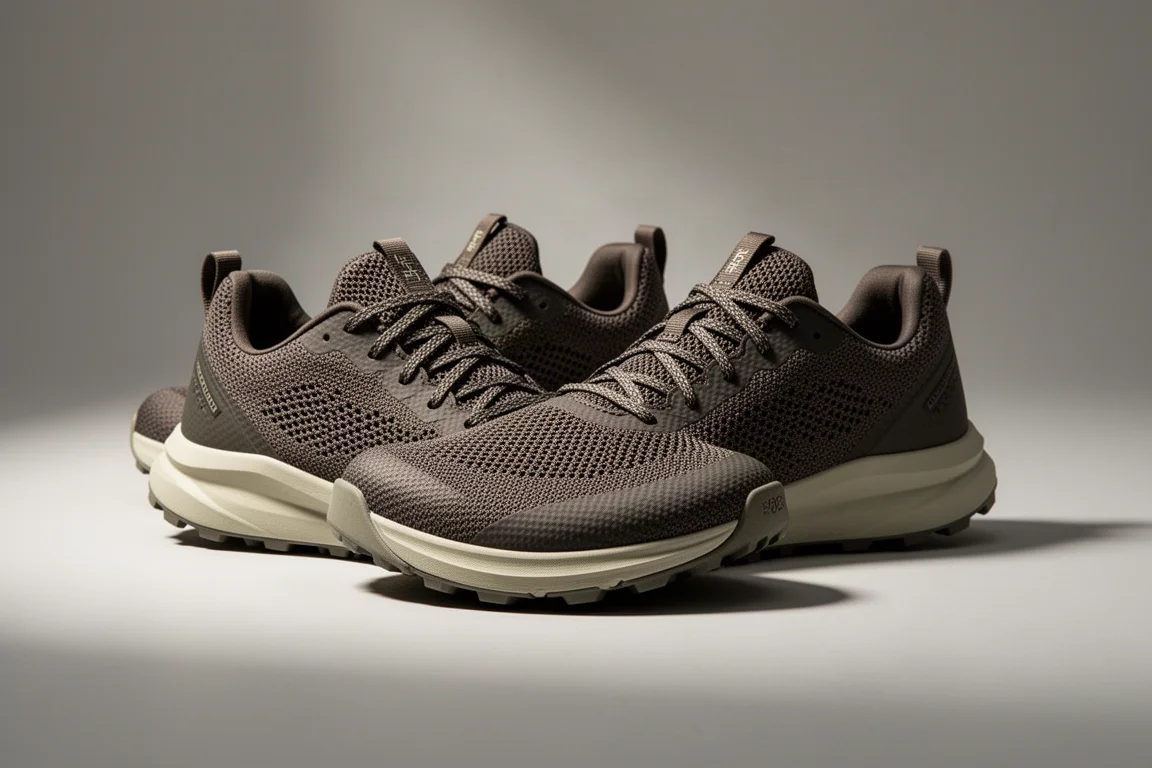
The Mesa Trail is a minimal trail shoe with a wide toe box. The fit is the headline here: a roomy forefoot that lets the toes spread naturally, which many hikers find comfortable from the very first mile.
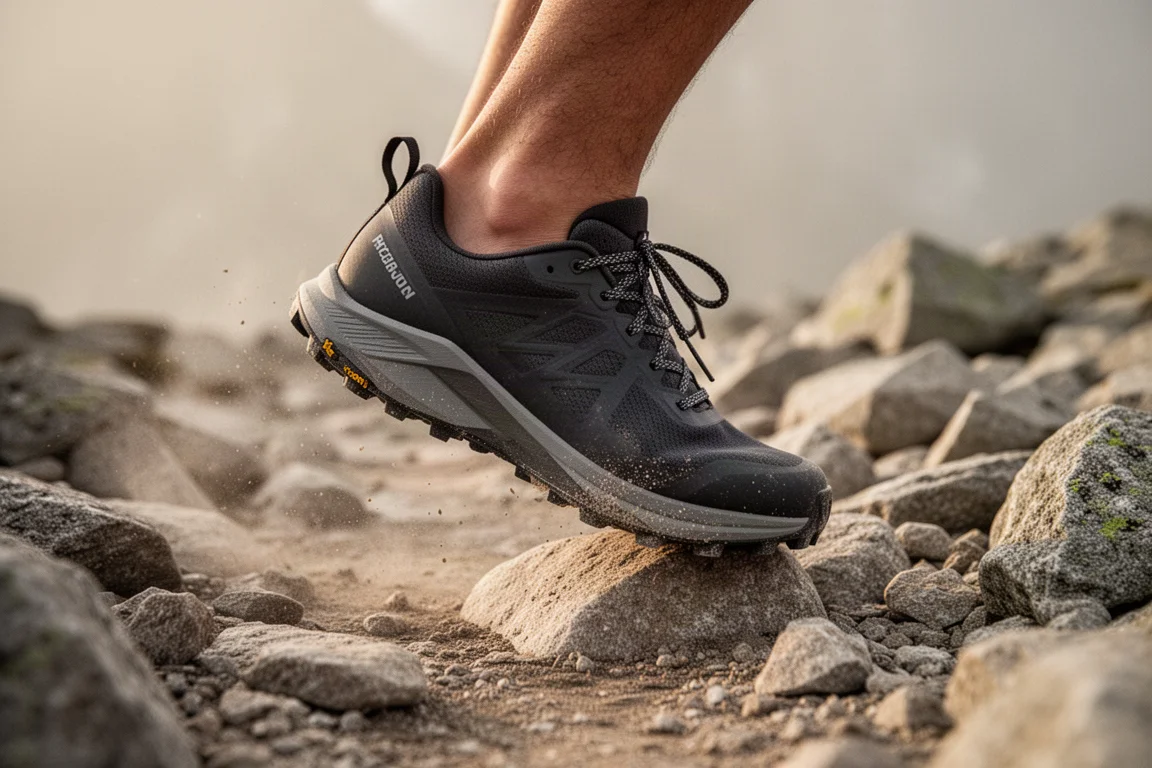
Two concerns come with a shoe this minimal. The first is durability, because trail shoes vary widely in how many miles they last, with some models running as far as 700 miles and others giving up much sooner. The second is protection. With a thin sole, you feel every rock and root underfoot, and the cushioning simply is not there when the ground turns rough.
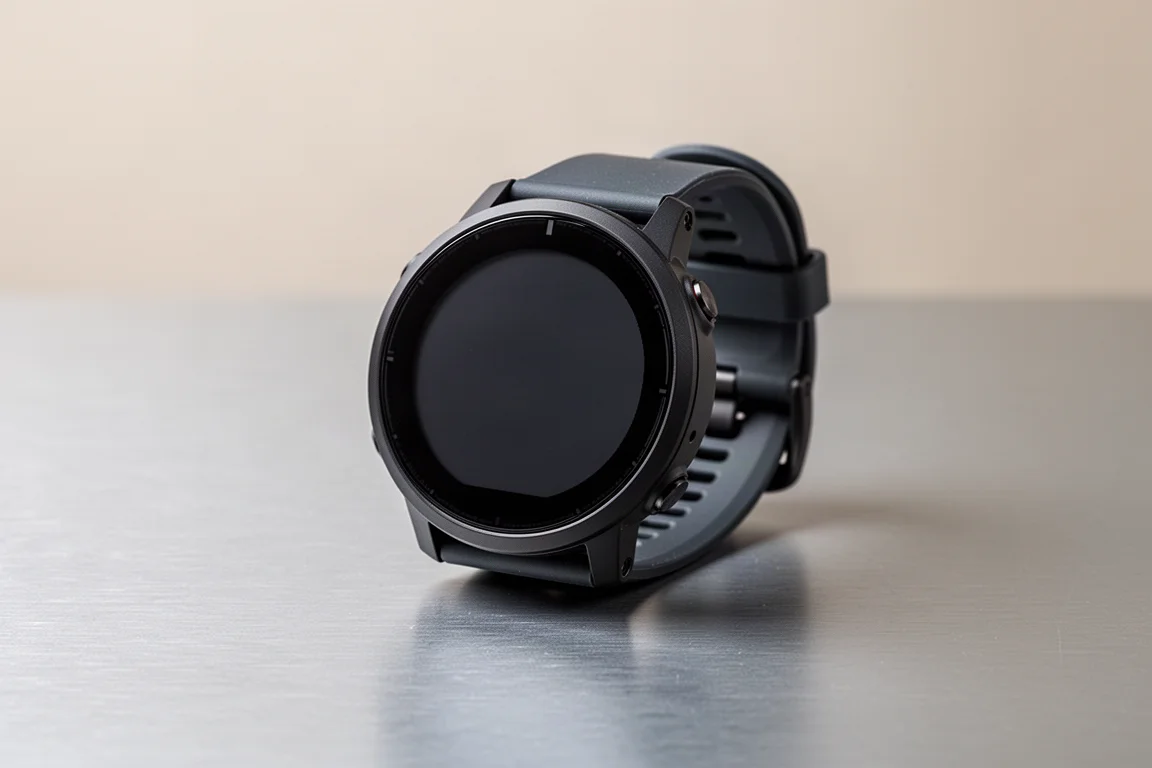
Coros Pace 2
The Pace 2 is a sports watch that costs far less than many smartwatches, and it collects a broad set of data: heart rate, sleep, calories burned, cadence and stride length. For hikers who like numbers, that turns a long day into something measurable.
The value depends entirely on what you do with the data. Knowing your heart rate, your sleep and your cadence only helps if you look at it and adjust. For anyone who wants an inexpensive way to understand effort and recovery on the trail, it is an easy option to consider.
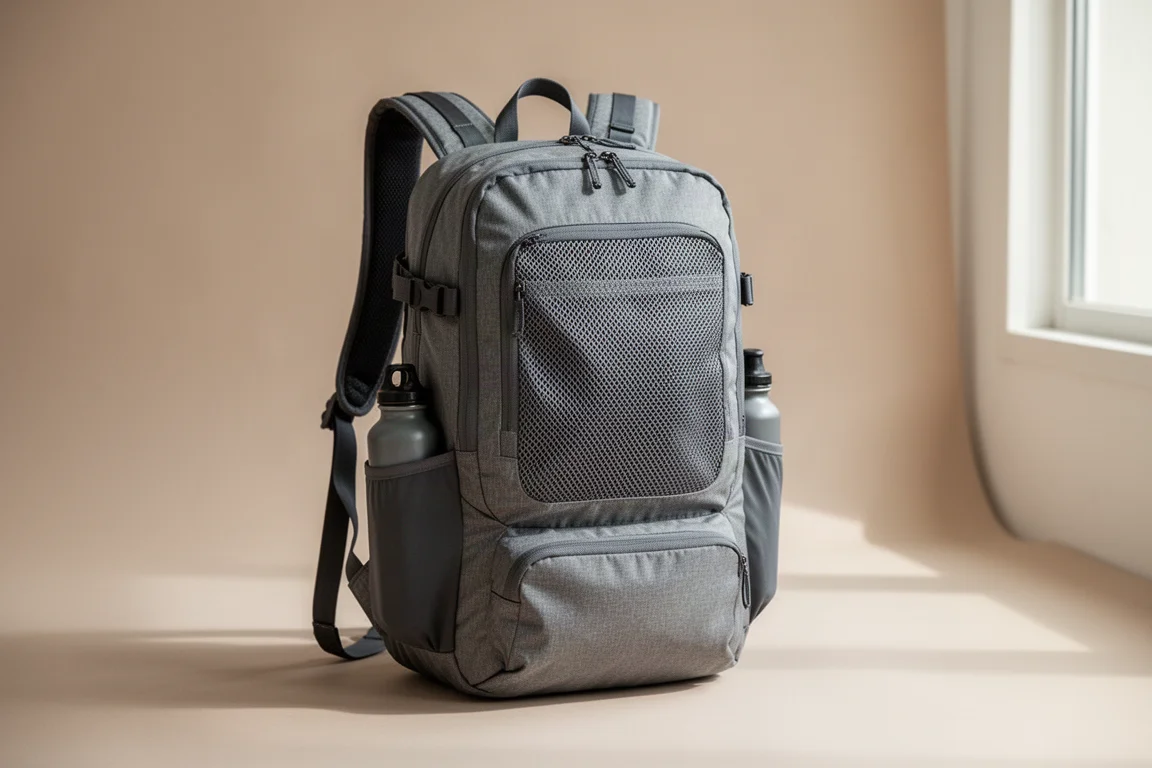
Palante Desert Pack
The Desert Pack is a step up in volume, with roughly 40 to 45 liters of internal space. That extra capacity adds flexibility: longer food carries, bulkier loads and a bit more room for cold-weather layers all fit without the pack straining.
The trade-off is that a bigger pack invites more weight. Extra volume only pays off if you actually need it, so it is worth being honest about whether the trips you have planned genuinely require the space.
Kuiu Peloton 97
The Peloton 97 is the known quantity in this group. It has been in rotation on nearly every long hike since 2019, which makes it the fleece the others are measured against.
What that history buys you is predictability. You know how it layers, how it packs and how it behaves when the temperature drops, and there is real value in a midlayer that holds no surprises.
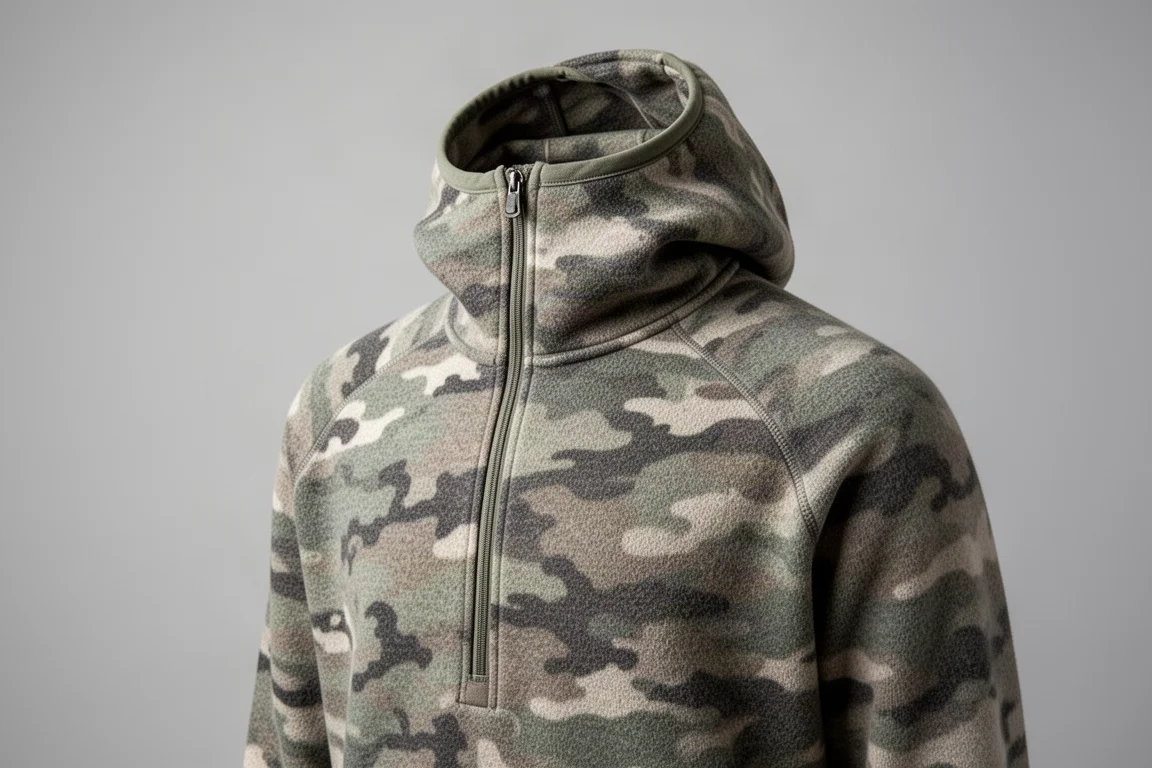
Palante Ponte Fleece
The Ponte Fleece sits at the technical end of the fleece spectrum. It is built for active layering rather than casual wear, which makes it a different tool from a simple warm layer.
Because of that, it is best judged against the conditions you actually hike in. A technical fleece earns its place on trips where you are moving through cold air, and less so on trips where the midlayer mostly comes out at camp.
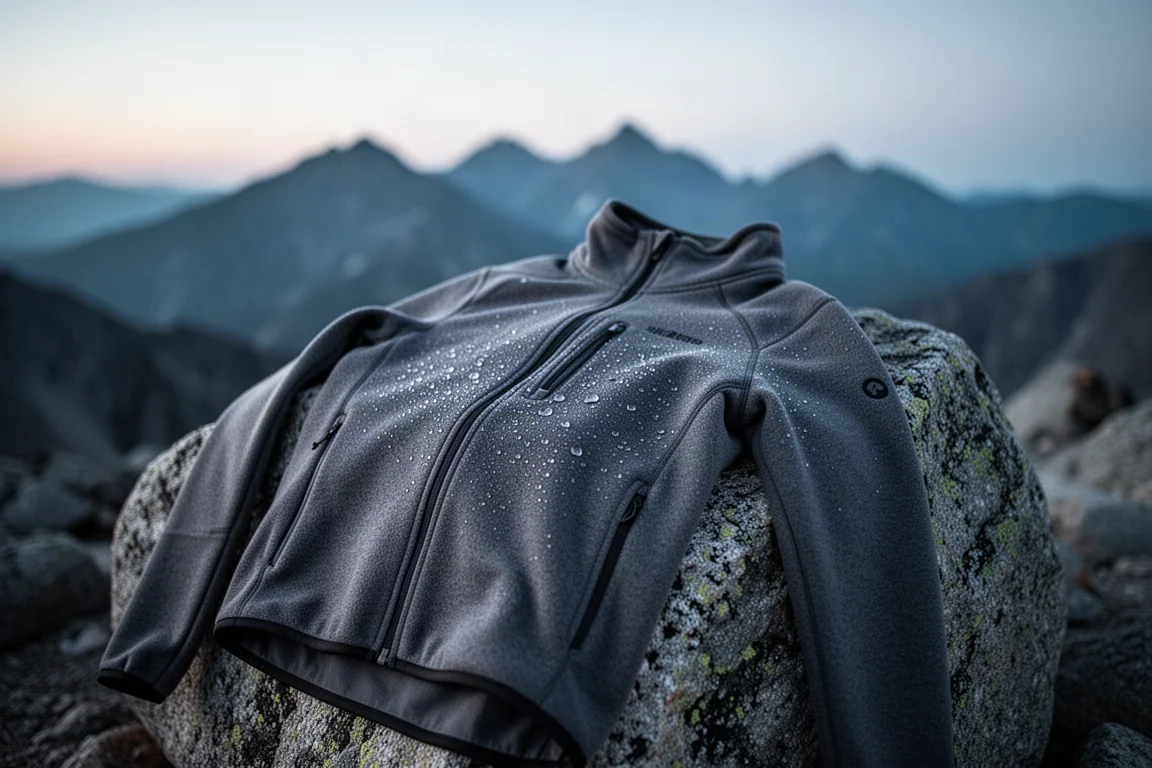
Fleece choice ultimately comes down to fit and function. Three fleeces in a rotation are three answers to slightly different questions, and the Ponte is the one aimed at hikers who want a technical midlayer rather than a general-purpose warm layer.
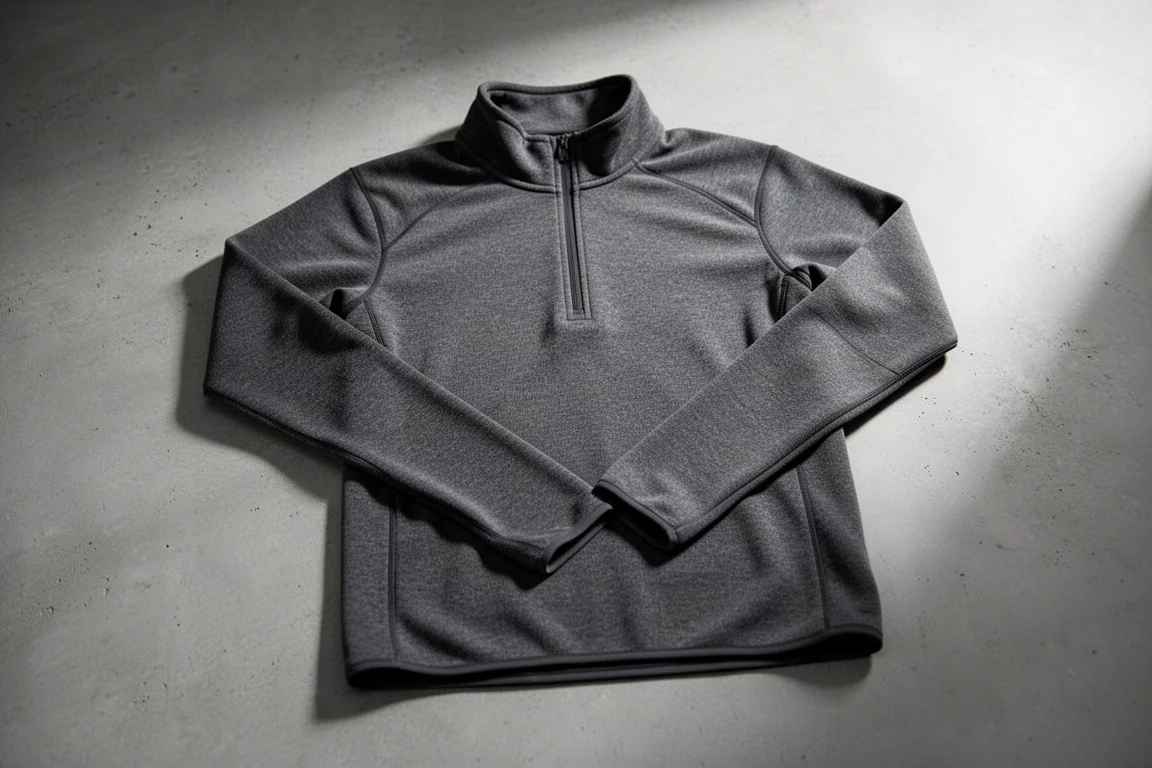
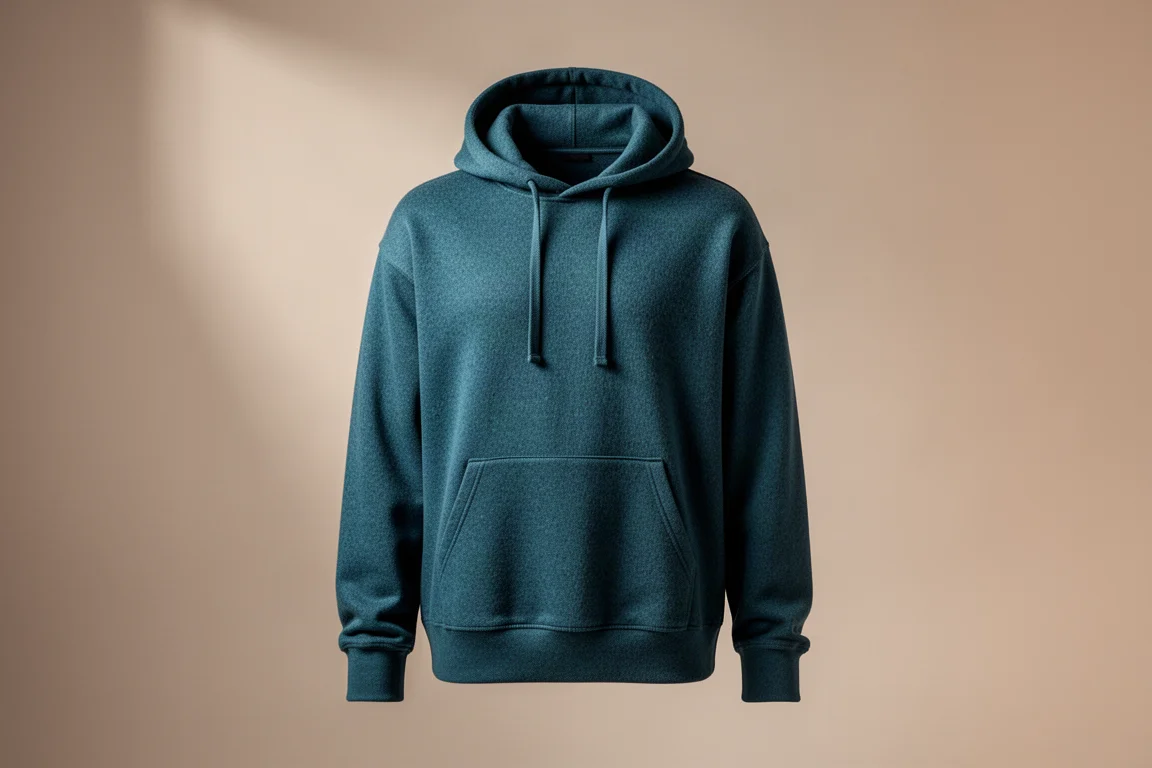
Melanzana Fleece Hoodie
The Melanzana hoodie is the newcomer here. It is a hooded fleece that has not been worn on trail yet, which makes it the least proven item in this roundup.
The appeal is straightforward: a hood adds warmth around the head and neck, which is exactly where a midlayer is most useful on a cold morning. Whether it earns a permanent place in a layering system is a question for the miles ahead.
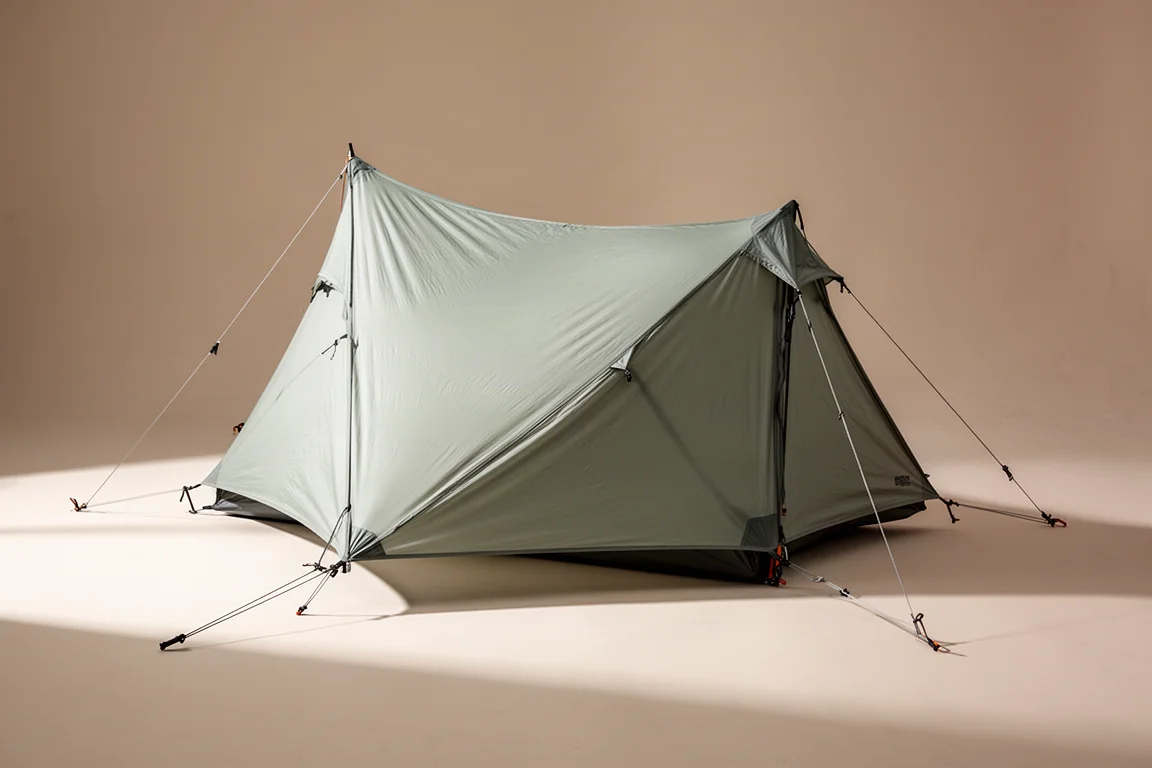
Zpacks Altaplex
The Altaplex is a fully enclosed single-wall shelter designed for taller users and pitched with a trekking pole. For anyone coming from a tarp, the enclosure changes the whole experience: bugs are no longer a nightly problem, and campsite selection becomes less about hunting for natural shelter.
That shift is significant after years of tarp camping. A tarp rewards careful site choice, while a fully enclosed tent removes a lot of that guesswork. The trade-off is that the Altaplex depends on a trekking pole to stand, so the pole becomes part of the shelter decision rather than an optional extra.
Therm-a-Rest NeoAir
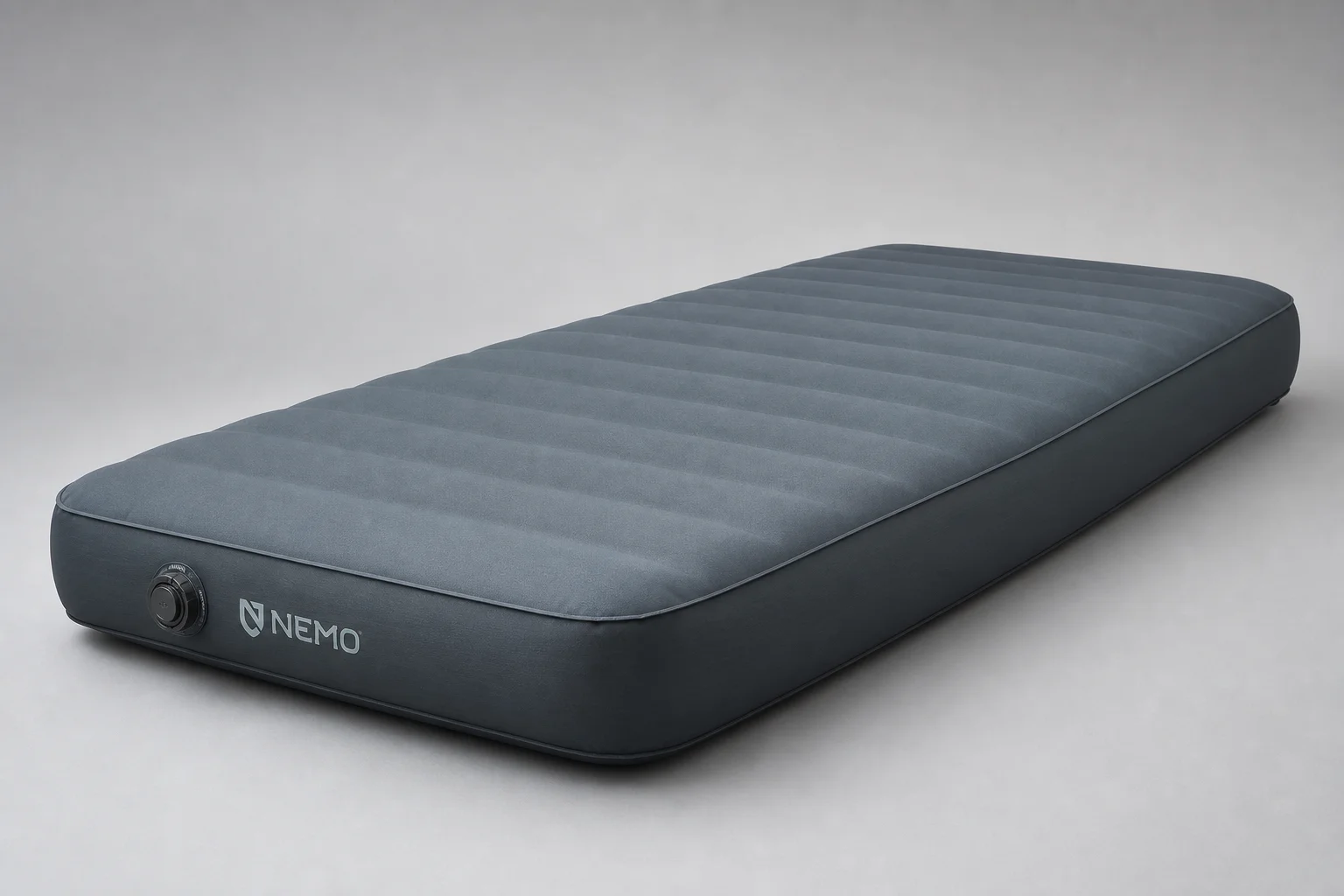
The NeoAir is a full-length inflatable pad, running from toe to head. Compared with a thin torso-length foam pad, it adds comfort, adds warmth and opens up campsites that would otherwise be unusable. Rocky ground that would make a thin pad miserable is no longer an automatic dealbreaker.
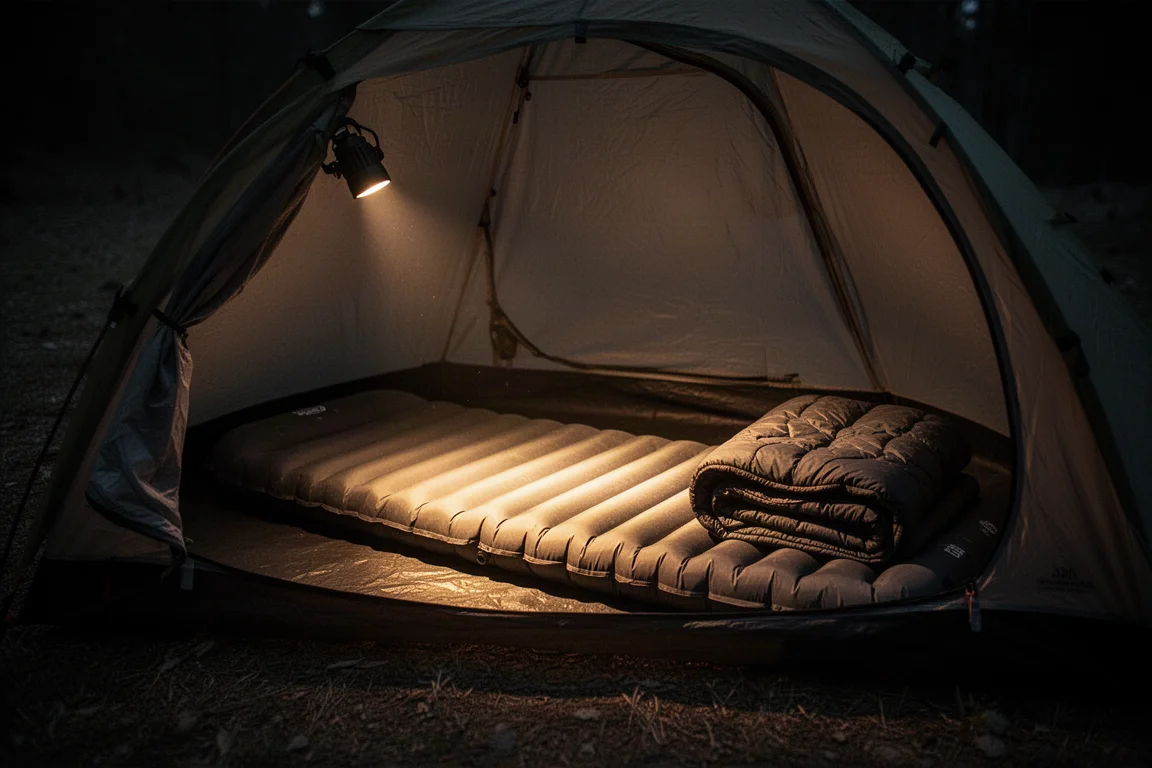
Durability is the open question. An inflatable pad can be punctured by a sharp rock, and if that happens partway through a long hike, the repair is an unwelcome chore. That risk is the price of the comfort and warmth the pad provides, and it is the main thing to weigh before switching away from foam.
Conclusion
None of these changes is mandatory. A base weight can stay comfortably low while still making room for a sun hoodie, a full-length pad or a fully enclosed shelter, and the point of this roundup is that there is more than one sensible way to build a backpacking kit.
If you are deciding where to start, the sun protection pieces tend to be the easiest entry point, because they cost relatively little and get used every single day. Footwear and sleep systems are bigger commitments and deserve more thought, since they affect how your body feels after a long day. Shelters sit somewhere in between, and the right answer depends on how much you value bug protection and easy pitching over the simplicity of a tarp.
Pick the one or two changes that solve a problem you actually have on trail, test them on shorter trips first, and let the miles tell you whether the trade-off was worth it.
Further reading
Related Reviews

Backpacking Gear
Building a 10 lb Base Weight: An Ultralight Backpacking Gear List
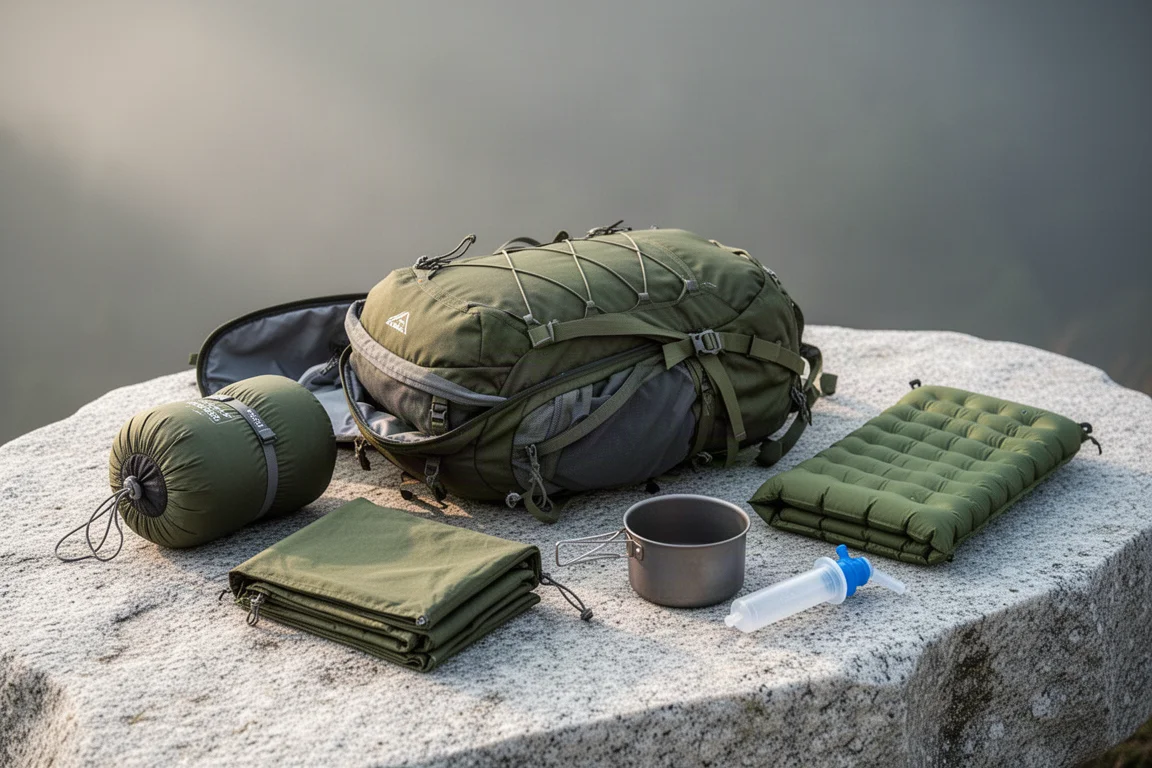
A practical walkthrough of the ultralight pieces behind a 10 lb base weight, from a 765 g pack and a roomy one-person tent to a full camp chair and a dependable water filter.
Backpacking Gear
A 15-Pound Lightweight Backpacking Gear List for Solo Trips
A beginner-friendly 15-pound backpacking setup built from easy-to-find gear, with notes on what each piece does, how it packs, and where to spend your attention.
Backpacking Gear
8 Ultralight Backpacking Gear Upgrades Worth Carrying
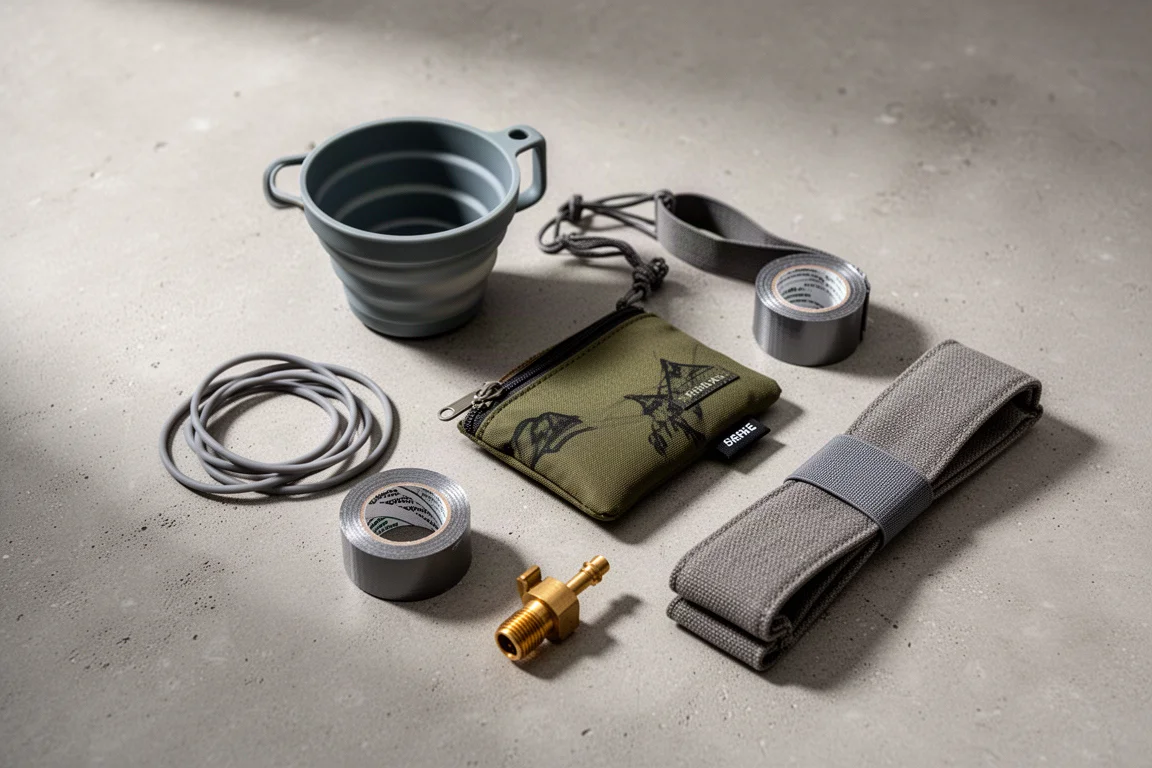
Eight small, affordable backpacking upgrades that solve real trail annoyances, from a pillow that stays put to a fuel valve that rescues leftover canister gas.