Backpacking Gear
Backpacking Gear Changes Worth Making: Four Upgrades That Improve the Trip
Four backpacking gear changes with clear use cases: two shelters built for very different environments, a wind-resistant stove for group cooking, and a lightweight sleeping pad with a long track record.
Introduction
A backpacking trip is never really about carrying weight from one place to another. It is about solitude on a quiet ridge, a shared evening around a stove with friends, or the chance to move through an environment you have never seen before. Gear is only the means to that end, but it decides how much of the experience you actually get to enjoy.
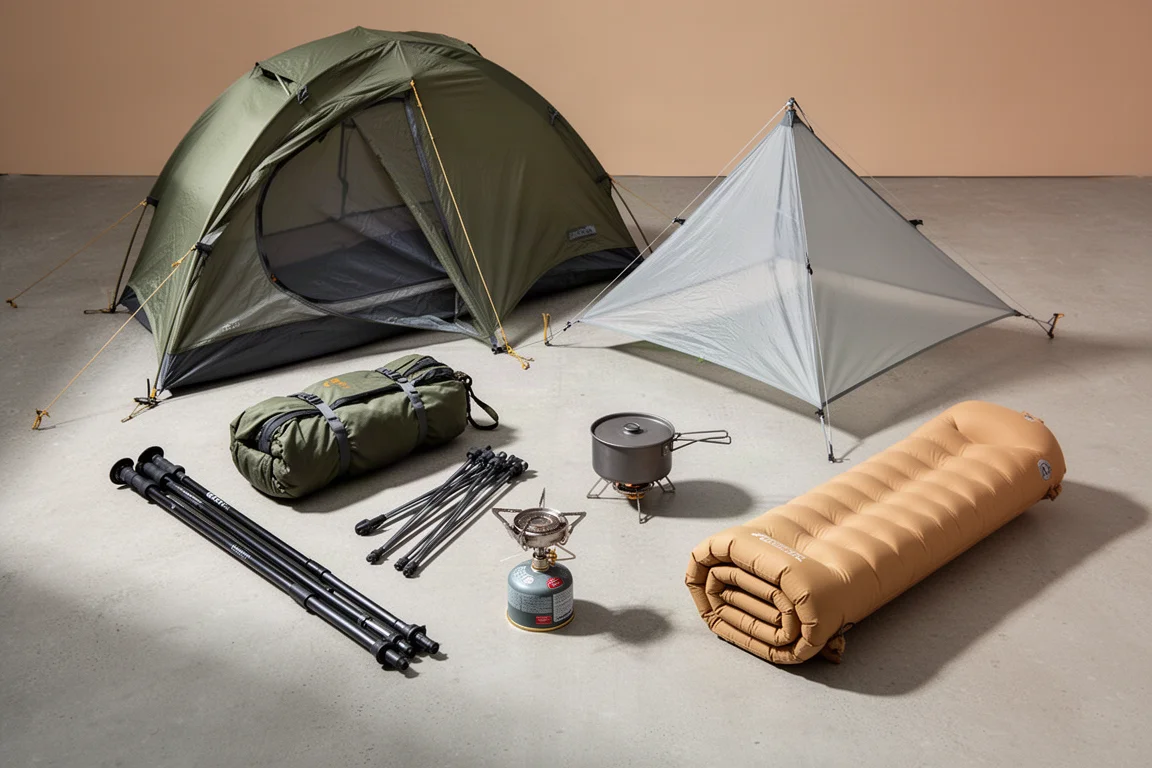
The four items below are the changes that made the biggest difference: two shelters built for very different trips, a stove that handles wind and larger groups, and a sleeping pad with a long record behind it. Each one solves a specific, recurring problem rather than adding another gadget to the pack.
What Makes a Gear Change Worth It
The most useful question before buying anything is not whether a piece of gear is good, but what it is being asked to do. A shelter that shines on a weight-focused summer trip can be the wrong choice in exposed terrain, and a stove that boils a cup of water quickly for one person can feel slow when four people need dinner. Environment, group size, weather, and how you sleep all shape the answer.
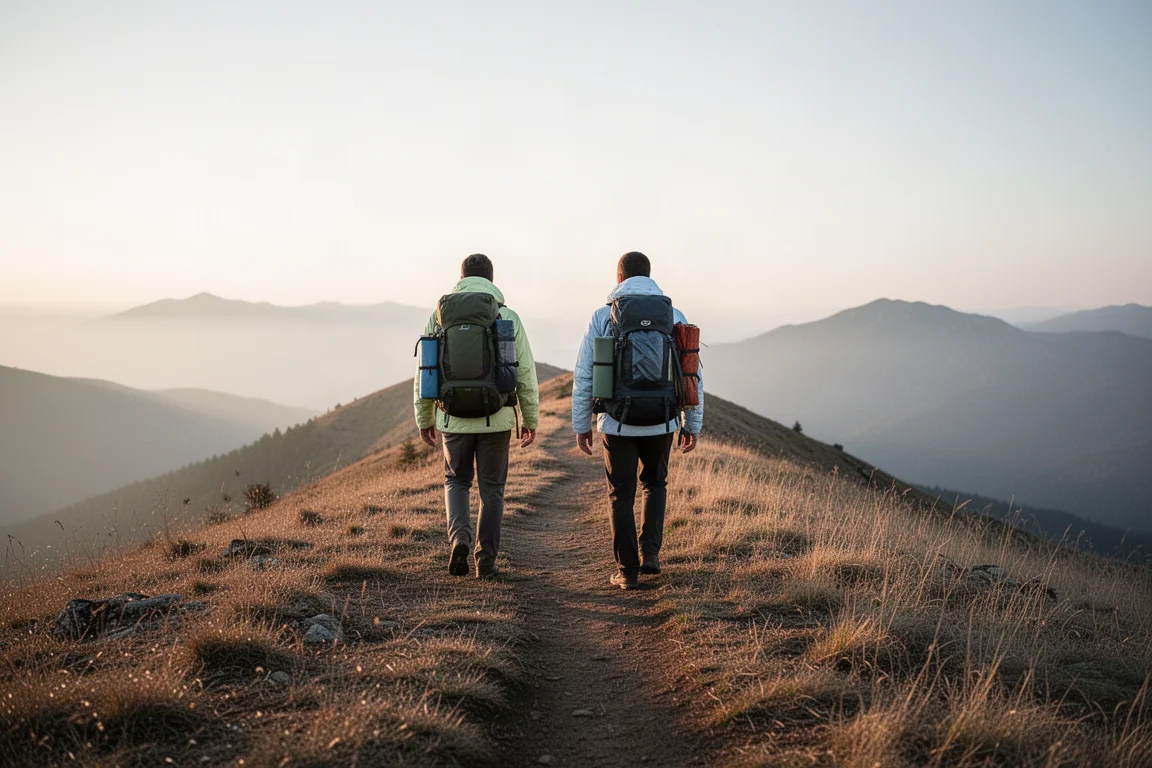
That is why the changes below are framed as options rather than absolutes. Adding a second shelter or a second stove does not replace the lightest setup you already own. It gives you a way to match the tool to the trip, and that match is where most of the improvement in comfort actually comes from.
Nemo Dragonfly Osmo: A Freestanding Double-Wall Shelter
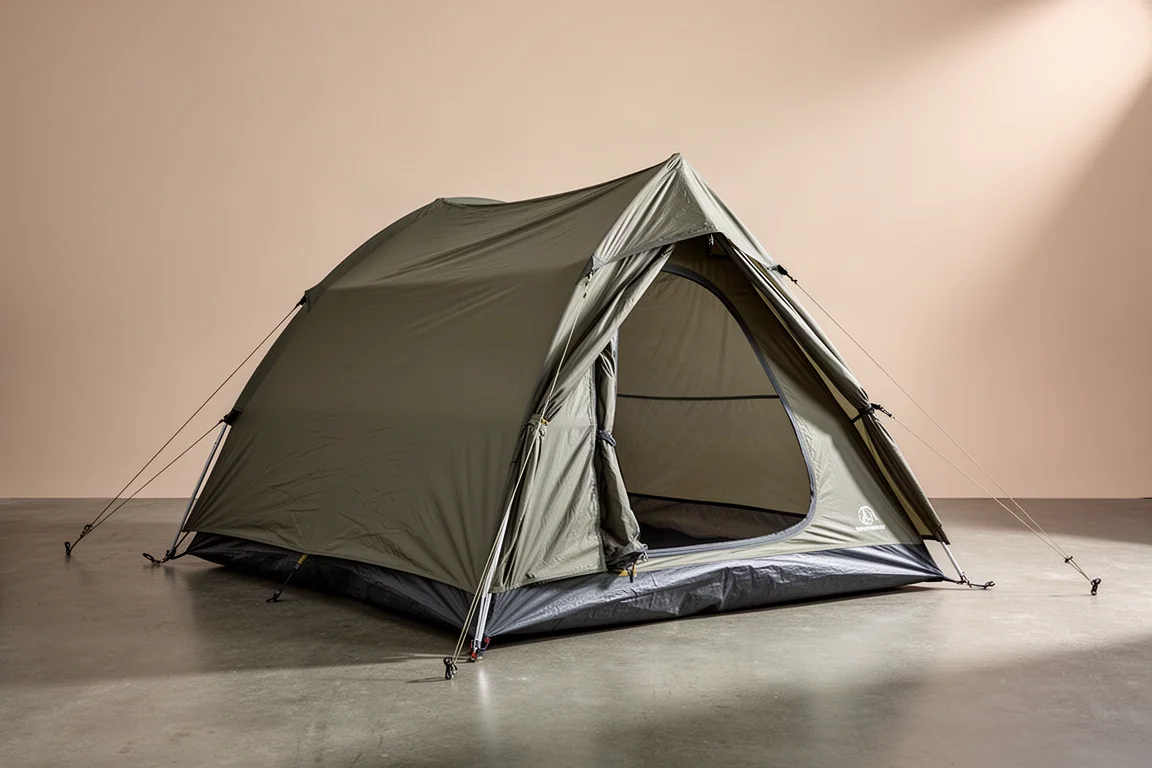
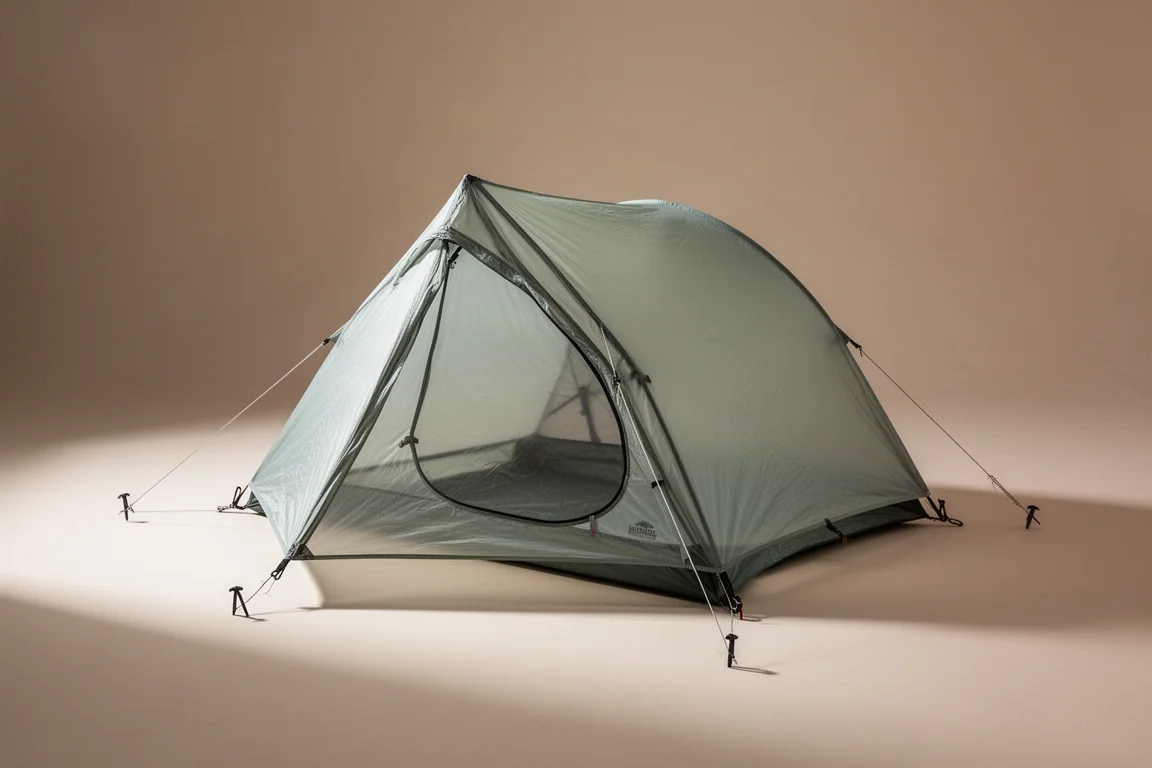
The Dragonfly Osmo is a freestanding, double-wall shelter. It stands on its own rather than depending on trekking poles, and the double-wall construction separates the inner tent from the fly, which is the configuration that tends to behave better when humidity is high and condensation is a genuine concern.
For trips where the weather is uncertain or the site is exposed, that combination is the more forgiving option. It also suits trips where you would rather not rely on a pair of trekking poles to have somewhere to sleep at the end of the day.
Zpacks Plex Solo: Ultralight Single-Wall Shelter
The Plex Solo takes the opposite approach. It is a single-wall trekking-pole tent that weighs around 14 ounces, and the weight it removes from your pack is the reason it exists. On long-mileage trips where every gram counts, that trade is worth making.
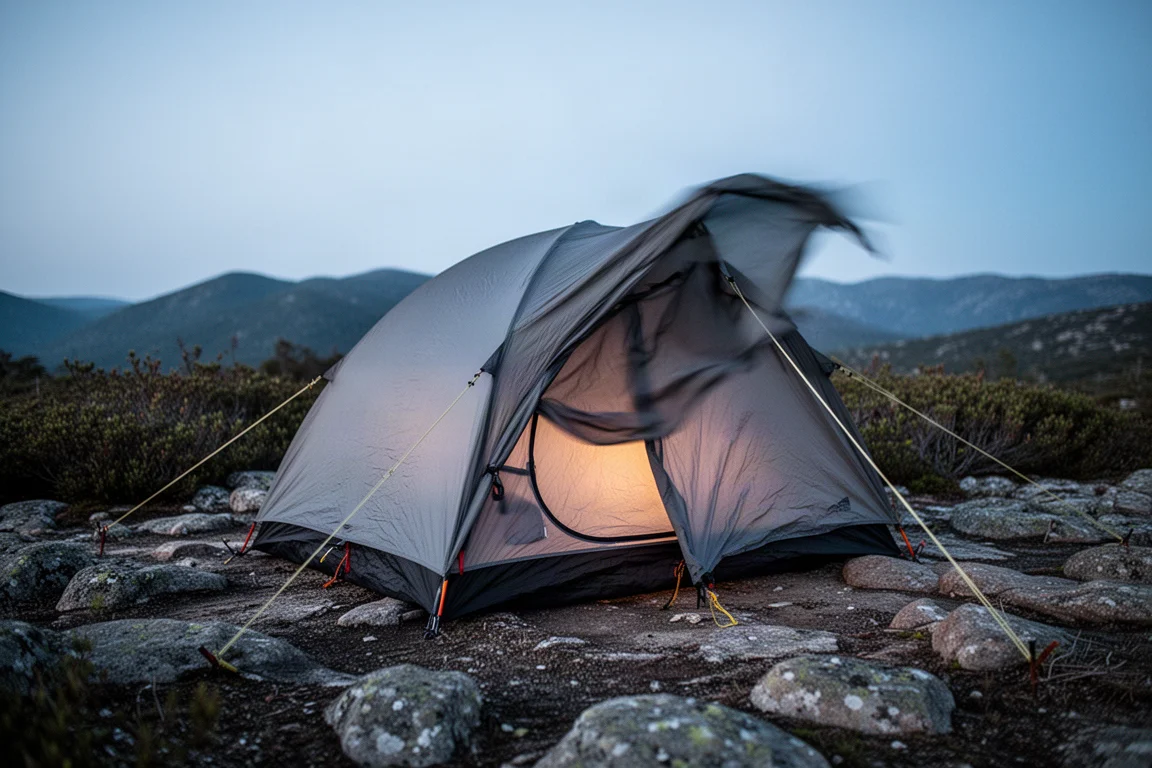
The compromise is weather performance. A single-wall design is not the best option in high winds, in very humid conditions where condensation builds inside the shelter, or in desert environments. It is a specialist tool for the trips it suits, not a shelter for every situation.
MSR WindBurner: Efficient Cooking in Wind and for Groups
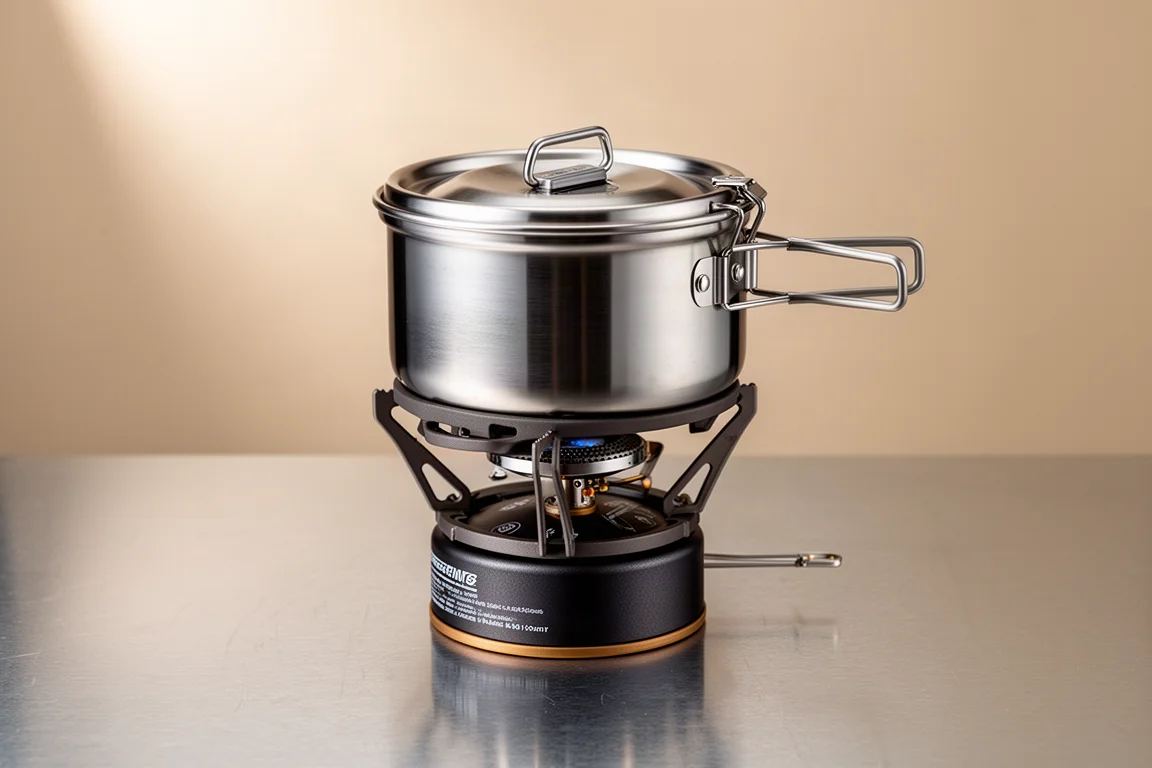
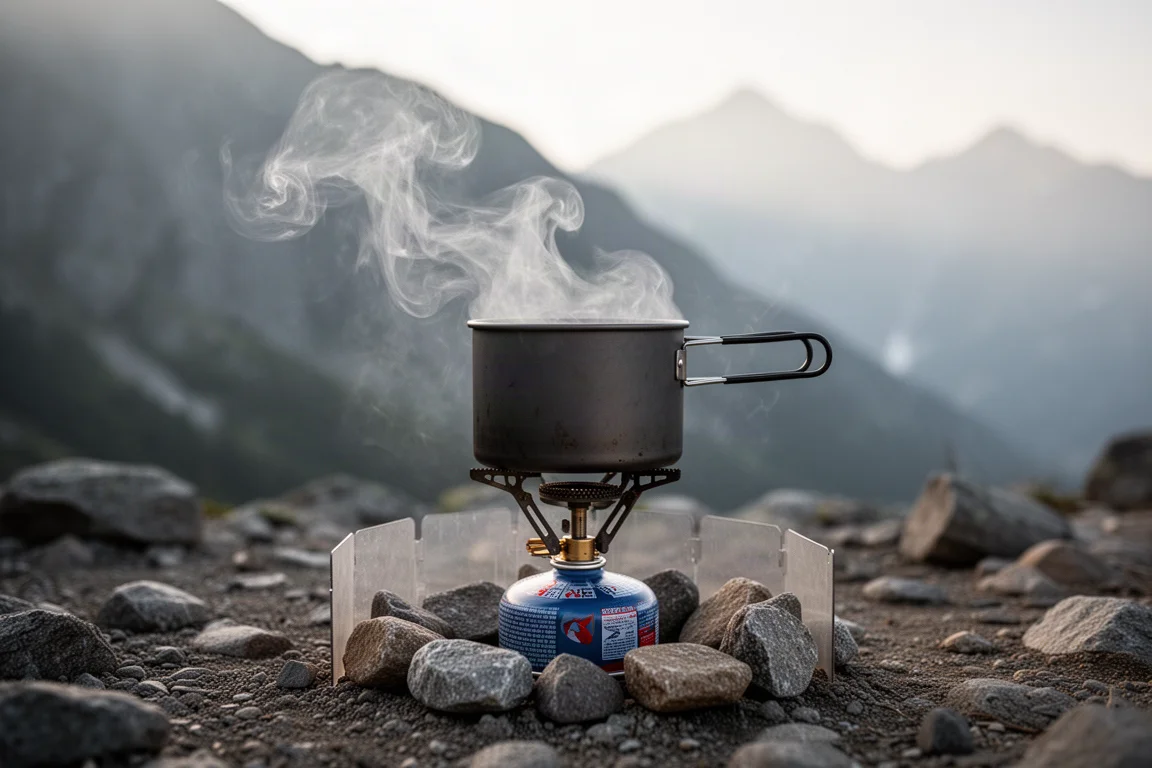
A small, compact canister stove covers most solo trips, but it is not always the right tool. The WindBurner was added to the kit for trips where more water needs to boil than one person’s dinner requires, where conditions are windy, or where fuel efficiency matters most.
That makes it a strong choice for family trips and group cooking, and it remains a workable option when you are out on your own. It is a second stove rather than a replacement, and that is the point: stove selection should match the cooking you are actually doing and the number of people you are feeding.
Therm-a-Rest NeoAir XLite: A Lightweight Pad With a Long History
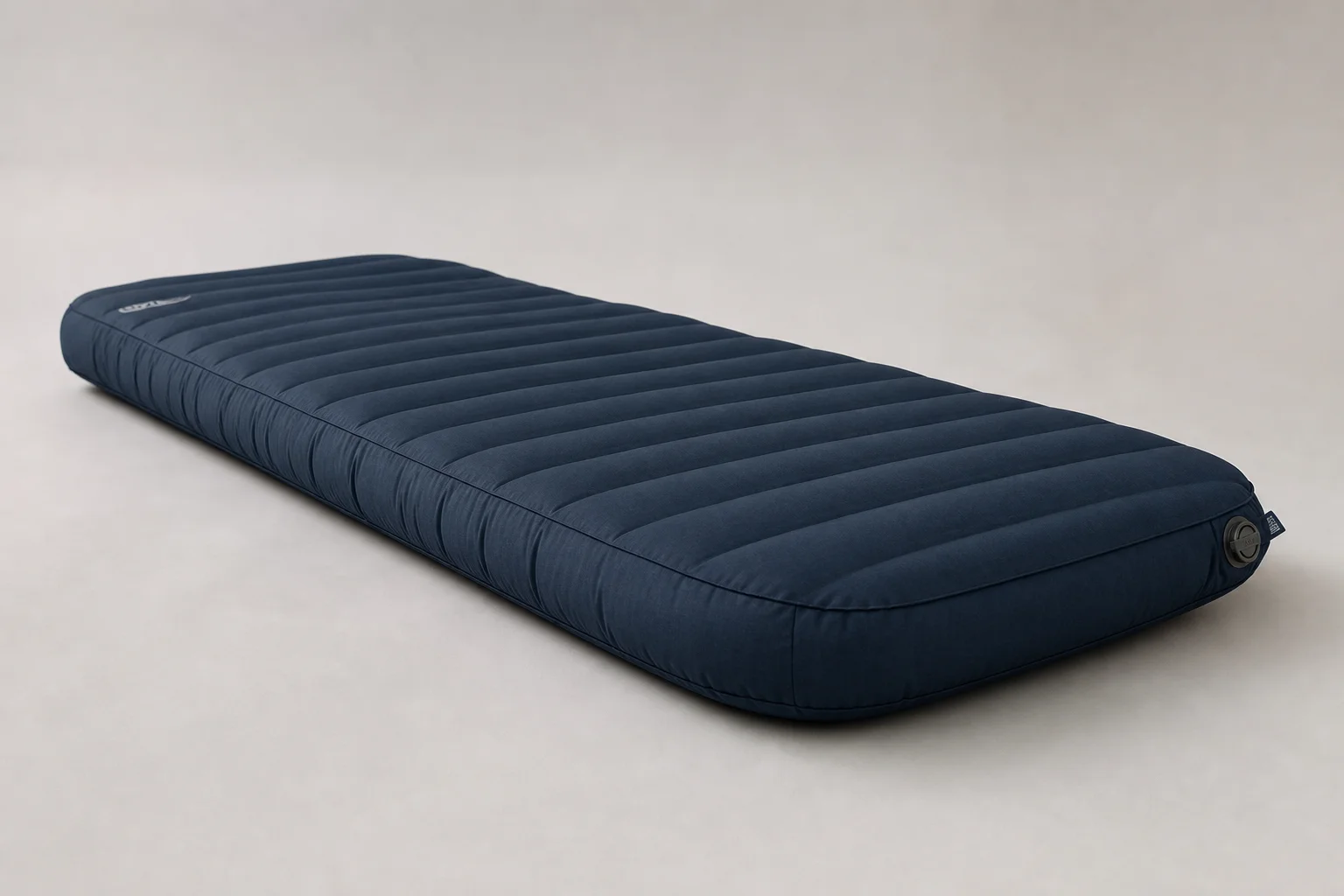
The NeoAir XLite is a lightweight mummy-shaped inflatable pad that saw seven or eight consecutive years of backpacking use. What eventually changed was not the pad’s construction but its width. For a side sleeper, a 25-inch wide pad delivers noticeably better sleep than a narrow mummy cut.
If you sleep on your back and want the lightest possible option, a mummy-shaped pad like this one remains a sensible starting point. If you roll from side to side through the night, width deserves attention before you buy, because that single dimension affects sleep quality more than most spec-sheet numbers.
Sleeping Bags Versus Quilts: The Sleep System Change That Mattered Most
Quilts are popular for good reason. They save weight, and for plenty of backpackers they work well. The difficulty is what happens after a hard day on the trail: if the sleep that follows is restless or cold, the weight saved stops mattering. Moving back to a sleeping bag produced better sleep, more warmth, and more comfort overall, night after night.
Good sleep is not a luxury on a backpacking trip. It shapes how the next day feels, and it is one of the few gear decisions that affects every single night of the trip rather than a single moment on the trail.
If a quilt is keeping you warm and you sleep well under it, there is no reason to change. If you regularly wake up cold or restless, a sleeping bag is worth testing, because the difference is felt immediately rather than measured on a scale.
Overall Buying Advice
Start by auditing what you already carry and identifying the specific moment that keeps going wrong. Cold nights, condensation inside the shelter, a stove that struggles in wind, or a pack that feels heavier than the trip requires are all clear signals. Fix the problem that actually shows up, rather than upgrading a category that is already working well.
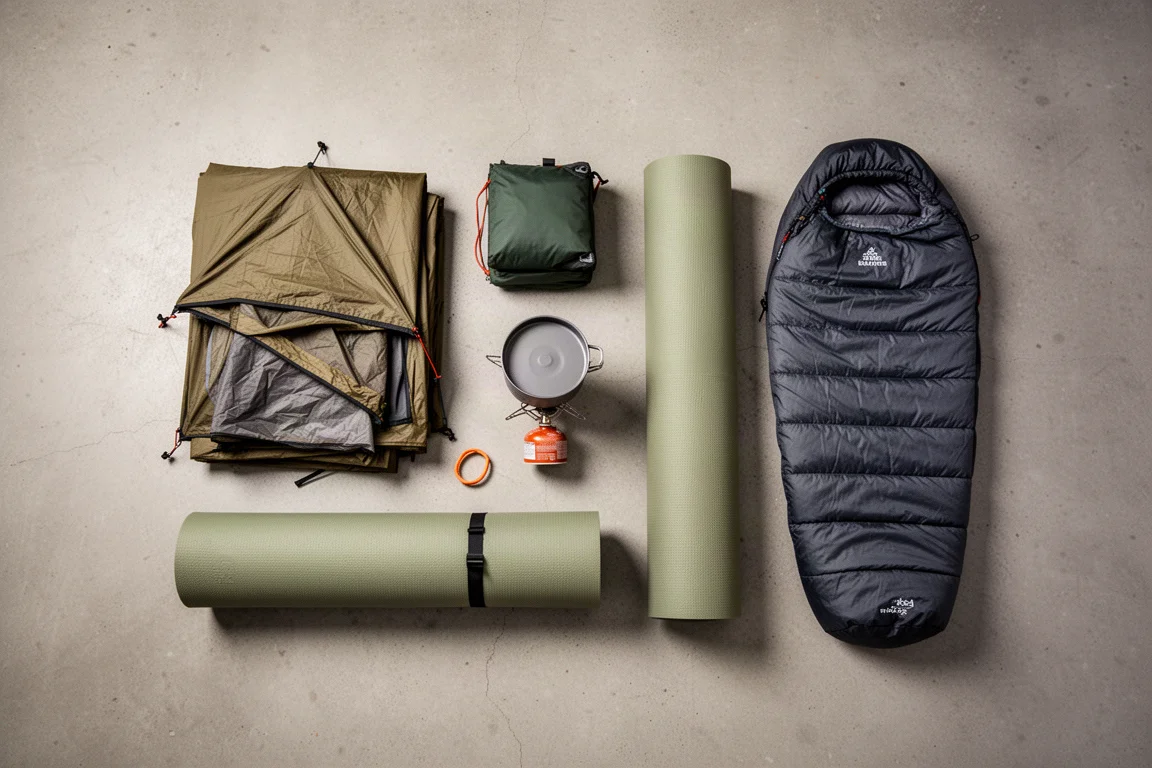
Apparel belongs in that audit too. A long-sleeve hooded layer protects exposed skin in strong summer sun, dries quickly, and can be worn wet as a cooling layer in high heat, which is a lot of function from one item. The same logic applies across the rest of the kit: shelters, stoves, and sleep systems are not single answers. They are options, and the more precisely they match the trip, the better the trip tends to be.
Conclusion
None of these changes is about owning more gear for its own sake. It is about removing the friction that quietly spoils good trips: a shelter that does not suit the terrain, a stove that cannot keep up with the group, a pad that costs you sleep. Match each piece to the trip you are actually taking, and the experience improves on its own.
Further reading
Related Reviews

Backpacking Gear
Building a 10 lb Base Weight: An Ultralight Backpacking Gear List
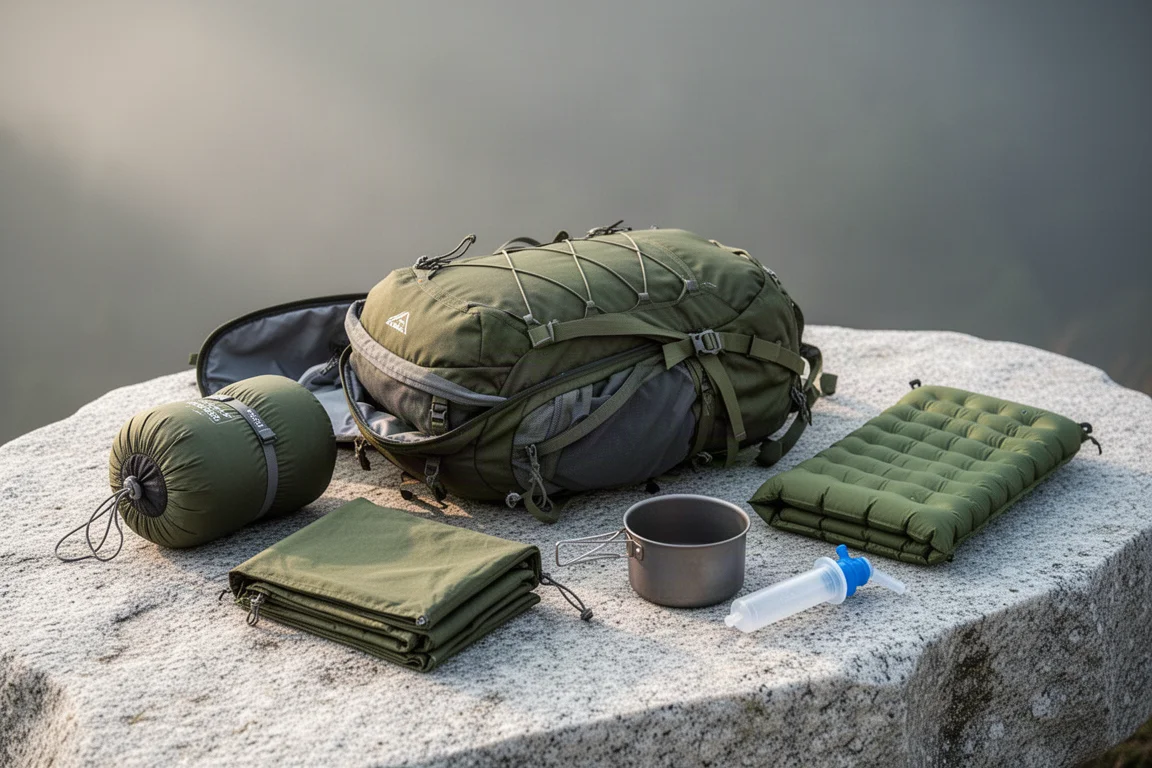
A practical walkthrough of the ultralight pieces behind a 10 lb base weight, from a 765 g pack and a roomy one-person tent to a full camp chair and a dependable water filter.
Backpacking Gear
A 15-Pound Lightweight Backpacking Gear List for Solo Trips
A beginner-friendly 15-pound backpacking setup built from easy-to-find gear, with notes on what each piece does, how it packs, and where to spend your attention.
Backpacking Gear
8 Ultralight Backpacking Gear Upgrades Worth Carrying
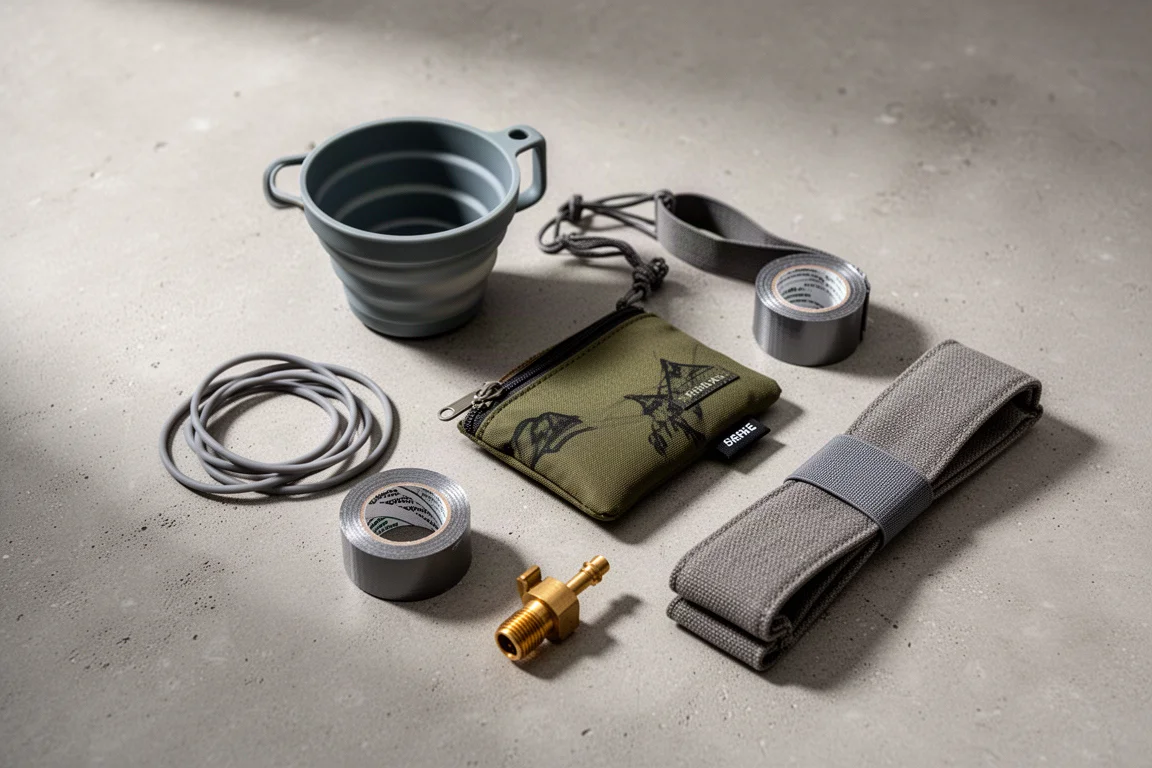
Eight small, affordable backpacking upgrades that solve real trail annoyances, from a pillow that stays put to a fuel valve that rescues leftover canister gas.