Backpacking Gear
Backpacking Gear Built to Last: A Long-Term Kit Worth Copying
A decade-tested backpacking loadout, from a heavy-hauling 75-litre pack to a semi-freestanding tent near 2 lb, with the trade-offs stated plainly.
Introduction
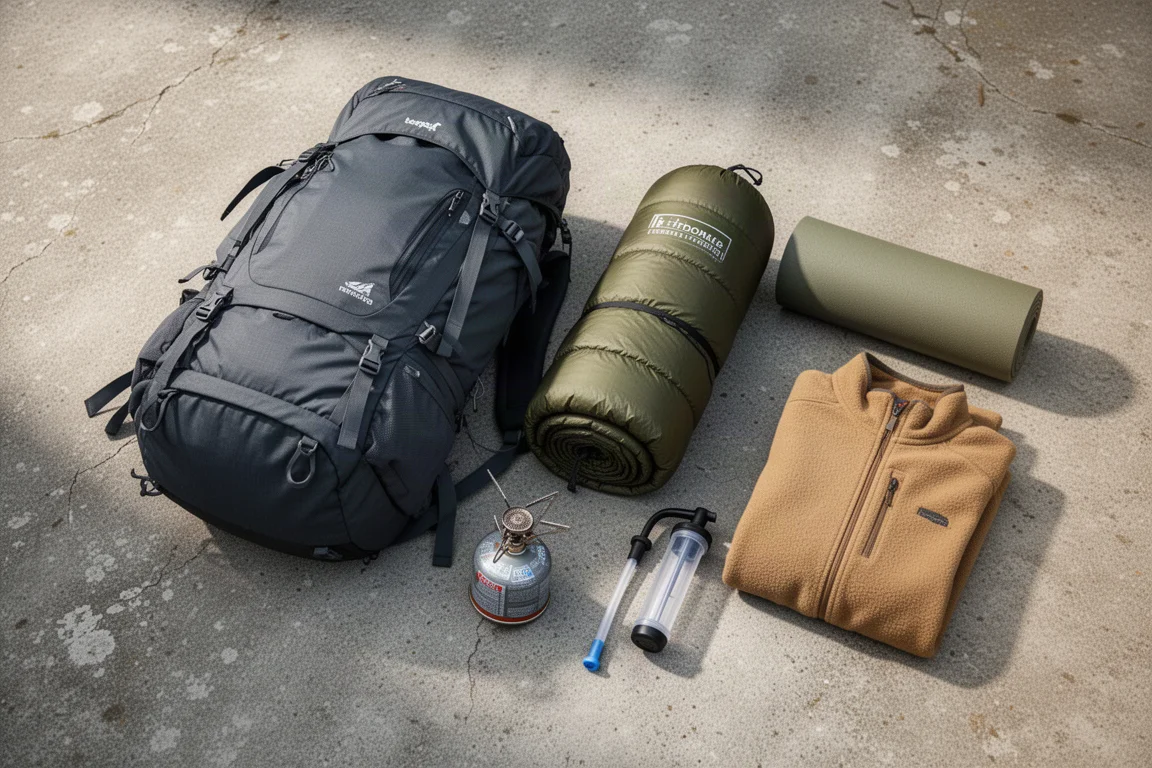
Some backpacking kits are assembled from spec sheets. This one was assembled over more than a decade of trips, and almost every item in it has a reason for staying. The pack has carried heavy loads for seven or eight years. The sleeping pad is roughly ten years old and still holds air. The first-aid kit is the oldest piece in the loadout and has travelled on day hikes, overnight trips and paddling trips alike.
The full kit, including a handful of small items not covered here, weighs in at just under 20 lb. That is not an ultralight number, and it is not meant to be. It is a working list of gear that has proven itself, along with honest notes about where the weight sits and which pieces are most likely to change next.
What These Selections Have in Common
Durability matters more than a spec sheet. Several pieces here have outlasted newer alternatives simply because they were built well and never failed badly enough to justify replacing them. That includes a canister stove bought more than a decade ago, a pump filter that has been through several units, and a sleeping pad from the earliest generation of its line.
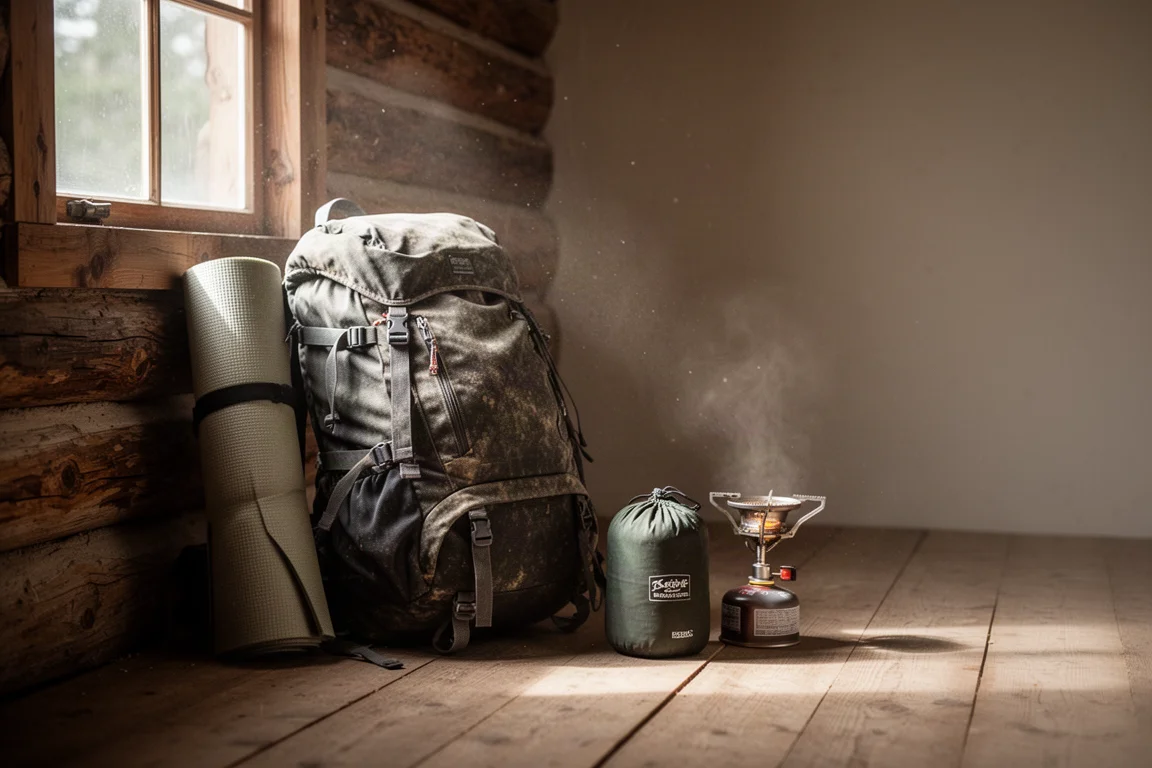
Weight is the other thread running through the kit. The heaviest item, a large pack that tips past 5 lb, is also the most comfortable option for a heavy load, and it is the piece most likely to be retired first. The lightest items, a semi-freestanding tent near 2 lb and a compact stove, show how much difference careful design makes when every gram has to earn its place.
The Backpack: Arc’teryx Altra 75
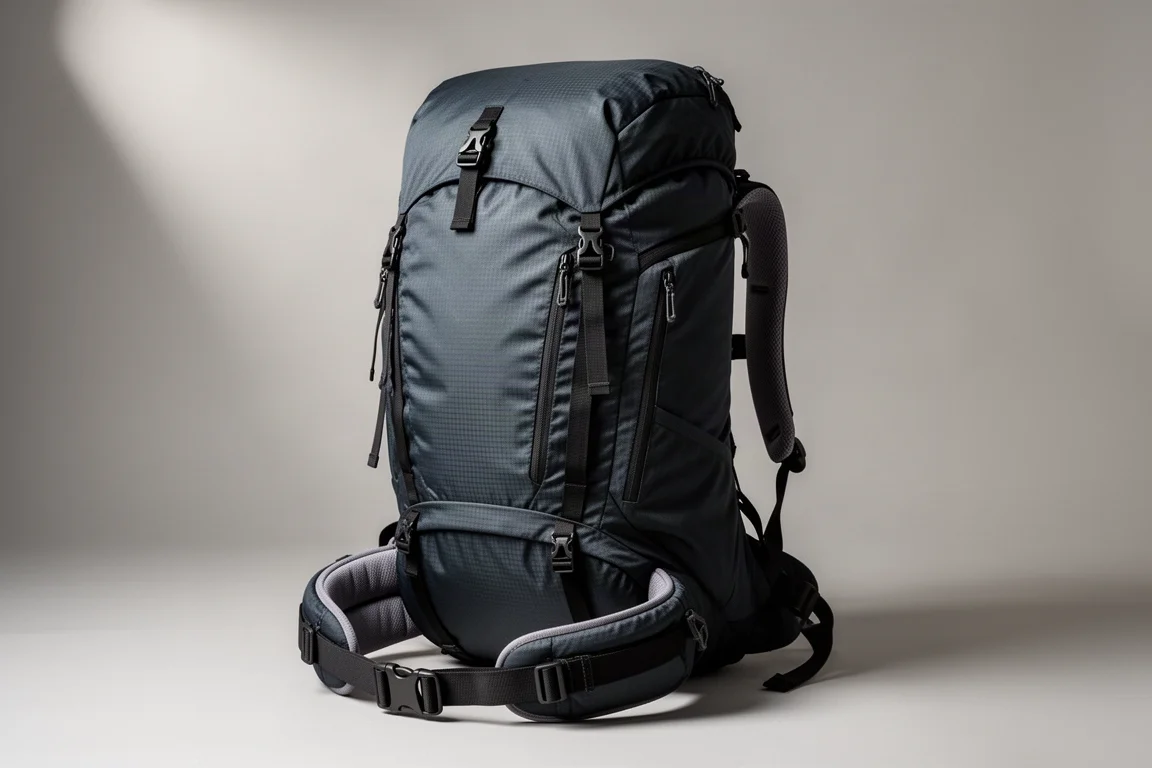
The Arc’teryx Altra 75 has been the main pack for seven or eight years. It is old, large, heavy and was expensive when it was bought, and it is still the most comfortable pack in the kit. Two details explain why. Every pocket is zippered, with no mesh to snag or tear on rock and brush. The suspension and the articulating hip belt also move with the hips rather than against them, which is what makes heavy loads bearable on long approaches.
The trade-off is straightforward. At over 5 lb, the pack is heavy by current standards, and the sensible plan is to keep it for occasional use while adding a lighter option for trips with a smaller load. It cost right around $500 seven or eight years ago, so it has already paid for itself many times over.
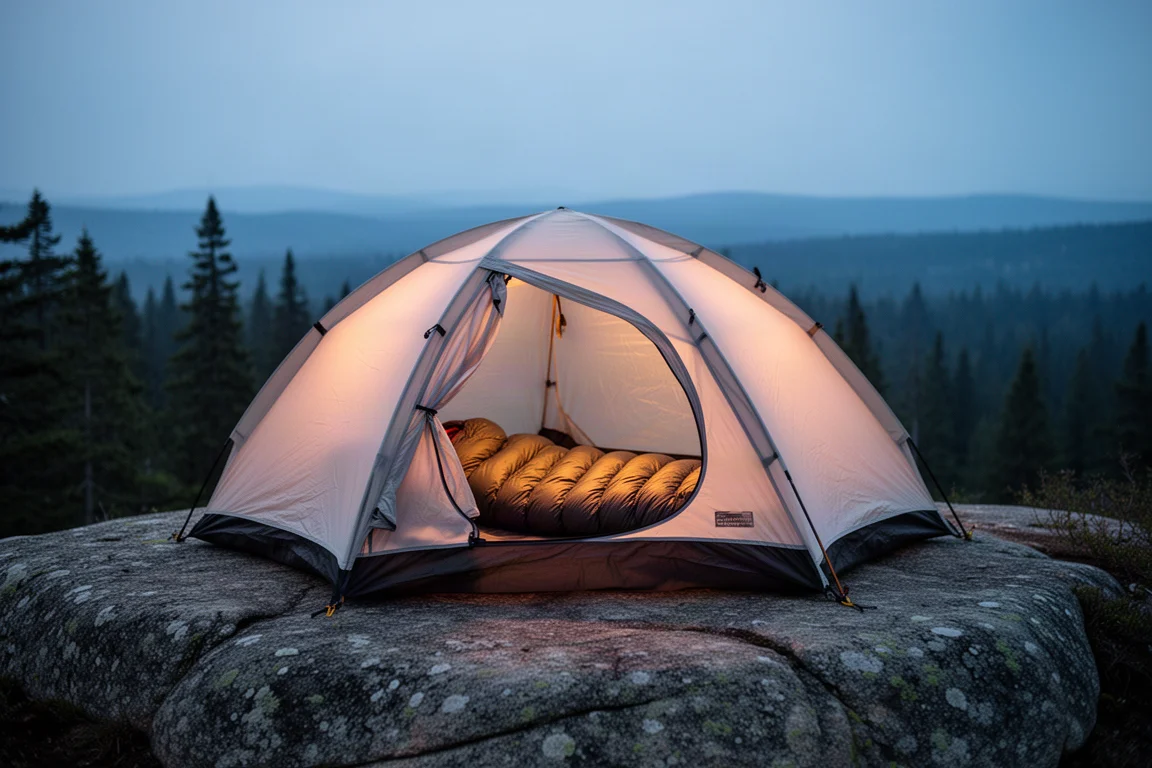
The Shelter: Nemo Hornet Elite 2
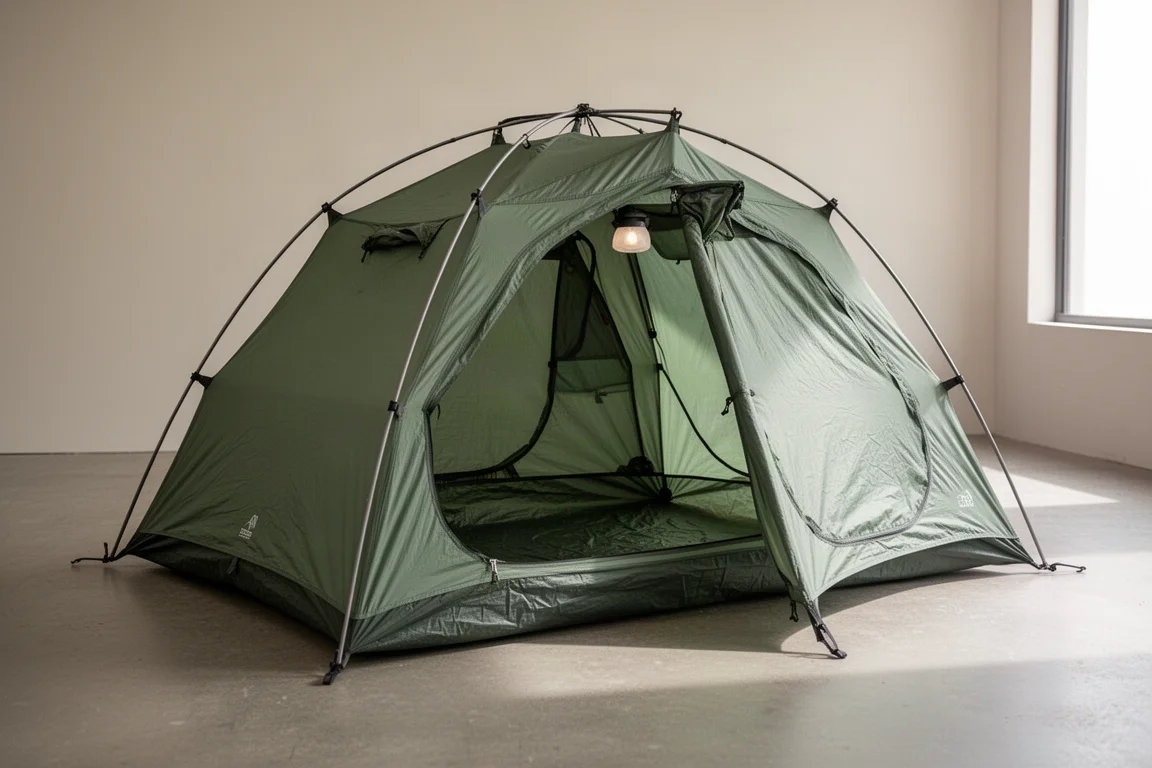
The Nemo Hornet Elite 2 replaced an older two-person tent whose zipper had failed, and it has been the shelter of choice ever since. It weighs right at 2 lb and was the lightest semi-freestanding two-person tent available when it was purchased, which is why it packs down small enough to disappear into a pack.
Interior space is the honest limitation. Two adults do fit, but it is cramped, and many owners treat it as a solo tent with generous room instead. At around $500 it is not a budget purchase, and the value comes from the weight saved on every single trip.
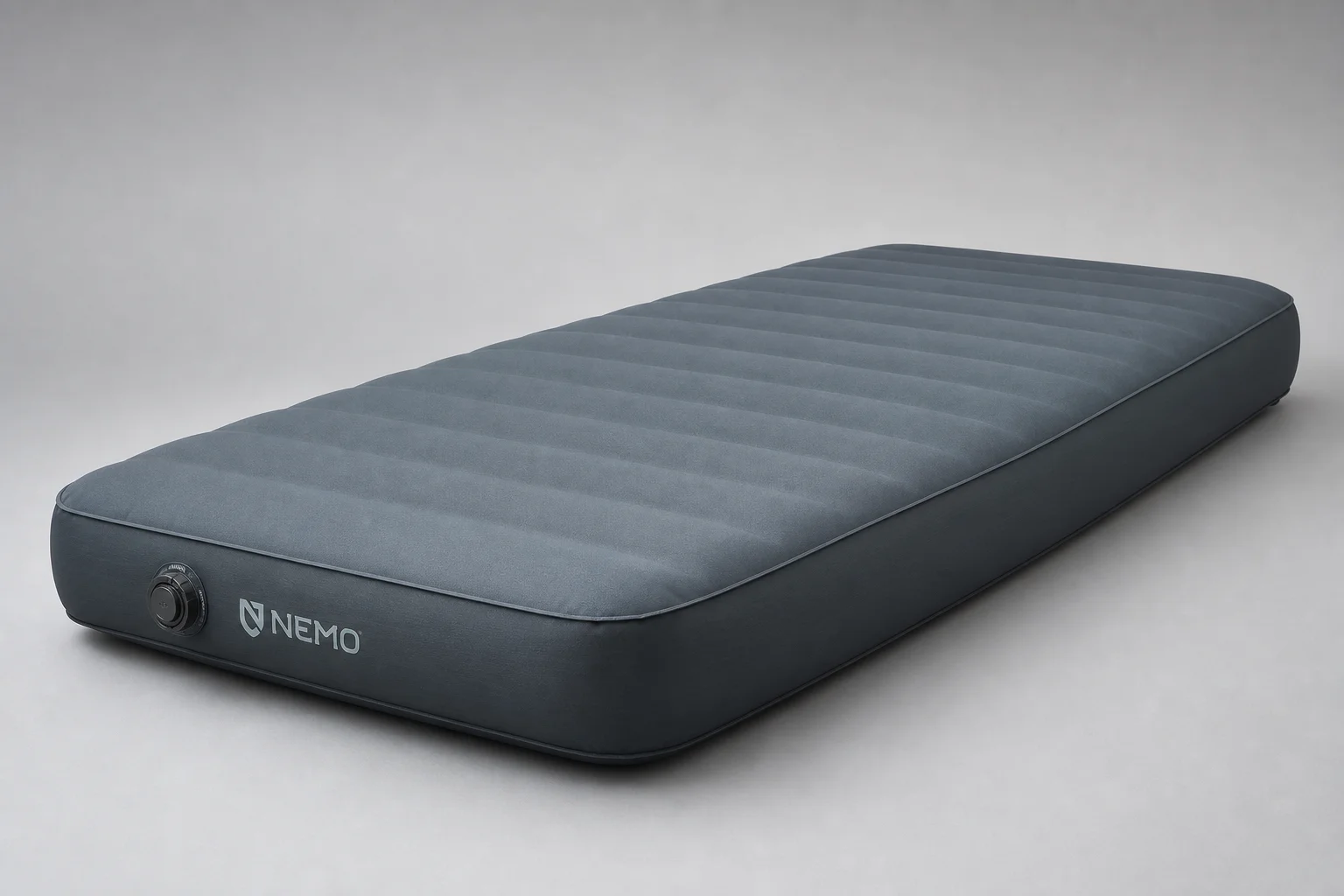
The Sleeping Pad: Therm-a-Rest NeoAir
This Therm-a-Rest NeoAir is roughly ten years old and comes from the earliest generation sold under that name, before the line added the Xlite and Uberlite names. It still inflates, still holds air overnight, and has never given a reason to be replaced.
That is the case for keeping a simple pad in service. There is nothing inside it that needs updating, and the only real reason to swap it out would be a failure that cannot be repaired. A decade of reliable nights is a difficult thing to argue with.
The Sleeping Bag: The North Face Eco Trail Down 20
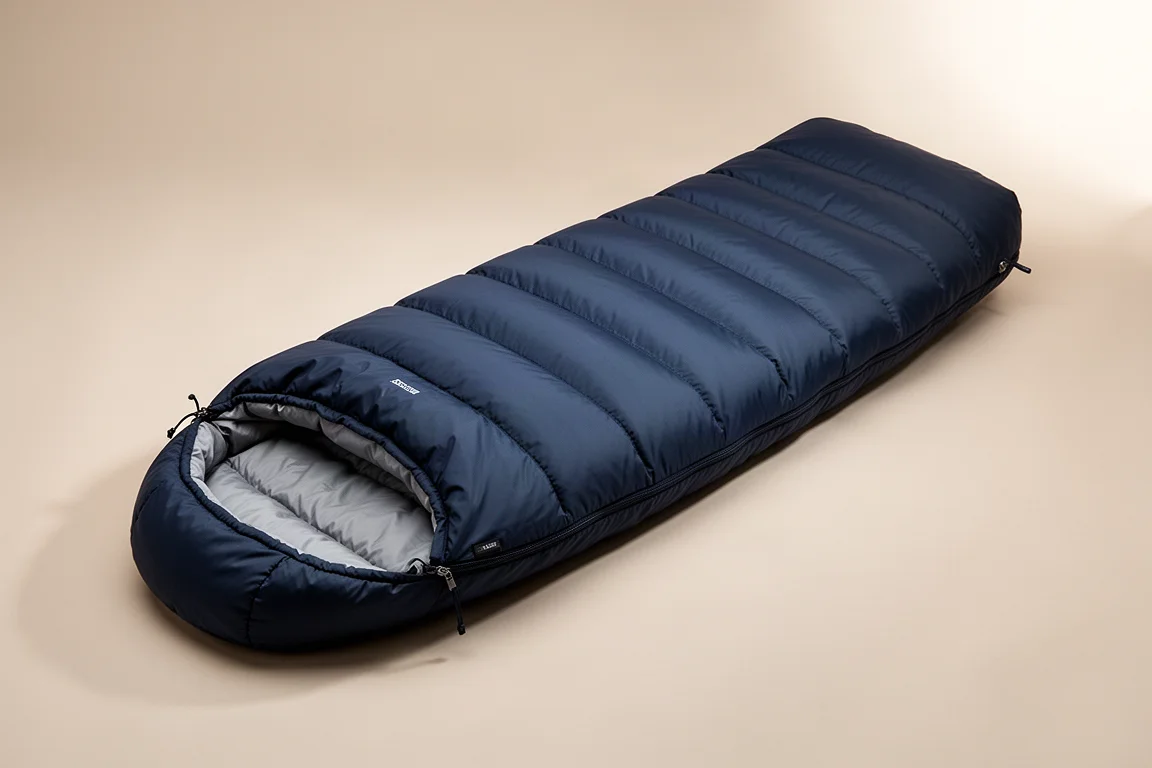
The North Face Eco Trail Down 20 is one of the newer items in the kit. It replaced an older 20-degree down bag whose insulation had begun to lose loft, a problem worth checking on any down bag as it ages. The replacement was chosen for three reasons: it is a down bag, it is affordable at under $200, and it uses recycled materials throughout.
Price is the headline here. A down bag under $200 with recycled materials is a rare combination, and it makes this a sensible starting point for anyone rebuilding a sleep system after an older bag loses its loft. For three-season backpacking, that is most of what a sleeping bag needs to do.
The Stove: MSR PocketRocket
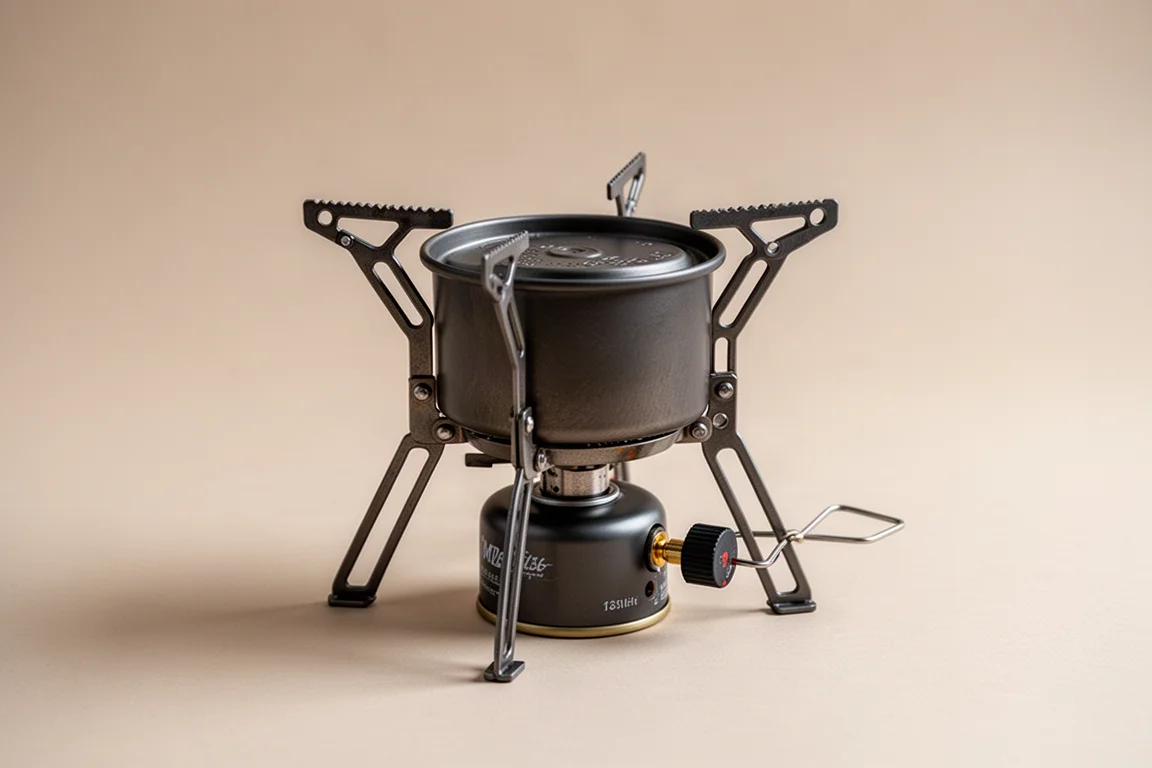
The MSR PocketRocket was bought more than a decade ago and is still the stove in the kit. It is lightweight, it folds down small, and it has never needed replacing. A small lighter fits neatly inside the stove case, which keeps the ignition source with the stove rather than loose in a pack pocket.
The appeal is simplicity. A canister stove with a folding pot support and a valve has very little that can go wrong, and a replacement would have to be genuinely impressive to earn a place in the kit.
The First-Aid Kit: Adventure Medical Kits Ultralight Paddler
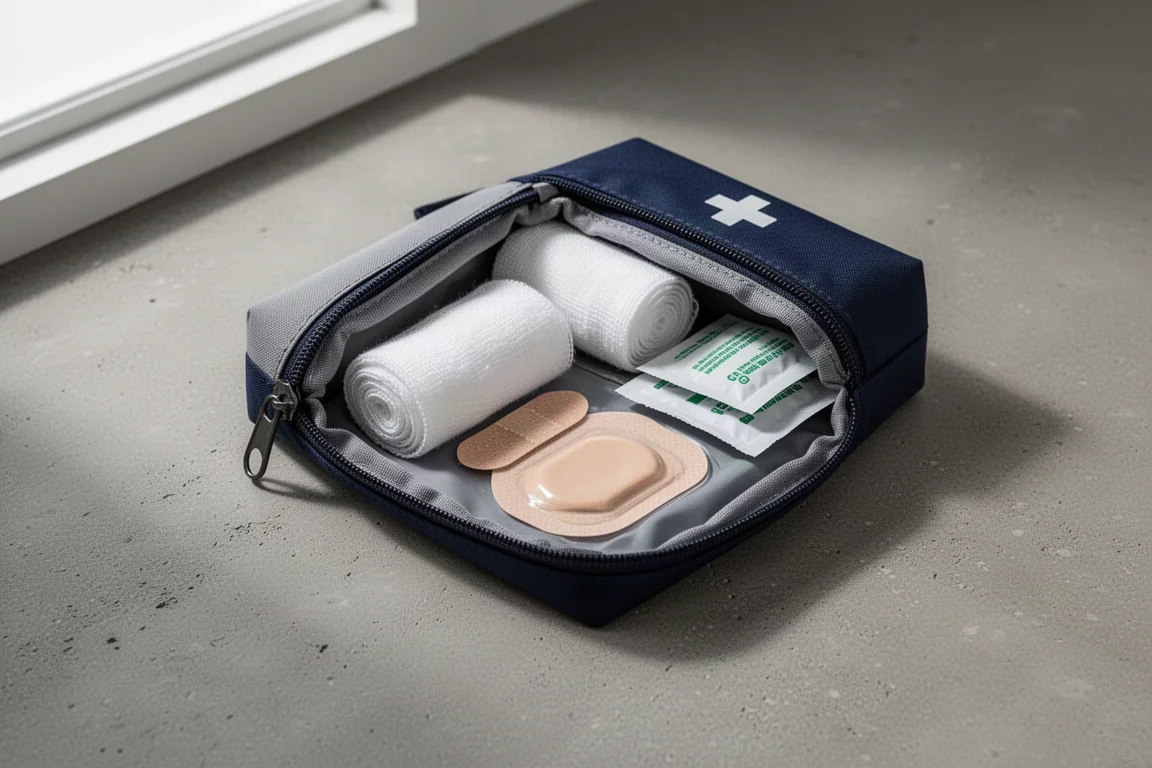
The Adventure Medical Kits Ultralight Paddler is the oldest piece of gear in the loadout, in use for over a decade and carried on day hikes, overnight trips and paddling trips. In all that time, only a handful of bandages and some pain relievers have come out of it, with blister dressings added to round out the contents.
That is the point of a compact kit. Most trips need very little, and a small pouch that fits easily into a pack is far more likely to be carried than a comprehensive kit that stays at home.
The Water Filter: Katadyn Hiker
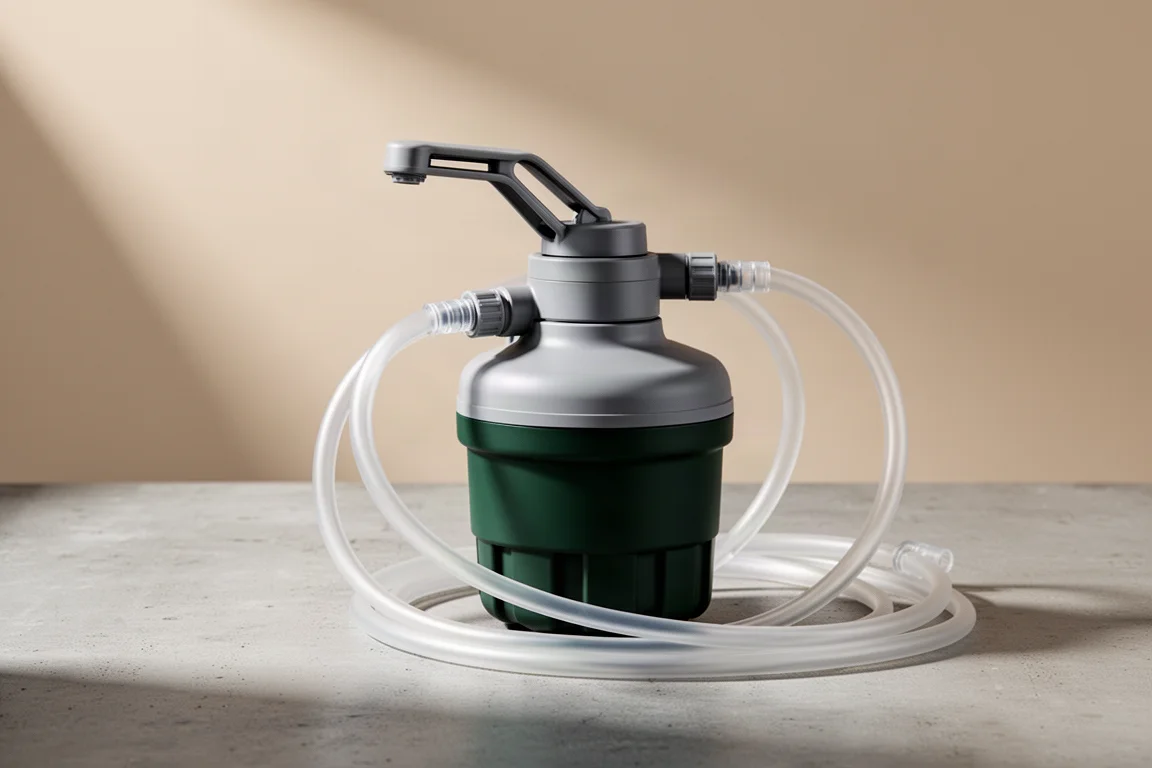
Pump filters have been the choice in this kit for years, and the Katadyn Hiker is the model that keeps returning, with four or more units owned over that period. One of them was used to filter water for groups of around 14 people, sometimes with a second filter running alongside it.
The trade-offs are worth knowing. An early unit developed a small pinhole leak on the side of the housing; it never affected the quality of the filtered water, but it did soak whoever was doing the pumping. Pump filters also take more effort than the squeeze filters that have become popular, which is the main reason many hikers have moved away from them.
The Rain Shell: Montane Atomic Rain Jacket
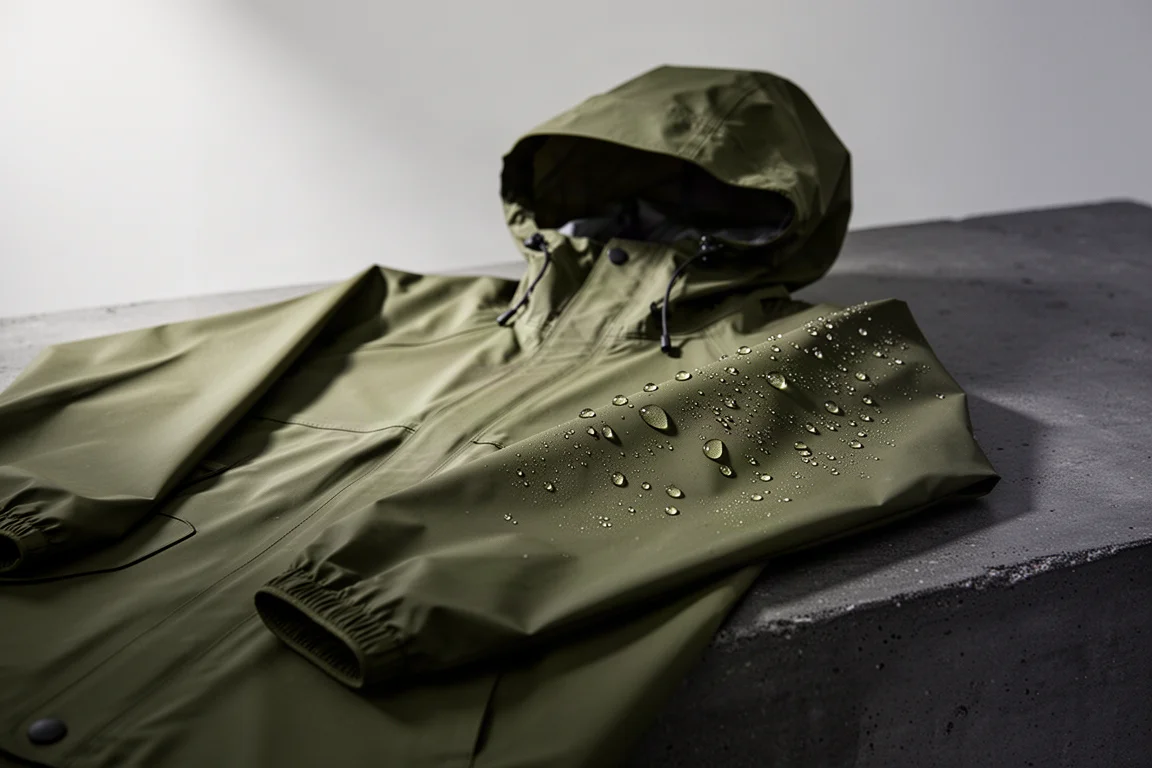
The Montane Atomic is the rain jacket that gets packed for every trip. It is a European model, which means the main zipper sits on the opposite side from what many buyers expect, but that has no effect on how it performs. It keeps the rain out and it breathes well enough to wear while moving.
Weight is the usual criticism. The jacket is heavier than the lightest shells on the market, and anyone counting grams will see it as an obvious place to save. For everyone else, a shell that has stayed dry through years of use is worth the small penalty.
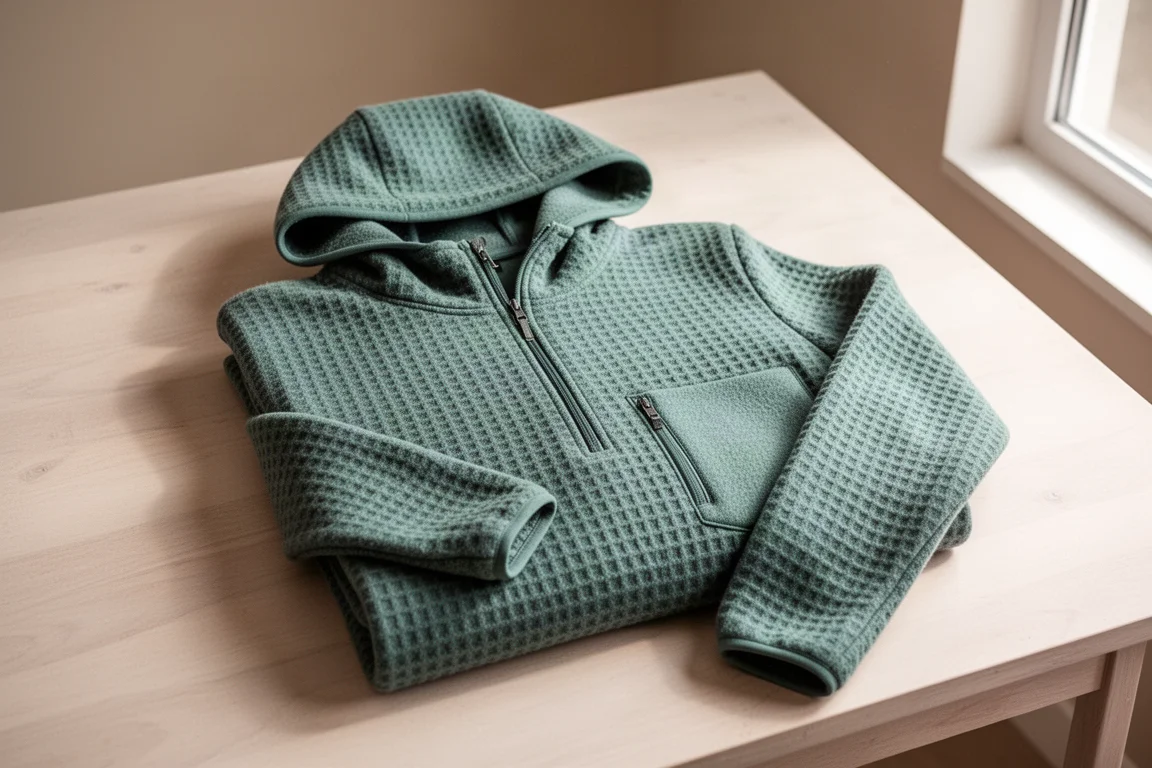
The Midlayer: Melanzana Micro Grid Fleece
Melanzana is a small cottage brand based in Leadville that makes micro grid fleece pullovers and hoodies. The pieces have become a common sight on trails far from Colorado, and the same fleece has even appeared in the catalogues of other outdoor brands. Buying one is deliberately difficult: Melanzana sells in store only and does not offer online ordering.
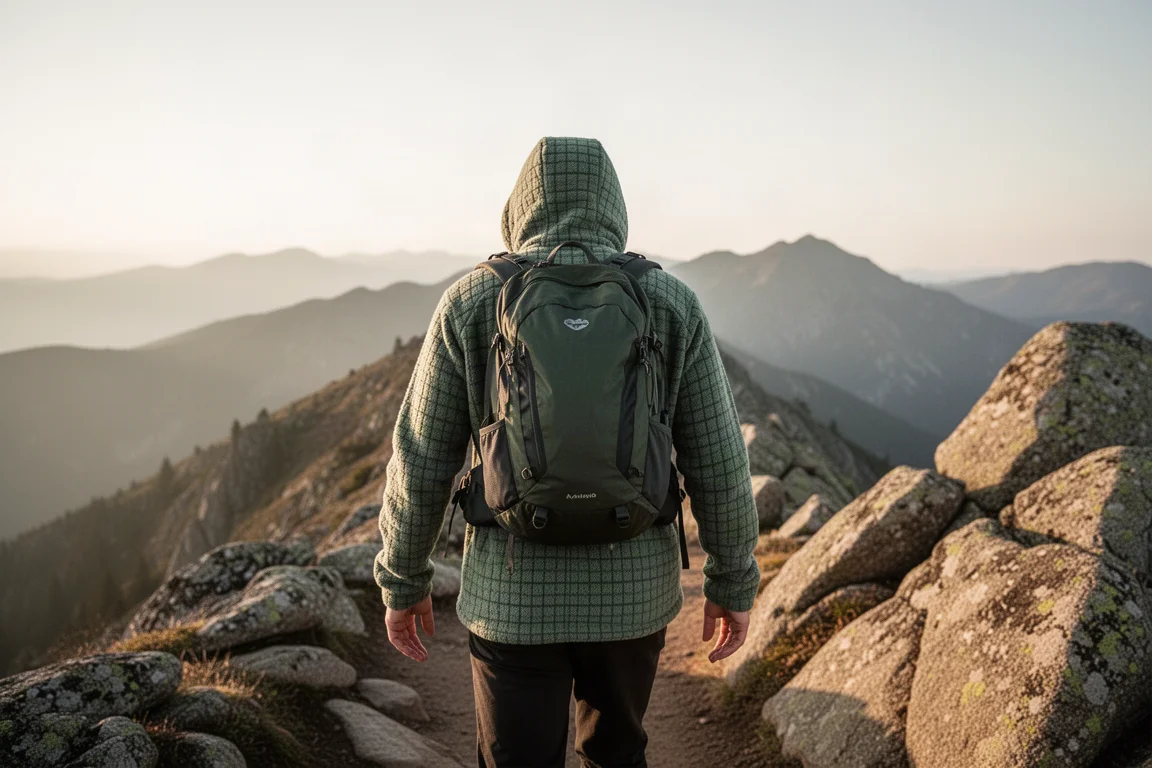
That scarcity has done nothing to slow demand. The draw is straightforward, a light fleece layer from a small brand that built a following without selling a single item online. The line also includes a simple beanie that follows the same uncomplicated approach.
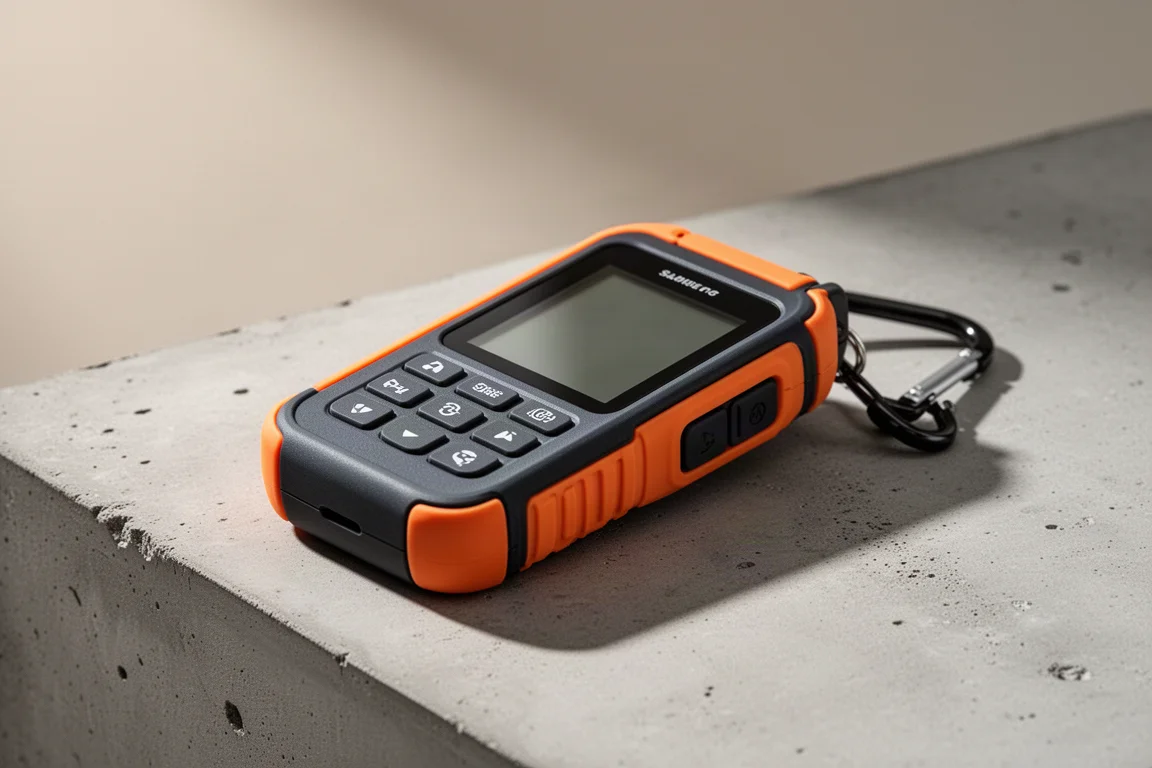
The Satellite Messenger: Spot X
Satellite messengers have been part of this kit since the second generation of Spot devices, and the Spot X is the current unit. Years of use across multiple generations is the main argument for it. The hardware and the service have stayed consistent, which means there is no learning curve when a new device arrives and no uncertainty about how the system behaves in the field.
The lesson from carrying one for that long is simple. The device that helps is the one that is always in the pack, and consistency is what makes that habit easy to keep.
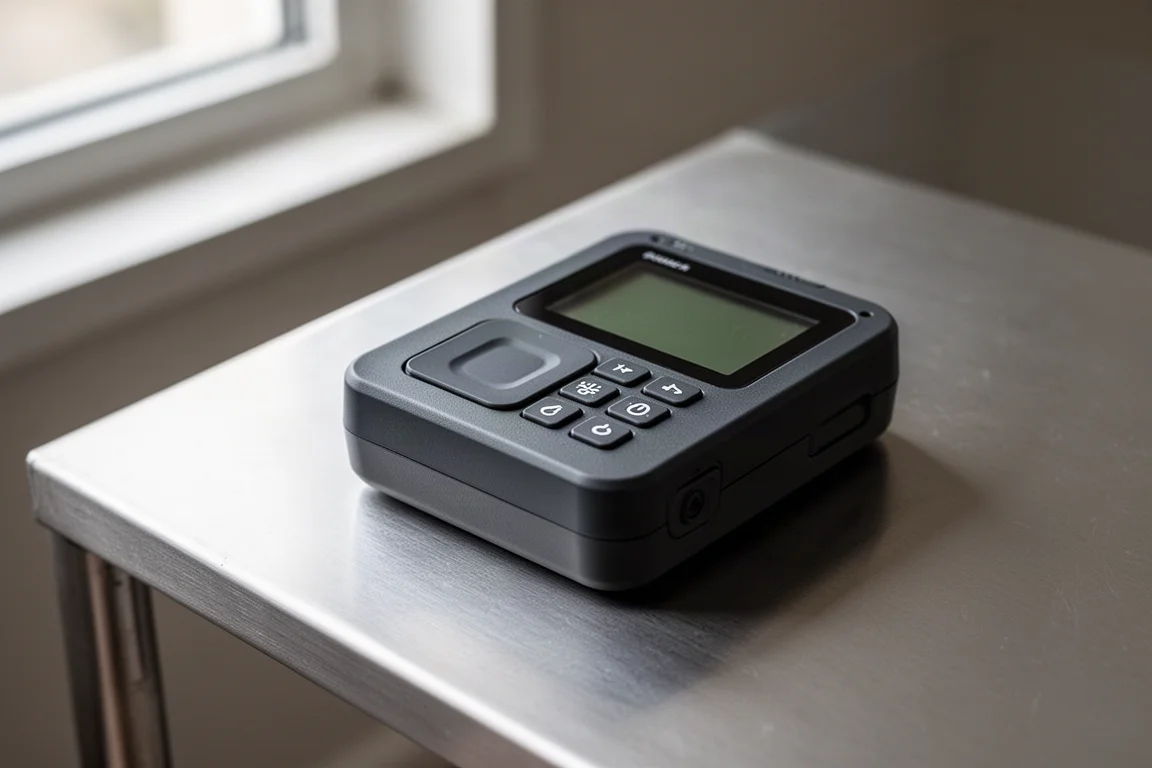
The Satellite Communicator: Zoleo
The Zoleo satellite communicator is the newest addition to this kit, brought in alongside the Spot X. It is a compact communicator built for the same job: staying in touch and summoning help where there is no cell coverage.
It is too early to say how it will hold up over the long run, and the honest position is that both devices travel together while the newer one earns its place. What is already clear is that the category keeps improving, which is good news for anyone buying their first communicator.
Overall Buying Advice
Start with the pieces that decide whether a trip is comfortable: the pack, the shelter and the sleep system. Those three account for most of the weight and nearly all of the discomfort when they are wrong. A pack should be chosen for the loads actually carried rather than the loads imagined, and a shelter should be chosen for the space actually needed.
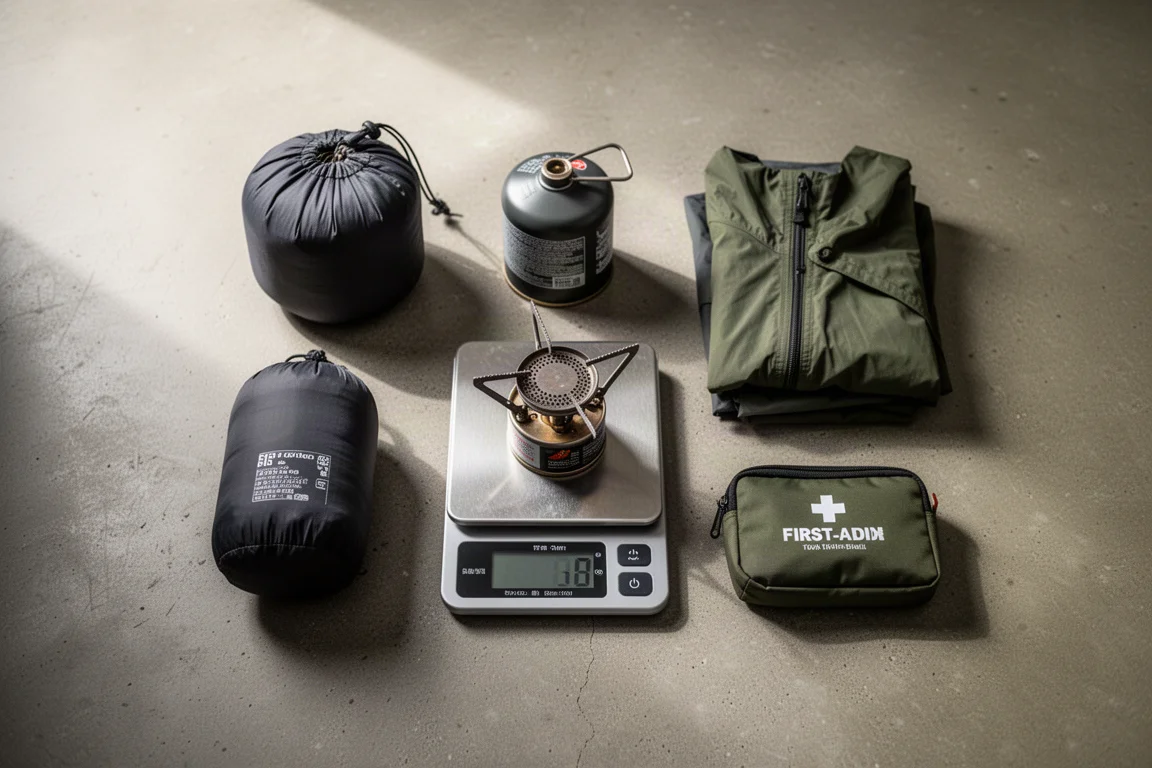
After that, the small items matter less than people expect. A stove, a filter and a first-aid kit are mature categories where a simple, reliable product will serve for a decade or more. This kit comes in just under 20 lb with a handful of items not listed here, which is a reasonable target for three-season trips, and it leaves clear room to trim weight later by replacing the heaviest pieces first.
Conclusion
None of this gear is new, and that is the point. Every piece has been carried long enough to prove itself, from a large pack that has hauled heavy loads for seven or eight years to a sleeping pad that is still going after a decade. This is not the lightest possible loadout, and it does not pretend to be.
What it offers is a set of decisions that have already been tested on real trips, with the trade-offs stated plainly. When a piece of gear lasts a decade and still does its job, replacing it becomes a choice rather than a necessity, and that is a good position to be in when the next trip is already on the calendar.
Further reading
Related Reviews

Backpacking Gear
Building a 10 lb Base Weight: An Ultralight Backpacking Gear List
A practical walkthrough of the ultralight pieces behind a 10 lb base weight, from a 765 g pack and a roomy one-person tent to a full camp chair and a dependable water filter.
Backpacking Gear
A 15-Pound Lightweight Backpacking Gear List for Solo Trips
A beginner-friendly 15-pound backpacking setup built from easy-to-find gear, with notes on what each piece does, how it packs, and where to spend your attention.
Backpacking Gear
8 Ultralight Backpacking Gear Upgrades Worth Carrying
Eight small, affordable backpacking upgrades that solve real trail annoyances, from a pillow that stays put to a fuel valve that rescues leftover canister gas.