Backpacking Gear
Backpacking Gear Awards: The Best Packs, Shelters, Sleep Systems, and Trail Essentials
A field-tested roundup of the backpacking gear that earned its place over a year of trips, from ultralight packs to shelters, sleep systems, and trail tools.
Introduction
A full year of testing in cold, rain, and wind is enough to separate gear that looks promising on a spec sheet from gear that holds up trip after trip. The picks below are the ones that stood out across every major category, from the pack that carries a heavy load most comfortably to the shelter, sleep, and cooking systems that make long days feel easier.
There is no single best setup for everyone. A pack that suits a fast solo hiker is not the pack that suits someone carrying a heavier load, and a sleeping pad that feels luxurious in a base camp is not the pad you want on a long day. Each section below explains what a product does well and where the trade-off sits, so you can judge whether it fits the trips you actually take.
What Earned a Place on This List
Picks are grouped by category, because the right answer depends on how and where you travel. Weight, packed size, durability, and behaviour in bad weather matter more in practice than most spec sheets suggest, and a piece of gear that performs in wind and rain is worth more than one that only performs well in a shop.
Price matters, but never on its own. A higher price can be justified by several seasons of reliable use, and a lower price is genuinely valuable when a product performs close to the top of its category. Several of the picks here sit at the affordable end of the market.
Every item below was used repeatedly rather than briefly handled. Where a product carries a clear trade-off, whether that is weight, packed volume, or cost, the trade-off is described in the section itself so you can decide whether the compromise suits your trips.
Best Backpack: Durston Kakwa 55 Ultra Grid
The Kakwa 55 in the Ultra Grid build wins this category for three reasons. First, it is exceptionally light for the price: the Ultra Grid version costs $200 and weighs 870 g, which puts it in ultralight territory. Second, it carries a serious amount of gear, and it carries that weight comfortably. Third, it is built to take abuse and to last.
The latest version improves on the formula. It gains a little more internal capacity, adds a lumbar pad to the hip belt for extra comfort, and brings the overall weight down further. The Ultra Grid edition also comes in a distinctive colourway. Together, those changes make it difficult to beat as an all-round ultralight pack.
Runner-Up Backpack: REI Flash 55
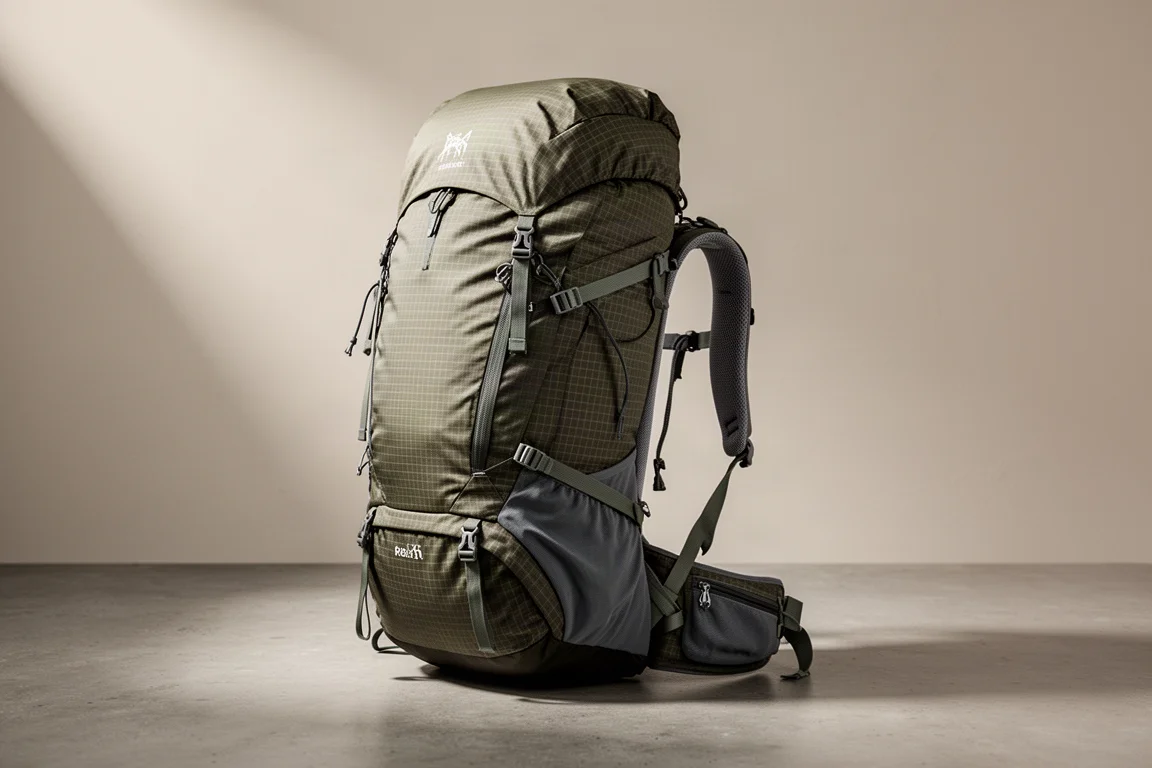
The Flash 55 weighs about 1,300 g, which is noticeably more than the Kakwa 55, and it earns its place for a different set of priorities. If you want a feature-rich pack that can carry a phenomenal amount of weight, this is the one to consider.
The weight penalty buys an adjustable torso, a burly frame, and stiff foam that transfers load down to your hips. A dialled-in fit matters enormously once a pack is heavy, and the adjustable torso makes that fit far easier to achieve. The Flash 55 also has pockets positioned in front of the side pockets specifically for water bottles. You can reach back, take a bottle, drink, and stow it again without contorting or asking for help, and your main side pockets stay free for other gear.
Best Sleeping Pad: Exped MegaMat Ultra
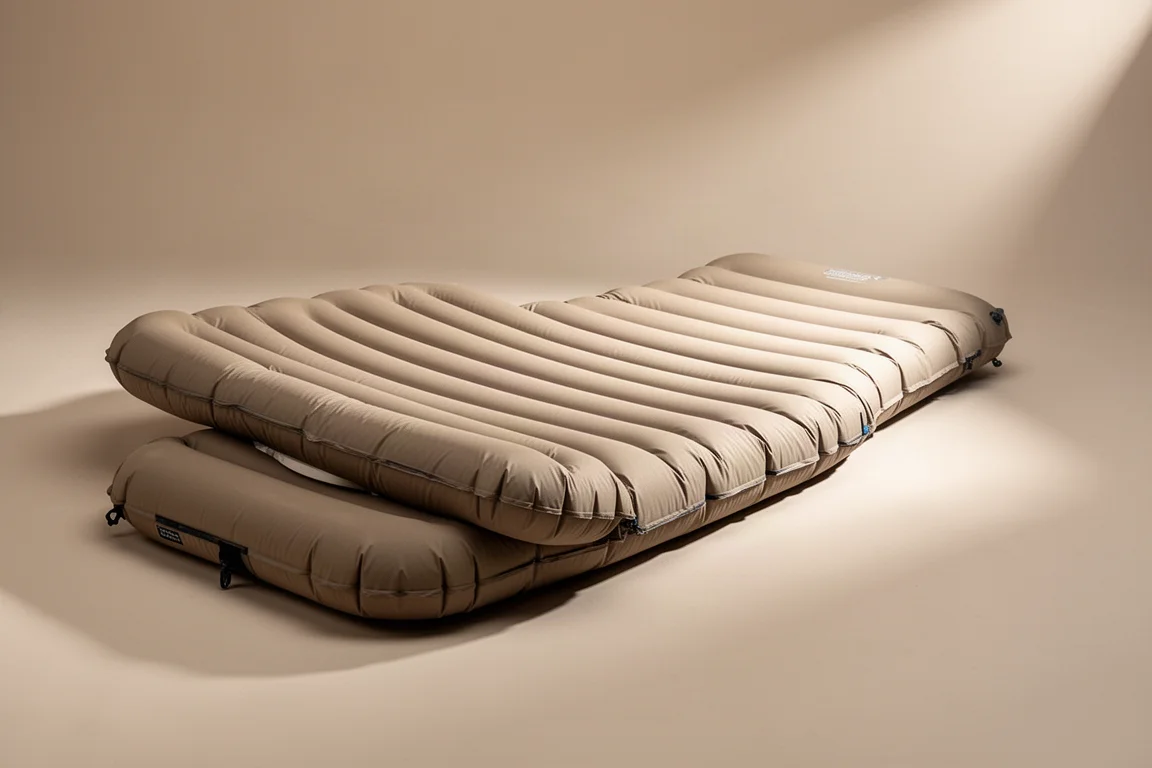
The MegaMat Ultra is one of the most comfortable sleeping pads available. What separates it from its closest rival is the feel under the body: it is thick and uses a stretchy top surface, yet it feels more supportive and less like lying on a balloon. It is also available in a 30-inch wide version, which its main competitor does not offer.
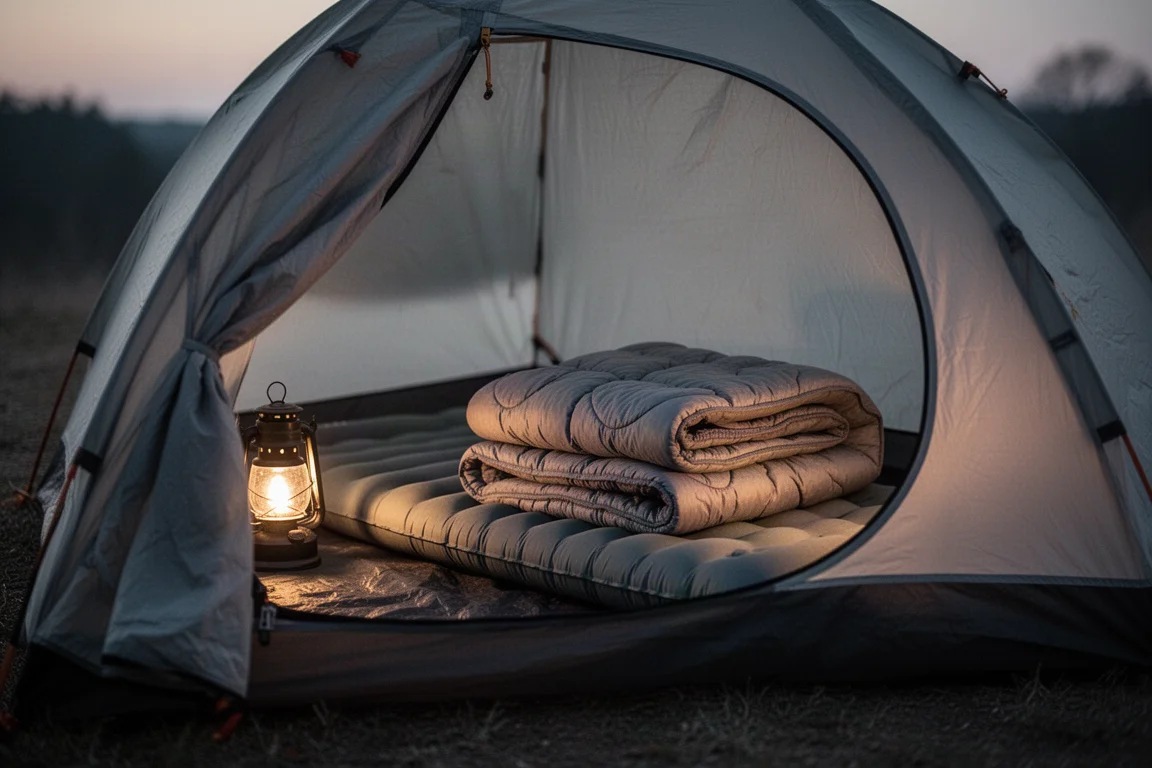
Comfort is personal, and some sleepers will genuinely prefer the NeoLoft. Both are excellent pads, so if maximum cushioning is the priority, either is a reasonable choice. If weight and packed size matter more, the REI Helix is a strong alternative: it is significantly lighter and more compact than either of the thick pads, remains very comfortable, and suits the majority of trips.
Best Sleep System: Zenbivy Bed
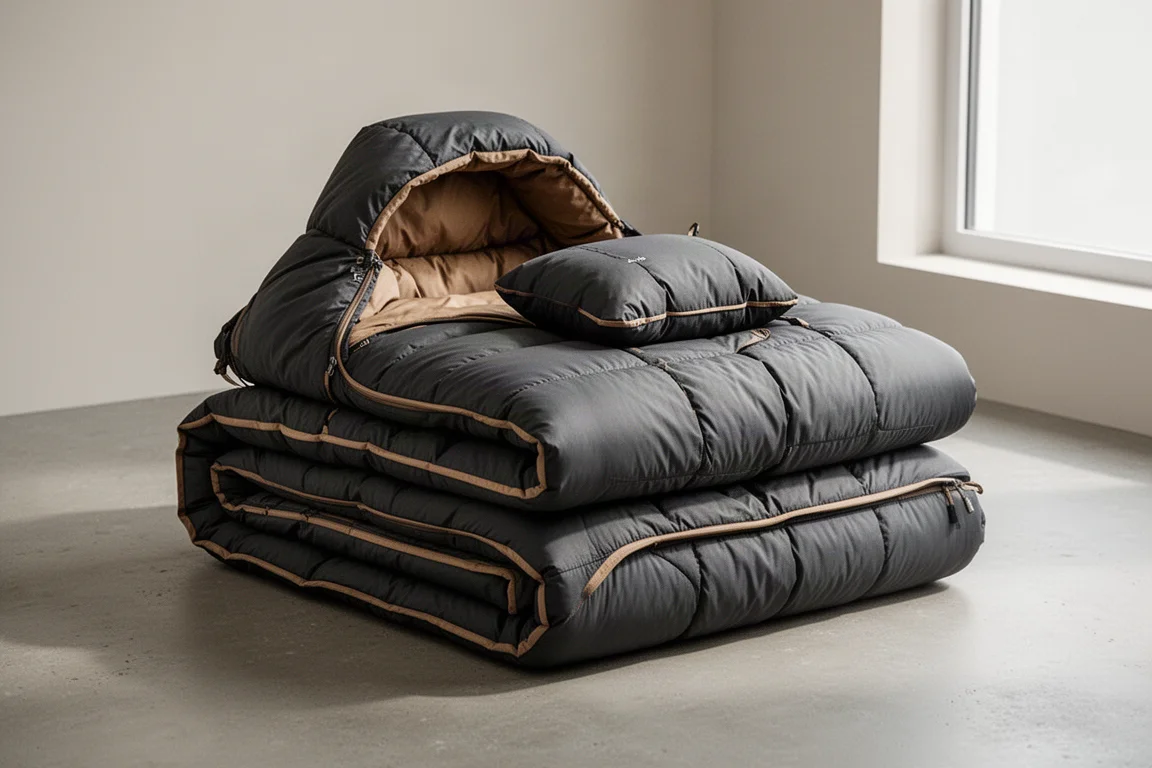
The Zenbivy system pairs a sheet that attaches to your sleeping pad with a quilt that attaches to the sheet. That combination allows you to toss and turn under the quilt exactly as you would under a blanket at home, while the overlapping panels where the quilt meets the pad keep drafts out and hold warmth in.
Earlier versions were fiddly enough to put people off, and the small refinements since then have made a real difference. The range also lets you trade weight against price: the ultralight version is remarkably light for everything included in the system.
Best Pillow: Exped Mega Pillow
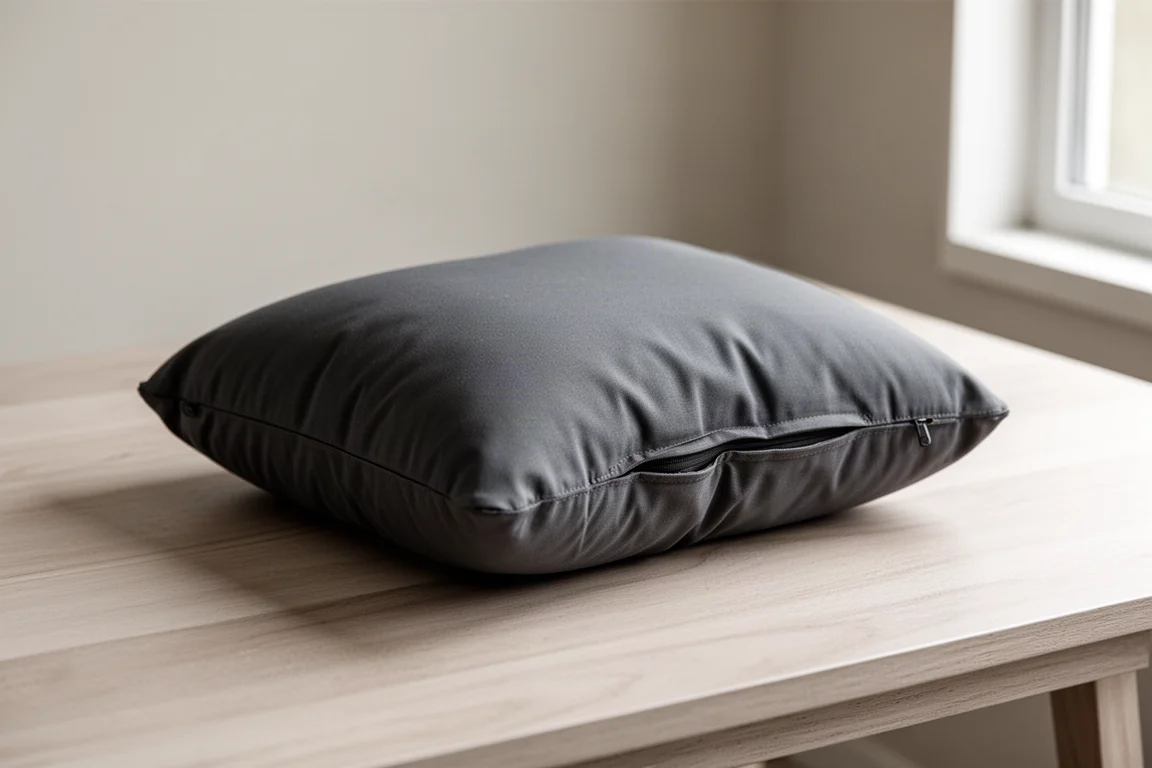
The Mega Pillow gets three things right. It is large and tall, and the height suits side sleepers particularly well. Its width covers close to the entire width of a sleeping pad, so you are far less likely to roll off it in the night. And it feels supportive rather than balloon-like, with a soft cover that is pleasant against the skin.
Attachment loops on either side let you run a length of shock cord around your pad to keep the pillow exactly where you left it, which is a feature worth having on any camp pillow. If you already use a Zenbivy sleep system, their Soft Top pillow integrates neatly with it. If you would rather save weight and money, the Trekology 2.0 weighs under 100 g, costs around $20 or less on sale, and still includes a pad strap.
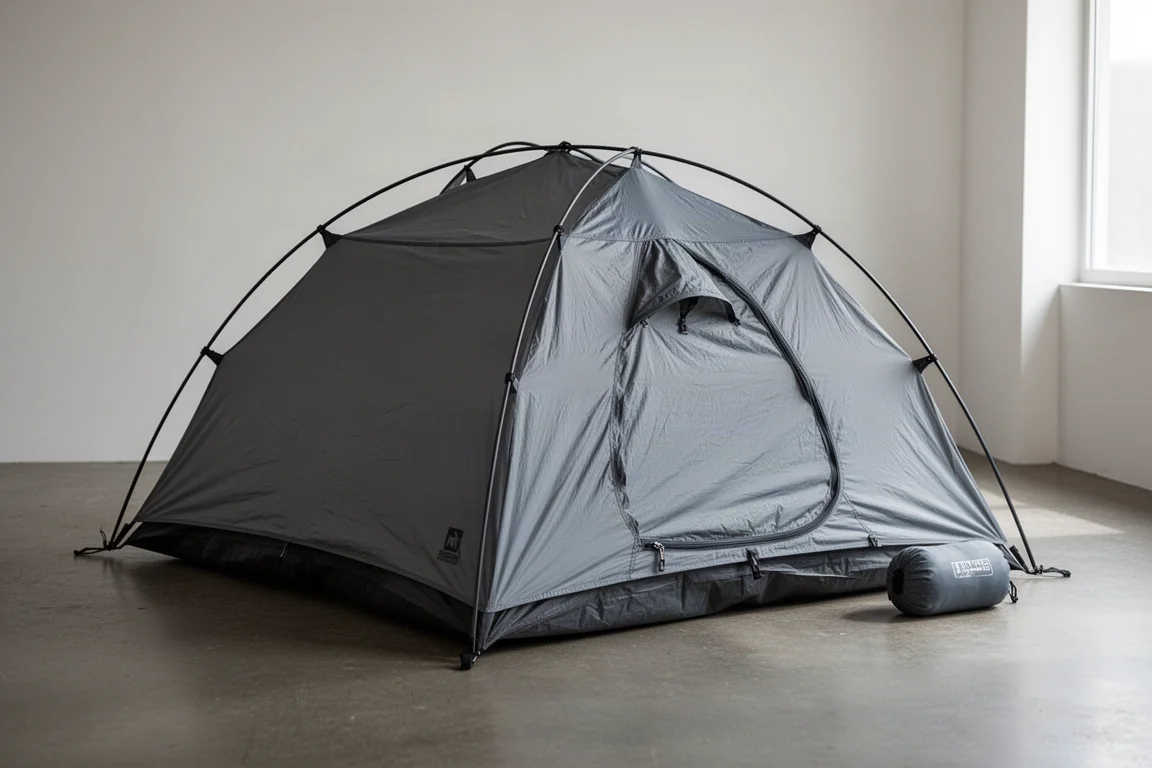
Best Solo Tent: Durston X-Dome 1 Plus
For solo trips, the X-Dome 1 Plus is the tent to beat. It weighs under a kilogram, it is extremely stormworthy, and it has handled winds of around 70 km/h without trouble. It is also roomy inside, with enough space beside your sleeping pad to keep gear within reach, and it is made from good materials at a reasonable $370.
The only reason to look elsewhere is if you want to go as light as possible with a DCF trekking pole shelter. For everyone else, this is the one-person tent to start with.
Best Cook System: Fire Maple Petrol Pot and Green Peak Stove
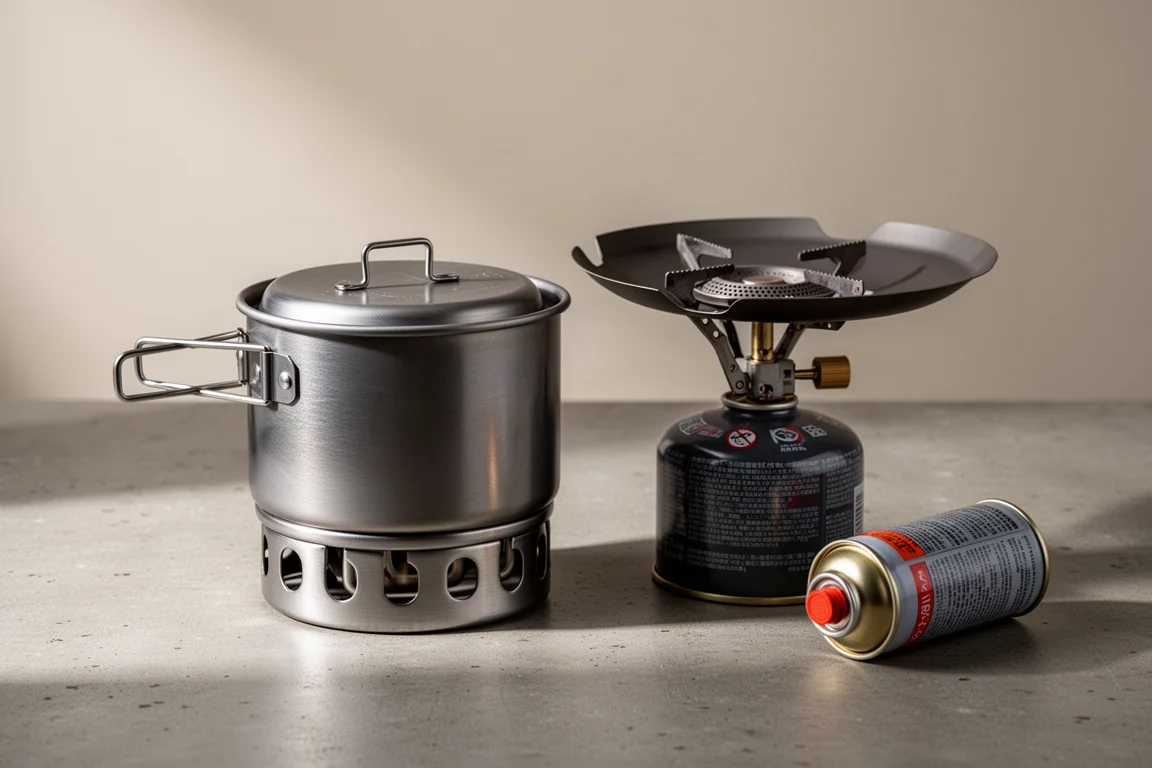
The Petrol Pot and the Green Peak Stove work as a single system. The stove and a fuel canister nest inside the pot, and the pot handle holds everything together in transit. The Green Peak stove has a wide burner with a lip that provides some wind protection, while the heat exchanger on the pot adds further shelter and improves heat transfer into the water.
The result is fast, efficient boils even in breezy conditions, at a combined weight of 247 g. It is not the lightest option available, but it is a respectable weight for a complete cook kit, and at $50 for the pot and stove together the value is difficult to argue with.
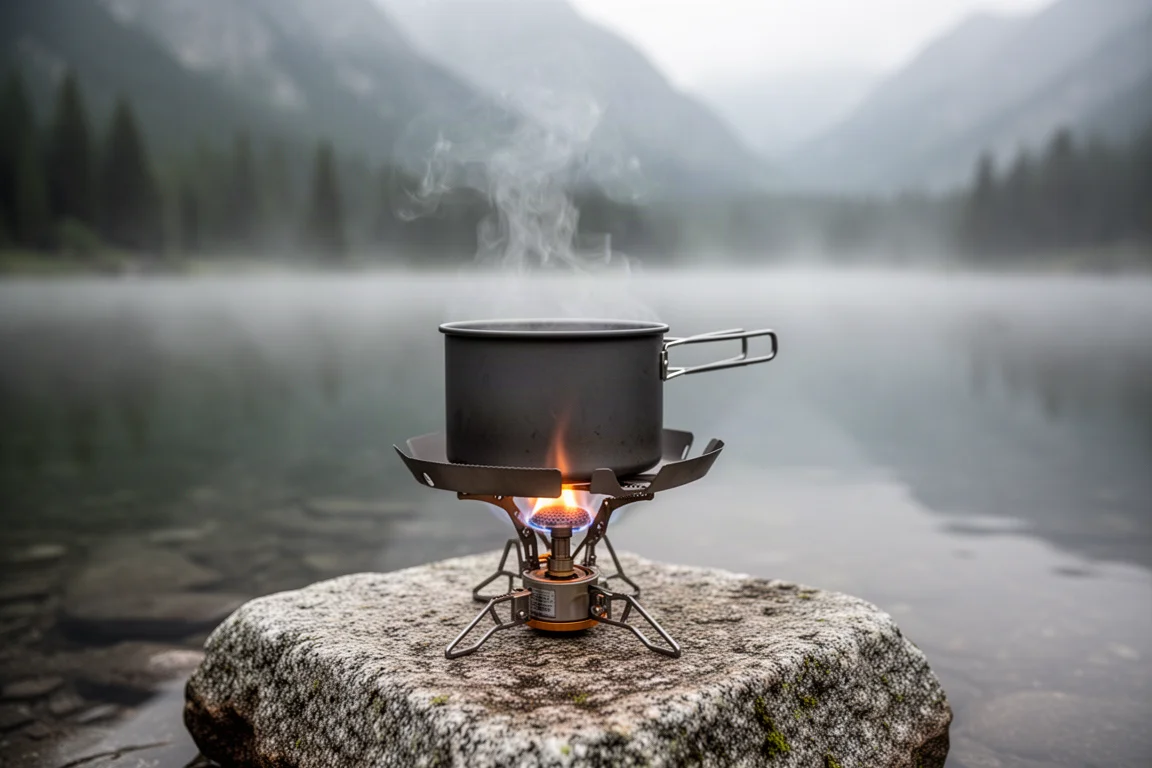
If wind performance is your top priority and budget is secondary, the MSR WindBurner is the step up. It handles wind even better, runs quieter thanks to its radiant burner, is slightly more efficient, and works as a tidy all-in-one system. The price is the main obstacle.
Best Water Filter: Platypus QuickDraw
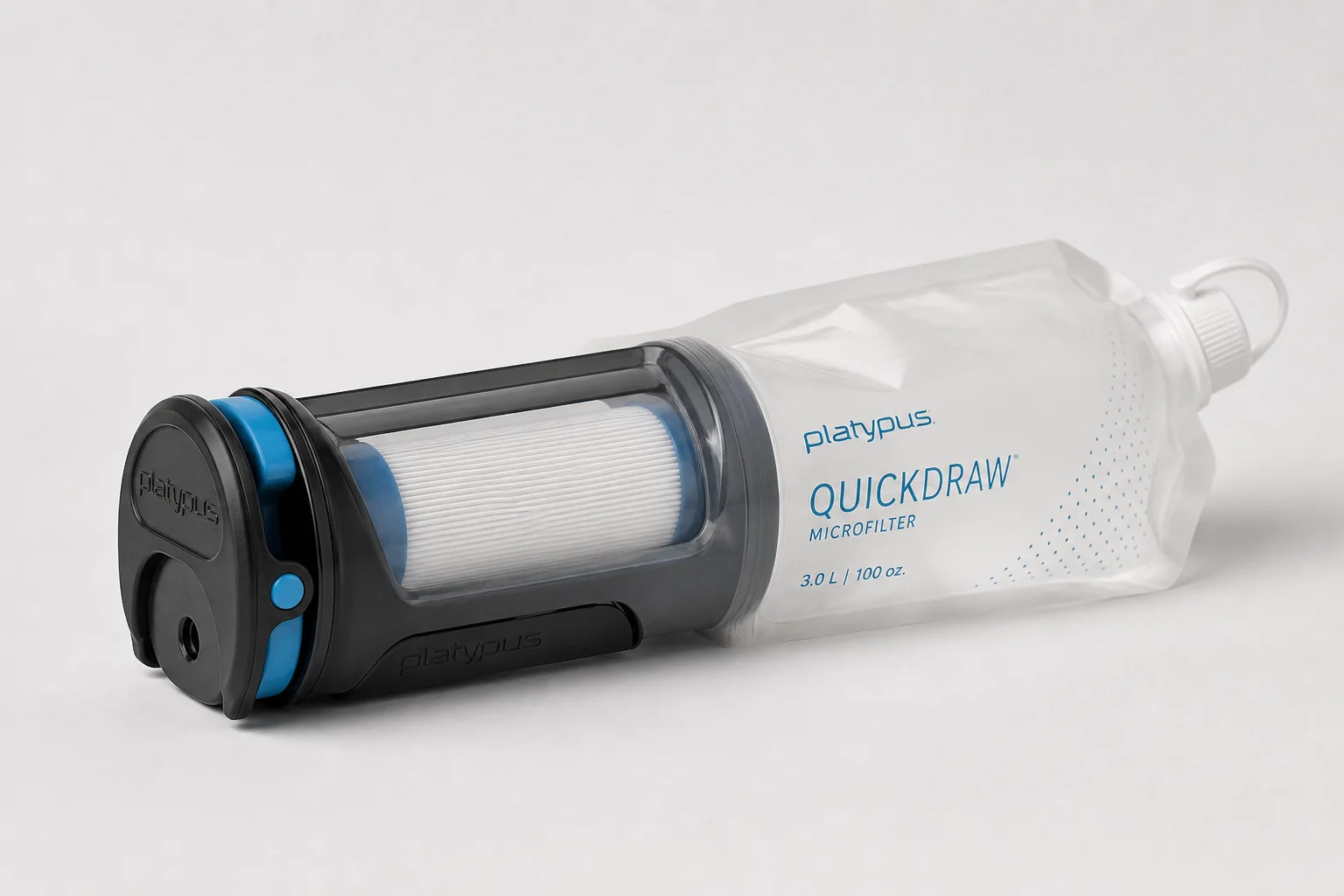
The QuickDraw has been the most dependable filter over years of use. Other filters have clogged at inconvenient moments; this one has not. Flow rate is excellent as well, which matters more than it sounds when you are filtering several litres at the end of a long day.
The caps on either end seal the filter shut, so it can go inside your sleeping bag when temperatures are expected to drop below freezing. That single detail makes it much easier to protect the filter on cold trips.
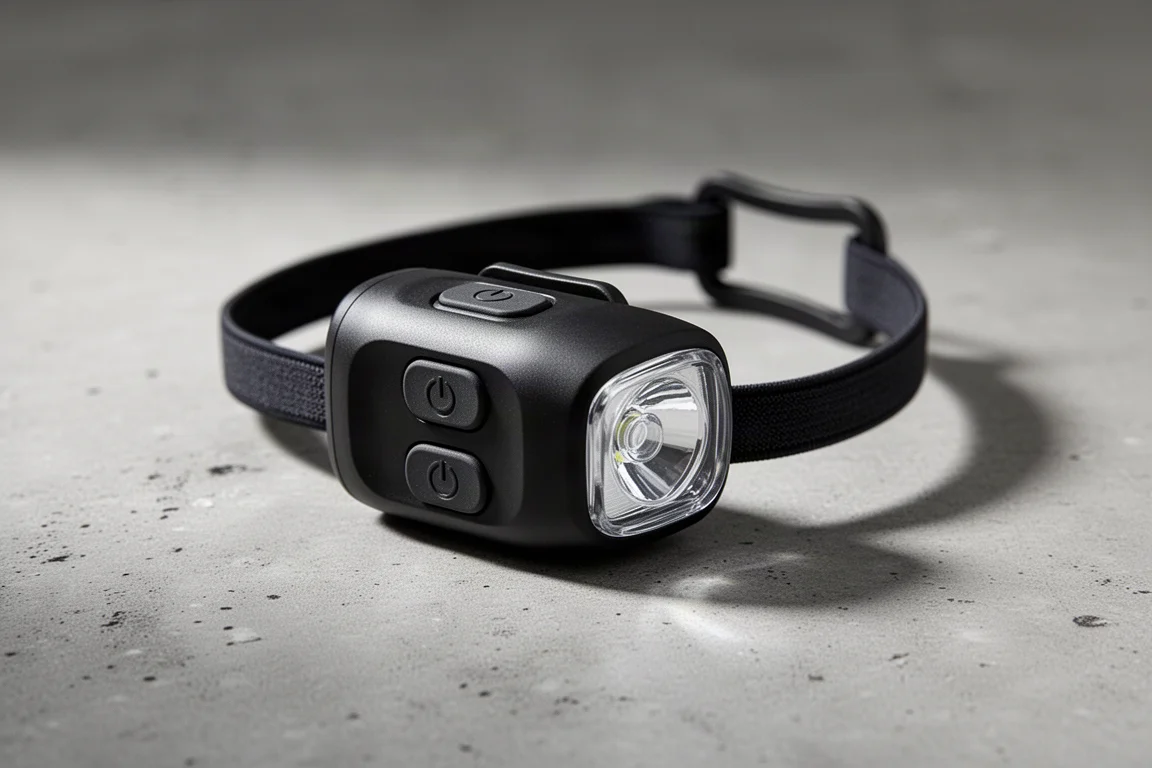
Best Headlamp: Nitecore NU20 Classic
The NU20 Classic is light, rechargeable, inexpensive, and relatively powerful, which is a difficult combination to find. It charges over USB-C, and it uses two buttons on top, one for white light and one for red light, rather than forcing every mode through a single control. That layout is far easier to use in the dark.
Competing headlamps from other brands are starting to close the gap, but they generally cost considerably more.
Best Satellite Communicator: Garmin inReach Messenger Plus
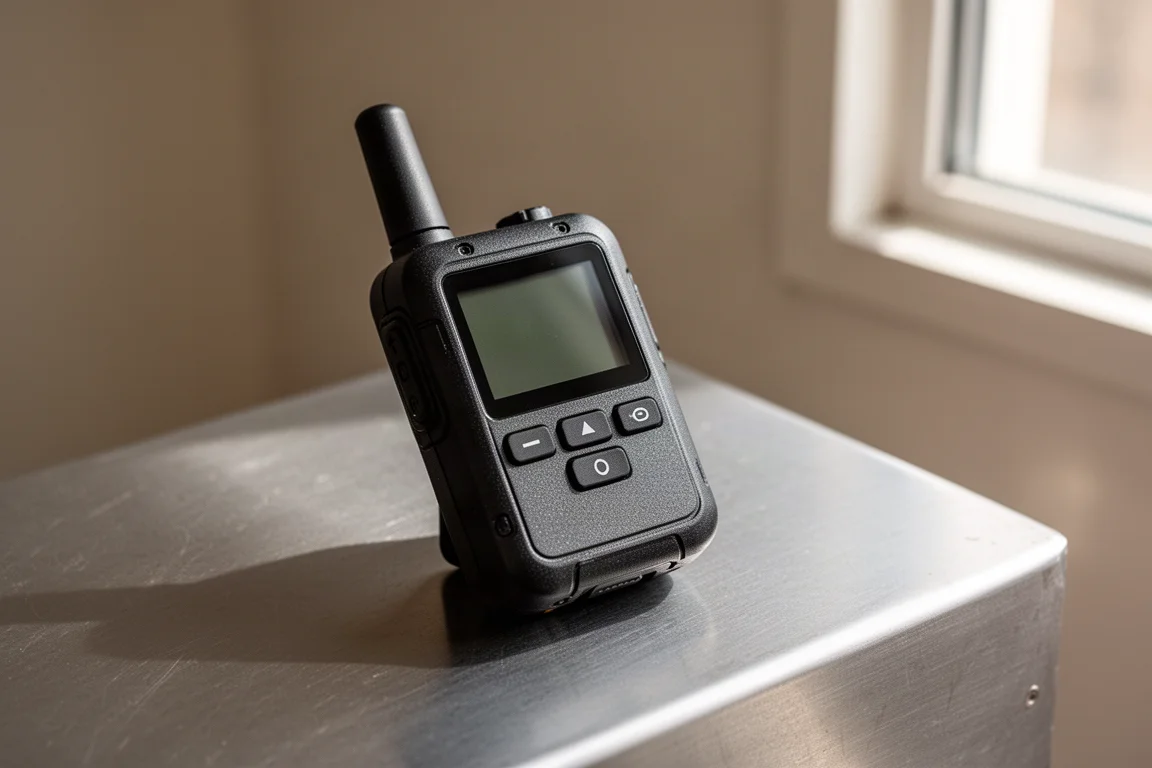
For emergency communication in the backcountry, the inReach Messenger Plus remains the most trustworthy option. Satellite features built into phones have proven slow and unreliable in practice, which is not a quality you want in a device you may depend on.
The inReach is robust, has plenty of battery life, and works as a standalone device without relying on a phone. The Plus model can also send and receive photos, which makes staying in touch with family from remote places noticeably more enjoyable. The hardware and subscription costs are significant, and rental options are worth considering if you only need coverage occasionally.
Best Sleeping Pad Pump: Aerogo Giga Air Pump
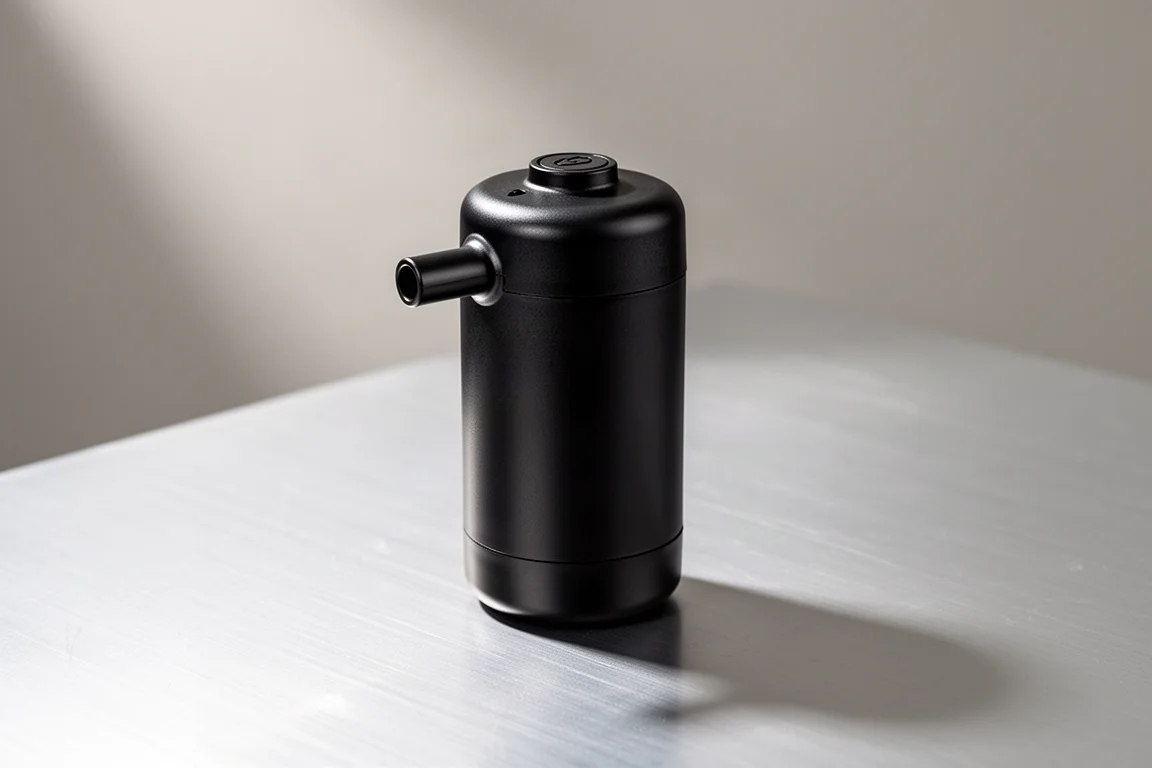
The Giga Air Pump was a surprise. It initially looked cheaply made and carried a very high list price, but the price has since settled at $45, and extended testing changed the picture considerably. It is powerful for its weight and inflates even the largest sleeping pads quickly, it is not annoyingly loud, and it is light when run from an external battery.
It is not the lightest pump available, and reaching its lowest weight means carrying a separate battery. For most trips it is the best all-round option. If you need a built-in battery instead, the Flextail Max Pump 3 is the pick: it is extremely powerful, includes a built-in lantern, and has a large battery.
Best Trowel: Bogler Trowel
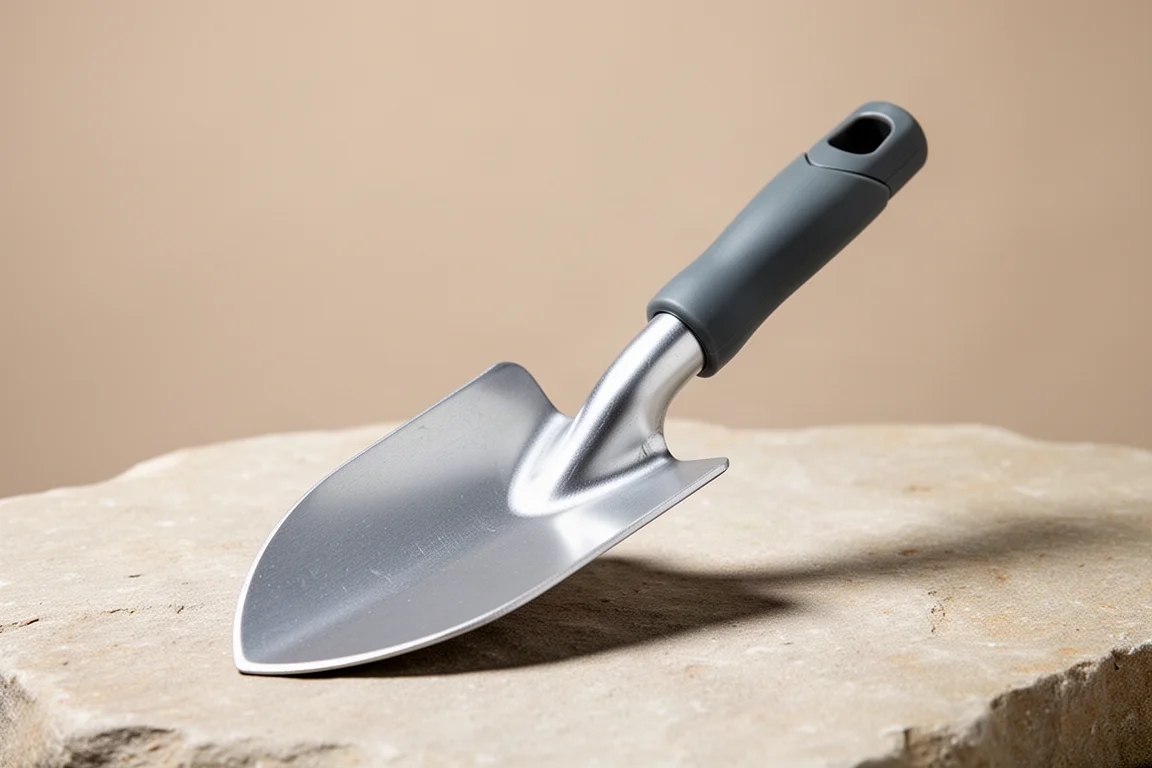
A good trowel needs to be light, able to cut through roots, and comfortable in the hand when you have to push it into hard ground. The Bogler Trowel manages all three. Serrated edges on both sides cut through roots, the thin aluminium body keeps it very light while remaining sturdy, and the grip is genuinely well designed, with a small nub on top for extra pressure.
At just 13 g it disappears into a pack, and it has been the best trowel available for years.
Buying Advice: Matching Gear to Your Trips
Start with weight against comfort. An ultralight pack like the Kakwa 55 is the right answer when you are counting grams and covering big distances, while a heavier, feature-rich pack like the Flash 55 makes more sense when you regularly carry a heavy load. Neither approach is wrong; they suit different trips.
Then look at shelter and sleep together, because those two choices drive both pack volume and how well you recover overnight. A trekking pole tent saves weight but asks you to carry and use poles. A thick pad is a joy in camp and a burden on the move. A quilt-and-sheet system rewards anyone who sleeps restlessly.
Finally, treat safety equipment as its own budget line. A reliable headlamp, a filter you trust, and a satellite communicator with an active subscription are worth prioritising over another upgrade elsewhere, and rental can make the communicator affordable for occasional trips.
Conclusion
The strongest gear of the year is not the most expensive gear. It is the equipment that solves a real problem on a real trip, and every pick here earned its place through repeated use rather than a single outing.
If you are building a kit from scratch, start with the pack and the sleep system, since those two decisions shape everything else. From there, add the shelter that matches your conditions and the small tools that make camp life easier. Buy for the trips you actually take, and the gear will keep proving its worth season after season.
Further reading
Related Reviews

Backpacking Gear
Building a 10 lb Base Weight: An Ultralight Backpacking Gear List
A practical walkthrough of the ultralight pieces behind a 10 lb base weight, from a 765 g pack and a roomy one-person tent to a full camp chair and a dependable water filter.

Backpacking Gear
A 15-Pound Lightweight Backpacking Gear List for Solo Trips
A beginner-friendly 15-pound backpacking setup built from easy-to-find gear, with notes on what each piece does, how it packs, and where to spend your attention.

Backpacking Gear
8 Ultralight Backpacking Gear Upgrades Worth Carrying
Eight small, affordable backpacking upgrades that solve real trail annoyances, from a pillow that stays put to a fuel valve that rescues leftover canister gas.