Backpacking Gear
Backpacking Gear Awards: 21 Affordable Picks Worth Packing
A full rundown of the most convincing value picks in backpacking gear, from shelters and sleep systems to stoves, lighting, power, and clothing.
Introduction
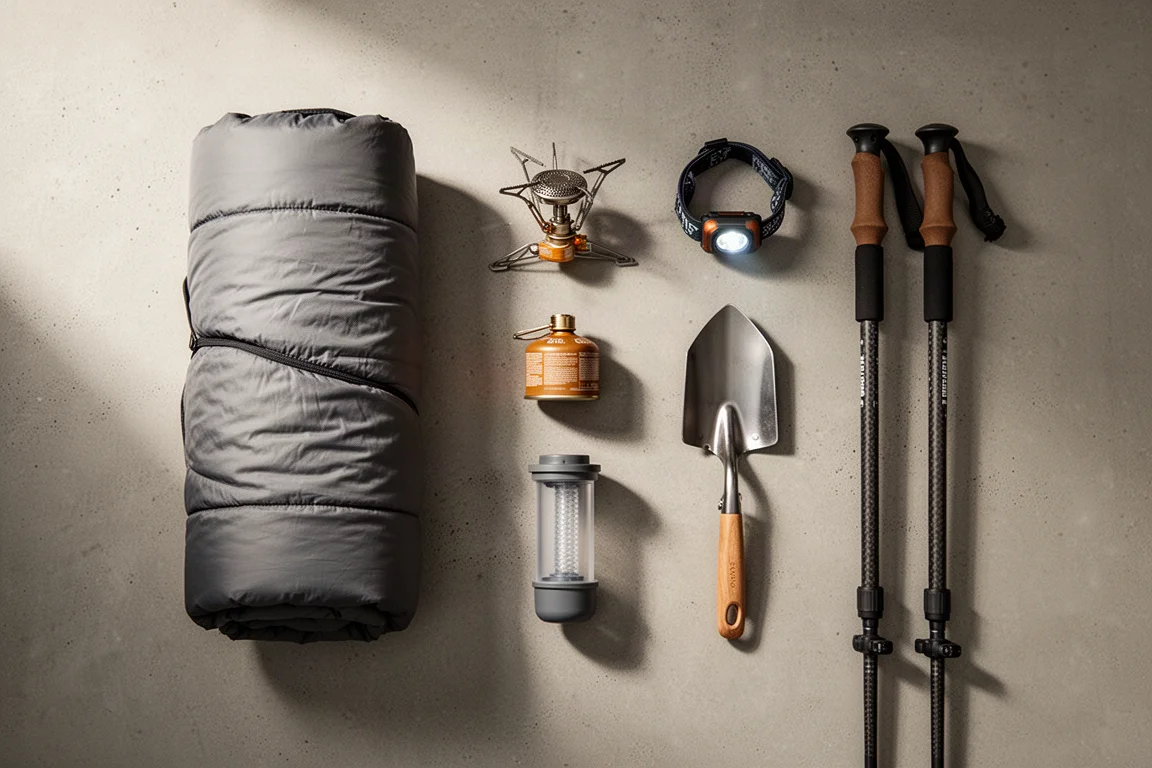
Good backpacking gear does not have to be expensive, but it does have to be chosen carefully. The picks below cover the full spread of a kit: packs, sleeping pads, quilts and bags, pillows, tents, stoves, water treatment, lighting, emergency communication, power, navigation, small tools, camp comfort, and clothing. Each one earns its place for a specific reason, whether that is a genuinely comfortable carry, an unusually warm pad for the money, or a shelter that packs down smaller than you would expect.
How These Picks Were Chosen
Four things separate the items on this list from the rest of the market. Value comes first, which means performance relative to price rather than price alone. Weight and packed size come second, because they shape how much you enjoy a long day on trail. Third is construction: materials, stitching, baffles, and hardware all determine how long a piece of gear stays trustworthy. Finally, availability matters, since a bargain you cannot buy in your region is not really a bargain.
Real-world behaviour carries more weight than specifications on paper. A pad rated at one R-value can sleep noticeably warmer, and a jacket can be warm at a lower weight than its price suggests. Where a product involves a trade-off, that trade-off is stated plainly rather than buried.
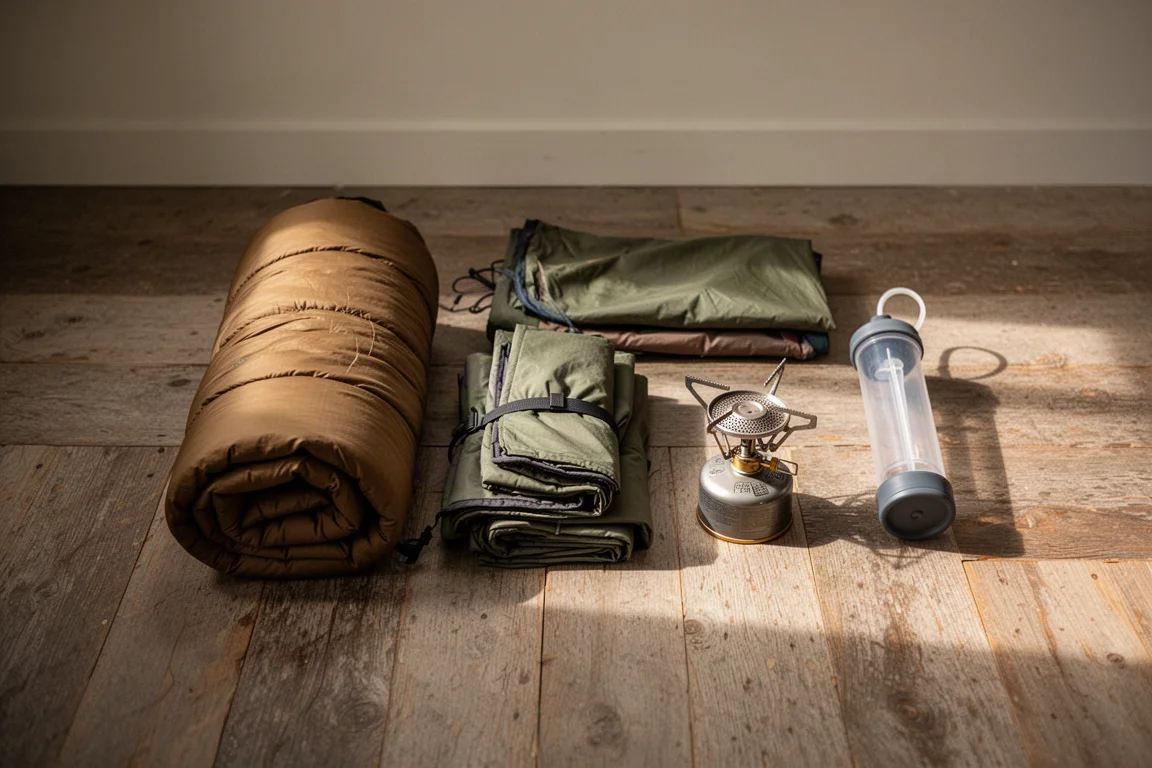
Prices in this category move constantly. Several of the items here are discounted multiple times a year, so it is often worth waiting a couple of months rather than paying full price, especially for packs and sleeping bags.
Backpacks
Two packs stand out, one for comfort and one for price.
REI Flash 55
The REI Flash 55 is the strongest all-round backpack here. It frequently sells for just over $100 during one of its regular promotions, and it goes on sale several times a year, so patience usually pays off. The frame wraps and hugs the body in a way that keeps heavy loads stable, and it stays comfortable with 40 pounds or more in the pack, which is more than most weekend trips require. The side water bottle pockets sit forward of the main side pockets, so reaching back for a bottle and returning it mid-hike is genuinely easy.
Decathlon Trek 100
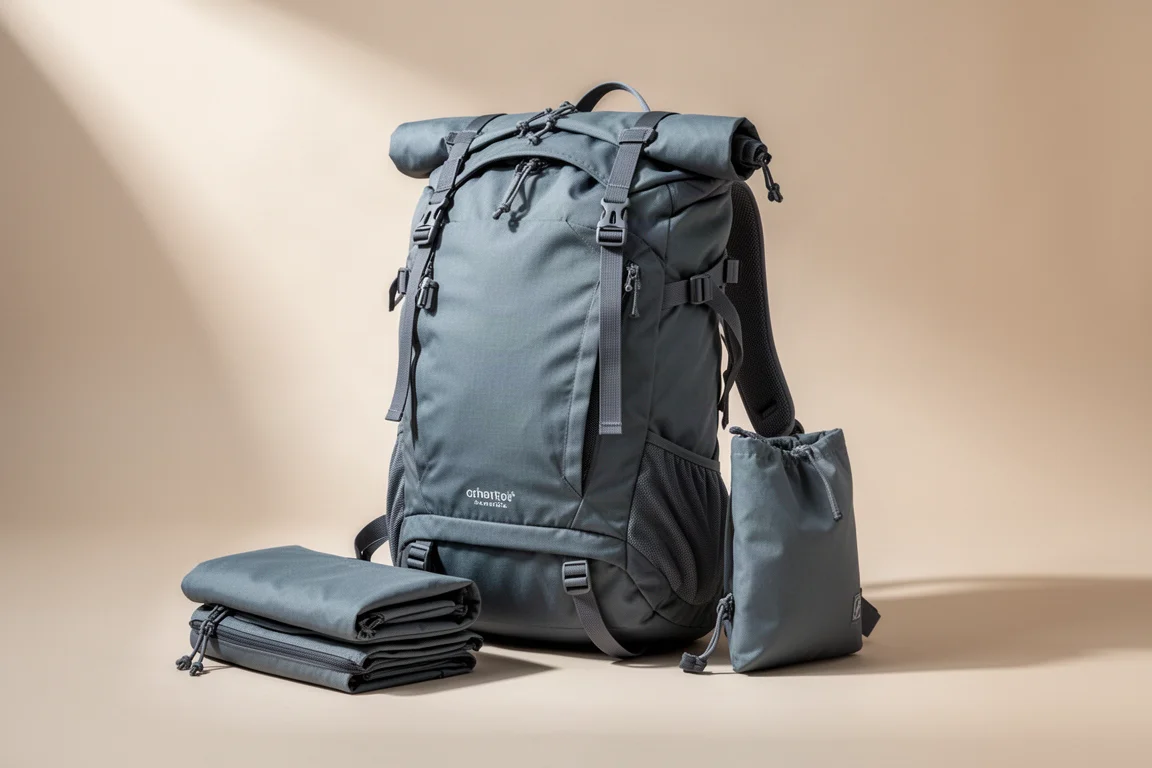
If the Flash 55 is not discounted when you need a pack, the Decathlon Trek 100 is the sensible alternative. It stays under $100 even at full price, which is unusual for a pack of this type. Decathlon has a long record of building dependable gear at low prices, and this pack has earned a solid reputation among backpackers. For a first pack, a loaner, or a spare for shorter trips, it is a low-risk way to get out on the trail.
Sleep Systems: Pads, Quilts, and Bags
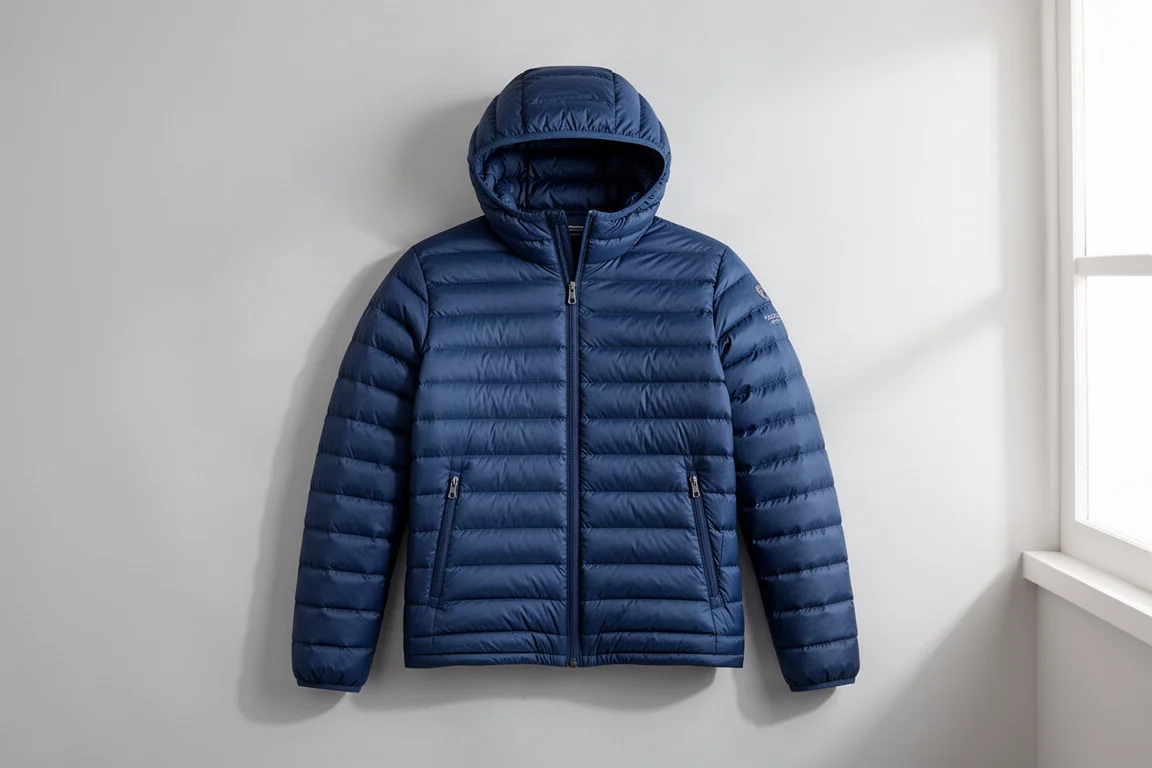
Sleep is where budget gear usually gives itself away, but there are three exceptions worth knowing about.
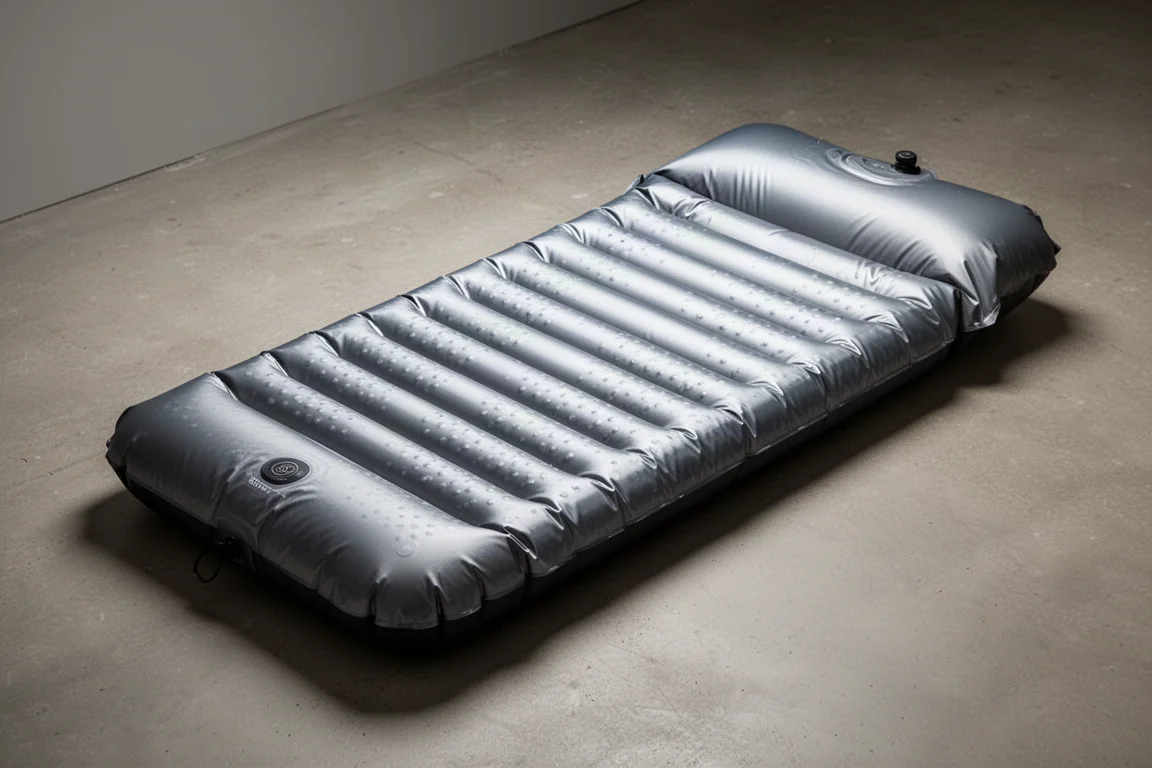
Outdoor Vitals Oblivion
The Outdoor Vitals Oblivion is warm, comfortable, and priced well below what that combination normally costs. It carries an R-value of 3.5 but sleeps closer to the four range, and its comfort is comparable to pads that sell for considerably more. At $115 it is a strong deal. The compromise is weight: the large version comes in at around 800 grams, so this pad suits hikers who would rather carry a few extra grams than wake up cold.
Hammock Gear Econ Burrow
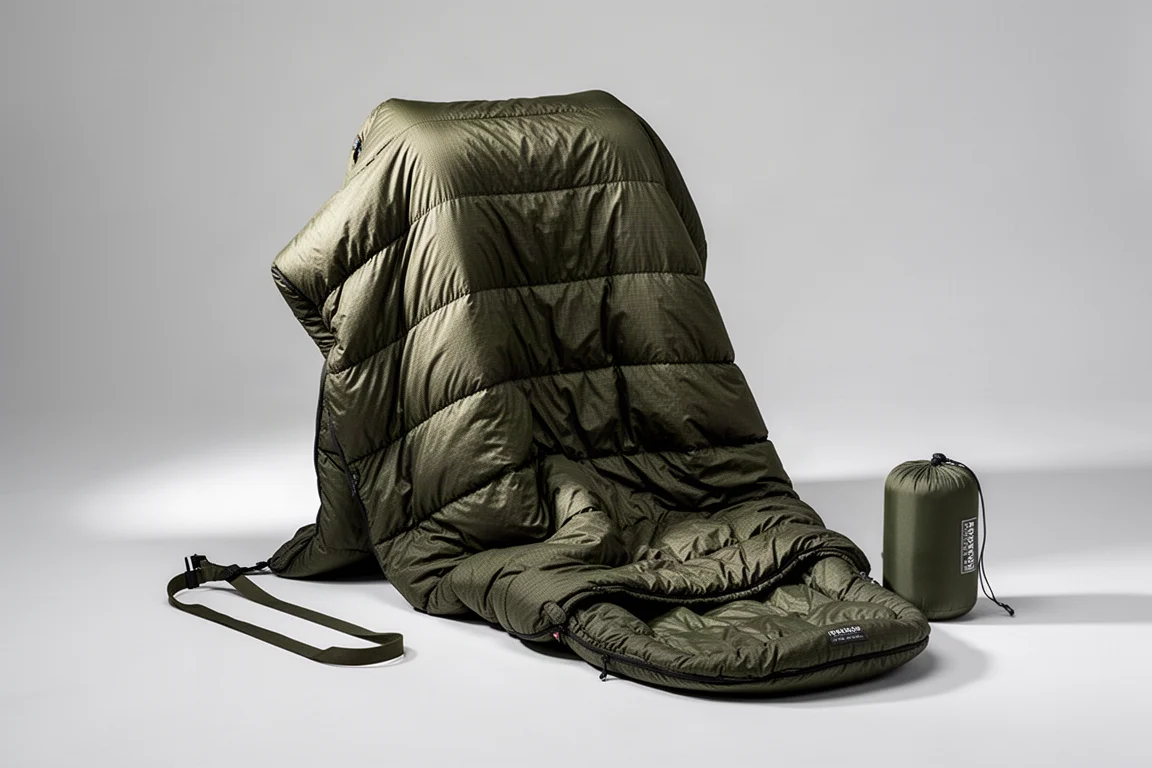
Quilts are expensive however you approach them, and the cheapest options tend to cut corners on materials and construction quality. The Hammock Gear Econ Burrow avoids those compromises. It uses high-quality materials, it is built carefully, and its box baffle construction keeps the down in place so cold spots are not an issue. For anyone who sleeps warm, a quilt is often more comfortable than a bag because it can be shifted and turned under like a blanket at home. The key is using the pad straps correctly, which keeps the quilt sealed against the pad and eliminates drafts.
Decathlon MT900
For anyone who prefers the enclosed feel of a sleeping bag, the Decathlon MT900 is the pick. It is lightweight, uses high-quality materials, and sleeps warm. At under $200 it is already competitive, and it can be found for just over $100 on sale. Comparable bags from other manufacturers often cost two or three times as much, which makes this one of the strongest value propositions on the entire list.
Pillows
Trekology Aluft 2.0
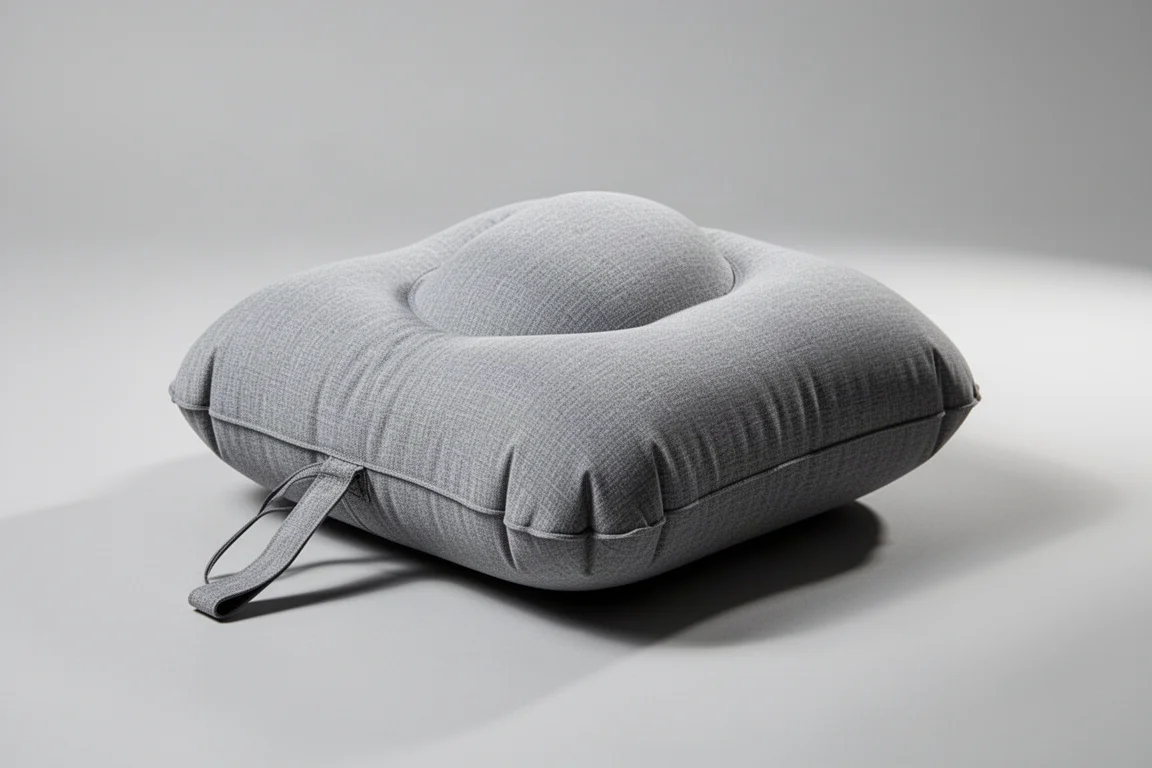
The Trekology Aluft 2.0 has stayed one of the best affordable pillows on the market for good reasons. A pad strap locks it to the sleeping pad so it does not slide away overnight, the top surface has a soft, slightly squishy feel, and the internal baffling provides real support rather than the bouncy balloon feel of cheaper pillows. At roughly 3.5 inches tall it suits most sleepers, though taller users may want to slide a spare layer, a sit pad, or shoes underneath for extra height.
Tents
Two very different shelters take the top spots, and a third is worth mentioning for context.
Naturehike Mongar 2
The Naturehike Mongar 2 is the freestanding option and the one to choose if you want a familiar, straightforward pitch. It is roomy enough for two 25-inch wide sleeping pads side by side. It is not the lightest tent available, but it is very affordable, well made, easy to use, and sold almost everywhere in the world, which matters if you are buying while travelling or replacing gear abroad.
Six Moon Designs Lunar Solo
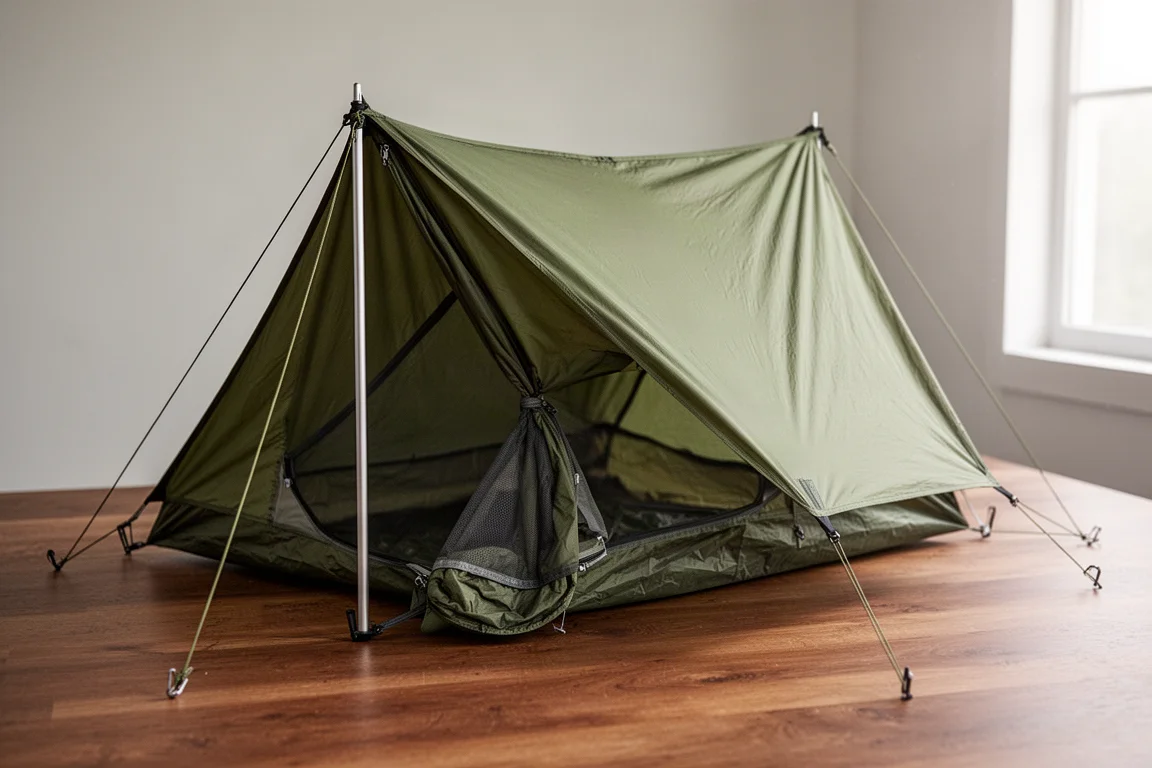
The Six Moon Designs Lunar Solo is a trekking pole shelter for solo trips, and it packs down remarkably small, to roughly the size of a grapefruit. It is lightweight and affordable, and its polyester fabric handles moisture and rain well. Polyester absorbs less water than nylon, so the shelter is less prone to the sagging and stretching that wet weather can cause in nylon tents. That combination of packed size, weight, and wet-weather behaviour is what sets it apart.
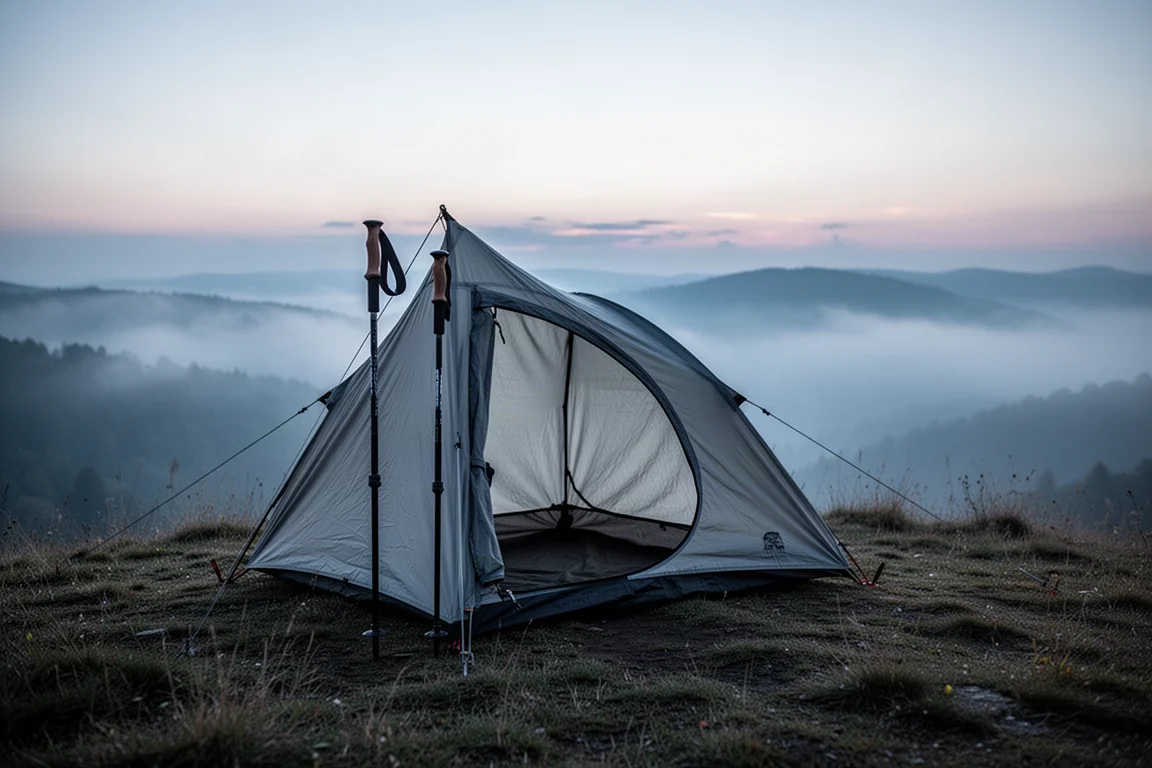
For solo hikers who already carry trekking poles, this is one of the most efficient shelters at the price, and it frees up a considerable amount of room in the pack compared with a freestanding tent.
3F UL Gear Lanshan 1 Pro
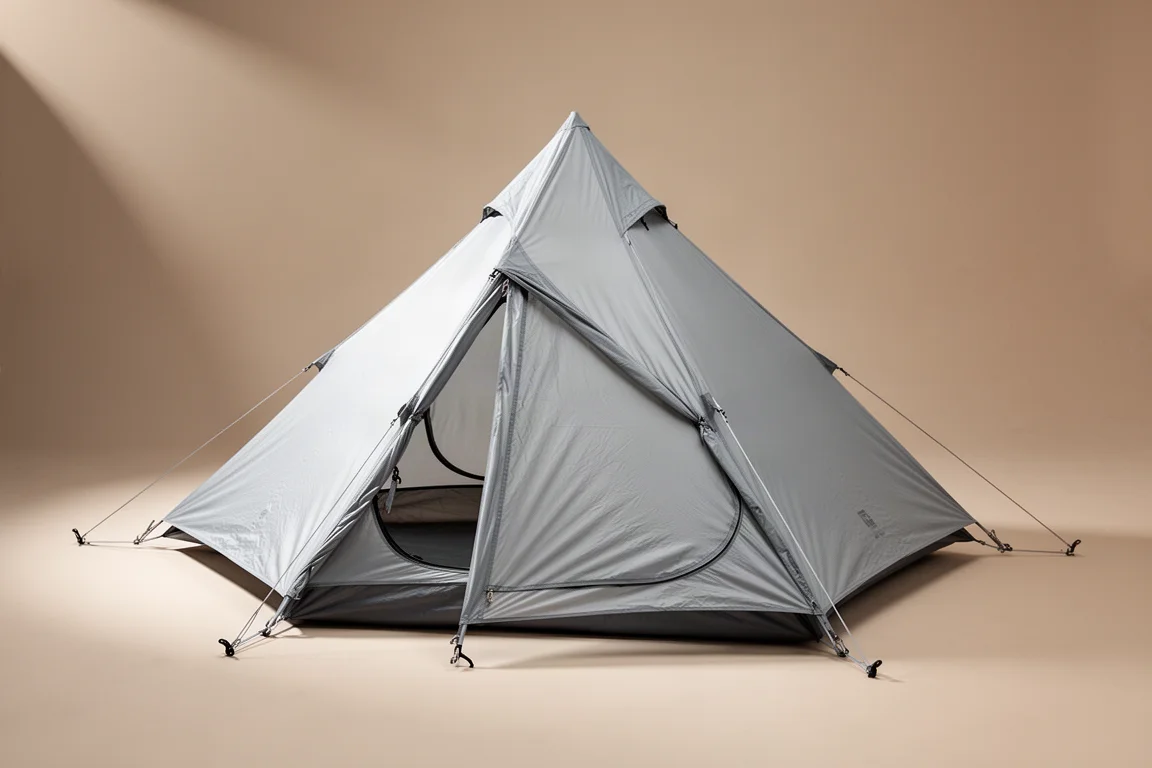
The 3F UL Gear Lanshan 1 Pro is another well-regarded trekking pole shelter, but it uses nylon fabric and its price has climbed steadily over time. With that in mind, the Lunar Solo currently represents the better value for anyone shopping on a budget.
Stoves and Water Treatment
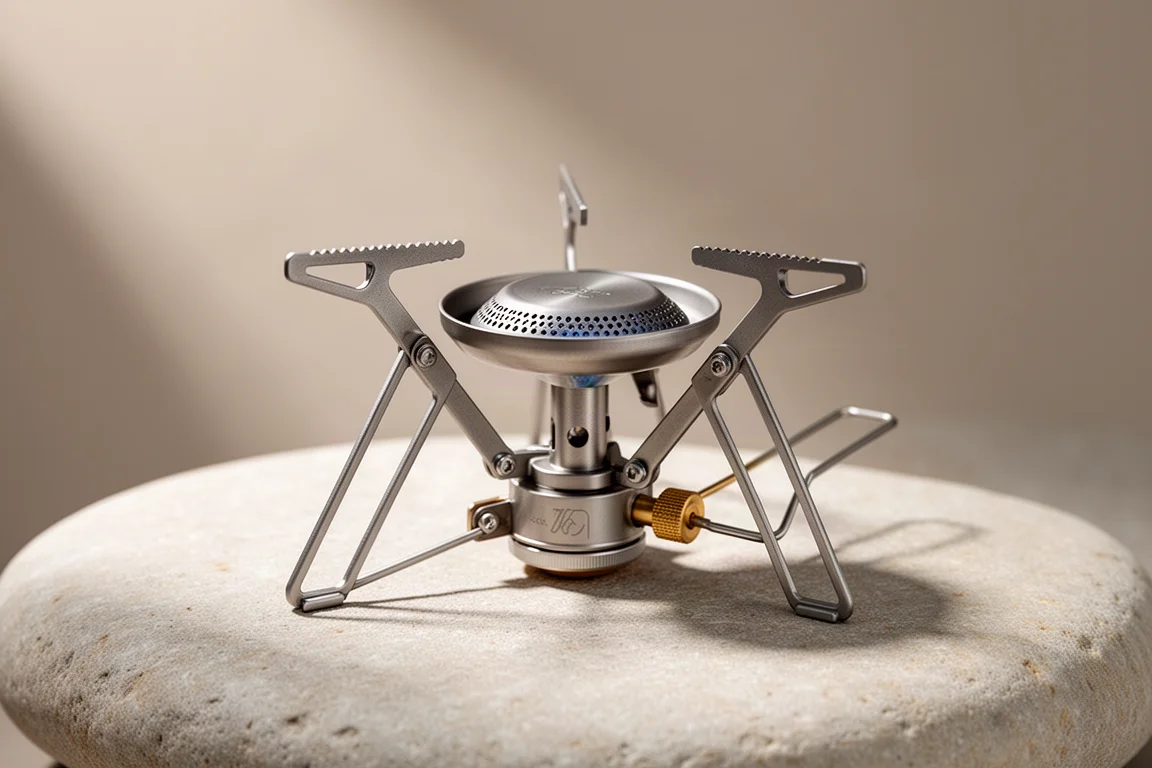
BRS 3000
The BRS 3000 is a tiny stove that costs around $20 and works well for boiling water on the trail. Its one real weakness is wind, which noticeably hurts performance. Sheltering it behind packs or building a small rock wall around the burner solves the problem and costs nothing.
Sawyer Mini
The Sawyer Mini is the affordable filter pick. It is lightweight and inexpensive, and it keeps water clean trip after trip. It is not as fast as some larger filters, so it suits hikers who are willing to trade a little filtering time for a lower price and a lighter pack.

Lighting and Emergency Communication
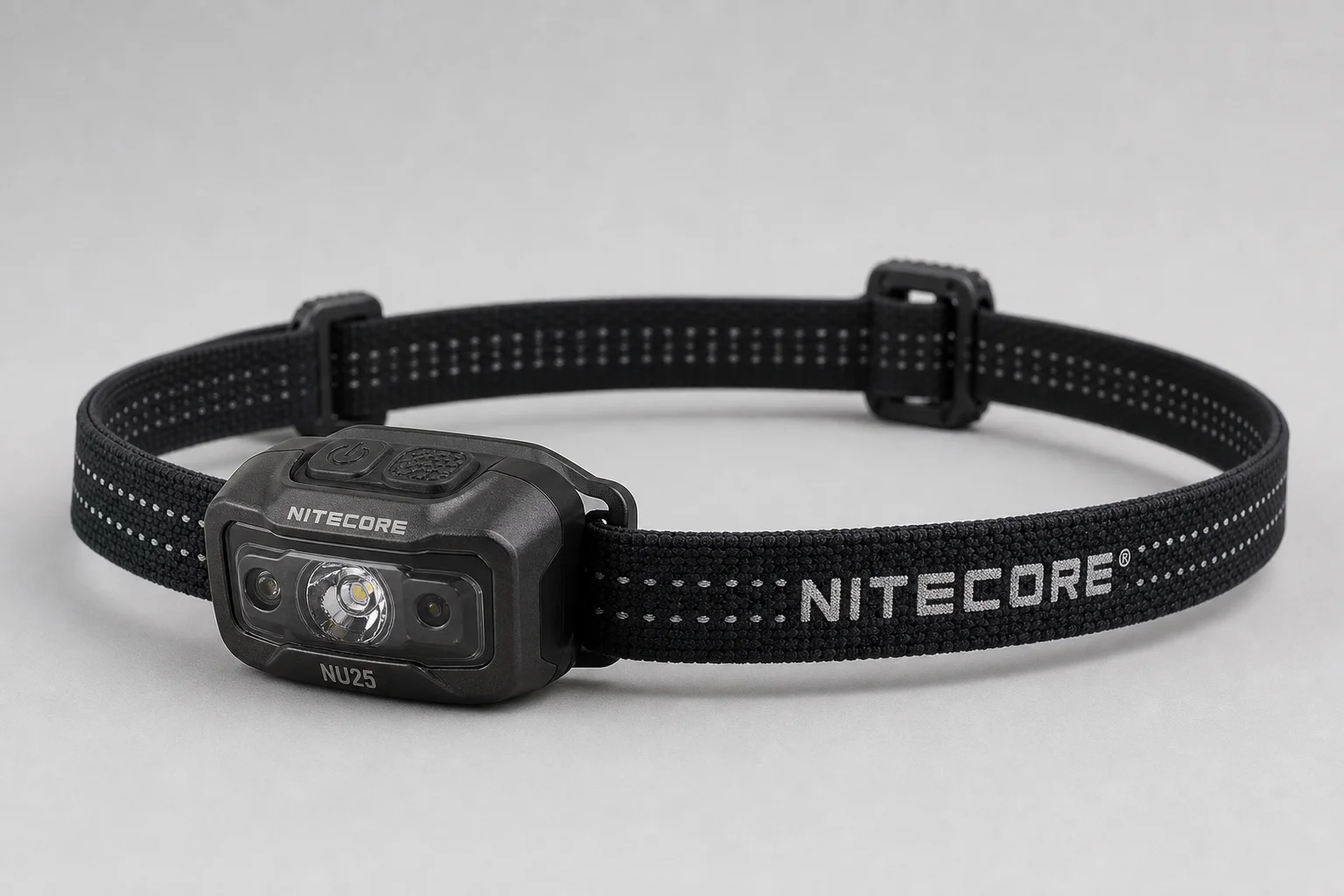
Nitecore NU25
Basic rechargeable headlamps can be had for under $10 and they work fine for camp chores. For anyone willing to invest a little more in a dedicated hiking light, the Nitecore NU25 line is the natural step up, and it is a reasonable place to spend extra money if you hike at night or start before sunrise.
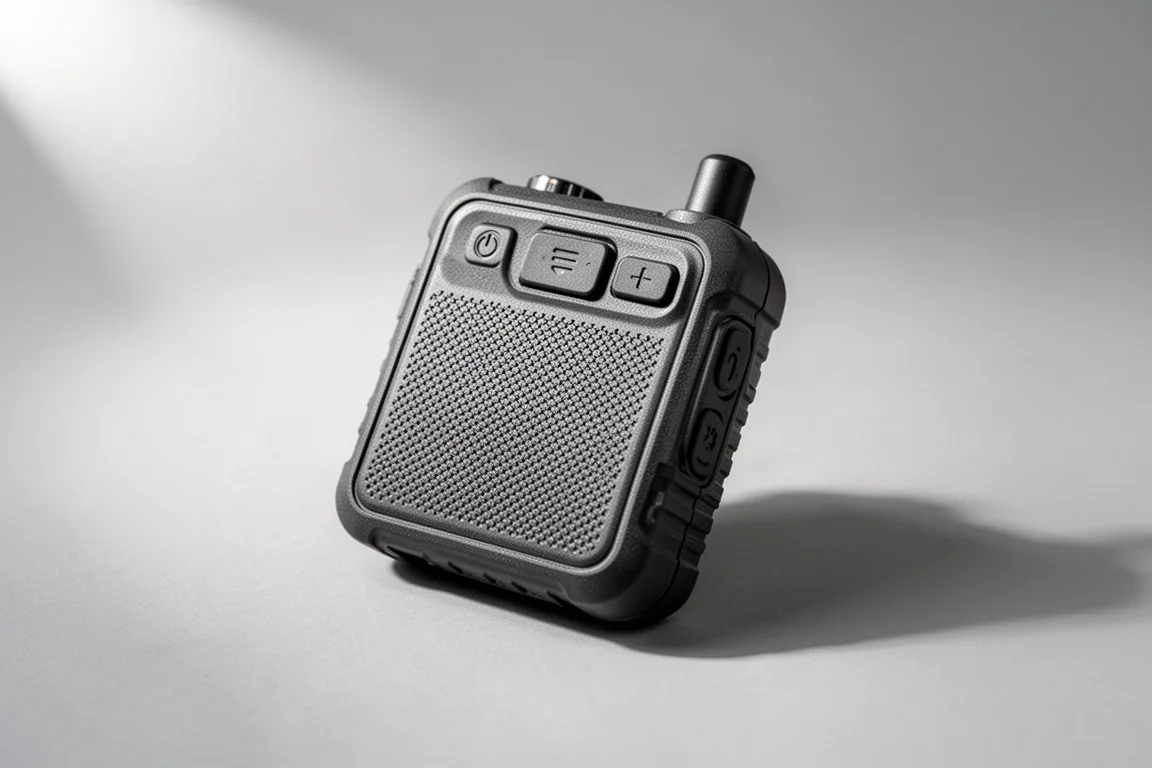
Motorola Defy Satellite Link
The Motorola Defy Satellite Link brings satellite messaging within reach of ordinary budgets. The device costs $150 and the basic plan runs $5 per month, which is a fraction of what satellite communicators used to cost. It supports two-way communication from the backcountry and includes an SOS button for emergencies, so it is worth a serious look for anyone who travels beyond reliable cell coverage.
Power and Navigation
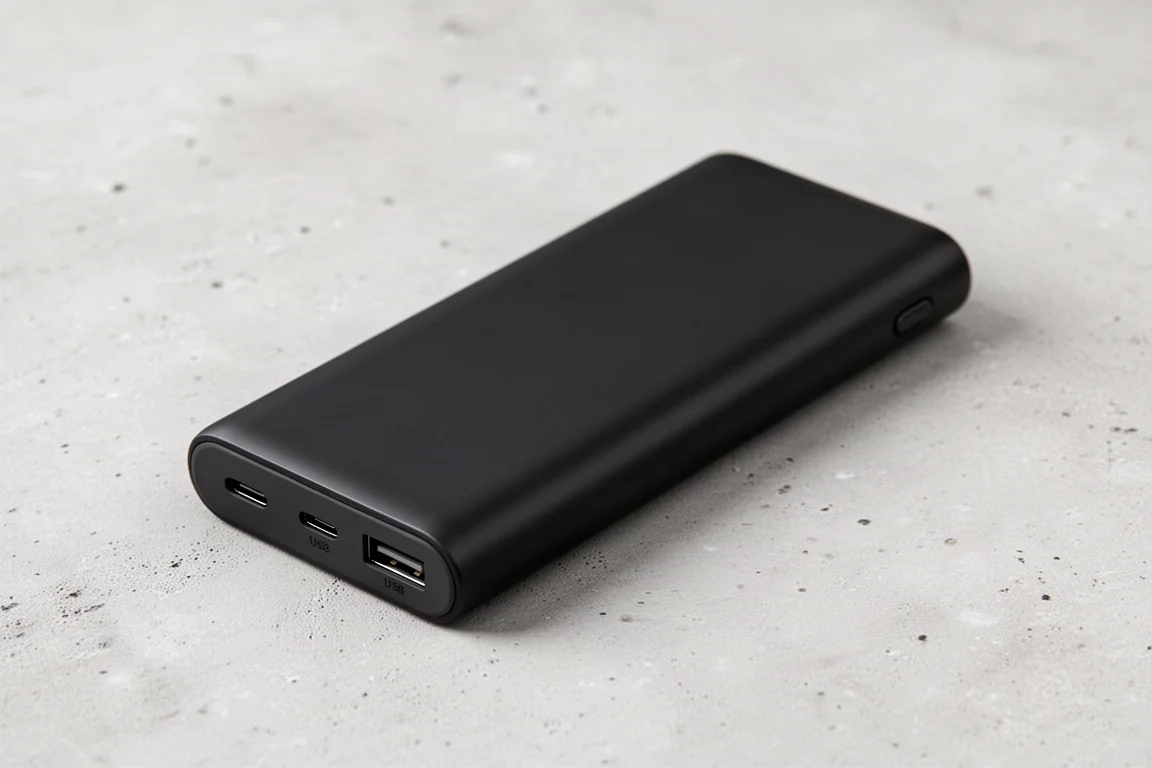
VTOX VXX Power Bank
The VTOX VXX is a 10,000 mAh power bank that delivers considerably more than its price suggests. It has a USB-C port that charges in and out, a USB-A port, and micro-USB charging as a fallback. Tested capacity matched the advertised figure, and the output wattage from the charging ports met spec as well, which is not something every budget bank can claim.
Garmin Instinct 2
Affordable smartwatches are a difficult category, and most of the sub-$100 options are not worth carrying on a hike. Garmin’s ecosystem is the better route, and the Instinct line offers the best value in it for hikers and backpackers. The Instinct 2 does not include everything from Garmin’s higher-end lines, notably on-device mapping with topo maps and music storage, but it covers the features most hikers actually use, particularly when following established trails. It can be found at very reasonable prices, especially on sale or secondhand.
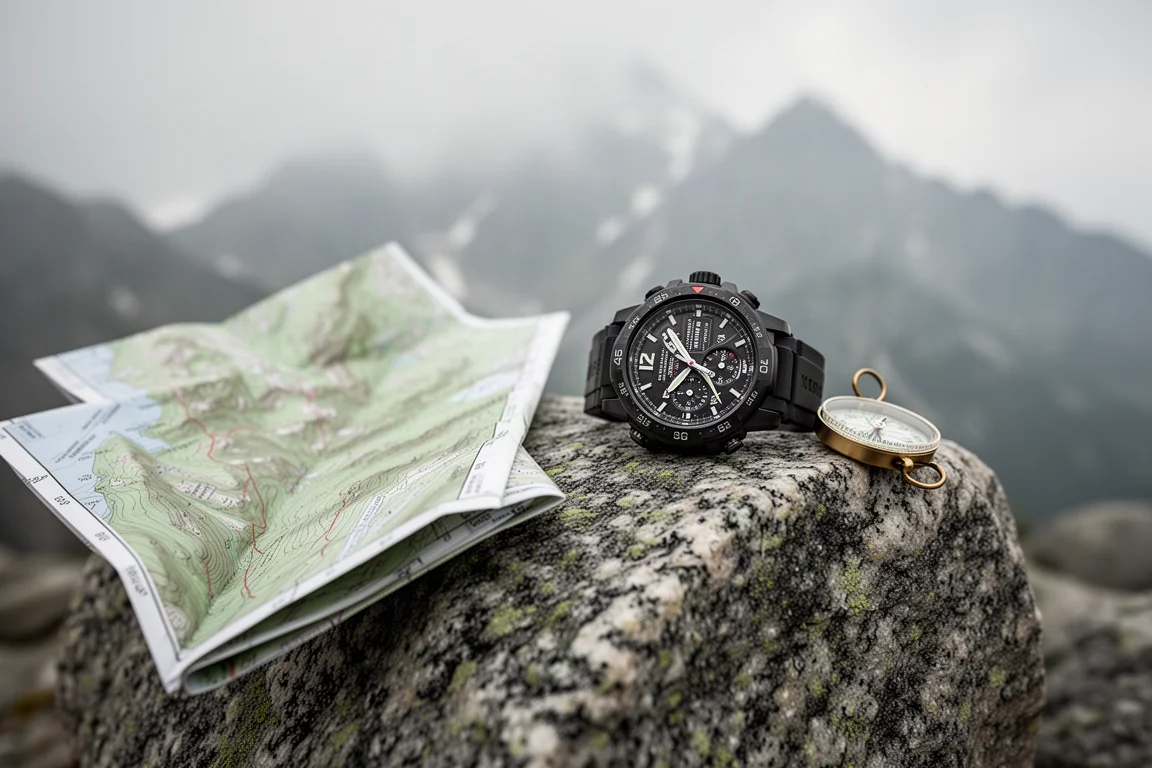
If you want a watch that will handle rough conditions and last several seasons without a premium price, this is the one to shortlist.
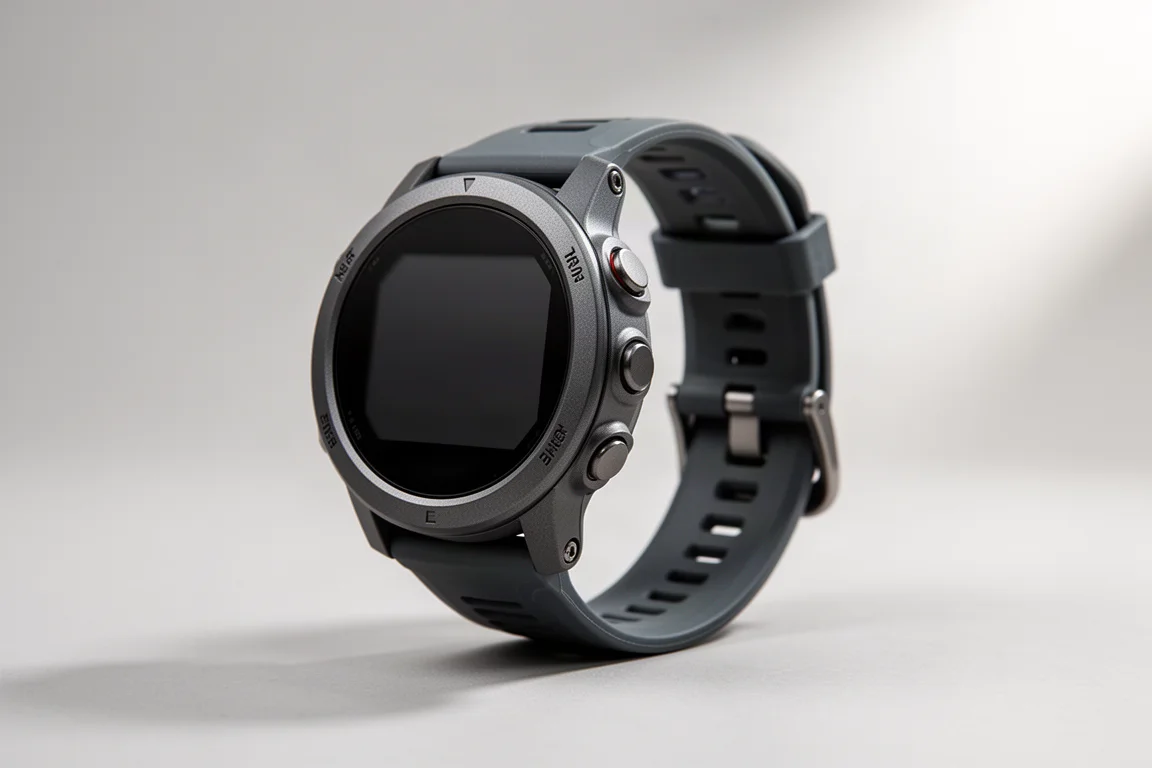
Garmin Instinct
The original Garmin Instinct remains a high-quality device that has aged well. Buying used, it can often be found for under $100, which makes it one of the cheapest routes into a dependable hiking watch.
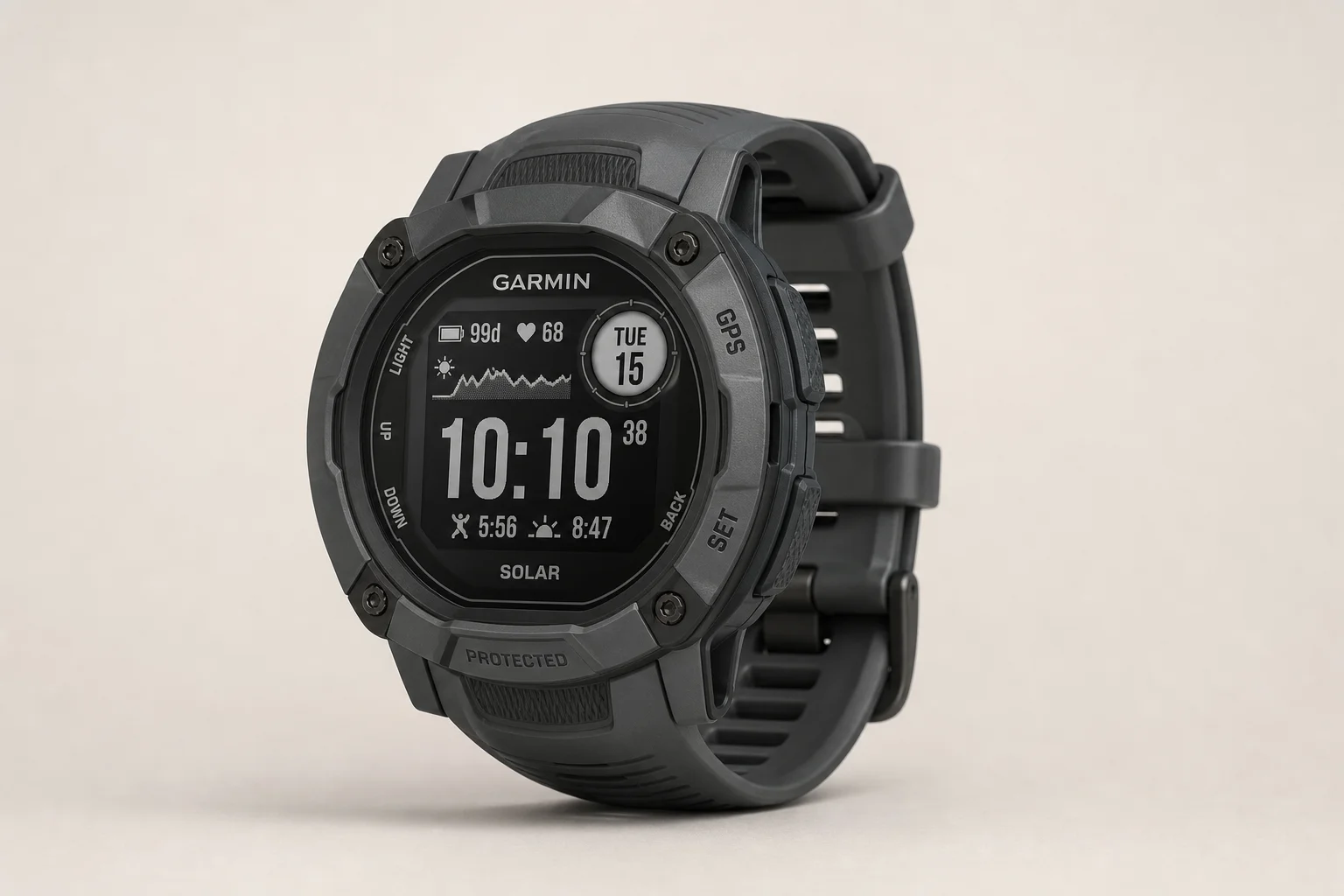
Small Essentials
BoglerCo Trowel
The BoglerCo Trowel is a small, well-designed tool priced at around $15. It is lightweight, it works exactly as it should, and the price is a bonus rather than the reason to buy it. It is the kind of item that ends up in the pack on every single trip.
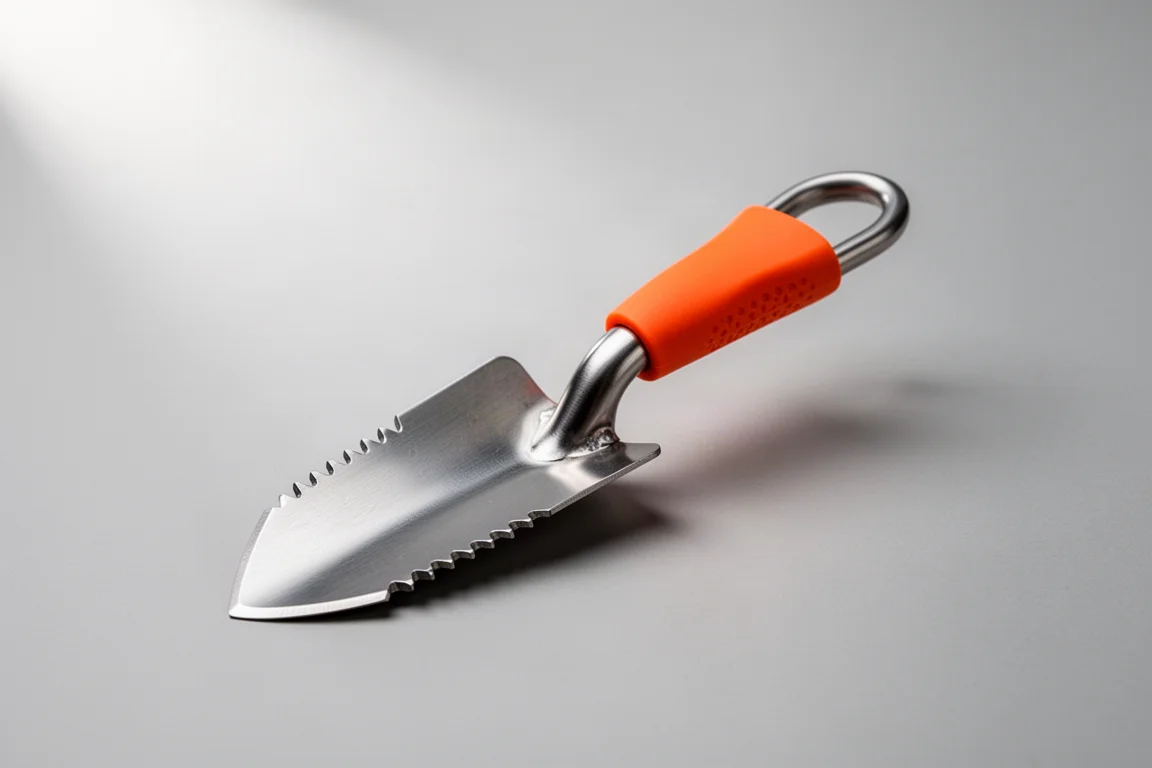
REI Flexlite Air Chair
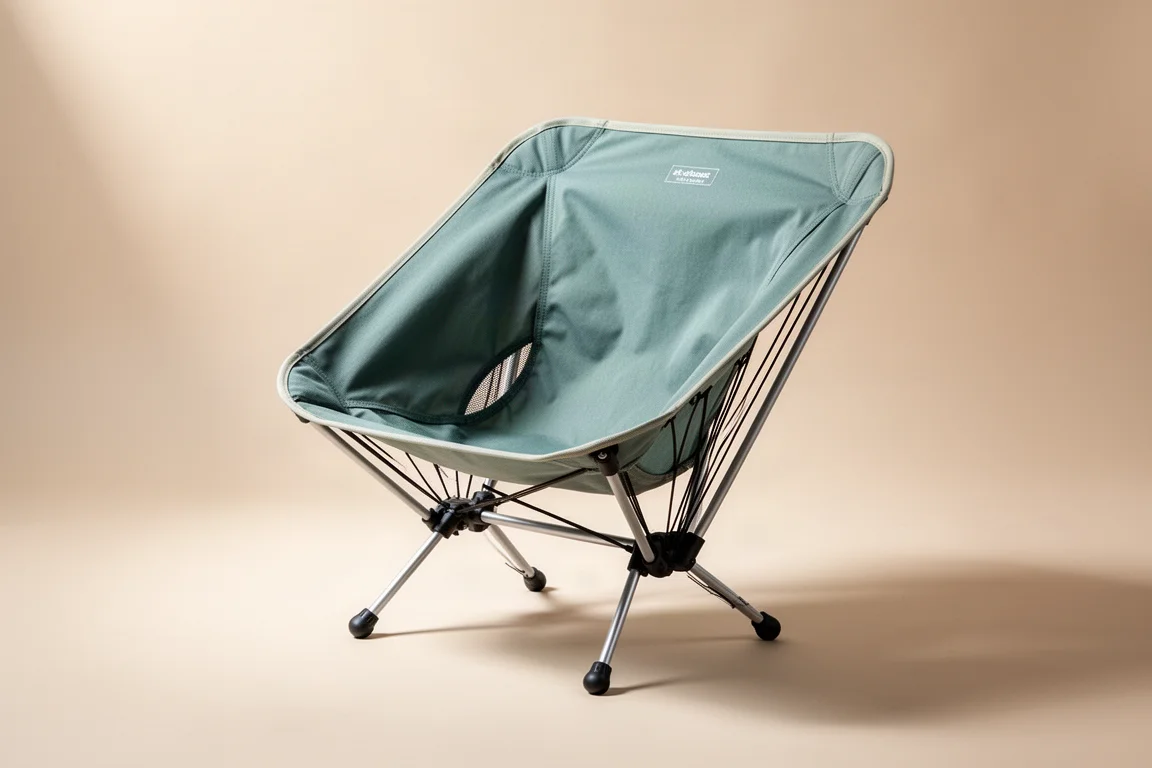
A camp chair is a luxury until you have carried one for a week. The REI Flexlite Air Chair sits around the one-pound mark, which makes it realistic to bring along, and it frequently drops under $100 on sale. Cheaper chairs exist, but they typically weigh roughly twice as much, which defeats the purpose on longer trips.
Clothing and Trekking Poles
Decathlon MT100 Down Jacket
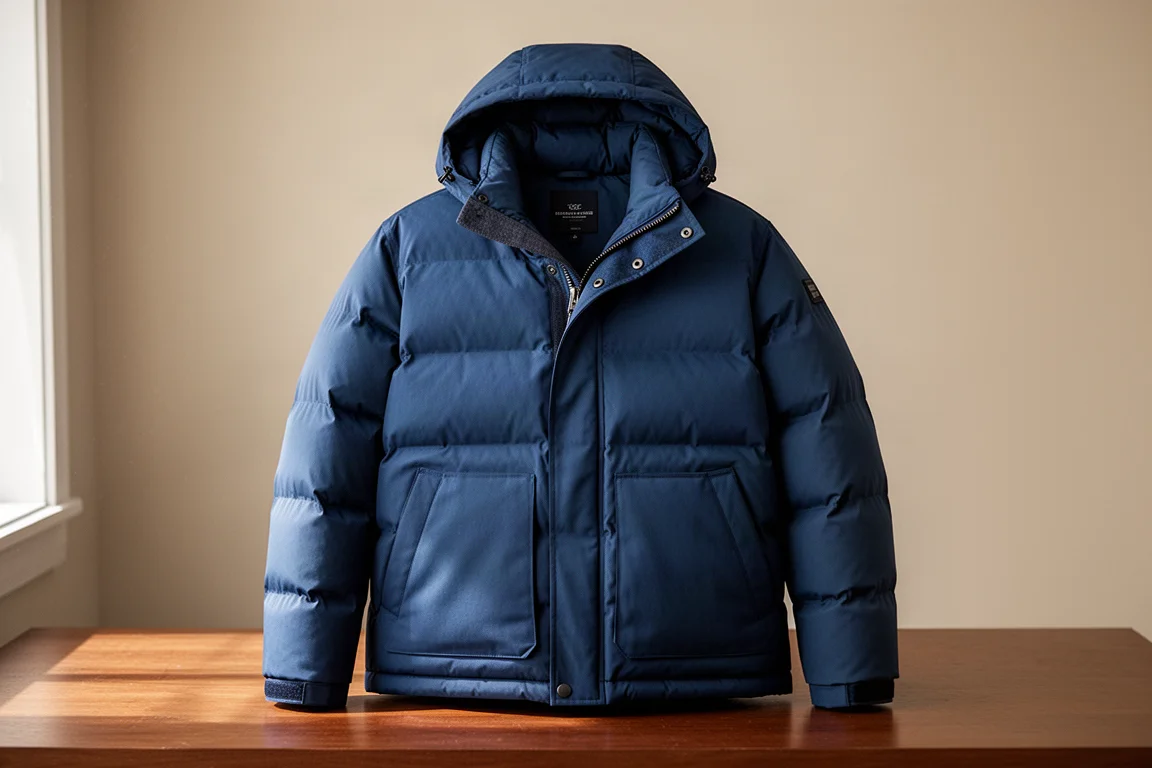
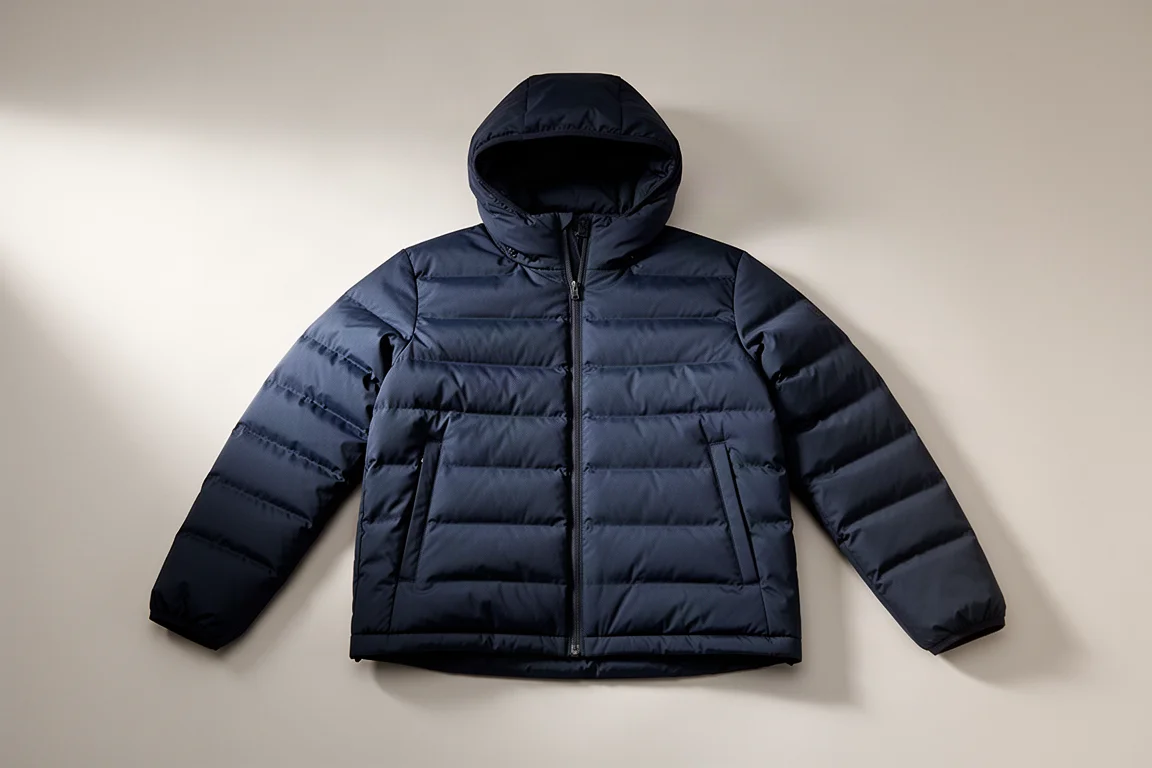
The Decathlon MT100 has been a top affordable down jacket for years. It uses 850 fill power down measured on the US scale, paired with a lightweight shell fabric, so it is warm without bulk. The price has crept up to about $99, but it remains one of the best options at that level.
Frogg Toggs Ultra-Lite 2
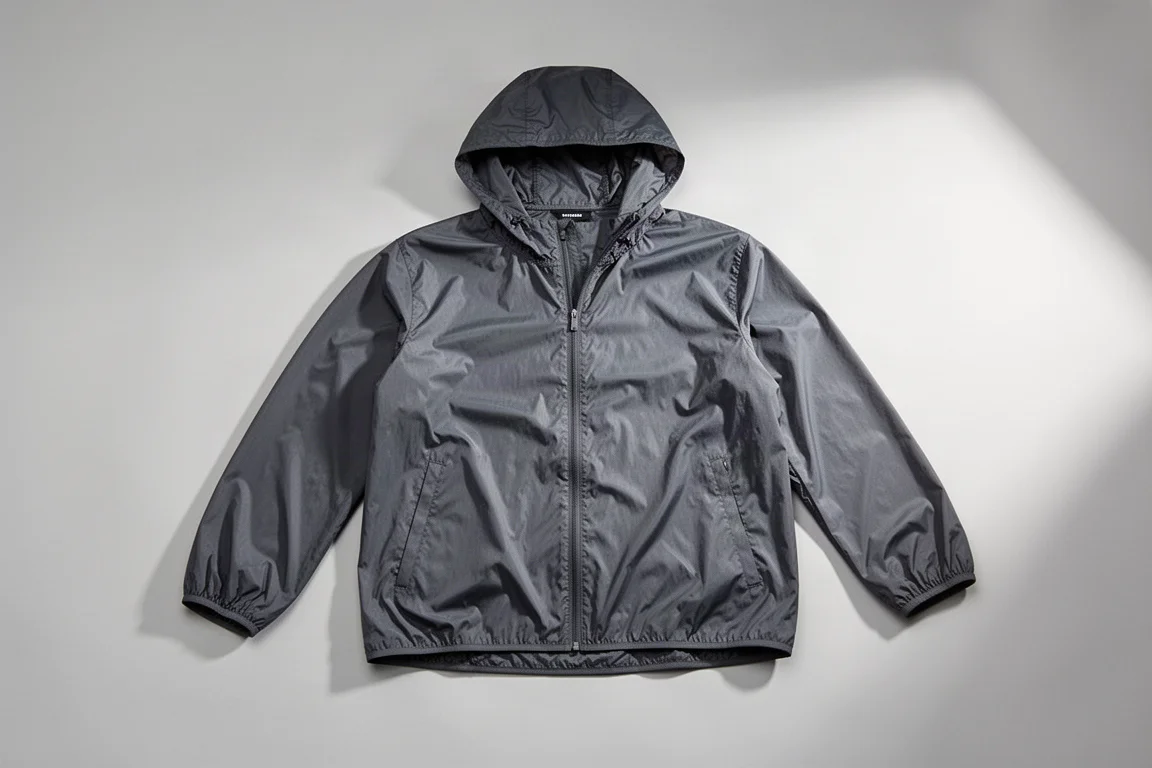
The Frogg Toggs Ultra-Lite 2 is not the most durable jacket and it is not especially packable, but it keeps you dry, it costs very little, and it is extremely light. With few good budget rain jackets on the market, a simple shell that reliably keeps rain out is a smarter buy than a more technical fabric that is poorly executed.
Cascade Mountain Tech Carbon Fiber Cork Handle Trekking Poles
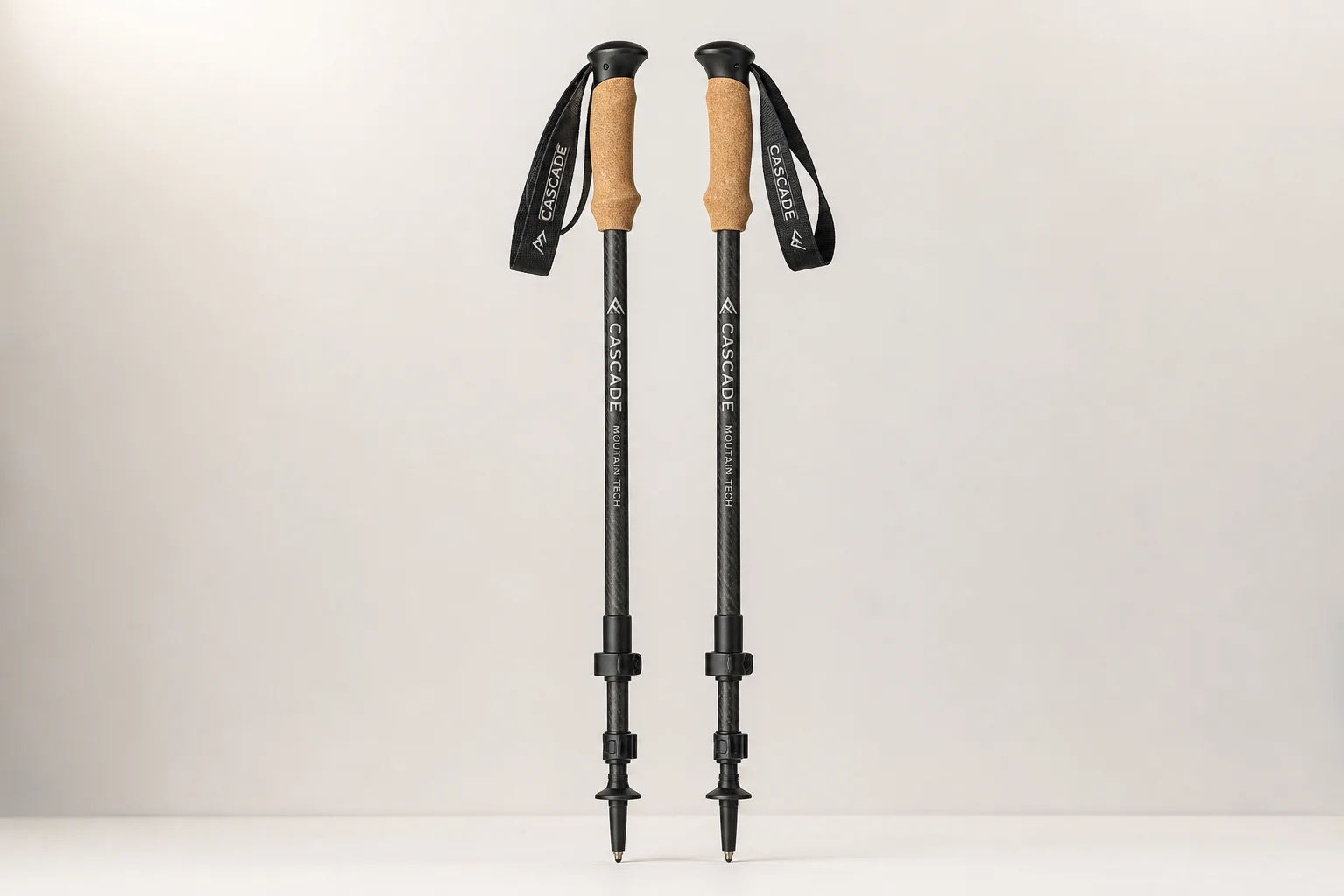
These carbon fiber poles with cork grips are a genuine bargain. They turn up at Costco for around $40 on sale and sometimes as low as $20 to $30, and they cost a little more elsewhere. Durability has held up well in practice compared with some other ultralight poles. The one caveat is winter use: the epoxy used in their construction is not as robust as that of some premium brands and can be compromised in cold conditions, leading to cracking or the pole coming apart.
Buying Advice
Most of the picks here go on sale regularly, so timing a purchase can save a meaningful amount, particularly on the REI Flash 55 and the Decathlon MT900. If you are building a kit from scratch, prioritize the items that determine whether you sleep well and stay safe: a pad with an adequate R-value, a shelter that suits your terrain, a reliable filter, and either a dependable light or a satellite communicator. Weight is the other variable worth weighing consciously. The Oblivion pad and the Flexlite Air Chair both trade grams for comfort, and for many hikers that is the right call on shorter trips.
Buying used is also worth considering for electronics such as the Garmin Instinct, where a previous-generation device can cost a fraction of a new one while still covering the essentials. Spend the money where it changes your experience, and save it where it does not.
Conclusion
This list works because each item solves a real problem at a price that is hard to argue with. The REI Flash 55 and Decathlon Trek 100 cover carrying comfortably, the Outdoor Vitals Oblivion and Decathlon MT900 handle sleep, the Lunar Solo and Mongar 2 cover shelter, and the smaller picks handle everything from water treatment to emergency communication. Start with the categories that affect your safety and your sleep, watch for the sales cycles, and you can put together a capable backpacking kit without overspending.
Further reading
Related Reviews

Backpacking Gear
Building a 10 lb Base Weight: An Ultralight Backpacking Gear List
A practical walkthrough of the ultralight pieces behind a 10 lb base weight, from a 765 g pack and a roomy one-person tent to a full camp chair and a dependable water filter.

Backpacking Gear
A 15-Pound Lightweight Backpacking Gear List for Solo Trips
A beginner-friendly 15-pound backpacking setup built from easy-to-find gear, with notes on what each piece does, how it packs, and where to spend your attention.

Backpacking Gear
8 Ultralight Backpacking Gear Upgrades Worth Carrying
Eight small, affordable backpacking upgrades that solve real trail annoyances, from a pillow that stays put to a fuel valve that rescues leftover canister gas.