Backpacking Gear
Backpacking Gear Alternatives Worth Trying: Six Small Upgrades for Your Kit
Six backpacking gear alternatives for the cook kit, water treatment, and lighting, plus the trade-offs to weigh before swapping out a trusted default.
Introduction
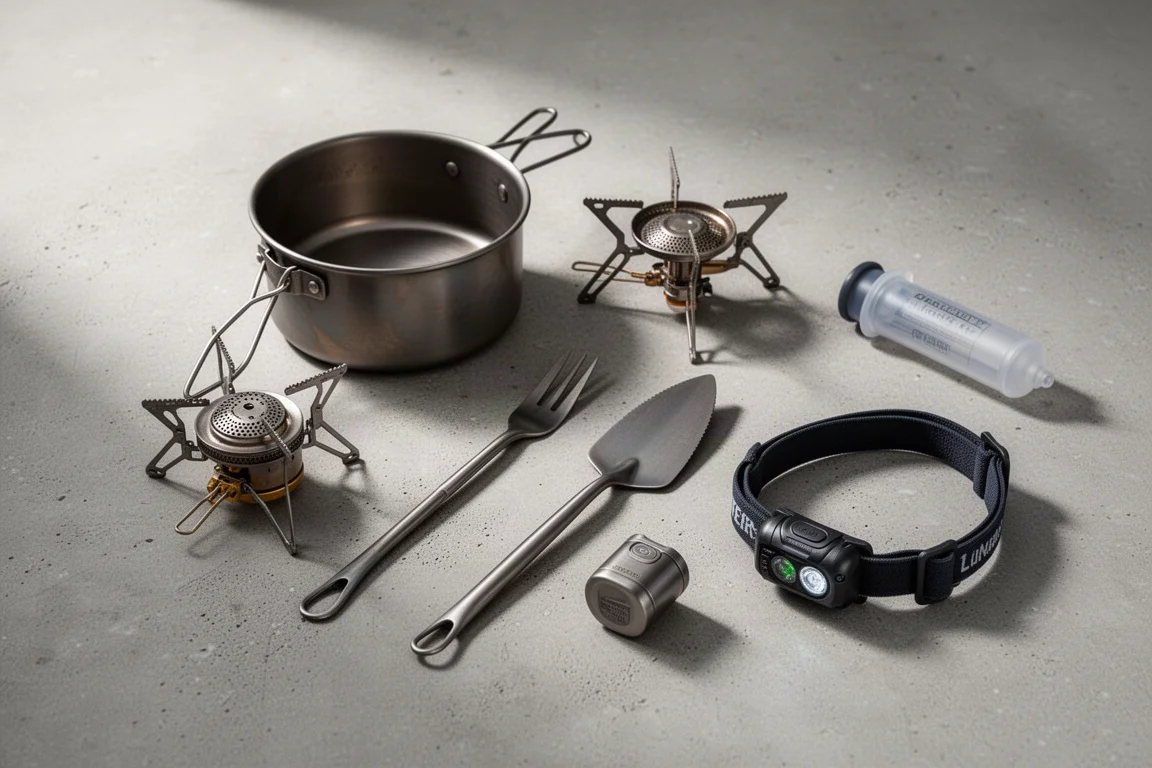
There is a comfortable trap in backpacking gear. The big three get swapped around as packs, shelters, and sleep systems evolve, but the small items tend to stay exactly the same for years. The stove, the pot, the spoon, the trowel, the filter, and the headlamp keep getting recommended because they work, and nothing about them has broken yet.
That is a reasonable way to buy gear, but it also means the same handful of products turns up in almost every kit list. This roundup looks at six small alternatives worth a serious look, along with the honest trade-offs that come with each one. A few are clear upgrades. One is a value play rather than a performance win.
How These Picks Were Chosen
Each item here replaces a long-standing default, so the bar is simple: does the alternative do something meaningfully better, and does it stay easy to live with on the trail?
Weight and pack volume matter, but so does fiddle factor. A stove that unfolds without a second thought or a pot that packs flat can matter more on a cold morning than a few grams of savings. Durability in real conditions, price relative to the item it replaces, and ease of cleaning in the backcountry were all part of the assessment.
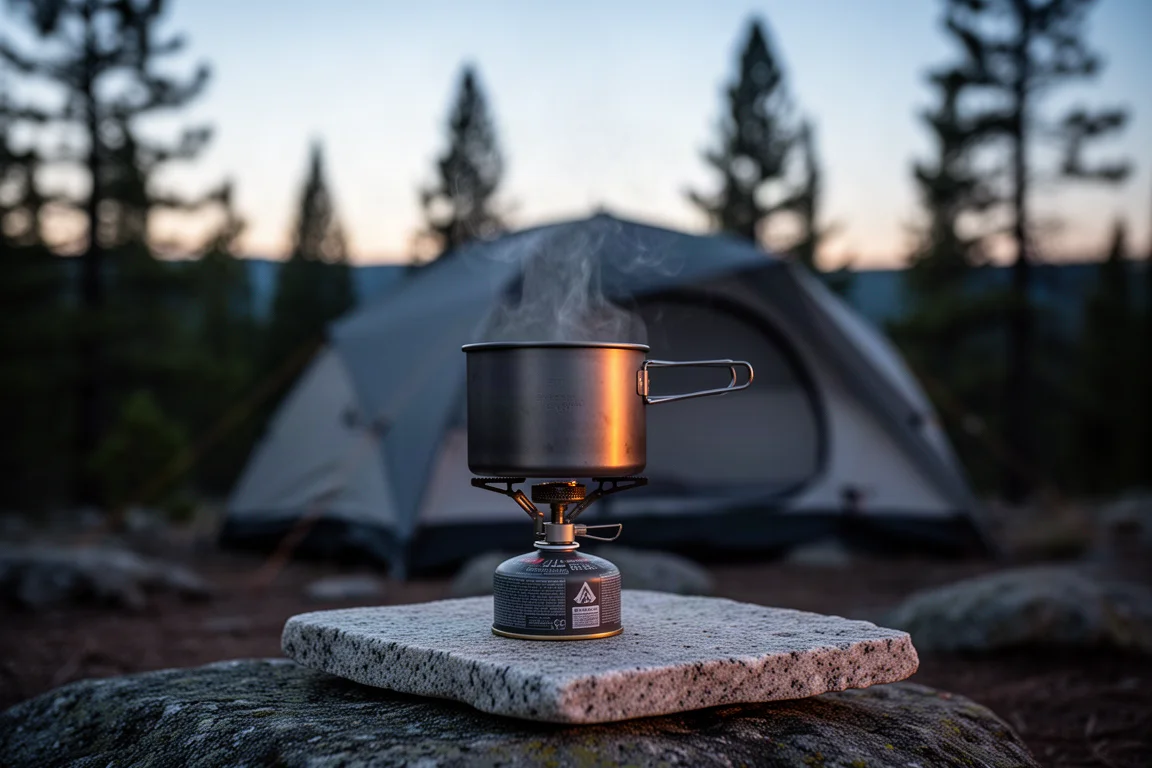
It is also worth being clear about what is not here. This is not a full kit overhaul, and none of these changes require replacing the rest of your setup. Each swap stands on its own.
SOTO 750 ml Titanium Pot: Minimal by Design
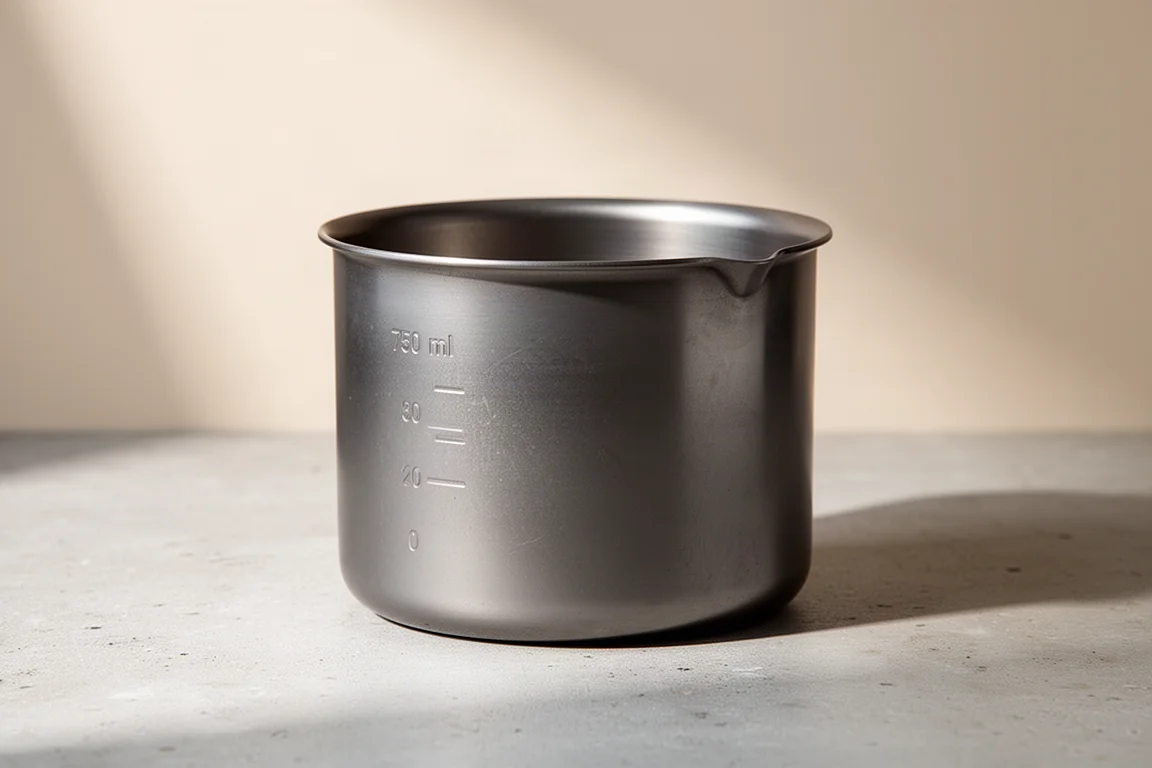
The SOTO 750 ml titanium pot takes an unusual approach to a basic piece of gear: it removes everything that is not strictly necessary. There are no handles, no logo, and no extra hardware, just a titanium vessel with a few volume measurements pressed into the side.
The handle-free design means you lift the pot with a separate pot grabber. That sounds like a downgrade until you remember that titanium pot handles get extremely hot in use, which is why plenty of hikers already carry a grabber anyway. SOTO includes its own grabber, which is larger and easier to handle, though a very small third-party grabber can work just as well and takes up almost no room in a cook kit.
The headline detail is the material. At 0.3 mm thick, this is the thinnest titanium on the market, and that thin wall is what makes the handle-free design practical in the first place.
SOTO Amicus Stove: Four Supports Instead of Three
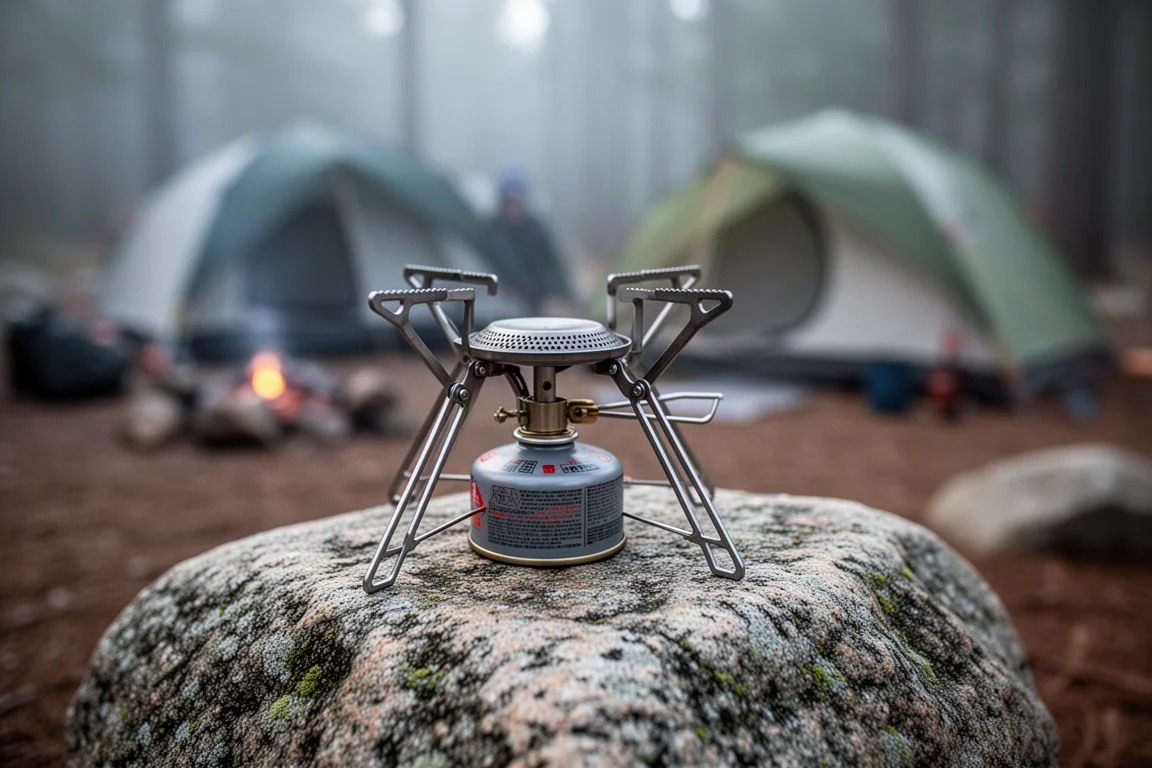
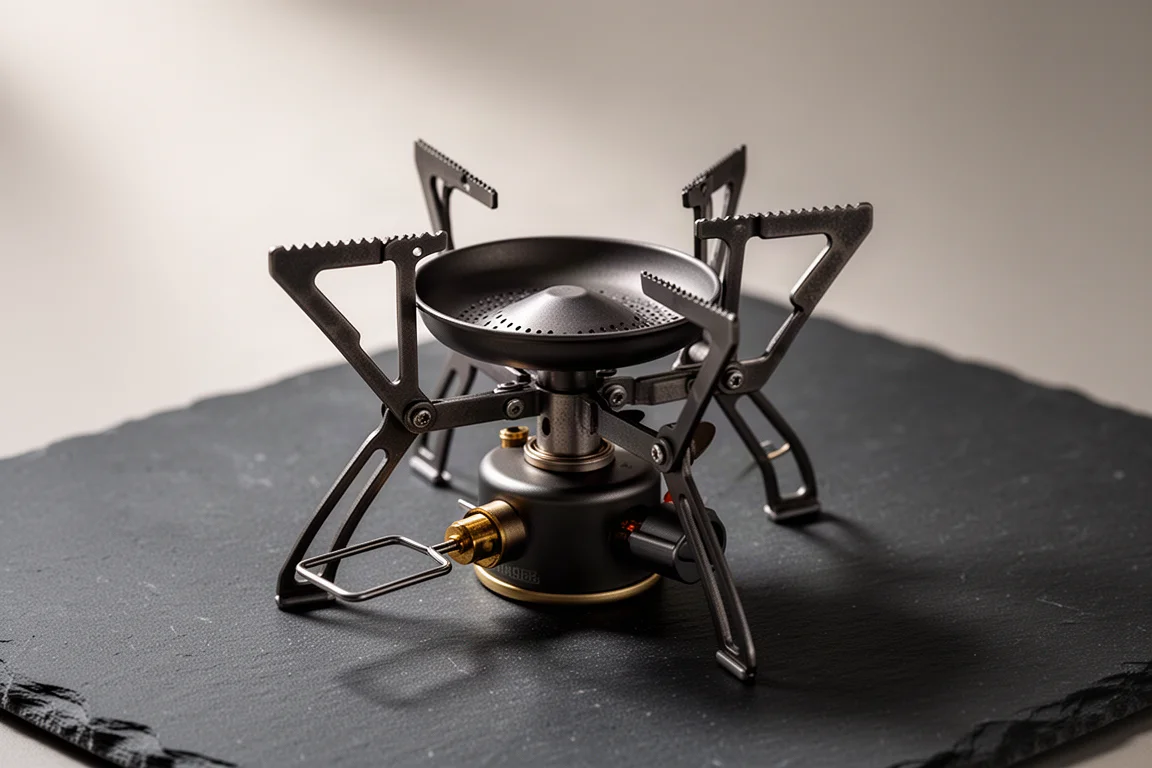
The MSR PocketRocket has been a default choice for years because it is simple and easy to use, and the PocketRocket Deluxe added a piezo igniter without changing much else. The SOTO Amicus is a close relative in concept, but the differences show up in daily use.
The most visible one is the pot support. The Amicus uses four prongs rather than three, which gives a pot a more stable surface to sit on. More importantly, the supports unfold in a way that is immediately obvious, so there is no brief pause while you work out the right motion. It is a small thing that makes a noticeable difference when you are cooking in poor light or bad weather.
The price difference is the strongest argument. The Amicus costs roughly $25 less than the PocketRocket Deluxe and lands close to the cost of the standard PocketRocket. SOTO charges about $5 extra for a piezo igniter and still comes in around $25 below the PocketRocket.
Vargo Long-Handled Spoon-Fork Combo
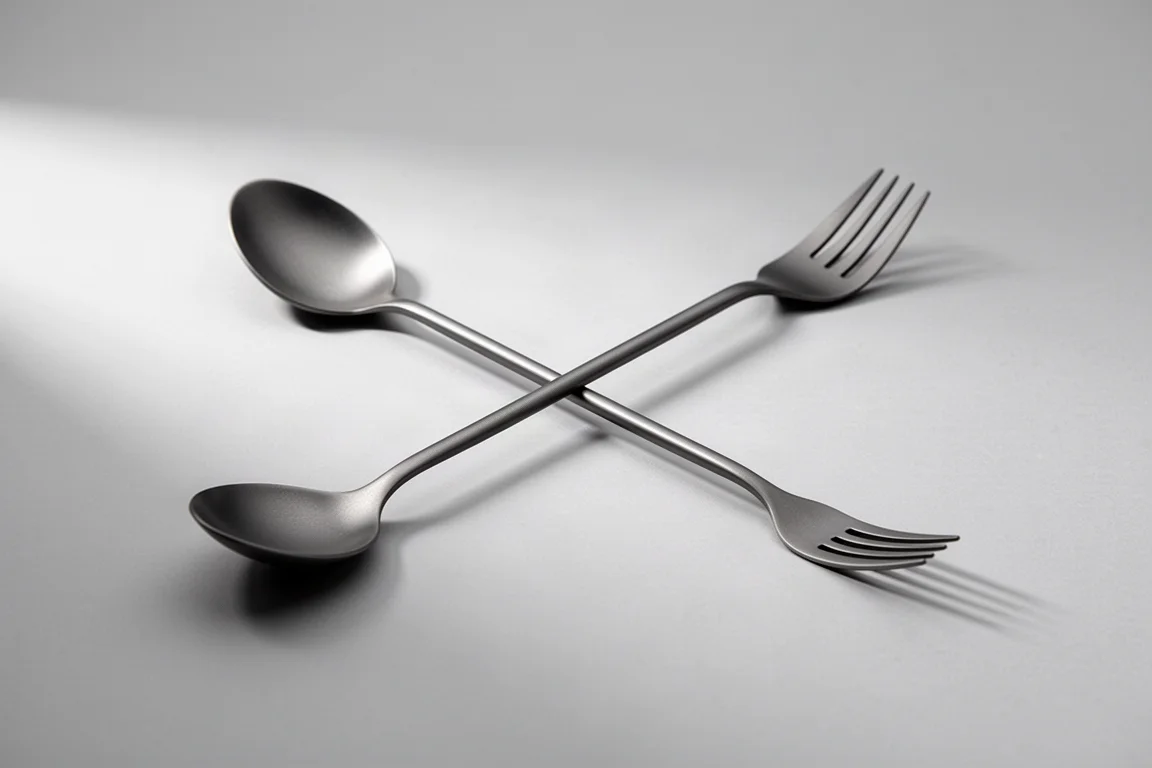
Boil-in-the-bag meals are convenient but awkward to eat with a short utensil, and long-handled options have traditionally been scarce. The Vargo spoon-fork combo is a double-ended titanium tool with a long handle that reaches the bottom of a bag without coating your knuckles.
The fork end is the part that matters most for anyone who prefers eating with a fork, and the titanium build feels more substantial and cleans up more easily in the backcountry than the plastic-bodied long-handled fork it replaces. If you have been using a long-handled fork mainly because nothing better was available, this is a straightforward upgrade.
Titanium Trowel: Stiffer in Rocky Soil
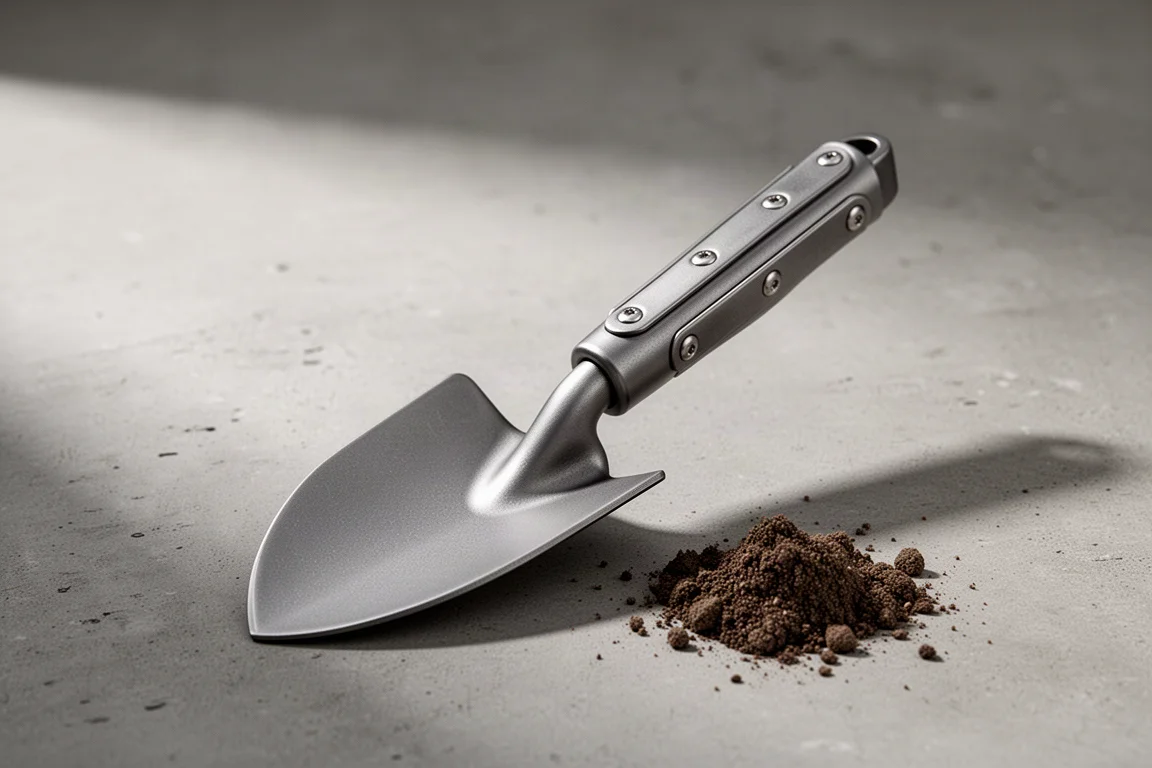
Digging a cathole in soil full of small rocks is where trowel design gets tested, and that is exactly where titanium has an advantage over aluminum. The Titanium Trowel is stiffer and stronger, so it holds up better when you are forcing it through packed dirt and gravel.
All-metal trowels usually carry a downside: hard edges that dig into your palm. This one addresses that with riveted edge pieces running down the sides of the handle, spreading pressure across a much larger area than a bare metal handle would. The result is a comfortable grip however you hold it, without relying on the small plastic top piece used on the Bogler Trowel it replaces.

The main compromise is the lack of a serrated edge, which some hikers rely on for cutting through roots and tough ground. If that feature matters to you, this trowel will feel like a step back in that one specific situation.
Hydro Blu Mini Filter: A Value Option With Caveats
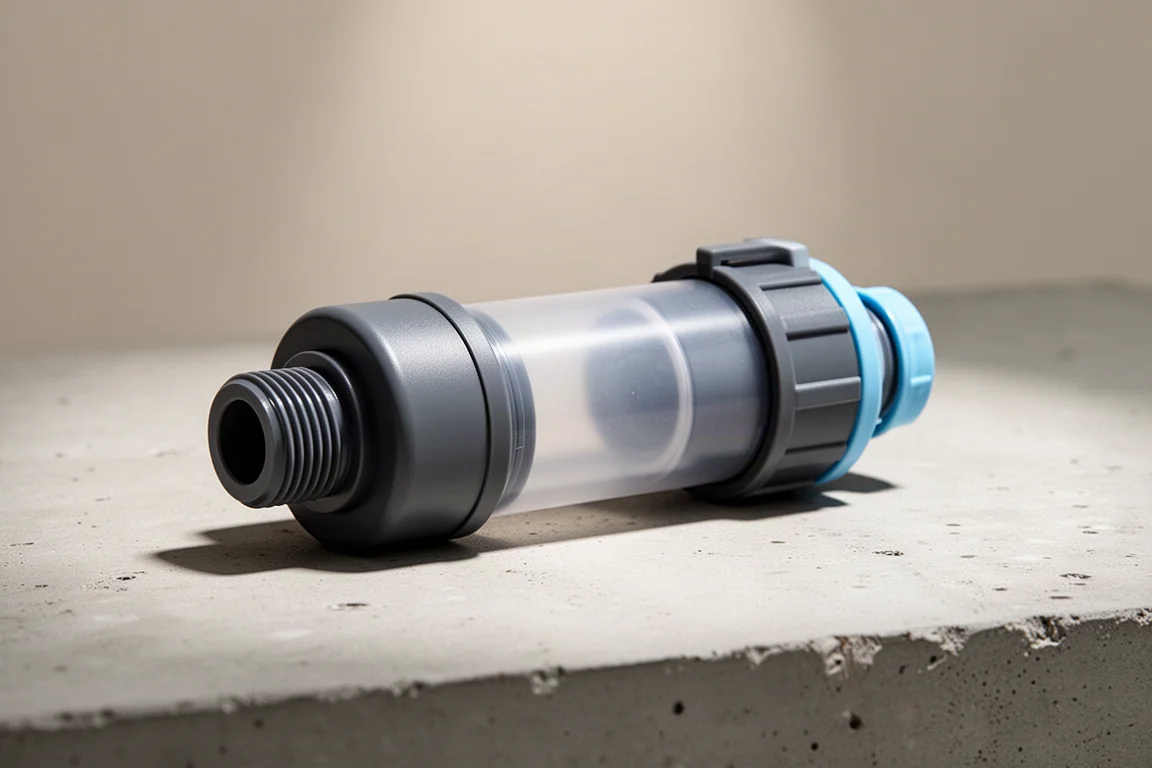
The Hydro Blu Mini Filter is the most affordable option in this roundup at $20, and it is a genuinely capable squeeze filter. It has 28 mm threads on both ends and clearly marked clean and dirty end caps, and it flows faster than the very similar Sawyer Mini that occupies the same price bracket.
Two small design issues are worth knowing about. The stretchy rubber tether that holds the caps tends to come off, and the dirty end cap can go missing, which is exactly what happened on one recent hike. Neither problem affects filtration, but they are the kind of details that separate a good filter from a great one.
For context, the Platypus Quickdraw remains the most thoughtfully designed filter among the ones tried, including the Sawyer Squeeze, the Lifestraw Peak, and the Katadyn BeFree. The Hydro Blu is a solid, cheap alternative rather than a replacement for that benchmark.
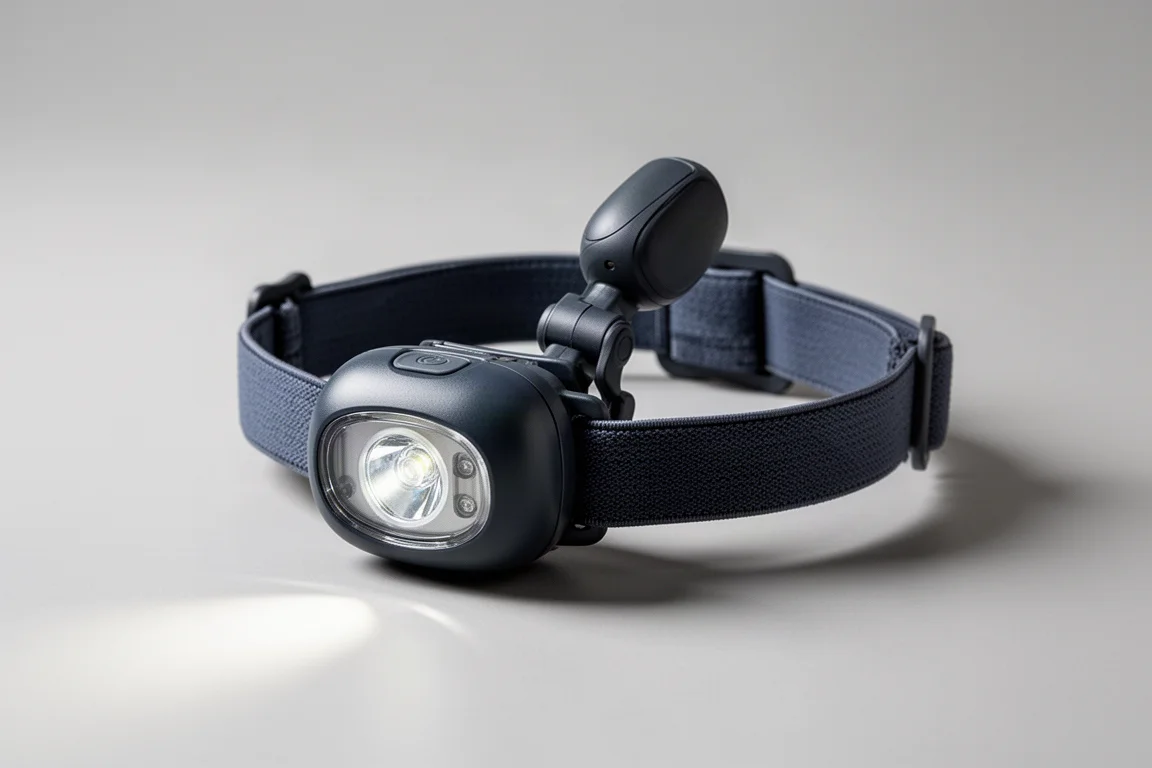
Petzl Actik Headlamp: Features Over Weight
The Petzl Actik is a different kind of headlamp from the ultralight options that dominate kit lists. It is nearly triple the weight of the Nitecore NU25 and roughly double the price, and it still uses an older mini USB charging port rather than USB-C. On paper, that looks like a poor trade.
In practice, the feature set explains the weight. The rechargeable battery can be swapped out for AAA batteries, which is a useful fallback on a long trip. It offers multiple light modes, a glow-in-the-dark ring that makes it easy to find at the bottom of a tent, and a hinge that works in both directions. That last detail is easy to overlook until you have put a headlamp on upside down in the dark and had to take it off again.
The NU25 remains the lighter and cheaper choice, and it includes USB-C, a red light, and minimalist bands. The Actik is the pick when battery flexibility and a broader feature set matter more than shaving grams.
Buying Advice
Start by identifying what actually annoys you about your current kit, because each of these swaps solves a different problem. If setup fiddling is the frustration, the SOTO pot and the Amicus stove remove steps and reduce the chance of a clumsy moment in the cold.
If durability is the issue, the Titanium Trowel and the Vargo spoon-fork are the more substantial builds, and both should outlast the plastic or aluminum items they replace. If budget is the constraint, the Hydro Blu Mini Filter at $20 is the cheapest way to get a functional squeeze filter, though the Quickdraw is still the better-designed product if you can stretch to it.
Lighting comes down to priorities rather than quality. The Petzl Actik wins on battery flexibility and features, while the Nitecore NU25 wins on weight and price. Neither is the wrong answer, and both will serve you well on a normal overnight trip.
Conclusion
None of these six items requires a wholesale change to how you hike. They are small, targeted swaps for the parts of a kit that rarely get attention: a pot without handles, a stove that unfolds without thinking, a longer fork, a stiffer trowel, a cheaper filter, and a headlamp that runs on whatever battery you have on hand.
The useful test is whether an alternative removes a specific irritation you already notice on trail. Where it does, the upgrade tends to stick. Where it does not, your current gear was probably fine all along.
Further reading
Related Reviews

Backpacking Gear
Building a 10 lb Base Weight: An Ultralight Backpacking Gear List
A practical walkthrough of the ultralight pieces behind a 10 lb base weight, from a 765 g pack and a roomy one-person tent to a full camp chair and a dependable water filter.
Backpacking Gear
A 15-Pound Lightweight Backpacking Gear List for Solo Trips
A beginner-friendly 15-pound backpacking setup built from easy-to-find gear, with notes on what each piece does, how it packs, and where to spend your attention.
Backpacking Gear
8 Ultralight Backpacking Gear Upgrades Worth Carrying
Eight small, affordable backpacking upgrades that solve real trail annoyances, from a pillow that stays put to a fuel valve that rescues leftover canister gas.