Backpacking Gear
Backpacking Gear Alternatives to REI: Five Categories Worth Comparing
REI stocks dependable gear, but its tents, stoves, quilts and packs cover only part of the market. These five categories reward a wider search before you buy.
Introduction
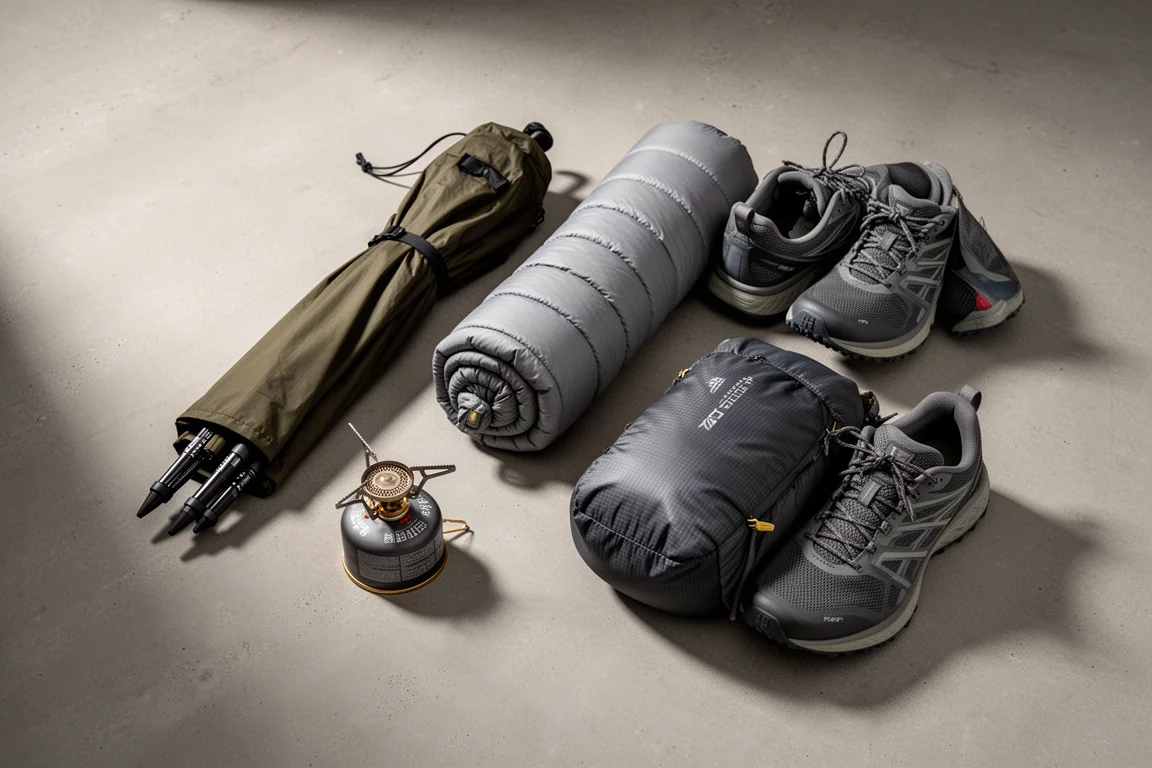
REI has earned its reputation. The co-op carries dependable clothing, a strong range of dehydrated backpacking meals, and the small items that make a trip easier, from utensils and spice bottles to trekking poles. This guide is not an argument against shopping there.
It is an argument against treating any single retailer as the whole market. In a few backpacking categories, the selection on the shelf is narrower than what is available elsewhere, and the alternatives tend to be lighter, more specialized, or better value. The five categories below are where that gap shows up most clearly: tents, canister stoves, sleeping quilts, backpacks, and the habit of paying full price without checking other retailers first.
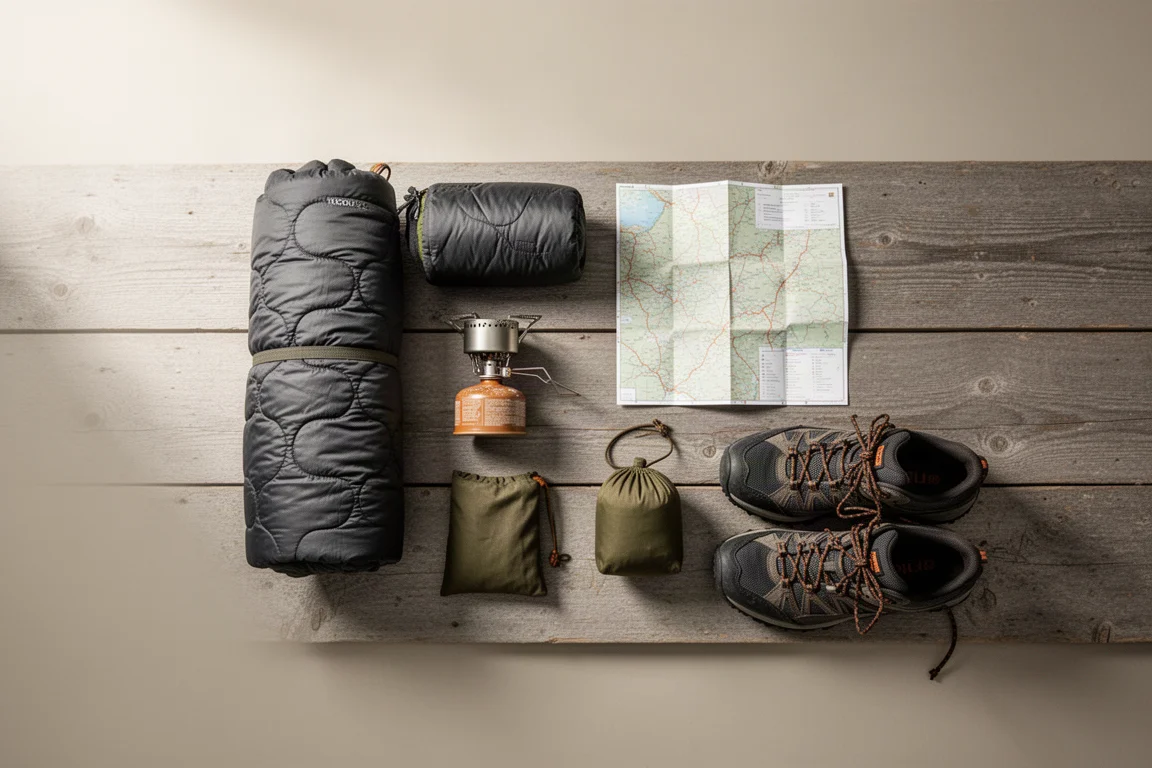
The same logic applies to every large outdoor retailer, not just one. What matters is knowing which categories reward a wider search and which ones are perfectly well served by a single store.
How These Categories Were Compared
Four things decide whether a category is worth shopping beyond one retailer: whether the designs on offer suit three-season backpacking and long-distance hiking rather than car camping; how much weight you carry for the money; whether the store stocks the newer, lighter designs at all; and how easy it is to find the same item cheaper somewhere else.
Nothing here suggests that the REI versions of these products are poor. Several are well made and widely used. The question is whether one shelf tells the whole story.
Backpacking Tents: Where the Shelf Stops Short
The tent wall at REI leans heavily toward double-wall designs. The REI Passage 2 is a good example of what a beginner sees first: it ships with a footprint, looks comfortable, and is likely fine for car camping. As a backpacking shelter, though, its minimum trail weight of 4 lb 2 oz is a lot to carry mile after mile. There are lighter options in the same lineup, including the REI Flash Air 2, a trekking pole design with a lighter package weight, and the Big Agnes Fly Creek, which is lighter again.
The issue is not the quality of any single tent. It is the range. If your goal is a genuinely light shelter for three-season backpacking or a thru-hike, the shortlist should include designs that REI does not stock.
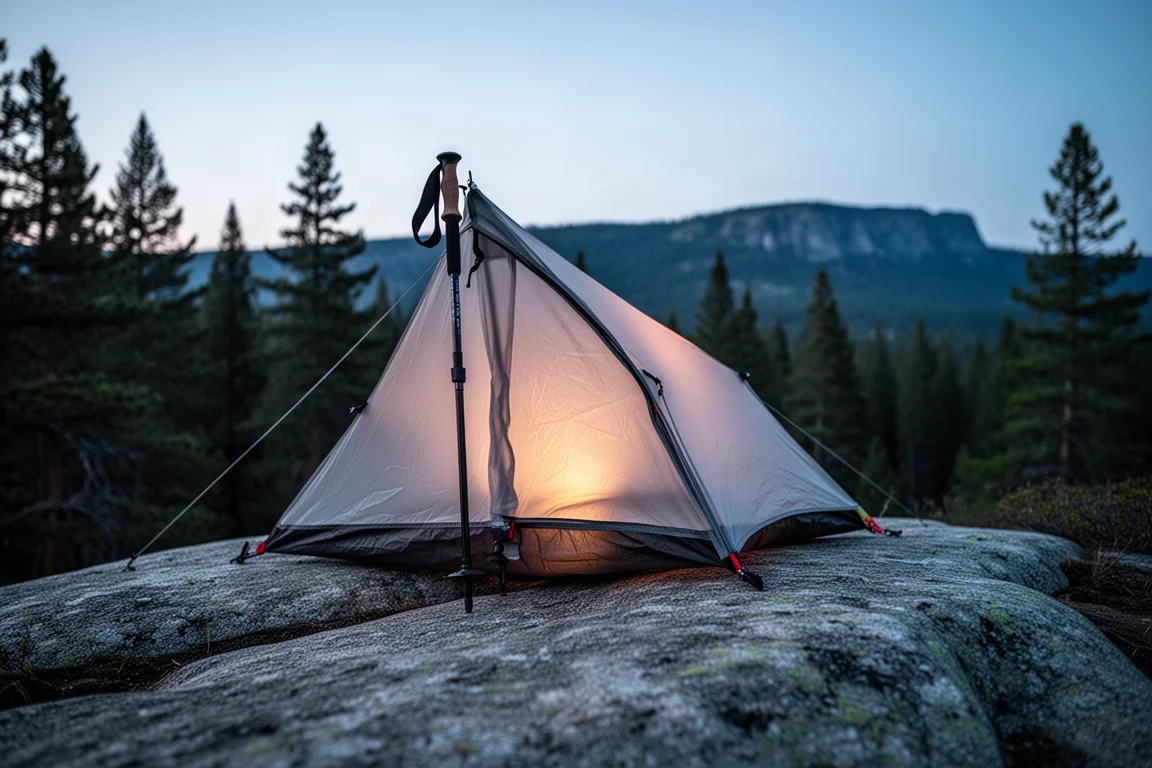
Double-wall construction brings real benefits in condensation management and livability, so it remains a sensible choice for many hikers. The point is to make that choice deliberately rather than by default, and to compare a trekking pole shelter against a conventional tent before deciding.
Six Moon Designs Lunar Solo
The Lunar Solo is a well-known shelter in the backpacking community and sits at the value end of the ultralight spectrum, at around $250 for a 26-ounce shelter. It is one of the more accessible ways to move into lighter gear without paying premium prices.
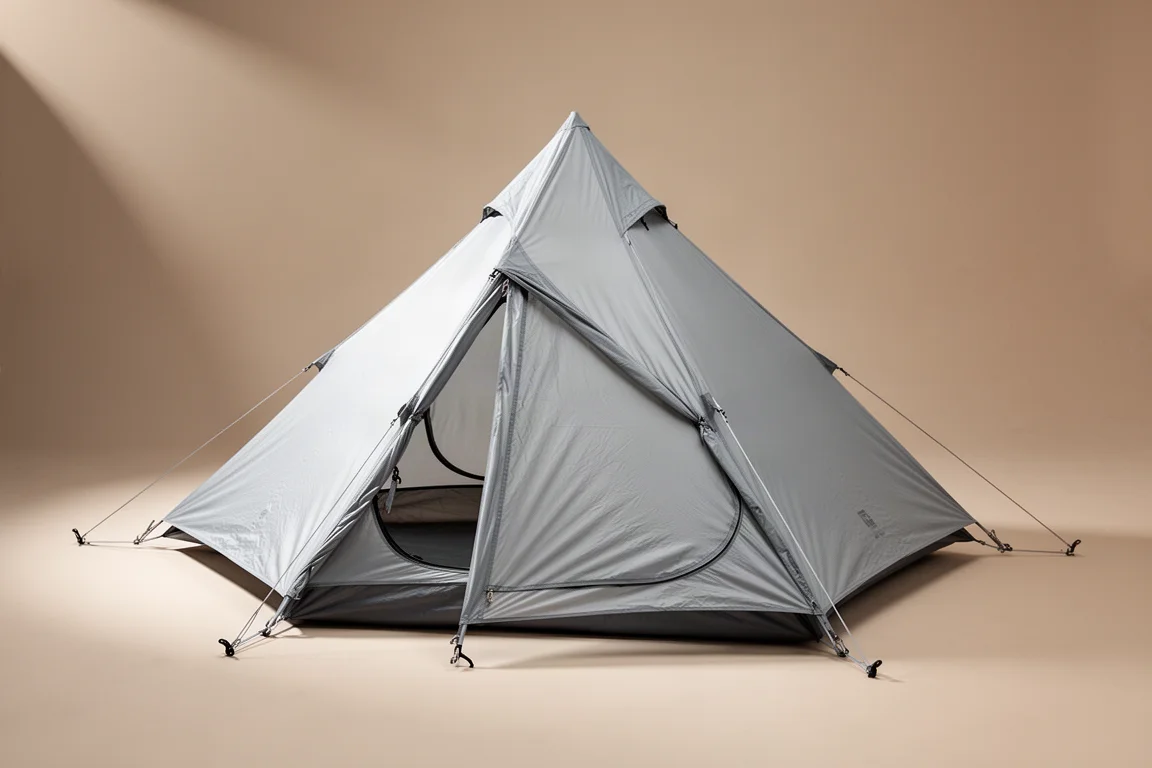
Gossamer Gear The One
At 17.7 ounces and just under $300, The One is one of the lightest shelters in this comparison. It suits solo hikers who have already trimmed the rest of their kit and want the shelter to match.
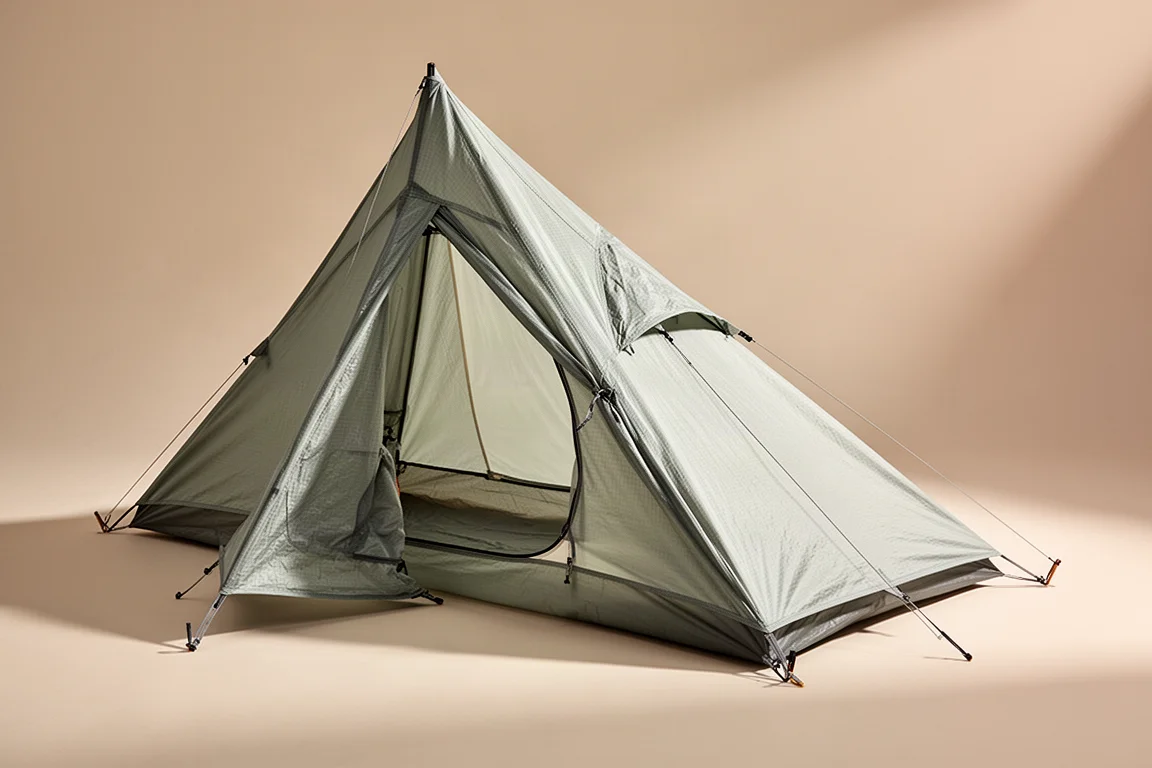
Zpacks Duplex
The Duplex is one of the most popular ultralight shelters available, and the weight savings are substantial. The price is the trade-off, and it has risen over time, which puts it firmly in the premium bracket.
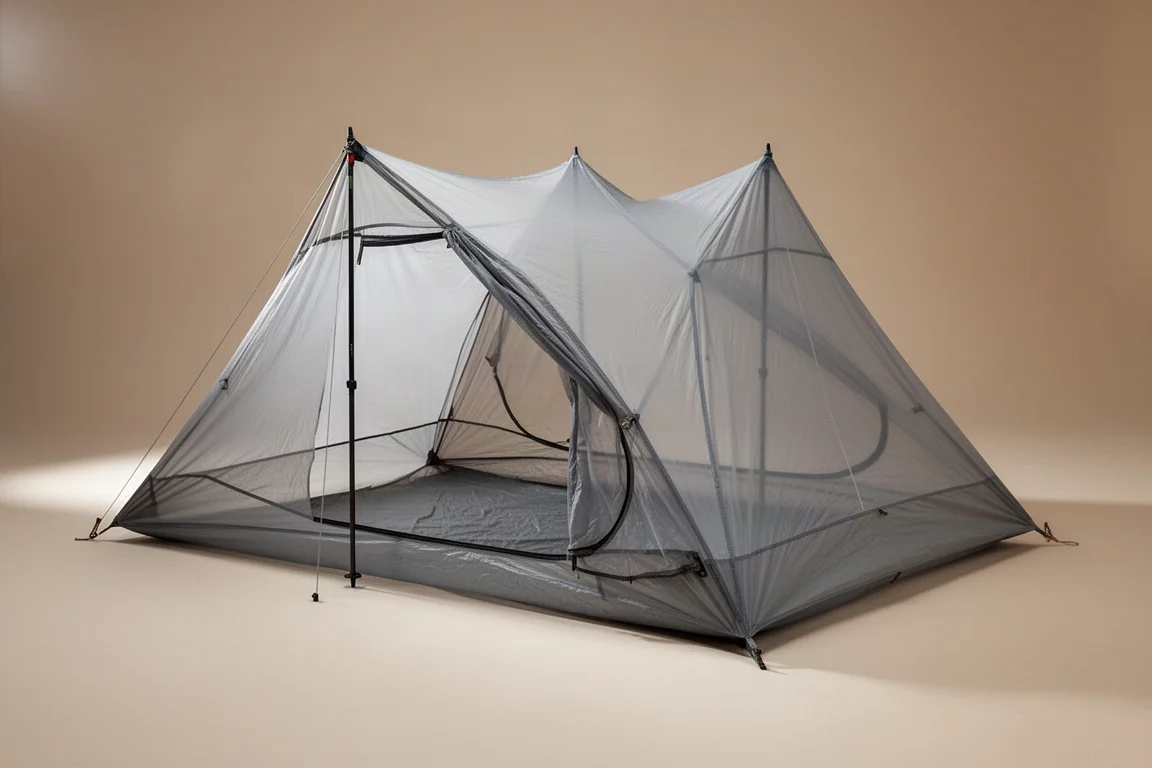
Canister Stoves: Paying a Premium for the Same Job
Backpacking stoves are among the most overpriced items on a typical outdoor retail shelf. The MSR PocketRocket 2 is the standard reference point and costs about $50. It is a good stove and has been for years, but the job it performs, boiling water for a dehydrated meal or a rice side, does not require that outlay.
Screw-on canister stoves such as the Jetboil MightyMo and the Soto WindMaster are fine products too, and Jetboil’s integrated systems are a different proposition because they include a pot. For straightforward water boiling, though, budget canister stoves from Amazon start around $13, and simpler models cost about $7. The cheapest of those has been in steady use for years, is tiny, and appears lighter than the full-price alternatives. If you need a stove with specific cooking properties for specialized meals, the calculation changes. If you are boiling water, it does not.
Sleeping Bags and Quilts: A Narrow Selection
Sleeping insulation is the category where REI’s range is thinnest for three-season backpacking. A typical 20-degree sleeping bag on the shelf weighs 3 lb 7 oz, which is heavy for something you carry every day on a long trail. There is one quilt in the lineup that looks genuinely reasonable, the REI Magma Quilt, and for very cold conditions REI is likely to have appropriate options as well.
For three-season backpacking and thru-hiking, however, the quilt market outside REI is broader, lighter, and often better value. Brands such as UGQ build a well-regarded following for quilts like the Bandit, though those sit at a much higher price than the value options.
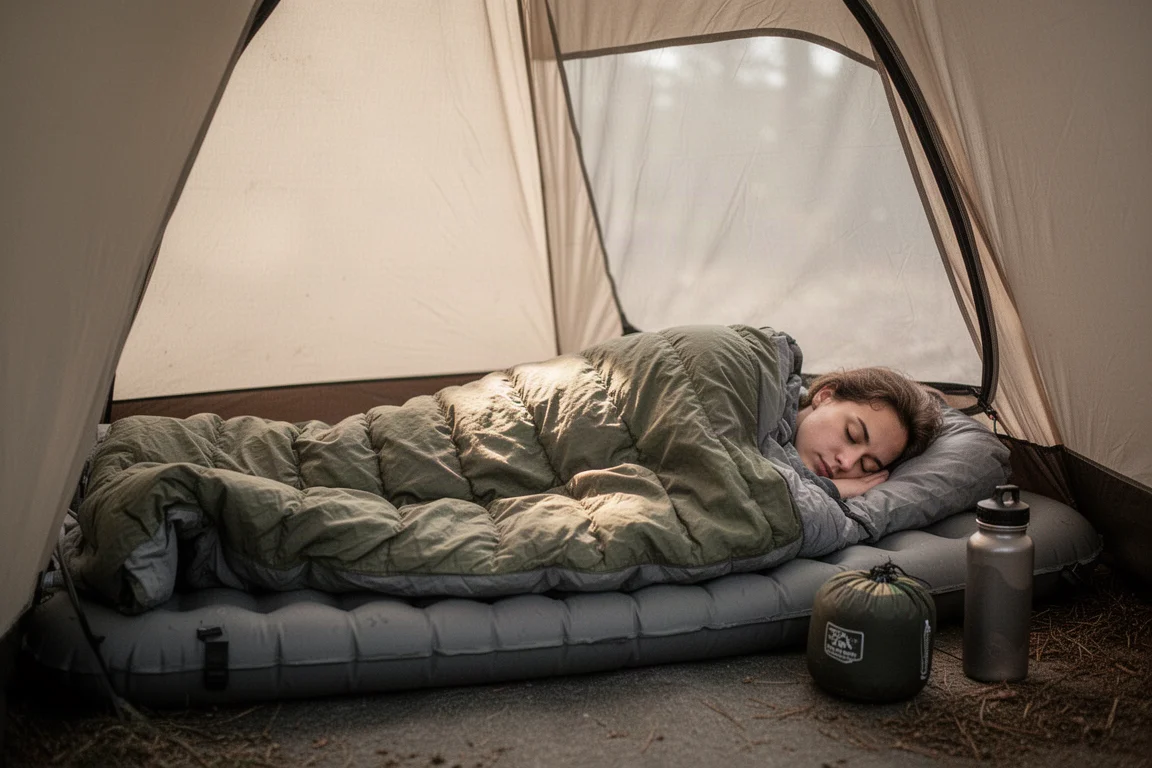
The practical advice is the same as with tents: decide what insulation you actually need for the conditions you hike in, then compare the weight and price of the options that meet it. A quilt that is lighter and cheaper than a comparable bag is worth taking seriously.
Hammock Gear Burrow Quilt
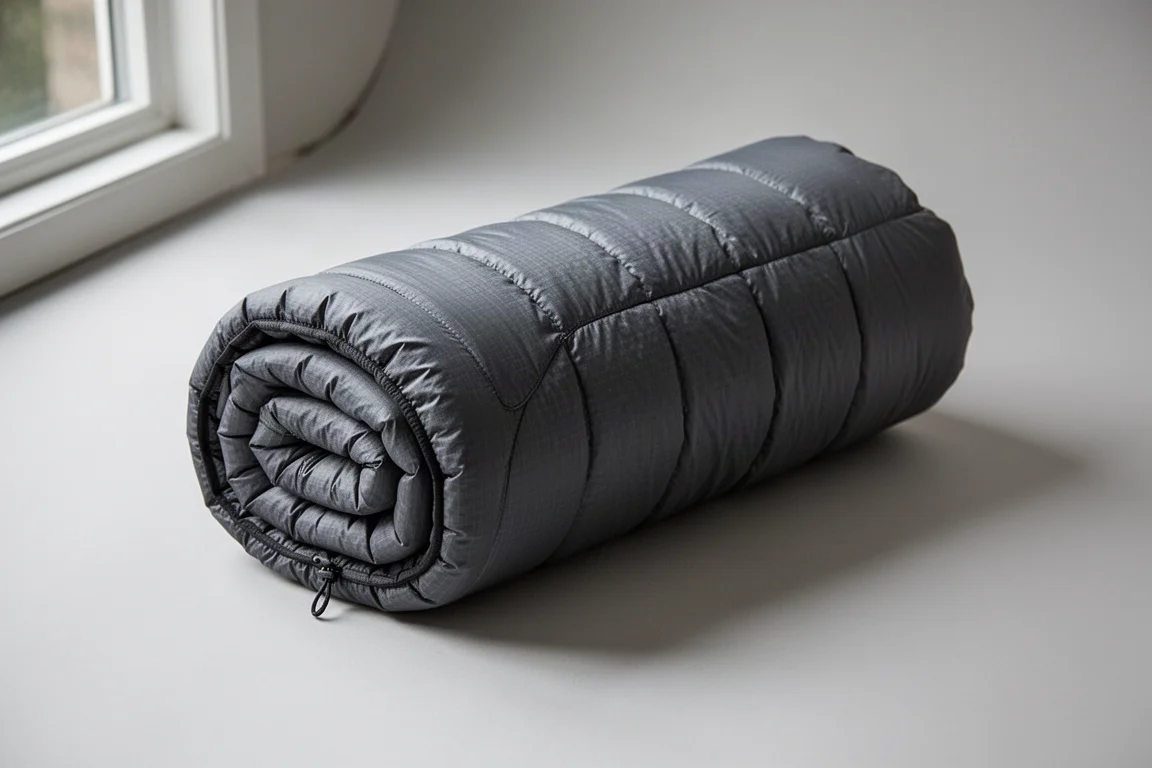
Hammock Gear’s Economy Burrow is one of the strongest value propositions in this category, balancing weight against cost better than most alternatives. Hammock Gear quilts also have a long track record for longevity, with examples still in regular use after an entire Appalachian Trail thru-hike and every hike since. That kind of durability is what makes a quilt worth its price.
Backpacks: Where Frameless Designs Are Missing
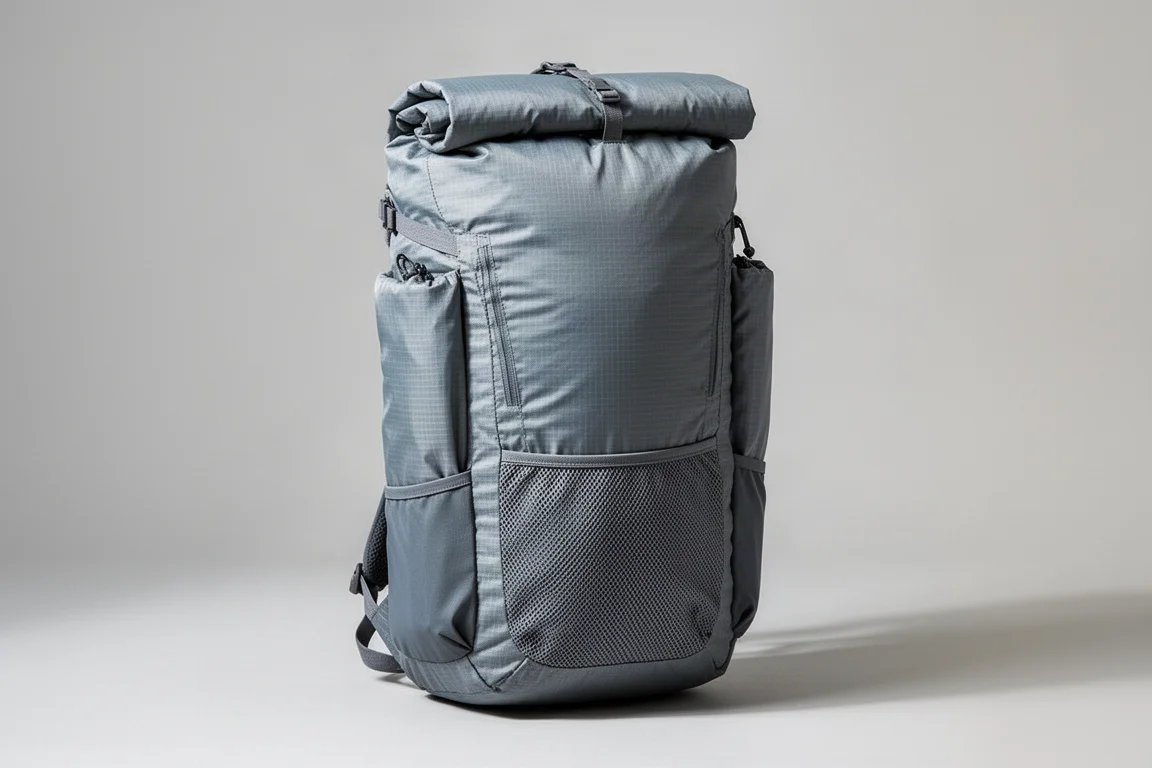
REI’s backpack wall is genuinely large, and it includes lighter options such as the Granite Gear packs and a Hyperlite Mountain Gear ultralight pack that looks lighter than it carries. If you have a lot of bulky gear and you are nowhere near ultralight, those packs will do the job.
The gap appears when you start moving toward lighter loads. Frameless backpacks have become far more common than they once were, and REI does not appear to stock any. That is one design category where the shelf simply runs out.
ULA CDT
The ULA CDT is a frameless pack that remains underrated even as it has grown more popular. It is a long-standing favorite, and it is the kind of design you will not find at REI. Color options are limited, which is a minor complaint against an otherwise strong pack.
Shoes and the Case for Checking Prices First
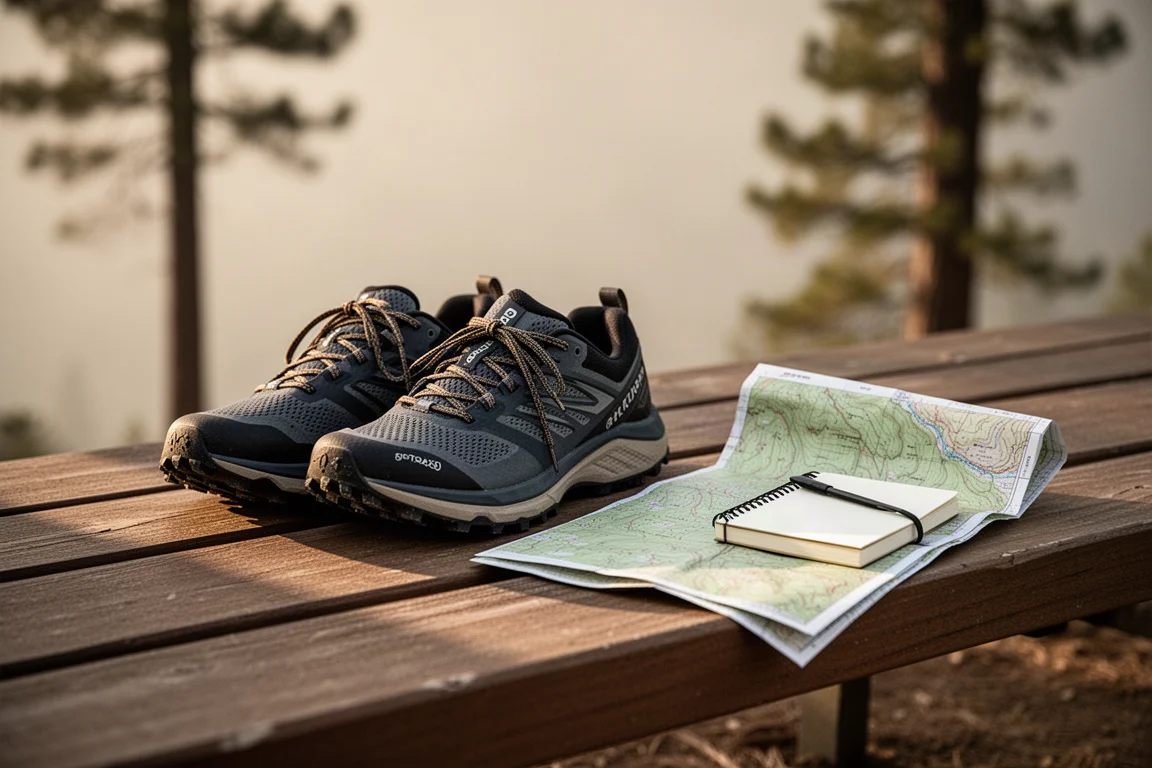
The final point is broader than any single product. Trail running shoes are a good illustration: REI’s selection is excellent, and being able to try shoes on in store has real value. The Altra Lone Peak 5 is a strong current example, and $130 is the standard price you will see at REI and at most other retailers.
That standard price is not always the best price. A competing outdoor retailer recently listed the same shoe $30 cheaper. The exercise works with almost any piece of gear. Check the sale pages and a couple of other retailers before paying full price. If nothing beats the REI price, buy it there with confidence, and remember that co-op membership cashback can shift the maths further.
Overall Buying Advice
The pattern across all five categories is the same: REI is a strong starting point, not the entire market.
For tents, double-wall designs remain a sensible choice for many hikers, while anyone chasing lower pack weight should compare trekking pole shelters from specialist makers. For stoves, the decision is mostly about how you cook. If you only boil water, an inexpensive canister stove does the same job as a $50 model, and an integrated pot system is a different product with a different purpose. For insulation, match the temperature rating to the conditions you actually hike in, then compare weight against price. For packs, frameless designs are worth a look once your base weight is low enough, and the lighter packs REI does stock remain reasonable for heavier loads. And for everything, check alternative retailers for sales before paying full price.
Buying well is less about loyalty to one store than about knowing which categories reward a wider search. That is the whole argument, and it applies whether you end up buying from REI or somewhere else.
Conclusion
REI remains a good place to shop, and the co-op’s clothing, food, and small accessories are genuinely useful. The five categories above simply reward a wider search. Compare a lighter shelter before you commit to a four-pound tent. Question whether a $50 stove does anything a $13 stove cannot. Look at quilts from specialist makers. Consider a frameless pack if your load is getting lighter. And run a quick price check before you pay full price on anything.
None of that requires abandoning REI. It just means making the decision with more information.
Further reading
Related Reviews

Backpacking Gear
Building a 10 lb Base Weight: An Ultralight Backpacking Gear List
A practical walkthrough of the ultralight pieces behind a 10 lb base weight, from a 765 g pack and a roomy one-person tent to a full camp chair and a dependable water filter.
Backpacking Gear
A 15-Pound Lightweight Backpacking Gear List for Solo Trips
A beginner-friendly 15-pound backpacking setup built from easy-to-find gear, with notes on what each piece does, how it packs, and where to spend your attention.
Backpacking Gear
8 Ultralight Backpacking Gear Upgrades Worth Carrying
Eight small, affordable backpacking upgrades that solve real trail annoyances, from a pillow that stays put to a fuel valve that rescues leftover canister gas.