Backpacking Gear
Backpacking Gear 2026: Boots, Trail Runners, and Sleep Kit to Reconsider
A practical look at three pieces of backpacking gear, from a conventional hiking boot and a trail runner to an inflatable camp pillow, and how to judge each one against the trips you actually take.
Introduction
Every few seasons the same backpacking list circulates: a stiff pair of hiking boots, a ground sheet under the tent, a sleeping bag, a stuff sack packed with spare clothing to sleep on, and merino wool for every layer. Some of that advice has simply been overtaken by better materials and better construction, and a few of those items no longer earn their place in most packs.
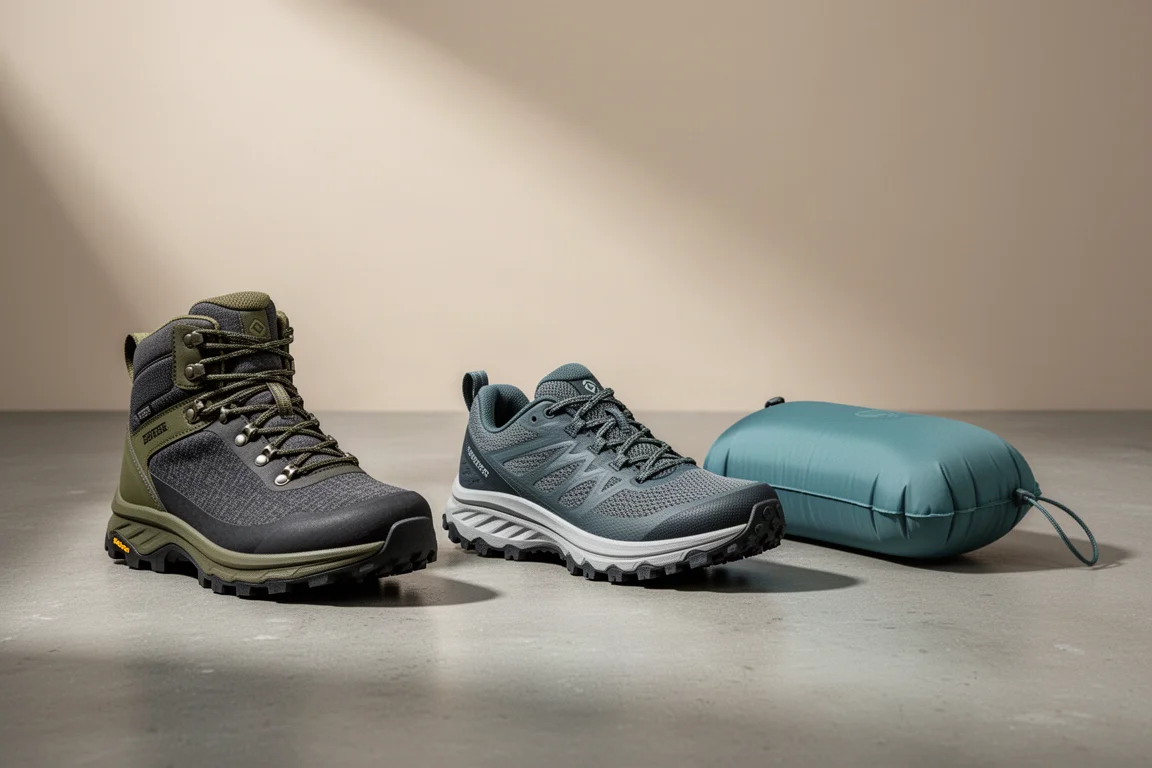
This guide looks at three products that sit at the centre of that shift, a traditional hiking boot, a trail runner, and an inflatable camp pillow, and sets out what each one is genuinely good at and where the old assumptions still hold.
What Has Changed in Backpacking Gear
Gear advice tends to survive because it was once correct, not because it still is. The equipment that gets handed down between hiking groups is usually the equipment that was expensive a generation ago, and the thinking around it rarely updates at the same pace as the materials.
The practical changes are fairly simple to describe. Fabrics are lighter and dry faster. Tent floors keep water out in conditions that would once have soaked through. Insulation can be adapted across a wider range of temperatures. None of that makes older equipment worthless, but it does mean the default answer is no longer automatically the right one.
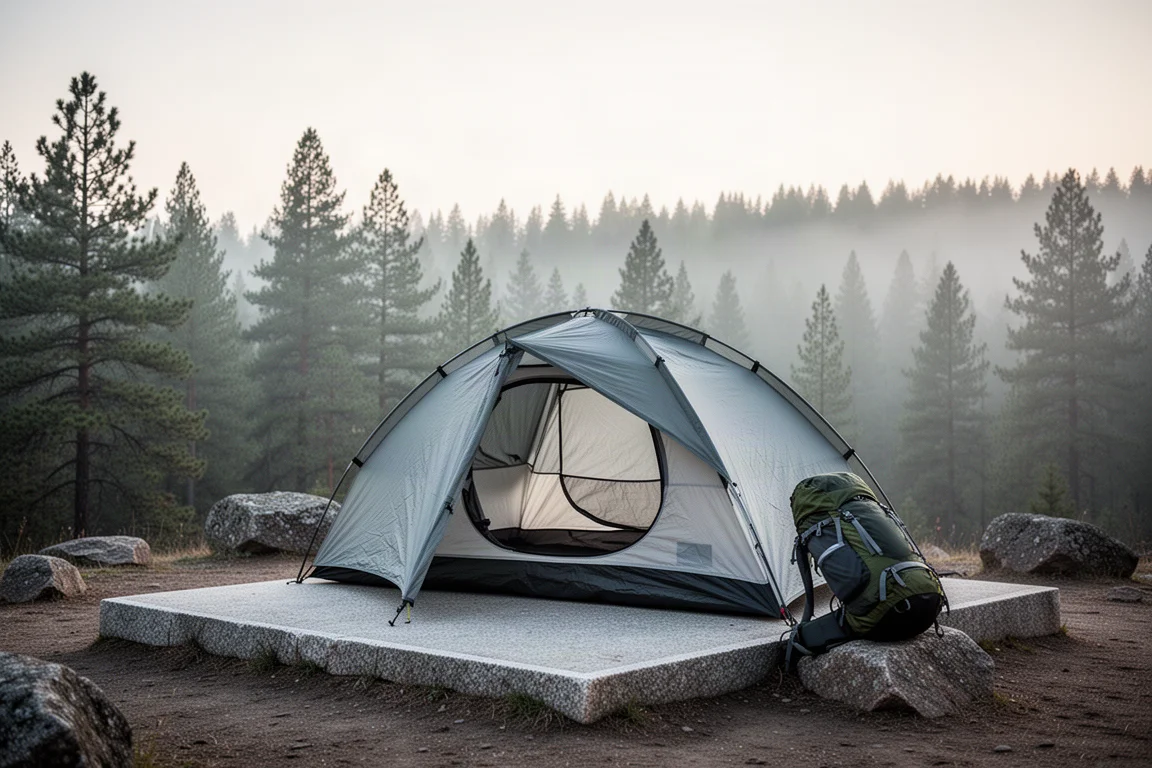
The most reliable way to judge any of it is to start from the trip you actually take, rather than the trip the gear list assumes. Three products make that point clearly, so the sections below take them in turn.
Hiking Boots and Ankle Support: Salomon Quest
The single most common reason given for choosing hiking boots over trail runners is ankle support: the idea that a higher cuff stabilises the ankle and prevents rolls on uneven ground.
There is no conclusive scientific evidence that hiking boots prevent ankle rolls relative to hiking shoes or trail runners. Research on the subject points to two specific features a boot needs before it reduces the likelihood of a roll. The first is a cuff high enough to sit well above the ankle bone. The second is a sidewall stiff enough to limit lateral movement, either through a plastic shaft running down the side of the boot or through a hard shell of the kind used on ski and mountaineering boots.
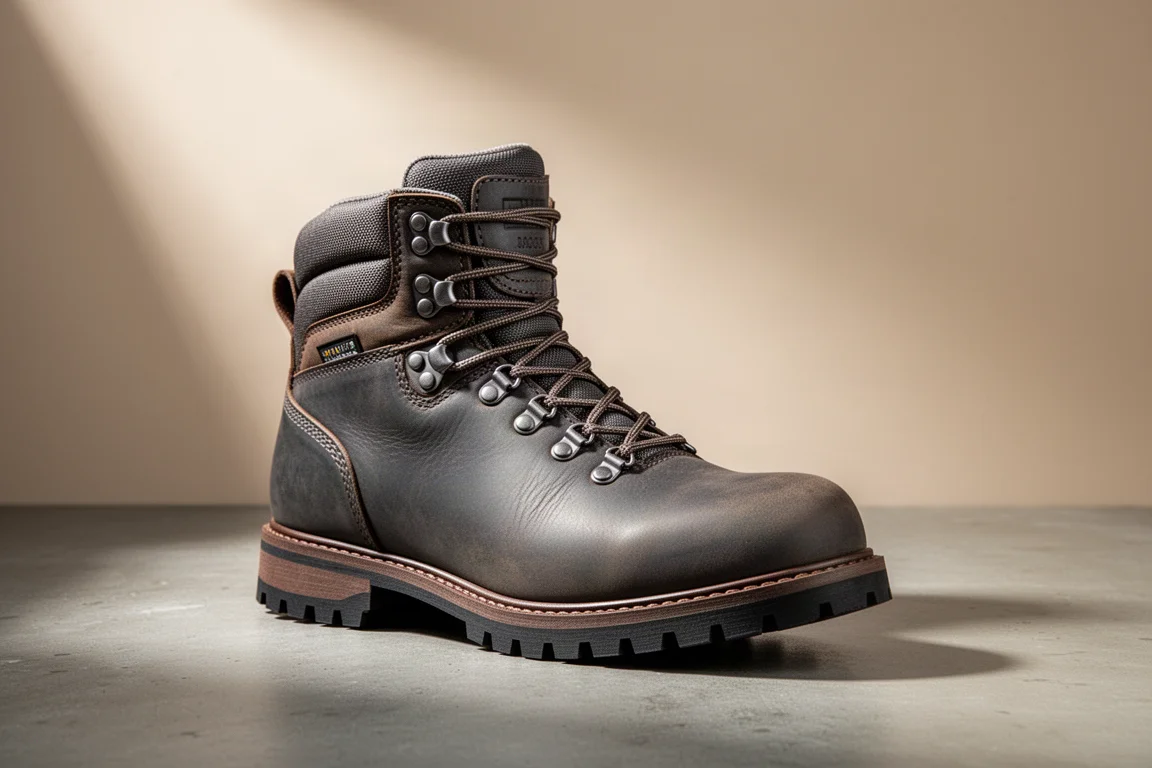
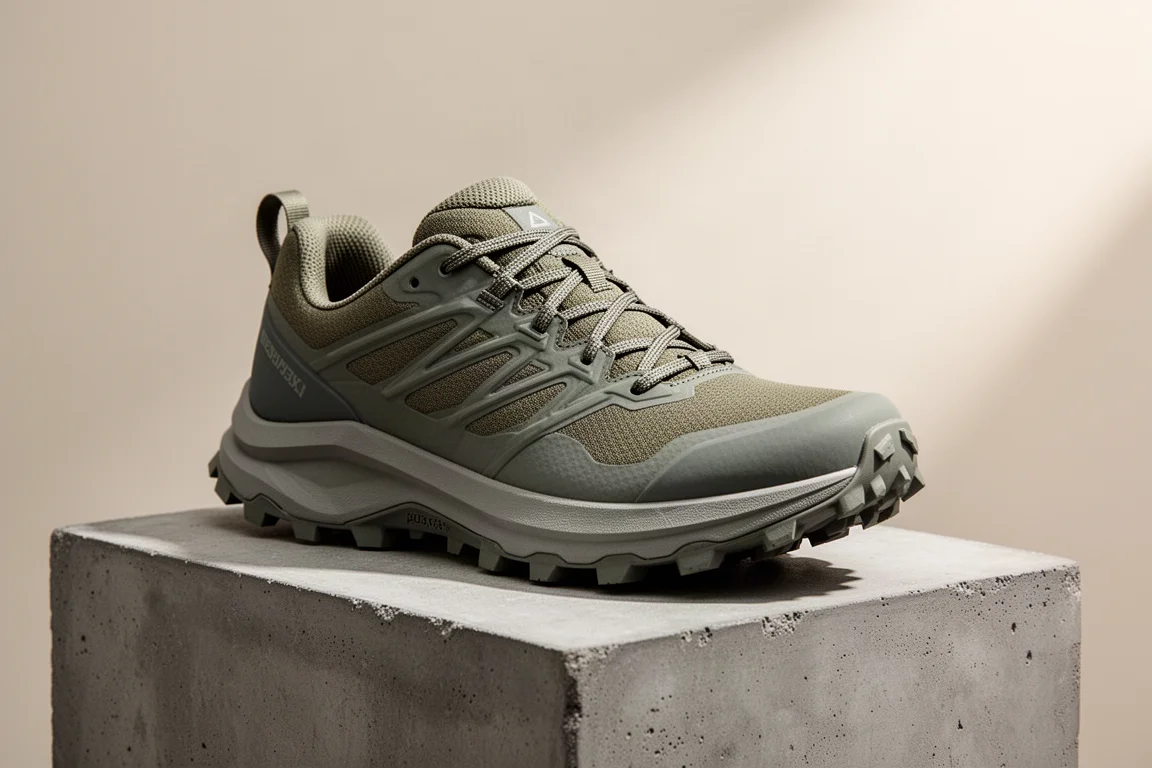
Most hiking boots have neither feature. On the Salomon Quest, the cuff does not rise far above the ankle bone and the upper is soft rather than stiff, so the ankle can still bend noticeably when you step across uneven rock.
There is a second consideration that rarely comes up. Where a boot does succeed in limiting ankle roll, that load is transferred to the knee, which significantly increases the likelihood of a knee injury. The problem is not solved, it is moved.
For hikers with a genuine ankle concern, strength training and a set of physio-prescribed exercises address the cause directly rather than bracing the joint with footwear.
Trail Runners for Most Trips: Hoka Speedgoat
Trail runners have become the default choice for a great deal of three-season backpacking, and the reasons are practical rather than fashionable. They are lighter on the foot, they dry faster after rain or a stream crossing, and they run cooler in hot weather.
Over a long day, the weight difference is noticeable on every step, and the drying difference is noticeable the moment the weather turns. A shoe that sheds water and moves air quickly is simply more comfortable to keep walking in.
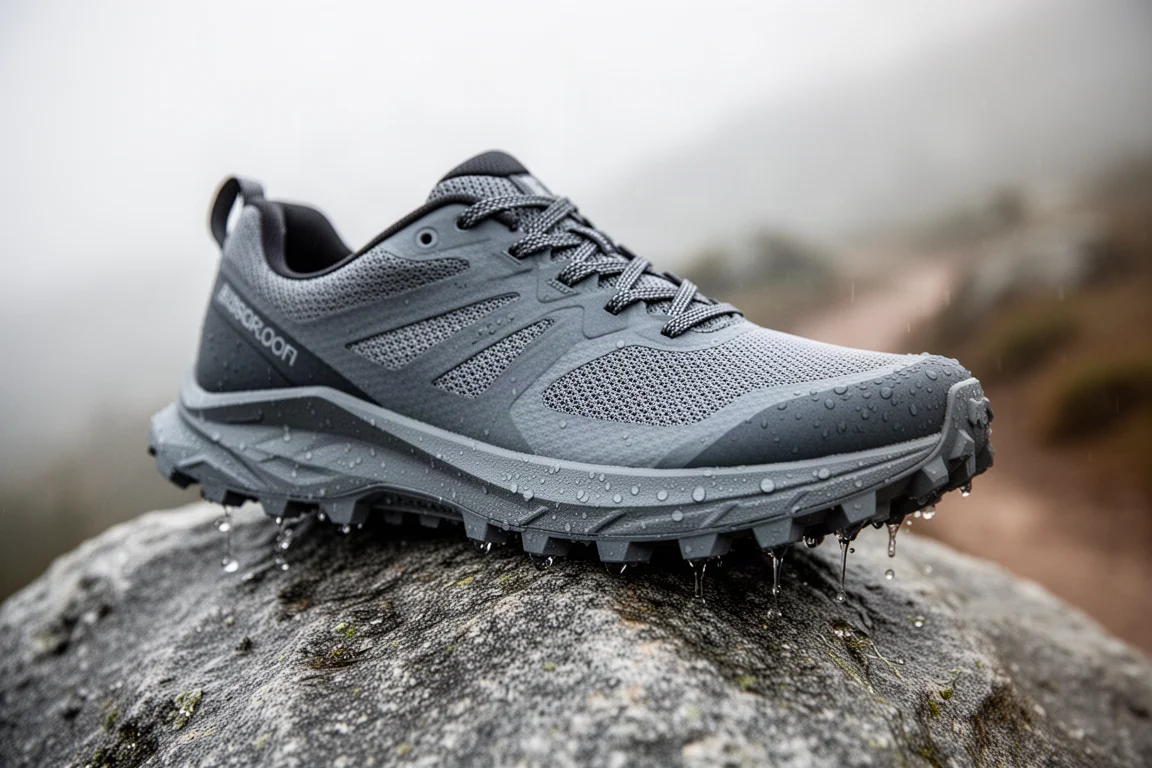
That does not mean trail runners are the answer in every situation. They offer far less coverage around the ankle than a boot, and anyone who wants a higher cuff should weigh that against what the cuff actually does. The Hoka Speedgoat is a good example of the category: a low-profile trail runner built for long days on mixed terrain.
If ankle stability is the real concern, the more effective route is strength work rather than a taller shoe.
Ground Sheets and Sleeping Bags: Where Old Habits Still Make Sense
Ground sheets were standard advice for two reasons: protecting the tent floor from abrasion, and stopping water from rising up through it. Modern floors handle both far better than the floors of twenty or thirty years ago, and tents today can sit in standing water without letting moisture through. For ordinary tent pads and established campsites, a ground sheet is mostly extra weight.
There are exceptions worth knowing. Very abrasive ground, such as desert terrain, and sites covered in cacti or needles are the cases where a protective layer still makes sense.
There is also one genuinely elegant use. On a tent with a fast fly mode, the pole structure attaches to the ground sheet and the fly goes over the top, so you can sleep without the inner tent and add the inner underneath the fly later if rain arrives, keeping it dry.
Sleeping bags deserve a similar rethink. For most backpacking, a quilt is the more versatile option: it works across a wider range of temperatures, and it lets you dump heat easily by putting an arm or a leg out or by undoing the pad attachment system. Quilts are also easier to toss and turn in without getting tangled.
Sleeping bags still have a clear place. For extreme cold trips such as Arctic or Everest expeditions, a bag is often the better tool, and anyone who simply prefers being fully enclosed should keep using one.
Sleep Comfort and the Trekology 2.0 Pillow
For decades the standard pillow was a stuff sack filled with spare clothing. That approach depends on carrying enough spare clothing to make a comfortable pillow, which is rarely true in practice, even on long trips through wildly varied weather conditions.
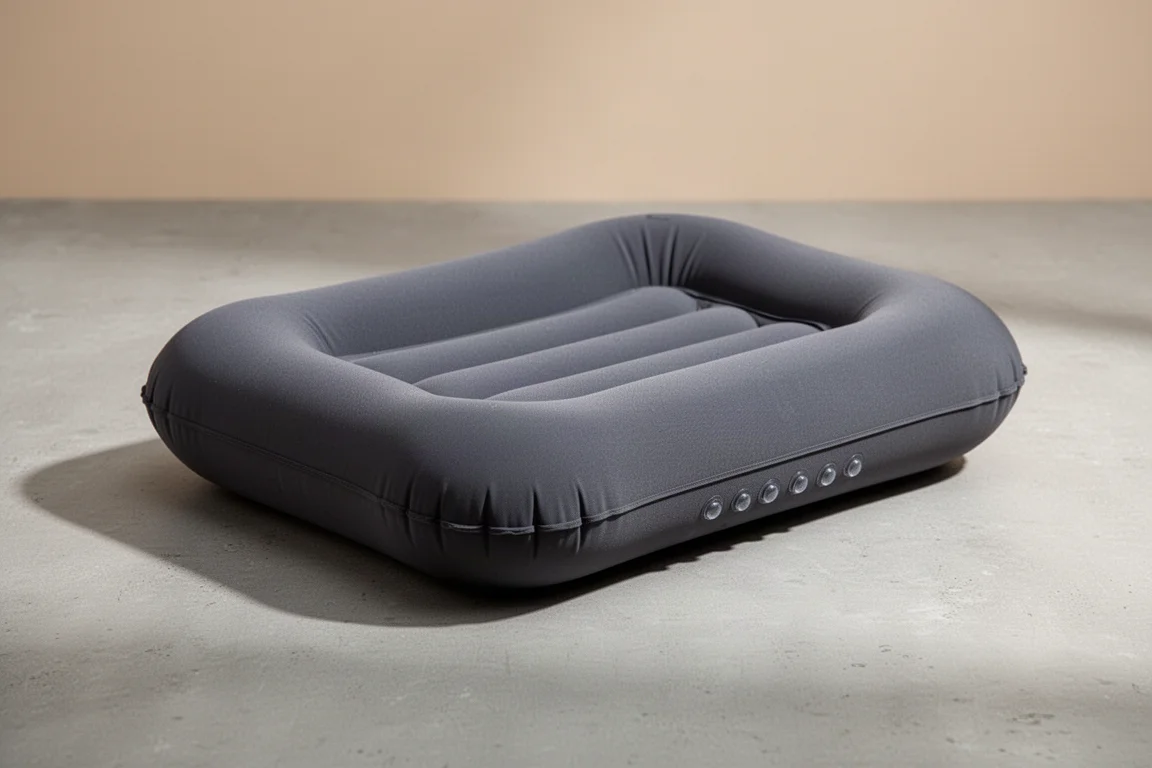
Inflatable pillows changed that. They are very light, genuinely comfortable, and no longer a compromise on sleep. The Trekology 2.0 is a good example: it inflates quickly and uses a strap that wraps around the sleeping pad.
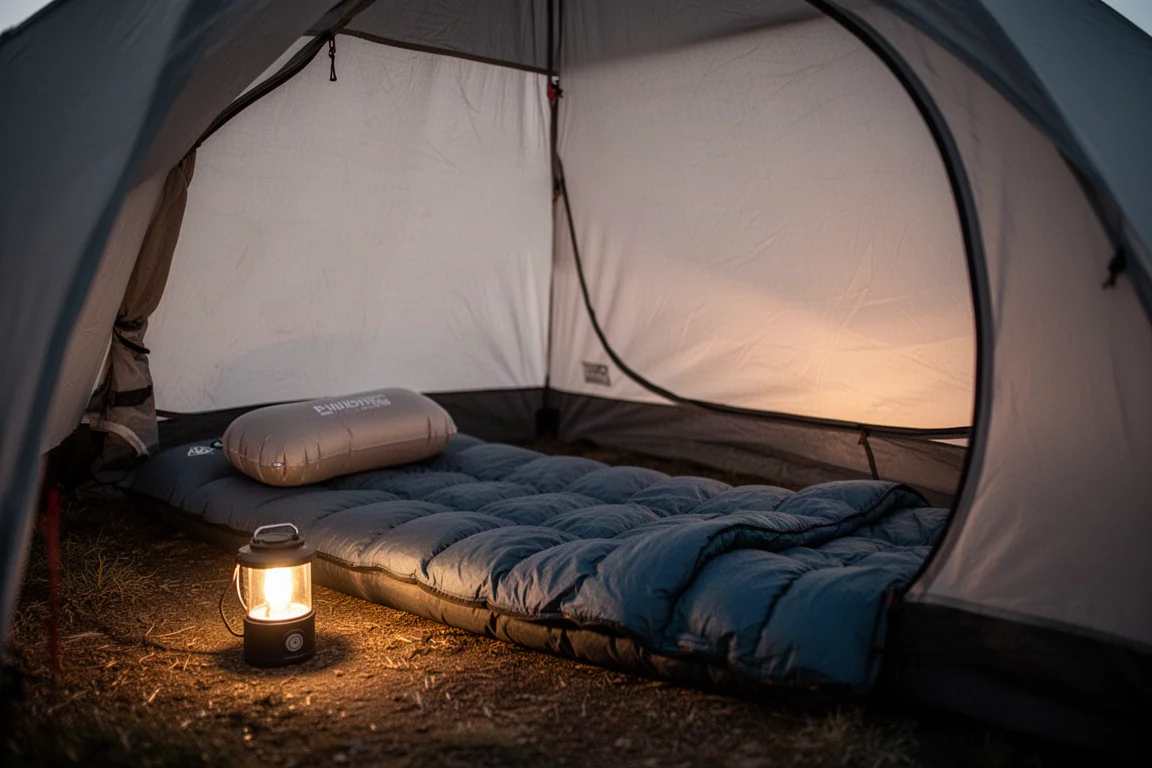
That strap matters more than it sounds. A pillow that stays attached to the pad is a pillow you are not chasing across the tent in the middle of the night, and a consistent sleep position makes a real difference on a multi-day trip.
Merino Wool Versus Synthetics
Merino wool has a devoted following, and it is a genuinely good material in the right place. It is not the best answer for every layer, though, and the reason comes down to moisture.
Merino holds on to roughly 40 percent of its own weight in moisture. Polyester holds around 4 percent, and nylon holds somewhere between 10 and 12 percent. In any activity where you are getting wet, whether that is sweating hard, walking through streams or hiking in rain, a synthetic holds less moisture against the skin and dries considerably faster.
The place where merino still earns its keep is low-output use. Around camp, and especially in the sleep system, a thin merino base layer does an excellent job of regulating temperature, which makes it a strong choice for the layer you sleep in.
Buying Advice
Start with the trip and the terrain rather than with the category of gear. The three products above illustrate the pattern well.
If you like the feel of a full boot, the Salomon Quest is a conventional soft boot, and it is worth choosing for fit and comfort rather than for ankle protection it does not provide. Hikers who want a lighter, faster-drying option for most spring, summer and autumn trips will generally be better served by a trail runner such as the Hoka Speedgoat, provided ankle stability is managed through strength work rather than footwear.
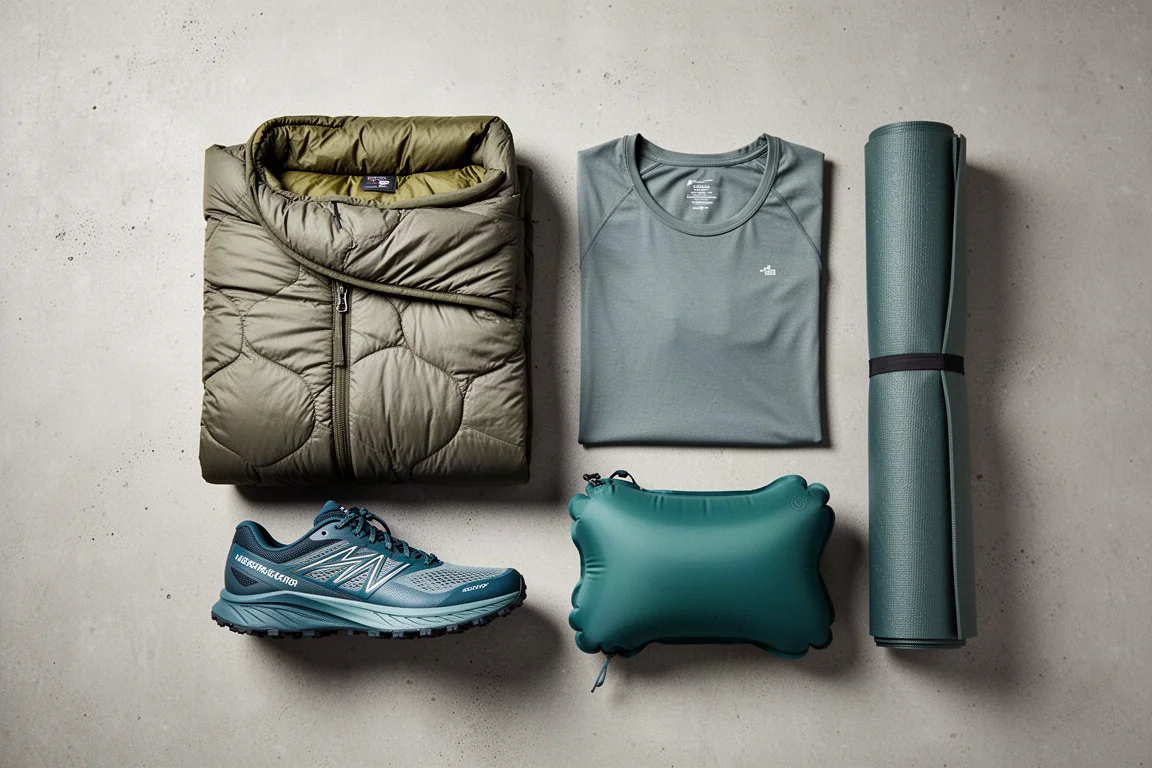
Ground sheets are worth carrying only for abrasive ground, cactus country, or a tent with a fast fly mode. Quilts cover most backpacking conditions, with sleeping bags reserved for extreme cold. A dedicated inflatable pillow such as the Trekology 2.0 adds very little weight and removes one of the most common causes of a poor night’s sleep.
For clothing, the split is straightforward: synthetics for anything active and sweaty, merino for camp and sleep.
Conclusion
None of this is an argument for throwing out everything familiar. It is an argument for checking whether the reasons behind a piece of gear still apply. Boots make sense when you want the feel of a boot, not when you want ankle protection that a soft, low cuff cannot deliver. Trail runners make sense for most three-season backpacking. A quilt and a small inflatable pillow make sense for most sleep systems. Merino makes sense where you are not sweating in it.
Match the gear to the trip you take, and the kit list gets lighter and more comfortable at the same time.
Further reading
Related Reviews

Backpacking Gear
Building a 10 lb Base Weight: An Ultralight Backpacking Gear List
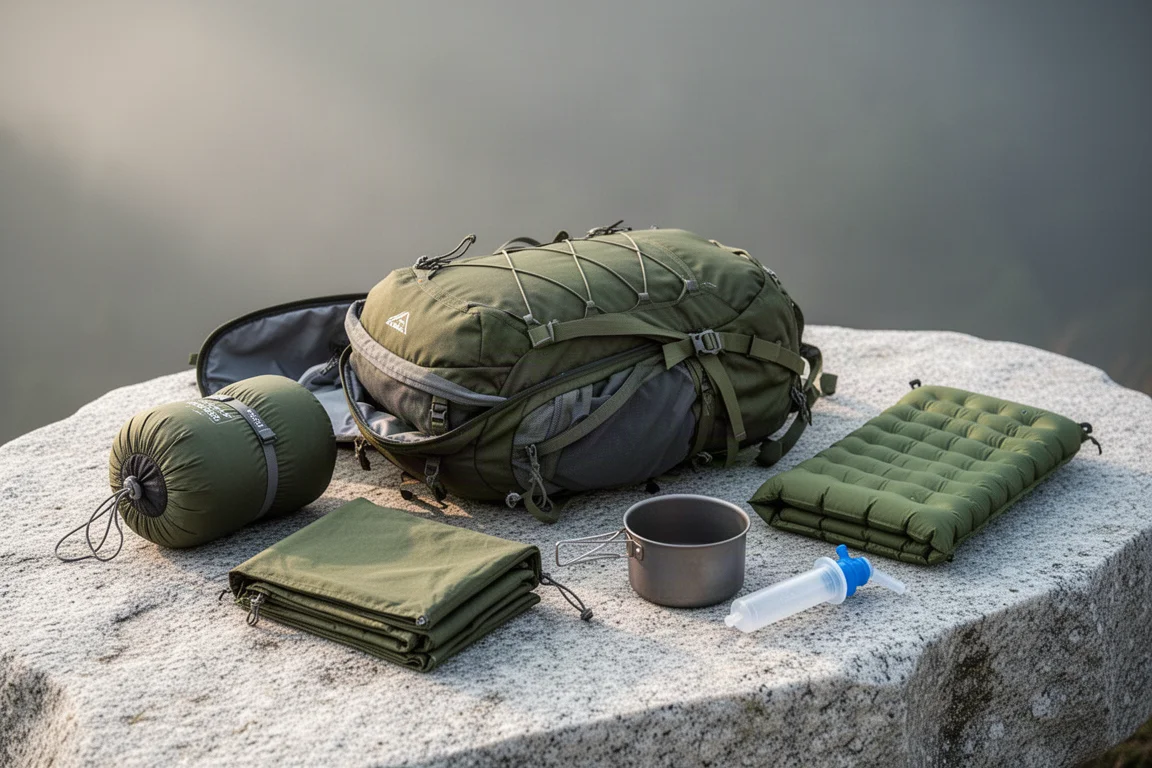
A practical walkthrough of the ultralight pieces behind a 10 lb base weight, from a 765 g pack and a roomy one-person tent to a full camp chair and a dependable water filter.
Backpacking Gear
A 15-Pound Lightweight Backpacking Gear List for Solo Trips
A beginner-friendly 15-pound backpacking setup built from easy-to-find gear, with notes on what each piece does, how it packs, and where to spend your attention.
Backpacking Gear
8 Ultralight Backpacking Gear Upgrades Worth Carrying
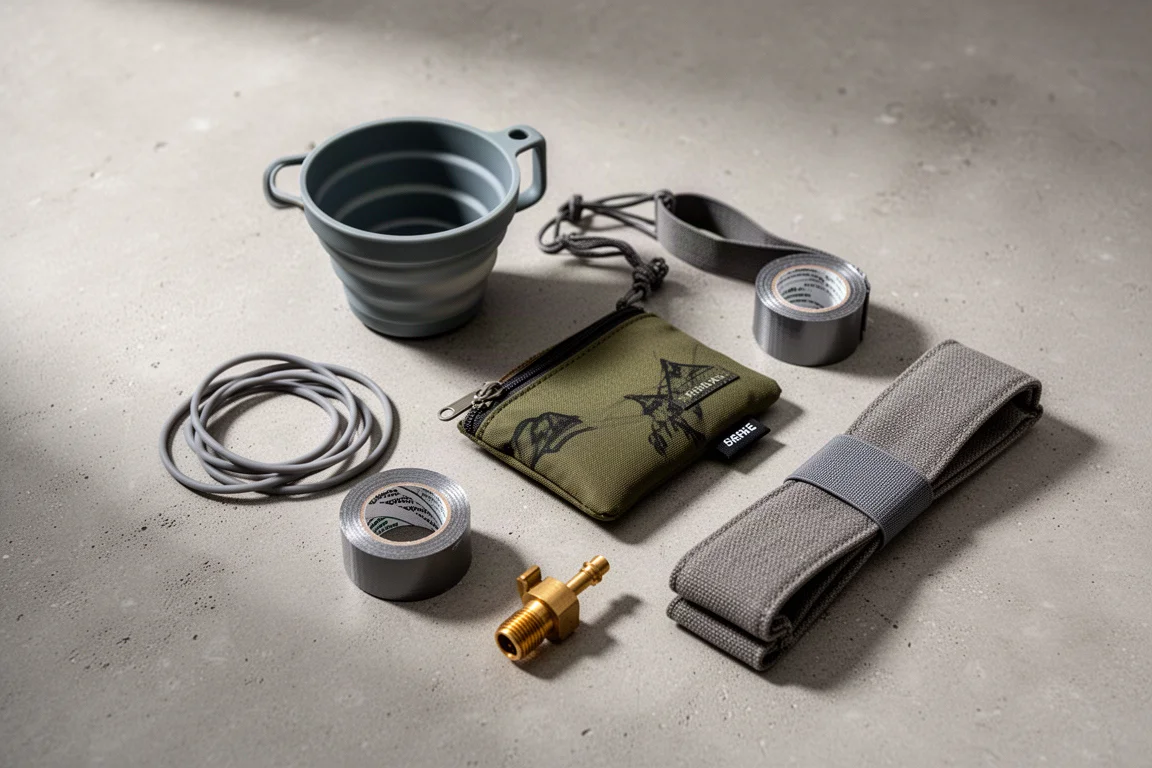
Eight small, affordable backpacking upgrades that solve real trail annoyances, from a pillow that stays put to a fuel valve that rescues leftover canister gas.