Backpacking Gear
Four Backpacking Gadgets Worth Adding to Your Pack
Four compact backpacking add-ons for camp cooking, navigation, lighting, and coffee, with the weight and trade-offs each one brings.
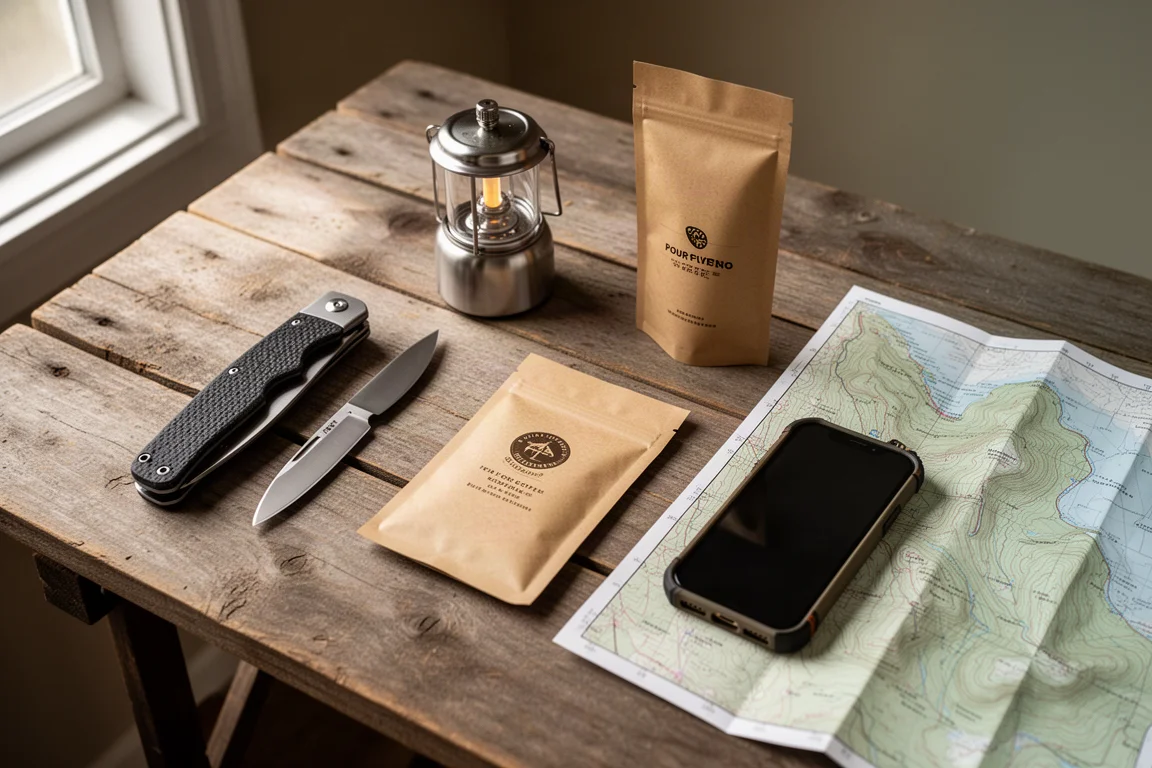
Introduction
Ultralight packing follows a clear logic: every gram you carry has to earn its place. But a small category of backpacking gear sits just outside that logic. These items add a little weight and return something harder to measure, like a better meal at the end of a long day, a warmer camp, or a clearer sense of where you are actually allowed to be.
The four items below are compact enough to justify the space they take up. None of them belongs on every trip, and that is part of the point. Each one makes sense when it matches the kind of trip you are really taking.
What to Look For in Backpacking Add-Ons
The first question is weight, but it should never be the only question. A 4 oz item you use every evening is a better trade than a 1 oz item you never touch. Look at what each piece replaces: a camp knife that covers food prep can remove a second blade from your kit, and a lantern that runs on the same canister you already carry for cooking adds no extra fuel.
The second question is frequency. Cooking-heavy weekends, fishing trips, and camps where open fires are not allowed all create specific needs that a general ultralight setup does not address. Buying for those trips is different from buying for a long through-hike where every ounce compounds over weeks.
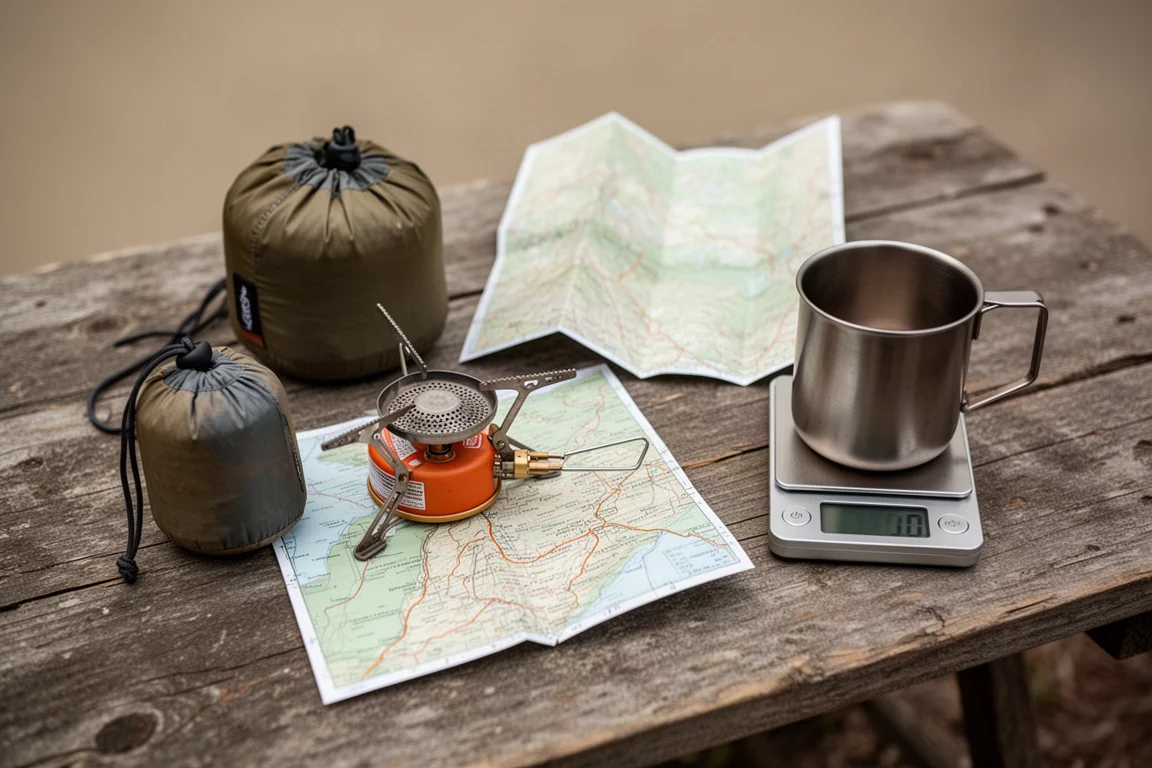
Finally, check compatibility with the gear you already own. Items that share fuel, batteries, or storage with your existing kit tend to stay in the pack rather than getting left at home.
Firebox Folding Chef Knife for Camp Cooking
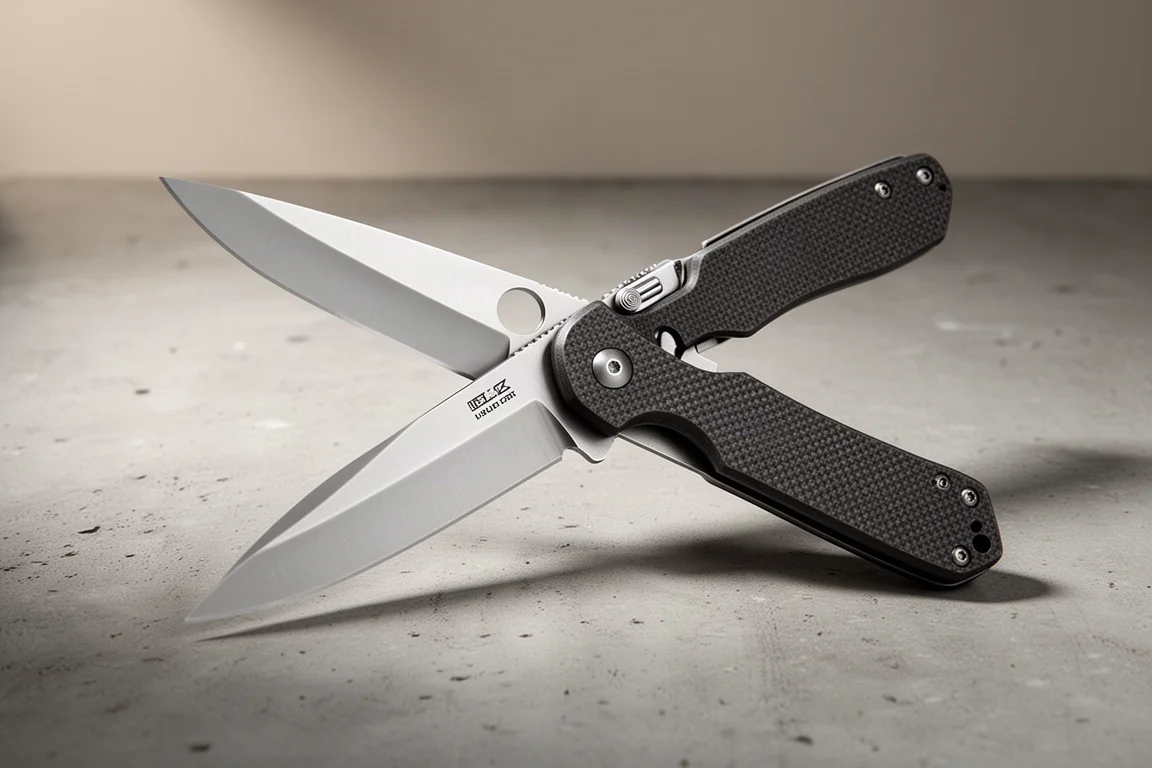
This is a folding knife built around cooking rather than around survival. The blade is thin, which is what you want for clean slices through potatoes, onions, tomatoes, and carrots, and it carries enough width that your knuckles clear the cutting surface as you work. That combination is what separates a chef-style blade from a general-purpose trail knife.
It uses a liner lock, so the lock is built into the frame and simply folds out of the way when you close the blade. A hole near the pivot lets you open it one-handed, though closing it is easier with two hands and a bit of care. The claimed weight is 7 oz, and on its own it comes in just under that figure. With the sheath, it measures about 7.75 oz.
At $60 through its crowdfunding campaign, it is a reasonable ask for a knife of this build. It makes the most sense on shorter trips, one or two nights, or any outing where you already know you will be cooking real food, such as a fishing trip where you plan to prepare your catch. On a long-distance hike where you are not preparing proper meals, it is weight you would rather leave behind. For trips where it fits, it can replace the second knife you would otherwise pack.
onX Backcountry for Land and Trail Awareness
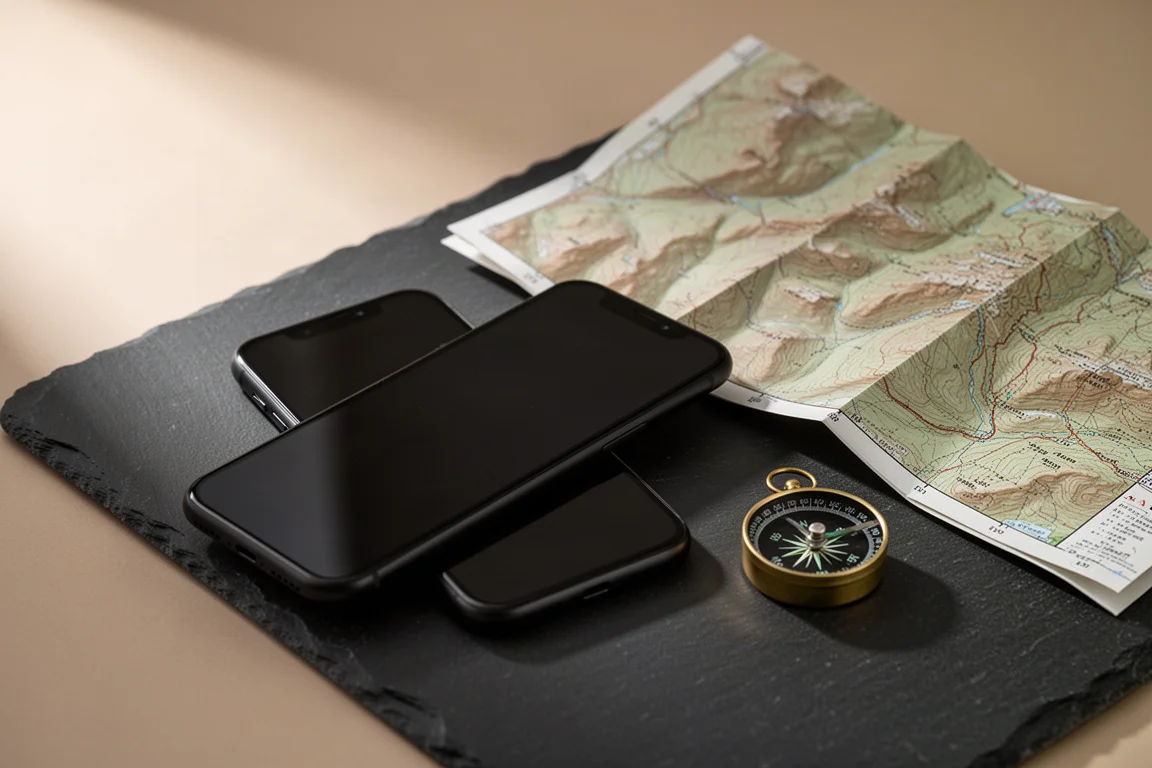
This is a backcountry navigation app that gives you GPS direction so you always know where you are and which way to travel. It helps you locate campsites and trails, and you can point it toward a destination to see the line you should follow.
The premium version runs about $100 per year, and a recent update added a genuinely useful layer. Zoom in and landowner names begin to appear, drawn from public tax records, so you can see every plot of land and who holds it. The app shows both public and private land boundaries, which matters if you hunt, backpack, or simply want to know whether you have wandered onto someone else’s property.
It is also relevant for anyone planning to film outdoors. Commercial filming on federal land now requires permits, and knowing exactly where a boundary falls makes it far easier to plan a shoot without crossing a line you did not know was there.
Fire-Maple Lantern for Camp Ambience
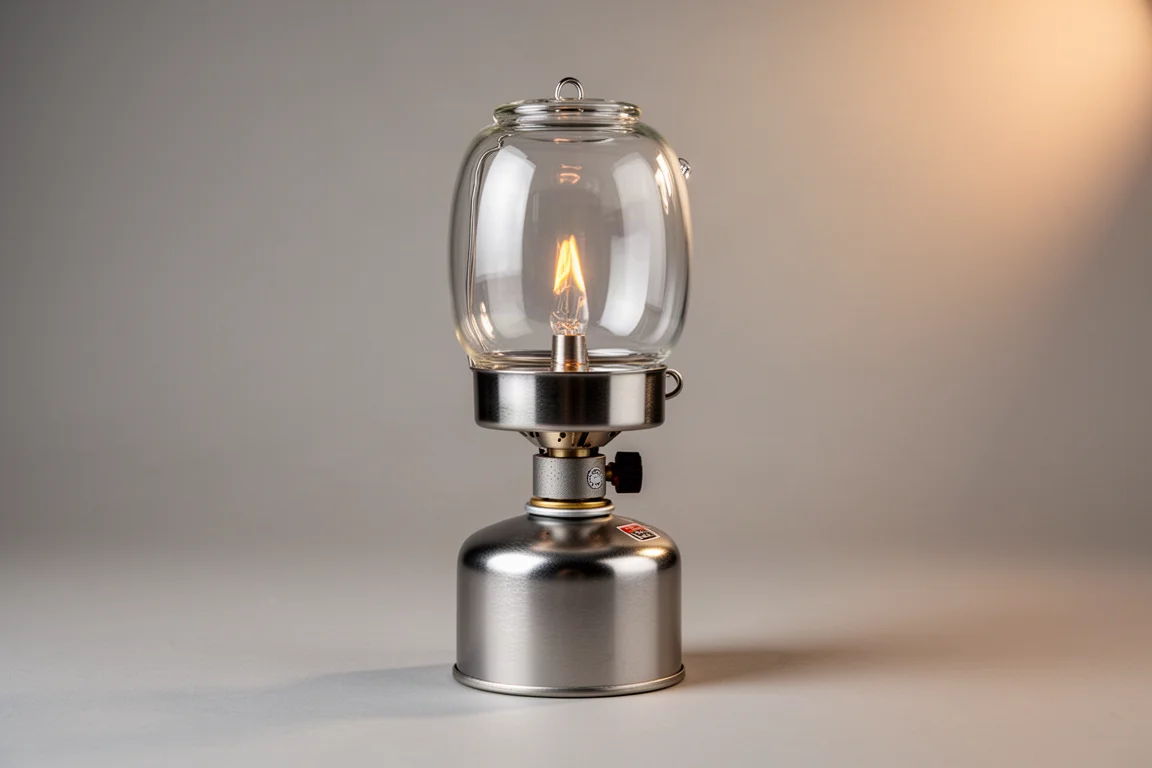
This lantern runs on the gas canister you already bring for cooking, which is what makes it worth considering. You mount it on the canister, light it through the glass body with a lighter or a book of matches, and adjust brightness with the control. It will keep burning for as long as there is fuel left in the canister, so a larger canister for a multi-night trip covers both cooking and light.
The lantern alone weighs 122 g, roughly 4.3 oz. Its plastic case brings the total to about 6.5 oz, which is the realistic figure for packing it. There is also a leather-style cover available, but it adds weight without adding function.
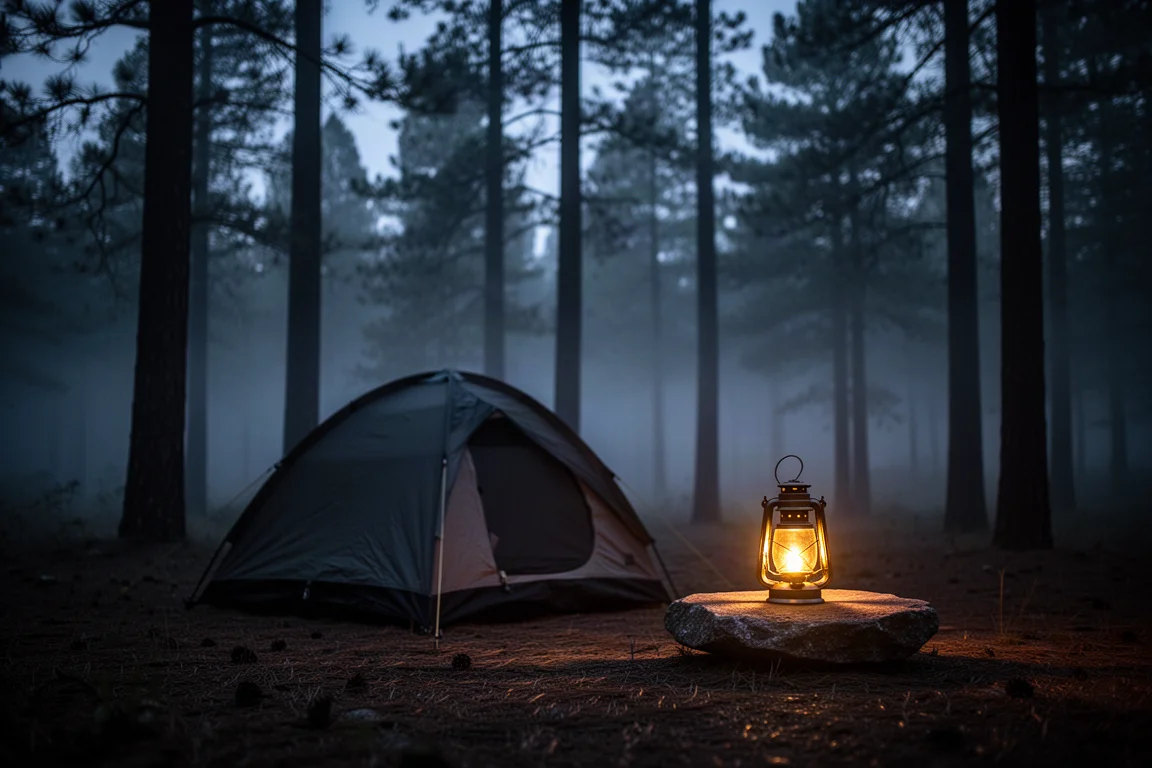
The appeal is atmosphere. Where open fires are not allowed, this gives you the warm, contained light of a flame rather than the harsh glare of a headlamp pointed at whoever is sitting across from you. It makes a campsite feel like a campsite.
The Brew Company Pour Over Coffee
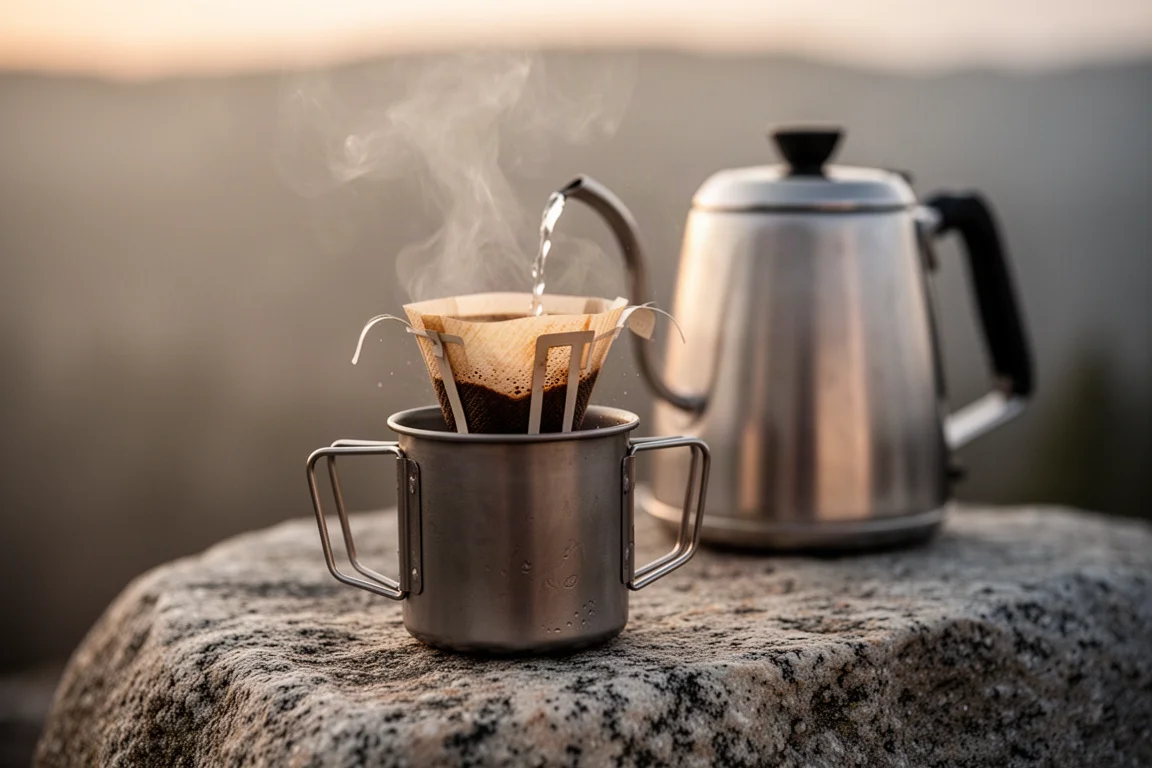
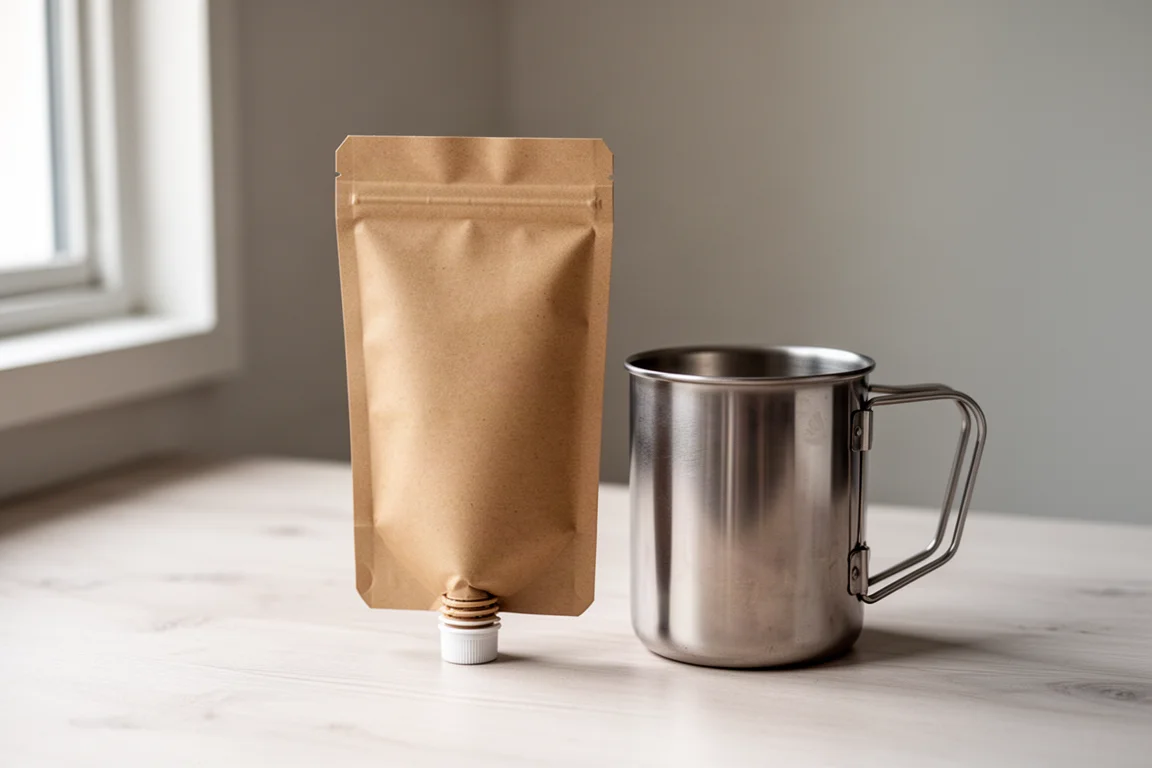
This is a single-serve pour over that arrives with the coffee already inside, held in a filter suspended within the pouch. You pour hot water over the top, it drips into the lower compartment, and you snap off the small cap at the base to pour it into your cup. Mild brews take about 4 minutes and strong brews about 8.
The coffee itself is specialty grade, manufactured in Denmark, and available in a range of strengths, roasts, and origins. There is a tea line as well if you prefer.
The pouch is reusable, which is the detail that keeps it interesting. If you prefer your own beans at home, you can fill it yourself, cap it, seal it in a bag, and keep using it as a pour over. All in, with coffee inside, it weighs 35 g, about 1.25 oz. It takes up almost no room and delivers a genuine pour over rather than a freeze-dried substitute.
Weight and Packability
None of these items will wreck a pack, but the numbers are worth knowing before you commit. The knife comes in just under 7 oz on its own and about 7.75 oz with its sheath. The lantern is 122 g alone, roughly 4.3 oz, and about 6.5 oz once its protective case is included. The coffee pouch, coffee included, is 35 g, around 1.25 oz.
That puts the coffee and the lantern in the easy-to-justify range for almost any trip, while the knife is the one that asks for a decision. If you are cooking real meals, the trade is straightforward. If you are not, leave it at home.
Overall Buying Advice
Match each item to the trip in front of you rather than to a gear list. The knife earns its place on cooking-focused weekends and fishing trips. The navigation app earns its place on any trip where land boundaries or route finding matter, and it becomes close to essential if you film outdoors. The lantern earns its place whenever fires are not permitted but you still want a warm light at camp. The pour over pouch earns its place whenever a proper cup of coffee is part of why you went.
If you are starting from nothing, the order above is a sensible one: navigation first, then light, then coffee, then the knife. Each step adds weight, so stop wherever your trips stop needing more.
Conclusion
These four additions work because they solve specific problems rather than promising general capability. A folding chef knife makes camp cooking feel like cooking. A navigation app tells you where you stand, on the map and on the land. A canister lantern turns a dark campsite into a comfortable one. A pour over pouch delivers real coffee from almost nothing. Buy the ones that match the trips you actually take, and they will stay in your pack instead of in a drawer.
Further reading
Related Reviews

Backpacking Gear
Building a 10 lb Base Weight: An Ultralight Backpacking Gear List
A practical walkthrough of the ultralight pieces behind a 10 lb base weight, from a 765 g pack and a roomy one-person tent to a full camp chair and a dependable water filter.
Backpacking Gear
A 15-Pound Lightweight Backpacking Gear List for Solo Trips
A beginner-friendly 15-pound backpacking setup built from easy-to-find gear, with notes on what each piece does, how it packs, and where to spend your attention.
Backpacking Gear
8 Ultralight Backpacking Gear Upgrades Worth Carrying
Eight small, affordable backpacking upgrades that solve real trail annoyances, from a pillow that stays put to a fuel valve that rescues leftover canister gas.