Backpacking Gear
Backpacking Essentials Worth Carrying: A Practical Gear Guide
A practical set of backpacking essentials covering navigation, camp comfort, food and hydration, cookware, first aid, water treatment, lighting, and power.
Introduction
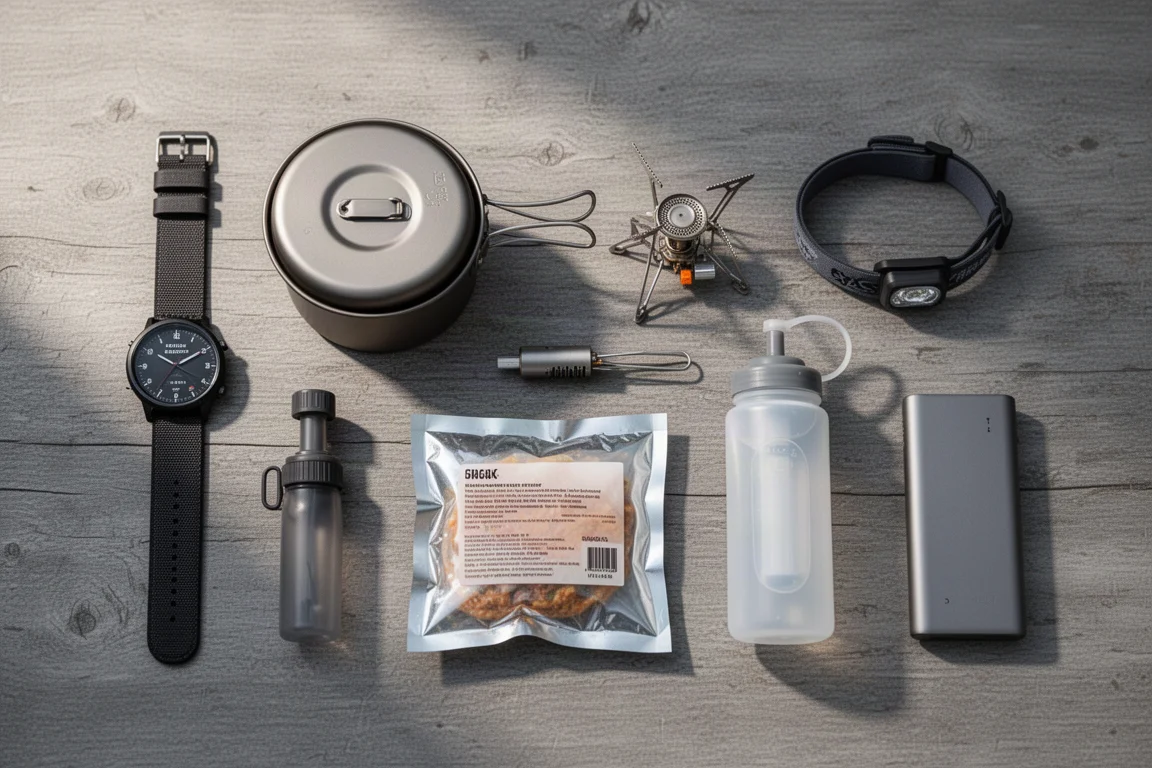
Most backpacking lists stop at the big three: shelter, sleep system, and pack. The gear that actually decides how a trip feels sits one layer down. It is the watch on your wrist, the filter in a side pocket, the headlamp you reach for at 9 p.m., and the meal you look forward to after a long climb.
This guide collects the additional essentials worth carrying: navigation, camp comfort, food and hydration, cookware, first aid, water treatment, lighting, and power. Each entry earns its place by working on real trips rather than by looking good on a spec sheet.
How These Essentials Were Selected
Every item here has been carried repeatedly in the backcountry, across multi-day trips, long day hikes, and cold mornings at camp. The bar is simple: it has to work when conditions are imperfect.
Weight matters, but reliability matters more. A pump, a stove, or a filter that fails on day two becomes dead weight for the rest of the trip. Durability under sand, grit, moisture, and freezing overnight temperatures counted heavily. So did everyday usability: clear markings on a pot, a battery indicator on a headlamp, a filter that can be backflushed in the field.
Navigation and Battery Savings: Coros Apex 2 Pro
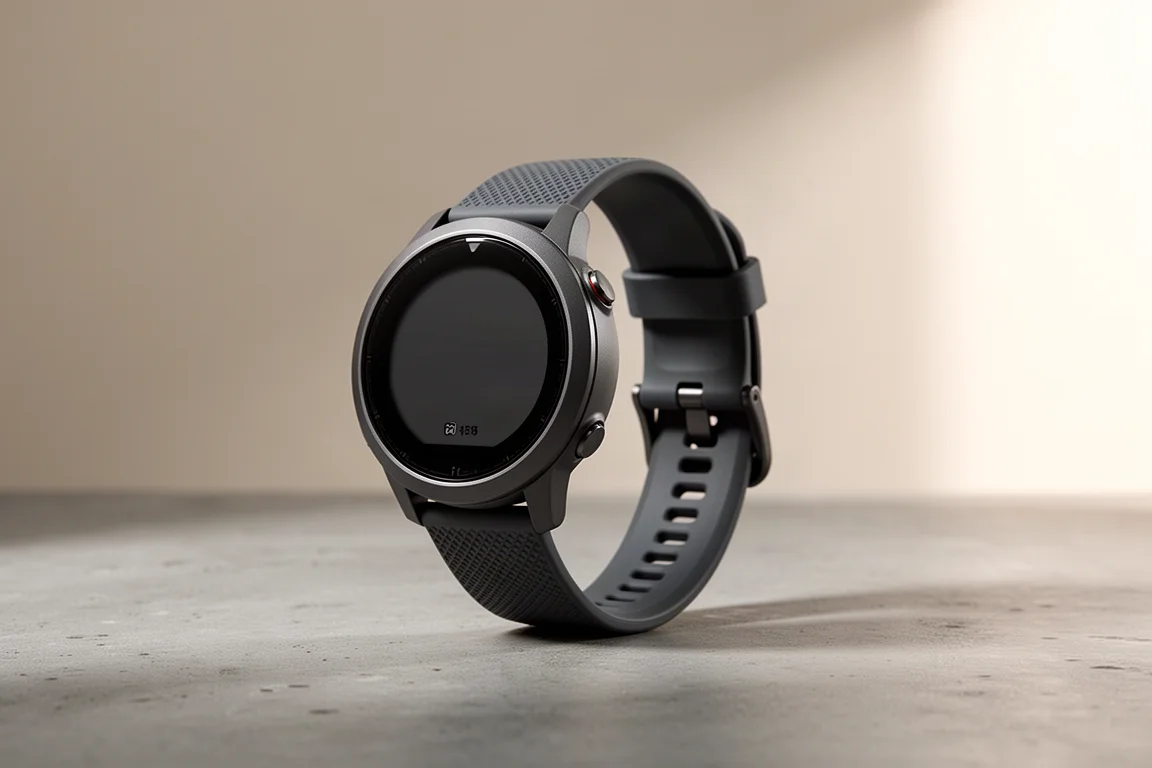
A GPS adventure watch changes how you move through a trail day. Instead of pulling a phone out of a zippered pocket, waking the screen, and burning battery at every junction, the watch handles navigation while the phone stays in airplane mode.
Battery life is the headline. The watch ran three to four consecutive days on 20-plus mile day hikes without needing a recharge, which covers most weekend and mid-week trips comfortably. Heart rate tracking adds a second layer of usefulness, giving a rough read on how the body is responding to altitude and hydration over a long climb.
The elevation display is the quiet standout. A quick glance shows how much of a climb is done and how much remains, and on one descent that single glance revealed a trail that had quietly branched to the right. Catching it immediately avoided roughly half a mile of unnecessary walking.
Sleeping Comfort: Flextail Tiny Pump
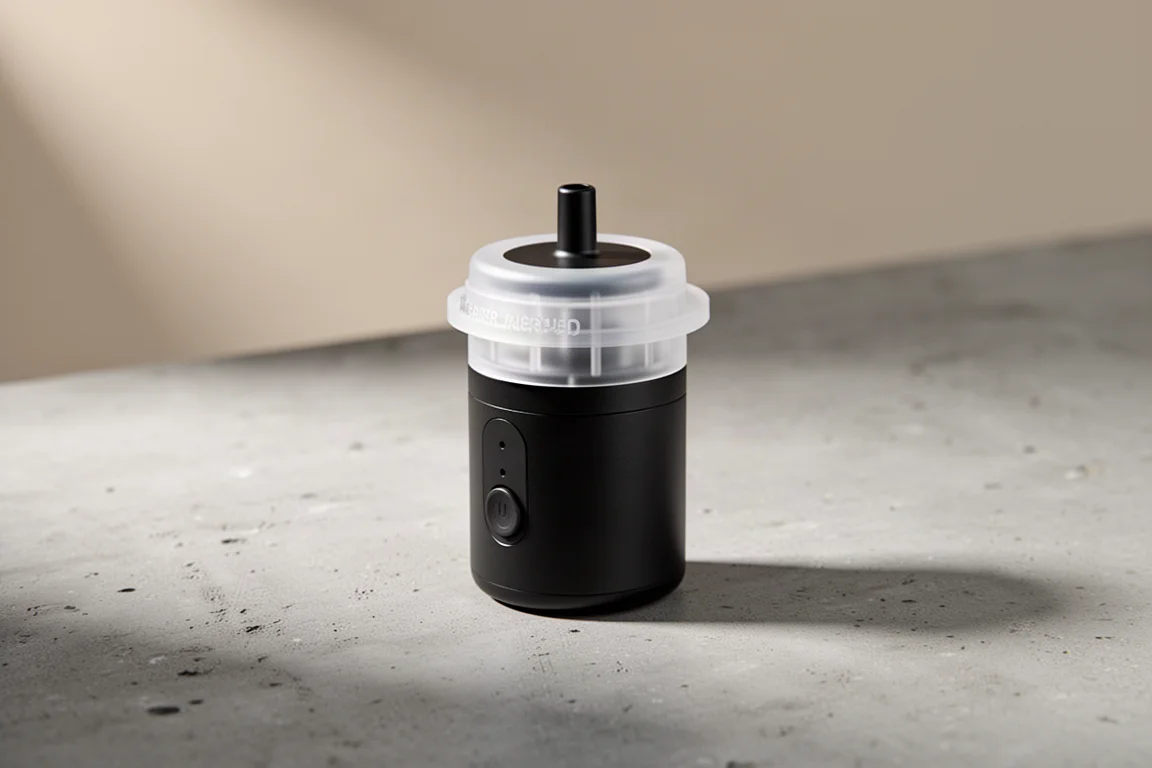
Inflating a sleeping pad by mouth is slow and leaves condensation inside the pad. A small pad inflator solves both problems in a package light enough to justify on trips where comfort matters more than the absolute minimum weight.
This one moves air quickly and includes a built-in light, which doubles as a small lantern while you set up camp. It is the kind of item that makes a relaxed camp night noticeably easier, and it disappears into a pack pocket the rest of the time.
Backcountry Food and Hydration
Food is the part of a pack that gets the most scrutiny before a trip and the most appreciation during one. The right mix covers three needs: a real meal at camp, something quick and calorie-dense during the day, and a way to replace what sweating takes out.
Packit Gourmet Texas State Fair Chili
A hot, savory meal at camp does more for morale than any snack bar. This freeze-dried chili is a straightforward option for a relaxed dinner: boil water, rehydrate, eat, and sleep well.
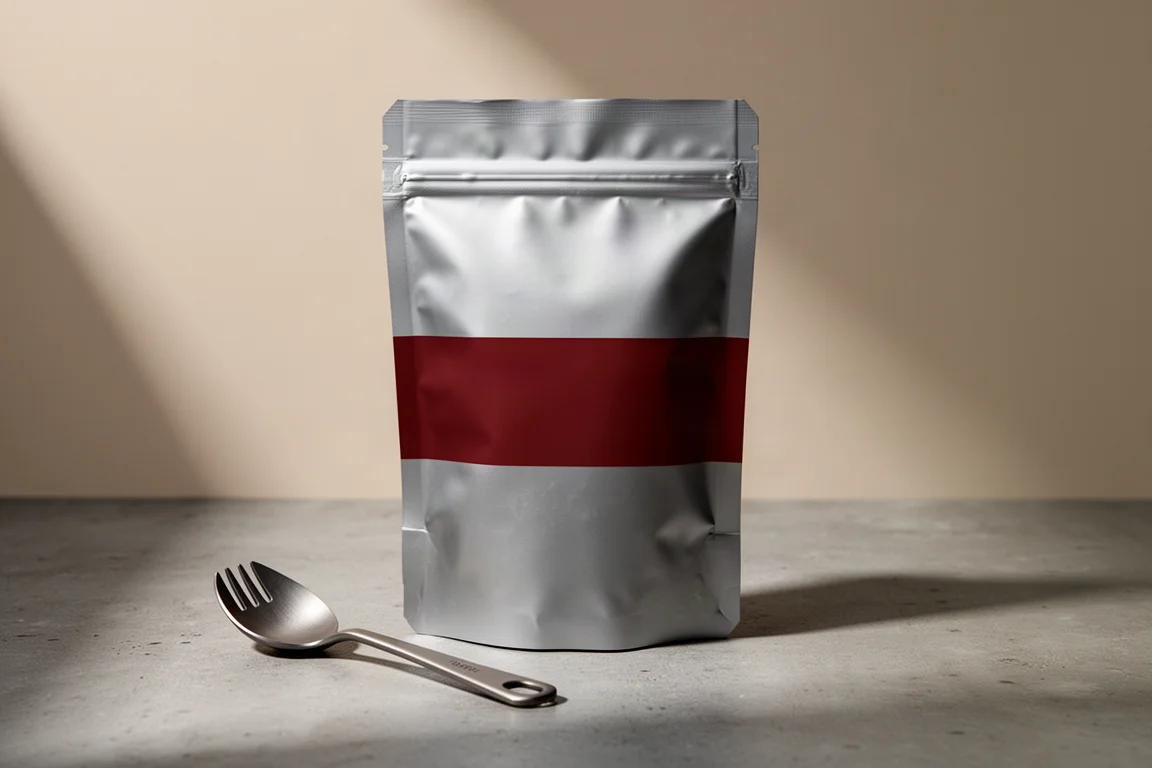
Peak Refuel Cookie Bites
Dessert is not a luxury on a long trip. A pouch of cookie bites adds a small, familiar treat at the end of a hard day and packs flat in a food bag.
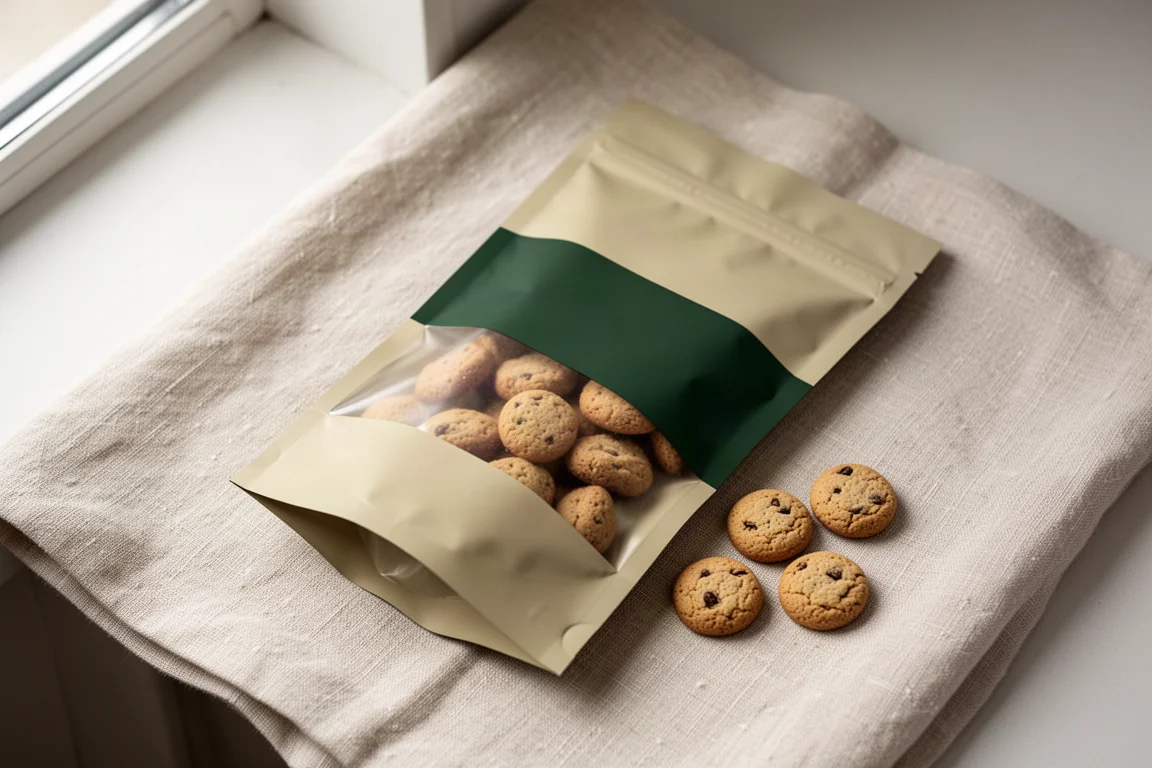
Honey Stinger Waffles
Waffles are a classic trail snack: light, flat, easy to eat while walking, and calorie-dense enough to be worth the space. They hold up in a pack without turning into crumbs.
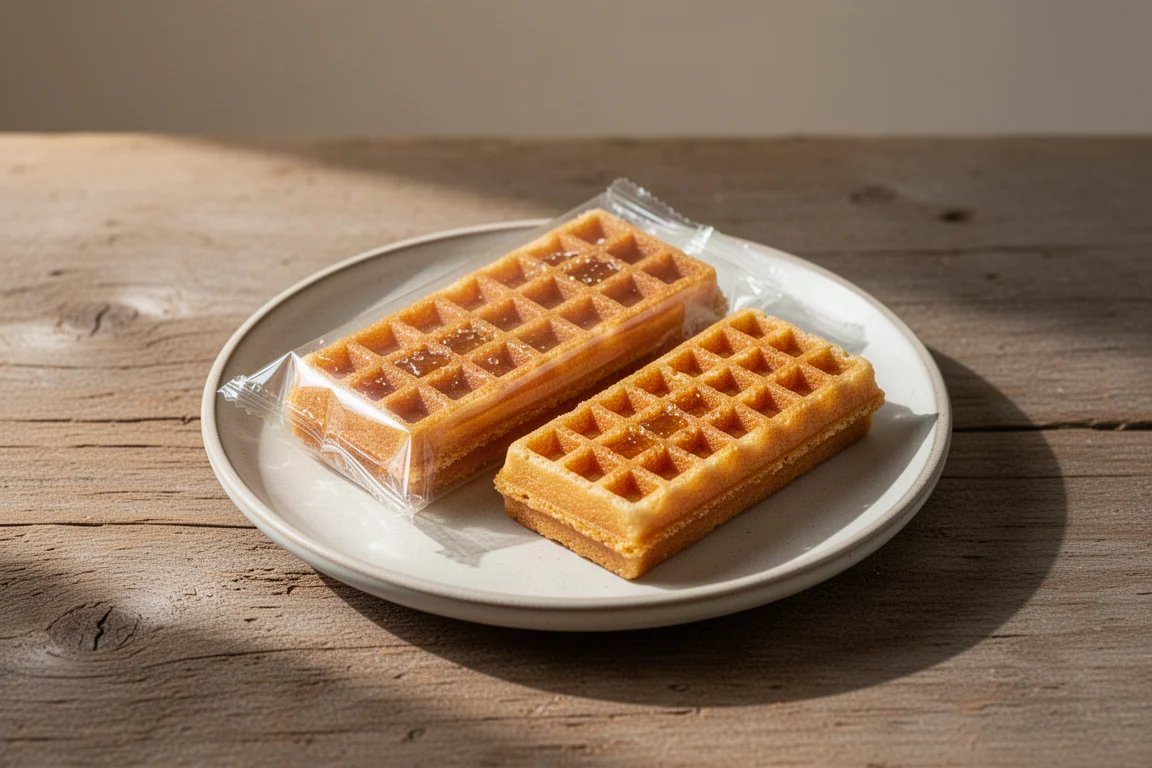
Skratch Hydration Mix
A hydration mix is the simplest way to keep drinking water interesting on a long day. This one mixes cleanly into a bottle and stays drinkable through a hot afternoon.
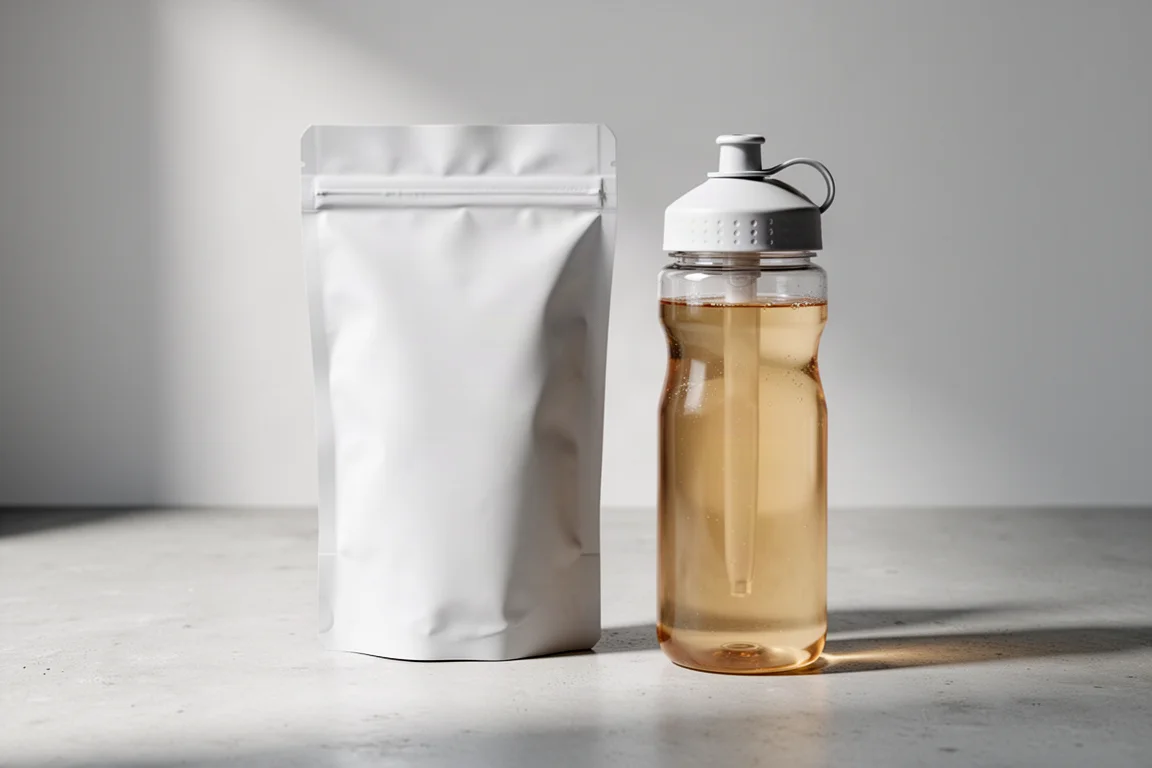
LMNT Hydration Mix
Electrolyte mixes are especially useful on long climbs and hot days, when plain water alone stops feeling like enough. Single-serve sachets are easy to ration and easy to keep track of.
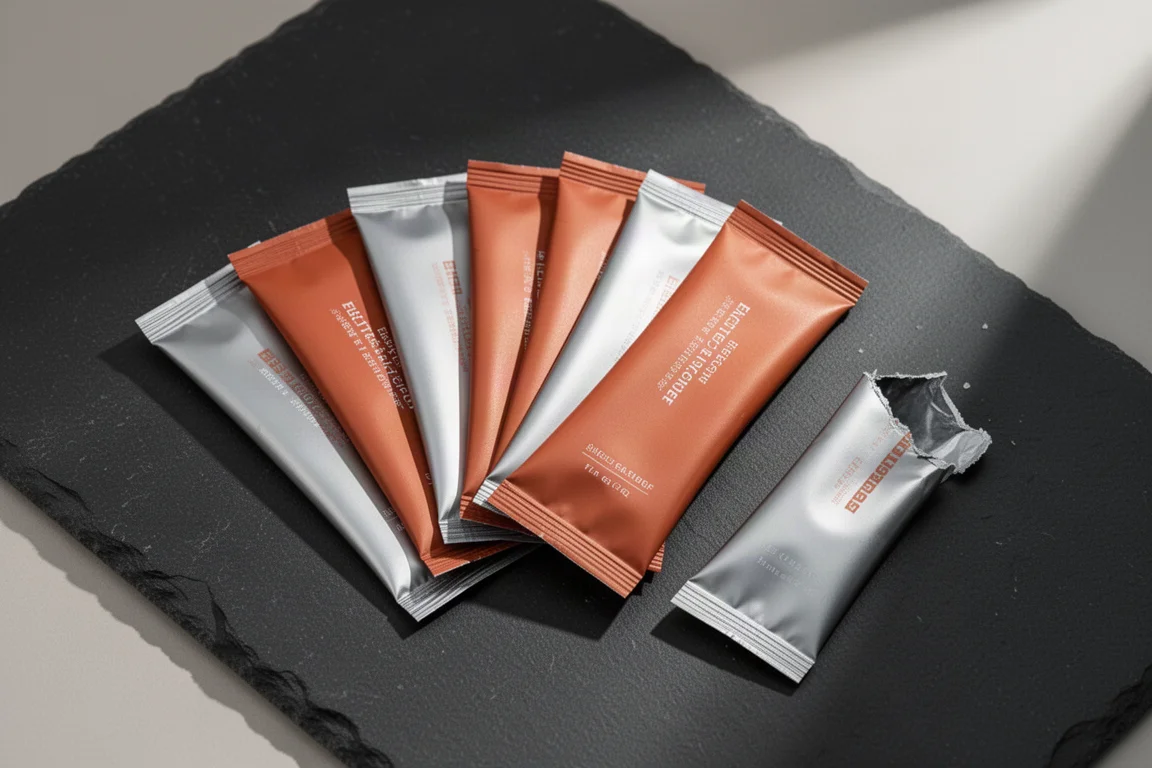
Mountain Ops Caffeine
A caffeine option is worth having for early starts and long descents, when you want a lift without carrying coffee gear.
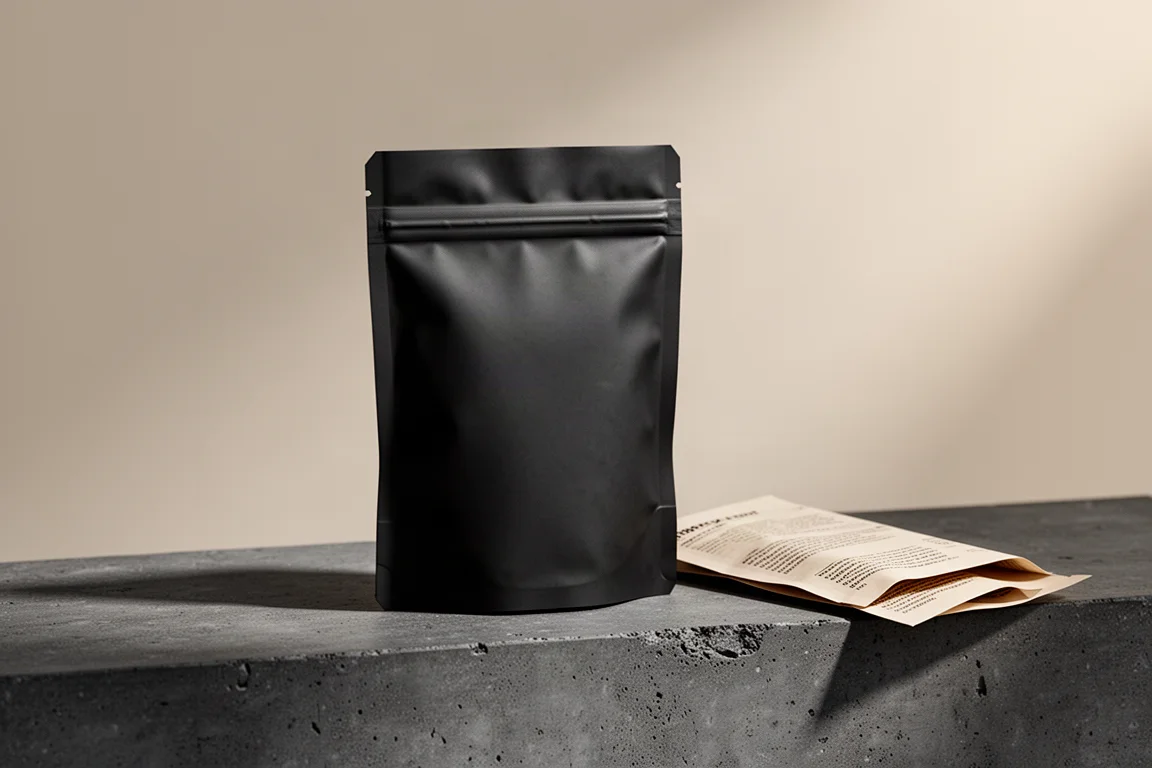
Mountain Ops Electrolytes
A second electrolyte option gives you flexibility on trips where you are sweating heavily day after day and want to keep the mix varied.
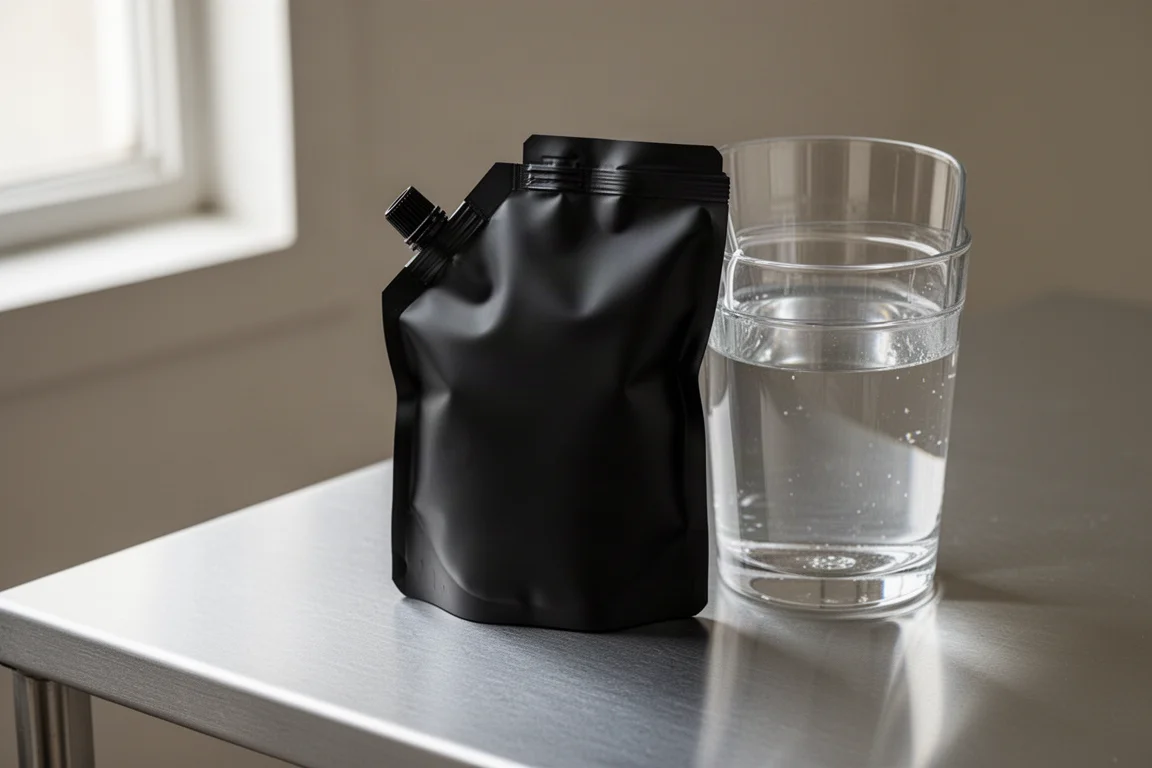
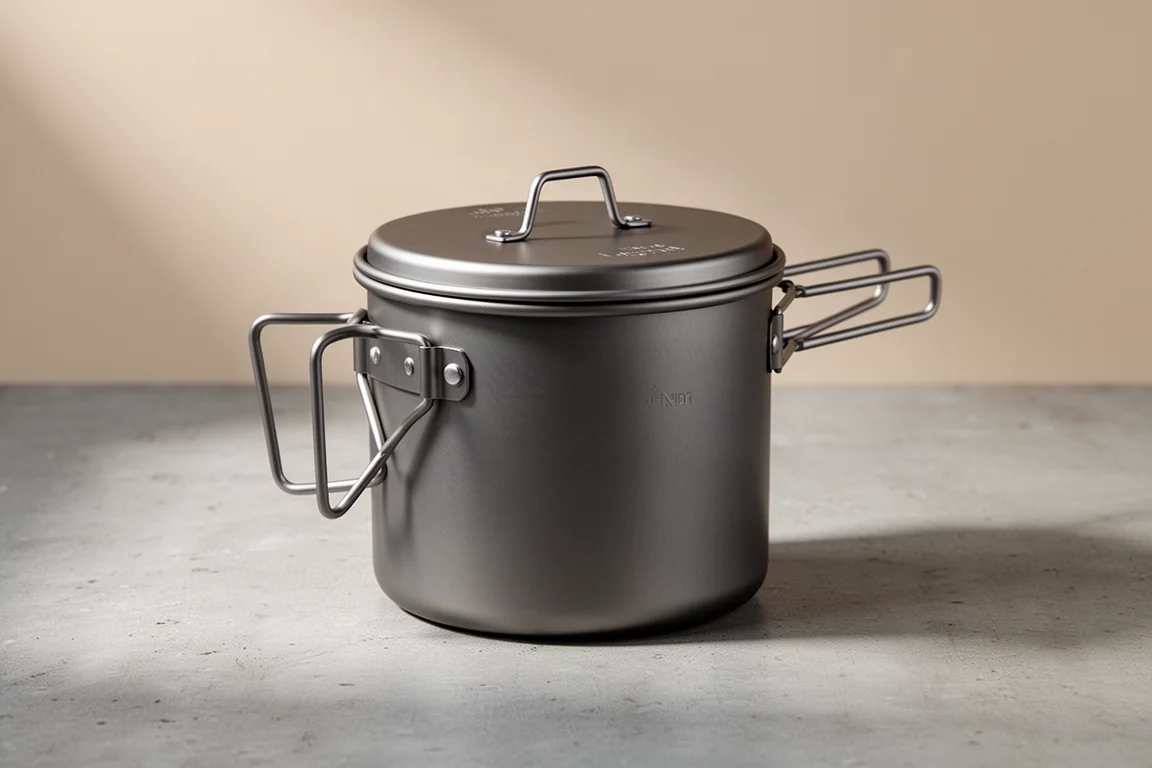
Cook System: Toaks 550ml Titanium Pot
A titanium pot is where cooking weight gets saved. At 550 ml it is sized for one person, a boil of water, and a rehydrated meal, and the titanium construction keeps it light enough to carry without thinking about it.
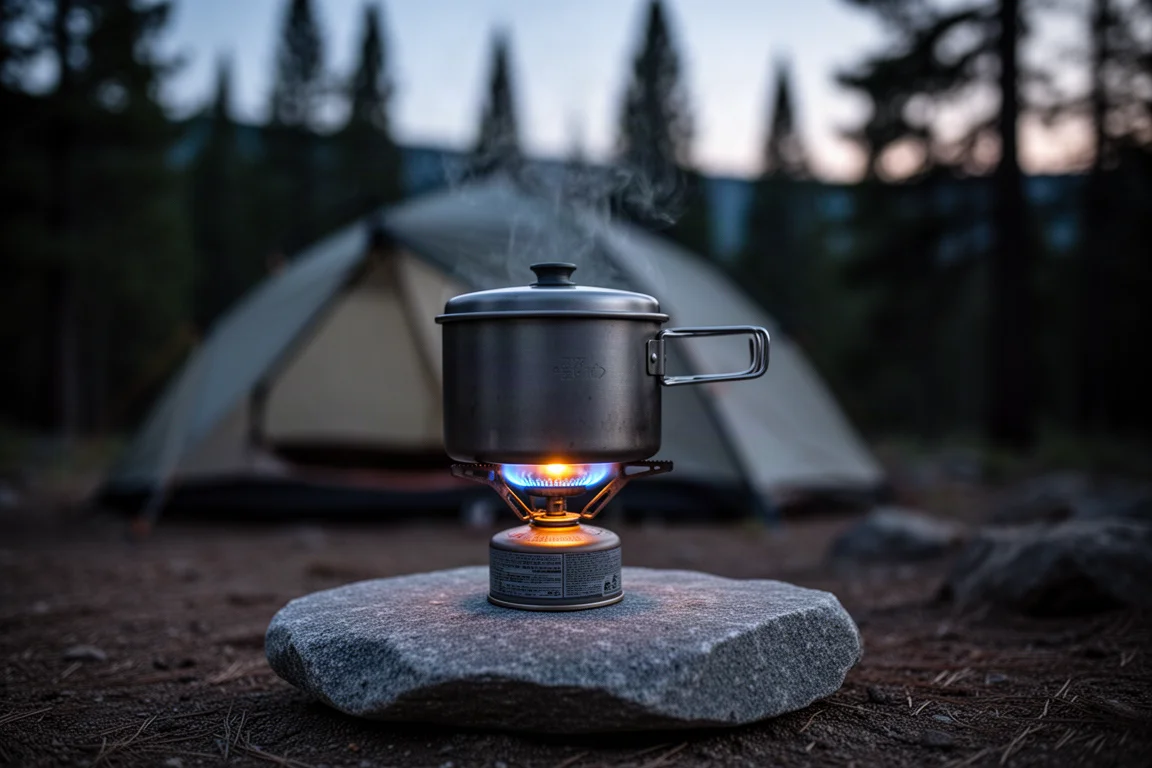
Measurement markings on the inside are the detail that makes it genuinely useful. Etched millilitres take the guesswork out of portioning water for a meal or a drink, which means less wasted fuel and fewer runny dinners.
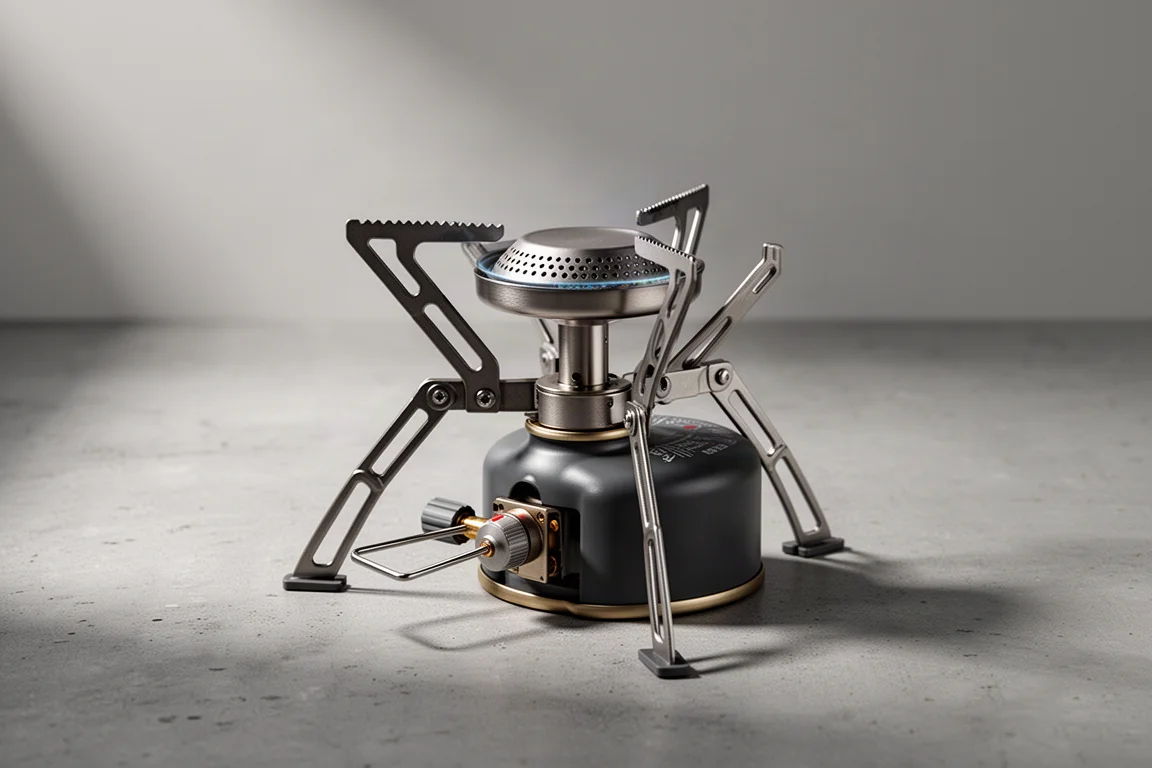
Cook System: Optimus Crux Lite Stove
Reliability is the whole point of a stove, and this one has earned trust the hard way. It kept working after a night of water dripping off a tent onto it, roughly 50 gallons of it, and it lit again after sand worked its way into every crevice.
It folds small enough to tuck beside a pot, and it stays simple enough that there is very little to go wrong in the field.
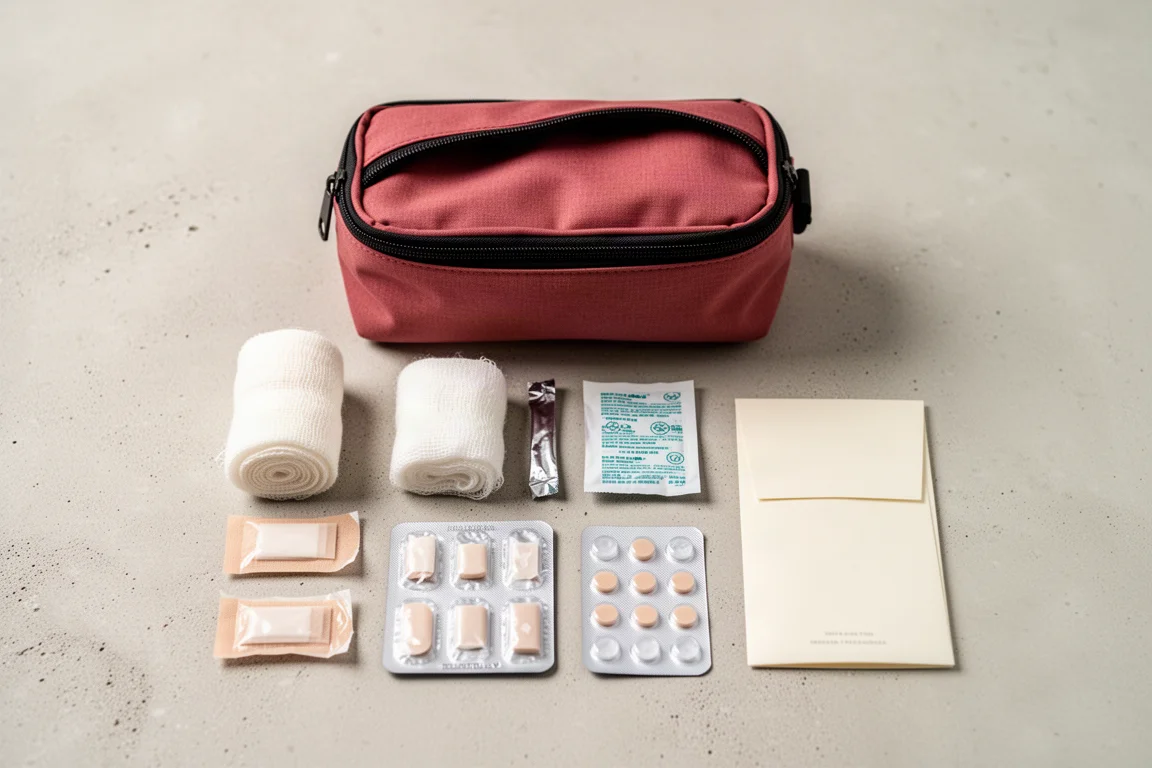
First Aid: Adventure Medical Kits .7 First Aid Kit
Carrying a first aid kit is not optional in the backcountry, and building one from scratch takes time and ongoing attention. A pre-built kit is the fastest shortcut to being prepared.
The larger kit covers the common ground: wraps, bandages, antiseptics, wipes, and medications including ibuprofen. The best practice is to open it before the trip, learn what is inside, and add anything personal on top.
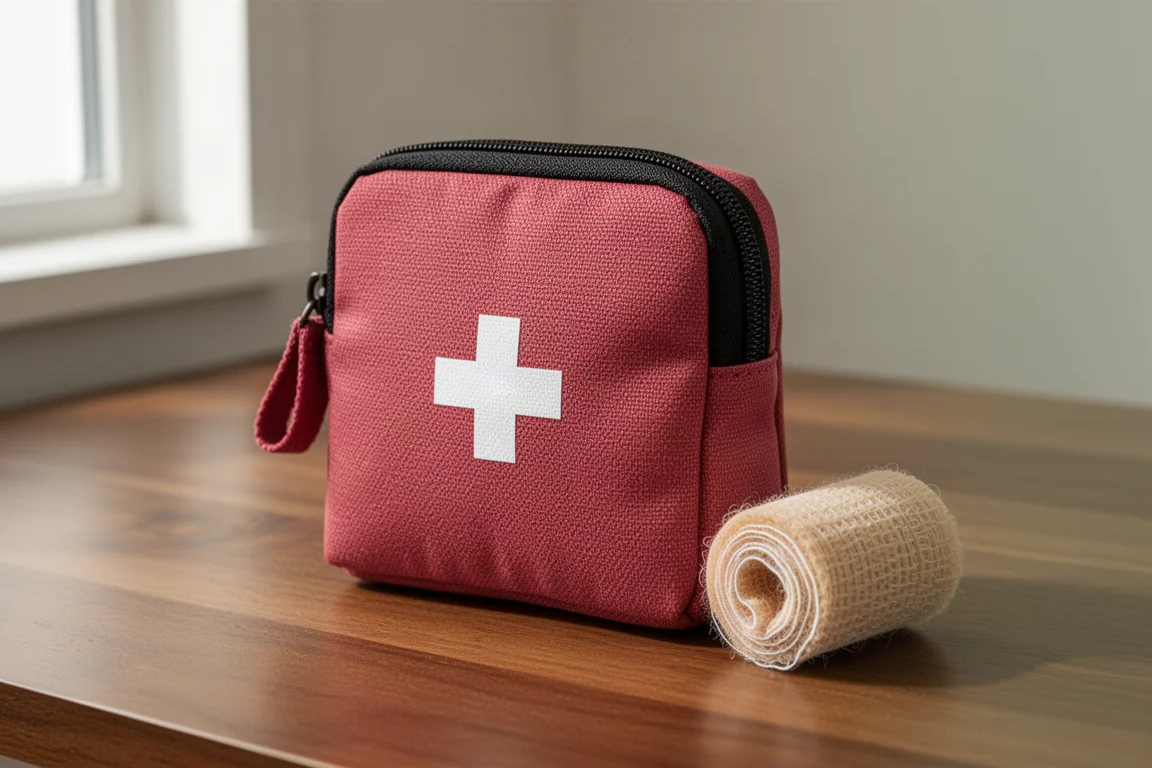
First Aid: Adventure Medical Kits .5 First Aid Kit
The smaller kit suits shorter trips or a lighter carry, and it covers the same basic categories in a more compact package. It is also a sensible second kit for a group, or a good place to start if you prefer to build up your own supplies over time.
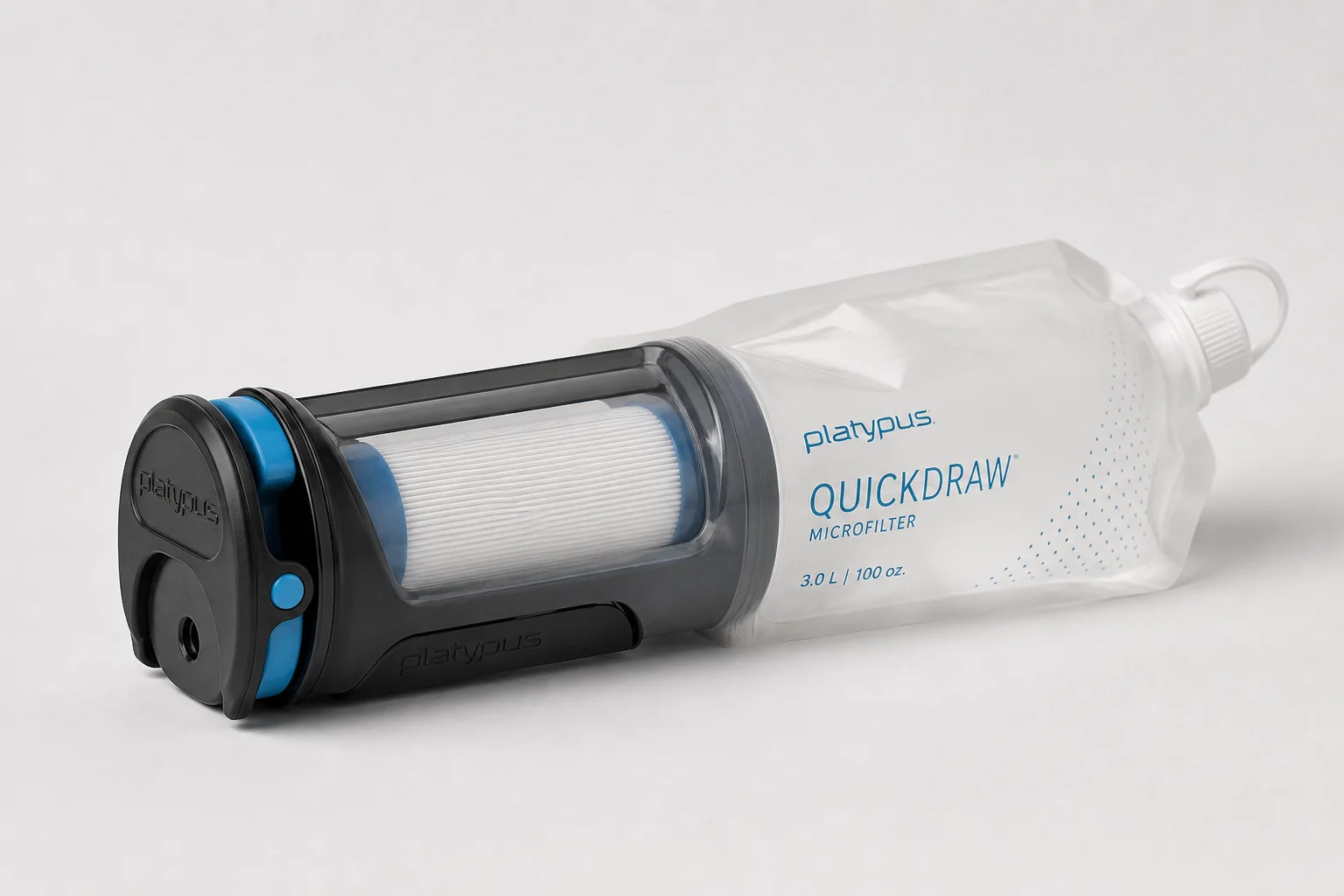
Water Treatment: Platypus QuickDraw
Some way of treating water is essential on almost every backpacking trip, and a squeeze filter is the lightest common answer. This filter lasted a full calendar year of use and was still going strong at the end of it.
What sets it apart is serviceability. It can be backflushed in the field, it seals up cleanly for storage, and the flow rate stays high enough that filling a bottle never turns into a chore. It does cost more than simpler filter options, which is the main trade-off to weigh.
Lighting: Nitecore NU25 UL Headlamp
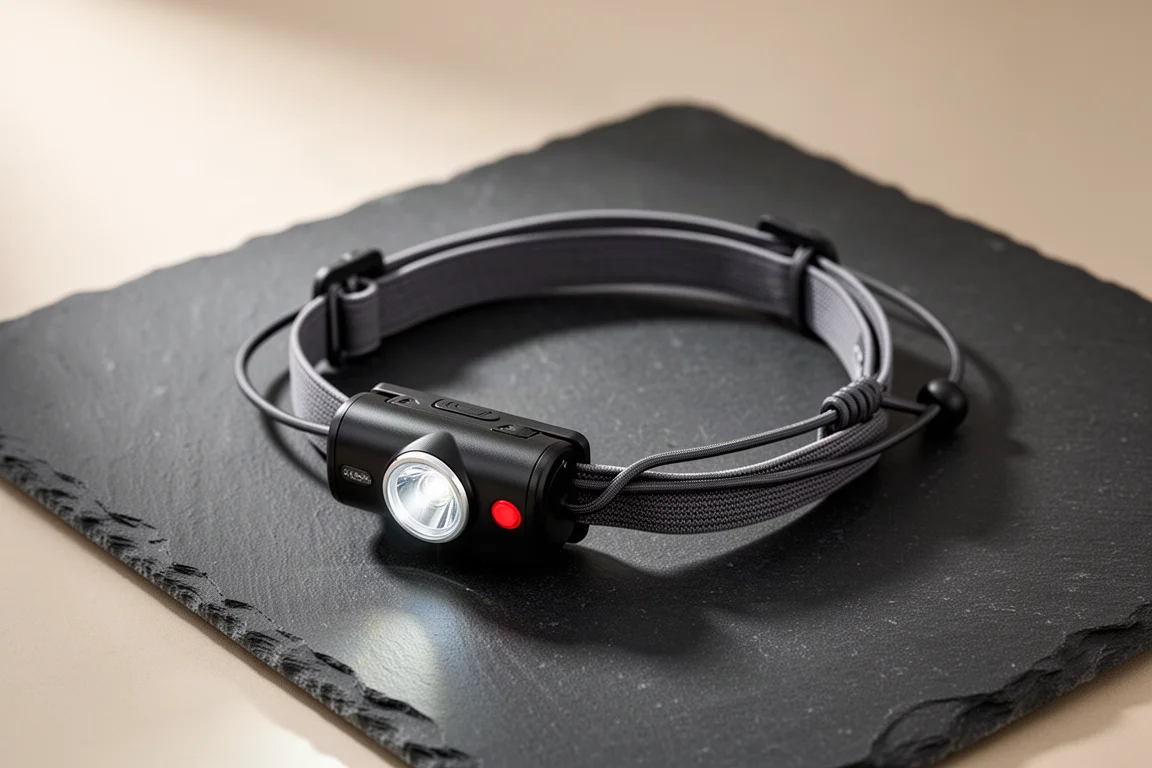
A headlamp is the one item you will reach for every single evening. This ultralight model uses a thin bungee-style headband, has a locking function to prevent accidental activation inside a pack, and offers spot, flood, and combined modes plus a red light and an ultra-dim setting for camp use.
The current version also shows remaining battery level, which removes the guesswork about whether it will last another night.
Lighting: Nitecore HA11 Headlamp
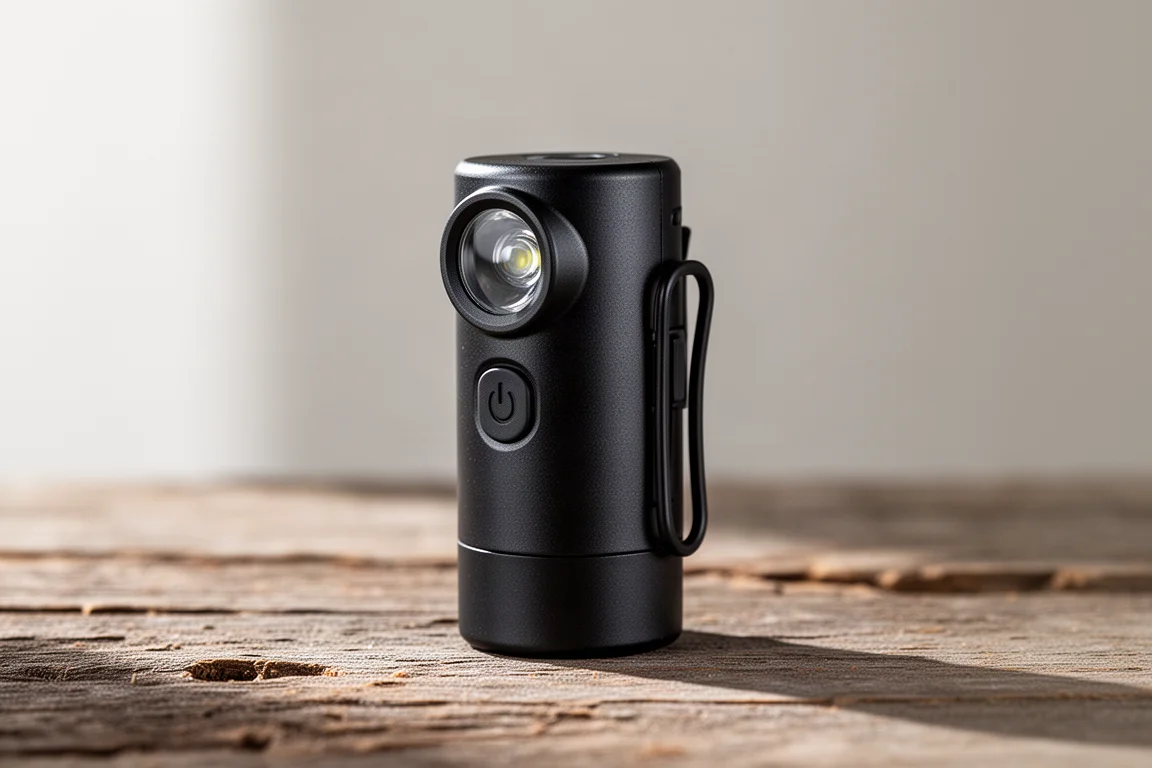
This headlamp runs on a single AA battery, which is the simplest field solution there is: carry one spare and you have effectively doubled your runtime without any charging plan. It is a more basic light, but it is light enough to clip onto the brim of a cap for hands-free use around camp.
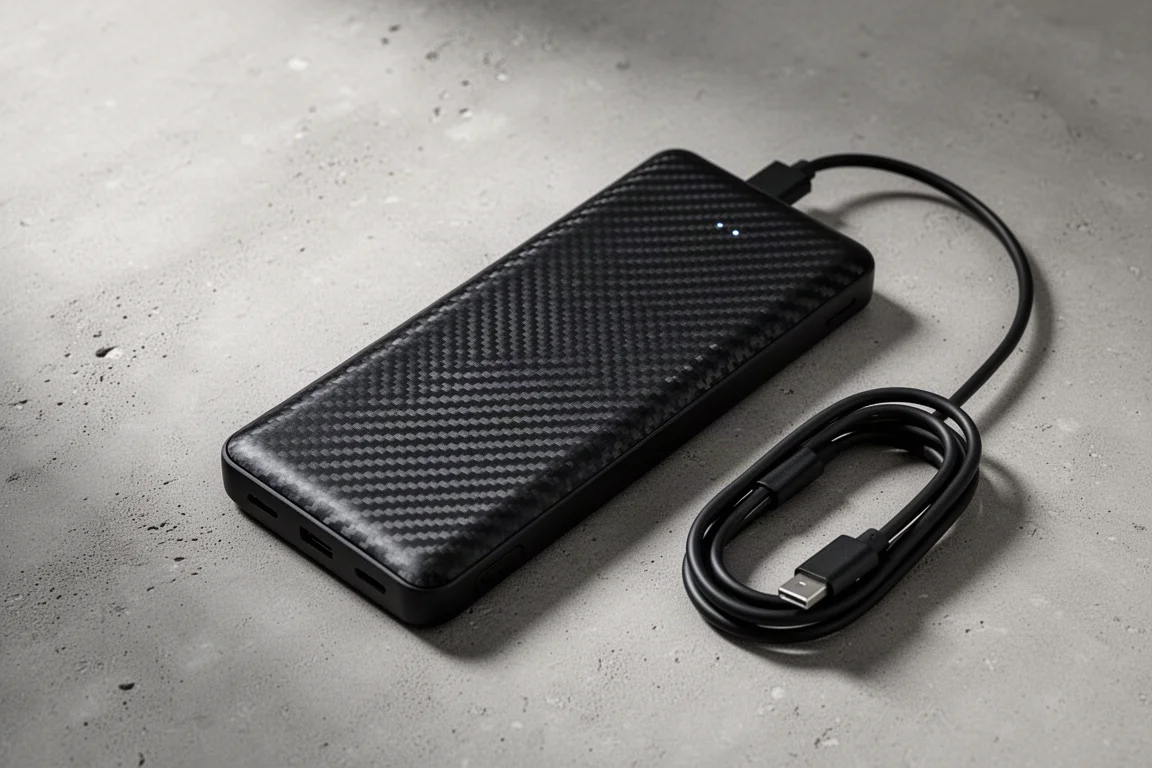
Power: Nitecore NB10000 Battery Bank
Phones, watches, and headlamps all need power on a longer trip, and a battery bank is the difference between a working navigation setup and a dead screen. This one has a carbon fibre body and a 10,000 mAh capacity, and it is claimed to be the lightest 10,000 mAh power bank available.
In practice it is light for its capacity, it has been durable, and it charges the devices that matter without adding much to the pack.
Overall Buying Advice
If you are building this kit from scratch, start with the items that solve safety and logistics rather than comfort. Water treatment, a first aid kit, a headlamp, and a battery bank are the four that are hardest to substitute once you are on the trail.
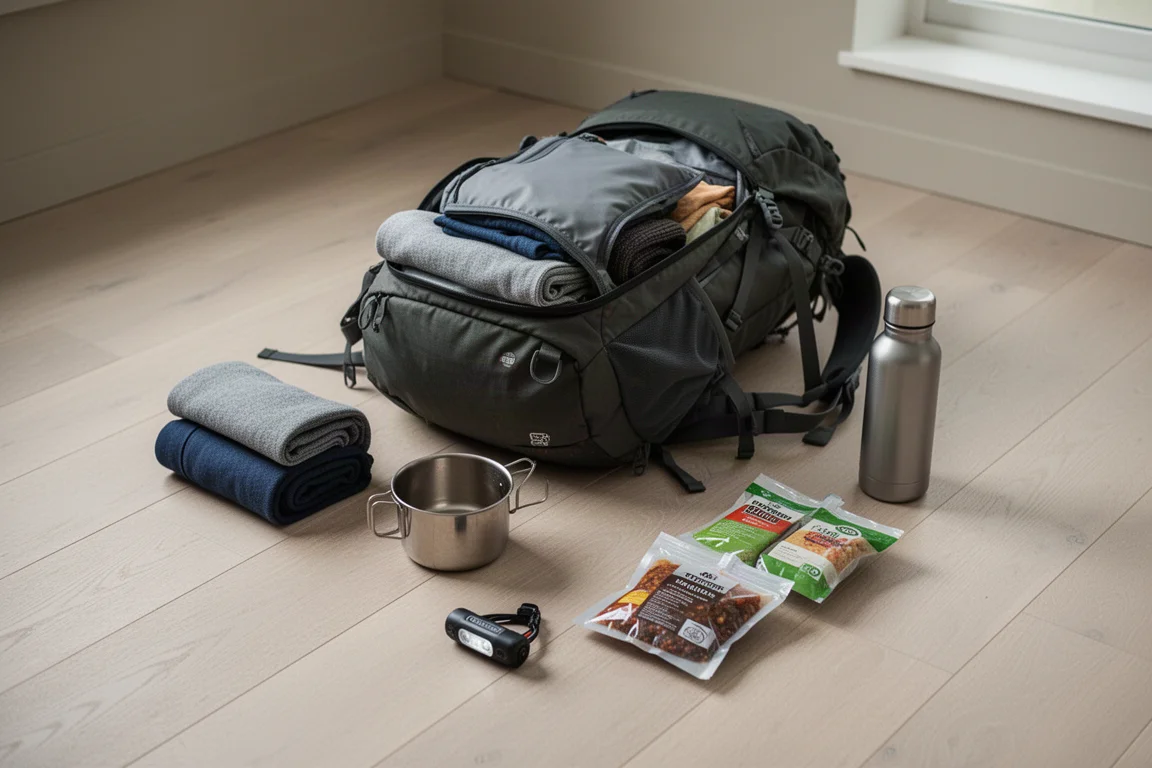
Food and hydration come next. Freeze-dried meals, snack bars, and drink mixes are consumables, so they get replaced every season anyway, which makes them an easy place to try new options without committing to new hardware.
Camp comfort is the last layer, and it is a personal calculation. A pad inflator adds weight that some hikers will not want, and a titanium pot with measurement markings adds convenience that most will. Weigh each item against the trips you actually take, not the trips you imagine taking.
Conclusion
The gear that lasts is the gear that gets used. Navigation on the wrist, a filter that keeps flowing, a stove that lights after a wet night, and a headlamp that still has charge are the things that turn a hard day into a manageable one. Build the safety layer first, then add comfort where it earns its place.
Further reading
Related Reviews

Backpacking Gear
Building a 10 lb Base Weight: An Ultralight Backpacking Gear List
A practical walkthrough of the ultralight pieces behind a 10 lb base weight, from a 765 g pack and a roomy one-person tent to a full camp chair and a dependable water filter.

Backpacking Gear
A 15-Pound Lightweight Backpacking Gear List for Solo Trips
A beginner-friendly 15-pound backpacking setup built from easy-to-find gear, with notes on what each piece does, how it packs, and where to spend your attention.

Backpacking Gear
8 Ultralight Backpacking Gear Upgrades Worth Carrying
Eight small, affordable backpacking upgrades that solve real trail annoyances, from a pillow that stays put to a fuel valve that rescues leftover canister gas.