Backpacking Gear
Backpacking Essentials: 9 Gear Items Worth Carrying on Multi-Day Trips
A practical roundup of nine backpacking essentials covering navigation, camp comfort, cooking, water treatment, first aid, lighting, and power.
Introduction
A backpack is only as good as the gear inside it, and the pieces that earn their place are the ones that keep working trip after trip. The nine items in this guide cover the jobs that matter most on a multi-day route: knowing where you are, sleeping well, cooking and eating, treating water, handling a scrape, seeing in the dark, and keeping devices charged.
Each section explains what the item does, why it earns a spot in the pack, and where it asks for a trade-off. Nothing here is exotic. These are the workhorse pieces that get used on every trip, which is exactly why they are worth choosing carefully.
What to Look For in Backpacking Essentials
Three questions separate useful gear from gear that just adds weight. First, does it replace something heavier or less dependable, such as a phone running navigation with the screen lit? Second, does it survive real conditions, including wet nights, sandy campsites, and repeated pack-and-unpack cycles? Third, does it remove a dependency, whether that is a battery, a fuel source, or a reliable supply of clean water?
Weight still matters, but it is the wrong first filter. A water filter, a first aid kit, and a headlamp are the items where reliability counts far more than grams, because they are the ones you need when conditions turn. Save the gram-counting for comfort items, and spend it on the essentials.
Navigation: COROS Apex 2 Pro
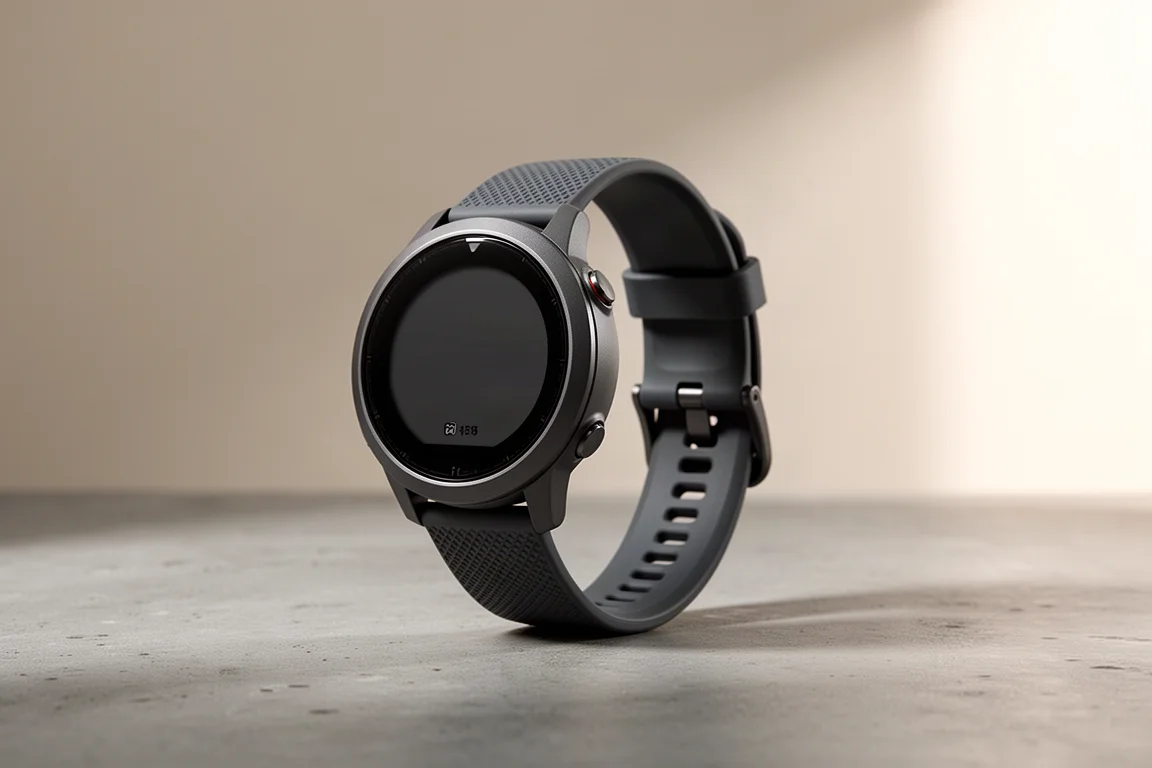
The COROS Apex 2 Pro lives on the wrist and handles navigation directly, which means a phone can stay in a zippered pocket on airplane mode instead of running a mapping app with the screen lit. At a trail junction, a glance at the watch shows which way the route continues, and the hike keeps moving.
Heart rate tracking adds a second layer of usefulness. Watching how the body responds to a climb helps gauge how altitude is being handled and how hydration is holding up over a long day.
The watch also displays elevation progress, showing how much of the climb is done and how much remains, with the completed portion shaded dark and the route ahead in light green. That is a quick check that does not require stopping, unpacking a phone, or waking the GPS.
Battery life is the part that makes the arrangement practical. The watch ran for three to four consecutive days of 20-plus mile hiking without a recharge, which covers most multi-day trips without adding charging gear just for it.
There is also a safety net built into navigating from the wrist. Where a trail quietly branches to the right while the walked line drifts off route, the watch shows the mismatch immediately. Catching that early avoids walking extra distance in the wrong direction, which is the kind of correction that is easy to miss when the phone stays zipped away.
Camp Comfort: Flextail Tiny Pump
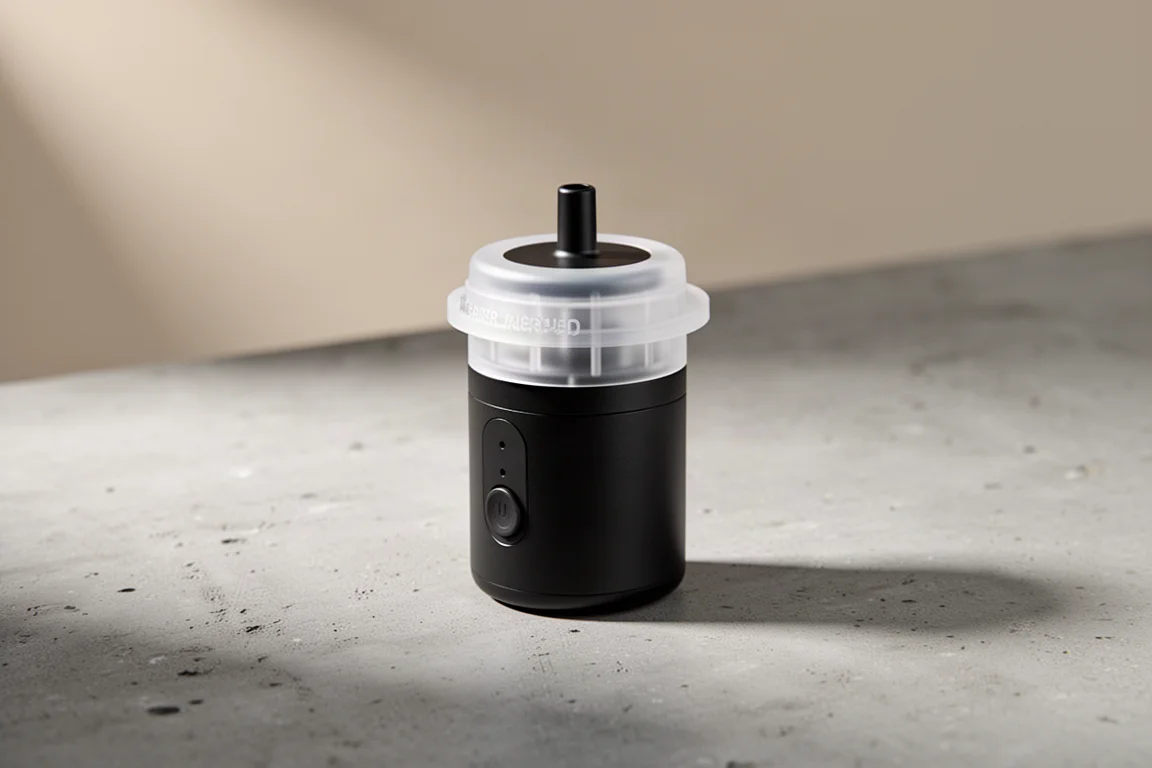
The Flextail Tiny Pump is a sleeping pad inflator that also includes a light. It fills a pad in a fraction of the time and effort of blowing one up by mouth, and the built-in light is a handy extra once camp is set up.
This is a comfort item, and it is worth being honest about that. On trips planned around 20 to 25 mile days, the extra weight is hard to justify. On more relaxed trips with shorter distances and more time in camp, the trade goes the other way, and a faster, firmer pad setup is a genuine upgrade to how the night goes.
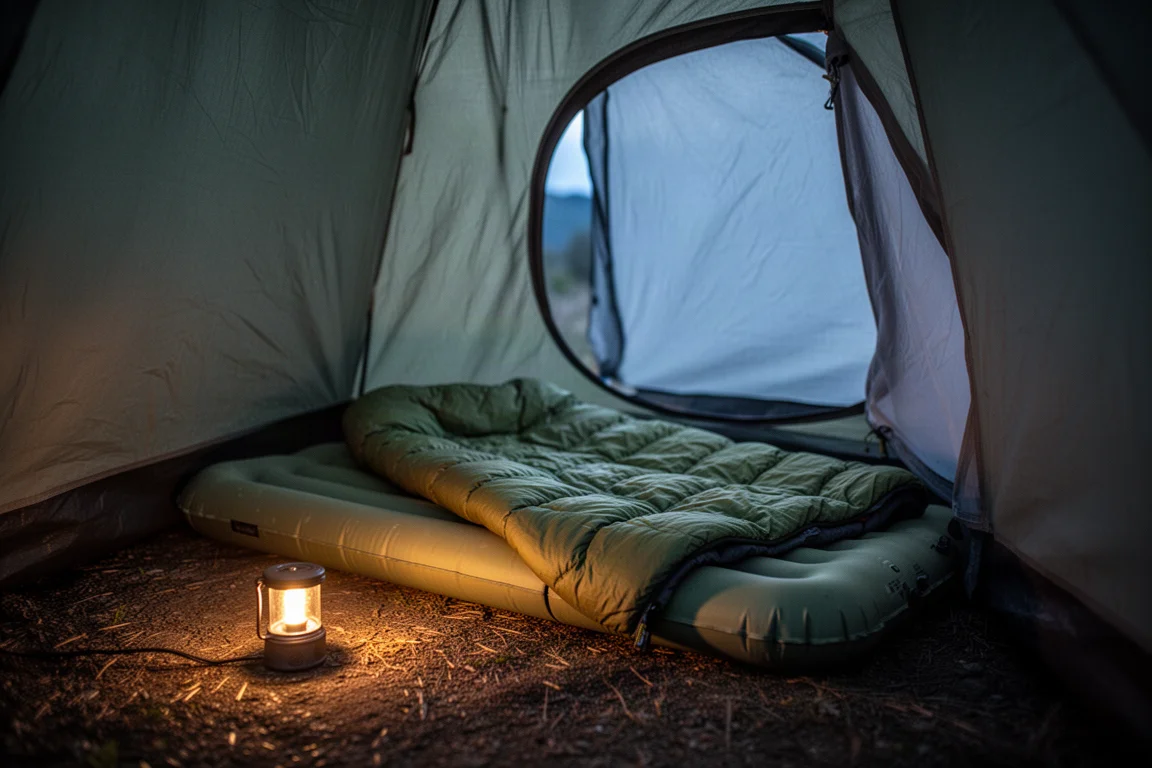
The practical way to think about it is as a trip-dependent item rather than a permanent pack resident. It earns its place on the trips where comfort is the point.
Cook Pot: TOAKS Titanium 550ml Pot
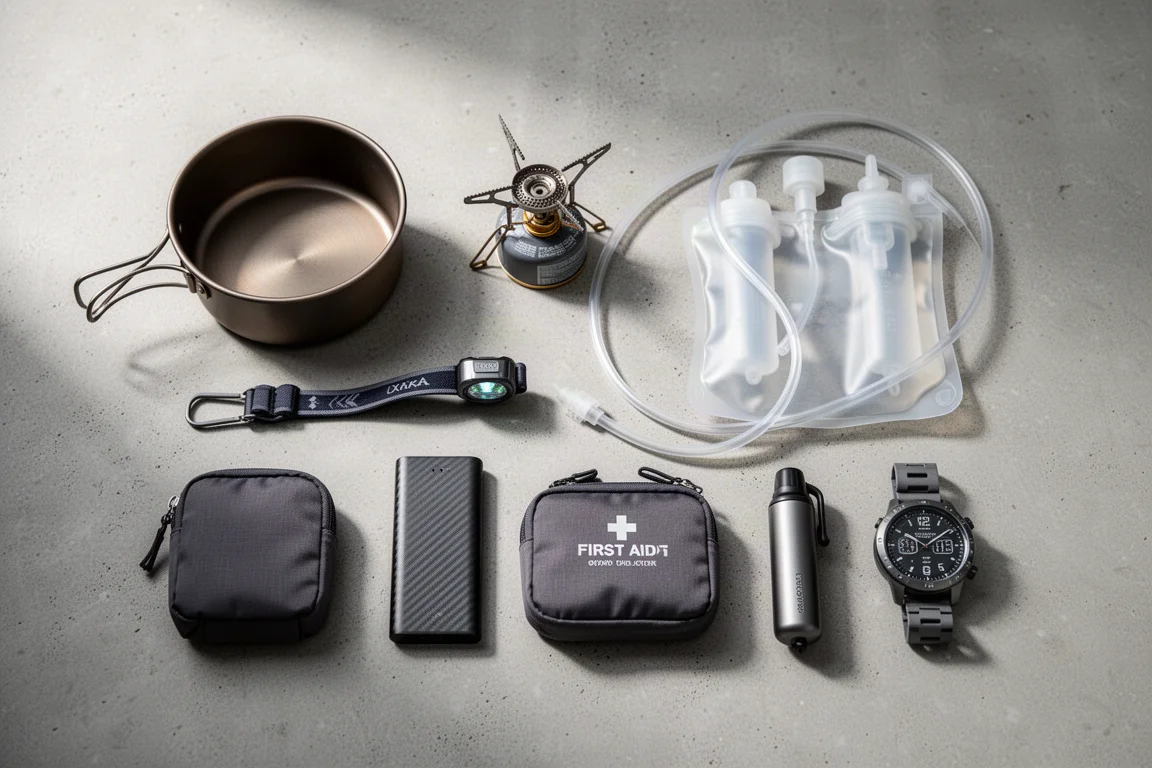
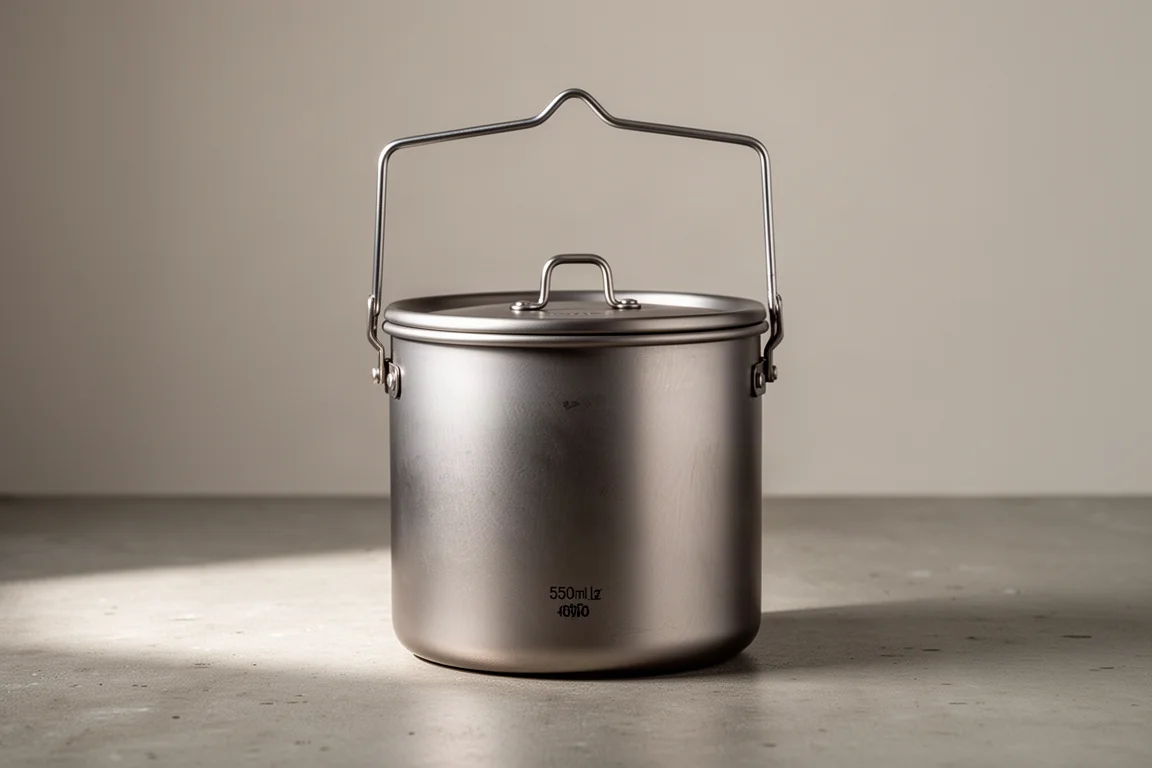
The TOAKS Titanium 550ml Pot is the cooking vessel for a solo setup. Titanium keeps the weight low, and the 550ml capacity is sized for a freeze-dried meal, a hot drink, or both in sequence.
The detail that makes it pleasant to use is the measurement markings on the inside, in ounces and milliliters. Measuring water for a meal or a drink becomes a matter of filling to a line instead of guessing, which matters when you are working with a limited water supply and a meal that needs a specific amount.
Stove: Optimus Crux Lite Stove
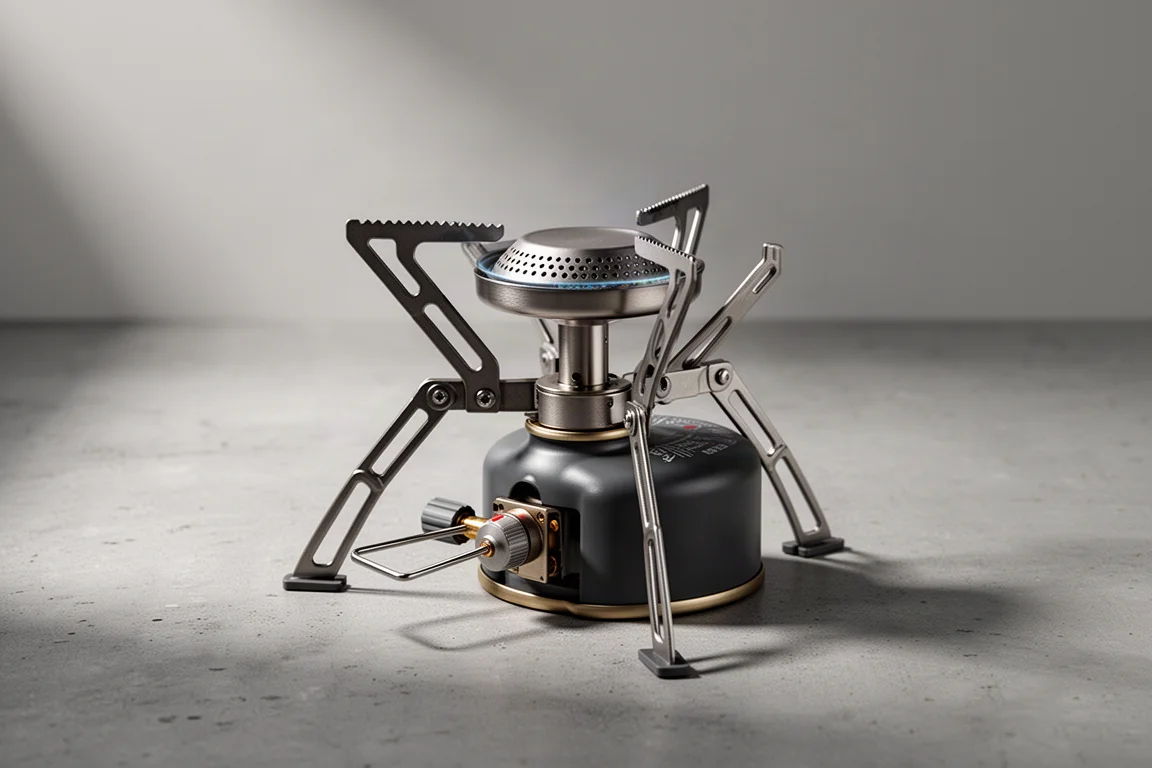
The Optimus Crux Lite Stove is a compact canister stove that has proven unusually hard to kill. It has kept working after roughly 50 gallons of water dripped off a tent onto it overnight, and it has continued to run with sand packed into it. For a piece of gear that is often the only way to get a hot meal, that kind of resilience is worth more than a marginal weight saving.
Cooking technique matters with a stove like this. Bringing water up gradually and simmering toward a boil feels more efficient than blasting the bottom of the pot with a full flame, and it is easier on fuel. Whether that holds up under measurement is a fair question, but the controlled approach is a reasonable default.
Food and Hydration for the Trail
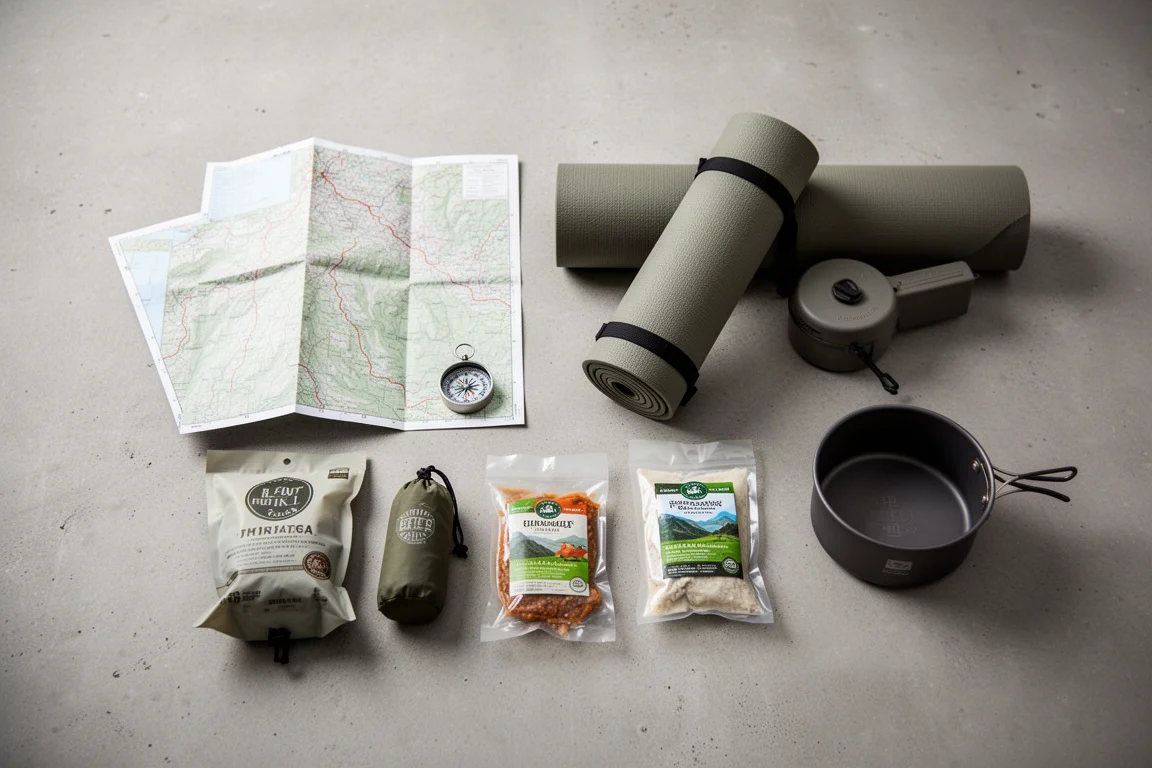
Food is the one category where the pack gets heavier and nobody minds. A typical load covers freeze-dried entrees such as a Packit Gourmet Texas State Fair Chili, sweet items like Peak Refuel Cookie Bites and Honey Stinger Waffles, and drink mixes for both flavor and function, including Skratch Labs Hydration Mix, LMNT, and Mountain Ops Caffeine and Electrolytes.
The pattern worth copying is variety. A real meal for the evening, quick snacks that are easy to eat while walking, and at least one hydration option for the afternoons when plain water stops being appealing. Rotating between a few different items keeps the food bag interesting over several days, which matters more than most people expect by day three.
Water Treatment: Platypus QuickDraw
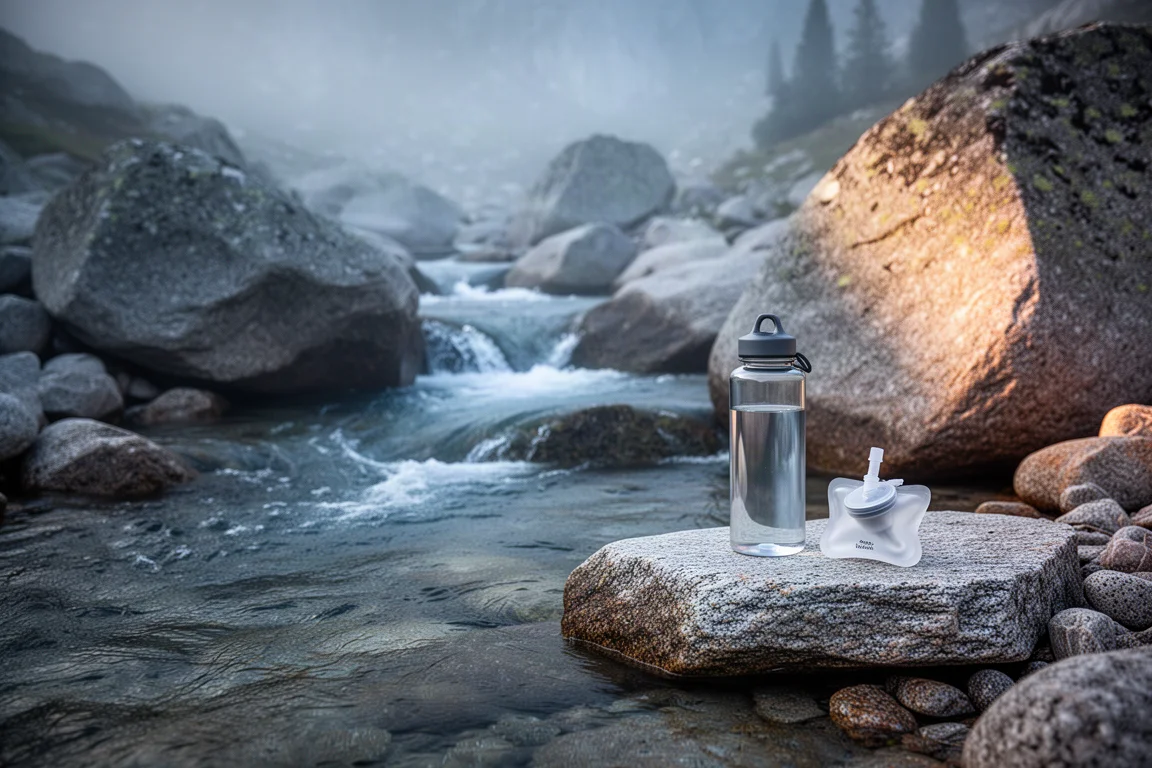
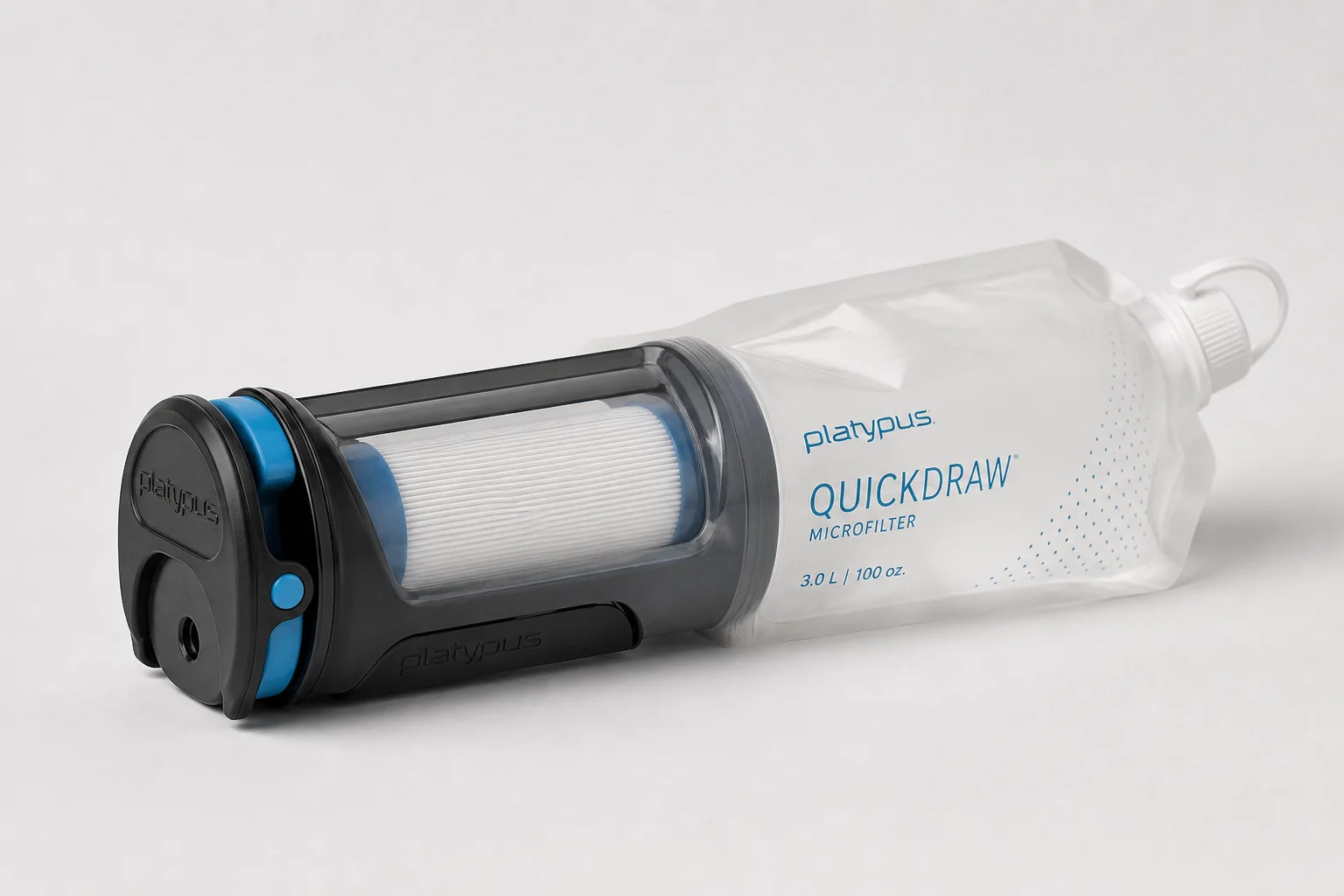
The Platypus QuickDraw is the water treatment method of choice at the moment, and the reason is simple endurance. It is the only filter that has lasted an entire calendar year of regular use and was still going strong at the end of it.
Maintenance is part of why it holds up. The filter can be backflushed, and the system seals up for storage, so it is easy to keep clean and ready between trips. Flow rate is high, which means filling a bottle does not turn into a ten-minute chore at the end of a long day.
The trade-off is price. It costs a little more than a Sawyer-style squeeze filter, and that difference buys the flow rate, the sealing, and the longevity.
Water treatment is the one category where cutting corners has real consequences, and a filter that keeps working for a full season is easier to trust than one that needs replacing partway through.
First Aid: Adventure Medical Kits
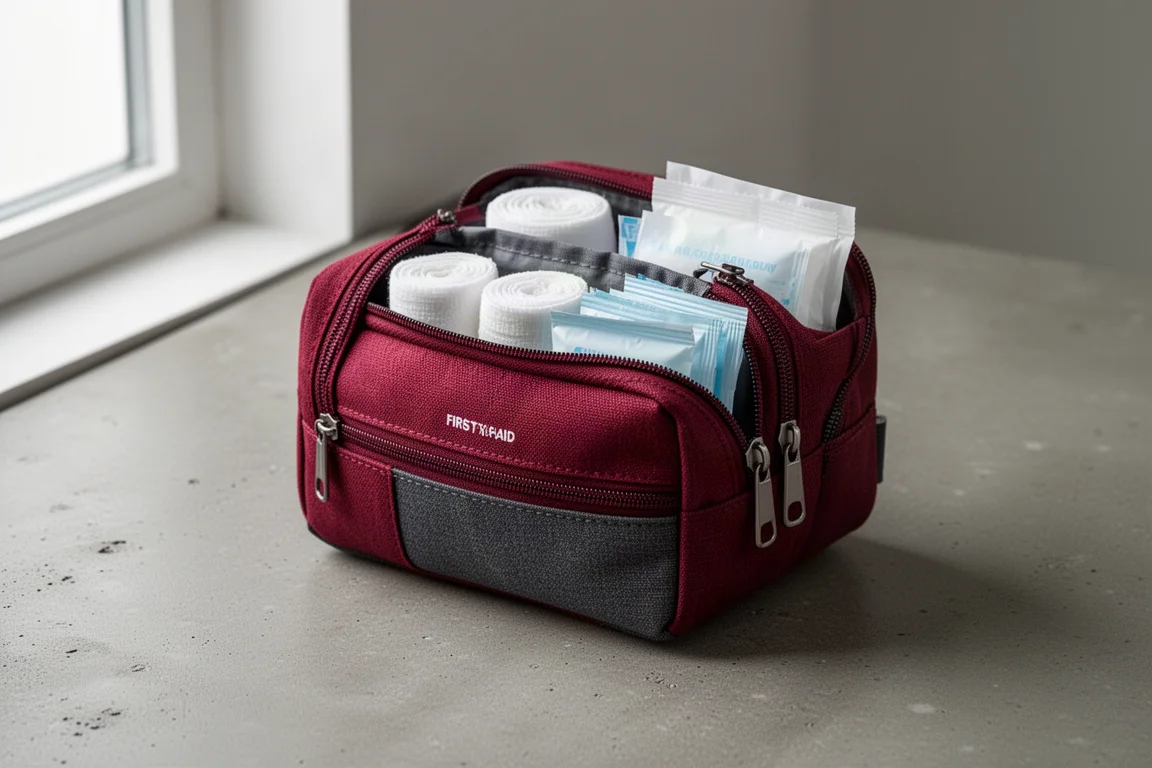
A first aid kit is the item people most often intend to build themselves and then never finish. Assembling one takes conscious effort, time, and ongoing resupply, which is why the ready-made kits from Adventure Medical Kits are a practical shortcut. The .7 and the .5 kits are the two sizes worth considering.
Opening one shows how much is covered out of the gate: wraps, bandages, antiseptics, medications, ibuprofen, and wipes. The recommended approach is not to treat the kit as finished. Go through it before the trip, learn what is inside, and add anything specific to your own needs.
Headlamp: Nitecore NU25 UL
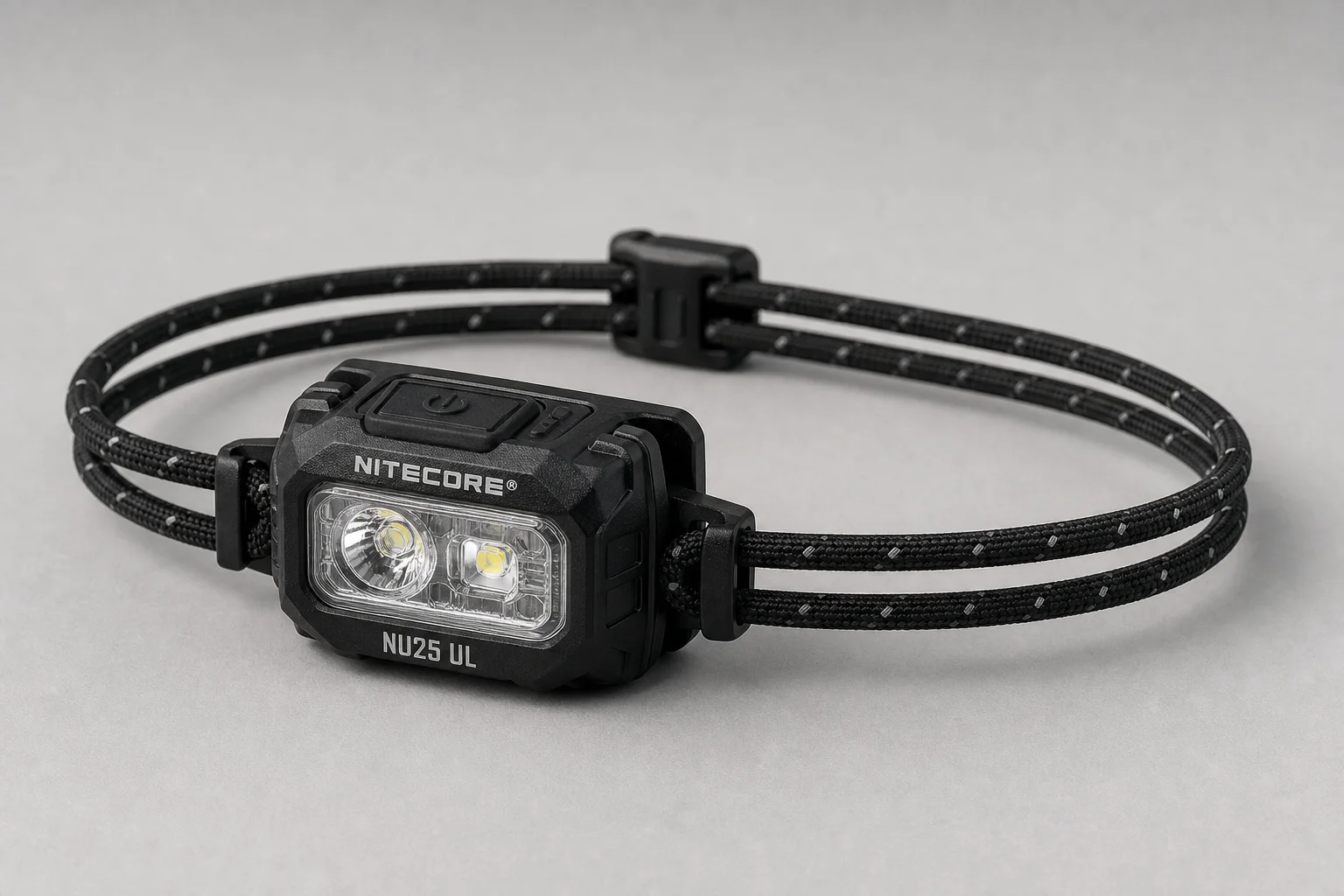
The Nitecore NU25 UL is a rechargeable headlamp that has been in use for a couple of years, and the current version uses a bungee cord headband. It is very light, which matters for something carried on every trip.
The mode set covers more than most people expect from a headlamp this size. There is a lockout to prevent accidental activation inside a pack, spot and higher brightness settings, the ability to toggle between spot, flood, both, and red light, and an ultra dim setting for close work around camp. The current version also adds a battery level indicator, so you can see how much charge remains before committing to a night hike or an early start.
Backup Light: Nitecore HA11
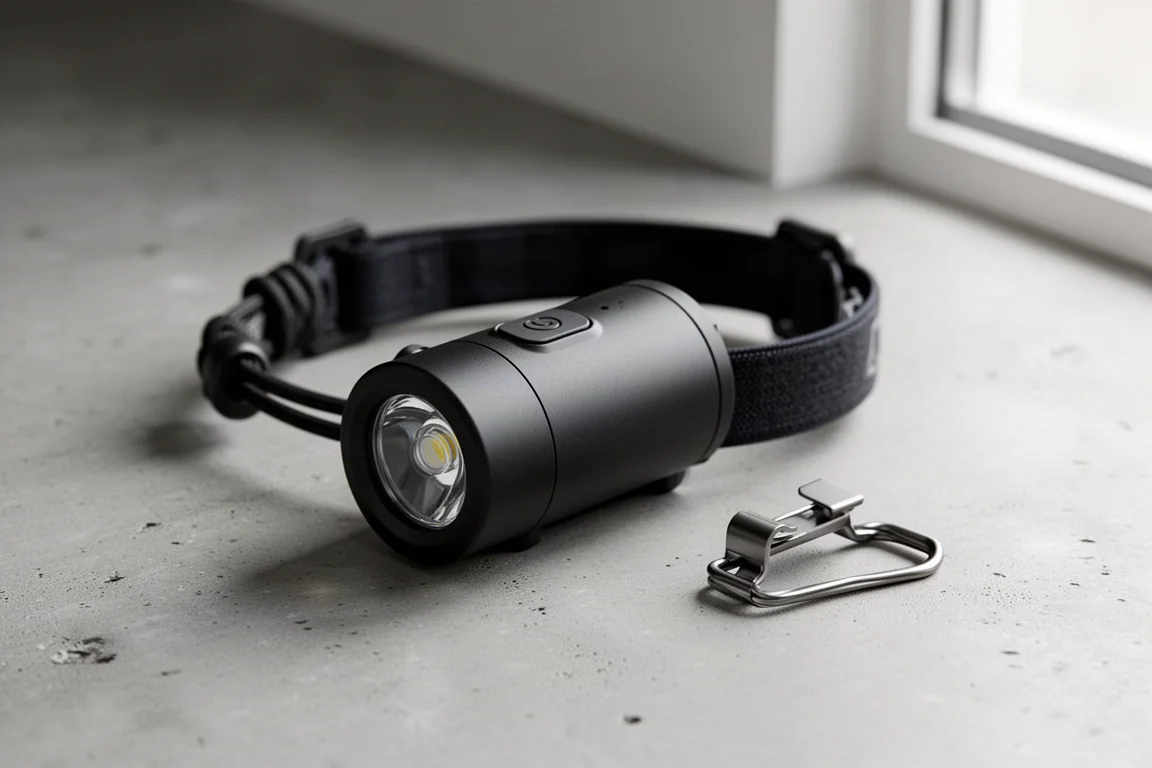
The Nitecore HA11 takes a different approach: it runs on a single AA battery. That means a spare battery can go in the pack, which is useful on trips where the return date is not fixed. It is a more basic light than a rechargeable model, but an excellent one.
The included hat clip is the feature that makes it stand out. The light is light enough to clip onto the brim of a hat, and the bungee headband can be popped off when you would rather run it that way. Between the NU25 UL and the HA11, a pack can cover both a full-featured headlamp and a battery-powered backup.
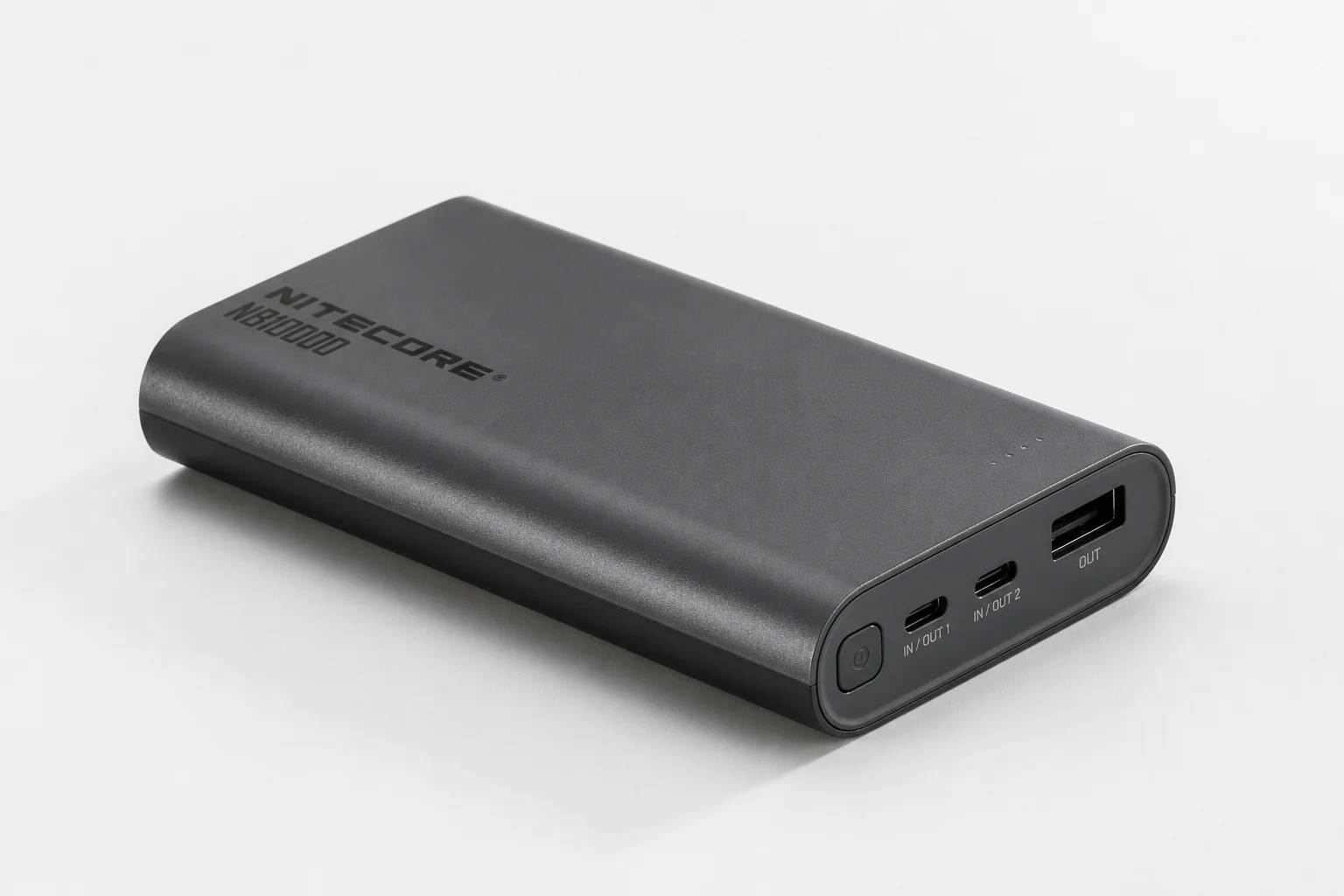
Power Bank: Nitecore NB10000
The Nitecore NB10000 is a 10,000 mAh power bank with a carbon fiber body. It has delivered consistent results over repeated trips, and it is durable enough to ride in a pack without a case.
The headline claim is weight: the manufacturer states it is the lightest 10,000 mAh power bank available. Treat that as a claim rather than a verified fact, but the practical takeaway holds either way, because it is remarkably light for the capacity it carries and it works reliably.
Buying Advice
If the goal is to build a pack that works, start with the two categories that are hardest to improvise: water treatment and first aid. A filter that lasts a full season and a kit that arrives already stocked remove two of the biggest sources of trip-ending problems.
Navigation is the next decision. A watch that keeps a phone in airplane mode pays off in battery savings and in the small corrections that keep a route on track, but it delivers the most value to hikers who regularly walk unfamiliar trails. Lighting and power scale with trip length, and a battery-powered backup headlamp is cheap insurance on longer routes.
Comfort items are the last piece, and they should be judged trip by trip. A pad inflator is extra weight on a 25 mile day and a clear win on a relaxed weekend. Buy for the trips you actually take, and the pack stays honest.
Conclusion
Nine items, one theme: gear that keeps working when it matters. A navigation watch that spares the phone battery, a filter that lasts a season, cook gear that survives abuse, and lighting and power that hold up across multiple days cover nearly everything a multi-day backpacking trip demands. Choose the pieces that match your routes, and each one earns its place.
Further reading
Related Reviews

Backpacking Gear
Building a 10 lb Base Weight: An Ultralight Backpacking Gear List
A practical walkthrough of the ultralight pieces behind a 10 lb base weight, from a 765 g pack and a roomy one-person tent to a full camp chair and a dependable water filter.
Backpacking Gear
A 15-Pound Lightweight Backpacking Gear List for Solo Trips
A beginner-friendly 15-pound backpacking setup built from easy-to-find gear, with notes on what each piece does, how it packs, and where to spend your attention.
Backpacking Gear
8 Ultralight Backpacking Gear Upgrades Worth Carrying
Eight small, affordable backpacking upgrades that solve real trail annoyances, from a pillow that stays put to a fuel valve that rescues leftover canister gas.